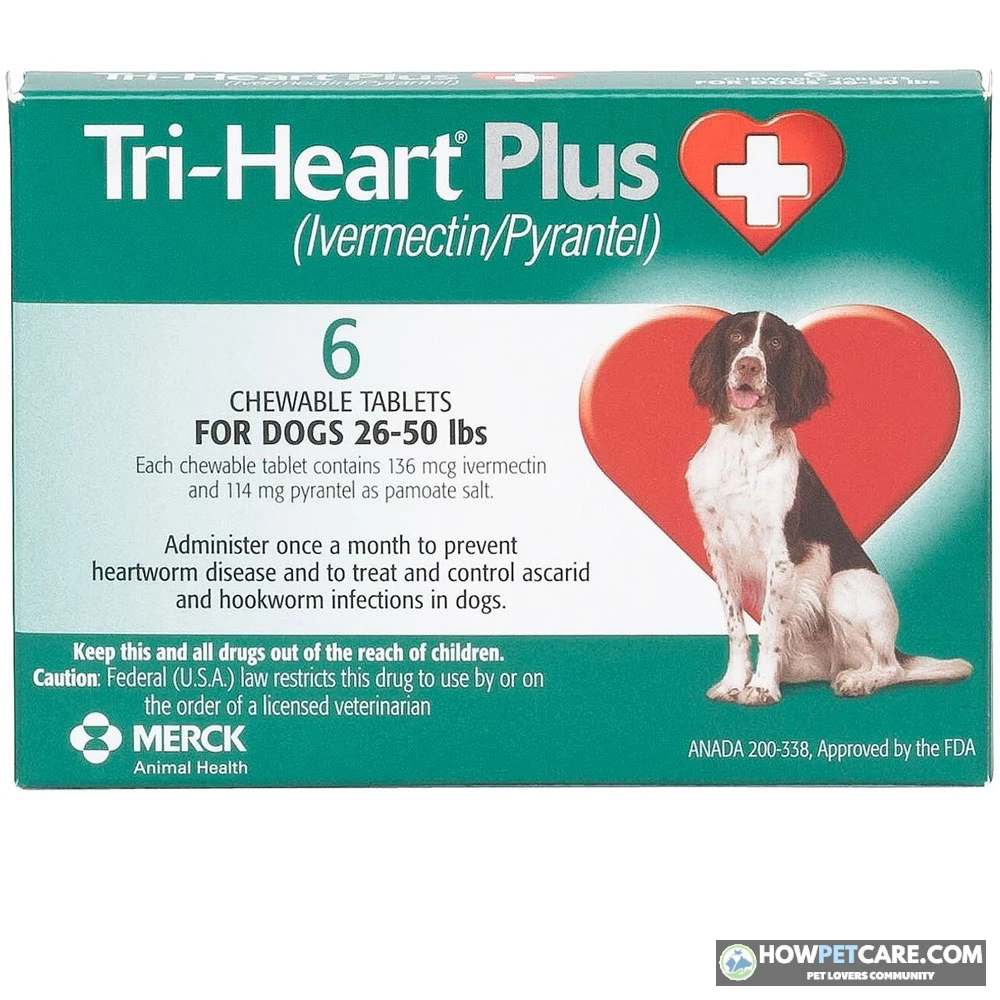

Ivermectin is a prescription antiparasitic used in dogs mainly for monthly heartworm prevention (about 6 mcg/kg) and, off-label at roughly 50× higher doses, for mange. It is safe at label doses for most dogs, but MDR1 (ABCB1) mutation carriers and livestock formulations pose a serious neurotoxicity risk.
Ivermectin is safe for most dogs at the low dose found in monthly heartworm preventives. The risk rises when the dose goes far above that range or a dog carries the MDR1 gene mutation, which disables a protective pump in the brain. This guide explains those two exceptions, how veterinarians dose by weight, and why the preventive dose and the mange dose differ by roughly 50×. It also covers MDR1 cheek-swab testing, the first hour of a suspected overdose, missed heartworm doses, and alternatives for sensitive dogs. This is not a self-dosing chart — every decision still requires a veterinary prescription and a current heartworm test.
Is Ivermectin Safe for Dogs? Yes at Label Doses, With Two Big Exceptions
Ivermectin has been used safely for decades at the low dose in monthly heartworm preventives (about 6 mcg/kg). That safety margin depends on P-glycoprotein, a pump at the blood-brain barrier that keeps ivermectin out of the central nervous system. Dogs with the MDR1 (ABCB1) mutation have a defective pump, so even standard doses can cause neurotoxicity. The other exception is a dose far above the preventive range — such as the higher doses used off-label for mange or the concentrated livestock formulations owners sometimes try to repurpose.
This article covers:
- Approved and off-label uses (heartworm prevention, mange, other parasites)
- Breed risk and step-by-step MDR1 testing
- How vets calculate weight-based doses and why you should never guess
- Mange treatment: dose escalation, sensitivity checks, and monitoring
- Side effects versus toxicity, and a numbered first-hour overdose protocol
- Missed-dose grace periods, retesting, and an explanation of conflicting advice
- Named alternatives for MDR1-sensitive dogs and legitimate prescription channels
- A decision checklist to use before the next dose
Ivermectin for dogs is a prescription drug in the United States. Before authorizing it, a veterinarian needs a current negative heartworm test, a recent weight, and your dog’s MDR1 status (if a herding breed or mix). Products sold "without a prescription" and livestock formulations (Ivomec, horse paste, cattle pour-on) are not safe substitutes and are a leading cause of poisoning.
What Ivermectin Is Used for in Dogs: Heartworm Prevention, Mange and Off-Label Parasite Control
Heartworm disease prevention and why a test comes first
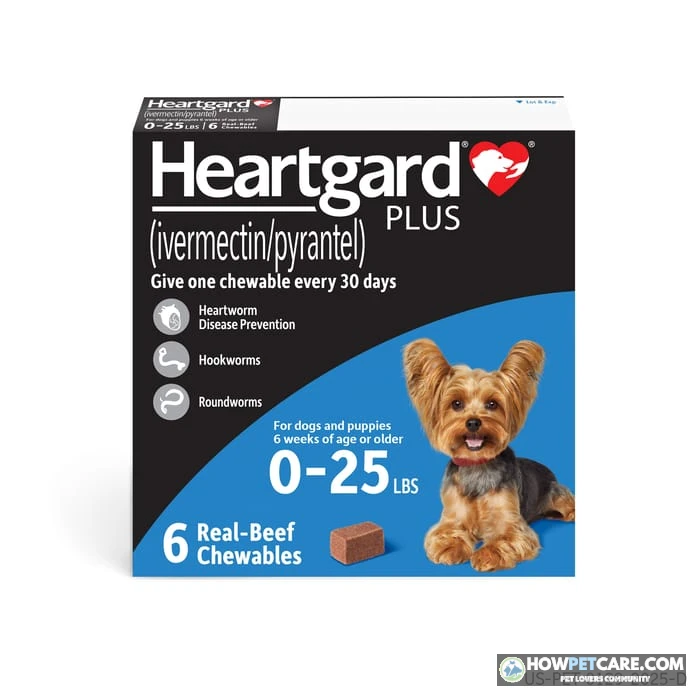
Monthly ivermectin prevents heartworm disease by killing Dirofilaria immitis larvae (microfilariae) acquired from mosquito bites in the preceding weeks. It does not kill adult worms, so a negative heartworm antigen test is mandatory before starting prevention. Most products combine ivermectin with pyrantel to treat roundworms and hookworms as well. See our article on worms in dog poop for identification details.
Mange and other off-label parasite uses
Veterinarians frequently prescribe ivermectin off-label for demodectic and sarcoptic mange. "Off-label" means the FDA has not approved that specific indication for dogs; the use is legal, common, and based on clinical judgment. The mange dose is roughly 50 times higher than the heartworm preventive dose. Other off-label uses include certain ear mites and lice; for ear mites, see our planned dog ear mites article.
Does ivermectin kill fleas and ticks? Why sources disagree
The sources genuinely disagree. The Merck Veterinary Manual and VIN say ivermectin is not effective against fleas or ticks, while the AKC and some hospital articles describe broader ectoparasite activity. Ivermectin has documented activity against some mites and lice, which likely fuels those broader claims, but it is not a reliable flea or tick control and is not labeled for either. If your dog has fleas or ticks, use a dedicated product, typically an isoxazoline or a topical. See our dog tick article for more.
The human ivermectin debate during the pandemic does not change canine dosing. Veterinary products, doses, and safety data are separate.
Which Dog Breeds Are Sensitive to Ivermectin, and How to Get an MDR1 Test
The MDR1 mutation disables P-glycoprotein, allowing ivermectin to accumulate in the brain and cause neurotoxicity. Even MDR1-mutant dogs are generally safe at the low heartworm preventive dose, but higher doses, including mange protocols and livestock products, pose a severe risk.
Breeds most likely to carry the MDR1 mutation
| Breed | Estimated mutation frequency |
|---|---|
| Collie (US) | ~75% |
| Australian Shepherd (incl. Miniature) | Up to 75% |
| Shetland Sheepdog | High |
| Old English Sheepdog | High |
| English Shepherd | High |
| McNab | High |
| Long-haired Whippet | High |
| Silken Windhound | High |
| German Shepherd | Lower but documented |
| Border Collie | Lower but documented |
| Any herding-type mix or rescue of unknown ancestry | Test recommended |

A dog that looks like a herding mix can carry the mutation. When in doubt, test — it’s a one-time cheek swab that informs future medication decisions.
How to order and collect a cheek-swab MDR1 test
-
Choose a lab
The two most commonly used labs are the Washington State University Veterinary Clinical Pharmacology Lab and the UC Davis Veterinary Genetics Laboratory. Both sell direct-to-owner kits online; your vet can also order and submit one.
-
Order the kit
Expect to pay roughly the cost of a routine vet visit. Pricing changes, so check the lab’s current page. A clinic submission may add a small handling fee.
-
Prep your dog
Withhold food for about 30–60 minutes before swabbing so milk or kibble residue doesn’t contaminate the sample. Water is fine.
-
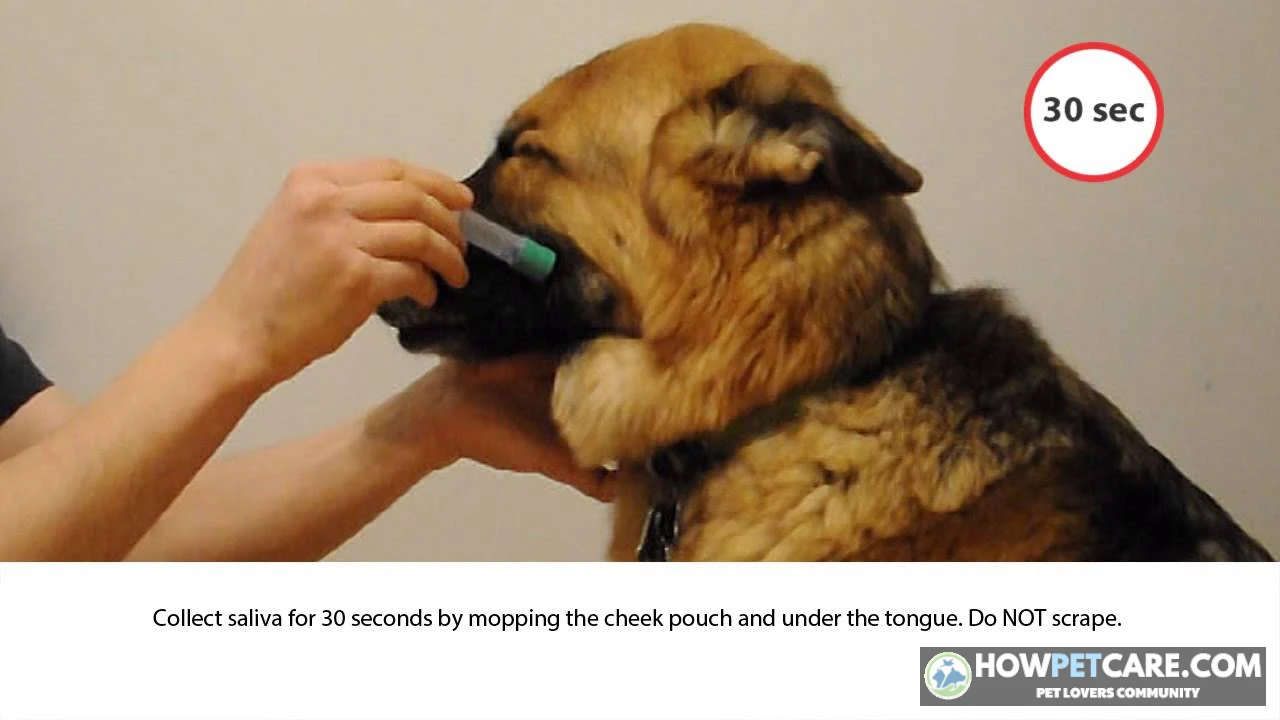
Swab the cheek
Rub the provided brush/swab firmly against the inside of the cheek, following the kit’s rotation count. You need cells, not saliva. Avoid touching the tip.
-
Air-dry and mail
Let the swab dry as instructed, seal it in the return packaging, and mail it back.
-
Wait for results
Turnaround is typically a few days to two weeks.
What normal/normal, mutant/normal and mutant/mutant results mean
- Normal/normal — no mutation; standard ivermectin risk profile.
- Mutant/normal — one copy (carrier); some sensitivity is possible at higher doses. Tell your vet before any off-label use.
- Mutant/mutant — two copies; highest risk. High-dose ivermectin is generally avoided, and an alternative drug is usually chosen.
The result is permanent. Save the report and share it with every future veterinarian. When MDR1 status is unknown, vets sometimes use a low-dose sensitivity test (a small supervised dose with observation). It’s a clinic procedure, not a home experiment.
Test before starting any mange protocol, if your dog is a herding breed or mix, or if you adopted a rescue of unknown ancestry. The one-time cost can prevent an emergency later.
How Vets Dose Ivermectin for Dogs by Weight (and Why You Should Not Guess)
Ivermectin is dosed in micrograms per kilogram (mcg/kg). In a small dog, even a small error is a large percentage error. That’s why weight-based dosing is non-negotiable.
Preventive dose versus mange dose: the roughly 50× gap
Monthly heartworm products deliver about 6 mcg/kg — a deliberately low dose that stays well within the safety margin for almost all dogs. Off-label mange protocols commonly use 300–600 mcg/kg, about 50 times higher. Never try to bridge that gap by giving extra heartworm chews. Stacking chews to reach a mange-level dose is exactly how accidental poisonings happen.
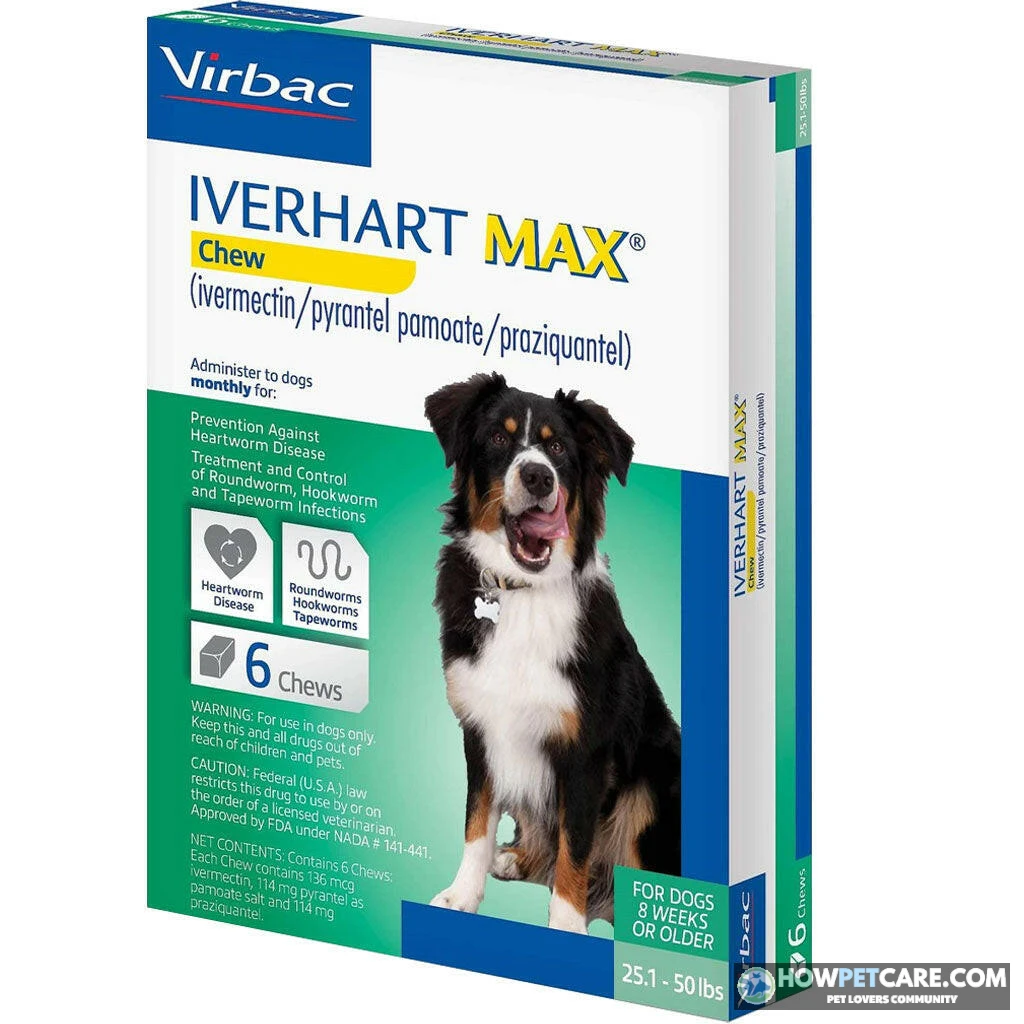
How weight brackets in prescription heartworm products map to dog size
Heartworm preventives come in fixed weight brackets to keep the dose within a tested safe range. The table shows a typical label-level pattern; exact brackets vary by brand.
| Dog size | Label weight bracket | Product format | What the vet checks first | Notes |
|---|---|---|---|---|
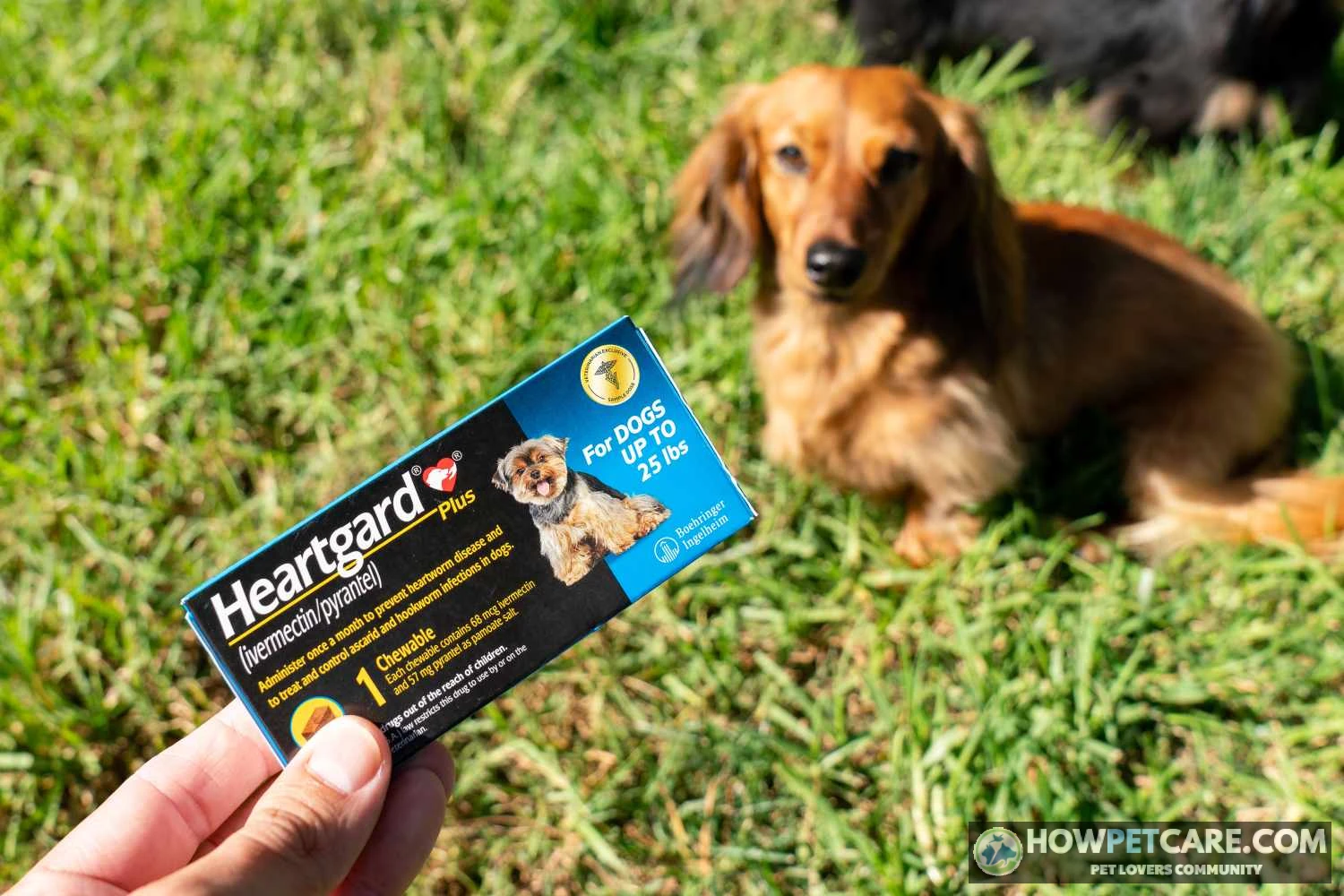
| Small | Up to 25 lb (11 kg) | Chewable tablet | Current weight, heartworm test, MDR1 status | One chew monthly |
| Medium | 26–50 lb (12–23 kg) | Chewable tablet | Same as above | One chew monthly |
| Large | 51–100 lb (23–45 kg) | Chewable tablet | Same as above | One chew monthly |
| Giant | Over 100 lb (45 kg) | Two chews or different product | Same as above | Vet selects appropriate product |
Why horse paste and livestock products are the wrong tool
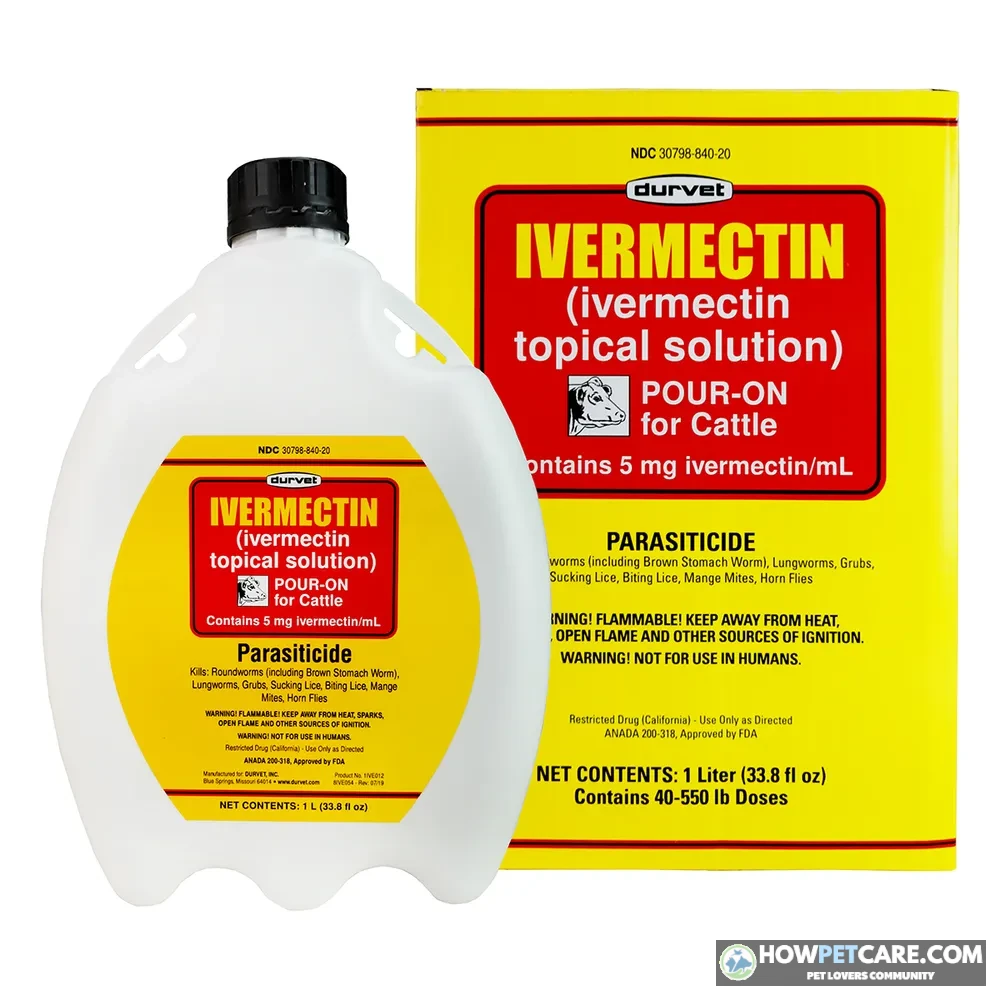
Livestock formulations (injectable, pour-on, horse paste) are concentrated for animals weighing hundreds of pounds. An error of even a drop can cause a massive overdose in a dog — the leading cause of ivermectin poisoning. Milliliter conversions from these products are guesswork; there’s no safe way to do it at home.
What a vet takes into account
- Current weight (weigh again before each refill if the dog is growing)
- Negative heartworm test result
- MDR1 status (tested or assumed based on breed)
- Other medications that can raise ivermectin exposure (e.g., ketoconazole, cyclosporine, spinosad — see interaction warning below)
- Liver and neurologic history
- Age (most products labeled for puppies ≥6 weeks)
Do not combine high-dose ivermectin (mange protocols) with spinosad (Comfortis, Trifexis). The combination increases the risk of serious neurologic side effects.
How Ivermectin Mange Treatment Works: Dose Escalation, Sensitivity Testing and Monitoring
Confirming the mange type before treatment
A skin scraping or other diagnostic test identifies demodectic or sarcoptic mange before treatment starts. Sarcoptic mange can be elusive, so a vet may treat it on strong suspicion. In adult dogs, demodectic mange often signals an underlying immune issue worth investigating. Sarcoptic mange is contagious to other dogs and can cause temporary itching in people. Other biting pests around the home are a separate problem — our guide to safe bed bug care for cats covers bite treatment and cleanup in cat homes.
The low-dose sensitivity check and stepwise dose increases
Because of the 50× dose gap, mange treatment involves a controlled escalation:
- Test dose — a low, supervised dose given in the clinic.
- Observation — watch for drooling, lethargy, wobbliness, dilated pupils, or other neurologic signs.
- Stepwise increase — if the test dose is tolerated, the vet raises the dose in steps toward the therapeutic range (300–600 mcg/kg). The veterinarian sets the exact schedule.
- Duration — treatment typically runs weeks to months; it ends after repeated negative skin scrapings, not just visual improvement.
What to track at home and when to call the vet
- Check appetite, gait, pupil size, behavior, and drooling daily.
- Keep a written log of what you observe.
- Stop-and-call rule: if you see any neurologic sign (stumbling, tremors, disorientation, seizures), stop the medication and contact your vet immediately.
- MDR1-mutant dogs may need a different drug entirely; test before starting where possible.
For sarcoptic mange, environmental decontamination matters. See our flea and parasite articles for guidance on bedding and premises treatment.
Ivermectin Side Effects, Toxicity Symptoms and What to Do in the First Hour of an Overdose
Normal mild side effects versus toxicity symptoms
At preventive doses, side effects are uncommon and mild, such as brief vomiting or diarrhea. Toxicity looks different and can escalate:
- Drooling, dilated pupils, tremors, stumbling, disorientation
- Blindness, seizures, coma
- Onset typically within 4–12 hours.
- Signs can worsen over the next day and persist 2–3 days or longer in severe cases.
First-hour action plan for livestock ivermectin, horse dewormer or too many heartworm tablets
-
Remove and secure the product
Take the product away from your dog and any other pets. Do not throw away the packaging.
-
Document
Note the product name, strength/concentration, how much appears missing, your dog’s weight, and the approximate time of ingestion. Photograph the label — it’s the single most useful thing you can hand a vet.
-
Make the call
Contact ASPCA Animal Poison Control (888-426-4435) or Pet Poison Helpline (855-764-7661), or call your nearest emergency vet. Both hotlines charge a fee and are staffed 24/7.
-
Triage by what and who
- Livestock/horse product ingested, OR the dog is a Collie/herding type, OR any neurologic sign → drive to an emergency vet now and call ahead on the way.
- A small extra amount of a regular heartworm chew in a non-sensitive breed → a hotline can often tell you whether home monitoring is enough.
-
Do NOT induce vomiting
Do not induce vomiting unless a professional explicitly instructs you to. Drowsy or seizing dogs can aspirate vomit into the lungs.
-
Transport with the packaging
Bring the product container with you in the car.
A quiet first hour does not mean your dog is clear. Signs can appear up to 12 hours post-ingestion and escalate over the following day.
What emergency treatment looks like
- Decontamination, if early enough
- IV fluids, anti-seizure medications, and supportive care
- Sometimes IV lipid emulsion therapy
Many dogs recover with prompt care.
Common causes include horse paste, cattle pour-on/injectable, and a dog eating a whole box of preventive chews. Combination products may contain other toxic ingredients (e.g., pyrantel, praziquantel) that add to the risk.
Missed a Heartworm Dose? Grace Periods, Retesting and the Conflicting Advice Explained
The two guidance windows and why they differ
- ~2-week grace period: Monthly preventives kill larvae acquired over the previous month, so a dose a couple of weeks late still catches them.
- Month-plus gap: Once larvae mature beyond what the drug can kill (roughly a month or more), the preventive no longer works. That’s when vet involvement and retesting apply.
Both pieces of guidance are right; the dividing line is the length of the gap.
Missed-dose decision tree: what to do right now
-
How long since the dose was due?
- A few days to ~2 weeks late → Give the missed dose today, then continue on the normal monthly date (or ask your vet whether to shift the schedule). Risk is generally low.
- About 1–2 months late → Give the dose now, call your vet to report the lapse, and mark your calendar for a retest (see next step).
- 3+ months missed, or you can’t remember the last dose → Give the dose now and call the vet before assuming you’re covered. In heartworm-endemic areas, this gap matters.
-
Set the retest reminder
Book a heartworm antigen test for ~6 months after the lapse — not sooner. Tests detect adult female worms, which take about 6 months to develop, so an immediate test can be falsely negative while an infection matures.
-
Was the dog already heartworm-positive?
A positive dog is on a different treatment path. Monthly preventives alone are not treatment, and dosing decisions change. Call the vet first.
-
Prevent the repeat
Set a phone alert or switch to auto-ship/auto-reminder from the pharmacy. Year-round prevention is the simplest fix for recurring lapses.
Disagreement 1: Does ivermectin kill fleas and ticks?
- One side: Merck/VIN state ivermectin is not effective against fleas or ticks.
- Other side: AKC and some hospital articles describe broader ectoparasite activity.
- Resolution: ivermectin has activity against some mites and lice, but it is not a reliable flea or tick control and is not labeled for either. Use a dedicated product.
Disagreement 2: Late heartworm dose — 2 weeks or 8 weeks?
- One side: some product guidance treats a dose late by about two weeks as still protective.
- Other side: other sources advise vet involvement and retesting for gaps.
- Resolution: the sources answer different questions. The ~2-week window exists because monthly preventives kill larvae acquired over the previous month. Once a gap stretches to a month or more, larvae may have matured past what the drug can kill. That’s where the vet call and retest advice apply. Both are right; the dividing line is the length of the gap.
Safe Alternatives if Your Dog Can’t Take Ivermectin, and How to Get Prescriptions the Right Way
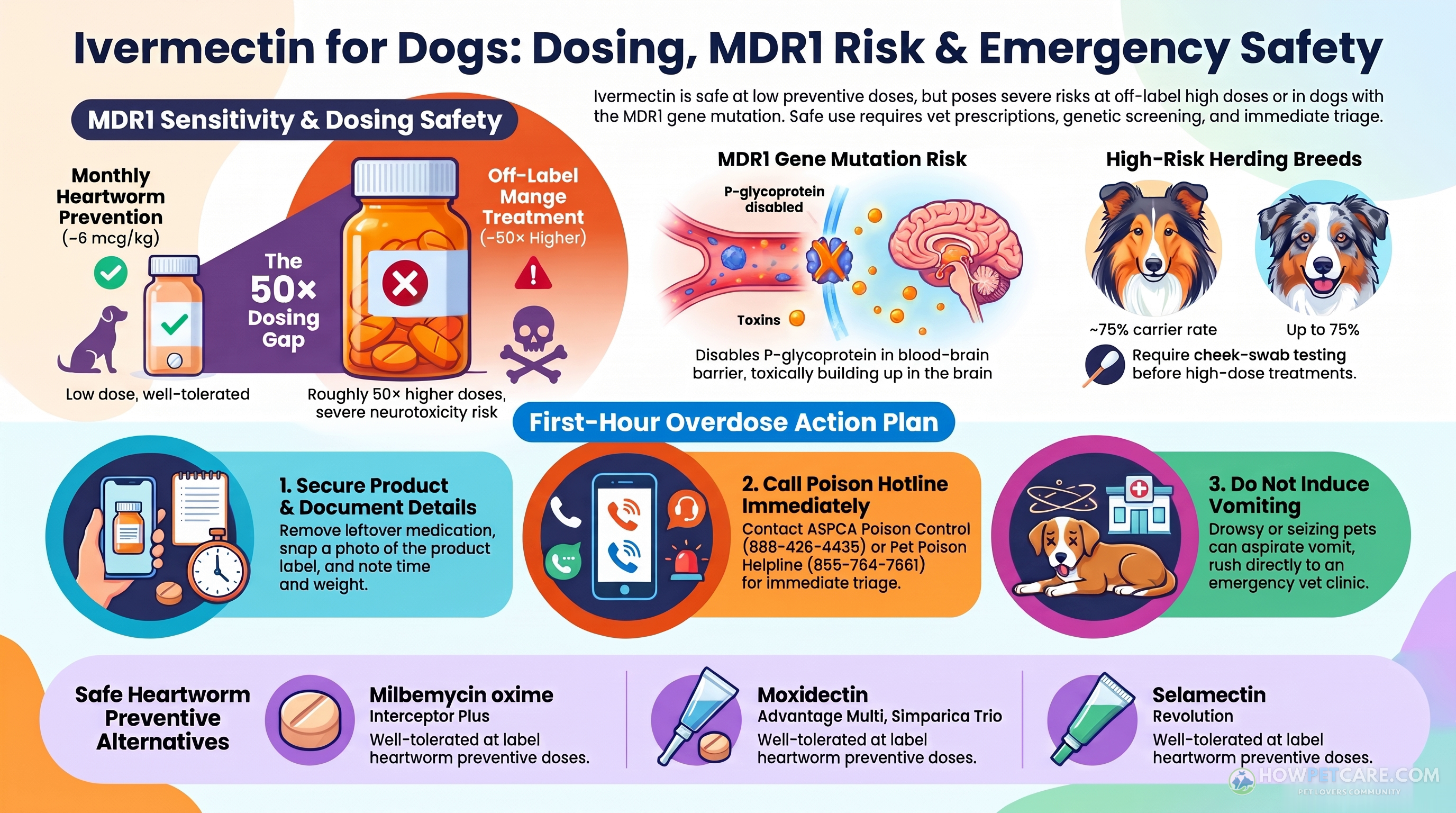
Heartworm preventive alternatives compared
| Active ingredient | Example products | Heartworm prevention | Also covers | MDR1 considerations |
|---|---|---|---|---|
| Milbemycin oxime | Interceptor Plus | Yes | Roundworms, hookworms, whipworms, tapeworms (with praziquantel) | Generally tolerated at label heartworm dose |
| Moxidectin | ProHeart 6/12 (injectable), Advantage Multi, Simparica Trio | Yes | Fleas, ticks (Simparica Trio), intestinal parasites (Advantage Multi) | Generally tolerated at label heartworm dose |
| Selamectin | Revolution | Yes | Fleas, ear mites, sarcoptic mange, some ticks | Generally tolerated at label heartworm dose |
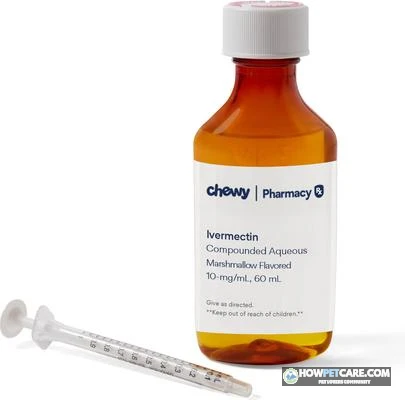
These are also macrocyclic lactones, but MDR1 dogs usually tolerate them at label heartworm doses. A veterinarian should still choose a product based on your dog’s full profile.
Why isoxazolines are not a heartworm swap
Isoxazolines (fluralaner/Bravecto, afoxolaner/NexGard, sarolaner/Simparica, lotilaner/Credelio) treat fleas, ticks, and some mites (including demodex in some cases), but most do not prevent heartworm on their own. They aren’t a substitute for a heartworm preventive unless combined with a heartworm-active ingredient (e.g., Simparica Trio contains moxidectin).
Where to get ivermectin for dogs legitimately, and what it costs
- Veterinary clinic — direct purchase, often with a reminder system.
- Vet-authorized online pharmacies — look for VIPPS accreditation; they require a prescription upload.
- Chain pharmacies — many fill pet prescriptions; call ahead.
- Warning: "No prescription" listings and farm-store livestock products are not safe substitutes.
Generics (e.g., Iverhart Plus, Tri-Heart Plus) are often cheaper than brand-name chews (Heartgard Plus). Annual cost depends on dog size. A vet can usually write the prescription for the least expensive appropriate product, so brand rankings aren’t necessary.
Your Ivermectin Decision Checklist: What to Do Before the Next Dose
- Identify the reason — heartworm prevention or mange — and confirm the diagnosis or heartworm test with a vet.
- Decide on MDR1 testing — yes for herding breeds, mixes, and rescues of unknown ancestry, especially before any higher-dose use.
- Confirm weight, product, bracket, and schedule — write them down. Never convert a livestock product by guesswork.
- Save the emergency plan — poison hotline numbers (ASPCA 888-426-4435, Pet Poison Helpline 855-764-7661), nearest 24-hour emergency vet, and a photo of the product packaging on your phone.
- Set a reminder for monthly dosing and a retest date after any lapse (6 months post-lapse).
- Know when to switch — signs of sensitivity, positive MDR1 result, or vet recommendation.
For related parasite concerns, explore our articles on dog ticks, worms in dog poop, and flea identification.
Active Ingredient Example Products Heartworm Prevention Also Covers MDR1 Considerations Milbemycin oxime Interceptor Plus Yes Roundworms, hookworms, whipworms, tapeworms (with praziquantel) Generally tolerated at label heartworm dose Moxidectin ProHeart 6/12 (injectable), Advantage Multi, Simparica Trio Yes Fleas, ticks (Simparica Trio), intestinal parasites (Advantage Multi) Generally tolerated at label heartworm dose Selamectin Revolution Yes Fleas, ear mites, sarcoptic mange, some ticks Generally tolerated at label heartworm dose
1A dog carrying the MDR1 (ABCB1) gene mutation experiences neurotoxicity after receiving an antiparasitic medication. What underlying physiological failure directly accounts for this drug accumulation in the central nervous system?
P-glycoprotein functions as an efflux pump at the blood-brain barrier; when defective due to the MDR1 mutation, ivermectin crosses into the central nervous system and accumulates.
2A veterinarian is evaluating herding breeds for potential MDR1 gene testing prior to initiating off-label parasite treatments. Which of the following breeds have high documented frequencies of the MDR1 mutation?
Collies in the US have one of the highest documented mutation frequencies, estimated at approximately 75%.
3Why does repurposing concentrated livestock ivermectin products (such as horse paste or cattle pour-on) for domestic dogs present a severe risk of fatal toxicity?
Because livestock formulations are extremely concentrated, even a single drop measurement error delivers a massive dose relative to a dog's body mass.
4A veterinarian is designing a treatment plan for a dog requiring off-label high-dose parasite therapy. Which of the following drugs or clinical factors can increase the risk of ivermectin-induced neurotoxicity?
Combining high-dose ivermectin with spinosad significantly increases the risk of severe neurological side effects.
5An owner notices fleas on their dog and asks about doubling the dog's monthly ivermectin heartworm chew to eradicate the fleas. How should the veterinary team address this request based on clinical evidence?
Ivermectin is not an effective or labeled flea control agent, and multiplying preventive doses risks severe neurotoxicity without controlling fleas.
6An owner of an MDR1-mutant dog asks if switching to an isoxazoline product like fluralaner will replace the dog's monthly heartworm preventive. What is the correct pharmacological distinction?
Isoxazolines target ectoparasites like fleas and ticks and are not a substitute for heartworm preventives unless combined with a heartworm-active drug.
FAQ
Can puppies take ivermectin?
Many monthly heartworm preventives containing ivermectin are labeled for puppies starting at about 6 weeks of age. A vet picks the product and dose based on current weight, and herding-breed puppies should be MDR1 tested first when possible.
Does ivermectin heartworm prevention also treat intestinal worms?
Ivermectin alone is mainly aimed at heartworm larvae. Combination chews that add pyrantel, and some other preventives, also treat roundworms and hookworms. Check the product label or ask the vet which parasites it covers.
Can ivermectin be used year-round?
Yes. Veterinary heartworm guidance recommends giving prevention all year, because a missed month can leave a gap in protection and mosquito activity varies by region and weather.
Can other medications make ivermectin more dangerous?
Yes. Some drugs, such as ketoconazole, cyclosporine and certain others, can block the same protective pump that fails in MDR1 dogs and raise ivermectin levels in the brain. Tell the vet about every medication and supplement your dog takes.
Can ivermectin treat ear mites in dogs?
Vets sometimes use ivermectin off-label for ear mites, but it is not the only option and the dose is not the same as a heartworm preventive. A vet should confirm mites first and choose the product.