
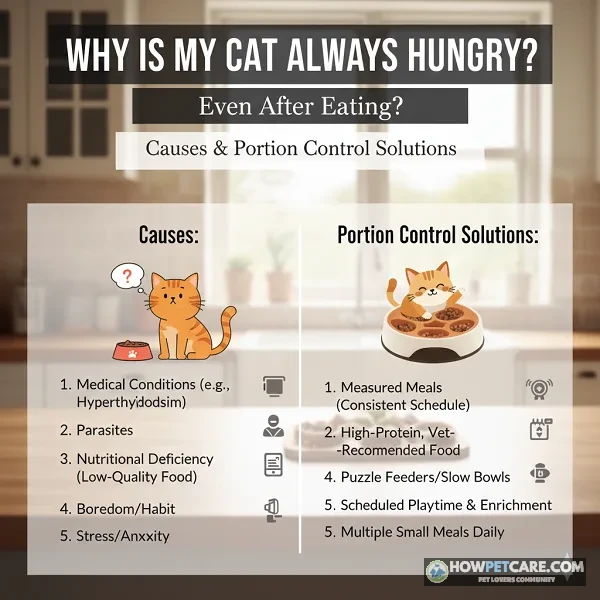
A cat that is always hungry may be begging from a learned habit, getting too few calories, or living with a medical condition — such as hyperthyroidism, diabetes, or intestinal parasites — that drives appetite up. Weight loss, increased thirst, or digestive changes alongside the hunger mean it’s time for a vet visit.
Why Your Cat Is Always Hungry: Habit, Diet, or Disease?
If you’re wondering "why is my cat always hungry," there are several possible explanations. Your cat may have learned that begging brings food, need a different feeding routine, or have a medical condition that increases appetite. Changes in weight, thirst, litter-box habits, and behavior are more useful clues than how loudly your cat meows.
Contact your veterinarian rather than offering extra food if your cat is losing weight despite eating, drinking or urinating more, vomiting, or acting unusually tired. If your cat is weak, repeatedly vomiting, or straining without producing urine, seek urgent care.
Polyphagia vs. learned begging: what’s actually different
Polyphagia is a sustained increase in appetite and food intake. It’s a symptom, not a diagnosis. A cat with polyphagia may seek out and eat more food than usual for a medical or nutritional reason, or sometimes because of its circumstances.
Learned begging is a behavior that has been reinforced. If meowing at dawn regularly brings breakfast, for example, your cat has a good reason to repeat it. Boredom and anxiety can also contribute to food-seeking behavior.
The distinction isn’t always obvious. A cat can be genuinely hungry and have learned to meow for food. Finishing a meal eagerly doesn’t prove there’s a medical problem, and accepting play instead of food doesn’t rule one out.

Hungry after eating: what it usually means
A cat that asks for more immediately after eating may be getting too little food, eating quickly, or responding to a familiar routine. Meal size and timing, competition with another pet, and the food’s calorie density may also matter. Less commonly, an illness affects how the body uses or absorbs nutrients.
Start by measuring what your cat actually eats and tracking its weight. If the appetite is new, intense, or accompanied by other changes, make a veterinary appointment rather than assuming it’s a habit.
Hungry but Losing Weight vs. Hungry and Gaining: What the Scale Tells You
Weight trend is one of the most useful clues you can track at home. To weigh a cooperative cat, step on a bathroom scale while holding your cat, then subtract your own weight. A baby scale may be easier for a small cat. Record the result every week or two, using the same scale.
Home scales can miss small changes. Your veterinarian can also assess body condition: a cat’s ribs should generally be easy to feel under a light covering of fat, with a visible waist when viewed from above. Muscle loss over the spine and hips matters too, especially in older cats. It can occur even when the number on the scale appears stable.
Hungry but skinny or losing weight
Weight loss despite a good appetite warrants a veterinary visit. Feline hyperthyroidism, feline diabetes, intestinal parasites, and digestive conditions that interfere with nutrient absorption are among the possibilities. Hyperthyroidism raises metabolic rate, so affected cats can lose weight even while eating more.
Larger portions aren’t a reliable fix. Arrange an appointment within days, particularly if the weight loss is noticeable or thirst and urination have also increased.
Hungry and gaining weight
Weight gain more often points to calories exceeding the cat’s needs. Unmeasured portions, frequent treats, food stealing, reduced activity, or a combination can be responsible. Steroid medication can also increase appetite.
If your cat otherwise seems well, measure all food and ask your vet to assess body condition before starting a weight-loss plan. New or dramatic hunger still deserves medical attention, even if your cat is overweight. Rare hormonal conditions can contribute, and an overweight cat can develop diabetes.
Hungry with stable weight
A feeding routine or learned behavior is more plausible when your cat’s weight, energy, and litter-box habits are normal and begging is concentrated around meals. Check the daily calorie total and try the structured feeding plan below for two weeks.
A stable weight is reassuring, but it doesn’t rule out disease. Book a checkup if the appetite change is new or persistent, particularly in a senior cat.
 You might be wonderingWhy is my cat drooling?Why Is My Cat Drooling? Causes & When to Act FastRead the answer
At-Home Checklist: Is It Behavioral or Medical?
This checklist takes less than 10 minutes if you know your cat’s recent routine. It can help you decide what to do next, but it can’t diagnose or rule out illness. Think about the past two weeks and check every statement that applies.
The 10-point observation checklist
- ☐ Begging happens mainly at predictable times, such as before meals or when someone enters the kitchen.
- ☐ The increased hunger is a noticeable change from my cat’s usual behavior, beginning over days or weeks.
- ☐ My cat is losing weight despite eating eagerly.
- ☐ The spine or hips feel bonier than before, the coat is newly unkempt, or my kitten has a pronounced pot belly.
- ☐ My cat is drinking more, or urine clumps are larger or more frequent.
- ☐ I have noticed repeated vomiting, diarrhea, bulky or greasy stool, worms, or rice-like segments near the tail.
- ☐ My cat is newly restless or vocal at night, or is unusually tired, weak, or withdrawn.
- ☐ Food portions are estimated by eye, or I do not know the total daily calories, including treats.
- ☐ Another pet may be eating this cat’s food, or someone gives food in response to meowing.
- ☐ My cat eats faster than before and immediately searches for more.
How to read your result
- Any of items 2–7: Contact your vet. Weight loss, thirst or urine changes, ongoing digestive signs, and a sudden change in appetite deserve particular attention. Use the urgency guidance below if your cat seems unwell.
- Only items 1, 8, 9, or 10, with stable healthy weight and normal energy and litter-box habits: Try measured, scheduled feeding for two weeks, then reassess. A new, pronounced increase in eating speed or hunger still merits a call to your vet.
- None checked, but something feels wrong: Trust the change you’re seeing. Weigh your cat weekly and call the clinic if the pattern persists or another sign appears.
The practical route is: weight dropping → vet; thirst or litter-box changes → vet; cat age 7 or older with new hunger → vet; otherwise, if well and weight-stable → a measured-feeding trial.
Medical Causes of Constant Hunger, Side by Side
Several conditions can look alike, and not every cat shows every sign. Use the table to help describe a pattern to your veterinarian; it can’t identify the cause on its own.
Hyperthyroidism, diabetes, parasites, EPI, and IBD at a glance
| Condition | Typical age or risk group | Appetite pattern | Weight trend | Thirst and urination | Stool and vomiting | Other clues | Tests a vet may start with |
|---|---|---|---|---|---|---|---|
| Hyperthyroidism | Usually middle-aged or older cats | Often increased | Often weight loss despite eating | May increase | Vomiting or soft stool can occur | Restlessness, vocalizing, fast heart rate, poor coat | Total T4 blood test, alongside general bloodwork |
| Diabetes mellitus | Adults; excess weight is a risk factor | Often increased initially; may fall if severely ill | Often weight loss | Increased drinking and larger or more frequent urine clumps | Vomiting can occur when seriously ill | Weakness, sometimes affecting the hind legs | Blood glucose and urinalysis; fructosamine when needed |
| Intestinal parasites | Kittens, outdoor cats, and cats exposed to fleas | Variable; some affected cats seek more food | Poor growth or weight loss may occur | Often no obvious change | Diarrhea or visible worms or segments may occur | Pot belly in kittens, dull coat | Fecal examination; additional testing if indicated |
| Exocrine pancreatic insufficiency (EPI) | Can occur at different ages; uncommon in cats | Often increased | Weight and muscle loss | Variable | Loose, bulky, or greasy stool may occur | Poor nutrient absorption | Feline TLI blood test |
| Inflammatory bowel disease (IBD) | Often adult or older cats | Variable, sometimes increased | Weight loss can occur | Variable | Chronic vomiting or diarrhea | Appetite and digestive signs overlap with other illnesses | Bloodwork and fecal testing; ultrasound and sometimes biopsy |
In diabetes, the body can’t use glucose normally, while EPI reduces the pancreatic enzymes needed to digest food. IBD involves inflammation of the digestive tract and can interfere with nutrient absorption. These are different problems, even when their outward signs overlap.
Intestinal parasites can interfere with nutrition, although not every infected cat is ravenous or has visible worms. Intestinal lymphoma and other diseases can also cause weight loss and digestive signs; appetite may increase, decrease, or remain unchanged.
Medications and rare conditions that increase appetite
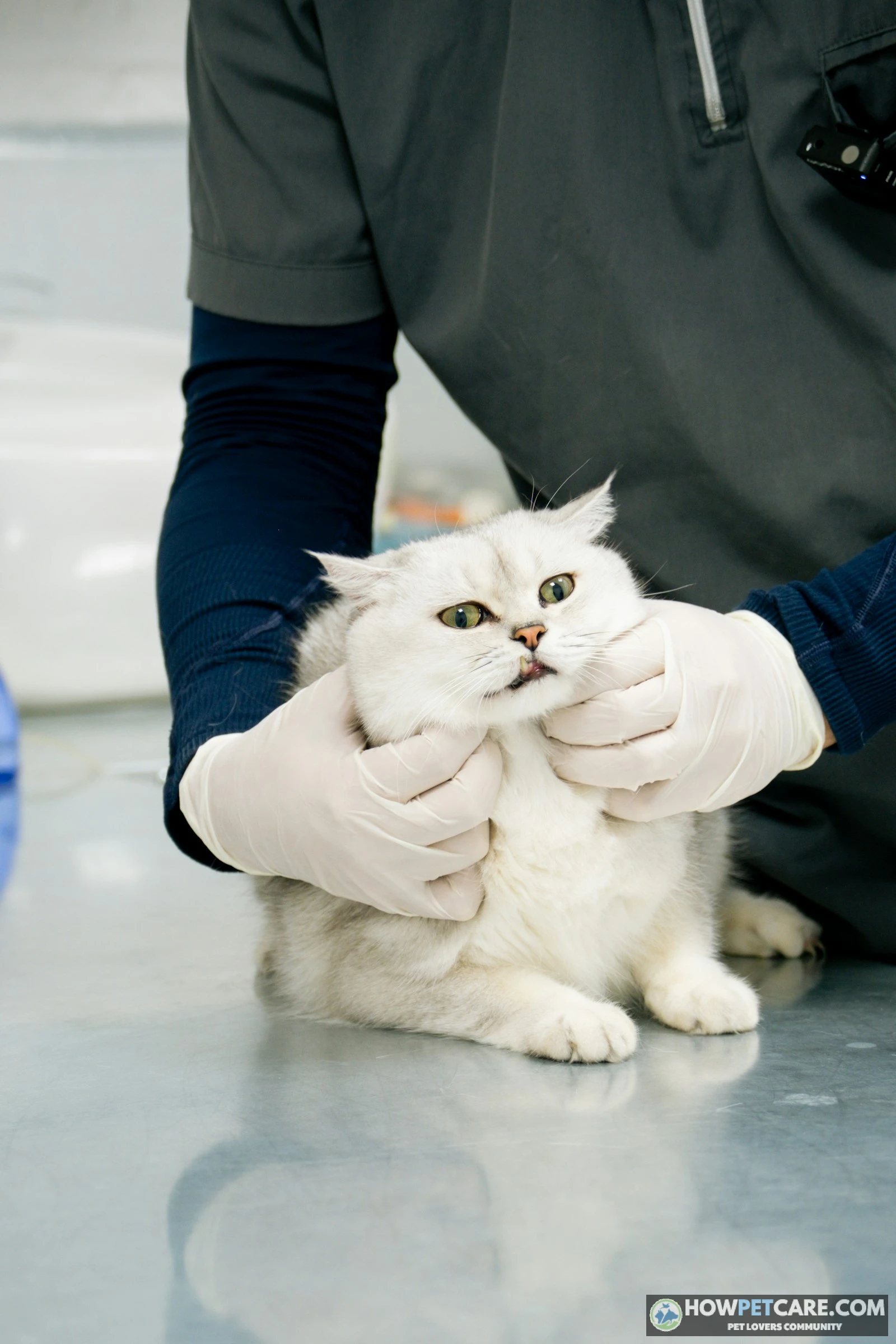
Prednisolone and other steroids can increase appetite, as can some other medications. Tell your vet when the hunger began and whether a dose changed. Do not stop or change a prescribed medication without veterinary advice.
Rarely, hormonal diseases such as Cushing’s disease or acromegaly are relevant. Acromegaly is particularly worth discussing when a cat has diabetes that’s difficult to control. Your vet will decide whether the history and initial test results justify investigating either condition.
Overlooked non-medical triggers: palatant coatings, cold weather, and pica
Some dry foods have flavor-enhancing coatings that make them especially appealing. Enthusiasm for a food alone doesn’t establish that it’s nutritionally inadequate. Changes in activity or colder weather may also coincide with a change in appetite or calorie needs. Check the actual portion and weight trend rather than assuming the food or season is responsible.
Pica means eating or persistently seeking nonfood material, such as fabric or plastic. It isn’t the same as ordinary hunger. Remove accessible hazards and contact your vet; swallowing string, plastic, or other objects can require urgent assessment.
Kittens, Pregnant Cats, Seniors, and Multi-Cat Homes: When Hunger Is Expected—or Misleading
Kittens and pregnant or nursing cats
Growing kittens and pregnant or nursing cats have greater nutritional demands than typical adult cats. Frequent meals may be entirely appropriate, and nursing cats in particular may need substantially more food. Use a complete diet formulated for growth or reproduction, and ask your vet how much and how often to feed.
Don’t put a kitten or pregnant or nursing cat on the adult weight-loss figures below. A kitten that eats eagerly but grows poorly, has diarrhea, or develops a pronounced pot belly needs a veterinary check; parasites are one possible explanation.
Senior cats that are suddenly always hungry
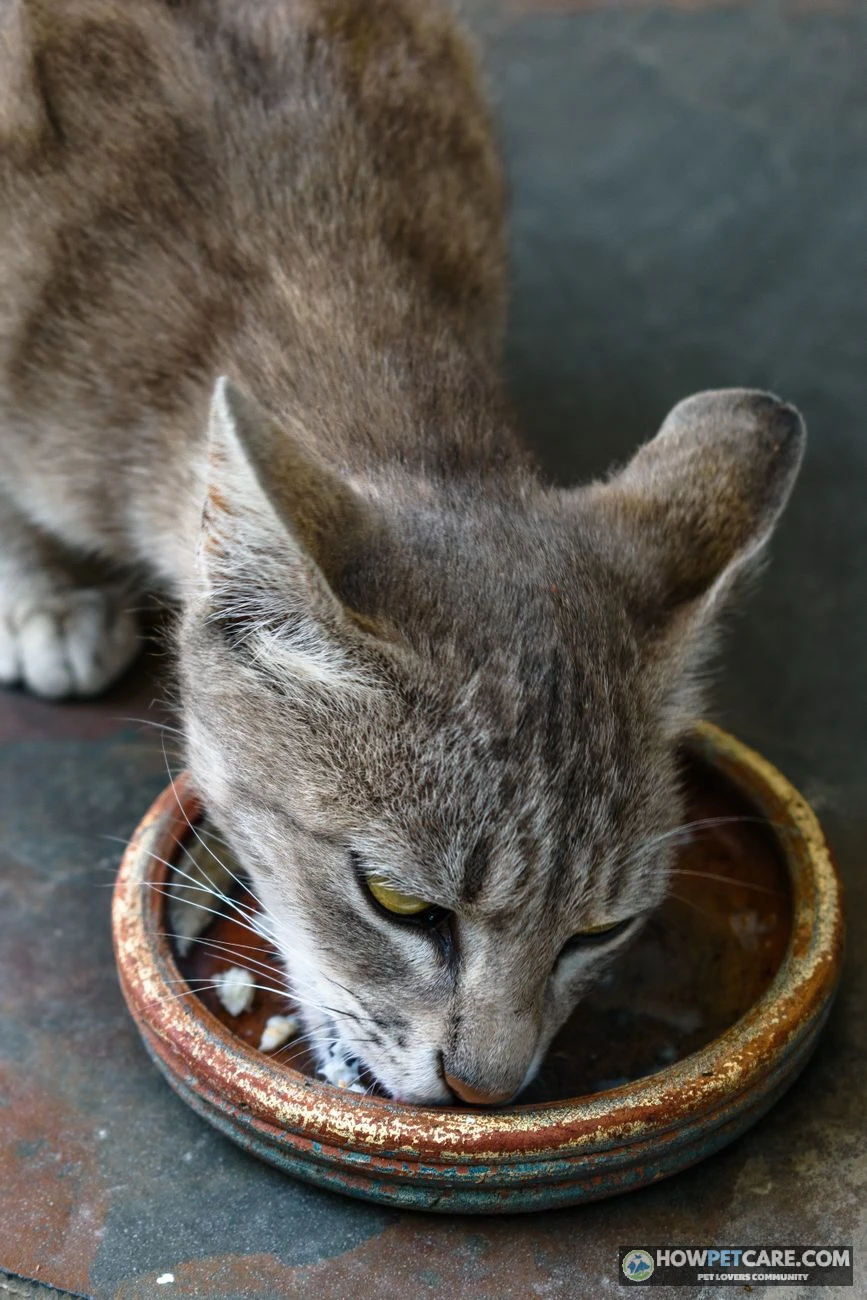
A new appetite increase over days or weeks deserves more attention than a long-established food routine. For an older cat, tell the vet about any weight or muscle loss, changes in thirst, nighttime vocalizing, and coat changes. A workup may include screening for hyperthyroidism and diabetes.
Mention recent medication or diet changes, a move, or a new pet as well. These details may point to a feeding or stress-related trigger, but they don’t eliminate the need to investigate physical symptoms. Some older cats also become less efficient at absorbing nutrients and lose muscle.
After spaying or neutering, a cat’s calorie needs and appetite may change. Ask your vet to reassess portions rather than making a large reduction on your own.
One cat stealing food in a multi-cat home
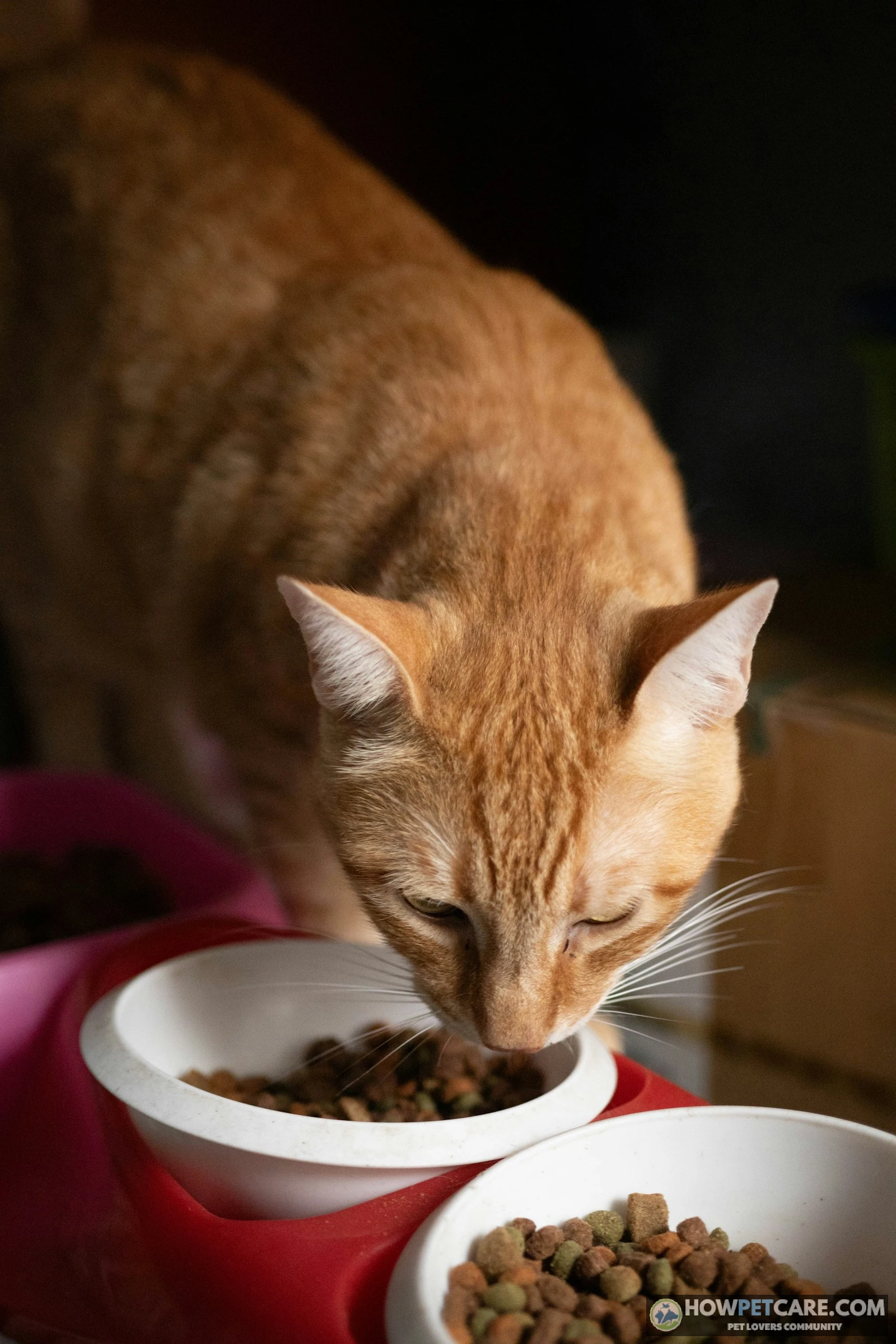
A cat may appear constantly hungry because another pet is eating part of its ration. The opposite can happen too: the food thief gains weight while the other cat loses it. Watch each cat eat and track their weights separately.
Feed in separate rooms with doors closed, use separate stations, or consider a microchip-activated feeder. An elevated station can help if it’s accessible to the intended cat and safe from the other pet, but it may not prevent a determined thief. Consistent access to food and a calmer environment can also reduce competition.
When to See the Vet: Emergency Signs, Tests, and Typical US Costs
Emergency vs. routine vs. watch-at-home
A cat that repeatedly strains in the litter box and produces little or no urine may have a urinary blockage. Go to an emergency clinic promptly. Repeated vomiting with weakness, collapse, difficulty breathing, or severe lethargy also requires urgent assessment.
A diabetic cat—or a cat suspected of having diabetes—that becomes weak, vomits, stops eating, or has fruity-smelling breath may have a serious complication called diabetic ketoacidosis. Seek emergency care rather than waiting for a routine appointment. If a previously hungry cat suddenly stops eating, call your vet promptly; don’t wait several days to see whether appetite returns.
Book within days: Weight loss with a good appetite, increased thirst or urination, new hunger in a senior, ongoing loose stool or vomiting, visible worms, or a clear sudden change in appetite all warrant a call. Call sooner if signs are worsening. The clinic can advise on timing based on your cat’s condition.
A short home trial is reasonable: Your cat is at a healthy, stable weight, feels well, has normal litter-box habits, and begs mainly around established feeding cues. Reassess after two weeks, and call the vet sooner if a new symptom appears.
What the vet will test and what it may cost
The visit usually begins with a history and physical examination, including a weight check and an assessment of body and muscle condition. Your vet may check the heart and blood pressure, then recommend tests based on the findings. Not every cat needs every test.
The following are rough US planning ranges, not quotes or guaranteed prices. Charges vary substantially by clinic, region, laboratory, and whether tests are bundled. An examination fee is often separate; ask for an itemized estimate before proceeding.
| Test | What it checks for | When it may be used | Approximate US cost |
|---|---|---|---|
| Total T4 | Thyroid hormone; helps investigate hyperthyroidism | Older cat with new hunger or weight loss | About $40–$120 |
| Blood glucose | Blood sugar at the time of testing | Thirst, increased urination, or suspected diabetes | About $20–$50 alone; often part of a panel |
| Fructosamine | An estimate of average blood glucose over the preceding weeks | When high glucose needs further interpretation, including possible stress-related elevation | About $40–$90 |
| Urinalysis | Glucose in urine, urine concentration, and other abnormalities | Often paired with bloodwork for thirst or suspected diabetes | About $40–$80 |
| Complete blood count and chemistry panel | Blood cells, organ function, glucose, and other clues | Common initial workup | About $100–$250 |
| Fecal flotation or PCR | Evidence of intestinal parasites or selected infectious organisms | Kittens, diarrhea, outdoor or flea exposure | About $25–$50 for flotation; $80–$150 for PCR |
| Feline TLI | Pancreatic digestive function; helps diagnose EPI | Weight loss with suggestive digestive signs | About $80–$160 |
| Abdominal ultrasound | Changes in the intestines and abdominal organs | Persistent digestive signs or abnormal initial results | About $300–$600 |
| X-rays | Organ size, some masses, or possible obstruction | Depending on examination findings and symptoms | About $150–$350 |
A normal or abnormal result doesn’t always settle a diagnosis by itself. Stress, for example, can raise a cat’s blood glucose, so a vet interprets it alongside the history, urine results, and sometimes fructosamine.
Bring your weight log, photos of food labels and stool if relevant, a list of medications and supplements, and notes on when the appetite change began. Ask which tests are most useful to start with and which could be deferred safely.
How Much to Feed a Hungry Cat: Calorie and Portion Chart
The right amount depends on ideal body weight, age, activity, reproductive status, health, and the calorie content of the food. The table is an illustrative starting point for healthy adult cats, not a prescription or a substitute for an individual assessment. The evidence supplied for this guide doesn’t establish weight-by-weight calorie targets, so confirm a suitable daily target with your veterinarian.
Daily calorie chart by ideal weight and activity level
The examples use approximately 20 kcal per pound of ideal weight for a typical adult, with lower or higher illustrative allowances for activity. Individual needs can differ considerably. A weight-loss plan needs veterinary supervision; the figures below are discussion points, not instructions to restrict food.
| Ideal body weight | Weight-loss discussion point, kcal/day | Less active adult, kcal/day | Typical adult, kcal/day | Active adult, kcal/day | Example cups/day at 400 kcal/cup, typical column |
|---|---|---|---|---|---|
| 6 lb | About 100 | About 110 | About 120 | About 150 | 0.30 cup |
| 8 lb | About 130 | About 145 | About 160 | About 200 | 0.40 cup |
| 10 lb | About 160 | About 180 | About 200 | About 250 | 0.50 cup |
| 12 lb | About 190 | About 215 | About 240 | About 300 | 0.60 cup |
| 15 lb | About 240 | About 270 | About 300 | About 375 | 0.75 cup |
Dry-food example: If your vet agrees that approximately 200 kcal per day is a suitable starting target and the label says 400 kcal per cup, 200 ÷ 400 = ½ cup per day. That’s the total for the day, not per meal, and assumes no other calories.
Wet-food example: At 90 kcal per can, a 200-kcal daily target works out to approximately 2.2 cans. For mixed feeding, one 90-kcal can plus ¼ cup of a 400-kcal-per-cup dry food supplies about 190 kcal; any treats count toward the remaining allowance.
Read the specific label: foods vary in calories per cup, gram, or can. Treats should make up no more than about 10% of the daily intake; the rest should come from a complete and balanced diet. Look for an AAFCO nutritional adequacy statement appropriate to your cat’s life stage.
Do not sharply restrict food or let an overweight cat go without eating to force weight loss. Rapid weight loss and inadequate intake can be dangerous. Ask your vet for a safe target and monitoring plan.
Free-feeding vs. scheduled meals: which is right for a food-obsessed cat?
Free-feeding can work for a cat that regulates its own intake and maintains a healthy weight. It’s less useful when you need to know which pet ate the food, how much was eaten, or whether appetite has changed.
For a cat that begs constantly or needs portion control, try dividing a measured daily allowance into two to four scheduled meals. An automatic cat feeder or a puzzle can deliver part of that allowance without adding extra calories.
If your cat is used to a full bowl, shift gradually over one to two weeks: first measure the usual daily amount, then divide it into increasingly predictable portions. Don’t abruptly reduce the total simply to make the schedule work. Ask your vet for help if your cat becomes distressed, stops eating, or has a condition requiring a particular feeding schedule.
Wet vs. dry and high-protein options
Wet food provides more water with the meal and can provide a larger volume for the same calories, depending on the product. Dry food is convenient but can be easy to overpour. Either format, or a measured combination, can work if the diet is complete and balanced and meets the cat’s needs. Keep fresh water available regardless of food type.
Protein is important for cats, but a high-protein cat food isn’t automatically the answer to begging. Calories, individual health, and the whole diet matter. If your cat has kidney disease or another medical condition, discuss any food change with your vet first.
How to Stop Your Cat Begging for Food: A Step-by-Step Retraining Plan
Use this plan when your cat is otherwise well and the checklist doesn’t point to a veterinary visit—or after your vet has assessed the concerning signs. Don’t try to train away unexplained weight loss or a sudden increase in appetite.
Week-by-week plan
-
Days 1–2: Measure and schedule
Measure the full daily food allowance, including treats. Divide it into predictable meals. If early-morning begging is a problem, schedule an automatic feeder to provide part of the allowance before the usual waking time.
-
Days 3–5: Change the response
Ask everyone in the household not to deliver extra food in response to meowing or counter-jumping. Feed at the planned times and offer calm attention or play at other times.
-
Days 6–10: Add easy foraging
Put a small part of the measured daily food in an easy puzzle or scatter it in a safe area. Make sure your cat can get the food, and increase difficulty gradually.
-
Days 11–14: Reassess
Weigh your cat, check the amount actually eaten, and review the begging pattern. Keep successful routines in place; contact your vet if hunger remains intense or any new symptom appears.
A short play session before a meal can give your cat another predictable activity. Window perches, rotating toys, and attention outside feeding times may also help when boredom or stress contributes to food-seeking.
Puzzle feeders and automatic feeders: what works
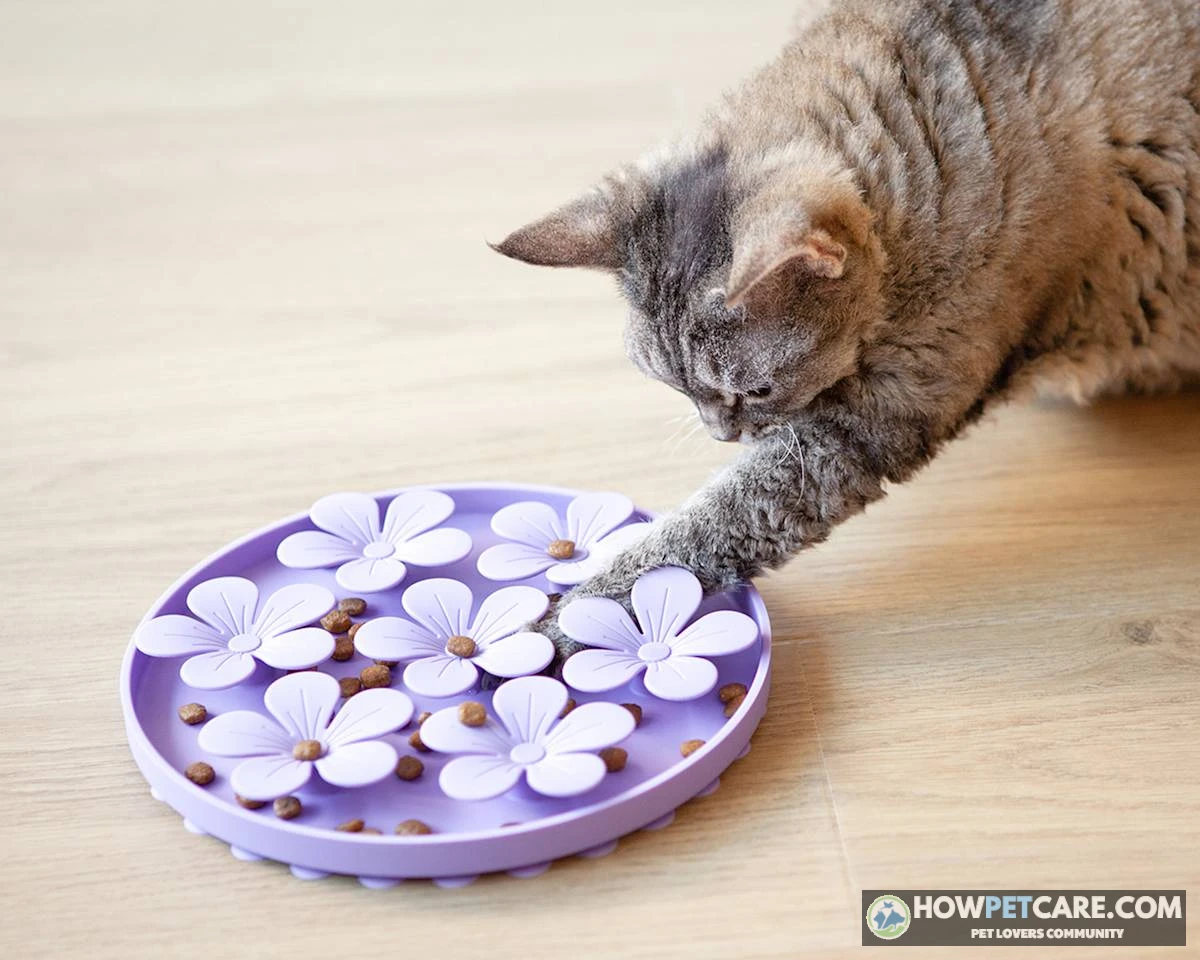
Start with an easy puzzle that releases food quickly. Watch your cat use it: a feeder that’s too difficult can prevent a cat from getting its ration, especially if the cat has mobility or dental problems. Count puzzle food as part of the day’s measured total.
A timed feeder can help separate meals from your response to meowing. It can also split a daily allowance into smaller portions when you’re asleep or away. In a multi-cat home, verify that the intended cat—not a housemate—is eating the portion.
What to do when begging gets worse before it gets better
A previously rewarded behavior can temporarily become more persistent when the reward stops; this is sometimes called an extinction burst. It isn’t guaranteed, doesn’t follow a fixed timetable, and isn’t proof that a plan is working. Stay consistent without punishing your cat, and make sure the feeding allowance is adequate.
If night waking continues, check feeder timing, household consistency, and opportunities for play. Contact your vet rather than continuing to wait if your cat still seems ravenous despite adequate measured food, if the behavior is new, or if weight falls.
Your Next Step: Choose Your Path Based on Your Cat’s Pattern
Path A: Arrange veterinary care. Weight loss, increased thirst or urination, ongoing digestive signs, new hunger in an older cat, or a sudden appetite change mean it’s time to call. Use emergency care for the urgent signs above. Bring your food labels, medication list, and observations.
Path B: Try a two-week home plan. If your cat is well, at a stable healthy weight, and begs predictably around food cues, measure the entire daily ration, schedule meals, add an easy food puzzle, and record weight weekly. Reassess at two weeks; if the pattern isn’t improving, ask your vet for advice.
Path C: Fix a specific household mismatch. Separate competing cats at meals, discuss a new medication with the prescribing vet, or ask about appropriate portions for a kitten or pregnant or nursing cat. Don’t change medication without guidance.
Today, weigh your cat, complete the checklist, and measure the food. If weight drops or new symptoms develop at any point, move to the veterinary path. Noticing and recording changes can help you and your vet work out what’s driving the hunger.
 You might be wonderingWhy is my cat vomiting?Why Is My Cat Vomiting? A Vet-Backed Triage GuideRead the answer
FAQ
Can worms make my cat constantly hungry?
Yes. Intestinal parasites can take nutrients from your cat, leaving her hungry even when she eats well. Kittens and cats with flea or outdoor exposure are most at risk, and a fecal test is the usual first step.
Does spaying or neutering make a cat hungrier?
It can. Hormonal changes after spay or neuter often raise appetite and lower energy needs, so many cats need smaller measured portions afterward. Ask your vet to recalculate daily calories.
Why does my cat wake me up at night begging for food?
Often it is a learned pattern: if meowing at night has ever produced food, the cat repeats it. A late-evening play session, a timed automatic feeder, and not responding to the meowing usually help. If night hunger is new, comes with restlessness or weight loss, or your cat is a senior, see a vet.
Can stress or boredom make a cat act hungry?
Yes. Boredom, anxiety, or changes at home can lead to food-seeking behavior in cats that are actually fed enough. More play, puzzle feeders, and consistent routines often reduce it, but rule out medical causes first if weight or thirst has changed.
Is cheap dry food why my cat is never full?
It can contribute. Some foods are low in protein or less filling per calorie, so cats may ask for more. Compare the calorie content and protein on the label, consider adding wet food, and ask your vet before changing the diet of a cat with health conditions.