
Where to buy pet medications safely:
- Online pet pharmacies (Chewy Pharmacy, 1-800-PetMeds, Petco, PetSmart) — best for recurring preventives; they verify the prescription with your vet.
- Retail pharmacies (CVS, Costco, Walmart) — may fill human-generic drugs prescribed for pets; call ahead and ask for local pickup.
- Your vet clinic or its online store — fastest option when treatment can’t wait; ask for an itemized quote including rebates.
- Verified marketplaces — fine for OTC products only; identify the licensed dispensing pharmacy behind any Rx listing.
You can buy pet medications from a licensed U.S. online pharmacy, your veterinary clinic, or a retail pharmacy that fills animal prescriptions. To compare prices safely, get the exact prescription details, check each pharmacy’s license, and compare the full cost of the same product, including shipping and discounts. If your pet needs medication soon, ask about local pickup instead of waiting for delivery.
An online pharmacy can contact your vet for approval, but adding an item to your cart doesn’t mean you have a prescription. Give the clinic time to respond, and check your order status before your pet runs out.
Where to Buy Pet Medications Online: Your Safe Options at a Glance
The right seller depends on the medication and how quickly you need it. Online veterinary pharmacies are worth comparing for recurring preventives. A human pharmacy may be an option for a prescribed human generic, while your clinic may be the fastest choice when treatment can’t wait.
| Channel | Best for | Prescription handling | Typical savings vs. vet | Shipping / pickup options | Watch-outs |
|---|---|---|---|---|---|
| Online pet pharmacy | Recurring preventives and veterinary-only drugs | Usually contacts your vet or accepts a valid prescription | Varies by product, promotion, and shipping; not guaranteed | Delivery; check the seller’s service area | Allow for approval and shipping; verify the dispensing pharmacy |
| Retail or human pharmacy | Eligible human generics and potentially urgent local fills | Ask whether the location accepts veterinary prescriptions | Varies; compare the same strength and quantity | Local pickup at participating locations; delivery may be available | Not every location stocks every drug or fills pet prescriptions |
| Marketplace or third-party retailer | Some OTC pet products | For Rx products, identify the licensed pharmacy that will dispense | Varies; a low listing price is not proof of value | Delivery or pickup varies | Check the actual seller, product source, and return terms |
| Vet clinic or its online store | Immediate advice, local pickup, and continuity | The clinic handles its own prescriptions and dispensing | Reference point; compare its final quote after rebates and fees | Clinic pickup; some clinics offer delivery | Ask for an itemized quote and compare identical products |
Online pet pharmacies
Chewy Pharmacy, 1-800-PetMeds, Petco, and PetSmart offer pet-pharmacy options to compare for recurring medications. Before choosing, check the dispensing pharmacy, availability in your state, and the exact product. Promotions, refill terms, and shipping costs can change.
Before entering payment details, make these checks:
- ☐ Identify the dispensing pharmacy and verify its license with the appropriate state board of pharmacy, including any required license for shipping to your state.
- ☐ Check applicable NABP resources, such as its accredited pharmacy listings or the verified
.pharmacyprogram. Don’t rely on a badge alone; confirm the listing independently. - ☐ Confirm that prescription-only items require a valid veterinary prescription or verification from your vet.
- ☐ Find a U.S. street address, a working phone number, and a way to reach a pharmacist.
- ☐ Check the seller, shipping origin, product details, and policy for incorrect or damaged orders. Avoid unexplained international shipping or pressure to pay by gift card, wire transfer, or cryptocurrency.
Retail and human pharmacies (CVS, Costco, Walmart)
CVS, Costco, and Walmart pharmacies may fill some veterinary prescriptions for drugs also used in people. Call the specific location with the drug name, strength, form, and quantity; stock and acceptance of veterinary prescriptions vary. Ask for the pickup price and whether a discount card applies to an animal prescription.
A human pharmacy may not be able to obtain the animal-labeled product your vet prescribed. For an urgent antibiotic or a chronic generic, though, a local quote can help you compare costs.
Marketplaces and third-party sellers
Amazon and other marketplaces list OTC pet products from multiple sellers. The marketplace name alone doesn’t tell you who supplied the item. Check the seller and, when possible, manufacturer authorization, especially for flea and tick prevention. If an Rx product is offered, identify and verify the licensed dispensing pharmacy. Leave any listing that promises a prescription drug without a prescription.
Your vet’s own online store
Your clinic may offer pickup or home delivery. Ask for the full price, including any dispensing fee, shipping, and available manufacturer rebate. A bundled preventive program may make the clinic competitive, even if its shelf price looks higher at first.
Prescription vs. OTC Pet Medications: What You Can Buy Without a Vet
Prescription pet meds require authorization from a veterinarian; OTC products don’t require a prescription under their labeling. That doesn’t make every OTC product suitable for every animal. Check the exact product label, and ask your vet if you’re unsure.
Prescription-only categories
Heartworm medication, many oral flea and tick products such as Credelio for cats, antibiotics for pets, and many chronic medications require a veterinary prescription. Examples include Apoquel, Simparica Trio, Heartgard Plus, Vetmedin, and prescription NSAIDs for dogs such as carprofen and meloxicam. Gabapentin, trazodone, and many thyroid and heart drugs also require prescriptions.
OTC categories and their limits
Some topical flea and tick products, supplements, ear cleaners, and wound-care products are available OTC. Rules vary by product: one flea product being available without a prescription doesn’t mean a different chew or combination preventive is OTC. Check the prescription requirement on the exact listing and package.
Ibuprofen, naproxen, and acetaminophen aren’t safe substitutes to choose on your own for a dog or cat. Ask your veterinarian about appropriate pain relief for dogs or cats instead.
For a new product, ask whether it suits your pet’s species, weight, and existing medications. That includes cat pain relief such as Onsior for cats, where the diagnosis and dose need to come from your vet. This buying guide doesn’t replace advice about treatment or side effects.
How Ordering a Prescription Pet Med Online Works: A First-Order Walkthrough
Information to gather before you order
Have your pet’s name, species, and current weight, plus your clinic’s name, phone number, and fax number. You’ll also need the exact drug, strength, form, quantity, and authorized refills. For weight-banded preventives, confirm the right band with your vet. Don’t choose a strength just because it costs less.
Cart to doorstep: the full sequence
-
Build the order
Create an account and pet profile, then select the exact prescribed product, strength, and count.
-
Choose a prescription route
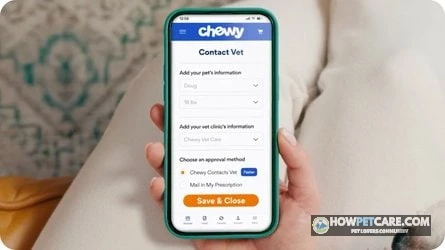
Ask the pharmacy to contact your clinic, or follow its instructions for a written or electronic prescription. An uploaded image may not be enough; some pharmacies require the original or a prescription sent directly by the vet.
-
Wait for verification
The pharmacy contacts the clinic, commonly by phone or fax, or reviews the prescription it receives. The vet must authorize the medication before an Rx order can be dispensed.
-
Check for approval
Check your account and messages. Once approved, the pharmacy can process the order and send shipping or tracking information.
-
Inspect delivery
Check the pet’s name, drug, strength, count, packaging, and expiration date. Contact the pharmacy promptly about discrepancies or temperature concerns.
Approval may come the same day or take several business days. Clinic hours, communication, and the need for an examination can all affect the wait. One pharmacy’s published process advises allowing one to two days for approval; that timing isn’t guaranteed at another seller or clinic. Shipping time starts after the required approval and processing, not necessarily when you place the order.
What to do when verification stalls
If you haven’t heard back after one or two business days, call your clinic. Give the pharmacy’s name and ask whether its request arrived, whether the clinic needs updated information or an exam, and whether the vet can respond or issue a written prescription. Check that the pharmacy has the right clinic contact details and pet profile, too.
A wrong phone number, outdated weight, missing authorization, clinic closure, or overdue examination can delay an order. If the vet declines, ask why rather than submitting the same request again. For medication you need soon, ask the clinic about an appropriate local fill.
Refills, expired scripts, transfers, and returns
Refills depend on the prescriber’s authorization and applicable rules; an AutoShip schedule doesn’t create additional refills. Prescription validity limits depend on the drug and jurisdiction. An expired prescription needs renewed authorization, and the vet will decide whether an examination is needed.
To transfer a prescription, ask the new pharmacy whether it can transfer that specific prescription from the old one. Rules and remaining refills may limit transfers, so a new prescription may be necessary. Prescription medications often can’t be returned once dispensed, though policies for errors or damaged shipments vary. Read the seller’s terms before ordering.
Pet Medication Prices Compared: Online vs. Vet Office vs. Retail Pharmacy
Sample price table by drug and channel
A fair comparison uses the same drug, strength, form, count, and, when relevant, weight band. The supplied catalog evidence gives online prices but doesn’t include dated, matching quotes from a vet office and a retail pharmacy. So this table does not claim a verified saving across channels. Get matching quotes before deciding which seller costs less.
| Medication (type / weight band) | Vet office price | Online pet pharmacy price | Retail / human pharmacy price | Estimated savings per dose | Date checked / notes |
|---|---|---|---|---|---|
| Heartgard Plus (heartworm preventive; select weight band) | Obtain a quote | Catalog lists a range of $12.79–$163.09 | Ask whether the exact product is stocked | Not calculable | Source date and matching pack details not supplied; verify at checkout |
| Simparica Trio (combination preventive; select weight band) | Obtain a quote | Catalog lists a range of $38.90–$428.72 | Ask whether the exact product is stocked | Not calculable | Source date and matching pack details not supplied; verify at checkout |
| Apoquel (allergy medication; select strength and count) | Obtain a quote | Catalog lists $3.25 per tablet | Ask whether the exact product is stocked | Not calculable | Strength and source date not supplied; verify at checkout |
| Gabapentin (generic; select form, strength, and count) | Obtain a quote | Obtain a quote | Obtain a quote | Not calculable | Compare only the formulation your vet approves |
These figures reflect advertised catalog prices, not verified 2026 quotes or comparable packages. Prices change, and a low starting price may reflect a different strength or quantity. Check the price at checkout.
Why vet-office prices run higher
Clinic and pharmacy prices reflect different purchasing, dispensing, and operating costs. Neither channel is always cheaper. A vet’s rebate or preventive bundle may narrow or reverse a price gap, while shipping can wipe out a small online saving. A human generic may cost less at a retail pharmacy when the formulation is appropriate.
How to run your own price check
Use the prescription details to request quotes from your vet, a verified online pharmacy, and a local pharmacy that can fill the same product. Record the date and include taxes, shipping, discounts you qualify for, and any required fees. Divide the final total by the number of doses in the package. For a recurring drug, multiply the comparable per-dose cost by the number of doses needed in a year.
| Field | Vet office | Online pet pharmacy | Retail / human pharmacy |
|---|---|---|---|
| Product, strength, form, and count | |||
| Package price before discounts | |||
| Shipping or pickup fee | |||
| Eligible discount or rebate | |||
| Tax and other fees | |||
| Number of doses in package | |||
| Final total divided by doses | |||
| Date checked |
If you need a short course right away, consider local pickup as well as price. For a recurring medication, compare again when a promotion ends or the prescription is renewed.
How to Verify an Online Pet Pharmacy Is Legitimate (and Spot Red Flags)
The 5-minute pharmacy verification checklist
Use the earlier checklist before checkout, then look more closely at the details:
- Search the state board’s license lookup by the dispensing pharmacy’s name and address. Check whether it’s authorized to serve your state.
- Verify any claimed NABP accreditation or
.pharmacyregistration independently through NABP. Vet-VIPPS is an older program name; a displayed badge doesn’t prove that a site is accredited. - Confirm how to reach the pharmacist and how the pharmacy verifies veterinary prescriptions.
- Look for the product’s manufacturer, exact strength, count, and relevant FDA approval or EPA registration. Flea and tick products may fall under different regulatory authorities.
- Check where the product ships from and what happens if it’s incorrect, damaged, or recalled. For marketplace purchases, verify the actual seller, not just the platform.
Red flags that mean walk away
A site offering prescription-only drugs without a prescription is a major warning sign. Other concerns include no verifiable U.S. address or pharmacist contact, prices far below comparable sellers, unusual payment demands, vague customs language, and pressure to order immediately.
When the package arrives, inspect it, including the lot information and expiration date. If anything looks wrong, don’t use the product until the pharmacy and your vet have advised you. Keep the packaging and report suspected counterfeits to the appropriate regulator or manufacturer.
Buying Pet Meds from Canada or Mexico: What Is Legal and What Is Risky
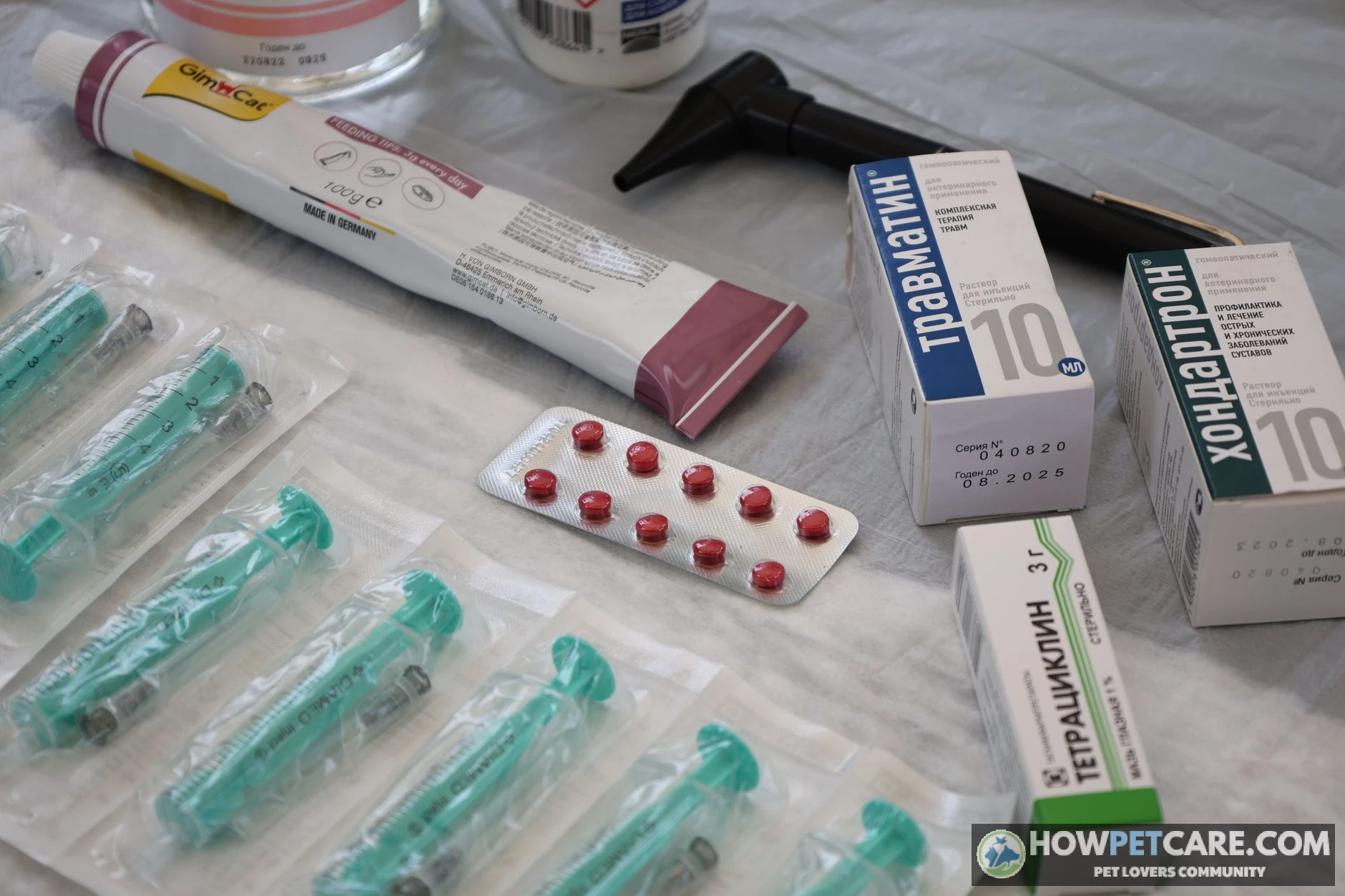
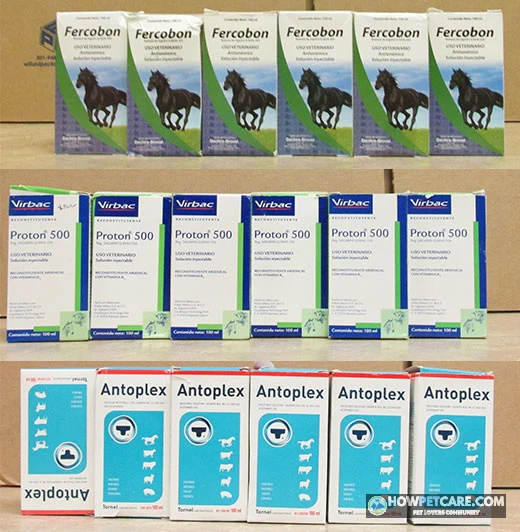
A Canadian or Mexican seller may be a legitimate pharmacy in its own country. That doesn’t automatically mean its products are approved for sale or import into the United States. U.S. import rules restrict unapproved animal drugs, and a foreign-labeled product may differ from the FDA-approved version. Shipments can be detained or refused; the outcome depends on the product and circumstances, so don’t assume personal use makes an order permissible.
Cross-border purchases can bring uncertain sourcing, customs delays, shipping costs, and limited recourse. Manufacturer guarantees or rebates may not apply. Before accepting those risks, compare a licensed U.S. pharmacy, an appropriate generic, and the clinic’s rebate price. If you’re considering an import, check current FDA and customs guidance for the specific product.
No Prescription Yet, or a Vet Who Won’t Cooperate? Your Options
A pharmacy can’t replace a veterinarian’s decision to prescribe. If your pet doesn’t have an established veterinarian-client-patient relationship, arrange a visit and ask what records or examination are needed. Even with a current relationship, a vet doesn’t have to prescribe a particular drug if they consider it inappropriate.
How to ask your vet for a written prescription
Try: “I’d like to compare pharmacy prices. If this medication is appropriate for my pet, could you provide a written prescription or send it to my chosen pharmacy? Please include the strength, form, quantity, refills, and whether a generic is acceptable.”
Ask whether the clinic charges a prescription-related fee and whether it can send the prescription directly. State rules on providing prescriptions and permitted fees vary, so don’t assume the same rules apply everywhere.
What to do if your vet refuses or doesn’t respond
First, find out whether the problem is communication or a medical decision. Ask if the request arrived and whether an exam, weight update, or record is missing. If the vet has declined, ask why and what alternatives might be appropriate. You can request your pet’s records and seek a second opinion or change clinics.
If you think a clinic isn’t following your state’s prescription rules, contact the state veterinary board for guidance. The pharmacy may also be able to explain its verification requirements. For urgent treatment, talk with the vet about a local fill or another safe plan instead of waiting indefinitely.
Telehealth vet prescriptions: cost and state rules
Some telehealth services offer video consultations, but a vet’s ability to establish the required relationship remotely and prescribe depends on the state, service, and medication. Some situations require an in-person exam. Before paying, ask whether the service can prescribe for your location and circumstances; a consultation doesn’t guarantee a prescription.
One published offering advertised through a pharmacy partner was $49 per month for calls covering up to five pets, with prescribing availability varying by state. That’s an example, not a market-wide price or a verified current quote. Ask about membership commitments, visit fees, and follow-up costs. Controlled drugs and other medications may have additional limits.
If the cost of an exam is a barrier, contact local shelters, low-cost veterinary clinics, or community programs about appointments and fees. A wellness plan may spread costs, but compare its total price and coverage before enrolling.
How to Pay Less: Generics, Human-Pharmacy Fills, AutoShip, and Price Matching
Human-pharmacy equivalents: which drugs make sense
FDA-approved generic animal drugs must meet applicable standards for equivalence to their reference products. Ask whether an approved generic is available and appropriate for drugs such as amoxicillin for dogs. Don’t assume a different brand, strength, or compounded preparation is interchangeable.
| Drug | Used for | Human-pharmacy fill possible? | What to tell your vet | Caveats |
|---|---|---|---|---|
| Trazodone | Anxiety or event-related sedation | Often; check local stock | Ask for the exact form, strength, quantity, and refill authorization | Pharmacy acceptance and shipping policies vary; it is not federally scheduled as a controlled substance |
| Gabapentin | Pain or anxiety management | Often; check local stock | Ask whether the available human formulation is suitable | Controlled status varies by state; some liquid formulations contain xylitol |
| Fluoxetine | Behavioral treatment | Often; check local stock | Ask whether an appropriate human generic can be prescribed | Form and strength must match the vet’s plan |
| Sildenafil | Certain heart or lung conditions | Sometimes | Ask whether an available human formulation fits the prescription | Strength and formulation may not match the prescribed need |
| Amoxicillin or doxycycline | Infections | Sometimes | Ask whether a human formulation and quantity are appropriate | Combination products and liquid concentrations may differ |
| Apoquel, Simparica Trio, Heartgard Plus, Vetmedin | Allergy, parasite prevention, or heart disease | Ask; veterinary products may not be stocked | Ask about an appropriate approved alternative, if available | Do not substitute based on a similar name or ingredient alone |
Tell the pharmacist the prescription is for an animal, and make sure your vet approves the specific formulation. Inactive ingredients matter: some human liquids contain xylitol, which is dangerous to dogs. Don’t change the prescribed product or instructions just to use a coupon.
Discount levers that stack
Compare the first order and later refills separately. AutoShip may discount the first order more than recurring orders, and terms can change. One catalog advertised up to 50% off the first AutoShip order of each medication and 5% off future shipments, subject to its terms. Another seller advertised price matching for identical eligible products against NABP-accredited online pet pharmacies. Check current terms and eligibility before counting on either offer.
Ask about manufacturer rebates, a larger authorized supply, discount cards accepted for pets, and whether pet insurance or a wellness plan covers the medication. Don’t buy more than your pet can use before it expires. Check whether you can combine a rebate with a sale or price match.
Illustrative savings calculation: Suppose a year of medication would cost $825 through one channel and $629.75 after eligible discounts through others. The difference is $195.25 before any insurance reimbursement. These figures are hypothetical, not market quotes; use your pet’s prescriptions and current checkout totals for an actual comparison.
Before signing up for automatic delivery, check the price after the introductory discount, the shipment date, and how to change or cancel the order. Leave enough time for prescription renewal and veterinary approval.
Shipping Realities: State Coverage, Refrigerated Items, and Pickup Options
Check that the pharmacy serves your state and will ship the specific product to your address. Controlled-substance rules may affect dispensing, transfers, refills, delivery, and identification requirements. Gabapentin—including gabapentin for cats—is controlled in some states; restrictions vary by location and drug. Ask the pharmacy about your exact prescription instead of assuming it qualifies for automatic shipping.
Insulin and some other temperature-sensitive products may need insulated packaging, special delivery, or an extra charge. Free-shipping promotions may exclude special handling. Vaccines and other biologics can have additional handling or dispensing requirements. Ask the seller how it ships, when the order should arrive, and what to do if it’s delayed or no longer within its required temperature range. Don’t assume a warm or damaged delivery is usable.

For pickup, call a local CVS, Costco, Walmart, or your vet’s office to confirm stock and prescription acceptance before traveling. Petco and PetSmart options vary by location and service; check whether the specific medication is available for pickup. When a delivery arrives, inspect the label, strength, count, seal, and expiration date.
Your First-Order Action Plan: Pick a Pharmacy and Place the Order
One-page buying checklist
- Ask your vet for the exact medication, strength, form, quantity, refill authorization, and whether a generic is acceptable. Confirm your pet’s current weight for weight-banded products.
- Choose which channels to compare: a veterinary pharmacy for animal-labeled preventives, a human pharmacy for an appropriate generic, and local pickup when time matters.
- Verify each dispensing pharmacy’s license and prescription process. Compare identical products using the full delivered or pickup price.
- Place the order and choose how to verify the prescription. If it stalls for one or two business days, call the clinic and pharmacy to find out what’s holding it up.
- Check the package when it arrives. Record the refill and re-exam dates, and review AutoShip terms before scheduling another order.
When to call your vet first
Call your vet before ordering if your pet has new symptoms, you’re unsure about the prescribed product or strength, you’re considering a substitution, or you have concerns about the medication. If you need it urgently, ask for a safe local plan instead of delaying care to chase a discount.
FAQ
What are the most common pet medications?
The most commonly purchased are flea and tick preventives, heartworm preventives, NSAIDs for arthritis pain, antibiotics, allergy drugs, and anti-anxiety or gabapentin-type drugs. Most of these except some topical flea products require a veterinary prescription.
Are generic pet medications as effective as brand-name ones?
FDA-approved generic pet drugs contain the same active ingredient, strength, and dosage form as the brand and must show bioequivalence. Ask your vet to write ‘generic OK’ so the pharmacy can substitute.
Can I fill my pet’s prescription at CVS or Costco?
Yes, if the drug is also a human medication (such as trazodone, fluoxetine, or gabapentin) and your vet writes it as a human prescription. Veterinary-only products like most heartworm and flea/tick preventives aren’t stocked there.
Can I return pet medications I ordered online?
Prescription medications are usually non-returnable once shipped, though pharmacies often replace or refund items that arrive damaged or incorrect. Unopened OTC items typically have more flexible return policies, so check the seller’s terms.
Are online pet medications safe?
They are when you buy from a licensed U.S. pharmacy that requires a prescription for Rx drugs and verifies it with your vet. Avoid sites that sell prescription drugs without one or that offer prices far below every other seller.