
Yes, cats can get bed bug bites, but bed bugs don’t live on cats—the bugs hide in mattresses, furniture, and bedding and feed at night. Treating bed bugs on cats means soothing bites with vet-approved care (saline compresses, E-collars, safe antihistamines) while eliminating the infestation through heat, steam, and pet-safe professional treatment.
Yes, cats can get bed bugs, but bed bugs don’t live on cats or nest in their fur. Bed bugs (Cimex lectularius) are temporary parasites that hide in mattress seams, baseboards, and furniture crevices. They emerge primarily in the dark to feed on exposed skin for roughly 5 to 10 minutes, then crawl back to their hiding spots.
Standard pest control advice often comes down to one phrase: "treat the home, not the pet". That leaves a worried owner with an agitated cat biting at its skin and little guidance on relieving the itch, cleaning irritated skin without causing accidental poisoning, or decontaminating expensive cat furniture. Feline biology makes the problem more complicated. Cats groom constantly, so they ingest chemical residue left on their fur or paws. Their livers also lack key glucuronidation enzymes needed to metabolize common insecticides like permethrin, making standard household pest sprays a potential medical emergency.
Safe treatment has two tracks: relieve your cat’s discomfort and prevent self-inflicted skin trauma with veterinary-safe methods, while eliminating the infestation from the home using proven thermal, mechanical, and cat-safe chemical methods.
Can Cats Get Bed Bugs? Yes, They Bite, but They Don’t Live on Your Cat
Bed bugs feed on the blood of warm-blooded animals. Humans are their preferred host, but they will opportunistically bite cats, dogs, birds, and rodents when a human host is unavailable or when a pet rests near an active harborage site. If your cat sleeps on your bed, curls up in an upholstered armchair, or naps in cozy floor-level corners, it may be close to hiding bugs.
Knowing how bed bugs behave can help you avoid harmful treatment mistakes. Fleas and lice have specialized anatomical adaptations, such as body flattening and backward-pointing bristles or claws, that help them cling to a moving host’s hairs — one reason fleas can live on human hosts as well. Bed bugs don’t have these traits. They are flat, oval, wingless insects that scuttle across flat surfaces, slip into narrow structural crevices, feed quickly while a host is stationary, and retreat into nearby cracks. Bathing your cat with harsh insecticidal shampoos or applying off-label topical chemicals won’t solve a bed bug problem.
Do bed bugs live in cat fur?
Bed bugs can’t live or reproduce in cat fur. Dense fur is harder for a bed bug to move through than bare human skin. When a bed bug targets a cat, it seeks sparsely furred areas where its piercing mouthparts can reach the epidermis without obstruction. After its 5- to 10-minute blood meal, it detaches and crawls off to digest in a dark harborage point, such as a baseboard, bed frame, floor joint, or cat bedding. It’s exceedingly rare to find a live bed bug clinging to a cat’s coat; this happens almost exclusively when the insect is caught mid-feed or has been accidentally displaced onto the animal.
Can cats carry bed bugs to another house, a boarding facility or a new apartment?
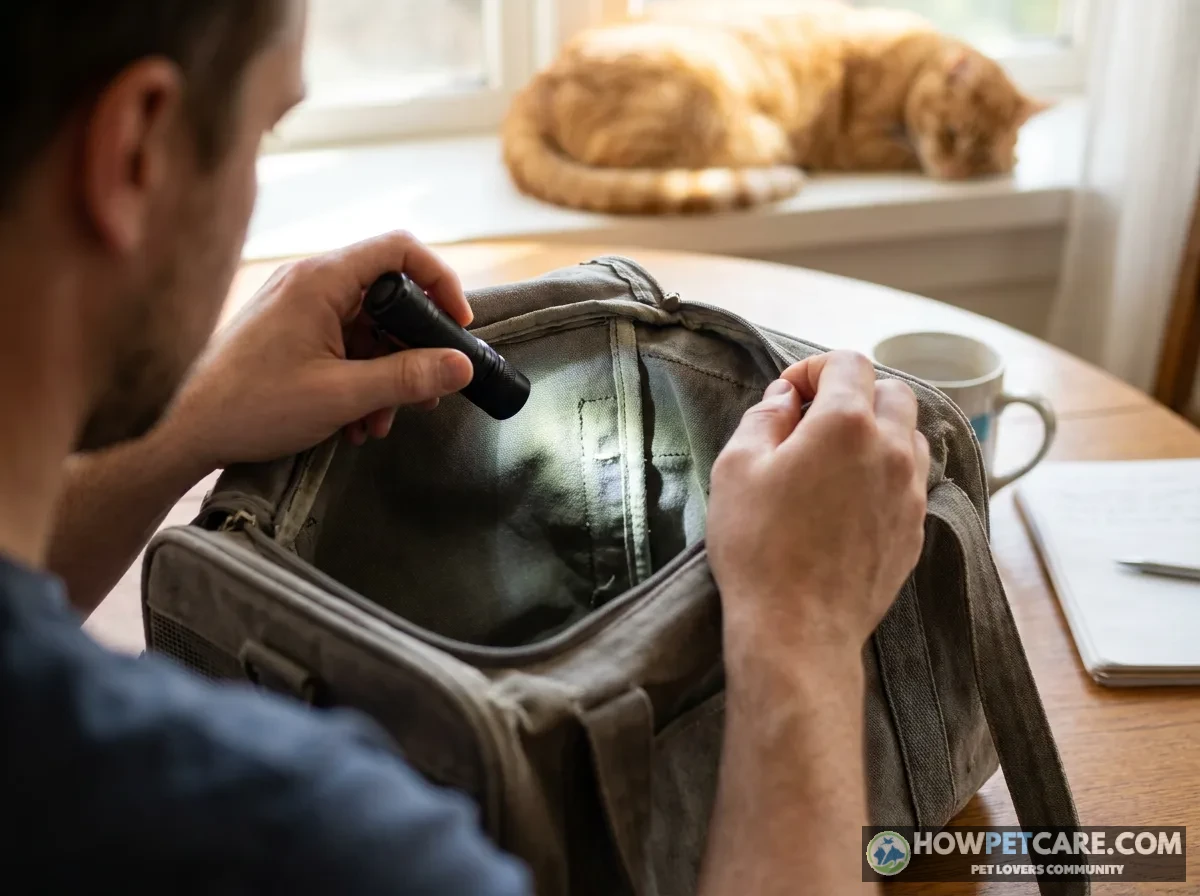
A cat is unlikely to carry bed bugs on its body to a friend’s home or boarding facility, but the risk of transporting them in cat accessories is exceptionally high. Because bed bugs don’t attach to skin or hair, a cat gently shaken over a white sheet will rarely drop a bug. Travel carriers, plush fabric bedding, blankets, and fabric-lined crates left near resting areas, however, make prime hiding spots for bed bugs and their eggs.
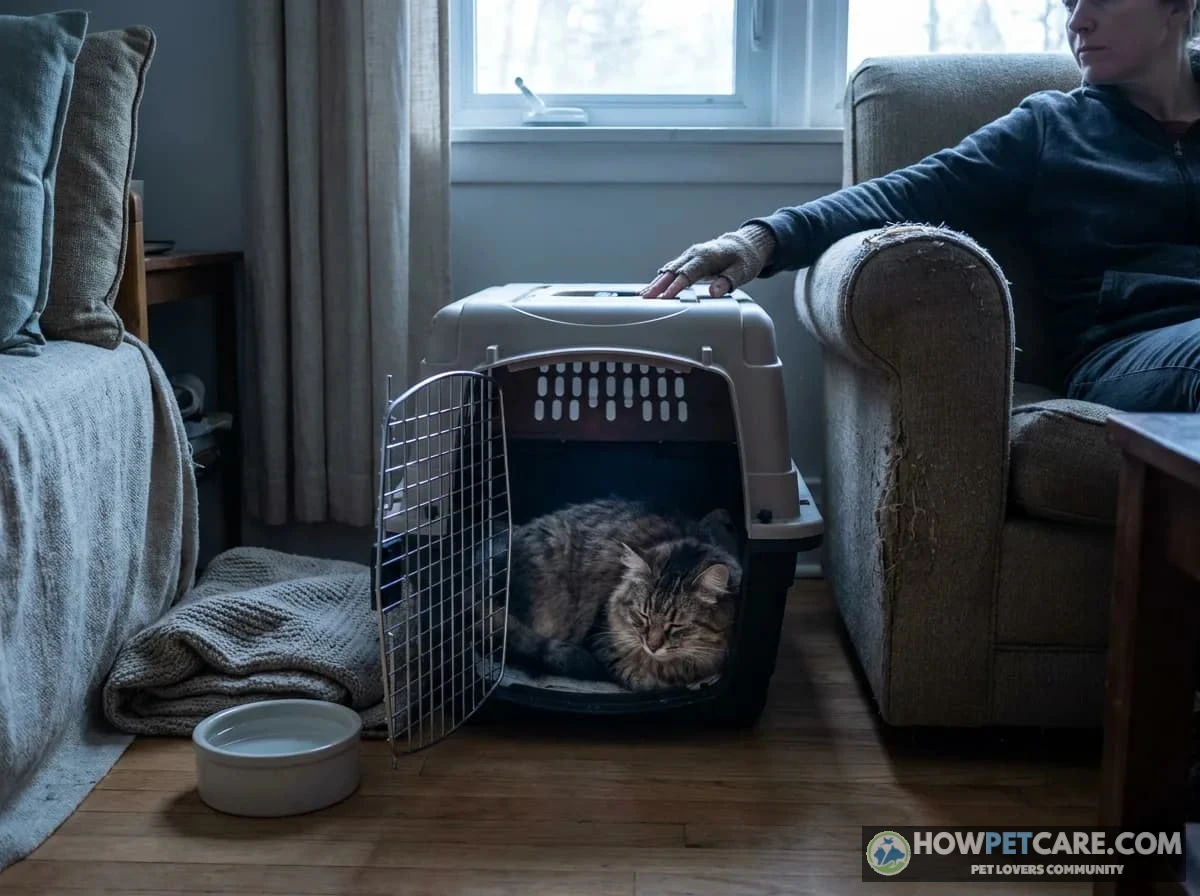
If you must relocate your cat during home treatment, don’t pack uninspected bedding, upholstered carriers, or favorite plush toys. Use a hard plastic carrier that has been thoroughly disassembled, washed, and inspected. Line it with freshly laundered, high-heat-dried towels immediately before departure.
Do bed bugs spread disease to cats?
Extensive laboratory and epidemiological studies confirm that Cimex lectularius is not a biological vector of infectious diseases to humans or cats. Unlike ticks (which transmit Lyme disease) or fleas (which transmit murine typhus and Bartonella), bed bugs don’t transmit systemic pathogens during feeding.
The main clinical risks to cats are physical and dermatological: intense localized pruritus (itching), secondary bacterial infections from aggressive scratching and biting at irritated skin, and sleep disruption. In rare cases involving severe, prolonged neglect or heavy infestations in neonatal kittens, chronic blood loss can contribute to clinical anemia. Fleas are a far more frequent cause of parasite-induced blood loss, so it helps to know what fleas look like on pets when ruling them out.
What Bed Bug Bites Look Like on Cats (and How to Tell Them From Fleas, Mites and Allergies)
Bed bug bites can be difficult to identify on cats. A cat’s dense hair coat conceals small lesions, and many cats have little inflammatory reaction to bed bug saliva. When a reaction does occur, it typically appears as small, localized erythematous (red) macules, papules, or slightly raised welts.
Humans often display a telltale ‘breakfast, lunch, and dinner’ linear pattern of bites, but cats rarely show this distinct lineup. Vigorous self-grooming quickly turns initial puncture sites into generalized crusty papules, so visual inspection alone cannot provide a conclusive diagnosis.
Where bed bug bites show up on a cat
Because bed bugs struggle to penetrate dense fur, bites appear almost exclusively in areas where hair is thin, short, or absent:
- The ventral abdomen and groin: The belly and inner thighs have sparse fur, exposing skin when the cat stretches out to sleep.
- The axillary regions: The underarm areas where the front legs meet the chest.
- Ears and facial margins: The thin skin around the outer pinnae (ear flaps), temples, and bridge of the muzzle.
- Interdigital spaces and paws: The hairless pads and thin skin between the toes.
If your cat nibbles excessively, licks frantically at its flanks, or twitches suddenly while resting, carefully part the coat under a direct, high-intensity examination light to inspect the underlying dermis.
Bed bug bites vs. flea bites vs. mites/mange vs. allergy dermatitis
Feline skin responds to a range of problems with similar symptoms—primarily miliary dermatitis (tiny, seed-like scabs) and alopecia (hair loss) caused by excessive grooming. Telling bed bug bites apart from other common feline skin conditions is critical to choosing the right veterinary care.
| Condition | What the skin looks like | Typical locations | Key clues in the home or on the cat | How a vet confirms it | Usual first step |
|---|---|---|---|---|---|
| Bed bug bites | Small red bumps or flat welts; often singles, short lines, or small clusters; easily hidden by coat | Sparsely furred areas exposed during sleep: belly, inner thighs, ears, armpits, face | Rust-colored spots on bed sheets or cat bedding, shed exuviae (skins), tiny white eggs in baseboards; cat often unbothered during active daytime | Presumptive diagnosis: ruling out fleas/mites via flea comb and skin scrapes, alongside environmental confirmation | Isolate cat from infested sleep zones; start gentle soothing bite care; initiate whole-house pest protocol |
| Flea bites / flea allergy (FAD) | Numerous tiny, crusty red papules; widespread scabbing; open moist sores from chronic chewing | Dorsal lumbosacral zone (lower back at tail base), neck collar line, posterior thighs | Flea dirt (black pepper grains that bloom reddish-brown on damp white paper); live fleas leaping or combing out; constant scratching day and night | Visual comb examination revealing fleas or flea feces; positive response to labeled flea preventative trials | Administer cat-specific veterinary flea adulticide; treat all household pets concurrently |
| Mites / mange (Notoedres, Demodex, Otodectes) | Thickened yellow-gray crusts, heavy lichenified scaling, severe excoriation; dark "coffee ground" debris in ears | Ear pinnae edges, face, eyelids, neck; can generalize to feet and perineum | Intense, relentless scratching; vigorous head shaking; contagious across multi-cat households | Deep/superficial skin scrapings, acetate tape prep, mineral oil ear cytological exam under microscope | Vet-prescribed topical or systemic isoxazoline/miticide; environmental sanitation of brushes and bedding |
| Allergic dermatitis (food/environmental) | Symmetrical bilateral alopecia (bald strips), eosinophilic plaques, linear granulomas, lip ulcers | Ventral abdomen, caudal thighs, face, neck, groin; symmetrical distribution | Chronic recurrence; no live parasites or environmental signs; often tied to dietary changes or seasonal pollen spikes | Exclusion protocol: strict 8- to 12-week hydrolyzed protein diet trial, flea control trial, intradermal testing | Veterinary workup for anti-pruritic therapy (e.g., Atopica, short-course steroids) and long-term allergen avoidance |
Signs of a bed bug infestation around cat beds and favorite spots
You’re unlikely to find insects on your cat, so check its favorite resting areas for evidence of an infestation:
- Fecal spotting: Inspect white sheets, mattress cording, and light-colored fabric cat beds for tiny, dark brown to black dots. These spots consist of partially digested blood feces. Unlike flea dirt, which stays dry until moistened, bed bug fecal spots soak into fabric fibers like ink from a fine felt-tip pen.
- Cast skins (exuviae): Bed bug nymphs shed their translucent, straw-colored exoskeletons as they grow through five developmental stages. Check the crevices of cat trees, under wicker baskets, and behind headboards.
- Viable and hatched eggs: Look for pearly-white, oval eggs measuring roughly 1 millimeter in length, glued tightly into dark joints, fabric seams, and under cat perches.
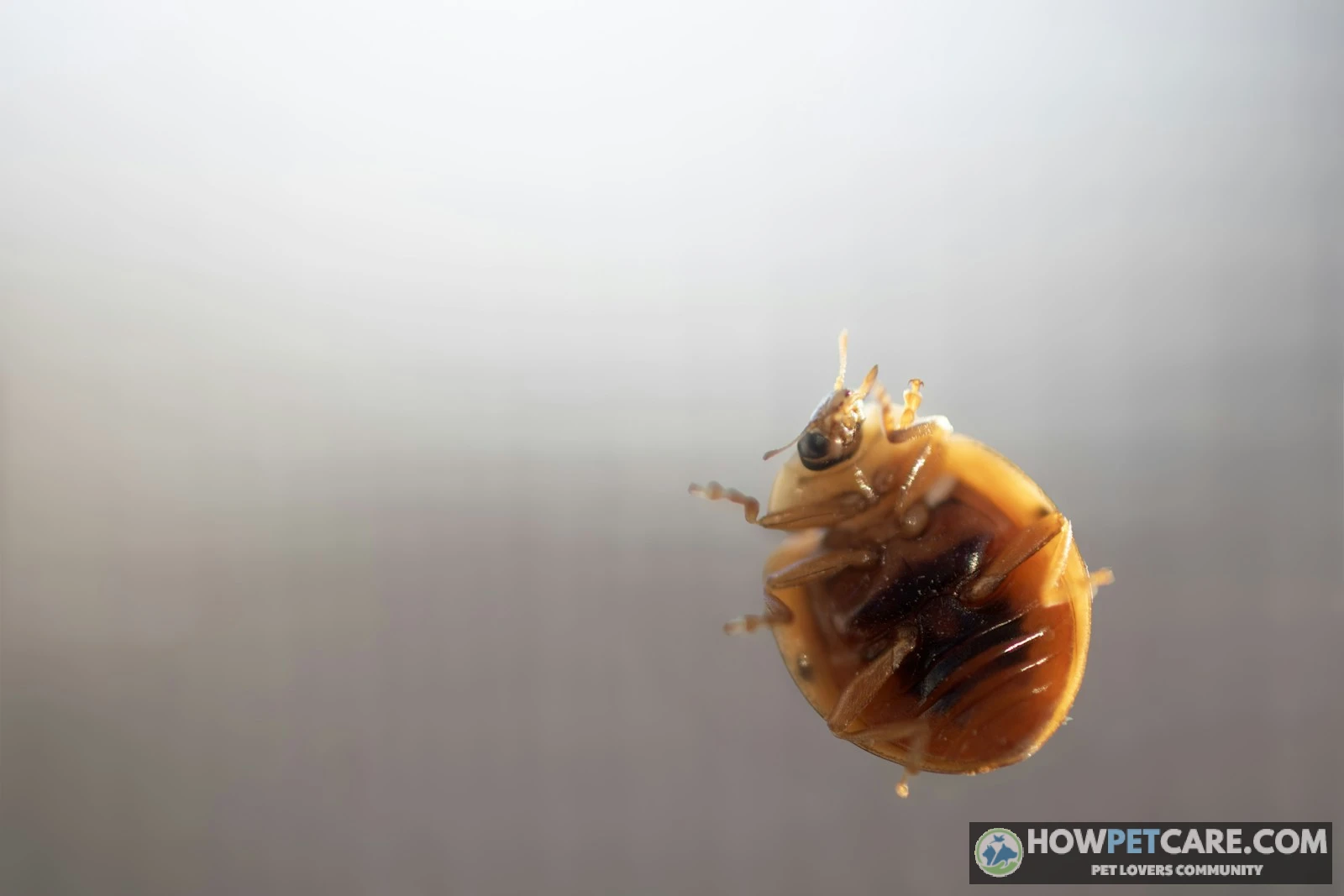
- Live adult insects: Adult Cimex lectularius are reddish-brown, wingless, flat, and roughly 5 to 7 millimeters long (about the size of an apple seed). When fully engorged, their bodies lengthen and turn deep crimson.
 You might be wonderingHairballs in cats treatmentHairballs in Cats Treatment: A Step-by-Step Home ProtocolRead the answer
How to Treat Bed Bug Bites on Your Cat, Step by Step
If your cat has localized swelling, redness, or itching from bed bug bites, focus on soothing the skin, stopping the itch-scratch cycle, and preventing secondary bacterial dermatitis while you address the infestation in your home.

-
Step 1: Eliminate further exposure immediately
Remove your cat from the infested room. Move its food, water, litter, and resting areas to an uninfested space, such as a tiled bathroom or an inspected guest room. Provide clean, freshly laundered bedding dried on high heat for at least 30 minutes. Don’t let your cat back onto infested beds or couches.
-
Step 2: Clean the skin gently
Wipe irritated bite sites with a clean washcloth dampened with lukewarm water, sterile physiological saline (0.9% NaCl), or a vet-approved chlorhexidine skin wipe (0.2%–0.5% concentration). Gently dab the area dry with a sterile gauze pad. Never scrub or apply abrasive pressure to inflamed tissue.
-
Step 3: Prevent mechanical self-trauma
Cats groom aggressively with abrasive, backward-facing tongue papillae and scratch with sharp claws. They can quickly turn sterile bites into ulcerated bacterial sores. Clip your cat’s claws neatly. If the cat scratches relentlessly at its neck, ears, or abdomen, fit it with a soft fabric Elizabethan collar (E-collar) or a breathable feline recovery suit to protect the skin barrier.
-
Step 4: Administer veterinary-approved itch relief
Ask your veterinarian about systemic or topical relief. Your vet may authorize an oral feline-safe antihistamine (such as chlorpheniramine maleate) or prescribe a brief course of corticosteroids (such as prednisolone) for severe inflammation. Follow the prescription instructions strictly; never guess dosages.
-
Step 5: Monitor daily for complications
Inspect the affected skin twice daily over a 7- to 14-day window. Keep a written log of how the bites look. If the cat is safely separated from harborages, swelling and redness should subside significantly within 3 to 5 days. Continuing or spreading bumps indicate active re-exposure or a misdiagnosed parasitic or dermatological disease.
Safe soothing options to ask your vet about
Always get veterinary clearance before applying a topical formulation to your cat. Cats groom themselves, so anything placed on the epidermis will be swallowed and absorbed internally.
- Sterile saline compresses: A cool, sterile saline compress (plain 0.9% sodium chloride) applied to inflamed skin for 5 minutes twice daily provides immediate, non-toxic relief from localized heat and burning.
- Veterinary-formulated chlorhexidine/ketoconazole mousses: If secondary microbial invasion is suspected, a vet may recommend a feline-labeled antiseptic mousse that dries quickly and leaves no hazardous residues.
- Oral antihistamines: Over-the-counter antihistamines formulated strictly for feline use (or specific human tablets containing pure chlorpheniramine, without added ingredients) can dampen the histaminic response to bug saliva when dosed strictly by a veterinarian.
What never to put on a cat’s bites
Home medicine cabinets and online forums contain many suggestions that are toxic to cats. Never apply or administer the following substances:
- Human hydrocortisone or antibiotic ointments (e.g., Neosporin): Cats groom ointments off immediately. Ingested topical steroids cause gastrointestinal ulceration, immune suppression, and endocrine disruption. Topical antibiotics containing polymyxin B or bacitracin pose risks of severe anaphylactoid reactions or toxicosis in cats.
- Essential oils (tea tree, peppermint, eucalyptus, citrus, lavender): High in terpenes and phenolic compounds, essential oils cannot be metabolized by feline liver enzymes (specifically glucuronyl transferase). Dermal absorption or ingestion through grooming causes toxicosis marked by hypothermia, ataxia, hepatic failure, and death.
- Rubbing alcohol or hydrogen peroxide: These destroy newly forming epithelial cells, severely delay tissue healing, cause stinging, and dry out damaged skin.
- Canine flea and tick spot-on products containing permethrin: Applying canine permethrin products to cats, accidentally or intentionally, causes severe, life-threatening neurotoxicity (tremors, seizures, hyperthermia) requiring immediate emergency hospitalization.
- Human analgesics (acetaminophen, ibuprofen, naproxen): Acetaminophen produces catastrophic methemoglobinemia and hepatic necrosis in cats; NSAIDs trigger acute renal failure.
- Combination human cold/allergy tablets: Human allergy products frequently combine antihistamines with decongestants like pseudoephedrine or phenylephrine, which are lethal to cats.
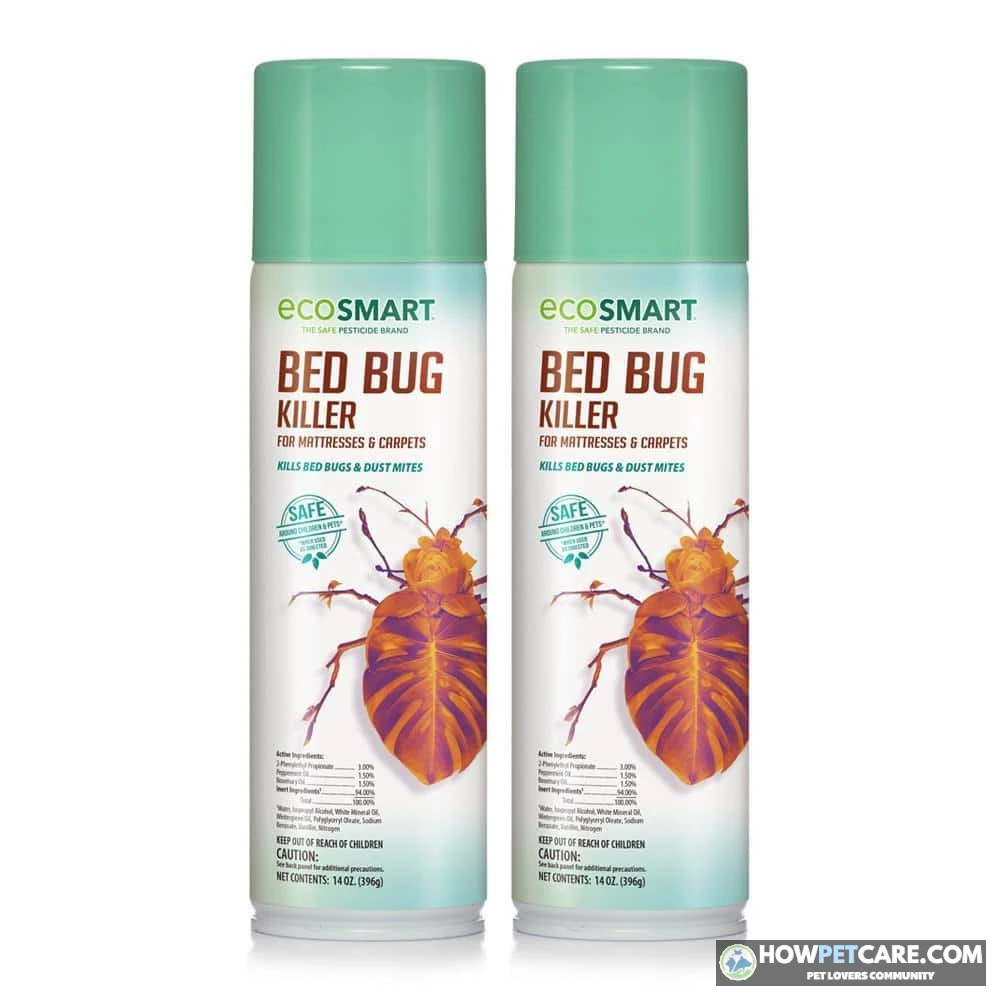
Do flea preventatives work on bed bugs?
No, spot-on flea and tick preventatives like Frontline (fipronil), Advantage (imidacloprid), and Revolution (selamectin) for cats aren’t labeled for bed bugs, nor are they an effective control plan against them.
Spot-on flea medications work systemically through the animal’s sebaceous glands or bloodstream. For a chemical to kill a bed bug this way, the bug must bite, ingest blood, and absorb a lethal dose. Bed bug populations worldwide have developed widespread physiological resistance to standard contact insecticides, and the concentration of active antiparasitic agents in a cat’s peripheral capillary blood is insufficient to eradicate a colony. Most importantly, bed bugs live in the structural environment, not on the animal. Topical pet treatments won’t resolve an environmental infestation and expose your cat to chemicals without providing bug control.
Never apply double doses of flea products, combine multiple brands, or apply preventatives off-label in hopes of repelling bed bugs. This won’t deter hungry bugs and significantly increases your cat’s risk of chemical toxicosis.
When Bed Bug Bites on a Cat Mean a Vet Visit (or an Emergency)
Most healthy adult cats handle isolated bed bug bites without systemic complications. Individual sensitivities vary, though, and secondary complications can develop quickly. Use the signs below to help decide what level of veterinary care your cat needs.
Signs of an allergic reaction
Some localized swelling at a bite site is expected, but some cats are hypersensitive to foreign proteins injected in bed bug saliva. An acute systemic allergic response warrants an immediate trip to an emergency veterinary hospital. Watch for:
- Sudden facial angioedema (swelling of the muzzle, eyelids, lips, or ears).
- Respiratory distress: open-mouth panting, wheezing, coughing, or abdominal breathing effort.
- Systemic urticaria (hives) or sudden, widespread hot erythema.
- Acute gastrointestinal distress: sudden vomiting, hypersalivation (drooling), or watery diarrhea.
- Collapse, severe ataxia (wobbliness), or sudden lethargy.
Signs of secondary infection
Feline claws harbor bacteria like Staphylococcus felis and Pasteurella multocida, so aggressive scratching can quickly introduce pathogens into bite punctures. Schedule a same-day or next-day veterinary appointment if you see:
- Moist, weeping lesions or focal ulcerations leaking serosanguineous fluid or cloudy pus.
- Foul, pungent odors from irritated skin folds or scratch sites.
- Rapidly expanding halos of bright red, warm, or indurated (hardened) skin around a bite.
- Systemic pyrexia (fever), accompanied by anorexia, hiding, and behavioral withdrawal.
- Extensive alopecia with dry, thick, yellowish-brown crusting that continues to spread.
Anemia risk in kittens and vulnerable cats
Unlike an adult cat with a substantial blood volume, a neonatal or young kitten weighs little and has a small circulating blood supply. In homes with dense, neglected bed bug populations, nocturnal feeding by hundreds of insects can lead to clinically significant blood loss. Geriatric cats, cats with underlying chronic kidney disease (CKD), and feline leukemia virus (FeLV)-positive individuals are equally vulnerable.
Gently lift your cat’s upper lip to inspect its mucous membranes. Normal feline gums should be moist and salmon-pink. If the gingival tissue appears pale pink, porcelain-white, or muddy gray, and the cat shows profound muscular weakness, hypothermia, or rapid breathing, seek emergency veterinary stabilization immediately.
TRIAGE DECISION TREE FOR CAT OWNERS

[Signs Present?]
       │
       ├─► Facial swelling, labored breathing, collapse, or neuro signs (tremors)
       │     └─► ACTION: EMERGENCY VET VISIT IMMEDIATELY
       │
       ├─► Open sores, oozing pus, foul odor, pale gums, or kitten/senior involved
       │     └─► ACTION: SAME-DAY OR NEXT-DAY VET EXAMINATION
       │
       └─► Minor red bumps, normal appetite, playing normally, no open skin
             └─► ACTION: HOME CARE & ISOLATION + ENVIRONMENTAL PEST CONTROL
Which Bed Bug Treatments Are Safe for Cats? An Active-Ingredient Lookup
Before treating a home for bed bugs, evaluate every proposed chemical with your cat in mind. Cats lack the metabolic pathways needed to break down many common synthetic insecticides, and grooming turns residue on floors into ingested toxins.
| Active ingredient or method | Common product types | Risk to cats | Status for cat households | Notes on grooming, inhalation and re-entry |
|---|---|---|---|---|
| Permethrin and other synthetic pyrethroids (bifenthrin, cyfluthrin, deltamethrin) | Over-the-counter DIY sprays, foggers, dog tick spot-ons, crack-and-crevice treatments | High when wet or concentrated. Cats have deficient glucuronidation pathways; toxicosis causes neuromuscular hyperexcitability, tremors, and seizures. | Contraindicated on cat; extreme caution for rooms. Professional application only. | Bed bugs exhibit massive documented resistance to pyrethroids. Keep cats away until completely dry and ventilated (minimum 4–6 hours). Never use dog products on cats. |
| Botanical pyrethrins | "Natural" plant-derived aerosols, contact kill sprays | Moderate to High. Derived from chrysanthemum flowers, but still present feline neurotoxicity and respiratory distress risks. | Contraindicated on cat; avoid open aerosol spraying in living spaces. | "Natural" does not mean cat-safe. Droplets settling on the coat are ingested via self-grooming. |
| Neonicotinoids (imidacloprid, dinotefuran, acetamiprid) | Professional liquid concentrates, microencapsulated combination insecticides | Moderate. Lower mammalian toxicity than pyrethroids, but toxic if wet spray or concentrate is ingested or contacted directly. | Use caution: Professional application only; follow label re-entry strictly. | Do not repurpose veterinary flea spot-ons as home sprays. Keep cats excluded until all spray residues have completely dried. |
| Pyrrole insecticides (chlorfenapyr) | Professional non-pyrethroid residual sprays (e.g., Phantom) | High if misused. Uncouples oxidative phosphorylation in cell mitochondria. Highly effective against resistant bugs. | Use caution: Professional use only. | Cat must be entirely absent from premises during application. Re-entry allowed only after thorough drying and air exchange. |
| Insect Growth Regulators – IGRs (methoprene, pyriproxyfen) | Residual tank-mix additives; juvenile hormone mimics | Low. Mimics juvenile hormones and disrupts arthropod development; low direct mammalian toxicity. | Acceptable as part of professional integrated pest management (IPM). | Always combined with adulticides; cannot kill adult biting bugs alone. Prevent cats from licking wet surfaces during application. |
| Amorphous silica gel desiccant dust (e.g., CimeXa) | Professional engineered desiccant dust applied into wall voids and electrical outlets | Low chemical toxicity; moderate inhalation risk. Destroys the waxy outer cuticle of the insect, causing rapid dehydration. | Safe with precautions: Use strictly inside hidden, sealed voids. | Do not apply to open carpets, cat perches, or bedding. If cats walk through dust, grooming leads to ingestion and mechanical airway irritation. |
| Diatomaceous earth (DE) | Hardware-store powders, natural desiccant dusts | Moderate. Inhalation of fine dust causes mechanical respiratory inflammation. Pool-grade contains deadly crystalline silica. | Avoid open use. Food-grade permitted only inside sealed, unreachable wall voids. | Works slowly and unpredictably compared to engineered amorphous silica. Avoid entirely near litter boxes, sleeping perches, and vents. |
| Essential oil sprays (tea tree, peppermint, eucalyptus, cedar) | DIY "pet-safe" organic sprays, natural insect repellents | Severe to Hazardous. Hepatotoxicity, respiratory irritation, hypothermia, ataxia. Poor insecticidal efficacy. | Contraindicated. Never spray on cat gear, bedding, or living spaces. | Ineffective against bed bug infestations; poses verified, unnecessary toxicological hazards to feline family members. |
| Alcohol-based sprays (rubbing alcohol contact sprays) | DIY contact sprays | Hazardous. Flammable fire hazard; causes acute respiratory tract irritation in felines; no residual action. | Contraindicated. | Fails to reach hidden eggs; creates a dangerous residential fire risk while providing zero residual protection. |
| Total release foggers ("Bug Bombs") | Over-the-counter pesticide aerosol canisters | Severe. Coats every exposed surface (floors, cat scratchers, food bowls) with toxic residue; fails to penetrate structural cracks. | Contraindicated in homes with cats. | Causes bed bug colonies to scatter deeper into walls and floors while maximizing oral chemical exposure for grooming pets. |
| Thermal remediation & steam treatment | Whole-structure heat treatments, commercial dry-steam units | Zero chemical toxicity. Destroys all life stages via thermal protein denaturation. | Preferred gold standard for homes with pets. | Cats must be temporarily relocated off-site during thermal operations to prevent lethal heatstroke. |
Permethrin and other pyrethroids
Synthetic pyrethroids are widely used in structural pest management because they remain active on dry surfaces for a long time. Cats, however, are uniquely susceptible to pyrethroid toxicosis. Feline hepatic microsomes are deficient in specific cytochrome P450 enzymes and UDP-glucuronosyltransferase activity, so their systems cannot safely conjugate and clear these compounds.
Dried, professional microencapsulated pyrethroid residues applied in deep crevices present a lower risk once cured, but wet spray droplets or airborne mist pose an acute neurological threat. Signs of pyrethroid poisoning in cats include excessive salivation, paw-flicking, ear twitching, generalized muscle tremors, hyperthermia, seizures, and respiratory collapse. If your pest technician uses products containing bifenthrin, cyfluthrin, deltamethrin, or permethrin, verify that the formulation is applied solely in inaccessible cracks and crevices. Keep your cat out of the residence until all carriers have dried completely and the home has undergone full ventilation exchange.
Is diatomaceous earth safe around cats?
Online pet communities often praise diatomaceous earth (DE) as a safe, natural cure for insects. From a veterinary standpoint, that claim needs significant qualification.
Diatomaceous earth consists of the fossilized siliceous skeletons of microscopic diatoms. It works mechanically: sharp microscopic particles abrade the waxy lipid layer of the bed bug’s epicuticle, causing the insect to dehydrate and die. There are several important cautions for cat households:
- Inhalation hazards: When dusted onto floors, baseboards, or cat furniture, fine DE particles become airborne through routine household movement and feline play. Inhaling them causes significant mechanical irritation, bronchoconstriction, and chronic airway inflammation in cats, especially those with feline asthma or chronic bronchitis.
- Pool-grade vs. food-grade: Never purchase pool-grade diatomaceous earth. Pool-grade DE is calcined and contains high concentrations of crystalline silica, a known respiratory hazard and carcinogen. Only unheated, food-grade amorphous DE should ever be considered.
- Ingestion during grooming: Cats walk across treated carpets or baseboards and collect dust on their paws, which they then lick off. Ingesting large quantities of DE can irritate the gastrointestinal tract and mucosal linings.
- Inefficacy compared to modern alternatives: In real-world environments, DE absorbs ambient moisture and oil, dramatically lowering its insecticidal efficacy. It works slowly, taking up to two weeks to kill individual nymphs, while engineered amorphous silica gel (such as CimeXa) acts far faster at lower application volumes.

If amorphous silica or DE is part of your control plan, restrict its use to hidden, inaccessible cavities: behind wall plate outlets, deep beneath baseboard tracks, and inside hollow wall voids where cat paws and curious noses can’t reach.
Why ‘pet-safe’ on a label isn’t enough
"Pet-safe" is an unregulated marketing claim, not an official regulatory classification from the US Environmental Protection Agency (EPA). Many products marketed as "natural," "botanical," or "pet-friendly" are exempt from standard EPA registration under Federal Insecticide, Fungicide, and Rodenticide Act (FIFRA) Section 25(b) minimum-risk criteria. These 25(b) exemptions typically rely on essential oils (clove, cedar, thyme, peppermint, citrus), which are toxic to cats.
Never accept verbal claims that a product is safe for cats. Ask your pest control technician for the exact commercial trade name and EPA registration number of every compound planned for your home. Cross-reference the active ingredients against veterinary contraindications before permitting application.
How to Get Rid of Bed Bugs With Cats in the House
Eliminating bed bugs without poisoning your cat requires an Integrated Pest Management (IPM) strategy that focuses heavily on mechanical, thermal, and barrier methods.
DIY steps that are safe around cats
- High-heat laundering and dry cycles: Bed bugs and their eggs die when exposed to sustained temperatures above 120°F (49°C). Strip all washable cat beds, blankets, slipcovers, and human bedding. Wash in hot water and dry on the highest heat setting for a minimum of 30 to 45 minutes. Immediately transfer clean items into heavy-duty plastic contractor bags and seal them with tape until the living quarters are cleared.
- Targeted, slow vacuuming: Use a vacuum cleaner equipped with a HEPA filter. Slowly draw the crevice tool across mattress tufts, seams, bed frames, baseboards, and the edges of cat resting areas. Vacuuming removes live bugs, cast skins, and loose debris. Once finished, seal the vacuum bag in a plastic garbage bag outdoors and immediately discard it in an exterior dumpster.
- Dry-steam application: Commercial dry-steam cleaners (units that reach surface temperatures over 160°F–180°F [71°C–82°C] with low moisture output) eliminate bed bugs and eggs instantly on contact. Steam along carpet perimeters, baseboard crevices, and furniture joints. Keep your cat in a separate, secure room during steaming to avoid accidental burns or stress.
- Mattress and box spring encasements: Install zippered, laboratory-tested, bed-bug-proof encasements over all mattresses and box springs. These trap remaining insects inside, preventing feeding until they eventually perish, and eliminate future mattress harborages. Check encasements regularly to make sure your cat’s claws haven’t punctured the protective membrane.
- Bed bug interceptor traps: Place smooth-sided plastic interceptor cups underneath all bed frame legs and couch feet. These traps capture bugs attempting to climb up or down furniture legs and work mechanically, without chemicals. Install them firmly so curious cats can’t tip them over or bat trapped insects onto the floor.
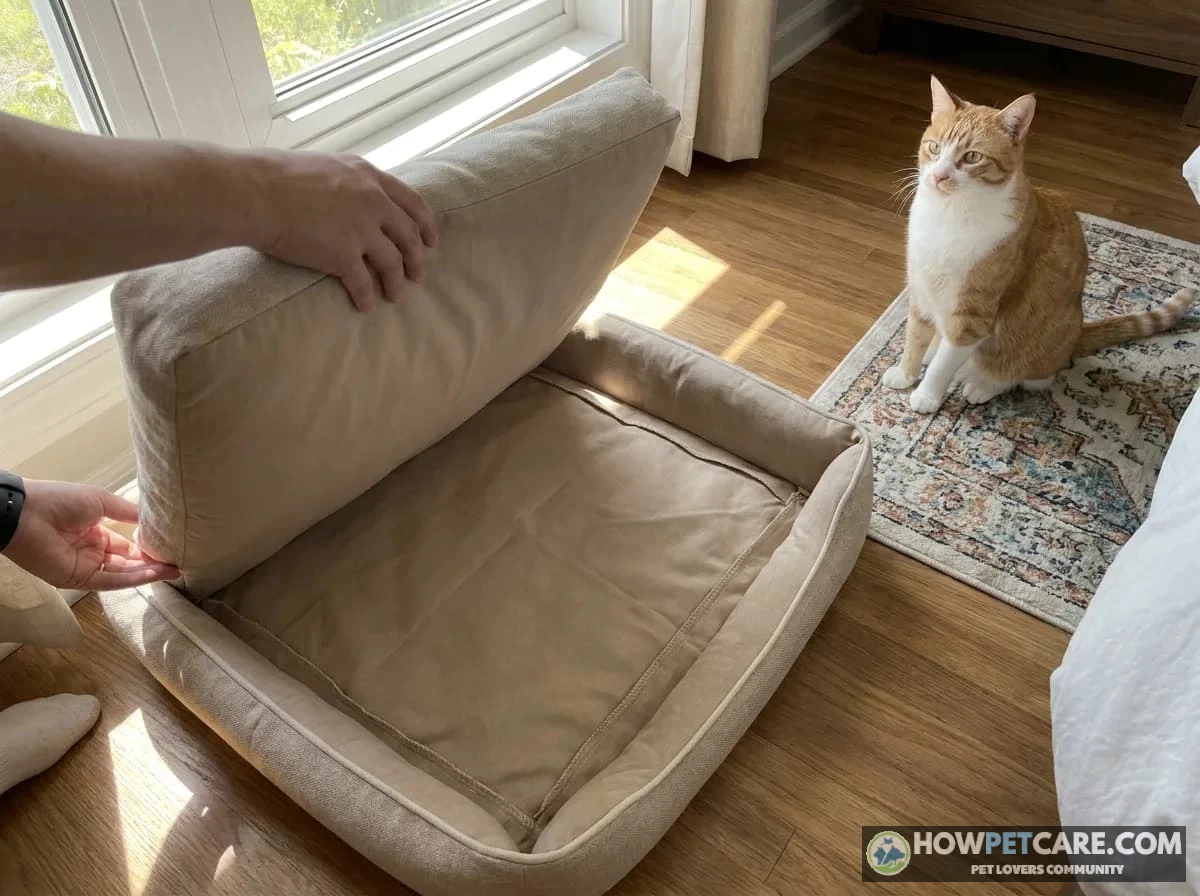
Heat treatment vs. chemical treatment in cat households
When evaluating professional extermination services, structural whole-house heat treatment (thermal remediation) is the safest, most effective approach for households with cats.
During professional heat treatment, certified technicians use high-output industrial heaters and ducting systems to raise structural temperatures throughout the home to between 120°F and 135°F (49°C to 57°C) for several continuous hours. Heat penetrates deep into mattress seams, inside wall cavities, and through complex furniture where chemical sprays often fail to reach. Crucially, heat treatment leaves zero toxic residual chemicals on carpets, baseboards, or resting surfaces that your cat could lick or absorb.
Standard chemical remediation, by contrast, relies on residual contact insecticides. In multi-unit housing or budget-restricted situations where chemical remediation is chosen, insist on an Integrated Pest Management (IPM) plan. The technician must avoid general broadcast spraying and total release foggers, using only localized, deep-crevice applications, non-pyrethroid active chemistries (such as chlorfenapyr), and desiccant dusts isolated inside wall voids.
Pet-safe bed bug treatment for apartments and rentals
Multi-unit apartment complexes present particular challenges. Bed bugs easily migrate through electrical conduits, plumbing penetrations, and common hallway spaces. Trying to handle the problem alone with DIY treatment often scatters the infestation deeper into adjacent units.
If you find bed bugs in a rental property:
- Notify property management immediately in writing: Most municipal housing codes mandate landlord-sponsored professional extermination. Prompt written notice creates a formal administrative record.
- Demand pet-safe protocol disclosures: Request a copy of the pest control operator’s proposed protocol and the safety data sheets (SDS) for all chemical formulations to be used. Inform management in writing that cats live in the unit and require pet-safe considerations.
- Coordinate multi-unit inspections: Single-unit treatments frequently fail because neighboring apartments re-infest treated spaces. Urge management to inspect adjoining units on all sides (above, below, and adjacent).
- Arrange off-site cat housing: Plan for your cat to stay at an uninfested friend’s house, family member’s home, or boarding kennel during active treatments and for the required post-application drying and ventilation periods.
Decontaminating Cat Trees, Sisal Posts, Carriers and Plush Toys You Can’t Machine-Wash
Multi-layered, non-washable cat accessories can be frustrating to deal with. Plywood-and-carpet cat trees, glued sisal posts, and foam-filled carriers offer prime harborage sites for bed bugs. Standard pesticides must never be sprayed on items your cat scratches, rubs against, and sleeps on, so use targeted physical decontamination methods instead.
| Item | Best method | Backup method | Time or temperature guideline | Cat-specific caution |
|---|---|---|---|---|
| Carpeted cat tree / condo | Slow, thorough HEPA vacuuming followed by direct dry steaming across every seam, joint, staple line, and underside platform. | Professional portable heat chamber (e.g., Thermal Strike luggage heater) or sealed quarantine. | Surface contact steam at >160°F (>71°C); quarantine requires 6 to 12 months in airtight plastic bags. | Must dry thoroughly in a ventilated room to avoid hidden core mold. Never spray liquid insecticides or flea powders onto carpeted perches. |
| Sisal scratching post / rope | Careful steam treatment along rope wraps and hardware tracks; replace heavily infested rope. | Wrap tightly in heavy contractor plastic with desiccant packs, seal with duct tape, and store in an unheated garage. | Steam on low-moisture setting; quarantine minimum 6 months at room temperature. | Wet sisal shrinks and weakens structurally as it dries. Scratching releases loose fibers that are swallowed; avoid all chemical residues. |
| Hard plastic carrier | Complete mechanical disassembly; vacuum crevices, treat with low-moisture steam, wash with hot water and soap. | Submersion in a bathtub with water heated to >120°F (>49°C) for 30 minutes. | Dry completely with clean towels before storage. | Carriers are the primary hitchhiking vector for pets. Inspect latches, vents, and interior bolt holes meticulously. |
| Soft / fabric carrier | Run through a residential clothes dryer on high heat (if structural frames are flexible or removable). | Direct dry-steam across interior corners, seams, foam walls, and mesh panels. | Dryer: high heat for 30+ continuous minutes; Steam: direct contact >160°F (>71°C). | Inspect mesh windows for damage. Never use pyrethroid-based contact sprays inside enclosed travel boxes. |
| Plush toys & catnip kickers | High-heat residential dryer cycle inside a mesh laundry bag. | Freezing in a certified deep freezer. | High dryer heat for 30–45 minutes; Freezer at 0°F (-18°C) for a minimum of 4 consecutive days. | Remove catnip filling before high heat if possible. Discard deeply soiled, low-value fabric toys rather than risking harborages. |
| Cave beds / foam beds | Direct dry-steam penetration through seams and entry hoods; ensure full drying in bright sunlight. | Encase securely inside a sealed, airtight clear storage container or bed bag. | Steam: >160°F (>71°C); Quarantine: 6 to 12 months sealed. | Thick polyurethane foam cores are notoriously difficult to heat uniformly. When in doubt, discard and replace once the home is clear. |
| Grooming combs & slicker brushes | Submerge brushes in boiling water (>140°F / 60°C) for 10 minutes, or place inside the deep freezer. | Manual hot-water dish soap wash with detailed bristle picking. | Freezer: 0°F (-18°C) for 4 full days; Hot soak: 10 minutes. | Do not share grooming tools across multiple cats during an active home infestation. Keep sanitized brushes sealed in zip-top bags. |
Cat trees and scratching posts
Cat trees are among the most challenging pieces of feline furniture to deal with during an infestation. The undersides of carpeted perches, unfinished stapled joints beneath platforms, and hollow support tubes are ideal, undisturbed harborage points for Cimex lectularius.
To decontaminate a tree mechanically:
- Disassemble: Take apart platforms, condos, and upright posts using the appropriate Allen wrenches.
- Vacuum aggressively: Run a vacuum nozzle firmly along every staple line, carpet seam, and screw hole.
- Steam slowly: Direct a commercial dry-steamer tip over every square inch of fabric, moving at an approximate rate of 1 inch per second to ensure lethal heat penetrates the backing.
- Dry completely: Set up an oscillating fan to dry the carpet fibers quickly and prevent mold development.
If a cat tree is heavily infested, structurally fragile, or deeply soiled with bug feces, discarding it is the safest and most practical choice. Wrap the tree in heavy plastic sheeting, seal it with duct tape, clearly label it "INFESTED WITH BED BUGS – DO NOT TAKE," and move it straight to an outdoor disposal container.
Carriers and travel gear
Unscrew hard plastic travel carriers and divide them into top and bottom halves. Remove metal or plastic wire doors. Scrub every component thoroughly with hot water and detergent, paying special attention to the interior ventilation slats and handle recesses. Soft-sided carriers with internal stiffening wires or cardboard supports can’t be machine washed; run them through a high-heat clothes dryer cycle if the material allows, or treat every interior seam with dry steam.
Plush toys, fabric beds and cave beds
Small plush toys, stuffed mice, and fabric kickers can harbor bed bug eggs in their exterior seams. Place items that can tolerate heat tumbling inside a clean mesh wash bag and run them through the dryer on high for 30 to 45 minutes.
For delicate, heat-sensitive toys, use freezing. Place the items in a sealed plastic freezer bag and put them inside a home deep freezer maintained at 0°F (-18°C) or lower. Keep them there for at least four continuous days. Standard refrigerator-freezer compartments may cycle above 0°F during automatic defrost routines, so verify your freezer’s internal temperature with an appliance thermometer before relying on this method.

Protecting Your Cat During Professional Bed Bug Treatment: Before, During and After
Professional pest extermination takes planning to protect your cat from chemical exposure, open doors, and acute stress.
Before treatment: preparation checklist
- ☐ Gather veterinary records: Make sure your cat’s microchip information and rabies vaccinations are up to date in case of an accidental escape during service.
- ☐ Decontaminate travel equipment: Inspect and sanitize the plastic travel carrier, food dishes, and a temporary litter pan using hot water protocols.
- ☐ Plan off-site boarding: Arrange for your cat to stay at an uninfested friend’s house, boarding facility, or pet-friendly hotel for the duration of the treatment window.
- ☐ Bag all feline accessories: Seal all cleaned cat bedding, scratching posts, toys, and grooming brushes inside heavy-duty contractor bags to prevent airborne chemical drift from settling on them during service.
- ☐ Cover or isolate aquariums: If you also keep fish or reptiles, turn off aeration pumps, cover the tanks with plastic wrap, and seal perimeter edges with tape. Insecticides are acutely toxic to aquatic life.
If you can’t leave the house: the safe-room method
If personal or financial circumstances make it impossible to relocate your cat during treatment, establish a dedicated "safe room," typically a tiled bathroom with minimal furnishings:
- Thoroughly inspect the room: Verify that the bathroom or designated safe space has zero signs of bed bugs.
- Clear with the exterminator: Tell the exterminator that this specific room will be excluded from the initial service pass, and make sure the technician understands that cats will remain inside.
- Seal the perimeter: Move your cat, clean litter box, water bowls, and clean bedding into the room. Close the door, tape plastic sheeting over HVAC vents, and place a tightly rolled, damp bath towel firmly across the floor gap beneath the door to block chemical drift.
- Rotate for subsequent treatment: Once the rest of the home has been completely treated, fully dried, and well-ventilated, move the cat into the treated living room and have the technician treat the bathroom using identical localized precautions.
After treatment: re-entry timeline and watch signs
Never return a cat to a treated residence based on a generic estimate. The standard industry guideline is 4 to 6 hours after application, but the definitive rule is that all liquid applications must be 100% dry and the residence thoroughly ventilated with fresh air. Curing can take significantly longer in humid climates or enclosed interior rooms. Confirm specific re-entry timelines with your licensed exterminator based on the products applied.
POST-TREATMENT RE-ENTRY TIMELINE

Hour 0          Hour 4-6               Hour 6+                Day 1-14
  ├────────────────┼──────────────────────┼──────────────────────┤
Application    Pesticides dry;        Wipe accessible        Monitor traps;
completed;     windows opened for     surfaces; return cat;  watch cat for
premises empty 1-2 hours air exchange place clean beds       toxicosis signs
When you return home:
- Air out the home: Open windows and run exhaust fans for an additional 1 to 2 hours before bringing the cat inside.
- Wipe high-contact surfaces: Use disposable paper towels and warm water to wipe down hard floors, kitchen counters, and window ledges where your cat walks. Focus pesticide applications remain along baseboards and inside structural cracks.
- Lay out fresh bedding: Provide freshly laundered beds; never place clean cat beds directly against wet or freshly treated baseboard edges.
- Monitor your cat for toxicosis: During the first 48 hours post-re-entry, watch your cat closely. Contact an emergency veterinarian immediately or call the ASPCA Animal Poison Control Center (888-426-4435) or Pet Poison Helpline (855-764-7661) if you notice drooling, dilated pupils, hypothermia, muscle twitches, stumbling, sudden vomiting, or seizures.
Your Action Plan: What to Do Today, This Week and When to Call for Help
Use this plan to address your cat’s immediate needs and work toward a bug-free home:
Today: Immediate stabilization and relief
- Inspect and separate: Check your cat’s skin under bright lighting for bites, excoriations, or secondary bacterial infection. Move the cat away from infested sleeping spaces (master bedrooms, couches) into an uninfested room.
- Soothe the skin: Apply a cool physiological saline compress to inflamed skin. Fit a soft E-collar if the cat is causing self-trauma through excessive grooming or scratching.
- Verify red flags: Check your cat’s gums and respiration. If you see facial swelling, lethargy, open sores, or pale gums, contact your veterinarian immediately.
- Launder immediate bedding: Strip all bedding your cat slept on today and dry it on high heat for 45 minutes.
This week: Environmental decontamination
- Deploy barriers and interceptors: Install certified bed-bug-proof mattress encasements and place interceptor traps beneath all bed and couch legs.
- Perform methodical HEPA vacuuming and steaming: Clean all baseboards, bed frames, and floor joints with a vacuum and dry steam.
- Decontaminate feline furniture: Steam-clean hard-plastic carriers and non-washable cat trees, or securely seal heavily infested carpeted condos in contractor bags for long-term quarantine.
- Hire a professional exterminator: Interview licensed pest control companies. Select a technician experienced in pet-friendly Integrated Pest Management (IPM), request whole-house thermal remediation if possible, and obtain the EPA registration numbers for any chemicals to be used.

When to call a veterinarian vs. an exterminator
- Call the veterinarian if: Skin lesions weep pus, develop yellowish crusts, or emit odors; the cat exhibits systemic signs (lethargy, fever, inappetence); the affected pet is a vulnerable kitten; or you suspect accidental chemical or essential oil exposure.
- Call a professional exterminator if: You discover live bed bugs, eggs, or fecal spots across multiple rooms; bites persist past two weeks of strict mechanical hygiene; or you live in an apartment building where building-wide coordination is mandatory.
In short, treating bed bugs on cats means caring for irritated skin while addressing the infestation in the home. Avoid toxic over-the-counter pest remedies, follow your vet’s skin-care advice, and work with a professional on environmental treatment to keep your cat safe and comfortable.
 You might be wonderingIs eucalyptus safe for catsIs Eucalyptus Safe for Cats? Toxicity, Risks & First AidRead the answer
FAQ
Can cats give bed bugs to people?
A cat is an unlikely carrier because bed bugs don’t live on fur, but a bug can occasionally hitchhike on a cat, carrier or bedding. People are far more likely to spread bed bugs through luggage, clothing and furniture.
Do bed bugs spread diseases to cats?
Bed bugs are not known to transmit disease to cats. The main problems are itchy bites, possible allergic reactions and secondary skin infections from scratching.
Should I keep my cat off the bed during a bed bug infestation?
Yes, if you can. Cats on infested beds and couches get bitten, so give your cat a clean, inspected bed in a room without signs of bed bugs until the infestation is cleared.
Will bathing my cat get rid of bed bugs?
No. Bed bugs aren’t living on your cat, so bathing won’t solve the problem and can stress the cat. Never use insecticidal or dog shampoos on cats. Ask your vet if the skin needs a medicated rinse.
Can bed bugs hide in a cat bed or litter area?
They can hide in cat beds, blankets, carriers and cat trees, especially near where the cat sleeps. They are unlikely to live in litter itself, but check cracks and furniture near the litter box.