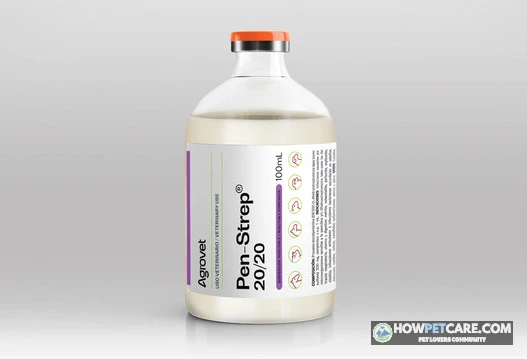

Penicillin is generally effective against feline streptococcal infections, mainly Streptococcus canis, and is a first-line choice when the organism is susceptible. A vet confirms the infection, picks the formulation — aqueous, procaine, or benzathine — and doses by weight, typically 20,000–40,000 IU/kg.
Is Penicillin Safe and Effective for a Cat With a Strep Infection?
Penicillin for strep in cats is generally effective against feline Streptococcus, mainly S. canis, a group G strep. It’s considered a first‑line choice when the infection is confirmed or strongly suspected. A veterinarian must prescribe the right formulation, dose, and route after examining the cat and, when possible, confirming the infection with a culture.
Signs of Streptococcal Infection in Cats and How Vets Pick the Antibiotic
Signs depend on the site of the infection:
- Upper respiratory infection: nasal or ocular discharge, sneezing, coughing, fever, reduced appetite, and lethargy.
- Skin and wound infection: localized redness, swelling, pus, fever, and possible lymph node enlargement under the jaw.
- Ear infection: head shaking, ear discharge, pain when the ear is touched, and fever; vets often treat confirmed otitis with prescription ear drops such as Tresaderm.
- Urinary or reproductive tract infection: straining to urinate, blood in urine, or genital discharge, often accompanied by fever and malaise.
- Neonatal kittens: sudden weakness, failure to nurse, or rapid decline that requires same‑day veterinary care.
Many conditions can look like a streptococcal infection, including viral URI, other bacterial infections, and fungal disease. Signs alone can’t confirm strep. The veterinarian will examine your cat, take its temperature, and decide which sample to send for culture and sensitivity: a swab of discharge, an aspirate of an abscess, or a urine sample. Results can take 48–72 hours, so treatment is often started empirically while you wait.
Decision checklist (plain‑text flow):
- Suspect strep based on the signs and affected site.
- Arrange a prompt veterinary examination; if the cat is ill, begin treatment.
- Obtain an appropriate sample for culture and sensitivity.
- Start a penicillin‑class antibiotic if the organism is likely susceptible.
- Adjust therapy when sensitivity results return or if the cat doesn’t improve.
- Step down to oral therapy (e.g., amoxicillin) once the cat is stable and eating.
What a vet visit for suspected strep includes
- A physical exam, temperature check, and assessment of the affected site.
- Collection of a swab, aspirate, or urine sample for culture and sensitivity.
- Empiric dosing based on the most likely susceptibility; penicillin‑class drugs are usually appropriate.
- Re‑evaluation in 48–72 hours; if the cat hasn’t improved, a culture‑guided change may be needed.
Penicillin G, Procaine Penicillin and Benzathine Penicillin: What Each Vial Is and How Much a Cat Gets
Formulation decoder
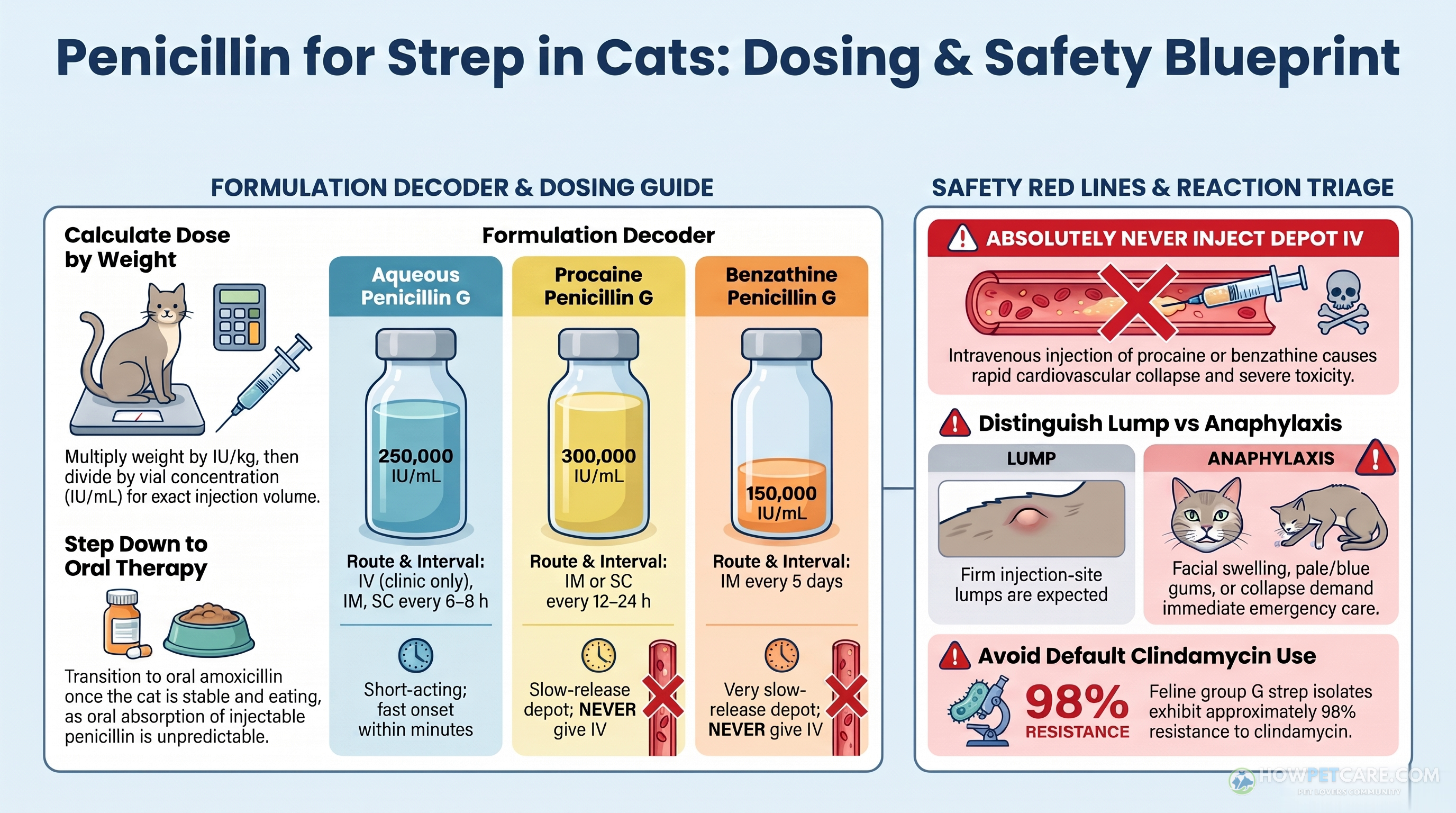
- Penicillin G (aqueous, short‑acting): Usually supplied as a powder mixed with sterile water to a concentration of about 250,000 IU/mL. It acts quickly and is given intravenously in the clinic (short‑acting IV) or intramuscularly or subcutaneously (IM/SC) for outpatient use. It starts working within minutes, but its duration is short (4–6 hours), requiring dosing every 6–8 hours.
- Procaine penicillin G (slow‑release depot): A suspension that releases the drug gradually over 12–24 hours. It’s given IM or SC, never IV, because the particulate suspension can cause severe local and systemic reactions if injected into a vein. Onset is delayed (30–60 minutes), and the duration is longer (12–24 hours), so doses are spaced further apart.
- Benzathine penicillin G (very slow‑release depot): Often combined with procaine in commercial products. The benzathine component provides a depot effect lasting up to 5 days. It’s given IM only, never IV, and the label specifies the exact interval (commonly every 5 days for adult cats). Onset is delayed, and the duration is prolonged.
How to read a vial and prescription label
- The label lists the total units (IU) in the vial and the concentration after reconstitution (IU per mL).
- The prescribed dose is expressed as IU per kilogram of body weight (IU/kg). Multiply the cat’s weight by the dose range to get the total IU needed.
- Divide the total IU by the concentration (IU/mL) to find the volume in milliliters to draw into a syringe.
- The label also gives the recommended route (IV, IM, SC) and dosing interval.
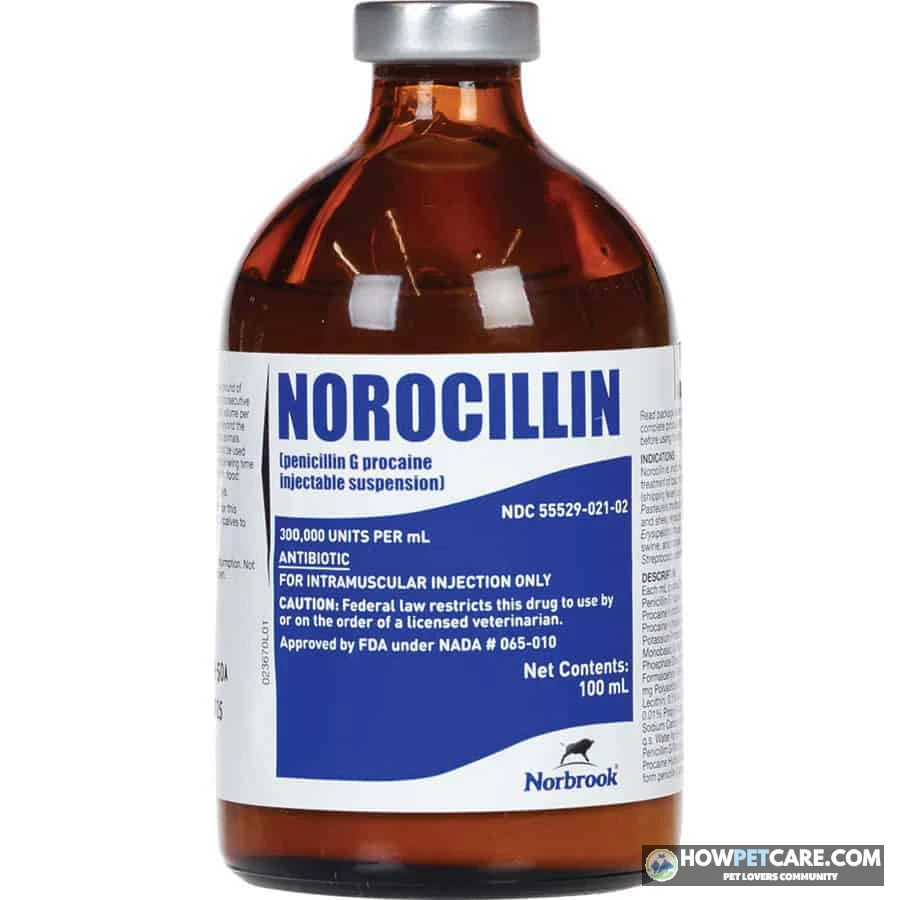
Feline penicillin dosing chart by weight
| Formulation | Typical route | Dose range (IU/kg, cited source) | Label concentration (IU/mL) | Interval | Approx. mL at 2 kg / 4 kg / 6 kg | Notes and cautions |
|---|---|---|---|---|---|---|
| Aqueous penicillin G (short‑acting) | IV, IM, SC | 20,000–40,000 IU/kg | 250,000 IU/mL after reconstitution | Every 6–8 h | 0.16–0.64 mL (2 kg) / 0.32–0.64 mL (4 kg) / 0.48–0.96 mL (6 kg) | Reconstituted concentration varies; check the label before drawing up. IV use is clinic‑only; outpatient administration is IM or SC. |
| Procaine penicillin G (depot) | IM or SC | 20,000–40,000 IU/kg | 300,000 IU/mL | Every 12–24 h | 0.13–0.53 mL (2 kg) / 0.33–0.67 mL (4 kg) / 0.5–1.0 mL (6 kg) | Depot suspension; shake only if the label directs. Never IV – risk of procaine toxicity and cardiovascular collapse. |
| Benzathine penicillin G (single‑entity depot) | IM (depot) | 40,000 IU/kg (reference) | 150,000 IU/mL | Typically every 5 days (label‑defined) | 1.07 mL (2 kg) / 1.33 mL (4 kg) / 2.0 mL (6 kg) | Feline data are limited; many products combine procaine and benzathine. Don’t treat the total units as benzathine unless the label and prescription specify so. |
Reference ranges: Plumb’s Veterinary Drug Handbook, 10th ed. (2023), penicillin G monographs. These are general reference figures; the prescription and product label control. If you can’t measure the calculated volume accurately with the supplied syringe, ask the clinic to mark the syringe or give the injection.
Safety Red Lines: Never IV for Depot Penicillin, Side Effects and Allergic Reactions
Absolute prohibition
- Never inject procaine or benzathine penicillin into a vein; these depot suspensions must be given only by the labeled IM or SC route. If injected intravenously, particles in the suspension can cause severe procaine toxicity, embolism, and rapid cardiovascular collapse.
Common, usually mild side effects
- A small, firm lump or tenderness at the injection site (an expected depot reaction).
- Mild stomach upset, reduced appetite, or temporary lethargy.
- Slight fever or increased temperature for a few hours after injection.
Emergency signs of anaphylaxis or severe reaction
- Facial, lip, eyelid, or throat swelling.
- Hives or a generalized rash appearing shortly after dosing.
- Repeated vomiting or diarrhea immediately after the dose.
- Labored breathing, wheezing, or noisy respiration.
- Pale, blue, or mottled gums indicating poor circulation.
- Collapse, seizures, or uncontrolled shaking (especially after procaine injection).
What to do
- Stop dosing immediately.
- Call an emergency veterinary clinic and take the cat there right away.
- Don’t wait to see if symptoms resolve; treat this as an emergency.
Injection‑site reaction vs anaphylaxis
| What you see | Likely cause | Severity | What to do | Typical timing |
|---|---|---|---|---|
| Small, firm lump or tenderness at injection site; cat otherwise normal | Local irritation or expected depot lump | Usually mild | Note size, prevent rubbing, report if it does not shrink in a few days | Hours to 48 h |
| Brief tiredness or slightly reduced appetite, cat remains alert and drinks | Nonspecific medication or illness effect | Mild to watch | Call clinic if persists >24 h or worsens | First 24 h |
| Injection lump that grows, becomes hot, painful, or drains pus | Injection complication or abscess | Needs prompt assessment | Call clinic same day | Hours to several days |
| Facial, lip, eyelid, or throat swelling; hives; repeated vomiting soon after dosing | Possible allergic reaction | Emergency | Stop dosing and go to emergency veterinary care | Minutes to a few hours |
| Labored breathing, collapse, pale or blue gums | Possible anaphylaxis or shock | Emergency | Go now; do not wait for another symptom | Minutes to hours |
| Agitation, tremors, or seizures after a procaine product | Possible procaine reaction | Emergency | Go to emergency care immediately and tell the team the product name | Usually soon after injection |
Other cautions
- Tell the vet if your cat has a known penicillin allergy; the allergy can cross‑react with amoxicillin and other beta‑lactams.
- Very young kittens and cats with severe kidney disease may need dose adjustments; the vet will decide.
- Don’t give more than one depot penicillin product at a time; overlapping depot actions increase the risk of toxicity.
Never inject procaine or benzathine penicillin into a vein. These depot formulations are intended for IM or SC administration only. Intravenous injection can cause life‑threatening cardiovascular collapse and must be avoided at all times.
Penicillin vs Amoxicillin, Clavamox, Cephalexin and Clindamycin for Feline Strep
| Antibiotic | Expected activity against feline G‑strep | Route | Dosing burden | Relative drug cost tier | Best used when |
|---|---|---|---|---|---|
| Penicillin G | Usually reliable; narrow spectrum targets susceptible strep | Injection (IV, IM, SC) | Highest; frequency depends on formulation | Low drug cost, though injection visits raise total cost | Culture‑supported strep when a narrow‑spectrum injectable or IM/SC option is appropriate |
| Amoxicillin | Usually reliable | Oral liquid or tablet | Low to moderate; commonly twice daily | Low | Stable cats at home or step‑down treatment once eating and improving |
| Amoxicillin‑clavulanate (Clavamox) | Reliable for strep and adds activity against some beta‑lactamase‑producing bacteria | Oral | Low to moderate; commonly twice daily | Moderate to high | Bite wounds, abscesses, mixed bacterial populations, or culture results requiring broader coverage |
| Cephalexin | Often active, but not the usual first narrow‑spectrum answer | Oral | Moderate; often twice daily | Moderate | Selected skin or soft‑tissue cases when culture and patient factors support it |
| Clindamycin | Unreliable for feline group G strep | Oral | Low; once or twice daily depending on prescription | Moderate | Only when sensitivity testing confirms activity or the vet is treating a different susceptible target |
Why clindamycin is a poor default: ABCD’s 2021 update on streptococcal infections in cats reports approximately 98% clindamycin resistance among feline group G streptococcal isolates. Almost all tested isolates were therefore not expected to respond, making clindamycin a weak empirical choice unless culture confirms susceptibility.
Cost tiers describe typical drug acquisition cost, not the total visit cost. Culture results, the infection site, prior reactions, and the owner’s ability to medicate the cat can matter more than the tier. If you’re comparing what your vet charges against pharmacy prices, our guide on where to buy pet medications safely walks through a real price‑check method.
Giving Penicillin at Home: Oral or Injection, Technique, Missed Doses and Storage
Can penicillin be given orally to cats?
Oral penicillin options for cats are limited. For step‑down therapy, most veterinarians prefer an oral penicillin‑class drug such as amoxicillin rather than giving an injectable formulation by mouth. Injectable penicillin’s pharmacokinetic profile—rapid clearance for short‑acting forms and prolonged release for depot forms—makes oral absorption unpredictable. Follow the veterinarian’s specific oral prescription, often amoxicillin or another oral agent, rather than substituting the injectable product.
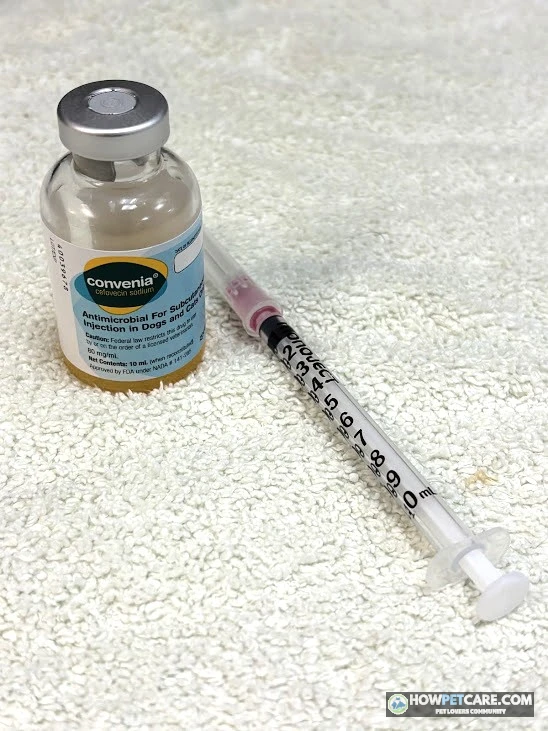
Home injection steps (for SC or IM depot products)
- Confirm the exact product, concentration, and prescribed dose with the veterinarian.
- If the suspension has been refrigerated, let it reach room temperature and gently swirl or shake it as directed on the label.
- Clean the injection site with an alcohol swab and let it dry.
- Use a sterile needle and syringe appropriate for the volume to be drawn.
- Choose the labeled site (commonly the scruff of the neck for SC or the lateral thigh for IM) and rotate sites for subsequent doses.
- Insert the needle quickly, depress the plunger slowly to deliver the full volume, then withdraw the needle and apply gentle pressure with clean gauze.
- Dispose of sharps in a puncture‑proof container; keep needles out of reach of children and pets.
-
Confirm product and dose
Verify the vial name, concentration (IU/mL), and the exact IU/kg dose prescribed by the vet.
-
Warm or shake the suspension
Allow the suspension to reach room temperature and gently swirl or shake only if the label instructs; avoid vigorous shaking that could create bubbles.
-
Clean the site
Wipe the chosen injection area (e.g., scruff or lateral thigh) with an alcohol swab and let it air‑dry.
-
Prepare the syringe
Draw the correct volume by dividing the prescribed IU by the concentration (IU/mL); double‑check the measurement before injecting.
-
Administer the injection
Insert the needle swiftly, depress the plunger slowly to deliver the entire volume, then withdraw and apply light pressure with gauze.
-
Dispose safely
Place the needle and syringe in a puncture‑proof sharps container; store it away from children and animals.
-
Monitor the cat
Observe the injection site for swelling or bleeding; note any immediate reaction and report concerns to the vet.
-
Missed dose handling
If you miss a dose, call the clinic for advice; do not double the next dose unless instructed. Timing matters more for depot products, which have long intervals.
-
Storage
Keep injectable suspensions refrigerated (2–8 °C) and discard after the expiration date printed on the label. Do not freeze. Store syringes and needles out of children’s reach.
-
Helping a reluctant cat
Use gentle restraint, offer a favorite treat, and consider a second person to hold the cat steady while you inject.
- For short‑acting injectable penicillin (given every 6–8 hours), a missed dose can be given as soon as you remember if the next scheduled dose is still several hours away; otherwise, skip it and resume the regular schedule.
- For depot products (12–24 hour or 5‑day intervals), don’t give a second dose early. Contact the veterinarian for guidance, as premature dosing can cause toxicity.
- Keep the vial refrigerated at 2–8 °C; don’t freeze it.
- Write the preparation date on the label and discard any unused portion after the manufacturer‑specified beyond‑use date (often 28 days after reconstitution).
- Inspect the suspension before each use. If it appears clumped, discolored, or has an unusual odor, discard it and obtain a new vial.
- Appetite, energy level, and temperature often begin to improve within 48–72 hours of starting therapy.
- Nasal or ocular discharge often visibly decreases and fever lessens by day 3; if conjunctivitis lingers, the vet may add an eye ointment such as Terramycin.
- If your cat shows no improvement after 48–72 hours, or if symptoms worsen (increased discharge, new cough, worsening lethargy, or refusal to eat), contact the vet promptly.
- New vomiting or diarrhea.
- Breathing difficulty, labored respiration, or collapse.
- Persistent high fever (> 103 °F) beyond 24 hours.
- Rapidly enlarging swelling, an abscess that doesn’t shrink, or worsening pain.
- Any sign of an allergic reaction (facial swelling, hives, vomiting shortly after dose).
- A recheck appointment is usually scheduled 7–10 days after starting treatment to assess the clinical response.
- If the cat remains symptomatic or the initial culture grew the organism, a repeat culture and sensitivity test may be warranted, especially for recurrent infections.
- In a pet cat, ‘cleared’ means the clinical signs have resolved, the veterinarian confirms that temperature and appetite have returned to normal, and the full medication course has been completed. A repeat culture isn’t always required unless the infection was complicated or the cat is a breeding queen.
- In a cattery or breeding environment, cleared status may involve repeated cultures and strict hygiene protocols to prevent transmission to other cats or kittens.
- Wash your hands thoroughly after handling a cat with discharge or wounds.
- Avoid direct contact with open lesions; use gloves if necessary.
- Promptly treat any human sore throat or skin infection to reduce the chance of passing bacteria to the cat.
- It’s uncertain whether penicillin can reliably eliminate streptococcal carriage in a breeding queen. Current veterinary guidance doesn’t endorse a universal preventive protocol; instead, carriers are managed through repeated culture, strict hygiene, and, when needed, targeted antimicrobial therapy under veterinary supervision.
- Claims that a diluted benzathine‑penicillin injection every five days protects newborn kittens are unverified. The schedule circulates in breeder material, but modern feline guidelines don’t establish a universal preventive regimen using diluted benzathine. Diluting the suspension can alter drug draw‑up accuracy and may affect the intended depot release. Neonatal treatment should be culture‑ and veterinarian‑directed.
- Statements that penicillin or clindamycin reliably eliminates strep carriage in a breeding queen are unproven. Treatment may reduce detectable bacteria in some cats, but it can’t be guaranteed to clear a carrier state. Clindamycin resistance in feline group G streptococci is reported at about 98%, limiting its usefulness.
- Which penicillin formulation (aqueous, procaine, benzathine) has been prescribed?
- What is the exact dose in IU/kg and the corresponding volume in mL for my cat’s weight?
- What is the recommended route (IM, SC, IV) and dosing interval?
- Was a culture and sensitivity test performed, and what were the results?
- How many days of therapy are you recommending, and when should we schedule the recheck?
- What should I do if I miss a dose, especially for depot products?
- Are there any specific storage instructions for the medication at home?
- Product name and concentration (IU/mL).
- Expiration date and storage requirements (refrigerated, do not freeze).
- Correct syringe size for the calculated volume.
- Route and interval as written on the label.
- Swelling of the face, lips, eyelids, or throat.
- Hives or widespread rash appearing shortly after dosing.
- Trouble breathing, wheezing, or noisy respiration.
- Collapse, seizures, or uncontrolled shaking.
- Pale, blue, or mottled gums.
- Not eating or drinking for more than 24 hours.
- Rapidly worsening fever or pain.
- A lump at the injection site that grows, becomes hot, or drains pus.
- Mild vomiting or diarrhea that persists beyond 24 hours.
- Lack of improvement by the expected improvement milestone (usually 48–72 hours).
Missed dose
Storage of injectable suspensions
How Long Cats Take Penicillin and What Recovery Looks Like
The veterinarian sets the course length based on the infection site and severity, typically 1–2 weeks for uncomplicated upper respiratory or skin infections. Finish the entire prescribed course, even if your cat appears better before the final dose, to prevent relapse and reduce the risk of antibiotic resistance.
Improvement timeline
When to call the vet
Recheck and repeat culture
What ‘cleared’ means
Can Humans Give Strep to Cats? Carriers, Catteries and Unverified Breeder Protocols
Human streptococcal pharyngitis (caused by Streptococcus pyogenes) involves a different species from Streptococcus canis, which most often causes feline infections. Cross‑species transmission has been documented but is uncommon. The risk to a healthy household cat is low, though immunocompromised individuals should practice hand hygiene and seek medical advice if both they and their cat are ill.
Zoonotic transmission in practice
Carrier state
Breeder neonatal protocols
Carrier claims
The widely shared breeder protocol of giving diluted benzathine penicillin every five days to newborn kittens is not verified by current veterinary guidance. Use only veterinarian‑prescribed, culture‑guided treatment for neonatal or carrier management.
Your Next Steps: Questions for the Vet and When to Go to Emergency Care
Questions to ask the veterinarian
Check‑the‑label list before the first home dose
Go‑now list (emergency)
Call‑the‑clinic list
Save this dosing chart and decision path for your conversation with the vet. Don’t adjust doses on your own, and never use leftover or human penicillin without a veterinary exam.
FAQ
Can I give my cat leftover or human penicillin?
No. Human and livestock products differ in strength and formulation, and a wrong dose or the wrong route can be dangerous. A vet needs to examine your cat and prescribe the right product.
Do I need a prescription for cat antibiotics like penicillin?
Yes, in most places penicillin for cats requires a veterinary prescription or veterinary administration. Rules differ by country, and the vet must examine your cat to confirm an infection and choose the right drug.
Can my cat be allergic to penicillin?
Yes, though serious reactions are uncommon. Tell your vet about any past reaction, because allergy to penicillin can extend to related antibiotics such as amoxicillin.
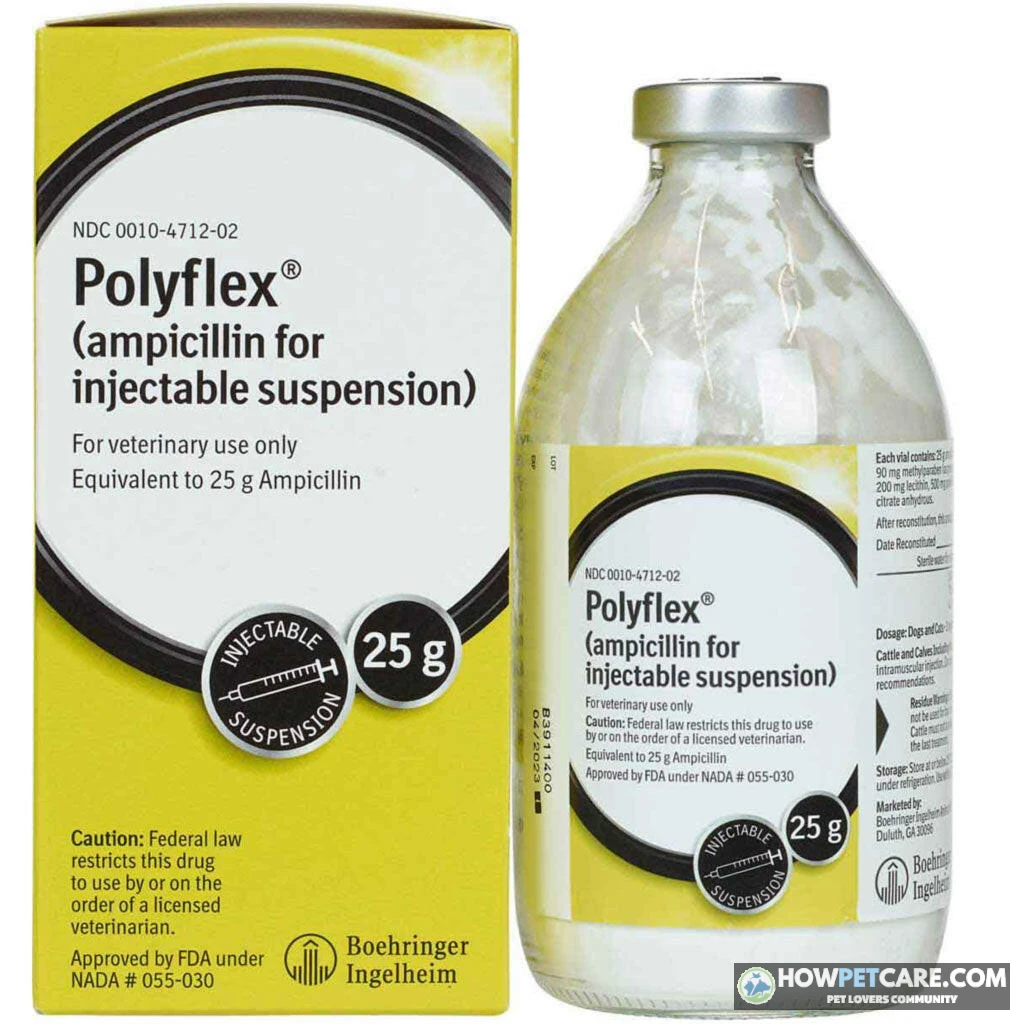
Is farm-store injectable penicillin the same as what my vet would use?
It may be the same drug, but the concentration, the formulation and the dosing guidance can differ. Do not use it on a cat without your vet’s instruction on product, dose and route.
Can penicillin be given with food?
Injectable penicillin is not affected by food. For any oral antibiotic your vet prescribes, follow the label and ask whether it should be given with food, as that varies by drug.