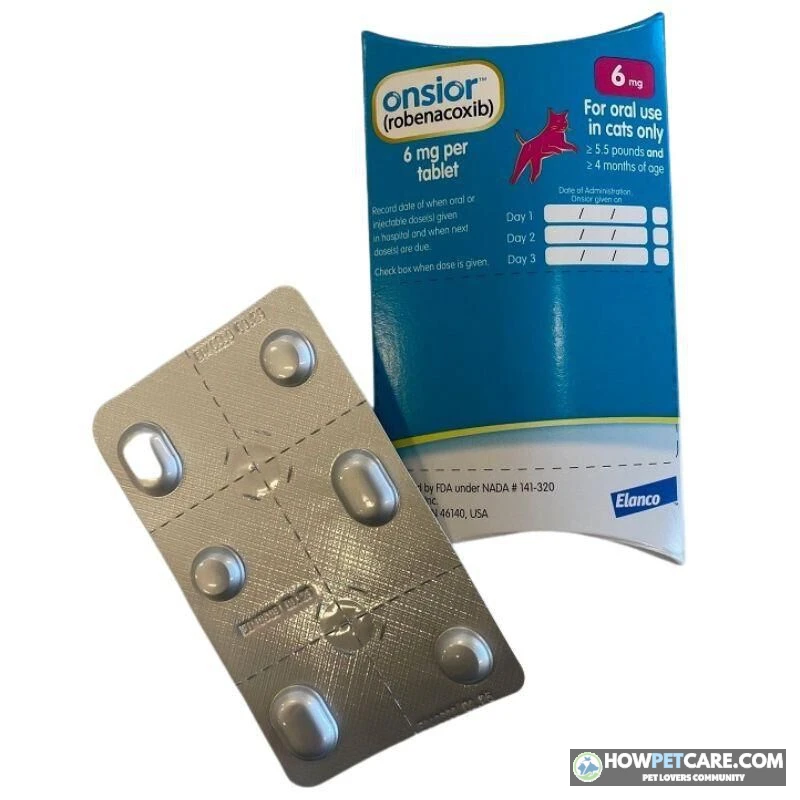

Onsior (robenacoxib) is a prescription NSAID approved in the US to control postoperative pain and inflammation in cats for a maximum of 3 days. Cats 5.5–13.2 lbs take one 6 mg tablet once daily; cats 13.3–26.4 lbs take two. Never combine it with another NSAID or a steroid.
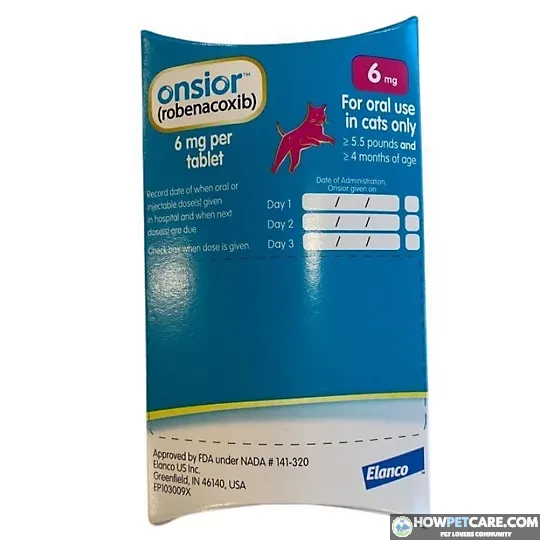
Onsior is Elanco’s brand name for robenacoxib, a prescription NSAID (nonsteroidal anti-inflammatory drug) made for cats. In the United States, the FDA approves it to control postoperative pain and inflammation after orthopedic surgery, a spay (ovariohysterectomy), or a neuter (castration) — for a maximum of 3 days. Your cat must be at least 4 months old and weigh at least 5.5 lbs (2.5 kg). Onsior comes as a 6 mg tablet given once daily. If your vet prescribed it for a healthy, hydrated cat recovering from surgery, it’s generally well tolerated when dosed exactly as directed — but it’s not safe for every cat, and it’s never a DIY drug. Never combine it with another NSAID or a steroid.
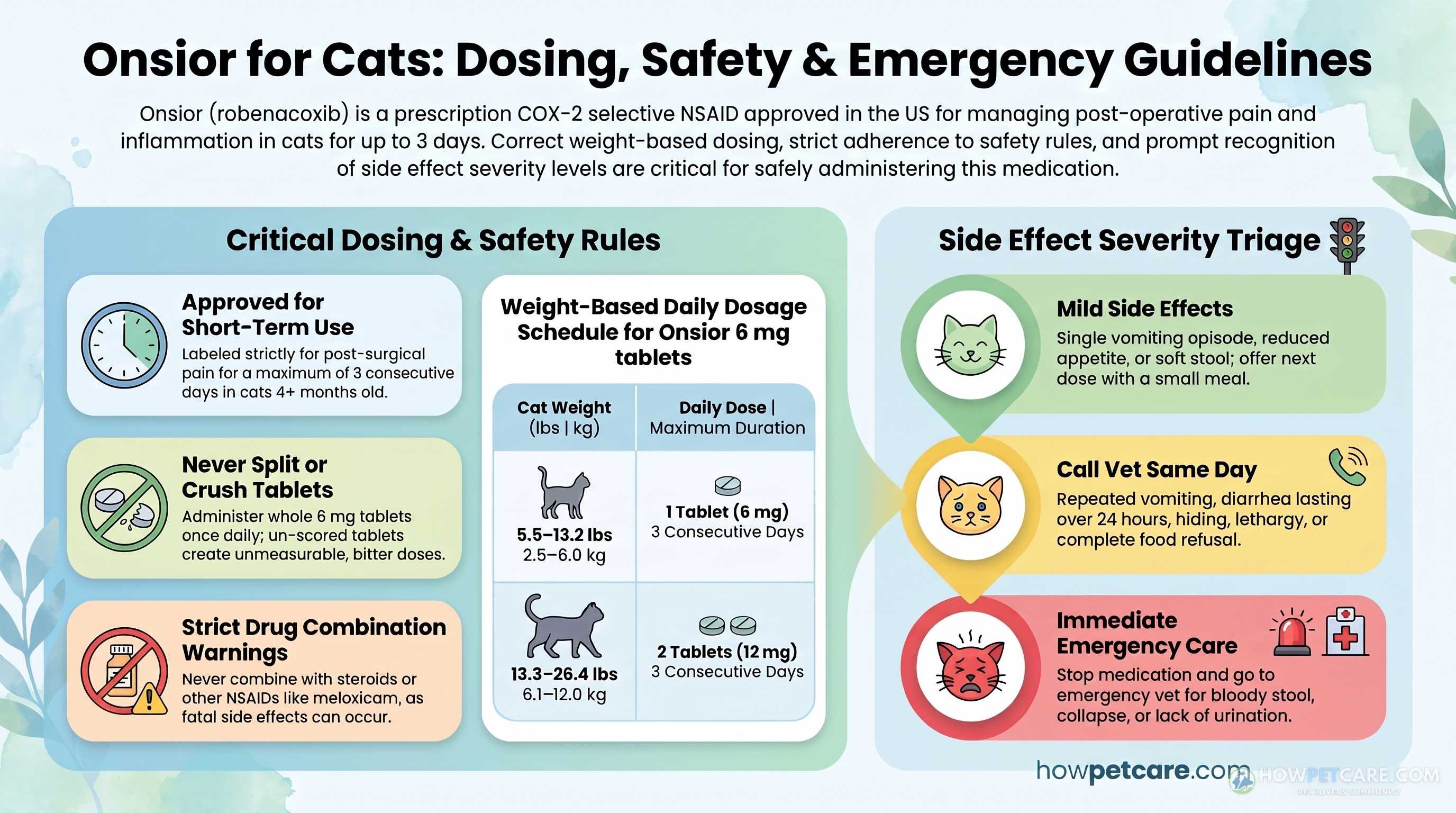
The two facts owners most often need are the weight-based dose and the "what now" answer when a tablet comes back up. Here’s the dose chart:
| Cat weight (lbs) | Cat weight (kg) | Tablets per dose | Frequency | Maximum duration (US label) |
|---|---|---|---|---|
| 5.5–13.2 lbs | 2.5–6.0 kg | 1 tablet (6 mg) | Once daily | 3 consecutive days |
| 13.3–26.4 lbs | 6.1–12.0 kg | 2 tablets (12 mg) | Once daily | 3 consecutive days |
The rest of this guide covers dosing details, severity-tiered side effects, a dose-incident decision table, pilling technique, drug comparisons, and the cost math — so you can act correctly in the moment instead of re-reading a clinical label.
Onsior (Robenacoxib) for Cats: What It Treats and Whether It’s Safe for Your Cat
How Onsior works in plain language
Inflammation is driven by an enzyme called COX (cyclooxygenase). COX-2 produces pain and swelling; COX-1 helps protect your cat’s stomach lining and maintain blood flow through the kidneys. Most older NSAIDs blunt both, which is why they can upset the stomach or stress the kidneys. Robenacoxib is a COX-2 inhibitor — it targets the pain-and-swelling enzyme while sparing more of the protective one. That selectivity is why vets reached for it: a modern feline NSAID that mostly sidesteps the two side effects owners fear most.
What the FDA label covers (and what it doesn’t)
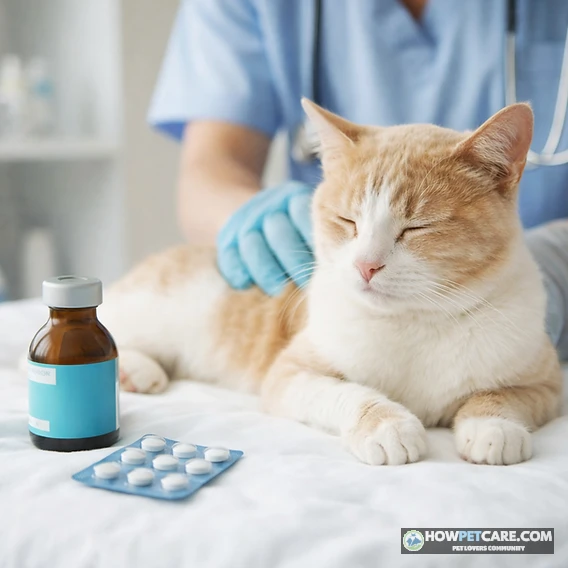
The label is narrower than most owners expect. Onsior is approved only for short-term (up to 3 days) control of postoperative pain and inflammation following orthopedic surgery, spay, and neuter in cats. It is not FDA-labeled for arthritis or any chronic pain condition in the US. That gap matters when you read about long-term use later — anything past 3 days is off-label here and must be routed through your veterinarian.
Onsior is prescription-only for a real reason: a vet has to weigh your cat’s age, weight, hydration, kidney and liver function, and other medications before deciding an NSAID is safe. No pharmacy can legally sell it without a valid prescription. The bottom line on safety is reassuring but conditional — a correct dose in a healthy, well-hydrated cat is usually fine; the same drug in a dehydrated, sick, or very small cat is not.
Onsior Dosage for Cats by Weight: Tablet Chart and Daily Schedule
The label allows a dose of about 1 mg/kg (0.45 mg/lb) up to 2.4 mg/kg once daily, delivered as whole 6 mg tablets. Give it at roughly the same time each day, for no more than 3 consecutive days. It can be given with or without food; a small meal helps cats prone to stomach upset. If surgery is scheduled, the vet may direct the first dose about 30 minutes before the procedure.
Three rules keep you out of trouble:
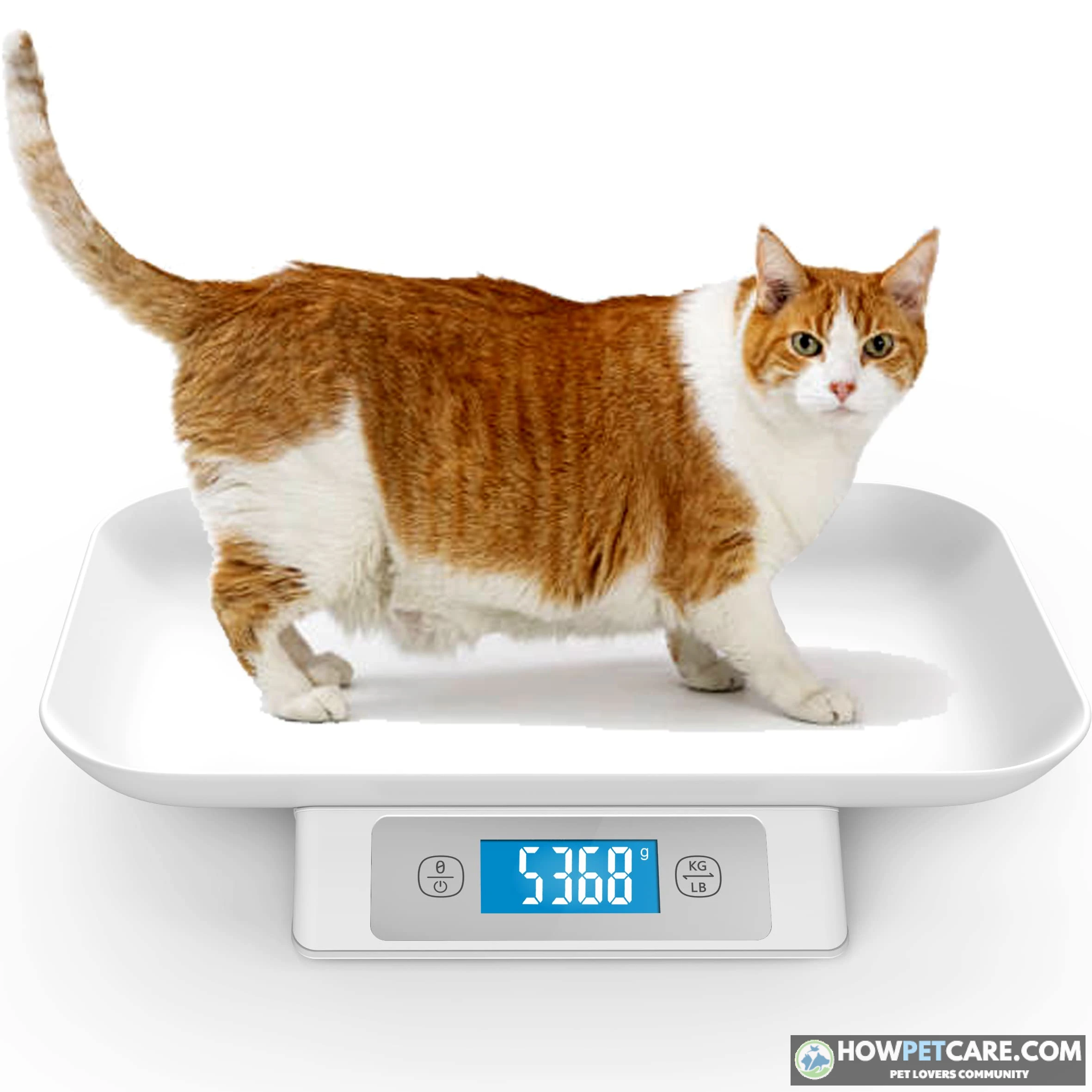
- Weigh your cat on an actual scale before the first dose. Guessing 8 lbs when your cat is 6 can push her over a threshold.
- Never split or crush the tablet to make a partial dose fit. The 6 mg tablet isn’t scored, and the label doesn’t support breaking it.
- Don’t adjust the dose yourself. If your cat falls between weight bands, call your vet rather than rounding up.
Dosage chart (6 mg tablets)
| Cat weight (lbs) | Cat weight (kg) | Tablets per dose | Frequency | Maximum duration (US label) |
|---|---|---|---|---|
| 5.5–13.2 lbs | 2.5–6.0 kg | 1 tablet (6 mg) | Once daily | 3 consecutive days |
| 13.3–26.4 lbs | 6.1–12.0 kg | 2 tablets (12 mg) | Once daily | 3 consecutive days |
Why can’t you halve a 6 mg tablet so a 6 lb cat and a 12 lb cat both take "one"? Because a scored or split tablet doesn’t divide a flavored, film-coated NSAID cleanly — you get an unreliable fraction, inconsistent dosing, and a bitter taste that makes cats refuse the next dose. If your cat sits awkwardly near a band edge, that’s a vet call, not a kitchen knife.
Onsior tablets vs. Onsior injection
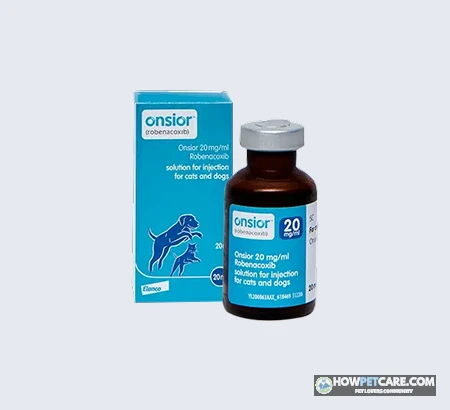
Both forms contain robenacoxib, but they’re not interchangeable on your own. The injection is given by a vet, usually in the hospital around the time of surgery, to get fast baseline pain control. The tablets are what you take home for the short once-daily course. Never convert between the two yourself or give a tablet thinking it equals a prior injection — the vet sets the timing.
Onsior Side Effects in Cats: What’s Normal, What Needs a Call, What’s an Emergency
Onsior’s field data looks like most feline NSAIDs: the most commonly reported reactions are vomiting, diarrhea, and changes in kidney or liver values. The trick is not to lump them together. Here’s how to sort what you see by severity, with a concrete action for each tier.
Mild
- One episode of vomiting
- Slightly soft stool
- A temporarily reduced appetite
Action: These are usually self-limiting. Give the next dose with a small meal, keep water available, and mention it to your vet at your next contact. Don’t panic, but do write it down.
Call-your-vet-today
- Repeated vomiting (more than once)
- Diarrhea lasting beyond 24 hours
- Noticeable lethargy or hiding
- Drinking or urinating clearly more or less than usual
- Refusing food for a full day
Action: Call your vet during business hours. These are early signals that the NSAID may not suit your cat, and your vet may adjust or stop the plan.
Emergency: stop and go now
- Black, tarry, or bloody stool
- Vomiting blood
- Collapse, weakness, or wobbliness
- Pale gums
- No urination at all
- Seizures
- Facial swelling or difficulty breathing (possible allergic reaction)
Action: Stop the medication and go to an emergency vet immediately. Don’t "monitor and see" — these signs need care now.
Because any NSAID can affect liver and kidney function, dehydration sharply raises the risk. A cat that isn’t drinking, has vomiting or diarrhea, or is recovering from anesthesia needs closer attention — keep her hydrated and tell your vet if fluid intake drops.
Which Cats Should Not Take Onsior and What It Must Never Be Combined With
Health conditions that rule it out
Avoid Onsior in cats with kidney disease, liver disease, dehydration, GI ulcers or bleeding disorders, heart disease, or a known hypersensitivity to robenacoxib. Pregnant or nursing cats haven’t been studied, so it’s off the table there too.
Drug interactions to flag
Never combine Onsior with another NSAID (meloxicam, aspirin) or a corticosteroid. This is the single most important interaction, and it applies the moment you start or stop any of these drugs — washout periods must be set by your vet. Use caution with diuretics, ACE inhibitors, and other medications that affect the kidneys, since stacking them with an NSAID compounds the risk. Tell your vet about every supplement and topical product, including flea treatments.
Kittens and small cats outside the label
If your cat weighs under 5.5 lbs or is younger than 4 months, Onsior isn’t labeled for her — don’t guess a tablet fraction to make it fit. Your vet has better options: opioids such as buprenorphine, gabapentin, local anesthetic blocks, or a non-NSAID plan. Ask what’s appropriate for your cat’s size and age instead of splitting tablets.
How to Give an Onsior Tablet to a Cat Who Refuses Pills
Onsior tablets are small and flavored, which helps — but plenty of cats still refuse. Run this sequence in order; most cats are successfully pilled before you ever need the pill gun.
Setup (before you touch the cat): Wash your hands, and place the tablet, a pill pocket or pea-sized blob of wet food, a small water syringe, and a towel within reach. Move to a quiet room with a door you can close, with no other pets watching.
Method 1 — Food hiding (try first): Offer a plain treat so the cat is in eating mode, then offer the tablet buried in a pill pocket or wet-food blob, then a second plain treat. If she eats around the pill or spits it out, don’t retry food more than once — cats learn to inspect every bite. Move on.
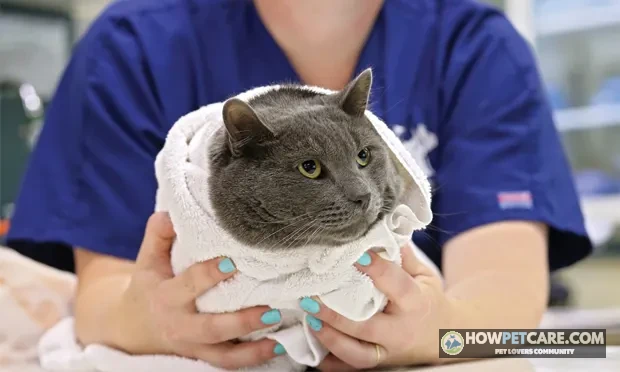
Method 2 — Towel wrap + manual pill: Wrap the cat snugly in the towel like a burrito, paws tucked, her back against your chest. Tilt the head gently upward, press at the hinge of the jaw to open the mouth, drop the tablet as far back on the tongue as you can, close the mouth, and hold it. Stroke the throat downward or blow softly on the nose until you see a swallow, then give a small syringe of water or a lick of wet food — a dry-swallowed tablet can sit in the esophagus.
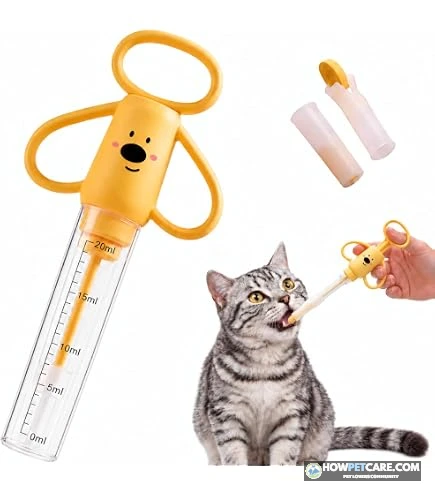
Method 3 — Pill gun (pill popper): If your fingers can’t safely reach, load the tablet in the pill gun tip, place it over the base of the tongue, and plunge gently. Chase with water. Ask your vet tech to demo once — most will, free.
If the cat chews the tablet: Expect drooling or foaming from the bitter taste. It’s unpleasant, not dangerous, but count it as a given dose and call the vet before re-dosing. Never crush, dissolve, or powder the tablet unless your vet explicitly approves.
Stop rules: After two failed attempts, or any growling or biting, stop, let the cat decompress for 15 minutes, and call your vet about the in-clinic injection instead.
Pill pockets, pill guns, and towel wraps compared
| Method | Best for | Watch out for |
|---|---|---|
| Pill pocket / wet-food blob | Food-motivated cats, cooperative eaters | Smart cats eat around it; limit to one retry |
| Towel wrap + fingers | Calm cats, confident handlers | Bite risk; go slow and don’t force a struggle |
| Pill gun | Cats that spit, bite, or clamp shut | Requires clean technique; ask for a vet demo |
Missed, Vomited, Chewed, or Overdosed Onsior: What to Do Right Now
The Onsior label gives no re-dosing instructions, so the default rule is simple: note the time, don’t re-dose on your own, and call your vet. Keep this table handy for the full 3-day course.
Dose-incident decision table
| Situation | What to do now | Do not | When to call vet | When to go to emergency or poison control |
|---|---|---|---|---|
| Vomited within ~1 hour | Note the time of the dose and of vomiting; check vomit for tablet fragments | Do not give another tablet to "replace" it | Call before the next scheduled dose to ask whether to re-dose or skip | If vomiting repeats, contains blood, or cat seems weak — emergency |
| Chewed the tablet instead of swallowing | Expect drooling, foaming, or head-shaking; offer water or a little wet food | Don’t assume it didn’t count — a chewed tablet is still partly absorbed | Call if drooling lasts over an hour or you’re unsure how much was swallowed | Foaming plus facial swelling or trouble breathing — emergency (possible allergic reaction) |
| Spit the tablet out whole | You may re-attempt the same tablet once, using a different method (pill gun or towel wrap) | Do not give a second tablet on top of the first | Call if the cat refuses every method — ask about the in-clinic injection | Not an emergency |
| Missed dose (remembered hours later) | Write down the missed time; wait for the vet’s instruction | Never give two tablets to "catch up," and never exceed 3 total days | Call the vet that day — most advise giving it late or skipping; the vet decides | Not an emergency |
| Accidental double dose (2 tablets) | Note the time and total mg; watch for vomiting, diarrhea, or lethargy over 24–48 hours | Do not give the next dose until the vet says so | Call the same day, even if the cat looks fine | Vomiting, black stool, or collapse — emergency |
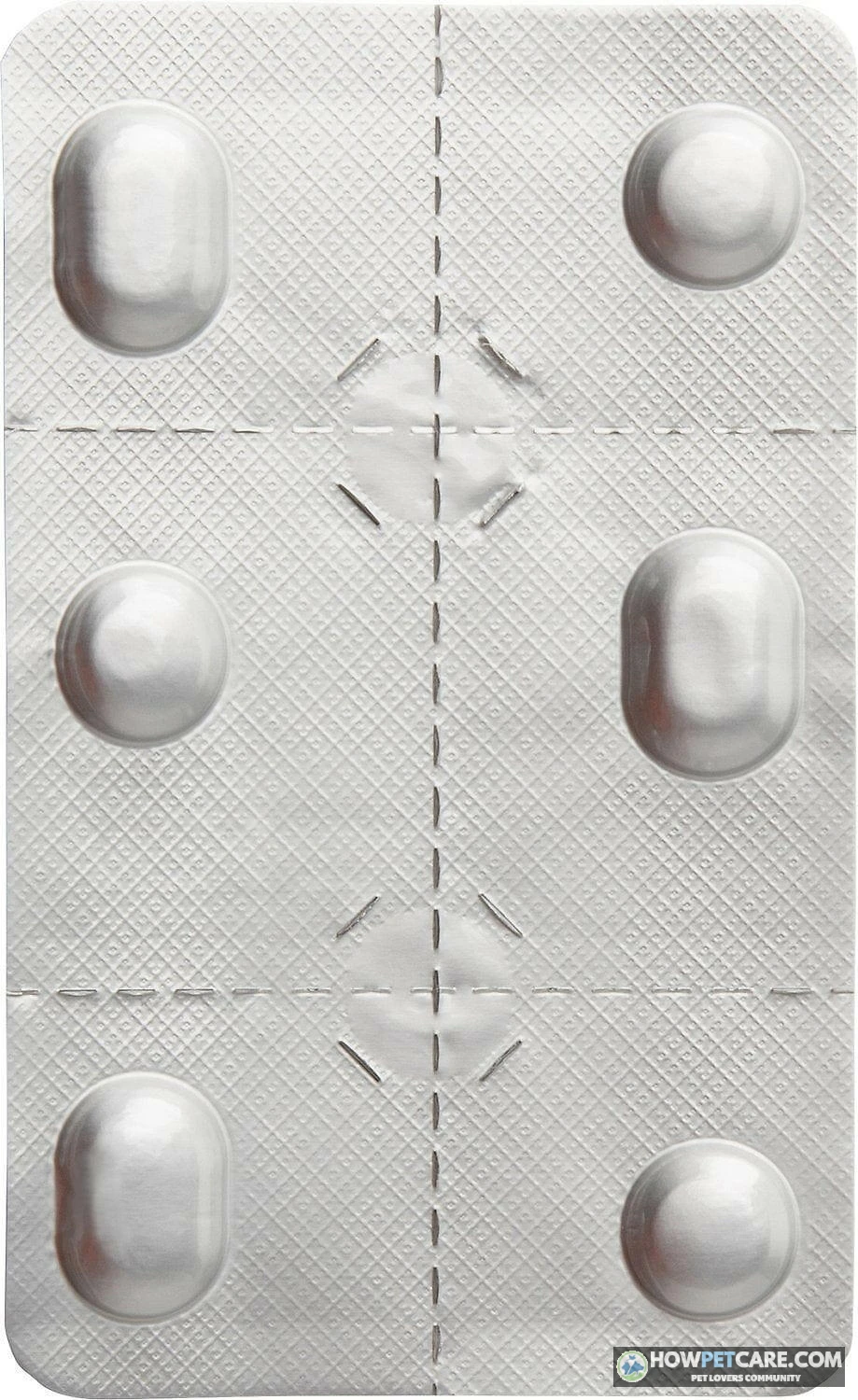
| Cat ate several tablets / the whole strip | Count missing tablets; keep the packaging | Do not wait for symptoms | Call immediately — don’t wait until morning | Emergency vet or ASPCA Animal Poison Control (888-426-4435) / Pet Poison Helpline (855-764-7661) now — fees may apply |
| Dog or other pet ate the cat’s tablet | Note the pet’s weight and how many tablets | Don’t assume "it’s just a cat dose" — dogs tolerate NSAIDs differently | Call the vet or poison control the same day | Any vomiting, wobbliness, or multiple tablets — emergency |
Poison-control steps and what to have ready
If your cat got into extra tablets, call immediately — before symptoms appear. Have ready: your cat’s current weight, the tablet packaging, how many tablets are missing, the time it happened, and any other drugs she takes. ASPCA Animal Poison Control: 888-426-4435. Pet Poison Helpline: 855-764-7661. Both may charge a consultation fee. Don’t induce vomiting unless a professional tells you to.
Onsior vs. Meloxicam, Solensia, and Buprenorphine for Cat Pain
Four very different drugs get used for cat pain. This matrix shows where Onsior fits — confirm all cost figures with your vet or pharmacy, since they vary widely.
Comparison matrix
| Feature | Onsior (robenacoxib) | Meloxicam (Metacam) | Solensia (frunevetmab) | Buprenorphine |
|---|---|---|---|---|
| Drug class / how it works | NSAID; COX-2-selective | NSAID; COX-2-preferring | Monoclonal antibody that neutralizes NGF, a pain-signaling protein — not an NSAID | Opioid; acts on opioid receptors, unrelated to NSAID pathways |
| Typical use case | Post-surgical pain: spay, neuter, orthopedic procedures | Post-op pain in many countries; chronic feline use is controversial | Osteoarthritis pain in cats 12 months+ | Moderate pain; often layered with an NSAID after surgery |
| Labeled duration in US cats | Maximum 3 consecutive days | Single-dose labeling — boxed warning against repeated use in cats | Monthly injections, ongoing | Per-dose; hours to a few days as directed |
| How it’s given | 6 mg oral tablet, once daily (or in-clinic injection) | Oral liquid or injection | Monthly vet-administered injection | Liquid absorbed through the cheek/gums, or injection |
| Kidney caution | Yes — avoid in kidney disease or dehydration; bloodwork often checked first | Yes — the reason chronic feline use carries a US boxed warning | Processed differently than NSAIDs; often chosen where NSAIDs are risky | Minimal kidney concern; sedation and appetite effects instead |
| General cost position | Roughly a few dollars per tablet in short 3-day courses | Relatively low per dose | Highest — typically $80–$100+ per monthly injection | Low to moderate per dose |
| Prescription required | Yes | Yes | Yes, vet-administered | Yes, controlled substance |
Which cat is which drug usually for
- Onsior: A healthy cat recovering from surgery who needs a clean, short course.
- Meloxicam: Common overseas, but in US cats its repeated-use warning makes it a cautious choice for chronic pain.
- Solensia: An older cat with osteoarthritis, especially where NSAID kidney risk is a concern — it bypasses the NSAID pathway entirely.
- Buprenorphine: Deeper pain control, frequently combined with Onsior rather than replacing it.
Gabapentin is the partner vets most often pair with Onsior for post-op comfort — ask your vet whether the combination fits your cat, and review gabapentin dosing and timing basics before your vet adds it.
| Medication Name | Active Ingredient / Class | Primary Indication / Use Case | Administration Route & Form | US Labeled Duration | Key Precautions & Warnings |
|---|---|---|---|---|---|
| Onsior (robenacoxib) | robenacoxib / NSAID; COX-2-selective | Post-surgical pain: spay, neuter, orthopedic procedures | 6 mg oral tablet, once daily (or in-clinic injection) | Maximum 3 consecutive days | Yes — avoid in kidney disease or dehydration; bloodwork often checked first. Never combine with another NSAID or steroid. |
| Meloxicam (Metacam) | NSAID; COX-2-preferring | Post-op pain in many countries; chronic feline use is controversial | Oral liquid or injection | Single-dose labeling — boxed warning against repeated use in cats | Yes — the reason chronic feline use carries a US boxed warning |
| Solensia (frunevetmab) | Monoclonal antibody that neutralizes NGF, a pain-signaling protein — not an NSAID | Osteoarthritis pain in cats 12 months+ | Monthly vet-administered injection | Monthly injections, ongoing | Processed differently than NSAIDs; often chosen where NSAIDs are risky |
| Buprenorphine | Opioid; acts on opioid receptors, unrelated to NSAID pathways | Moderate pain; often layered with an NSAID after surgery | Liquid absorbed through the cheek/gums, or injection | Per-dose; hours to a few days as directed | Minimal kidney concern; sedation and appetite effects instead |
Onsior After Surgery and for Arthritis: Multimodal Plans, Beyond 3 Days, and Monitoring
Post-op pain plans with gabapentin or opioids
Vets rarely rely on one drug for surgery pain. A common multimodal plan pairs an NSAID like Onsior with gabapentin (for nerve-type pain) or an opioid like buprenorphine (for stronger pain), because they work through different pathways. Owners must never self-combine these — your vet sets which drugs, which doses, and the timing. If your cat seems painful despite Onsior, call rather than adding anything.
Using Onsior beyond 3 days for arthritis
This is the biggest gap between the US label and reality. In the US, Onsior is approved for a maximum of 3 days. In some markets — the EU, Canada, and Australia — robenacoxib is labeled for longer courses to manage osteoarthritis in cats. A US vet may still prescribe it off-label for arthritis, but that use is off-label, not a DIY extension: don’t stretch a 3-day prescription on your own. Longer courses require monitoring, which typically means baseline and follow-up bloodwork (kidney values, liver values, urine concentration, and blood pressure), plus hydration, weight, and appetite checks on a schedule your vet sets.
At-home pain and side-effect checklist
Print or screenshot this. Check twice daily for the 3 days on Onsior, and snap a photo of your cat’s face each day — it makes vet updates far more useful.
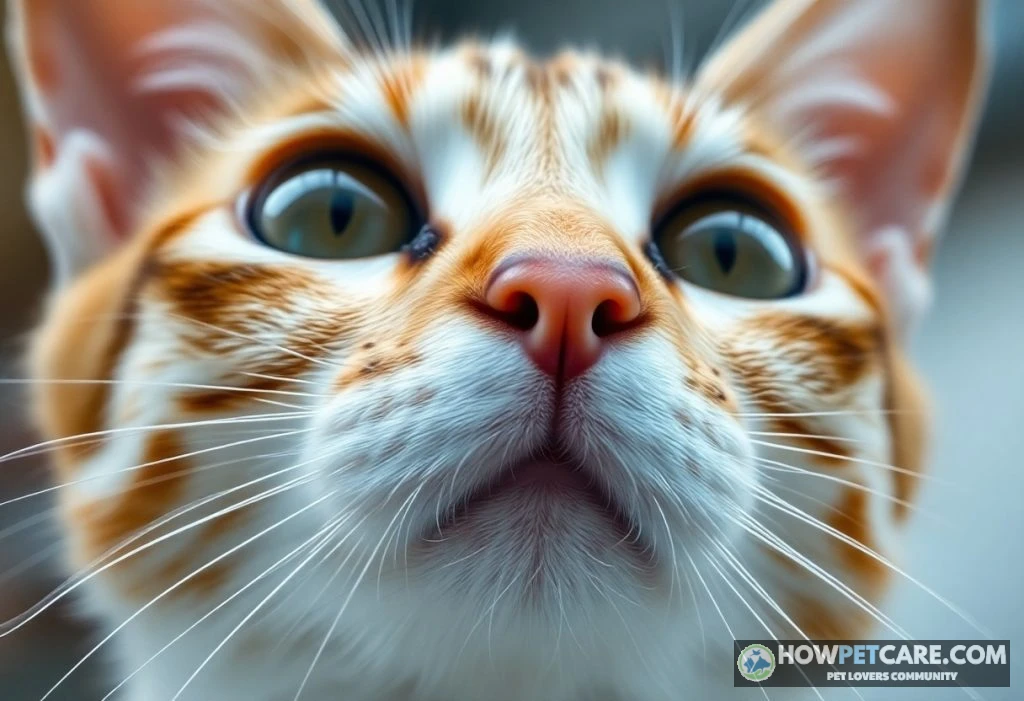
Face check (Feline Grimace Scale — score each 0 = normal, 1 = mildly off, 2 = clearly off):
- ☐ Ears: upright and forward (0), or rotated outward/flattened (1–2)
- ☐ Eyes: fully open (0), squinting or squeezed shut (2)
- ☐ Muzzle: relaxed and rounded (0), tense or pinched (1–2)
- ☐ Whiskers: loose and fanned (0), pulled forward or stiff (1–2)
- ☐ Head position: normal height (0), lowered below the shoulder line or chin tucked (1–2)
Body and behavior check:
- ☐ Ate a normal portion in the last 12 hours
- ☐ Drinking a normal amount of water
- ☐ Used the litter box normally (straining or no urination is urgent)
- ☐ Groomed at least once (a cat that stops grooming is often hurting)
- ☐ Moved, jumped, or shifted positions willingly
- ☐ Surgical site: no new swelling, discharge, or chewing at the incision
How to read your total: A face score of 0–2 with normal behavior usually means pain is controlled. A face score of 3+ or any two behaviors dropping out means call the vet that day. Black stool, collapse, or no urination means emergency — stop the medication. Bring your daily scores, a photo, and exact dose times to your recheck.
1Why is robenacoxib (Onsior) classified as a COX-2 selective inhibitor, and how does this chemical selectivity benefit feline patients compared to older nonsteroidal anti-inflammatory drugs (NSAIDs)?
Selective COX-2 inhibition focuses on suppressing inflammatory mediators while preserving COX-1 enzymes that maintain gastrointestinal mucosa and renal perfusion.
2A pet owner needs to verify if their cat meets the label requirements for Onsior. Which of the following cats satisfies both the minimum age and weight requirements established for Onsior?
The FDA label requires a cat to be at least 4 months old and weigh at least 5.5 lbs (2.5 kg), making a 5-month-old, 6.0 lb kitten eligible.
3Which of the following instructions represent safe handling and administration guidelines for Onsior tablets in cats? (Select all that apply.)
The tablets are unscored and film-coated; breaking them leads to inaccurate dosing and exposes a bitter core that causes refusal.
4A cat is currently receiving postoperative pain relief with Onsior. Combining Onsior with which of the following medications poses the greatest risk of severe gastrointestinal ulceration and renal toxicity?
Combining multiple NSAIDs or pairing an NSAID with a steroid severely compromises gastric mucosal protection and renal blood flow autoregulation.
5During a 3-day course of Onsior, an owner notices changes in their cat's health. Which symptom falls into the 'Emergency: stop and go now' category, requiring immediate emergency care?
Black or bloody stool indicates severe gastrointestinal bleeding, which is a life-threatening emergency side effect of NSAID therapy.
6A veterinarian is discussing long-term management of feline osteoarthritis pain. How does Solensia (frunevetmab) differ from Onsior (robenacoxib) in its biological mechanism and administration?
Solensia targets nerve growth factor via monthly injections, providing an alternative for chronic pain that avoids COX-inhibiting kidney and GI risks.
7Based on the Feline Grimace Scale used to monitor post-operative pain during an Onsior course, which of the following visual indicators signal that a cat is experiencing pain? (Select all that apply.)
Ear displacement away from an upright, forward position reflects increased discomfort on the Grimace Scale.
8An owner returns home to find an empty blister package and suspects their cat consumed multiple Onsior tablets. What is the immediate correct action?
Acute NSAID toxicity requires prompt professional intervention before gastric absorption causes irreversible organ damage or internal bleeding.
Cost, Prescriptions, and Insurance: Getting Onsior for Your Cat Legally and Affordably
Prescription verification for online orders
You can’t buy Onsior without a vet’s authorization. A legitimate online pharmacy will contact your vet to verify the prescription before shipping. Look for VIPPS accreditation or a clearly licensed-pharmacy listing. If a site will ship Onsior with no prescription at all, that’s a red flag.
Per-dose cost math
The math is simple because the course is fixed at 3 days. Illustrative example (figures vary by clinic and pharmacy — treat this as a worked method, not a quote):
- Licensed online pharmacy price: $13.50 for a 3-tablet pack of Onsior 6 mg
- Per-dose math: 13.50 ÷ 3 = 4.50 per dose (approximate, based on published 3-tablet pack pricing as of 2026)
- Full labeled course for an average 5.5–13.2 lb cat: 1 tablet × 3 days = $13.50
- Larger 13.3–26.4 lb cat (2 tablets/day): 6 tablets × 4.50 = 27.00
Why your number may differ: Clinic markup often runs $6–$10 per tablet, so ask for a written prescription to fill elsewhere; post-op doses are sometimes folded into the surgery invoice (request an itemized bill). For pet insurance, post-op medications are commonly reimbursed if the underlying surgery is a covered event — check your policy’s medication clause, not just the surgery clause. To reduce cost, compare pharmacies and ask whether generic robenacoxib is available; for a broader legitimacy and price-check method, see how to buy pet medications safely.
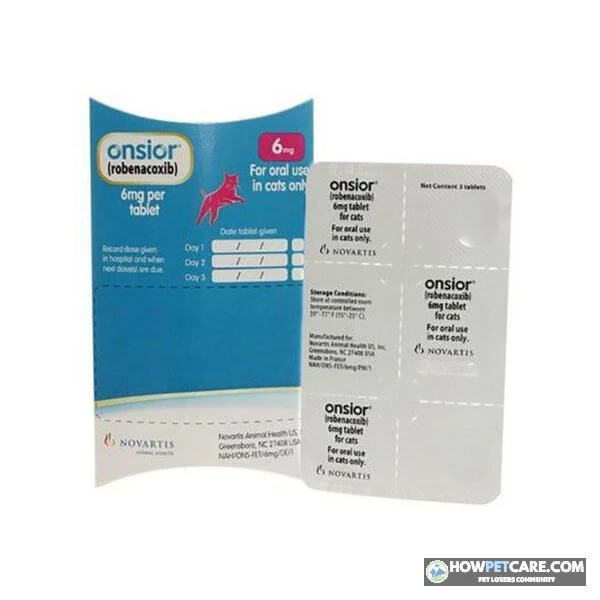
Onsior must never be combined with another NSAID (meloxicam, aspirin) or a corticosteroid. If your cat is on any of these, or is dehydrated, tell your vet before the first dose.
Your Onsior Action Plan: Questions for Your Vet and a Pre-Dose Checklist
Before the first dose
- ☐ Confirm your cat’s current weight on a scale
- ☐ Confirm she’s at least 4 months old and at least 5.5 lbs
- ☐ Confirm she’s on no other NSAID or steroid
- ☐ Confirm she’s eating and drinking normally and not dehydrated
- ☐ Count your tablets and mark the 3-day schedule on a calendar
Questions to bring to your vet
- Is Onsior safe for my cat’s kidneys specifically?
- What do I do if she vomits the tablet within an hour?
- Should we add gabapentin or an opioid for stronger pain control?
- What’s the plan after day 3 — stop, reassess, or continue off-label with bloodwork?
- Is a Solensia long-term plan a better fit if this is arthritis?
Save your vet’s number, the nearest emergency clinic, and poison control (ASPCA 888-426-4435) in your phone before the first dose. If your cat ever shows black or bloody stool, collapse, or no urination while on Onsior, stop the drug and go to the emergency vet now.
FAQ
Can I buy Onsior for cats without a prescription?
No. Onsior is a veterinary prescription drug in the US, so a vet must authorize it. Online pharmacies will contact your vet to verify the prescription before shipping.
Can Onsior be given with food?
Yes. The label allows Onsior to be given with or without food. Giving it with a small meal can help cats that are prone to stomach upset.
Is Onsior safe for cats with kidney disease?
Generally not without close veterinary supervision. NSAIDs can affect kidney blood flow, so vets usually avoid or tightly monitor them in cats with kidney disease or dehydration.
Can Onsior be given with gabapentin?
Vets commonly combine them for post-surgical pain, as they work differently. Only do so on your vet’s instructions, with the doses they specify.
What is the difference between Onsior tablets and the Onsior injection?
Both contain robenacoxib. The injection is given by a vet, often around surgery, while tablets are sent home for the label’s short once-daily course.
Does Onsior work right away?
Many cats show relief within hours, but how quickly you notice depends on the pain. Track appetite, movement, and grooming, and tell your vet if pain signs persist.