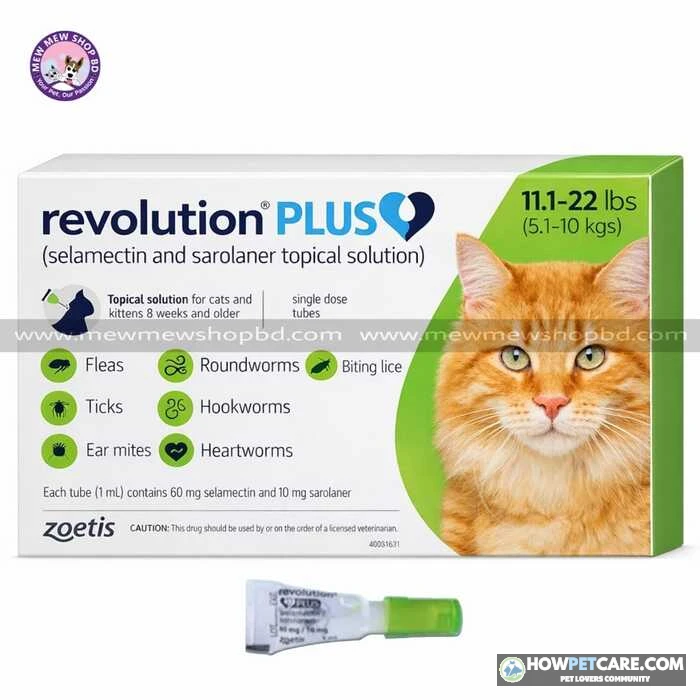

| Revolution for cats at a glance | |
|---|---|
| Active ingredient | Selamectin |
| Form | Monthly topical spot-on, single-use tube |
| US status | Prescription only |
| Covers | Fleas (adults + eggs), heartworm prevention, ear mites, roundworms, hookworms |
| Does not cover | Ticks, adult heartworm treatment, tapeworms |
| Minimum age | 8 weeks, weight-based tubes |
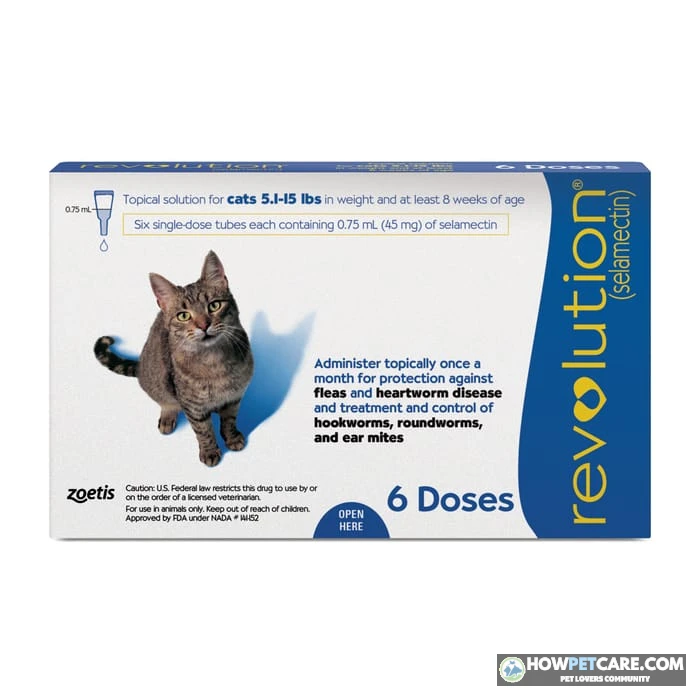
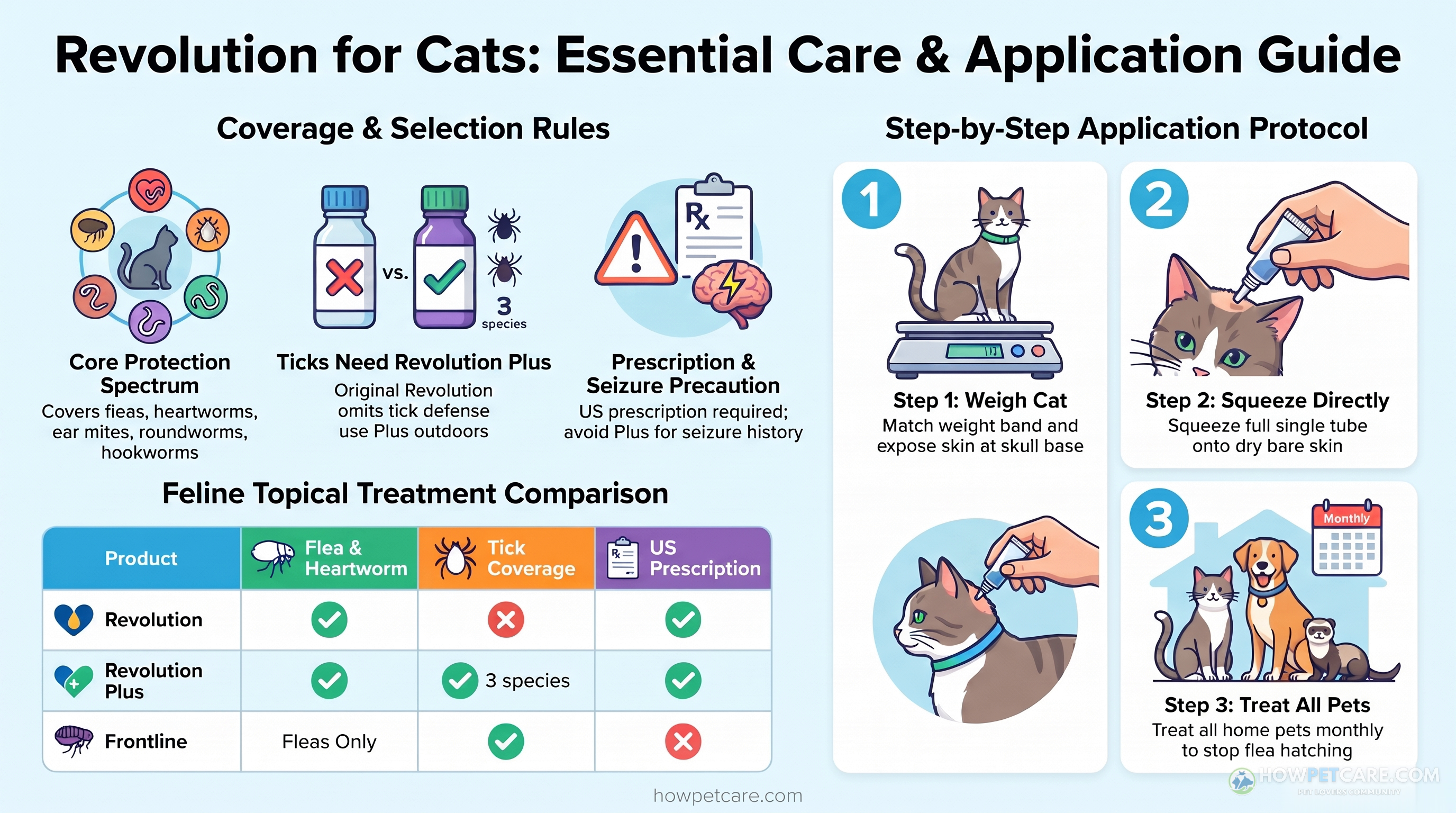
Revolution (selamectin) is a monthly, prescription-only topical parasiticide for cats and kittens eight weeks and older. It prevents heartworm infection, kills adult fleas and flea eggs, treats ear mites, and controls roundworms and hookworms. In the United States, it cannot legally be sold without a veterinary prescription. The original formula does not kill ticks or treat existing adult heartworm.
Choosing a treatment means weighing those coverage limits against your cat’s needs. This guide covers how Revolution compares with Revolution Plus, weight-band dosing, application, side effects, US pricing, prescriptions, legitimate sellers, and what to do if the product seems to fail.
What Revolution for cats treats, what it doesn’t, and how you get it
Revolution at a glance
- Active ingredient: selamectin
- Form: monthly topical spot-on in a single-use tube
- Status in the US: prescription medication
- Labeled for: cats and kittens 8 weeks and older, with weight-based tubes
- Covers: adult fleas and flea eggs, heartworm prevention, ear mites, roundworms, and hookworms
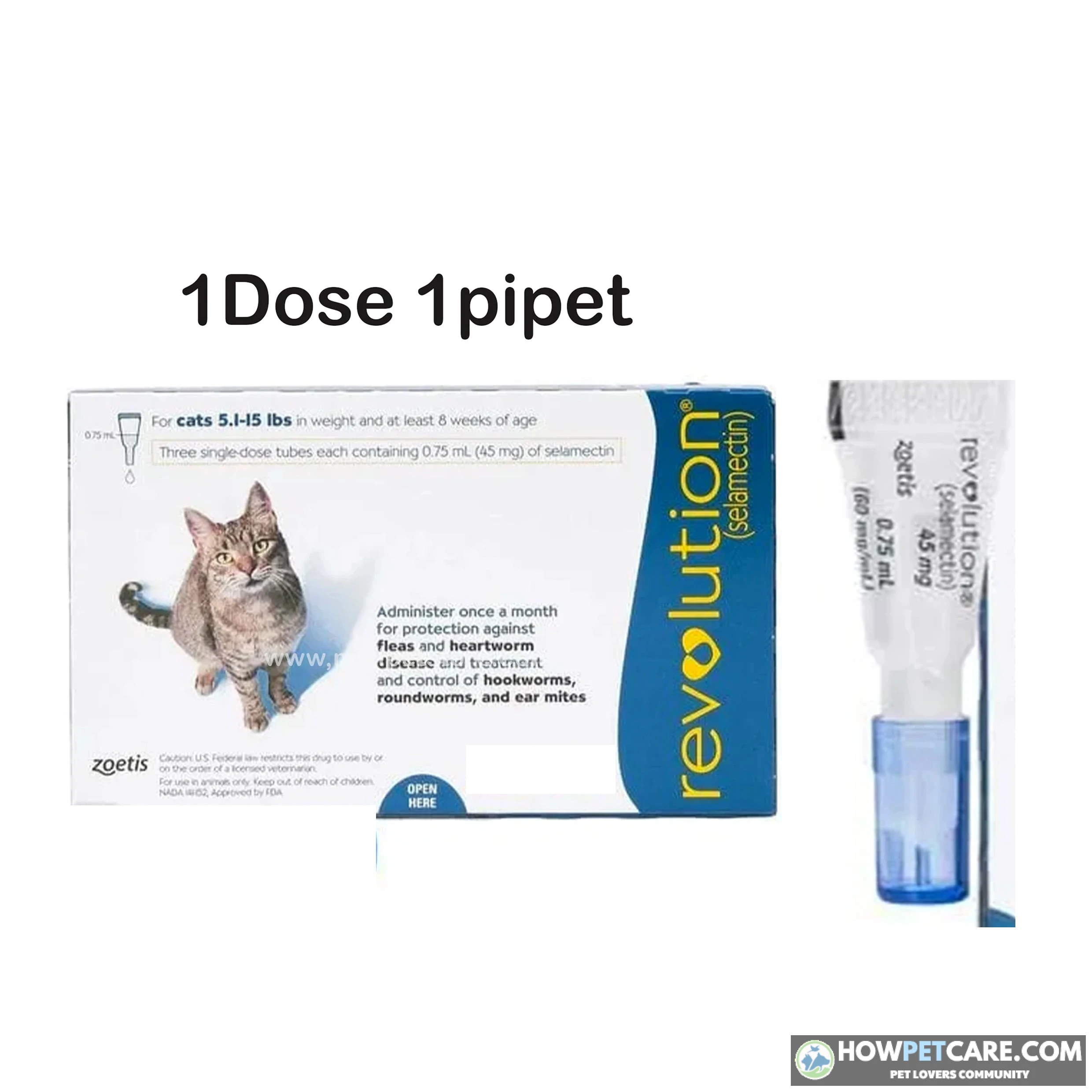
Two things Revolution does not do: kill ticks or treat adult heartworms
Original Revolution is not labeled to kill ticks on cats. If your cat goes outdoors in tick country, you’ll need a separate plan for tick protection. Revolution prevents heartworm infection, but it does not kill adult heartworms already present and is not a treatment for heartworm disease. Veterinarians often recommend a heartworm test before starting prevention in higher-risk areas. A heartworm-positive cat needs a veterinarian-managed plan, not a preventive alone.
Because Revolution is prescription-only in the US, the section on buying it covers the vet visit, prescription, legitimate pharmacies, and US pricing.
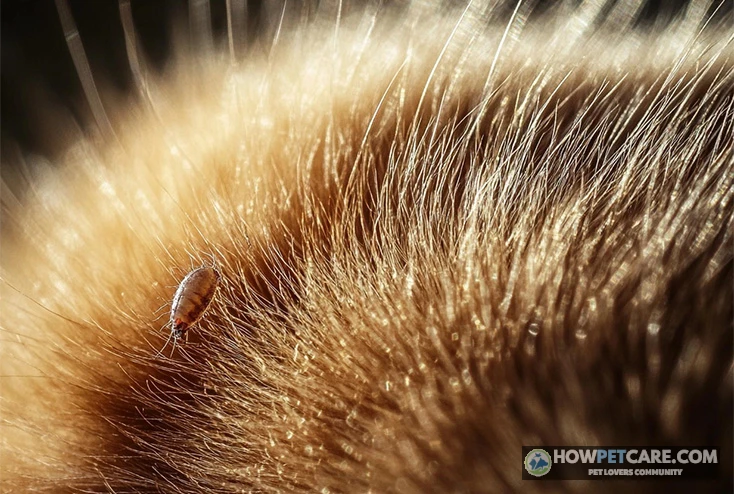
Revolution vs Revolution Plus vs Bravecto Plus, Advantage Multi and Frontline
| Product | Active ingredient(s) | Fleas | Ticks | Heartworm prevention | Ear mites | Roundworms / hookworms | Tapeworms | Dosing interval | Prescription required (US) | Minimum age / weight |
|---|---|---|---|---|---|---|---|---|---|---|
| Revolution | Selamectin | Yes (adults + eggs) | No | Yes | Yes | Yes | No | Monthly | Yes | 8 weeks; label weight bands |
| Revolution Plus | Selamectin + sarolaner | Yes | Yes (3 species) | Yes | Yes | Yes | No | Monthly | Yes | 8 weeks and ≥2.8 lb |
| Bravecto Plus | Fluralaner + moxidectin | Yes | Yes | Yes | Yes | Yes | No | Every 2 months | Yes | 6 months; ≥2.6 lb per label |
| Advantage Multi | Imidacloprid + moxidectin | Yes | No | Yes | Yes | Yes | No | Monthly | Yes | 9 weeks and 2 lb per label |
| Frontline | Fipronil + (S)-methoprene | Yes | Yes | No | No | No | No | Monthly | No | 8 weeks per label |
None of these labels includes tapeworm coverage. Ask your vet about a separate dewormer if tapeworms are a concern, and confirm every cell against the current manufacturer label before purchase.
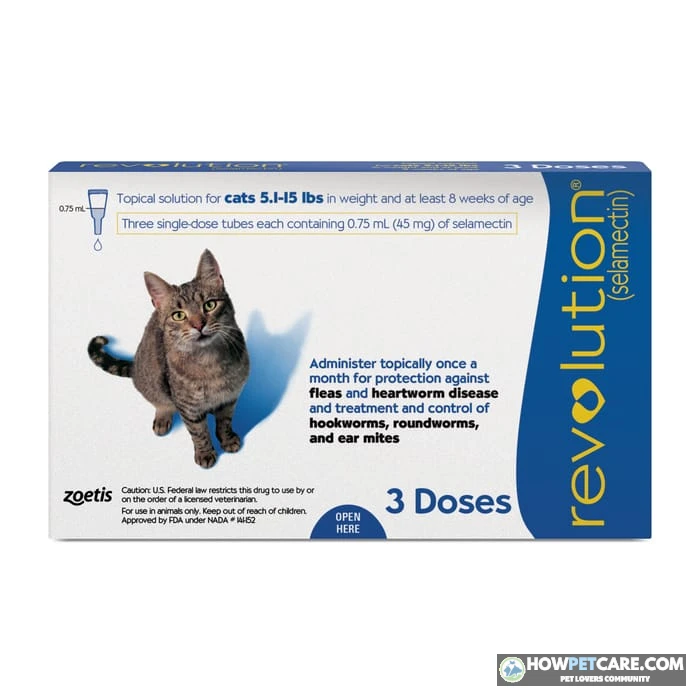
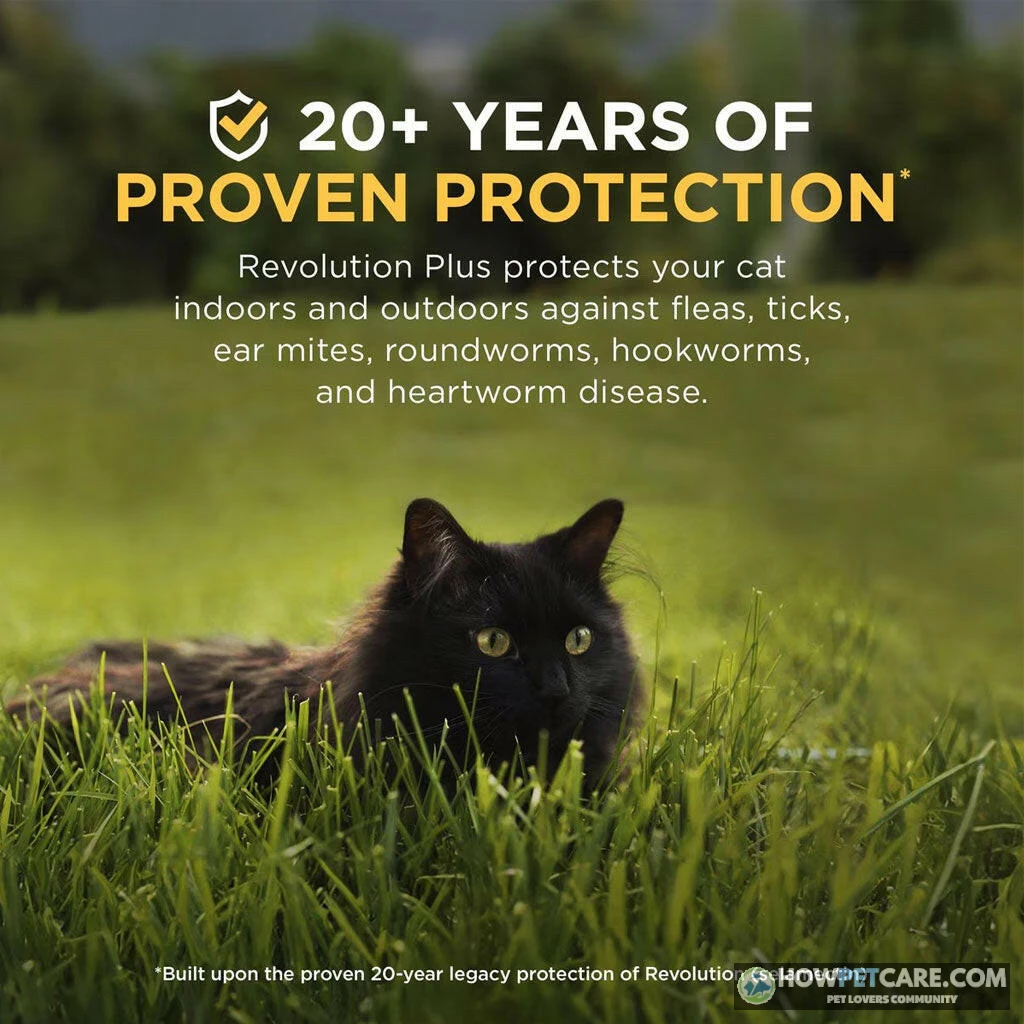
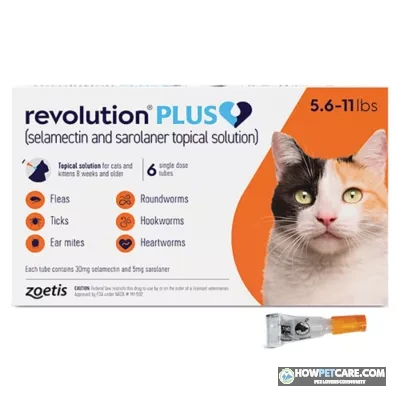
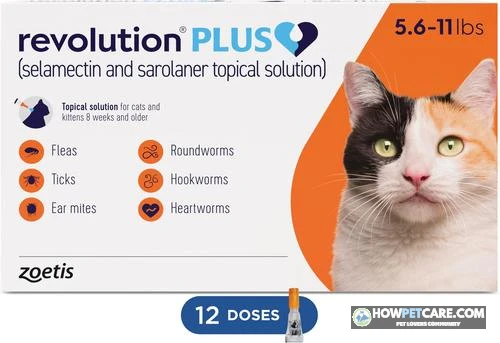
Revolution Plus combines selamectin with sarolaner, adding coverage for three tick species: American dog tick, black-legged (deer) tick, and Gulf Coast tick. That tick protection is the main difference between the products, beyond their coverage for fleas, heartworm prevention, ear mites, roundworms, and hookworms.
Sarolaner belongs to the isoxazoline class, whose label carries a neurologic precaution. Revolution Plus should therefore be used with caution in cats with a seizure history or neurologic disease. Original Revolution (selamectin alone) does not carry that class warning. Revolution Plus is also labeled only for cats and kittens 8 weeks and older weighing at least 2.8 lb.
Revolution vs Revolution Plus: what sarolaner adds
The practical choice depends on your cat’s exposure to ticks. Revolution Plus kills ticks on contact after they climb onto the cat; it is not a repellent, so ticks may still attach. For an indoor-only cat with no tick exposure, original Revolution covers the core risks—fleas, heartworm prevention, ear mites, roundworms, and hookworms—without the cost of tick protection the cat is unlikely to use.
Which product fits which cat: decision rules
Start with your cat’s lifestyle and medical history rather than the price tag.
- Tick exposure outdoors: choose Revolution Plus or another tick-covering product such as Bravecto Plus; original Revolution does not provide that protection.
- Seizure history or neurologic disease: lean toward Revolution or Advantage Multi, because Revolution Plus and Bravecto Plus contain isoxazolines with a neurologic precaution.
- Pregnant, lactating, or breeding: Revolution’s label supports use in these cats; Revolution Plus’s label does not make the same claim, so confirm with your vet.
- Kitten under 8 weeks or below the minimum weight: none of these products fit yet; your vet chooses a labeled alternative.
- Fleas and ticks but no heartworm concern and no vet visit planned: Frontline is sold without a prescription, but it does not prevent heartworm, a significant gap in heartworm regions.
| Your cat’s situation | Best fit | Why |
|---|---|---|
| Indoor-only cat, no tick exposure, you want heartworm + ear mite + flea coverage | Revolution | Covers fleas, heartworm prevention, ear mites, roundworms, and hookworms without paying for tick coverage the cat will not use |
| Cat goes outdoors in tick country | Revolution Plus or Bravecto Plus | Both add tick coverage; Bravecto Plus doses every two months instead of monthly |
| Cat with a seizure history or neurologic disease | Revolution or Advantage Multi | Revolution Plus and Bravecto Plus contain isoxazolines (sarolaner, fluralaner) with a neurologic label precaution |
| Pregnant, lactating, or breeding cat | Revolution | Its label supports use in these cats; Revolution Plus’s label does not make the same claim |
| Flea and tick problem, no heartworm concern, no vet visit planned | Frontline | Sold without a prescription, but it does NOT prevent heartworm |
| Kitten under 8 weeks, or under the product’s minimum weight | None — vet first | All products have minimum age/weight limits; the vet picks a labeled alternative |
| Budget-driven, mild flea risk, no heartworm region | Frontline or generic fipronil | Cheaper per dose, but you lose heartworm, ear mite, and intestinal worm coverage |
Tick exposure is a useful starting point for narrowing the choice before you talk to your vet: original Revolution does not cover ticks, while Revolution Plus does.
Revolution dosage by cat weight, dosing schedule and how fast it works
Weight-band dosing table
| Product | Cat weight (lb / kg) | Tube color / size | Dose volume | Frequency | Notes (kittens, combination tubes) |
|---|---|---|---|---|---|
| Revolution (selamectin) | Up to 5 lb (2.3 kg) | Color-coded single-use tube; mg printed on tube | About 0.25 mL | Once monthly | Kittens must be ≥8 weeks; re-weigh before each dose |
| Revolution (selamectin) | 5.1–15 lb (2.3–6.8 kg) | Color-coded single-use tube | About 0.75 mL | Once monthly | Re-weigh growing kittens before each dose |
| Revolution (selamectin) | Over 15 lb | Combination of tubes per label | Per label | Once monthly | Vet or pharmacist determines combination; do not split one tube |
| Revolution Plus (selamectin + sarolaner) | Up to 5 lb | Color-coded single-use tube | Per label | Once monthly | Minimum 8 weeks and ≥2.8 lb |
| Revolution Plus | 5.1–15 lb | Color-coded single-use tube | Per label | Once monthly | Do not split or save partial tubes |
| Revolution Plus | 15.1–22 lb | Color-coded single-use tube | Per label | Once monthly | Top band; confirm exact tube at purchase |
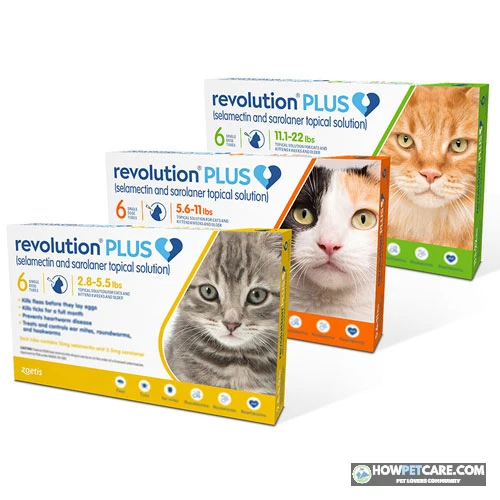
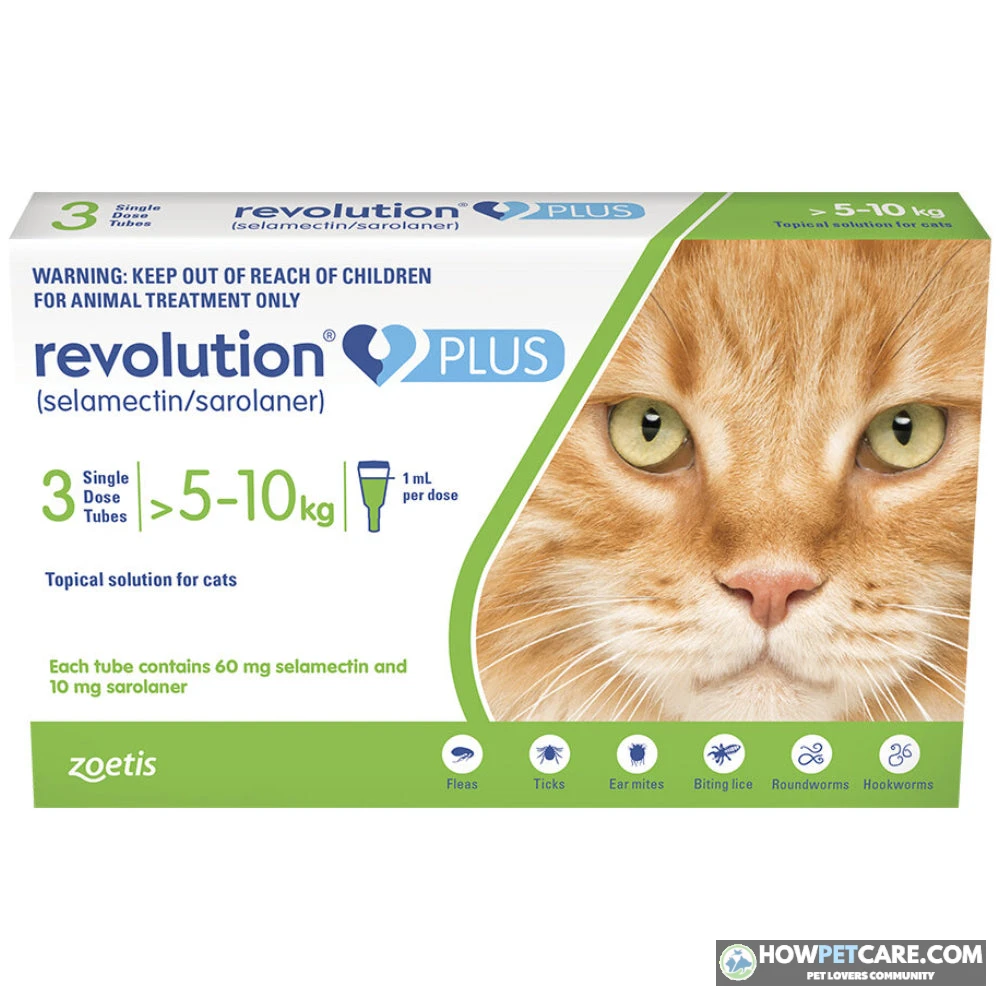
The minimum labeled dose is about 2.7 mg per pound (6 mg per kg), and Revolution is formulated at roughly 60 mg of selamectin per milliliter. The tube color is printed on the box and varies by weight band. Before buying, confirm the exact milligrams per tube on the current Zoetis label or with your pharmacist. Cats above the top weight band may need a combination of tubes; your vet or pharmacist determines which ones. Don’t improvise by splitting tubes.
What to do if you miss a dose
Apply the missed dose as soon as you remember, then restart the 30-day clock from that date. If more than a few weeks have passed, tell your veterinarian. Because protection lapsed, a heartworm test or recheck may be advised before you resume. Don’t double up doses to catch up.
How fast Revolution kills fleas, and what to expect on an active infestation
Manufacturer data indicates Revolution begins killing fleas within 12 hours, with most fleas killed within 24 hours. Each monthly dose provides roughly 30 days of coverage. During an active infestation, adult fleas on the cat die first, but eggs, larvae, and pupae already in carpets and bedding keep hatching for weeks. A few new fleas—or fresh flea dirt in the coat—during the first month are expected and don’t, on their own, mean the product failed.
How to apply Revolution to a cat, and what to do if your cat licks it
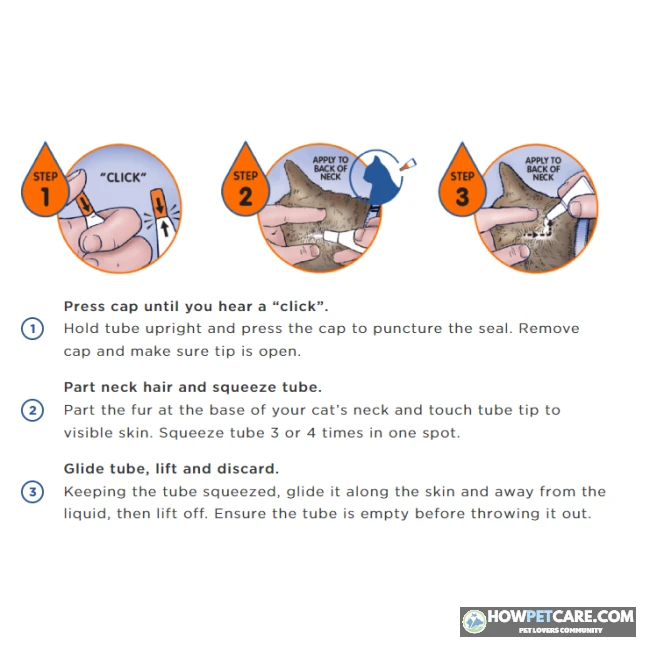
Step-by-step application
-
Weigh and match the tube
Weigh your cat and confirm the tube matches its current weight band. Kittens grow quickly, so re-weigh before every dose.
-
Open the tube
Hold the tube upright and open the cap as directed on the package. Do not use a tube that is damaged or already opened.
-
Part the fur
Part the fur at the base of the skull, between the shoulder blades, until the skin is visible.
-
Apply to the skin
Press the tube tip to the skin and squeeze the entire tube onto the skin, not onto the fur.
-
Leave it alone
Do not rub or massage the product in. Keep the site dry and out of the cat’s reach until it dries.
Apply Revolution to dry skin at the base of the skull, where your cat can’t easily groom it away. Don’t massage it in, split a tube between cats, or save part for later; the tubes are single-use. After application, wash your hands, keep children away from the site until it dries, and prevent other pets from licking the spot.
For bathing and swimming, check the current label for the recommended waiting window after application. Many veterinarians advise an even longer gap before shampooing or swimming. Avoid applying the product to a wet cat.
If your cat licks the application site: bitter taste vs true toxicity
Revolution tastes bitter. A cat that licks the spot may drool, foam at the mouth, smack its lips, or act agitated shortly after application. This is usually a reaction to the taste, not toxicity. Offer a small amount of food or water to clear the taste, keep the cat calm, and watch for 30 to 60 minutes. Mild drooling alone is typically not an emergency.
Offer food or water to clear the bitter taste and watch for 30–60 minutes. Drooling alone is usually not an emergency.
Call your veterinarian or an animal poison hotline if you see repeated vomiting, tremors, stumbling or wobbliness, seizures, or labored breathing. Also call if the cat swallowed a large amount or the wrong product, such as a dog product. ASPCA Animal Poison Control (888-426-4435) and Pet Poison Helpline (855-764-7661) can help; fees may apply. Have the tube and packaging ready. Never apply a dog product, or any product labeled for a different species or weight, to a cat.
Which applications go wrong most often
Common mistakes include applying the product to fur rather than skin, where it does not absorb, and using only part of the tube. The cat may shake it off or a housemate may groom it away. Choosing the wrong weight band or using an expired tube can also cause problems. Re-weighing your cat and parting the fur to expose skin prevents most of these errors.
Revolution safety: side effects, kittens, pregnancy, sick cats and heartworm-positive cats
Side effects and how often they occur
Revolution is generally well tolerated in labeled cats and kittens. Reactions reported in field data include temporary application-site reactions, such as hair loss, redness, or greasy fur at the spot, as well as lethargy, decreased appetite, vomiting, diarrhea, and drooling. These reactions are typically mild and short-lived. Call your vet about application-site irritation that is severe, spreading, or not improving. Exact published percentages vary by study, so there is no single side-effect rate quoted here. If your cat shows anything unusual after dosing, contact your vet.
Suspected adverse reactions can be reported to Zoetis and to the FDA. Ask your veterinarian or the pharmacy how to submit a report.
Kittens, pregnant and lactating cats
Kittens under 8 weeks are outside the labeled age range, so your veterinarian should choose an alternative for a very young kitten. Revolution’s label supports use in breeding, pregnant, and lactating cats. Revolution Plus’s label does not make the same claim. If your cat is pregnant, lactating, or used for breeding, favor Revolution and confirm with your vet before the first dose.
Sick, underweight or seizure-prone cats
The label advises caution in sick, debilitated, or underweight cats. In practice, that means a veterinary exam first and an accurate weight to select the correct tube. For cats with a seizure history or neurologic disease, the isoxazoline sarolaner in Revolution Plus carries a neurologic precaution; original Revolution does not carry that class warning. Your vet can help you choose the safer option.
Revolution and heartworm: prevention, not treatment
Revolution prevents heartworm infection caused by Dirofilaria immitis; it does not kill adult heartworms and is not a treatment for existing heartworm disease. Many vets test for heartworm before starting a preventive, especially in higher-risk regions. If a cat tests positive, the next step is a veterinarian-managed treatment plan, not simply starting Revolution.
Revolution price in the US, how to get the prescription, and where to buy it legitimately
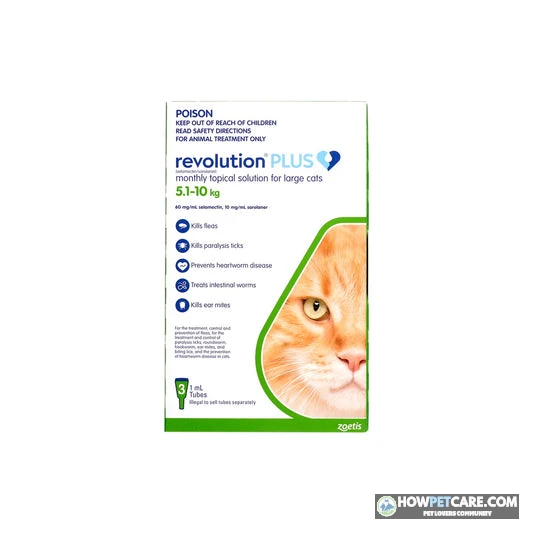
Revolution is a prescription medication in the United States. A legitimate seller will require a veterinary prescription or verify one with your clinic before shipping.
What Revolution costs: per dose and per year
| Purchase channel | Pack size | Approx. price per pack | Approx. cost per dose | Approx. annual cost (12 doses) | Prescription needed | Notes |
|---|---|---|---|---|---|---|
| Veterinary clinic | Single dose or 3-pack | About $22–30 per dose | About $22–30 | About $265–360 | Yes | Convenience; prescription handled on site |
| Online pet pharmacy | 6-pack | About $110–140 | About $18–23 | About $220–280 | Yes | Possible autoship discount of 5–10% |
| Online pet pharmacy | 3-pack, bought twice yearly | About $60–78 per 3-pack | About $20–26 | About $240–310 | Yes | Falls between clinic single pricing and 6-pack pricing |
These prices were checked for 2026 and are representative US ranges, not quotes. Costs vary by region, clinic, and retailer; there is no universal price. For a nine-pound cat, a clinic selling single doses might charge roughly $22–30 per dose ($265–360 per year). An online pharmacy selling a six-pack might charge roughly $110–140 per pack, or about $18–23 per dose ($220–280 per year before autoship discounts). The six-pack route typically saves roughly $50–100 per cat per year versus clinic singles. In a two-cat household, that’s about $100–200 annually—enough to cover one heartworm test.
Watch for manufacturer rebates on six- and twelve-packs, usually redeemed through the pharmacy or a rebate portal. Also check free-shipping minimums and introductory discounts, which may not apply to autoship renewals.
How to get a Revolution prescription (vet visit, telehealth, written script)
A US prescription depends on a valid veterinarian-client-patient relationship, which usually means a recent hands-on exam. You have several options:
- In-person vet visit. Book an exam and bring your cat’s current weight if you have it. The vet confirms the weight band, screens heartworm risk, and either sells Revolution in-clinic or writes a prescription. If you plan to fill it online, ask explicitly for a written prescription; vets are generally expected to provide one on request.
- Online pharmacy with vet verification. Order from a licensed US pet pharmacy and enter your veterinarian’s name and clinic at checkout. The pharmacy contacts your vet to verify the prescription before shipping. Expect one to three business days for verification.
- Telehealth vet. A video consult (for example, through Dutch) can establish a relationship in states that allow a remote VCPR. The vet reviews weight, history, and photos and, if appropriate, issues a prescription. Some states still require an initial in-person exam before telemedicine counts, so check your state’s rules first.
Re-weigh your cat before the visit, because the prescription is tied to a specific product and weight band.
Where to buy: vet clinic vs online pet pharmacies
Veterinary clinics offer convenience and same-day prescribing. Licensed online pet pharmacies such as Chewy and 1-800-PetMeds-type retailers often undercut clinic per-dose pricing, especially on six-packs and with autoship. A legitimate online pharmacy asks for a prescription or your veterinarian’s contact details, lists a US address and pharmacist, and holds NABP Vet-VIPPS accreditation or equivalent verification. If it never asks for a prescription or vet information, don’t buy from it.
How to spot a gray-market or fake Revolution seller
No-prescription websites and overseas discount retailers—including some Australian pages that rank for this term—may ship products with different labeling, storage history, or formulation. A US buyer has little recourse if something goes wrong. Selling a prescription parasiticide without requiring a prescription is itself a red flag. Buy only from your veterinarian or a verified US pharmacy that requires a prescription.
Overseas or no-prescription sellers may ship Revolution with different labeling, storage, or formulation, with no US recourse. A seller that does not require a prescription is not a safe source.
Why Revolution seems not to be working: a troubleshooting checklist
Application and timing mistakes
Most apparent failures trace to how the product was used: a partial tube on fur rather than skin, an underweight cat that moved into a heavier band, bathing or swimming too soon after dosing, or a late or skipped dose. Revolution is not a repellent, so a flea can still jump onto the cat and die after contact. Spotting a live flea on the cat is not proof that the dose failed.
Other pets and the home environment
Every dog and cat in the home should be on a flea preventive. One untreated pet can act as a reservoir, continually reseeding the house. Eggs, larvae, and pupae in carpet and bedding keep hatching for four to eight weeks, so new fleas can appear for weeks even while the monthly dose works. The same whole-home mindset applies to other biting pests, too—our guide to bed bug care and cleanup for cats covers that side of the problem.
When it’s time to call your vet
Call your veterinarian if live fleas persist after four to six weeks of correct monthly dosing on all pets, if your cat develops skin lesions or hair loss, or if you suspect the product isn’t performing after ruling out application and environmental causes. Don’t simply keep applying extra tubes.
‘Revolution isn’t working’ two-minute self-check:
- Did all of the tube land on skin at the base of the skull, not fur?
- Was the full tube used, not split between cats or saved?
- Is the cat in the correct weight band? Re-weigh; crossing into a heavier band means underdosing.
- Was the cat bathed or shampooed within the label’s waiting window after dosing?
- Is the dose current, within about 30 days of the last one?
- Is every pet in the home treated?
- Are the fleas new arrivals? New fleas die after contact, but immature stages in the home keep hatching for weeks.
- Are you seeing ticks rather than fleas? Revolution does not kill ticks, so a tick tells you nothing about whether it is working.
Contact your vet if live fleas persist after four to six weeks of correct monthly use on all pets, or if your cat has skin lesions or hair loss.
Your next steps: choose the product, get the prescription, and apply it correctly
Choose a product based on exposure. If your cat goes outdoors in tick country, Revolution Plus or another tick product is the fit; if not, original Revolution likely covers fleas, heartworm prevention, ear mites, roundworms, and hookworms. Factor in seizure history, pregnancy or lactation, kitten age, and whether every pet in the home is treated.
Before the vet visit, write down your cat’s current weight, flea and tick history, indoor or outdoor status, other pets, any seizure history, pregnancy status, and whether you want to discuss a heartworm test.
To purchase, confirm the weight band, compare clinic and online prices per dose, use only a licensed US pharmacy that requires a prescription, and set a reminder for the next 30-day dose.
To apply, weigh your cat, part the fur at the base of the skull, and squeeze the entire tube onto the skin. Don’t massage it in. Watch for licking and log the date.
Related articles in this site’s flea and parasite cluster cover flea dirt, what cat fleas look like, and home environmental treatment; those topics are outside this guide so it can stay focused on Revolution.
FAQ
Can I use Revolution for dogs on my cat?
No. Revolution for dogs and Revolution for cats are separate products with different concentrations, tube sizes and labeled uses, so only use the version labeled for cats and matched to your cat’s weight band.
Can I split one Revolution tube between two cats?
No. Each tube is a single dose for a specific weight band, so splitting it risks under-dosing both cats. Use a separate correct tube for each cat and discard any leftover.
Do indoor-only cats need Revolution?
Often yes. Fleas can enter on dogs, people and clothing, and mosquitoes that carry heartworm can come indoors. Your vet can weigh your cat’s risk, but indoor status does not rule out the need for a monthly preventive.
How soon can I pet my cat after applying Revolution?
Avoid touching the application site until it is fully dry, and wash your hands after applying. Keep children and other pets from licking or touching the area until it dries.
Can I combine Revolution with a flea collar or another flea treatment?
Revolution already covers fleas, so adding a second flea product is rarely necessary and has not been routinely evaluated. Check with your vet before combining Revolution with any other parasiticide.