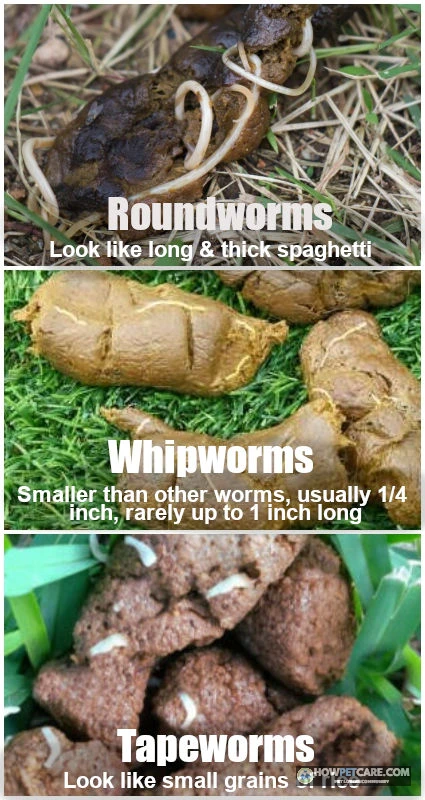

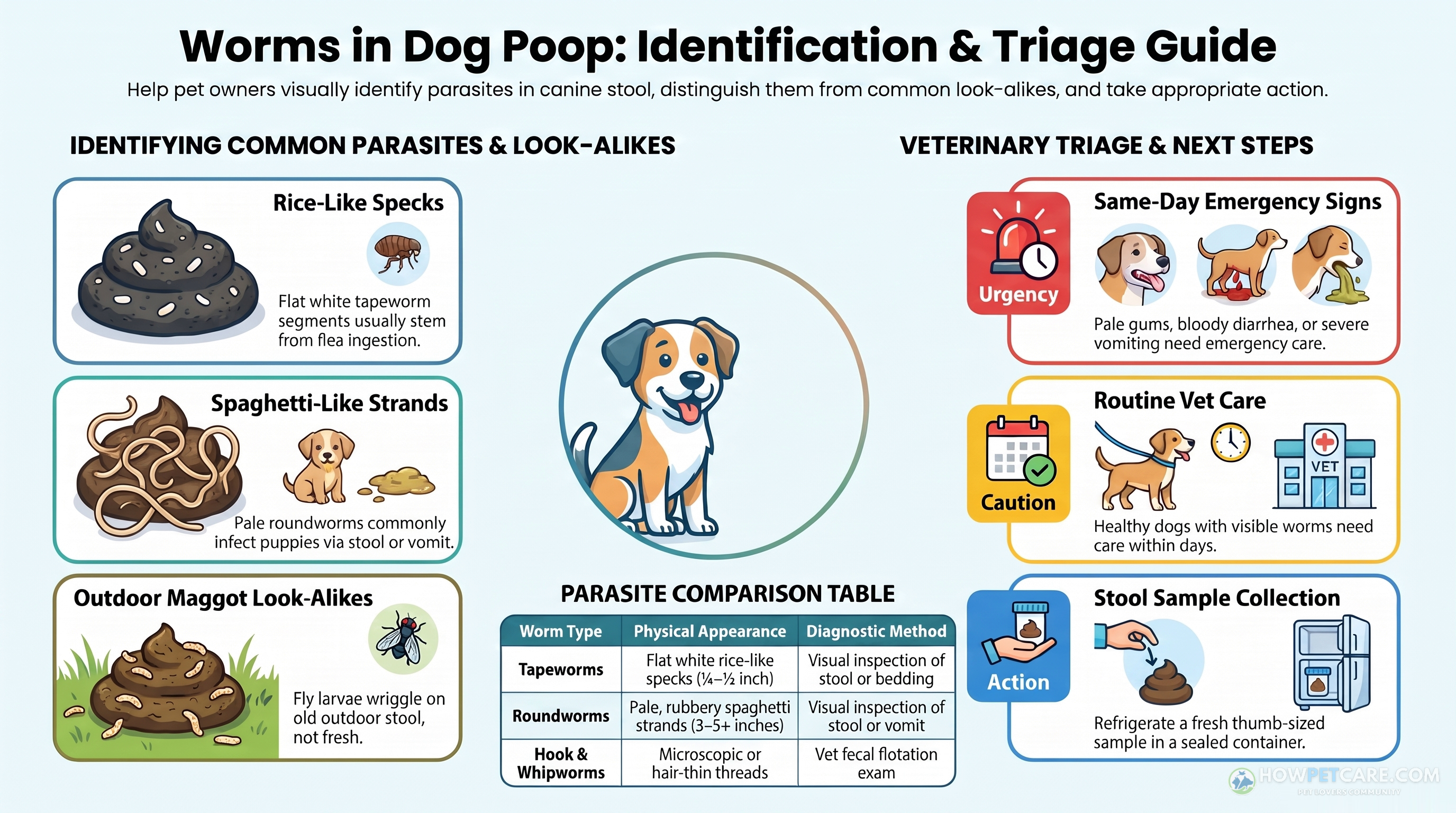
Worms in dog poop are most often tapeworm segments (flat, white, rice-like specks) or roundworms (pale, spaghetti-like strands). Wrigglers on stool that sat outside for hours are usually fly maggots. Photograph what you saw, collect a fresh stool sample, and book a vet fecal exam.
What Worms in Dog Poop Look Like: Side-by-Side Identification Guide
You just spotted something white or moving in your dog’s stool and need to know what it is — and what to do right now. Use the side‑by‑side table below to match what you saw to a worm type or a common look‑alike before taking any further action.
| What you see | Size and color | Movement and texture | Where and when you see it | What it usually is | Urgency |
|---|---|---|---|---|---|
| Flat white ‘grains of rice’ or sesame-seed specks | ~¼–½ inch, cream to white; dried ones turn yellowish and hard | Fresh segments may crawl slowly; dried ones don’t move | Stuck to fresh stool, around the anus, in bedding or on tail fur | Tapeworm segments (usually Dipylidium, picked up by swallowing fleas) | Routine visit this week — start flea control now |
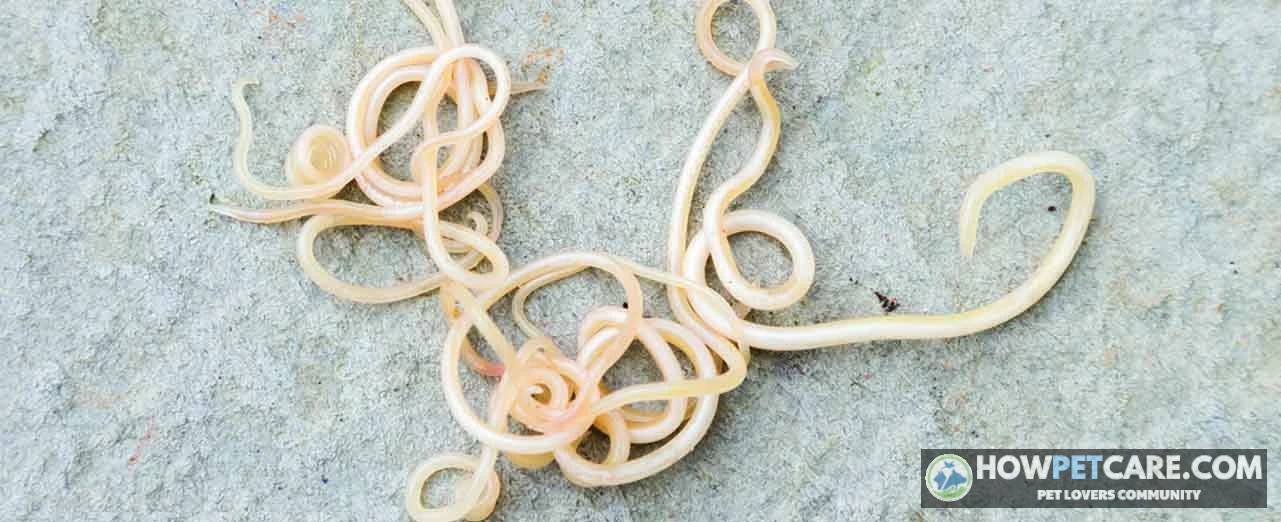
| Spaghetti-like pale strands | 3–5 inches (sometimes longer), cream to tan, round like an earthworm | May wiggle when fresh; rubbery and holds its shape | In stool or vomit — most common in puppies | Roundworms (Toxocara) | Prompt visit — sooner if it’s a puppy |
| Tiny grayish hair‑thin threads | About ½ inch — usually too small to notice | Rarely seen at all | Almost never visible in stool | Hookworms — diagnosed by fecal test, not by eye | Same‑day if it’s a puppy with pale gums or bloody stool |
| Fine thread, thicker at one end (whip shape) | ~2 inches but rarely passed whole | Not usually seen | Almost never visible — suspicion comes from chronic mucusy stool | Whipworms — diagnosed by fecal test | Routine visit; recurring mucusy stool is the real clue |
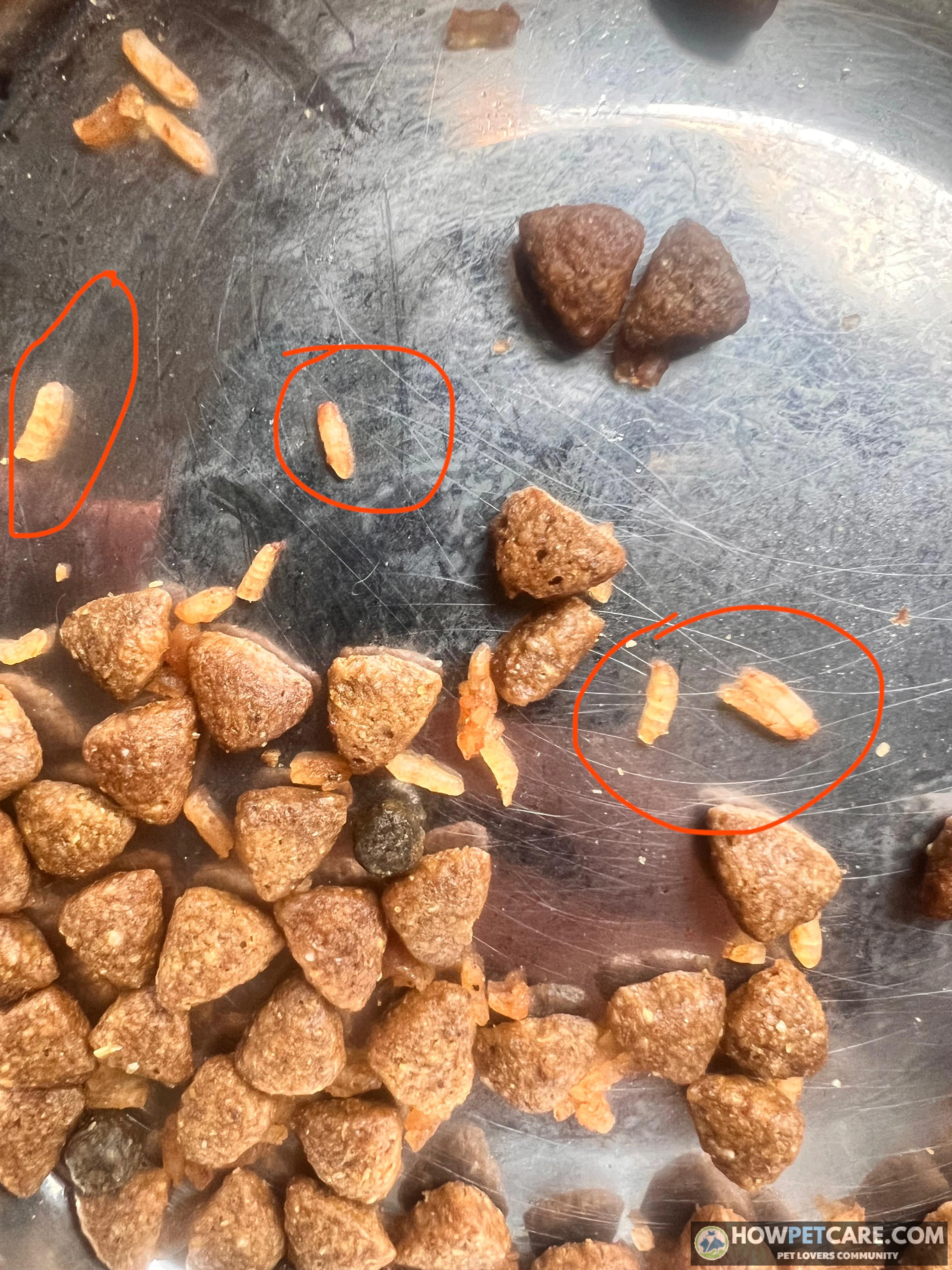
| Cream-colored, legless, pointed at one end | ~¼–½ inch maggots | Wriggle strongly and continuously | On stool that sat outside for hours | Fly larvae — the stool was clean when it was passed | Usually none; vet needed only if maggots are on the dog’s skin or a wound (fly strike) |
| Shiny jelly‑like strands or coating | Translucent or whitish, no head or tail | Never moves; smears when pressed | Coating soft or loose stool | Mucus — can point to colitis, whipworms or giardia | Vet if it keeps repeating over several days |
| Stringy or segmented bits (squash strings, grass, bean fibers, thread) | Varies — often matches a recent meal | Doesn’t move; falls apart or smears when pressed | Mixed into the stool | Undigested food or swallowed string | None — but never pull anything hanging from the anus; call the vet |
Tapeworm segments: the ‘rice grains’ owners find most often
Flat white specks about the size of a grain of rice or a sesame seed are typically tapeworm proglottids. Fresh segments may crawl slowly; dried ones turn hard and yellowish. They usually show up attached to the stool or around the anus, especially in dogs with flea exposure. If you see these, start a flea‑control program — our guide to what fleas look like can help you confirm the source — and schedule a veterinary fecal exam within a few days.
Roundworms: the spaghetti‑like worms
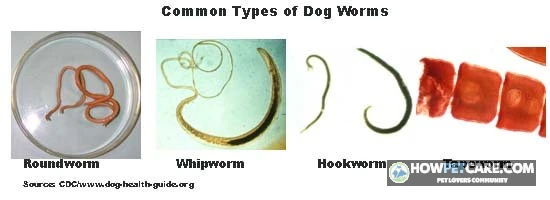
Spaghetti‑like, pale strands 3–5 inches long (sometimes longer) are classic roundworms, most common in puppies but also seen in adults. They may wiggle when fresh and feel rubbery. Roundworms are often vomited as well as passed in stool. Because they’re larger and more visible, a prompt veterinary visit is advisable, especially for young dogs.
Hookworms and whipworms: why you rarely see them
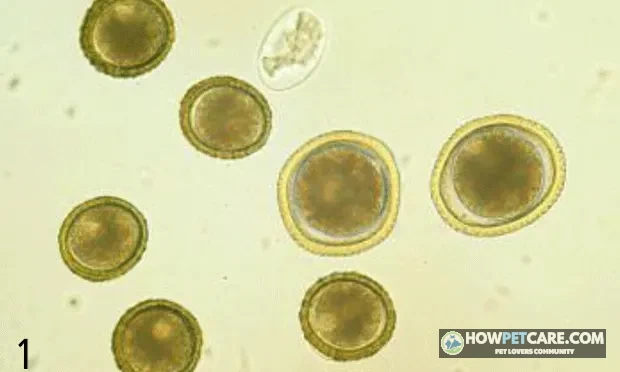
Hookworms and whipworms are tiny or thread‑thin and seldom appear in stool; they’re usually identified only through a microscopic fecal exam. Hookworms can cause anemia, particularly in puppies, so if a puppy shows pale gums or blood in the stool, seek veterinary care immediately. Whipworms may produce mucus‑laden stool, so repeated soft, mucusy poop should prompt a fecal test even if no worms are visible.
Worm, Maggot, Mucus or Undigested Food? How to Tell the Difference
When you examine the stool, the object you see may be a true parasite, a maggot, mucus, or simply undigested food. The differences are easy to spot if you know what to look for.
Maggots on old stool versus intestinal worms in fresh stool
Maggots (fly larvae) are cream‑colored, pointed at one end, and wriggle continuously. They appear on stool that has been sitting outdoors for hours, because flies lay eggs on fresh feces within minutes. If the stool was collected within minutes of being passed and still contains moving “worms,” suspect a true parasite. A quick test: place the item on a white paper towel, photograph it, and gently press it with a gloved finger — worms are rubbery and hold their shape, while maggots keep moving and may break apart.
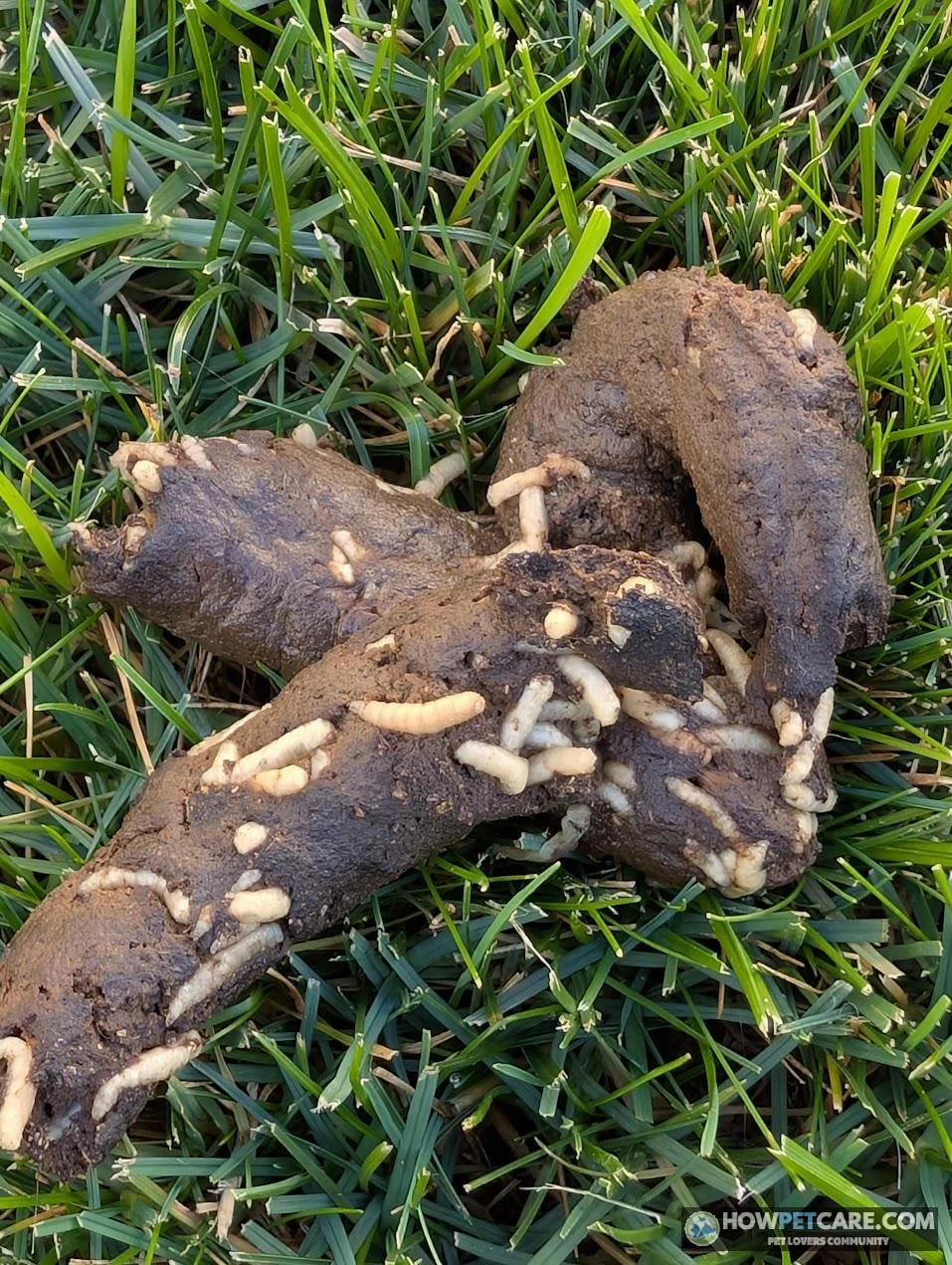
The presence of moving “worms” on stool that has sat outside for several hours almost always means fly maggots, not intestinal parasites. A fresh sample taken immediately after the dog defecates will clarify the situation.
Maggots are the larvae of flies that lay eggs on feces within minutes of it being deposited. They are cream‑colored, pointed at one end, and move continuously. If the stool you are looking at has been sitting outside for hours, the wrigglers you see are almost certainly maggots, not intestinal parasites. To confirm, place the suspected worm on a white paper towel, take a photo, and gently press it with a gloved finger or a piece of tissue. True worms feel rubbery and retain their shape, whereas maggots keep wriggling and may fragment. Fresh stool collected right after the dog defecates is the best way to differentiate the two. If you are uncertain, a quick photo and a brief call to your veterinarian can provide reassurance before you decide on any treatment.
Is Seeing Worms in Dog Poop an Emergency? Red Flags and Triage
In an otherwise healthy adult dog, visible worms are usually a prompt‑but‑not‑emergency veterinary visit (days, not hours). However, certain red‑flag signs require same‑day or emergency care.
Go to the vet today if you check any box:
- Puppy (roughly under 8 weeks) or small dog with repeated vomiting or diarrhea
- Worms in the vomit, or a distressed dog that just vomited worms
- Bloody diarrhea or black, tarry stool
- Gums look pale, white or gray instead of pink
- Marked lethargy, weakness or collapse
- Swollen, tight or painful belly
- Can’t keep water down
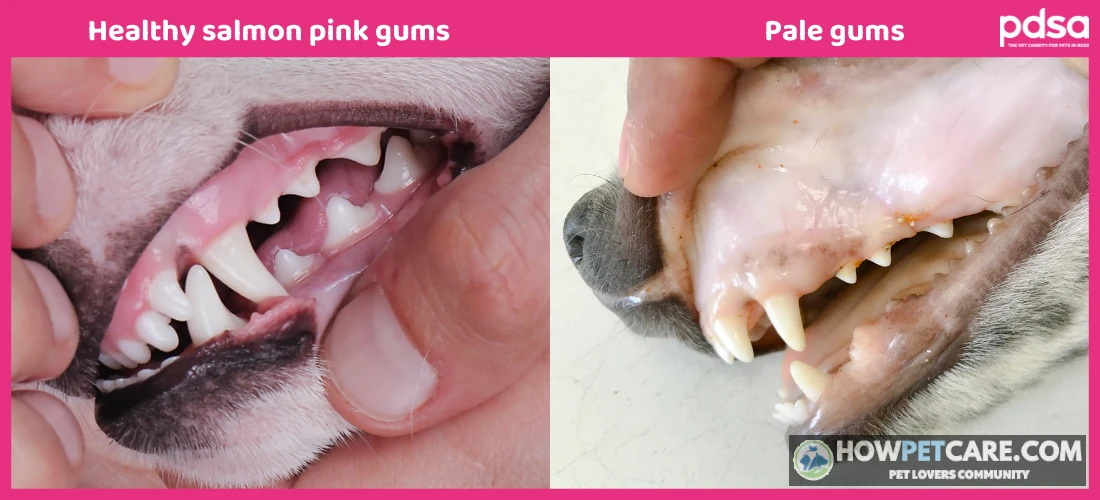
Book a routine appointment within about a week if this is the picture:
- Adult dog acting normal — eating, drinking, playing
- Rice‑like segments or a few spaghetti‑like worms in the stool
- No other symptoms
No urgent care needed if:
- The wrigglers are only on stool that sat outside for hours (likely fly maggots, not parasites)
- It’s a one‑off stringy bit matching something the dog ate, and the dog is otherwise fine
When in doubt:
- A two‑minute call to the clinic describing what you saw costs nothing — and a photo on your phone answers most of the vet’s questions.
Why symptoms and worm severity do not always match
A dog can have a heavy worm burden with no visible worms because hookworms and whipworms shed only microscopic eggs. Roundworms and tapeworms may be shed intermittently, so a normal‑looking stool does not rule out infection. Severity depends on worm type, number, the dog’s age, and overall health.
If any of the following apply, seek veterinary care right away or go to an emergency clinic: a puppy under eight weeks or a small dog that is vomiting or has diarrhea repeatedly; any dog that vomits worms or appears distressed after vomiting; any presence of blood in the stool or black, tarry feces; gums that look pale, white, or gray rather than pink; marked lethargy, weakness, or collapse; a swollen, tight, or painful abdomen; or an inability to keep water down. Dogs that are very young, very old, pregnant, or have other health problems should be evaluated more promptly. When you are unsure, a brief phone call to your clinic can save time and may prevent a worsening condition.
What to Do Right Now: Safe Cleanup and How to Collect a Stool Sample for the Vet
The first steps are to protect yourself, preserve evidence, and prevent the dog from re‑eating the sample.
Collect a Vet‑Ready Stool Sample in 7 Steps
- Gather disposable gloves (or a bag over your hand), a clean screw‑top container or zip bag, a second small bag, a marker, and your phone.
- Photograph the stool and any worm before touching, using a coin or ruler for scale.
- Collect about a tablespoon (thumb‑sized) of fresh stool; include any visible worm or segment.
- Place the worm or segment in a separate sealed bag for the vet.
- Seal the main container, label with your dog’s name, date, and time, and double‑bag if using a zip bag.
- Refrigerate the sample (do not freeze) and keep it sealed until you can deliver it — most clinics accept it up to 12–24 hours old; confirm with your clinic.
- Wash hands thoroughly and disinfect any hard surface the stool touched before leaving.
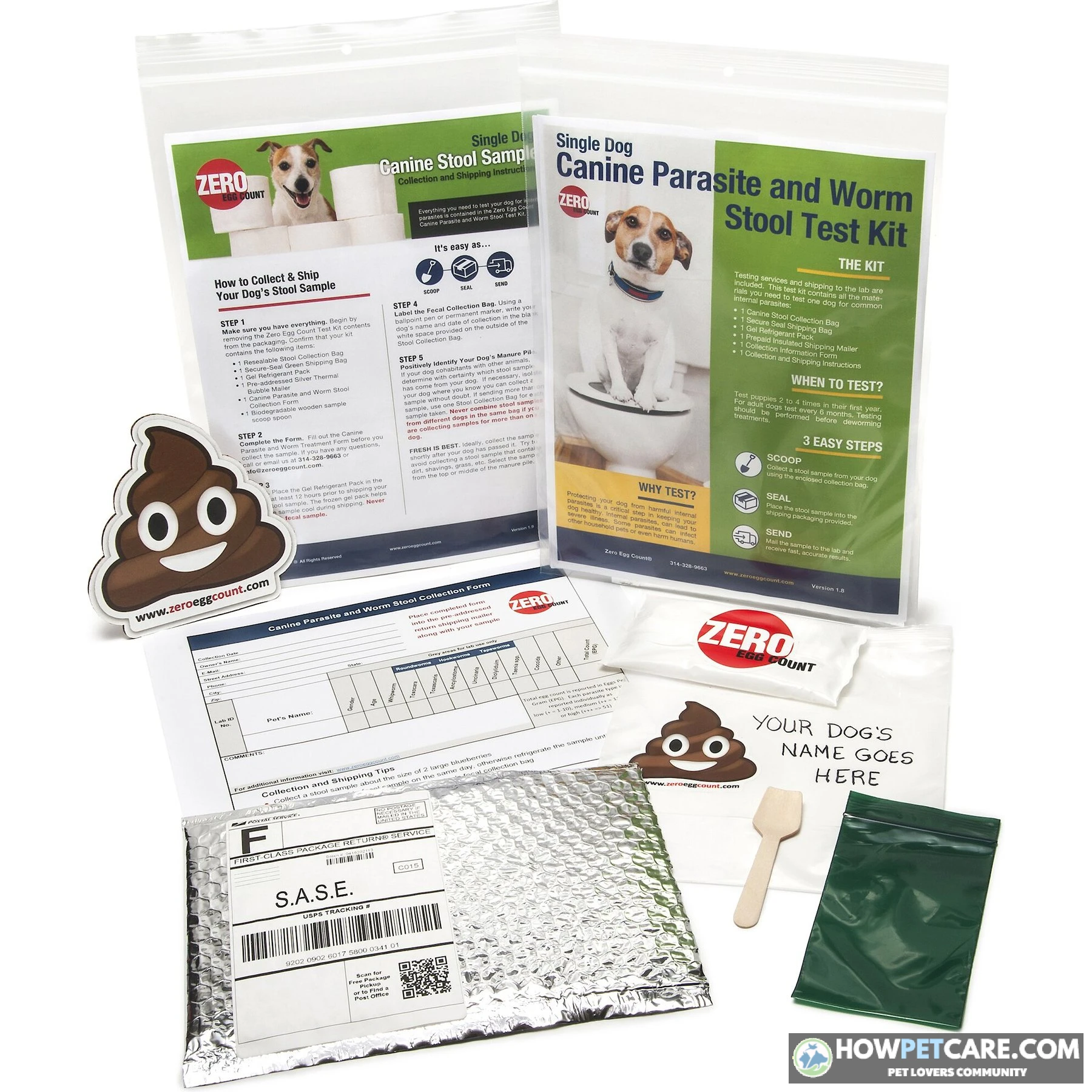
Gather the necessary supplies before you start: disposable gloves (or a plastic bag you can wear like a glove), a clean screw‑top container or a zip‑lock bag, a small second bag for any worm you find, a permanent marker, and your smartphone for photos. Put on the gloves or the bag, then photograph the stool and any worm while it is still fresh; a coin or ruler gives a useful size reference. Collect about a thumb‑sized piece of stool — roughly one tablespoon — making sure to include any visible worm or segment. Place the worm or segment in its own sealed bag so the veterinarian can examine it directly. Seal the main container, write the dog’s name, the collection date and time, and double‑bag the whole thing if you are using a zip bag. Store the sample in the refrigerator, not the freezer, and keep it sealed until you reach the clinic; most practices will accept a sample that is up to a day old, but it’s best to check their specific policy. Finally, wash your hands thoroughly and clean any surface the stool touched with a disinfectant wipe.
Why You May Not See Worms: How Vets Diagnose and Treat Each Type
Many dogs carry worms without any visible signs, so a normal‑looking stool does not guarantee they are free of parasites. Even roundworms and tapeworms are shed intermittently, so a single clean stool does not rule out infection.
Why a normal‑looking stool does not rule out worms
Hookworms and whipworms shed microscopic eggs, and roundworms and tapeworms are often present in low numbers. A dog can have a significant infestation without any visible worms in the feces.
How a fecal exam works
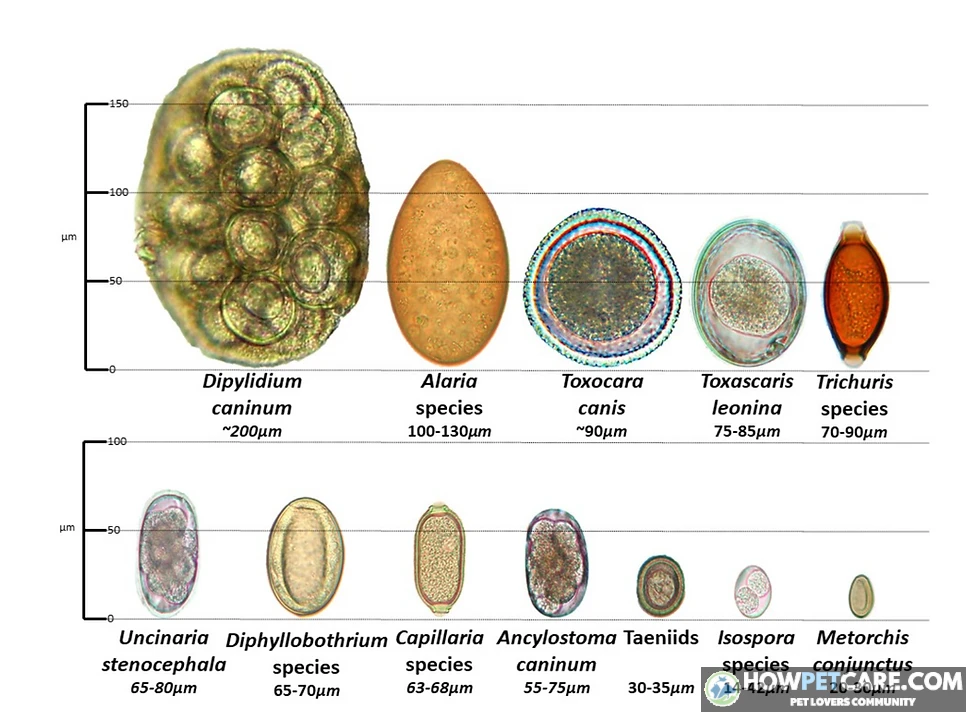
A veterinarian performs a fecal flotation (microscopic examination) to look for eggs. Tapeworm eggs are often missed, so the presence of segments or flea evidence is also considered. Some clinics use antigen tests for giardia or other parasites, and repeat testing may be needed for whipworms.
Which dewormer treats which worm (active ingredients only)
| Active ingredient | Roundworms | Hookworms | Whipworms | Tapeworms | Notes and cautions |
|---|---|---|---|---|---|
| Pyrantel pamoate | Yes | Yes | No | No | The usual OTC dewormer — and the most common mismatch, since it can’t touch whipworms or tapeworms |
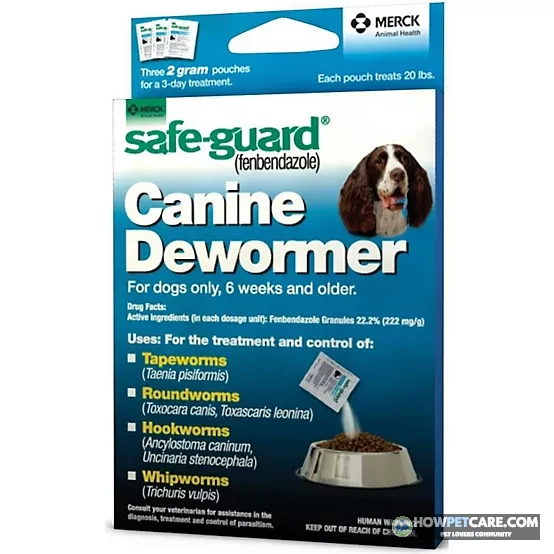
| Fenbendazole | Yes | Yes | Yes | Partial — Taenia only, not the common flea tapeworm (Dipylidium) | Prescription; typically a 3–5 day course; also used for giardia at the vet’s discretion |
| Praziquantel | No | No | No | Yes | Standard tapeworm treatment — pointless without flea control, or segments return within weeks |
| Milbemycin oxime | Yes | Yes | Yes | No | Found in monthly preventives; ask whether your dog’s current preventive already covers this |
| Ivermectin | Not routine | Not routine | No | No | Primarily a heartworm preventive at labeled doses; MDR1 (ABCB1) mutation risk in Collies, Australian Shepherds, Shelties and related herding breeds — never self‑dose |
Breed safety: MDR1 and dewormer sensitivity
Collies, Australian Shepherds, Shelties and related herding breeds may carry the MDR1 (ABCB1) mutation, which makes them vulnerable to high‑dose macrocyclic lactones such as ivermectin. While labeled preventive doses are generally safe, avoid self‑dosing products (our ivermectin for dogs guide covers dosing and breed risks) and discuss any breed‑specific concerns with your veterinarian.
Collies, Australian Shepherds, Shelties and related herding breeds may carry the MDR1 (ABCB1) mutation, which affects how they metabolize certain drugs, especially high‑dose macrocyclic lactones such as ivermectin. While the doses used in many heartworm preventives are formulated to be safe for these breeds, self‑administering products or using higher‑than‑labeled doses can cause severe neurological toxicity. Always tell your veterinarian your dog’s breed, and ask whether the dewormer you are prescribed is safe for MDR1‑sensitive dogs. If you are unsure, a simple genetic test can confirm the mutation, and your vet can choose an alternative medication that does not pose a risk.
Can Dog Worms Infect You, Your Kids or Your Other Pets? What to Do at Home
Some dog parasites are zoonotic, meaning they can infect humans and other animals. The risk is real but manageable with simple hygiene.
Risk for children and adults, in plain terms
Roundworm eggs can survive in soil for years and need a few weeks to become infective; children who play in sandboxes, yards, or dirt can accidentally swallow them, leading to larval migration and rare but serious health issues. Hookworm larvae can penetrate bare skin, causing an itchy rash called cutaneous larva migrans. Dipylidium tapeworm in humans is uncommon and usually involves a child swallowing an infected flea. The easiest protection is to pick up stool promptly, wash hands, keep children away from soiled areas, and prevent the dog from licking faces until treatment is complete.
Other pets in the household
Assume the household may be exposed. Ask your veterinarian whether to test or treat other dogs and cats at the same time, especially if tapeworm is involved (because fleas can spread the parasite). Separating the infected dog from other pets is less important than thorough cleaning and treating all animals for fleas — and for cats dealing with other biting pests, our guide to treating bed bugs on cats covers safe bite care and cleanup.
How to clean your yard and floors
Roundworm eggs can survive in soil for years, so daily removal of stool is essential. Avoid watering or composting contaminated soil; instead, replace heavily contaminated patches with gravel or fresh topsoil. Hard surfaces should be scrubbed with hot water and a brush; household bleach is not reliable for killing eggs in soil. Keep the dog’s living area clean and limit its access to areas where feces may accumulate.
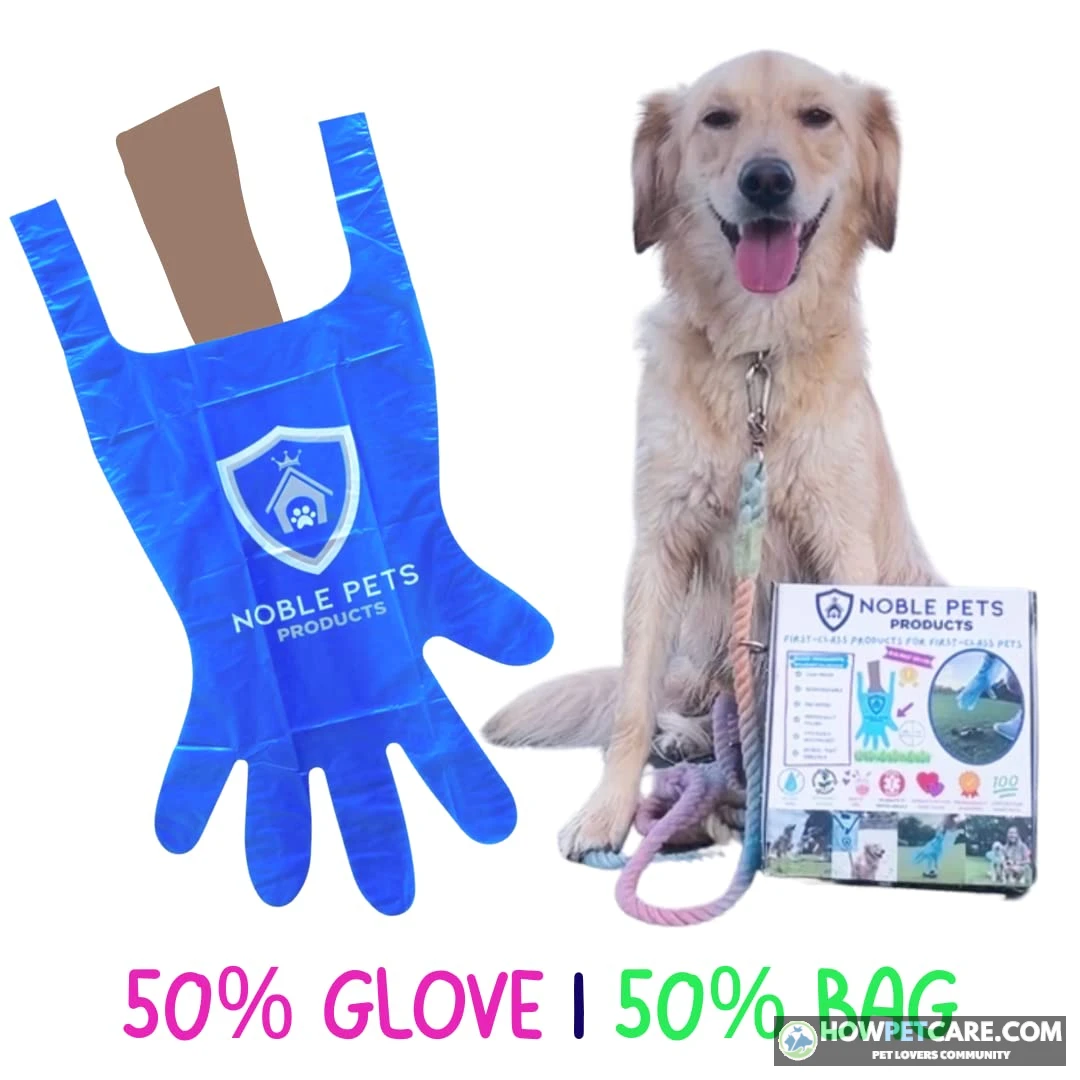
Roundworm and hookworm parasites can be transmitted from dogs to people, especially children. Roundworm eggs need several weeks in soil to become infective, so prompt stool removal dramatically reduces the chance that a child will ingest them. Hookworm larvae can penetrate bare skin, causing an itchy rash known as cutaneous larva migrans; wearing shoes or gloves when handling feces or cleaning outdoor areas lowers this risk. Dipylidium tapeworm rarely infects humans but can involve a child swallowing a flea that carries the parasite. Good hygiene practices — wearing gloves when picking up stool, washing hands with soap and water, keeping children away from contaminated areas, and preventing the dog from licking faces until treatment is finished — are simple steps that protect the whole family. If a family member develops a persistent skin rash, abdominal pain, or other unusual symptoms after exposure, contact a healthcare provider and mention the dog’s diagnosis.
After Deworming: How Long Will Worms Keep Showing Up in the Stool?
It is common to see dead or partially digested worms in the stool for a short period after treatment, typically within hours to a few days. Dead worms usually indicate that the medication is working.
- Roundworms: Dead worms may appear for 1–3 days after treatment.
- Tapeworm segments: May continue to pass for a few days after praziquantel; recurrence suggests ongoing flea exposure.
- Stool and appetite: Should return to normal within a few days for most dogs, although some parasites take longer.
Follow‑up dosing
Most dewormers do not kill immature stages, so a repeat dose is usually scheduled 2–4 weeks after the initial treatment. Puppies follow a more frequent schedule, typically every 2 weeks until 12 weeks of age.
Follow‑up fecal exam
A repeat fecal test is often recommended, especially for whipworms and puppies, to confirm clearance.
When to call the vet
Contact the veterinarian if live worms keep appearing after the full course, diarrhea or vomiting worsens or lasts more than a few days, the dog becomes lethargic or stops eating, or there is blood in the stool.
Prevention that prevents re‑infection
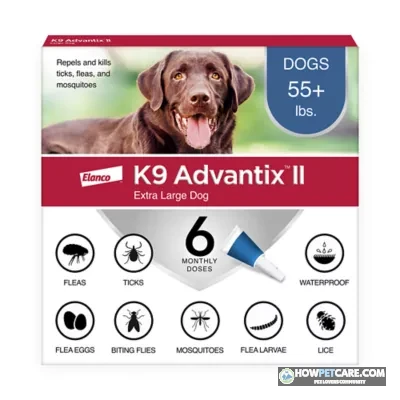
Year‑round broad‑spectrum preventive, consistent flea control, regular tick checks (see our dog tick removal guide for identification and safe removal), prompt stool pickup, and routine fecal exams on the schedule your vet recommends will minimize the chance of reinfection.
What the Vet Visit Costs and Whether OTC Dewormers Are Enough
Veterinary visits and diagnostics have predictable cost components, but prices vary widely by region, clinic type, and dog size. A quick phone quote is the best way to get an accurate estimate.
Typical costs by line item
| Item | What it covers | Approximate US range (varies by region and clinic) | Notes on saving money |
|---|---|---|---|
| Office exam | Physical exam plus the vet’s assessment | ~$50–$90 | Low‑cost community clinics and shelter veterinary services often charge less |
| Fecal flotation | Microscope check for worm eggs | ~$25–$50 | Usually the cheapest way to learn which worm it is — often less than repeated OTC guesses |
| Fecal antigen test | Detects parasites flotation can miss (e.g., giardia) | ~$30–$60 | Typically added only if flotation is negative but suspicion stays high |
| Prescription dewormer (per course) | e.g., fenbendazole or praziquantel | ~$15–$50 | Priced partly by weight — bigger dogs cost more |
| OTC pyrantel | Roundworms and hookworms only | ~$10–$25 | Legitimate for those two worms; wasted money on tapeworm or whipworm |
| Follow‑up fecal test | Confirms the infection cleared | ~$25–$50 | Most useful for whipworms and puppies — ask whether your dog needs it |
| Flea treatment (if tapeworm) | Breaks the reinfection cycle | ~$15–$35 | Skipping this is why tapeworm “comes back” |
| Monthly broad‑spectrum preventive | Ongoing worm and parasite coverage | ~$10–$25 / month | Ask whether adjusting the current preventive covers more parasites for less |

Worked example: exam + fecal flotation + one course of prescription dewormer for a medium‑sized dog typically lands around $90–$185 total — roughly the cost of two or three wrong guesses at the pet‑store shelf.
OTC pyrantel versus prescription treatment
OTC pyrantel is a legitimate option for roundworms and hookworms but does not cover whipworms or tapeworms, and it may be ineffective if the parasite is misidentified. Prescription products such as fenbendazole (Panacur) or praziquantel are more reliable for a broader range of worms and are dosed according to the dog’s weight. If the worm type is unknown, a fecal test is usually a better first step than guessing with over‑the‑counter products.
Veterinary fees can vary dramatically based on location, clinic type, and the size of your dog. A standard office exam typically ranges from $50 to $90, while a fecal flotation (the basic microscope test) runs $25 to $50 and is often the most cost‑effective way to identify the parasite. If your clinic adds an antigen test for giardia or other organisms, expect an additional $30‑$60. Prescription dewormers cost $15‑$50 depending on the drug and your dog’s weight, whereas over‑the‑counter pyrantel is $10‑$25 and only effective against roundworms and hookworms. A follow‑up fecal test after treatment is another $25‑$50, and flea control for a tapeworm case adds $15‑$35. Because prices differ so much, the safest approach is to call the clinic beforehand and request a written estimate for the specific services you need.
Your Next‑Steps Checklist: From Discovery to Vet Visit
Follow these seven steps to turn what you saw into actionable care:
- Photograph the stool and any worm, compare with the identification table, and rule out maggots, mucus, and food.
- Check the red‑flag list and decide whether to go today or book this week.
- Collect and refrigerate a fresh, labeled stool sample.
- Clean up with gloves, wash hands, keep children and other pets away from the area, and begin flea control if tapeworm is possible.
- Write down symptoms, preventive history, breed concerns (MDR1), and questions on cost and follow‑up testing.
- After treatment, track stool and appetite, finish the full course, and schedule the repeat dose and recheck.
- Decision rule: any red flag means call the vet now; otherwise book a visit and collect the sample.
Final Thought
Seeing worms in your dog’s stool can be unsettling, but with a clear visual guide, a quick triage decision, and a simple sample‑collection routine, you can act confidently and get the right treatment fast. Keep the table handy, follow the checklist, and don’t hesitate to call your veterinarian if anything feels urgent.
FAQ
Can worms in dog poop go away on their own?
Generally no. Intestinal worms usually persist and can worsen without treatment, and some can spread to people and other pets. A fecal exam and the right dewormer are the reliable way to clear them.
Can my dog get worms if it never leaves the house?
Yes. Indoor dogs can get tapeworms from fleas, roundworms from a mother during puppyhood, and eggs or larvae carried in on shoes or other pets. Routine fecal exams and year-round parasite prevention still apply.
Can puppies be born with worms?
Yes. Roundworm larvae can pass from the mother to puppies before birth or through milk, and hookworms can pass through milk. This is why vets deworm puppies on a schedule starting at a young age.
Can I deworm my dog without a fecal test?
It is possible, but guessing can mean using a product that does not cover the actual parasite. A fecal test, which is usually inexpensive, lets the vet choose the right medication and dose.
Should I keep my dog away from other dogs after finding worms?
Ask your vet, but a reasonable approach is to avoid dog parks and shared spaces until treatment starts and to pick up stool immediately. Keeping stool cleaned up matters more than isolation.
How often should adult dogs have a fecal exam?
Many vets recommend testing at least once a year, and more often for puppies, dogs at higher risk, or dogs with symptoms. Your vet can set a schedule based on your dog’s lifestyle and region.