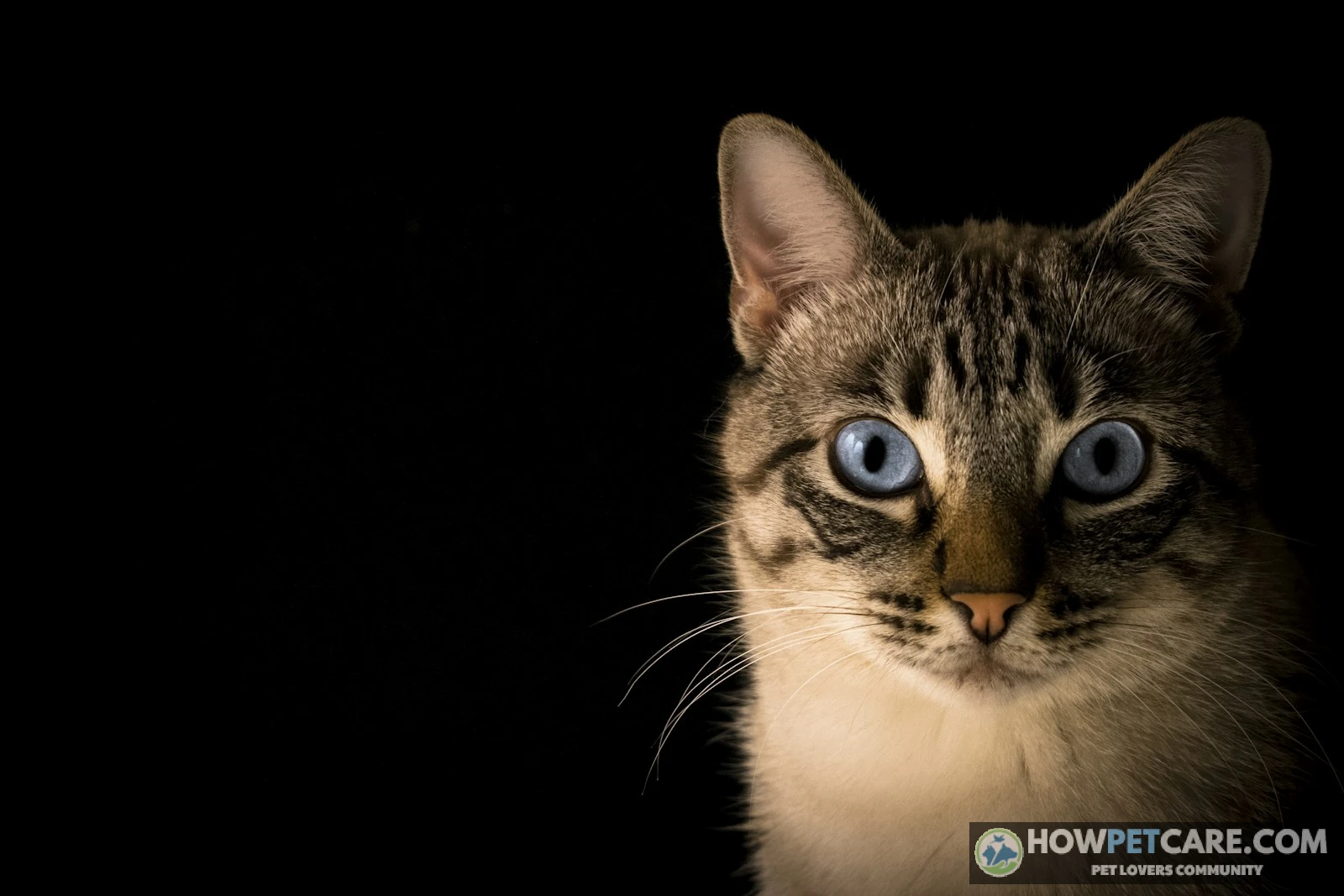

Cat stroke symptoms that need an emergency vet visit include:
- Sudden loss of balance, falling over, or repeated stumbling
- Circling or falling toward one side
- A pronounced head tilt
- Unequal pupils or involuntary eye flickering (nystagmus)
- Sudden blindness or bumping into objects
- Collapse, unresponsiveness, or seizure-like jerking
Sudden loss of balance, a pronounced head tilt, collapse, seizure-like activity, or a sudden change in your cat’s vision warrants an emergency veterinary visit now. These can be signs of a stroke in cats, but other emergencies can look the same. You can’t reliably tell the cause at home.
A stroke happens when blood flow to part of the brain is interrupted or bleeding occurs in the brain. Signs depend on the area affected: one cat may have a head tilt, while another has weakness or a sudden change in vision.
Cat Stroke Symptoms Checklist: Go Now, Call Today, or Watch at Home
Emergency clinic now: red-flag signs
Any one of these new, sudden signs is enough to seek emergency care:
- ☐ Falling over, repeated stumbling, or inability to stand
- ☐ Circling or repeatedly falling toward one side
- ☐ A pronounced head tilt, especially with vomiting
- ☐ Pupils that suddenly look different sizes
- ☐ Eyes flickering or darting involuntarily
- ☐ Sudden blindness or bumping into familiar objects
- ☐ Collapse, unresponsiveness, or seizure-like jerking

Your cat doesn’t need to have every sign. Head tilt, impaired balance, abnormal eye movements, and sudden visual problems are among the neurological signs reported with feline stroke.
Call your vet today: urgent but stable signs
Call your veterinarian or an emergency clinic today if your cat is alert and comfortable but has a subtle new change. That might be mild unsteadiness that’s improving, an uncertain change in head position, or unusual behavior after an episode you didn’t see. Describe exactly what happened; the clinic may recommend an emergency visit rather than an appointment later that day.
A clearly sudden head tilt, significant stumbling, worsening signs, or any red flag above belongs in the emergency tier—even if your cat is still eating or can walk.
Lower urgency: when a brief episode still needs a call
If a brief wobble or unusual episode has fully resolved, keep your cat safe, document what you saw, and call a veterinarian the same day. An episode that has passed isn’t proof that nothing serious happened. Ask whether an examination and blood pressure check are appropriate.
| Urgency tier | Signs you may see | What to do | Timeframe |
|---|---|---|---|
| Emergency | Sudden significant imbalance, head tilt, abnormal eyes or vision, collapse, or seizure-like activity | Transport safely to an emergency clinic | Now |
| Urgent, stable | Subtle new unsteadiness or unexplained behavior change; cat is alert and not worsening | Call a veterinarian for triage; go sooner if advised | Today |
| Brief observation after a resolved episode | Signs have completely stopped and the cat appears normal | Document the episode and call a veterinarian | Today |
| Gradual change | Slowly developing nighttime confusion, vocalizing, or altered sleep | Arrange a veterinary appointment; escalate for sudden changes | Within a day or two |
Old cat stroke symptoms: what looks different in seniors
Older cats can have the same sudden stroke signs as younger cats. They may also develop problems more slowly, including feline cognitive dysfunction, which can cause nighttime disorientation or changes in interaction. A gradual decline deserves a veterinary appointment, but a sudden change on top of that decline is different and needs urgent assessment.
What to Do in the First 30 Minutes: Safe Transport and What Never to Do
Don’t use the clock as a reason to stay home for 30 minutes. The goal is to leave promptly while keeping your cat protected and giving the clinic useful information.
Before you leave: a 5-minute prep list
- Make the area safe. Keep your cat in a quiet, dim, comfortably warm space. Block stairs and access to furniture edges.
- Call the clinic while preparing to leave. Describe the signs and ask for arrival instructions. If someone else is available, have them call while you prepare the carrier.
- Note the timing. Record when the signs began, or when you last saw your cat acting normally. If it’s safe and won’t delay departure, take a short video of the eyes, head position, or movement.
How to carry and drive a cat that can’t balance
Line a carrier with a towel. If the top comes off, gently lower your cat into the base rather than pushing them through a small door. Use rolled towels to support their body so they can’t slide around, and let them stay in the most natural, stable position. Don’t force the head straight or lift your cat by the scruff.
Secure the carrier in the vehicle and drive smoothly. A second person can watch your cat and communicate with the clinic. If your cat is unresponsive and not breathing normally, tell the clinic immediately and follow its instructions; CPR is for a suspected breathing or cardiac arrest, not for a cat who is breathing and responsive.

What never to do
- Do not give human medication, including aspirin, ibuprofen, or acetaminophen, unless a veterinarian has specifically directed its use. These drugs can harm cats.
- Do not force food or water into a disoriented cat; they could inhale it.
- Do not apply ice or heat packs, or delay the trip to try a home remedy.
- Do not wait overnight for symptoms to pass or for them to supposedly reach a peak.
There’s no reliable home treatment that reverses a suspected feline stroke. Before the examination, focus on safe transport and communication. The veterinarian determines supportive care and treatment for any underlying cause. No specific therapy has been established to completely reverse the brain damage caused by stroke in cats.
What to tell the vet and what to bring
Bring a medication and supplement list, relevant recent test results, and any video you took. Tell the team about possible access to human medicines, plants, chemicals, or flea products. If it’s safe, bring the product packaging. Explain whether the signs started suddenly, whether they changed, and when your cat was last normal.
 You might be wonderingCat yearsCat Years to Human Years: Conversion Chart & Age GuideRead the answer
Eye Signs of a Cat Stroke: Unequal Pupils, Flickering Eyes, and Sudden Blindness
Eye changes may be the first thing you notice. They can also result from eye disease or conditions affecting nerves, the balance system, or blood pressure—not just stroke.
Unequal pupils (anisocoria)
One pupil may look noticeably larger than the other. This difference is called anisocoria. A sudden change can indicate an eye or neurological problem and warrants an emergency examination. Don’t spend time repeatedly testing pupil responses at home.

Nystagmus: rapid eye flickering
Nystagmus means involuntary eye movements that may look like rapid flicking from side to side, up and down, or in a rotating pattern. A veterinarian considers the pattern alongside the rest of the neurological examination. You can’t reliably use it at home to decide whether the problem is in the brain or inner ear. A quick video can help if it doesn’t delay departure.
A drooping eyelid, newly visible third eyelid, or eyes pointing in different directions also needs prompt veterinary advice. If it appears with sudden imbalance or another red flag, treat the situation as an emergency.
Sudden blindness and high blood pressure
A suddenly blind cat may hesitate in a familiar room, bump into objects, or have unusually wide pupils. High blood pressure can damage the eyes and cause retinal detachment or bleeding, with or without a stroke. Seek emergency care for sudden vision loss: prompt assessment may matter for preserving vision.
Stroke or Something Else? Vestibular Disease, Ear Infection, Toxins, Heat Stroke, and Seizures Compared
These conditions can overlap so closely that a table can’t diagnose your cat. Use it to identify details to tell the veterinarian—not to rule out an emergency.
| Condition | Typical onset | Signs that overlap with stroke | Clues suggesting another cause | Typical veterinary first step |
|---|---|---|---|---|
| Stroke | Often sudden | Head tilt, imbalance, abnormal eyes, weakness, or vision changes | No single home observation confirms it | Stabilization and neurological examination |
| Vestibular disease | Can be sudden | Head tilt, falling, eye flickering, nausea | Signs may center on balance; the cause may be in the inner ear, nerve, or brain | Neurological and ear examination |
| Inner ear infection | May develop gradually or become obvious suddenly | Head tilt, loss of balance, eye movements | Ear pain, scratching, odor, or discharge may be present—but can be absent | Ear and neurological examination |
| Toxin exposure | Often follows an exposure, though timing varies | Unsteadiness, altered awareness, seizures | Drooling, tremors, vomiting, or access to a suspect product | Stabilization and toxin assessment |
| Heat stroke | After overheating | Weakness, collapse, altered awareness | Heat exposure, panting, drooling, and a hot body | Immediate cooling and emergency stabilization |
| Seizure | Usually an episode followed by a recovery period | Collapse, altered behavior, abnormal movement | Repetitive jerking, drooling, or loss of awareness may occur | Stabilization and assessment for causes |
Stroke vs vestibular disease
The vestibular system helps a cat maintain balance. A problem in the inner ear or its nerve is called peripheral vestibular disease; a problem involving the brain is called central vestibular disease. Both can cause a head tilt, loss of balance, and nystagmus. A stroke can itself affect the central vestibular system.
Weakness, markedly altered awareness, or other neurological deficits can make a central cause more concerning, but their absence doesn’t settle the diagnosis. Some cats have idiopathic vestibular disease, meaning a cause isn’t identified, and may improve over days to weeks. An inner ear infection is a separate possibility that needs veterinary assessment and treatment.
Stroke vs seizure symptoms
A seizure may involve jerking, drooling, or loss of awareness, followed by confusion. A stroke more often causes a sudden deficit that remains noticeable after it begins. Neither pattern is definitive: seizures can look different, and a stroke can be associated with a seizure. A video and a record of the episode’s duration can help the veterinarian assess what happened.
Is it a stroke or heat stroke?
Heat stroke is dangerous overheating; it isn’t the same condition as a brain-blood-flow stroke. Panting, drooling, weakness, or collapse after heat exposure is an emergency in its own right. Move your cat away from the heat and contact an emergency veterinarian immediately for cooling and transport instructions.
Suspected poisoning is also time-critical. Dog flea products containing permethrin, human medicines, and some plants are examples of possible exposures. Contact an emergency veterinarian or a pet poison service; in the United States, the ASPCA Animal Poison Control Center is 888-426-4435 and Pet Poison Helpline is 855-764-7661. Fees may apply. Don’t induce vomiting unless a professional specifically instructs you to do so.
Low blood sugar, low potassium, tumors, and other illnesses can also mimic neurological disease. An examination and targeted tests—not the appearance of one symptom—are needed to sort them out.
Can Cats Have Strokes? How Common They Are, What Causes Them, and Who Is at Risk
Yes. Cats can have strokes, although they’re uncommonly diagnosed. A stroke is also called a cerebrovascular accident, meaning an event involving the blood vessels supplying the brain. Confirmation often requires advanced imaging, which isn’t performed for every affected cat.
Ischemic vs hemorrhagic stroke in plain words
An ischemic stroke occurs when a vessel is blocked and part of the brain doesn’t receive enough blood. A hemorrhagic stroke occurs when a blood vessel bleeds. The term feline ischemic encephalopathy describes a form of brain injury associated with interrupted blood supply in cats; it isn’t a diagnosis an owner can make from symptoms alone.
Common causes: hypertension, hyperthyroidism, heart and kidney disease
Conditions associated with stroke risk include hypertension, or high blood pressure; hyperthyroidism, an overactive thyroid; chronic kidney disease; and heart disease such as hypertrophic cardiomyopathy. A blood clot, bleeding or clotting disorder, infection, or tumor may also be relevant. Sometimes an underlying cause isn’t found.
Recommended checkups and blood pressure monitoring matter for middle-aged and senior cats, particularly those with known kidney, thyroid, or heart disease. Your veterinarian can tailor the screening schedule to your cat.
Silent or subtle strokes: what the case reports show
Classic noticeable stroke signs often begin abruptly, but not every cerebrovascular event produces dramatic signs. A published case report described an ischemic event without obvious clinical neurological signs, identified through imaging and further assessment. This does not mean a brief wobble proves a cat had a silent stroke; it means that an episode that disappears still deserves a veterinary discussion.
Gradual confusion over months may have a different explanation, including cognitive dysfunction. Sudden confusion or a new balance problem shouldn’t be dismissed as normal aging.
How Vets Diagnose a Stroke in Cats: Exam, Bloodwork, Blood Pressure, and MRI
Neurological exam and blood pressure
The veterinary team first checks stability, then assesses posture, walking, reflexes, awareness, and eye movements as your cat’s condition allows. These findings help locate the problem and guide the next tests. Blood pressure measurement is important because hypertension can affect both the eyes and brain and may point to an underlying illness.
Bloodwork and heart checks
Bloodwork and urinalysis can help identify problems such as kidney disease, abnormal glucose, or electrolyte changes. Depending on your cat’s condition, the veterinarian may recommend thyroid testing, chest X-rays, or an echocardiogram—a heart ultrasound. The history and examination determine which tests are most useful.
MRI vs CT, and when a presumptive diagnosis is reasonable
MRI provides detailed images of the brain and can help identify a stroke while investigating alternatives such as a tumor or inflammation. CT is another imaging option, although it may be less informative for some brain changes. Advanced imaging usually requires anesthesia, so the team weighs its benefits, risks, and cost.
Imaging isn’t perfect: a very early or small lesion may not be visible. If imaging is unavailable or declined, a veterinarian may make a presumptive diagnosis based on the history, examination, and available tests. That’s a reasonable discussion, but it leaves more uncertainty about the cause.
Consider asking:
- What are you most concerned about, and what else could cause these signs?
- Which test is most likely to change treatment?
- If I need to prioritize, what should we do first?
- Would a veterinary neurologist’s assessment change the plan?
A referral can be particularly useful when signs worsen, the diagnosis remains unclear, or imaging would guide an important decision.
What Emergency Care and Imaging for a Cat Stroke Realistically Cost
Costs vary substantially by region, clinic, time of day, your cat’s stability, and which tests are needed. A dependable, named national price range for an emergency exam or MRI/CT is not available in the evidence provided for this article, so dollar figures here would create false precision. Ask the clinic for its current estimate before assuming what you can or can’t afford.
Typical cost items, from exam to MRI
| Service | What it may include | Typical US range | What changes the price |
|---|---|---|---|
| Emergency exam | Initial assessment and triage | Ask the clinic; a verified range is unavailable here | Location, time, and exam charges |
| Bloodwork and blood pressure | Laboratory tests and pressure measurement | Ask for an itemized estimate | Number and urgency of tests |
| Hospitalization | Monitoring, fluids, medication, and nursing | Ask for a daily estimate | Length of stay and intensity of care |
| Neurology consultation | Specialist examination and recommendations | Ask the referral hospital | Specialist and facility fees |
| MRI or CT | Imaging, often with anesthesia | Ask whether anesthesia and interpretation are included | Imaging type, facility, and additional tests |
| Follow-up | Rechecks, blood pressure, and prescribed medication | Ask for an expected follow-up plan | Diagnosis, medication, and frequency of visits |
Ways to lower the bill without cutting essential care
Ask for a written low-to-high estimate and explain your budget early. Ask which tests are essential for immediate safety, which could change treatment, and whether a staged plan is appropriate. Depending on your cat’s condition, the vet may recommend prioritizing the examination, blood pressure, and basic laboratory work before deciding on imaging.
You can also ask about payment options such as CareCredit or Scratchpay, and whether a veterinary school hospital is a practical referral option. A less expensive supportive-care plan can be a valid choice; declining MRI doesn’t mean you’ve failed your cat. Ask what uncertainty remains and which changes would require reassessment.
If you have pet insurance, check the deductible, waiting period, exclusions, and pre-existing condition rules. Don’t assume an emergency visit or MRI will be covered until your insurer confirms the policy terms.
Cat Stroke Recovery: Prognosis, Realistic Timeline, and Home Care
Can cats recover from a stroke? What the evidence supports
Many cats improve after a stroke, sometimes substantially, but the outlook depends on the affected brain area, severity, complications, and underlying disease. Published feline data don’t support a dependable survival percentage or a reliable median survival time for every cat with stroke. Your veterinarian can give a more meaningful outlook after examining your cat and assessing how they respond to care.
A stroke isn’t necessarily painful, but nausea, disorientation, and an underlying illness can make a cat uncomfortable. Ask the veterinary team how it will assess comfort and manage symptoms.
Recovery timeline: first 72 hours, first weeks, long term
This is a rough guide, not a prediction:
- First one to three days: The team focuses on stabilization. Returning interest in food, better awareness, or attempts to stand may be encouraging, but not every cat improves on this schedule.
- First one to two weeks: Some cats gradually become steadier and more coordinated. Others need longer or require reassessment. Keep follow-up appointments even when improvement is visible.
- Several weeks and beyond: Recovery may continue gradually. Some cats regain much of their previous function; others have lasting changes, such as a head tilt or mild imbalance. There’s no guaranteed point at which recovery is complete.
Worsening signs, another episode, persistent inability to eat or drink, or reduced responsiveness warrant prompt veterinary contact; severe or sudden deterioration needs emergency reassessment. If progress stalls, ask about comfort, practical nursing needs, and quality of life.
Is the “24-hour peak” claim reliable?
Neurological signs are often severe early and can evolve during the first 24 to 72 hours. That does not make 24 hours a reliable deadline after which every cat must improve, or a safe period to wait before seeking care. New or worsening signs at any point need veterinary advice.
Setting up your home and preventing another stroke
Once your veterinarian says home care is appropriate, prepare a small, quiet space with non-slip flooring, a low-sided litter box, and food and water within easy reach. Block stairs and high furniture. Give prescribed medication exactly as directed, and ask for a demonstration before attempting assisted feeding or supported walking. Don’t syringe-feed unless your veterinarian instructs you to do so.
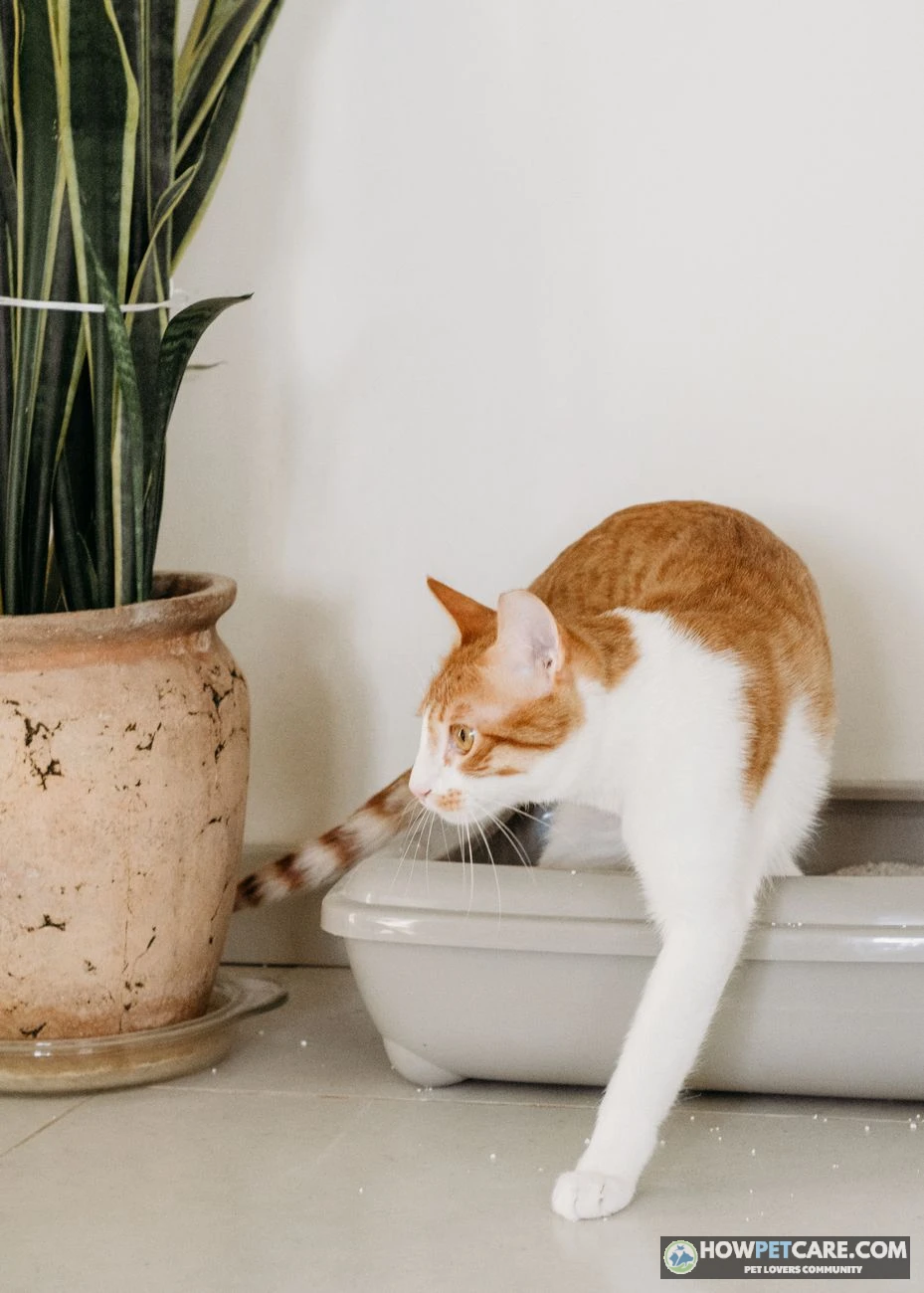
Ask whether rehabilitation or gentle physical therapy is suitable. A cat can have another stroke, so follow-up matters: treating an identified condition such as high blood pressure, thyroid disease, or heart disease may help reduce future risk. Keep blood pressure checks and rechecks on the schedule your vet recommends, and avoid unapproved supplements.
Your Next Steps: A Decision Guide for the Next Hour, Day, and Month
- Next hour: If a red flag is present, secure your cat in a padded carrier and go to an emergency clinic. Call ahead if doing so won’t delay departure.
- Today: If a subtle new sign is stable, or a brief episode has fully resolved, call a veterinarian. Ask whether your cat needs an examination and blood pressure check.
- After the visit: Write down the suspected diagnosis, discharge instructions, medication schedule, and the specific signs that mean you should return.
- Over the coming month: Keep rechecks and discuss screening for any underlying condition. For senior cats, ask your vet how often blood pressure, thyroid function, and overall health should be assessed.
Keep a carrier, towels, medication list, clinic number, and pet poison hotline number easy to find. When in doubt about sudden neurological signs, an emergency veterinary assessment is the safer choice.
 You might be wonderingCat pink eyeCat Pink Eye: Symptoms, Home Care and Vet CostsRead the answer
FAQ
Is a stroke painful for a cat?
A stroke itself is not generally considered painful, but the sudden loss of balance, nausea, and disorientation are frightening and uncomfortable. Ask your vet about anti-nausea medication and a quiet, low-stress setup. Pain can come from an underlying condition, such as an ear infection.
Can I give my cat aspirin or other human medicine for a stroke?
No. Aspirin, ibuprofen, and acetaminophen can be toxic to cats, and a vet needs to examine the cat before any medication is used. Giving a human drug can cause harm and delay proper care.
Can a cat have more than one stroke?
Yes. The risk of recurrence is higher when the underlying cause, such as high blood pressure, hyperthyroidism, or heart disease, is untreated. Managing those conditions and keeping up regular checks is the main way to lower the risk.
Does pet insurance cover MRI and emergency care for a cat stroke?
Many accident-and-illness policies cover diagnostics and hospitalization for sudden illness, but coverage depends on your plan, deductible, waiting periods, and pre-existing condition exclusions. Check your policy and ask the clinic whether they can bill the insurer directly.
How can I tell if my cat had a stroke while I was out?
Look for a new head tilt, wobbling, circling, uneven pupils, bumping into objects, or sudden behavior change. If you find any of these, call a vet or emergency clinic right away, because it is hard to tell a stroke from a vestibular problem or a seizure without an exam.