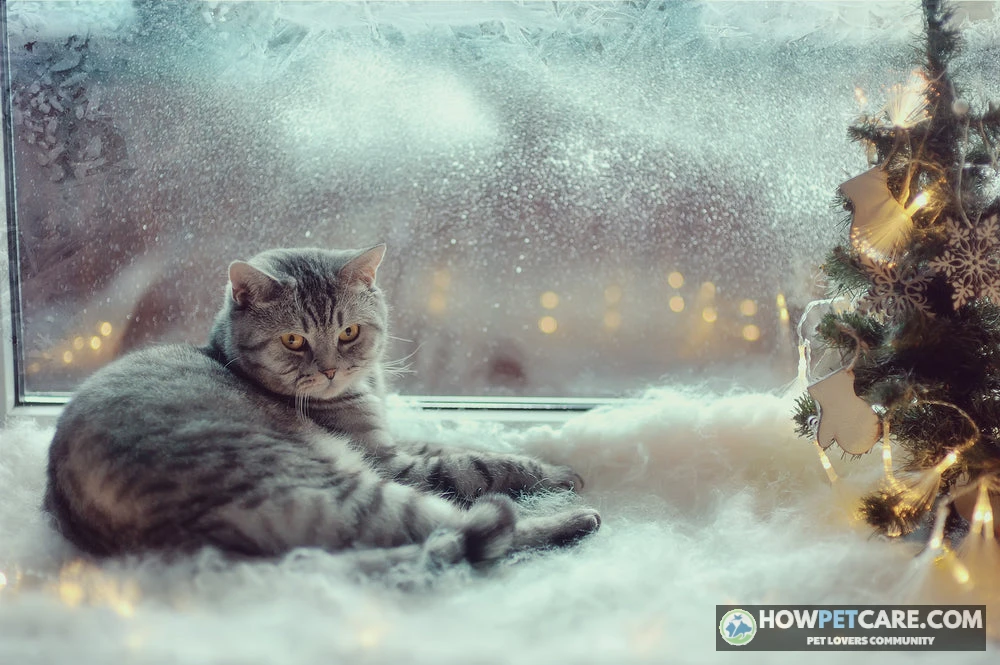

Yes, cats get cold—even with fur. Their thermoneutral zone is roughly 86–100°F, so a room that feels comfortable to you can feel chilly to them. Risk rises below 45°F and turns dangerous below 32°F; kittens, seniors, and hairless breeds feel it first.
Yes, Cats Get Cold—Here’s When Discomfort Becomes a Risk
Yes, cats get cold, even with their furry coats. Their thermoneutral zone (TNZ) is 86‑100°F, far warmer than typical indoor settings, so a room that feels comfortable to a person can feel chilly to a cat. Humidity, drafts, and wet fur can strip away insulation, and many owners notice their cats seeking heat when the thermostat dips below 70°F. The comfort range of 60‑70°F cited by PrettyLitter and the 86‑100°F TNZ from Chewy point to the same practical truth: cats can feel cold before people do. Body condition, age, health, and acclimation all affect where that line falls.
For cats, being cold means more than shivering. A low temperature can force a cat to burn extra calories to stay warm, reduce its ability to regulate core heat, and lead to dangerous stress if exposure continues. The guide below can help you judge whether the ambient temperature is uncomfortable, risky, or dangerous for your cat.
Temperature‑Risk Guide: Indoor and Outdoor Guidance by Cat Type
| Ambient temperature °F °C | General risk | Healthy adult cat | Higher‑risk cat (kitten, senior, hairless, thin, ill) | Recommended action |
|---|---|---|---|---|
| Above 70° (21°C) | Minimal | Comfortable | Comfortable | No action needed; provide normal resting spots |
| 60‑70° (15‑21°C) | Low | Fine with a draft‑free bed | May seek heat; watch for tightly curled sleeping | Offer a warm, draft‑free resting place |
| 45‑60° (7‑15°C) | Moderate | Tolerable for short periods; limit outdoor time | Risk of cold stress rises quickly | Bring cat indoors or add insulated shelter; monitor behavior |
| 32‑45° (0‑7°C) | High | Uncomfortable; prolonged exposure unsafe | Dangerous; hypothermia is a real risk | Keep indoors; outdoor cats need a dry straw‑bedded shelter now |
| Below 32° (0°C) | Severe | Dangerous, especially with wind or damp | Emergency‑level exposure risk | Bring inside immediately; frostbite possible on ears, paws, tail |
Why you’ll see conflicting numbers elsewhere: PrettyLitter says a cat’s comfort zone is 60‑70°F, while Chewy defines the thermoneutral zone (TNZ) as 86‑100°F. Both are accurate, but they describe different concepts. The comfort zone is the range where most pet cats feel at home in typical homes; the TNZ is the scientific range where a cat expends no extra energy to stay warm. Human‑set indoor temperatures of 68‑72°F, which many people find comfortable, often sit below the TNZ. That means cats may feel chilly even when we don’t. Use the table above to choose a response for your cat.
Which Cats Feel the Cold First? Coat, Age, and Health Matter
A cat’s vulnerability to cold depends on its fur, body fat, and health. The comparison below shows how sensitivity varies and what you can do for each group.
Cold Tolerance by Coat Type and Cat Group
| Cat type | Relative cold sensitivity | Why risk differs | Practical adjustment |
|---|---|---|---|
| Sphynx, other hairless breeds | Very high | No insulating coat; loses body heat continuously | Keep home at the warmer end (72°F + ); sweater for short drafts only |
| Devon Rex, Cornish Rex | High | Thin, sparse coat with little undercoat | Warm sleeping spots; watch for cold‑seeking behavior below 65°F |
| Average domestic shorthair | Moderate | Single‑layer coat insulates only partially | Standard precautions; fine at 68‑72°F indoors |
| Domestic longhair | Moderate‑low | Fuller coat traps more air | Still needs shelter from wind and damp outdoors |
| Maine Coon, Norwegian Forest Cat, Siberian | Lower | Dense double coat evolved for cold climates | Better tolerance, but not immune; freezing wet conditions are still dangerous |
| Kittens under 6 m, seniors, thin or ill cats | High regardless of coat | Less body fat, weaker circulation, poor temperature regulation | Treat every temperature band one level riskier |

Coat is only one factor. A wet, windy 45°F day can chill even a Maine Coon faster than a dry, still 35°F day. Age and illness add to the risk: kittens and seniors have difficulty generating heat by shivering, while cats with chronic illness or low body condition lose heat faster. Kittens, senior cats, hairless breeds, and medically vulnerable cats are among those most sensitive to cold. Adjusting their environment and watching them closely can help —.
How to Tell If Your Cat Is Cold—and When Shivering Is a Warning
Cats often hide discomfort, so watch their body language and look for subtle signs before hypothermia sets in. Early signs of cold stress include:
- Seeking warm spots, such as under blankets, on radiators, or in sun‑lit windows, to conserve heat.
- Sleeping tightly curled, with paws tucked against the body and less skin exposed.
- Ears and paws that feel cool to the touch. Extremities lose heat first, especially in thin‑coated or hairless cats.
- Reduced activity and a preference for staying in one place rather than playing.
- Shivering, a muscle response that generates heat, can appear quickly when the ambient temperature drops below about 45°F. Many cats begin to feel unsafe at this threshold.

If you notice these signs in a chilly environment, give your cat a warm, draft‑free spot and check back in 15‑30 minutes. Continued shivering, particularly alongside other symptoms, may mean the cat is moving into hypothermia.
Emergency warning signs of hypothermia and frostbite
- Weakness, disorientation, or collapse; the cat may appear drunk or be unable to stand.
- Slow or shallow breathing, or periods of rapid breathing after being cold.
- Pale, bluish, or gray skin, especially on the ears, paws, or tail. These are signs of poor circulation and possible frostbite.
- Involuntary trembling that doesn’t stop after warming.

Treat any of these signs as a medical emergency (see the step‑by‑step hypothermia protocol below). Frostbite can develop even above freezing if a cat’s skin is wet or exposed for long periods. Affected areas may look waxy, gray, or swollen and become painful as they warm.
Cold, Fever, Fear, or Illness? A 5‑Minute Check Before You Act
Shivering doesn’t automatically mean a cat is cold. Check these clues in order:
- ☐ Is the environment cold? Shivering in a chilly room, near a drafty window, or after being outside points to cold stress. Shivering in a warm room does not.
- ☐ Feel the ears and paws. Cold ears/paws plus a cold environment = cold stress. Hot ears plus a warm room = possible fever, not cold.
- ☐ Check appetite and energy. A cold cat perks up once warmed. A cat that is shivering, lethargic, and not eating may have a fever or illness; take a temperature if you can.
- ☐ Look for fear triggers. Fireworks, a new pet, a carrier, or a recent vet visit can cause trembling that stops once the stressor is removed.
- ☐ Watch for pain signs. Trembling along with hiding, a hunched posture, growling when touched, or limping suggests injury or illness, not cold.
- ☐ The deciding rule: if shivering stops within 15‑30 minutes of warming, cold was likely the cause. If it persists after warming—or comes with weakness, confusion, or refusal to eat—call your veterinarian the same day.
These checks can help you distinguish an anxious cat from one that needs medical help, without dismissing signs of illness.
Set a Cat‑Safe Indoor Temperature for AC and Cold Nights
A standard thermostat setting doesn’t always tell you how warm your cat feels. Air‑conditioning, drafts, and night‑time cooling can create cold zones even when the overall house temperature seems fine.
Do cats get cold in air conditioning or at night?
Modern AC units typically cool rooms to 68‑72°F, a comfortable range for humans. Many adult cats tolerate this, but cats with thin coats, older cats, and those with health issues may feel chilly, especially near cold floors, windows, or vents. Night‑time temperature drops of 5‑10°F are common in many climates and can push a cat into the low‑70s or even mid‑60s, where the temperature‑risk table shifts from "low" to "moderate." If your cat curls into a tighter ball, seeks warm spots, or begins shivering at night, adjust the thermostat or add a draft‑free sleeping area.

When clothing helps—and when a sweater may stress a cat
A sweater or jacket can help hairless breeds (e.g., Sphynx) or cats with severely reduced insulation, but only if the cat tolerates it. A comfortable cat has a relaxed posture, breathes normally, and is willing to move. If your cat freezes, paws at the garment, hisses, or tries to remove it, take the clothing off immediately. Clothing should never replace a properly temperature‑controlled environment. Avoid it for unsupervised outdoor exposure, too: cats can get tangled, overheated, or ingest fabric.

Recommended indoor thermostat range
For a healthy adult cat, aim for 68‑72°F (20‑22°C) as a practical baseline. This is slightly warmer than the human thermoneutral zone, which sits around 68‑72°F. It also aligns with the comfort numbers cited by PrettyLitter and provides a safety margin for vulnerable cats. For kittens, seniors, or thin cats, consider nudging the setting toward the upper end of the band, especially during cold snaps.
Addressing AC chill and nighttime drops:
- Use a programmable thermostat to raise the night temperature by 2‑3°F and prevent a sudden dip that could trigger cold stress.
- Close off drafts under doors with weather‑stripping, and insulate cold windows with curtains or film.
- Provide a warm, draft‑free resting spot, such as a corner with a thick blanket or a heated cat bed used safely, where your cat can retreat if the room cools.
Watch your cat’s behavior rather than relying on a single number. You can then adjust the environment to keep them comfortable without over‑heating the house.
What to Do for Suspected Hypothermia or Frostbite
When a cat’s core temperature drops below 99°F (37.2°C), the animal is in mild hypothermia; at 90°F (32.2°C) it’s moderate, and at or below 90°F it’s severe. Any sign of hypothermia or frostbite demands immediate veterinary care. The steps below can help stabilize your cat while you arrange professional help; they don’t replace it.
Suspected Hypothermia: Warm‑Up Protocol While You Arrange a Vet Visit
- Move the cat indoors immediately to a warm, dry room away from drafts.
- Dry them gently with towels if they’re wet. Moisture accelerates heat loss. Don’t rub vigorously.
- Wrap loosely in blankets that have been warmed (a few minutes in the dryer works). Wrap the body, leaving the head free.
- Add wrapped warm‑water bottles filled with warm (not hot) tap water. Wrap them in a towel and place them beside the body, never directly against skin or under the cat’s weight.
- Check body temperature if you can do so safely without delaying transport:
- Normal: 100.5‑102.5°F (38.1‑39.2°C)
- Below 99°F (37.2°C): mild hypothermia — keep warming, call your vet
- 90‑99°F (32.2‑37.2°C): moderate — warming plus urgent vet visit
- At or below 90°F (32.2°C): severe — emergency clinic now, warm during transport only
- Go to the vet immediately if the cat is weak, confused, uncoordinated, breathing slowly or shallowly, or collapses. Don’t wait to see if warming works.

Never do these: Don’t use hot baths or place heating pads or hair dryers against the skin; burns can happen fast when a cat can’t move away. Don’t vigorously rub cold limbs or force food or water on a semi‑conscious cat. Rapid or uneven rewarming is dangerous in itself.
Frostbite Care (First Signs)
- If you suspect frostbite, don’t rub or directly heat the affected skin. Seek veterinary care; tissue may look pale, gray, swollen, or painful, with damage becoming clearer as it warms.
- Transport the cat wrapped in a warm blanket, but don’t apply heat packs directly to frostbitten areas. They can cause burns once circulation returns.
Trigger for emergency care: A cat that is weak, confused, breathing abnormally, or showing signs of frostbite should be seen by a veterinarian within minutes, not hours.
Keep Outdoor, Stray, and Feral Cats Warm With a Buildable Shelter
Community cats often shelter under decks, in barns, or near warm engines during winter. Those spots are unreliable and can expose cats to chemical hazards. A simple insulated shelter takes about an hour to build and gives cats a dependable safe zone, reducing preventable cold‑stress.

DIY insulated shelter: materials and assembly
Materials:
- One 18‑30 gallon plastic storage tote with lid
- One styrofoam cooler that fits inside it (or rigid foam insulation panels)
- Dry straw (not hay, not blankets — straw repels moisture and lets cats burrow)
- Utility knife, duct tape, marker
Assembly:
- Cut a 5.5‑6 inch entrance hole in one side of the tote, a few inches above the floor to keep out rain and snow. The small opening lets smaller cats in while keeping predators and wind out.
- Cut a matching hole in the styrofoam cooler and place the cooler inside the tote.
- Fill the gap between the cooler and tote walls with extra foam or straw for insulation.
- Pack straw loosely inside the cooler, filling it about half full so cats can burrow. Replace the straw when it gets damp.
- Snap the lid on, tape the seams, and weigh the lid down with a flat rock or paver.

Placement rules:
- Elevate the shelter on bricks or a pallet, off wet or frozen ground
- Face the entrance away from prevailing wind, ideally toward a wall for shelter
- Tuck it under a porch, shed, or dense bushes — never beside a road or driveway
- Check weekly; refresh the straw and confirm the entrance isn’t blocked or frozen
Winter hazard checklist
- ☐ Wipe up antifreeze drips in the garage and driveway. Antifreeze is sweet‑tasting and lethal in tiny amounts; antifreeze toxicity can cause death within 30 minutes to 12 hours.
- ☐ Wipe paws after outdoor trips to remove road salt and de‑icer before the cat licks them. Salt grit is poisonous if ingested —.
- ☐ Bang on the car hood and check wheel wells before starting the engine. Cats climb into warm engine bays overnight.

A clean, dry shelter and regular monitoring can dramatically improve survival rates for community cats during the coldest months.
Use This Cold‑Weather Checklist to Decide Your Next Step
| Question | What to Look For | Action |
|---|---|---|
| Age & health | kitten, senior, thin, chronic illness? | Treat temperature band one level riskier; prioritize indoor warmth. |
| Coat type | Hairless, Rex, longhair, thick double coat? | Adjust indoor thermostat up 2‑3°F for thin coats; extra shelter for short coats. |
| Ambient temperature | Current °F/°C reading; wind, rain, snow? | Use temperature‑risk table to gauge discomfort vs danger. |
| Exposure time | How long cat has been outside or in a drafty area? | Limit outdoor time if ≤45°F; bring inside if ≤32°F. |
| Behavior | Seeking warmth, curling, cold ears/paws, shivering? | Provide warm, draft‑free spot; monitor 15‑30 min. |
| Warning signs | Weakness, confusion, pale skin, abnormal breathing? | Transport to emergency vet immediately; start warming steps en route. |
Decision flow:
- If the temperature is above 70°F and the cat seems comfortable, no action is needed beyond normal care.
- If the temperature is 60‑70°F and the cat shows early signs (curled posture, cool ears), add a warm resting place and re‑check.
- If the temperature is 45‑60°F or the cat is a high‑risk type, bring the cat inside or provide insulated shelter; watch for rapid escalation.
- If the temperature is below 45°F, especially under 32°F, bring the cat indoors immediately. Use the emergency hypothermia protocol if signs appear.
- For outdoor or feral cats you can’t bring inside, make sure a dry, insulated shelter is present before temperatures approach freezing, and check daily.
Use the checklist to assess risk, distinguish harmless shivering from warning signs, and act when your cat’s safety is at stake.
Stay observant, and when in doubt, call your veterinarian. Your cats rely on you to put the science of cold into practice for their everyday comfort and protection.

| Cat Type | Relative Cold Sensitivity | Why Risk Differs | Practical Adjustment |
|---|---|---|---|
| Sphynx, other hairless breeds | Very high | No insulating coat; loses body heat continuously | Keep home at the warmer end (72^circtext{F}+); sweater for short drafts only |
| Devon Rex, Cornish Rex | High | Thin, sparse coat with little undercoat | Warm sleeping spots; watch for cold‑seeking behavior below 65^circtext{F} |
| Kittens under 6 m, seniors, thin or ill cats | High regardless of coat | Less body fat, weaker circulation, poor temperature regulation | Treat every temperature band one level riskier |
| Average domestic shorthair | Moderate | Single‑layer coat insulates only partially | Standard precautions; fine at 68text{--}72^circtext{F} indoors |
| Domestic longhair | Moderate‑low | Fuller coat traps more air | Still needs shelter from wind and damp outdoors |
| Maine Coon, Norwegian Forest Cat, Siberian | Lower | Dense double coat evolved for cold climates | Better tolerance, but not immune; freezing wet conditions are still dangerous |
FAQ
Do cats catch colds from cold weather?
No. Feline upper respiratory infections are caused by infectious agents, not by low temperatures themselves. Cold stress can still affect a cat’s wellbeing, so keep them warm and contact a veterinarian for sneezing, discharge, or breathing trouble.
Can cats stay outside in cold weather?
Some acclimated outdoor cats may tolerate cool weather, but prolonged exposure, wet conditions, wind, and freezing temperatures raise the risk of hypothermia and frostbite. Bring cats indoors when possible and provide a dry, insulated shelter if they must remain outside.
Do cats need blankets in winter?
A dry blanket can offer a comfortable resting place indoors, especially for a cat that seeks warmth, but it is not a substitute for a warm room or veterinary care. Keep bedding dry and avoid forcing a cat to stay under a blanket.
Should I put a sweater or coat on my cat?
Clothing may help some hairless, short-haired, or medically vulnerable cats in a cool environment if they tolerate it and can move freely. Remove it if the cat freezes, struggles, overheats, or becomes distressed, and do not rely on clothing for unsupervised outdoor protection.