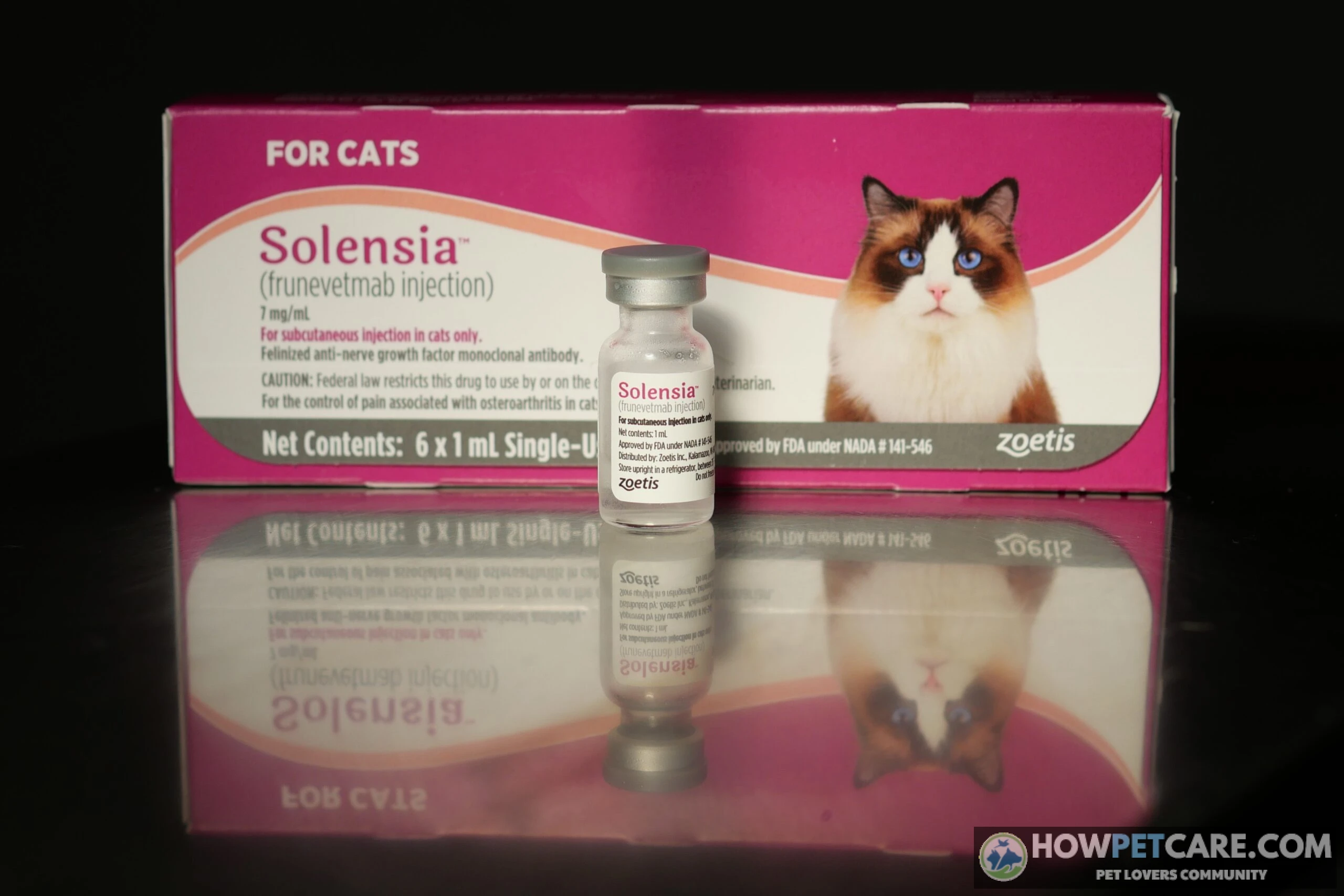

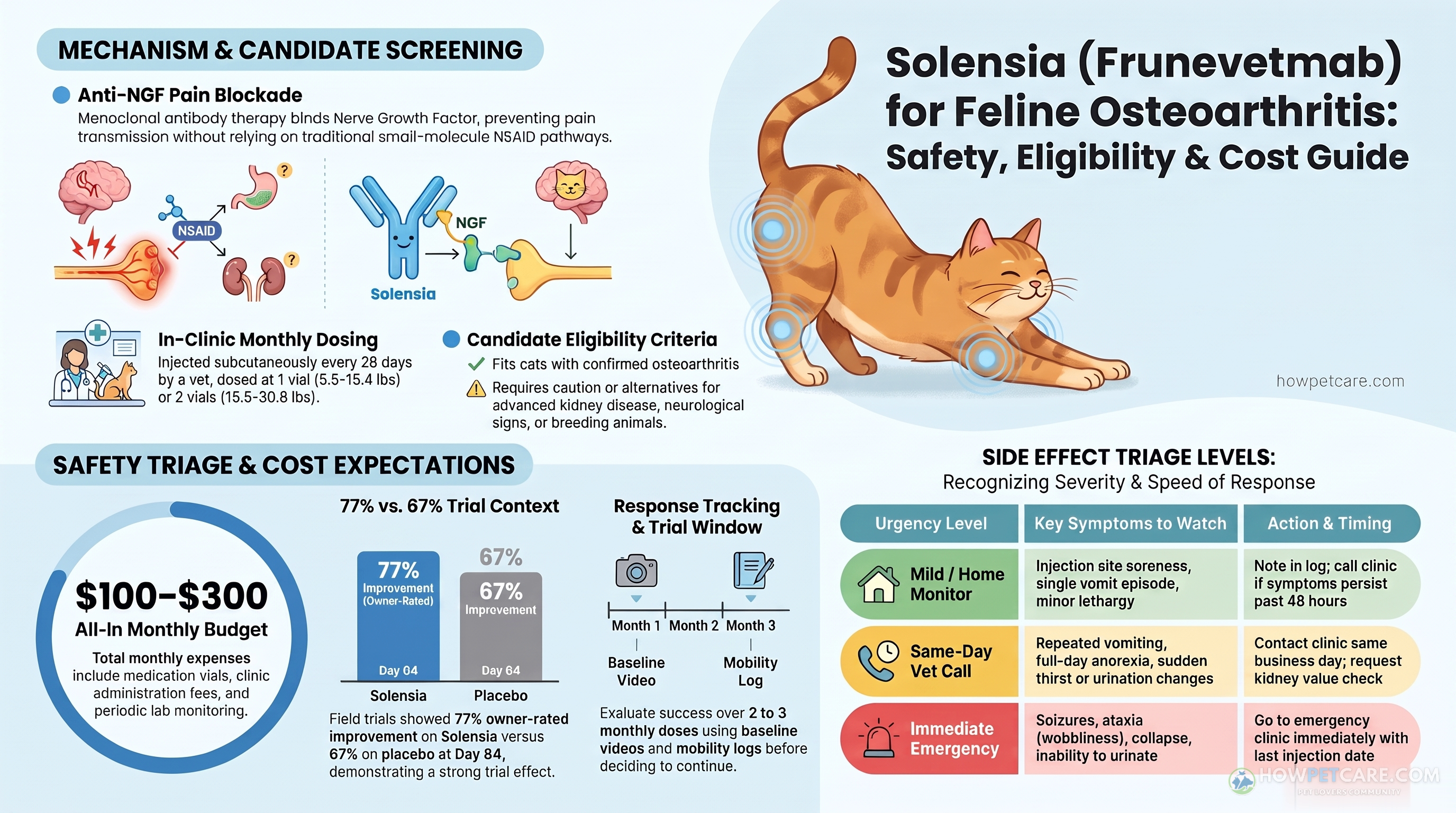
Solensia (frunevetmab) is a monthly, veterinarian-administered monoclonal antibody injection that controls osteoarthritis pain in cats. For cats that cannot tolerate NSAIDs it is a reasonable option to discuss with a vet, but plan on roughly $100–$300 per month and a clinic visit every 28 days.
Solensia (frunevetmab) is a monthly, veterinarian-administered injection used to control osteoarthritis pain in cats. For many owners of senior or arthritic cats, it is a reasonable option to discuss with a veterinarian—particularly when a cat cannot tolerate non-steroidal anti-inflammatory drugs (NSAIDs) or when daily pills are impractical.
The decision involves three considerations. Some cats show renewed mobility and comfort within weeks. Solensia requires a clinic visit roughly every month, and the drug plus fees can add up to well over a thousand dollars per year. The FDA label lists common mild reactions as well as rare but serious post-market events, including neurological signs and kidney-related adverse events.
Solensia tends to fit cats with confirmed osteoarthritis pain who are within the labeled weight range and who can commit to monthly veterinary visits. It warrants extra caution—or an alternatives-first conversation—for cats with advanced kidney disease, unexplained weight loss, neurological symptoms, or cats that are pregnant, nursing, or intended for breeding.
This guide separates manufacturer-attributed claims from trial data, FDA label warnings, and synthesized owner themes. It is not a dosing calculator, a sales page, or a substitute for your veterinarian’s diagnosis.
What Solensia (Frunevetmab) Is and How the Anti-NGF Antibody Works
Frunevetmab is a monoclonal antibody therapy that binds nerve growth factor (NGF), a protein involved in osteoarthritis pain signaling. By attaching to NGF, it prevents NGF from binding to pain receptors such as TrkA and p75NTR, which helps block pain transmission. Manufactured by Zoetis, it is an FDA-approved cat medication for the control of pain associated with osteoarthritis.
It is not an NSAID or an opioid. Because it is a biologic protein rather than a small-molecule drug, the manufacturer and label present its organ processing differently than drugs like meloxicam, which is part of why it is sometimes considered for cats that cannot tolerate veterinary NSAIDs. Solensia manages pain from degenerative joint disease; it does not cure the condition or reverse joint damage. Pain may return if injections are stopped.
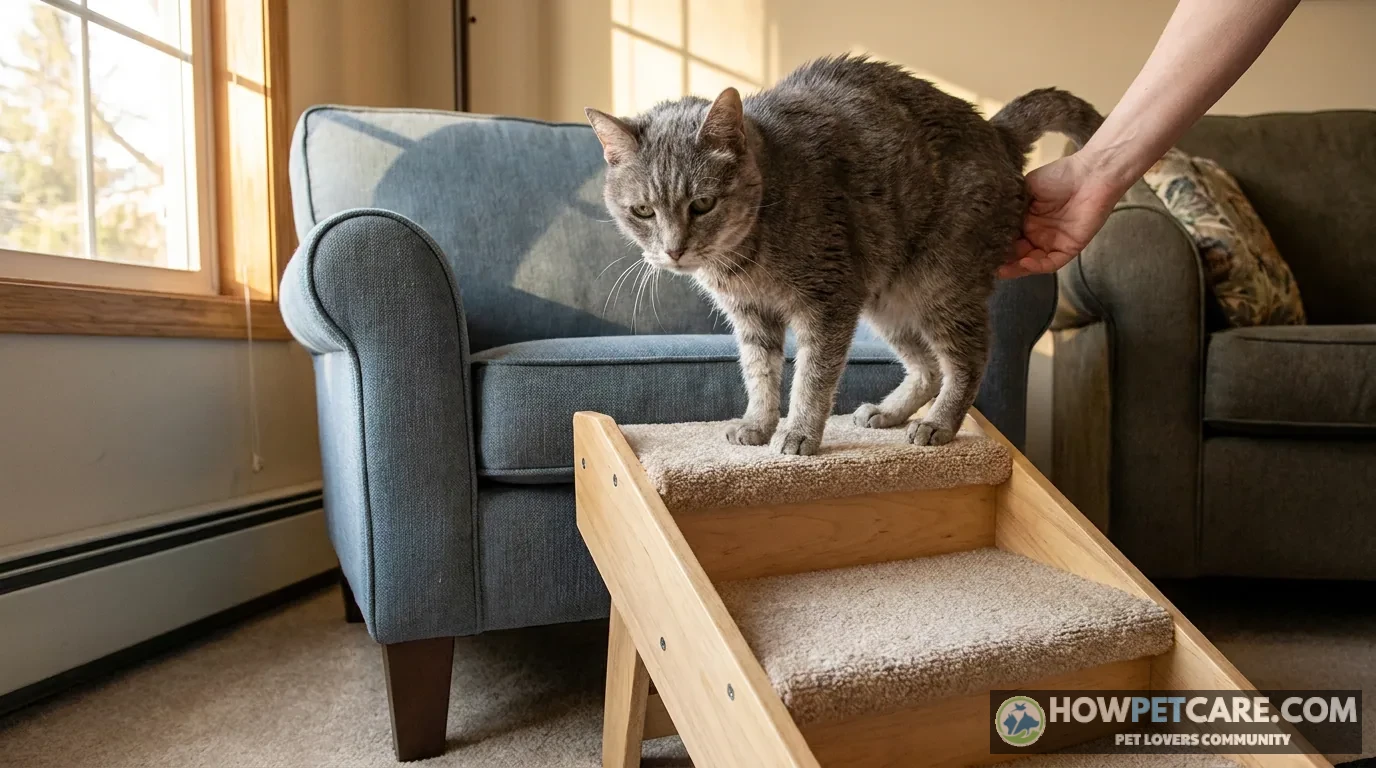
Osteoarthritis in cats develops when joint cartilage breaks down and the joint becomes inflamed and painful. Feline arthritis pain management is challenging partly because cats instinctively hide discomfort. Cat mobility decline often looks like normal aging—reluctance to jump, stiffness after rest, or less grooming—so the disease can be advanced before an owner notices.
What it treats and what it does not
Solensia treats pain associated with osteoarthritis in cats. It is not indicated for other pain sources, such as injuries, dental disease, or cancer-related pain, and it is not a joint-repair therapy. Owners should expect symptom management, not a cure.
Why the mechanism matters for NSAID-intolerant cats
Veterinary NSAIDs, including meloxicam for cats, work by blocking inflammatory prostaglandins and carry labeled warnings about kidney and gastrointestinal risk, especially with long-term use. Because frunevetmab targets the NGF pain pathway through a different mechanism, some veterinarians consider it for cats with NSAID intolerance or concurrent kidney concerns. That does not make Solensia automatically kidney-safe; the label’s post-approval adverse-event reports include renal events, which is covered in the kidney disease section below.
Is Your Cat a Good Candidate? Eligibility, Senior Cats, and Kidney Disease
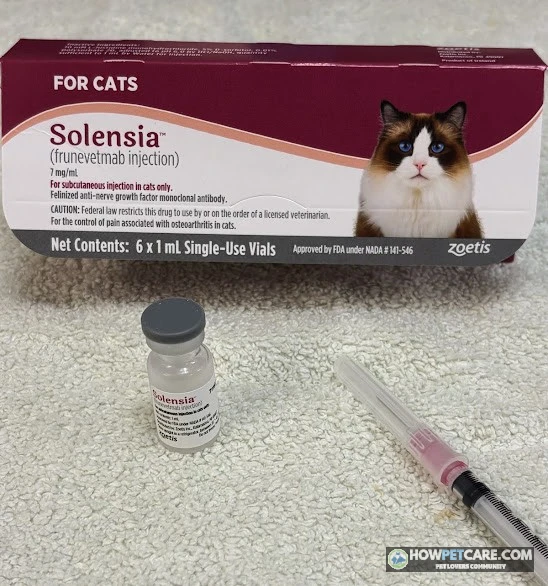
Label-based eligibility starts with body weight. The minimum recommended dose is 0.45 mg per pound (1 mg per kg). Cats weighing 2.5 to 7.0 kg (5.5 to 15.4 lb) receive 1 mL, or one vial; cats weighing 7.1 to 14.0 kg (15.5 to 30.8 lb) receive 2 mL, or two vials. Cats below the lowest labeled band should be evaluated by a veterinarian before any dose is considered. The injection is given subcutaneously once every 28 days, and it must be administered by a veterinary professional.
Solensia is contraindicated in breeding, pregnant, or lactating cats because safety data do not exist for those groups. Women who are pregnant, planning pregnancy, or breastfeeding should exercise extreme caution to avoid accidental self-injection due to risks of hypersensitivity and developmental toxicity.
Signs of osteoarthritis pain that owners can observe include:
- Hesitation or failure on jumps the cat used to make easily
- Stiffness after resting or slower movement on stairs
- A dull or unkempt coat, especially along the back and hips
- Reluctance to use a high-sided litter box or new litter-box misses
- Hiding more often or reacting negatively when touched near the spine or hips
Senior cats and comorbidities
Senior cats are the most common candidates, but they are also the most likely to have other conditions. Kidney disease, thyroid disease, high blood pressure, and arthritis often overlap. Because Solensia has not been studied in every comorbidity, pre-treatment bloodwork and a full exam are reasonable questions to raise with your vet. Solensia side effects in senior cats may be harder to distinguish from age-related changes, which makes baseline records and follow-up monitoring especially valuable.
Solensia and kidney disease: what the label and the marketing each say
Zoetis has described Solensia as tolerated in cats with IRIS stage 1–2 chronic kidney disease, which appeals to owners of senior cats whose kidney function is compromised but not advanced. At the same time, the FDA label’s post-approval experience includes reports of renal adverse events. These two statements are not necessarily contradictory: a drug can be tolerated in a studied group while still carrying risk for individual cats.
The honest framing is that Solensia avoids the direct NSAID kidney-risk pathway, but it is not a guaranteed “kidney-safe” pain medication. If your cat has any stage of chronic kidney disease, your veterinarian should weigh the label’s renal reports against your cat’s bloodwork, and baseline plus periodic kidney-value monitoring should be part of the plan. Cats with advanced kidney disease, unexplained weight loss, or neurological signs should generally have those issues worked up before starting a new pain drug.
Pain signals noticed in the last month:
- Hesitates or fails on jumps she used to make (counters, bed, cat tree)
- New litter box misses or reluctance to climb into a high-sided box
- Coat looks unkempt, especially along the back or hips
- Stiff after resting, slower on stairs, or hiding more
- Grumpy when picked up or touched near hips or spine
If you checked zero, revisit the arthritis diagnosis itself before discussing any pain drug.
Health-status checks:
- Cat is within the labeled dosing weight range (roughly 5.5 lbs and up—confirm current label with your vet)
- Not pregnant, nursing, or used for breeding
- Kidney values known from bloodwork in the last 6–12 months, or willing to run them first
- No unexplained weight loss, seizures, or new neurological signs in the past 3 months
Logistics check:
- You can commit to a veterinary visit roughly every month—this is not a take-home medication
- You have a realistic monthly budget line for it
Bring this list to the vet. Any unchecked health-status item is a conversation, not necessarily a disqualifier.
Dosing, Administration, and What to Expect Month to Month
Solensia is dosed by body weight and given as a monthly subcutaneous injection. The clinic handles storage and preparation; the product is refrigerated at 2°C to 8°C. Your veterinarian selects the appropriate vial size based on your cat’s weight and administers the injection in the clinic. You do not calculate or administer the dose yourself.
How often do cats need Solensia injections? The labeled frequency is once every 28 days, which most owners and clinics think of as a monthly appointment. After the injection, most cats go home the same day. Some may be quiet for the remainder of the day; others resume normal activity immediately.
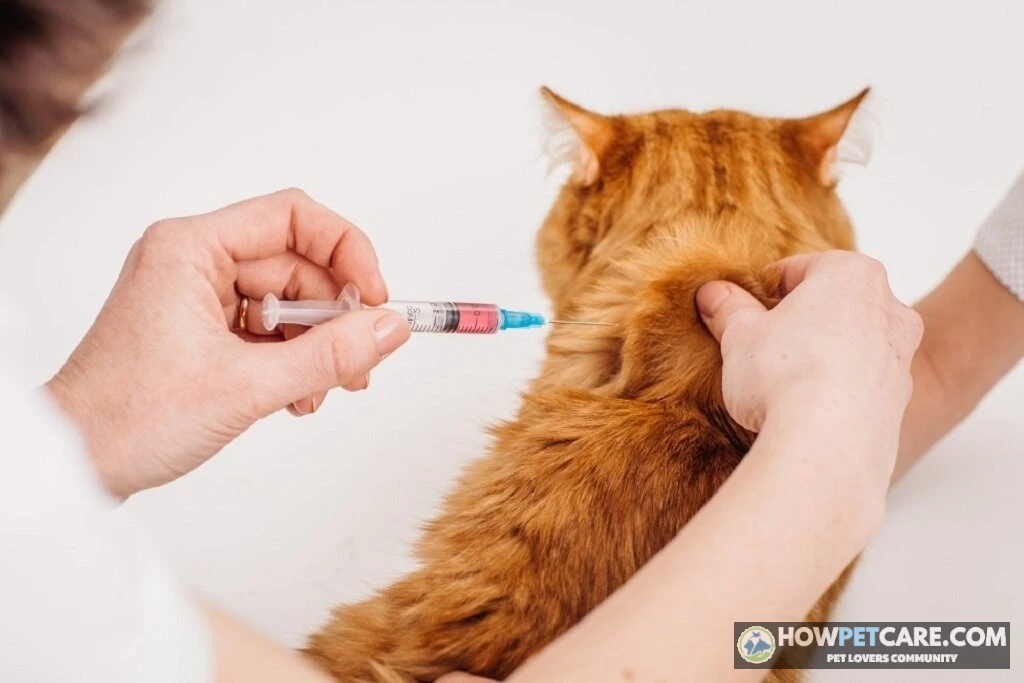
Weight-based dosing at a glance
Cats between 5.5 and 15.4 pounds generally receive one vial (1 mL) per dose. Cats between 15.5 and 30.8 pounds generally receive two vials (2 mL) per dose. Because the drug cost scales with vial count, a heavier cat can cost roughly twice as much per injection—a key detail for budgeting.
What to do if you miss a monthly injection
If a dose is missed, the typical veterinary guidance is to administer the next injection as soon as possible and then resume the regular schedule, but you should confirm the exact approach with your clinic. Pain relief may fade gradually between doses, so a missed or late injection can allow stiffness or reluctance to jump to return. Do not double up on doses or attempt to administer the medication at home.
This is a prescription product administered by a veterinary professional; owners cannot buy Solensia and inject it at home. Accidental self-injection poses particular risks for pregnant women.
Does Solensia Really Work? Onset, Realistic Improvement, and the 77% vs. 67% Placebo Context
Many cats show some change within the first few weeks, though the full effect is generally judged over about one to three months. The pivotal U.S. field study assessed owner-reported improvement at day 84. The drug’s subcutaneous bioavailability is approximately 73 percent, with a half-life around 11 days, which supports the monthly dosing interval but does not guarantee an individual response timeline.
The headline figure from that study is that about 77 percent of owners reported improvement in cats receiving Solensia. However, about 67 percent of owners reported improvement in cats receiving placebo injections. In a separate study endpoint at day 56, owner-assessed success was 80.0 percent for Solensia versus 47.1 percent for the control group.
The headline number, with context. In the pivotal US field study, about 77% of cats on Solensia were judged improved by their owners at day 84—but so were about 67% of cats on placebo (saline injections, same vet visits, same owner attention).
What that gap does tell you: Solensia beat placebo, and the difference is statistically meaningful. The pain relief is real for many cats.
What it does not tell you: It is not “a 77% chance your cat gets better.” A large share of improvement in both groups comes from the trial effect itself—extra handling, vet attention, and owners looking harder for improvement. This caregiver placebo effect is well documented in feline pain studies.
The honest translation: Roughly 1 in 10 cats in the trial appeared to benefit because of the drug itself rather than the trial experience. Expect modest-to-meaningful improvement for many cats, not a guaranteed transformation. Judge your own cat against a recorded baseline, not against the marketing number.
"Improvement" in the trials meant owner-rated changes in mobility and activity, not a cure or restored joint structure. Within the Solensia group, many cats likely experienced genuine relief, while others changed little or not at all.
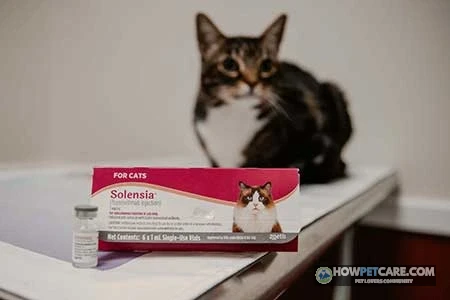
How to track whether it is working
Before the first injection, record a short video of your cat walking, jumping, and using the litter box. Keep a simple log of jumping frequency, stair use, grooming, and any signs of discomfort. If your veterinarian uses a validated tool such as the Feline Musculoskeletal Pain Index, ask for a baseline score and a re-evaluation date. Comparing month-to-month observations is more reliable than relying on memory or marketing percentages.
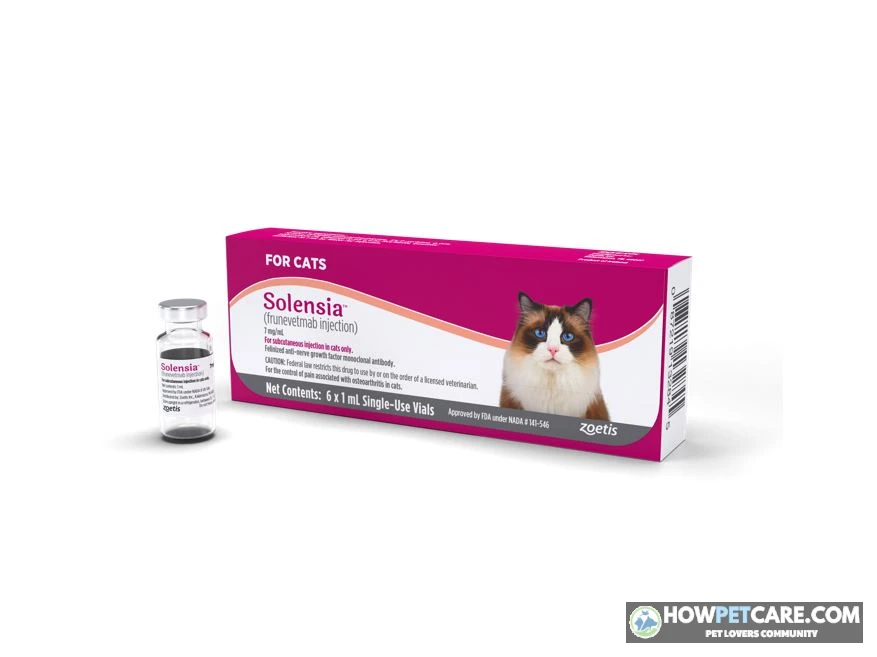
Setting a fair trial window
Give Solensia at least two to three monthly doses before judging whether it works, unless your cat has an adverse reaction. If there is no meaningful change after a fair trial, discuss stopping or switching with your veterinarian rather than continuing indefinitely.
Solensia Side Effects in Cats: Normal Reactions vs. Emergency Red Flags
The most common adverse reactions observed in clinical trials were vomiting (13.2 percent), injection-site pain (10.9 percent), diarrhea, decreased appetite, and dermatologic signs such as itching, hair loss, and scaling or crusting around the head and neck. These are generally mild and transient.
The FDA label’s post-approval experience also includes reports of serious events: neurological signs such as seizures or ataxia (wobbliness or loss of coordination), progressive renal failure, skin lesions, and deaths. The label does not establish reliable incidence rates for these post-market reports, so they should be read as events that occur, not as common outcomes.
| Urgency Level | Signs to Watch For | What to Do | How Fast |
|---|---|---|---|
| Mild / expected — monitor at home | Soreness at injection site, one episode of vomiting or soft stool, quieter-than-usual day, mild appetite dip | Note it in a log with the date; call the clinic if it persists past about 48 hours | Watch for 24–48 hours |
| Call your vet the same day | Repeated vomiting or diarrhea, refusing food for a full day, new scabs or sores at the head or neck, noticeable lethargy beyond day one, drinking or urinating noticeably more or less | Describe symptoms, injection date, and timing; ask whether bloodwork—especially kidney values—is needed | Same business day |
| Emergency clinic now | Seizure, tremors, wobbliness or loss of coordination, collapse, no urination, rapidly spreading or open skin lesions, extreme unresponsive lethargy | Go to an emergency vet; bring the date of the last Solensia injection and, if available, the product lot number | Immediately |
| After any significant event | Any suspected drug reaction your vet confirms | Ask your vet to file an adverse event report; you may also report directly to Zoetis and to the FDA Center for Veterinary Medicine | Within days, while details are fresh |
Post-approval reports include serious events, but reported events are not proof of how common they are; they are signals that help regulators and manufacturers identify safety patterns.
Mild and expected effects
Injection-site soreness, a single vomiting episode, soft stool, or a quieter day after the injection often resolve on their own. Log the date and symptoms, and mention them at the next visit. If they last beyond a couple of days, call the clinic.
Call your vet the same day
Repeated vomiting or diarrhea, a full day without eating, new skin sores at the head or neck, or a marked change in thirst or urination warrant a same-day call. In cats with known or suspected kidney disease, any change in drinking or urination is worth prompt attention.
Go to an emergency clinic now
Seizures, collapse, inability to urinate, rapidly spreading skin lesions, or severe loss of coordination require immediate emergency care. Do not wait for the next scheduled appointment or the next monthly dose.
How to report an adverse event
Ask your veterinarian to submit a report to the manufacturer and the FDA. Owners can also contact Zoetis or the FDA Center for Veterinary Medicine directly. Reporting while the injection date, lot number, and symptom timeline are fresh helps build the post-market safety picture.
Solensia Cost: Per Injection, Per Month, and Per Year (Plus Insurance)
Cost transparency is the one area where most page-one results stop short. Solensia pricing varies by region, clinic, and your cat’s weight band, so the figures below are planning estimates, not quotes. Confirm every number with your clinic before booking the first injection.
Cost components include:
- The medication itself, priced per vial. Because cats above roughly 15 pounds typically need two vials, heavier cats face higher per-dose costs.
- An examination or administration fee for each monthly visit.
- Baseline bloodwork before starting, and periodic follow-up labs, especially for senior cats or cats with kidney disease.
Building your monthly and annual budget
The script that gets you a real number: “Can you give me the all-in cost per visit—vial count for my cat’s weight, plus the exam or administration fee—and what you would charge for baseline and follow-up bloodwork?” Clinics often quote the injection price alone; the all-in figure is what your budget actually faces.
All figures below are estimates for planning purposes. Solensia pricing varies widely by region and clinic, so treat this as the shape of the math, then get your own numbers.
- Cat A — 10 lbs, needs 1 vial per dose:
- Injection (1 vial): ~$75–$95
- Administration / exam fee per visit: ~$30–$60
- Monthly total: ~$105–$155
- Annual total (12 doses): ~$1,260–$1,860
- Cat B — 18 lbs, needs 2 vials per dose:
- Injection (2 vials): ~$150–$230
- Administration / exam fee: ~$30–$60
- Monthly total: ~$180–$290
- Annual total: ~$2,160–$3,480
- One-time and periodic add-ons:
- Baseline bloodwork before starting: ~$100–$250
- Follow-up monitoring labs (ask about every 6–12 months, more often for seniors or CKD cats): ~$100–$250 each
- Insurance check before dose one: call your insurer and ask whether osteoarthritis is excluded as pre-existing for this cat, whether prescription injectable medications administered in-clinic are covered, and whether the exam fee is covered separately. Get the answer in writing.
How much does Solensia cost per month? For most cats, expect the drug plus visit fee to land somewhere between roughly $100 and $300 monthly, depending on weight and clinic, with annual totals commonly ranging from about $1,200 to $3,500 or more before labs.
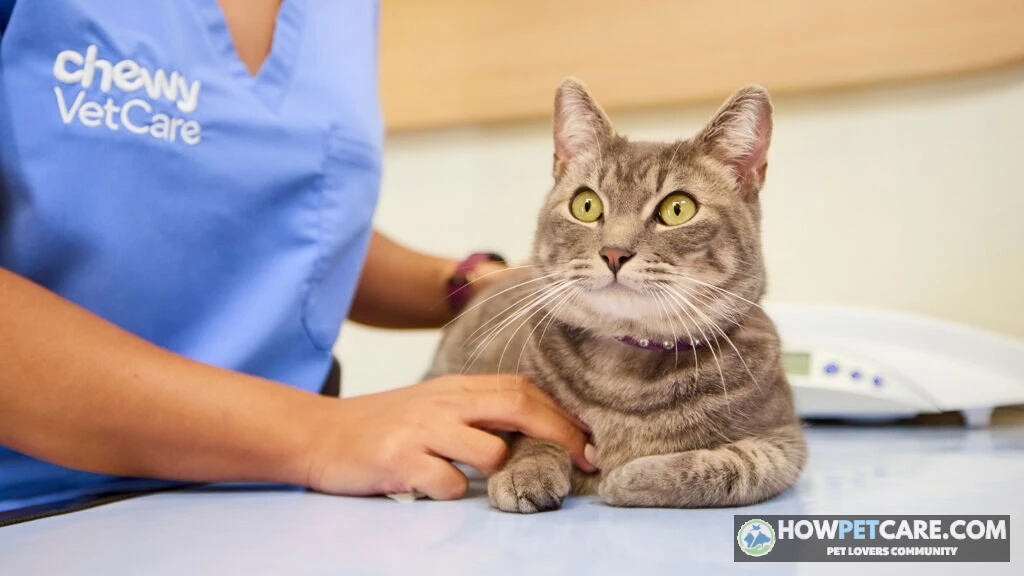
Does pet insurance cover Solensia?
Coverage depends on the policy. Some insurers reimburse prescription medications administered in a clinic; others exclude osteoarthritis as pre-existing or cover only the exam fee, not the drug. Call your insurer before the first dose and ask:
- Is osteoarthritis excluded as pre-existing for this cat?
- Are in-clinic injectable prescription medications covered?
- Is the examination or administration fee reimbursed separately?
Ways to lower out-of-pocket cost
Ask your clinic about multi-dose programs, loyalty discounts, or manufacturer rebates, and verify availability rather than assuming them. Compare the ongoing cost of Solensia with daily oral options such as meloxicam or gabapentin, which are substantially cheaper per month but carry different risk profiles. When comparing pet medication costs and safety, remember that non-drug supports—weight management, ramps, low-entry litter boxes—cost little and can reduce the burden on any medication.
Solensia vs. Meloxicam, Gabapentin, Adequan, and Supplements
The table below compares Solensia with common feline arthritis pain options across mechanism, organ considerations, onset, dosing burden, relative cost, and combination notes.
| Option | Mechanism | Organ / Safety Considerations | Typical Onset | Dosing Burden | Relative Cost | Combination Use Notes |
|---|---|---|---|---|---|---|
| Solensia (frunevetmab) | Monoclonal antibody that binds NGF, blocking pain signaling | Not processed like small-molecule drugs; post-market reports include renal and neurological events, so “organ-friendly” is not a guarantee | Often within weeks; judge over about 1–3 months | Monthly veterinary injection | Highest (~$100–$300/month all-in) | Vets sometimes layer with gabapentin or supplements; combining with NSAIDs is a vet-level decision |
| Meloxicam / Onsior (NSAIDs) | Blocks inflammatory prostaglandins (COX pathway) | Real kidney and GI risk in cats; long-term use carries label warnings | Days | Daily or per-label oral dosing | Low (~$15–$40/month) | Main alternative for cats with healthy kidneys; do not assume it can be freely stacked with Solensia |
| Gabapentin | Calms nerve-related pain and anxiety signaling | Sedation and wobbliness are common; dose adjustments needed in kidney disease | Hours to days | Daily oral, often 1–3 times daily | Low (~$10–$30/month) | Frequently used as an add-on layer for pain or visit-related stress |
| Adequan (polysulfated glycosaminoglycan) | Injectable joint-cartilage support agent | Generally well tolerated; use in cats is extra-label and feline evidence is limited | Weeks, after loading series | Loading injections, then maintenance | Moderate | Sometimes paired with other pain control; ask whether feline evidence justifies it |
| Joint supplements and diets (omega-3s, glucosamine/chondroitin, joint diets) | Supportive nutrition for joint tissues | Low risk; evidence quality is variable to modest | Weeks to months, subtle | Daily with food | Low (~$15–$50/month) | Safest supportive layer; pairs with anything but does not replace medication for moderate-to-severe OA |
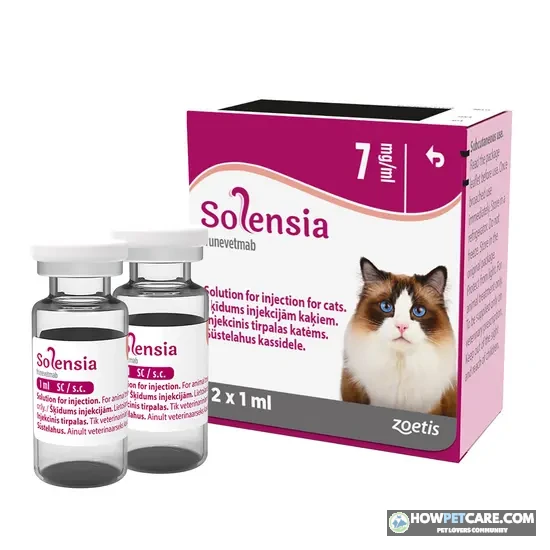
Head-to-head comparison
Solensia vs Adequan for cats is a common question. Adequan’s use in cats is extra-label, and published feline evidence is limited, so it is generally not a primary pain alternative. Meloxicam and other veterinary NSAIDs for cats remain the most established low-cost option for cats with healthy kidneys, but they are often unsuitable for cats with CKD. Gabapentin dosing for cats is inexpensive and easy to administer, though sedation can limit its use. Joint supplements and prescription joint diets are low-risk supportive layers, not standalone analgesics for meaningful arthritis pain.
Combination therapy: when vets layer treatments
Can Solensia be combined with NSAIDs or gabapentin? The clinical safety of combining Solensia with NSAIDs has not been established. Veterinarians sometimes use multimodal therapy—pairing Solensia with gabapentin or supplements—for cats with severe or complex pain, but this is a case-by-case decision based on kidney function, other conditions, and the current label. Never combine medications without your veterinarian’s explicit direction.
If Solensia isn’t an option: other paths
Solensia alternatives for cat arthritis pain include veterinary NSAIDs when kidney values allow, gabapentin, joint supplements, prescription joint diets, weight loss, environmental modifications (ramps, non-slip flooring, low-entry litter boxes), and rehabilitation or acupuncture as adjuncts to discuss with your vet. Non-drug changes often produce noticeable improvement and compound with whatever medical option you choose.
Long-Term Solensia Use: Beyond Six Months, Monitoring, and Reduced Response
The pivotal trials ran for roughly three to six months, so long-term data beyond that window are limited. Because frunevetmab is a protein-based monoclonal antibody, some cats may develop anti-drug antibodies over time, which could theoretically reduce the medication’s effect. Whether this happens, how often, and how it presents are not firmly established from the label.
Signs that response may be fading include stiffness or reluctance to jump returning before the next scheduled dose, or a gradual loss of the initial improvement. Distinguishing drug waning from disease progression or a new pain source requires veterinary re-examination.
Why response can fade
Possible reasons include true loss of drug effect (potentially antibody-related), worsening osteoarthritis, development of another painful condition, or inconsistent dosing intervals. If you suspect waning response, ask your vet about re-evaluation before simply moving up the injection schedule.
What monitoring to request
Ask your veterinarian about a monitoring cadence that includes periodic physical exams, kidney values and general bloodwork (particularly for senior cats or cats with CKD), weight checks, and mobility scoring. Stopping or switching criteria might include no meaningful benefit after a fair trial, adverse effects, worsening kidney values, or changes in your cat’s overall health or your ability to maintain monthly visits.
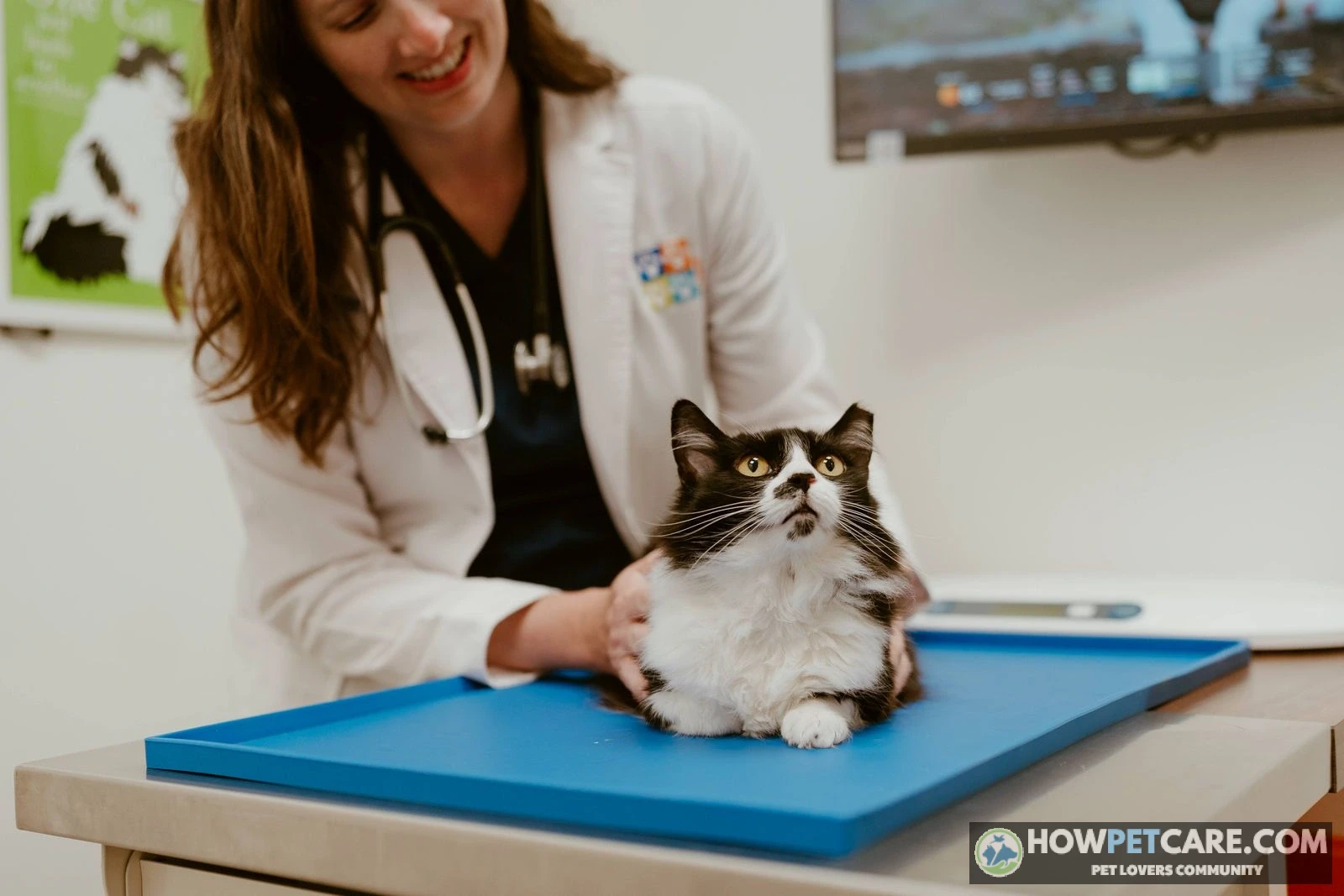
What Real Cat Owners Report: Good, Bad, and ‘Did Nothing’ Themes
Owner-experience content is anecdotal and non-representative; it is not evidence of efficacy and should not replace clinical data. Solensia for cats reviews from 2026 and discussions across forums show recurring themes worth knowing, with the usual caveats of selection bias and sponsored content.
The good
Positive themes include renewed jumping onto counters or cat trees, increased playfulness, easier grooming, and better litter-box habits. Some owners report noticing changes within the first few injections, often describing their cat as acting “younger.”
The bad
Negative or neutral themes include no visible change after several doses, improvement that wears off before the next monthly injection, appetite dips or gastrointestinal upset after an injection, and anxiety about kidney values or rare neurological events. Some owners express frustration that cost is high for a modest or short-lived benefit.
The ‘did nothing’ cases
A meaningful share of owners report that Solensia did nothing for their cat. This aligns with the trial data: not every cat in the Solensia group improved, and some cats in the placebo group did. Factors include severity of osteoarthritis, concurrent pain sources, overly high expectations, and the caregiver placebo effect. If your cat is a non-responder, that is information—not a failure on your part—and it is a reason to discuss alternatives with your vet.
When reading reviews, look for whether the poster describes the cat’s baseline, how many doses were given, and whether other treatments were used simultaneously. Manufacturer-sponsored content tends to emphasize success stories; balanced perspectives mention both non-responders and costs.
Your Vet-Visit Checklist: Questions, Monitoring, and Stopping Criteria
Arrive at your appointment with this list so the conversation is concrete rather than general.
Printable-style question list
- Based on my cat’s weight, kidney values, and other conditions, is my cat a good candidate for Solensia?
- What is the all-in cost per visit—vial count, exam or administration fee—and what is the estimated monthly and annual total?
- What baseline bloodwork do you recommend before the first injection, and how often should we repeat kidney values and other labs?
- What is our re-evaluation date, and how will we judge success? (Ask about a baseline video, mobility log, or Feline Musculoskeletal Pain Index score.)
- What are the emergency red flags after an injection, and which after-hours clinic should I use?
- If Solensia is only partially effective, can we combine it with gabapentin or supplements, or should we try an alternative first?
- What are our stopping criteria if there is no benefit or if side effects occur?
- If I miss a monthly dose, what is the plan to get back on schedule?

Decision guide: proceed, proceed cautiously, or explore alternatives
Proceed if: osteoarthritis pain is confirmed, your cat is within the labeled weight range, kidney values are known and stable, you can commit to monthly clinic visits, and the cost fits your budget.
Proceed cautiously if: your cat has early-stage kidney disease or other comorbidities, you are unsure about the monthly cost, or your cat is difficult to bring to the clinic regularly. In these cases, get baseline bloodwork first and set a short re-evaluation window.
Explore alternatives first if: your cat has advanced kidney disease, neurological signs, unexplained weight loss, is pregnant or nursing, or if you cannot commit to monthly veterinary visits. Discuss NSAIDs (if kidney values allow), gabapentin, supplements, joint diets, weight management, and environmental changes instead.
The bottom line: Solensia is a legitimate, FDA-approved option for feline osteoarthritis pain, but it is a monthly financial and logistical commitment with real—if uncommon—safety considerations. Use this guide to enter your veterinarian’s office informed, ask specific questions, and decide whether Solensia is worth it for your cat.
FAQ
What is the correct Solensia dose for my cat’s weight?
Solensia is dosed by body weight, with the vet selecting the appropriate vial dose per the label. Your vet administers it monthly, so you should not need to calculate it yourself.
Can Solensia be used together with NSAIDs or gabapentin?
Vets sometimes combine Solensia with other pain medications for cats with more severe or complex pain. Whether that is appropriate depends on your cat’s kidney function, other conditions, and the current label, so it should be decided with your vet.
Does Solensia cure arthritis in cats?
No. Solensia helps manage osteoarthritis pain but does not reverse joint damage. Pain may return if injections are stopped.
Can I give my cat Solensia at home?
Solensia is a prescription product that is administered by a veterinary professional. Ask your clinic about their current policy.
Is Solensia the same as Librela?
They are related but different: Solensia (frunevetmab) is for cats and Librela (bedinvetmab) is for dogs. Both are monoclonal antibodies that target nerve growth factor.