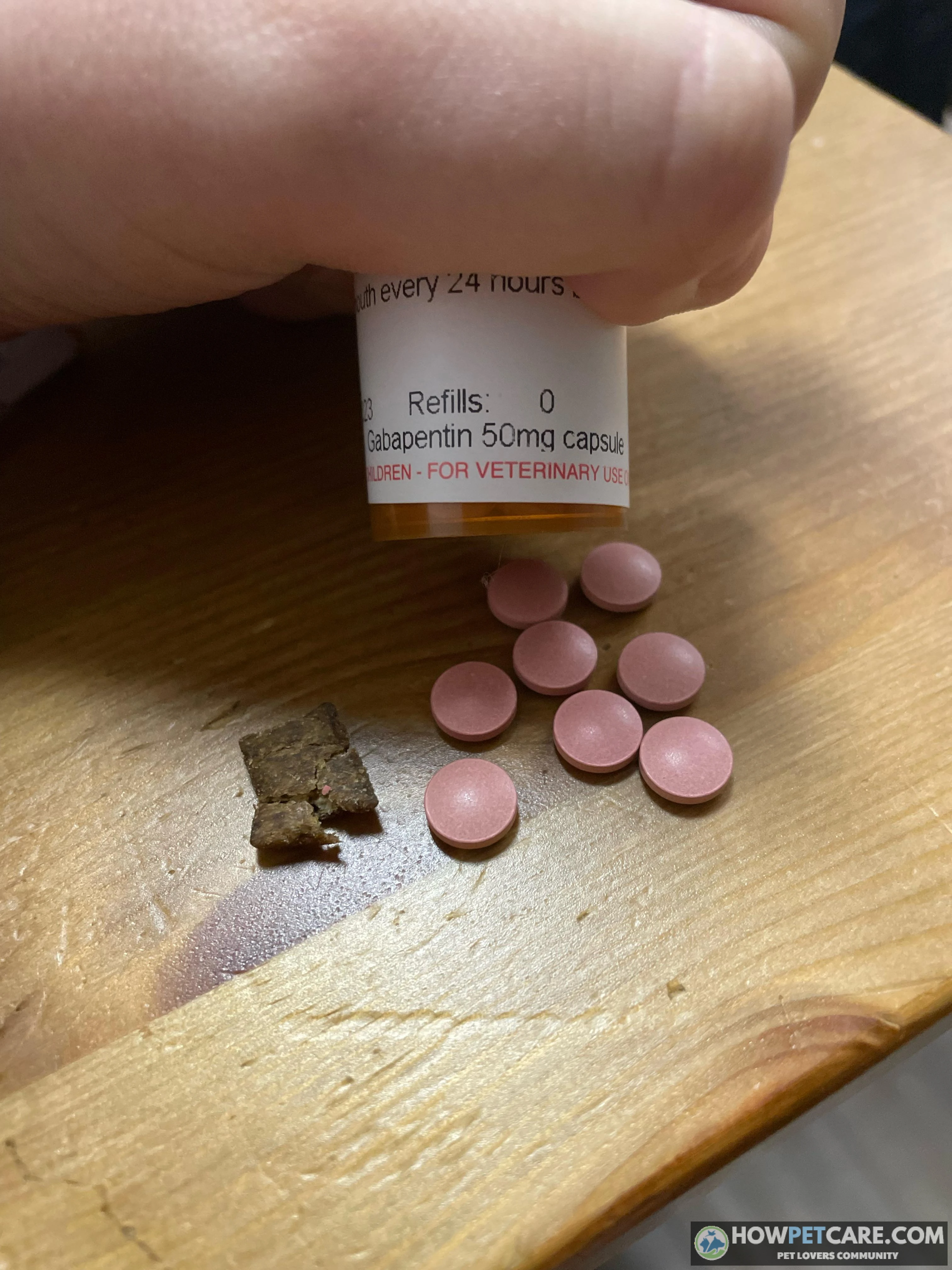

Gabapentin is a prescription drug used off-label in cats for vet-visit anxiety, nerve or chronic pain, and sometimes seizures. Typical chronic dosing is 5–10 mg/kg every 8–12 hours; many pre-visit protocols use about 50–100 mg per cat 90–120 minutes beforehand. Sedation and wobbliness are common.
Gabapentin is a prescription anticonvulsant that vets prescribe off-label for cats. It’s used for situational anxiety (vet visits, car trips), nerve pain, arthritis and other chronic pain, and sometimes as add-on seizure therapy. The FDA hasn’t approved it for cats, but it’s widely used and generally well tolerated; expect sedation and wobbliness (ataxia).
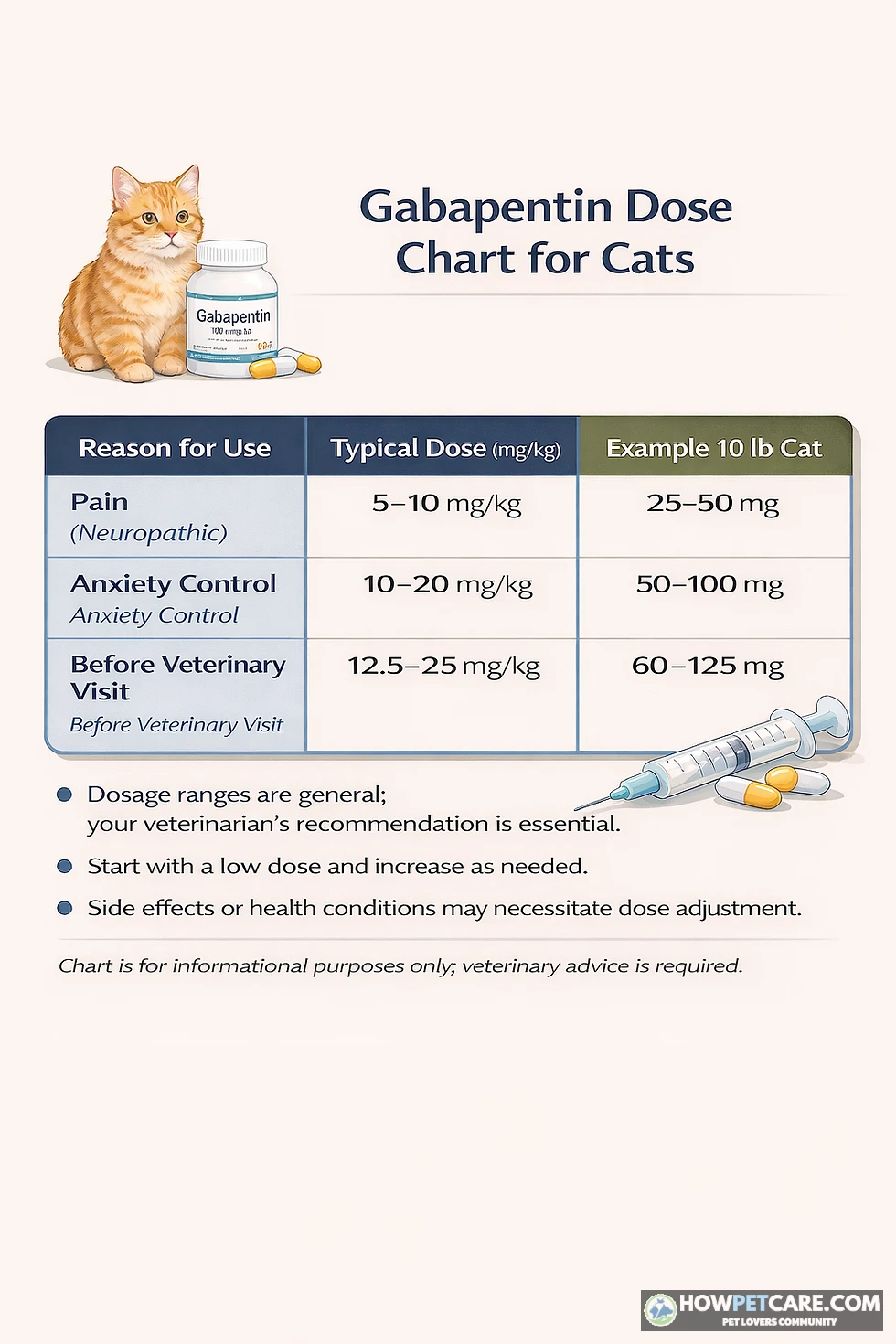
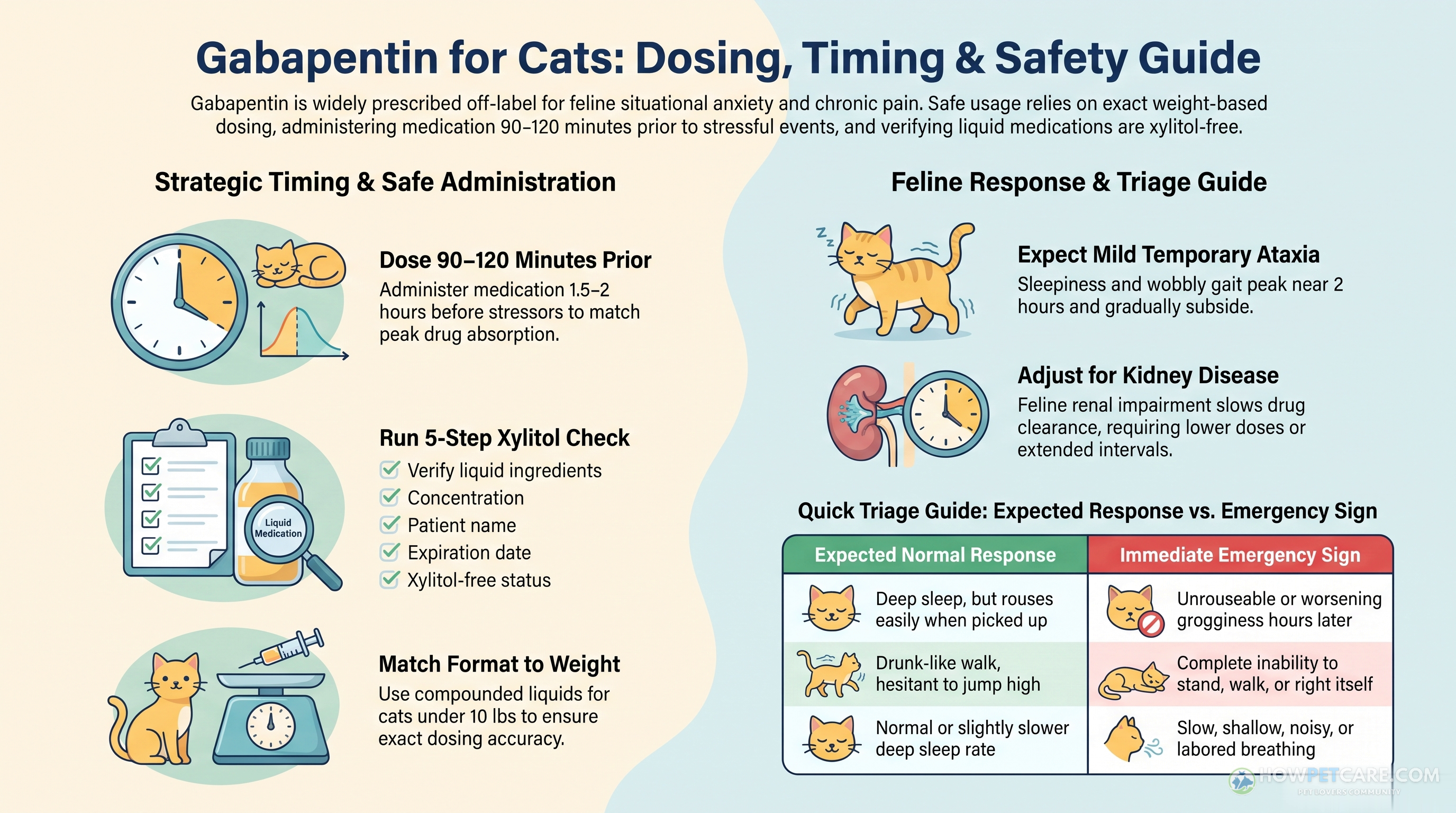
A single pre-visit dose is often 50–100 mg per cat, while chronic pain dosing usually runs 5–10 mg/kg every 8–12 hours. See the weight-based chart below for a quick reference. Give the dose about 1.5–2 hours before the stressor so the peak effect lines up with the appointment or trip — your vet’s instruction always wins. This guide covers gabapentin for cats only — we don’t borrow dog or human dosing.
Every dose in this guide is a published or commonly cited range — not a substitute for your veterinarian’s specific order. If the prescribed dose looks far outside the chart, call your vet or pharmacist before giving it.
Gabapentin dosage for cats by weight: mg per cat and mL of liquid
Use this chart to sanity-check the dose your vet prescribed — not to set one yourself. The “low” and “mid” columns reflect the commonly cited 5–10 mg/kg range for chronic pain; the “high” column shows the roughly 20 mg/kg per-dose level used in some published pre-visit anxiety protocols (many vets simply prescribe a flat 50–100 mg per cat for a typical 8–12 lb cat). The mL values are calculated at the mid (10 mg/kg) dose.
| Cat weight (lb) | Cat weight (kg) | Low dose, ~5 mg/kg (mg) | Mid dose, ~10 mg/kg (mg) | High dose, ~20 mg/kg (mg) | mL at 50 mg/mL (mid dose) | mL at 100 mg/mL (mid dose) | Closest capsule option |
|---|---|---|---|---|---|---|---|
| 5 lb | 2.3 kg | ~10 mg | ~23 mg | ~45 mg | ~0.45 mL | ~0.23 mL | Too small to split a capsule — compounded liquid or small tabs |
| 7 lb | 3.2 kg | ~15 mg | ~32 mg | ~64 mg | ~0.64 mL | ~0.32 mL | Compounded (capsules can’t be split accurately at this size) |
| 9 lb | 4.1 kg | ~20 mg | ~41 mg | ~82 mg | ~0.82 mL | ~0.41 mL | Compounded; 100 mg capsule only if vet approves the round-up |
| 11 lb | 5.0 kg | ~25 mg | ~50 mg | ~100 mg | 1.0 mL | 0.5 mL | 100 mg capsule (high end) or compounded |
| 13 lb | 5.9 kg | ~30 mg | ~59 mg | ~118 mg | ~1.2 mL | ~0.6 mL | 100 mg capsule or compounded |
| 15 lb | 6.8 kg | ~34 mg | ~68 mg | ~136 mg | ~1.4 mL | ~0.7 mL | 100 mg capsule (ask vet about rounding) or compounded |
| 18 lb | 8.2 kg | ~41 mg | ~82 mg | ~164 mg | ~1.6 mL | ~0.8 mL | 100 mg capsule or compounded |
| 20 lb | 9.1 kg | ~45 mg | ~91 mg | ~182 mg | ~1.8 mL | ~0.9 mL | 100 mg capsule close at mid dose; high doses need compounding or two capsules |
If your prescription doesn’t match: a dose modestly above or below these columns can still be correct. Vets adjust for kidney function, the reason for dosing, and your individual cat. Call your vet or pharmacist before giving anything more than roughly double the high column, or if the mL on your bottle doesn’t match the labeled concentration.
Math for weights between rows: weight in lb ÷ 2.2 = kg → kg × mg/kg = mg dose → mg ÷ bottle concentration (mg/mL) = mL.
Fridge note: write your cat’s prescribed dose and your vet’s phone number here — ____ mg = ____ mL | Vet: ____
How to read the chart (and convert pounds to kilograms)
- Find your cat’s weight in pounds (lb) in the first column.
- The second column shows the weight in kilograms (kg).
- Match the dose column to the reason for prescribing: low or mid for chronic pain (5–10 mg/kg), high for situational anxiety (~20 mg/kg).
- The mL columns show how much liquid to draw up for two common compounded concentrations (50 mg/mL and 100 mg/mL). Human gabapentin oral solution is typically 250 mg/5 mL, which equals 50 mg/mL.
- The last column notes whether a standard capsule (100 mg, 300 mg, 400 mg) works or if a compounded product is needed.
Capsule strengths versus liquid concentrations: why the mL differs
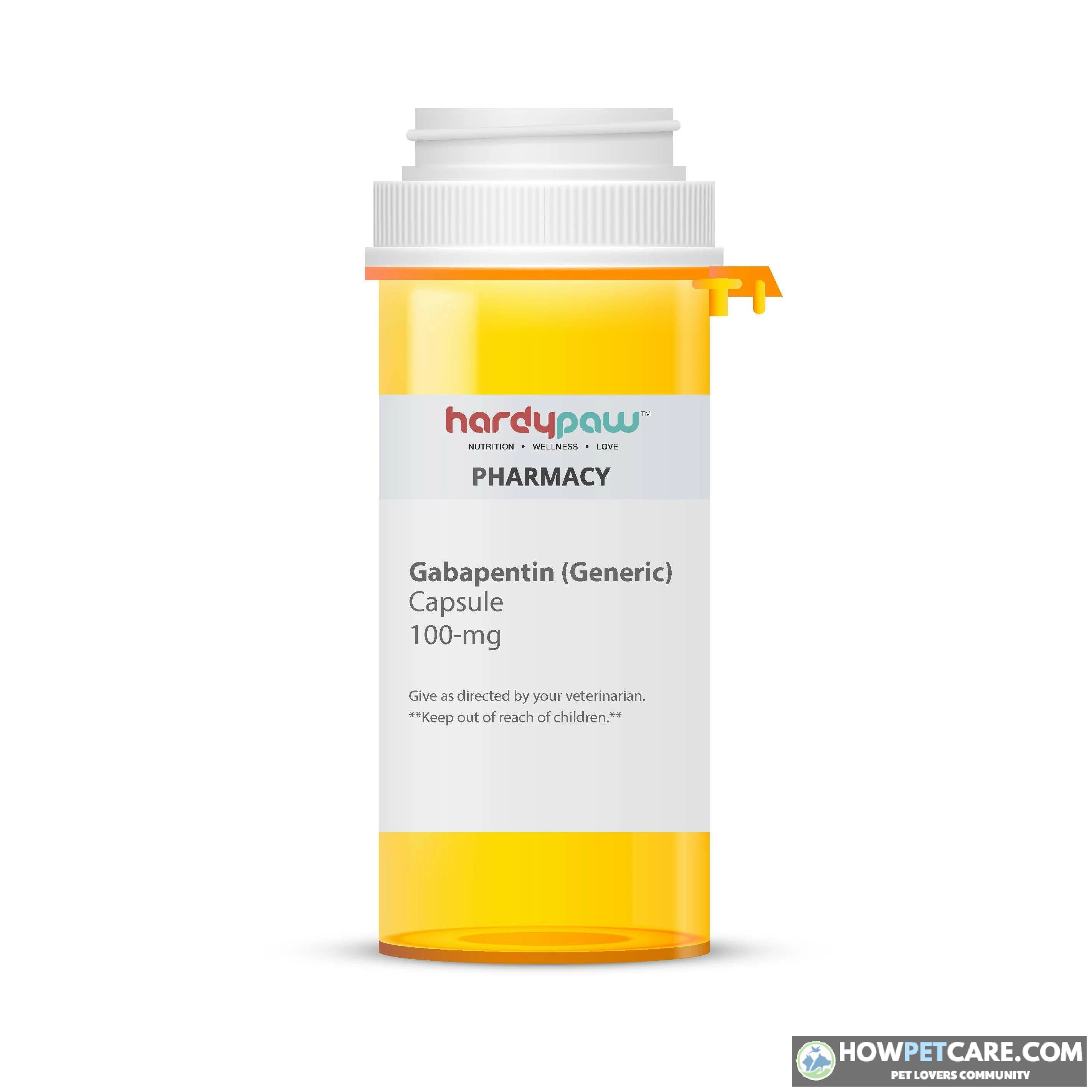
Gabapentin capsules commonly come in 100 mg, 300 mg, and 400 mg strengths. A 300 mg or 400 mg capsule can’t be reliably split for a small cat, so a compounded liquid is often prescribed instead. Compounded liquids vary in concentration — 50 mg/mL and 100 mg/mL are both common. Confirm the concentration on the label and match it to the mL column in the chart.
How often and how many days: single dose, twice daily, three times daily
- Single pre-visit dose: given once, 90–120 minutes before the stressor.
- Chronic pain: typically 5–10 mg/kg every 12 hours (q12h), up to every 8 hours (q8h) in some protocols, continued for as long as your vet prescribes.
- Seizure add-on: frequency varies; follow your vet’s schedule exactly.
How long before a vet visit to give gabapentin, and how long it lasts
The number that settles the 45-minutes-vs-2-hours debate: in published feline data, gabapentin reaches its highest blood level (Tmax) at roughly 1–2 hours after an oral dose (about 100 minutes). That’s why pre-visit anxiety studies gave it about 90–120 minutes before the stressor — the shorter “45–60 minute” advice online reflects convenience, not peak effect.
Practical rule:
- If your vet wrote a time on the label, that wins.
- If not, count backward so the 90–120 minute peak overlaps the scariest part — the exam itself, not the car ride to get there.
- For a long drive plus a vet visit, give the dose at home before you leave, not in the parking lot or waiting room; a dose given at the clinic won’t peak until the appointment is nearly over.
- Some vets add a dose the night before for very fractious cats — only do this if your vet prescribed it.
Duration: the wobbliness typically fades over several hours, and most cats look normal by the next morning. The half-life in cats is about 2.8 hours. Cats with kidney disease or senior cats can stay groggy noticeably longer — plan a quiet room and skip the cat tree that day.
Car trips and cat carriers: a simple timing plan
- Weigh your cat and confirm the dose with the chart above.
- Set a timer for 90–120 minutes before you need to put the cat in the carrier.
- Give the dose at home with a small treat or meal.
- Allow the cat to rest in a quiet room until it’s time to leave.
- Do a trial run at least a few days before the actual visit so you know how your cat responds.
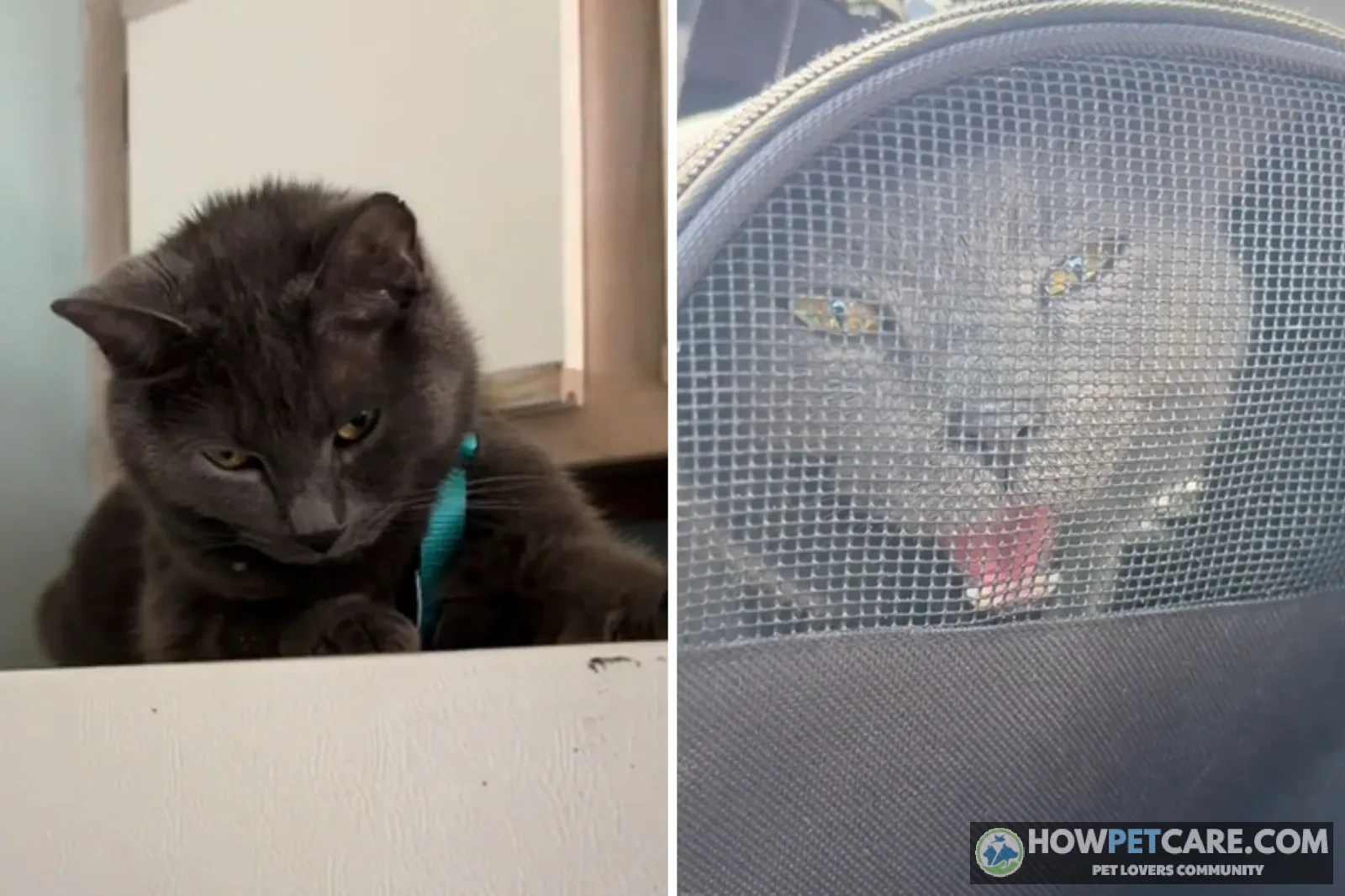
Gabapentin for cat anxiety versus trazodone: how vets choose
Both gabapentin and trazodone are used for situational anxiety in cats. Vets often prefer gabapentin for its pain-relieving properties and generally milder side-effect profile, while trazodone may be chosen when stronger sedation is needed. Your vet will weigh your cat’s health, other medications, and the specific situation.
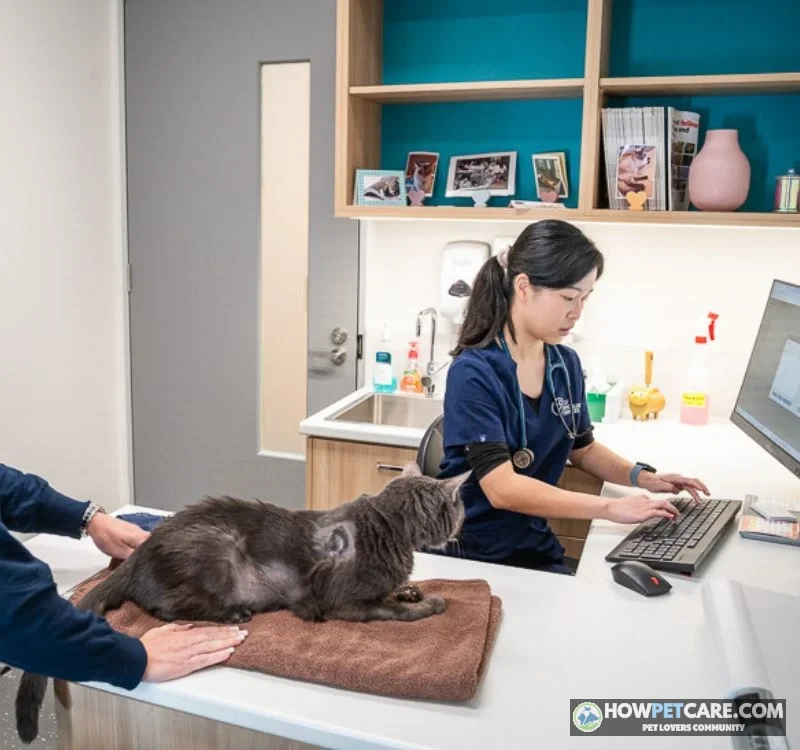
When a vet might choose pregabalin instead
Pregabalin is a similar drug with more predictable absorption and a longer half-life, but it costs more and is less commonly used in cats. Vets may consider it when gabapentin is ineffective or causes unacceptable side effects. Ask your veterinarian whether pregabalin might be an option for your cat.
How to give a cat gabapentin, and how to check any liquid for xylitol
Capsules: Give the capsule whole with a treat or pill pocket. If your vet approves, you can open the capsule and sprinkle the powder onto a small amount of strongly flavored food — the contents are bitter. Make sure the cat eats the entire portion.
Liquids: Use the oral syringe supplied by the pharmacy. Aim at the cheek pouch, give small squirts, and measure at eye level. Don’t use a kitchen spoon.
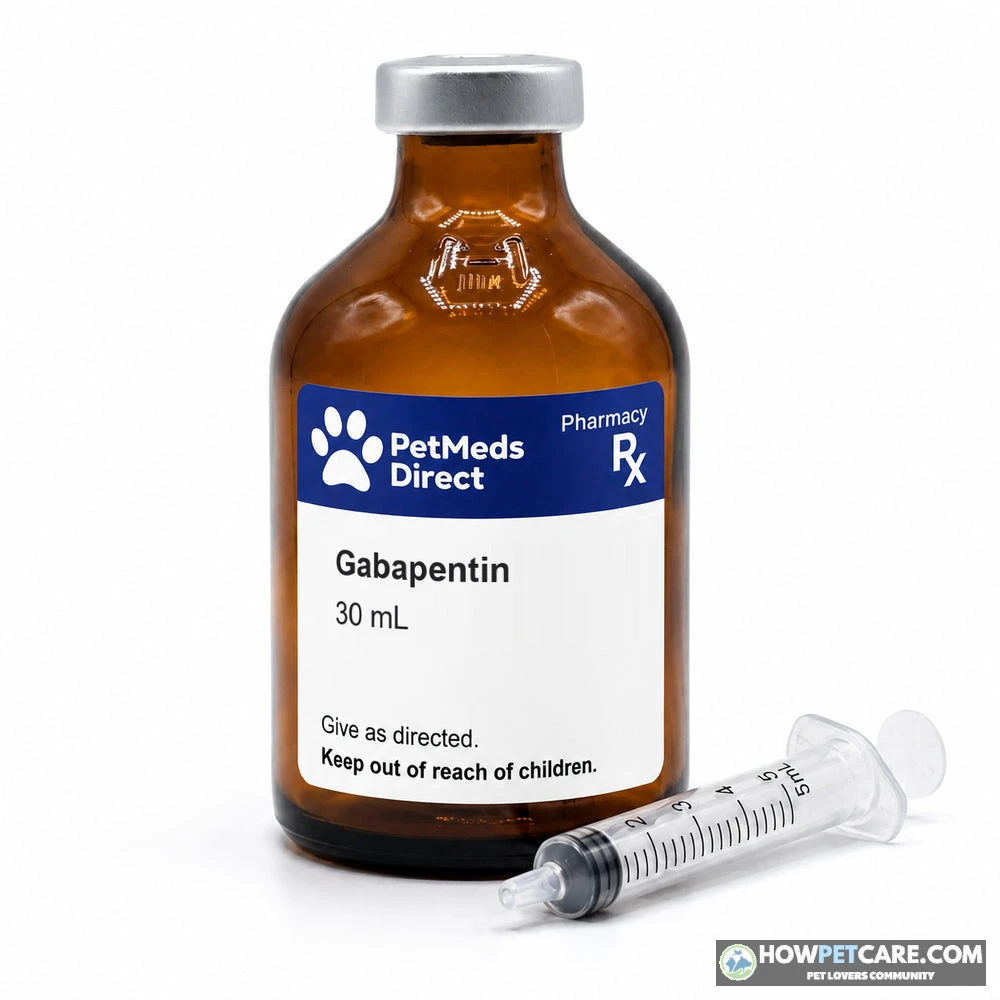
Human liquid gabapentin: It can be safe only if your vet prescribed that exact product and concentration for this cat, and only after you’ve checked for xylitol. Human gabapentin liquids vary by manufacturer — some contain xylitol, some don’t. Xylitol is proven toxic to dogs; cat data is limited, but vets routinely avoid it.
-
Step 1: Read the full inactive-ingredients list
Look for xylitol, which may also appear as “birch sugar” or be hidden in “sugar alcohols” or “artificial sweeteners.” If you see it, don’t give the liquid — call your vet or pharmacist.
-
Step 2: Confirm the concentration in mg/mL
Human gabapentin solution is commonly 250 mg per 5 mL (= 50 mg/mL), but compounded versions come in many strengths. The mL dose on your vet’s instructions only matches one concentration.
-
Step 3: Check the patient name and prescription
The label should name your cat (or you, with a vet’s explicit instruction to use it for the cat). Never dose a cat off a dog’s or a family member’s leftover supply without vet sign-off.
-
Step 4: Check the dates
Expiration date for a human product; “beyond-use date” for a compounded one (often much shorter — compounded liquids frequently expire in weeks to a few months).
-
Step 5: For compounded products, ask the pharmacy directly
“Can you send me the written ingredient list and flavoring, and confirm it’s xylitol-free?” Reputable compounding pharmacies answer this in one email. If anything on the bottle is unclear or the liquid looks or smells different from the last refill, call the pharmacist before dosing.
Storage and handling: Keep out of reach of pets and children. Do not share between pets.
Giving a capsule to a cat that spits it out
- Coat the capsule in a thin layer of butter or cream cheese.
- Use a pill gun (pill popper) to place it at the back of the tongue.
- Chase it with a syringe of water or a treat to ensure swallowing.
- If the cat consistently refuses, ask your vet about a compounded liquid or transdermal gel.
A five-step xylitol label check
Quick recap of the walkthrough above — run all five before the first dose:
- Read the inactive ingredients for xylitol (it can also appear as “birch sugar”).
- Confirm the bottle’s mg/mL concentration matches your vet’s mL instruction.
- Check that the patient name on the label is your cat.
- Check the expiration or beyond-use date.
- For compounded liquids, confirm in writing that the product is xylitol-free.
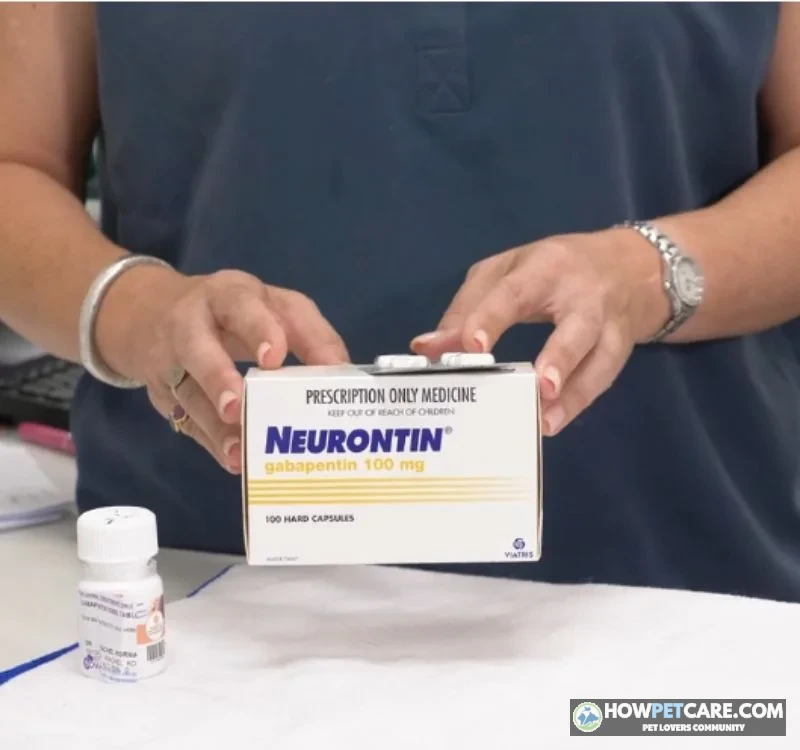
Capsules, compounded liquid, or ear gel: cost, accuracy, and ease compared
| Formulation | Typical cost range (sourced, with date) | Dose accuracy for small cats | Ease of giving | Evidence and cautions |
|---|---|---|---|---|
| Generic capsules (100 mg) | $10–$30 for 30–90 capsules (GoodRx, 2026) | Poor for cats < 10 lb; splitting 100 mg capsules is inaccurate | Moderate — some cats take pills well, others refuse | FDA-approved for humans; off-label in cats. Capsules cannot be split reliably for small doses. |
| Compounded oral liquid (50 mg/mL or 100 mg/mL) | $30–$80 for 30–60 mL (varies by pharmacy, 2026) | Excellent — exact mL dosing for any weight | High — flavored, easy to syringe | Compounded products are not FDA-approved; quality varies. Ask for certificate of analysis. |
| Transdermal gel (ear gel) | $40–$100 for 30–60 doses (varies, 2026) | Uncertain — absorption is variable and not well studied in cats | High — applied to inner ear, no oral struggle | Limited evidence of efficacy; dosing set by compounding pharmacy and vet. Not a first-line choice. |
Cost notes: Prices are broad ranges from discount programs and compounding pharmacy quotes as of 2026. Compounded products cost more and vary by pharmacy and strength. Ask for a per-dose price and about discount programs, and compare where to buy pet medications safely before you fill the prescription. Gabapentin is prescription-only and a controlled substance in a few US states, so refills and online ordering depend on the vet and state.
Typical price ranges and how to lower the cost
- Use generic capsules if your cat’s dose aligns with a whole capsule (e.g., 100 mg).
- Ask your vet if a compounding pharmacy offers a lower price for a larger volume.
- Check discount cards (GoodRx, Costco, etc.) for human generic gabapentin capsules.
- Some veterinary clinics have in-house pharmacies with competitive pricing.
Does ear-gel gabapentin work?
Evidence of absorption and effectiveness is limited compared with oral dosing, and vets differ on whether it works reliably. Dosing is set by the compounding pharmacy and vet, not by owners. Consider it only when oral administration is impossible, and only after discussing it with your veterinarian.
Is gabapentin safe for cats? Normal side effects versus warning signs
Gabapentin has a wide track record in cats and is generally well tolerated at vet-directed doses, but it isn’t risk-free — especially with kidney disease, other sedatives, or the wrong formulation.
Expected, usually mild effects: sleepiness, sedation, a wobbly or drunk gait (ataxia), reduced appetite for a few hours, and sometimes drooling or a quieter-than-usual cat. In one study, healthy cats given 100 mg per cat showed measurable but temporary neurological effects — ataxia in about 50% of cats, loss of placing reflex in 90.9%, and loss of coordination in 23.5% at measured assessments.
Call-the-vet signs: cannot stand or walk, extreme or lasting sedation, slow or labored breathing, repeated vomiting, collapse, or a cat that cannot be roused. These warrant emergency care.
Overdose signs in plain language: profound sedation, severe ataxia, slow breathing, possible vomiting or tremors. Have ready when calling: weight, dose given, product concentration, time given, and any other drugs. Contact ASPCA Animal Poison Control Center or Pet Poison Helpline (consultation fee may apply).
Long-term use is common for chronic pain and arthritis in cats, but don’t stop abruptly after prolonged use without planning it with your vet.
Save this before the first dose so you can compare what you’re seeing against both columns.
| What you’re seeing | Probably normal — monitor at home | Call the vet or emergency clinic |
|---|---|---|
| Sleepiness / sedation | Extra sleepy, naps deeply but can be woken, stirs when you pick them up | Cannot be roused at all, or sedation is getting worse hours after the dose instead of better |
| Wobbliness (ataxia) | Drunk-walking, wide stance, hesitant on jumps — but still moving on their own | Cannot stand or walk at all, collapses, or falls and can’t right themselves |
| Drooling / lip-smacking | Brief drooling right after a bitter liquid dose, or mild nausea look | Repeated vomiting, drooling that continues for hours, or vomiting with extreme sedation |
| Appetite | Skips one meal or picks at food for a few hours | Refuses all food and water into the next day |
| Breathing | Normal rate, maybe slower while deeply asleep | Slow, labored, shallow, or noisy breathing — this is an emergency sign |
| Overall trajectory | Peak grogginess around 2 hours, then steadily more normal over several hours; near-normal by next morning | Still profoundly sedated well into the next day, or any sign above that appeared after a higher-than-prescribed dose |
If you call, have ready: your cat’s weight, the exact dose given in mg, the product concentration in mg/mL, the time it was given, and any other medications. If your vet isn’t reachable and you suspect an overdose, the ASPCA Animal Poison Control Center and the Pet Poison Helpline both take cat calls (a consultation fee may apply).
What normal sedation and ataxia look like
Your cat may sleep more than usual, walk with a wide-based stance, hesitate before jumping, and be less interested in food for a few hours. These effects typically peak around 2 hours and improve steadily.
Signs of too much gabapentin: when to call right away
- Cannot be roused.
- Cannot stand or walk.
- Slow, shallow, or labored breathing.
- Repeated vomiting.
- Collapse.
- Any of these after a dose higher than prescribed.
If your cat vomits the dose, you miss a dose, or you think you gave too much
Scenario 1 — Your cat vomited after the dose
- ☐ Note the time between dosing and vomiting, and look at the vomit: can you see an intact capsule or a puddle of liquid?
- ☐ If it’s been more than ~30 minutes, the drug was likely at least partly absorbed — do not re-dose on your own.
- ☐ If it happened fast and the whole dose appears to have come back up, call your vet or pharmacist before repeating it. There is no universally agreed re-dose window in the cat literature — some vets say re-dose, some say give half, some say wait. It is their call, not a rule you can look up.
- ☐ For a pre-visit dose that came back up, call the clinic before you leave — they may adjust the timing or the plan.
Scenario 2 — You missed a dose (chronic pain dosing)
- ☐ If you remember within a few hours of the scheduled time, give it.
- ☐ If the next dose is coming up soon, skip the missed one entirely and resume the normal schedule.
- ☐ Never give a double dose to catch up — that’s how overdoses happen.
- ☐ Missed a pre-visit dose? Call the clinic; a same-day reschedule or adjusted timing may be safer than a rushed dose.
Scenario 3 — You think you gave too much / a double dose
- ☐ Do not give any more. Write down the total mg given, the time(s), and the bottle’s concentration.
- ☐ Move the cat to a warm, quiet, floor-level room — no stairs, no cat trees, away from other pets.
- ☐ Watch breathing and whether the cat can be roused.
- ☐ Call your vet, an emergency clinic, or a pet poison line now — don’t wait for symptoms. Do not try to make the cat vomit unless a professional tells you to.
Scenario 4 — The dose did nothing at all
- ☐ Do not add a second dose. Underdosing happens (every cat metabolizes it differently); report it to your vet, who may raise the dose, add a second drug, or switch — that’s a planned adjustment, not a DIY experiment.
My cat threw up the gabapentin: should I give it again?
See Scenario 1 above. The safest step is to call your vet or pharmacist before repeating the dose.
What to do for a missed dose
See Scenario 2 above. For chronic dosing, give it if remembered within a few hours; otherwise skip and resume schedule. Never double up.
Overdose steps and who to call
See Scenario 3 above. Call your vet, emergency clinic, ASPCA Animal Poison Control Center, or Pet Poison Helpline immediately.
Dose adjustments and interactions: kidney disease, seniors, kittens, pregnancy, and other medications
Kidney disease: Gabapentin is cleared mainly by the kidneys (renal excretion of unchanged drug). Vets often lower the dose or lengthen the interval in cats with chronic kidney disease (CKD). One study showed that 10 mg/kg in CKD cats produced higher peak serum concentrations than 20 mg/kg in healthy cats. The exact reduction is the vet’s decision; a cat with CKD may seem sleepier on a standard dose.
Senior cats: Reduced kidney function and increased sensitivity to sedation can mean a slower start, a lower dose, and closer monitoring of the first doses.
Kittens: Data is limited. Vets use gabapentin in young cats selectively, with weight-based dosing; never use adult doses on a kitten.
Pregnant and nursing cats: Safety data in cats is lacking. Gabapentin passes into milk in other species. Rather than claiming it’s safe, have a risk-benefit conversation with your vet.
Interactions in plain language, itemized:
| Drug or class | Examples | What can happen | What to do |
|---|---|---|---|
| Opioids | Buprenorphine, tramadol | More sedation and slower breathing | Use together only under vet supervision; monitor closely |
| Other sedatives / anxiety drugs | Trazodone, benzodiazepines, acepromazine | Additive sedation | Avoid combining without vet direction |
| Mirtazapine | Appetite stimulant | Possible added drowsiness | Inform vet if your cat takes mirtazapine |
| NSAIDs | Meloxicam, robenacoxib | No major direct interaction reported, but kidney disease changes which drugs are suitable | Vet will consider kidney function before combining |
| Antacids (aluminum/magnesium) | Maalox, Mylanta | May reduce absorption (human data) | Ask vet about timing separation |
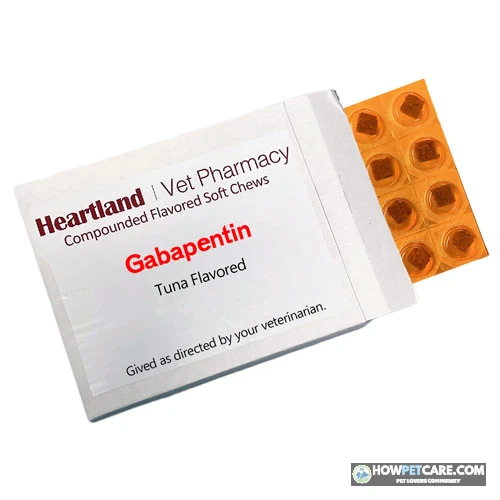
Bring a list of all medications, supplements, and flea or parasite products to your vet and pharmacist, and talk to your veterinarian before combining any sedating drugs.
How much lower is the dose with kidney disease?
There’s no fixed percentage; vets adjust based on IRIS stage and individual response. The key point: CKD cats accumulate higher blood levels at the same mg/kg dose. Always follow your vet’s specific adjustment.
Kittens, pregnancy, and nursing
- Kittens: Vet-prescribed weight-based dosing only; no adult doses.
- Pregnant/nursing: Insufficient data — vet must weigh risks and benefits.
Medications that add to gabapentin’s effect
Opioids, other sedatives, trazodone, benzodiazepines, acepromazine, and mirtazapine can all increase sedation. NSAIDs require kidney-function consideration. Antacids may reduce absorption. Always tell your vet about all medications.
Before the next appointment: a gabapentin checklist and the questions to ask your vet
Checklist:
- ☐ Weigh the cat (update weight if it’s been more than a month).
- ☐ Confirm the prescribed mg and mL against the chart above.
- ☐ Check the label for concentration and xylitol (use the 5-step check).
- ☐ Plan a home trial dose at least 2–3 days before the visit.
- ☐ Set the timing with a written schedule (dose time, departure time, appointment time).
- ☐ Prepare the carrier and a quiet recovery space for after the visit.
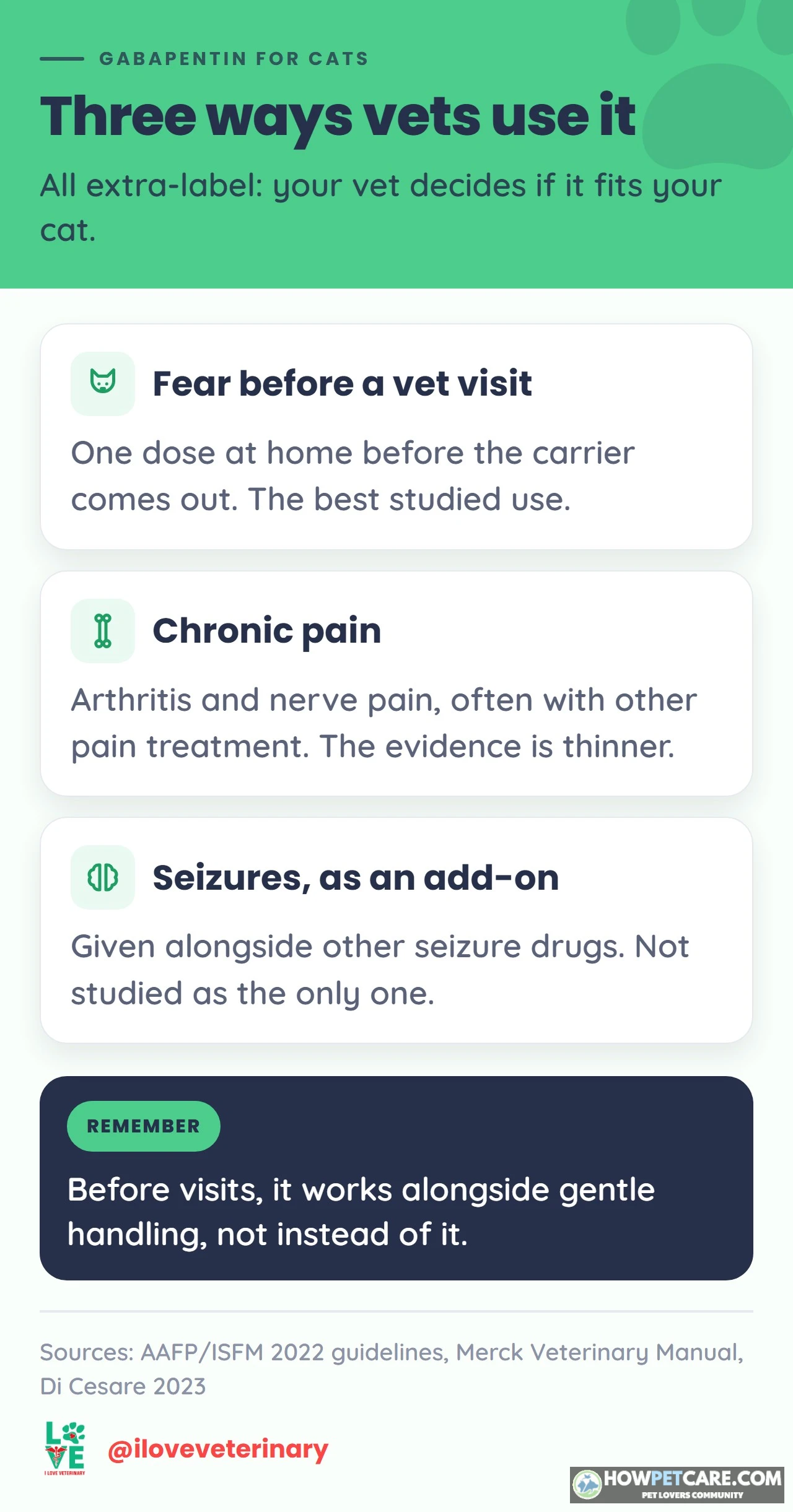
Questions to ask the vet or pharmacist:
- What is the exact dose in mg and mL for my cat’s current weight?
- When exactly do I give it relative to the appointment?
- Can I repeat it if the visit runs late or the cat is still stressed?
- What if my cat vomits it?
- Is it safe with my cat’s kidneys and other medications?
- Is a compounded or generic product cheaper for this dose?
When to call right away versus watch at home:
- Call immediately: cannot rouse, cannot walk, slow/shallow breathing, collapse, repeated vomiting, known overdose.
- Watch at home: mild wobbliness, extra sleepiness that improves over hours, skipping one meal, brief drooling after liquid.
Document the response: Write down sedation level (1–5 scale), how long it lasted, and any odd behaviors. Share this with your vet so the next dose can be tuned.
Cat weight (lb) Cat weight (kg) Low dose, ~5 mg/kg (mg) Mid dose, ~10 mg/kg (mg) High dose, ~20 mg/kg (mg) mL at 50 mg/mL (mid dose) mL at 100 mg/mL (mid dose) Closest capsule option 5 lb 2.3 kg ~10 mg ~23 mg ~45 mg ~0.45 mL ~0.23 mL Too small to split a capsule — compounded liquid or small tabs 7 lb 3.2 kg ~15 mg ~32 mg ~64 mg ~0.64 mL ~0.32 mL Compounded (capsules cannot be split accurately at this size) 9 lb 4.1 kg ~20 mg ~41 mg ~82 mg ~0.82 mL ~0.41 mL Compounded; 100 mg capsule only if vet approves the round-up 11 lb 5.0 kg ~25 mg ~50 mg ~100 mg 1.0 mL 0.5 mL 100 mg capsule (high end) or compounded 13 lb 5.9 kg ~30 mg ~59 mg ~118 mg ~1.2 mL ~0.6 mL 100 mg capsule or compounded 15 lb 6.8 kg ~34 mg ~68 mg ~136 mg ~1.4 mL ~0.7 mL 100 mg capsule (ask vet about rounding) or compounded 18 lb 8.2 kg ~41 mg ~82 mg ~164 mg ~1.6 mL ~0.8 mL 100 mg capsule or compounded 20 lb 9.1 kg ~45 mg ~91 mg ~182 mg ~1.8 mL ~0.9 mL 100 mg capsule close at mid dose; high doses need compounding or two capsules
1A cat owner is preparing for a veterinarian visit scheduled for 2:00 PM. To ensure the prescribed pre-visit gabapentin reaches its peak blood concentration during the exam, at approximately what time should the owner administer the oral dose at home?
Gabapentin reaches its highest blood concentration (T_max) approximately 90 to 120 minutes (1.5 to 2 hours) after oral administration.
2A cat received a single dose of gabapentin two hours ago. Which of the following observations represent expected, mild side effects that can be monitored safely at home?
Ataxia is a well-documented, temporary neurological effect occurring in a significant percentage of cats receiving gabapentin.
3A 6 lb cat requires a chronic pain dose of approximately 15 mg of gabapentin. Why is a standard 100 mg human capsule unsuitable for direct administration in this scenario?
Solid capsule formulations cannot be divided precisely, making it unsafe to measure small milligram amounts for cats weighing under 10 lbs.
4Which of the following medications or drug classes can cause additive sedation or increased central nervous system depression when administered alongside gabapentin in cats?
Combining opioids with gabapentin enhances central nervous system depression, potentially slowing breathing and increasing lethargy.
5Which statement best describes the clinical role and limitations of transdermal ear gel gabapentin in cats?
Evidence regarding transdermal efficacy and bioavailability in felines is limited, so oral administration remains the preferred first-line choice.
6A cat owner administering gabapentin twice daily for chronic pain realizes at 9:00 AM that they forgot the scheduled 8:00 AM morning dose. What is the correct procedure for managing this missed dose?
For chronic pain therapy, a dose remembered within a few hours should be given immediately while maintaining the rest of the schedule.
7If a veterinarian approves opening a gabapentin capsule to sprinkle the contents onto food, what practical issue should the owner prepare for?
Gabapentin powder has a bitter taste, requiring a small, palatable portion of food to ensure the cat consumes the entire dose.
FAQ
Do I need a prescription for gabapentin for my cat?
Yes. Gabapentin is a prescription drug, and a few US states classify it as a controlled substance, so your vet must authorize it and refills may follow stricter rules.
Can my cat take gabapentin with or without food?
Gabapentin can be given with or without food, and a small treat or meal often makes it easier to give. Follow your vet’s instructions if they specify otherwise.
Can I stop gabapentin suddenly if my cat has been on it for a long time?
Do not stop it abruptly after long-term daily use without asking your vet. They may recommend lowering the dose gradually.
Can I open the gabapentin capsule and mix it in food?
Many vets allow this because the capsule contents can be mixed into a small amount of strongly flavored food, but the powder is bitter. Ask your vet first, and make sure your cat eats the whole portion so the dose is complete.
Will gabapentin make my cat sleep all day?
Most cats are drowsy for several hours after a dose and return to normal within a day. If your cat is still very sleepy or unsteady after that, call your vet, especially if your cat has kidney disease or takes other sedating drugs.