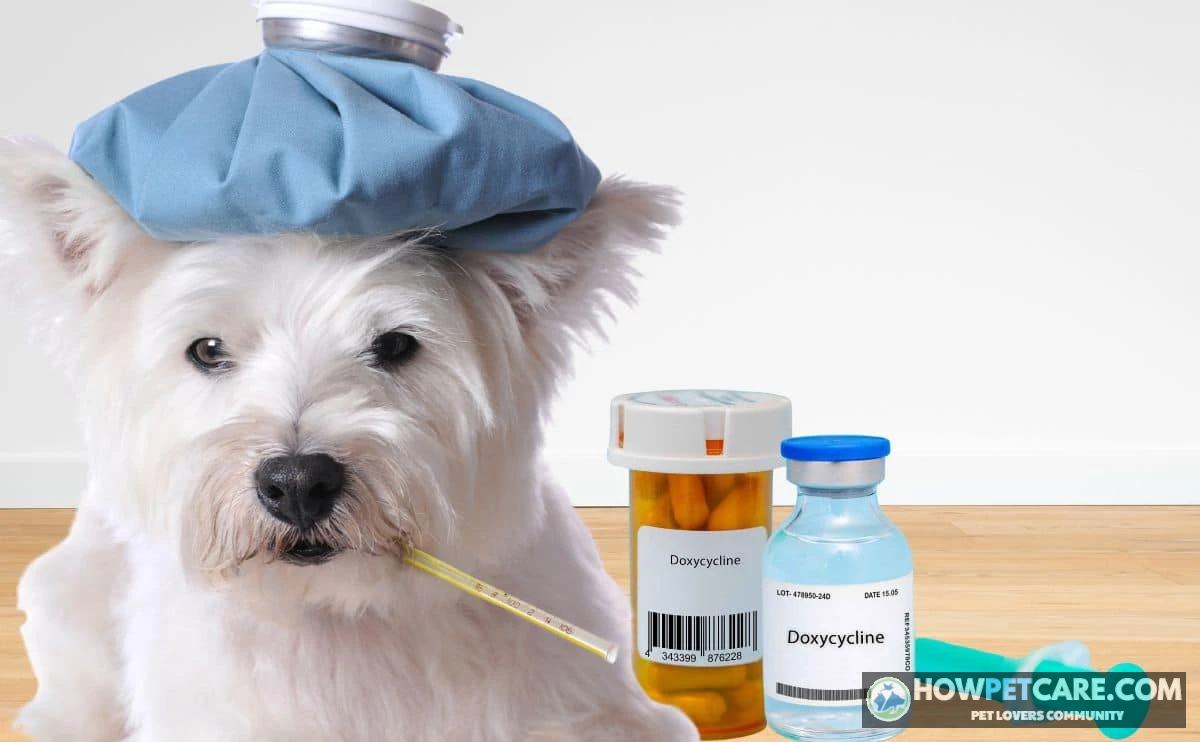

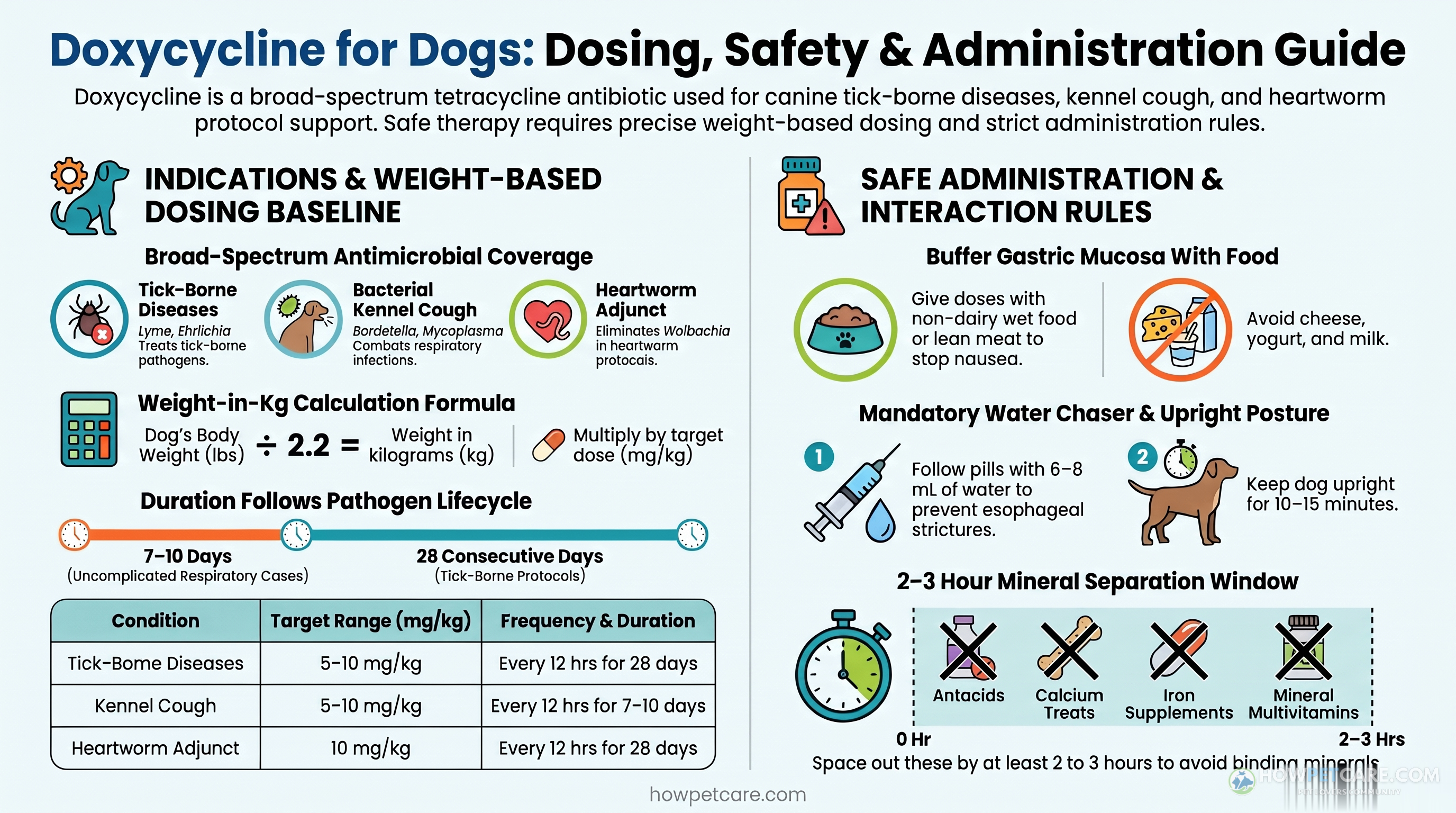
Doxycycline is a broad-spectrum tetracycline antibiotic vets prescribe for dogs to treat tick-borne diseases (Lyme, ehrlichiosis, anaplasmosis), bacterial respiratory infections like kennel cough, and to eliminate Wolbachia during heartworm treatment. The standard dose is 5–10 mg/kg every 12–24 hours, given with food and a water chaser.
Doxycycline is a broad-spectrum tetracycline antibiotic that veterinarians prescribe to treat tick-borne illnesses, bacterial respiratory infections, and as an essential adjunct in canine heartworm therapy. It works by binding to the 30S ribosomal subunit of susceptible bacteria, inhibiting protein synthesis and halting bacterial reproduction. In veterinary medicine, oral doxycycline (most commonly formulated as doxycycline hyclate or doxycycline monohydrate) is prescribed extra-label under the Animal Medicinal Drug Use Clarification Act (AMDUCA), as Doxirobe Gel—a specialized dental product applied subgingivally for canine periodontal disease—is the only dosage form carrying official FDA animal approval. Because oral tablets, capsules, and oral suspensions are human-labeled or pharmacy-compounded medications, safe and effective therapy requires strict veterinary oversight.
If you have a doxycycline prescription in hand or your veterinarian has just recommended it, you can verify the fundamentals of your dog’s treatment in about 30 seconds using this baseline checklist:
- Diagnosis: Is the antibiotic targeted at a confirmed or strongly suspected bacterial or rickettsial pathogen (such as Borrelia, Ehrlichia, Anaplasma, Bordetella, or Wolbachia)?
- Current Weight: Has your dog been weighed accurately within the last 30 days to calculate a precise milligram-per-kilogram (mg/kg) dose?
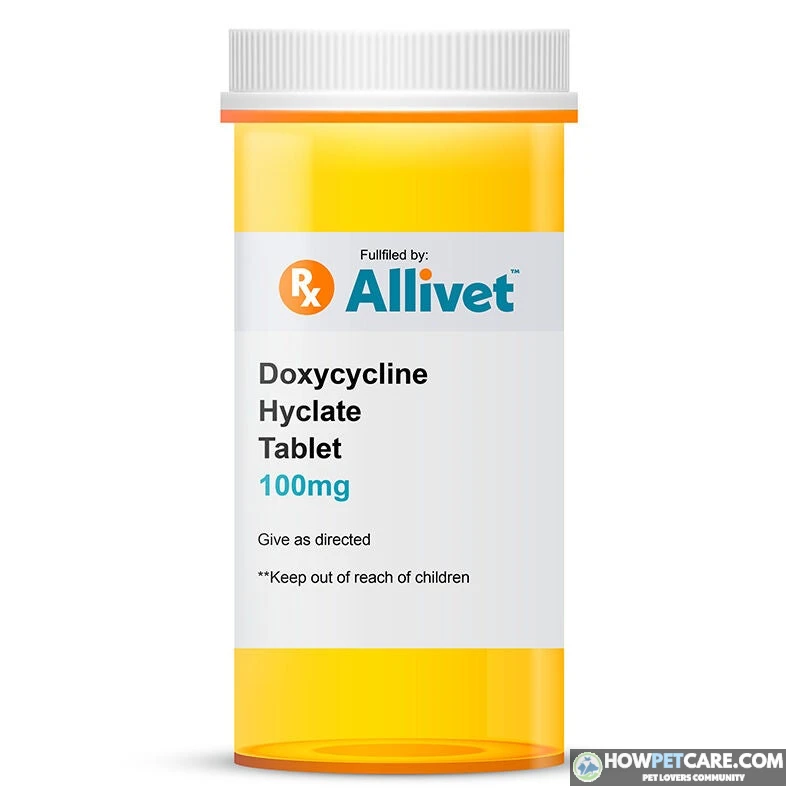
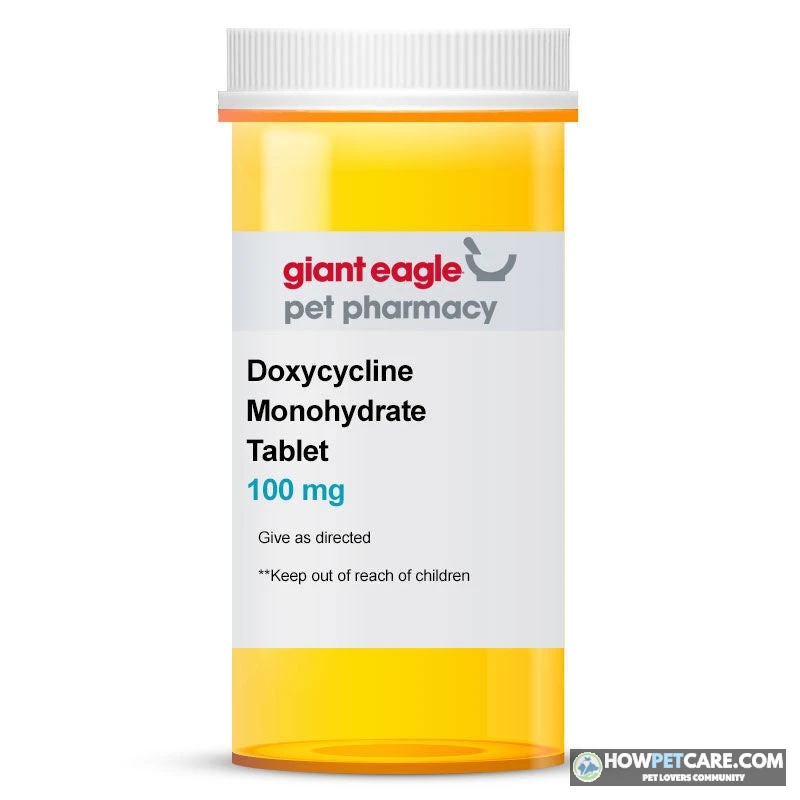
- Formulation and Strength: Does your medication vial clearly state the salt form (hyclate vs. monohydrate) and the milligram strength per tablet, capsule, or milliliter (mL)?
- Frequency: Is the dosing interval established as every 12 hours (twice daily) or every 24 hours (once daily)?
- Planned Course Length: Does the total number of dispensed doses cover the full veterinary protocol (ranging from 7 to 10 days for mild respiratory tract infections up to 28 consecutive days for tick-borne diseases or heartworm protocols)?
Doxycycline cannot be purchased safely or legally over the counter for dogs in the United States. A formal veterinary examination verifies that an antibiotic is clinically indicated, evaluates kidney and liver function, rules out viral or fungal mimics, and ensures that your dog does not have an undiagnosed esophageal motility disorder that would make oral tetracyclines hazardous.
Doxycycline for Dogs: What It Treats and What You Can Confirm Right Now
Veterinarians select doxycycline when an infection involves intracellular organisms, atypical bacteria, or specific organisms that lack cell walls. Because doxycycline is highly lipophilic, it penetrates host tissue barriers, bronchial secretions, and cellular membranes far more effectively than standard hydrophilic beta-lactams such as ampicillin or cephalexin.

Tick-borne diseases: Lyme disease, ehrlichiosis and anaplasmosis
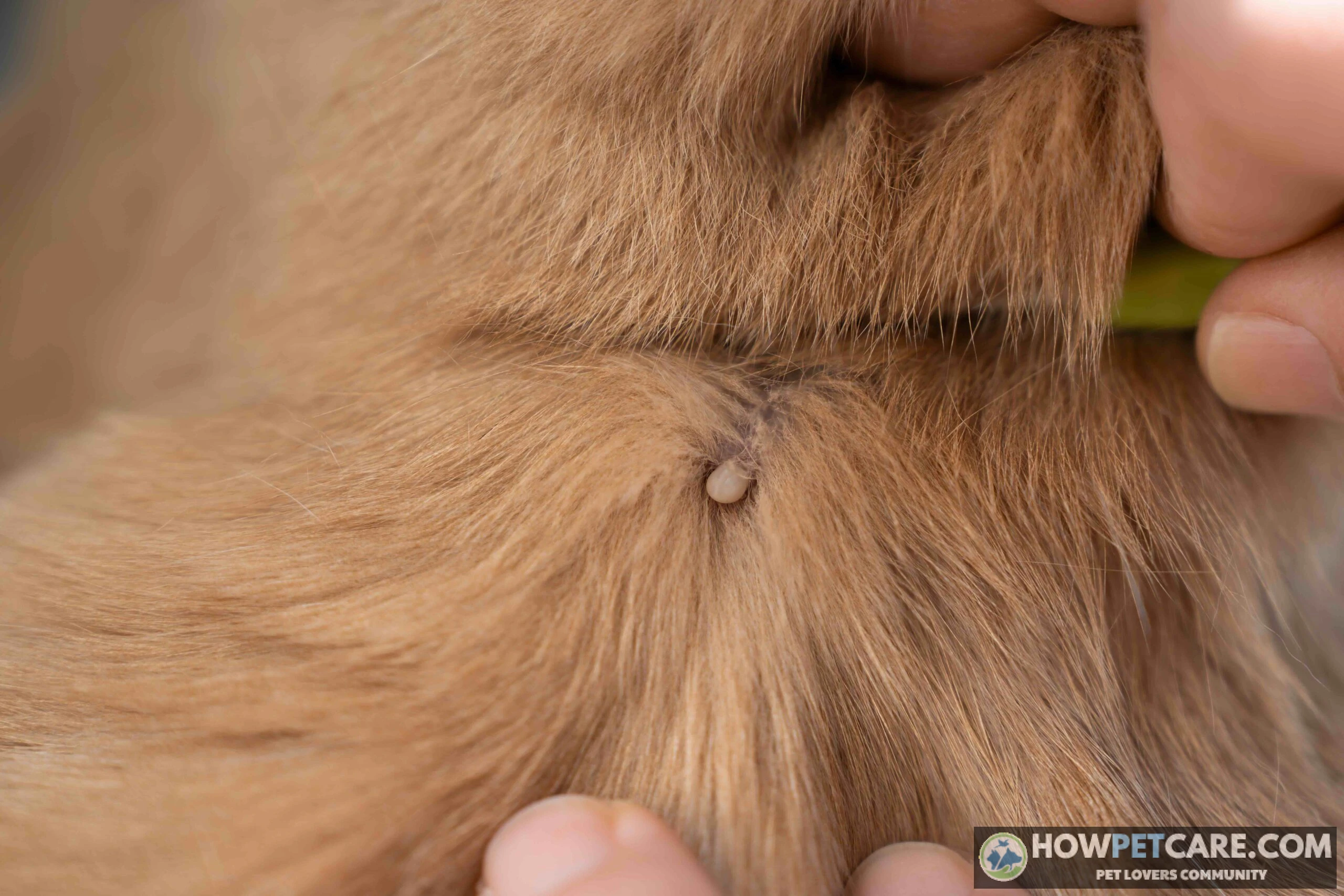
Tick-borne pathogens represent the primary indication for systemic doxycycline therapy in dogs across North America. Even with monthly Credelio dosing for dogs or another isoxazoline on board, ticks can still transmit pathogens before they die. Canine vector-borne diseases frequently present with shifting leg lameness, swollen joints, acute lethargy, fever, and thrombocytopenia (low platelet counts).
- Lyme Disease (Borrelia burgdorferi): Doxycycline is the established first-line therapeutic agent recognized by the American College of Veterinary Internal Medicine (ACVIM) consensus guidelines. It stops bacterial replication, dampens pathogen-mediated joint inflammation, and relieves clinical polyarthritis. The standard oral dose is 1.4 to 2.3 mg/lb (approximately 5 to 10 mg/kg) administered every 12 hours, or 4.5 mg/lb once daily, for 21 to 28 consecutive days.
- Canine Ehrlichiosis (Ehrlichia canis, Ehrlichia ewingii): Transmitted by the brown dog tick and lone star tick, Ehrlichia targets canine white blood cells. Doxycycline eliminates the organism from circulating monocytes and bone marrow, preventing progression into the chronic, life-threatening pancytopenic phase. Protocols require 5 to 10 mg/kg every 12 to 24 hours for a full 28-day course.
- Canine Anaplasmosis (Anaplasma phagocytophilum, Anaplasma platys): According to the Merck Veterinary Manual, anaplasmosis responds rapidly to doxycycline dosed at 5 mg/kg every 12 hours or 10 mg/kg every 24 hours for a recommended duration of 28 days.
- Rocky Mountain Spotted Fever (Rickettsia rickettsii): RMSF is an acute, fulminant vascular infection requiring immediate intervention. Doxycycline is administered at 5 mg/kg every 12 hours or 10 mg/kg every 24 hours for 7 to 14 days, extended to 21 to 28 days if coinfection with Ehrlichia or Borrelia cannot be ruled out.
Doxycycline for kennel cough and respiratory infections
Canine Infectious Respiratory Disease Complex (CIRDC), commonly known as kennel cough, involves multiple viral and bacterial agents. While viral triggers (such as canine parainfluenza virus or canine respiratory coronavirus) do not respond to antibiotics, secondary or primary bacterial infections frequently require antimicrobial therapy.
Doxycycline is particularly effective against Bordetella bronchiseptica and Mycoplasma cynos. Because Mycoplasma species completely lack a bacterial cell wall, cell-wall-active antibiotics like amoxicillin or cephalexin are completely ineffective against them. Doxycycline penetrates deeply into respiratory epithelial lining fluid, inhibiting protein synthesis in these airway pathogens. Treatment courses for uncomplicated bacterial kennel cough generally run 7 to 10 days, provided clinical signs (paroxysmal coughing, tracheal sensitivity) resolve.
Heartworm treatment: why doxycycline is part of the protocol
Doxycycline plays an indispensable, indirect role in modern canine heartworm (Dirofilaria immitis) management. Doxycycline does not kill adult heartworms or microfilariae directly. Instead, it targets Wolbachia pipientis, an obligatory, intracellular endosymbiotic bacterium that lives inside the heartworms. Adult heartworms rely on Wolbachia for survival, reproduction, and metabolic homeostasis.
The American Heartworm Society (AHS) canine treatment guidelines designate a mandatory 28-day course of doxycycline (10 mg/kg orally every 12 hours) prior to the administration of adulticide injections (melarsomine dihydrochloride). Eliminating Wolbachia weakens the adult nematodes, halts female heartworm embryogenesis, blocks microfilarial transmission to mosquitoes, and substantially reduces pulmonary arterial inflammation and thromboembolic shock when the adult worms die.
Urinary tract infections: when doxycycline is and isn’t the right drug
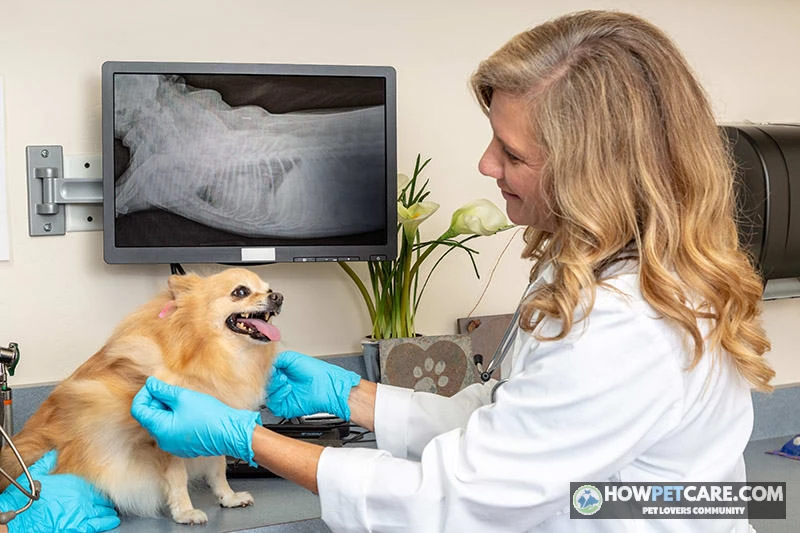
Doxycycline is rarely a first-line treatment for routine canine urinary tract infections (UTIs). Most uncomplicated bacterial cystitis cases are caused by Escherichia coli, Proteus mirabilis, or Staphylococcus pseudintermedius. Unlike older water-soluble tetracyclines (such as tetracycline hydrochloride) that undergo primary renal clearance, doxycycline is excreted primarily via non-renal mechanisms through the biliary tract, feces, and intestinal wall as inactive chelates. As a result, urine concentrations of active doxycycline remain comparatively modest.
However, this pharmacokinetic profile makes doxycycline uniquely safe for dogs with pre-existing renal insufficiency or azotemia, as it does not accumulate dangerously in the bloodstream when glomerular filtration rates decline. Veterinarians reserve doxycycline for upper or lower urinary tract infections only when quantitative urine culture and susceptibility testing specifically demonstrate resistance to standard beta-lactams and trimethoprim-sulfonamides, or when treating atypical intracellular uropathogens.
Doxycycline Dosage for Dogs by Weight: mg/kg Chart by Condition
Veterinary dosing of doxycycline is based on lean body mass in kilograms rather than flat per-dog increments. Published veterinary reference formularies—including Plumb’s Veterinary Drug Handbook, the Merck Veterinary Manual, the ACVIM consensus guidelines, and the American Heartworm Society protocols—establish the therapeutic baseline for dogs at 5 to 10 mg/kg of body weight administered orally every 12 to 24 hours.
The following table and calculations represent published clinical reference ranges intended to help pet owners verify their existing veterinary prescription. Never alter, increase, or initiate a dose without explicit veterinary authorization.
| Condition | Typical mg/kg Range (Veterinary Formularies) | Dosing Frequency | Typical Duration | Approximate mg per Dose: 10 lb (4.5 kg) | 25 lb (11.4 kg) | 50 lb (22.7 kg) | 75 lb (34 kg) | Clinical Source / Protocol Notes |
|---|---|---|---|---|---|---|---|---|
| Tick-Borne Diseases (Lyme, Ehrlichiosis, Anaplasmosis) | 5–10 mg/kg | Every 12 hours (or 10 mg/kg q24h) | 28 days | 25–45 mg | 55–115 mg | 115–225 mg | 170–340 mg | ACVIM Consensus Guidelines; Merck Veterinary Manual |
| Rocky Mountain Spotted Fever (RMSF) | 5 mg/kg (or 10 mg/kg q24h) | Every 12 hours | 7–14 days (up to 28 days if coinfected) | ~25 mg | ~55 mg | ~115 mg | ~170 mg | CDC Vector-Borne Protocol; Merck Manual |
| Kennel Cough / CIRDC (Bordetella, Mycoplasma) | 5–10 mg/kg | Every 12 hours | 7–10 days | 25–45 mg | 55–115 mg | 115–225 mg | 170–340 mg | Clinical respiratory disease guidelines; recheck if not resolved |
| Heartworm Disease Adjunct (Wolbachia elimination) | 10 mg/kg | Every 12 hours | 28 consecutive days | ~45 mg | ~115 mg | ~225 mg | ~340 mg | American Heartworm Society Canine Protocol (pre-melarsomine) |
| Leptospirosis (Carrier state eradication) | 5 mg/kg | Every 12 hours | 14 days (2 weeks) | ~25 mg | ~55 mg | ~115 mg | ~170 mg | Administered following initial IV penicillin stabilization |
| Discoid Lupus / Sterile Dermatitis | 5–10 mg/kg | Every 12 hours | Multi-month maintenance | 25–45 mg | 55–115 mg | 115–225 mg | 170–340 mg | Immunomodulatory use; often paired with niacinamide |
How to check the mg/kg math on your dog’s prescription
Prescription labels display medication quantities in milligrams (mg), but veterinary dosing protocols are derived from metric weight in kilograms (kg). You can validate your dog’s prescription math using a simple three-step formula:
- Convert weight to kilograms: Take your dog’s weight in pounds and divide by 2.2:
Weight in lb ÷ 2.2 = Weight in kg - Determine the target milligram bracket: Multiply the kilogram weight by the low end (5 mg/kg) and high end (10 mg/kg) of the formulary range:
Weight in kg × 5 = Minimum target mg per dose
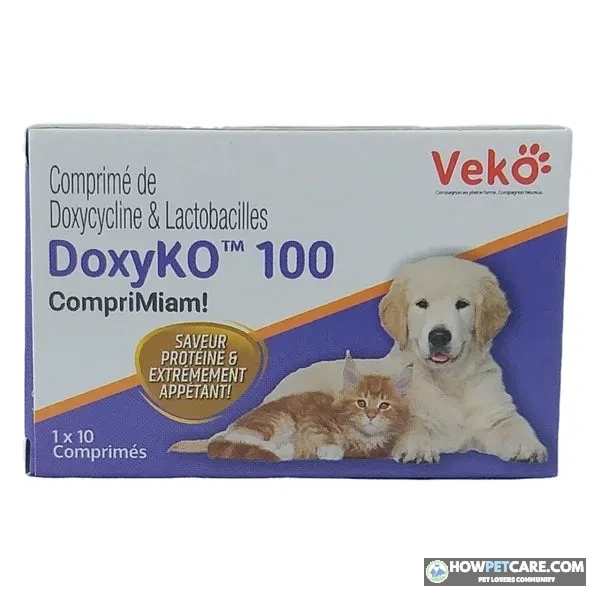
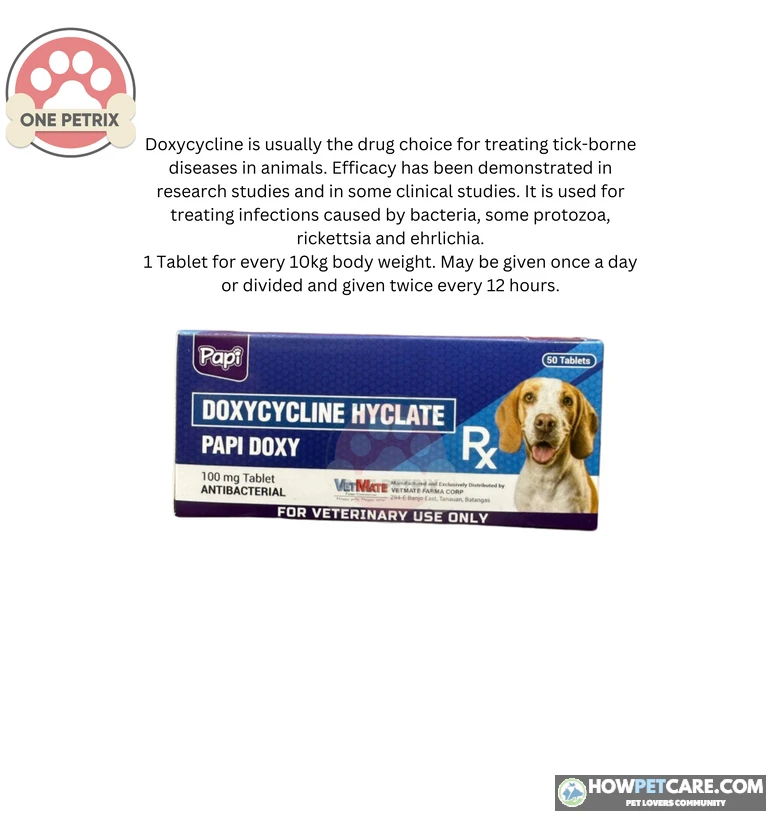
Weight in kg × 10 = Maximum target mg per dose - Cross-reference tablet availability: Commercial human and veterinary doxycycline tablets are manufactured in fixed increments: 20 mg, 50 mg, 75 mg, 100 mg, and 150 mg. Veterinarians round calculated doses to the nearest safe, dividable tablet fraction.
For example, consider an 18-pound dog diagnosed with acute Lyme disease:
- Convert weight: 18 lb ÷ 2.2 = 8.18 kg.
- Calculate dose range at 5–10 mg/kg: 8.18 × 5 = 40.9 mg; 8.18 × 10 = 81.8 mg.
- Verify target range: A defensible twice-daily dose for this dog falls between 40 mg and 80 mg.
- Label confirmation: If the vial indicates one 50 mg tablet every 12 hours, the prescription matches the target range perfectly. However, if the label instructs giving two 100 mg tablets (200 mg total) twice daily to an 18-pound dog, that dose exceeds the maximum recommended threshold by more than double and warrants a call to the clinic before the first dose is given.
How long does doxycycline take to work in dogs?
In acute tick-borne infections, dogs often show clear clinical improvement within 24 to 48 hours after starting doxycycline. Dogs with severe Lyme polyarthritis that were limping and feverish often regain mobility and normal appetite by day three. For respiratory infections, paroxysmal coughing typically lessens in frequency and severity within 48 to 72 hours.
However, clinical symptom relief does not equal microbiological clearance. Borrelia burgdorferi and Ehrlichia canis sequester in dense connective tissues and bone marrow niches. Stopping the drug as soon as the dog appears healthy allows surviving organisms to recrudesce, often precipitating chronic, refractory disease.
How long should a dog stay on doxycycline?
Course duration depends strictly on the pathogen’s life cycle:
- Acute Canine Infectious Respiratory Disease: 7 to 10 days.
- Canine Leptospirosis (Renal Clearance Phase): 14 consecutive days.
- Rocky Mountain Spotted Fever: 7 to 14 days.
- Lyme Borreliosis, Ehrlichiosis, and Anaplasmosis: 28 consecutive days.
- American Heartworm Society Pre-Adulticide Protocol: Exactly 28 consecutive days, followed by a 30-day rest period before melarsomine injections.
How to Give Doxycycline to a Dog: Food, Water Chaser, and Human Tablets
The physical method you use to administer doxycycline is just as critical as getting the milligram dose right. Tetracycline class drugs, and doxycycline hyclate in particular, are acidic chemical salts that cause severe local tissue damage if they contact bare mucous membranes for prolonged periods.
With or without food: what to do and why
Always give oral doxycycline with a small meal or moist food treat. While human pharmacokinetic studies note that fasting slightly maximizes systemic bioavailability, administering doxycycline on an empty stomach in dogs frequently triggers acute gastrointestinal distress, nausea, hypersalivation, and vomiting.
A small portion of canned dog food, lean meat, or peanut butter buffers the gastric mucosa without hindering clinical efficacy. However, keep calcium-rich dairy products (cheese, yogurt, milk) away from the dose, as multivalent cations bind the antibiotic in the stomach and block systemic absorption.
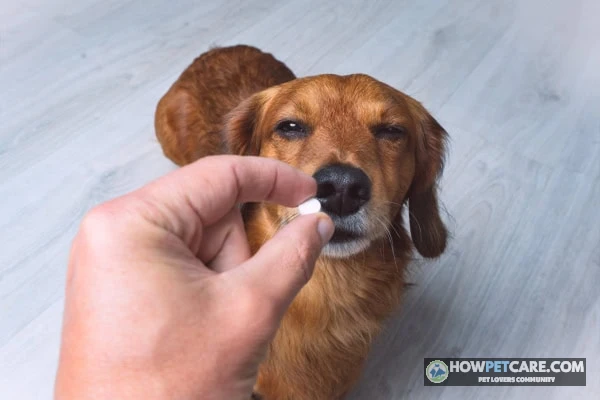
Never "dry pill" a dog with doxycycline capsules or tablets. If a tablet or gelatin capsule lodges against the esophageal lining, it dissolves locally, releasing a concentrated, acidic compound that causes deep ulcerative esophagitis. Severe cases heal by contracture, forming fibrous esophageal strictures that permanently narrow the esophagus.
To ensure the pill passes completely into the stomach, always follow administration with at least 6 to 8 mL of fresh water administered gently via an oral syringe, or provide a generous ball of wet food. Keep your dog standing or walking in an upright posture for 10 to 15 minutes after dosing—never allow the dog to lie down immediately after taking a pill.
Can I split or crush my own doxycycline tablet for my dog?
Pet owners holding their own human doxycycline prescriptions often wonder if they can split or crush those pills for their dog. In almost all circumstances, doing so is dangerous:
- Dose Mismatches and Irregular Splitting: Human tablets are typically 100 mg or 150 mg. Splitting an unscored human tablet into small fragments for a 12-pound dog leads to erratic, inaccurate dosing.
- Severe Chemical Irritation: Crushing doxycycline hyclate exposes its acidic, corrosive interior. The resulting powder burns the oral mucosa, pharynx, and esophagus, triggers profuse foaming and vomiting, and leaves a lingering bitter taste that can make your dog refuse all future medication.
- Enteric and Delayed-Release Formulations: Human generic products like Doryx or Oracea use enteric-coated pellets, delayed-release matrices, or sub-antimicrobial sustained-release mechanisms. Crushing or splitting these tablets destroys their coating, dumping an unpredictable, caustic bolus of drug into the stomach all at once.
- Toxic Liquid Flavorings: If you obtain liquid doxycycline from a human retail pharmacy, verify that it does not contain xylitol (sometimes labeled as birch bark extract or wood sugar). Even minuscule amounts of this artificial sweetener trigger rapid, massive insulin release in canines, leading to profound hypoglycemia, seizures, and acute hepatic necrosis.
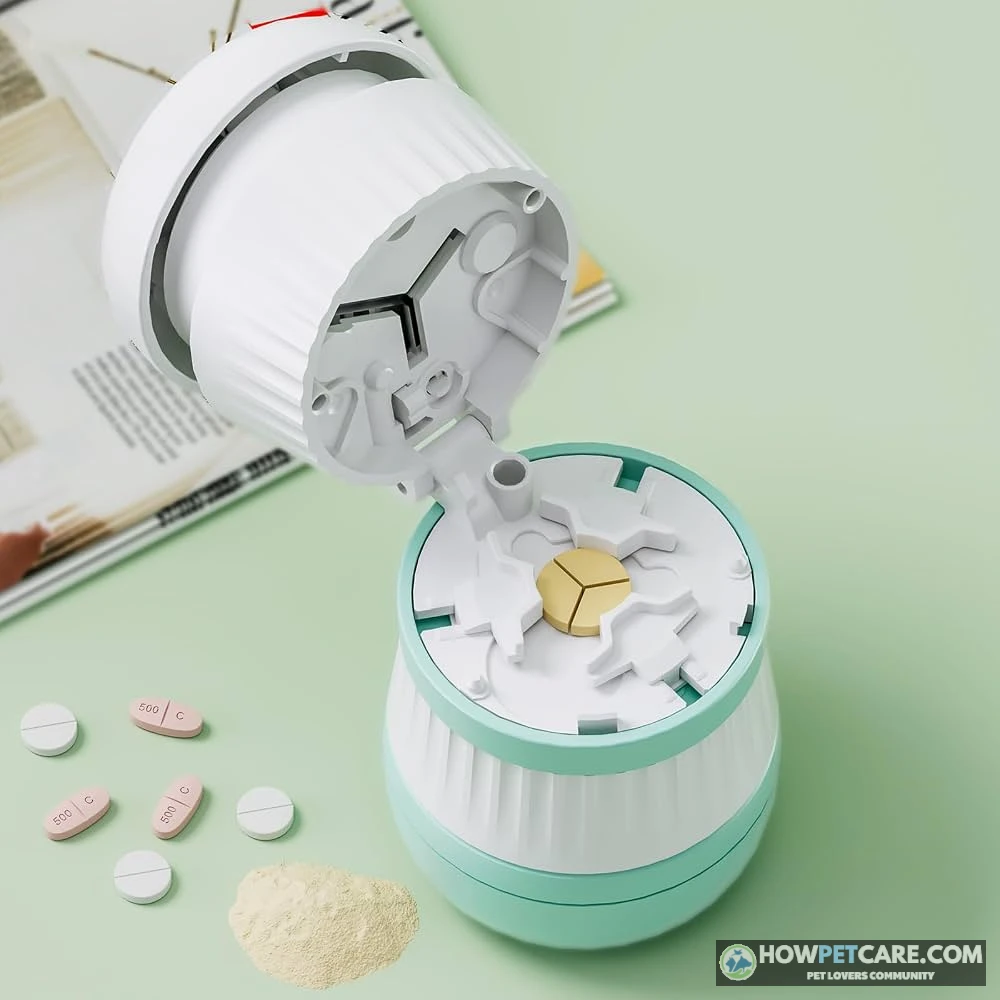
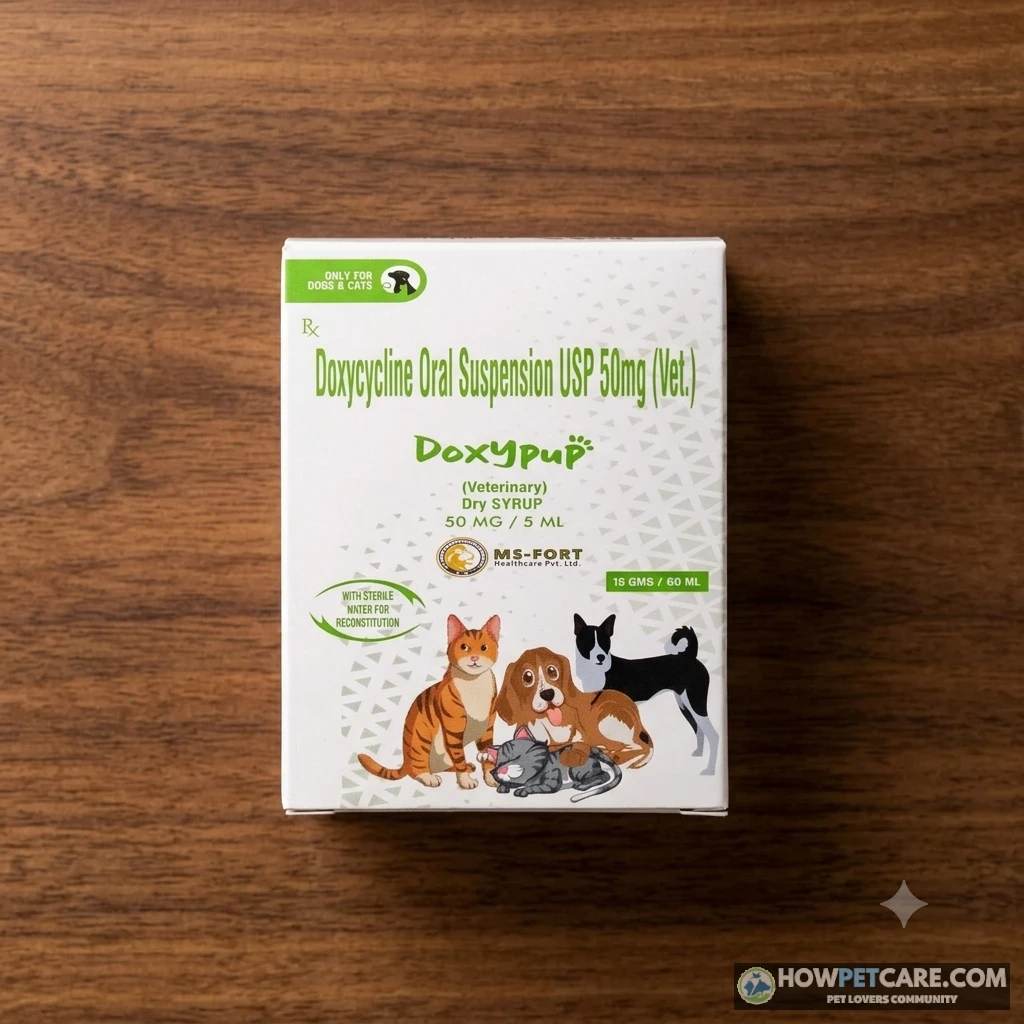
If your dog cannot swallow whole tablets, ask your veterinarian for an accurately dosed, commercially manufactured veterinary tablet (such as scored chewable forms) or request an oil-based, veterinary-specific compounded suspension through a licensed compounding pharmacy.
Why doxycycline for dogs requires a veterinary prescription
Doxycycline is strictly classified as a prescription-only antimicrobial by the FDA and state pharmacy boards. Procuring foreign, black-market, or "aquarium" tetracyclines without a prescription introduces severe risks. Aquarium preparations are not held to USP pharmaceutical manufacturing standards, vary widely in actual potency, and often contain microbial contaminants or degrading excipients that cause acute renal tubule toxicity.
Furthermore, treating a sick dog without clinical diagnostics masks severe underlying disease. An owner treating suspected kennel cough with unprescribed doxycycline may overlook fungal blastomycosis, congestive heart failure, or a foreign body obstruction—conditions where doxycycline is useless and delayed proper care can be fatal.
Is Doxycycline Safe for Dogs? Side Effects, Red Flags, and Who Should Avoid It
Doxycycline is generally well tolerated across most dog breeds, but its pharmacology requires careful monitoring, particularly regarding gastrointestinal health and organ maturation.
Common side effects of doxycycline in dogs
The most frequent adverse events involve the alimentary tract:
- Mild nausea and transient drooling shortly after swallowing
- Occasional regurgitation or soft stools
- Temporary reduction in appetite
These standard side effects are generally self-limiting and resolve when doses are given alongside a non-dairy meal. Taking an enteric-coated preparation or switching from doxycycline hyclate to doxycycline monohydrate (a less acidic salt form) often resolves mild stomach upset.

Signs of esophagitis versus ordinary stomach upset
Pet parents must learn to distinguish mild gastric irritation from drug-induced esophageal injury. Sudden hives or facial swelling are also emergencies, not a reason to improvise Benadryl dosing for dogs at home. A dog with uncomplicated nausea may turn its head away from food or have loose stool, but will swallow normally. Esophagitis, by contrast, indicates localized inflammation or ulceration in the esophageal tube, demanding immediate clinical evaluation.
| Assessment Tier | Clinical Signs Observed | Immediate Action Required |
|---|---|---|
| Monitor at Home | • Single episode of vomiting with food intact • Mild soft stool without blood • Slight lethargy that lifts within a few hours • Lip-licking or transient drooling right after dosing | Ensure every dose is given with a non-dairy meal. Administer a 6–8 mL water chaser after every pill. Note observations in a daily log. |
| Call the Vet Today | • Vomiting after two consecutive doses • Painful swallowing (odynophagia), extending neck to swallow • Gagging, retching, or pawing repeatedly at the muzzle • Passive regurgitation of undigested food or white foam • Complete refusal of food or water for over 24 hours • Yellowish discoloration (icterus) of sclera, gums, or skin | Pause the next scheduled dose. Contact your veterinarian for an antiemetic prescription (such as maropitant), a possible switch to liquid suspension or monohydrate, or an esophageal evaluation. |
| Emergency Evaluation | • Sudden facial swelling, generalized urticaria (hives), severe facial pruritus • Respiratory distress, audible stridor, or cyanotic (blue/purple) tongue • Frank blood or dark "coffee-ground" material in vomit or stool • Acute physical collapse, profound ataxia, or white gums | Transport your dog to the nearest 24-hour veterinary emergency center immediately. These signs indicate acute anaphylaxis, severe gastrointestinal ulceration, or cardiovascular collapse. |
Puppies, pregnant or nursing dogs, and dogs with liver disease
Certain patient populations face distinct clinical risks from tetracyclines:
- Developing Puppies: Tetracyclines bind irreversibly to calcium orthophosphate complexes in actively mineralizing tissues. While doxycycline binds calcium less strongly than older tetracyclines, administering it to puppies under 7 to 8 months of age can cause permanent yellow-brown or gray discoloration of developing tooth enamel and transiently retard skeletal bone growth. Veterinarians avoid doxycycline in young puppies unless no viable alternative exists for a life-threatening tick-borne infection.
- Pregnant and Nursing Bitches: Doxycycline readily crosses the placental barrier and concentrates in maternal milk, posing teratogenic risks and skeletal toxicities to developing fetuses and nursing neonates. Its use is contraindicated in breeding bitches unless critical for maternal survival.
- Dogs with Hepatic Dysfunction: Because doxycycline is extensively metabolized by liver parenchyma and eliminated via bile routes, dogs with advanced hepatitis, hepatic cirrhosis, or portosystemic shunts require careful monitoring. Elevated serum alanine aminotransferase (ALT) and alkaline phosphatase (ALP) can occur during prolonged therapy. Routine pre-treatment hepatic biochemistry screening is advised for senior patients.
- Surgical Considerations: Doxycycline does not mandate a fixed pre-surgical washout window, but you must inform your veterinary surgical team that your dog is taking it. Tetracyclines can alter biotransformation rates of general anesthetics and interact with intravenous perioperative fluid additives. Tell the team about every sedative too, including trazodone before vet visits or similar calming routines.
My Dog Vomited the Pill or I Missed a Dose: What to Do
When a dose is vomited up or forgotten, follow these established clinical guidelines rather than guessing.
-
Inspect the Vomit and Check the Clock
If your dog vomits within 30 minutes of dosing and you can clearly see the intact, undissolved pill or capsule in the vomit, allow your dog’s stomach to settle for 20 to 30 minutes. Then, re-dose once with a spoonful of moist food and a full water chaser. If 30 to 60 minutes have elapsed, or if the vomit contains only foamy liquid with no visible pill, do NOT re-dose. A significant portion of the active ingredient has already been absorbed through the gastric wall, and giving another pill risks an accidental overdose. Resume your normal schedule at the next designated time.
-
Evaluate the Missed Dose Window
If you forget to give a dose on time, consider your normal dosing interval. If the medication is given every 12 hours and you remember within 4 to 5 hours of the missed time, administer the dose immediately, then resume your regular schedule. If you are more than halfway to the next scheduled dose (e.g., 8 hours late on a 12-hour cycle), skip the missed dose entirely and give the next regular dose on time. Never administer two doses at once or double the tablet count to compensate for a missed dose.
-
Address Recurrent Gastric Rejection
If your dog vomits after two or more consecutive doses, stop administering the medication and call your veterinarian. Do not continue testing your dog’s stomach tolerance. Your veterinarian can prescribe an injectable or oral neurokinin-1 (NK1) receptor antagonist (maropitant citrate) to suppress nausea, switch your dog from doxycycline hyclate to doxycycline monohydrate, or transition to a completely different class of antibiotic.
Doxycycline Drug, Food, and Supplement Interactions: What to Separate and by How Long
Doxycycline’s molecular structure makes it vulnerable to chelation. Divalent and trivalent metal cations (including Ca²⁺, Mg²⁺, Al³⁺, Fe²⁺, and Zn²⁺) bind chemically to the tetracycline ring within the intestinal lumen. This reaction forms an insoluble, unabsorbable complex that passes directly through the bowel and is excreted in feces, substantially reducing the antibiotic’s concentration in the bloodstream.
| Co-Administered Substance | Common Canine Formulations | Pharmacological Interaction Mechanism | Mandatory Separation Window or Clinical Action | Authoritative Reference Guidelines |
|---|---|---|---|---|
| Oral Antacids & Gastroprotectants | Aluminum hydroxide, magnesium hydroxide, calcium carbonate (Tums), sucralfate | Multivalent metal ions chelate doxycycline; sucralfate coats mucosal barriers, halting antibiotic uptake | Separate administration by at least 2 to 3 hours before or after doxycycline | Plumb’s Veterinary Drug Handbook; FDA Drug Monographs |
| Dietary Calcium & Dairy Treats | Cheese slices, pill-wrap pastes with milk solids, plain yogurt, raw goat milk | Divalent calcium binds doxycycline molecules, lowering peak plasma concentrations | Administer doxycycline with non-dairy foods (canned poultry, lean beef); separate dairy by 2 to 3 hours | Veterinary Clinical Pharmacology consensus |
| Iron Supplements & Hematinics | Ferrous sulfate, Pet-Tinic, veterinary red blood cell support liquids | Ferrous ions bind strongly to tetracyclines, virtually abolishing antibiotic bioavailability | Separate by at least 3 hours; administer hematinics mid-day between twice-daily antibiotic doses | Merck Veterinary Manual Formularies |
| Mineral-Rich Multivitamins | Daily canine wellness chews containing zinc, magnesium, or calcium dicalcium phosphate | Divalent mineral chelation creates unabsorbable gastrointestinal precipitates | Separate by 2 to 3 hours; pause general daily vitamin supplements during acute 14–28 day therapy | Plumb’s Drug Handbook |
| Non-Steroidal Anti-Inflammatories (NSAIDs) | Carprofen (Rimadyl), meloxicam (Metacam), deracoxib (Deramaxx), grapiprant (Galliprant) | No chemical binding occurs, but both drug classes cause gastric mucosal irritation | Can be given together, but monitor closely for gastrointestinal upset; give both with food | ACVIM Canine Pain Management Guidelines |
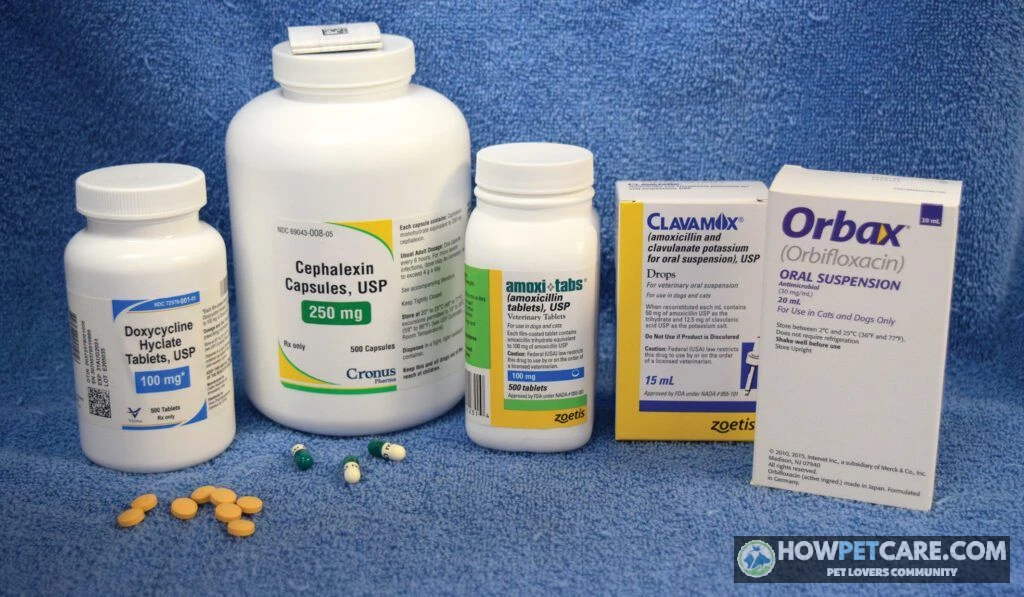
| Bactericidal Beta-Lactam Antibiotics | Amoxicillin-clavulanate (Clavamox), cephalexin, ampicillin | Doxycycline is bacteriostatic (stops growth); beta-lactams require active bacterial cell division to kill bacteria | Avoid combining unless explicitly directed by a veterinary specialist for polymicrobial sepsis | Goodmans & Gilman Pharmacological Basis of Therapeutics |
| Hepatic Enzyme Inducers / Anticonvulsants | Phenobarbital, primidone | Accelerates hepatic cytochrome P450 enzyme metabolism, shortening doxycycline half-life | Disclose anticonvulsants to your vet; may require increasing doxycycline dose or frequency | Plumb’s Veterinary Drug Handbook |
| Isoxazoline Flea/Tick & Heartworm Preventives | Fluralaner (Bravecto), afoxolaner (NexGard), sarolaner (Simparica), ivermectin, moxidectin | No detrimental metabolic or pharmacokinetic interactions | Safe to co-administer; maintain regular parasite prevention during tick-borne or heartworm therapy | American Heartworm Society Protocols |
To manage these interactions easily, schedule your dog’s day around the twice-daily antibiotic doses. For example, give doxycycline at 7:00 AM and 7:00 PM with your dog’s regular non-dairy breakfast and dinner. The same calendar helps if your veterinarian has prescribed safe pain meds for dogs, because NSAIDs are often given with food but still need monitoring. If your dog also takes a joint supplement containing calcium or an antacid, schedule that supplement for midday (between 12:00 PM and 2:00 PM), safely outside the interaction window.
How Much Does Doxycycline for Dogs Cost? Tablets vs Capsules vs Compounded Liquid
The total cost of treating your dog with doxycycline depends primarily on your dog’s body weight, the length of the prescription, and whether you fill the medication through your veterinary clinic, a human retail pharmacy, or a specialty compounding pharmacy.
| Medication Formulation | Primary Dispensing Channel | Example Clinical Scenario and Weight | Estimated Retail Price Range (2026 Data) | Clinical Advantages and Disadvantages |
|---|---|---|---|---|
| Generic Doxycycline Hyclate Tablets (50 mg / 100 mg) | Human Retail Pharmacy (via GoodRx or pharmacy discount cards) | 50 lb dog: 28-day tick-borne course (100 mg twice daily; 56 tablets) | $18 – $38 | Pros: Lowest cost; widely stocked; easy to split. Cons: Highly acidic; requires water chaser to prevent esophagitis. |
| Generic Doxycycline Monohydrate Capsules/Tablets | Veterinary In-Clinic Dispensary or Online Pet Pharmacy | 25 lb dog: 10-day kennel cough course (50 mg twice daily; 20 capsules) | $28 – $55 | Pros: Less acidic salt form; gentler on stomach. Cons: Harder to split accurately if dispensed as powder capsules. |
| Veterinary-Labeled Flavored Tablets (Chewable) | Direct Veterinary Clinic Purchase | 10 lb dog: 28-day tick-borne course (20–25 mg twice daily) | $45 – $75 | Pros: Palatable; scored for accurate dosing in small dogs. Cons: Higher cost per milligram; subject to clinic inventory. |
| Custom Compounded Oral Liquid Suspension | Licensed State Compounding Pharmacy | 8 lb toy breed: 28-day treatment (custom concentration, e.g., 10 mg/mL) | $65 – $110 | Pros: Precise dosing for tiny dogs; eliminates pill-swallowing injury. Cons: Most expensive; requires refrigeration; limited shelf life. |
Because a 75-pound retriever with Lyme disease requires three to four times more active medication than a 15-pound terrier, prescription costs scale directly with body weight. A 10-day kennel cough course for a small dog rarely exceeds $25 to $40 at an outside retail pharmacy. By contrast, a 28-day heartworm adjunct course for a large hound can range from $60 to over $100 depending on retail markups.
Custom compounded liquid preparations cost more because they incur specialized formulation fees. However, compounded liquids expire quickly—aqueous reconstituted suspensions must generally be discarded after 14 days at room temperature, meaning a 28-day course requires two separate batches.
Under federal and state pharmacy regulations, pet owners have the legal right to request a written or electronic portable prescription instead of purchasing medication directly from their veterinary clinic. If finances are tight, ask your veterinarian for a written script for generic doxycycline hyclate or monohydrate that you can fill at a human commercial pharmacy using discount programs like GoodRx, often saving 40% to 70%.
Remember that medication represents only one part of total treatment costs. Diagnosing and monitoring your dog’s infection accurately often requires supporting diagnostics: a comprehensive veterinary physical examination ($55–$95), an in-clinic vector-borne disease screening test ($65–$115), or a complete urinalysis with bacterial culture and sensitivity testing ($180–$320).
When Doxycycline Isn’t Working: Resistance Signs, Amoxicillin Comparison, and Alternatives
While doxycycline is highly effective against susceptible organisms, treatment can occasionally fail. Determining whether an infection is truly resistant or if other clinical factors are at play is essential for planning your dog’s next steps.
Signs doxycycline isn’t working
Contact your veterinarian if your dog shows any of these signs of treatment failure:
- No Clinical Improvement After 72 Hours: Fever, profound lethargy, and lameness from tick-borne infections usually begin resolving within 2 to 3 days. A lack of noticeable improvement by day four suggests an alternate diagnosis or an unaddressed coinfection.
- Worsening Respiratory Distress: In dogs treated for kennel cough, developing tachypnea (rapid breathing), abdominal breathing, wet productive coughs, or purulent nasal discharge suggests the infection has progressed to systemic bronchopneumonia.
- Recurrence of Signs Mid-Treatment: If symptoms return while your dog is actively receiving daily medication, suspect poor drug absorption (often caused by giving the pill with mineral-rich foods or antacids), missed doses, or antimicrobial resistance.
True antimicrobial resistance in veterinary medicine arises when bacterial populations develop genetic mutations or acquire plasmids that encode drug efflux pumps or ribosomal protection proteins. However, many apparent treatment failures stem from non-bacterial causes, such as viral respiratory infections, fungal pulmonary disease (e.g., blastomycosis or histoplasmosis), immune-mediated polyarthritis, or concurrent parasitic infections.
Doxycycline vs amoxicillin for dogs
Pet owners often ask whether common broad-spectrum antibiotics like amoxicillin can be substituted for doxycycline. While both treat bacterial infections, they work through entirely different mechanisms and target different pathogen populations.
| Comparative Feature | Doxycycline (Tetracycline Class) | Amoxicillin / Amoxicillin-Clavulanate (Penicillin Class) |
|---|---|---|
| Mechanism of Action | Bacteriostatic: Inhibits the 30S bacterial ribosomal subunit, halting protein synthesis and blocking reproduction. | Bactericidal: Binds penicillin-binding proteins (PBPs), disrupting cell wall synthesis and causing osmotic bacterial lysis. |
| Target Pathogen Spectrum | Superior against intracellular rickettsial organisms (Ehrlichia, Anaplasma, Rickettsia), spirochetes (Borrelia), and cell-wall-deficient Mycoplasma. | Superior against common extracellular gram-positive and gram-negative vegetative bacteria (Staphylococcus, Streptococcus, E. coli, Proteus). |
| Tissue Penetration Profile | Highly lipophilic; distributes extensively into bronchial secretions, joints, eyes, and prostate fluid. | Hydrophilic; distributes primarily into extracellular fluid spaces and concentrates heavily in urine. |
| Primary Clinical Uses | Tick-borne vector diseases, CIRDC with atypical bacteria, heartworm adjunct (Wolbachia). | Skin and soft-tissue wounds, bite abscesses, uncomplicated bacterial cystitis (UTIs). |
| Effect on Heartworm Wolbachia | Highly Effective: Eliminates the endosymbiont, weakening adult worms. | Completely Ineffective: No biological activity against Wolbachia. |
Antibiotics vets commonly try next
If diagnostic re-evaluation indicates that doxycycline has failed or your dog cannot tolerate it due to intractable vomiting, your veterinarian may select an alternative medication based on culture and sensitivity testing:
- Minocycline: A second-generation lipophilic tetracycline that serves as the primary direct substitute for doxycycline. It features an identical antimicrobial spectrum and can be used for tick-borne diseases and heartworm adjunct protocols when doxycycline is unavailable.
- Amoxicillin-Clavulanate (Clavamox): Frequently prescribed when respiratory infections worsen into mixed secondary gram-negative or staphylococcal bronchopneumonia.
- Azithromycin: A macrolide antibiotic that penetrates host tissues well and accumulates within intracellular spaces. It offers an excellent alternative for canine Bordetella, Mycoplasma, and select intracellular hemoparasites.
- Enrofloxacin (Baytril) or Marbofloxacin: Potent veterinary fluoroquinolones reserved for severe, deep-seated, resistant gram-negative infections, complicated pyelonephritis, or recurrent respiratory infections confirmed by culture.
- Cephalexin or Cefpodoxime: First- and third-generation cephalosporins used when original symptoms were misdiagnosed and the true infection involves soft tissue, dermis, or surgical sites.
1A dog is diagnosed with a respiratory infection caused by Mycoplasma cynos. Why is amoxicillin completely ineffective against this pathogen while doxycycline is effective?
Amoxicillin works by disrupting bacterial cell wall synthesis, which is impossible against cell-wall-deficient organisms like Mycoplasma, whereas doxycycline halts protein synthesis at the 30S ribosomal subunit.
2A dog is prescribed oral doxycycline twice daily. Which of the following items must be separated from the doxycycline dose by at least 2 to 3 hours to prevent chemical binding (chelation) in the gastrointestinal tract?
Divalent calcium ions in dairy products bind to the tetracycline ring, forming insoluble complexes that block systemic drug absorption.
3What is the primary clinical rationale for administering a water chaser or a generous wet food portion immediately after giving a dog a doxycycline pill?
Doxycycline hyclate is acidic and causes rapid, direct chemical tissue damage if it lodges against bare esophageal mucosa.
4A dog weighing 22 lb (10 kg) requires doxycycline for Lyme disease. Based on standard veterinary reference formularies of 5 to 10 mg/kg twice daily, which target milligram range per dose is appropriate?
Multiplying 10 kg by 5 mg/kg gives 50 mg, and by 10 mg/kg gives 100 mg per dose.
5Which patient populations face distinct clinical risks from systemic doxycycline therapy, requiring avoidance or heightened monitoring?
Tetracyclines bind calcium orthophosphate in mineralizing tissues, permanently staining developing enamel and slowing bone growth in young animals.
6A dog owner gives a doxycycline pill wrapped in meat to their dog. Exactly 15 minutes later, the dog vomits up the intact, undissolved pill. What is the recommended management step?
Because the intact pill was expelled within 30 minutes, minimal active drug was absorbed, making a single re-dose safe after the stomach settles.
Your Doxycycline Checklist: What to Verify, Ask Your Vet, and Watch For
Use this operational checklist from the moment you leave the clinic with your dog’s prescription until the final dose is administered.
Pre-dose checklist
- ☐ Validate the math: Confirm that the prescribed dose falls within the published formulary range of 5 to 10 mg/kg every 12 to 24 hours based on your dog’s weight.
- ☐ Identify the salt form: Check whether the prescription is doxycycline hyclate or doxycycline monohydrate.
- ☐ Verify liquid ingredients: If using an oral liquid suspension, confirm with the pharmacist that it is completely free of xylitol.
- ☐ Disclose all other medications: Inform your clinic of every supplement, daily multivitamin, antacid, and tick preventive your dog currently takes, plus any other common medications for dogs already in use.
Daily administration checklist
- ☐ Give with food: Always administer doses with a moist, non-dairy meal or treat.
- ☐ Provide a water chaser: Follow every tablet or capsule with at least 6 to 8 mL of water via syringe or a generous portion of wet food to wash the pill into the stomach.
- ☐ Maintain upright posture: Keep your dog upright and active for 10 to 15 minutes after dosing.
- ☐ Separate competing minerals: Ensure antacids, iron supplements, calcium-rich dairy treats, and mineral chews are spaced at least 2 to 3 hours away from the antibiotic.
- ☐ Finish the entire prescription: Complete the full course of treatment—even if your dog appears completely recovered—unless your veterinarian explicitly instructs you to stop.
Questions to ask your vet
- "Is this dose calculated based on my dog’s most recent weight?"
- "Was this antibiotic chosen based on a specific tick panel, or should we run a bacterial culture and sensitivity test?"
- "Would you recommend a prophylactic antiemetic like Cerenia if my dog has a history of sensitive stomach?"
- "Can you provide a written prescription so I can compare prices at an outside pharmacy?"
- "What specific clinical signs indicate we should re-evaluate before the planned course is finished?"
| Condition | Typical mg/kg Range | Dosing Frequency | Typical Duration | Target Pathogens | Clinical Source / Protocol Notes |
|---|---|---|---|---|---|
| Tick-Borne Diseases (Lyme, Ehrlichiosis, Anaplasmosis) | 5–10 mg/kg | Every 12 hours (or 10 mg/kg q24h) | 28 days | Borrelia burgdorferi, Ehrlichia canis, Ehrlichia ewingii, Anaplasma phagocytophilum, Anaplasma platys | ACVIM Consensus Guidelines; Merck Veterinary Manual |
| Rocky Mountain Spotted Fever (RMSF) | 5 mg/kg (or 10 mg/kg q24h) | Every 12 hours | 7–14 days (up to 28 days if coinfected) | Rickettsia rickettsii | CDC Vector-Borne Protocol; Merck Manual |
| Kennel Cough / CIRDC | 5–10 mg/kg | Every 12 hours | 7–10 days | Bordetella bronchiseptica, Mycoplasma cynos | Clinical respiratory disease guidelines; recheck if not resolved |
| Heartworm Disease Adjunct | 10 mg/kg | Every 12 hours | 28 consecutive days | Wolbachia pipientis (endosymbiont of Dirofilaria immitis) | American Heartworm Society Canine Protocol (pre-melarsomine) |
| Leptospirosis (Carrier state eradication) | 5 mg/kg | Every 12 hours | 14 days (2 weeks) | Not in source | Administered following initial IV penicillin stabilization |
| Discoid Lupus / Sterile Dermatitis | 5–10 mg/kg | Every 12 hours | Multi-month maintenance | Not in source | Immunomodulatory use; often paired with niacinamide |
By following these evidence-based safety steps, pet owners can provide effective antimicrobial treatment while protecting their dog from preventable gastrointestinal distress, esophageal injury, and drug interactions.
FAQ
Can doxycycline treat a dog’s ear infection?
Ear infections are usually treated with ear cleaning and topical medication chosen after the vet examines the ear and checks a sample under the microscope. Oral doxycycline is not a standard treatment, though a vet may use an oral antibiotic for deep or middle-ear involvement.
Can I stop doxycycline once my dog seems better?
No. Stopping early can let the infection return and can encourage resistance, and tick-borne infections often need a course of several weeks. Only stop sooner if your vet tells you to.
Can my dog take doxycycline with heartworm preventative?
Yes. Doxycycline is a standard part of the American Heartworm Society treatment protocol, and preventatives are often given alongside it. Your vet will set the exact schedule.
What is the difference between doxycycline hyclate and doxycycline monohydrate for dogs?
Both are salts of the same drug. Hyclate is the more common form in tablets and capsules, and monohydrate is also used, so ask your vet or pharmacist which one you have and whether any product can be split or crushed.
Can I give my dog leftover doxycycline from a previous illness?
No. Leftover doses rarely add up to a full course, the old diagnosis may not match the new problem, and expired tetracyclines can be harmful. Ask your vet before giving any stored antibiotic.