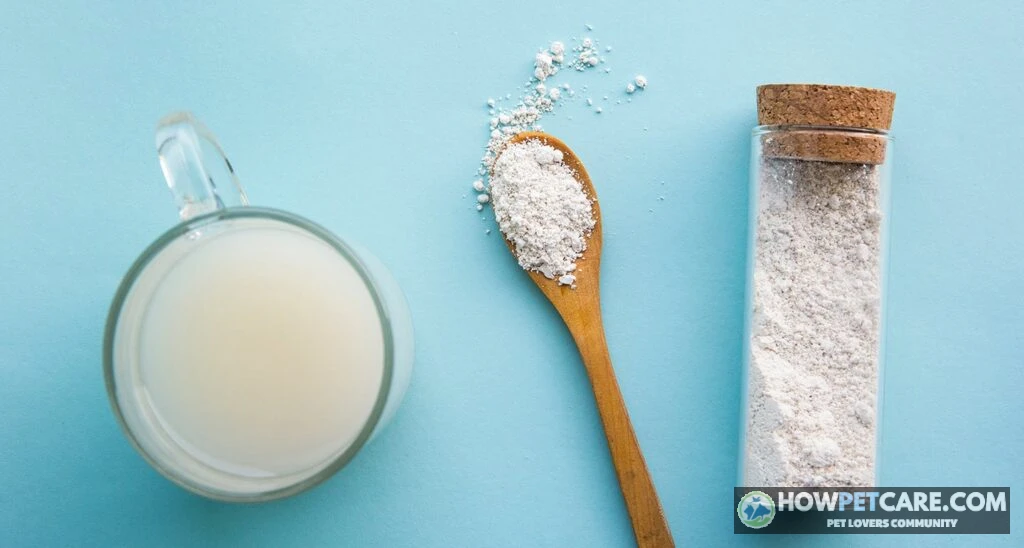

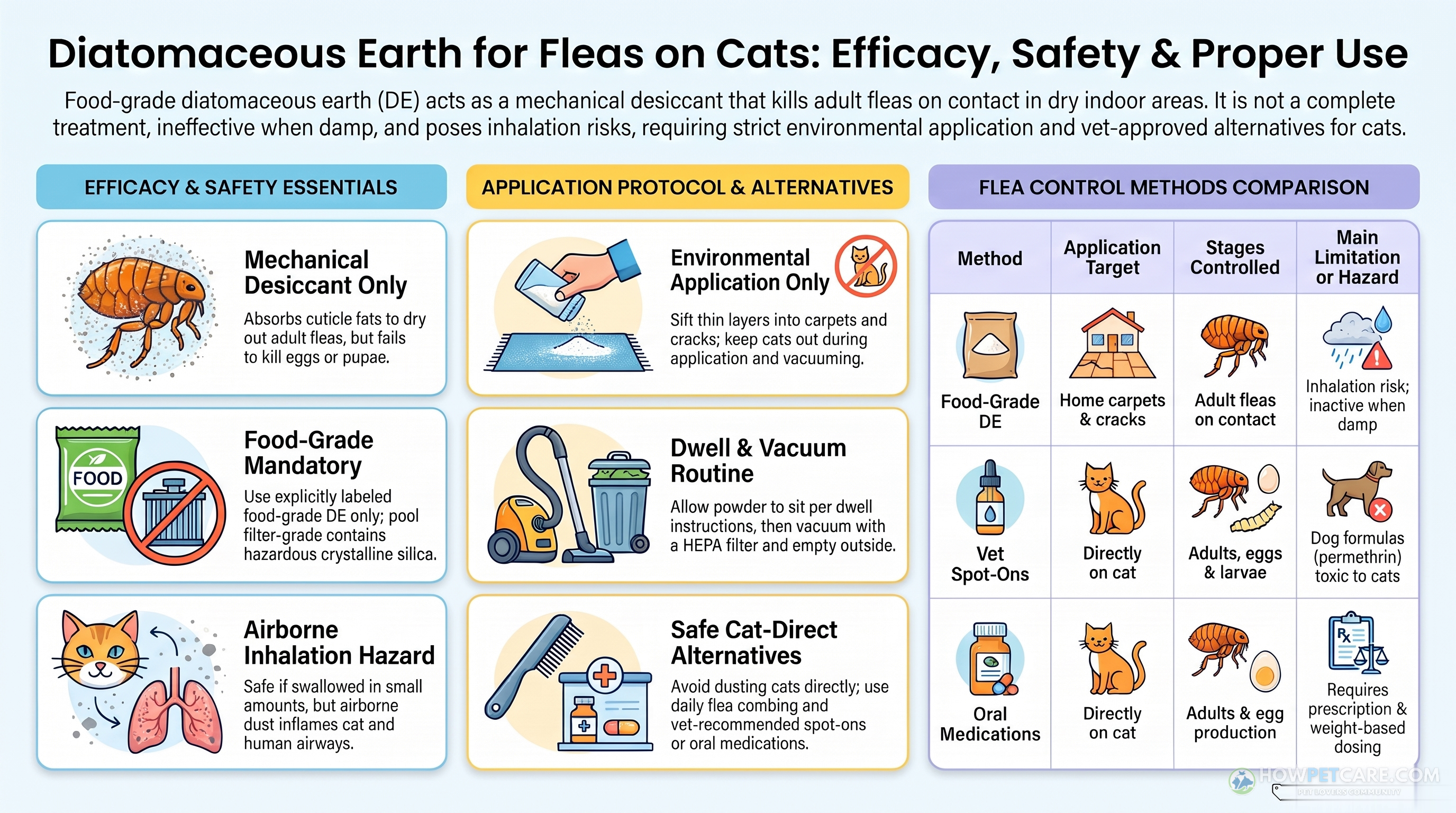
Food-grade diatomaceous earth can kill adult fleas on contact in dry areas, but it does not kill eggs or larvae and stops working when damp. Use it as a home environment add-on alongside a vet-recommended flea treatment—not on the cat or as a stand-alone fix.
If your cat has fleas, you might be considering diatomaceous earth for fleas as a natural treatment. Here is the honest bottom line: food-grade diatomaceous earth can kill some adult fleas when it stays dry, but it is not a complete flea treatment, and it should not be the first thing you put on your cat.
The powder works as a desiccant. Fine silica particles damage the flea’s cuticle and absorb its oils and fats, so the insect dries out and dies. It does not reliably kill flea eggs or larvae. It also stops working when damp, and it leaves no lasting protection on a cat.
For an active infestation, the safer plan is usually a vet-recommended flea product for the cat, plus environmental treatment for the home. DE can be a reasonable add-on for a mild, dry indoor problem, but it should not replace conventional care in heavy infestations, for kittens, or for cats with respiratory issues.
Does Diatomaceous Earth Kill Fleas on Cats? The Short Answer and Who It Suits
The short answer is yes, but with limits. Food-grade diatomaceous earth can kill adult fleas that crawl through dry powder. It works only on contact. It loses power when wet, does not kill eggs, and leaves no residual barrier on a cat. For the cat itself, stick with a vet-recommended flea product. DE belongs in carpets, the floor around pet bedding, and cracks—not on the animal.
That frames DE as a home environmental tool rather than a cat treatment. It may fit a mild infestation if the cat is already on a vet-approved product and the home stays dry. It is a poor stand-alone choice for heavy infestations, kittens, cats with respiratory disease, or humid homes. Lab work confirms that DE damages insect cuticle, but few controlled, published trials test it against household flea infestations on cats, so no single kill percentage applies to home use.
How DE Works on Fleas, and Where It Stops Working
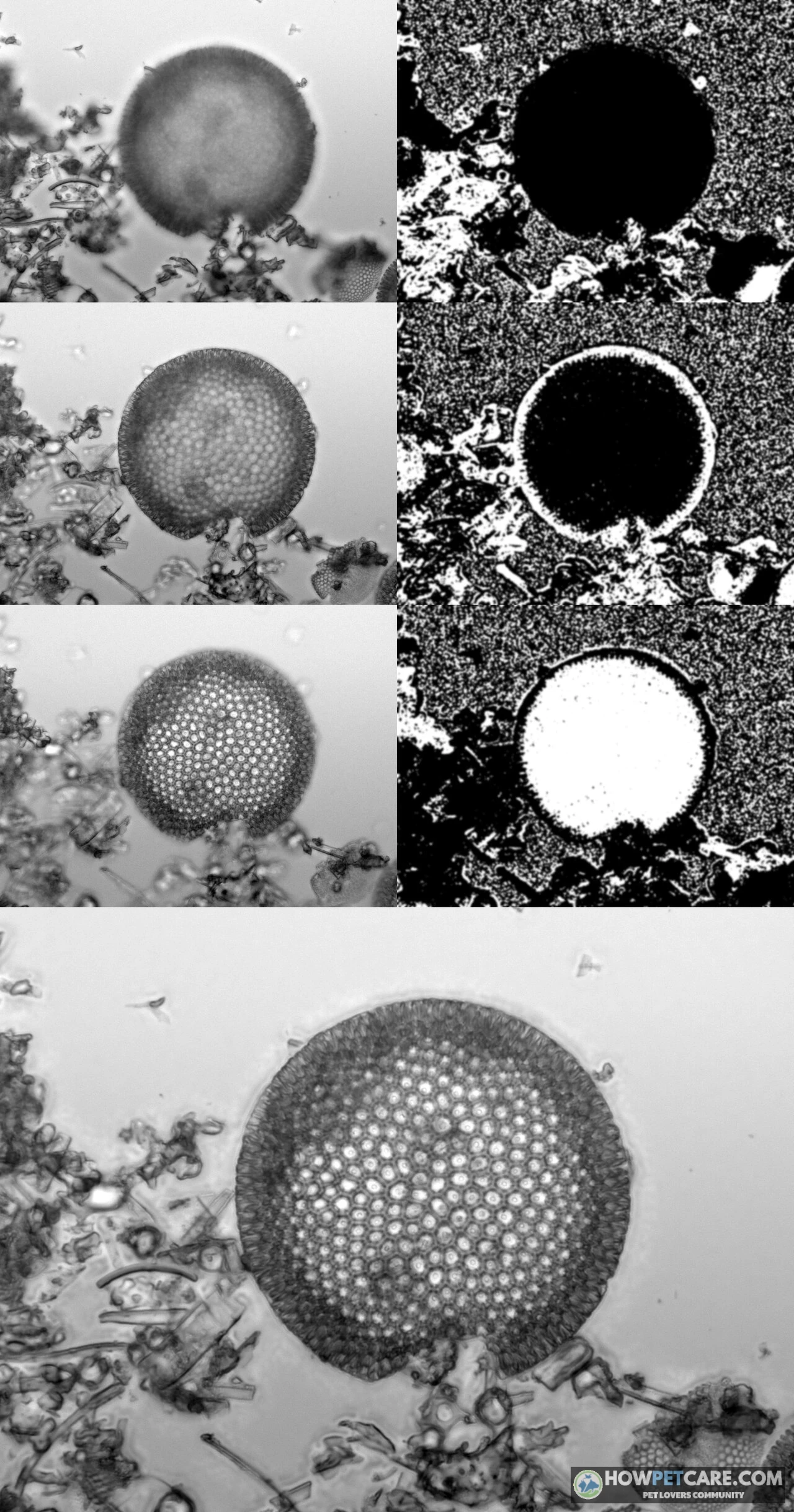
DE is fossilized diatom silica. Its fine particles abrade and absorb an insect’s waxy outer layer, causing fluid loss—a desiccant action. Mechanically, DE absorbs the oils and fats in the flea’s cuticle, so the insect dries out and dies. Because DE kills adult fleas but not eggs, treatment should continue for at least two weeks.
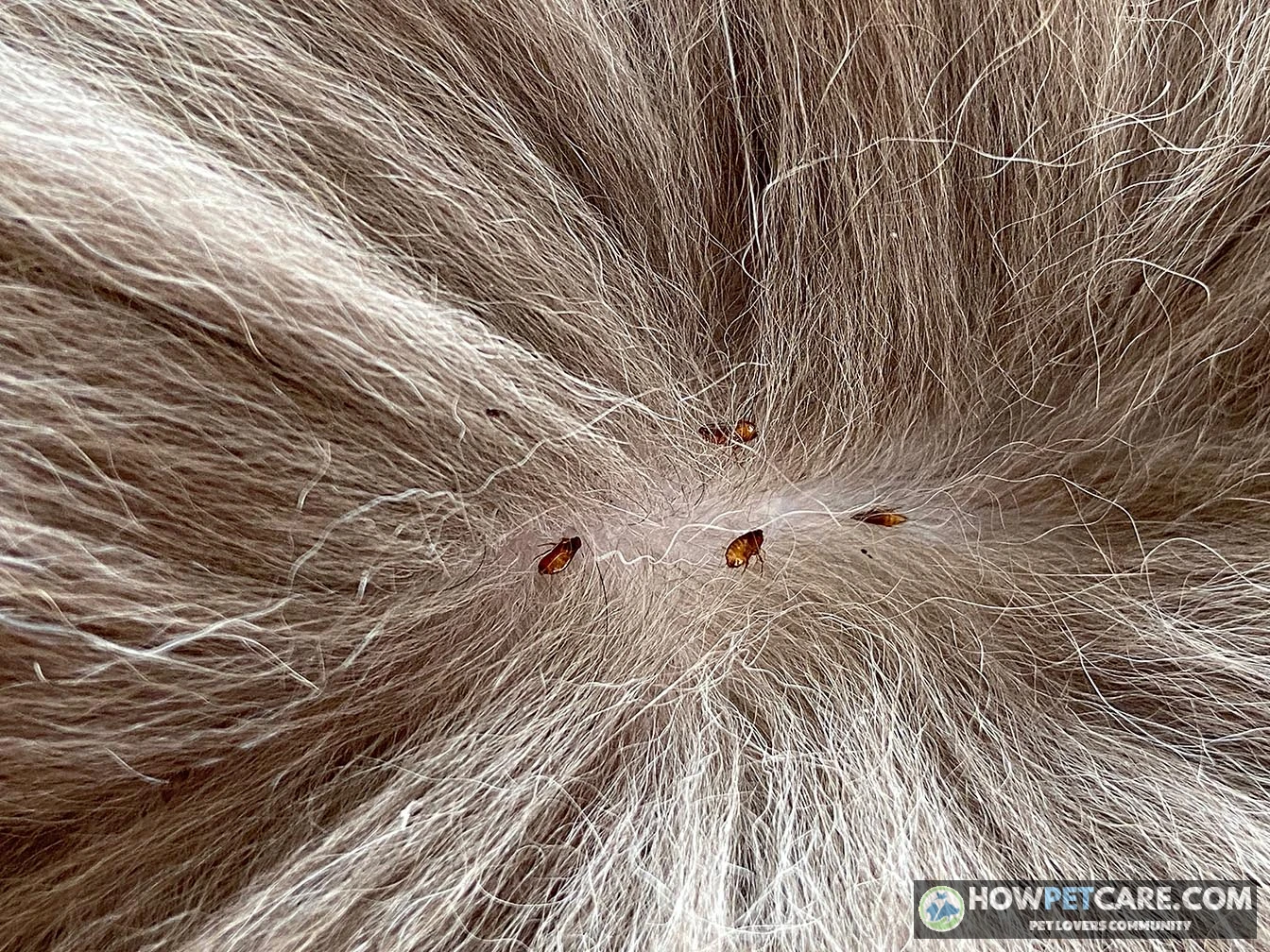
The flea life cycle explains the schedule. Most of the flea population in a home consists of eggs, larvae, and pupae in carpet, bedding, and floor cracks—not adults on the cat. Pupae in cocoons can emerge weeks later, so one application cannot finish the job. DE contact may harm larvae that crawl through it in deep fibers, but the evidence is limited. Treat eggs and pupae as not reliably controlled, and plan repeat applications.
Documented limitations include loss of effect when damp or clumped, no residual effect on a cat, and no preventive value. Fleas that stay on the cat never touch the carpet powder. It can look like it works because fewer adults show up and flea comb counts drop, but hidden life stages keep emerging until the cycle is broken by other means.
Why eggs, larvae, and pupae are the real problem
The hidden stages are why a single dusting rarely ends an infestation. Adult fleas do the biting and reproducing that cause itching. Eggs are laid in the home environment. Larvae develop in cracks and carpet fibers. Pupae can stay dormant and emerge later. DE may reach larvae in deep fibers, but it is not built to reliably reach or kill every stage.
Conditions that make DE fail
Humidity, wet carpet, and clumped powder all reduce effectiveness. DE only works through direct contact, and it stops working when damp. A heavy infestation combined with moist indoor air or frequent vacuuming may call for other methods.
Food-Grade vs. Filter-Grade DE: What to Buy and What to Avoid
Buy food-grade diatomaceous earth. Filter-grade DE is heat-treated and contains much more crystalline silica, a serious lung hazard. Never use filter-grade in a home or on pets. Food-grade DE is untreated amorphous silica, with crystalline silica commonly stated at under about 1 percent. Purity varies by brand, so check the product’s safety data sheet.
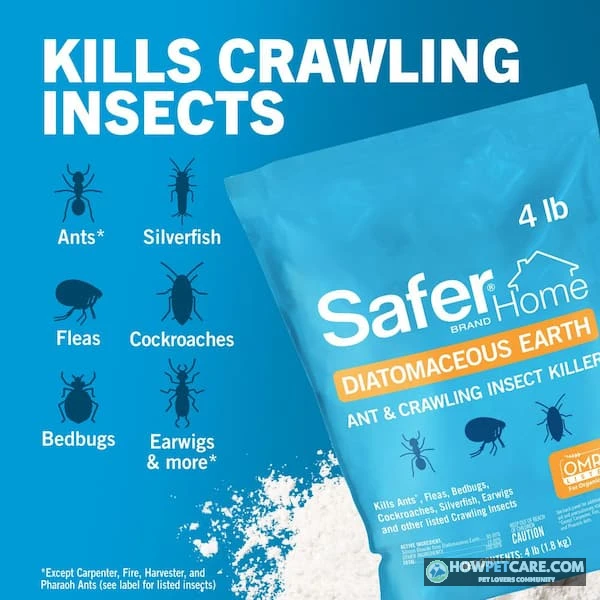
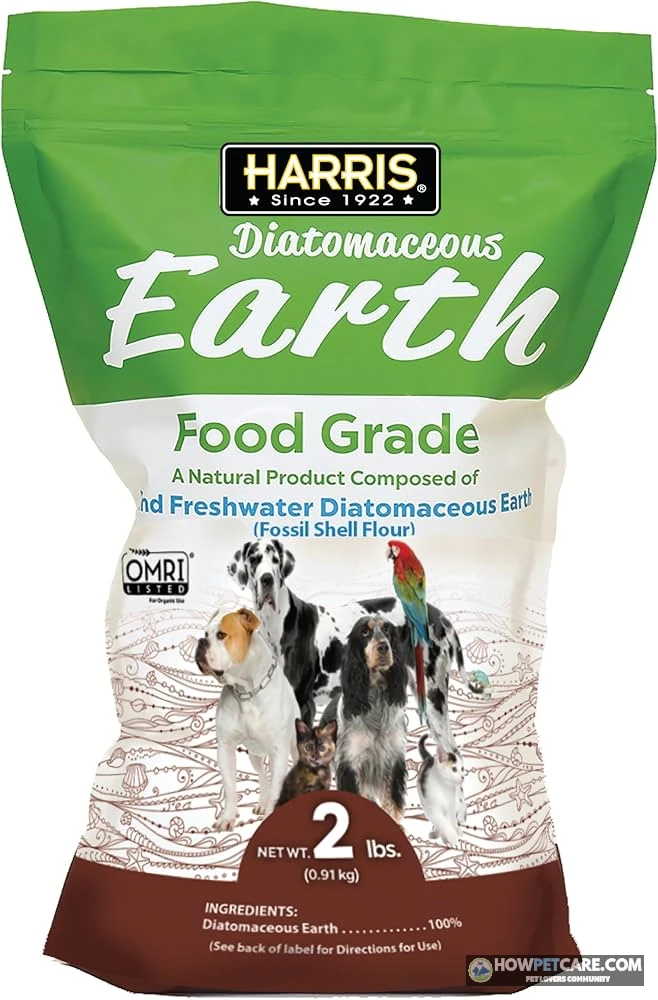
Look for these label markers: food grade stated explicitly, a safety data sheet available from the brand, stated crystalline silica content, no added pyrethrins or other insecticides, and no pool filter wording. You can find it at farm and feed stores, garden centers, online retailers, and some pet stores. Note that some garden pest DE products are not food grade. It is typically a low-cost option compared with prescription products.
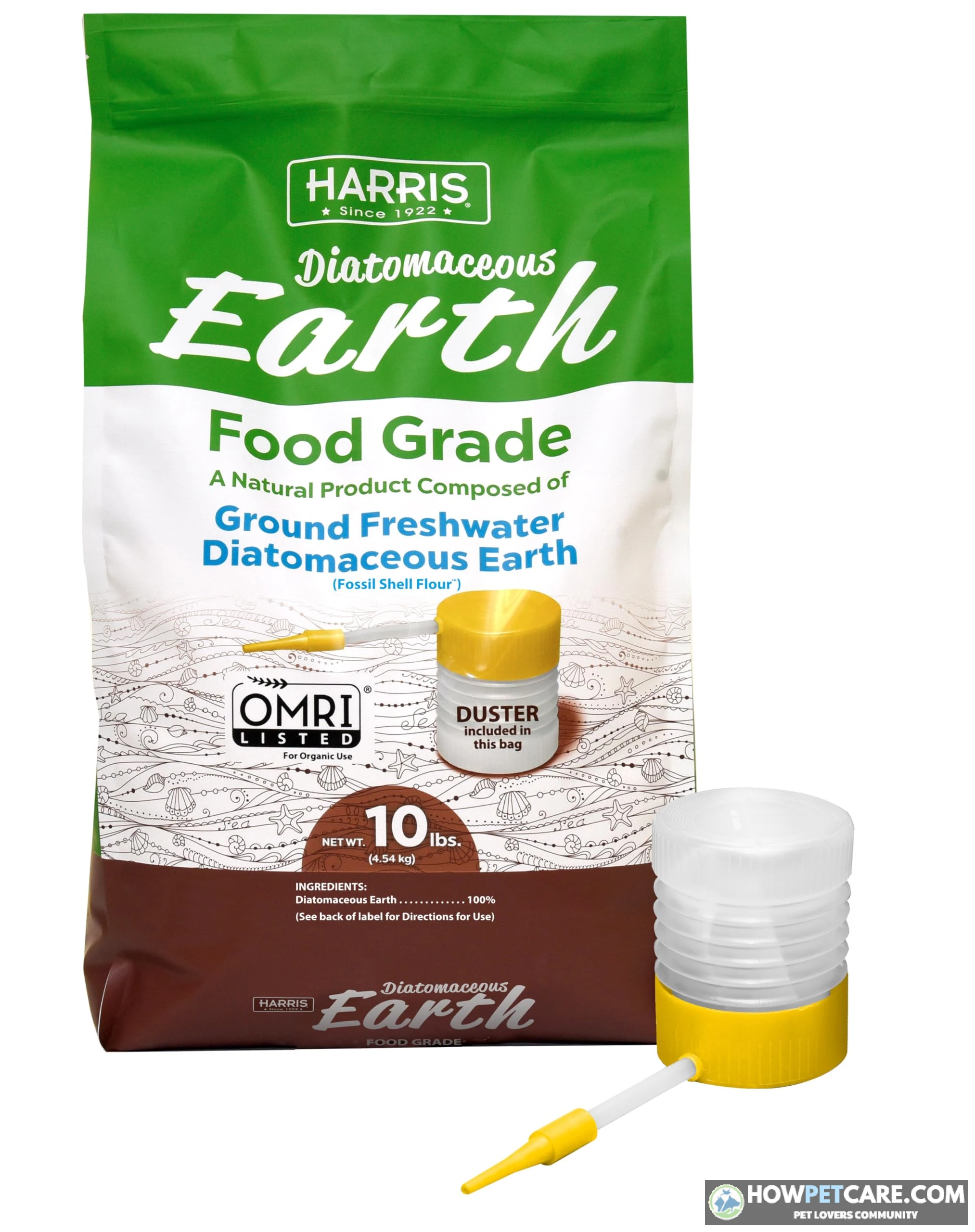
Label checklist before you buy
Look for the words ‘food grade.’ Check for a safety data sheet from the maker. Check the stated crystalline silica content. Avoid added insecticides. Avoid pool filter language. Buy from sellers that clearly identify the product as food grade.
Why natural on the bag does not mean safe to inhale
Natural does not mean safe to breathe. Fine DE dust can irritate airways, eyes, and skin. Filter-grade DE is a serious inhalation hazard. Food-grade DE still requires careful handling because airborne dust is the concern—not ingestion in small amounts.
Is DE Safe Around Cats? Resolving the Pet-Safe vs. Inhalation Warning Contradiction
The contradiction disappears once you separate routes of exposure. Food-grade DE has low toxicity if a small amount is swallowed, which is the basis of pet-safe claims. The real hazard is fine airborne dust, which irritates airways, eyes, and skin and can carry some crystalline silica. Both claims are partly true.
Cats are special because they groom constantly, so powder on their paws or coat can be ingested and inhaled during licking. They have small airways and may investigate dust trails on carpet and furniture.
A thin layer applied carefully and left undisturbed is lower risk than a puff of powder. Risk peaks during application and vacuuming, so keep the cat out of the room for both.
For humans, wear a tight-fitting dust mask such as an N95 or better, plus eye protection. Open windows, apply with minimal fluff, and keep children out until the dust has settled. Chronic inhalation of crystalline silica causes silicosis, though household application levels are far below occupational settings.
DE also dries skin, paw pads, and eyes. Watch for sneezing, coughing, watery eyes, or red skin. Call a vet if a cat shows coughing, labored breathing, or persistent sneezing after exposure.
Can my cat walk on and groom after contact with treated carpet?
After a thin application and vacuuming, a cat may walk on or groom treated areas, but the risk depends on the dust being settled and thin. Keep applications careful and avoid visible piles. If a cat coughs, sneezes, or seems irritated, stop and call a vet.
Kittens, senior cats, and cats with asthma or respiratory disease
Kittens, senior cats, and cats with asthma or respiratory disease need extra caution. Do not apply DE directly to these cats. Prefer vet-recommended products, and avoid environmental dust exposure whenever possible.
Protecting yourself and children during application
Wear a mask and eye protection. Open windows. Keep children out of the room. Keep cats out during application and vacuuming. Apply lightly. Vacuum with a bagged or HEPA vacuum, and empty it outside. Let the area air out before the cat returns.
Step-by-Step DE Protocol for Your Home, Bedding, and Yard
Step 1: Prepare. Wash cat bedding and removable fabrics in hot water, vacuum thoroughly, and seal the vacuum contents before taking them outside. Keep cats and children out of the room, and turn off fans and HVAC in that area.
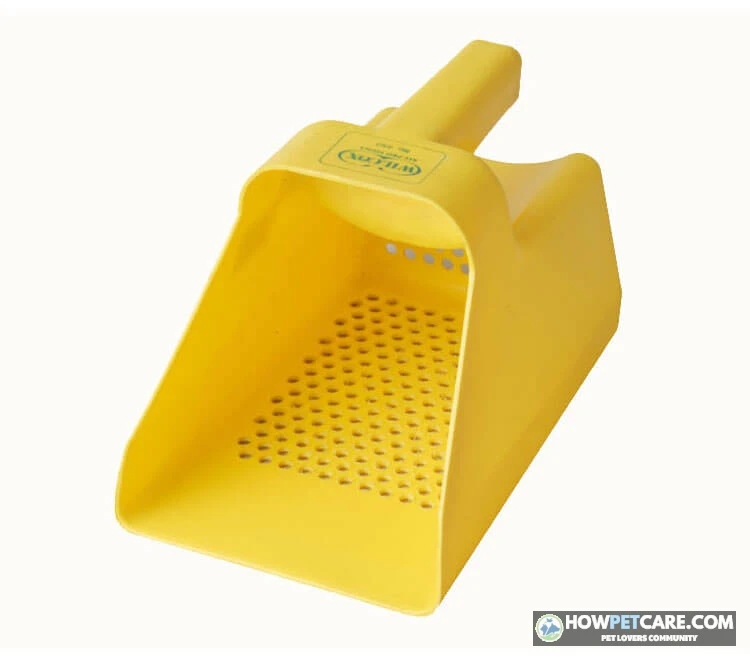
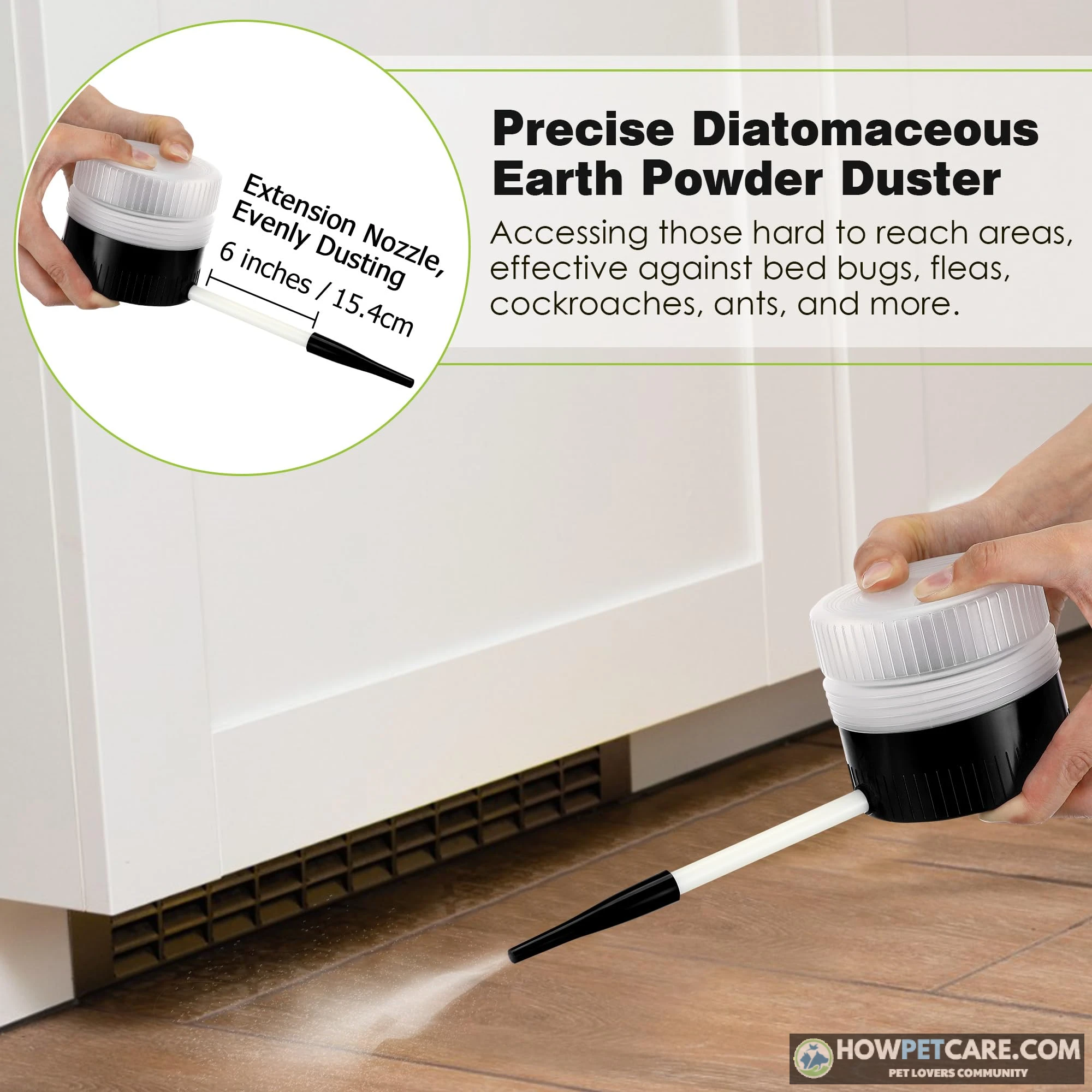
Step 2: Apply. Use a duster or sifter to create a thin, barely visible layer rather than visible piles. A practical rule of thumb: roughly 1 to 2 tablespoons of food-grade DE sifted evenly per 10 sq ft of carpet, or about 1/2 to 1 cup per 100 sq ft room. A medium shaker typically covers one average bedroom this way. These are practical guidelines, not results from a clinical trial, so apply less rather than more.
Step 3: Work it in. Lightly brush the powder into carpet fibers with a broom or stiff brush so it reaches the base of the pile, where larvae live. Apply along baseboards, under furniture, and into cracks and crevices.
Step 4: Dwell time and cat exclusion. Leave the powder in place for the manufacturer’s recommended dwell time. Practitioners commonly leave it for several hours up to a day or two. If possible, keep the cat out of the room for the entire period, then vacuum.
Step 5: Vacuum. Use a vacuum with a sealed bag or a HEPA filter if possible, since DE is fine enough to clog or pass through basic filters. Empty the vacuum into a sealed bag outside.
Frequency: repeat every 4 to 7 days for 3 to 4 weeks to catch emerging pupae, then stop. Base the duration on the flea life cycle—several weeks—rather than a fixed number. Continuous heavy use dries out carpet and increases dust risk.
Carpet and rugs
Use a thin layer. Work it into the pile. Vacuum.
Cracks, baseboards, and hard floors
Use light dust along cracks and baseboards. Do not pile it up. Vacuum.
Pet bedding and furniture: what to wash instead
Never sprinkle DE on cat beds or anywhere cats sleep. Wash those items in hot water instead. DE can go under and around furniture, as long as the powder stays away from surfaces cats lie on.
Yard and outdoor resting areas
Apply a light layer on dry, shaded dirt or mulch areas where pets rest, such as under porches and decks. Reapply after rain or watering, since wet DE does not work. Do not dust over plants where pollinators feed. Never use DE in a litter box or around food and water bowls.
Should You Put DE Directly on Your Cat? Why It Is the Last Option, and Safer Alternatives
Clear recommendation: do not dust DE on a cat as a first or routine step. The risks include inhalation during application, ingestion through grooming, drying of the skin and eyes, and lower reliability than tested products. Never apply it to kittens, pregnant or nursing cats, senior cats, cats with respiratory disease, or cats with skin conditions.
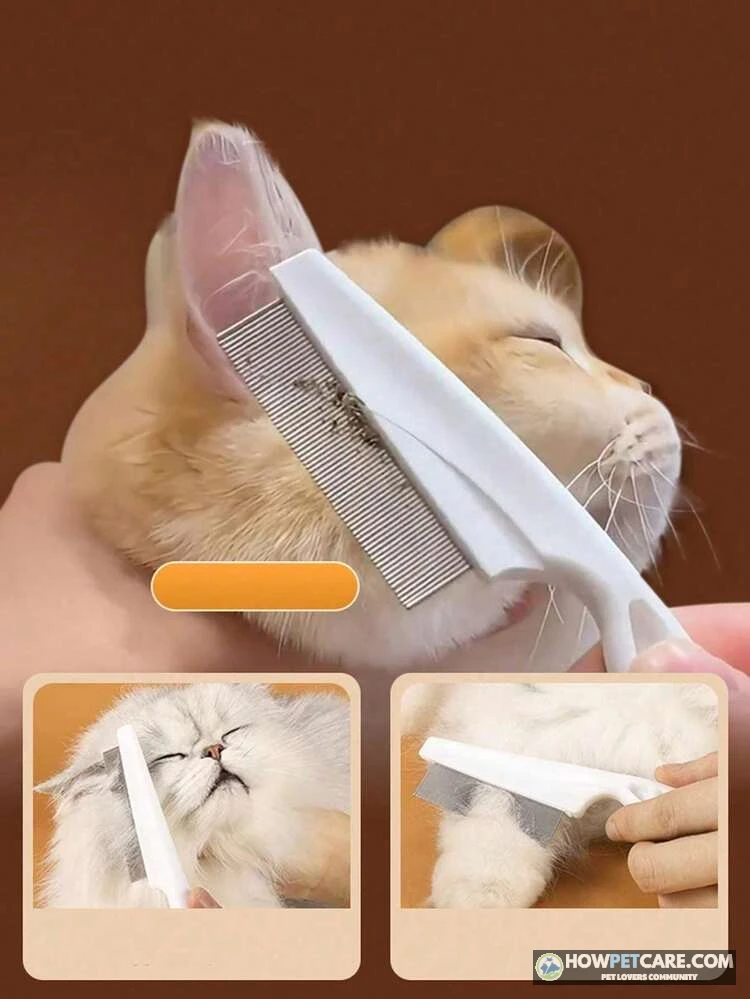
Safer alternatives for the cat: comb daily with a flea comb over a white towel or sink to remove adults and check for flea dirt, bathe with a cat-safe shampoo if your vet agrees, and use a vet-recommended spot-on or oral treatment such as Revolution for cats. Do not dust DE on treated skin or coat, and ask your vet if your cat has health conditions.
If you still choose to use DE on your cat, talk to your vet first. Do not attempt it in a closed bathroom with a puff of powder, and stop immediately at any sign of coughing, sneezing, or irritation. No at-home recipe makes direct application a recommended method. Do not use DE in food or water as a flea treatment; there is no good evidence it kills fleas internally.
Flea comb and bathing routine as a safer first step
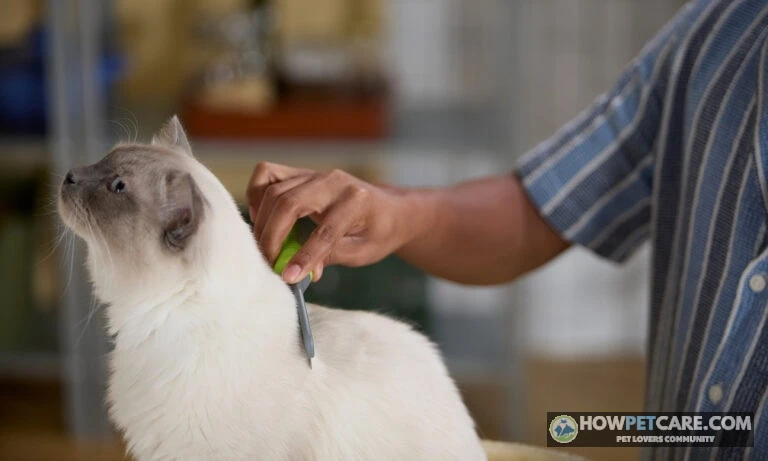
A flea comb is safer than powder for the cat. Use it for daily comb checks. A white towel or sink makes it easy to spot fleas and flea dirt with a visual flea ID guide. Bathe with a cat-safe shampoo if your vet approves.
How Long Does DE Take to Kill Fleas? Timeline, Checkpoints, and Failure Signals
Contact kill: adult fleas that contact dry DE may die within hours to a day or so, but exact timing varies by dose, humidity, and flea condition, so no precise hour count can be promised. For a realistic whole-home timeline, expect to see some fleas for several weeks even if the plan is working, because pupae keep emerging. The goal is a downward trend, not immediate zero.
Checkpoints: after about 1 week, expect fewer adults on the comb and less flea dirt. At 2 to 3 weeks, look for a clear decline in new bites and fewer fleas jumping on you. At 4 to 6 weeks, you should see no new fleas on the comb. Treat these as practical benchmarks, not clinical results.
Failure signals include no drop in flea counts after 2 weeks, a cat still scratching heavily, new bites on humans, visible flea dirt returning in new areas, or a very humid home.
Escalation triggers that call for a vet: flea allergy dermatitis with hair loss and scabs, pale gums or lethargy in a kitten or small cat—heavy flea burdens can cause anemia or tapeworms—and any breathing symptoms after DE exposure.
Stop DE and switch tactics if there is no progress by two weeks, if the cat has respiratory symptoms, or if the infestation is large.
How long DE should sit before vacuuming
Common practitioner dwell time is overnight or 8 to 24 hours. Follow the label if it specifies a time. Keep the cat out of the room the entire time, then vacuum after the dwell period. Some sources say to leave it for up to a couple of weeks before vacuuming, but that may increase pet exposure, so follow cautious handling.
Signs DE is working vs. signs to switch treatments
Working: fewer fleas on the comb, less flea dirt, declining new bites. Not working: no drop after 2 weeks, heavy scratching, new bites, returning flea dirt, or a humid home.
When an infestation is too big for DE alone
Heavy infestation, fleas jumping on you, flea dirt in multiple rooms, a cat showing anemia signs, or breathing symptoms after DE exposure: go to the vet or use conventional treatment.
DE vs. Spot-Ons, Oral Medications, and IGR Sprays: An Honest Comparison
| Option | Where it works | Life stages affected | Evidence base | Main limitation or risk | Role in a cat flea plan |
|---|---|---|---|---|---|
| Food-grade DE | Carpets, cracks, baseboards, dry yard areas | Mostly adult fleas that crawl through it; weak on eggs, larvae, and pupae | Lab evidence that it damages insect cuticle; few controlled trials on household cat flea infestations | Stops working when damp; inhalation risk during application and vacuuming; no residual protection | Optional environment add-on only |
| Vet-recommended spot-ons | On the cat | Adults, some formulas also hit eggs or larvae | Regulated, tested products with labeled dosing by weight | Monthly cost; wrong product or dog formula, especially permethrin, can be toxic to cats | First-line treatment for the cat in nearly all cases |
| Oral flea medications | On the cat | Adults; some also act on egg production | Regulated, tested products with known efficacy | Prescription cost; dosing depends on cat health and weight | First-line alternative for cats that do not tolerate spot-ons |
| IGR sprays or products | Home environment | Eggs and larvae, stops immature stages developing | Established mechanism in licensed products | Some carry cat-specific warnings; check label and vet | Covers life stages DE misses; pairs with cat treatment |
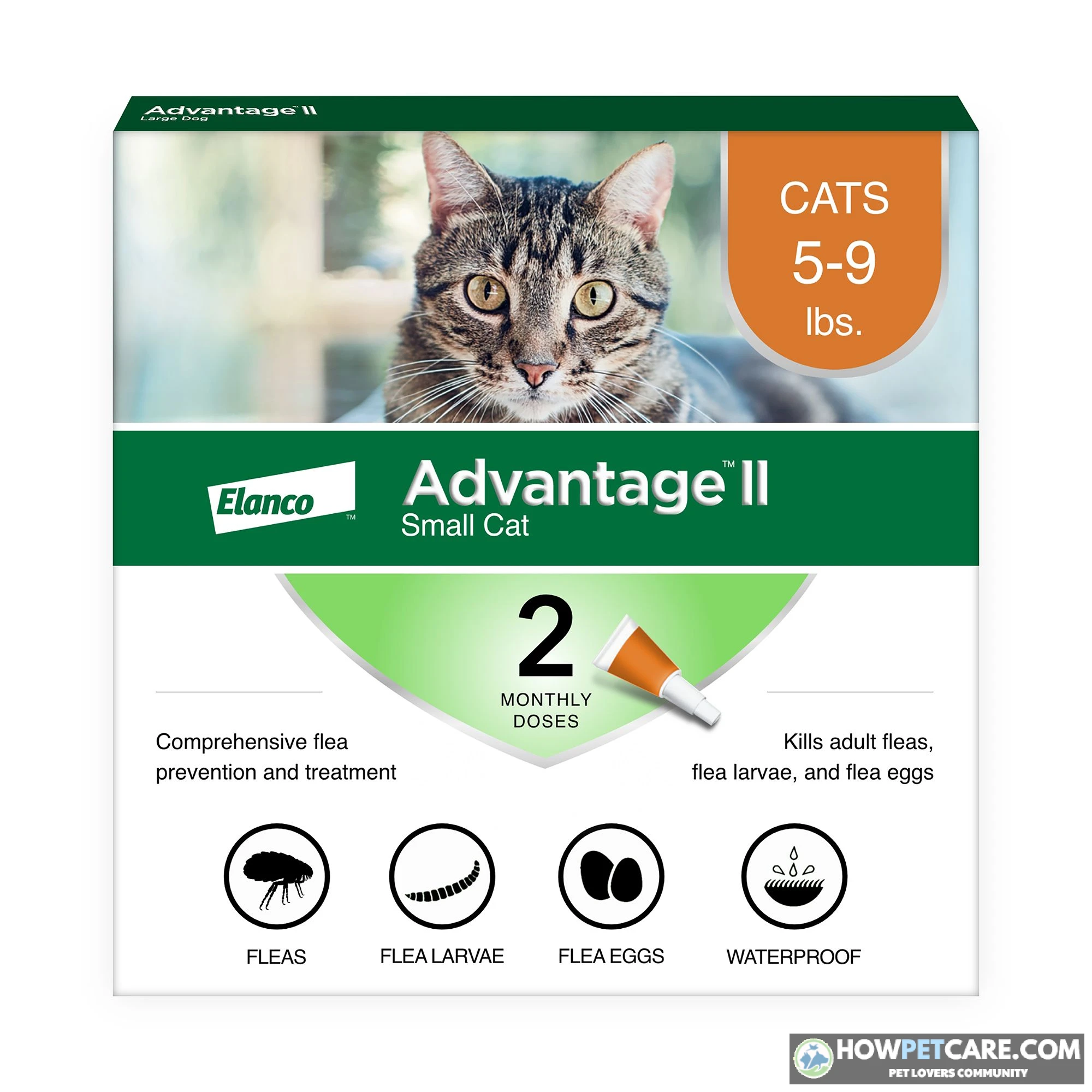
Spot-ons and oral medications are regulated and tested for efficacy and safety on cats, with labeled dosing by weight. They act on the cat, kill fleas before they lay eggs, and provide ongoing protection for the labeled interval. DE does none of this. IGR sprays and products interrupt egg and larva development, filling the gap DE leaves. Some IGR products and environmental sprays carry cat-specific warnings, so check the label and your vet.
DE’s niche is low upfront cost, no prescription, and an option for owners wanting less chemical exposure in carpets. Its weaknesses are unproven efficacy in controlled cat trials, dust risks, and weak control of immature stages.
Be careful with cat toxicity: some dog flea products, especially permethrin, can be seriously toxic to cats. Consider this a brief safety note, not a product guide.
What natural options like DE can and cannot offer
DE may offer low-cost environmental control and less synthetic chemical exposure for some owners. It cannot replace vet-recommended flea products. It does not kill eggs reliably. It does not provide lasting protection. It should not be framed as a miracle or chemical-free cure.
Building a Complete Flea Plan Around DE: Vacuuming, Vet Treatment, and Multi-Cat Homes
| Timeframe | Cat treatment | Home and bedding | DE step | Checkpoint or failure signal |
|---|---|---|---|---|
| Day 0 | Start vet-recommended product on every cat at the same time | Hot-wash all pet bedding and washable throws; vacuum everywhere; empty vacuum outside | First thin application to carpet, baseboards, and cracks; cat kept out of treated rooms | Baseline set: count fleas on a daily combing |
| Days 1 to 7 | Continue product as labeled; daily flea-comb check | Vacuum every day or every other day; re-wash bedding weekly | Leave first application per label dwell time, vacuum, then reapply a thin layer midweek | By about 1 week: fewer adults on the comb, less flea dirt. No drop at all means early warning |
| Week 2 | Product still active; keep combing | Keep up vacuum cadence | Reapply only to areas still showing flea activity | Clear decline in new bites and jumping fleas expected. Zero improvement by now means switch tactics or call the vet |
| Weeks 3 to 4 | Re-dose the cat product if its label interval falls here | Vacuum; wash bedding | Final scheduled applications; then stop | Newly emerged pupae may still cause a few sightings, but the trend should still be down |
| Weeks 5 to 6 | Keep the cat protected; consider staying on prevention long-term | Resume normal cleaning | None, DE use ends here | Success: no fleas on the comb, no new bites. Ongoing activity means infestation needs professional or vet-level escalation |
Multi-cat and foster households: treat all animals at the same time, since untreated cats can reinfest the rest through grooming and shared bedding. Isolate new arrivals and wash shared bedding frequently.
Multi-cat households and foster or rescue setups
Treat all cats in the home together. Shared bedding can transfer fleas, and grooming can spread them between cats. Wash bedding, vacuum, and treat the environment.
Vacuuming schedule that supports DE
Vacuum daily or every other day during active treatment. Use a bagged or HEPA vacuum, empty it outside, and vacuum edges, under furniture, and baseboards. Keep humidity low.
Is DE Worth It for Your Situation? A Decision Guide and Action Checklist
DE or not? A quick decision checklist
DE is a reasonable add-on if all of these are true:
- ☐ Your cat is already on or about to start a vet-recommended flea treatment
- ☐ The infestation is mild, such as a few fleas on the comb, not dozens
- ☐ Your home is dry, with no damp carpet or chronic high indoor humidity
- ☐ No cat or person in the home has asthma, respiratory disease, or a chronic cough
- ☐ No kittens, pregnant or nursing cats, or frail seniors in the household
- ☐ You can keep the cat out of treated rooms during application, dwell, and vacuuming
- ☐ You are willing to wear a mask and keep the dust thin
Skip DE and go straight to conventional treatment or the vet if any of these apply:
- ☐ Heavy infestation, such as fleas jumping on you or flea dirt in multiple rooms
- ☐ Your cat has asthma, is a kitten, is pregnant or nursing, or has skin disease
- ☐ Your cat shows hair loss, scabs, pale gums, or unusual lethargy, which means vet visit, not powder
- ☐ The home stays humid or carpet gets damp, since wet DE stops working
- ☐ Anyone in the home cannot reliably avoid the dust, such as toddlers or someone with lung disease
Bottom line: if every box in the first group is checked, DE can supplement a real treatment plan. A single box in the second group overrides it.
Myth Buster: Pet-Safe and Do Not Breathe It Are Both True
The myth: because the bag says food-grade and pet-safe, the dust warnings must be overkill. Or the opposite: if it is risky to inhale, it cannot be safe around pets at all.
The correction: both claims describe different routes of exposure, and the contradiction dissolves once you separate them. Swallowed in small amounts, DE has low toxicity—that is what food grade and pet safe actually refer to. Breathed as airborne dust, it is genuinely irritating. Fine particles inflame airways and eyes in cats and humans, and even food-grade DE can carry some crystalline silica. A thin layer brushed into carpet and left alone is low risk; the danger window is application and vacuuming, which is why the cat stays out of the room for both.
Plain-English rule: safe to touch or lick is not the same as safe to breathe every day. Treat DE like flour in a bakery—harmless on the counter, harmful when it hangs in the air.
When to Call the Vet and What to Do Next
Call the vet for severe infestations, kittens, or cats with health conditions. Call if there is no improvement in 2 weeks, breathing symptoms after DE, anemia signs, or skin problems. For severe infestations, DE alone may not be enough, and a vet-recommended flea treatment may be needed. If the real problem turns out to be bed bugs rather than fleas, use cat-safe guidance for treating bed bugs on cats instead of repeating DE.
FAQ
Can I feed diatomaceous earth to my cat to kill fleas from the inside?
No. There is no good evidence that swallowed DE kills fleas, since fleas feed on blood and not on gut contents. Feeding it adds dust and digestive irritation risk, so ask a vet about proven oral flea medications instead.
Can I use diatomaceous earth along with my cat’s spot-on flea treatment?
Using DE on carpets while the cat is on a vet-approved spot-on is a common approach, and the two do not target the same areas. Do not dust DE on the cat’s treated skin or coat, and ask your vet if your cat has any health conditions.
Does diatomaceous earth expire or lose strength?
Dry DE does not chemically expire, but it stops working when it gets damp or clumps. Store it in a sealed, dry container and discard any that has absorbed moisture.
Should I put diatomaceous earth in the litter box to stop fleas?
No. Fleas spend little time in litter, and DE dust in a litter box is easily inhaled by the cat each time it digs. Treat the cat and the rest of the home instead.
Does diatomaceous earth also work on ticks or bed bugs on cats?
DE may harm some crawling insects on contact, but it is not a reliable treatment for ticks or bed bugs, and it should not be used on the cat for either. See a vet for pests found on the animal.