
Yes — dogs can eat oranges, but only the peeled, seedless flesh as an occasional treat. Offer about 1 segment for small dogs and up to 5–6 for giant breeds, keeping all treats under 10% of daily calories. Skip the peel, seeds, juice, and processed orange products.
Can Dogs Eat Oranges? Yes, in Small Portions
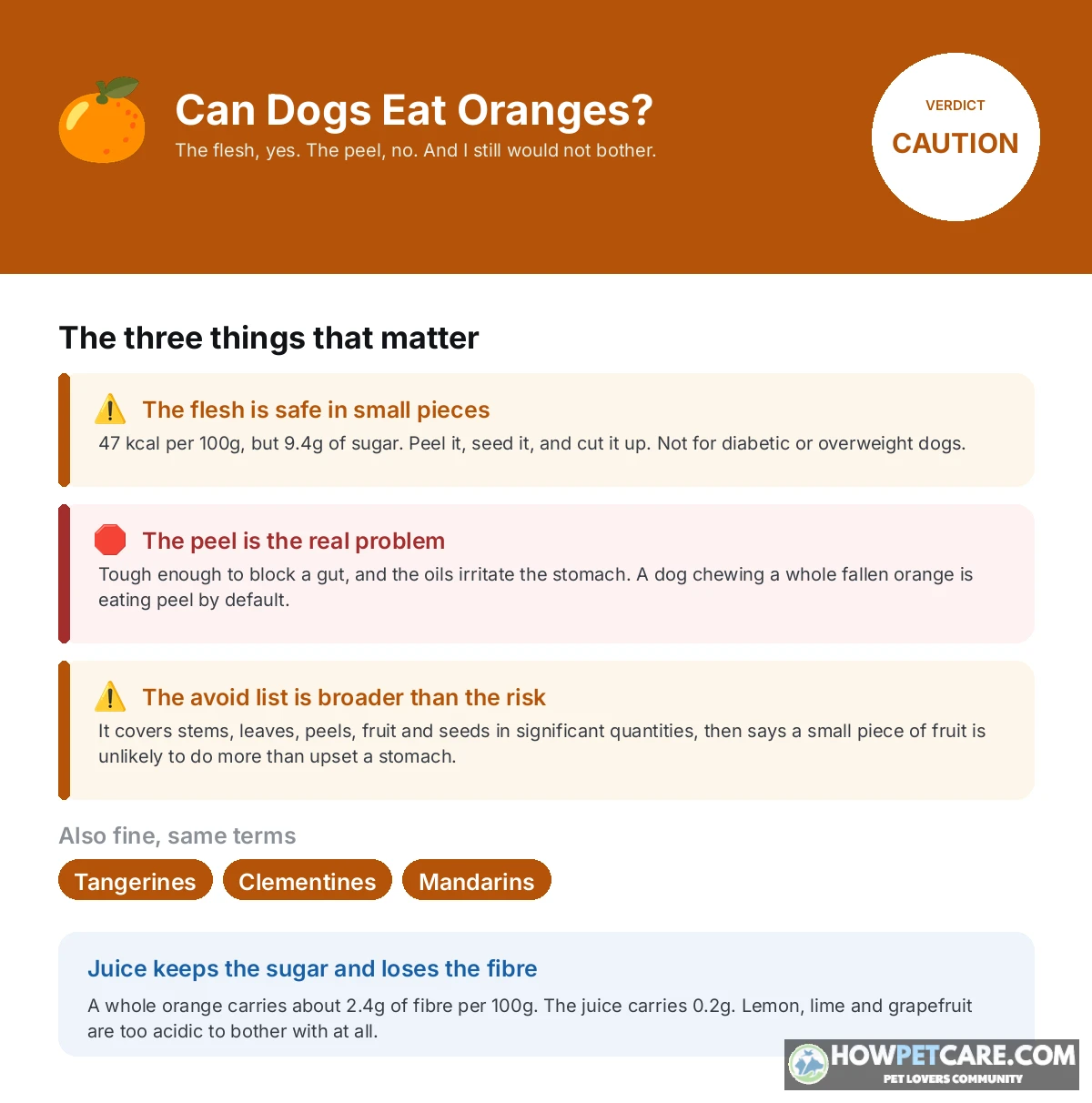
Yes, dogs can eat oranges, but only the peeled flesh and only as an occasional treat. Sweet orange flesh is non-toxic and safe for most healthy dogs in small amounts. The real risks are the peel, the seeds, very large portions, and processed orange products loaded with sugar or xylitol.
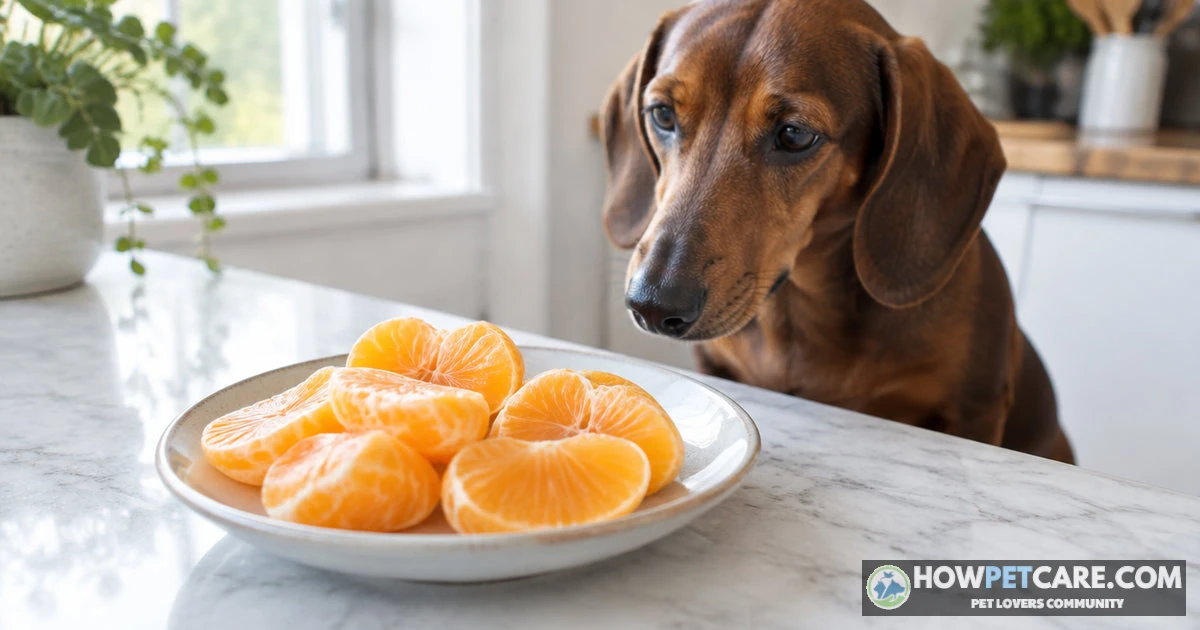
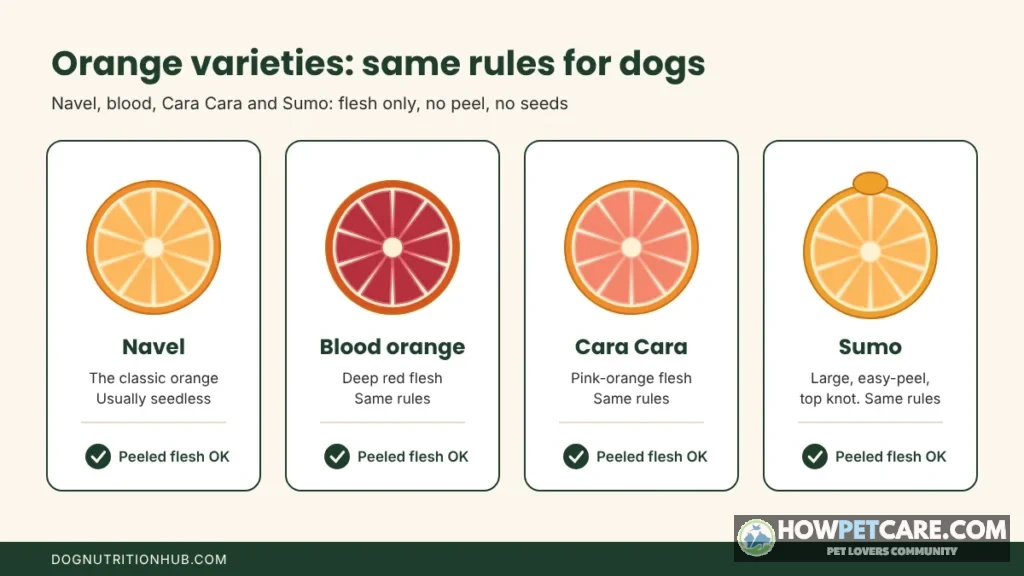
Most healthy dogs can eat oranges safely when the fruit is fresh, peeled, seedless, and sized to the dog’s treat budget. For a healthy adult dog, the practical rule is simple: peel the orange, remove the seeds and tough white pith, offer a small number of segments by size, and keep all treats under 10% of daily calories. Oranges provide vitamin C, fiber, water, and potassium, but dogs make their own vitamin C, so the fruit is a fun low-stakes treat rather than a nutritional necessity. Oranges belong on the list of dog-safe fruits only when they are peeled, seedless, and portioned appropriately. Is an orange good for dogs? It can be a pleasant treat for a healthy dog, but it is not essential.
This guide covers segment counts, calorie and sugar math, prep steps, peel and seed risk levels, a peel-or-seeds triage path, and verdicts on mandarins, clementines, grapefruit, lemons, limes, dried orange, candied peel, canned mandarins, and orange-flavored snacks.
How Many Orange Segments Can a Dog Eat? Portions, Calories, Sugar, and Frequency
Calories and sugar in one orange segment
Using USDA FoodData Central averages, a medium sweet orange with about 130 g of edible flesh contains roughly 60 kcal and 12 g of sugar across 9 to 10 segments. That works out to about 6 to 7 kcal and roughly 1.2 g of sugar per segment. These are approximate values, and a larger or sweeter orange can run a little higher.
Portion size matters more than whether oranges are good or bad. One segment is a small treat for most dogs. Five segments can become a meaningful sugar and acid load for a small dog. All treats combined, not just oranges, should stay under 10% of daily calories.
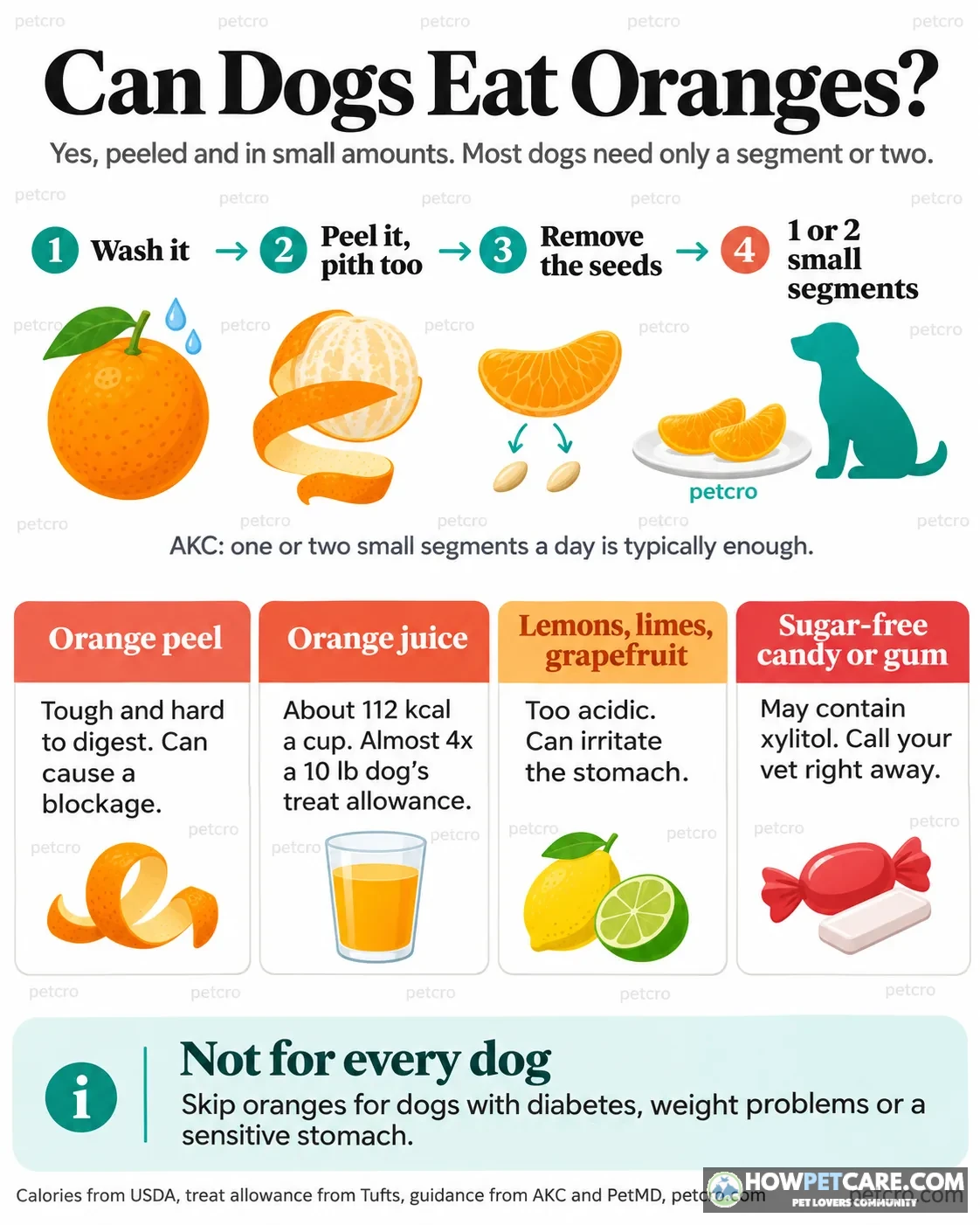
Orange segments by dog weight (table)
Use this chart as a practical serving guide for healthy dogs. If your dog is new to oranges, has a sensitive stomach, or is overweight, start at the lower end and keep treats well below the 10% ceiling.
| Dog size (weight) | Segments per serving | Approx. calories | Approx. sugar (g) | Daily treat calorie budget (10%) | Suggested frequency |
|---|---|---|---|---|---|
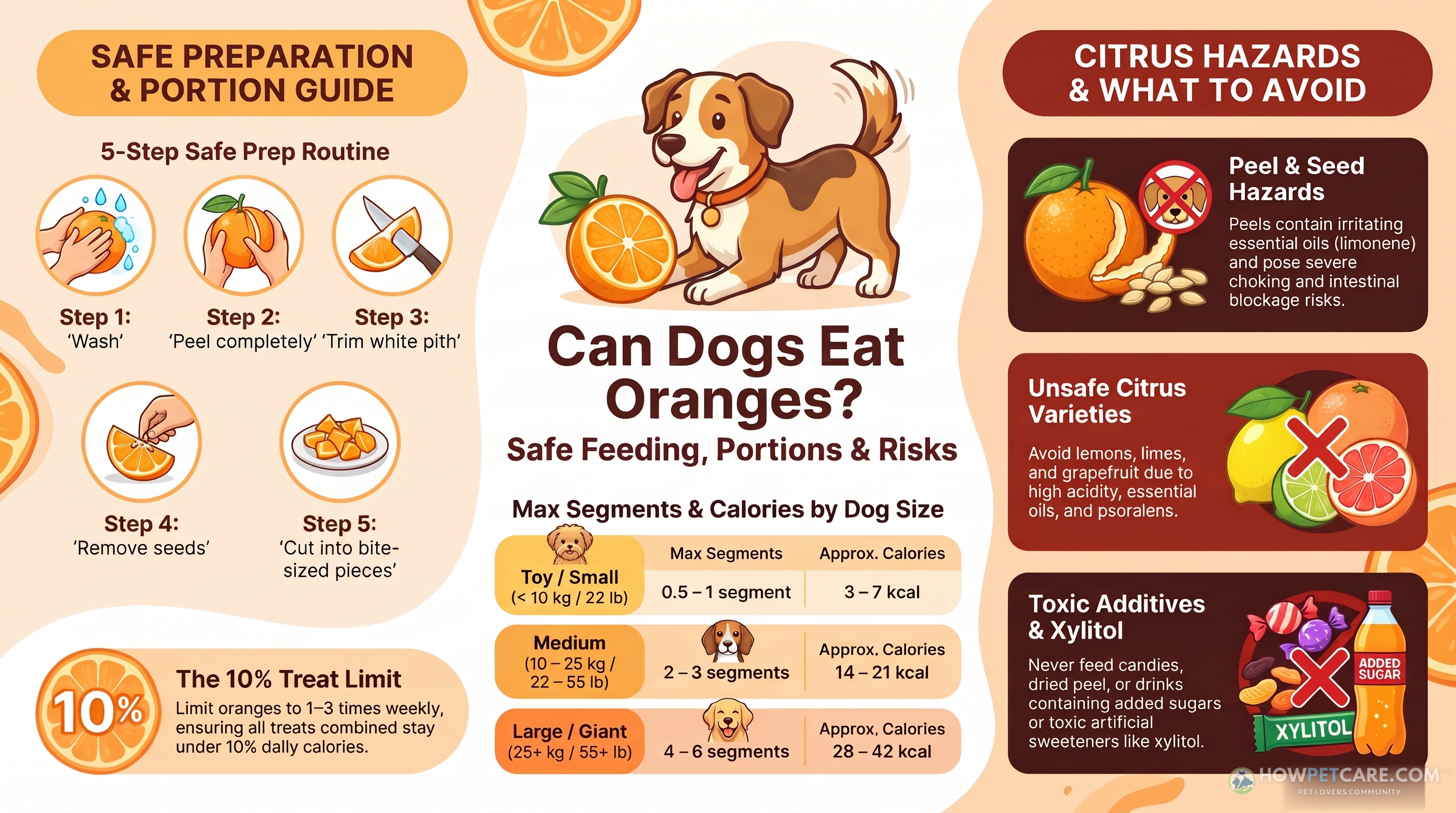
| Toy (under 5 kg / under 11 lb) | 0.5 to 1 segment | 3 to 7 kcal | 0.6 to 1.2 g | About 20 to 30 kcal | 1 to 2 times per week |
| Small (5 to 10 kg / 11 to 22 lb) | 1 segment | About 7 kcal | About 1.2 g | About 30 to 60 kcal | 1 to 2 times per week, or a small serving on a few days |
| Medium (10 to 25 kg / 22 to 55 lb) | 2 to 3 segments | 14 to 21 kcal | 2.4 to 3.6 g | About 75 to 125 kcal | 3 to 4 days per week if total treats stay under 10% |
| Large (25 to 40 kg / 55 to 88 lb) | 4 to 5 segments | 28 to 35 kcal | 5 to 6 g | About 140 to 200 kcal | 3 to 4 days per week if total treats stay under 10% |
| Giant (40+ kg / 88+ lb) | 5 to 6 segments | 35 to 42 kcal | 6 to 7.2 g | About 180+ kcal | 3 to 4 days per week if total treats stay under 10% |
Some veterinary-style charts are more conservative, suggesting about half a segment for very small dogs and up to 2.5 segments for giant dogs. That conservative range is a smart default if you aren’t measuring portions carefully. If you do track treats, the ranges above still stay under the 10% calorie rule, but the real cap is often lower because sugar, acid, and loose stool become the limiting factors before calories do.
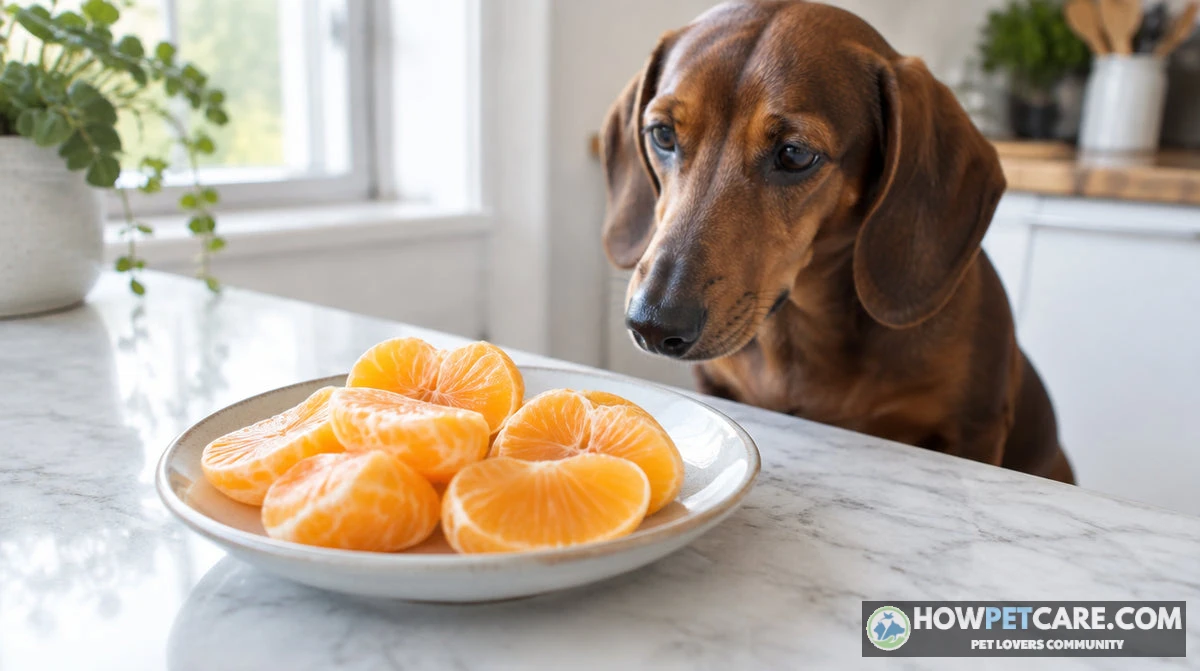
Segment math for three typical dogs
Bella, a 10 lb terrier mix, needs about 300 kcal per day. Her 10% treat budget is about 30 kcal. One segment costs about 7 kcal and 1.2 g of sugar, leaving room for a training treat or two. A sensible serving is 1 segment.
Max, a 30 lb beagle, needs about 750 kcal per day. His 10% treat budget is about 75 kcal. Two to three segments cost about 14 to 21 kcal and 2.4 to 3.6 g of sugar. That is a practical serving even though the calorie budget could theoretically allow more.
Duke, a 70 lb labrador, needs about 1,400 kcal per day. His 10% treat budget is about 140 kcal. Four to five segments cost about 28 to 35 kcal and 5 to 6 g of sugar. Beyond that, the dog is eating fruit for volume, and loose stool becomes more likely.
The takeaway: the 10% rule is a ceiling, not a target. On orange day, reduce other treats or shave a little off the meal to offset the extra calories. The same ceiling applies to blueberries portioned by dog size.

Can dogs eat oranges every day or only once a week?
Sources disagree because they are solving slightly different problems. One common veterinary-style recommendation is oranges 1 to 2 times per week. Another common brand recommendation allows 1 to 2 small segments daily. Both can be reasonable if the total treat budget stays controlled.
A healthy adult dog at a normal weight can have a small orange serving 3 to 4 days per week if total treats stay under 10% of daily calories. Daily oranges are only reasonable at the smallest portion, such as one segment for a mid-size dog. Puppies, seniors, overweight dogs, dogs with sensitive stomachs, and dogs with a history of pancreatitis or chronic digestive disease should stay at 1 to 2 times per week and use the low end of the chart.
If you’re unsure which rule applies to your dog, use the lower frequency. There is no nutritional downside, because healthy dogs synthesize their own vitamin C anyway. Bigger portions mostly cause loose stool, gas, or an upset stomach from fiber, sugar, and acid, not toxicity.
How to Feed Oranges to Dogs Safely: Step-by-Step Prep for Slices and Segments
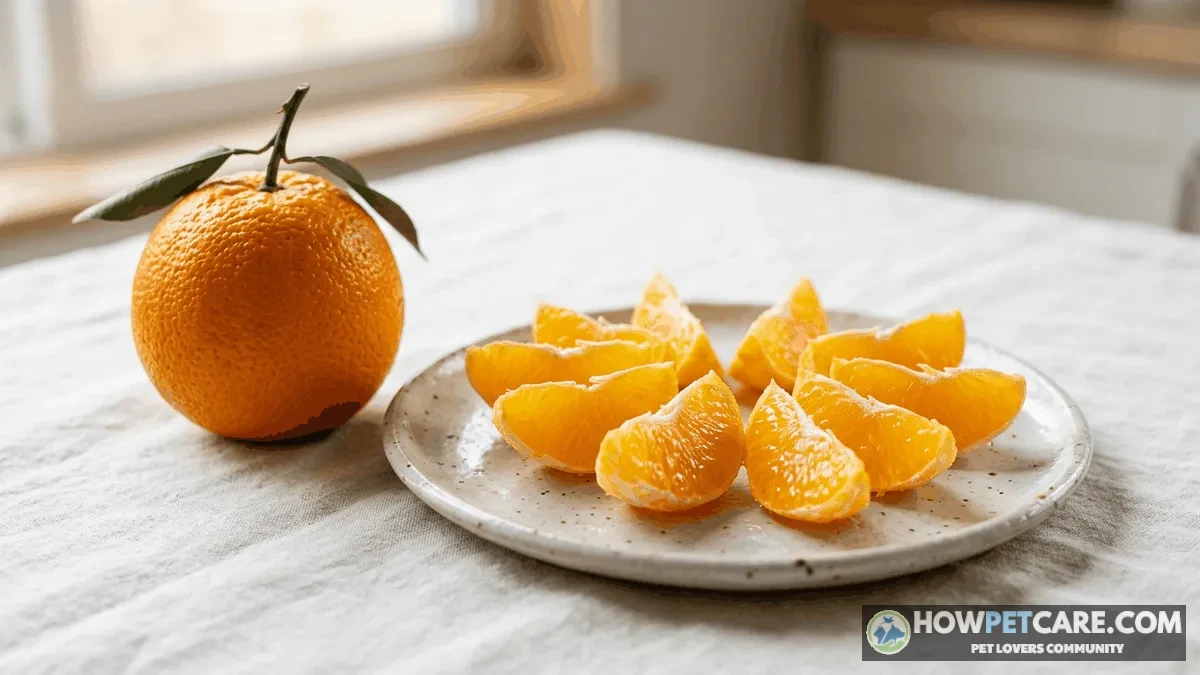
Fresh orange is the best format. Wash the orange, peel it fully, remove as much of the white pith as practical, pull the fruit into segments, pick out every seed, and cut the segments into bite-size pieces for small dogs. This matters even when a slice looks harmless: a rind-on orange slice brings peel oils and a choking or blockage risk.
Use this simple prep routine:
- Wash the orange under cool running water to reduce surface dirt or residue.
- Peel the orange completely. Remove the peel and set it out of reach.
- Trim away thick white pith where you can. Thin membrane left on the segment is usually fine.
- Pull the orange into segments and inspect each one for seeds. Remove all visible seeds.
- Cut segments into smaller pieces for toy dogs, puppies, or dogs that gulp food quickly.
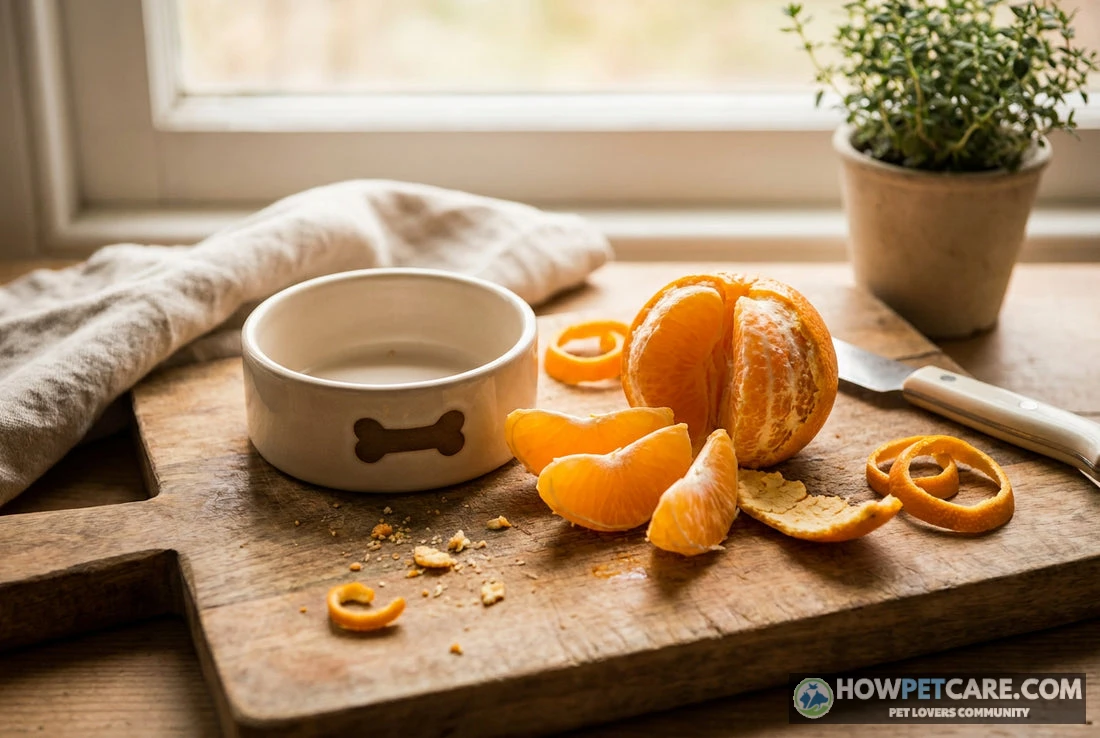
Peel, pith, and seed removal in 5 steps
The five steps above are the core routine. If you’re dealing with a pre-cut orange slice from a tray or garnish, treat it as unsafe unless you can confirm it’s peel-free and seed-free. If you’re unsure, don’t feed it.
Introducing oranges the first time
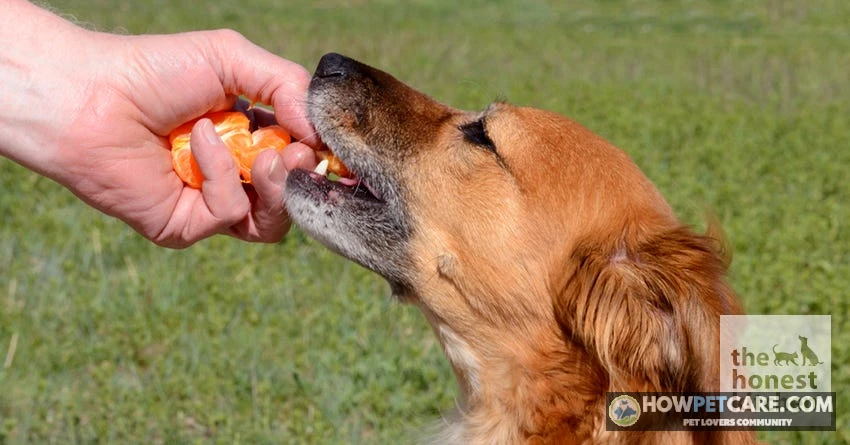
Offer a single small piece the first time. Wait 24 hours and watch for vomiting, diarrhea, drooling, gas, or refusal. If your dog handles it well, you can offer a normal portion by size the next time. If your dog turns away, don’t force it. Many dogs dislike the strong smell of citrus oils, especially near the peel. The same slow start works for strawberry portions by weight and prep.

Serving formats can include fresh segments, frozen segments in warm weather, or a small amount mashed into a lick mat. Frozen segments should still be cut to a safe size. Don’t add sugar, honey, whipped cream, yogurt, or any sweetened topping unless you’ve checked the label for xylitol. Skip orange juice as a drink. It’s a concentrated source of sugar and acid without the fiber of the fruit, and store-bought juice often contains added sugar. Fresh water is the safer pairing.
Choose fresh sweet oranges or mandarins. If you rotate fruit treats, pineapple gram portions and core risks deserve the same label-checking care. Skip very sour, bitter, or ornamental citrus. Don’t leave whole oranges or peeled segments where a dog can grab them unsupervised.
Orange Peel, Pith, and Seeds: What Is Actually Harmful and at What Dose
Orange flesh is not the toxic part. The peel, seeds, and concentrated citrus oils are where the risk lives, but the level of risk depends heavily on the amount, the dog’s size, and the form involved. Because a dog’s digestive system handles large amounts of indigestible fiber poorly, peel is the main mechanical risk.
Can dogs eat orange peels?
No, dogs should not eat orange peel. The peel is tough to digest and contains concentrated essential oils, mainly limonene and smaller amounts of compounds such as linalool. These oils can irritate the stomach and may cause drooling, vomiting, or diarrhea. Large pieces of peel can also create a choking hazard or contribute to an intestinal blockage, especially in small dogs.
The peel also contains small amounts of psoralens, compounds of concern in some plant exposures. In the context of a small piece of orange peel, the bigger practical issue is usually mechanical: indigestible fiber and irritating oil, not acute poisoning. Real toxicity concerns are more likely with concentrated citrus essential oils than with a thin strip of peel from a fruit.
Are orange seeds toxic to dogs?
Orange seeds are not a useful treat. They contain trace cyanogenic compounds, but a few swallowed seeds are unlikely to cause cyanide toxicity in a healthy dog. The more realistic concerns are choking and gastrointestinal upset, especially in small dogs.
Orange leaves, stems, and other citrus plant parts can also upset the stomach, so keep citrus branches, fallen fruit, and ornamental citrus away from dogs with yard access. Exact lethal thresholds for orange seeds or peel in dogs are not well established. The practical rule is simple: one or two seeds or a small strip of peel is usually a monitor-at-home event. A whole peel, a large amount of peel, concentrated citrus essential oil, or any ingestion by a very small dog or puppy is a call-the-vet event.
My Dog Already Ate Orange Peel or Seeds: What to Do and When to Call the Vet
If your dog already ate orange peel or seeds, start with information, not panic. Take away the rest of the orange, estimate how much was eaten, note your dog’s weight, and then sort the situation by concern level.
Triage by amount and dog size
Low concern usually means a few seeds, a small strip of peel, and a medium or large dog. Higher concern means a whole peel, several seeds in a small or toy dog, concentrated citrus essential oil, or a product that may contain xylitol. If the product might be sweetened orange candy, gum, a drink mix, or a baked good, check the label for xylitol before anything else.
Symptoms and the 24-48 hour watch window
Most mild gastrointestinal signs appear within a few hours. Watch for drooling, vomiting, diarrhea, gas, or a temporary loss of appetite. Continue monitoring for 24 to 48 hours for slower blockage signs, including repeated vomiting, no stool, straining to defecate, a bloated or painful belly, lethargy, or refusing food.
Don’t induce vomiting at home unless a veterinarian specifically tells you to. Citrus oil and fibrous peel can be irritating on the way back up, and timing matters.
When to call a veterinarian or poison hotline
Call your veterinarian or an animal poison hotline right away if any of these apply:
- Your dog ate concentrated citrus essential oil.
- Your dog is vomiting more than 2 to 3 times.
- You see signs of blockage, collapse, tremors, labored breathing, or severe lethargy.
- Your dog is a puppy, very small breed, or has a chronic health condition.
- You cannot rule out xylitol in an orange-flavored product.
You can reach ASPCA Animal Poison Control at 888-426-4435 or Pet Poison Helpline at 855-764-7661. A consultation fee is usually far less costly than treating an obstruction or poisoning.
Offer fresh water. If your dog is hungry and hasn’t vomited, a normal meal or a bland meal is usually fine. This is general guidance, not a substitute for a veterinarian who can examine your dog and confirm the risk for the specific situation.
Oranges for Diabetic, Overweight, Puppy, and Medicated Dogs: Who Should Skip or Limit Them
Oranges are not ideal for every dog. The flesh is not toxic, but sugar, acidity, and treat calories still matter for dogs with diabetes, overweight, puppies, and dogs on medication.
Are oranges bad for dogs with diabetes?
Ask your veterinarian before giving oranges to a diabetic dog. At about 1.2 g of sugar per segment, the sugar load is modest, but any fruit can raise blood glucose and may complicate insulin dosing. Dogs with diabetes, obesity, or a history of pancreatitis should generally avoid oranges because of the natural sugar content. If your veterinarian approves oranges for a diabetic dog, keep the portion tiny, consistent, and part of the daily treatment plan rather than a random extra.
Overweight dogs need calorie math, not just a safety verdict. One segment costs about 6 to 7 kcal. That is small, but several segments can become a snack worth tracking. If your dog is on a weight-loss plan, count oranges in the daily treat budget and keep them to 1 to 2 times per week. A segment is most useful when it replaces a higher-calorie treat, not when it is added on top of the usual diet.
Can puppies eat oranges?
There is no formal age cutoff that makes oranges unsafe for all puppies. A practical guide is to wait until the puppy is weaned, eating puppy food reliably, and cleared by your veterinarian. Many owners introduce citrus around 12 weeks or later, starting with half a segment or less. Puppies have more sensitive digestive systems, so introduce slowly and watch for loose stool or vomiting.
Dogs on medication and long-term citric acid exposure
Evidence for drug interactions between sweet oranges and canine medications is limited. Grapefruit contains furanocoumarins that can affect drug metabolism in people, and sweet oranges carry less of this concern, but long-term medication is still a reason to check with your veterinarian first. This is especially true for dogs taking medication for heart disease, seizures, immune conditions, or other chronic illnesses.
Occasional small portions of orange are not known to harm tooth enamel or alter stomach acid in a meaningful way. The evidence for repeated daily citric acid exposure in dogs is thin, so the honest answer is that the long-term risk is uncertain. Don’t make oranges a daily habit for dogs with reflux, chronic vomiting, or other acid-sensitive stomach issues. Routine dental care, including brushing or veterinary-recommended dental products, matters more than worrying about a few orange segments.
Other dogs to limit include those with a history of pancreatitis, chronic GI disease, acid reflux, or a prescription diet. For these dogs, the safest answer is usually no citrus, or only a veterinarian-approved taste.
Oranges vs. Mandarins, Clementines, Grapefruit, Lemons, and Limes for Dogs
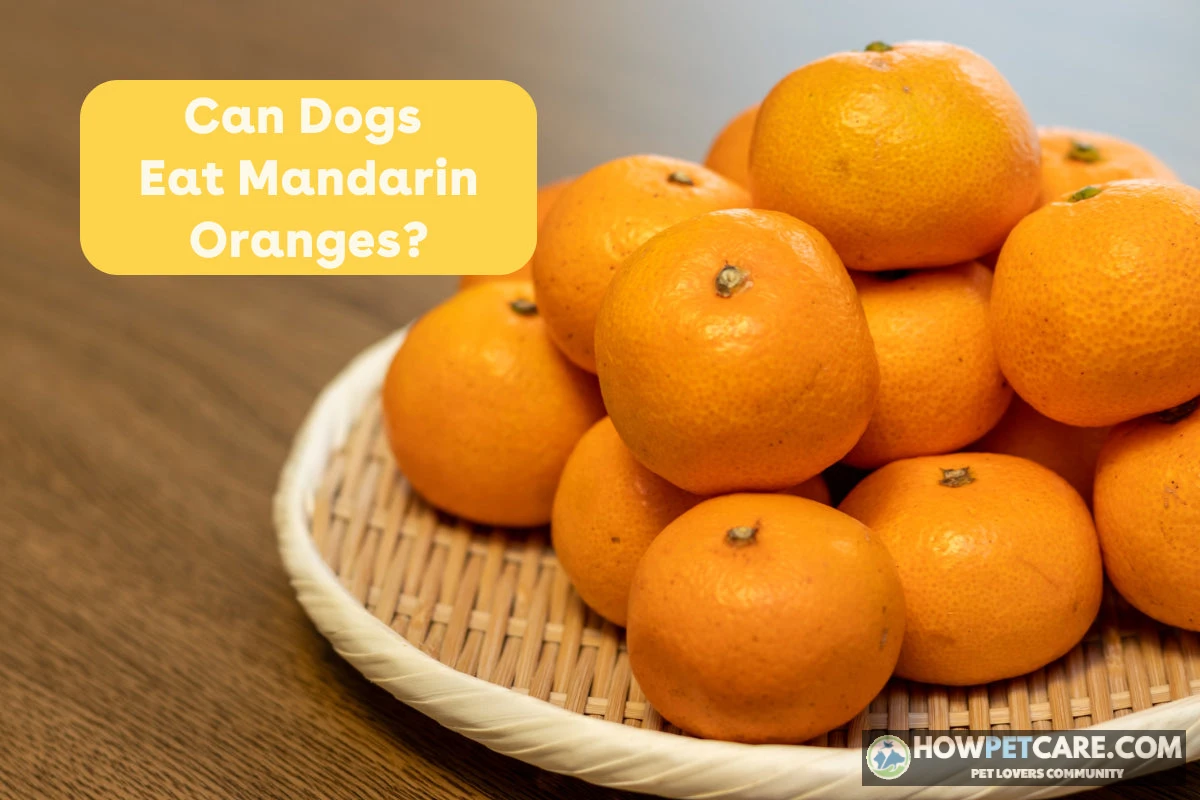
Mandarin oranges, clementines, and cuties share the same basic safety profile as sweet oranges. The segments are smaller, so adjust the count rather than feeding more by volume. Peel and seeds still need to be removed.
Grapefruit is different. It is more bitter and acidic, and it contains higher levels of compounds such as psoralens and furanocoumarins. It is not recommended for dogs, especially dogs on long-term medication. Lemons and limes are very acidic and contain concentrated essential oils. They’re likely to cause vomiting or diarrhea even in small amounts, so avoid them.
| Fruit | Sugar per 100 g (approx.) | Acidity | Peel and seed concern | Verdict for dogs | Serving note |
|---|---|---|---|---|---|
| Orange, sweet | About 9 g | Moderate | Peel oils can irritate; seeds are a minor risk | Safe as an occasional treat | Peeled and seedless; 0.5 to 6 segments by size |
| Mandarin / clementine | About 10 g | Moderate | Same as orange; thinner peel is still a hazard | Safe as an occasional treat | Same rules; smaller segments may mean 1 or 2 extra fit the same calorie budget |
| Grapefruit | About 7 g | High | Higher psoralen and furanocoumarin content | Not recommended | Especially avoid for dogs on long-term medication |
| Lemon | About 2.5 g | Very high | Concentrated essential oils in peel and flesh | Avoid | Likely to cause vomiting or diarrhea even in small amounts |
| Lime | About 1.7 g | Very high | Highest essential oil load of the group | Avoid | Same as lemon; psoralens add skin-sensitivity risk |
Sugar is not the dividing line. Lemons and limes are low in sugar but are the worst options because acidity and essential oil concentration drive the risk. If a citrus fruit is sweeter than an orange, it is probably in the same basic category. If it is more bitter or sour, it is not a good sharing option.
Dried Orange, Candied Peel, Canned Mandarins, and Orange Candy: What Is Safe and What Is Not
Fresh peeled orange is simple. The same flesh-only logic applies to watermelon seeds and rind rules. Processed orange products are where hidden sugar, peel, and dangerous additives show up. Use this quick verdict guide.
| Product | Main concern | Xylitol or added sugar risk | Verdict | What to do instead |
|---|---|---|---|---|
| Dried orange slices | Concentrated sugar and calories per gram; peel is usually left on | Often unsweetened, but sugar is concentrated | Avoid | Offer a tiny piece of fresh peeled orange instead |
| Candied orange peel | Added sugar plus indigestible peel | High added sugar risk | Avoid | Skip it and offer fresh segments |
| Canned mandarins in syrup | Syrup adds sugar and calories | Added sugar risk; syrup is the problem | Avoid | Choose fresh mandarins, peeled and seedless |
| Canned mandarins in water or juice | Usually lower sugar, but check additives | Lower risk if no added sugar and drained | Limit or rare treat | Drain, rinse, and offer only a small piece |
| Orange-flavored candy, gummies, or drinks | May contain xylitol, chocolate, or added sugar | Xylitol risk is serious; added sugar is common | Avoid | Fresh orange only; call poison control if ingestion is possible |
| Orange chocolate, marmalade, or baked goods | Chocolate, fat, sugar, raisins, alcohol | Chocolate and other toxins may be present | Avoid | Keep human desserts away from dogs |
The xylitol issue deserves special attention. Xylitol, sometimes listed as birch sugar, is toxic to dogs and can cause low blood sugar and liver injury. The hazard is in sweetened human products, not in oranges themselves. If you suspect your dog ate orange-flavored candy, gum, a drink mix, or a baked good, check the label immediately. If xylitol is listed, call your veterinarian or an animal poison hotline now.
For any processed orange product, check the label for xylitol, chocolate, raisins, added sugar, and alcohol. These are common toxic foods for dogs or serious digestive hazards, and they can turn a questionable snack into an emergency.
Your Orange-for-Dogs Checklist: Decide in 60 Seconds
Use this checklist before the first segment leaves your hand. Any no or unsure means pause and ask your veterinarian first.
- ☐ Is the fruit a fresh sweet orange, mandarin, or clementine, not grapefruit, lemon, lime, dried orange, candied peel, or canned fruit in syrup?
- ☐ Is the orange fully peeled, with seeds removed and pith trimmed where practical?
- ☐ Is the portion cut to a safe size for small dogs, puppies, or fast eaters?
- ☐ Is your dog a healthy adult, not a puppy under about 12 weeks, not diabetic, not on a weight-loss plan, and without a history of pancreatitis, reflux, or chronic GI disease?
- ☐ If your dog takes long-term medication, has a chronic condition, or eats a prescription diet, has your veterinarian cleared citrus?
- ☐ Does the serving fit the size chart, and does today’s total treat count still stay under 10% of daily calories?
If your dog already ate peel, seeds, or an orange-flavored product, skip the checklist and go to the triage section. Check the label for xylitol first. That one ingredient can change a monitor-at-home situation into a call-now situation.
For dogs with diabetes, chronic medication, pregnancy, or digestive disease, ask your veterinarian before adding oranges. If your dog handles oranges well, keep them as an occasional treat, not a daily habit. Oranges can be part of a dog-friendly treat rotation, but they should not replace balanced nutrition or recommended dog-safe fruits that are better suited to your pet.
FAQ
Can dogs drink orange juice?
Orange juice is not recommended. It is a concentrated source of sugar and acid without the fiber of the fruit, and many store-bought juices contain added sugar. A little fresh water with a segment of orange is a better choice.
Do dogs need vitamin C from oranges?
No. Healthy dogs make their own vitamin C in the liver, so oranges are a treat with a small nutritional bonus, not a requirement. Dogs on a complete diet do not need extra vitamin C unless a vet recommends it.
Can dogs eat frozen orange segments?
Yes. Frozen segments are safe if the orange is peeled and seedless. Cut them into pieces suited to your dog’s size to avoid choking, and count them toward the same portion limit.
Why does my dog avoid oranges?
Many dogs dislike the strong smell of citrus oils, especially from the peel. If your dog turns away from an orange, don’t force it. Other dog-safe treats are fine.
Can dogs eat orange slices with the peel on?
No. Peel carries concentrated oils that can upset the stomach and is hard to digest, which can cause a blockage in small dogs. Remove the peel and seeds before sharing.