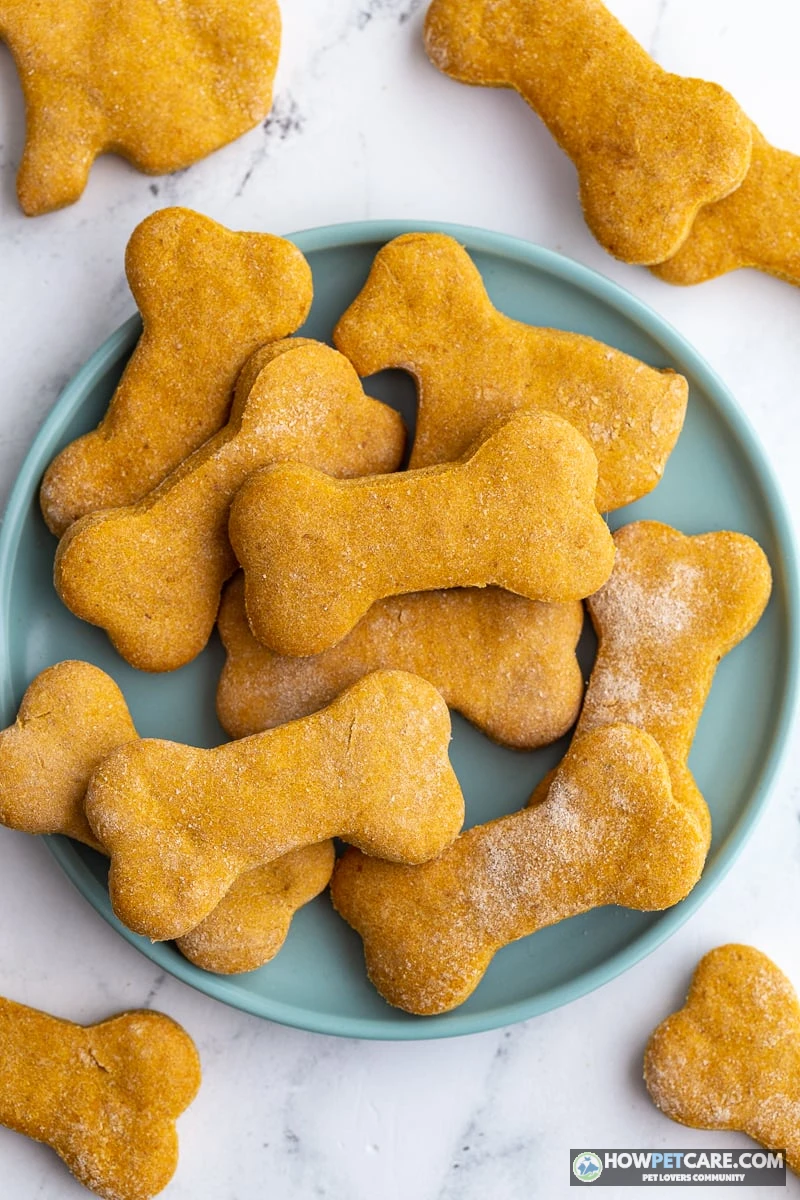

Five dog-safe homemade Thanksgiving treat recipes from this guide:
- Pumpkin and turkey crunchy biscuits (baked, ~40 calories each)
- Sweet potato and turkey mini muffins (soft, baked)
- No-bake pumpkin and turkey bites (no oven needed)
- Grain-free, egg-free pumpkin biscuits
- Leftover turkey and green bean bites
Plain cooked turkey breast, 100% pumpkin puree, plain cooked sweet potato, and unseasoned green beans all work in homemade Thanksgiving dog treats. Leave skin, bones, butter, seasoning, stuffing, and gravy out of your dog’s portion. The five options below include crunchy biscuits, soft mini muffins, no-bake bites, a grain-free biscuit, and leftover-based bites. Each recipe has estimated calories, while the portion and storage guides explain how much to serve and how to keep treats safely.
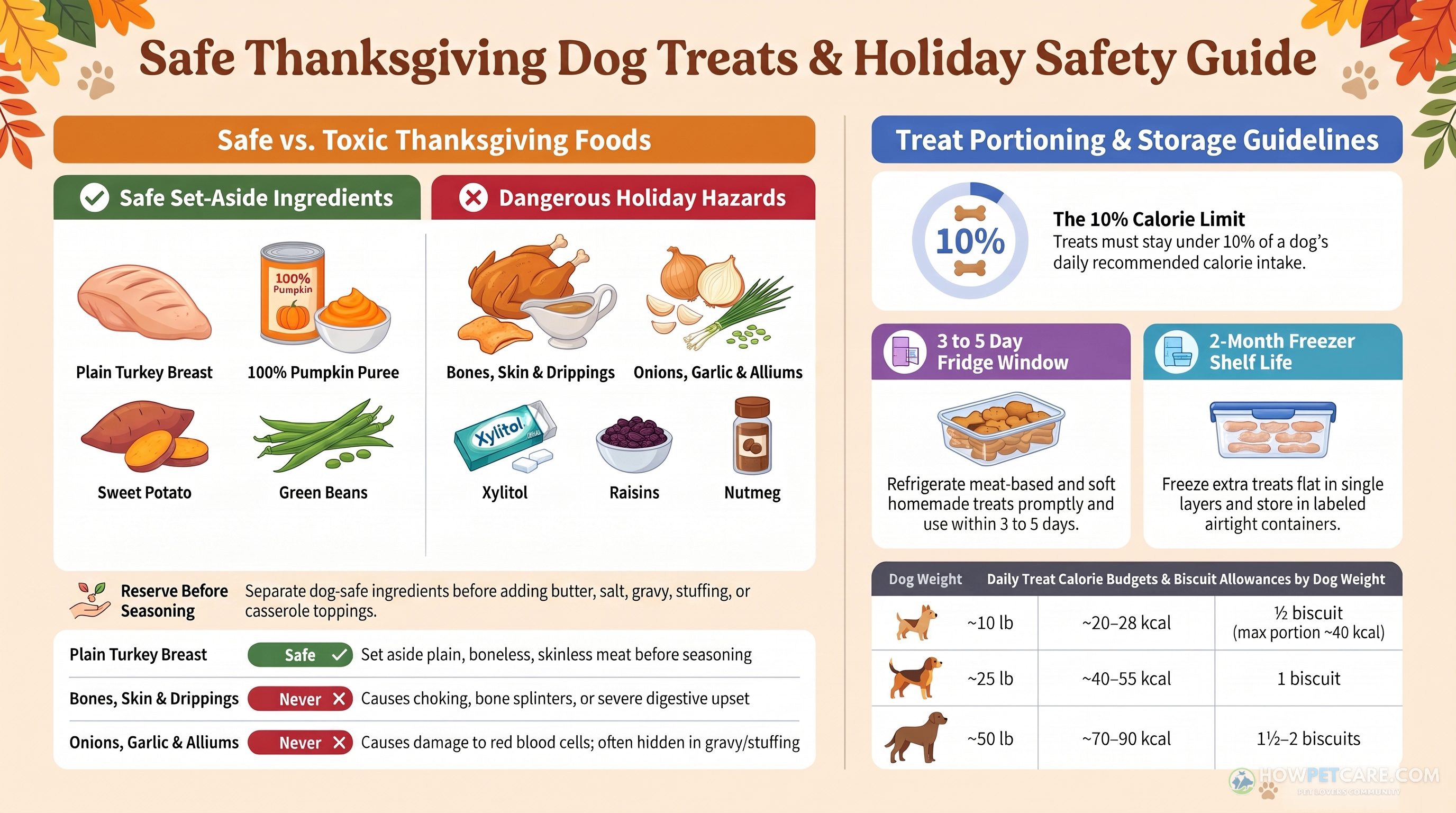
As a quick portion guide, treats should stay under about 10% of your dog’s daily calories — for a 25 lb dog, that works out to roughly one 40-calorie biscuit a day. These are treats, not complete diets. AAFCO’s “complete and balanced” statement applies to foods intended to provide a dog’s full diet; a homemade treat is a supplement, not a meal replacement. Get veterinary approval before trying any recipe if your dog has a health condition or eats a prescription or veterinary diet.
Safe Thanksgiving Treat Ingredients for Dogs and Which Recipe to Make First
Set aside dog-safe ingredients before adding seasoning. Use thoroughly cooked, plain turkey breast; plain pumpkin puree; cooked sweet potato; and plain green beans. Avoid leftovers that have touched gravy, stuffing, butter, salt, onions, garlic, or turkey drippings.
The calorie and nutrition figures below are estimates, not laboratory analyses. They’re calculated from approximate ingredient amounts and USDA FoodData Central values, divided by the expected yield. Brands, ingredient sizes, moisture, and substitutions can all change the result.
Can dogs eat turkey, and which parts are safe?
Dogs can eat a small amount of plain, thoroughly cooked, boneless turkey breast. Remove the skin and visible fat, and don’t add salt, butter, gravy, onion, garlic, or other seasoning. Lean turkey can provide protein, but use it as a treat ingredient rather than a replacement for a balanced diet.
Don’t give dogs cooked turkey bones. They can splinter and cause choking or injury. Turkey skin, fat trimmings, and drippings are poor treat ingredients, too, because a rich, fatty meal can upset a dog’s digestion. Set aside your dog’s turkey before the bird is seasoned or carved.
Can dogs eat canned pumpkin or pumpkin pie filling?
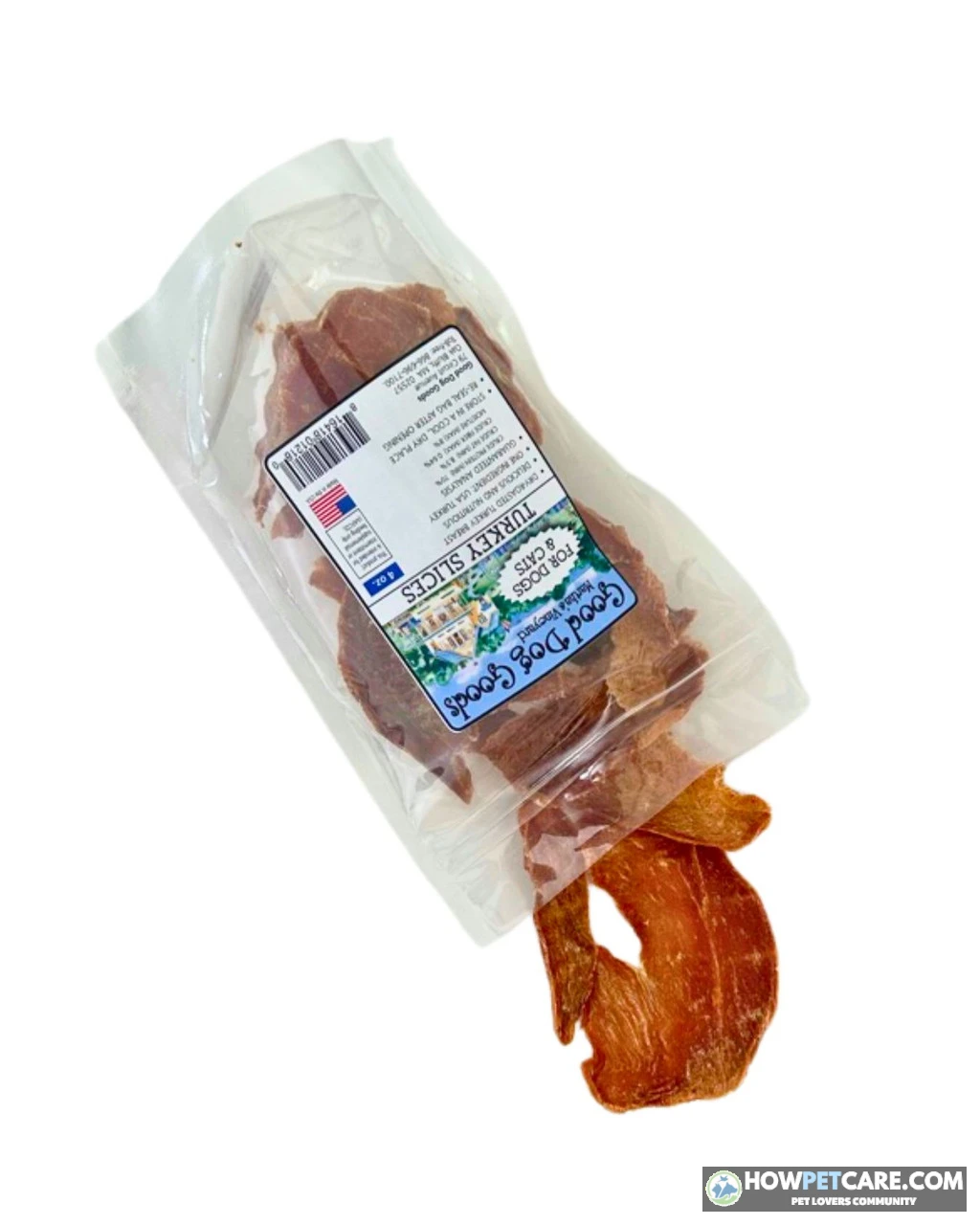
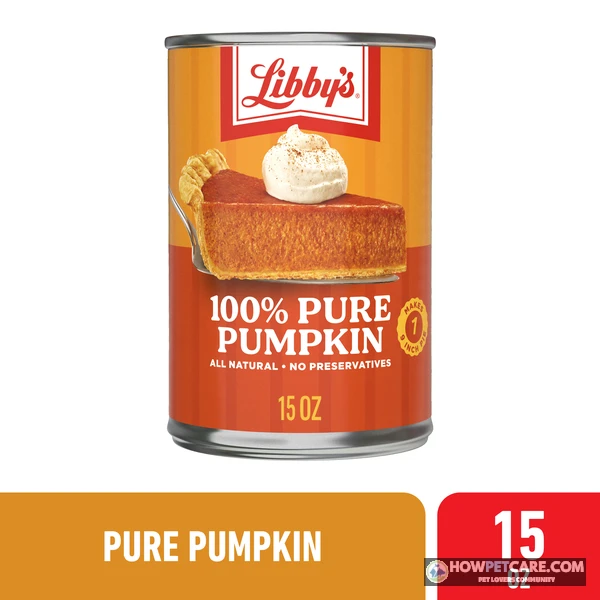
Plain canned pumpkin puree is suitable for many dogs in small amounts. Check the ingredient label: it should say 100% pumpkin, not pumpkin pie filling. Pie filling is sweetened and spiced, and other additives may make it unsuitable for dogs.
Pick your recipe in 30 seconds
- No oven space: make the no-bake pumpkin-turkey bites.
- Wheat-free or grain-free needs: try Recipe 4, and check the ingredients with your veterinarian if your dog has a diagnosed allergy.
- Plain leftovers set aside before seasoning: use Recipe 5.
- Crunchy treats for gifting or longer storage: choose Recipe 1.
- A softer option: choose the mini muffins in Recipe 2.
Thanksgiving Foods That Are Toxic or Unsafe for Dogs: A Checklist to Print
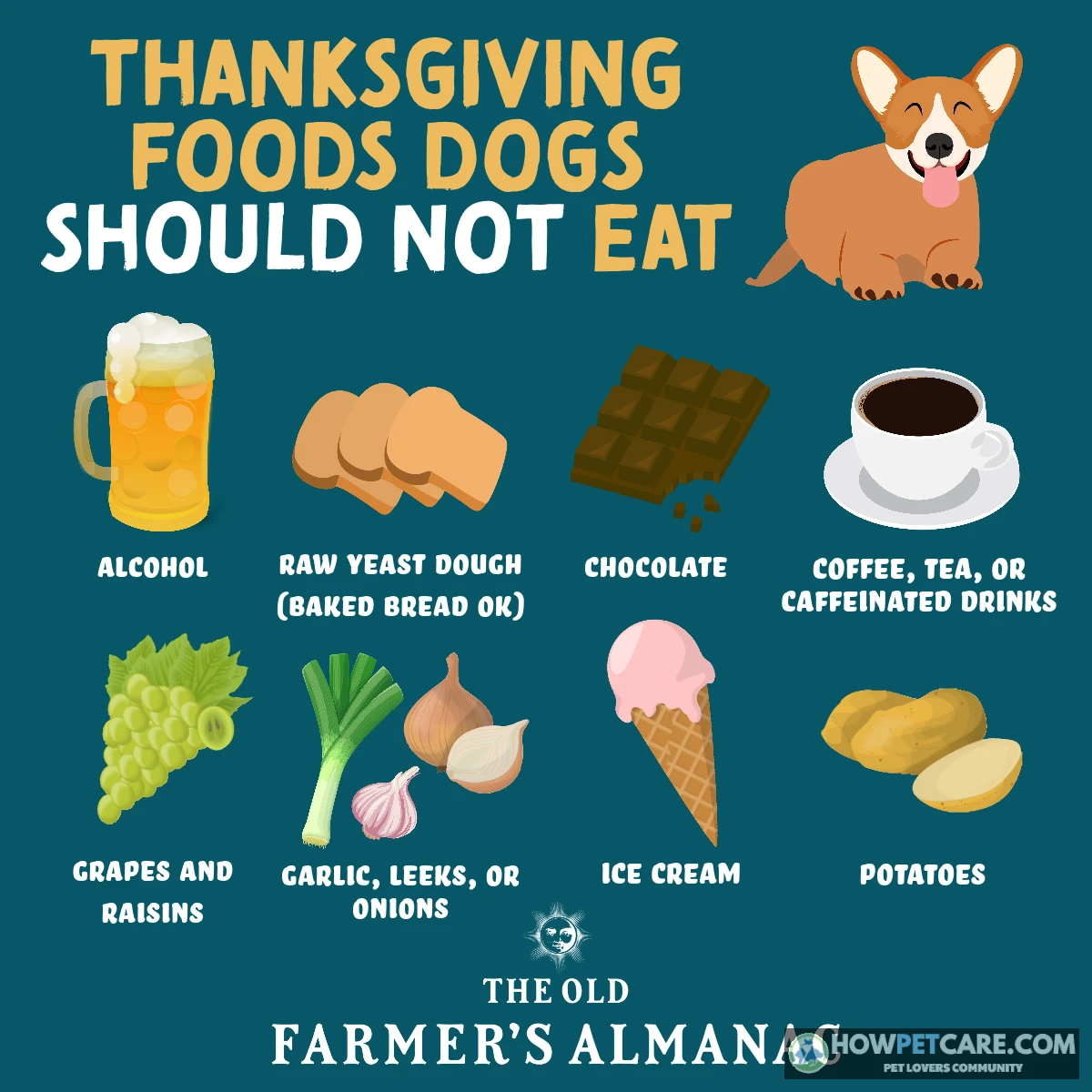
Keep this list near your food-prep area. “Safe” means plain and unseasoned, and still served in a modest treat portion. The 10% treat guideline is explained below; it doesn’t make unsafe ingredients safe.
Toxic and unsafe foods at a glance
| Food | Verdict (safe / caution / never) | Why | What to do instead |
|---|---|---|---|
| Plain cooked turkey breast, skinless and boneless | Safe | Plain lean meat can be used in a treat | Set aside before seasoning |
| Turkey skin, fat trimmings, drippings | Never for treats | Rich, fatty leftovers can cause digestive problems | Discard; do not pour drippings over food |
| Cooked turkey or chicken bones | Never | Can splinter, choke, or injure the digestive tract | Securely bag and discard out of reach |
| Onion, garlic, chives, leeks | Never | Can damage red blood cells; often hidden in mixed dishes | Keep out stuffing, gravy, and seasoned sides |
| Grapes and raisins | Never | Can cause kidney injury, and a safe amount cannot be assumed | Check stuffing, desserts, and fruit dishes |
| Xylitol | Never | Highly toxic to dogs | Check peanut butter and sugar-free product labels |
| Chocolate | Never | Can poison dogs | Keep desserts and plates out of reach |
| Macadamia nuts, alcohol, raw yeast dough | Never | Each poses a serious poisoning or injury risk | Keep sealed and inaccessible |
| Stuffing and gravy as served | Never | Commonly contain onion, garlic, fat, and salt | Use only ingredients reserved before seasoning |
| Sweet potato casserole or candied yams | Never | Often contain sugar, butter, marshmallows, or spices | Use plain cooked sweet potato flesh |
| Plain 100% pumpkin puree | Safe | A useful treat ingredient | Confirm the label says plain pumpkin |
| Pumpkin pie filling | Never | Contains sugar and spices; check for additional hazards | Use plain puree instead |
| Plain cooked green beans | Safe | Can add texture without rich toppings | Set aside before butter, salt, or casserole sauce |
| Cranberry sauce | Avoid | Often sugar-heavy; prepared versions may include unsafe ingredients | If using cranberries, choose plain unsweetened and use very little |
| Plain unsweetened cranberries | Caution | Tart and not necessary for a treat | Use only a small amount, if at all |
| Nutmeg or heavy pumpkin pie spice | Avoid | Nutmeg can be toxic in larger amounts | Skip spices; the recipes do not need them |
| Plain mashed potato before additions | Caution | Plain potato differs from buttered, salted sides | Set aside a small plain portion before mixing |
| Buttered, salted, or creamed sides | Never for treats | Rich additions can upset digestion | Use the dog’s plain set-aside ingredients |
Onions, garlic, and related alliums can appear as powders in packaged food, stuffing, and gravy. Read labels rather than judging a dish by its appearance. Xylitol can appear in some peanut butters and sugar-free products, so check the label before using any spread.
What from your plate can go into a treat, and what goes in the trash
Set aside plain turkey breast, plain cooked sweet potato, and plain green beans before seasoning them or adding them to casseroles. Plain pumpkin puree can come from a can labeled 100% pumpkin. Don’t repurpose stuffing, gravy, seasoned turkey, skin, bones, casserole, pie filling, or scraps from a plate that has been sauced or buttered.
Five Homemade Thanksgiving Dog Treat Recipes: Biscuits, Muffins, No-Bake, Grain-Free and Leftover Bites
Use clean utensils and thoroughly cooked meat. For recipes containing turkey, cook it plainly before mixing it into the dough. Baking temperatures and times vary with dough thickness, so check that treats are cooked through and let them cool fully before serving.
Recipe 1: Pumpkin and turkey crunchy biscuits
Format: Baked, crunchy. Yield: About 40 small biscuits. Prep: 15 minutes. Cook: 20–25 minutes. Total: About 40 minutes, plus cooling. Estimated nutrition: About 40 calories, 2–3 g protein, and 1–2 g fat per biscuit. These are recipe-based estimates, not guaranteed nutrient values.
Ingredients
- 1 cup plain 100% pumpkin puree
- ½ pound cooked, skinless, boneless turkey breast, finely chopped
- 2 cups whole wheat flour
- ½ cup rolled oats
- 1 egg
- A little water, as needed
Steps
- Heat the oven to 350°F. Line a baking sheet with parchment.
- Mix the pumpkin, chopped turkey, and egg. Stir in the flour and oats until a workable dough forms; add water a teaspoon at a time if it’s too dry.
- Roll the dough to about ¼ inch thick and cut into small biscuits. Keep the cutter size consistent so the calorie estimate per biscuit stays useful.
- Bake for 20–25 minutes, until firm and cooked through. Cool completely before feeding or storing.
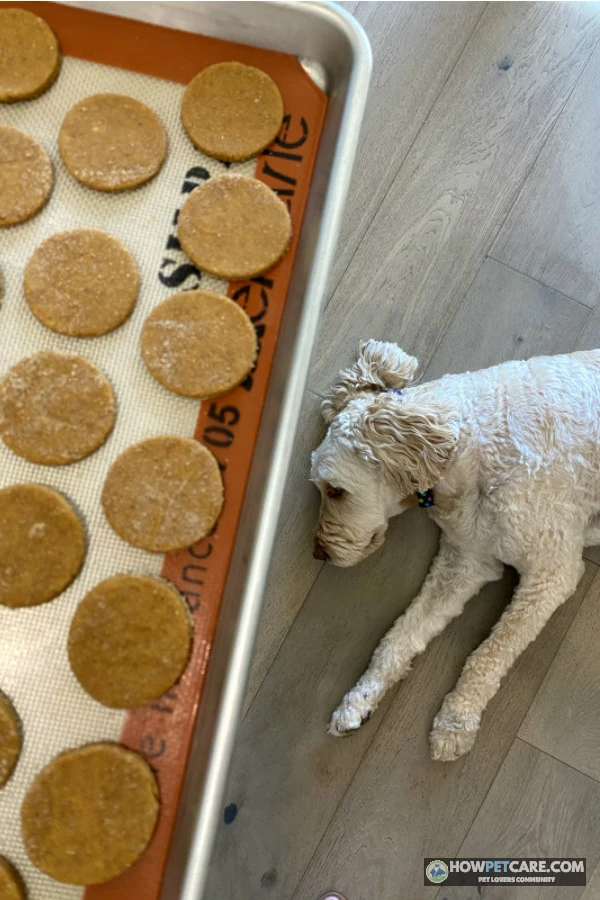
Storage: Follow the biscuit guidance in the storage section. For a crisper result, let the cooled biscuits dry thoroughly before sealing; drying can help extend their keeping quality.
Recipe 2: Sweet potato and turkey mini muffins
Format: Soft, baked mini muffins. Yield: About 24 mini muffins. Prep: 15 minutes. Cook: 15–20 minutes. Total: About 35 minutes, plus cooling. Estimated nutrition: About 30–40 calories, 2–3 g protein, and 1–2 g fat per mini muffin.
Ingredients
- 1 cup cooked, mashed plain sweet potato
- ½ cup cooked, finely chopped turkey breast
- 1 egg
- 1 cup oat flour
- 2–4 tablespoons water, as needed
Steps
- Heat the oven to 350°F and lightly grease a mini-muffin tin with a small amount of oil, or use silicone cups.
- Mix the sweet potato, turkey, and egg, then stir in the oat flour. Add water gradually until the batter is thick but spoonable.
- Divide evenly among 24 mini muffin wells.
- Bake for 15–20 minutes, until the centers are set. Cool fully before serving.
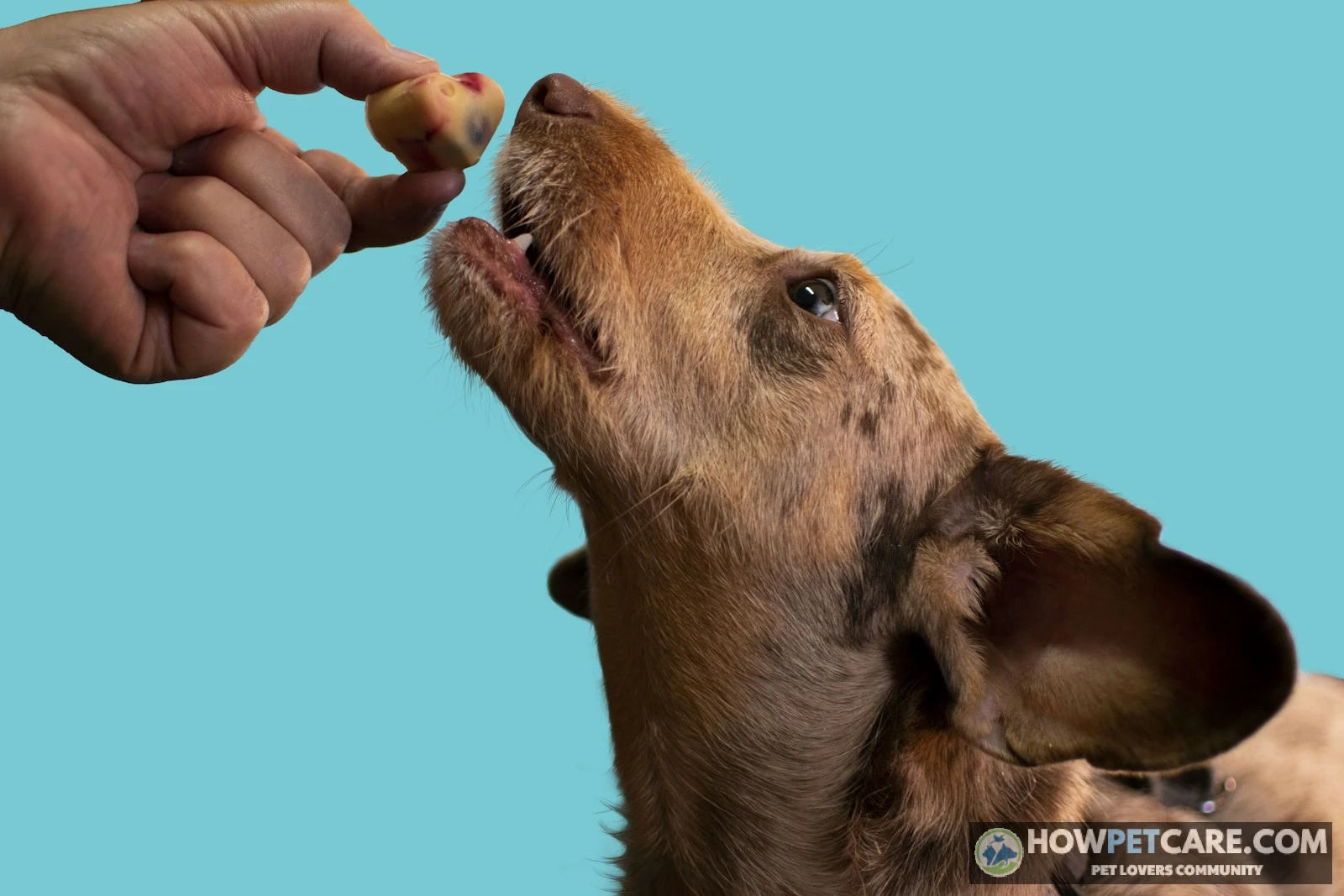
Storage: These moist muffins need refrigeration or freezing; see the storage table.
Recipe 3: No-bake pumpkin and turkey bites (no oven needed)
Format: No-bake, refrigerated. Yield: About 20 small bites. Prep: 15 minutes. Cook: None. Chill: 30 minutes. Total: About 45 minutes. Estimated nutrition: About 30–40 calories, 2–3 g protein, and 1–2 g fat per bite.
Ingredients
- ½ cup plain 100% pumpkin puree
- ½ cup cooked, finely shredded turkey breast
- 1 cup rolled oats, blended into a coarse flour
- 1 tablespoon plain peanut butter, optional, only if the label confirms it contains no xylitol
Steps
- Stir together the pumpkin, turkey, and optional peanut butter.
- Mix in the oat flour until the mixture holds its shape. Add a little more oat flour if it’s sticky, or a teaspoon of water if it crumbles.
- Roll into 20 small bites and place in a covered container.
- Chill for at least 30 minutes. Serve cold and keep the rest refrigerated.
Storage: These bites are moist and contain meat, so refrigerate them promptly and use the short storage limit in the table. Don’t leave them out as a party snack.
Recipe 4: Grain-free, egg-free pumpkin biscuits
Format: Baked, firm biscuit. Yield: About 30 small biscuits. Prep: 15 minutes. Cook: 20–25 minutes. Total: About 40 minutes, plus cooling. Estimated nutrition: About 40–50 calories, 2–3 g protein, and 1–2 g fat per biscuit.
Ingredients
- ¾ cup chickpea flour
- ¼ cup tapioca starch
- ½ cup plain 100% pumpkin puree
- ½ cup cooked, finely chopped turkey breast, or a vet-approved alternative protein
- 1 tablespoon ground flaxseed mixed with 3 tablespoons water; rest for 5 minutes
- Water, as needed
Steps
- Heat the oven to 325°F and line a baking sheet with parchment.
- Mix the flaxseed and water and let it thicken. Stir in the pumpkin and turkey.
- Add the chickpea flour and tapioca starch. Knead until the dough holds together, adding water a teaspoon at a time if needed.
- Roll between parchment sheets and cut into 30 small biscuits. Bake for 20–25 minutes, until set and dry at the edges. Cool completely.
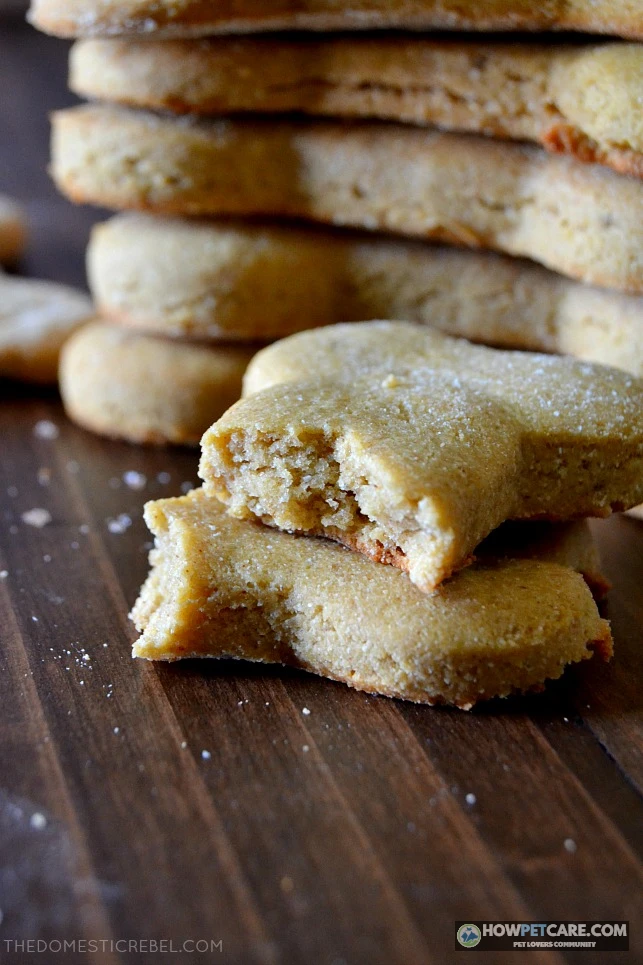
Storage: Follow the biscuit guidance below. Grain-free isn’t automatically healthier; ask your veterinarian before choosing a grain-free diet for medical reasons.
Recipe 5: Leftover-plate turkey and green bean bites
Format: Baked, soft bites. Yield: About 24 small bites. Prep: 15 minutes. Cook: 15–20 minutes. Total: About 35 minutes, plus cooling. Estimated nutrition: About 25–35 calories, 2–3 g protein, and 1–2 g fat per bite.
Ingredients
- ½ cup plain cooked turkey breast, finely chopped
- ½ cup plain cooked green beans, chopped
- ½ cup cooked, mashed sweet potato
- 1 egg
- ¾ cup oat flour
Steps
- Heat the oven to 350°F and line a baking sheet with parchment.
- Mix the turkey, green beans, sweet potato, and egg. Stir in the oat flour until the mixture can be shaped.
- Form 24 small bites and space them on the baking sheet.
- Bake for 15–20 minutes, until firm and cooked through. Cool completely.
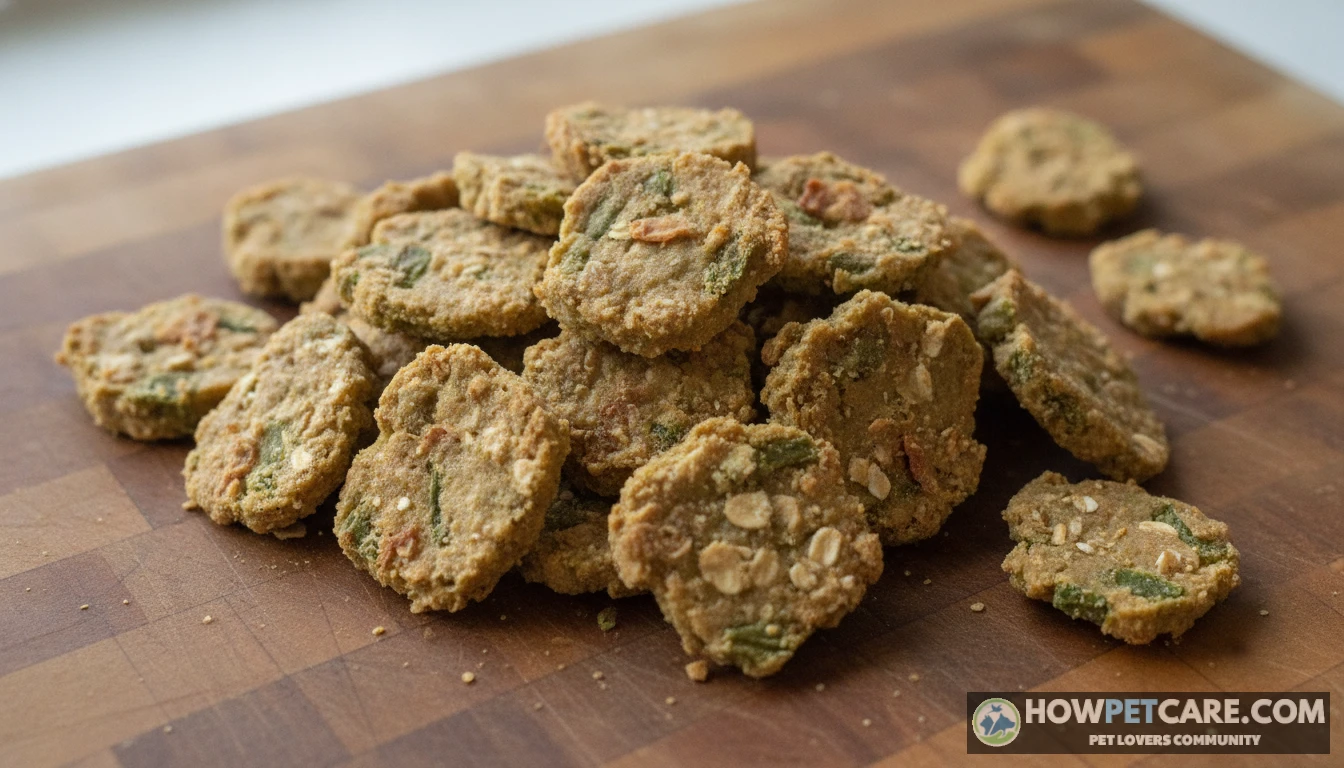
Storage: These treats are moist. Refrigerate or freeze them according to the guide below.
Recipe comparison: time, calories, oven needed and storage
| Recipe | Format | Oven needed | Main allergens / free-from | Approx. calories per treat (estimate) | Est. cost per treat | Fridge guideline | Freezer guideline |
|---|---|---|---|---|---|---|---|
| Pumpkin-turkey biscuits | Crunchy biscuit | Yes | Wheat, egg; turkey | ~40 | ~$0.13 | Up to 5 days | About 2 months |
| Sweet potato-turkey muffins | Soft mini muffin | Yes | Oat; egg; turkey | ~30–40 | ~$0.15–$0.25 | Up to 3–4 days | About 2 months |
| No-bake pumpkin-turkey bites | Soft bite | No | Oat; optional peanut; turkey | ~30–40 | ~$0.15–$0.25 | Up to 3 days | About 2 months |
| Grain-free pumpkin biscuits | Firm biscuit | Yes | Chickpea; flax; turkey | ~40–50 | ~$0.15–$0.30 | Up to 5 days | About 2 months |
| Turkey and green bean bites | Soft bite | Yes | Oat; egg; turkey | ~25–35 | Low if using set-aside leftovers | Up to 3–4 days | About 2 months |
Cost and nutrition figures are estimates. Ingredient prices, batch yield, and substitutions change the results. Storage dates are conservative home-kitchen guidelines, not guarantees. Keep meat-based treats refrigerated and discard any that look or smell spoiled.
Swapping Wheat, Eggs or Chicken: Allergy-Friendly Substitutions That Keep the Texture
A substitution changes both texture and calories. Introduce new ingredients one at a time, especially for a dog with suspected food allergies. Itching, ear problems, and digestive upset can have several causes; ask a veterinarian rather than diagnosing an allergy from one reaction.
Wheat-free swaps
For Recipes 1, 2, and 5, oat flour can replace wheat flour at roughly a 1:1 volume ratio. It usually makes a somewhat denser, softer crumb. For a simple oat flour, blend rolled oats into a fine powder; check with your veterinarian whether oats suit your dog’s needs.
For a grain-free biscuit, use chickpea flour with tapioca starch as in Recipe 4. Don’t replace all the flour with tapioca: it works better as a binder. Coconut flour is highly absorbent and isn’t a simple 1:1 substitute. It can make dough dry and crumbly unless the moisture and binder are adjusted.
Egg-free swaps
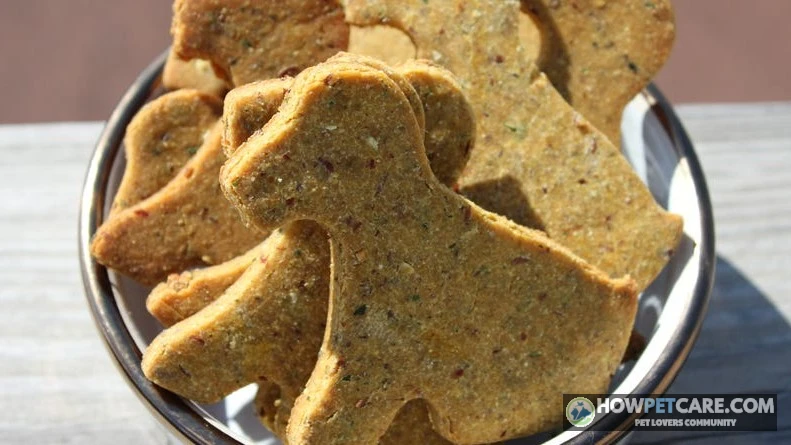
A flax “egg” is 1 tablespoon ground flaxseed mixed with 3 tablespoons water and rested for 5 minutes. It binds dough but tends to produce a softer, less crisp biscuit. Plain pumpkin puree can also help bind dough, though the result is moister and heavier. For Recipe 4, use the flax mixture already listed.
Chicken-free swaps
These recipes use turkey, not chicken, but a dog with a chicken allergy may also react to turkey; cross-reactivity varies. Confirm the protein with your veterinarian instead of assuming turkey is suitable. A same-weight amount of plain cooked lean beef may work in the recipes, or you can use plain cooked fish in softer muffins and bites. Fish adds moisture, so reduce other liquid. Check broth, stock, and prepared ingredients for hidden chicken.
| Original | Swap | Amount | Texture effect | Best in |
|---|---|---|---|---|
| Whole wheat flour | Oat flour | About 1:1 by volume | Denser, softer crumb | Biscuits and muffins |
| Whole wheat flour | Chickpea flour | About 1:1 by volume | Denser, earthier; holds together | Grain-free biscuits |
| Part of flour | Tapioca starch | Combine with chickpea flour; use as binder | Adds chew and cohesion | Grain-free, egg-free biscuits |
| Egg | Flax egg | 1 tbsp ground flaxseed + 3 tbsp water | Binds; softer, less crisp | Biscuits and bites |
| Turkey | Plain cooked lean beef | Same weight | Similar structure, richer smell | Any recipe |
| Turkey | Plain cooked fish | Same weight; drain well | Adds moisture | Muffins and bites |
Recalculate treat portions when you change ingredients. The calorie estimates printed with the recipes will no longer apply exactly.
How Many Treats Can My Dog Have? Portion and Calorie Math by Weight
Treats should make up no more than about 10% of a dog’s daily calories; the rest should come from a nutritionally complete diet. The holiday doesn’t change that guideline. Table scraps, training treats, and treats from guests all count toward the same daily allowance.
The 10% calorie rule in one formula
Daily treat budget = estimated daily calories × 0.10. Divide that budget by the calories in one treat to estimate the maximum number. For example, if a dog’s daily allowance is 500 calories, its treat budget is about 50 calories. At roughly 40 calories each, one whole biscuit would fit; a second would exceed that estimate.
The weight-based figures below are broad starting estimates for healthy adult dogs, not individual calorie prescriptions. Energy needs vary with age, activity, body condition, and health. Use your dog’s food label or veterinary guidance for its actual daily calories, then apply the formula. Round down when in doubt.
Treats per day by dog weight
| Dog weight | Approx. daily calories | Daily treat calorie budget | Biscuit (~40 kcal) | Mini muffin (~35 kcal) | No-bake bite (~35 kcal) | Grain-free biscuit (~45 kcal) |
|---|---|---|---|---|---|---|
| About 10 lb | ~200–275 | ~20–28 kcal | ½ | ½–¾ | ½–¾ | ½ |
| About 25 lb | ~400–550 | ~40–55 kcal | 1 | 1–1½ | 1–1½ | About 1 |
| About 50 lb | ~700–900 | ~70–90 kcal | 1½–2 | 2–2½ | 2–2½ | 1½–2 |
| About 80 lb | ~1,000–1,300 | ~100–130 kcal | 2½–3 | 3–3½ | 3–3½ | 2–2½ |
The table uses the recipe estimates above and rounds portions to practical fractions. Treat sizes vary, so weigh or divide treats if you need closer portion control. If your dog has already had other snacks, subtract those calories first.
Multi-dog homes and very small or very large dogs
Calculate each dog’s allowance separately; don’t give a small dog the larger dog’s portion. Feed dogs apart if they compete for food, and break biscuits into smaller pieces for toy breeds. For dogs over the largest weight class, use the dog’s actual daily calorie guidance rather than extrapolating the table.
Dogs that are overweight, puppies, seniors, and dogs with diabetes, pancreatitis, kidney disease, or veterinary diets need individualized advice. Ask your veterinarian before adding treats or changing the usual diet.
How Long Homemade Dog Treats Last: Storage, Freezing and Thawing
Moisture makes a practical difference: dry biscuits generally keep longer than soft muffins and meat-containing no-bake bites. Refrigerate cooked meat treats promptly. The fridge limits below are conservative guidelines; don’t treat refrigerated homemade treats as shelf-stable products. One source recommends refrigerating homemade treats for up to 5 days.
Counter, fridge and freezer guidelines by recipe
| Recipe type | Room temperature | Refrigerator | Freezer |
|---|---|---|---|
| Fully dried crunchy biscuits | Up to 2–3 days in a cool, dry place in an airtight container; discard sooner if soft or damp | Up to 5 days | About 2 months |
| Soft muffins and leftover bites | Do not leave out longer than needed to cool and serve | Up to 3–4 days | About 2 months |
| No-bake turkey bites | Do not store on the counter | Up to 3 days | About 2 months |
These timeframes are cautious household guidelines, not a guarantee of safety. Recipe moisture, room temperature, handling, and container cleanliness all matter. When unsure, refrigerate promptly, freeze extras, and discard anything with mold, an off smell, or a slimy texture.
Freezing and thawing step by step
- Cool baked treats completely. Don’t seal them while warm, which can trap condensation.
- Arrange portions in a single layer on a tray and freeze until firm.
- Transfer them to an airtight freezer bag or container. Label it with the recipe, date, and any allergens.
- Thaw the amount you need in the refrigerator, not on the counter. Serve once thawed and keep any remaining portion refrigerated.
Making treats to give to other dog owners
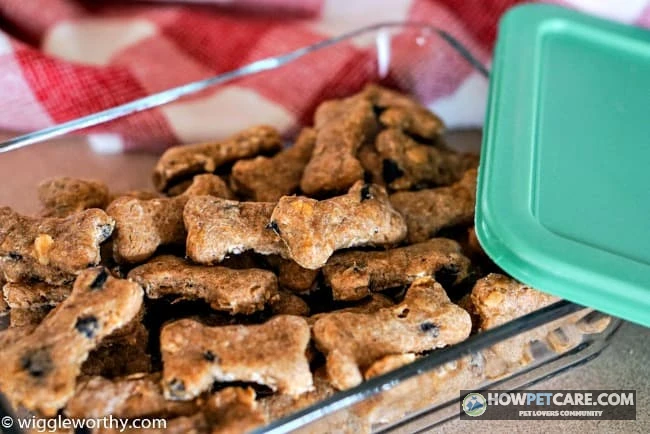
Crunchy biscuits are easier to package for gifts than moist meat bites, but they aren’t necessarily shelf-stable. Include an ingredient list, the date made, storage instructions, and a clear note about wheat, egg, turkey, or other allergens. Label soft treats “refrigerate” and frozen treats “keep frozen.” Ask the recipient to check the ingredients against their dog’s dietary needs.
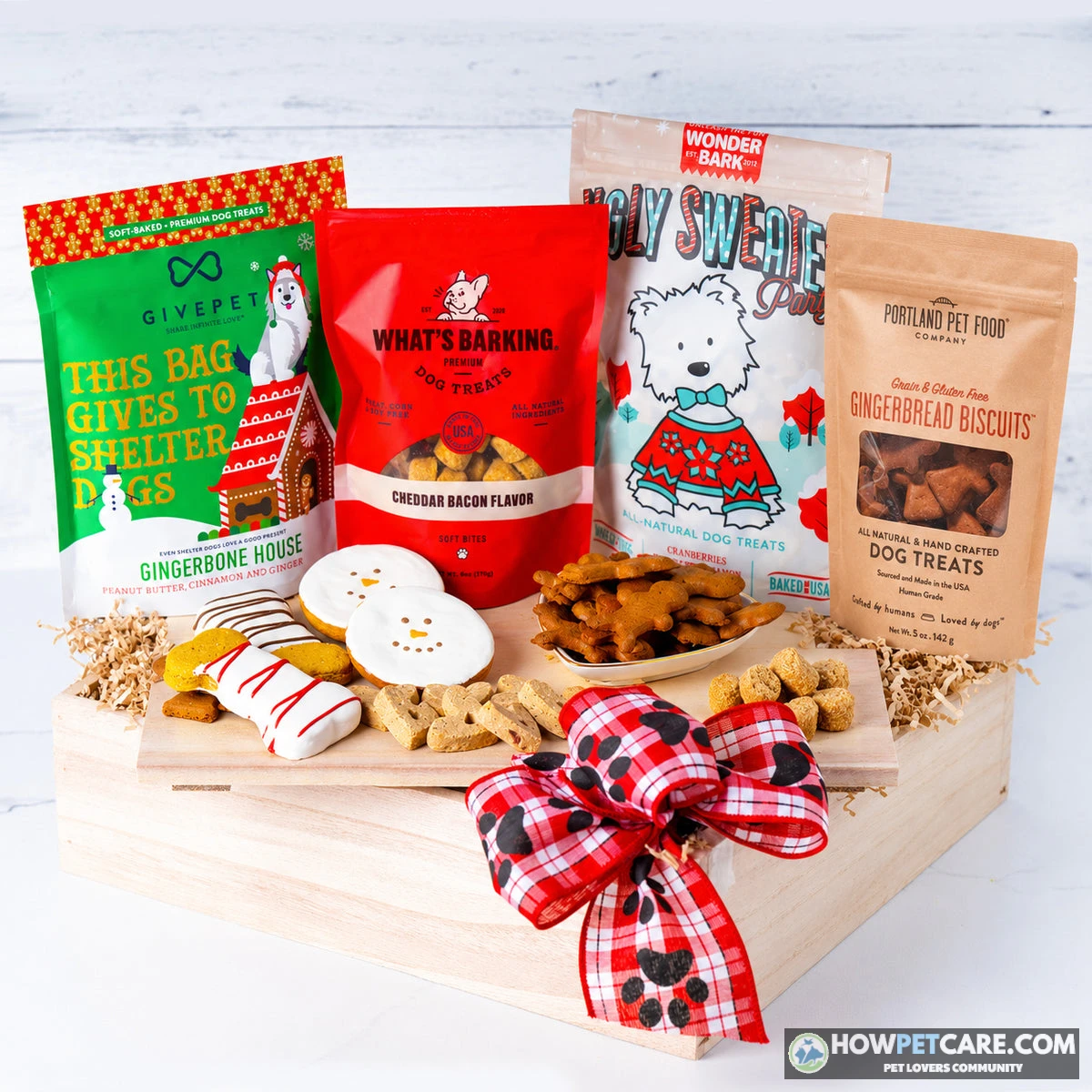
Prepare treats before Thanksgiving Day if oven space will be limited. Cool, portion, and freeze them ahead; thaw only what you plan to serve.
Homemade vs. Store-Bought Thanksgiving Treats: Cost per Treat and What to Check on the Label
Homemade treats can cost less per piece and give you control over the ingredients, but they take time and usually need refrigeration or freezing. Store-bought treats are convenient and often keep longer unopened; their ingredients and calories still deserve a label check. Neither option is right for every household.
Cost per treat: a worked example
The example below uses typical U.S. grocery prices and an estimated batch yield; replace them with your local prices. A 15-ounce can of pumpkin at $2.50 contributes about $1.25 when using half the can. Half a pound of turkey at $5 per pound costs $2.50; flour, oats, and one egg add about $1.45. That makes the batch about $5.20. At a yield of 40 biscuits, $5.20 divided by 40 is approximately $0.13 per biscuit.
For comparison, an artisanal bakery seasonal biscuit may cost about $6 each, while a hypothetical $10 bag containing 25 treats works out to $0.40 per treat. These are example prices, not a market survey, so check current local prices. Leftover-based bites can cost less when the plain turkey and vegetables are already being prepared.
The trade-off is practical: homemade gives you ingredient control and can be economical, while store-bought saves time. Homemade meat treats have a much shorter storage window than a sealed commercial bag.
What to check on a store-bought treat label
Read the full ingredient list for xylitol, onion or garlic powder, raisins, chocolate, and ingredients your dog must avoid. Check calories per treat and the feeding instructions so you can count them toward the 10% budget. Review allergen information, especially for a dog with a known food allergy. An AAFCO complete-and-balanced statement is relevant to a food meant to provide a full diet; a treat is not a substitute for that diet. This is a comparison, not a product recommendation or buying guide.
What to Do If Your Dog Eats Turkey Bones, Onions, Garlic or Pie Filling
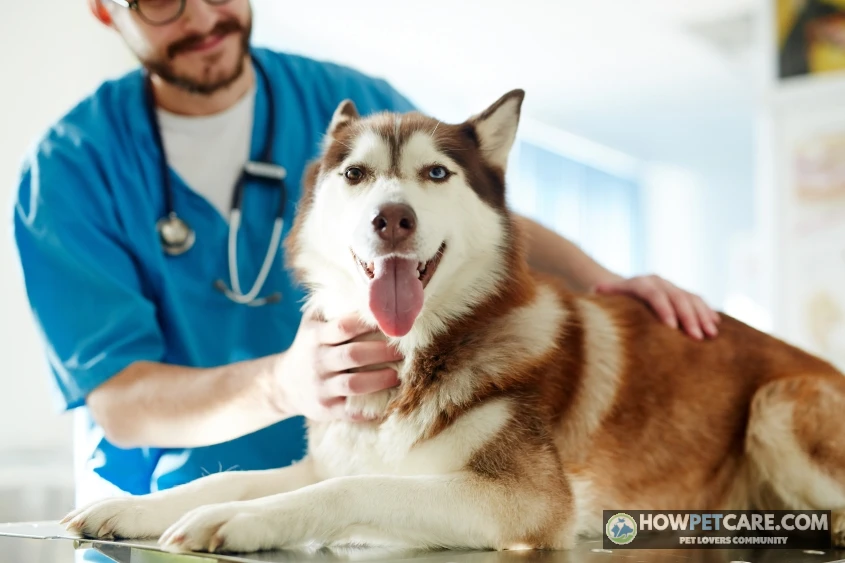
This is basic triage, not veterinary treatment. If your dog eats a cooked bone, onion or garlic, pie filling, or another potentially toxic food, call your veterinarian or an emergency clinic promptly. A poison professional can help assess the ingredients, amount, and dog’s size. Don’t wait for symptoms when a known toxin may be involved.
First five minutes: what to do and what not to do
- Move your dog away from the food and secure the remaining scraps.
- Note what was eaten, how much may be missing, and when it happened. Record your dog’s weight and any symptoms.
- Keep the package, recipe, or ingredient list. Take a photo if that’s the quickest way to share it.
- Call your veterinarian, an emergency clinic, ASPCA Animal Poison Control Center, or Pet Poison Helpline. Poison-control services may charge a consultation fee; verify their current contact details before the holiday and save them in your phone.
- Follow professional instructions. Don’t induce vomiting or give bread, food, or home remedies unless a veterinarian or poison-control professional tells you to.
Cooked turkey bone vs. stuffing with onions: how the steps differ
If your dog swallowed a cooked bone: Call a veterinarian promptly, even if your dog seems normal. Don’t try to cushion the bone with bread or another food unless directed. Watch for gagging, vomiting, lethargy, straining, blood in stool, or abdominal pain; bone fragments can cause problems after the initial swallowing.
If your dog ate stuffing or food with onion or garlic: Estimate the amount and check the recipe or package for onion, garlic, chives, or leeks. Call a veterinary professional even if your dog appears fine, because signs can be delayed. Weakness, pale gums, rapid breathing, or dark urine warrant urgent attention.
If your dog ate pie filling: Check the label. Plain pumpkin pie filling isn’t the same as plain pumpkin puree. Call promptly if it contains xylitol, raisins, chocolate, or another known toxin. If it contains only sugar and spices, contact your veterinarian for advice based on the amount and your dog’s size; don’t assume it’s harmless.
Poison control and what information they will ask for
Have your dog’s weight and age, the food’s name and ingredient list, the estimated amount eaten, the time of ingestion, and any symptoms ready. Mention health conditions and medications if relevant. Don’t delay the call to calculate a precise dose; provide your best estimate and let the professional guide the next step.
Signs that mean go to the emergency vet now
Seek emergency care for repeated vomiting, collapse, trouble breathing, a swollen or painful belly, pale gums, seizures, or severe weakness. A known toxin such as xylitol, chocolate, or raisins calls for an immediate professional call, even if symptoms haven’t started. The ASPCA and Pet Poison Helpline provide poison guidance; confirm their current numbers on their official materials before Thanksgiving rather than relying on an old saved contact.
Your Thanksgiving Dog Treat Game Plan: Prep, Feed and Safeguard Checklist
Pre-holiday checklist
- Choose a recipe that fits your dog’s ingredients and your oven availability. For a no-oven option, use Recipe 3; for plain leftovers, use Recipe 5; for a crunchy gift, make Recipe 1.
- Ask your veterinarian before offering treats to a dog on a prescription diet or with a health condition or suspected food allergy.
- Calculate your dog’s treat-calorie budget and count all snacks toward it.
- Make treats ahead, cool them, then refrigerate or freeze them with a date and ingredient label.
- Save your veterinarian, the nearest emergency clinic, and poison-control contact details in your phone.
Thanksgiving Day safeguards
- Set aside plain turkey, sweet potato, and green beans before adding seasoning, butter, or gravy.
- Keep bones, trash, plates, desserts, and drinks out of reach. Ask guests not to feed your dog from the table.
- Serve only the pre-measured treat portion and keep it separate from human food.
- Secure leftovers and bones after the meal. Watch for unusual symptoms and call a professional if your dog gets into something unsafe.
For a safer holiday treat, use plain ingredients, portion them for your individual dog, and keep them separate from the seasoned dinner food.
FAQ
Can dogs eat sweet potato casserole?
Usually not, because casseroles typically contain butter, sugar, marshmallows or nuts. Plain cooked sweet potato with no seasoning or toppings is a safer choice in small amounts.
Is pumpkin pie spice safe for dogs?
It is best avoided. Pumpkin pie spice often contains nutmeg, which can be toxic to dogs in larger amounts. A small pinch of cinnamon is generally considered low risk, but plain pumpkin puree needs no spice.
Is peanut butter safe to use in dog treats?
Plain peanut butter is commonly used in dog treats, but check the label first, because some brands contain xylitol, which is highly toxic to dogs. Choose a product with no sweeteners and use it sparingly, since it is calorie-dense.
Can puppies or dogs with health conditions eat these treats?
Puppies, seniors and dogs with conditions such as pancreatitis, diabetes, kidney disease or food allergies may need different ingredients or amounts. Ask your veterinarian before adding new treats.
Can I give my dog raw turkey instead of cooked?
Raw poultry can carry bacteria such as Salmonella that can affect both dogs and people handling it. For these treat recipes, use thoroughly cooked, plain turkey and wash hands and surfaces after handling raw meat.