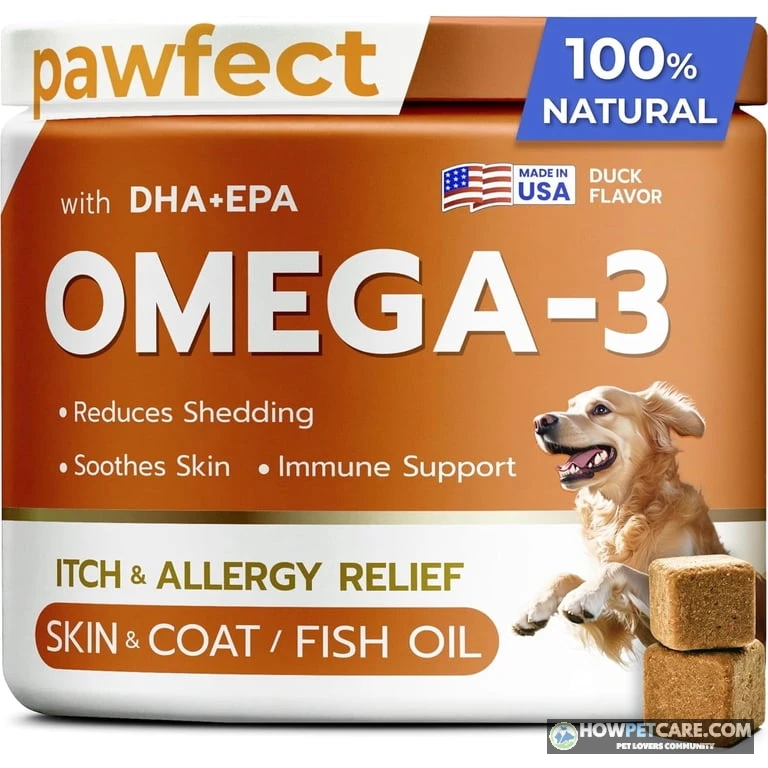

The right pick depends on the diagnosed need — healthy dogs on a complete diet usually need nothing at all:
- Joints/arthritis: omega-3 fish oil (EPA + DHA) has the strongest evidence; glucosamine–chondroitin combos like Cosequin or Dasuquin are the common vet picks.
- Itchy skin/coat: omega-3 fish oil, after parasites and infection are ruled out.
- Digestion: a strain-identified probiotic such as FortiFlora or Proviable-DC.
- Calming: Composure Pro or Purina Calming Care, alongside behavior work.
- Multivitamin: skip unless your vet recommends one — homemade/raw diets need a veterinary nutritionist’s base mix instead.
Does Your Dog Need a Supplement? The Short Verdict First
Often, the answer is none. If your dog is healthy and eats a commercial diet labeled AAFCO complete-and-balanced for its life stage, a multivitamin is usually a waste of money and can even unbalance the diet. Targeted supplements are different: rather than filling a nutrient gap, they may support a specific problem such as stiff joints, itchy skin, loose stools, or situational anxiety. Even then, a symptom is a reason for an exam first and a purchase second.
An AAFCO complete-and-balanced diet is formulated to meet minimum nutrient profiles for growth, maintenance, or all life stages. It covers the vitamins, minerals, protein, fat, and carbohydrate needs of a typical dog. What it can’t do is reverse osteoarthritis, calm allergic skin inflammation, or replace gut bacteria wiped out by antibiotics. That’s where targeted supplements may help.
Dogs who may benefit from a targeted supplement include:
- Senior dogs or large-breed dogs with early stiffness, reduced stair use, or diagnosed osteoarthritis.
- Dogs with dull, flaky, or itchy coats after fleas, mites, and infections have been ruled out.
- Dogs with soft stools clearly tied to stress, boarding, or antibiotics.
- Dogs eating homemade or raw diets that haven’t been reviewed by a veterinary nutritionist.
- Dogs whose veterinarian recommends a specific product for a diagnosed condition.
Dogs who likely don’t need one include:
- A healthy adult dog eating complete commercial kibble or wet food.
- A puppy, especially a large-breed puppy, eating the correct puppy formula.
- Any dog with an unexplained symptom that hasn’t been examined.
Pet supplements are popular. A 2006 veterinary survey estimated that about one-third of pet owners reported using some form of supplement, and older industry projections pointed to roughly 7.5% annual market growth through 2026. Today’s market is larger and more confusing, so this independent review focuses on evidence, cost, and safety rather than brand loyalty.
A symptom is a reason for an exam, not a purchase. If your dog is limping severely, vomiting, has blood in the stool, or a sudden behavior change, book the vet before buying anything.
Puppies and healthy adult dogs: what’s worth considering for prevention
Healthy adult dogs eating a quality complete diet rarely need preventive supplements. A common mistake is adding a multivitamin just in case. Fat-soluble vitamins A and D can accumulate, while extra minerals can unbalance an already complete food. For large-breed puppies, the goal is controlled growth from the right large-breed puppy food, not extra calcium or glucosamine. Too much calcium can harm a large-breed puppy’s bone development.
A short course of a veterinary-recommended probiotic during antibiotic treatment or a diet transition may be reasonable, but ask your vet first. Routine fish oil usually isn’t necessary for a dog with a normal coat, and it adds calories.
Senior dogs and large breeds: where evidence is strongest
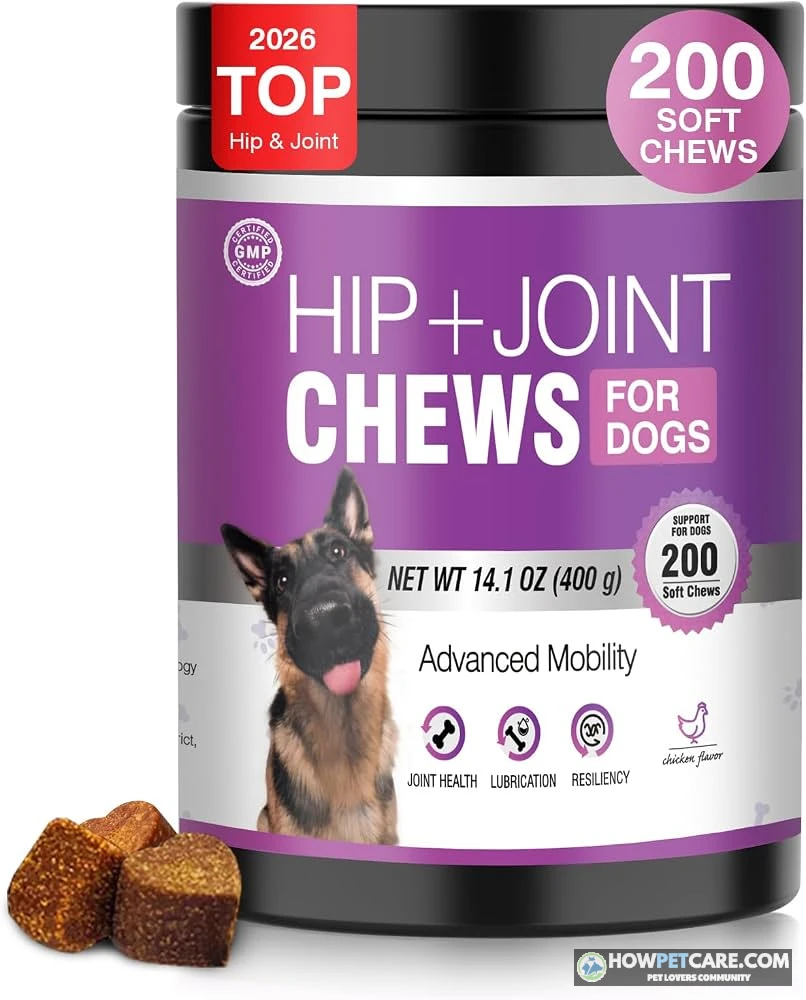
Supplements often make the most sense for senior dogs. Joint support with glucosamine, chondroitin, MSM, and omega-3 fatty acids is among the most common reasons pet parents shop. Evidence is strongest for omega-3 fish oil for osteoarthritis-related mobility; results for glucosamine alone are mixed. Large-breed dogs with hip and joint concerns may start targeted support earlier, but only after a vet checks the hips and rules out conditions that need medication.
Dogs on homemade or raw diets: the exception that can need a vet-formulated mix
A homemade or raw diet is the clearest case for a multivitamin. These diets often drift low in calcium, vitamin D, zinc, iodine, or other micronutrients. The fix isn’t an off-the-shelf chew; it’s a base mix or recipe formulated by a veterinary nutritionist. If you feed homemade meals without professional balancing, a multivitamin alone won’t solve the gaps.
This independent guide includes ranked picks by health need, cost-per-day math, a weight-based dosing matrix, stacking and interaction rules, a CBD evidence assessment, and a buy-vs-vet decision checklist. It isn’t a diagnosis guide or a substitute for veterinary care.
How We Ranked These Supplements (and Why We Don’t Sell Any)
This is an independent guide. We aren’t owned by a pet retailer, we don’t sell supplements, and there are no affiliate links in this article. That independence matters: several prominent listicles are produced by retailers with a financial interest in the brands they put at the top. Our goal is to give you criteria for judging any bottle yourself.
We ranked the top dog supplements and budget alternatives using five weighted criteria:
- Strength of published evidence for the active ingredient in dogs.
- Label transparency: exact milligrams of active ingredients per serving, not a hidden proprietary blend.
- Quality signals: NASC Quality Seal, third-party testing, lot numbers, and U.S. manufacturer contact.
- Cost per day at the label-recommended dose for a typical weight.
- Palatability and form: chews, liquids, powders, capsules, and how picky dogs accept them.
Evidence strength: what ‘studied in dogs’ really means
We use a four-level scale:
- Strong: multiple controlled studies in dogs, consistent results, often cited by veterinarians.
- Moderate: some controlled dog data, mixed but plausible.
- Limited: small studies, case reports, or evidence mainly from other species.
- Minimal: mostly marketing or theoretical.
Supplements aren’t approved by the FDA for efficacy before they’re sold. The NASC Quality Seal shows that a company has passed a voluntary quality-system audit, but it doesn’t prove that a product works for a specific condition. We treat the seal as a basic quality signal, not proof of a cure.
Quality signals: NASC seal, third-party testing, and lot traceability
A trustworthy label should show a current NASC Quality Seal on the package or company website, a lot number and expiration date, a manufacturer with a U.S. address and contact information, a certificate of analysis or third-party testing statement, and exact active amounts rather than vague ‘supports joint health’ language.
Red flags include proprietary blends with no disclosed amounts, miracle-cure claims, a missing lot number, and no way to reach the maker. If the label won’t tell you how many milligrams of glucosamine or EPA/DHA are in each serving, put it back.
Palatability and form: chews, liquids, powders, capsules
Soft chews are convenient, especially for small dogs, but they’re easy to overfeed and dogs can tear through them like treats. Liquids and powders allow precise dosing and can be mixed with food for picky dogs. Capsules are precise, but some dogs spit them out. The best form is the one your dog takes consistently at the right dose.
The phrase veterinarian recommended on a package is often unverifiable. The most reliable recommendation is a specific one from your own vet, who knows your dog’s medications and conditions.
 You might be wonderingPlain unsweetened greek yogurt for dogsPlain Unsweetened Greek Yogurt for Dogs: Safety & PortionsRead the answer
Best Supplements for Dogs by Health Need: Joints, Skin, Gut, Multivitamin, Calming
The best supplements for dogs match a diagnosed need and have strong evidence for that use. The picks below are grouped by problem. Prices are approximate U.S. retail as of November 2026; recheck them before buying. The same leading names appear repeatedly in veterinary roundups, including Cosequin Senior, Dasuquin large-breed hip/joint, Canine Plus, Welactin skin/coat, FortiFlora, and other vet-line products. We include those where appropriate, along with non-Nutramax and budget alternatives.
Joint and mobility support for arthritis, hips, and senior dogs
There are many joint supplements marketed for dogs with arthritis and large breeds with hip and joint concerns. Here’s how the leading options compare.
1. Nutramax Cosequin Maximum Strength Plus MSM
- Key actives: glucosamine hydrochloride, sodium chondroitin sulfate, MSM.
- Evidence: moderate; the combination has extensive veterinary use, though glucosamine alone shows mixed results.
- Form: sprinkle capsules and soft chews.
- Approximate price: $50–$70 depending on count.
- Estimated cost: ~$1.10 per day for a 50 lb dog at maintenance.
- Best for: senior dogs and large breeds with early to moderate stiffness.
- Limitation: Not a painkiller; significant pain usually needs prescription therapy.
2. Nutramax Dasuquin with MSM
- Key actives: glucosamine, chondroitin, ASU, MSM.
- Evidence: moderate; ASU adds cartilage-protection interest.
- Form: chewable tablets and soft chews.
- Approximate price: $60–$85 for 84 chews.
- Estimated cost: ~$1.60 per day for a 60 lb dog.
- Best for: larger dogs and those further along with joint wear; often a vet’s first-line joint pick.
- Limitation: Higher price and a loading-dose phase.
3. Nordic Naturals Omega-3 Pet
- Key actives: EPA and DHA.
- Evidence: moderate-to-strong for osteoarthritis-related mobility and comfort.
- Form: liquid and soft gel.
- Approximate price: $25–$35 for 8 oz liquid.
- Estimated cost: ~$0.75 per day for a 50 lb dog.
- Best for: the best-supported single add-on for arthritis; also helps skin and coat.
- Limitation: Quality varies; choose a product verified for purity and free of xylitol.
4. Zesty Paws Mobility Bites (budget non-Nutramax)
- Key actives: glucosamine, chondroitin, MSM, turmeric curcumin.
- Evidence: limited-to-moderate; turmeric curcumin evidence in dogs is limited.
- Form: soft chew.
- Approximate price: $25–$35 for 90 chews.
- Estimated cost: ~$0.70 per day for a 50 lb dog.
- Best for: budget-conscious owners whose vet approves a joint trial.
- Limitation: Less research than Nutramax; palatability varies.
5. Antinol (green-lipped mussel oil)
- Key actives: PCSO-524 from green-lipped mussel.
- Evidence: moderate and growing for joint comfort.
- Form: soft gel.
- Approximate price: $60–$90 for 30 capsules.
- Estimated cost: ~$2.50 per day.
- Best for: dogs that did not respond to glucosamine, or as an adjunct under veterinary guidance.
- Limitation: Expensive and not as broadly studied as omega-3.
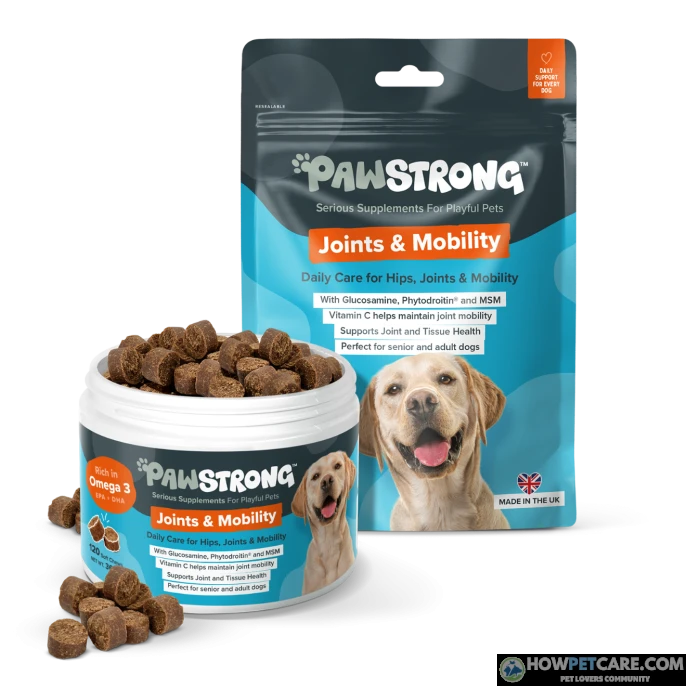
For joint health, omega-3 fatty acids are the best-supported single add-on, especially for arthritis. Glucosamine and chondroitin remain widely used, but the data for glucosamine alone are mixed. Many veterinarians choose combination products or fish oil first.
If your dog is yelping, unable to rise, or reluctant to climb stairs, a supplement is not enough. Those signs need a vet visit and possibly prescription NSAIDs or other pain control.
Itchy skin, allergies, and coat health
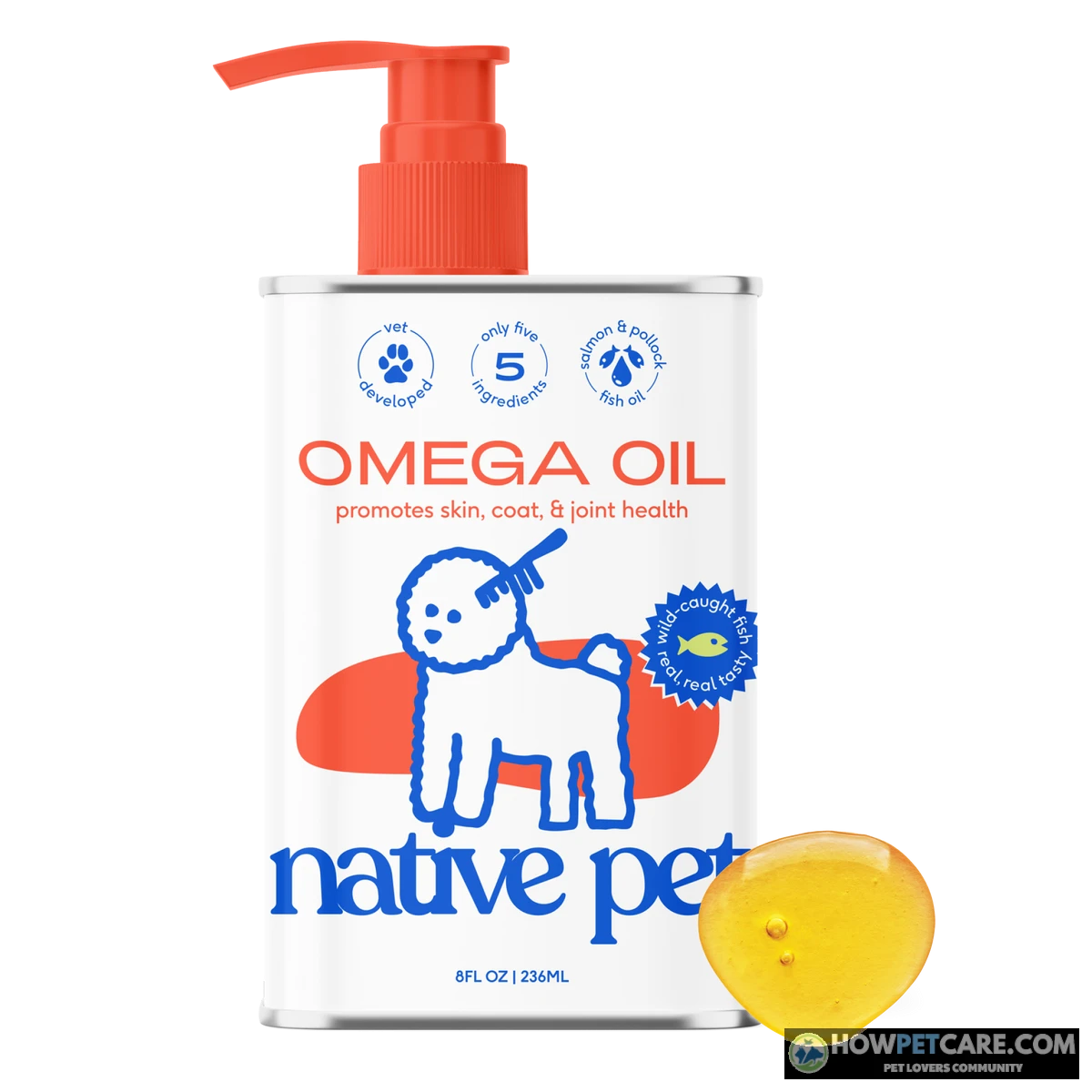
Omega-3 supplements are also a first-line choice for many skin and coat issues.
1. Nordic Naturals Omega-3 Pet
- Key actives: EPA + DHA.
- Evidence: moderate for reducing itchy skin and improving coat quality in allergic dogs.
- Form: liquid, soft gel.
- Estimated cost: ~$0.75 per day for a 50 lb dog.
- Best for: dry, flaky skin or seasonal allergies after parasites and infection are ruled out.
2. VetriScience Omega 3, 6, 9 or Vetri Mega EFA
- Key actives: fish oil and fatty acid blend.
- Evidence: moderate.
- Form: soft gel.
- Approximate price: $20–$30 for 60 soft gels.
- Estimated cost: ~$0.60 per day.
- Best for: owners who prefer a veterinary-line product.
3. Honest Paws Wild Alaskan Salmon Oil (budget liquid)
- Key actives: salmon oil (EPA/DHA).
- Evidence: limited-to-moderate; fish oil is broadly studied, but salmon-specific data are less specific.
- Form: liquid pump.
- Approximate price: $25–$35 for 16 oz.
- Estimated cost: ~$0.50 per day for a 50 lb dog.
- Best for: easy administration over food for picky dogs.
- Limitation: Pump dosing can be imprecise.
Skin and coat supplements aren’t a substitute for diagnosing allergies, fleas, mites, yeast, or bacterial infections. If your dog is chewing paws or has red skin, odor, or hair loss, see the vet first.
Digestive support for sensitive stomachs
For dogs with sensitive stomachs, look for a probiotic that identifies its strains and lists CFU at expiry.
1. Purina Pro Plan Veterinary Diets FortiFlora
- Key actives: Enterococcus faecium SF68.
- Evidence: moderate for stress- and antibiotic-associated diarrhea.
- Form: powder packet.
- Approximate price: $30–$35 for 30 packets.
- Estimated cost: ~$1.00 per day.
- Best for: acute loose stools after stress, boarding, or antibiotics.
2. Nutramax Proviable-DC
- Key actives: multi-strain probiotics and prebiotics.
- Evidence: moderate.
- Form: capsules, paste.
- Approximate price: $20–$35 depending on size.
- Estimated cost: ~$0.70 per day.
- Best for: broader strain support or longer-term use.
3. Zesty Paws Probiotic Bites (budget chew)
- Key actives: Bacillus coagulans, inulin.
- Evidence: limited-to-moderate.
- Form: soft chew.
- Approximate price: $25–$30 for 90 chews.
- Estimated cost: ~$0.60 per day.
- Best for: budget-conscious owners with a generally healthy dog and mild, occasional soft stools.
- Limitation: Strain-specific evidence is thinner.
Digestive enzymes have limited evidence for routine use in dogs with a normal pancreas. Probiotics can help some dogs, but they aren’t a cure for parasites, infection, food intolerance, or inflammatory bowel disease.
Multivitamins: only if your dog’s diet calls for one
Most dogs eating commercial food don’t need a multivitamin or extra vitamins.
1. Zesty Paws Multivitamin 8-in-1 or 10-in-1
- Key actives: vitamins, minerals, glucosamine, probiotics, fish oil.
- Evidence: limited for general wellness.
- Form: soft chew.
- Approximate price: $25–$35 for 90 chews.
- Estimated cost: ~$0.70 per day.
- Best for: dogs whose vet specifically recommends a broad chew; homemade/raw feeders still need a nutritionist-formulated base mix.
- Limitation: For dogs on AAFCO complete food, this is usually unnecessary and can push fat-soluble vitamins too high.
2. Canine Plus by VetriScience
- Key actives: broad vitamin/mineral mix with omega-3, taurine, L-carnitine.
- Evidence: limited as a general multivitamin.
- Form: chew.
- Approximate price: $30–$45 for 60 chews.
- Estimated cost: ~$1.25 per day.
- Best for: senior dogs with reduced food intake or a specific vet recommendation.
- Limitation: Not a substitute for a balanced diet.
Healthy dogs eating complete commercial food rarely need a multivitamin. The main exception is dogs on homemade or raw diets; those dogs should use a veterinary nutritionist-formulated base mix rather than an off-the-shelf chew.

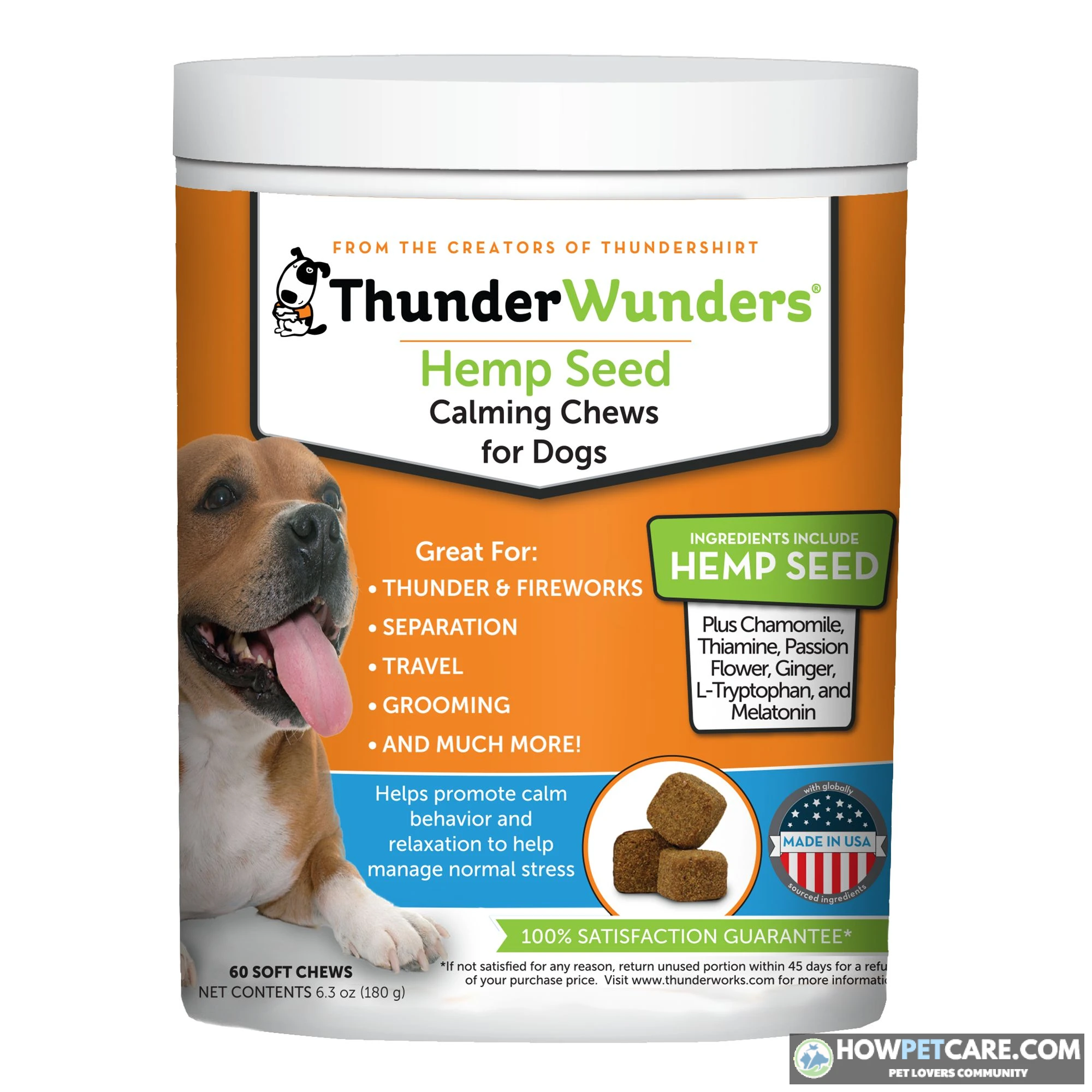
Calming supplements for anxious dogs
1. VetriScience Composure Pro
- Key actives: Colostrum Calming Complex, L-theanine, thiamine.
- Evidence: limited-to-moderate for situational stress.
- Form: soft chew.
- Approximate price: $20–$30 for 60 chews.
- Estimated cost: ~$0.80 per day as needed.
- Best for: situational triggers such as thunderstorms, travel, or vet visits, alongside behavior work.
2. Zesty Paws Calming Bites
- Key actives: L-theanine, L-tryptophan, chamomile, valerian.
- Evidence: limited.
- Form: soft chew.
- Approximate price: $25–$30 for 90 chews.
- Estimated cost: ~$0.60 per day.
- Best for: a budget option for mild situational anxiety.
- Limitation: Herbal blends have less canine evidence; not for severe anxiety or aggression.
3. Purina Pro Plan Veterinary Supplements Calming Care
- Key actives: Bifidobacterium longum BL999.
- Evidence: moderate for some anxiety-related behaviors.
- Form: powder.
- Approximate price: $30–$40 for 45 packets.
- Estimated cost: ~$0.75 per day.
- Best for: owners wanting a non-sedating, gut-brain approach.
- Limitation: Effects may take several weeks.
Calming supplements are modest aids, not replacements for training, environmental management, or a vet’s pain assessment. Sudden anxiety in an older dog can be pain-driven.
Nutramax and veterinary-line brands often rank well for quality and research, but they aren’t the only options. A lower-cost product with a NASC Quality Seal, clear label, and reasonable active profile can be a sensible trial. Compare cost per day, not bottle price.
Side-by-Side Comparison: Price, Cost Per Day, and What You’ll Spend Per Month
The table compares price, cost per day for a 50 lb dog, key actives, form, evidence, and best use. Prices are approximate U.S. retail checked in November 2026; recheck before buying because promotions and package sizes change.
| Supplement pick | Health need | Key actives | Form | Price and size (Nov 2026) | Cost per day (50 lb dog) | Cost per month | Evidence strength | NASC seal | Best for |
|---|---|---|---|---|---|---|---|---|---|
| Cosequin Max Plus MSM | Joint | Glucosamine, chondroitin, MSM | Chew/capsule | ~$55 / 132 sprinkle caps | ~$1.10 | ~$33 | Moderate | Yes | Senior/large-breed early joint support |
| Dasuquin with MSM | Joint | Glucosamine, chondroitin, ASU, MSM | Chew/tablet | ~$70 / 84 chews | ~$1.60 | ~$48 | Moderate | Yes | Larger dogs, more advanced wear |
| Nordic Naturals Omega-3 Pet | Joint/Skin | EPA + DHA | Liquid/soft gel | ~$28 / 8 oz liquid | ~$0.75 | ~$22.50 | Moderate-strong | Yes | First add-on for arthritis or dry coat |
| Zesty Paws Mobility Bites | Joint | Glucosamine, chondroitin, MSM, turmeric curcumin | Soft chew | ~$30 / 90 chews | ~$0.70 | ~$21 | Limited-moderate | Yes | Budget joint trial |
| Antinol (green-lipped mussel) | Joint | PCSO-524 | Soft gel | ~$75 / 30 caps | ~$2.50 | ~$75 | Moderate | Check label | Dogs not helped by glucosamine |
| FortiFlora | Digestion | Enterococcus faecium SF68 | Powder | ~$32 / 30 packets | ~$1.07 | ~$32 | Moderate | Yes | Stress/antibiotic-related diarrhea |
| Proviable-DC | Digestion | Multi-strain probiotics, prebiotics | Capsule/paste | ~$28 / 80 caps | ~$0.70 | ~$21 | Moderate | Yes | Broader strain support |
| Zesty Paws Probiotic Bites | Digestion | Bacillus coagulans, inulin | Soft chew | ~$27 / 90 chews | ~$0.60 | ~$18 | Limited-moderate | Yes | Budget, mild occasional gut upset |
| Nordic Naturals Omega-3 Pet | Skin | EPA + DHA | Liquid/soft gel | ~$28 / 8 oz | ~$0.75 | ~$22.50 | Moderate | Yes | Itchy skin/coat support |
| Honest Paws Salmon Oil | Skin | Salmon oil (EPA/DHA) | Liquid pump | ~$30 / 16 oz | ~$0.50 | ~$15 | Limited-moderate | Check label | Budget liquid skin/coat option |
| Zesty Paws Multivitamin | Multivitamin | Vitamins, minerals, glucosamine, probiotics | Soft chew | ~$30 / 90 chews | ~$0.70 | ~$21 | Limited | Yes | Specific vet recommendation only |
| Canine Plus | Multivitamin | Vitamins, minerals, omega-3, taurine | Chew | ~$38 / 60 chews | ~$1.25 | ~$38 | Limited | Yes | Senior with reduced intake per vet |
| VetriScience Composure Pro | Calming | Colostrum complex, L-theanine, thiamine | Soft chew | ~$25 / 60 chews | ~$0.80 | ~$24 | Limited-moderate | Yes | Situational stress |
| Zesty Paws Calming Bites | Calming | L-theanine, L-tryptophan, herbs | Soft chew | ~$27 / 90 chews | ~$0.60 | ~$18 | Limited | Yes | Budget, mild situational anxiety |
| Purina Calming Care | Calming | Bifidobacterium longum BL999 | Powder | ~$35 / 45 packets | ~$0.78 | ~$23 | Moderate | Yes | Non-sedating gut-brain support |

How to calculate cost per day for your dog’s weight
To judge whether a supplement is worth the expense, compare cost per day rather than bottle price. A $40 bottle that lasts 20 days costs more per day than a $60 bottle that lasts 60 days. Divide the package price by the number of days it lasts at your dog’s weight. Most labels list servings by weight band. If a 90-chew bottle recommends 1 chew per day for a 50 lb dog, it lasts 90 days. At $30, the cost per day is roughly $0.33. If the same dog needs 2 chews, the cost doubles.
Use this with real labels and a price you checked today. Do not copy prices from old reviews.
Inputs to write down:
- Product: __ Need: __ Date price checked: __
- Package price: $__ Count or volume: __ Active amount per serving: __ mg
- Label serving for your dog’s weight: __ chews, ml, scoops, or capsules per day
Math:
- Servings per package = count or volume divided by daily serving for YOUR dog’s weight.
- Cost per day = package price divided by servings per package.
- Cost per month = cost per day times 30.
- Cost per year = cost per day times 365.
| Item | Daily serving at your dog’s weight | Package price and date checked | Servings per package | Cost per day | Cost per month |
|---|---|---|---|---|---|
| Supplement 1 | ____ units | $ / | ____ | $____ | $____ |
| Supplement 2 | ____ units | $ / | ____ | $____ | $____ |
| Supplement 3 | ____ units | $ / | ____ | $____ | $____ |
| Totals | $____/day | $____/month |

Sample monthly budgets for common routines
- Omega-3 only for a 50 lb dog with mild dry coat: about $15–$25 per month.
- Joint glucosamine/chondroitin plus omega-3 for a 60 lb senior: about $40–$70 per month.
- Joint + omega-3 + probiotic: about $55–$95 per month.
As a cost-to-evidence rule of thumb, spend first on the one or two supplements with the strongest evidence for your dog’s diagnosed need. Skip stacking five or six low-evidence products. For most owners, the best vet-recommended supplements for dogs in 2026 aren’t the most expensive bottles; they’re the one or two products with active ingredients that match the diagnosed problem.
How Much Glucosamine, Chondroitin, EPA/DHA, and MSM? Dosing by Dog Weight
The matrix below gives approximate daily starting ranges compiled from common label directions and published companion-animal ranges. Use it to sanity-check a label, not to replace a veterinary dose. Count combined EPA + DHA, not the headline fish-oil milligrams.
| Dog weight | Glucosamine (mg/day) | Chondroitin (mg/day) | EPA + DHA combined (mg/day) | MSM (mg/day) | Notes and when to ask your vet |
|---|---|---|---|---|---|
| Under 10 lb | 100–250 | 50–150 | 100–300 | 50–200 | Tiny dogs are easiest to overdose; measure liquids or powders carefully. |
| 10–25 lb | 250–500 | 100–300 | 300–750 | 200–500 | Many chews are sized for 25 lb; splitting chews changes accuracy. |
| 26–50 lb | 500–1,000 | 300–600 | 750–1,500 | 500–1,000 | Common adult range; reassess after 4–6 weeks for joints. |
| 51–75 lb | 1,000–1,500 | 600–900 | 1,500–2,250 | 1,000–1,500 | Upper EPA/DHA ends are arthritis territory; set with your vet. |
| 76+ lb | 1,500–2,000 | 900–1,200 | 2,250–3,000 | 1,500–2,000 | Large-breed puppies should not get extra calcium; seniors need medication review. |

Keep these guardrails in mind: many joint products use a higher loading dose for 4–6 weeks, then a lower maintenance dose. Higher omega-3 dosing can matter before surgery or if your dog uses NSAIDs, steroids, anticoagulants, diabetes medications, seizure medications, or has liver or kidney disease. If a label dose is far outside this band, ask why before buying.
Reading the label: active amount per serving, not per bottle
The front of a fish oil bottle may shout ‘1000 mg fish oil.’ What matters is the EPA and DHA content inside that 1000 mg. A 1000 mg capsule might contain only 300 mg of combined EPA/DHA. For joint products, look for the milligrams of glucosamine and chondroitin per chew or capsule, not the total tablet weight. If the active milligrams aren’t disclosed, the product can’t be dosed safely.
How long to trial a supplement before deciding it isn’t working
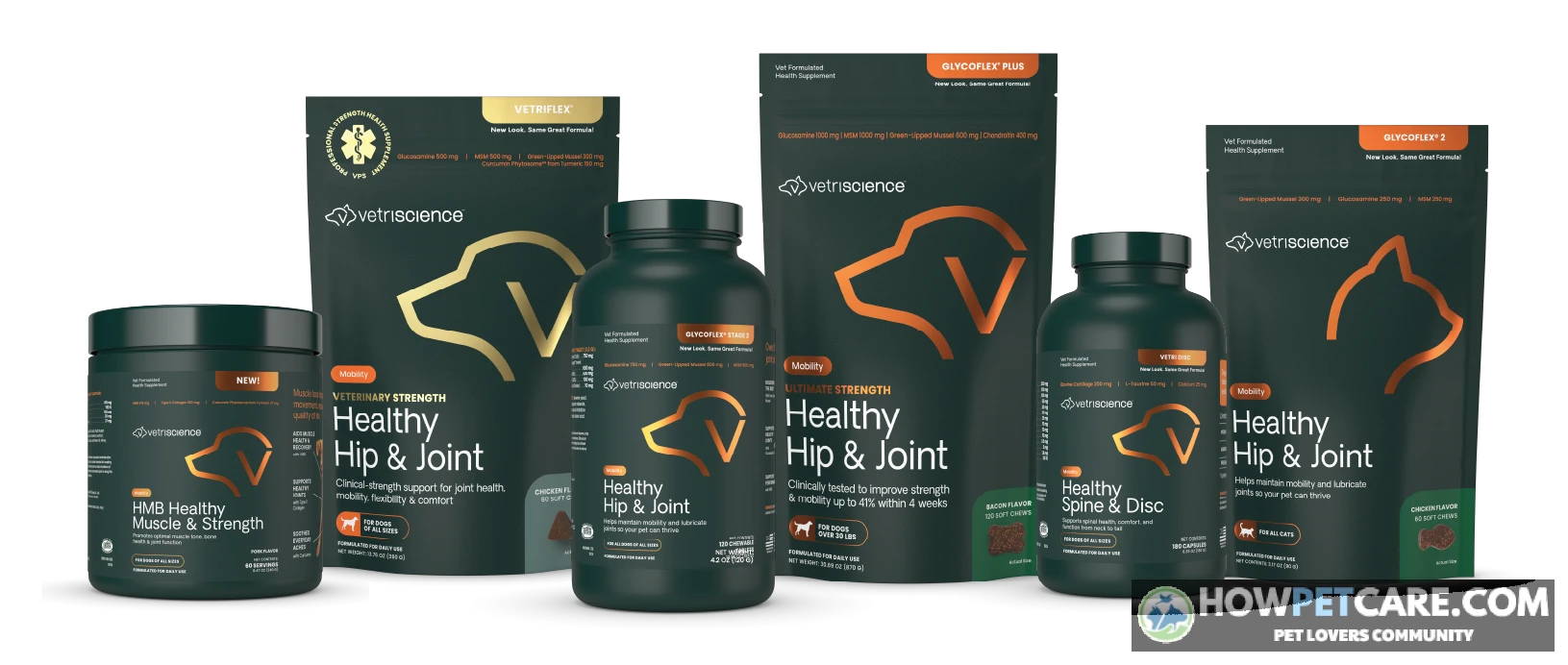
- Joint products: 4–6 weeks, sometimes longer. Track a simple mobility score, including whether your dog rises without help and how many stairs they climb before hesitating.
- Omega-3 for skin and coat: 6–8 weeks, because coat turnover takes time.
- Probiotics: a few days to 2 weeks for acute diarrhea; 3–4 weeks for chronic gut issues.
- Calming supplements: 2–4 weeks for daily products; situational chews can be judged after a few triggers.
Keep a brief log. A good day can convince you something works when the underlying condition is simply fluctuating.
Easiest forms for picky eaters
- Soft chews: treat-like and convenient, but easy to overfeed and hard to split accurately.
- Liquids: easy to mix with food; ideal for tiny dogs when measured with a syringe.
- Powders: good for dogs with sensitive stomachs; easy to adjust by weight.
- Capsules: precise, but many dogs spit them out unless hidden in a small amount of food.
Most supplements are easier on the stomach when given with food, especially fish oil. Probiotics may have specific timing directions, so follow the label.
Many overdoses happen when a dog eats an entire tasty bottle. Store supplements out of reach, and dose by the label, not by begging.
Safety Rules: Human Vitamins, Xylitol, Overdoses, Stacking, and Medication Interactions
Human vitamins and xylitol: what’s dangerous and what’s not
Don’t give your dog human vitamins, gummies, or fortified nut butters unless a veterinarian specifically recommends one and you’ve verified the ingredient list. Doses are sized for humans, and some products contain xylitol, which can be life-threatening to dogs even in small amounts. Xylitol can cause a dangerous drop in blood sugar and liver injury; if you suspect ingestion, call a veterinarian or an animal poison control center immediately. Human calcium or vitamin D supplements can also push a dog into toxic levels. Many glucosamine products come from shellfish shells, so check the source on the label and ask your vet before starting if your dog has known shellfish or other food allergies.
Signs of supplement overdose or toxicity
Stop the supplement and contact your veterinarian or an animal poison control center if you see vomiting or diarrhea lasting more than a day, especially bloody or black stool; lethargy, weakness, or collapse; loss of appetite or excessive thirst and urination; tremors, seizures, or an unsteady gait; yellow gums or eyes; or unusual bruising, bleeding, or blood in urine.
Fat-soluble vitamins A and D accumulate, and extra minerals can unbalance an already complete diet. Large-breed puppies shouldn’t receive extra calcium.
Safe stacking: a one-at-a-time rule
- Add only one new supplement at a time and wait the normal trial window before judging it.
- Line up every label and circle duplicate actives: glucosamine, chondroitin, MSM, omega-3, vitamin D, vitamin A, calcium, turmeric curcumin, SAMe, or herbal blends.
- Count omega-3 from all sources: fish oil, joint chews, skin/coat chews, treats, and the food if it is fortified.
- Call the vet before fish oil or turmeric/curcumin if your dog uses NSAIDs, steroids, anticoagulants, has a bleeding history, or has surgery or dental work scheduled.
- Call the vet before joint blends if your dog already gets prescription pain control; supplements should not silently escalate while pain persists.
- Do not stack multiple liver products such as SAMe plus milk thistle or other liver blends unless a vet chose that plan.
- Be extra cautious with diabetes, heart disease, kidney disease, liver disease, seizures, pregnancy or nursing, shellfish allergy, or a large-breed puppy.
- Store chews like medication, not treats; many overdoses happen when dogs eat a whole tasty bottle.
- Stop and call the vet or poison control for vomiting or diarrhea that persists, lethargy, appetite loss, excessive thirst, tremors, yellow gums or eyes, unusual bruising, or bleeding.
- Bring all bottles, labels, and a list of medications, treats, and diet to the appointment.
Supplement-drug interactions: NSAIDs, blood thinners, and heart medications
The table below isn’t a list of hard contraindications. It’s a guide to when you should call your vet first if your dog already takes prescription medication.
| Medication or condition | Supplement | Potential concern | Strength of evidence | What to do |
|---|---|---|---|---|
| NSAIDs (carprofen, meloxicam) | Fish oil, turmeric curcumin | Possible additive bleeding risk and kidney considerations at high doses | Moderate theoretical | Talk to vet; avoid high-dose stacking |
| Corticosteroids | Fish oil, turmeric curcumin | Bleeding/GI upset risk; steroids raise ulcer risk | Moderate theoretical | Vet approval; use GI-protective strategies if advised |
| Anticoagulants/antiplatelet drugs | Fish oil, turmeric curcumin, glucosamine (rare reports) | Increased bleeding/bruising | Moderate for fish oil/turmeric; limited for glucosamine | Vet approval; stop before surgery/dental |
| Cardiac medications | Potassium, magnesium, CoQ10, taurine supplements | Could alter electrolytes or drug levels | Limited to moderate | Only use if vet prescribed; bring label |
| Diabetes medications | Glucosamine, high-dose fish oil | Theoretical blood sugar effects; mixed data | Limited | Vet approval; monitor glucose |
| Seizure medications | CBD, calming herbals, melatonin | Potential liver enzyme changes or sedation | Limited to moderate for CBD; limited for herbals | Vet approval; avoid unsupervised CBD |
| Blood pressure medications | Licorice or adaptogens in calming blends | Can raise blood pressure | Limited | Vet approval; check labels |
Always bring the supplement label and a full medication list to your vet. Supplements can interact, and some should be paused before surgery or dental work.
CBD for Dogs: What the Evidence Shows, the Risks, and the Legal Picture
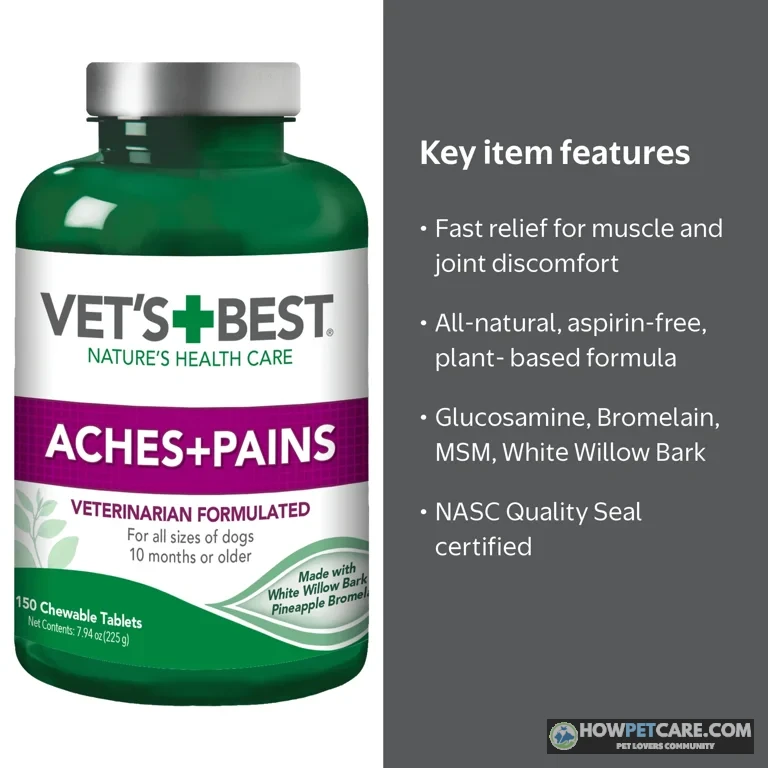
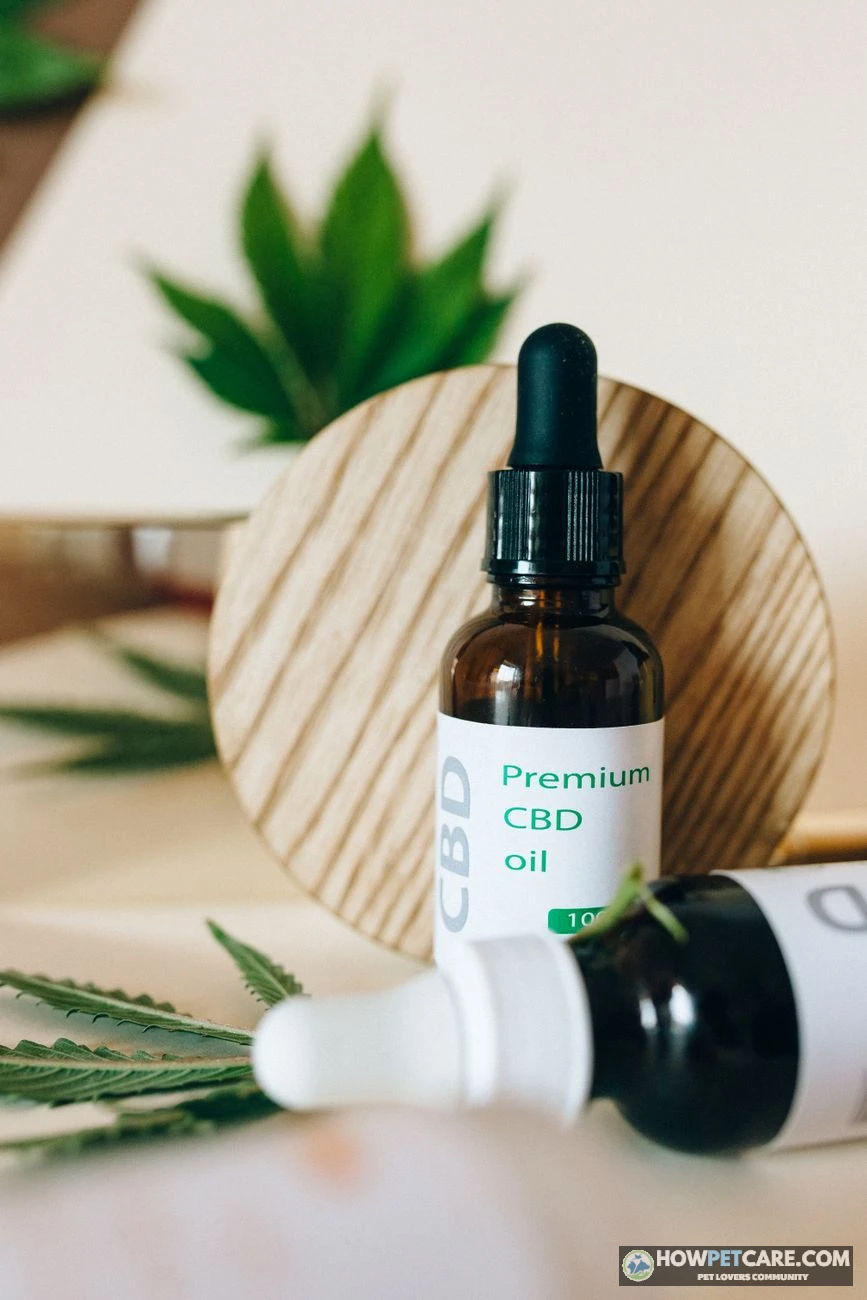
CBD for dogs is a widely searched supplement topic, yet mainstream listicles largely ignore it. Here’s an independent scorecard.
| Claim seen in marketing | What canine evidence supports now | Practical verdict | Safety/legal caveat |
|---|---|---|---|
| Helps osteoarthritis pain | Limited-to-moderate: a small number of controlled dog studies suggest possible benefit, but products and doses vary | Reasonable only as an adjunct after diagnosis, not instead of proven pain care | Can raise liver enzymes and interact with liver-processed drugs |
| Reduces anxiety/noise fear | Thin: owner reports are common, controlled dog data are limited | Do not skip behavior work or pain screening | Sedation or GI upset can mimic calming |
| Controls seizures | Emerging but insufficient as sole therapy | Never replace prescribed anticonvulsants | Interaction risk is highest here |
| Appetite, cancer cure, fixes everything | Minimal to none for broad claims | Treat cure language as a red flag | Poor products may contain THC or contaminants |
| General wellness for healthy dogs | No established need | Usually skip | FDA has not approved CBD for pets; state rules vary |
The minimum quality bar for a CBD product is a current third-party certificate of analysis matching the lot, THC content stated and below psychoactive or toxic levels, clear CBD milligrams per serving, no xylitol, chocolate, or THC edibles, and veterinary approval before combining it with medications or using it before surgery.
Risks observed in studies include elevated liver enzymes, sedation, diarrhea, and possible interactions with drugs metabolized by the liver. The U.S. market is largely unregulated; potency varies widely, and independent analyses have reported contamination. The FDA hasn’t approved CBD for pets, and state laws differ on sale, possession, and whether veterinarians can recommend or discuss it. Check your current state rules before buying. CBD isn’t a first-line choice over proven options and never replaces a diagnosis.
Buy a Supplement or See the Vet? Red Flags and Your Next-Step Checklist
A symptom is a reason for an exam first. A supplement is for a defined need after dangerous causes have been ruled out.

Red flags that mean skip the supplement aisle
Book the vet first if any are true:
- Sudden limping, inability to rise, yelping when touched, or collapse
- Vomiting or diarrhea lasting more than 24 hours, blood in stool, or black stool
- New weight loss, increased thirst or urination, appetite change, or low energy
- Skin that is raw, infected, smells bad, or has spreading hair loss
- Itching started suddenly, is severe, or follows a food or environment change
- Dog takes any prescription drug, has diabetes/heart/liver/kidney disease, or has surgery planned
Supplement trial may be reasonable only after the above are clear:
- Mild stiffness after rest in an otherwise bright, eating, drinking dog
- Dull coat or mild flaking with no red skin, odor, fleas, or hot spots
- Loose stool clearly tied to stress, boarding, or antibiotics and improving
- A confirmed homemade or raw diet formulated with, or reviewed by, a veterinarian
Rule: a symptom is a reason for an exam first; a supplement is for a defined need after dangerous causes are ruled out.
Your 8-step plan to start a supplement safely
-
Confirm the problem with your vet
Don’t shop for a diagnosis. Sudden or severe symptoms need an exam and possibly diagnostics.
-
Pick one health need
Choose joint, skin, gut, multivitamin, or calming support. Address one need at a time.
-
Choose a product by the ranking criteria
Look for a NASC seal, clear active amounts, evidence for your dog’s condition, and a palatable form.
-
Calculate the dose for your dog's weight
Use the weight-based matrix and the product label, then confirm the dose with your vet.
-
Set a budget
Calculate cost per day and per month before you buy. Avoid stacking low-evidence add-ons.
-
Start one supplement at a time
Wait through the trial window before adding anything else. Keep a simple log.
-
Log results
Score mobility, itch, stool, or behavior. Review your notes at the end of the trial.
-
Recheck with your vet
If there’s no clear benefit, or if symptoms worsen, stop and reassess.
If your dog already takes NSAIDs, corticosteroids, anticoagulants, heart medications, diabetes medications, or seizure medications, bring the supplement label and a full medication list to the vet before starting. Supplements can interact, and some should be paused before surgery or dental work.
 You might be wonderingCoconut oil for dogsCoconut Oil for Dogs: Safety, Uses, Calories and RisksRead the answer
FAQ
Are dog supplements regulated by the FDA?
Animal supplements are not approved by the FDA for safety or effectiveness before they’re sold, so quality varies between brands. The voluntary NASC Quality Seal shows a company has passed a quality audit, but it doesn’t prove that a product works.
Should I give supplements with food or on an empty stomach?
Most supplements, especially fish oil, are better tolerated with a meal, which reduces stomach upset. Follow the label for probiotics and any product with specific timing instructions.
Can dogs with a shellfish allergy take glucosamine?
Many glucosamine products come from shellfish shells, so check the source on the label. Ask your vet before starting if your dog has known shellfish or other food allergies.
Do large-breed puppies need joint supplements or extra calcium?
Healthy large-breed puppies should eat a complete large-breed puppy diet, and extra calcium can harm bone development. Ask your vet before giving any joint supplement to a growing dog.
Is it safe to give supplements to a diabetic dog?
Some supplements, such as glucosamine, have raised theoretical concerns about blood sugar control, and the evidence is limited. A diabetic dog should only start a supplement with a vet’s approval so glucose can be monitored.