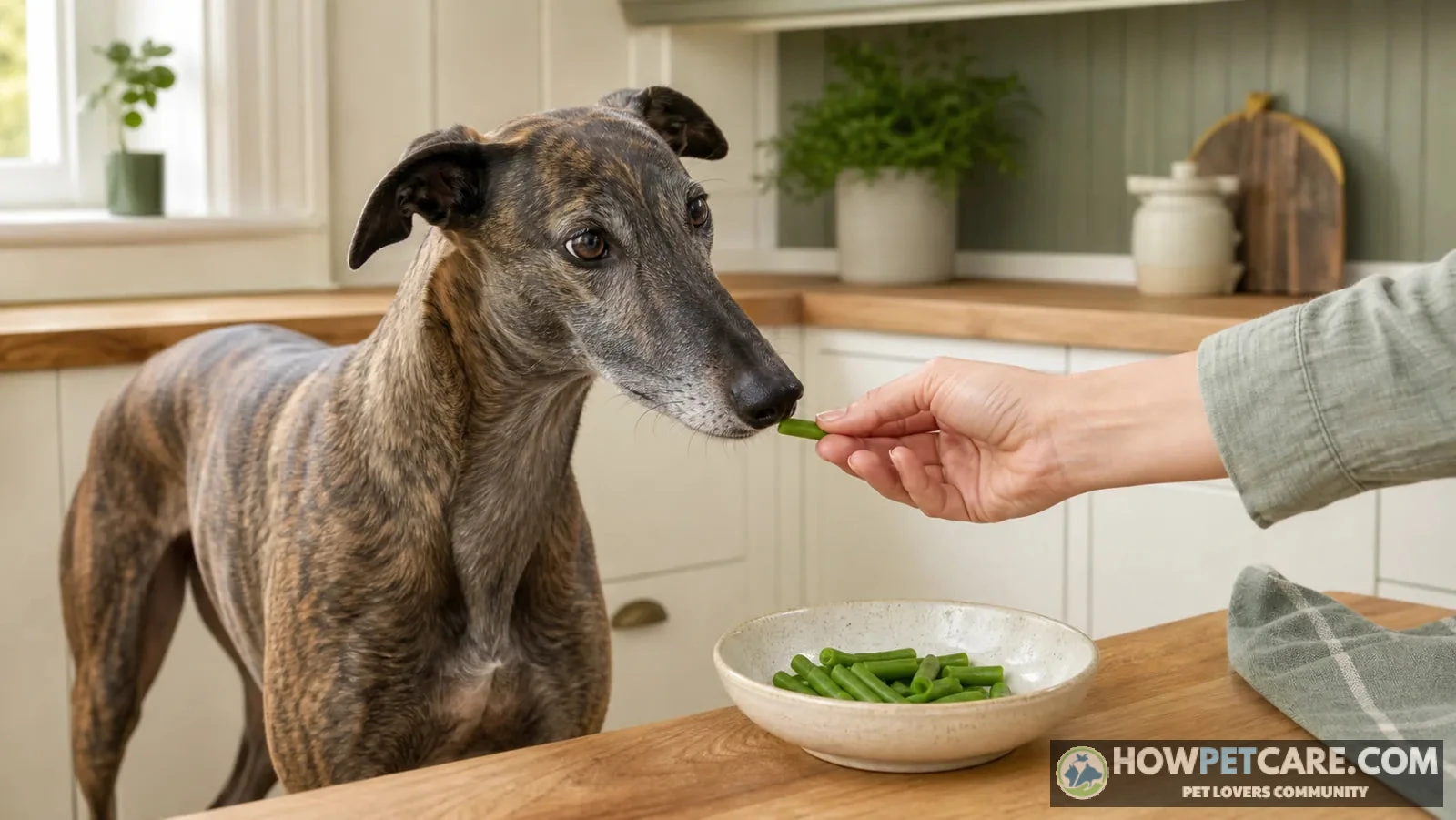

Yes, dogs can eat beans safely if they are plain, thoroughly cooked, and served in moderation as an occasional topper. Safe options include cooked black beans, pinto beans, chickpeas, and green beans. Never feed raw beans, dried beans, or prepared canned dishes like baked or refried beans containing toxic garlic, onions, or heavy salt.
Author: Dr. Peter, DVM (20+ years veterinary clinical practice)
Veterinary Review Completed: October 2026
Dogs can eat beans safely, provided they are plain, fully cooked, and served in small quantities as an occasional topper. Legumes offer dietary fiber, plant protein, and essential micronutrients like potassium, iron, and folate. Plant protein does not supply the complete amino acid profile required to replace animal protein in a balanced canine diet, so beans must never substitute for a complete commercial food formulated to meet the nutritional needs of dogs. Feeding raw, undercooked, or heavily seasoned beans introduces serious medical risks ranging from gastrointestinal irritation to acute toxin ingestion.
Can Dogs Eat Beans Safely?
Before adding any legume to your pet’s bowl, it helps to understand how dog digestion processes complex plant materials. A canine gastrointestinal tract is significantly shorter than an omnivorous human gut. Sudden increases in fermentable starches and dietary fiber tend to trigger flatulence, bloating, and loose stools.
Plain boiled black beans, pinto beans, chickpeas, and fresh green beans are safe additions to an adult dog’s diet as an occasional treat. Introduce one variety at a time. Start with no more than a single teaspoon mixed into standard kibble, and watch for gas, diarrhea, or food intolerance. Much like asking can dogs eat peas, feeding any legume safely requires careful portion control and plain preparation.

Never treat beans as a core nutritional foundation. Dogs are biological omnivores capable of digesting cooked starches, but canine physiology relies on bioavailable animal proteins to maintain lean muscle mass, cardiac function, and metabolic health. Beans serve strictly as a fibrous topper or functional treat.
Why preparation matters as much as the bean type
The chemical makeup of raw legumes makes proper cooking non-negotiable. Raw beans—especially red kidney beans—contain potent concentrations of phytohemagglutinin. This natural plant lectin binds to intestinal epithelial cells, causing severe nausea, vomiting, and intestinal inflammation. High heat breaks down these lectins and softens tough plant cell walls, transforming indigestible starches into safe, fermentable dietary fiber.
What you leave out of the pot matters just as much. Canine digestive systems cannot safely process the heavy sodium, refined sugars, saturated animal fats, and allium seasonings (garlic and onions) common in home cooking. A bean that is perfectly healthy in its plain, boiled state becomes dangerous once simmered in barbecue sauce, bacon grease, or chili powder.

Safe, Conditional, and Avoid: Bean Safety Matrix for Dogs
Not every legume belongs in a pet’s food bowl. The safety of dogs eating beans hinges on the exact variety, the state of the legume, and the other ingredients cooked alongside it.
| Bean or preparation | Safety status | Safe serving form | Why it is safe, conditional, or unsafe |
|---|---|---|---|
| Black beans | Safe | Boiled soft, unseasoned, mashed | Rich in fiber and antioxidants; easily digested when thoroughly cooked. |
| Pinto beans | Safe | Boiled soft, plain | Good source of plant fiber; must be served completely plain without bacon fat or salt. |
| Chickpeas (Garbanzo) | Safe | Plain boiled or rinsed canned | Dense texture requires mashing to prevent choking in smaller dogs; never serve as hummus. |
| Green beans | Safe | Raw chopped, steamed, or frozen | Very low calorie; technically a pod vegetable with minimal fermentable starch risk. |
| Red kidney beans | Conditional | Boiled vigorously for 30+ minutes | Raw or undercooked kidney beans contain high concentrations of phytohemagglutinin (lectin), which induces acute vomiting. |
| Edamame / Soybeans | Conditional | Shelled, steamed, plain | Safe in moderation, but whole pods are choking hazards and soy is a recognized canine allergen. |
| Canned baked beans | Unsafe | None (Do not feed) | Packed with brown sugar, high sodium, bacon fat, and frequently onion or garlic powder. |
| Refried beans | Unsafe | None (Do not feed) | Typically cooked with lard, heavy salt, cumin, and toxic alliums (onion/garlic). |
| Raw / Dried beans | Unsafe | None (Do not feed) | Choking risk, impossible for dogs to digest, and high in toxic active lectins. |
What types of beans are safe for dogs?
When evaluating what types of beans are safe for dogs, fully cooked black beans, pinto beans, chickpeas (garbanzo beans), navy beans, and lima beans lead the list. These varieties contain beneficial soluble fiber that supports colon health and firms loose stool when used conservatively. Plain green beans—botanically immature pods rather than dried pulses—are exceptionally safe, offering a crisp, low-calorie crunch that works well for weight management.

Can dogs eat canned beans, black beans, kidney beans, and edamame?
Canned beans are convenient, but they require careful label inspection. Many canned products contain added table salt or preservatives like calcium chloride. If you use canned legumes, select "no salt added" or low-sodium varieties packed in water. Pour the contents into a fine colander and rinse under running tap water for at least 60 seconds to strip away residual canning sodium and surface starches.
Are black beans good for dogs? Yes, plain boiled black beans are rich in anthocyanins, iron, and fiber, making them an excellent occasional topper when fork-mashed into meals.
Is it safe for dogs to eat kidney beans? Only if they are thoroughly boiled. Red kidney beans hold the highest concentration of toxic phytohemagglutinin among common legumes. Never feed raw kidney beans, lightly steamed kidney beans, or dried kidney beans cooked in an uncalibrated slow cooker that fails to reach rolling boiling temperatures.
Soybeans and fresh edamame are conditionally safe. Edamame provides complete plant proteins, but the fibrous, fuzzy outer pods present an immediate choking and intestinal obstruction hazard. Feed only the inner steamed green beans. Soy is also a common dietary allergen in dogs; watch carefully for ear scratching, itchy paws, or loose stools after serving edamame.
Why baked beans, refried beans, chili beans, and tomato-sauce beans are unsafe
Can dogs eat baked beans, refried beans, or classic chili beans? Absolutely not. These prepared dishes present serious health hazards for canines:

- Toxic alliums: Commercial baked beans, chili dishes, and restaurant-style refried beans almost universally contain onion powder, minced onions, or garlic powder. Alliums contain N-propyl disulfide, an organosulfur compound that oxidizes red blood cell hemoglobin, precipitating Heinz body formation and potentially fatal hemolytic anemia.
- Excess sodium and sugar: A typical cup of commercial baked beans carries massive doses of brown sugar, molasses, and high-fructose corn syrup, alongside roughly 1,000 mg of sodium. Dogs cannot process heavy salt loads, which stress cardiac and renal systems, while simple sugars induce acute osmotic diarrhea and drive canine obesity.
- Saturated fats and spices: Refried beans are frequently rendered in pork lard, bacon fat, or heavy vegetable shortenings. High-fat meals are the leading dietary trigger for acute canine pancreatitis, an agonizing, life-threatening inflammation of the pancreas. Spices like chili powder, cayenne, and cumin contain capsaicin, which severely inflames the delicate mucosal lining of the canine esophagus and stomach.
Prepared bean dishes from human cans—including pork and beans, chili beans, and refried beans—routinely contain toxic garlic, onion, and extreme levels of lard and salt. Keep these strictly off your dog’s menu.
How to Prepare Beans for Dogs: Soak, Cook, Rinse, and Cool
Preparing dried legumes for your dog requires a systematic kitchen workflow to eliminate active lectins, leach out fermentable gas-producing starches, and prevent choking.
-
Sort and Rinse
Pick out damaged, discolored beans, stones, or field debris. Rinse the remaining dry legumes under cold running water in a colander for two minutes.
-
Cold Soak for 8 to 12 Hours
Place the beans in a deep glass bowl covered with at least 3 inches of clean cold water. Refrigerate overnight. Soaking begins leaching out indigestible oligosaccharides, the primary chemical culprit behind severe canine flatulence.
-
Discard and Drain
Pour off the soaking liquid completely and rinse the beans a second time. Never boil beans in their soaking water, as this retains the discarded gas-producing compounds.
-
Rolling Boil for 15 Minutes
Transfer the soaked beans to a pot of fresh water. Bring to an aggressive, rolling boil uncovered for a full 15 minutes. This thermal step destroys phytohemagglutinin lectins, which is critical for red kidney beans.
-
Simmer Until Completely Tender
Turn the heat down to low, cover partially, and simmer for 45 to 60 minutes. The beans must soften until they can be crushed effortlessly between your thumb and forefinger without resistance. Undercooked, rubbery beans trigger severe gastrointestinal cramps.
-
Cool and Puree or Mash
Allow the cooked beans to cool to room temperature (below 75°F / 24°C). Fork-mash or lightly pulse them in a food processor before serving. Mashing breaks the fibrous seed coat, eliminating choking risks and facilitating nutrient absorption in your dog’s digestive tract.
Dog-safe bean preparation checklist
When preparing beans in your kitchen, verify the following standards every time:
- Zero seasonings: Omit all table salt, pepper, butter, oil, meat drippings, bouillons, and garlic or onion additives.
- Soft consistency: Beans must never be firm, crunchy, or rubbery in the center.
- Texture tailored to dog size: Small breeds require finely mashed legumes to prevent gulped beans from lodging in the trachea or passing through undigested.
- Thorough rinsing: If using canned beans, rinse them under running water until the drain water runs completely clear of foamy starch bubbles.
Cooking methods that reduce lectin and choking risks
Standard slow cookers (crockpots) frequently fail to reach the sustained high temperatures needed to break down dangerous lectins in raw dried legumes. In fact, heating dried kidney beans at low temperatures around 175°F (80°C) can increase active lectin toxicity up to fivefold compared to raw beans. Use stovetop rolling boils or high-pressure multicookers (Instant Pots) when processing raw dried beans from scratch.


How Many Beans Can a Dog Eat Per Day?
How many beans can a dog eat per day without disrupting nutritional balance? Canine nutritionists follow the standard "10% treat rule": supplemental foods, functional toppers, and treats must never exceed 10% of a dog’s total daily caloric allowance, with the remaining 90% coming from complete, balanced dog food.
| Dog size | Conservative starter portion | Approximate cooked black bean calories | Feeding notes |
|---|---|---|---|
| Small (under 20 lbs / 9 kg) | 1 teaspoon mashed | ~5 kcal | Mix into morning kibble; observe stool for 24 hours. |
| Medium (20 to 50 lbs / 9 to 23 kg) | 1 to 2 tablespoons | ~14 to 28 kcal | Mash thoroughly; limit to 2 to 3 times per week. |
| Large (over 50 lbs / 23 kg) | 2 to 4 tablespoons | ~28 to 57 kcal | Serve as a topper; reduce training treats accordingly. |
Portion guidance for small, medium, and large dogs
Plain cooked black beans offer substantial nutritional value, but they are surprisingly calorie-dense compared to watery vegetables like cucumbers or celery. According to the USDA food database, plain boiled black beans provide approximately 114 calories per 1/2 cup, which equates to roughly 14 calories per level tablespoon.

- Small Dog (5 kg / 11 lbs): A typical 11-pound dog requires roughly 350 total calories per day for maintenance. Their entire 10% treat budget equals 35 calories. Feeding just 2.5 tablespoons of black beans maxes out their daily treat allotment. Start with a conservative single teaspoon (about 5 calories).
- Medium Dog (15 kg / 33 lbs): A 33-pound dog burns roughly 780 calories daily, giving a treat budget of 78 calories. One-quarter cup of cooked black beans yields roughly 57 calories. A safe starting portion is 1 to 2 level tablespoons.
- Large Dog (30 kg / 66 lbs): A 66-pound dog needs approximately 1,300 calories daily, allowing up to 130 treat calories. A half-cup serving represents 114 calories. Begin with 2 to 3 tablespoons to assess digestive tolerance.
If you are seeking a bulk filler for an overweight dog struggling with satiety, use plain steamed green beans instead of starchy dried pulses. Fresh green beans contain only 15 to 20 calories per half-cup, offering high-volume fiber without the concentrated carbohydrates of black or pinto beans.
Using the 10% treat rule with cooked black beans
Calculate the daily calorie equation comprehensively. If your dog already receives training biscuits, jerky strips, or dental chews, adding a serving of starchy beans can push them into a caloric surplus, leading directly to weight gain. Owners exploring safe whole foods often ask can dogs eat carrots or starchy staples, and the same principle applies: when incorporating a tablespoon of beans, scale back other treats accordingly to protect your dog’s ideal body condition score.
Beans for Puppies, Seniors, and Dogs With Health Conditions
Healthy adult dogs can handle moderate amounts of plain cooked legumes, but specific life stages and medical conditions require strict dietary boundaries.

Can a dog with kidney disease eat beans?
Can a dog with chronic kidney disease safely eat beans? No. Legumes should be strictly avoided in dogs diagnosed with renal compromise. Damaged kidneys lose their ability to filter and excrete phosphorus and plant-based nitrogenous waste. Plain cooked black beans carry roughly 120 mg of phosphorus per half-cup. Elevating blood phosphorus levels accelerates the progression of chronic renal failure and contributes to secondary renal hyperparathyroidism. Renal diets must remain low in phosphorus, making beans contraindicated.
Never add starchy legumes to your pet’s bowl without checking these essential veterinary boundaries:
- Puppies under 6 months: Do not feed. Puppies require strict calcium-to-phosphorus ratios to build skeletal mass. The high phytate content in legumes can inhibit mineral bioavailability, and young digestive enzymes struggle with complex plant starches.
- Chronic Kidney Disease (CKD): Strict avoid. High phosphorus and mineral loads place unnecessary metabolic filtration stress on failing nephrons.
- Diabetes Mellitus: Consult your veterinarian. While soluble fiber moderates carbohydrate uptake, beans contain ~20 g of net carbohydrates per half-cup. Unpredictable carbohydrate additions disrupt tightly balanced insulin dosing curves.
- Calcium Oxalate Bladder Stones: Avoid dark legumes (navy, black, and pinto beans) due to moderate oxalate levels that can promote stone formation in predisposed breeds.
When a prescription diet changes the answer
If your dog is managed on a prescription veterinary diet for chronic gastrointestinal disease, acute pancreatitis, or suspected food allergies, do not add beans. Even small amounts of dietary fiber or novel plant proteins can alter transit time, disrupt mucosal healing, or trigger allergic flare-ups. Just as dogs with specific digestive requirements need careful management when owners evaluate if can dogs eat sweet potatoes, a suspected adverse food reaction requires an immediate halt to all supplemental foods and targeted veterinarian advice rather than experimenting with different bean varieties.
Gas, Diarrhea, Vomiting, or Dry Beans: When to Monitor and When to Call a Vet
Digestive reactions to legumes range from harmless flatulence to surgical emergencies. Distinguishing mild fiber intolerance from urgent clinical signs ensures your dog receives appropriate care without delay.
| What you notice | Likely concern | What to do now | When veterinary care is needed |
|---|---|---|---|
| Loud belly rumbling, occasional flatulence | Harmless fermentation of soluble fiber in colon | Monitor for 24 hours. Keep dog calm and provide free access to clean water. Do not offer more beans. | If flatulence is accompanied by pacing, restlessness, or whining indicating abdominal pain. |
| Single soft stool or mild diarrhea | Fiber shock or rapid dietary shift | Pause all extras for 48 hours. Feed regular kibble or a vet-approved bland diet (75% white rice, 25% boiled chicken). | If watery diarrhea lasts beyond 24 hours, contains blood/black tar, or the dog becomes dehydrated. |
| Vomiting 1–2 hours after eating | Lectin toxicity (undercooked beans) or gastric irritation | Withhold food for 6 hours; keep small amounts of water available. Check trash for wrappers or stolen dried beans. | If vomiting repeats more than once, dog cannot hold water down, or dog becomes dull and weak. |
| Dry retching, swollen/taut belly, pacing | Gastric Dilatation-Volvulus (bloat) or ingestion of dry, expanding raw beans | Emergency. Do not wait. Check gums (pale/tacky is critical). | Immediate ER vet visit. Bloat can become fatal within 1 to 2 hours without surgical decompression. |
| Facial swelling, hives, intense paw licking | Acute legume or soy protein allergy | Remove any leftover food. Take a photo of the reaction for the clinic. | Seek same-day veterinary care. Rush to ER immediately if breathing is noisy, labored, or wheezy. |
Mild digestive upset versus urgent warning signs
A small amount of gas or a slightly softer stool after your dog tries a new bean variety is generally harmless. Soluble fiber naturally ferments in the colon, releasing gases like methane and hydrogen sulfide. As long as the dog remains energetic, drinks water, and shows no abdominal discomfort, simply withhold future beans and allow the gut to settle.
Repeated vomiting, persistent diarrhea, extreme lethargy, dark tarry stools, or signs of abdominal tenderness (such as standing with an arched back or adopting the "prayer position") demand prompt veterinary intervention.

What to do if a dog ate dry or uncooked beans
Ingestion of dried, uncooked legumes presents severe medical risks. Beyond the lectin toxicity of uncooked beans, dried legumes absorb fluid rapidly in the stomach and intestines. As they hydrate, they swell significantly, which can create a physical mechanical obstruction in the pylorus or small intestine.
If you discover your dog has consumed a bag of dry, uncooked beans:
- Call your vet or animal poison control immediately: Have the package size, bean variety, and an estimate of the ingested volume ready. In dogs that recently swallowed dry beans within the past 30 minutes, a veterinarian may recommend carefully inducing emesis at home using a precise dose of 3% hydrogen peroxide—typically 1 tablespoon for a medium dog, repeated no more than 3 times if vomiting does not occur within 5 to 10 minutes. Never induce vomiting without explicit veterinary instruction, especially if the dog shows signs of choking or distress.
- Manage the digestive transit: If veterinary induction is not advised, the clinician may recommend a bland bulk-forming diet composed of 75% boiled white rice and 25% plain boiled chicken breast or lean ground beef for 2 to 3 days to help cushion and pass small amounts of unswollen legumes safely through the stool.
- Watch for intestinal obstruction: Over the following 2 to 3 days, monitor closely for early signs of intestinal blockage: repeated vomiting, complete loss of appetite, failure to pass stool, extreme lethargy, or a painful, rigid abdomen. These warning signs indicate a surgical emergency requiring immediate hospital evaluation.
Use This Bean-Feeding Checklist Before the Next Bite
Before you share legumes with your pet, run through these four essential clinical checks:
Four checks before serving beans to a dog
- Check the Variety and Form: Is the legume completely plain, fully boiled until tender, or a low-sodium canned version rinsed clear of canning brine? Confirm there is no garlic, onion powder, bacon grease, barbecue sauce, or excessive salt.
- Check the Life Stage and Medical Status: Is your dog an adult with no history of chronic kidney disease, diabetes, calcium oxalate stones, or inflammatory bowel disease? (Remember: puppies under six months and pets on prescription diets should skip beans entirely).
- Check the Measured Portion: Does the serving size comfortably fit within your dog’s daily 10% treat budget? Stick to 1 teaspoon for small breeds, 1 to 2 tablespoons for medium dogs, and no more than 2 to 4 tablespoons for large dogs.
- Check the 48-Hour Tolerance Window: Are you offering only one single legume variety at a time? Watch your dog’s stool consistency, energy, and abdominal comfort over the next 24 to 48 hours before offering another serving.
| Bean Type or Preparation | Safety Status | Safe Serving Form | Health Benefits and Risks | Preparation Requirements |
|---|---|---|---|---|
| Black beans | Safe | Boiled soft, unseasoned, mashed | Rich in fiber and antioxidants; easily digested when thoroughly cooked. | Boiled soft, plain, unseasoned, mashed. |
| Pinto beans | Safe | Boiled soft, plain | Good source of plant fiber; must be served completely plain without bacon fat or salt. | Boiled soft, plain, without bacon fat or salt. |
| Chickpeas (Garbanzo) | Safe | Plain boiled or rinsed canned | Dense texture requires mashing to prevent choking in smaller dogs; never serve as hummus. | Plain boiled or rinsed canned; mashed for smaller dogs; never serve as hummus. |
| Green beans | Safe | Raw chopped, steamed, or frozen | Very low calorie; technically a pod vegetable with minimal fermentable starch risk. | Raw chopped, steamed, or frozen; plain. |
| Red kidney beans | Conditional | Boiled vigorously for 30+ minutes | Raw or undercooked kidney beans contain high concentrations of phytohemagglutinin (lectin), which induces acute vomiting. | Boiled vigorously for 30+ minutes; never raw, undercooked, or cooked in slow cookers that fail to reach rolling boiling temperatures. |
| Edamame / Soybeans | Conditional | Shelled, steamed, plain | Safe in moderation, but whole pods are choking hazards and soy is a recognized canine allergen. | Shelled, steamed, plain (remove outer pods). |
| Canned baked beans | Unsafe | None (Do not feed) | Packed with brown sugar, high sodium, bacon fat, and frequently onion or garlic powder. | None (Do not feed). |
| Refried beans | Unsafe | None (Do not feed) | Typically cooked with lard, heavy salt, cumin, and toxic alliums (onion/garlic). Risk of acute canine pancreatitis, hemolytic anemia, and stomach mucosal inflammation. | None (Do not feed). |
| Raw / Dried beans | Unsafe | None (Do not feed) | Choking risk, impossible for dogs to digest, high in toxic active lectins, and risk of physical mechanical intestinal obstruction. | None (Do not feed). |
FAQ
Are cooked beans safe for dogs?
Plain, fully cooked beans are generally safe for healthy dogs in small amounts. They must be boiled until soft, served cool, and kept completely free of salt, garlic, onions, spices, and fats.
Can dogs eat beans and rice every day?
Beans and rice should not replace a complete, balanced canine diet on a daily basis. Legumes lack complete animal amino acids, and excessive portions can easily cause gas, diarrhea, or nutrient imbalances.
Are low-sodium canned green beans safe as a quick snack?
Yes, plain no-salt-added or low-sodium canned green beans make an excellent low-calorie treat. Always drain and rinse them thoroughly under cold water before serving to remove canning brine.
Can dogs eat black beans?
Dogs can safely eat plain, fully cooked black beans in moderation. Introduce them gradually, offering 1 teaspoon for small dogs up to 2 tablespoons for larger dogs to prevent digestive upset.
Do beans harm dogs?
Plain, well-cooked beans do not harm healthy dogs when limited to small portions. However, raw beans contain toxic lectins, and seasoned varieties containing onions, garlic, or excess sodium can cause severe poisoning.