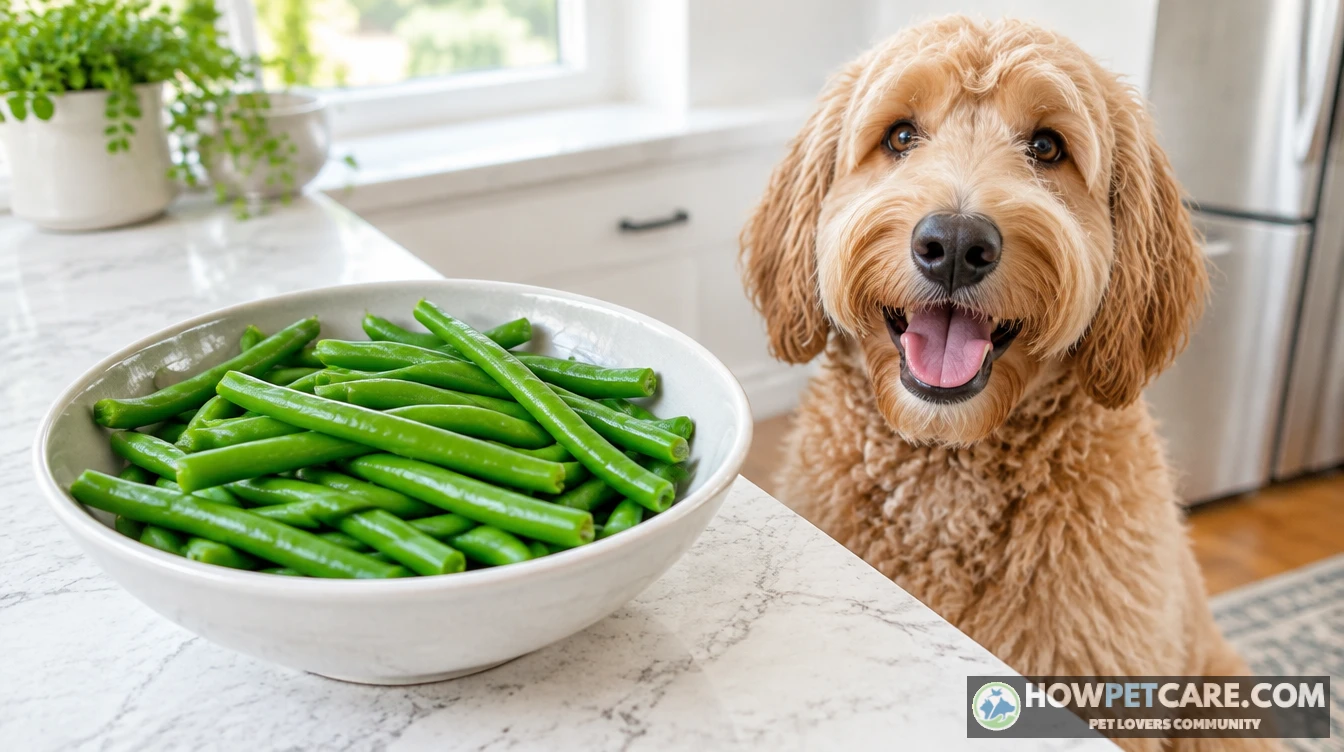

Low calorie dog snacks are treats or plain whole foods at roughly 10 kcal or less per piece (5 kcal or less for frequent training), kept within a combined 10% daily treat budget.
| Snack | Measured portion | Approx. kcal |
|---|---|---|
| Zucchini | 10 g | 2 |
| Green beans | 10 g | 3 |
| Baby carrot | 10 g | 4 |
| Cucumber | ¼ cup | 5 |
| Blueberries | 10 g | 6 |
Plain cucumber, green beans and small carrot pieces can make low-calorie dog snacks. Measured training rewards also let you practice without exceeding your dog’s daily allowance. The right portion depends on your dog’s calorie target. Count every snack, chew and food-filled toy, and ask your veterinarian for an individual target if your dog needs to lose weight.
Low Calorie Dog Snacks Compared: Calories Per Piece, Store-Bought and Whole Foods
The table compares measured portions, not interchangeable pieces: a cucumber slice, a carrot and a cup of popcorn are different amounts of food. Whole-food values are approximate calculations based on USDA FoodData Central calorie values and stated weights. Weigh portions for a closer estimate. Product formulas and serving sizes can change, so check the package you buy.
| Snack | Type | Measured portion | Approximate kcal per portion | Best use and flags | Source or cost note |
|---|---|---|---|---|---|
| Cucumber | Whole food | ¼ cup | 5 | Small training pieces; serve plain | A published dog-snack comparison reports 5 calories per ¼ cup. |
| Zucchini | Whole food | 10 g | 2 | Cut into small pieces; serve plain | USDA-based estimate; price varies. |
| Green beans | Whole food | 10 g | 3 | Cut up for training; use unsalted beans | USDA-based estimate; price varies. |
| Broccoli | Whole food | 10 g | 3 | Occasional small pieces; may cause gas | USDA-based estimate; price varies. |
| Baby carrot | Whole food | 10 g | 4 | Slice or grate for small dogs | USDA-based estimate; price varies. |
| Blueberries | Whole food | 10 g | 6 | Small training rewards; fruit contains sugar | USDA-based estimate; price varies. |
| Watermelon | Whole food | 20 g | 6 | Small cubes; remove rind and seeds | USDA-based estimate; price varies. |
| Apple | Whole food | 15 g | 8 | Thin pieces; remove core and seeds | USDA-based estimate; price varies. |
| Plain air-popped popcorn | Whole food | Not specified | 22 | Occasional snack; no salt, butter or oil; avoid unpopped kernels | The source reports 22 calories but does not specify a portion size in the supplied evidence; check a package or weigh your serving before using this figure. |
| Licky Stik | Store-bought | 10 licks | 1 | Portable training reward; number of licks is an imprecise measure | Calorie figure reported in a published comparison, not independently verified against a current label. |
| Peanut butter | Whole food, reference | 1 tablespoon | About 90–100 | Not a low-calorie treat; check every jar for xylitol | Approximate reference value; check the jar because recipes vary. |
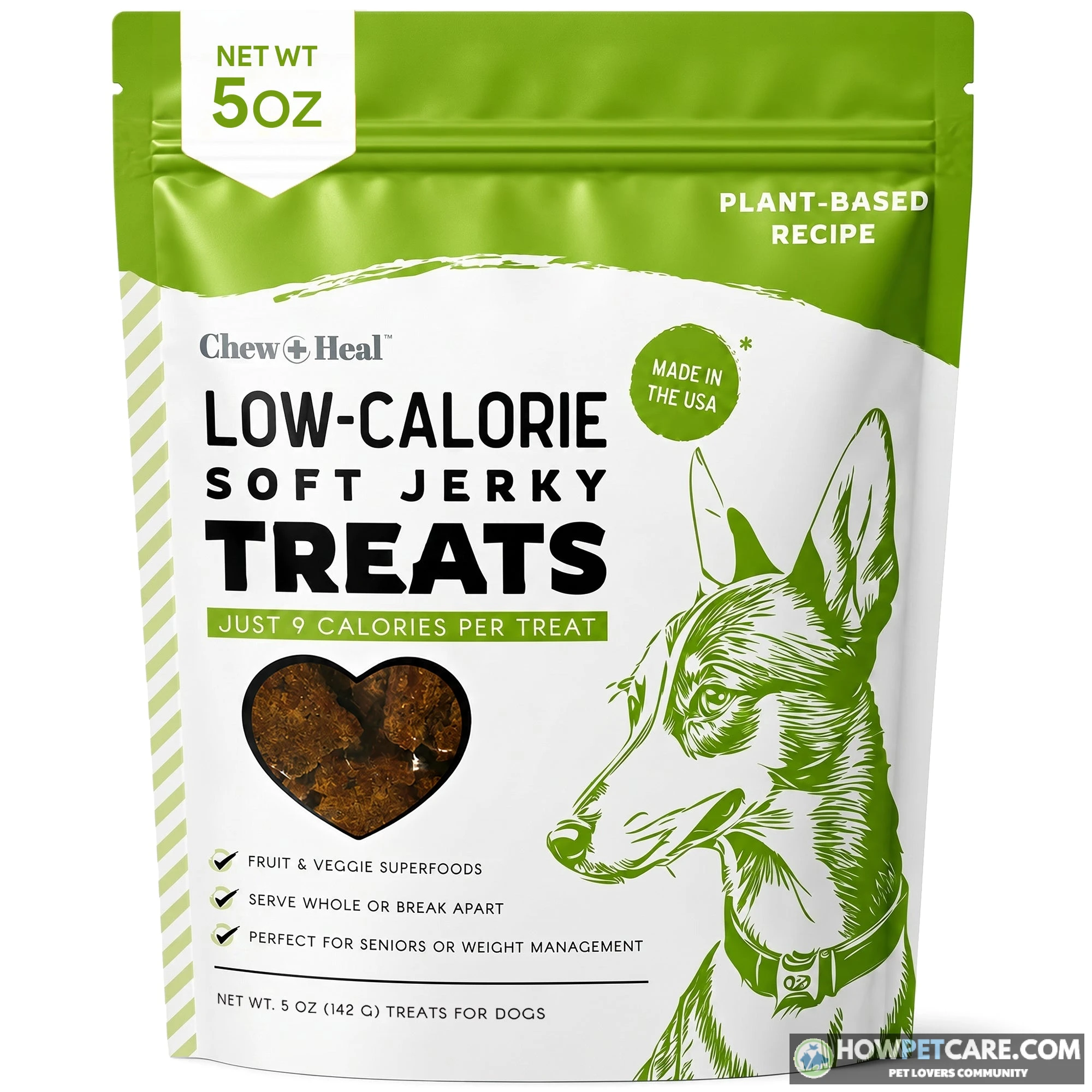
Current product prices, stock, package counts and manufacturer labels could not be verified, so they are not listed as facts here. Compare the current bag with these options instead of assuming a familiar product still has the same calorie content.
Snacks under 10 calories: the fastest shortlist
The measured portions of cucumber, zucchini, green beans, carrot, blueberries, watermelon and apple all come in under 10 kcal. For repeated training, divide a measured portion into many tiny rewards. A reward doesn’t need to be large to reinforce a behavior.
The Licky Stik figure is for 10 licks, not a bottle or squeeze. It may work when you can control the serving, but a measured food portion or individually labeled treat can be easier to log accurately.
How to read kcal per biscuit versus kcal per serving
A label might list calories per biscuit, cup or kilogram. Use the figure for the amount you actually feed. Break a biscuit into four equal pieces and each piece supplies approximately one-quarter of its calories; breaking it up doesn’t remove calories.
For a label listing kcal per kilogram, weigh the treat in grams and calculate: kcal per piece = kcal per kg ÷ 1,000 × grams per piece. If the pieces vary in size, weigh the day’s total instead.
How Many Treats Per Day: The 10 Percent Rule and What Counts as Low Calorie
The 10 percent treat rule sets a ceiling: treats and other extras together should make up no more than about 10% of a dog’s daily calorie intake. The remaining calories generally come from a complete and balanced diet suited to the dog’s life stage. Check the main food for a nutritional adequacy statement referencing AAFCO standards. AAFCO does not set an individual dog’s calorie prescription.
Count training treats, dental chews, table scraps, pill-hiding food and edible parts of toys. If your veterinarian has prescribed a daily calorie target, the treat allowance comes out of that total; it is not extra food on top.
For this guide, 10 kcal or less per piece is a practical definition of a low-calorie treat; 5 kcal or less is more useful for frequent training. Neither number is an official safety threshold. Even a 10-kcal treat can take up a large share of a small dog’s allowance.
Low-calorie treats versus regular treats
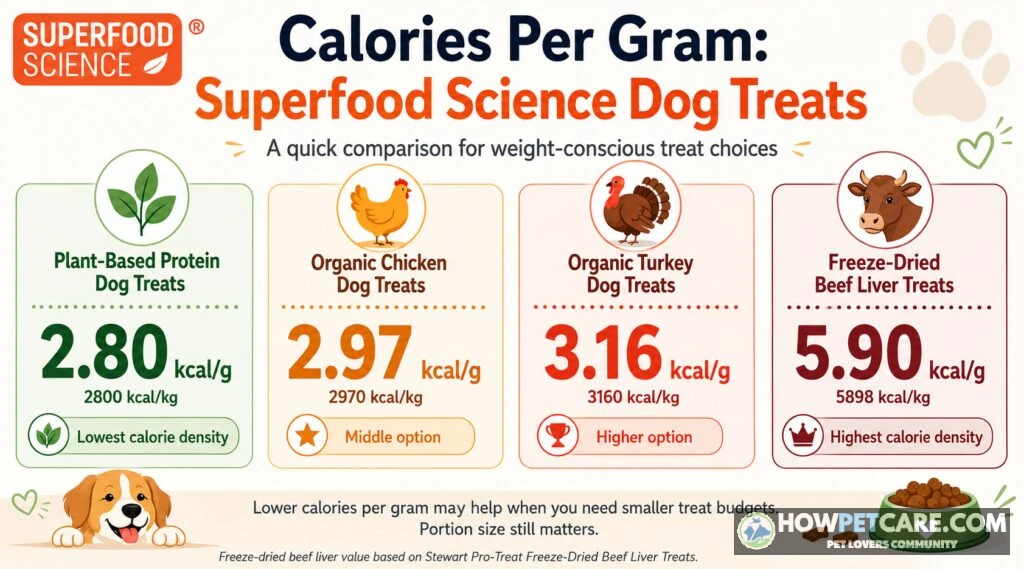
A treat’s size and calorie density matter more than whether its package looks diet-friendly. One published comparison lists pig ears at 182 calories and Greenies Jumbo at 270 calories, though you should check the exact product and size on your shelf. Either could exceed the illustrative treat budgets below.
For a food-motivated dog, set aside some of the day’s measured kibble for training. Count it as part of the planned meal, not as an addition to it. Ask your vet how to fit treats into a prescribed weight-management dog food plan without compromising its nutritional balance.
Why low fat and low calorie are not the same
Fat contributes calories, but a low-fat treat can still have substantial calories from starches or other ingredients. A small, calorie-controlled treat isn’t necessarily low enough in fat for a dog with a medical restriction, either. Check calories per treat and the nutrient information your vet requests.
 You might be wonderingHigh calorie dog foodHigh Calorie Dog Food: Safe Picks, Costs & Feeding PlanRead the answer
Your Dog’s Daily Treat-Calorie Budget: RER and MER Math With Worked Examples
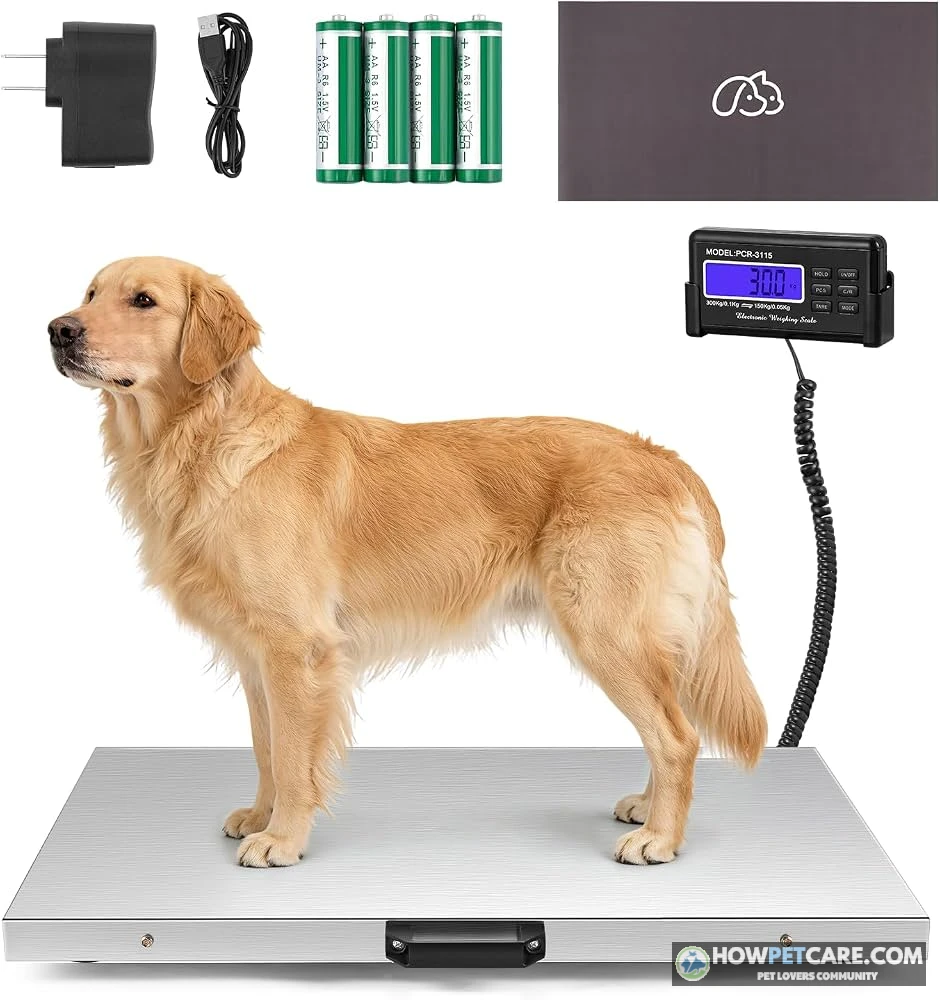
Your veterinarian’s daily calorie prescription is the best place to start. Without one, the calculation below offers a starting estimate for a discussion about an adult dog’s weight loss—not an exact prescription. Dogs of the same weight can need different amounts, and the estimate needs adjustment based on their response.
- Get a target weight. Ask your vet to assess body condition and suggest an appropriate goal; don’t assume the current weight is ideal.
- Convert to kilograms. Divide target weight in pounds by 2.2.
- Calculate resting energy requirement: RER = 70 × (target weight in kg)^0.75.
- Set the daily calorie target. RER estimates energy at rest. Maintenance energy requirement, or MER, estimates energy needs by applying an appropriate factor to RER. That factor varies with life stage and circumstances. For these illustrations only, use 1.0 × target-weight RER as the proposed total daily intake for weight loss. Your vet may choose a different starting point.
- Find the treat ceiling. Multiply the total daily target by 0.10, then divide by calories per treat. Round down to a whole number of treats. If you mix treats, their combined calories must fit under the same ceiling.
Example 1: a 10-lb senior Chihuahua with an 8-lb target.
- 8 ÷ 2.2 = 3.64 kg.
- 70 × 3.64^0.75 ≈ 184 kcal per day at the illustrative 1.0 factor.
- 10% is approximately 18 kcal per day for treats.
- That allows at most three whole 5-kcal treats, with about 3 kcal left. It doesn’t mean three treats plus an unlimited serving of vegetables.
Example 2: a 30-lb adult Beagle mix with a 25-lb target.
- 25 ÷ 2.2 = 11.36 kg.
- 70 × 11.36^0.75 ≈ 433 kcal per day at the illustrative 1.0 factor.
- 10% is approximately 43 kcal per day for treats.
- That allows at most eight whole 5-kcal treats. Or, 10 g of green beans is approximately 3 kcal, so a measured 10-g serving uses about 3 kcal of the allowance. This doesn’t mean the dog should get the whole allowance as beans.
Example 3: a 70-lb adult Lab with a 65-lb target.
- 65 ÷ 2.2 = 29.55 kg.
- 70 × 29.55^0.75 ≈ 884 kcal per day at the illustrative 1.0 factor.
- 10% is approximately 88 kcal per day for treats.
- A measured tablespoon of peanut butter at about 90–100 kcal would exceed that entire allowance. Two tablespoons would supply about 180–200 kcal, before any other rewards.
If your veterinarian gives you a daily calorie target, multiply that number by 0.10 rather than substituting the examples. The allowance is a maximum for all extras combined, not a goal you need to use up.
Body condition score: a quick at-home check
A body condition score, commonly assessed on a nine-point scale, considers how easily you can feel the ribs and whether the dog has a visible waist and abdominal tuck. Coat, build and muscle can make visual checks misleading. A score can help your vet estimate a target weight, but it doesn’t determine an exact calorie allowance on its own.
Treat counts for small dogs, large dogs, puppies and seniors
This ready reckoner uses the same illustrative 1.0 × target-weight RER convention as the examples. It is not a maintenance recommendation or a puppy feeding chart. Calories are rounded down to whole kcal before calculating whole treats.
| Target weight | Estimated daily kcal at 1.0 × RER | Maximum treat budget, rounded down | Whole 2-kcal treats | Whole 5-kcal treats | Whole 10-kcal treats |
|---|---|---|---|---|---|
| 5 lb / 2.3 kg | 130 | 13 kcal | 6 | 2 | 1 |
| 10 lb / 4.5 kg | 218 | 21 kcal | 10 | 4 | 2 |
| 25 lb / 11.4 kg | 433 | 43 kcal | 21 | 8 | 4 |
| 50 lb / 22.7 kg | 728 | 72 kcal | 36 | 14 | 7 |
| 75 lb / 34.1 kg | 987 | 98 kcal | 49 | 19 | 9 |
| 100 lb / 45.5 kg | 1,225 | 122 kcal | 61 | 24 | 12 |
These columns are alternatives, not amounts to add together. Small dogs often need especially tiny rewards; a larger dog’s higher calorie allowance doesn’t justify feeding large amounts of unfamiliar vegetables. For seniors, consider softer pieces and dental comfort as well as calorie needs. Puppies need growth-specific nutrition and shouldn’t be put on this weight-loss formula. Ask your vet for an appropriate daily target and training rewards.
For a spreadsheet, put target weight in pounds in A2 and kcal per treat in B2. Enter =ROUNDDOWN(70*POWER(A2/2.2,0.75)*0.1,0) for the illustrative treat budget. Divide that result by B2 and round down for whole treats. This formula doesn’t account for body condition, age or medical needs; those inform the target weight and calorie prescription your vet selects.
Safe Fruits and Vegetables for Dogs, With Serving Limits Before Gas and GI Upset
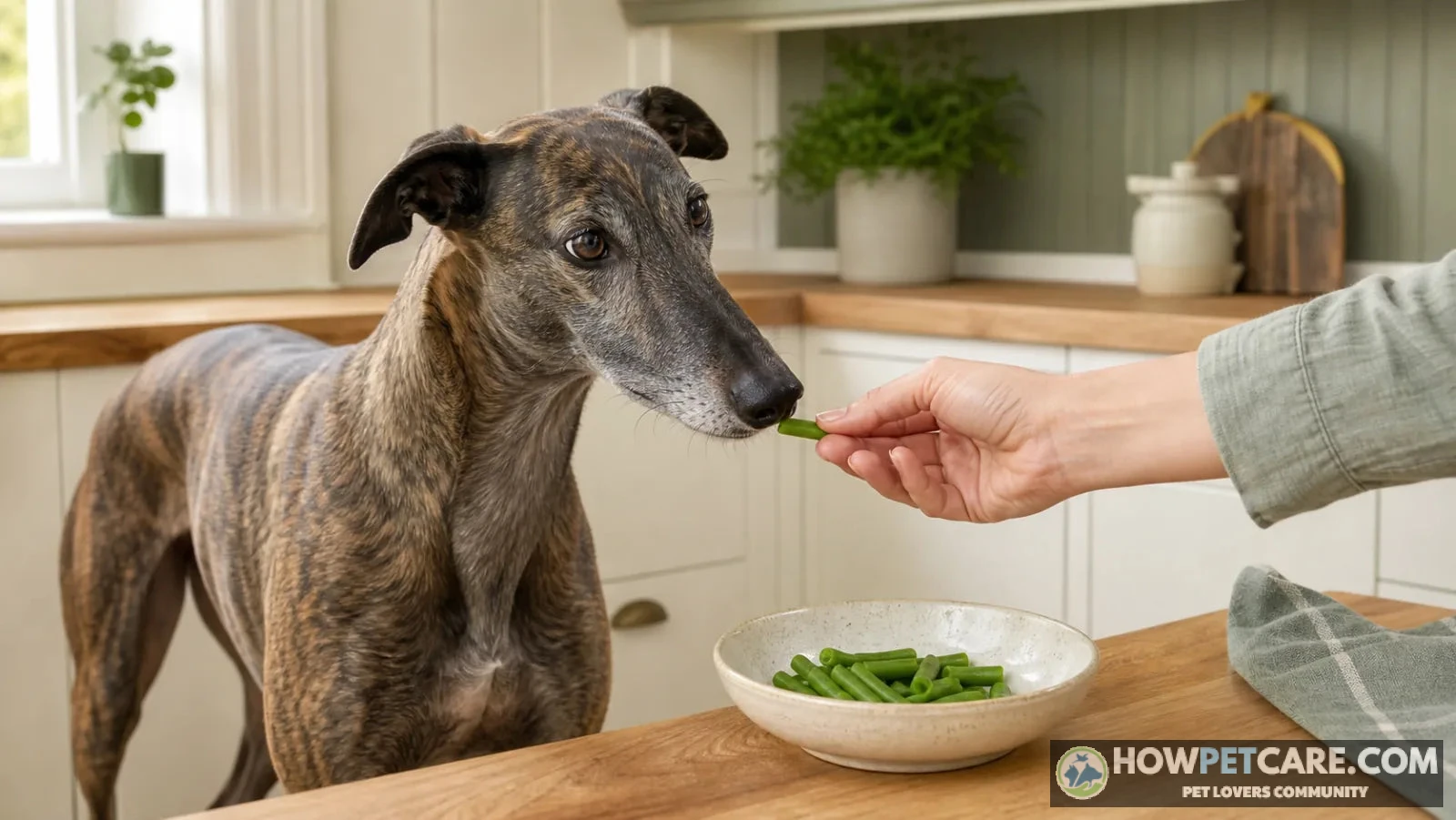
Plain carrots and green beans, cucumber, zucchini and small amounts of broccoli can work as snacks. Serve fresh or plain cooked vegetables without butter, oil, salt, sauce, onion or garlic. Plain pumpkin purée—not sweetened pie filling—is another option. Measure it and check the can’s calorie information.
There is no verified universal number of broccoli florets or grams of fiber at which a dog will develop gas or diarrhea. As a cautious working limit, not a proven safety threshold, offer a toy or small dog one or two small, appropriately cut pieces and a larger dog a few pieces; treat that amount as the serving where GI upset becomes a realistic risk, and scale back at the first sign. Introduce one new food at a time and wait a few days before adding another. Stop if it causes gas, vomiting or loose stool. Contact your vet if signs are significant or persist.
Best vegetables as low-calorie dog snacks
Based on the measured portions in the comparison table, cucumber and zucchini are useful low-calorie starting points, followed by green beans and carrots. Change the size of the pieces and the ranking can change, too. Weighing a serving is more useful than counting irregular slices.
Cut raw vegetables into pieces suited to your dog’s mouth and chewing ability. Whole carrots, long beans and hard frozen pieces can pose choking hazards, especially for small dogs or dogs that gulp. If you need a softer texture, steam and cool the vegetables without seasoning.
Fruits to use sparingly
Blueberries, seedless watermelon flesh and apple flesh can count as treats. Remove apple cores and seeds and watermelon rind and seeds, then cut the fruit into small pieces. Fruit contains calories and natural sugars, so measure portions carefully, especially if your vet has advised consistent carbohydrate intake.
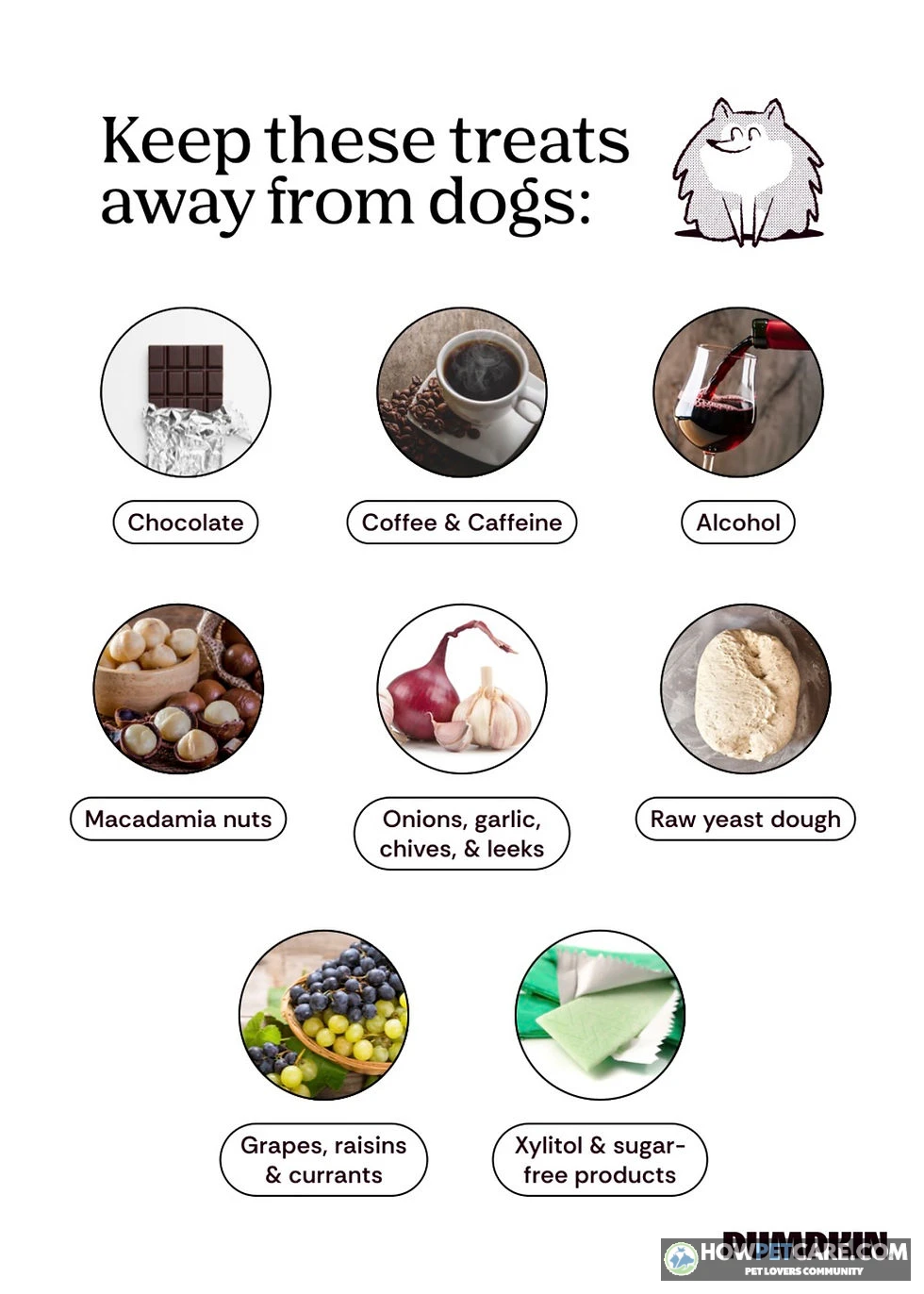
Don’t give grapes or raisins, onions, garlic, chives, macadamia nuts or food containing xylitol. Avoid avocado: its pit and skin create particular choking and obstruction concerns, and its fatty flesh is a poor choice for a dog on a fat-restricted plan. Cherry pits are also hazardous. If your dog eats a potentially toxic food, contact your veterinarian, an emergency veterinary clinic or an animal poison-control service promptly. Don’t wait for symptoms or induce vomiting unless instructed.
Homemade low-calorie dog snacks: three simple options
Use the measured foods in the table to make small portions, rather than relying on a count of irregular pieces:
- Cucumber and green-bean bites: Cut a measured portion of each into tiny pieces and add their separate calorie estimates.
- Soft carrot and zucchini: Steam both in plain water, cool and dice. Weigh the cooked portions and use the relevant cooked-food calorie values when available.
- Watermelon and blueberry cup: Cut and combine the measured fruit portions from the table for approximately 12 kcal total; divide into suitably small servings.
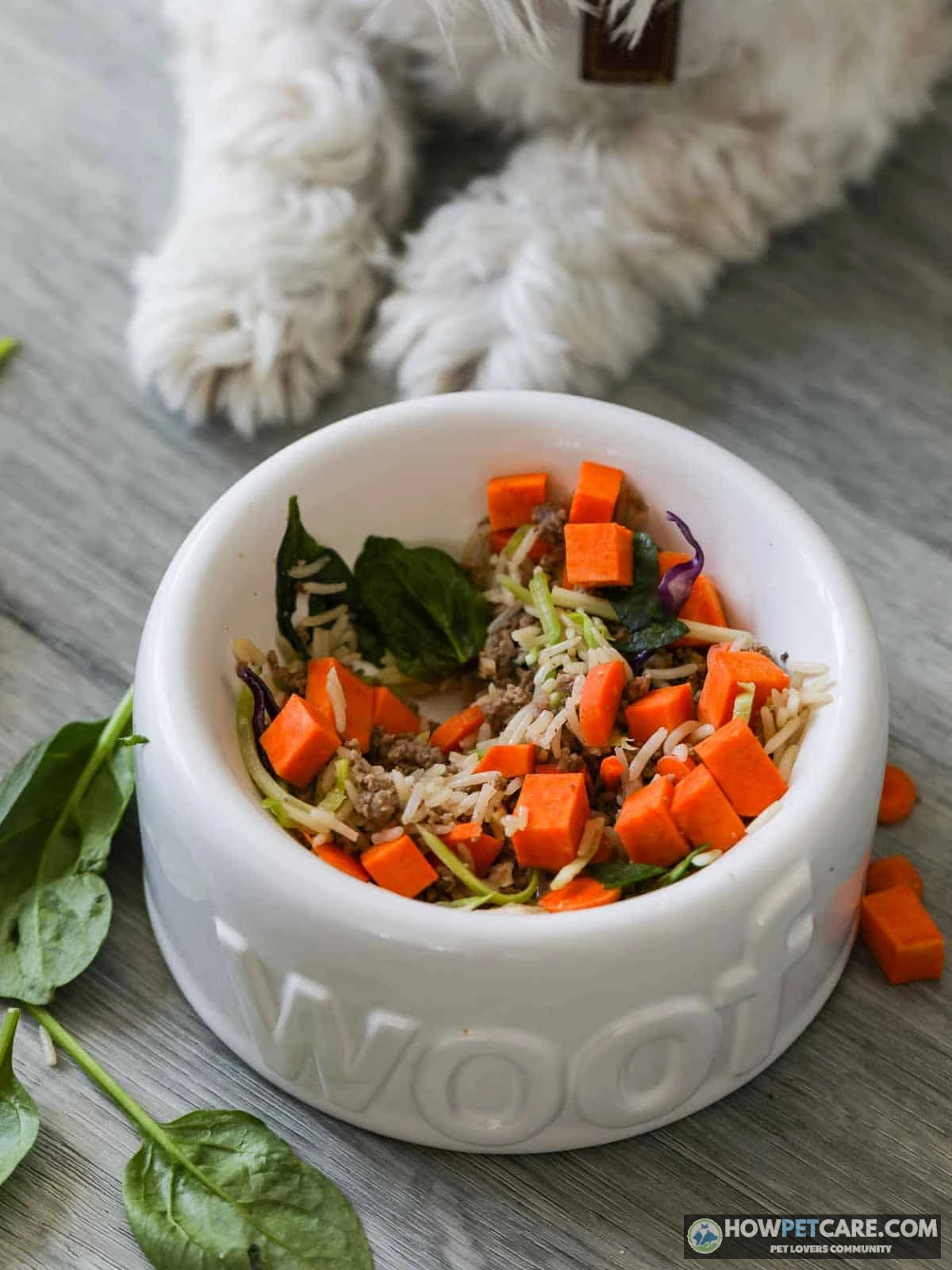
These are occasional snacks, not complete meals. For any recipe, kcal per finished piece depends on the total ingredients and the number of pieces you make.
Best Store-Bought Low-Calorie Treats for Training, With Calories Per Treat and Where to Buy
The best product for a particular dog has a measured portion that fits the dog’s budget, is safe to chew and meets any veterinary restrictions. A published comparison reports Licky Stik at 1 kcal per 10 licks, but the source doesn’t establish a current price or availability. Check the manufacturer’s current package before relying on that number.
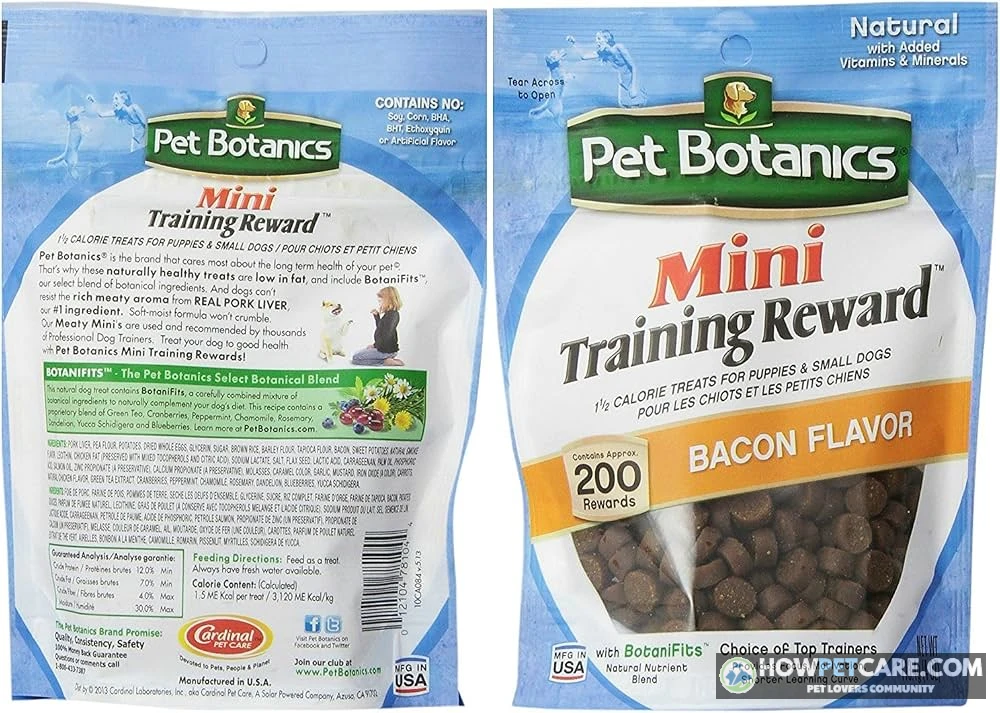
The supplied evidence doesn’t verify current per-piece calories for named lite dog biscuits, freeze-dried treats, soft training bits, air-dried chews or cricket-protein products. Rather than invent figures, use the label calculation above and compare products at pet stores or through the manufacturer.
Best low-calorie training treats for dogs under 5 kcal each
Look for an explicit per-piece figure below 5 kcal, or weigh pieces and calculate the value from kcal per kilogram. Choose a texture your dog can eat quickly and cut larger rewards into consistent pieces. For lickable products, track the stated serving instead of leaving the container out for unlimited licks.
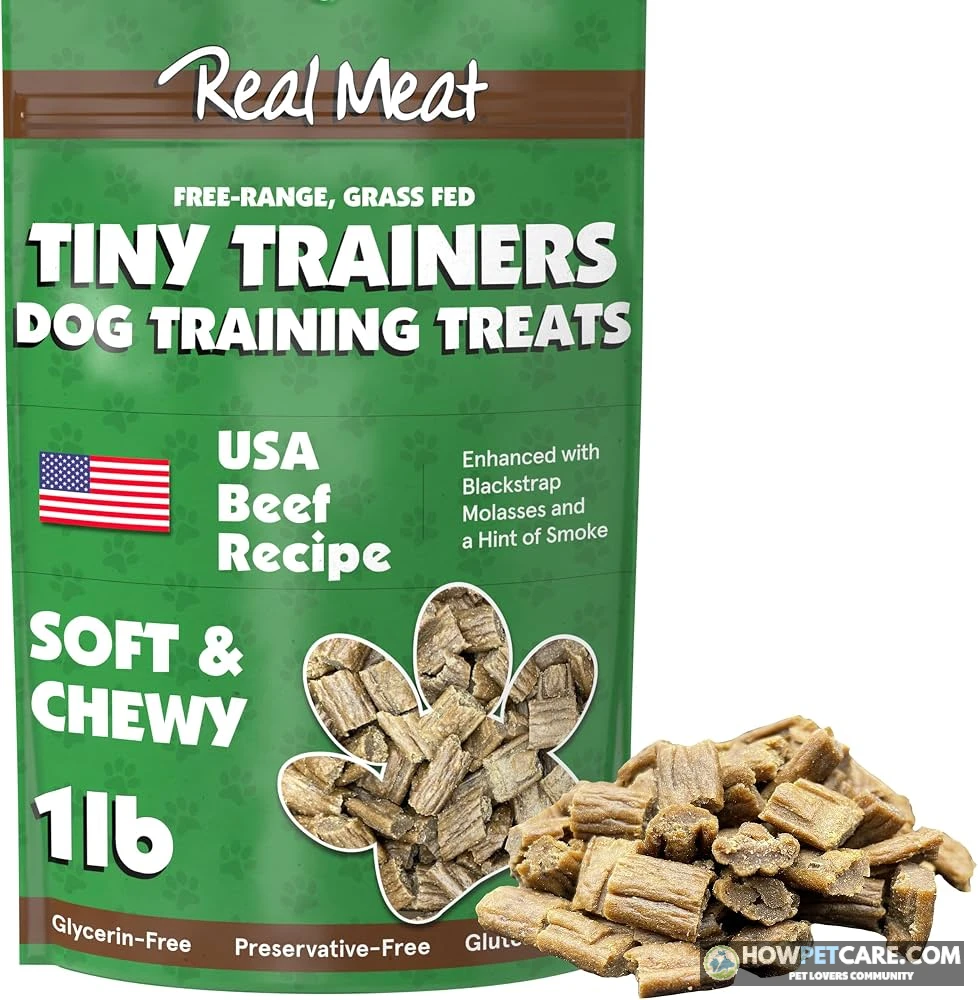
Best low-calorie dog treats for small dogs
Choose tiny, easily chewed pieces with a known calorie count. You can break up a larger biscuit, but record the fraction of the whole biscuit your dog eats. For a dog with a small daily allowance, measured kibble from the meal can provide more training repetitions without adding food.
Best low-calorie treats for senior dogs
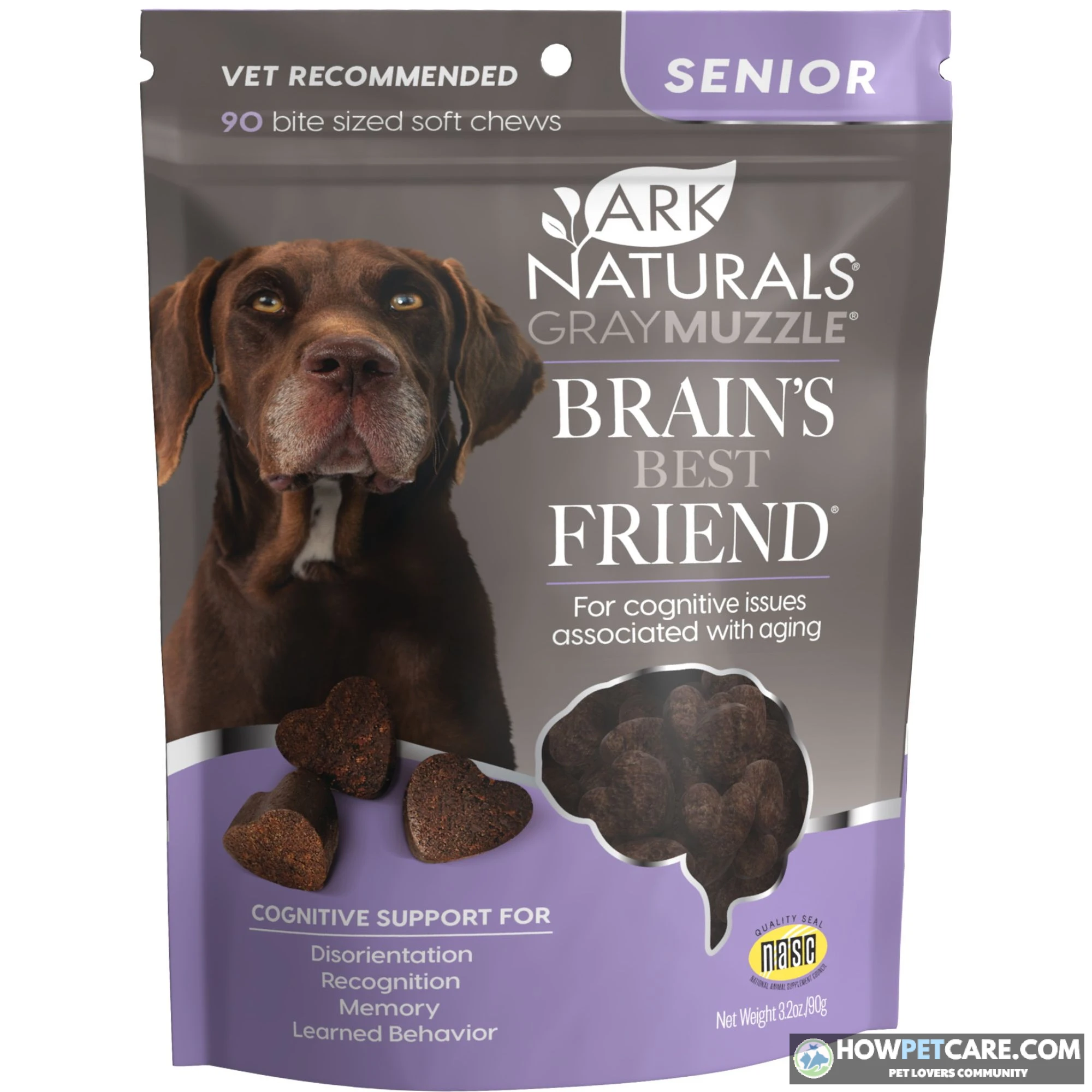
Choose a soft or easily crumbled treat if chewing is uncomfortable, and ask your vet about dental pain, swallowing difficulties or medical restrictions. A soft texture alone doesn’t mean a treat is low in calories or fat.
Freeze-dried single-ingredient treats can be convenient and easy to break, but concentrated ingredients can still carry substantial calories. Air-dried dog chews can also be energy-dense. Read the exact label; neither processing method guarantees a low-calorie snack. Grain-free treats aren’t automatically lower in calories, and a general “vet recommended” claim is not the same as your own vet recommending a product for your dog.
Prices and availability
Treat prices, package weights and stock vary by seller and location. For a fair bag comparison, divide its price by the number of usable treats, then compare the calories in the portion you’ll actually feed. If the bag lists only weight, weigh a typical piece to estimate the number of portions. No current price or availability claim is made here because those details couldn’t be verified.
High-Calorie Treats to Avoid, and Whether Peanut Butter Is Really Low Calorie
Peanut butter isn’t low calorie: a tablespoon is roughly 90–100 kcal, depending on the product. Measure it, count it toward the treat budget and check every jar for xylitol before offering any. Even a thin smear can use a meaningful share of a small dog’s allowance.
Dental chews, pig ears, fatty jerky, cheese, biscuits and table scraps can add up, too. A published comparison reports 182 calories for a pig ear and 270 for a jumbo Greenies product; those figures are examples, not substitutes for the label on a different size or product. A VOHC-accepted dental product may serve a dental purpose, but acceptance doesn’t mean it’s low calorie or suitable for every weight plan. Ask your vet how to account for it.
Peanut butter: the real numbers
At approximately 90–100 kcal per tablespoon, one teaspoon—one-third of a tablespoon—is about 30–33 kcal. Measure it instead of estimating what sticks to a spoon. A dog with an 18-kcal treat budget could exceed it with that teaspoon alone.
Hidden calories most owners forget to count
For one week, log the amount and calories of every reward, chew, topper, pill-hiding food and shared table scrap. Ask everyone in the household to use the same daily container or record. If your dog’s weight isn’t changing as expected, bring the log and measured food amounts to your vet rather than making a large diet cut on your own.
Low-Calorie Treats for Dogs With Diabetes, Pancreatitis, Kidney Disease, or Heart Disease
A calorie count alone can’t tell you whether a treat is medically appropriate. Your veterinarian sets the diet and any limits on fat, sodium, phosphorus or other nutrients for your dog. No universal fat percentage or sodium ceiling is safe for every dog with these conditions, and a label’s crude-fat minimum may not reveal the maximum fat actually present.
Condition-by-condition treat matrix
| Condition | Main concern | Possible choices to discuss with your vet | Avoid or check carefully | Ask your vet |
|---|---|---|---|---|
| Diabetes | Consistent food intake, calories and timing | Measured, unsweetened treats with known calories | Sugary treats, syrups and variable portions | Should treats be given at fixed times or in fixed amounts around insulin? |
| Pancreatitis or fat sensitivity | Fat as well as calories | Plain cucumber or green beans if approved | Fatty meats, cheese, peanut butter and high-fat chews | What maximum fat amount or concentration is appropriate, and on what basis? |
| Kidney disease | Phosphorus, protein and the overall prescribed diet | Vet-approved measured vegetables | Organ treats, meat-heavy chews and unverified phosphorus content | What phosphorus and protein limits apply to extras? |
| Heart disease | Sodium and the overall prescribed diet | Unsalted vegetables if approved | Salted, cured or cheese-based treats | What daily sodium limit applies, and how much can treats contribute? |
| Food allergy or elimination diet | Specific ingredients and cross-contact | Only treats permitted by the diet plan | Mixed proteins, unspecified flavors and unapproved novel proteins | Can any treats be added during the diet trial? |
For dogs with more than one condition, the complete plan needs to meet all applicable restrictions. Don’t assume a choice suitable for one condition is automatically suitable for another.
Questions to ask your vet before changing treats
Ask for limits in usable units: for example, maximum grams of fat or milligrams of sodium in the day’s extras, or a specified concentration and whether it’s on an as-fed or dry-matter basis. Sodium and phosphorus may not appear on a treat label. Ask the manufacturer for the actual amount, and confirm whether it is per treat, per 100 g or on a dry-matter basis.
To convert an as-fed percentage to dry matter, calculate: nutrient % ÷ (100 − moisture %) × 100. For example, a food with 5% fat and 75% moisture has a calculated 20% fat on a dry-matter basis. But if 5% is only a guaranteed minimum, the result is also a minimum—not proof that the actual fat content is no higher. Ask for a typical or maximum value when your vet needs one.
When to consult a vet
Talk with your vet before changing treats if your dog has diabetes, a history of pancreatitis, kidney or heart disease, a prescribed diet, or a suspected food allergy. Seek advice as well if your dog is a growing puppy, has trouble chewing or swallowing, or isn’t losing weight as expected despite a measured plan. Contact a vet or poison-control service promptly after suspected exposure to a toxic food. Urgent or persistent vomiting, severe lethargy or other concerning signs need veterinary attention.

How to Read a ‘Diet’ or ‘Lite’ Treat Label: Red Flags for Fat, Fillers, Sodium, and Xylitol
Marketing language won’t tell you whether a treat fits your dog’s allowance. Start with calories per piece, then check the ingredients and any medical restrictions. Ingredient order and a guaranteed analysis can offer clues, but neither proves a treat’s quality or suitability on its own.
Label red-flag checklist
- ☐ No usable calorie figure: Convert kcal/kg using the treat’s weight, or ask the manufacturer for kcal per piece.
- ☐ “Lite” without a useful comparison: Check actual calories and serving size instead of assuming the product fits your budget.
- ☐ Xylitol or an alias: Avoid xylitol, birch sugar, wood sugar and E967. Check unfamiliar sweeteners with the manufacturer.
- ☐ Added fat or oil: Animal fat, tallow and oils need particular scrutiny when fat is restricted; ask for actual fat data when needed.
- ☐ Sweeteners: Check for sugar, honey, molasses and syrup, especially if your vet has advised consistent carbohydrate intake. Glycerin may be used for texture; its presence alone doesn’t establish that a treat is unsafe or high in sugar.
- ☐ Salt or cured ingredients: Ask for sodium content if your dog has a sodium restriction; ingredient position alone doesn’t quantify sodium.
- ☐ A misleading wet-versus-dry comparison: Moisture changes how an as-fed percentage should be read. Convert to dry matter when appropriate, and distinguish minimum guarantees from actual values.
- ☐ Unclear proteins or flavors: Contact the manufacturer if your dog has an allergy or is on an elimination diet.
- ☐ Grain-free, natural or vet-recommended claims used in place of numbers: None establishes calories per treat or suitability for your dog.
- ☐ Starch, flour or meat meal treated as proof of poor quality: These ingredients aren’t automatically unsafe fillers. Judge the whole product, its calorie content and whether it meets your dog’s needs.
Allergy checks: cricket protein and shellfish
If your dog has a known shellfish allergy, discuss insect-protein treats with your vet before trying them. Possible cross-reactivity warrants caution, but the supplied evidence doesn’t establish how often it occurs in dogs or whether a particular cricket-protein product is safe. During an elimination diet, use only treats specifically allowed by the veterinary plan.
Your Treat Plan: A 5-Step Checklist to Start This Week
- Get the target. Ask your vet for your dog’s body condition assessment, target weight, daily calorie goal and any medical restrictions.
- Set the budget. Multiply the prescribed daily calories by 0.10 for the maximum combined allowance for extras, unless your vet gives you a different limit.
- Choose rewards. Pick a measured whole food, a training treat with a known calorie count and, if you like, an occasional special treat that fits the same budget.
- Pre-portion the day. Measure rewards into one container. Set meal kibble aside if you use it for training, and let everyone in the household know what’s available.
- Track and review. Log all extras for a week, including chews and pill-hiding food. Weigh your dog at intervals agreed with your vet—often every two to four weeks during a plan—and review the trend together.
 You might be wonderingHealthy dog treatsHealthy Dog Treats: Vet-Backed Picks & Comparison GuideRead the answer
FAQ
Do training treats count toward the 10 percent treat limit?
Yes. Every treat counts, including training rewards, dental chews, and the food used to hide pills. Use very small pieces of a low-calorie treat so a training session fits inside the daily budget.
Can I use part of my dog’s kibble as treats?
Yes, and it is a good option for food-motivated dogs. Count the kibble used as treats against the daily meal allowance so total calories stay the same, and check kcal per cup on the bag.
Are dental chews low in calories?
Not always. Many dental chews are 50 to 100+ kcal each, so check the label and count each one against the treat budget. Ask your vet whether a chew suits your dog’s weight plan.
Can puppies eat low calorie dog treats?
Yes, small low-calorie treats work well for puppy training. Puppies are growing, so keep treats within about 10% of daily calories and ask your vet before putting a puppy on any weight-control plan.
How long should I wait before giving a new vegetable again?
Introduce one new food at a time in a small amount and wait a few days before adding another. If you see vomiting, diarrhea, or heavy gas, stop that food and ask your vet.