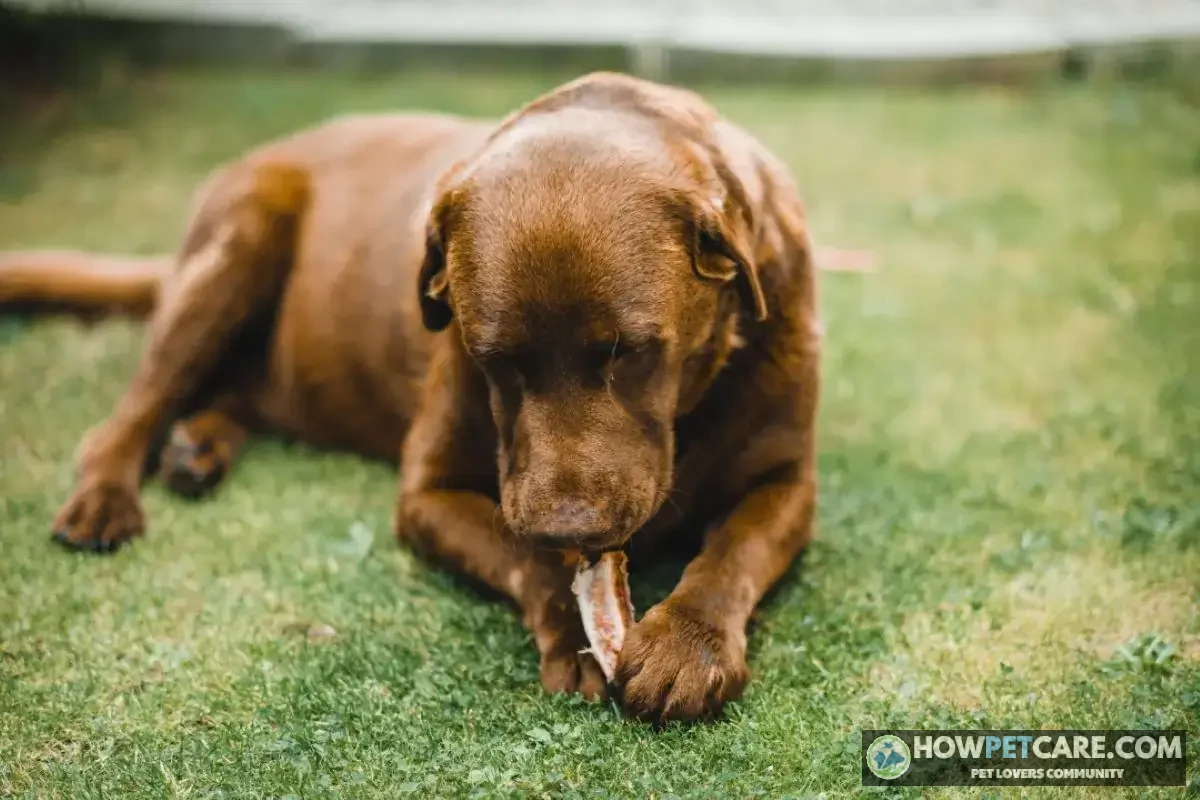

Cooked bones are never safe for dogs — they turn brittle and splinter into shards that can puncture the mouth, throat, stomach or intestines. Raw bones are conditionally safer but still risk choking, tooth fractures, blockage and bacterial contamination. If you feed raw, choose soft non-weight-bearing bones, size them larger than your dog’s mouth, and supervise constantly.
If your dog is begging for a bone right now, here’s the quick answer: cooked bones are never safe. Raw bones are conditionally safer, but they’re not risk-free, and no bone is guaranteed safe. Use this guide to make a decision in the next minute. If your dog has already swallowed or is choking on a bone, go to the emergency steps further down.
Can Dogs Eat Bones? The Short Verdict and a 30-Second Triage
Cooked bones: never. Boiled, baked, smoked or stewed, from your plate or a pet store, cooked bones become brittle. They can splinter into shards that puncture the mouth, throat, stomach or intestine. (Established)
Raw bones: only under strict rules. Choose soft, non-weight-bearing types, sized so your dog cannot fit the whole bone in its mouth. Supervise the entire time and use a source you trust. Raw bones have a lower splintering risk than cooked bones, but choking, tooth fractures and bacterial contamination remain risks. (Contested)
No bone is guaranteed safe. The decision comes down to how much risk you accept and how much you can reduce it.
Call a vet now if your dog is choking or gagging, just swallowed a cooked bone, is vomiting, bloated, lethargic or passing blood, or is a puppy, senior or gulper, or has a history of pancreatitis or GI surgery.
Confidence labels used in this article: Established means broad veterinary and regulator agreement. Contested means credible sources disagree. Convention means widely repeated advice with no supporting evidence found.
This article is for everyday dog owners and isn’t a replacement for a hands-on veterinary exam. It was prepared by a senior editor and content curator who researches animal welfare, pet care and safety; the author is a generalist, not a practicing veterinarian. The safety assessment draws on FDA consumer advisories about bone treats, veterinary dental groups’ positions on hard chews, and the broad agreement that cooked bones cause gastrointestinal injury. Where raw-feeding advocates and mainstream veterinarians disagree, we mark the claim Contested and explain both sides, with a conservative default.
Quick verdict by situation
- Choking or gagging right now: scroll to the emergency protocol and start the choking steps.
- Already swallowed a bone: follow the swallowed-a-bone steps in the emergency protocol, then the monitoring timeline.
- Deciding whether to give a bone: read the bone-type matrix and size chart before handing anything over.
How to read the confidence labels
Established: most veterinary and regulatory sources agree. Contested: credible sources actively disagree, so we explain the disagreement and recommend the safer default. Convention: advice repeated across pet blogs, but without peer-reviewed evidence found to establish it as a safety threshold.
Why Cooked Bones Are Dangerous and What Raw Bones Still Risk
What cooking does to a bone
Cooking removes moisture and breaks down collagen, leaving a brittle bone that can fracture into sharp shards when a dog bites down. Those shards can pierce the gums, tongue, throat, esophagus, stomach or intestines. They can also lodge in the airway and cause choking. The warning applies to any cooked bone, including chicken, turkey, pork rib, pork chop, steak and T-bone bones, and ham, as well as any bone baked, boiled, smoked or added to stew. Heat-processed bones sold in pet stores are cooked too, so they carry the same splintering risk.
What happens to a bone after it is swallowed
A dog’s stomach acid can soften small raw bone fragments, but it can’t fully dissolve large or dense pieces. Undigested fragments can scrape or puncture the gut lining, while larger pieces can clump together and cause an intestinal blockage or severe constipation. Fragments that reach the rectum and colon can cause rectal bleeding and painful straining. The answer to "Can dogs digest bones?" is therefore limited: small, soft fragments may break down, but dogs can’t reliably digest the pieces that matter for safety.
Raw bones: what actually improves and what stays risky
Raw bones aren’t exposed to the heat that makes bone brittle, so they’re less likely to splinter than cooked bones. The risks that remain include:
- Choking or esophageal lodging, especially with poultry necks and round cuts that gulpers swallow whole.
- Tooth fractures and slab fractures from dense marrow bones and weight-bearing leg bones, which are harder than tooth enamel.
- Gastrointestinal injury or obstruction if a dog swallows large pieces.
- Bacterial contamination from Salmonella, E. coli or Listeria, which can affect the dog and people in the household.
- Pancreatitis or serious digestive upset from the high fat content of marrow and rib bones.
Raw bones are less likely to splinter, but they can still cause choking, fractures, obstruction or bacterial contamination. If you choose raw, you need the right type and size, constant supervision and strict hygiene.
Chewing may help dental health by increasing saliva and mechanically scraping plaque, but that benefit has to be weighed against the well-documented risk of broken teeth and jaw injuries. Hard chews are a leading cause of dental fractures in veterinary practice, especially among aggressive chewers and large-breed dogs.
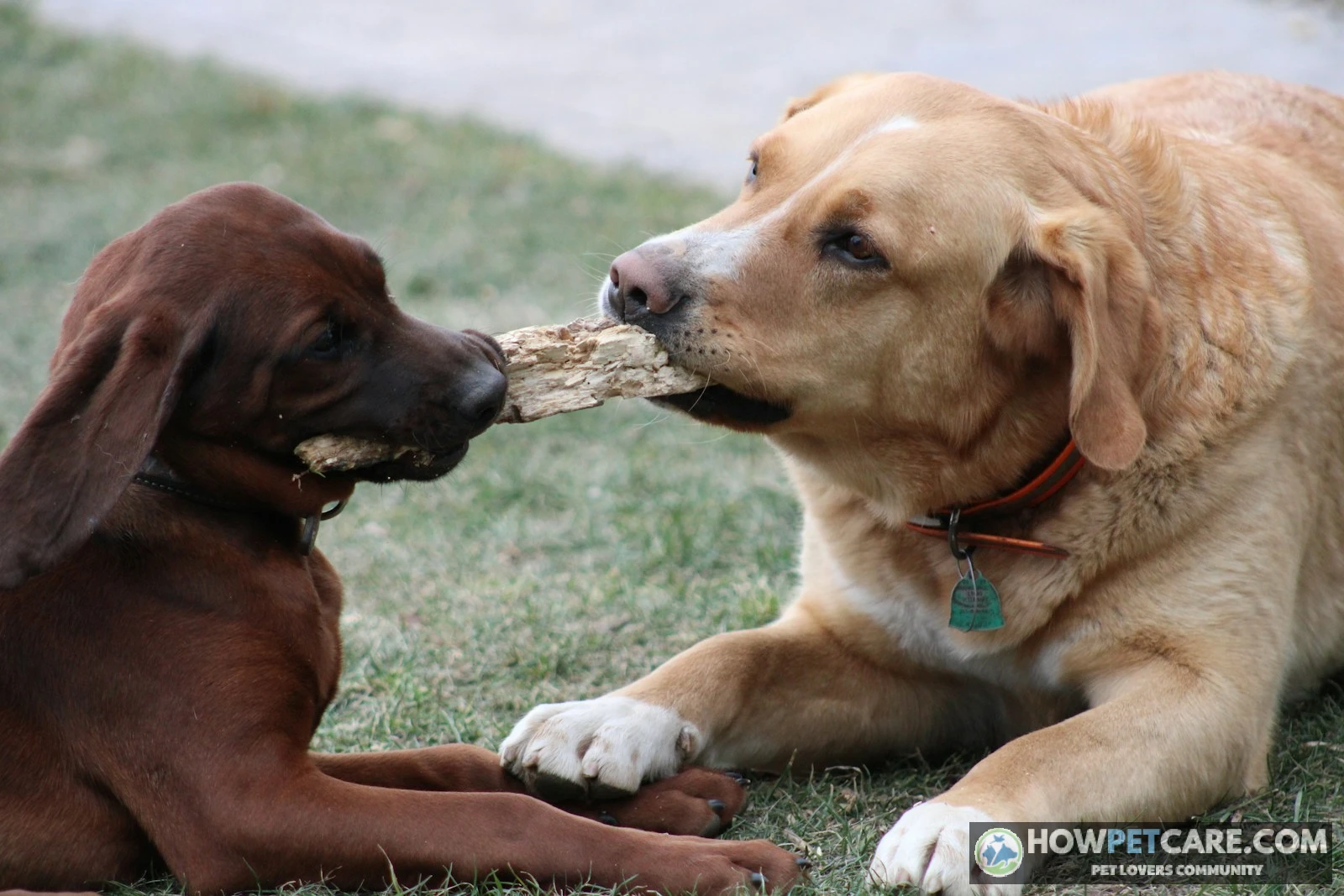
The question "Are raw bones better than cooked bones for dogs?" is Contested. Raw bones clearly splinter less, but regulators such as the FDA advise against giving dogs bones in general, and some animal-welfare groups take an absolute no-bones stance. Other veterinarians and the American Kennel Club consider raw, appropriately sized meat bones an acceptable supervised treat. Our conservative default: if you aren’t prepared to supervise, size, store and handle raw bones like raw meat, don’t give them.
 You might be wonderingCan dogs eat herbsCan Dogs Eat Herbs? Safe vs Toxic List, Doses & First AidRead the answer
Bone-by-Bone Safety Matrix: Chicken, Turkey, Pork, Beef and Lamb
Use this matrix to classify the bone in front of you. If the cooked row says "Do not feed," treat that as final. If the raw row says "sometimes used" or "possible," safety depends on the size chart and your dog’s chewing style.
| Bone type | Cooked verdict | Raw verdict | Main risk | Confidence label |
|---|---|---|---|---|
| Chicken wings | Do not feed | Sometimes used; supervise closely | Cooked: splintering. Raw: swallowed whole | Established (cooked) / Contested (raw) |
| Chicken necks | Do not feed | Common raw-feeding pick; soft and pliable | Choking — gulpers swallow them whole | Established (cooked) / Contested (raw) |
| Chicken drumsticks | Do not feed | Avoid — dense leg bone | Splinters cooked; tooth fracture raw | Established |
| Turkey (any cut) | Do not feed | Necks only, sized for large dogs; avoid leg bones | Same as chicken at bigger scale | Established / Contested |
| Pork rib bones | Do not feed | Avoid | Sharp rib ends; small enough to swallow | Established |
| Pork chop bones | Do not feed | Avoid | Splintering; sharp edges | Established |
| Beef rib bones | Do not feed | Possible for large dogs, supervised | Sharp edges when cooked; choking on worn-down pieces | Established / Contested |
| Steak and T-bone | Do not feed | Avoid | T-bone edges cut the mouth and gut | Established |
| Beef knuckle / marrow bone | Do not feed | Avoid for most dogs | Slab tooth fractures; marrow is high-fat (pancreatitis risk) | Established |
| Beef shank, femur (weight-bearing) | Do not feed | Avoid — densest bones sold | Tooth fractures; too hard to chew safely | Established |
| Lamb rib | Do not feed | Avoid | Sharp ends; splinters | Established |
| Lamb neck | Do not feed | Sometimes used; supervise | Choking on chunks | Contested |
| Butcher-sourced bones | Do not feed | Only if raw, unsmoked, unseasoned, cut to size | Sawn rings wedge on the jaw; sharp saw edges | Contested |
Chicken and turkey bones
Cooked chicken and turkey bones are among the most dangerous because they’re light and splinter into needle-like pieces. If your dog ate a chicken bone, assume the worst and call your veterinarian or an emergency clinic, even if your dog looks fine. Raw chicken necks and wings are sometimes used in raw feeding, but gulpers can swallow them whole and choke. Give them only under close supervision and only to dogs large enough to handle their size.
Pork rib bones and cooked steak bones
Pork rib bones and pork chop bones have sharp rib ends and splinter easily. Steak bones and T-bones are dangerous both cooked and raw: the T-shaped cross-section can lodge between the throat and airway, causing swelling and breathing obstruction. The answer to "Can dogs eat cooked steak bones?" and "Can dogs eat pork rib bones?" is no.
Beef, marrow and lamb bones
Beef knuckle bones and marrow bones are dense. Dogs often break teeth on the hard outer rim, while the fatty marrow can trigger pancreatitis or severe digestive upset. Beef shank, femur and other weight-bearing bones from large animals are harder than dog enamel and commonly cause slab fractures that require expensive dental work. Lamb ribs and lamb necks follow the same pattern: cooked is dangerous, and raw necks are occasionally used but carry the same choking risk as poultry necks.
Bones from the butcher
Butcher-sourced bones can be a raw option only if they’re truly raw, unsmoked, unseasoned and cut to a safe size. Ask the butcher not to saw them into narrow rings. Round bone slices can slip over the lower jaw and wedge behind the canine teeth, often requiring anesthesia to cut free. Sharp saw edges can also cut the mouth or gut.
Ham, fish, smoked, store-bought and bone broth
- Ham bones: Do not feed. Cooked ham bones are brittle, and the salty, fatty meat on them can cause vomiting or pancreatitis.
- Fish bones: Avoid. They’re thin and sharp and can lodge in the throat, stomach or intestines.
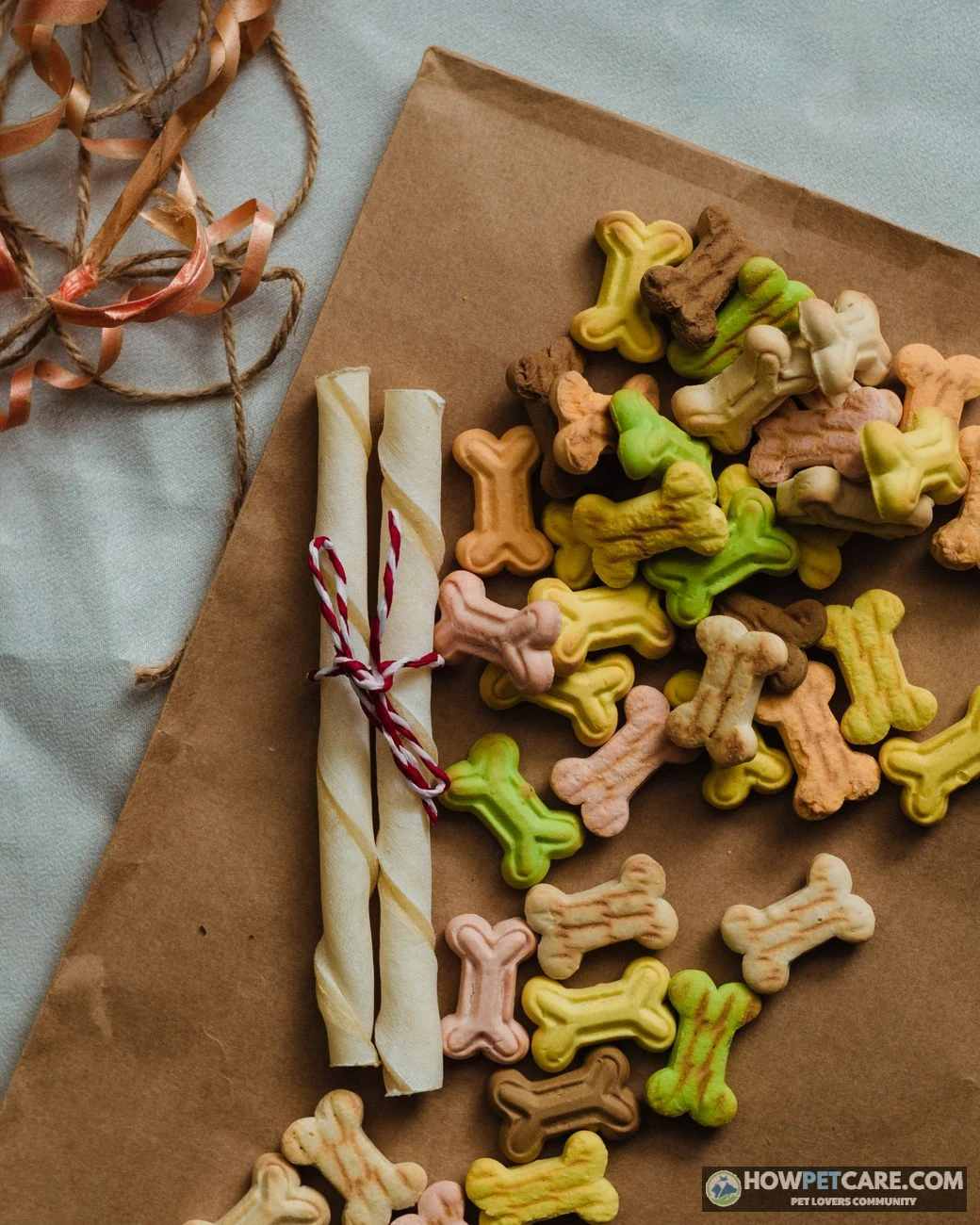
- Smoked or baked pet-store bones: Treat them like cooked bones. Heat-processing dries them out, making them prone to splintering and tooth fracture.
- Bone broth: Safe only if fully strained and free of bone fragments, onion, garlic and added salt. Serve small amounts because it can be fatty.
- How often: No study sets a safe frequency. A conservative approach is occasional, supervised sessions, discarding the bone once it’s small enough to swallow.
What Size Bone Fits Your Dog? A Weight-Class Chart and Dogs That Should Skip Bones
A bone that’s safe for a Labrador can kill a Chihuahua, while a bone a small dog gnaws can be swallowed whole by a Great Dane. Size rules are practical, conservative guidance, not an established veterinary standard. When in doubt, choose the larger size and supervise.
Bone size chart by dog weight
| Weight class | Example breeds | Minimum safe bone size | Example bone types | Chew-style caution |
|---|---|---|---|---|
| Toy (under 10 lb) | Chihuahua, Yorkie, Pomeranian | Too big to fit behind the canine teeth — roughly larger than a golf ball | Raw chicken neck segment, supervised — most toy dogs should skip bones entirely | Small jaws, crowded teeth, high swallowing risk |
| Small (10–25 lb) | Beagle, Corgi, Miniature Poodle | Cannot fit entirely in the mouth | Raw chicken or duck neck | Gulpers swallow necks whole — watch the first chew |
| Medium (25–50 lb) | Border Collie, Bulldog, Springer | Bigger than the open mouth | Raw turkey neck; beef rib (supervised) | Power chewers: skip dense weight-bearing cuts |
| Large (50–90 lb) | Labrador, German Shepherd, Boxer | Fist-sized or larger | Large raw turkey neck; beef rib | Remove the bone once it wears down to a swallowable piece |
| Giant (90 lb and up) | Great Dane, Mastiff, Saint Bernard | Cannot be swallowed whole even at one end | Largest butcher cuts only; still avoid femur and shank | Can swallow whole what a small dog would only gnaw — and has the jaw force to crack teeth on dense bone |
To use the behind-the-canine-teeth test, offer the bone and watch how your dog handles it. If the dog can maneuver the entire bone behind the pointed canine teeth, where the crushing molars are, it’s a swallowing risk. Take it away and size up. The general rule that a safe bone should be larger than the muzzle or about the size of the head is a widely repeated convention, not a tested standard. Treat it as a starting point, not proof of safety.
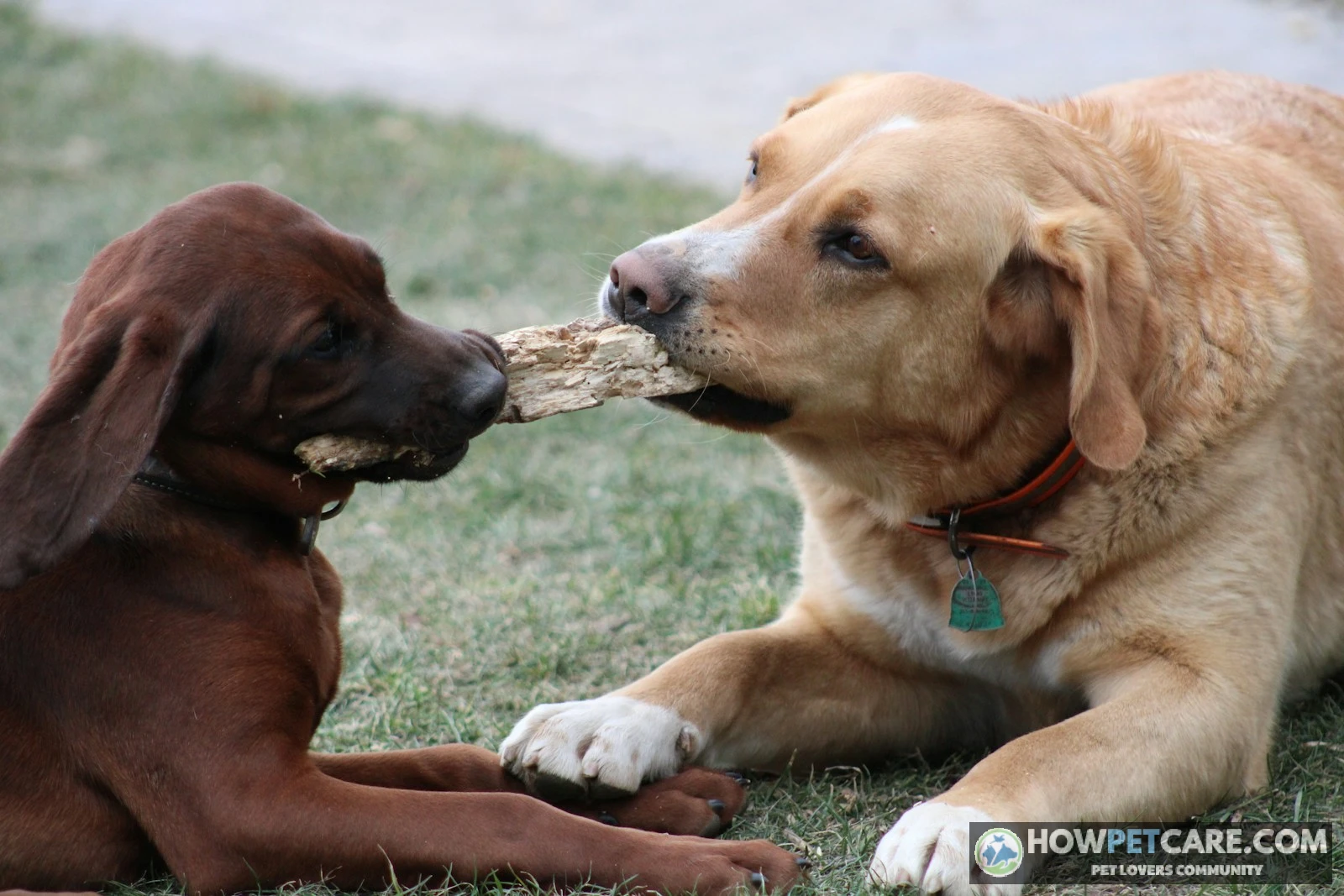
Watch your dog the entire time. If you need to leave the room, answer the door or put the baby down, take the bone away first.
Dogs that should not have bones
Some dogs should skip bones entirely; others should have them only with explicit veterinary approval:
- Puppies with erupting or baby teeth.
- Senior dogs with worn, loose or diseased teeth.
- Dogs with a history of pancreatitis, because marrow and rib fat can trigger a flare.
- Dogs with prior GI surgery, inflammatory bowel disease or a sensitive gut.
- Dogs that gulp food or swallow large pieces without chewing.
- Dogs that resource-guard food or objects.
- Households with small children, elderly people or immunocompromised family members who could be exposed to raw-bone bacteria.
Gulpers, power chewers and gentle chewers
Chewing style changes the risk. A gulper may treat a raw chicken neck like a treat and swallow it whole, turning a soft bone into a choking hazard. A power chewer can crack a beef knuckle in minutes and break a tooth. A gentle nibbler may be the only candidate for raw recreational bones, and even then only under supervision. If your dog is a gulper or power chewer, skip real bones and use a rubber toy or VOHC-accepted dental chew instead.
Dog Swallowed, Choking on, or Broke a Tooth on a Bone: Step-by-Step Emergency Protocol
If your dog is choking right now
-
Open the mouth and look
Pull the tongue forward and look as far back as you can. Remove the object only if you can see it and reach it easily. Never do a blind finger-sweep; you can push the bone deeper into the throat.
-
Give back blows and abdominal thrusts
For a small dog under roughly 30 pounds, hold the dog head-down over your lap and give 5 firm back blows between the shoulder blades. If that doesn’t work, place a fist just behind the rib cage and thrust up and forward 5 times. For a large dog standing, wrap your arms around the waist like a Heimlich hug, with your fist behind the ribs, and thrust up and forward. For a large dog lying down, lay the dog on its side, place both palms on the belly behind the ribs, and thrust forward toward the spine.
-
Drive to the ER immediately
Go even if the bone came out. Fragments can remain lodged and the throat can be injured. Keep attempting rescue only if someone else is driving.
Signs of choking include pawing at the mouth, gagging, retching with nothing coming up, blue or pale gums, panic and collapse.
If your dog swallowed a bone and seems fine
-
Secure the scene
Remove other dogs and all remaining bone fragments so no one else swallows more.
-
Write down the details
Note whether the bone was cooked or raw, the type (chicken rib vs beef shank matters), the approximate size, and the time it was swallowed.
-
Call your vet or an ER before doing anything else
Have your dog’s weight, breed, bone type and time of ingestion ready. For after-hours phone triage, you can contact ASPCA Animal Poison Control at 888-426-4435 or Pet Poison Helpline at 855-764-7661; both charge a fee.
-
Do not try home remedies
Don’t induce vomiting. Sharp fragments can do more damage on the way back up. Don’t feed bread, cotton balls, peanut butter, rice or any other food unless a veterinarian explicitly tells you to.
-
Follow the monitoring timeline
Watch closely for the next 24 to 72 hours using the symptom timeline below, even if the vet says to wait.
If your dog may have cracked a tooth
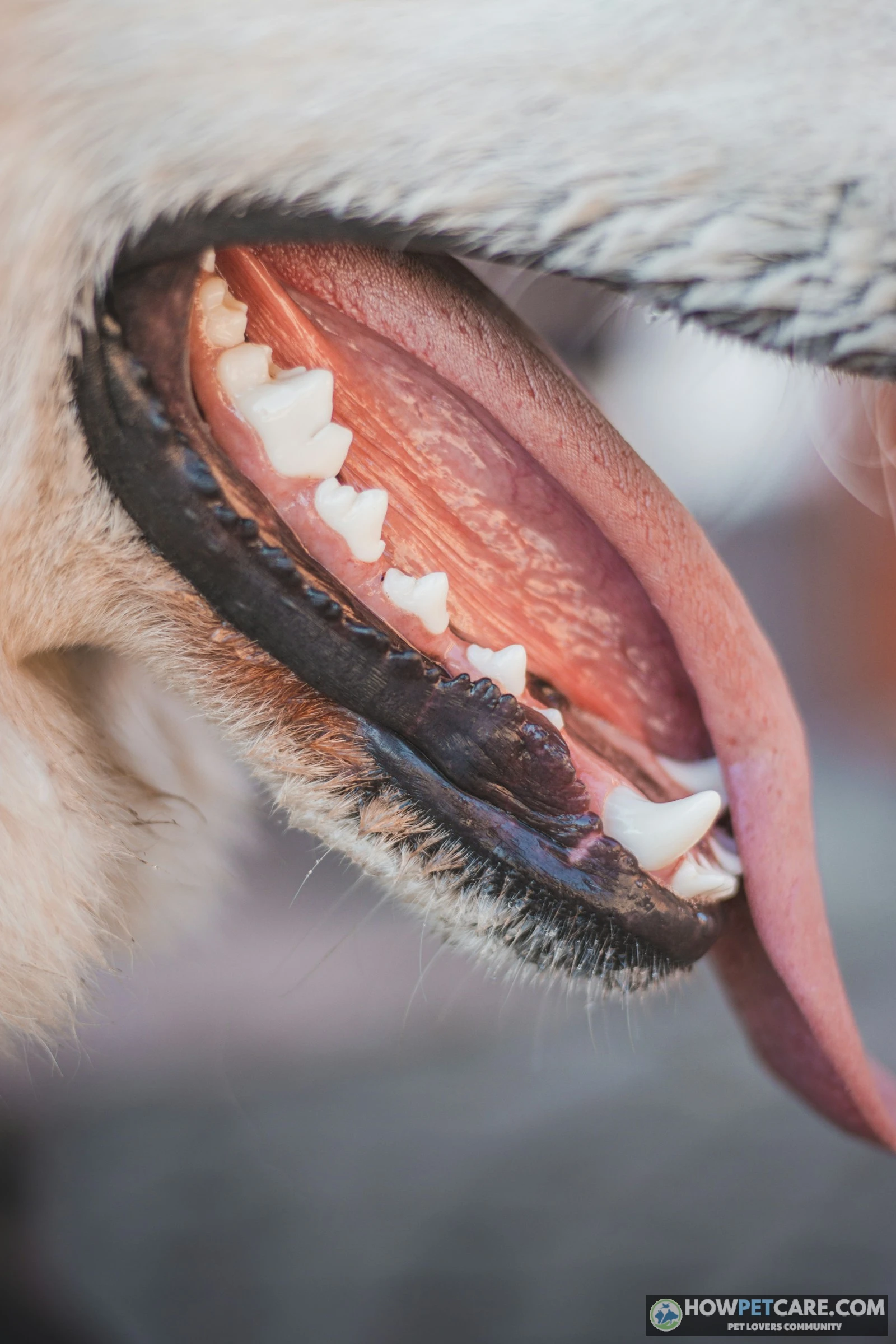
Signs of a broken tooth include sudden drooling, dropping food, pawing at the face, blood in the saliva and reluctance to chew on that side. Don’t try to pull, file or deeply examine the tooth. Offer soft food only and book a veterinary or veterinary-dental visit within 24 hours. Go to the ER sooner if there’s heavy bleeding, facial swelling or a tooth that looks displaced.
Go to the ER now — don’t call first — if your dog shows any of the following: repeated vomiting, abdominal pain or a hard bloated belly, collapse or extreme lethargy, blood in vomit or stool, unproductive retching, trouble breathing, constant gagging, or inability to swallow.
How Long to Watch After Your Dog Eats a Bone, and What Treatment Costs
Symptom timeline from hour 1 to day 5
| Time since swallowing | What to watch for | Monitor at home | Call a vet the same day | Go to the ER now |
|---|---|---|---|---|
| 0–2 hours | Choking, gagging, vomiting, bleeding from mouth, distress | Dog is calm, breathing normally, no gagging | Gagging but still breathing, mild drooling | Cannot breathe, blue gums, collapse, heavy bleeding |
| 6–24 hours | Repeated vomiting, loss of appetite, belly pain, restlessness | Single normal stool, normal energy, eating and drinking | Appetite loss, one or two vomiting episodes, mild discomfort | Repeated vomiting, bloated hard belly, blood in vomit, extreme lethargy |
| 24–72 hours | Stool changes, constipation, straining, blood in stool, lethargy | Passing soft stools, fragments visible in stool, normal behavior | Straining to defecate, mild blood, reduced appetite | Black tarry stool, severe constipation, swollen painful belly, collapse |
| Day 3–5 | Continued constipation, low energy, recurrent vomiting | Dog is eating, drinking, passing stool normally | Any return of vomiting, pain or appetite loss after an apparent recovery | Same ER triggers as above |
There’s no universally accepted all-clear time. Many veterinarians use a 3-to-5-day window as a practical point at which the risk of obstruction or perforation drops if the dog has remained symptom-free. Delayed signs can still appear, though, so keep watching for appetite, stool and behavior changes beyond that window. We label this a Convention because no controlled study establishes that exact window.
Monitor, call, or go to the ER
Use these tiers to decide what to do:
- Monitor at home: one soft stool with tiny bone fragments, normal energy, normal appetite, no vomiting.
- Call your vet the same day: appetite loss, straining, mild vomiting, drooling, or any change in behavior that lasts more than a few hours.
- Go to the ER immediately: repeated vomiting, abdominal pain or bloating, blood in vomit or stool, collapse, trouble breathing, or unproductive retching.
Typical costs for exams, endoscopy, surgery and tooth extraction
Prices vary by region, time of day, size of dog, and whether complications arise. Treat these numbers as a planning aid, not a quote.
| Service | Typical 2026 U.S. range | What changes the price |
|---|---|---|
| Emergency exam | $150–$400 | After-hours surcharge, ER vs urgent care, region |
| X-rays | $250–$600 | Number of views, sedation, size of dog |
| Endoscopy removal | $1,000–$3,000 | Location, anesthesia, whether the object is reachable |
| Foreign-body surgery | $2,000–$7,000+ | Complications, overnight stay, size of dog, hospital type |
| Tooth extraction | $500–$2,500 | Root complexity, anesthesia, pre-op X-rays |
Endoscopy is usually the least invasive and least expensive option for a bone stuck in the esophagus or stomach, but it isn’t possible once the bone has moved into the intestines. Surgery becomes more likely if the bone causes a perforation or obstruction. Pet insurance, emergency funds and a quick phone triage call can all change how much you ultimately pay.
Contested Bone Advice Resolved: Frozen Bones, Weight-Bearing Beef Bones and Other Claims
Frozen bones
Some owners freeze raw bones to make them last longer or to kill bacteria. Freezing doesn’t make a bone safer. It hardens the bone and raises the risk of tooth fracture. As the bone thaws, brittle pieces can break off and become a choking hazard. Frozen bones are Contested: a few sources recommend them, but the conservative default is to avoid them.
Beef shank, knuckle, T-bone and marrow bones
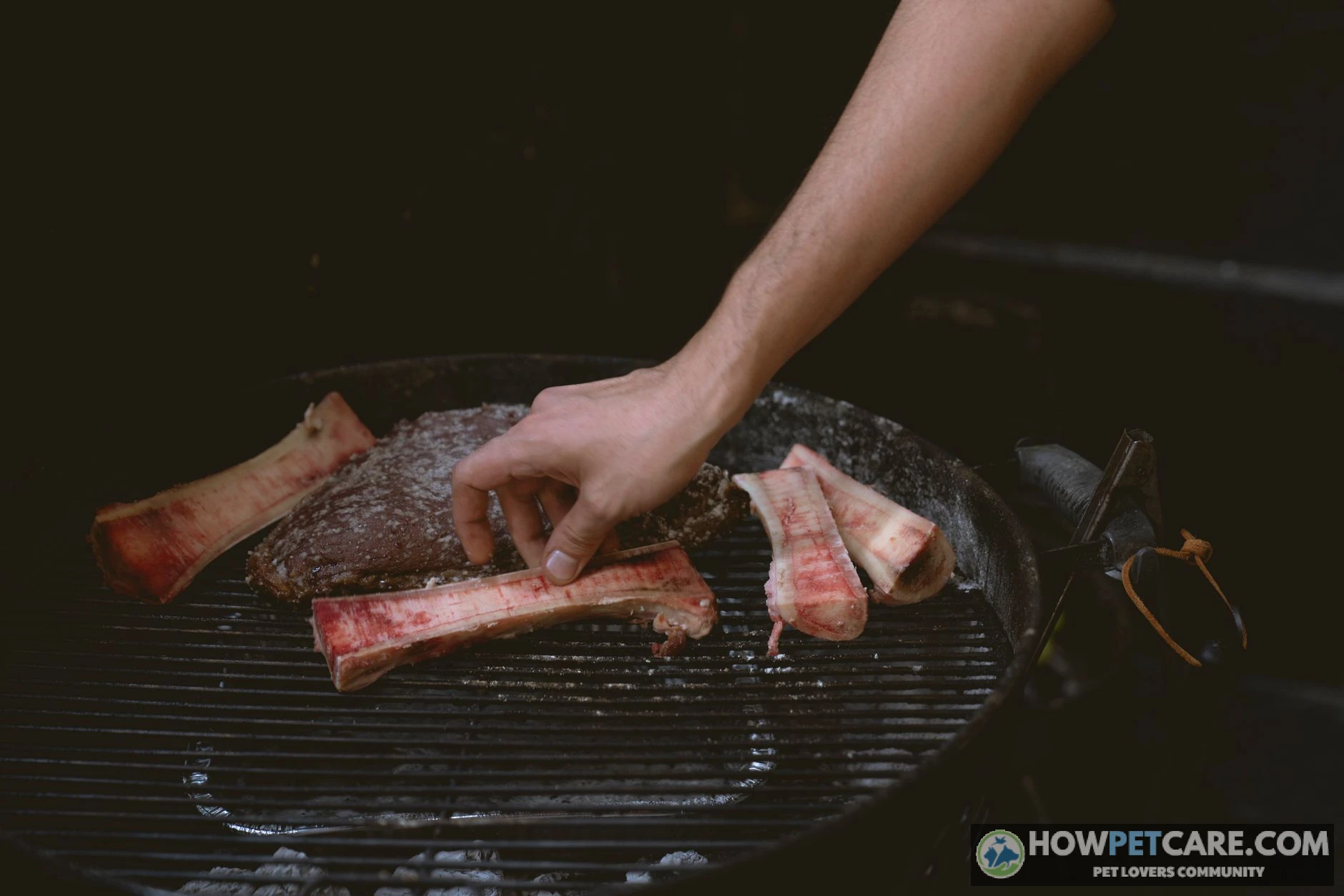
Weight-bearing bones from large animals — femurs, shanks, knuckles — are among the hardest chews sold. Veterinary dentists regularly report slab fractures and worn teeth from these bones because they’re harder than tooth enamel. Marrow bones add another problem: the marrow is high in fat and can cause pancreatitis or severe diarrhea, especially in dogs with sensitive stomachs or a history of pancreatitis. We classify "Can dogs eat marrow bones safely?" as conditionally no for most dogs. The only exception is a very large, gentle chewer under direct supervision and with a veterinarian’s approval.
T-bones present a shape hazard: the cross-section can lodge between the throat and airway and cause swelling and breathing obstruction. Avoid them entirely.
Repeated advice that has no evidence behind it
The 10-to-15-minute chew limit and the 3-to-4-day refrigerator storage limit appear constantly in veterinary blog advice. We found them repeated as practical rules of thumb — 10 to 15 minutes per session and discard refrigerated raw bones after 3 to 4 days — but no peer-reviewed study directly links those numbers to injury prevention, so we label them Convention. They’re reasonable habits, not proven safety thresholds.
The claim that saliva enzymes actively dissolve tartar and clean teeth is also overstated. Chewing does increase saliva flow and may help scrape plaque mechanically, which can support gum health. But the idea that saliva enzymes alone prevent dental disease isn’t well supported. For dental benefit, the best evidence belongs to tooth brushing and VOHC-accepted products.
Safer Chew Alternatives: Honest Verdicts on Rawhide, Antlers, Bully Sticks, Nylon and VOHC Chews
Use this scorecard to pick a substitute that matches your dog’s chewing style.
| Chew option | Tooth fracture | Blockage | Contamination | Calorie load | Verdict |
|---|---|---|---|---|---|
| VOHC-accepted dental chew | Low | Low | Low | Moderate | Best evidence-backed option — the seal means it passed plaque and tartar testing |
| Rubber stuffable toy | Low | Low | Low | Depends on filling | Good for most dogs, including seniors |
| Nylon bone | Moderate–high if it does not indent | Low | Low | None | Only if it passes the thumbnail test |
| Bully stick | Low | Moderate — swallowed stubs | Moderate | High, roughly 9–22 calories per inch | Acceptable supervised; use a holder for the last 2 inches |
| Rawhide | Low | High — swells in the gut | Moderate | Moderate | Risky; not for gulpers |
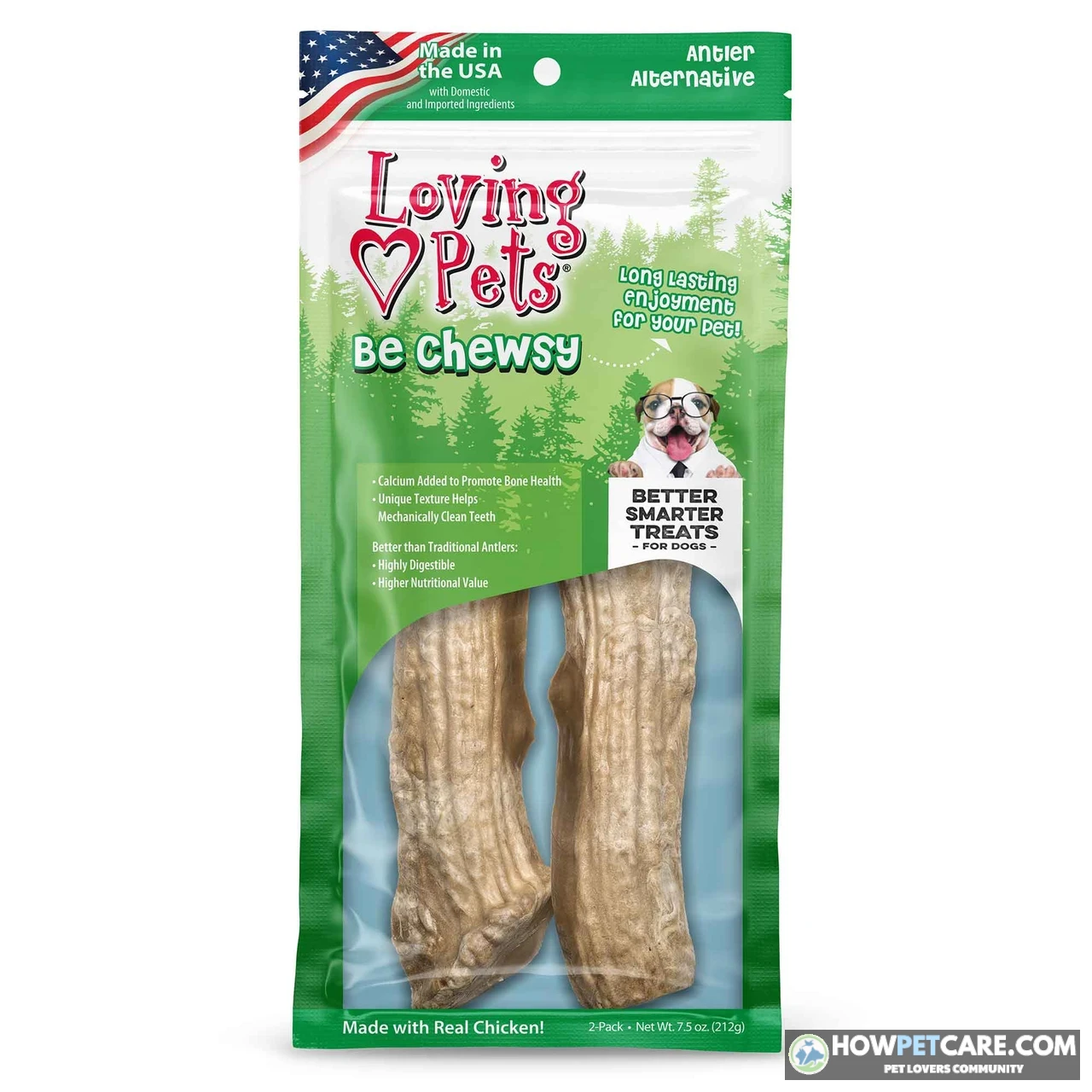
| Antlers and hard horns | High — slab fractures are common | Low–moderate | Low | Low | Avoid. Split antlers are softer but still fracture teeth |
| Produce (carrot sticks, cucumber) | Low | Low for most dogs | Low | Very low | Good light option; not for power chewers |
Rawhide, antlers and bully sticks
Rawhide softens and swells in the gut, which can cause an intestinal blockage, and it can carry processing chemicals or bacteria. It isn’t recommended for gulpers. Antlers and hard horns are a leading cause of slab fractures and should be avoided, even in split form. Bully sticks are softer and more digestible, but they’re high in calories and become a choking hazard when gnawed down to a stub. Use a bully-stick holder and take the last two inches away.
Nylon chews and the thumbnail test
Press your thumbnail into the chew. If it doesn’t leave a visible indent, the chew is hard enough to crack a tooth. The thumbnail test applies to bones, antlers, hooves and hard nylon alike. Choose nylon chews sized to your dog and avoid them for aggressive chewers.
VOHC-accepted dental chews and non-chew options
The Veterinary Oral Health Council seal means a product has passed testing for plaque and tartar reduction. It’s the strongest evidence-backed option for dental benefit. Non-chew options include daily tooth brushing, food puzzles, frozen lick mats and soft rubber toys. These carry far lower fracture and obstruction risk than real bones.
Your Bone Safety Checklist: Supervised Chewing, Raw-Bone Hygiene and When to Call a Vet
Before, during and after chewing checklist
-
Before
Choose the bone type and size from the matrix and size chart. Confirm your dog is a suitable candidate. Pick a place that’s easy to clean and away from other pets and children. Wash your hands and the dog’s eating area before and after.
-
During
Stay in the same room and within sight. Take the bone away the moment it can be swallowed, splinters, or your dog loses interest and walks off. Keep sessions short; use the 10-to-15-minute convention as a practical cap, not a guarantee.
-
After
Throw away bone remnants. Don’t save cooked leftovers for the dog. Disinfect the tray and floor. Wash your hands thoroughly.
Hygiene rules for homes with kids or vulnerable adults
Treat raw bones like raw meat. Use a dedicated tray, wash hands and surfaces with hot soapy water, and avoid letting the dog lick faces or hands after chewing. Keep raw bones away from children, elderly people and immunocompromised family members because Salmonella, E. coli and Listeria can spread from the bone to people. Don’t thaw raw bones on a kitchen counter where juices can contaminate other food.
If one dog guards the bone
Give bones in separate rooms or crates, behind closed doors. Never reach into a dog’s mouth or try to take a bone from a guarding dog. Instead, use a high-value trade such as a piece of cheese or a favorite toy to redirect the dog away from the bone. Don’t allow children near a dog that’s chewing a bone.
Final decision guide
- Green: proceed with supervision. A soft, appropriately sized raw poultry neck or large raw beef rib for a healthy adult large-breed gentle chewer, with constant supervision and strict hygiene.
- Amber: ask your vet first. Raw bones for a senior, a dog with dental issues, a history of pancreatitis, or a multi-pet home with resource guarding.
- Red: do not feed. Any cooked bone, any bone the dog can fit in its mouth, weight-bearing leg bones for most dogs, and any bone around children or immunocompromised people without careful risk management.
If your dog is choking, gagging, vomiting, lethargic, bloated or passing blood, call a vet or go to the emergency clinic now. No chew is worth a preventable emergency.
 You might be wonderingCan dogs eat kaleCan Dogs Eat Kale? Safety Decisions and Warning SignsRead the answer
FAQ
Can dogs eat ham bones?
No. Cooked ham bones are brittle and can splinter, and the salty, fatty meat on them can upset the stomach or trigger pancreatitis. Throw them out where the dog can’t reach them.
Can dogs eat fish bones?
Fish bones are thin and sharp and can lodge in the throat, stomach or intestines, so avoid feeding them. If your dog swallowed some and is gagging, drooling, retching or vomiting, call a vet right away.
Are smoked or baked bones from the pet store safe?
Not reliably. Heat-processed bones are dry and hard and can splinter or crack teeth, much like cooked bones. A store label doesn’t mean the bone is safe, so apply the same size and supervision rules as for any bone.
Is bone broth safe for dogs?
It can be, if you strain it so no bone fragments remain, and it contains no onion, garlic or added salt. Serve it in small amounts, since it can be fatty and may upset a sensitive stomach.
How often can a dog have a bone?
No study sets a safe frequency. A conservative approach is to give a bone only occasionally, supervise every session, and discard it once it is small enough to swallow. Dogs with pancreatitis or dental problems should skip bones unless a vet agrees.