
Most plain, fresh fruit is safe for dogs as an occasional treat when washed, deseeded, and cut into bite-size pieces. Grapes, raisins, sultanas, currants, star fruit, and avocado are toxic and must never be fed. Keep all fruit treats under 10% of your dog’s daily calories.
Most plain, fresh fruit is safe for dogs as an occasional treat when prepared properly. It can provide dietary fiber and hydration, but grapes, raisins, sultanas, and currants are toxic and must never be fed. Other fruits need careful preparation to remove choking hazards, indigestible rinds, and cyanide-bearing pits. Dogs naturally make their own vitamin C, so fruit isn’t a dietary requirement. Think of it instead as an occasional low-calorie treat, served in appropriate portions.
Can Dogs Eat Fruit? The Safe, Caution, and Never-Feed Table
Before sharing fruit from the kitchen counter, check which safety tier it belongs to: safe, safe only with caution and preparation, or never feed. Fresh fruit can supply fiber, potassium, and antioxidants, but its natural fructose can upset a dog’s digestive tract if the dog eats too much.
The table below sorts 32 common fruits found in American households by safety tier, with the main hazard and preparation rule for each.
Fruit Safety Tiers for Dogs: Safe, Feed With Caution, Never Feed
| Fruit | Verdict (Safe / Caution / Never) | Key Hazard | Prep Note |
|---|---|---|---|
| Grapes | Never | Acute kidney failure | None — toxic in any form or amount |
| Raisins | Never | Acute kidney failure | Dried grape; concentrated danger |
| Sultanas | Never | Acute kidney failure | Golden dried grape; same danger |
| Currants (dried) | Never | Acute kidney failure | Often zante currants (small grapes); toxic |
| Star fruit | Never | High soluble oxalates | Severe risk of kidney damage and toxicity |
| Avocado | Never | Persin content and large pit | Pit is a severe intestinal obstruction hazard |
| Cherries | Caution | Pit, stem, and leaves contain amygdalin | Flesh only; pit and stem must be removed |
| Peaches | Caution | Pit contains cyanide compounds and causes obstruction | Flesh only; pit must be discarded completely |
| Plums | Caution | Pit contains cyanide compounds and causes obstruction | Flesh only; pit must be discarded completely |
| Apricots | Caution | Pit contains cyanide compounds and causes obstruction | Flesh only; pit and leaves removed |
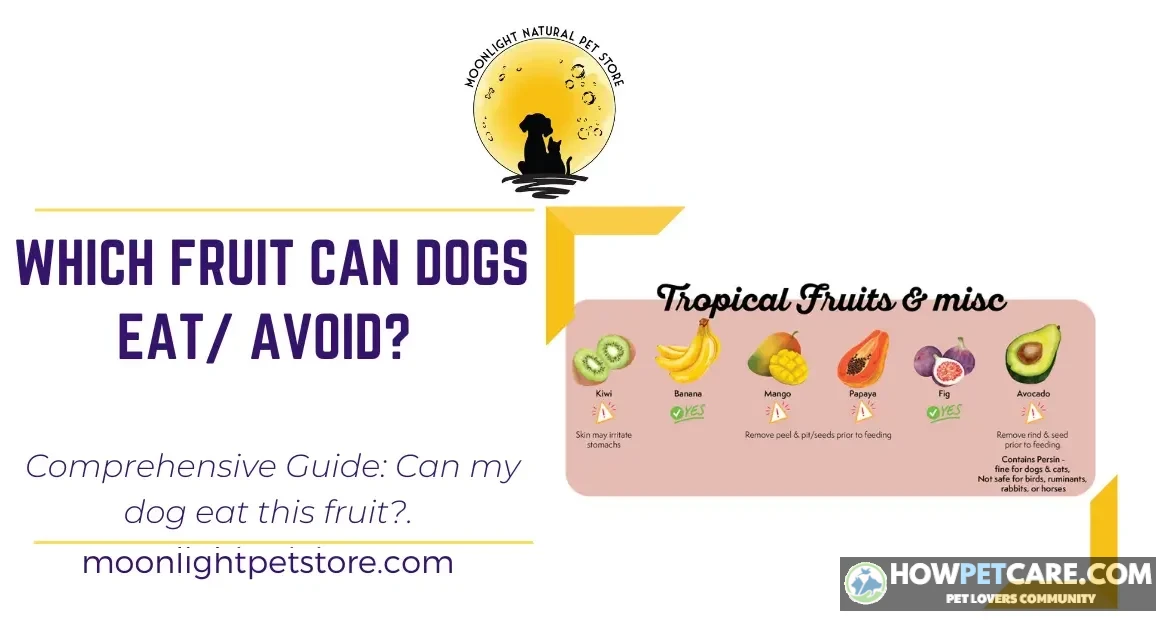
| Mango | Caution | Large pit causes obstruction; high sugar | Peel skin, remove flat pit, slice flesh |
| Bananas | Caution | High sugar and carbohydrate density | Peel completely; serve in thin rounds |
| Oranges | Caution | Peel and white pith cause severe gastric upset | Seedless flesh only; tiny quantities |
| Tangerines / clementines | Caution | High citric acid and peel irritation | Peel and deseed entirely; small segments only |
| Lemons, limes, grapefruit | Caution | Citric acid and toxic essential oils in peel/pith | Best avoided entirely due to severe stomach upset |
| Dates | Caution | Extremely high sugar and calorie density | Remove pit; tiny slivers only |
| Figs | Caution | Ficin and psoralen irritate skin and gut | Tiny taste only; can cause diarrhea |
| Coconut | Caution | High saturated fat content | Small slivers of plain flesh only; no shell |
| Dried fruit (any) | Caution | Highly concentrated natural sugars and calories | Tiny fraction of fresh portion; verify no raisins |
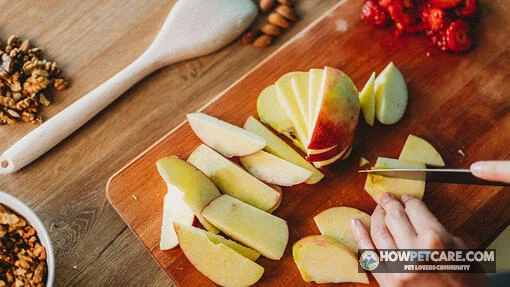
| Apples | Safe | Seeds and tough core contain trace cyanide | Remove core and seeds entirely; slice thin |
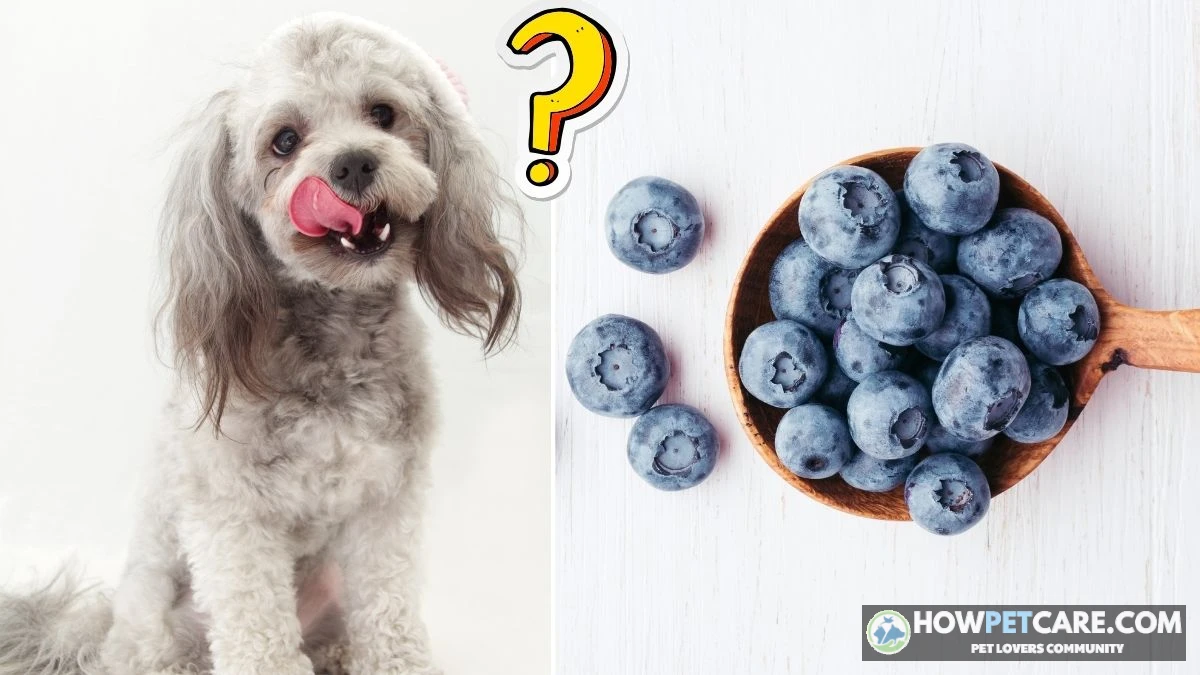
| Blueberries | Safe | Choking risk for toy breeds if gulped whole | Whole for medium/large dogs; quarter for tiny dogs |
| Strawberries | Safe | Natural sugar and possible oral irritation | Remove leafy green top; slice into pieces |
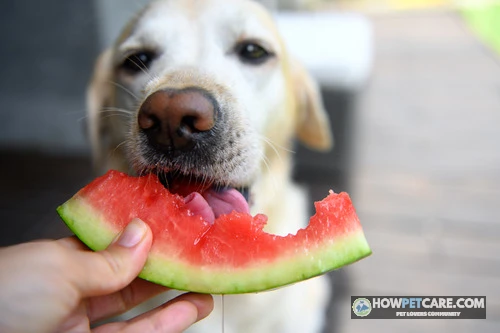
| Watermelon | Safe | Rind and black seeds cause intestinal blockage | Seedless flesh only; remove green rind |
| Cantaloupe | Safe | Hard outer rind causes digestive impaction | Remove rind and seeds; dice orange flesh |
| Honeydew | Safe | Tough outer rind and seeds | Remove rind and seeds; dice green flesh |
| Pears | Safe | Hard core and seeds contain trace amygdalin | Core and seeds removed; slice thin |
| Pineapple | Safe | Tough spiky rind and hard central core | Fresh golden flesh only; core completely removed |
| Raspberries | Safe | Contains trace amounts of natural xylitol | Keep to small portions; small handful maximum |
| Cranberries | Safe | Very tart raw; can irritate empty stomachs | Plain fresh or cooked; unsweetened only |
| Blackberries | Safe | High fiber; can cause loose stool in excess | Serve whole or mashed in small quantities |
| Kiwifruit | Safe | Fuzzy skin can cause mechanical irritation | Peel fuzzy skin completely; slice green flesh |
| Papaya | Safe | Skin and black seeds cause digestive distress | Peel skin, scoop out seeds, dice flesh |
Never-feed fruits
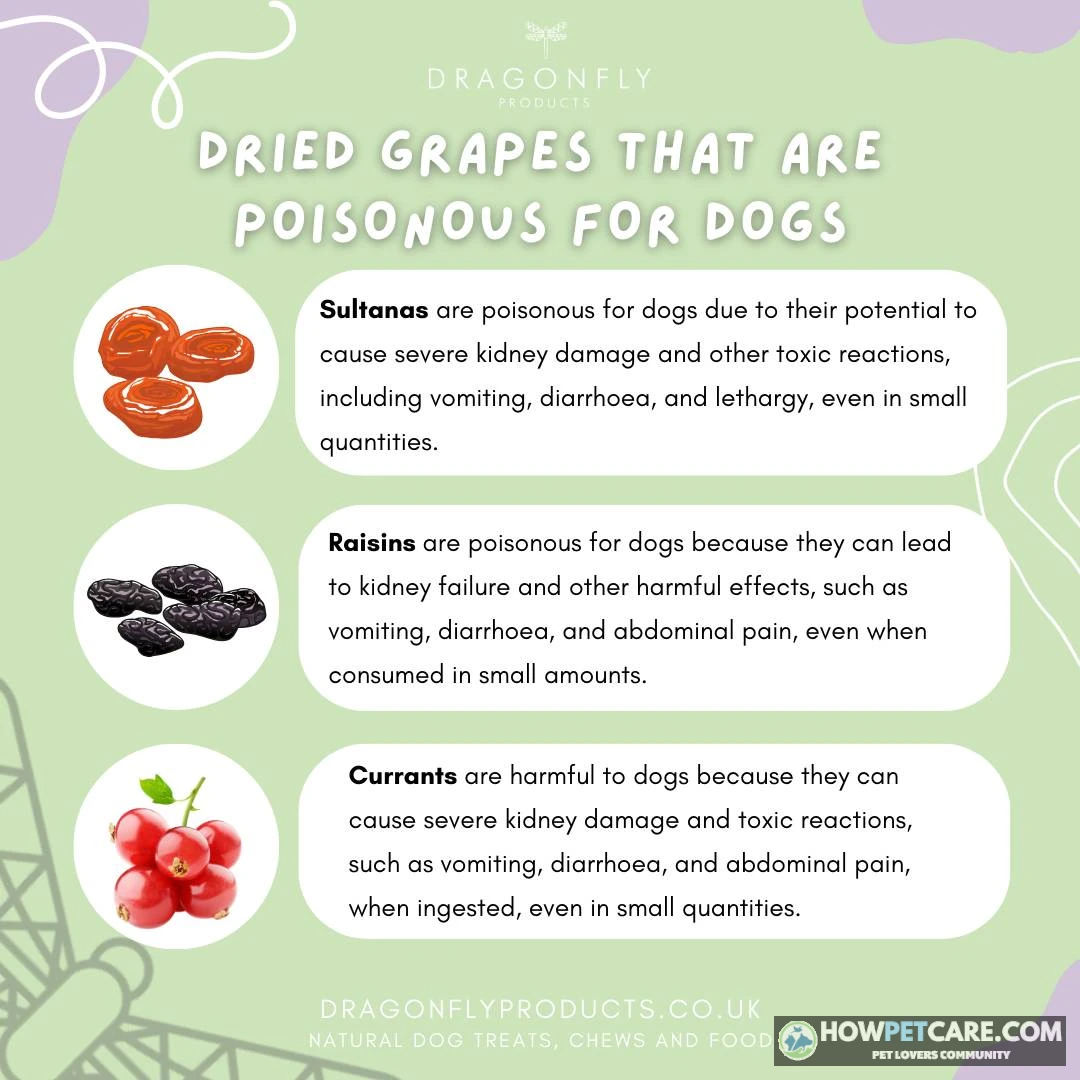
Never-feed fruits pose serious risks. Grapes, raisins, sultanas, and currants are the primary danger: even a single grape or raisin can trigger sudden, irreversible acute kidney failure in dogs. Star fruit contains high concentrations of soluble oxalates and a neurotoxin that canine kidneys can’t filter properly, leading to severe oxalate nephropathy. Avocado is also in the never-feed category. Its pit is a common cause of physical obstruction emergencies in veterinary medicine, and its fruit and leaves contain persin, a fungicidal toxin that can trigger vomiting, diarrhea, and potential myocardial damage in sensitive pets.
Feed-with-caution fruits
Fruits in this category are edible only after certain parts are removed or in restricted amounts because of their sugar or fat content. The flesh of stone fruits—cherries, peaches, plums, and apricots—is safe for dogs, but their pits contain amygdalin, which breaks down into toxic hydrogen cyanide when chewed. Pits can also cause rigid blockages in the pylorus or small intestine. Oranges, tangerines, and clementines are technically safe in small fleshy segments, but their peels, seeds, and pith contain concentrated citric acid and essential oils that inflame the gastrointestinal mucosa. Bananas, dates, and mangoes contain concentrated simple carbohydrates that can destabilize blood glucose and trigger loose stools.
Safe fruits dogs can eat
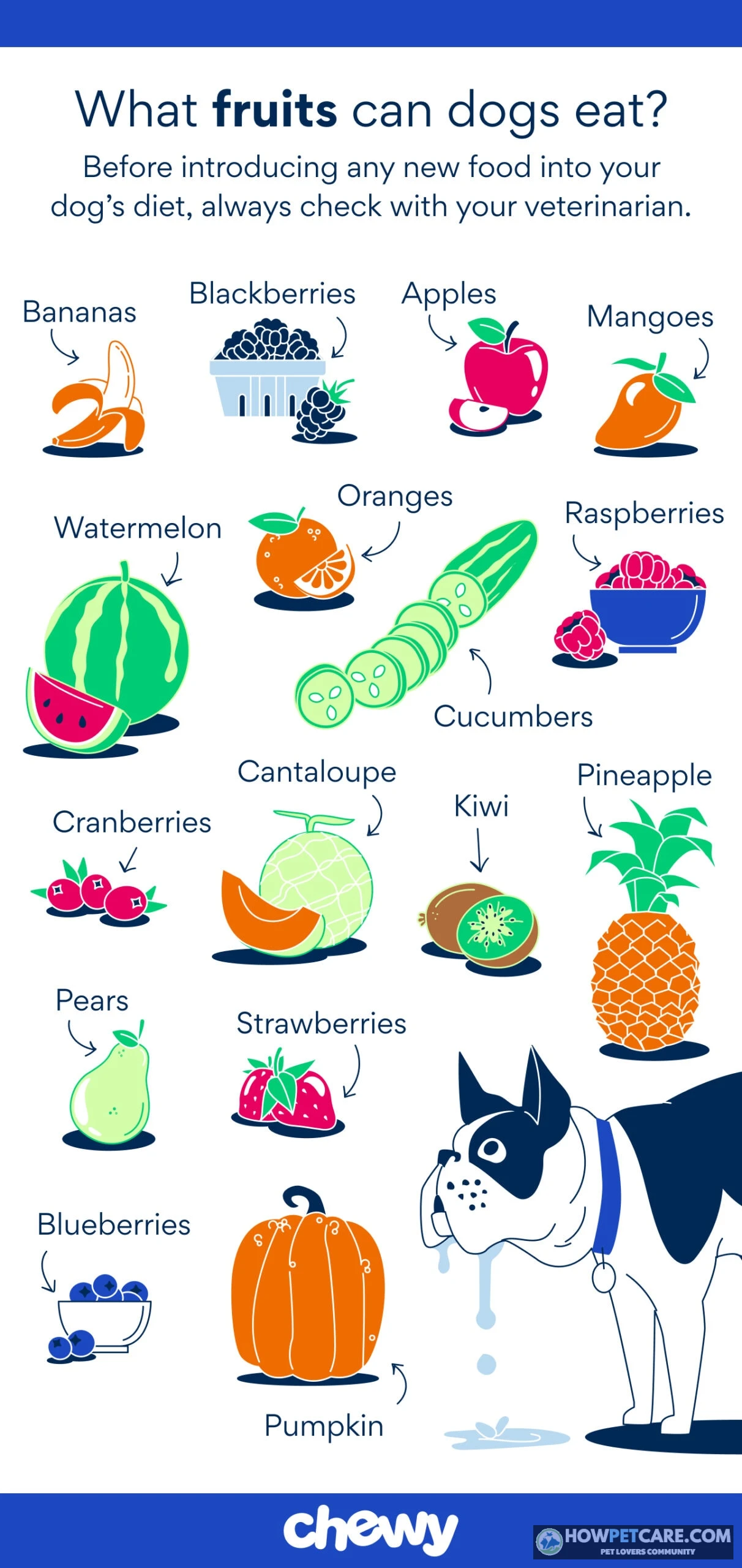
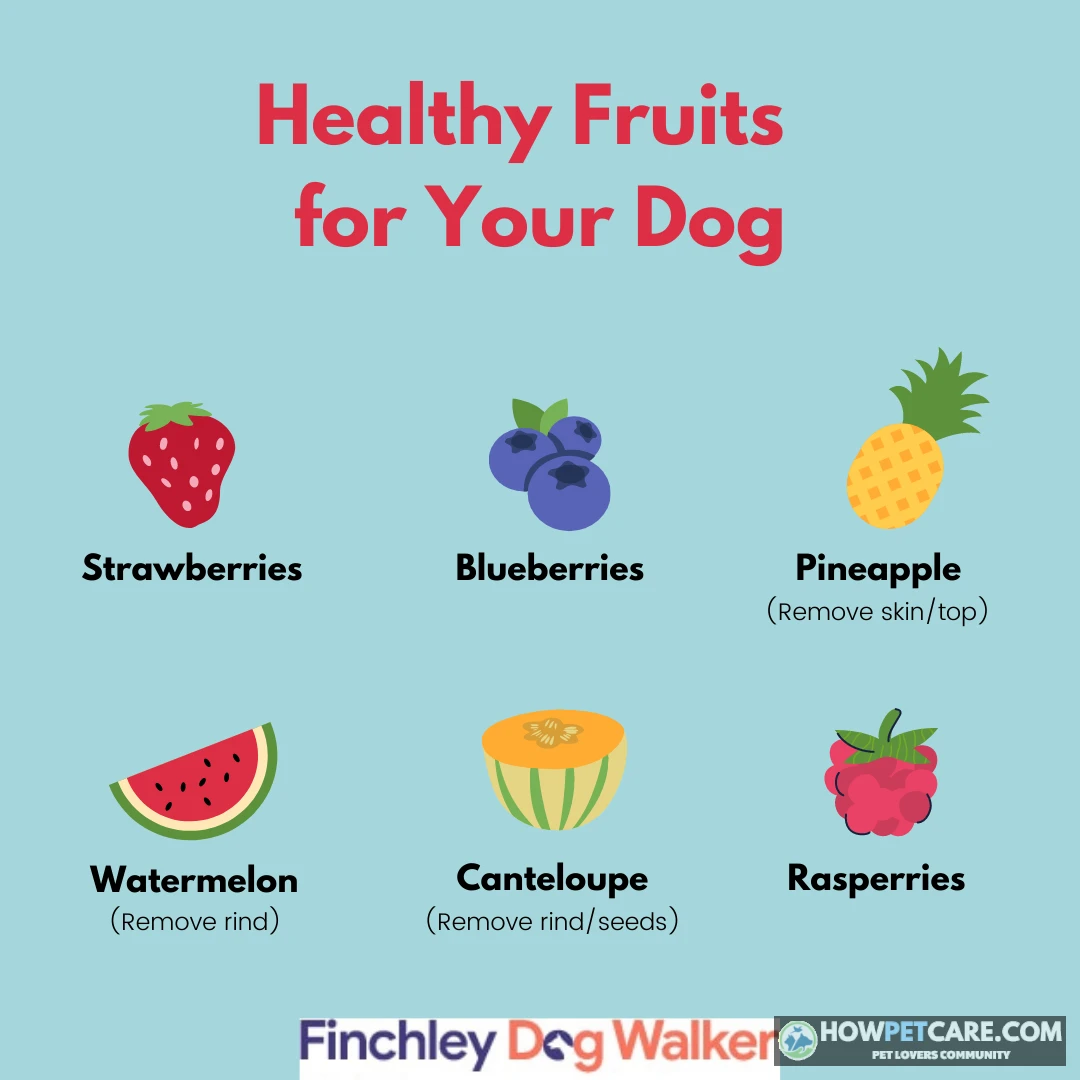
Safe fruits have a good safety profile once you’ve removed parts such as cores, stems, and rinds. Apples provide soluble fiber and crunch. Blueberries contain anthocyanin antioxidants in a small, low-calorie package. Watermelon is roughly 90% to 92% water, making it a hydrating option for active dogs in summer. Seedless pears, cantaloupe flesh, and blackberries provide micronutrients. Dogs don’t need any of these fruits for a nutritionally complete diet, but they can be low-fat alternatives to commercial biscuits when served within portion limits.
For specific preparation steps, feeding ideas, and breed-tailored recipes for a single fruit, see our dedicated guides to apples, bananas, blueberries, watermelon, strawberries, raspberries, oranges, peaches, pears, mango, cantaloupe, and pineapple.
How Much Fruit Can a Dog Eat? Portion Chart by Weight
Non-toxic doesn’t mean unlimited. Natural sugar (fructose) and dietary fiber can cause osmotic diarrhea, gas, and abdominal cramping when a dog eats too much fruit. Veterinary nutrition guidance holds that treats of any kind should never exceed 10% of a dog’s total daily caloric intake. The remaining 90% must come from an Association of American Feed Control Officials (AAFCO)-compliant, nutritionally complete commercial or veterinary-formulated diet.
The 10% treat rule in real numbers
Applying the 10% treat rule means translating daily energy needs into actual portions. Calorie needs vary with body weight, age, activity level, and neuter status. These baseline estimates show how quickly fruit can fill a dog’s daily treat allowance:
- 10-lb toy dog (e.g., Chihuahua, Yorkie): Eats approximately 200 to 275 calories per day. The combined budget for all treats is 20 to 27 calories, which a snack as small as 3 blueberries and one single paper-thin slice of apple can already cut into.
- 30-lb medium dog (e.g., Cocker Spaniel, Beagle): Eats roughly 550 to 700 calories per day. The 10% treat budget is 55 to 70 calories, enough to cover about one-third of a medium banana or approximately 10 to 12 fresh blueberries.
- 70-lb large dog (e.g., Golden Retriever, Labrador): Eats approximately 1,000 to 1,200 calories per day. The 10% treat allowance is 100 to 120 calories, which comfortably covers half a medium sliced apple with a small handful of diced watermelon.

Fruit contains sugar but doesn’t supply complete proteins, fats, or minerals, so it should replace other treats rather than be added to a full daily ration. The chart below gives single-serving sizes for common safe fruits across five standard weight brackets.
Fruit Portion Chart by Dog Weight
Serving estimates assume all daily treats stay strictly under 10% of total daily maintenance calories. When in doubt, round portions downward.
| Fruit | Under 10 lb | 10–25 lb | 26–50 lb | 51–90 lb | 90+ lb | Max Frequency |
|---|---|---|---|---|---|---|
| Apple slices (no core/seeds) | 1 thin slice (~10 g) | 2–3 slices (~20 g) | 4–5 slices (~40 g) | Half apple (~75 g) | 1 small apple | Daily if within calorie cap |
| Blueberries | 2–3, quartered | 5–6 berries | 8–10 berries | Small handful (~15) | Handful (~20) | Daily |
| Banana rounds | 1–2 thin rounds | 3–4 rounds | Quarter banana | Half banana | Half banana | 2–3× per week (high sugar) |
| Watermelon cubes (seedless) | 1 small cube (~15 g) | 2–3 cubes (~40 g) | 4–5 cubes (~80 g) | ~1 cup diced | ~1.5 cups diced | Daily in warm weather |
| Pear slices (cored) | 1 thin slice | 2 slices | 3–4 slices | Quarter pear | Half pear | 3–4× per week |
| Cantaloupe cubes | 1 small cube | 2 cubes | 3–4 cubes | ~½ cup diced | ~¾ cup diced | 3–4× per week |
| Strawberries (sliced) | ½ berry | 1 berry | 2 berries | 3 berries | 4 berries | 2–3× per week |
| Raspberries | 1–2 berries | 3–4 berries | 5–6 berries | Small handful | Small handful | 2–3× per week |
Fruit portions for small breeds and puppies
Small-breed dogs and growing puppies have limited gastrointestinal tolerance. For a 6-lb puppy or toy breed, half an apple or two whole strawberries provides an excessive amount of fructose and soluble fiber, making watery diarrhea within hours highly likely. Puppies under 12 weeks generally shouldn’t receive fruit treats without their primary veterinarian’s approval: their gastrointestinal microbiomes are still stabilizing, and their calorie intake must support skeletal development.
When introducing a permitted fruit to a small breed or puppy over 12 weeks, use this single-exposure protocol:
- Offer one plain piece no larger than a green pea.
- Wait a full 24 hours, keeping the rest of the puppy’s diet unchanged.
- Watch stool quality closely. Look for loose stool, gas, vomiting, or skin reactions such as facial scratching or hives.
- If the puppy has normal stools and healthy energy, gradually increase the amount toward the portion for their weight bracket.

Can dogs eat fruit every day?
Yes, dogs can eat fruit every day if the serving stays within the 10% daily treat calorie budget and the fruit is low in sugar, such as blueberries or watermelon. Dogs prone to sensitive stomachs, recurring pancreatitis, or chronic loose stools do better when fruit is limited to two or three days per week. Rotating small portions of different safe fruits can prevent dietary boredom while reducing the risk of localized digestive upset from any one fruit’s organic acid profile.
 You might be wonderingCan dogs eat chickpeasCan Dogs Eat Chickpeas? Safe Portions, Prep & CautionsRead the answer
Grapes, Raisins, and Fruit Pits: Why They’re Dangerous and What to Do in the First Hour
Minutes matter when a dog eats a toxic fruit or stone-fruit pit. Acting promptly rather than waiting for symptoms can prevent toxic compounds from being absorbed or foreign bodies from moving deeper into the digestive tract.
Why grapes and raisins are dangerous (and what’s unknown about the dose)
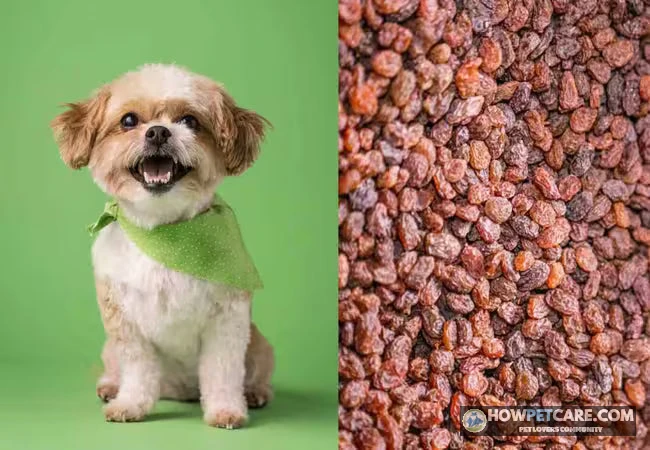
Grapes, raisins, sultanas, and dried currants cause acute kidney injury (AKI) in dogs. Recent toxicological research identifies tartaric acid and its salt, potassium bitartrate, as the leading suspected toxic principles. Tartaric acid levels vary widely between grape varieties and depend on ripeness, growing region, and processing. Dogs also differ considerably in susceptibility because of individual metabolic sensitivities.
Veterinary toxicologists have established that there is no known safe minimum toxic dose for grapes or raisins. Severe, fatal anuric renal failure has been documented in 60-lb dogs that ate only a couple of raisins, while other dogs have occasionally eaten handfuls without acute clinical symptoms. You can’t predict your dog’s susceptibility, so treat any grape or raisin ingestion as a critical toxicological emergency.
Pits and seeds: cyanide vs. blockage
Fruit pits, stones, and seeds present two distinct physiological dangers:
- Chemical toxicity (Amygdalin): Cherry, apricot, peach, and plum pits, along with apple and pear seeds, contain cyanogenic glycosides, primarily amygdalin. When a pit is cracked, crushed, or chewed, amygdalin contacts digestive enzymes and hydrolyzes into hydrogen cyanide. Cyanide inhibits cytochrome c oxidase, blocking cells’ ability to use oxygen. Swallowing a single whole, intact stone fruit pit rarely causes systemic cyanide poisoning because the hard shell shields the toxin, but crushed or chewed pits pose a real systemic poisoning hazard.
- Mechanical obstruction (Foreign Body): Gastric acid can’t break down large, hard pits from peaches, nectarines, plums, and mangoes. Their size and rough, irregular surfaces make them likely to lodge in the narrow pyloric outflow of the stomach or along the jejunum and ileum. An untreated intestinal obstruction can lead to bowel ischemia, tissue necrosis, intestinal perforation, peritonitis, and death.

What to do right now: a decision flow
If you know or suspect your dog has eaten grapes, raisins, currants, or a large stone-fruit pit, follow this 60-minute emergency protocol immediately:
-
Remove access (0–2 minutes)
Remove all remaining fruit, pits, or dropped food immediately. Move your dog away from the area and put any other household pets in a secure room. Bag and keep the packaging, fruit remnants, or stems for veterinary staff to examine.
-
Calculate key details (2–5 minutes)
Note your dog’s current weight. Estimate the maximum amount they could have eaten (for example, "up to 15 raisins from an open lunchbox" or "one large fresh peach pit"), and note exactly how much time has passed since ingestion. Write these details on a notepad or your phone.
-
Call emergency triage (5–10 minutes)
Call your primary veterinary clinic or the nearest 24-hour veterinary emergency center immediately. If you’re traveling or can’t reach a clinic, call the ASPCA Animal Poison Control Center at (888) 426-4435 or the Pet Poison Helpline at (855) 764-7661 (both organizations charge a telephone consultation fee). Give them the exact time, your dog’s weight, and the substance eaten.
-
Never induce vomiting at home without direct orders
Don’t give household remedies such as table salt, hydrogen peroxide, or syrup of ipecac unless a licensed veterinarian or toxicologist explicitly tells you to do so over the phone. Hydrogen peroxide causes severe hemorrhagic gastritis in dogs, and salt can trigger lethal hypernatremia.
-
Proceed to the emergency clinic for clinical decontamination
Within the first 2 to 4 hours, veterinary staff can safely induce emesis using regulated prescription medications (such as apomorphine or ropinirole ophthalmic drops). For grape and raisin ingestion, the team will typically give activated charcoal to bind lingering metabolites, start aggressive intravenous fluid diuresis, and monitor serum kidney values (BUN, creatinine, SDMA, and phosphorus) during a continuous 48- to 72-hour hospitalization window.
Symptoms that mean emergency vet now vs. watch at home
Knowing the difference between an emergency and a low-risk exposure helps you choose the right veterinary response.
Proceed to the Emergency Vet Immediately If:
- Your dog ate any quantity of grapes, raisins, sultanas, or currants, regardless of whether symptoms have appeared.
- Your dog chewed, cracked, or swallowed multiple cherry, peach, plum, or apricot pits.
- Your dog swallowed a large whole pit (peach, mango, avocado) that could cause a gastrointestinal obstruction.
- You see signs of acute cyanide toxicity: brick-red mucous membranes, dilated pupils, rapid panting, weakness, tremors, or collapse.
- You see signs of an acute intestinal blockage: persistent unproductive vomiting, inability to keep water down, severe abdominal guarding/whining, and extreme lethargy.
- You see early signs of kidney failure: sudden persistent vomiting, dark watery diarrhea, profound lethargy, and reduced or absent urine production (anuria).
Monitor at Home Only If:
- You’ve contacted your primary veterinarian, provided full details, and received explicit instructions to monitor at home.
- The ingestion involved a non-toxic fruit, such as a fallen apple slice or a strawberry.
- Your dog swallowed a single tiny seed or soft berry and has normal behavior, baseline appetite, and regular bowel movements. If mild soft stool follows a non-toxic fruit, withhold additional treats, offer fresh water, and feed a bland diet for 24 hours.
How to Prepare Fruit for Dogs: Wash, Peel, Deseed, and Cut
Preparation matters, even for fruit that’s safe for dogs. A whole or unprepared piece can become a choking hazard or cause a gastrointestinal obstruction.
Wash, peel, deseed: the 5-step routine
Follow this five-step kitchen routine before putting fruit in your dog’s bowl.
- Wash thoroughly: Scrub fruit under clean running tap water to remove surface dirt, agricultural pesticide residues, bacteria, and commercial food-grade waxes. Dry it thoroughly with a clean paper towel.
- Remove pits, cores, and stems: Remove all central stone pits (peaches, nectarines, plums, cherries, mangoes) and hard fibrous cores (apples, pears). Discard stems and leaves, which often contain higher concentrations of amygdalin or bitter digestive irritants.
- Strip away unpalatable rinds and skins: Peel thick, fibrous, or spiny rinds (watermelon, cantaloupe, honeydew, pineapple, citrus, kiwi). Banana peels aren’t chemically toxic, but their fibrous texture makes them virtually indigestible and can cause mechanical impactions or severe vomiting.
- Slice smaller than the trachea: Dice the flesh into bite-sized pieces smaller than the diameter of your dog’s airway. Quarter small items such as blueberries and blackberries for toy breeds. For medium and large dogs, cut firm fruits such as apples and pears into thin crescent slivers rather than bulky wedges that can lodge in the esophagus.
- Serve 100% plain: Serve fresh fruit in its natural state. Never add table sugar, brown sugar, cinnamon mixes, whipped cream, butter, chocolate drizzle, or artificial sweeteners.
Prep at a glance for common fruits
- Apples: Wash, quarter, and cut out the entire central core and seed packet. Slice the flesh into thin ribbons.
- Bananas: Remove the outer skin and stringy phloem bundles, then cut the fruit into 1/4-inch rounds.
- Watermelon: Cut into wedges, remove the pink flesh from the green and white rind, and pick out all hard black seeds (trace white seed coats are acceptable). Dice into cubes.
- Mango: Peel the fibrous skin, cut the flesh away from the large flat central pit, and dice into small soft cubes. For feeding amounts, see how much mango dogs can eat.
- Pineapple: Cut away the spiky rind and fibrous outer "eyes," remove the tough woody central core, and serve small pieces of soft golden flesh.
Frozen fruit and tooth or choking risk
Frozen fruit can be a refreshing, low-fat enrichment option in hot summer weather, but it has physical hazards that are easy to overlook. Whole frozen strawberries, rock-hard melon balls, and frozen banana chunks can fracture dogs’ teeth, particularly the upper carnassial teeth (the large upper premolars used to shear hard objects). For toy breeds, small frozen spheres can lodge in the airway if gulped whole during play.
To share frozen fruit safely:
- Thaw frozen fruit on the counter for 10 to 15 minutes before serving, until the outer flesh yields slightly to light pressure.
- Puree dog-safe fresh fruit (such as watermelon, blueberries, and bananas) with plain water or unsweetened plain Greek yogurt. Pour the mixture into silicone ice cube molds or rubber treat toys and freeze. These soft frozen licks melt rapidly against the dog’s tongue, eliminating tooth fractures and airway blockages entirely.

Dried, Canned, Juiced, and Packaged Fruit: What’s Safe and What Hides Risk
Pet owners often ask "can dogs eat fruit" while holding a packaged human food rather than fresh produce. Processed fruit products can hide hazards ranging from concentrated sugar to lethal artificial sweeteners.
Fruit Forms and Hidden Hazards: Fresh, Dried, Canned, Juice, and Packaged
| Form | Verdict | Hidden Hazard | What to Do |
|---|---|---|---|
| Fresh, plain | Best choice | Seeds, cores, thick rinds | Prep per the wash, deseed, and peel routine |
| Frozen, plain | Safe with care | Rigid hardness can fracture teeth or choke toy dogs | Thaw slightly before serving or puree into soft ice treats |
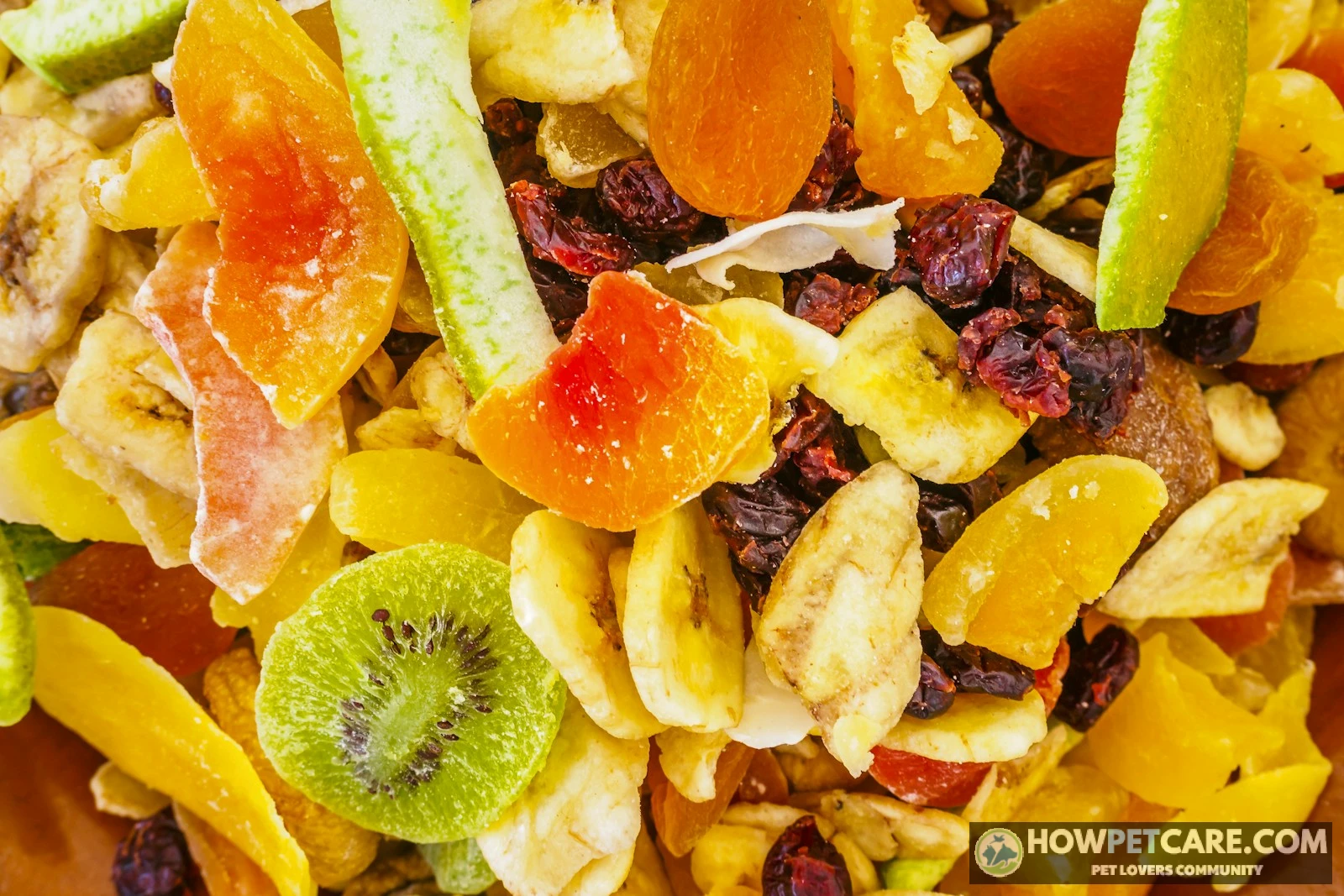
| Dried fruit (commercial) | Limit heavily | Sugar and calories concentrated 4× to 6×; moisture removed | Offer tiny slivers only; ensure zero raisins or currants |
| Trail mix / granola | Never share | Frequent presence of raisins, currants, chocolate, macadamias | Keep strictly out of reach; major accidental poisoning source |
| Canned in heavy syrup | Avoid | Massive added refined sugar content; promotes obesity and pancreatitis | Skip entirely; unnecessary empty calories |
| Canned in 100% juice or water | Acceptable in pinch | Elevated residual sugar; potential sodium preservatives | Drain thoroughly, rinse under cold water, offer small piece |
| Single-serve fruit cups | Usually avoid | Often contain heavy syrup or artificial sweeteners | Check ingredient labels; use only plain water-packed, rinsed |
| Commercial fruit juice | Skip | Fiber stripped away; pure fructose; grape juice risk | Do not share; provides zero canine nutritional benefit |
| Fruit snacks / gummies | Never share | Frequently sweetened with xylitol; concentrated dyes and corn syrup | Store securely away; check ingredients immediately if eaten |
| Sugar-free jams / yogurts | Never share | Extremely high risk of xylitol (birch sugar) sweetening | Strictly avoid; inspect every label before household use |
| Fruit pies / baked pastries | Never share | High butter/shortening fat content; nutmeg toxicity; hidden raisins | Keep on high counters; triggers severe acute pancreatitis |
| Fruit-flavored breakfast cereal | Avoid | Refined carbohydrates, excess sugars, artificial flavorings | Keep box sealed; offer fresh fruit treats instead |
Dried fruit and trail mix
Dehydration removes 75% to 85% of fruit’s natural water volume, concentrating its carbohydrates, sugars, and calories into a dense, chewy piece. A single dried apricot or banana chip has the caloric density of several fresh pieces. Commercial dried fruit mixes, trail mixes, and granolas pose a particular poisoning risk because raisins and sultanas are common ingredients. Dogs may scavenge trail mix dropped on living room carpets or snatch unattended bags from coffee tables, resulting in severe acute kidney injury.
Canned fruit, fruit cups, and syrup
Commercial canned peaches, pears, and fruit cocktail are typically packed in light or heavy corn syrup to improve shelf stability and sweetness. Syrup-soaked fruit supplies a surge of simple carbohydrates, causing blood glucose spikes and severe osmotic digestive distress. If fresh produce isn’t available and you need to use canned fruit, choose only products packed in 100% pure water. Empty the can into a colander and rinse the fruit thoroughly under cold running water to remove residual surface sugars.
Juice, fruit snacks, and gummies
Commercial fruit juices contain liquid fructose without the insoluble and soluble dietary fiber that regulates carbohydrate absorption. Grape juice carries the same acute renal toxicity risk as whole grapes and raisins.
Children’s fruit snacks, fruit gummies, and sugar-free human fruit spreads can be lethal because they may contain xylitol, an artificial sugar alcohol increasingly labeled as "birch sugar" or "wood sugar."
Unlike in humans, xylitol causes an immediate, massive release of insulin from a dog’s pancreas. Within 30 to 60 minutes of ingestion, blood glucose can fall to life-threatening hypoglycemic levels, causing ataxia, staggering, severe tremors, and seizures. At higher doses, xylitol triggers acute hepatic necrosis (complete liver failure). If your dog eats any human product containing xylitol, take them to an emergency veterinary clinic immediately.
Fruit for Puppies, Diabetic, Overweight, Kidney-Compromised, and Sensitive-Stomach Dogs
Healthy adult dogs can tolerate modest fruit portions, but dogs with chronic health conditions need specialized dietary management. The guide below outlines which fruits may be permitted and which are dangerous for these dogs.
Dietary Fruit Profile by Medical Condition
| Health Condition | Permitted / Best Choices | Heavily Limit | Strictly Avoid |
|---|---|---|---|
| Puppies (< 6 months) | Watermelon cubes, quartered blueberries | Apples, bananas, cantaloupe | Grapes, raisins, all stone fruit pits, whole berries |
| Diabetes Mellitus | Fresh blueberries, thin green apple slices | Watermelon, strawberries | Bananas, mangoes, dates, figs, all dried fruit |
| Overweight / Obesity | Watermelon flesh, cantaloupe, blueberries | Bananas, pineapples, sweet apples | Coconut, dried fruit, fruit canned in syrup |
| Chronic Kidney Disease (CKD) | Blueberries, peeled apples, watermelon | Bananas, cantaloupe, honeydew (high potassium) | Grapes, raisins, sultanas, currants, star fruit |
| Sensitive GI / Pancreatitis History | Seedless watermelon, plain peeled apples | Blueberries, blackberries (high fiber) | Avocado, fresh coconut flesh, acidic citrus, dates |
Puppies and small breeds
Young puppies have developing metabolic pathways and immature gastrointestinal tracts. Large amounts of complex fruit sugars can trigger osmotic shifts in the intestines and cause watery diarrhea, which can quickly dehydrate a small puppy. Keep fruit treats tiny: no larger than half a blueberry or a single pea-sized cube of watermelon. Never give puppies access to whole fruits or pits, which can create serious esophageal or tracheal choking hazards. Most of a puppy’s daily calories must come from nutrient-dense growth puppy kibble formulated for balanced skeletal and muscular development.
Diabetic and overweight dogs
Canine diabetes mellitus requires strict carbohydrate control to maintain glycemic balance and prevent postprandial blood glucose spikes. High-glycemic fruits such as ripe bananas, mangoes, pineapples, dates, and dried fruit must be eliminated for diabetic dogs. With approval from your veterinary endocrinologist, you may offer small servings of low-glycemic, high-fiber fruits, specifically fresh blueberries and tart, thin apple slices. Feed them at the exact same time every day, coordinated with insulin injections and scheduled meals.
For overweight or obese dogs on calorie-restricted diets, count fruit within the 10% daily treat budget. Watermelon can be a useful weight-loss treat because its 90% to 92% water content provides stomach volume and chewing satisfaction without an excessive caloric load.
Kidney disease and sensitive stomachs
Dogs with chronic kidney disease (CKD) have severely impaired metabolic waste excretion and electrolyte balance. Grapes, raisins, and star fruit are fatal toxins that must be avoided. Dogs with advanced renal failure also struggle to excrete dietary potassium, so high-potassium fruits such as bananas, cantaloupes, and honeydew must be strictly restricted or removed from their renal diet. A veterinarian may permit small portions of low-phosphorus, low-potassium options such as peeled apple or blueberries after a direct consultation.
Dogs with chronic enteropathies, irritable bowel syndrome, or a history of acute pancreatitis can’t tolerate foods high in natural fat or dense insoluble fiber. Avoid avocado and coconut entirely because their high fat content triggers pancreatic acinar cell inflammation. Citrus fruits must also be excluded to prevent direct acidic irritation of the gastric lining.
This framework provides general physiological guidance. If your dog is on a therapeutic prescription diet (such as a renal, diabetic, gastrointestinal, or urinary formulation), always check with your attending veterinarian before adding any fruit treat to their daily food.
Disputed Fruit Claims Settled: Raspberries, Cranberries, Citrus, and Strawberries
Pet care websites often give conflicting advice about particular fruits. Here are the evidence-based verdicts on four common disputes.
Raspberries and trace xylitol
- The Disputed Claim: Some sources say raspberries are toxic because they contain xylitol; others call them a safe antioxidant treat.
- The Verdict: Raspberries are safe in controlled, modest portions.
- Evidence and Toxicology: Raspberries do contain naturally occurring xylitol, but only in trace amounts—roughly 40 milligrams of natural xylitol per 100 grams of fresh fruit. To approach a clinically significant toxic hypoglycemic dose (which begins at approximately 50 to 100 milligrams of xylitol per kilogram of canine body weight), a 10-lb dog would have to eat multiple large containers of raspberries in one sitting. The American Kennel Club recommends a limit of no more than 8 ounces for large dogs; a practical portion for small dogs is restricted to 4 to 6 berries. The trace xylitol poses no threat in modest quantities, but large bowls must be avoided.
Cranberries: raw, cooked, and sauce
- The Disputed Claim: Some rescue organizations require cranberries to be cooked in water before feeding, while major kennel clubs approve raw or dried cranberries.
- The Verdict: Fresh, plain raw cranberries and plain water-stewed cranberries are both non-toxic and safe in tiny amounts.
- Evidence and Veterinary Consensus: The disagreement concerns palatability and digestive tolerance, not chemical toxicity. Raw cranberries are intensely tart, acidic, and firm; swallowed whole by small dogs, they can irritate an empty stomach and trigger vomiting. Lightly stewing plain cranberries in pure water softens their fibrous structure and improves digestibility. Sweetened commercial cranberry sauce, cranberry juice cocktail, and dried sweetened cranberries (such as Craisins) aren’t recommended because of heavy added refined sugars. Some holiday cranberry products also contain hidden raisins, currant juice, or artificial sweeteners.
Oranges, lemons, and limes
- The Disputed Claim: Some internet lists classify all citrus as toxic to dogs, while others describe orange slices as healthy treats.
- The Verdict: Seedless orange flesh is acceptable in tiny amounts; lemons, limes, and grapefruits should be completely avoided.
- Evidence and Veterinary Consensus: The main toxicity in citrus lies in the rind, outer skin, seeds, and white pith, which contain concentrated citric acid, phototoxic furocoumarins, and toxic volatile essential oils (such as limonene and linalool). Eating citrus peel can cause central nervous system depression, vomiting, and severe gastroenteritis. Sweet orange pulp contains less citric acid. A small segment of peeled, seedless sweet orange won’t poison a dog, though it offers little nutritional value over other safe fruits. Lemons, limes, and grapefruits, by contrast, contain enough citric acid to trigger acute vomiting and mucosal irritation and should never be offered to dogs.
Do strawberries whiten teeth?
- The Disputed Claim: Many dog blogs claim that fresh strawberries naturally whiten canine teeth because of a unique "whitening enzyme."
- The Verdict: This claim is unverified and essentially false.
- Evidence and Clinical Science: The claim comes from a human home-remedy myth that credits malic acid, an organic compound in strawberries and apples, with tooth-whitening properties. In scientific dental trials, malic acid doesn’t bleach or whiten dental enamel. At best, the mild acid may superficially soften outer plaque; prolonged exposure risks demineralizing and eroding enamel surfaces. Strawberries also contain natural sugars that adhere to the gingival margins. They can be a vitamin-packed treat, but they don’t replace veterinary dental cleanings, veterinary-approved dental chews, or enzymatic canine toothpaste.
Your Fruit Safety Checklist: What to Do Before You Share Fruit With Your Dog
Before putting fruit in your dog’s bowl, run through this quick three-question check:
- Is this fruit on the absolute never-feed list? Make sure it’s free of grapes, raisins, sultanas, currants, star fruit, and avocado.
- Is this fruit 100% plain and structurally prepped? Wash it thoroughly, remove central pits and woody cores, discard toxic seeds, peel tough outer rinds, and dice the flesh into airway-safe pieces smaller than your dog’s throat width.
- Does this portion fit within your dog’s strict 10% daily treat calorie budget? Check the weight-based portion chart above. For toy breeds, two blueberries or a single thin apple slice represent a complete daily treat allocation.
Safe-proofing your household against toxic fruit
Most fruit toxicity cases happen accidentally, when dogs scavenge dropped food or explore kitchen counters. These household precautions can help:
- Secure high-risk pantry items: Store raisin boxes, trail mix, fruit-filled granolas, and chocolate-covered fruit in airtight, chew-proof containers on high pantry shelves. Don’t leave children’s school lunchboxes containing raisin boxes unzipped on floors or low chairs.
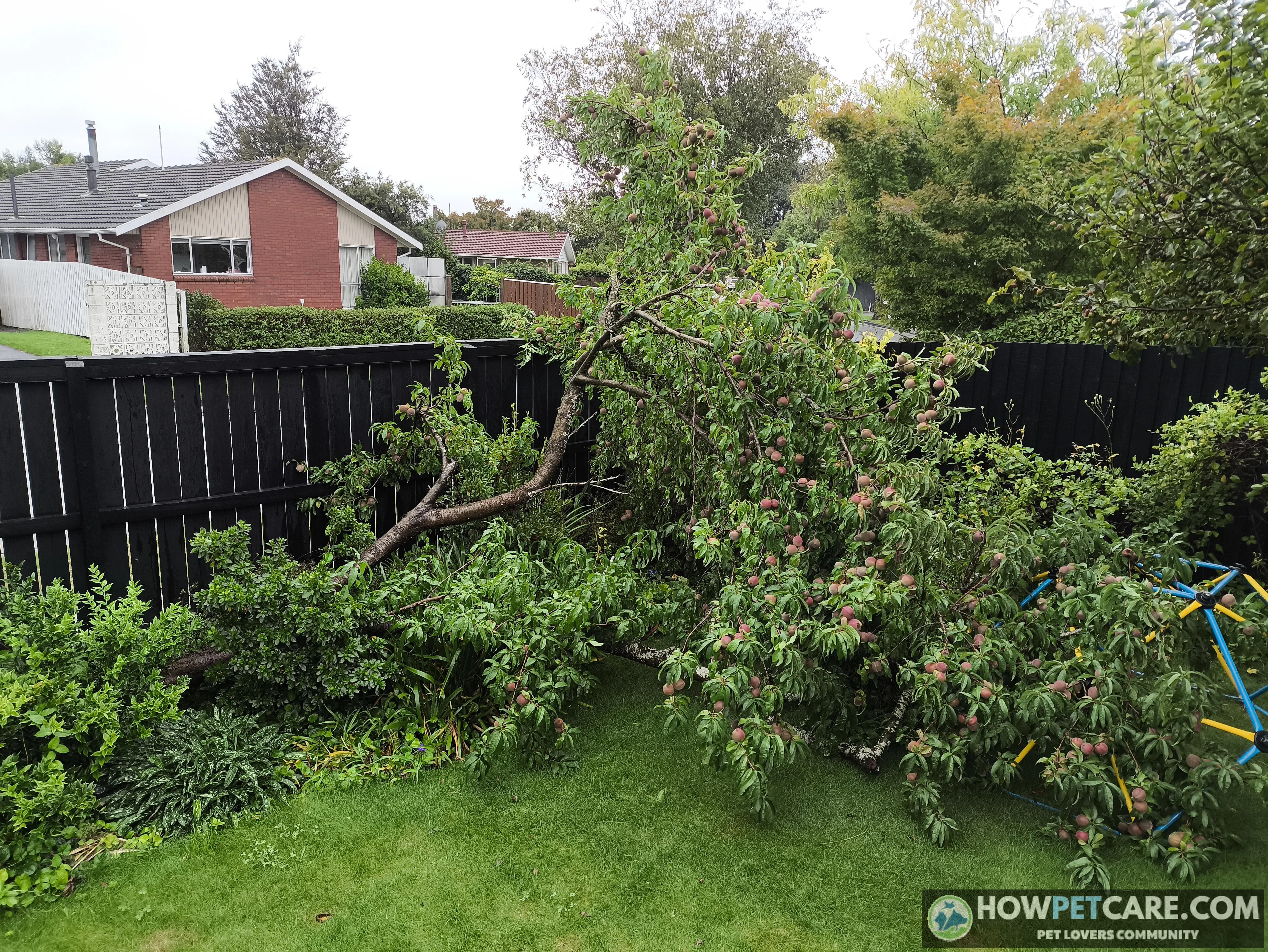
- Manage backyard risks: If you have fruit trees (such as cherry, peach, apple, plum, or citrus trees), fence off their bases. Regularly rake up and discard fallen fruit and rotting pits before letting dogs into the yard. Decaying, fermented fruit on lawns can also cause alcohol toxicity in curious pets.
- Secure compost bins: Decaying organic matter in open compost piles fosters tremorgenic mycotoxins, and discarded stone-fruit pits can cause obstructions. Lock outdoor compost tumblers and bins with animal-proof latches.
- Pre-program emergency numbers: Save three numbers in your phone contacts now: your primary veterinarian’s office, the nearest 24-hour emergency animal hospital, and the ASPCA Animal Poison Control Center (888-426-4435).
If you’re unsure whether an unfamiliar fruit is safe, or your dog develops sudden lethargy, vomiting, or abnormal stools after a new treat, stop feeding the fruit and ask your veterinarian for guidance.
 You might be wonderingCan dogs eat butterCan Dogs Eat Butter? Risks, Amounts & What to DoRead the answer
FAQ
Do dogs need fruit in their diet?
No. A complete commercial dog food covers a dog’s nutritional needs, and dogs make their own vitamin C. Fruit is an optional treat that adds a little fiber and water.
Are apple seeds toxic to dogs?
Apple seeds contain small amounts of amygdalin, which can release cyanide. A few accidentally swallowed seeds are unlikely to harm a large dog, but remove the core and seeds to be safe, especially for small dogs.
Can dogs eat fruit every day?
Yes, in small amounts, as long as all treats stay under about 10% of daily calories and the fruit is on the safe list. Skip a day or reduce the portion if you see loose stool or weight gain.
Can dogs eat fruit pie, jam, or fruit-flavored yogurt?
Generally no. These contain added sugar, fat, and sometimes raisins, spices, or xylitol, so offer a few pieces of plain fresh fruit instead.
How do I know if my dog is allergic to a fruit?
Signs include itching, hives, facial swelling, vomiting, or diarrhea after eating it. Stop feeding that fruit and call your vet, and seek emergency care right away for swelling or trouble breathing.