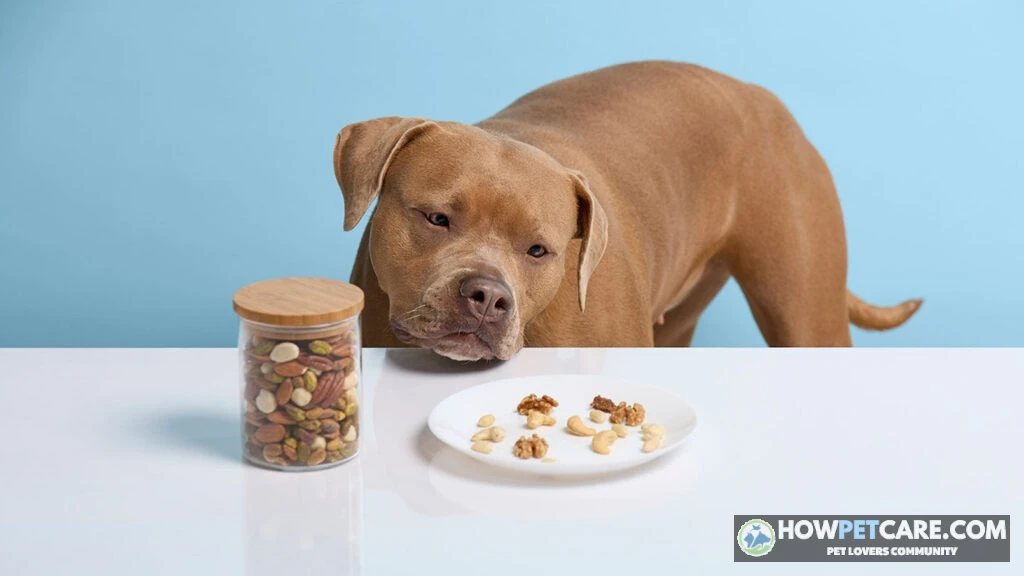

Plain pistachio kernels aren’t inherently poisonous to dogs, but their fat can upset the stomach and may contribute to pancreatitis. Shells can cause choking or obstruction, while salt, mold, and added ingredients add other risks. If your dog ate pistachios, check the product and amount, then contact your veterinarian for advice.
Are pistachios bad for dogs? The quick verdict and triage
Plain pistachio kernels aren’t inherently poisonous to dogs, but they can still cause problems. Their fat can upset a dog’s stomach and may contribute to pancreatitis. Shells, salt, mold, and added ingredients bring other risks. A dog that eats one or two plain, unsalted kernels may be fine, but no amount has been established as safe for every dog. The recommended number to offer deliberately is none, whatever your dog’s weight.
If your dog ate pistachios, move the rest out of reach, estimate how many are missing, and check whether your dog swallowed shells or other ingredients. Go to an emergency veterinarian immediately if your dog is choking, struggling to breathe, collapsing, or having seizures. If you suspect xylitol, chocolate, mold, a large or unknown amount, or swallowed shells, call a veterinarian or pet poison helpline promptly—even if your dog seems well.
Pistachios aren’t the same as macadamia nuts. Macadamias have a recognized toxic effect in dogs; with plain pistachios, the main concern is their fat content and other hazards tied to what was eaten.
Quick decision tree: amount, shells, seasoning, and symptoms

| What the dog ate | Key concern | Action now | Signs or timing to report |
|---|---|---|---|
| A small amount of plain, unsalted kernels | Fat and possible gastrointestinal upset | Contact your veterinarian for advice tailored to your dog; monitor as directed | Report the amount, time, and any vomiting or diarrhea |
| A large or unknown amount | Greater fat exposure; other ingredients may be involved | Call your veterinarian promptly | Report your dog’s weight, the estimated amount, and any symptoms |
| Shells, or nuts with shells | Choking, irritation, or intestinal obstruction | Call your veterinarian; go to emergency care for choking or breathing trouble | Report how many shells may be missing and whether there is gagging, vomiting, or abdominal pain |
| Salted, flavored, or mixed nuts | Sodium, seasonings, or other potentially toxic ingredients | Check the label and call for advice, especially if the amount is large or unknown | Report the product, amount, and ingredients |
| Moldy nuts, or a product containing xylitol or chocolate | Potential poisoning | Call a veterinarian or poison-control service immediately; do not wait for signs | Report the ingredient, estimated amount, and time eaten |
| Any exposure with severe symptoms | Possible emergency regardless of amount | Go to an emergency veterinarian now | Tell the clinic you are coming and bring the package |
These are different exposure risks, not a diagnosis. Shells can block the digestive tract, and moldy nuts may contain aflatoxin, which can damage the liver.
A puppy, a very small dog, or a dog with a history of pancreatitis needs individual advice, even after what seems like a modest exposure. Pistachios aren’t a suitable puppy treat.

What to do in the first 2 hours after a dog eats pistachios
Start by figuring out what your dog ate. Don’t try a home treatment. The timeline below is a guide for observation, not a promise that symptoms will appear within a particular window.
0–2 hours: gather details and make the call
- Take the nuts away. Keep the bag, container, or recipe so you can check the ingredients.
- Estimate how much was eaten. Count missing kernels and shells if possible. Note when your dog had access and whether the amount is uncertain.
- Check your dog. Choking, trouble breathing, collapse, or seizures call for emergency veterinary care now.
- Call for guidance. Call promptly if your dog swallowed shells, ate a large or unknown amount, may have eaten mold or concerning ingredients, or shows signs of illness. Tell the veterinarian your dog’s weight, age, medical history, and medications.
- Follow the professional’s advice. Depending on the details, the veterinarian may recommend monitoring or an examination. Calling early gives the clinic a chance to consider whether treatment is appropriate.

Consult your veterinarian before taking action. Do not induce vomiting or give salt, oil, medication, or another home remedy unless a veterinarian or poison-control professional specifically instructs you to do so. A clinic may decide vomiting is inappropriate, including when shells or choking are concerns.
2–24 hours: monitor for vomiting, diarrhea, lethargy, or abdominal discomfort
If your veterinarian recommends observation, keep your dog nearby so you can spot changes, and follow the feeding and activity instructions you receive. Keep track of vomiting or diarrhea, appetite, energy, and signs of abdominal discomfort.
Call your veterinarian if symptoms appear. Repeated vomiting, marked lethargy, significant abdominal pain, or worsening signs need prompt veterinary assessment. Don’t wait until the monitoring window ends to call. Pancreatitis can cause vomiting, abdominal pain, reduced appetite, and lethargy, but these signs alone don’t confirm the diagnosis.
24–72 hours: watch for delayed gastrointestinal signs and pancreatitis symptoms
Keep monitoring as your veterinarian directs. Call if your dog develops new vomiting, diarrhea, reduced appetite, unusual tiredness, abdominal pain, or difficulty passing stool. Even after a quiet first day, a dog may need an assessment; the available evidence doesn’t establish exactly when pancreatitis might begin after eating pistachios.
If your dog remains symptom-free, follow the observation period your veterinarian recommends. Don’t assume every exposure calls for the same length of monitoring.
How many pistachios can a dog eat? Use weight-based limits carefully
No safe number of pistachios has been established for a dog of any particular weight, and there’s no reliable kernel count that marks the start of poisoning. A 20-pound dog that eats one or two plain, shelled kernels may have no symptoms, but its health history and the circumstances still matter. Don’t use a calorie calculation to decide an exposure is harmless or to prescribe pistachios as a treat.
For any dog, the recommended number to offer deliberately is none. Other treats avoid this particular combination of fat and shell risk. For alternatives, see the guide to human foods for dogs. If your dog has already eaten a few kernels, focus on what was swallowed and how your dog is doing—not on whether the dog has passed an invented cutoff.
Calories and fat per kernel: what USDA data can and cannot tell you
USDA FoodData Central lists nutrition information for pistachio nuts by food and serving weight. The figures can help estimate calories and fat in a weighed portion, but they can’t establish a dog’s pancreatitis risk or a safe number of kernels. Kernel sizes and product formulations vary, so choose a food entry that closely matches the product.
A general feeding guideline is to keep treats to no more than 10% of a dog’s daily calories. That’s a total treat budget, not a pistachio allowance or a fat limit. It includes all treats and extras, and some dogs need a lower allowance on their veterinarian’s advice.
Worked example: a 20-pound dog
Ask your veterinarian for your dog’s appropriate daily calorie target. For illustration only, if a 20-pound dog’s individualized target is 600 calories per day, 10% is 60 calories for all treats combined. If the dog has already had 40 treat calories, 20 remain in that example budget. The 600-calorie target is an example, not a recommendation for every 20-pound dog.
| Dog weight | Estimated daily calorie range | 10% treat-calorie ceiling | Why this is not a pistachio serving recommendation |
|---|---|---|---|
| 10 lb | Individual target needed | Target × 0.10 | A small dog may be more affected by a given amount; the calculation doesn’t address fat, shells, or ingredients. |
| 20 lb | Individual target needed | Target × 0.10; 60 calories if the target is 600 | The example isn’t a prescribed intake, and other treats use the same budget. |
| 40 lb | Individual target needed | Target × 0.10 | A calorie budget doesn’t establish a safe number of nuts. |
| 60 lb | Individual target needed | Target × 0.10 | A larger size doesn’t remove the risks of shells, mold, or toxic add-ins. |

To use the worksheet, note your veterinarian’s daily calorie target, multiply it by 0.10, then subtract calories from other treats. For a specific product, use its label or the matching USDA entry and the weight eaten to estimate calories and fat. Body weight alone can’t be used to calculate a universal daily fat limit for treats.
Age, activity, body condition, and medical needs all affect calorie requirements. Miniature Schnauzers are one breed for which veterinarians may pay particular attention to elevated blood fats and pancreatitis risk. A history of pancreatitis, high blood fats, or a prescribed low-fat diet matters more than a general weight chart; ask your veterinarian about any accidental exposure. High-fat foods may contribute to pancreatitis.
Pistachio shells, salt, fat, mold, and seasonings: the specific hazards

Fat: Pistachios are high in fat. That can cause gastrointestinal upset and may contribute to pancreatitis. Watch for repeated vomiting, a painful abdomen, reduced appetite, or lethargy, and contact a veterinarian if these signs appear.
Mold: Moldy pistachios may contain aflatoxin, which can injure a dog’s liver. The number of nuts doesn’t tell you the aflatoxin dose. If you suspect mold exposure, save the package and call right away rather than waiting for symptoms.
Seasonings and mixtures: A flavored product may contain ingredients that change the risk. Read the full label, including coatings and other nuts in a mix. If you can’t identify the ingredients, ask for help rather than assuming the product was plain.
Some articles raise concerns about urushiol, a compound associated with poison ivy. Available evidence doesn’t establish the clinical risk of pistachio exposure in dogs. Focus on the better-established concerns: shells, fat, mold, and product ingredients.
Are salted pistachios bad for dogs?
Salted pistachios add sodium to the nut’s fat. A large sodium exposure can be dangerous, but one salted kernel isn’t automatically a salt-poisoning emergency. The amount, sodium content, dog’s size, and circumstances matter. Check the package and call your veterinarian for an assessment, especially if the amount is large or unknown or your dog seems unwell.
Plain, unsalted pistachios avoid added salt, but that doesn’t make them an ideal dog treat. They still contain fat, and even a shell-free kernel can pose a choking concern depending on the dog and how it is swallowed.
What to do if a dog ate a pistachio shell
Call your veterinarian. Report the estimated number of shells, when they were swallowed, and your dog’s size. Pistachio shells are hard and can cause choking, injury, or intestinal obstruction. A dog in respiratory distress needs emergency care immediately.
Don’t force food or try to make your dog vomit to move the shell. Follow your veterinarian’s instructions, and report vomiting, abdominal pain, poor appetite, or difficulty passing stool. An obstruction may need veterinary intervention.
Pistachio ice cream, butter, milk, and baked goods need an ingredient check

Pistachio ice cream, butter, milk, and baked goods aren’t recommended for dogs: their fat and added ingredients can pose risks. A product labeled pistachio can contain very different amounts of nuts and a long list of other ingredients. Keep the container or recipe, estimate how much was eaten, and share both with your veterinarian. Don’t offer any more while you check.
- Ice cream: Check for chocolate, xylitol, and other mix-ins. Fat and dairy may also cause digestive problems.
- Pistachio butter: Read the full label for sweeteners, salt, chocolate, and other additions. Even a plain product concentrates the nuts’ fat.
- Pistachio milk: Formulas vary. Check for sweeteners, flavorings, and other ingredients instead of assuming it’s just pistachios and water.
- Baked goods: Check the whole recipe, not just the pistachio topping. Chocolate, xylitol, and other additions can change how urgent the exposure is.
Hidden ingredients that change the urgency

Xylitol: If the label lists xylitol, or you suspect it’s present, call a veterinarian or poison-control service immediately. Don’t wait for symptoms. Some labels also call xylitol birch sugar.
Chocolate: Contact a veterinarian or poison-control service promptly. The type of chocolate, amount eaten, and dog’s weight all matter.
Macadamia nuts: Call for advice if a trail mix or baked product contains them. Macadamia nuts have a recognized toxic effect in dogs, unlike plain pistachio kernels.
Mold or an unknown coating: Save the product and call for help identifying the risk. Moldy pistachios may contain liver-damaging aflatoxin; the visible amount of mold doesn’t reveal the toxin dose.
A product’s name isn’t enough to assess an exposure. Give the veterinarian the full ingredient list, package size, estimated amount eaten, and time of ingestion.
How pistachios compare with other nuts dogs may steal
This table compares risks to discuss with a veterinarian; it isn’t a ranking of recommended dog treats. USDA FoodData Central provides calorie and fat values for specific nut entries, but the available evidence here doesn’t supply verified, comparable values for all six nuts. Check matching USDA entries and serving weights before using nutrition figures to compare products.
| Nut | Standard USDA serving | Calories | Fat | Distinctive dog-safety concern |
|---|---|---|---|---|
| Pistachio | Compare equal weights of kernels | Check matching USDA entry | Check matching USDA entry | Fat, shells, and possible mold; plain kernels are not inherently toxic. |
| Macadamia | Compare equal weights of kernels | Check matching USDA entry | Check matching USDA entry | Recognized toxicity in dogs; seek veterinary advice. |
| Walnut | Compare equal weights of kernels | Check matching USDA entry | Check matching USDA entry | Shells and mold are important exposure details to report. |
| Almond | Compare equal weights of kernels | Check matching USDA entry | Check matching USDA entry | A swallowed whole nut or shell can present a mechanical hazard. |
| Cashew | Compare equal weights of kernels | Check matching USDA entry | Check matching USDA entry | Amount, fat, salt, and coatings matter. |
| Peanut | Compare equal weights of kernels | Check matching USDA entry | Check matching USDA entry | Check peanut products for xylitol and other added ingredients. |

A plain nut and a salted, coated, moldy, or shelled version aren’t equivalent exposures. If your dog gets into a mixed product, identify every ingredient you can rather than treating it as a pistachio-only incident. For specific guidance, see almond risks and emergency triage for dogs.
Decide what to do next: a printable pistachio-ingestion checklist
Keep, call, or go: the final triage checklist
- ☐ Go now if your dog is choking, struggling to breathe, collapsing, or having seizures. Call the emergency clinic on the way if possible.
- ☐ Call immediately for suspected xylitol, chocolate, or mold; a large or unknown amount; or concerning symptoms. Don’t wait to see whether the dog becomes ill.
- ☐ Call about shells even if your dog seems comfortable. Go to emergency care for choking or breathing trouble.
- ☐ Keep the evidence: the package or recipe, remaining nuts, ingredient list, estimated quantity, and time eaten.
- ☐ Describe your dog: weight, age, symptoms, medical conditions, medications, and any history of pancreatitis or a low-fat diet.
- ☐ For a small amount of plain, shelled kernels and no symptoms: contact your veterinarian for individualized advice and monitor as directed. Don’t offer more.
- ☐ Use a poison-control service if needed: ASPCA Animal Poison Control Center, 888-426-4435, or Pet Poison Helpline, 855-764-7661. Fees may apply; confirm current fees and availability when you call.

Veterinary disclaimer, November 3, 2026: This article is general educational information, not a diagnosis or a substitute for professional veterinary care. Your veterinarian or a poison-control professional can assess your dog’s particular exposure.
| What the Dog Ate | Key Concern | Immediate Action | Signs or Details to Report |
|---|---|---|---|
| A small amount of plain, unsalted kernels | Fat and possible gastrointestinal upset | Contact your veterinarian for advice; monitor as directed | Report amount, time eaten, and any vomiting or diarrhea |
| A large or unknown amount | Greater fat exposure; other ingredients may be involved | Call your veterinarian promptly | Report dog's weight, estimated amount eaten, and any symptoms |
| Shells, or nuts with shells | Choking, physical irritation, or intestinal obstruction | Call your veterinarian; seek emergency care immediately for choking or breathing trouble | Report estimated missing shells and any gagging, vomiting, or abdominal pain |
| Salted, flavored, or mixed nuts | Sodium, seasonings, or other potentially toxic ingredients | Check the product label and call your veterinarian for advice, especially if the amount is large or unknown | Report product name, estimated amount eaten, and ingredient list |
| Moldy nuts, or a product containing xylitol or chocolate | Potential acute poisoning | Call a veterinarian or pet poison-control service immediately; do not wait for symptoms | Report specific toxic ingredient, estimated amount eaten, and time eaten |
| Any exposure with severe symptoms | Possible life-threatening emergency regardless of amount eaten | Go to an emergency veterinary clinic immediately | Inform clinic you are en route and bring the product packaging |
FAQ
Can puppies eat pistachios?
Pistachios are not a suitable puppy treat: puppies are small, and shells, salt, fat, or seasonings can pose added risks. If a puppy has eaten any, contact your veterinarian with the amount, timing, and product details.
What happens if a dog eats pistachios?
A dog may have no signs after a small amount, or develop vomiting, diarrhea, or abdominal discomfort. Larger amounts, high-fat or salted products, mold, shells, or concerning ingredients can make the exposure more serious.
Are unsalted pistachios safe for dogs?
Unsalted, plain kernels avoid the added sodium but still contain fat and calories, and they are not a recommended regular treat. Do not offer shells, and ask a veterinarian about an accidental ingestion based on the dog’s size and amount eaten.
Which symptoms after eating pistachios mean I should call a vet?
Call a veterinarian for repeated vomiting, diarrhea, marked lethargy, abdominal pain, loss of appetite, choking, or difficulty passing stool. Seek urgent advice for suspected mold, xylitol, chocolate, a large or unknown amount, or any rapidly worsening signs.