

No dog is 100% hypoallergenic, but the cutest low-shedding picks for allergy-sensitive homes are the Bichon Frise, Maltese, Shih Tzu, Havanese, and Toy or Miniature Poodle. All shed very little but need regular grooming — always test your reaction to the individual dog before adopting.
No dog is 100% hypoallergenic. Some breeds shed less and may spread less hair and dander around your home, but every dog produces allergens. A breed label can’t guarantee that you’ll tolerate an individual dog.
If you have mild-to-moderate dog allergies, a shortlist of Bichon Frise, Maltese, Havanese, Poodle, or Miniature Schnauzer can be a sensible starting point—not a promise. The best fit depends on your symptoms, home, grooming budget, and reaction to the particular dog. Use the comparison below to narrow your choices, then follow the three-visit exposure plan before adopting.
No Dog Is 100% Hypoallergenic: What the Label Really Means
“Hypoallergenic” means less likely to trigger an allergic reaction; it doesn’t mean allergen-free or medically safe for everyone. The label can’t guarantee that a particular breed—or dog—will suit you. No purebred or mixed-breed dog is completely non-allergenic.
“Non-shedding” is relative, too. A low-shedding coat can hold onto loose hair and dander rather than scattering as much around the home, but allergens remain on the dog and can transfer through contact. Less shedding may make cleanup easier; it doesn’t make a dog allergy-proof.
Research hasn’t established a reliable breed category that’s safe for people with dog allergies. Studies comparing allergen levels in homes with breeds marketed as hypoallergenic and other breeds haven’t found a clear dividing line. Use breed traits to make a shortlist, then test your reaction to the individual dog.
This guide is for readers exploring options with mild-to-moderate symptoms. If you have asthma, breathing symptoms, or a history of severe reactions, talk with an allergist before arranging close exposure or bringing a dog home. The home routine later in this guide can help reduce allergens, but it isn’t a substitute for medical advice.
What Actually Causes Dog Allergies: Dander, Saliva, Urine and Can f Proteins
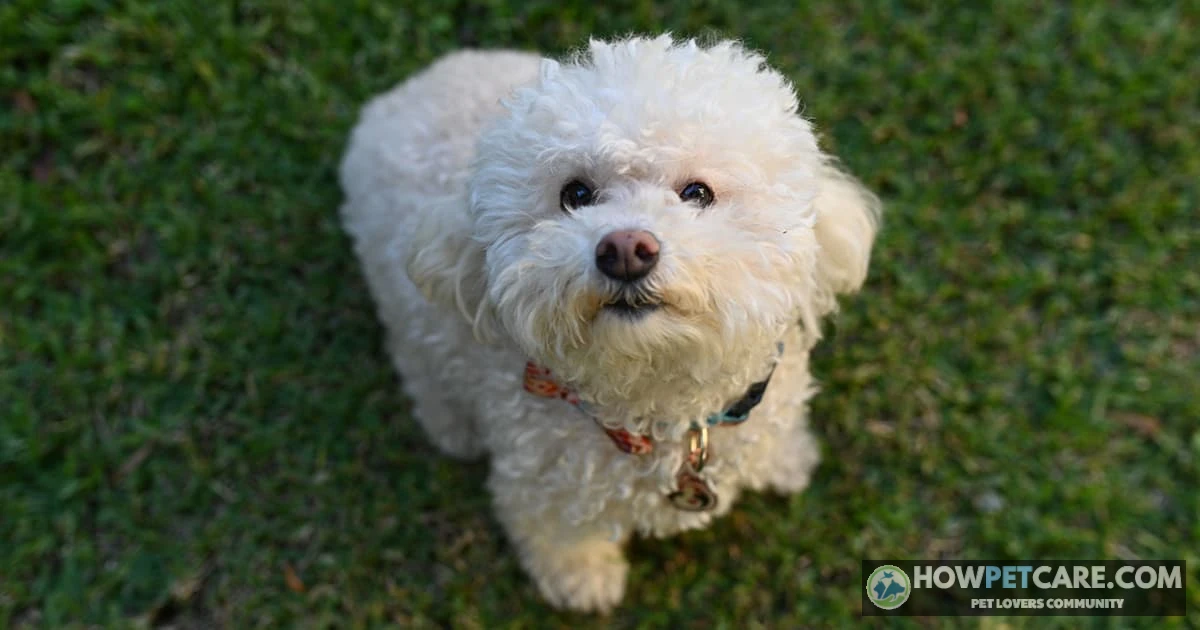
Dog allergies are reactions to proteins, not to hair itself. Proteins in skin flakes, saliva, and urine can travel on a dog’s coat and move onto furniture, clothing, and floors. Hair can carry allergens, but it isn’t their source.
Fur, dander, saliva, urine: where each allergen comes from
Pet dander is made up of tiny flakes of skin. Saliva can coat fur when a dog licks itself, and urine can also carry allergenic proteins. When a dog sheds or is handled, material from its coat can become part of household dust. Low-shedding dogs may leave less loose hair, but they still produce dander and other allergens.
Researchers have identified several dog allergen proteins, including Can f 1, Can f 2, and Can f 5. Can f 1 and Can f 2 are found in sources including saliva and dander; Can f 5 is produced in the prostate and is associated with male dogs. People may be sensitized to different proteins, so one person’s symptoms don’t predict another person’s response. Allergen levels can’t be reliably ranked by breed.
Why male vs. female and neutered vs. intact dogs can differ
Intact male dogs produce Can f 5, and evidence suggests neutering may reduce it. That doesn’t mean every female or neutered male will be easier for every allergic person to tolerate: other allergen proteins remain, and individual reactions vary. If a clinician’s testing suggests Can f 5 is relevant to you, ask an allergist whether sex or neuter status should factor into your search.
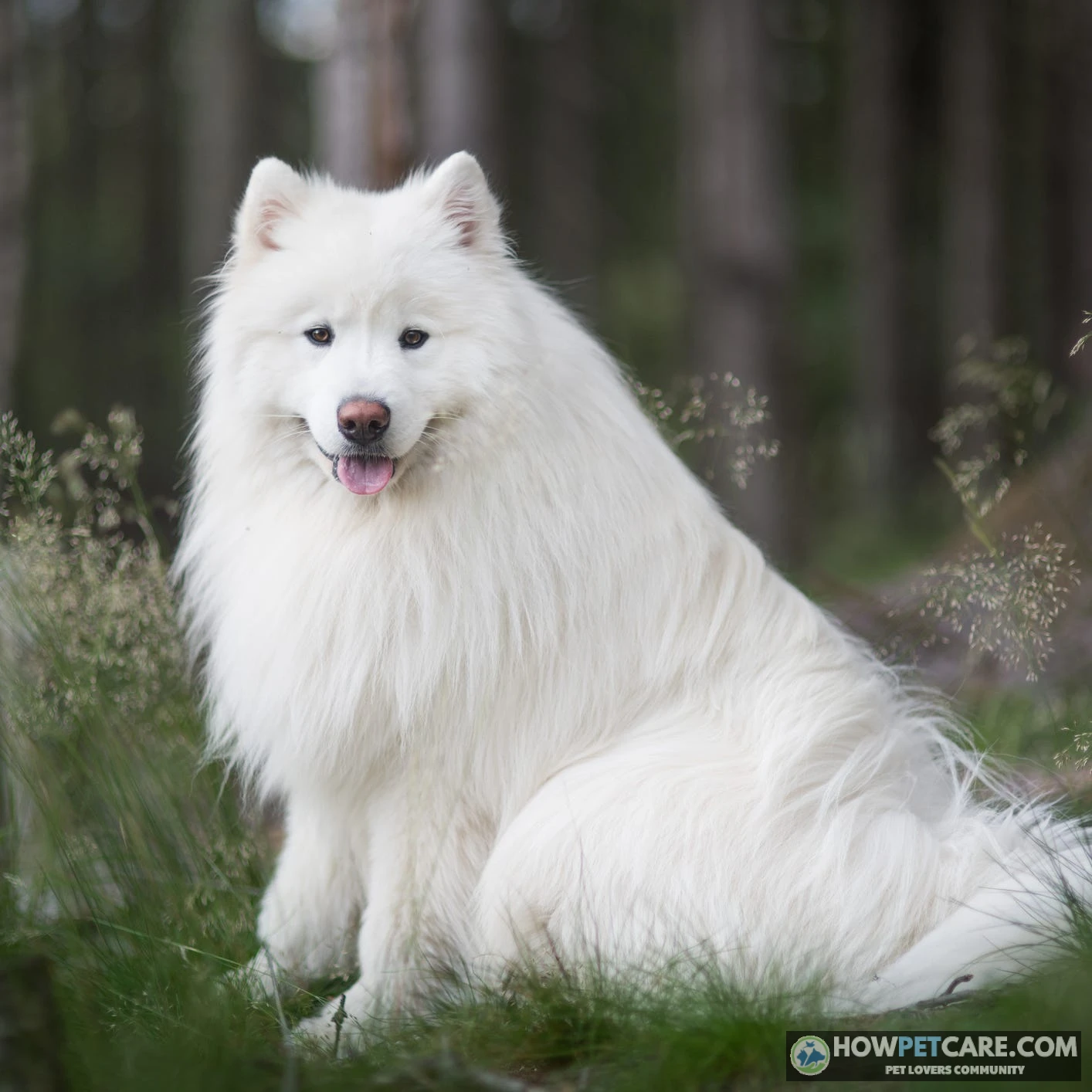
Why some sources call Samoyeds hypoallergenic and most vets disagree
Samoyeds are sometimes described as allergy-friendly, but their thick double coats shed heavily. They’re not a dependable choice for someone seeking a low-shedding dog. Anecdotes about an individual dog or its dander don’t establish that the breed is hypoallergenic. A Samoyed’s size and coat care also make it a poor match for many people who specifically want a small, low-shedding companion.
 You might be wonderingCute small dogsCute Small Dogs: Compare Breeds, Costs and CareRead the answer
The Cutest Hypoallergenic Dog Breeds, Ranked by Size
This is an editorial cuteness ranking, not a scientific measure. It considers puppy-face appeal, coat texture, expressive features, cuddle factor, and charm. The upkeep score offers a practical counterweight: higher means more combined coat care and activity needs. Breed weights and traits below are typical ranges; individuals vary. Consult American Kennel Club (AKC) breed standards for formal size descriptions, and ask a veterinarian or reputable breed organization about health and care needs.
How the cuteness ranking works
The rankings favor dogs with distinctive, appealing expressions and coats, then balance that charm against the demands of daily life. “Very low shedding” describes the coat relative to many breeds; it doesn’t mean no allergens or no grooming. These cute hypoallergenic dog breeds have growing coats that can tangle, so reduced shedding often comes with more brushing and clipping.
Small and toy-size picks: Bichon Frise, Maltese, Shih Tzu, Havanese, Yorkie
1. Bichon Frise — cloudlike charm, high coat upkeep. Usually around 12–18 pounds, the Bichon’s rounded face and springy white coat give it a plush-toy look. It’s cheerful and often well suited to apartment life and families with gentle children. Brush several times a week and budget for regular professional grooming; the coat can mat if neglected. Cuteness: 10/10. Upkeep: 4/5.
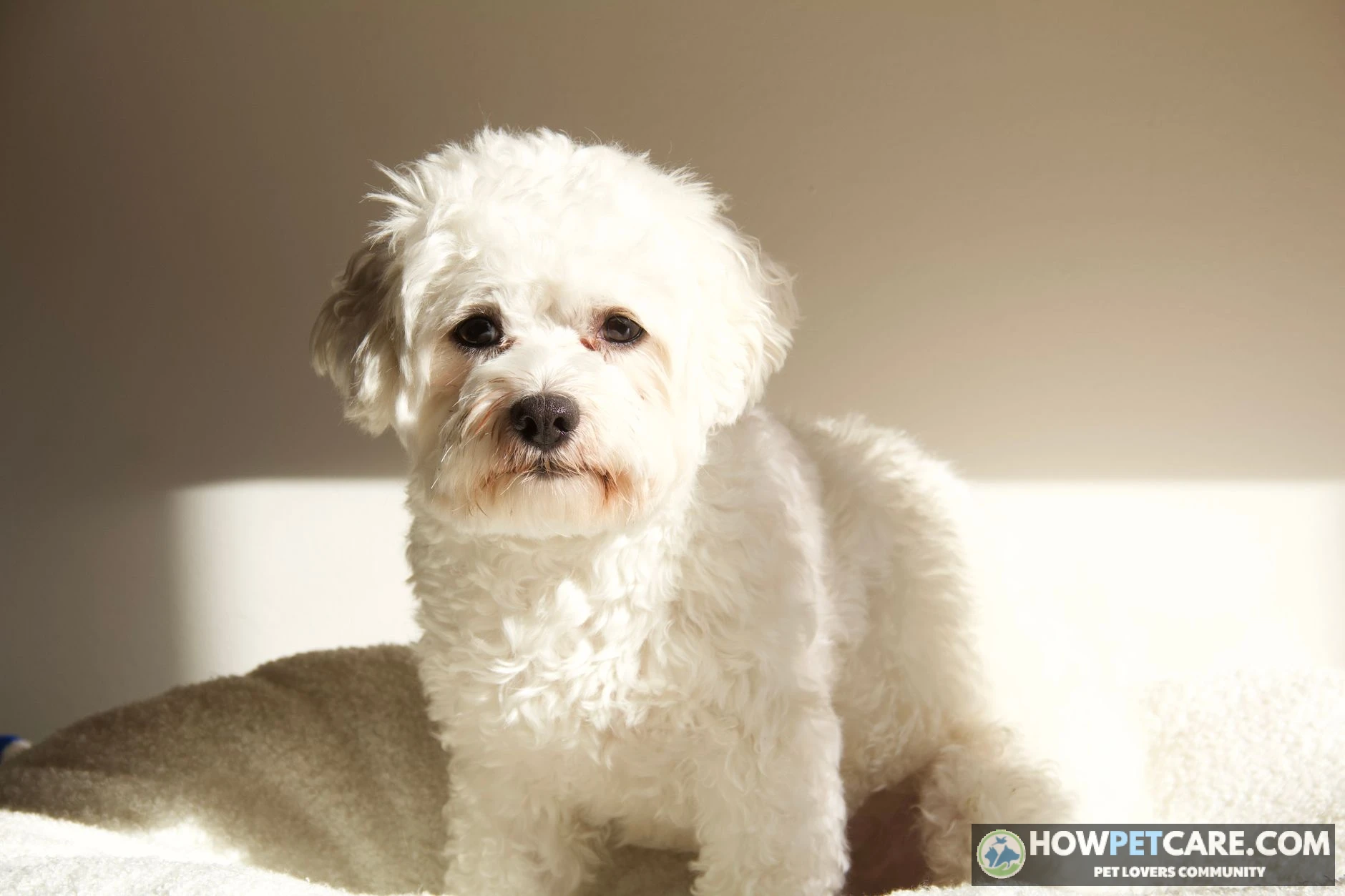
2. Maltese — tiny, silky, and attention-grabbing. Maltese are typically under 7 pounds. Their long white coats are striking, but a coat kept long takes frequent brushing and professional care. A shorter pet clip can reduce at-home brushing. Their small size makes them a better match for gentle older children than rough play. Cuteness: 9/10. Upkeep: 4/5.
3. Shih Tzu — expressive face, serious grooming commitment. Often around 9–16 pounds, Shih Tzus have a distinctive short muzzle and long, flowing coat. A short clip is easier to maintain than a long show coat, but the breed still needs brushing and regular trims. They can suit apartments and considerate families; supervise children closely with any small dog. Cuteness: 9/10. Upkeep: 4/5.
4. Havanese — bright-eyed, sociable companion. Around 7–13 pounds, this small Cuban breed has a soft coat and an alert, playful manner. It’s often a good apartment candidate and can suit families that provide daily play and company. Brush regularly and keep up with coat trims to prevent tangles. Cuteness: 9/10. Upkeep: 3/5.
5. Yorkshire Terrier — portable, confident, and delicate. A Yorkie is typically about 7 pounds, with a fine coat that needs frequent attention, especially when worn long. Its small frame is vulnerable to accidental injury, so it’s generally better with older, gentle children. Cuteness: 8/10. Upkeep: 3/5.
Toy and medium picks: Toy Poodle, Miniature Poodle, Miniature Schnauzer, Portuguese Water Dog
6. Toy Poodle — bright expression in a tiny package. Toy Poodles stand up to 10 inches tall. Their curly coat is low-shedding, but it needs consistent brushing and clipping. Intelligent and trainable, they need activity and attention rather than being treated as decorative lap dogs. Cuteness: 9/10. Upkeep: 4/5.
7. Miniature Poodle — clever, adaptable, and highly trainable. A Miniature Poodle is a manageable small-to-medium companion for many homes. Its curly coat needs regular brushing and professional clipping, and its intelligence calls for daily enrichment. It can fit apartment living if exercise and mental stimulation are part of the routine. Cuteness: 8/10. Upkeep: 4/5.
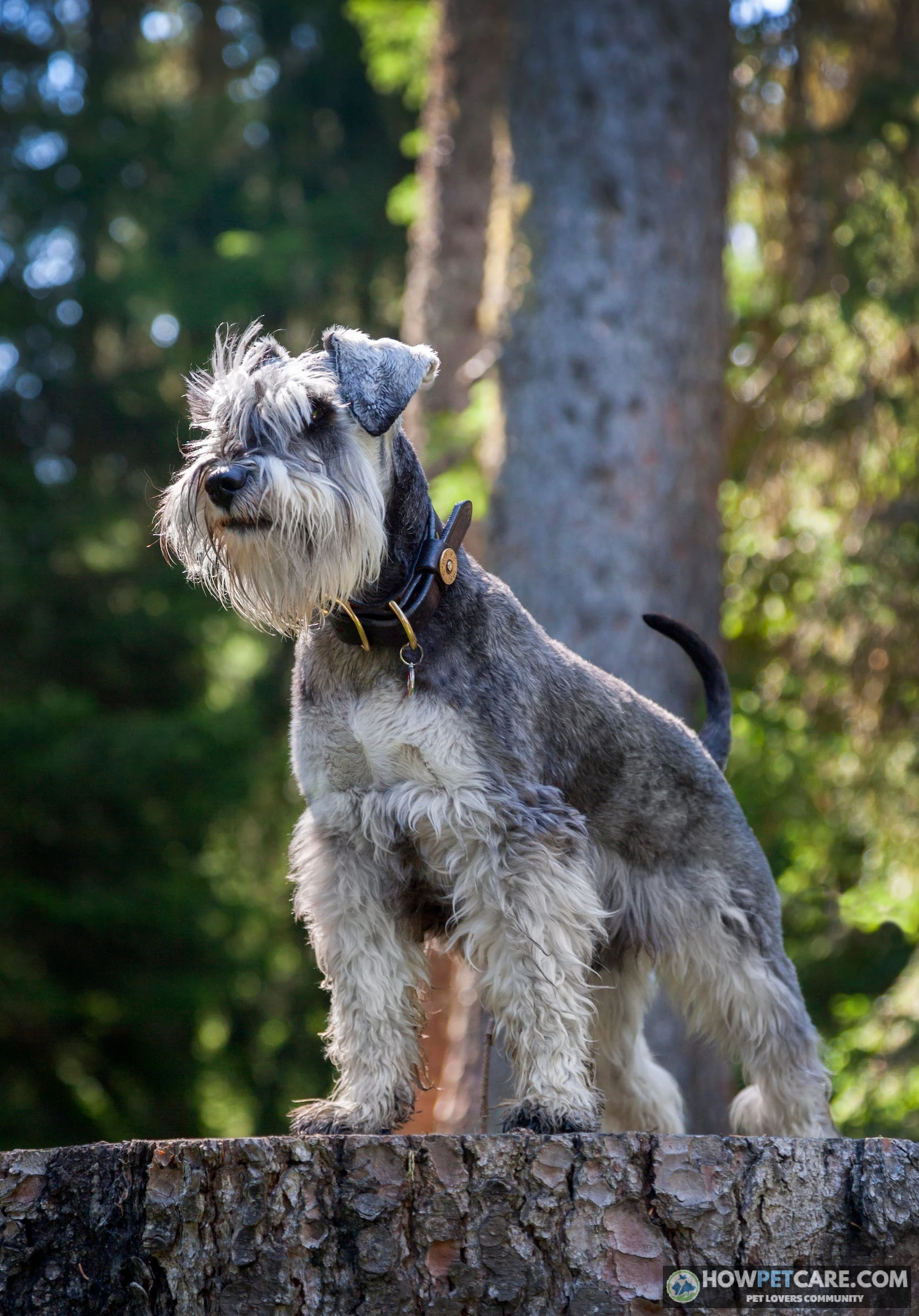
8. Miniature Schnauzer — whiskered face, sturdy personality. Commonly around 11–20 pounds, the Schnauzer’s beard and eyebrows give it a distinctive, animated look. It’s sturdier than toy breeds and can suit an active family, though training and barking tendencies matter in close apartment settings. Arrange regular clipping or hand-stripping and brush between appointments. Cuteness: 8/10. Upkeep: 3/5.
9. Portuguese Water Dog — curly-coated athlete. Typically medium-sized, this muscular, energetic breed is better suited to an active household than a sedentary one. Its coat requires brushing and frequent trims, and it needs exercise and training. It may fit a family when adults can provide structure and supervise children around a strong, lively dog. Cuteness: 7/10. Upkeep: 4/5.
Big picks: Standard Poodle, Lagotto Romagnolo and Xoloitzcuintli
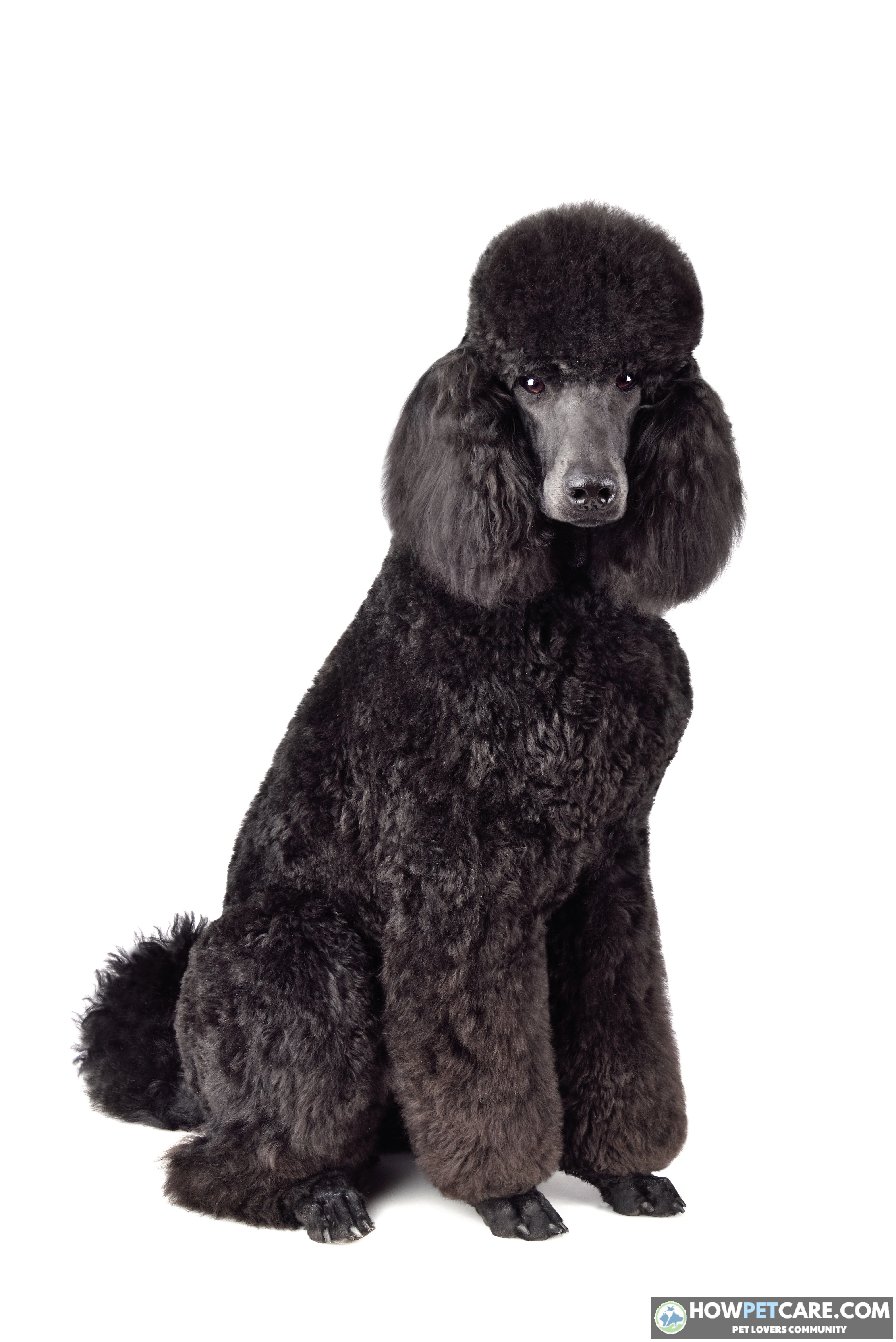
10. Standard Poodle — elegant, playful, and not low-effort. Standards are large dogs with a curly, low-shedding coat and substantial exercise and enrichment needs. They can be excellent companions for active households, including families prepared to train and supervise. Regular clipping and brushing are non-negotiable. Cuteness: 7/10. Upkeep: 4/5.
Lagotto Romagnolo — rustic curls in a medium-to-large package. Another curly-coated option, though availability and grooming needs vary.
Xoloitzcuintli — sleek, hairless, and allergen-producing. A distinct hairless breed rather than a fluffy low-shedding dog; it still produces allergens, and its exposed skin needs appropriate protection. Hairless doesn’t mean allergy-free.
Breed comparison at a glance
| Breed | Cuteness rank | Size and typical weight | Shedding | Grooming effort | Temperament | Kid fit | Apartment fit |
|---|---|---|---|---|---|---|---|
| Bichon Frise | 1 | Small, about 12–18 lb | Very low | High; brush several times weekly, regular trims | Cheerful, sociable | Good with gentle kids | Excellent with exercise |
| Maltese | 2 | Toy, under 7 lb | Very low | High; frequent brushing or short clip, regular trims | Affectionate, lively | Best with older, gentle kids | Excellent |
| Shih Tzu | 3 | Small, about 9–16 lb | Very low | High; coat-dependent brushing and trims | Companionable, alert | Good with supervision | Excellent |
| Havanese | 4 | Small, about 7–13 lb | Very low | Moderate-high; brush and trim regularly | Sociable, playful | Often a good fit | Excellent with activity |
| Yorkshire Terrier | 5 | Toy, about 7 lb | Very low | Moderate-high; frequent coat care | Confident, lively | Better with older kids | Excellent |
| Toy Poodle | 6 | Toy, up to 10 in tall | Very low | High; brush and clip regularly | Intelligent, active | Best with gentle handling | Excellent with activity |
| Miniature Poodle | 7 | Small-medium | Very low | High; brush and clip regularly | Intelligent, trainable | Often a good fit | Very good with activity |
| Miniature Schnauzer | 8 | Small, about 11–20 lb | Very low | Moderate; regular clipping or hand-stripping | Alert, spirited | Good with supervision | Very good if barking is managed |
| Portuguese Water Dog | 9 | Medium | Very low | High; brush and trim regularly | Athletic, energetic | Good for active families | Possible with ample exercise |
| Standard Poodle | 10 | Large | Very low | High; brush and clip regularly | Intelligent, athletic | Good for active families | Possible with ample exercise |
| Lagotto Romagnolo | — | Medium-large | Very low | High; regular brushing and trims | Energetic, affectionate | Good for active families | Possible with ample exercise |
| Xoloitzcuintli | — | Medium to large (standard) | Very low (hairless) | Low-moderate; skin care instead of coat trims | Calm, attentive | Varies; supervise | Good with exercise |
The cute-but-costly tradeoff is clear: the Bichon, Maltese, and toy Poodle rank high for charm but also demand substantial coat care. A shorter “puppy” or “kennel” clip can reduce brushing and may make appointments easier to manage; confirm the interval with your groomer.
Goldendoodles, Labradoodles and Other Doodles: How Reliable Is the Hypoallergenic Claim?
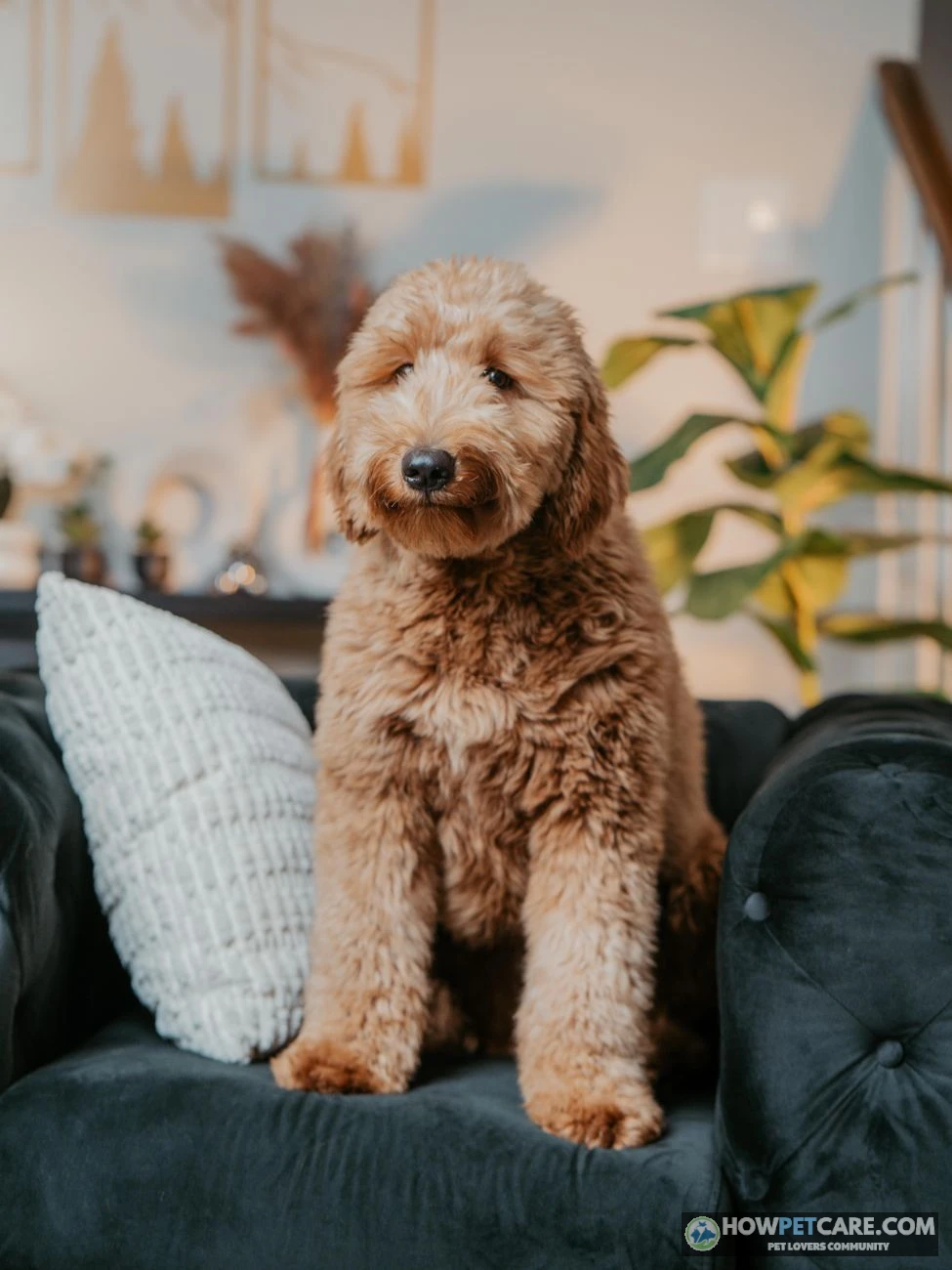
Goldendoodles and Labradoodles aren’t reliably hypoallergenic. Puppies in a litter can inherit different coat types, and low shedding doesn’t guarantee low allergen exposure. Poodle mixes don’t have a guaranteed allergy-safe coat.
F1 vs. F1b vs. F2: what the generations mean for coat and allergens
| Label | What it means | Coat predictability | Allergy outlook |
|---|---|---|---|
| F1 | First-generation cross between a Poodle and a Golden Retriever or Labrador | Low; puppies can have different coat types | No reliable guarantee; some coats shed more |
| F1b | An F1 doodle crossed back to a Poodle | Often more Poodle-like, but still variable | May be lower-shedding, not allergen-free |
| F2 | Two F1 doodles crossed | Variable; traits can recombine | Not reliably predictable |
| Multigeneration | Several generations of doodle-to-doodle breeding | Depends on the breeder’s selection and parent coats | No guarantee of individual tolerance |
These labels describe ancestry; they don’t precisely predict a puppy’s allergens. A curly coat may trap loose hair and dander rather than letting as much fall around the home, but the dog still produces allergens. No dependable breed-by-breed allergen percentages are available to make a doodle a safe bet.
Questions to ask a doodle breeder before you reserve a puppy
Ask to see both parents or clear, recent images of their coats. Ask, too, what coat types have appeared in previous litters and what health testing has been completed for the parent breeds. Request a written contract explaining what happens if the adult coat sheds more than expected. Be wary of anyone who guarantees a puppy is hypoallergenic. If a low-shedding coat is a priority, a purebred Poodle gives you a more predictable coat type, though it still can’t guarantee your reaction.
Best Hypoallergenic Dogs for Apartments, Families With Kids, and Bigger Homes
Best allergy-friendly dogs for apartments
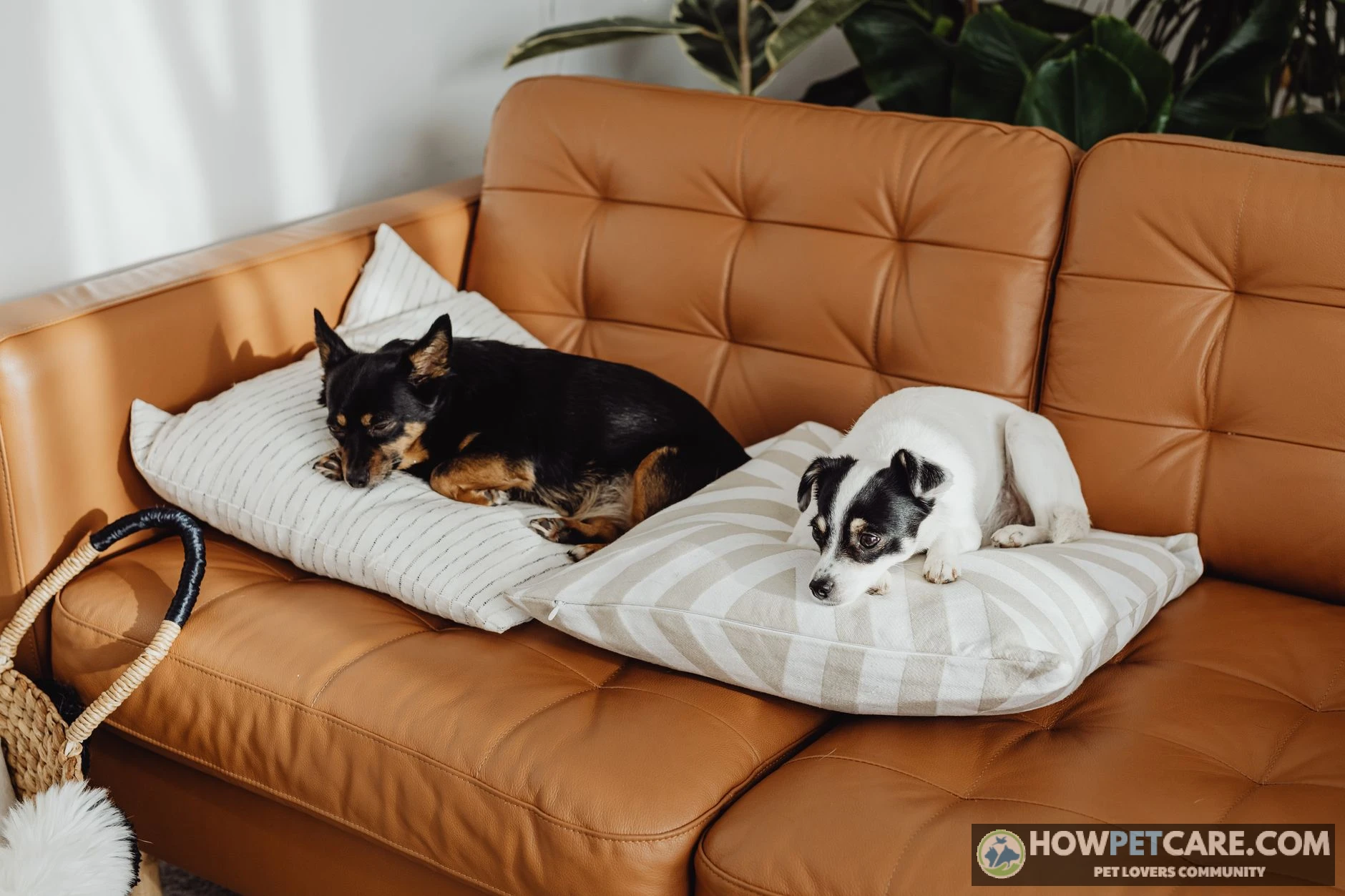
For apartments, consider size alongside barking, exercise, stairs, and time alone. Bichons, Havanese, Maltese, Shih Tzus, and toy or miniature Poodles can fit compact homes when their exercise, training, and coat care needs are met. A small dog that barks frequently may be a less practical neighbor than a larger, quieter dog. Plan for daily walks and enrichment rather than assuming a small home means a small activity requirement.
Hypoallergenic dogs that are good with kids
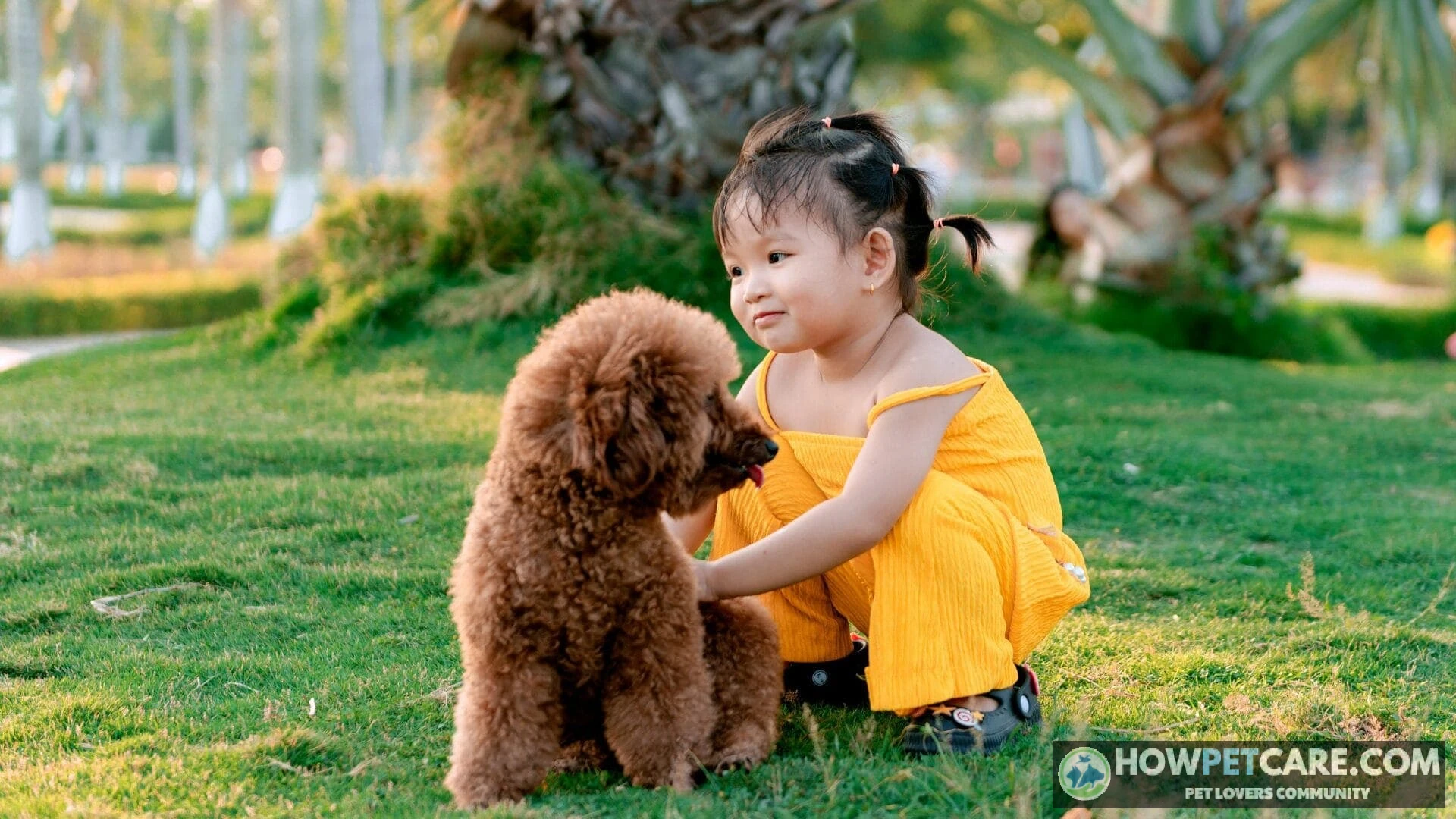
A family’s best fit depends on the children’s ages and behavior, not just a breed’s reputation. Bichons, Havanese, Poodles, and Schnauzers may suit families able to provide training and supervision. Tiny Maltese and Yorkies are physically delicate and generally better with gentle older children. No breed should be left unsupervised with a young child; adults must teach safe handling and provide the dog a quiet retreat.
Small hypoallergenic dogs for first-time owners
A first-time owner who wants a smaller dog might compare a Havanese, Bichon, and Miniature Schnauzer. The Havanese is sociable, the Bichon is cheerful, and the Schnauzer is sturdier—but all need grooming, training, and daily attention. A Poodle can be highly trainable, but its intelligence and energy are no substitute for an owner’s time.
Low-maintenance options (and why “low maintenance” needs a caveat)
There’s no universally low-maintenance, non-shedding dog. A short clip can reduce brushing at home, but appointments remain part of the budget. Curly and continuously growing coats can mat when neglected, while energetic breeds need exercise even if their coat is easy to handle. Choose a care routine you can sustain, not the breed with the most appealing label.
| If you live in or have… | Breeds to consider | Check before deciding |
|---|---|---|
| A small apartment | Havanese, Bichon, Maltese, Shih Tzu, toy or Miniature Poodle | Barking, time alone, exercise, elevator or stairs |
| Young children | Bichon, Havanese, Poodle, Miniature Schnauzer | Supervision, dog’s temperament, child-safe handling |
| Older gentle children | Maltese, Yorkie, Shih Tzu, as well as sturdier picks | Small dogs can be injured by rough handling |
| An active household and larger home | Standard Poodle, Portuguese Water Dog | Daily exercise, training, grooming costs |
| Limited grooming time | Any breed only with a short clip and a realistic appointment plan | Low shedding does not mean low coat care |
What a Hypoallergenic Dog Really Costs: Purchase, Adoption and Grooming
Costs vary by region, dog age, coat style, breeder practices, and local grooming rates. The ranges below are broad U.S. planning estimates, not a price quote or a verified national survey. Confirm current costs with local rescues, breeders, and groomers before deciding. Adoption fees often include some initial services, but coverage differs by organization.
| Breed | Breeder purchase estimate | Rescue/adoption estimate | Grooming frequency | Approx. cost per visit | Approx. annual grooming |
|---|---|---|---|---|---|
| Bichon Frise | $1,500–$3,500 | $150–$600 | Every 4–6 weeks | $60–$100 | $520–$1,300 |
| Maltese | $1,500–$4,000 | $150–$600 | Every 4–6 weeks | $50–$90 | $430–$1,170 |
| Shih Tzu | $1,000–$3,000 | $150–$600 | Every 4–8 weeks | $50–$90 | $325–$1,170 |
| Havanese | $1,500–$3,500 | $150–$600 | Every 6–8 weeks | $60–$100 | $390–$870 |
| Yorkshire Terrier | $1,500–$3,500 | $150–$600 | Every 6–8 weeks | $50–$90 | $325–$780 |
| Toy or Miniature Poodle | $1,500–$3,500 | $150–$600 | Every 4–6 weeks | $60–$100 | $520–$1,300 |
| Miniature Schnauzer | $1,000–$3,000 | $150–$600 | Every 5–8 weeks | $55–$90 | $360–$940 |
| Portuguese Water Dog | $2,000–$4,000 | $200–$700 | Every 4–8 weeks | $75–$130 | $490–$1,690 |
| Standard Poodle | $1,500–$3,500 | $150–$700 | Every 4–6 weeks | $75–$130 | $650–$1,690 |
These estimates multiply an approximate annual schedule by a broad per-visit range; they aren’t sourced breed-club price quotations. Grooming intervals differ by coat, clip, and groomer. Poodles and Miniature Schnauzers may need professional trims every 3–6 weeks, while Bichon Frise, Maltese, and Coton de Tulear coats are commonly brushed 2–3 times weekly. Before committing, ask local groomers for a quote for the specific dog’s size and coat.
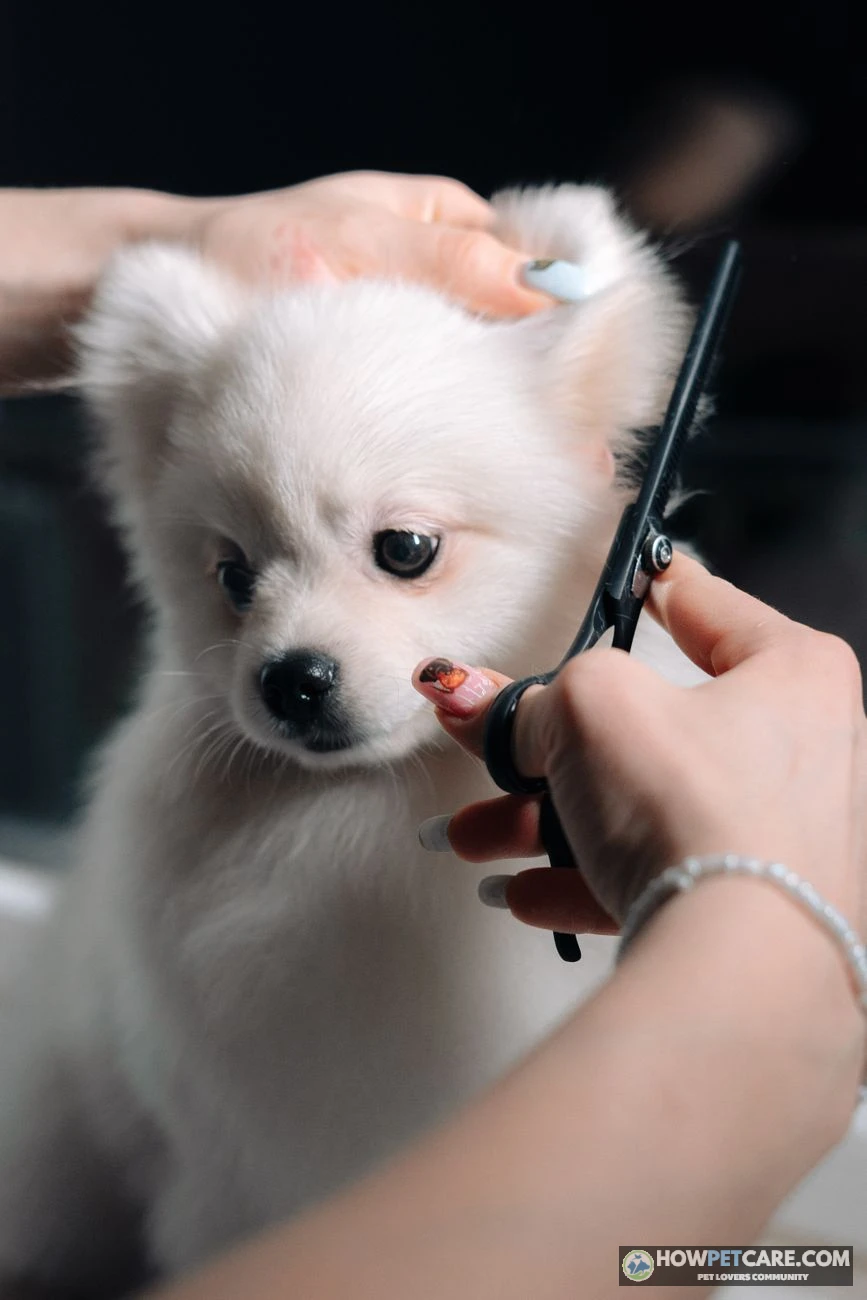
Professional grooming cost per year: Poodle vs. Maltese vs. Schnauzer
Compare the number of visits, not just the price of one appointment. A Poodle on a 4–6-week schedule may require roughly 9–13 visits a year; a Maltese on the same schedule has a similar appointment count, though size and clip can lower the per-visit price. A Miniature Schnauzer on a 5–8-week schedule may need roughly 7–10 visits. Multiply the expected visits by a local groomer’s quote, then add brushes, detangling products, and any extra coat-care appointments. Trim intervals vary by groomer and clip; the schedule above is a planning example, and the professional trim interval for Poodles and Miniature Schnauzers is often cited as 3–6 weeks.
A short clip may reduce daily brushing and sometimes stretch appointments, but confirm the schedule with your groomer. Skipping brushing can cause matting and turn a routine trim into a more expensive or uncomfortable visit.
First-year cost math: a planning example
Use this formula: first-year cost = acquisition + initial veterinary care + grooming visits + supplies and food + training and optional insurance. The following scenarios use broad estimates and illustrate possible costs, not guaranteed totals:
- Rescue Maltese: A $150–$600 adoption fee, $100–$500 for an initial veterinary visit or catch-up care, 9 grooming visits at $50–$90 each ($450–$810), and $200–$600 for supplies and training puts a rough first-year range around $1,000–$2,500, before routine food and ongoing veterinary care.
- Breeder Goldendoodle: A $1,500–$4,000+ purchase price, $300–$900 for initial veterinary care, 8 grooming visits at $75–$130 ($600–$1,040), and $300–$900 for supplies and training yields a rough total of $2,700–$6,800+, before routine food and ongoing care.
- Breeder Miniature Schnauzer: A $1,000–$3,000 purchase price, $300–$900 for initial veterinary care, 7 grooming visits at $55–$90 ($385–$630), and $300–$900 for supplies and training yields a rough total of $2,000–$5,500, before routine food and ongoing care.
Use these totals to plan for recurring care, not as quotes. First-year veterinary and training expenses can vary substantially, and a rescue fee may already include vaccinations, a microchip, or spay/neuter. Ask what’s covered. Adoption isn’t necessarily cheaper over a dog’s lifetime, but it can be a practical route to an adult dog whose coat and temperament are already visible.
Where to find hypoallergenic puppies and adult dogs for adoption
Start with local shelters and established breed-specific rescues for Poodles, Bichons, Maltese, and Shih Tzus. Search for dogs by their observed coat and ask about foster-to-adopt arrangements rather than relying on a “hypoallergenic” label. If you choose a breeder, look for health testing relevant to the breed, transparent answers, a written contract, and an opportunity to meet the dog or its parents. Avoid pressure to send a deposit before you can verify who is responsible for the puppy, and be skeptical of extra charges for “rare” colors or guaranteed allergy-free coats.
How to Test Your Allergic Reaction to a Specific Dog Before You Adopt
Direct exposure to the dog you’re considering is more informative than relying on a breed label. If you haven’t confirmed dogs are your trigger—or if you have asthma or significant symptoms—ask an allergist about appropriate testing and exposure before beginning. The schedule below is practical planning guidance, not medical advice. Don’t stop prescribed medication or change how you take it to conduct a home test; ask your clinician.
A three-visit exposure schedule
Plan three visits over about 2–4 weeks. Meet the exact dog where possible; for a puppy, meeting its parents and littermates provides useful context but doesn’t predict your response to that individual puppy. Reactions can be delayed, so record symptoms after leaving, too.
| Visit | Suggested timing | Duration | What to do | What to log | When to pause or stop |
|---|---|---|---|---|---|
| 1. Low-key introduction | Week 1 | 30–60 minutes | Meet in a controlled setting; sit nearby and pet the dog without face-to-face contact | Baseline and symptoms: sneezing, itchy eyes, congestion, hives, cough, wheeze, or chest tightness; note when they start | Leave if breathing symptoms, wheezing, or chest tightness occur |
| 2. Real-contact test | 5–7 days later | 60–90 minutes | Meet indoors; handle and cuddle the dog if comfortable, and spend time where the dog rests | Rate each symptom 0–3; check again 2–4 hours later and the next morning | Pause if moderate symptoms occur in multiple categories; consult an allergist before another visit |
| 3. Home-like test | 1–2 weeks later | At least 90 minutes | Repeat close contact in a realistic indoor setting; include ordinary play and handling | Record symptoms during the visit, afterward, and the following morning; compare with earlier visits | Stop for breathing difficulty; persistent moderate symptoms are a reason to pause and seek medical advice |
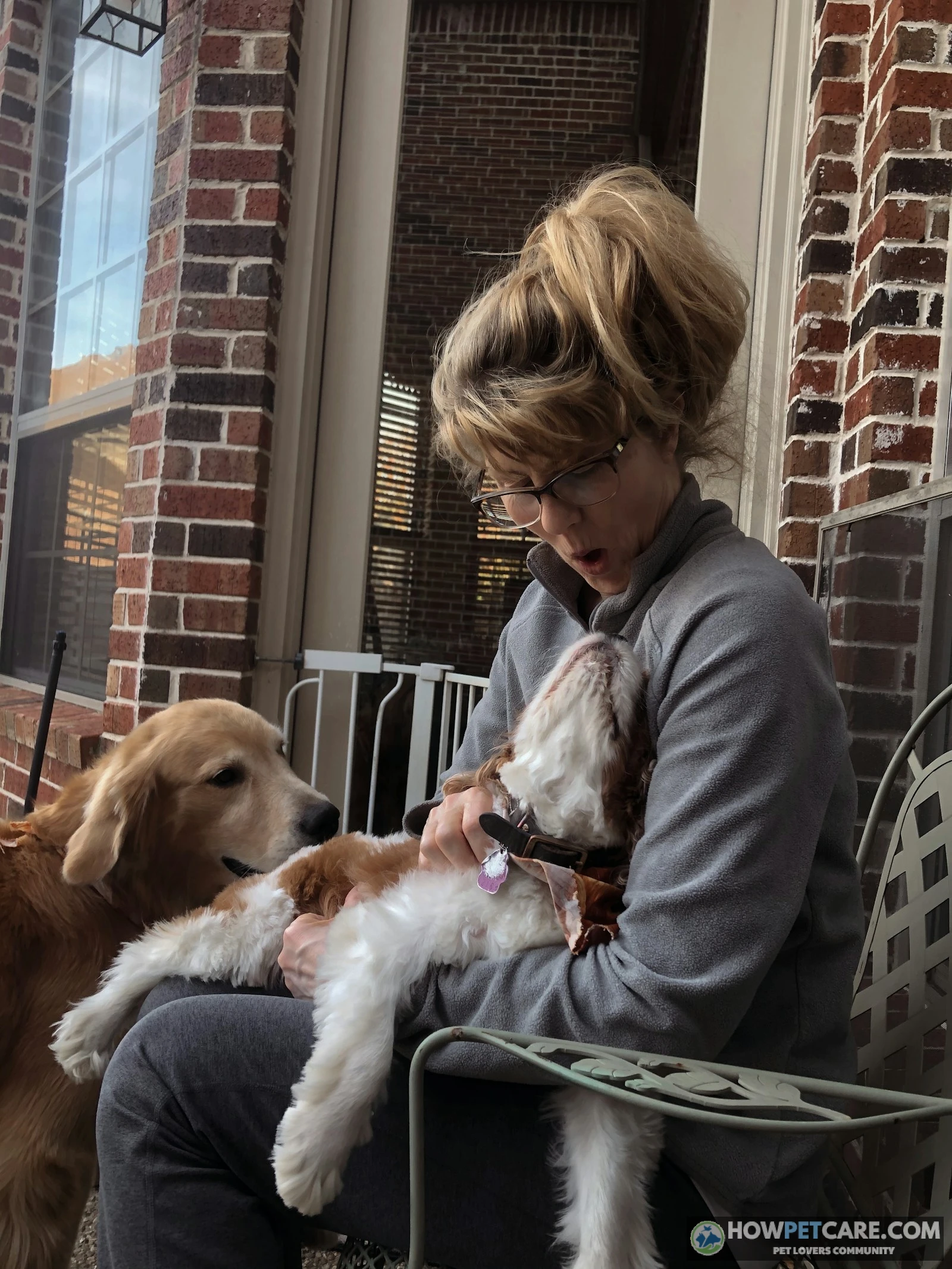
Symptom severity guide: keep going, pause, or stop
Use a simple log: 0 means none, 1 mild, 2 moderate, and 3 severe. Record the symptom, when it began, and how long it lasted. Mild sneezing or itchy eyes that settle quickly are still relevant information, not proof that living with the dog will be comfortable. Repeated or worsening symptoms call for a pause and an allergist’s advice. Wheezing, chest tightness, or difficulty breathing are stop signals; leave the exposure and seek appropriate medical help.
Don’t try to “pass” a visit by masking symptoms with medication. If you take daily allergy medicine, ask your clinician how that affects interpretation rather than changing your routine on your own. A foster-to-adopt arrangement may provide a further real-life check, but confirm its terms with the rescue before taking a dog home.
Keeping Allergens Down at Home: Grooming, HEPA Filters, Cleaning Schedules and Medical Options
Cleaning and grooming can reduce exposure, but they can’t eliminate allergens. Think in layers: keep the dog out of your bedroom, remove dust and dander from surfaces, and use filtration alongside the care plan you discuss with a clinician. A true HEPA purifier sized for the room and a HEPA-sealed vacuum can help capture airborne particles and dust; results vary, and they don’t guarantee symptom control.
How often to brush and bathe a low-shedding dog
Brush tangle-prone coats several times a week; Bichon Frise, Maltese, and Coton de Tulear coats are commonly brushed 2–3 times a week. Regular bathing about every 2–4 weeks is one cited routine for reducing allergens, but coat and skin needs differ. Confirm bathing frequency and shampoo with a veterinarian or groomer; excessive bathing can irritate or dry the skin. Grooming can loosen dander, so if close exposure reliably triggers symptoms, ask someone else to brush or bathe the dog outdoors or in a well-ventilated area.

Room-by-room allergen control: bedroom, living room, floors and air
Bedroom: Make it a dog-free zone from the first day. Keep the door closed and wash bedding weekly. A consistent boundary is easier to maintain than allowing the dog in sometimes.
Living areas: Use washable covers on furniture and wash them regularly. Damp-dust surfaces rather than dry-dusting, which can redistribute dust. Wash dog bedding and blankets often.
Floors and air: Vacuum floors and upholstery regularly with a HEPA-sealed vacuum. If vacuuming triggers symptoms, ask someone else to do it and consider leaving the room during cleaning. Run a true HEPA purifier sized for the room where the dog spends time, following the manufacturer’s filter replacement schedule. Hard floors are easier to clean than carpet, but regular maintenance matters either way.
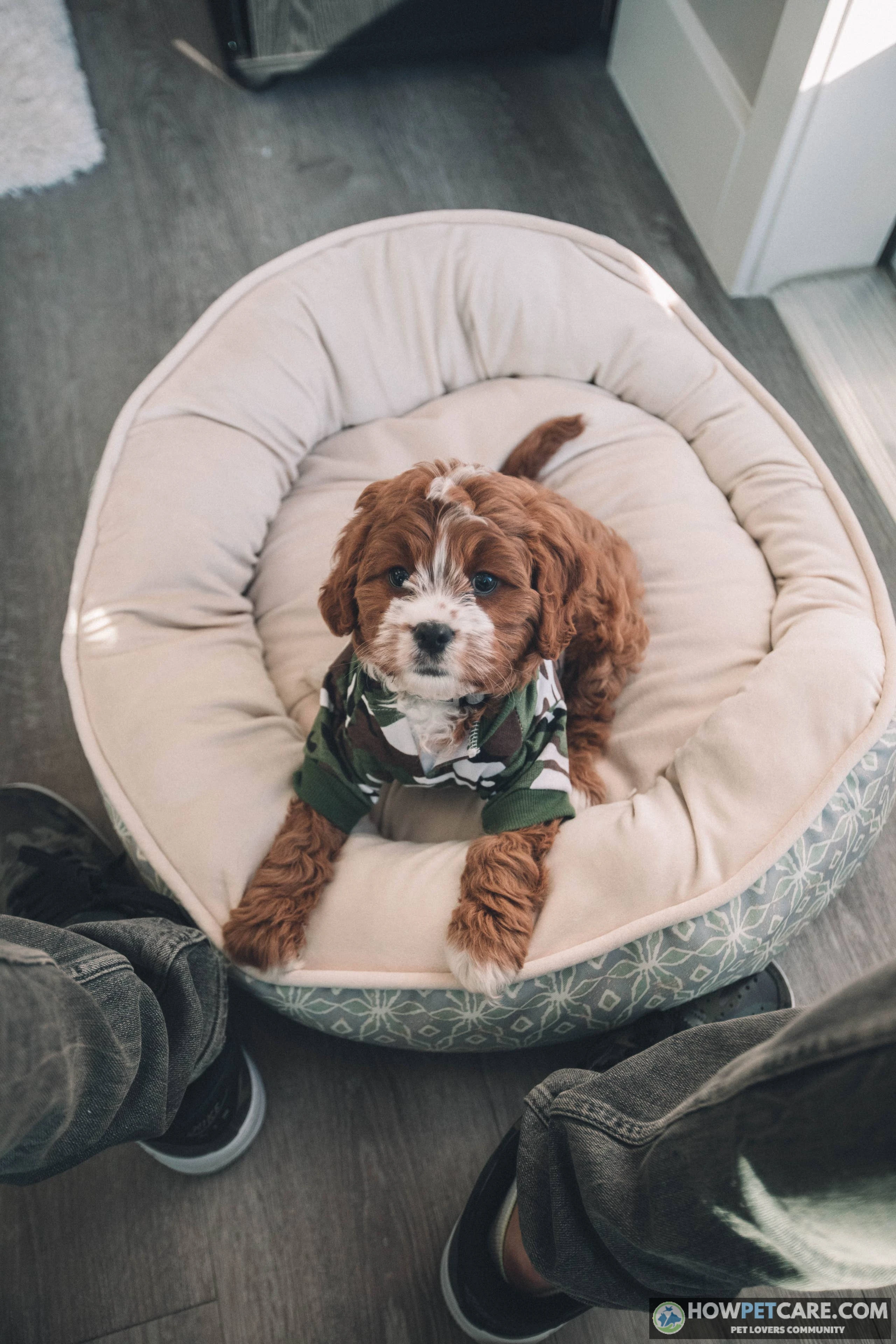
A workable cleaning and grooming schedule
- Daily: Wash hands after handling the dog; wipe paws and muzzle after outdoor trips; keep the bedroom door closed.
- Several times weekly: Brush coats that tangle, ideally in a place that’s easy to clean. Aim for 2–3 sessions weekly for breeds whose coats need that frequency.
- Weekly: Wash bedding, dog blankets, and washable furniture covers; damp-dust surfaces; vacuum floors and upholstery.
- Every 2–4 weeks: Bathe if appropriate for the dog’s coat and skin, using dog-formulated products.
- Every 3–6 weeks or as advised: Arrange professional trims for coats such as Poodles and Miniature Schnauzers.
Some studies and guidance report reductions from measures such as filtration and cleaning, but household interventions don’t remove all dog allergen. Don’t treat a purifier or cleaning schedule as a substitute for an allergist’s advice, particularly if you have asthma.
Medication, immunotherapy, or rethinking ownership if your allergies are severe
An allergist can discuss whether dogs are causing your symptoms and what options may be appropriate. Treatment conversations may include allergy medicines or allergen immunotherapy; this guide doesn’t recommend a medication or treatment plan. If you have breathing symptoms, poorly controlled asthma, or severe reactions, get medical advice before adopting. For some people, the safest decision may be not to live with a dog, even if they love dogs. That’s a difficult but valid welfare and safety choice for both the person and the animal.
Build Your 2-3 Breed Shortlist: A Step-by-Step Decision Checklist
Don’t start by asking which breed is “the most hypoallergenic.” Start with what you can safely manage and verify, then choose dogs whose needs fit your household.
Your shortlist worksheet
- Set your allergy boundary. If you have asthma, breathing symptoms, or a history of severe reactions, speak with an allergist before arranging close contact. If symptoms are mild to moderate, note what you experience and how quickly it appears.
- Match your home. For an apartment, consider a Havanese, Bichon, Maltese, Shih Tzu, or smaller Poodle, then check barking and daily exercise needs. For an active household with more room, a Standard Poodle or Portuguese Water Dog may be worth considering.
- Account for everyone at home. With young children, prioritize supervision and a dog comfortable with respectful handling. Tiny breeds may be vulnerable to accidental injury; sturdier medium dogs may suit some families better.
- Set the actual budget. Add acquisition or adoption fees, veterinary care, supplies, and recurring grooming. Ask local groomers for prices based on the size and clip you expect to maintain.
- Choose a grooming schedule you will keep. Decide whether you can brush several times a week and arrange trims every few weeks. A dog whose coat-care needs exceed your time or budget isn’t a good match, however cute.
- Select three individual dogs or breed options to investigate. Treat breed as a starting point, not an allergy prediction. Arrange the exposure visits with the specific dog before committing.

Worked example: An apartment renter with mild symptoms, no children, and a modest grooming budget might compare a Havanese, Miniature Schnauzer, and short-clipped Maltese. The Havanese may fit a preference for a sociable companion; the Schnauzer may be sturdier but needs training and coat appointments; the Maltese is compact but delicate and still needs grooming. The renter should get local grooming quotes, consider barking and time alone, then test reactions to individual dogs before choosing among them.
Next steps this week
- Book an allergist appointment if you haven’t confirmed the trigger or have asthma or significant symptoms.
- Contact a local shelter or breed-specific rescue and ask whether you can meet a dog more than once or explore foster-to-adopt.
- Ask a groomer for a written estimate for the likely clip and schedule of your two or three finalists.
- Arrange the first exposure visit, keep a symptom log, and don’t commit until the dog’s care needs and your response both look manageable.
 You might be wonderingBreeds of poodles dogsPoodle Dog Breeds: Differences, Sizes & Care GuideRead the answer
FAQ
Are Samoyeds hypoallergenic?
No. Samoyeds have a thick double coat and shed heavily, and most vets and allergists don’t consider them hypoallergenic. Claims that they are usually rest on anecdotes about their dander, not on evidence.
Can I own a dog if my allergies are severe?
Sometimes, but only with an allergist’s guidance, especially if you have asthma. Options include allergy medication and immunotherapy (allergy shots), and some people decide that not owning a dog is the safer choice.
Do small hypoallergenic dogs trigger fewer allergies than big ones?
Not reliably. A smaller dog may spread less dander overall, but allergen output varies by individual dog and by what you are sensitized to. Test your reaction to the specific dog regardless of size.
Can I adopt a hypoallergenic dog from a shelter or rescue?
Yes. Breed-specific rescues for Poodles, Bichons, Maltese and Shih Tzus exist, and shelters sometimes have Poodle mixes or small low-shedding dogs. Ask to spend time with the dog first, and check whether the rescue offers a foster-to-adopt trial.
Do hypoallergenic dogs still need regular vet and grooming care?
Yes. Non-shedding coats keep growing and tangle if they aren’t brushed and trimmed, so most need professional grooming every few weeks along with routine vet care.