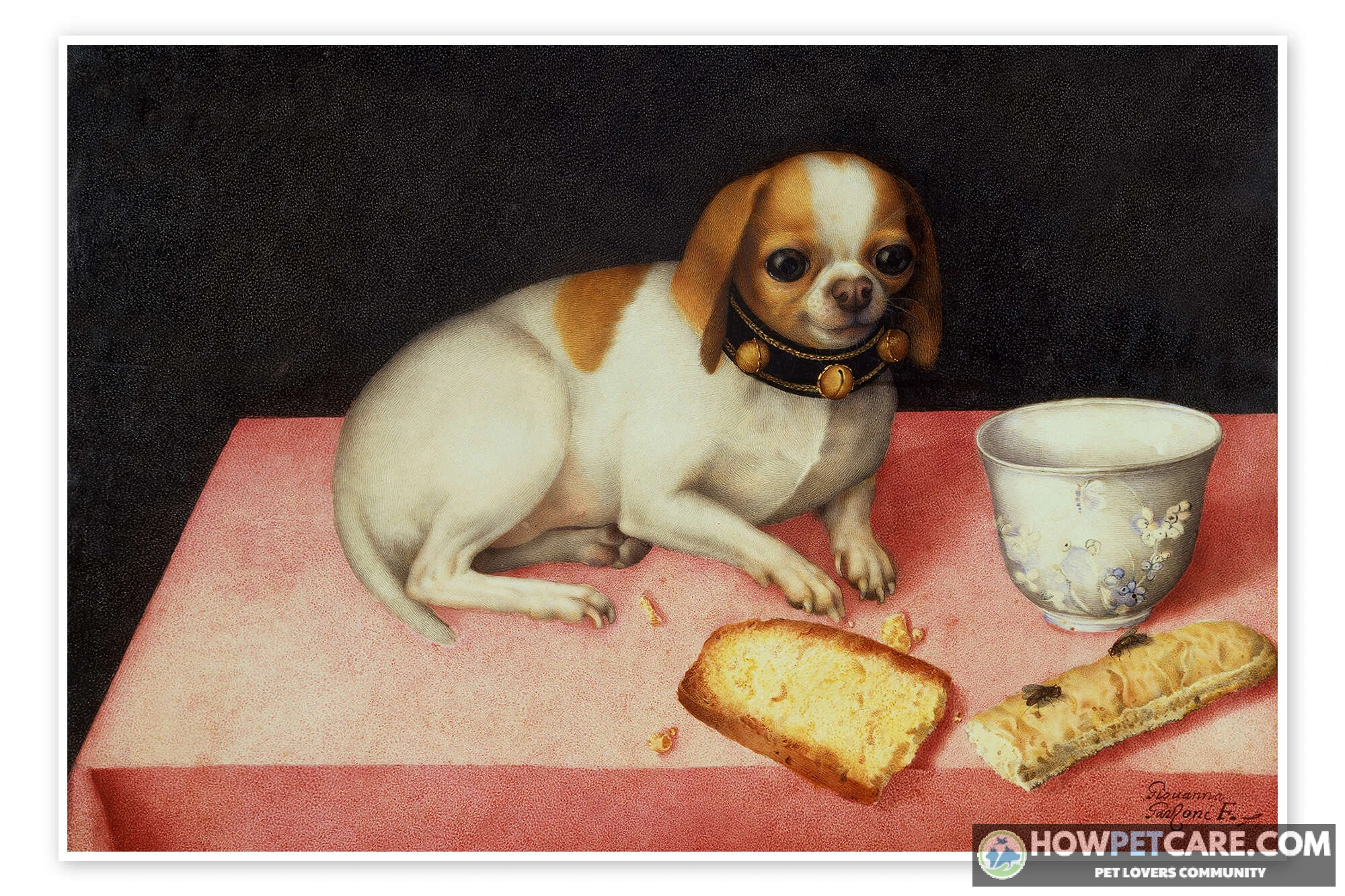

Yes — most dogs can eat a small piece of plain, fully baked bread occasionally, but it offers little nutritional value. Never feed bread containing raisins, garlic, onion, xylitol, or macadamia nuts, and treat raw yeast dough as an emergency: call a veterinarian or poison hotline immediately.
Can dogs eat bread? The quick safety verdict
Plain, fully baked bread is generally safe for most dogs as an occasional small treat, but it offers little nutritional value and isn’t a daily food. Safety hinges entirely on the ingredient list: raisins, garlic, onion, xylitol, and macadamia nuts make bread dangerous and must be avoided completely. Raw bread dough is a separate emergency — yeast fermentation can expand in the stomach and produce alcohol, creating risks of bloat and alcohol poisoning. Whether you monitor, call a veterinarian, or seek emergency care depends on symptoms, amount eaten, dog size, and the exact ingredients involved.
If your dog ate raw yeast dough, call a veterinarian or poison hotline immediately — do not wait for symptoms. See the timed action checklist in the raw dough section.
Bread risk at a glance: plain loaves, specialty breads, and dangerous ingredients
Not all breads carry the same risk. Plain white and whole grain breads are low-risk occasional treats, while specialty loaves often hide toxic add-ins. Wheat bread isn’t inherently toxic, but dogs with a diagnosed wheat allergy or gluten sensitivity may react poorly. Toast, crust, rolls, and breadsticks are safe only if the underlying bread is plain and fully baked; baking doesn’t remove dangerous ingredients already in the dough.
Highest risk: raw dough and loaves with toxic ingredients
Raw yeast dough and any bread containing raisins, garlic, onion, xylitol, or macadamia nuts pose immediate, potentially life-threatening hazards.
Lower risk: plain, fully baked bread varieties
Plain white, whole wheat, and gluten-free breads without toxic add-ins are safe in small amounts for healthy dogs, though they remain nutritionally empty calories.
| Bread or Ingredient | Risk Level | Main Hazard or Health Concern | Recommended Action |
|---|---|---|---|
| Raw bread dough | 🔴 Red | Dough expands in the stomach; risk of alcohol poisoning | Emergency — see the action checklist in the raw dough section |
| Bread with xylitol ("sugar-free") | 🔴 Red | Xylitol triggers dangerous blood-sugar drops and liver damage | Emergency — call a vet or poison hotline now |
| Raisin bread | 🔴 Red | Raisins can cause kidney failure, even in small amounts | Do not feed; call a vet or poison hotline for any amount |
| Garlic or onion bread | 🔴 Red | Alliums damage red blood cells | Do not feed; call a vet if a significant amount was eaten |
| Bread with macadamia nuts | 🔴 Red | Macadamias cause weakness, tremors, vomiting | Call a vet or poison hotline |
| Seeded or multigrain | 🟡 Yellow | Seed mix varies; some add garlic or onion | Read the full ingredient list first |
| Rye or pumpernickel | 🟡 Yellow | Frequently flavored with caraway, onion, or garlic | Only share if the label confirms no toxic add-ins |
| Sourdough, fully baked | 🟡 Yellow | Safe once baked, but often dense and salty | Small piece only; never share raw sourdough starter |
| Plain white bread, baked | 🟢 Green | Empty calories only | OK as an occasional small piece |
| Plain whole wheat, baked | 🟢 Green | Empty calories; rare wheat sensitivity | OK occasionally; skip if your dog has a diagnosed wheat allergy |
| Plain gluten-free bread | 🟢 Green | Calories; check for xylitol sweetener | OK occasionally if the label is clean |
Bread Traffic Light: Green, Yellow, and Red Loaves
| Bread or ingredient | Risk level | Main concern | What to do |
|---|---|---|---|
| Plain white bread, baked | 🟢 Green | Empty calories only | OK as an occasional small piece |
| Plain whole wheat, baked | 🟢 Green | Empty calories; rare wheat sensitivity | OK occasionally; skip if your dog has a diagnosed wheat allergy |
| Plain gluten-free bread | 🟢 Green | Calories; check for xylitol sweetener | OK occasionally if the label is clean |
| Seeded or multigrain | 🟡 Yellow | Seed mix varies; some add garlic or onion | Read the full ingredient list first |
| Sourdough, fully baked | 🟡 Yellow | Safe once baked, but often dense and salty | Small piece only; never share raw sourdough starter |
| Rye or pumpernickel | 🟡 Yellow | Frequently flavored with caraway, onion, or garlic | Only share if the label confirms no toxic add-ins |
| Garlic or onion bread | 🔴 Red | Alliums damage red blood cells | Do not feed; call a vet if a significant amount was eaten |
| Raisin bread | 🔴 Red | Raisins can cause kidney failure, even in small amounts | Do not feed; call a vet or poison hotline for any amount |
| Bread with xylitol ("sugar-free") | 🔴 Red | Xylitol triggers dangerous blood-sugar drops and liver damage | Emergency — call a vet or poison hotline now |
| Bread with macadamia nuts | 🔴 Red | Macadamias cause weakness, tremors, vomiting | Call a vet or poison hotline |
| Raw bread dough | 🔴 Red | Dough expands in the stomach and produces alcohol | Emergency — see the action checklist in the raw dough section |

How much bread is reasonable for a dog’s size?
Vague "moderation" advice leaves owners guessing. The following conservative estimates are based on the guideline that treats should stay under 10% of daily calories. One standard slice of white bread is roughly 80 kcal. These are occasional upper bounds, not daily servings or veterinary safe limits.
A cautious portion guide by dog weight
| Dog weight | Example upper treat portion | Approximate calories | Important caveat |
|---|---|---|---|
| Under 10 lbs | About 1/4 of a slice | ~20 kcal | Tiny dogs hit the 10% limit fast; this may be the whole day’s treat budget |
| 10–30 lbs | About 1/2 of a slice | ~40 kcal | Reduce if the dog got other treats that day |
| 30–60 lbs | About 1 slice | ~80 kcal | Cut to half a slice for low-activity or overweight dogs |
| Over 60 lbs | 1 slice, occasionally up to 1.5 | ~80–120 kcal | Still a treat, not a meal component — skip for dogs on prescription diets |
If your bread is a thick bakery slice or a calorie-dense recipe (brioche, challah), halve the portions above — enriched breads can run 120–160 kcal per slice.
Calories, treats, and daily feeding
Worked Example: What One Slice Costs a 20-lb Dog
Say you have a 20-lb (9 kg) adult dog of average activity. A typical dog this size needs roughly 400–500 kcal per day (your vet or your food’s label can give you a more exact figure).
- Daily calorie budget: ~450 kcal
- 10% treat allowance: ~45 kcal per day
- One slice of white bread: ~80 kcal
Result: one full slice is nearly double the entire day’s treat budget — the equivalent of a human eating a large dessert on top of a normal diet. Half a slice (~40 kcal) uses up almost the full allowance, leaving no room for training treats.
The takeaway: for a small-to-medium dog, "a little bread" means a torn-off corner or half slice, not a slice. And if that bread has butter or peanut butter on it, add 30–100 kcal on top.
Dogs with obesity, diabetes, pancreatitis risk, food sensitivities, or a prescribed diet should avoid bread unless a veterinarian approves a specific amount.
Butter, peanut butter, jam, cheese, and other bread toppings
Toppings turn a plain bread question into a multi-ingredient risk assessment. The verdicts below separate ordinary digestive or calorie concerns from ingredient-specific hazards. For dairy in particular, see whether dogs can eat cheese before sharing a cheesy crust.
Bread Toppings: Quick Verdicts
| Topping or pairing | Verdict | Why |
|---|---|---|
| Butter | ⚠️ Skip it | Pure fat — likely to cause loose stool; risky for dogs prone to pancreatitis |
| Peanut butter | ⚠️ Only if xylitol-free | Check the label for "xylitol" or "birch sugar" before sharing; even safe PB is calorie-dense, so spread thin |
| Jam or jelly | ⚠️ Skip it | Mostly sugar; some "sugar-free" versions contain xylitol — read the label |
| Cheese | ⚠️ Small amounts only | High fat and lactose; fine as a rare bite for most dogs, avoid for dairy-sensitive or pancreatitis-prone dogs |
| Marinara or pizza sauce | ❌ No | Almost always contains garlic and onion — toxic to dogs |
| Plain cooked breaded chicken or fish | ⚠️ Not automatically safe | Seasoning, frying oil, sauces, and bones change the risk; plain unseasoned meat without breading is the better share |

Label-check rule of thumb: if a topping is marketed as "sugar-free," "keto," or "low-carb," scan for xylitol before it goes anywhere near your dog.
Raw bread dough: why it is dangerous and what to do now
Warm stomach conditions fuel yeast fermentation: expanding dough may cause painful distension or bloat (gastric dilatation-volvulus), while ethanol production can lead to alcohol poisoning. The Merck Veterinary Manual notes that giving cold water under veterinary guidance may temporarily slow fermentation, but ASPCA and VCA prioritize gastric lavage or medically supervised emesis over home measures. Expected recovery time with veterinary support is 12–24 hours.

First minutes: remove dough and call
Minute 0 — right now
- ☐ Remove all remaining dough and any packaging from the dog’s reach
- ☐ Note the approximate time the dog ate it and estimate how much is missing
- ☐ Keep the packaging or recipe — the vet may need the ingredient list (yeast amount, xylitol, raisins)
- ☐ Call an emergency vet, ASPCA Animal Poison Control (888-426-4435), or Pet Poison Helpline (855-764-7661) — call even if the dog seems completely normal. Confirm current availability and any consultation fee.
Do NOT:
- ☐ ❌ Induce vomiting — expanding dough can obstruct or damage the esophagus on the way back up; only do this if a veterinarian explicitly instructs you to (the window for emesis, if advised, is within 1 hour of ingestion)
- ☐ ❌ Give food, water, or home remedies unless directed
- ☐ ❌ Wait to "see if symptoms appear" — by the time bloat or alcohol poisoning is visible, the situation is harder to treat
While arranging veterinary care
Hours 1–6 — while following the professional’s instructions
- ☐ Watch for: swelling or tight abdomen, repeated unproductive retching, restlessness, drooling, wobbliness or disorientation (signs of alcohol absorption), vomiting, weakness, or labored breathing
- ☐ A distended belly, nonstop retching with nothing coming up, staggering, or collapse = get to an emergency clinic immediately — do not wait for a callback
- ☐ Bring the packaging or recipe and your notes on time and amount to the clinic
ASPCA Animal Poison Control: 888-426-4435 | Pet Poison Helpline: 855-764-7661. Confirm current availability and fees when you call.
Symptoms to watch for and when bread ingestion needs veterinary care
For raw dough, watch for a swollen or painful abdomen, repeated retching, restlessness, weakness, disorientation, wobbliness, vomiting, or difficulty breathing. After baked bread, monitor for vomiting, diarrhea, itching, or other signs of a food reaction; symptoms can vary with ingredients and the dog’s sensitivity. Call a veterinarian or poison hotline promptly for raw dough, any known toxic ingredient, a large or unknown quantity, or concerning symptoms. Seek emergency care for a distended abdomen, unproductive retching, collapse, severe weakness, breathing difficulty, or signs consistent with alcohol poisoning.

Even if your dog seems fine after eating something questionable, a quick call to your vet or a poison hotline can save critical time if symptoms develop later.
Puppies, senior dogs, and dogs with health conditions
Puppies can eat a tiny amount of plain baked bread, but it’s better not to make it a treat habit while they need a complete growth diet; contact a veterinarian if a puppy eats dough or toxic ingredients. Senior dogs and dogs with diabetes, obesity, pancreatitis history, allergies, or prescription diets may need to avoid bread or follow individualized veterinary advice. A dog’s small body size can make a given portion more significant; don’t use a general slice estimate as a substitute for evaluating the actual amount and ingredients.

Make the next decision: share, monitor, or call
- Share only a small piece of plain, fully baked bread if the dog is healthy and the calories fit; skip it if the loaf has uncertain ingredients or the dog has relevant health concerns.
- For a small bite of plain bread, remove access, check ingredients, and monitor for digestive upset; call a veterinarian if symptoms develop or the amount was substantial.
- For raw dough, toxic ingredients, or emergency symptoms, call a veterinarian or poison hotline immediately and follow their instructions.
- Prevention: Keep bread and rising dough out of reach, and save packaging or recipe details in case a veterinarian needs to identify ingredients. For decisions beyond this loaf, keep a vet-approved human food list for dogs handy.
For a broader guide on human foods dogs can and cannot eat, see our "Human Foods Safety for Dogs" reference chart.

FAQ
Can dogs eat moldy or stale bread?
Do not feed moldy bread: some molds produce toxins that can cause serious illness, including tremors or seizures. Stale bread without mold is not automatically toxic, but check for spoilage and hazardous ingredients before offering any.
Can dogs eat breaded chicken or breaded fish?
A small piece may be safe if fully cooked, boneless, and free of onion, garlic, excess salt, rich sauces, and unsafe seasonings. The meat and preparation matter more than the breading, so check ingredients and remove bones.
Can dogs eat toast with butter?
A little plain toast is generally like other baked bread, but butter adds fat and calories and may upset a dog’s stomach. Avoid it for dogs with pancreatitis risk or a veterinarian-prescribed low-fat diet.
Is sourdough safe for dogs?
A small amount of fully baked, plain sourdough is not the same hazard as raw dough, but sourdough recipes may contain unsuitable ingredients and it is not a nutritionally useful treat. Never let a dog eat sourdough starter or unbaked dough.