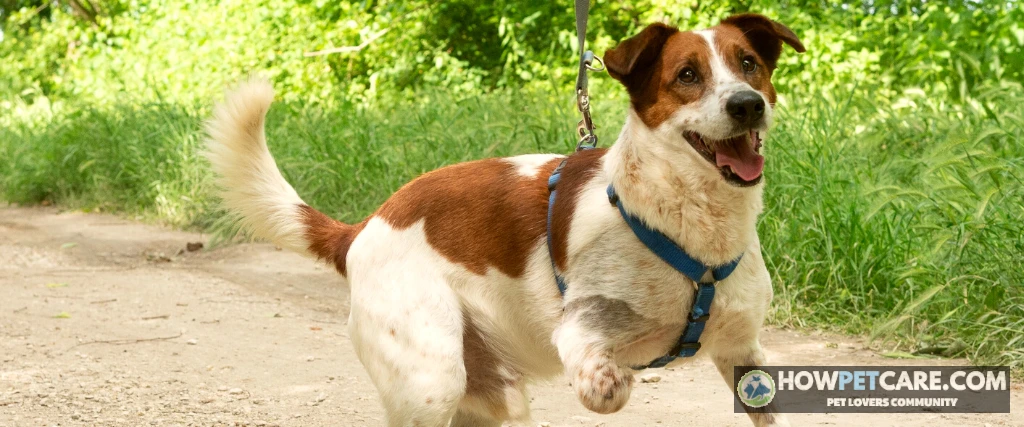

Yes. Most three-legged dogs return to comfortable, active lives after healing, especially when the cause is injury rather than disease. The outlook depends on why the limb was lost, the dog’s overall health, and the condition of the remaining legs and spine—so ask your vet for an individual assessment.
Can a tripod dog live a happy, normal life?
Yes. Many three-legged dogs get back to comfortable, active lives once they heal. What counts as normal still depends on the dog’s health, why the limb was lost, and what the dog likes to do. Veterinary guidance describes generally good potential for function after amputation, but no one can guarantee how an individual dog will do.
A tripod dog, sometimes called a tripawd, is a dog living with three legs. A dog may be born with a missing or incompletely developed limb, or lose one because of injury, infection, neurological disease, or cancer such as osteosarcoma.
The cause matters for life expectancy. A dog recovering from an injury and an otherwise similar dog being treated for cancer may face very different prognoses. No reliable universal lifespan adjustment applies just because a dog has three legs. And a report that owners are happy with their dogs’ mobility isn’t the same as survival data.
If your dog may need a leg amputated, ask your veterinarian how the diagnosis affects the outlook. Ask whether the remaining limbs and spine are healthy enough to compensate. Also discuss alternatives, pain control, and recovery support. Age, size, body condition, and other illnesses all belong in that conversation.
Set up your home for a dog with three legs
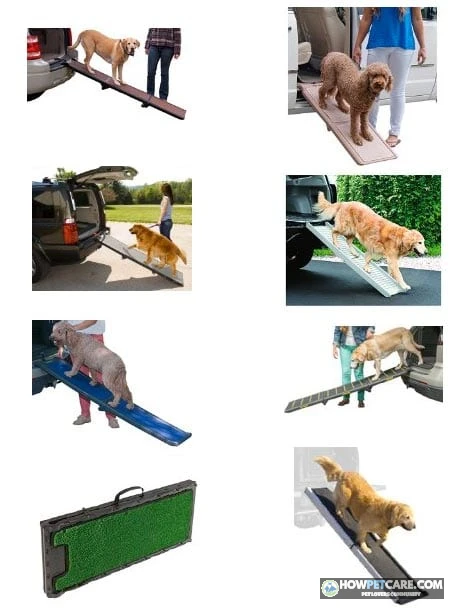
First, create a safe route between the bed, water, and door. Rugs or nonslip runners make smooth floors easier to navigate, and padded bedding gives the dog a comfortable place to rest. A lifting harness, ramps, or other changes may help depending on the dog and the home.

During early recovery, set up a confined, quiet space and block stairs unless the surgical team says otherwise. Keep food and water within easy reach. A raised bowl isn’t essential for every dog; pick a height and spot that lets your dog eat and drink comfortably.
A properly fitted support harness or a towel sling can help with standing and toileting while balance returns. Ask the surgical team where to put it and how to lift without pressing on the incision. For a larger dog, practice the transfer plan with the team before discharge, and line up help at home if you’ll need it.
Only introduce a ramp or controlled stair practice after the veterinarian clears it. A ramp should be stable and have a grippy surface. If your dog seems anxious about it, train gradually instead of pulling the dog up or down.
 You might be wonderingSmall dog yearsSmall Dog Years: Age Chart, Formula & Care by Life StageRead the answer
Dog leg amputation recovery: week-by-week milestones
Recovery is a process, not a race. The map below is a discussion guide for an uncomplicated recovery, not a promise that every dog will hit each milestone. Cancer treatment, another illness, wound problems, and the surgeon’s specific instructions can all change the plan.
| Recovery stage | Possible milestones | Care and activity | When to contact the vet |
|---|---|---|---|
| Week 1 | Your dog comes home, begins adjusting their gait, and may need help standing or toileting. | Provide a confined resting area and short, supported leash trips for toileting. Check the incision as directed and prevent licking. | Call for worsening swelling, discharge, an opening incision, poor appetite, or pain that seems uncontrolled. |
| Week 2 | Balance and confidence may improve; the team assesses incision healing. | Continue restricted activity. Attend the scheduled incision check and suture or staple removal if needed, on the surgeon’s timetable. | Call if mobility declines, the wound becomes increasingly red or painful, or your dog is not eating normally. |
| Weeks 3–4 | Some dogs move more comfortably and are ready to begin a gradual activity increase. | After veterinary clearance, slowly extend controlled leash activity on level, nonslip ground. Ask whether rehabilitation or supervised stairs are appropriate. | Call if progress stalls, a limp develops, or your dog seems sore after activity. |
| Weeks 5–8 and beyond | Strength and coordination may continue to improve; the dog begins settling into a longer-term routine. | Build activity gradually according to the veterinarian’s plan. Watch how your dog moves later that day and the next day. | Call for new reluctance to move, skin rubbing, a change in gait, or reduced stamina. |
Weeks 1–2: protect the incision and regain balance
Follow the discharge instructions for prescribed pain medication and any other medicines. Don’t give human pain relievers unless your veterinarian specifically tells you to. Keep the incision clean and dry, and handle bandages only as instructed. Strict rest and supported movement are common parts of post-surgery care.
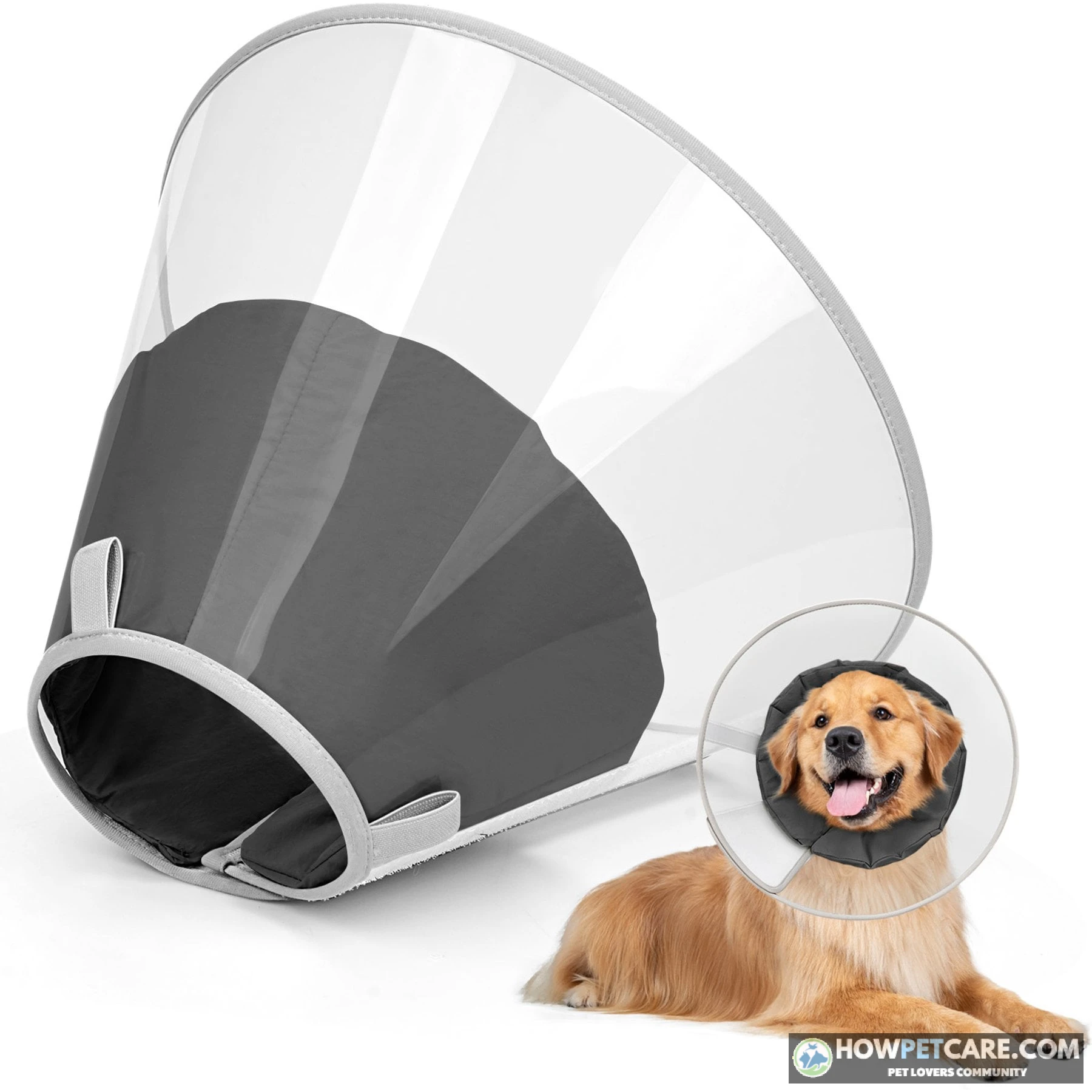
Use an e-collar or another option approved by the surgical team to stop licking. Keep it on for as long as the team recommends, including when you can’t supervise. Ask the clinic what the incision should look like and whether it wants photos if you notice a change.
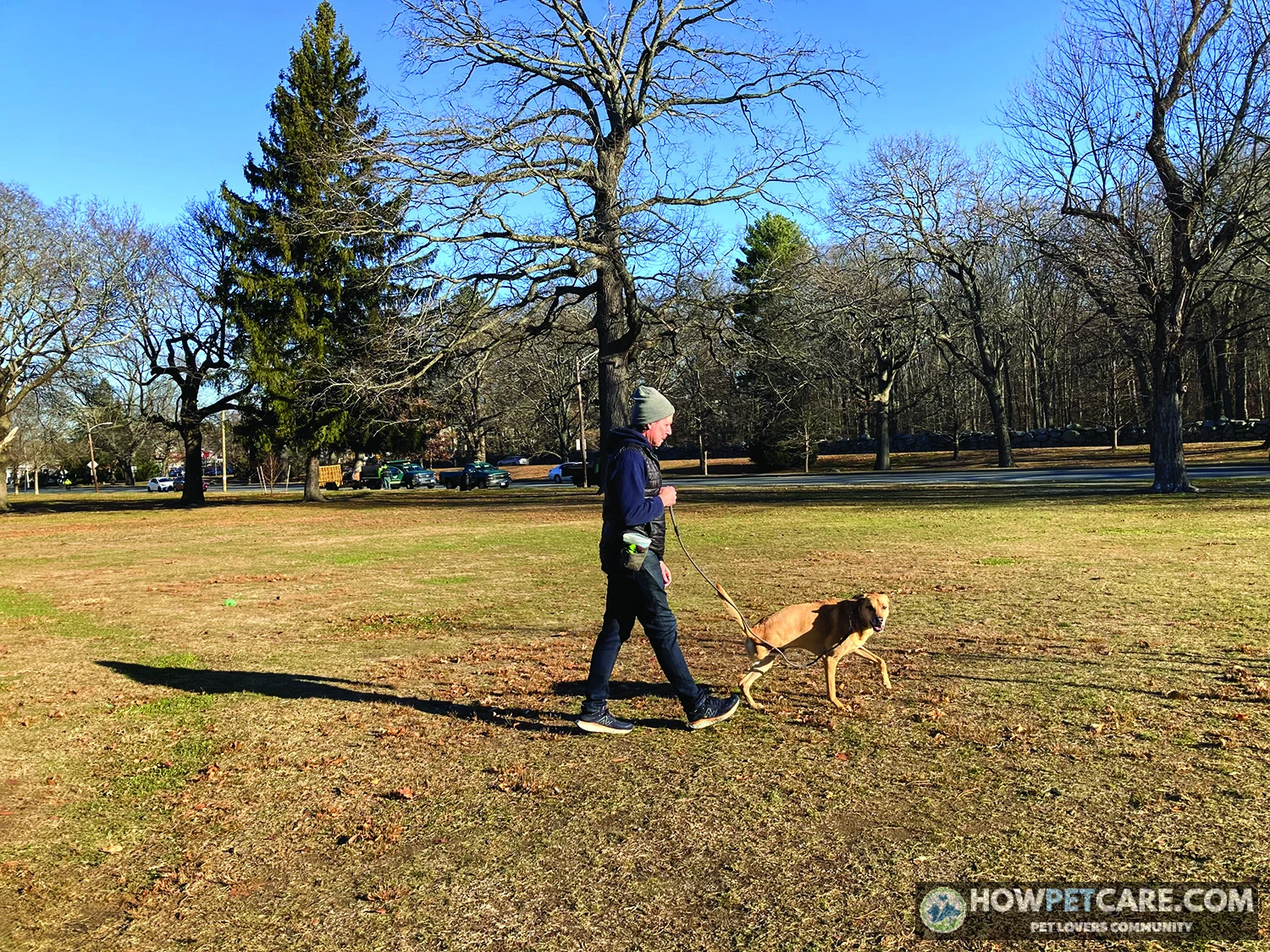
Early outings are for toileting, not fitness. Ask your surgeon for a specific starting duration and frequency. A dog’s pain control, strength, and surgical procedure can make a generic minute count a poor fit. Support your dog on a short leash, and head back inside if they struggle.
Weeks 3–8: build mobility after veterinary clearance
A closed incision doesn’t automatically mean the tissues are ready for unrestricted play. At the recheck, ask what activities can increase, how often to walk, and whether a veterinary rehabilitation assessment would help.
Once cleared, add activity gradually instead of making a big jump on a good day. If your dog limps, lags behind, sits down repeatedly, or seems stiff afterward or the next morning, cut back and contact the team for advice. Don’t add running, off-leash play, jumping, or stairs just because a particular week has arrived.
When to call the vet or seek emergency care
Get emergency veterinary care for uncontrolled bleeding, collapse, breathing trouble, pale gums, or severe pain that won’t stay controlled. Call the surgical team promptly about an opening incision, discharge, worsening swelling, poor appetite, or declining mobility. If you can’t reach the team and you’re worried, contact an emergency clinic.
Front-leg vs. rear-leg amputation: what changes?
Dogs generally carry more weight toward the front of the body, so losing a front leg can put substantial demands on the remaining forelimb. That does not mean you can assign a standard percentage to the load on every individual dog’s remaining leg after surgery.
| Factor | Front-leg loss | Rear-leg loss | Individual factors and evidence limits |
|---|---|---|---|
| Weight bearing | The remaining front leg must support the front end without its partner. | The remaining hind leg takes on additional work; the front limbs still support the front of the body. | Actual loading changes with the dog’s stance, movement, and health. |
| Gait and balance | The dog adjusts foot placement and balance, particularly when turning or going downhill. | The dog adjusts propulsion and balance; rising, climbing, or pushing off may be challenging. | Existing joint or neurological disease can affect either adjustment. |
| Long-term strain | Monitor the remaining front limb, including the elbow, for pain or altered movement. | Monitor the remaining hind limb and the rest of the body for signs of compensatory strain. | Arthritis can affect any remaining limb; an individual examination matters more than a blanket ranking. |
| Recovery and energy | Adaptation may require considerable effort. | Adaptation may also require considerable effort. | Reliable evidence does not establish one universal faster-recovery timeline or energy-use difference for every dog. |
A large dog with pre-existing elbow disease, for example, may face different challenges than a small dog with healthy joints, no matter which leg is removed. Ask your vet to assess all remaining limbs, the spine, body condition, and neurological function before surgery. A rehabilitation professional can help pinpoint specific weaknesses after surgery rather than assume one type of amputation is always harder.
How much does tripod dog care cost?
A useful budget separates the medical reason for surgery from the cost of living on three legs. A dog treated for a traumatic injury may have a very different bill than one that needs cancer staging, oncology treatment, and repeated imaging.
Reliable, current US price ranges are hard to verify, so the categories below are marked unknown rather than presented as dependable quotes. Prices vary by region, clinic, dog size, diagnosis, and complications. Ask local providers for written, itemized estimates in US dollars.
| Expense | Verified US price range | One-time or recurring | What to clarify in the estimate |
|---|---|---|---|
| Amputation surgery | Unknown | Usually one-time | Ask whether anesthesia, hospitalization, monitoring, and discharge medication are included. |
| Diagnostics and pathology | Unknown | One-time or recurring | Bloodwork, imaging, biopsy, and laboratory analysis may be billed separately. |
| Support harness or ramp | Unknown | One-time, with possible replacement | Check sizing, return policies, and whether the device is suitable for the surgical site. |
| Veterinary rehabilitation | Unknown | Recurring | Ask for the initial assessment fee, session price, and an estimated treatment plan. |
| Dog wheelchair | Unknown | One-time, plus possible adjustments | Ask about fitting, delivery, repairs, and future refitting. |
| Prosthetic and specialist assessment | Unknown | One-time, plus follow-up and refitting | Ask whether casting, fittings, adjustments, and replacement components are included. |
| Rechecks and ongoing care | Unknown | Recurring | Confirm whether the surgical recheck is included and what additional examinations or imaging cost. |
For a first-year budget, add the written surgery estimate, any excluded diagnostics and medicines, planned rehabilitation and rechecks, and only the equipment your dog is likely to need. Don’t add a medication or recheck twice if the surgical quote already includes it. Keep a separate contingency for complications, plus a separate oncology estimate if relevant.
For later years, ask your vet to estimate routine examinations, any ongoing rehabilitation, medications, and equipment upkeep. Those costs can be modest for a healthy, independent dog, or substantially higher if arthritis, cancer, or another condition needs treatment. An emergency hospital visit, a specialist, a longer stay, or an unexpected complication can also change the first-year total.
Wheelchair, prosthetic, harness, or rehabilitation: what helps?
Not every dog with three legs needs a device. Choose support based on the problem you’re trying to solve. If your dog develops a new loss of mobility, ask a veterinarian to investigate before you assume equipment is the answer.
- Independent and comfortable at home? Nonslip flooring and a sensible activity plan may be enough. Watch for changes instead of buying a device for a problem your dog doesn’t have.
- Needs help with transfers or toileting? A fitted support harness or sling may help temporarily or long term. Ask the team to show you safe placement and lifting.
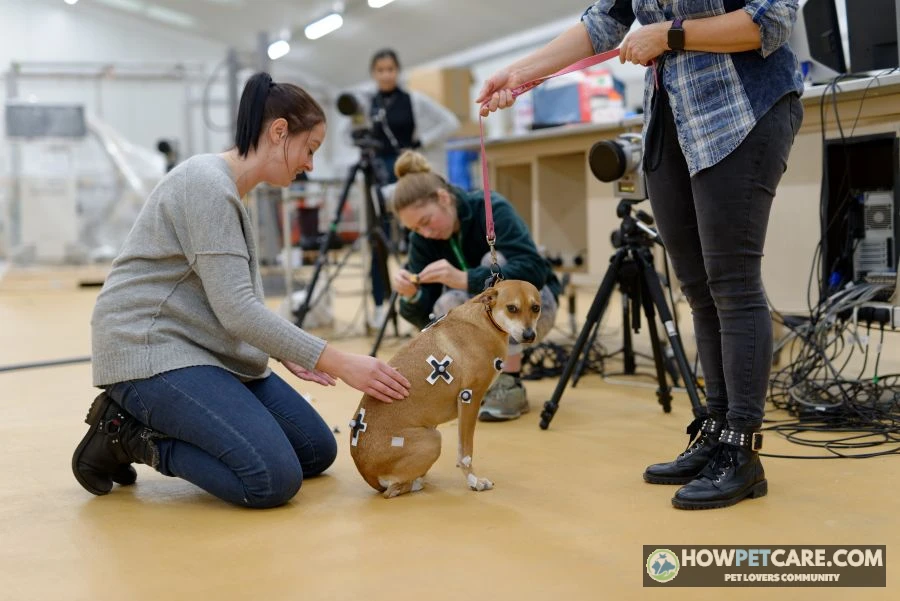
- Struggling with strength, balance, or gait adjustment? Ask about veterinary rehabilitation. A veterinarian or qualified canine rehabilitation therapist can assess the dog and build exercises for balance and coordination, adjusting them as healing allows.
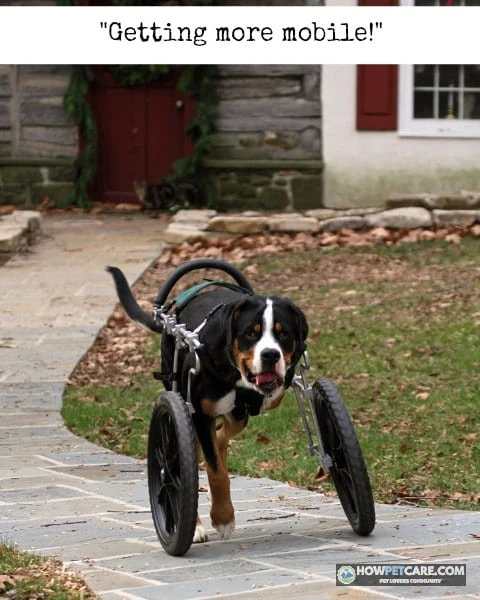
- Wants to move but can’t comfortably manage desired activity? A wheelchair for dogs may be worth discussing, especially when another mobility limitation or poor endurance is involved. It can complement rehabilitation, but it doesn’t replace an assessment for pain or disease.
- Considering a prosthetic? A prosthesis generally needs a suitable residual limb, healthy tissue, and specialist fitting. If possible, discuss it with the veterinary surgeon before amputation. Leaving part of a limb isn’t automatically better; the right surgical choice depends on the disease and the dog.
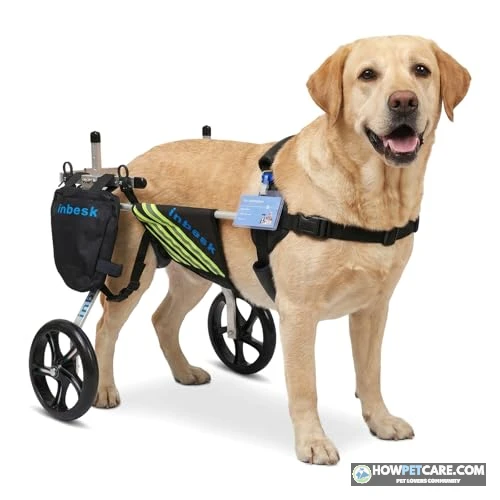
Check harnesses, carts, and prosthetics for rubbing, hair loss, pressure sores, and changes in fit. Stop using an aid that causes injury and contact the fitting professional or veterinarian. A painful or damaged residual limb needs veterinary attention, not just a tighter device.
Long-term exercise, weight management, and joint health
The goal is a dog that moves comfortably and recovers well from activity, not a fixed number of minutes every dog must hit. Once cleared, start with the short, frequent leash outings your veterinarian recommends on level, nonslip surfaces. Increase gradually only when your dog stays comfortable during the outing and afterward. A rehabilitation plan can add suitable strength and balance exercises.
Ask your vet about stairs, jumping into the car, running, swimming, and dog sports one at a time. Some dogs can return to demanding activities. Others need changes because of their remaining joints, fitness, or underlying disease. Use a ramp or assisted transfer if recommended, and avoid repeated jumping while your dog is recovering or struggling.
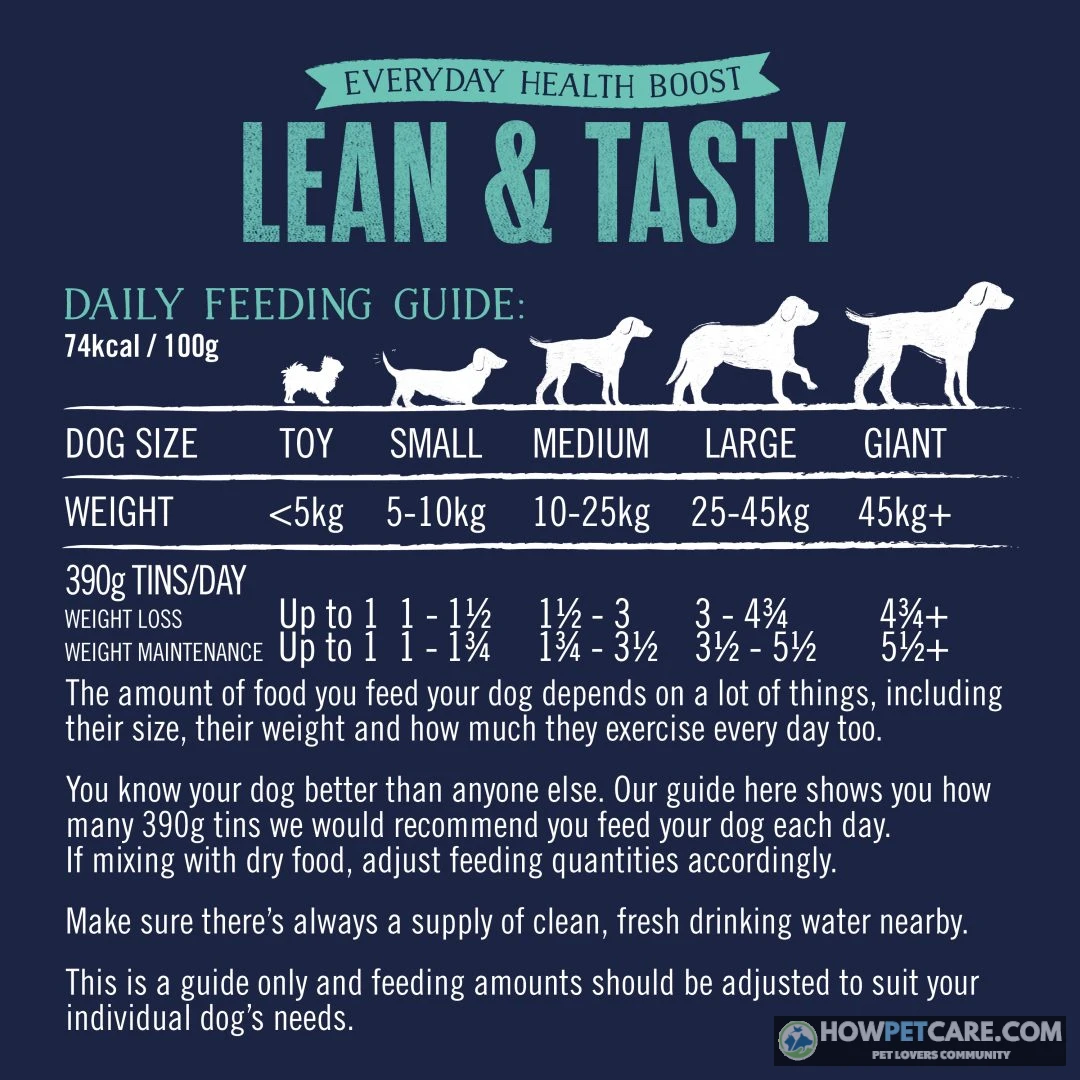
For weight management, ask the vet for a target weight and body condition score. On the common nine-point scale, a lean ideal is often described as 4–5 out of 9, but a clinician should assess your dog and account for the missing limb when interpreting weight and body shape. Measure meals, count treats in the daily food allowance, and reassess portions as activity changes. Most dogs don’t need a special diet just because they have three legs; they do need an appropriate complete diet and feeding plan.
At home, watch for limping, difficulty rising, shorter walks, reluctance to use stairs, and changes in posture. Check pressure points and any residual limb for sores or calluses. A soft, fluid-filled swelling over an elbow may be an elbow hygroma. Ask your veterinarian to assess it rather than try to drain or bandage it yourself. Padded bedding can help reduce pressure on resting areas.
Set a recheck schedule with your vet based on the dog’s age, diagnosis, and mobility. Ask whether periodic rehabilitation reassessments would help. Joint supplements aren’t automatically necessary. Before starting one, discuss the evidence for that product, its safety alongside other medication, and what improvement would be realistic.
Your next-step checklist: surgery decision or adoption
If your dog may need amputation
- Ask what diagnosis is suspected or confirmed, and how it affects comfort and life expectancy.
- Request an assessment of the remaining legs and spine, including any existing arthritis or neurological concerns.
- Discuss alternatives, the planned level of amputation, pain control, and whether a prosthetic is realistically relevant.
- Get an itemized estimate. Ask what happens if hospitalization, diagnostics, or treatment needs change.
- Write down the discharge plan, recheck date, activity restrictions, medication instructions, and after-hours number.
- Arrange a safe recovery area, transport home, and lifting help before surgery.
If you are adopting a three-legged dog
Ask the shelter or rescue for the reason and date of limb loss, available surgery and pathology records, current medications, diet, and any known joint, neurological, or skin problems. Also ask about the dog’s behavior, energy level, handling preferences, and experience with other animals. Gathering the dog’s medical history and pain-management needs helps you plan for the transition.
If the shelter agrees and it’s safe, watch the dog stand up, walk, and turn. Ask how they handle slippery floors, stairs, car rides, and longer outings. Don’t push a recently operated dog through a mobility test. Note any visible sores, swelling, limping, or reluctance to move, and discuss them with a veterinarian. These findings are reasons to ask questions, not automatic reasons to rule out adoption.
Before pickup, prepare nonslip routes, a padded bed, accessible bowls, and a way to limit stairs. Arrange an introductory veterinary examination, bring the records, and leave with a written plan covering food, exercise, follow-up, expected costs, and the signs that should prompt a call.
 You might be wonderingTwo for dogsTwo for Dogs: Should You Get a Second Dog? Costs & PlanRead the answer
FAQ
Do all tripod dogs need a special diet?
No. Many can eat a complete, balanced diet suited to their life stage; the key is keeping portions appropriate for their activity and body condition. Ask a veterinarian whether the dog has a medical reason for a specific diet.
Can a dog be born with three legs?
Yes. A dog can be born with a missing or incompletely developed limb rather than losing one through amputation. A veterinarian can assess how the limb difference affects comfort and mobility.
Should I give my three-legged dog joint supplements?
Not automatically. Evidence and suitability vary by supplement and individual dog, so discuss the product, dose, other medications, and realistic benefits with a veterinarian before starting one.
How long does it take a dog to recover from leg amputation?
Many dogs regain basic mobility within the first couple of weeks and continue building strength over roughly five to eight weeks, but timelines vary. Cancer treatment, complications, and the surgeon’s instructions can all extend the plan.
Is it harder for a dog to lose a front leg or a back leg?
Dogs carry more weight toward the front, so front-leg loss can load the remaining forelimb heavily, but neither type has a proven universal recovery timeline. The individual dog’s size, joint health, and neurological function matter more than which leg is removed.