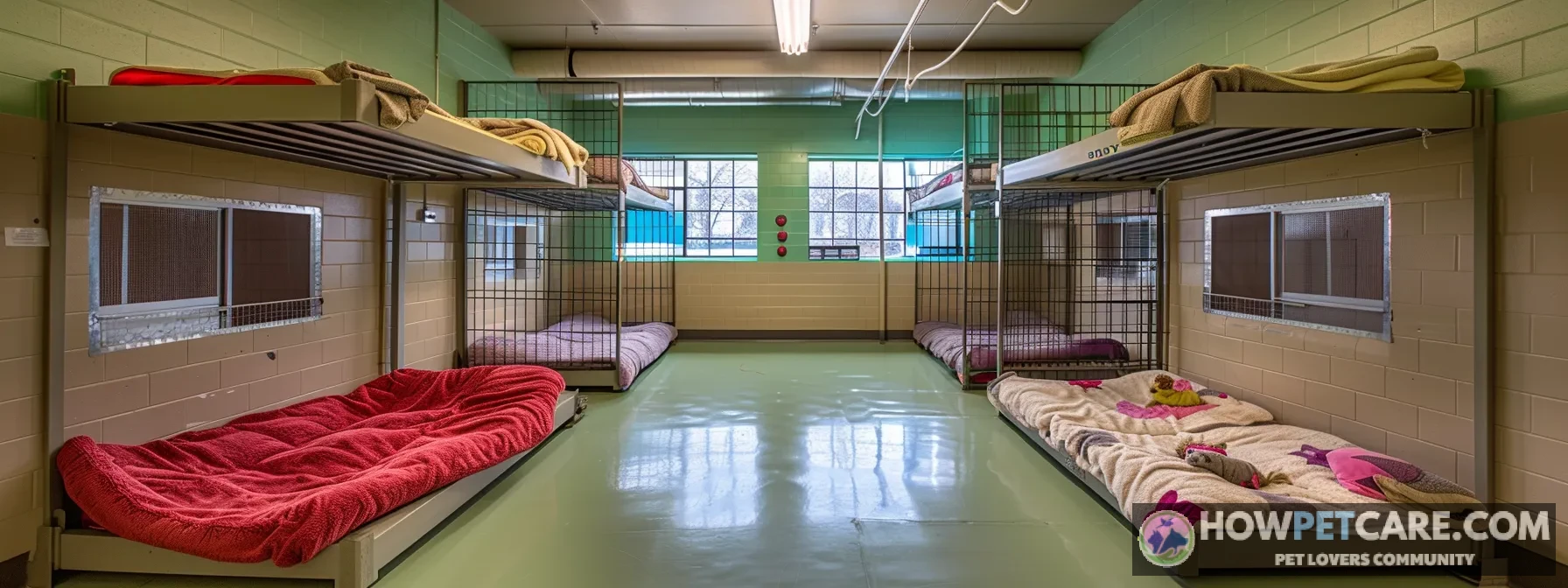

Dog boarding is paid overnight care for a dog at a boarding facility or caregiver’s home while the owner is away. A standard booking typically includes a sleeping space, meals, potty breaks, exercise, and supervision — services, staffing, and nightly cost vary by provider.
Dog boarding is paid overnight care for a dog at a pet boarding facility or caregiver’s home while the owner is away. It generally includes a place to sleep, meals, potty breaks, exercise, and supervision. Services and overnight staffing vary by provider.
What Is Dog Boarding? A Clear Definition and What a Booking Includes
The definition in plain terms
When you board your dog, you drop them off somewhere other than your home for at least one overnight stay. A provider may care for your dog in a kennel, a private home, a pet hotel, or a veterinary practice.
Booking usually starts with a request for vaccination records and information about your dog’s behavior, diet, and health. Some providers arrange a meet and greet or temperament assessment before accepting a reservation. Confirm check-in and checkout times, and ask whether you’ll be billed by the night, calendar day, or another schedule.
Unlike doggy daycare, boarding includes an overnight stay. And unlike a pet sitter who visits your home, a boarding caregiver looks after your dog at the caregiver’s location.
What is usually included vs. charged extra
A standard booking often includes:
- An assigned sleeping space, such as an enclosure, kennel run, or room.
- Meals using food you provide, according to the agreed schedule.
- Potty breaks and some exercise or play.
- Staff or caregiver supervision, with coverage that varies by time of day.
Ask whether medication administration and updates are included; don’t assume they are. Extra walks, individual play, grooming, special food preparation, and holiday surcharges may cost more. Before paying a deposit, request an itemized quote and a description of the daily routine.

Types of Dog Boarding Compared: Kennel, In-Home, Pet Hotel, and Veterinary
The best setting depends on your dog’s needs and the people providing care, not just the name on the door. This table compares common arrangements. Prices overlap and aren’t guarantees.
| Boarding type | How it works | Typical cost per night (US, approximate) | Pros | Cons | Best fit dog |
|---|---|---|---|---|---|
| Traditional kennel | Dogs stay in individual enclosures or runs, with scheduled care and exercise. | Often within a general $30–$50 range | Structured routine; may offer individual or group exercise | Noise and unfamiliar dogs may be stressful | An adaptable dog comfortable in a structured setting |
| In-home boarding | A caregiver looks after your dog in their own home. | Often within a general $30–$50 range | Homelike setting; potentially fewer dogs | Households, supervision, and rules vary | A dog comfortable in a home with that caregiver and any resident pets |
| Pet hotel or resort | A facility offers rooms or upgraded runs and may sell additional activities. | Luxury hotels are cited around $75–$95 | May offer private rooms and optional amenities | Amenities do not guarantee attentive care; extras can raise the bill | A dog whose needs match the actual accommodation and schedule |
| Veterinary boarding | A veterinary practice or associated facility provides overnight accommodation. | Ask for a quote; medical care may add to the cost | Access to veterinary expertise may be useful | Exercise, enrichment, and overnight clinical coverage vary | A dog whose veterinarian recommends a medically appropriate arrangement |

The general and luxury figures are approximate US benchmarks, not guarantees for every provider or boarding type. Location, dog size, facility tier, and services can change a quote substantially.
Suite vs. kennel run: what the difference means for your dog
A kennel run generally means an enclosed space designed to house a dog; it may have access to an adjoining exercise area. A suite is usually a private room or upgraded enclosure. Neither term tells you how much time your dog spends outside, whether the space is quiet, or whether anyone is there overnight. Ask to see the actual accommodation and exercise areas.

Which type fits which dog
A social, adaptable dog may enjoy a structured kennel or hotel with appropriate play groups. A dog who finds busy facilities overwhelming might prefer a carefully vetted in-home caregiver or a sitter at home. For a senior dog or one with medical needs, prioritize suitable handling and an agreed care plan over the room’s appearance.
Veterinary boarding can be useful for some medical cases, but don’t assume a veterinarian is physically present around the clock. Ask exactly who will monitor your dog and when.
Dog Boarding vs. Doggy Daycare vs. Pet Sitter: Which Is Right for You?
| Factor | Dog boarding | Doggy daycare | Pet sitter |
|---|---|---|---|
| Location | Facility or caregiver’s home | Daycare facility or caregiver’s premises | Usually the dog’s home |
| Overnight care | Yes | Generally no; pickup is the same day | Available if arranged; visits alone are not continuous care |
| Routine | Provider’s schedule, adapted where possible | Daytime activities and rest | Can preserve more of the dog’s home routine |
| Other dogs | May be present; interaction depends on the provider | Often a central part of the service | Usually limited unless the sitter brings or handles other dogs |
| Best use | Travel or another overnight absence | Supervision and activity during the day | Care at home, from scheduled visits to an overnight stay |
Daytime daycare vs. overnight boarding
Doggy daycare ends with a same-day pickup; boarding includes a place to sleep and an overnight care plan. A business may offer both, typically with separate daycare pricing, but a dog who attends daycare there isn’t automatically supervised by the same people or under the same arrangements at night.
Boarding vs. pet sitter: how to decide
Consider boarding if your dog adapts well to the setting and the provider can meet their care needs. A pet sitter may be a better fit if staying at home matters, other dogs are difficult for your dog, or you want someone to check on the house too.
Clarify whether a sitter makes brief visits, stays overnight, or provides near-continuous care. Those are different services. Compare written quotes and hours of supervision rather than assuming either option is cheaper or more attentive. A dog with separation anxiety may respond well to some boarding environments and poorly to others, so assess your individual dog rather than relying on a general rule.
How Much Does Dog Boarding Cost in the US? Per Night, Week, and Month
A commonly cited US benchmark for standard dog boarding is approximately $30–$50 per night; luxury pet hotels may cost around $75–$95 per night. These are planning ranges, not a national price list. Location, dog size, facility tier, and the care included all affect the final bill.

Typical price ranges by boarding type
Use the table below to build an initial budget. The week and month amounts are simple multiples of the nightly benchmarks, not independently verified quotes. A premium stay can cost more than the luxury range shown, particularly after extras.
| Stay length | Budget range | Mid-range | Premium or suite | Common add-ons and surcharges |
|---|---|---|---|---|
| 1 night | Around $30 | Around $50 | Around $75–$95 | Extra walks, medication, holiday fees |
| 1 week, 7 nights | Around $210 | Around $350 | Around $525–$665 | Extra activities, grooming, peak dates |
| 1 month, 30 nights | Around $900 | Around $1,500 | Around $2,250–$2,850 | Medication, special care, extended-stay terms |
Broader published estimates run from $150–$480 for a week to $750–$2,400 for a month, reflecting variation in rates and booking arrangements. Ask for a quote for your exact dates rather than assuming a long-term stay automatically earns a discount.
What makes the price go up
Rates may change with your dog’s size, the accommodation, your location, and demand during holidays. A second dog from the same household may qualify for a discount, but don’t assume the dogs will share a room or that sharing is appropriate.
Ask about evaluation fees, medication administration, individual walks, meals supplied by the facility, early drop-off, late pickup, deposits, cancellation terms, taxes, and holiday minimums. Also check whether the provider charges an extra day after a particular checkout time.
How to estimate your total bill
Multiply the quoted nightly rate by the number of nights, then add agreed extras, taxes, and other fees. For example, five nights at $50 is $250; two $15 add-on walks bring the subtotal to $280 before any taxes or other charges. These figures are illustrative, not a provider quote.
Ask each provider for an itemized written estimate covering your actual drop-off and pickup times, medications, and requested activities.
What Happens During a Typical Boarding Day (and How Often You’ll Get Updates)
At check-in, staff may review records, confirm food and medication instructions, label belongings, and discuss your dog’s behavior. Some facilities assess dogs before their first stay; others arrange an earlier meet and greet.
An illustrative hour-by-hour schedule
This example shows a possible rhythm, not a promise that every facility follows these hours or includes every activity:
- 6:30–7:30 a.m.: Morning potty breaks, often in rotations.
- 7:30–8:30 a.m.: Breakfast, with staff checking whether dogs eat.
- 9–11:30 a.m.: Group play or individual exercise, depending on the dog’s needs and the booking.
- 11:30 a.m.–2 p.m.: Rest in an assigned space, with a potty opportunity as scheduled.
- 2–4:30 p.m.: Another activity period or an optional service.
- 5–6 p.m.: Dinner and any scheduled medications.
- 7–8 p.m.: Evening potty break and settling down.
- 9–10 p.m.: A final potty break if provided in the facility’s schedule, followed by overnight rest.

Ask how many potty opportunities and exercise periods are included, how long they last, and whether your dog must join group play. A full activity block on a schedule doesn’t necessarily mean each dog is active for the whole block. Dogs should also have time to rest and access to water according to the facility’s care plan.
Overnight supervision: what to ask
Dogs generally sleep in their assigned spaces. Some providers have someone on-site throughout the night; others don’t. Ask who is physically present, when dogs are checked, how emergencies are detected, and who can transport your dog for veterinary care. Cameras or alarms aren’t the same as a person monitoring every dog continuously.

Photo updates, report cards, and webcams
Updates might be a text, a photo, a report card at pickup, or access to a webcam. Frequency varies, and some services charge extra. Agree on what you’ll receive and how the provider will contact you if your dog is ill, injured, refusing food, or struggling to settle. A webcam shows only what’s in its view; it isn’t a substitute for a clear care plan.
Vaccinations and Health Requirements Before Boarding
Many facilities ask for proof of rabies vaccination, a distemper/parvovirus combination vaccine such as DHPP, and the Bordetella vaccine. Some also require canine influenza vaccination or other preventive care. Requirements vary by provider and applicable local rules, so request the written list before booking.
Ask your veterinarian when vaccines should be given and when protection is expected; the facility may also have its own waiting period after vaccination. Check flea and tick prevention rules and whether intact dogs are accepted or need separate play. Bring documentation from your veterinary practice rather than relying on a verbal assurance.

Kennel cough and the Bordetella vaccine: what vaccination can and can’t do
Vaccination reduces certain risks, but it doesn’t eliminate the possibility of respiratory illness in a group setting. Kennel cough can have several causes, and a vaccinated dog can still become ill. Ask the provider how it separates sick dogs, cleans shared spaces, and notifies owners about illness. Contact your veterinarian if your dog develops a cough after boarding.
Normal adjustment stress vs. warning signs
A change of surroundings can be accompanied by reduced appetite or mild digestive upset in some dogs, but don’t assume every symptom is harmless or caused by stress. Ask staff to report changes promptly. Contact a veterinarian for persistent or concerning symptoms, or sooner if your dog has a condition that makes missed food or medication risky. Difficulty breathing, collapse, or severe distress warrants urgent veterinary attention.
This guide is not a substitute for veterinary advice. Ask your veterinarian about boarding, vaccination timing, and emergency signs for a dog with a health condition.
Is Boarding Right for Your Dog? Puppies, Seniors, Anxious Dogs, and Medical Needs
Puppies
Some facilities set a minimum age around 4–6 months, but age alone doesn’t establish that a puppy is ready. Ask the provider about its age and vaccination rules, then check with your veterinarian about your puppy’s vaccine series and exposure risks. Confirm that staff can accommodate frequent potty breaks, appropriate rest, and safe interactions with other dogs.
Senior dogs
Ask about easy-to-reach sleeping spaces, supportive bedding, non-slip surfaces, assistance with mobility, and a quieter schedule. A senior may need separate or gentler exercise rather than a busy play group. Explain changes in hearing, vision, toileting, or medication needs before the stay.

Anxious or reactive dogs
For a dog with separation anxiety, a small setting, a sitter at home, or a gradual introduction may be preferable; another dog may settle better with people nearby. Responses vary. Describe triggers honestly and ask how staff handle barking, escape attempts, fear, or conflicts. A temperament assessment can help a provider decide whether group play, individual exercise, or another arrangement is appropriate.
If your dog has a history of biting or severe distress, ask your veterinarian or a qualified behavior professional for an individualized plan. Never start, stop, or change calming medication just for boarding without veterinary guidance.
Dogs with medical conditions
For insulin, seizures, post-surgical restrictions, or other complex needs, verify that the people actually on duty can follow the care plan. Ask about medication storage, missed doses, monitoring, and transport. A veterinary boarding arrangement may be appropriate, but confirm its overnight staffing and capabilities first.
If no available provider can safely meet your dog’s needs, postpone the booking and discuss alternatives with your veterinarian rather than hoping the stay will work out.
How to Choose a Licensed Boarding Facility: Credentials to Verify and Red Flags
Licensing and inspection requirements vary by state and locality; there’s no single nationwide boarding license or universal staff-to-dog ratio to rely on. Check with the relevant state and local authorities to learn what’s required for the specific business or home-based caregiver. A general business license alone doesn’t necessarily establish animal-care standards.
Credentials and regulations to confirm
Use this verify-before-booking checklist:
- ☐ Licensing and inspections: Confirm any required state or local permits, their status, and whether inspection information is available.
- ☐ Insurance: Ask for evidence of liability coverage and what it covers. Bonding, if offered, is separate from liability insurance.
- ☐ Staff training: Ask who handles dogs and medications, and whether staff have relevant pet first-aid or handling training. A certificate is useful information, not a guarantee of care.
- ☐ Staff-to-dog coverage: Ask how many dogs each person supervises during play, how groups are formed, and who is on-site overnight. Get the provider’s policy in writing; don’t assume a quoted daytime ratio applies all night.
- ☐ Emergency plan: Ask which veterinary practice the provider would contact, who authorizes treatment, how your dog would be transported, and how you’d be reached.
- ☐ Intake and written policies: Review vaccination checks, behavior screening, illness procedures, pricing, and cancellation terms.
Tour checklist
Ask to see the areas your dog will actually use, including sleeping and exercise spaces. Look for secure entries, suitable fencing, ventilation, temperature control, accessible water, and a cleaning routine. Ask how staff separate dogs by compatibility and prevent conflicts, and what happens during a fire, power outage, or evacuation.
A meet and greet lets you see how staff interact with your dog and ask about their response to fearful behavior. Read reviews for recurring, specific patterns rather than relying on a star rating alone; ask the provider directly about concerns.

Red flags that should make you walk away
- Staff won’t explain where your dog will sleep or exercise, or offer no reasonable way to assess the care area. Limited access alone may reflect safety or disease-control rules; ask for an alternative view and explanation.
- The provider doesn’t check vaccination documentation or discuss health requirements.
- Staff can’t explain how they assess compatibility or keep dogs separated when needed.
- Dogs appear crowded, distressed, or unsupervised, or there’s a strong, persistent urine or ammonia odor.
- Staff use punitive handling or can’t explain how they prevent and interrupt conflicts safely.
- Answers about overnight coverage, emergencies, insurance, or the total price are evasive, or written policies are unavailable.
Your First Boarding Stay: Trial Night, Packing, and a Pre-Booking Checklist
Pre-booking checklist
Before a longer trip, arrange a short visit or trial night if the provider offers one. A daycare trial can help introduce the setting, but it doesn’t test the overnight routine. Ask staff how your dog ate, rested, handled separations, and interacted with people and other dogs.
- ☐ Match the setting and overnight supervision to your dog’s needs.
- ☐ Compare a few providers, tour or otherwise inspect the relevant spaces, and verify credentials.
- ☐ Confirm vaccination deadlines, behavior assessments, and eligibility before paying.
- ☐ Get an itemized quote, emergency authorization, and cancellation policy in writing.
- ☐ Share your dog’s normal routine, fears, allergies, triggers, and handling preferences.
- ☐ Book early for peak travel dates, allowing time for records, vaccines, and any trial.
Practice manageable short separations beforehand if appropriate for your dog, and keep drop-off calm. Don’t force a trial if your veterinarian or behavior professional advises against it.
What to pack
- Measured portions of your dog’s usual food, plus feeding instructions.
- Medications in their original containers, with written dosing instructions and your veterinarian’s contact details.
- Current vaccination records and any other documents the provider requires.
- A familiar washable blanket or toy, if permitted; familiar items may help some dogs feel more comfortable.
- A secure collar with identification, current microchip contact information, your contact details, and a reachable backup contact.

Confirm what the facility supplies, labels, accepts, or can’t safely keep in a dog’s enclosure. Tell staff about any item your dog might chew or swallow.
How to read your dog’s condition at pickup
Ask for a report on eating, drinking, medications, bathroom habits, sleep, exercise, and any incidents. Check your dog for injuries or signs of illness and note their energy and behavior over the following day. Some dogs may need time to readjust, but a clean coat or an enthusiastic greeting alone can’t prove that care went well.
If something seems wrong, document what you observe, ask the provider for details, and contact your veterinarian when appropriate. Use the trial report and your dog’s recovery to decide whether to book the longer stay, request a different arrangement, or choose another caregiver.
1What service is typically included in a standard dog boarding base rate rather than charged as an extra fee?
Standard boarding packages generally cover basic necessities such as a dedicated enclosure or room, meals, potty breaks, and general supervision.
2What is a primary reason an owner might choose veterinary boarding over a traditional pet hotel?
Veterinary boarding is ideal when a veterinarian recommends specialized monitoring or medical care during the owner's absence.
3How does dog boarding fundamental differ from hiring a pet sitter?
Boarding involves dropping off the pet at a facility or caregiver's home, whereas pet sitters typically visit or stay in the owner's home.
4What key limitation regarding the Bordetella vaccine should dog owners understand prior to boarding?
Vaccination lowers risk and severity, but group settings still pose exposure risks for alternative strains or pathogens.
5What is the commonly cited benchmark cost per night for standard US dog boarding?
Standard US dog boarding benchmarks generally range from 30 to 50 per night before add-ons.
6When preparing to board a senior dog, what aspect should be prioritized over luxury aesthetic features?
Senior dogs benefit most from gentle handling, comfortable rest arrangements, and physical accommodations for aging joints.
7Which scenario represents a distinct red flag when inspecting a prospective boarding facility?
Inability to explain safety protocols, conflict resolution, or dog handling indicates inadequate management and training.
8What does a published hourly activity block on a facility schedule represent?
Facilities operate on structured schedules, but dogs require downtime, rotation, and rest throughout designated play windows.
9Why is scheduling a trial night beneficial prior to a lengthy boarding stay?
A trial stay allows owners and staff to observe eating, resting, and coping behavior in the overnight setting before extended travel.
10What is the recommended method for packing prescription medications for dog boarding?
Original packaging ensures proper identification, dosage accuracy, and immediate reference for staff or emergency handlers.
| Boarding Type | How It Works | Typical Cost per Night | Pros | Cons | Best Fit Dog |
|---|---|---|---|---|---|
| Traditional kennel | Dogs stay in individual enclosures or runs, with scheduled care and exercise. | 30–50 | Structured routine; may offer individual or group exercise | Noise and unfamiliar dogs may be stressful | An adaptable dog comfortable in a structured setting |
| In-home boarding | A caregiver looks after your dog in their own home. | 30–50 | Homelike setting; potentially fewer dogs | Households, supervision, and rules vary | A dog comfortable in a home with that caregiver and any resident pets |
| Pet hotel or resort | A facility offers rooms or upgraded runs and may sell additional activities. | 75–95 (luxury options) | May offer private rooms and optional amenities | Amenities do not guarantee attentive care; extras can raise the bill | A dog whose needs match the actual accommodation and schedule |
| Veterinary boarding | A veterinary practice or associated facility provides overnight accommodation. | Ask for a quote; medical care may add to the cost | Access to veterinary expertise may be useful | Exercise, enrichment, and overnight clinical coverage vary | A dog whose veterinarian recommends a medically appropriate arrangement |
FAQ
Is dog boarding stressful for dogs?
Some dogs show mild stress such as reduced appetite or restlessness for the first day or two, which is common and usually passes. Dogs with severe separation anxiety may do better with a pet sitter or a gradual introduction through trial stays.
Can my dog still get kennel cough if vaccinated?
Yes. Kennel cough has several possible causes, and the Bordetella vaccine does not cover all of them, so vaccinated dogs can still catch a milder case. Contact your vet if coughing develops after a stay.
Do I need to tip boarding staff?
Tipping is optional and not expected everywhere. Many owners tip for extra care such as medication handling, long stays, or holidays, and some facilities have staff tip jars or policies.
Can I board a dog that isn’t spayed or neutered?
Policies vary. Many facilities accept intact young dogs but may require spay or neuter, or separate play, once dogs reach sexual maturity, so ask before booking.
How far in advance should I book dog boarding?
For holidays and peak travel seasons, book several weeks to a few months ahead because popular facilities fill quickly. For ordinary dates, a week or two is often enough, but you also need time for vaccinations and any evaluation.