

A German Shorthaired Pointer can suit an active household prepared to provide daily exercise, training, mental enrichment, and companionship. This energetic hunting breed is less suitable for people seeking a low-maintenance dog or regularly leaving one alone all day without support. Individual temperament and a practical weekday care plan matter.
A German Shorthaired Pointer can be a rewarding companion for a household that enjoys active days and can make time for exercise, training, and company throughout the week. The breed is a harder fit for anyone seeking a low-maintenance dog or routinely leaving a dog alone all day without help. This energetic sporting dog needs more than a yard and an occasional weekend hike.
Hunters, hikers, dog-sport enthusiasts, and active families can all enjoy the breed—provided they have a practical plan for ordinary workdays. The right match also depends on the individual dog: age, health, early experiences, and temperament matter as much as breed.
Author and veterinary reviewer credentials were not supplied for this draft; it should not be read as individualized veterinary advice.
German Shorthaired Pointer Size, Appearance, Origin, and Lifespan
How big do German Shorthaired Pointers get?
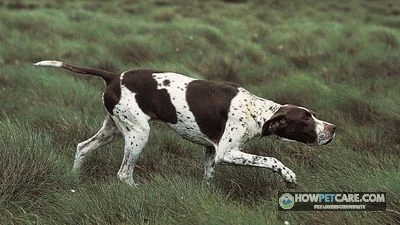
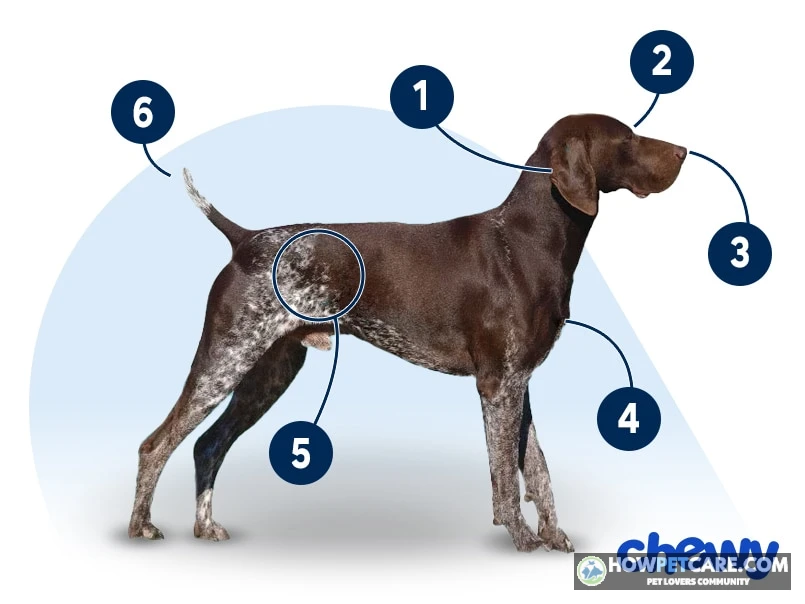
The German Shorthaired Pointer, often called a GSP, is a medium-to-large, athletic dog. The breed typically stands 21–25 inches at the shoulder and weighs 45–70 pounds, though individual dogs can fall outside those ranges.
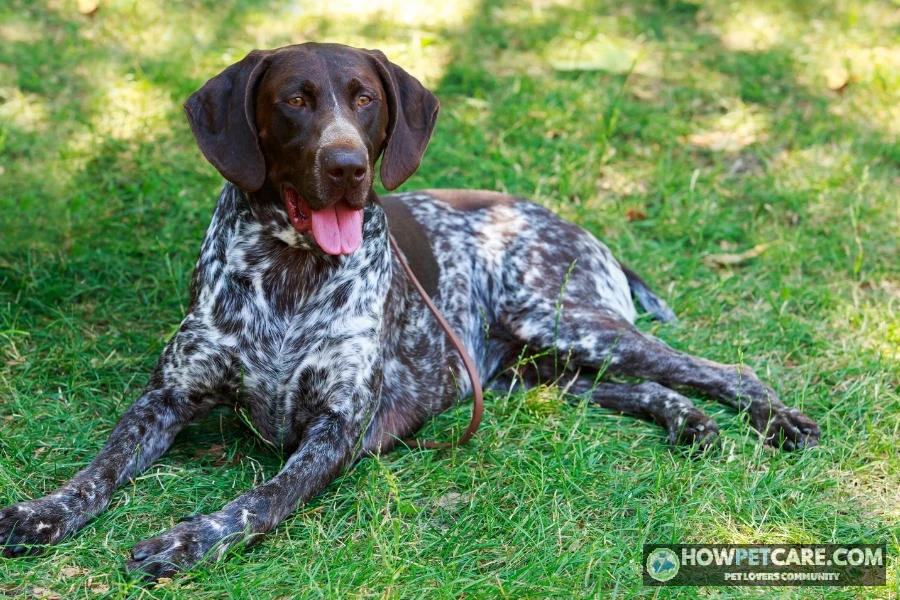
Its short, dense coat is commonly liver or liver and white, sometimes with ticking or roaning. Drop ears, a streamlined body, and a natural or docked tail complete the recognizable outline. The coat offers some protection outdoors, but it does not make a dog immune to cold, heat, or injury.

A puppy can reach adult height before it fills out or develops adult behavior. Expect a long adolescent training period; a full-sized dog isn’t necessarily emotionally mature.
Where the breed came from and why it matters at home
Developed in Germany as a versatile hunting dog, the GSP locates and points game and can retrieve on land and in water. That heritage helps explain why a companion GSP may love searching, carrying toys, following scents, and spending active time with people.

How long do German Shorthaired Pointers live?
A commonly cited German Shorthaired Pointer lifespan is 10–12 years. That’s a typical range, not a prediction for an individual dog; inherited risks, preventive care, lifestyle, and chance all play a part. For more context on the life expectancy of a German Shorthaired Pointer, consider the factors that can influence an individual dog’s longevity.
German Shorthaired Pointer Temperament: Family Life, Other Dogs, and Working Instincts
German Shorthaired Pointer temperament is often described as friendly, energetic, and sociable. Many enjoy close contact with their people and respond well to training, but individuals differ in confidence, intensity, and ability to settle.
A dog whose needs are not being met may bark, dig, pace, or chew. Those behaviors can have other causes, too, including discomfort or anxiety, so don’t assume that more exercise is always the answer.
What is a German Shorthaired Pointer like as a family dog?
A GSP can be an affectionate family companion when adults provide daily outlets and teach calm household habits. Its size and enthusiasm can also knock over a young child, even during friendly play.
Supervise interactions, teach children not to climb on or disturb a resting dog, and give the dog a quiet retreat. An adult—not a child—should remain responsible for exercise, training, and safety. No breed label guarantees a safe interaction.

Living with other dogs
Some GSPs enjoy canine company, but energetic play can overwhelm a quieter dog. Arrange controlled introductions, watch both dogs for signs of discomfort, and separate them for breaks. Good early socialization and ongoing positive experiences help, but compatibility depends on the two dogs involved.
Hunting partner or family companion: same breed, different demands
For hunters, the breed’s pointing and retrieving heritage provides a foundation for field training. A hunting partner still needs careful conditioning, training around game, and recovery time. A family companion may use the same enthusiasm in scent games, retrieving, hiking, or dog sports instead.
The trade-off at home can be a dog that notices every scent, wants to chase movement, and follows household members closely. Even an athletic dog needs to learn how to rest.
 You might be wonderingMix breed husky and german shepherdGerman Shepherd Husky Mix: Honest Care and Ownership GuideRead the answer
How Much Exercise a German Shorthaired Pointer Needs: Realistic Daily Routines by Age
There is no universal exercise quota for every GSP. Age, fitness, health, weather, and the individual dog’s ability to recover all matter. Your veterinarian can help you set suitable activity, particularly for a growing puppy, an older dog, or a dog with an injury.
A fenced yard is useful for safe play, but it does not provide guided activity, training, or companionship by itself. Likewise, a long Saturday hike does not replace a workable weekday routine.
A sample workday for an adult GSP
This example is for a healthy adult already comfortable with the activities and the periods alone. Use it as a planning tool, not a prescription; adjust the duration and intensity to the individual dog’s fitness, health, and response.
| Time | Plan | Purpose |
|---|---|---|
| 6:30 a.m. | A 35-minute outing with brisk walking, sniffing, a few controlled retrieves, and recall practice on a leash or long line | Movement, exploration, and training |
| 7:15 a.m. | Breakfast in a food puzzle or scattered in a safe area, followed by rest | Enrichment and a transition to quiet time |
| 8:00 a.m.–12:00 p.m. | Rest in a safe area with water | Calm time while the household is away |
| Noon | A dog walker or household member provides a 25-minute toilet-and-sniff break | A break from the absence and a check-in |
| 12:30–5:00 p.m. | Rest; check a camera or ask the caregiver how the dog coped | Helps identify distress rather than assuming the dog is settled |
| 5:30 p.m. | A 40-minute walk with scent-search games or controlled fetch in a secure area | Structured activity and an outlet for working instincts |
| 6:30 p.m. | Dinner and a quiet settle period | A predictable evening routine |
| 8:00 p.m. | Five minutes of trick or handling practice, then a relaxed toilet walk | Short training and a calm end to the day |
Arrange a named backup person or service for the midday break and evening outing. If the main caregiver cannot cover the morning or evening, extra toys alone are not a substitute for an appropriate care plan.

Adjusting the plan for a growing puppy
A young puppy needs frequent toilet opportunities, supervision, brief play and training sessions, and plenty of naps. Don’t expect it to manage the adult schedule above. Arrange care during the workday and ask your vet what activity is appropriate as the puppy grows, including when to introduce running or other repetitive, higher-impact exercise.
Adjusting the plan for an older dog
An older GSP may still enjoy working with you but need shorter, slower outings, more rest, or additional toilet breaks. Sniffing and gentle searches can remain engaging when vigorous activity is less comfortable. Ask your vet about changes in stamina, mobility, or willingness to exercise.
| Life stage | Exercise and activity | Mental enrichment | Rest and supervision | Adjustments to discuss with a vet |
|---|---|---|---|---|
| Puppy | Frequent short, age-appropriate play and outings | Brief reward-based training and safe exploration | Frequent toilet breaks, supervision, and naps | Growth, safe surfaces, and when to introduce higher-impact activities |
| Adult | Outings matched to fitness, with controlled play and working outlets | Scent searches, retrieves, puzzles, and training | Quiet recovery and a realistic absence plan | Fitness, weight, injuries, and heat or cold exposure |
| Older dog | Shorter or lower-impact outings as needed | Gentle searches and familiar training games | More rest and potentially more frequent breaks | Pain, mobility, stamina, and changes in behavior |
Mental enrichment that tires a smart dog
Try hiding part of a meal for the dog to find, teaching a new handling cue, or playing a controlled retrieve game. Rotate activities and keep sessions short enough for the dog to succeed. If the dog can settle after activity, the routine may be workable; persistent pacing, digging, barking, or chewing calls for a closer look at exercise, rest, training, and health.
Training a German Shorthaired Pointer: Recall, Prey Drive, and Time Alone
Use positive reinforcement training: reward behavior you want with food, play, praise, or another appropriate reward. Short, consistent sessions and positive exposure to people, places, sounds, and other dogs help build useful skills. An eager learner can still find wildlife more interesting than a familiar cue.
Teaching a recall that holds up outdoors
-
Start somewhere quiet
Say your recall cue indoors and reward the dog generously when it comes to you. Practice when you can set it up to succeed.
-
Add space gradually
Practice in a secure fenced area, then in suitable outdoor places with a long line attached to a well-fitted harness. Reward each return.
-
Increase distractions carefully
Begin far enough from a distraction that the dog can still respond. Reduce the distance or increase difficulty only as the dog succeeds.
Never punish a dog for returning. If recall works at home but fails around wildlife, the outdoor distraction is more difficult—not evidence that the indoor training was useless. Increase distance, use a better reward, and practice at an easier level.
No training method can promise that every GSP will return when chasing wildlife. Use a leash, managed long line, or genuinely secure fenced area when a chase could endanger the dog or another animal.
Managing chase and prey drive
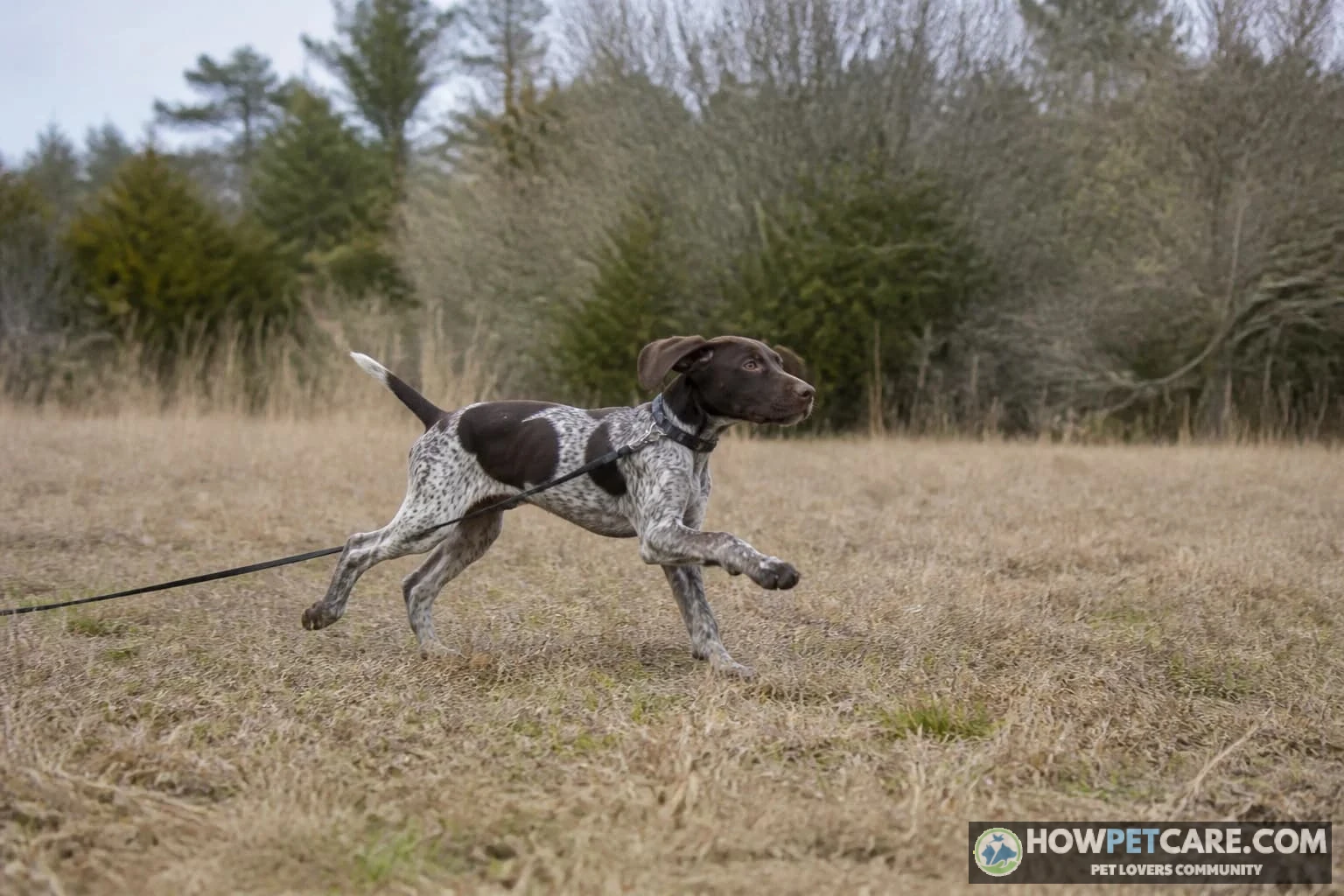
Teach cues such as “leave it” and “look at me” first in easy settings. Reward the dog for noticing a trigger and turning back to you before it becomes fixed on the chase. Use distance and barriers to prevent rehearsing pursuits, and offer appropriate outlets such as scent searches or controlled retrieving.
A long line needs active supervision: avoid wrapping it around your hand, and use it where it cannot snag or put other people or animals at risk.
Gradually building comfort with time alone
Start with a safe resting area and very brief departures the dog can tolerate. Return calmly, then increase absence time gradually while watching for signs of distress. Exercise, a toilet break, and an appropriate enrichment activity before departure can support a predictable routine, but they do not cure separation anxiety.
Use a camera or caregiver’s observations to check what happens after you leave. If the dog panics, vocalizes persistently, injures itself, or cannot settle, reduce the difficulty and speak with a veterinarian and a qualified reward-based trainer or veterinary behaviorist. Arrange care while working on the problem rather than repeatedly leaving the dog to panic.
Is a German Shorthaired Pointer a Good Fit? Small Pets, Apartments, First-Time Owners, and Your Schedule
Cats, rabbits, and other small pets
A GSP’s hunting instincts make small-pet safety an important planning issue. Some dogs can live successfully with cats, but coexistence cannot be assumed—and a dog comfortable with one cat may chase another animal.
Choose a dog with a credible, relevant history where possible. Use gates, separate rooms, and secure enclosures; introduce animals gradually under close supervision. Give the resident pet escape routes, and keep animals separated whenever supervision or safety is uncertain. If you cannot maintain safe separation, pause before bringing a GSP home.
Apartments and small homes
An apartment is not automatically unsuitable, but the owner must reliably provide outdoor exercise, toilet breaks, enrichment, and training every day. Consider stairs, nearby secure exercise options, neighbors, and how you’ll manage barking or boredom. A large home or yard does not remove those responsibilities.
First-time owners
A first-time owner can succeed with a GSP if they are prepared for an energetic, distractible dog and willing to seek help. Budget for a reward-based class or trainer, practice consistently, and meet adult GSPs before deciding. If the daily training and management sound exhausting rather than enjoyable, a less demanding individual dog may be a better match.
Work schedules and long days away
A long workday requires more than a hopeful plan to leave a puzzle toy. Arrange a walker, caregiver, suitable daycare, or flexible schedule, and build alone time gradually. Young puppies and dogs struggling with separation need a more intensive plan. For families with young children, adults must still cover the dog’s outings and supervise interactions.
German Shorthaired Pointer Grooming, Shedding, Health Risks, and Screening Questions
Grooming and shedding basics
The short coat sheds despite its low-maintenance appearance. Brush once or twice a week to remove loose hair, and bathe as needed. Check ears regularly, trim nails when needed, and make toothbrushing part of the routine.
After outdoor work, check paws, nails, skin, and coat for cuts, debris, or ticks. Discuss vaccines, parasite prevention, dental care, and a healthy body condition with your veterinarian.

Health conditions to know about
Ask your vet about hip dysplasia and other joint problems, eye conditions, ear infections, heart disease, and inherited conditions relevant to the dog’s family. Not every GSP will develop these problems, and the list is not exhaustive.
Bloat, including gastric dilatation-volvulus, is an emergency concern in deep-chested dogs. A swollen abdomen, repeated unproductive attempts to vomit, restlessness, or sudden weakness warrant immediate emergency veterinary attention. Ask your vet about an individual prevention and emergency plan, including feeding and activity practices.
If you suspect bloat, contact an emergency veterinarian immediately. Do not wait to see whether symptoms resolve at home.
How to evaluate health-screening evidence
Before choosing a puppy, ask the breeder which pre-breeding evaluations are currently recommended by the German Shorthaired Pointer Club of America and the Orthopedic Foundation for Animals’ breed-specific screening guidance. Ask for reports for both parents, including hip and eye evaluations and any cardiac or genetic tests applicable to the current recommendations and family history.
Match each report to the parent’s registered name or identification number. Where results are publicly available, check them in the relevant database, such as the OFA database, rather than relying only on “health tested” in an advertisement. Ask about unavailable or abnormal results and the health of close relatives. Screening helps inform breeding decisions; it is not a diagnosis for the puppy or a guarantee against disease.
Questions to ask your vet and breeder
- Which screening tests are recommended for this breed and these parent dogs, and can I see the results?
- What joint, eye, heart, or other inherited concerns are known in the family?
- What preventive care and activity limits suit this dog’s age and health?
- What symptoms should prompt an urgent call, and which emergency clinic should I use?
Finding a German Shorthaired Pointer: Breeder vs. Rescue, and What It Really Costs
A responsibly bred puppy and an adopted dog can both be good choices. A puppy offers an opportunity to shape early experiences, but requires substantial supervision and training. An adult rescue may have more observable behavior, although its history and future needs can still be partly unknown.
How to assess a breeder
Start with breed-club referral resources, then evaluate each breeder independently. Ask to see where puppies are raised and to meet the mother; the father may live elsewhere. Discuss the parents’ health results, temperament, working characteristics, and how puppies are introduced to everyday handling and environments.

Look for thoughtful matching, a written contract, support after placement, and a humane return policy. Pressure to pay immediately, refusal to share records, claims that puppies are guaranteed healthy, or puppies always being available are reasons to investigate further.
How to assess a rescue
Check breed-club rescue resources, GSP-specific rescues, and general shelters. Ask staff or foster caregivers what they have actually observed, what remains unknown, and whether a safe introduction to household members or pets is possible. Ask about medical records, triggers, alone-time behavior, and post-adoption support or return arrangements.

| Factor | Responsible breeder | Rescue or adoption | Questions to ask |
|---|---|---|---|
| Health information | Records for both parents and information about family health | Available veterinary records and assessment of the individual dog | What is documented, and what remains unknown? |
| Behavior and history | Observations of parents and early puppy experiences | Staff or foster observations, where available | How does the dog respond to people, dogs, small pets, handling, and time alone? |
| Matching | Considers the puppy’s traits and the household | Considers observed needs and the household | Why might this dog suit us, and what could be challenging? |
| Support | Contract, advice, and return policy | Adoption terms, support, and return or trial arrangements where offered | What happens if the placement does not work? |
| Transparency | Allows appropriate visits and answers testing questions | Shares known medical and behavior information | Can we review records and written terms before deciding? |
Upfront and ongoing costs to budget for
German Shorthaired Pointer puppy cost in the United States varies with location, breeder, lineage, and what the fee includes. Adoption fees vary too. Request current, itemized local quotes rather than treating an unsourced national price as a reliable budget.
| Cost category | One-time or recurring | What it covers | How to get a current estimate |
|---|---|---|---|
| Purchase or adoption | One-time | Puppy price or adoption fee and included services | Ask the breeder or rescue for an itemized quote and date |
| Veterinary and preventive care | Initial and recurring | Exams, vaccines, parasite prevention, and recommended tests | Request a local veterinary estimate |
| Spay or neuter, if applicable | Usually one-time | Procedure and associated care | Ask your vet about timing and costs |
| Food and feeding supplies | Recurring | Appropriate food, bowls, and storage | Compare local prices for the anticipated diet |
| Training | Initial or recurring | Classes, private sessions, and follow-up | Ask trainers for fees and session details |
| Gear and home setup | Mostly one-time, with replacements | Leash, harness, long line, bed, gates, crate or pen, and enrichment items | Price a setup appropriate for the dog’s size |
| Walking, daycare, or boarding | Recurring or as needed | Workday breaks, travel, and backup care | Request quotes for the schedule you expect to use |
| Licensing and identification | Recurring or replacement | License, tag, and microchip registration or updates | Check local requirements and provider fees |
| Insurance or emergency fund | Recurring | Premiums or savings for unexpected care | Compare policy limits and exclusions; set a savings target |
| Outdoor-work supplies | As needed | Replacement equipment and other supplies | Estimate from your planned activities |
Add one-time setup estimates separately from recurring monthly costs, then allow for irregular expenses. Insurance and emergency savings are not interchangeable without checking what a policy covers.
Your Next Steps: A Decision Checklist Before You Bring a German Shorthaired Pointer Home
A household-fit checklist
For an ordinary workweek, mark each answer Yes, Not yet, or No:
- ☐ Daily time: Can we provide age-appropriate activity, training, and interaction every day?
- ☐ Sustainable activity: Do we enjoy the regular outings and engagement this dog needs, beyond a yard or occasional hike?
- ☐ Company and supervision: Have we arranged gradual alone-time training and a midday break or caregiver when needed?
- ☐ Secure exercise: Can we use a leash, long line, or secure fence without depending on perfect recall around wildlife?
- ☐ Small-pet safety: Can we supervise introductions and maintain separation whenever needed?
- ☐ Training: Will we practice reward-based skills and seek help for chasing, reactivity, or separation distress?
- ☐ Budget: Can we cover routine care and make a realistic plan for unexpected veterinary expenses?
- ☐ Backup care: Is there a workable option for illness, travel, or a change in the main caregiver’s schedule?
A No on safety, daily care, or backup support is a reason to wait until the gap is solved. Turn each Not yet into a specific plan before choosing a dog. If the everyday activity and management do not appeal to your household, another dog may be a kinder match.
What to do in the first weeks
Before committing, meet adult GSPs, talk with owners and breed-club members, and identify a veterinarian and qualified trainer. Compare breeders or rescues using documented health and behavior information, not appearance alone.
Prepare secure gates, appropriate equipment, a quiet resting place, and a written care schedule. In the first month, establish predictable toilet, activity, meal, rest, and training routines; introduce new experiences gradually. Adjust the plan with your veterinarian and trainer as you learn what the individual dog needs.
 You might be wonderingGerman shepherd traitsGerman Shepherd Traits: Is This Breed Right for You?Read the answer
FAQ
How does a German Shorthaired Pointer compare with a Labrador Retriever?
Both are sporting dogs that need regular exercise and training. German Shorthaired Pointers are versatile pointing and hunting dogs often described as more intense and athletic, while Labradors are retrievers often described as more easygoing. Individual temperament varies, so meet adult dogs of either breed before deciding.
At what age does a German Shorthaired Pointer calm down?
Many German Shorthaired Pointers become more settled as they mature, often around two to three years, but the timing varies by dog. Their need for exercise and mental work typically continues, so consistent routines remain important.
Do German Shorthaired Pointers like water?
The breed was developed as a versatile hunting dog that works on land and in water, and many German Shorthaired Pointers enjoy swimming and retrieving. Not every dog does, so introduce water gradually, use a flotation vest if needed, and supervise.
Where can I find a German Shorthaired Pointer rescue?
Start with the national breed club’s rescue resources and regional German Shorthaired Pointer rescue groups, then check general shelters and adoption listing sites for the breed and mixes. Ask about the dog’s history, behavior, and post-adoption support.
Are German Shorthaired Pointers good guard dogs?
German Shorthaired Pointers are alert and may bark at visitors, but they are generally sociable and are not bred as guard dogs. Do not rely on one for protection.