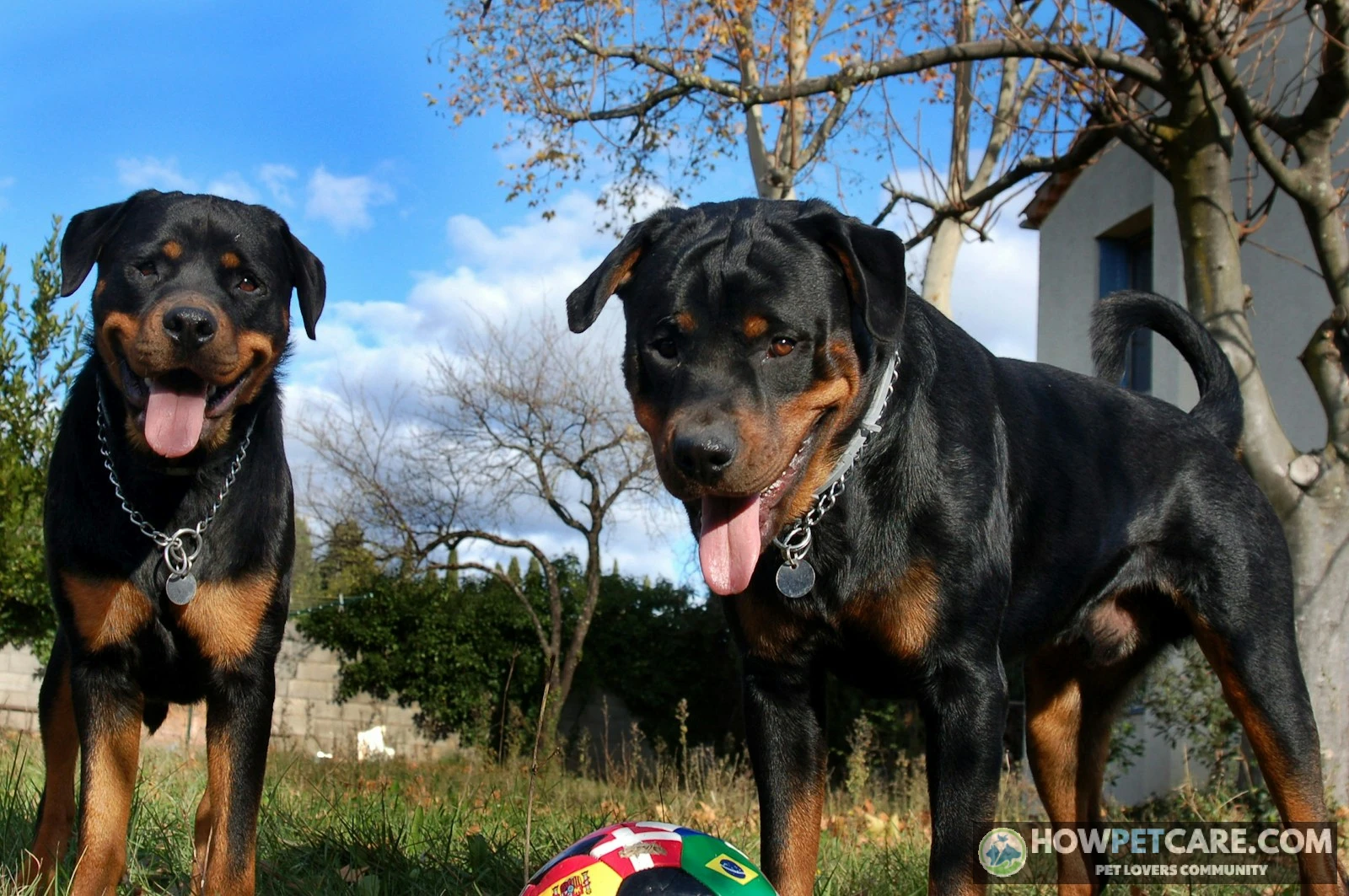

A Rottweiler dog is a large, powerful working breed—typically 80–135 pounds with an 8–11 year lifespan—that can be a devoted, calm family companion when well bred, socialized, and trained. Ownership demands daily exercise, consistent reward-based training, active supervision, and a budget for substantial veterinary costs.
A Rottweiler dog can be a devoted family companion, but this powerful working breed takes time, planning, and consistent care. The right owner can provide daily activity, early socialization, reward-based training, reliable supervision, and a plan for substantial veterinary costs.
Before paying a deposit, check that your housing, local rules, and liability insurance allow the dog. A first-time owner can succeed with professional support and a realistic plan, but enthusiasm alone isn’t enough reason to choose a Rottweiler.
Rottweiler Dog Breed Profile: The Short Answer, Size, and Lifespan
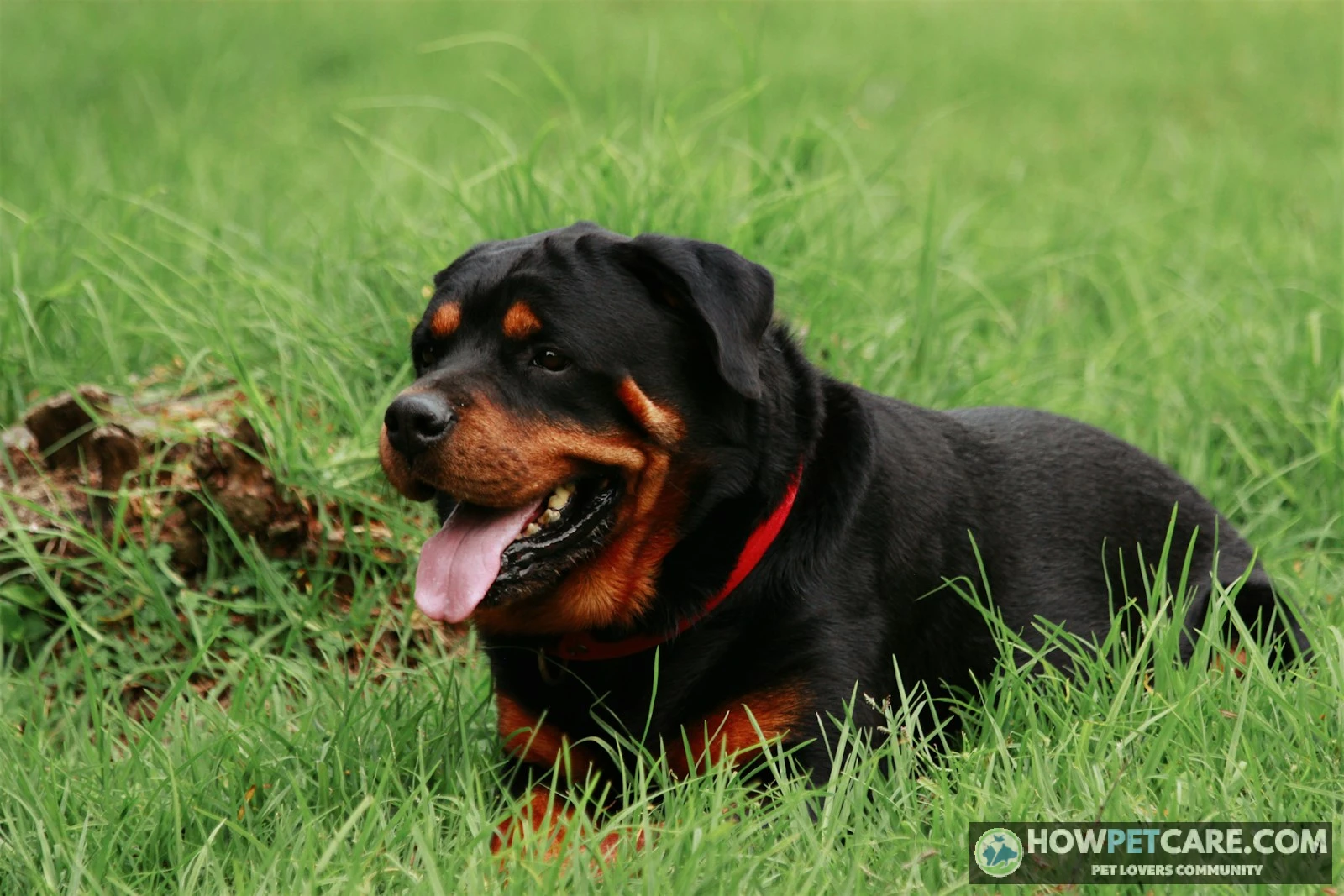
The Rottweiler is a working dog descended from drover dogs associated with ancient Rome. In Rottweil, Germany, its ancestors helped move cattle and protect butchers’ property. That history helps explain why many Rottweilers stay alert to their surroundings and have a natural inclination to guard, and understanding Rottweiler lifespan helps frame the commitment.
Rottweiler breed facts at a glance
| Trait | Rottweiler detail | What it means for owners |
|---|---|---|
| Breed group | Working dog | Needs regular activity, training, and a role in family life |
| Male height and weight | 24–27 inches; about 95–135 pounds | An adult can be difficult to restrain without training |
| Female height and weight | 22–25 inches; about 80–100 pounds | Females are generally smaller, but still exceptionally strong |
| Life expectancy | Approximately 8–11 years | Plan for a long commitment and possible senior-care costs |
| Exercise | Regular daily walks, play, and mental work | Budget substantial time; a yard alone isn’t enough |
| Coat | Short double coat; black with rust, mahogany, or tan markings | Brush regularly and expect shedding, especially seasonally |
| US cost band | Budget for acquisition, food, veterinary care, training, and possible emergencies | Request local quotes before committing; see the cost model below |
How big do Rottweilers get, and when do they stop growing?
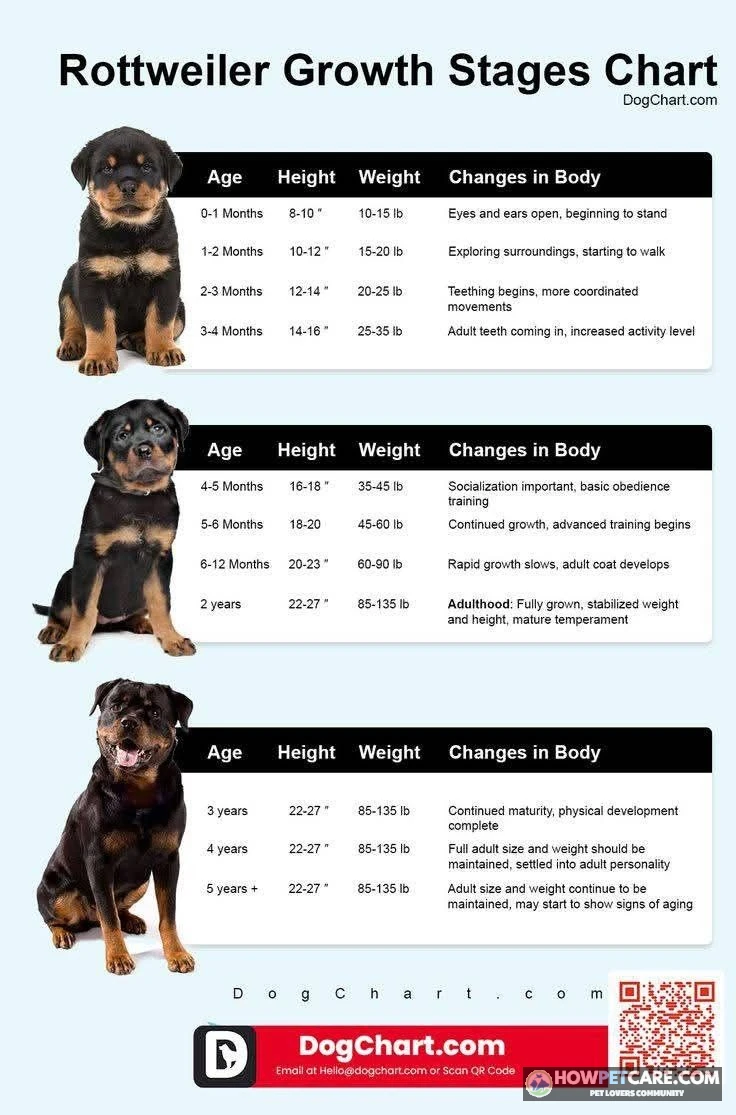
Height doesn’t tell the whole story. Rottweilers have a substantial, muscular build, and many continue filling out until they’re roughly two to three years old. Be wary of puppies advertised as unusually oversized. Extra weight can make an already powerful dog harder to manage and may put additional demands on its joints.
Rottweiler Temperament: Are They Dangerous, and What Actually Drives Problem Behavior?
A well-bred, well-socialized Rottweiler may be calm and affectionate with its household while staying reserved around strangers. Individual dogs differ, so a breed label can’t guarantee a safe or predictable response in every situation.
Are Rottweilers dangerous? A bite can cause serious injury, and a dog’s size makes careful management especially important. That doesn’t mean every Rottweiler is aggressive. Genetics, health, socialization, training, environment, and supervision all play a part. Breed identification in bite reports can also be unreliable, so a breed ranking alone can’t predict an individual dog’s behavior well.
Is a Rottweiler a good family dog?
A Rottweiler can be a good family dog if the household has time to train it, understands its strength, and can manage visitors and daily routines. Look for a dog whose temperament suits your actual home, not an idealized guard dog.
A first-time owner should arrange knowledgeable, reward-based support before the dog arrives. If your household can’t consistently handle a large dog on leash or separate it safely when needed, choose a different fit.
Rottweilers around children and other pets
Some Rottweilers live happily with children, but even a friendly dog can knock over a toddler. An adult should actively supervise interactions. If that’s not possible, use a gate or separate room. Teach children not to climb on the dog, take its food, or disturb it while sleeping. Give the dog a quiet retreat children can’t enter.
Introduce other dogs gradually in controlled settings, with separate feeding areas and places to rest. Some Rottweilers may struggle with dogs of the same sex or chase cats and smaller animals. Don’t assume that growing up together guarantees lifelong compatibility; keep a separation plan in place.
Why Rottweilers develop aggression: causes and prevention
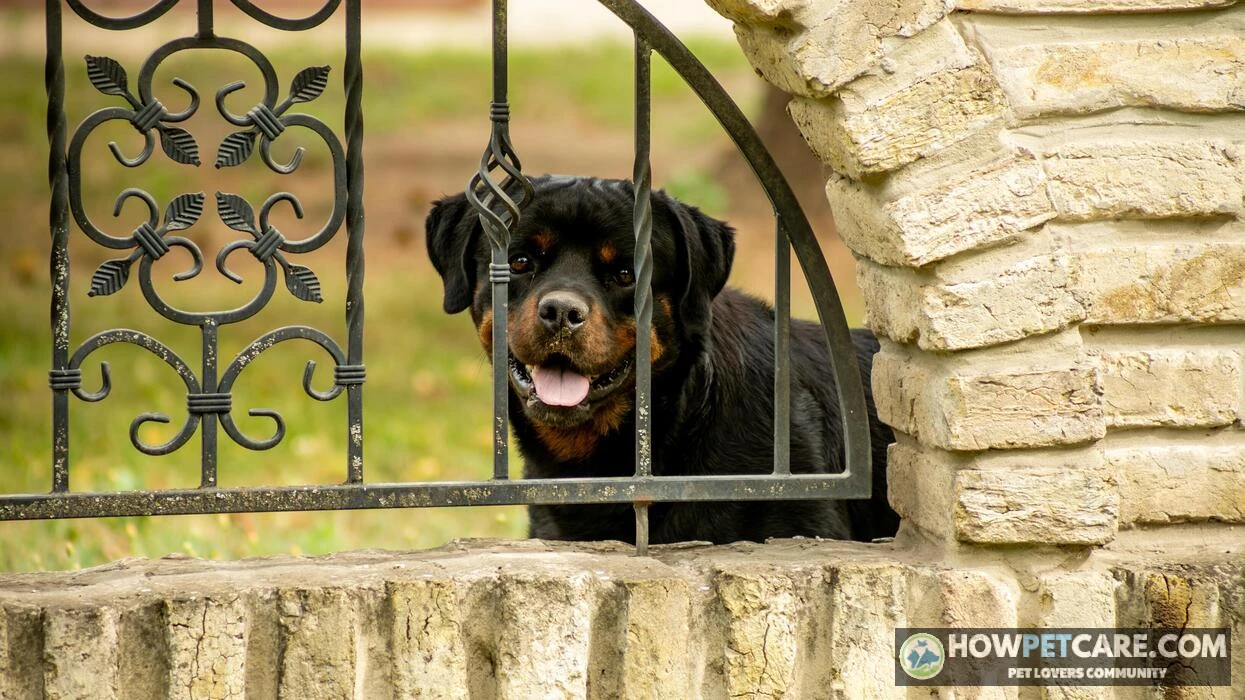
Fear, pain, limited early exposure, isolation, inappropriate breeding, and harsh or inconsistent handling can contribute to behavior problems. A dog may guard food or space, or react defensively when it feels trapped. Learn to spot stiffening, avoidance, growling, and other signs of discomfort. Create distance rather than punishing the warning.
If a dog threatens, snaps, or bites, separate it from the trigger and contact your veterinarian and a qualified behavior professional. A veterinary examination matters because pain or illness can affect behavior.
An adult must be able to watch and intervene during dog–child interactions. If that is not possible, use a secure physical barrier rather than relying on the dog’s past behavior.
 You might be wonderingGriff dog breedGriffon Dog Breed Guide: Types, Costs, and Which One FitsRead the answer
Rottweiler Health Problems: What to Screen For and What Treatment Costs
Rottweilers have increased risks for inherited conditions, including hip and elbow dysplasia and osteosarcoma. Health testing can reduce uncertainty, but it can’t guarantee that a puppy will remain healthy.
Hip dysplasia, elbow dysplasia, and OFA screening
Hip and elbow dysplasia involve abnormal joint development and can lead to pain and arthritis. Ask for Orthopedic Foundation for Animals (OFA) results for both parents, then verify their registered names or numbers in the public database. For hips, OFA uses ratings including excellent, good, and fair for passing results; elbow results are reported separately. A general veterinary check isn’t the same as these evaluations.
Keep a growing puppy lean, feed a complete diet suited to large-breed growth, and discuss exercise and growth with your veterinarian. Parent screening can inform your decision, but it doesn’t replace veterinary care for the puppy.
Ask for documented cardiac evaluation, preferably by a veterinary cardiologist, because subaortic stenosis can occur in the breed. Eye examinations and DNA testing for juvenile laryngeal paralysis and polyneuropathy, or JLPP, can also provide useful information about a breeding pair.
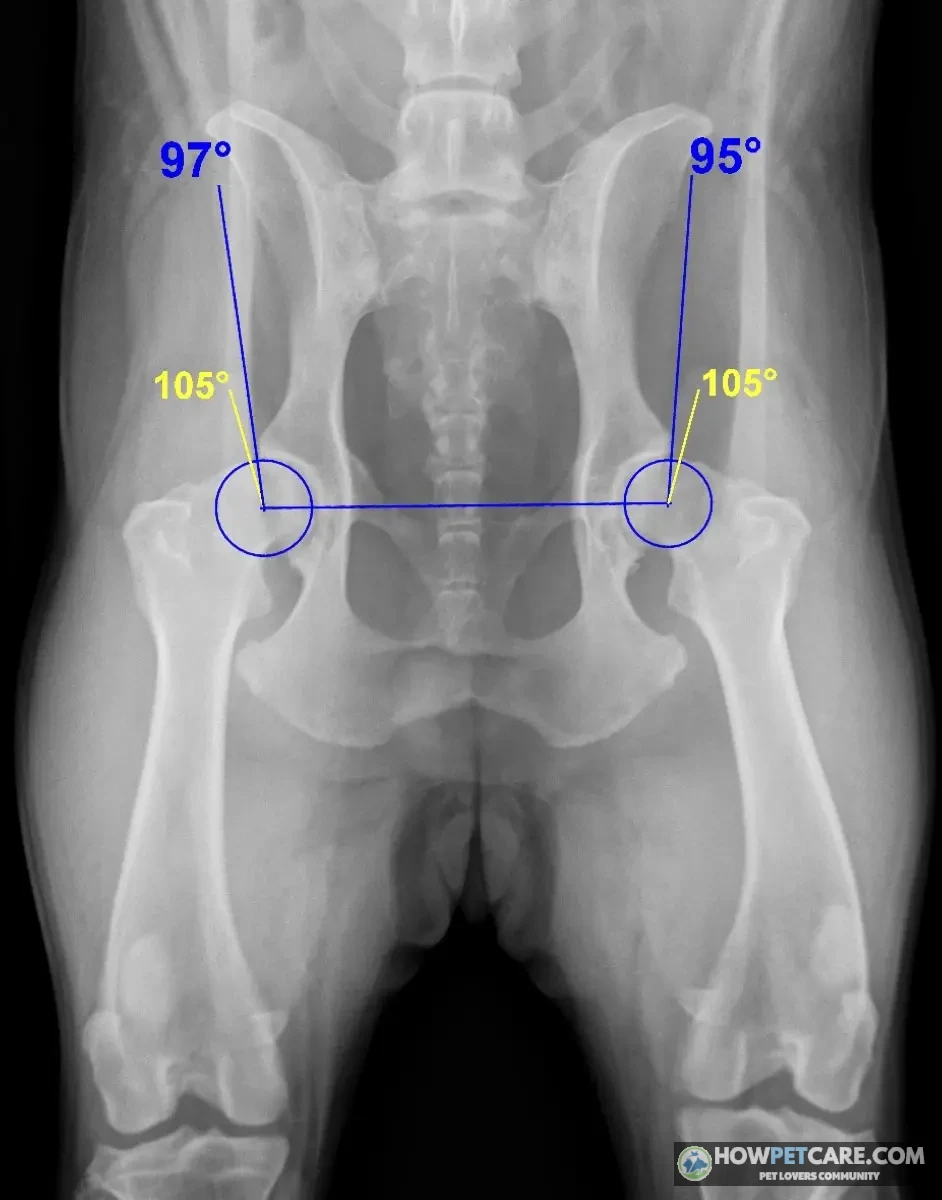
GDV (bloat) and osteosarcoma: emergency signs and USD costs
Gastric dilatation-volvulus, or GDV, is a life-threatening emergency in which the stomach distends and may twist. Unproductive retching, a swollen abdomen, restlessness, weakness, or collapse call for an immediate call to an emergency veterinarian and prompt travel to the clinic. The abdomen isn’t always obviously swollen.
Splitting food into meals and avoiding hard exercise immediately around meals are practical precautions, but they can’t guarantee prevention. Ask your veterinarian whether preventive gastropexy, a procedure that attaches the stomach to the body wall, is appropriate for your dog.
Osteosarcoma is a serious bone cancer. Persistent lameness or a painful swelling deserves prompt veterinary attention. Depending on the diagnosis and the family’s goals, treatment may involve amputation and chemotherapy.
Emergency surgery and cancer care can cost thousands of dollars. The supplied evidence doesn’t establish reliable US treatment-price ranges, so get estimates from your local emergency hospital and veterinary oncologist rather than relying on a national quote. Ask which diagnostics, hospitalization, surgery, medications, and follow-up are included.
Should you buy pet insurance before bringing the puppy home?
Consider arranging coverage before pickup, or as soon as the insurer allows, before symptoms or diagnoses appear. Read the policy for waiting periods, hereditary and orthopedic exclusions, deductibles, reimbursement limits, and coverage for examination fees. Insurance isn’t a substitute for an emergency fund: you may need to pay the hospital before reimbursement arrives.
Schedule puppy examinations and vaccinations with your veterinarian, then keep up with routine adult visits. As your dog ages, discuss joint assessments, dental care, bloodwork, and changes in mobility. Ask about the timing of spay or neuter surgery for your individual dog rather than assuming one age suits every large breed.
How Much Does a Rottweiler Cost in the US? Puppy Price to Lifetime Total (USD)
The research supplied for this article doesn’t verify US Rottweiler purchase prices or national veterinary price ranges. The figures below are illustrative budgeting scenarios, not surveyed market prices or quotes. Use them to identify expenses, then replace them with written local estimates before deciding.
Rottweiler puppy price in the USA: breeder vs rescue
For planning, the example uses a $2,400 puppy from health-tested parents. That price alone doesn’t prove that the puppy—or any puppy—comes from a responsible breeder. Ask what’s included: health documentation for both parents, early veterinary care, a microchip if provided, and a written contract. Rescue organizations may charge an adoption fee and may have adults as well as puppies. Ask what examination, treatment, and behavior history are known.
First-year and annual cost breakdown
| Cost category | Illustrative USD budget | When it applies | Notes and assumptions |
|---|---|---|---|
| Puppy acquisition | $2,400 | Once in the worked example | Replace with a breeder’s written quote; rescue fees differ |
| Crate, pen, and equipment | $350–$800 | Primarily first year | Large, sturdy equipment; replacement costs vary |
| Puppy veterinary care | $450–$900 | First year | Illustrative allowance for visits and preventive care; confirm inclusions |
| Spay or neuter | $400–$1,200 | Once, if elected | Timing and price depend on the dog and clinic; gastropexy is separate |
| Training | $350–$900 | First year | Classes and possible individual instruction |
| Food | $900–$1,500 | Each year | Depends on calorie needs and food chosen |
| License and miscellaneous | $100–$300 | First year | Local requirements and supplies |
| Routine vet care and preventives | $500–$1,000 | Each later year | Excludes major illness and injury |
| Insurance | $600–$1,200 | Each year, if purchased | Premium and coverage are policy-specific |
| Boarding or sitting | $300–$1,000 | Each later year in this scenario | May be lower if unused or higher with frequent travel |
| Toys, training, and grooming supplies | $200–$500 | Each later year | Assumes some ongoing replacement and instruction |

Get quotes for a large-dog crate, puppy visits, surgery, food, insurance, and boarding in your area. Add pet deposits, monthly pet rent, fencing, or changes to liability coverage if they apply. Major emergencies aren’t included in the table.
Lifetime cost of owning a Rottweiler
Using the example ranges above, the first-year items total $4,950–$8,000, including the $2,400 puppy but excluding insurance and emergencies. Add any first-year insurance premium separately. The later-year categories total $2,500–$5,200 per year, including the illustrative insurance allowance.
For a nine-year planning scenario, the first year plus eight later years comes to $24,950–$49,600, before first-year insurance, emergencies, and housing changes. This is arithmetic based on the example budget, not a prediction of any individual dog’s costs. A longer life, higher local prices, or major illness changes the total.
Ask an emergency hospital for a written estimate range for GDV care and ask an orthopedic practice about cruciate surgery. Decide how you would pay before an emergency, including any insurance deductible, exclusions, and reimbursement delay.
Breed-Specific Legislation, Rental Rules, and Insurance: Can You Own a Rottweiler Where You Live?
Breed-specific legislation, or BSL, refers to laws that restrict or set requirements for dogs based on breed or appearance. Rules can differ by state and locality. Private housing and insurance policies may impose separate restrictions even where local law permits the breed.
Which states and cities restrict Rottweilers?
Don’t rely on an old list of supposedly Rottweiler-friendly states or cities. Some states limit local breed-specific rules; others give local governments more authority. Read the current state statute and your city and county animal ordinances, including definitions and any requirements for registration, confinement, or liability coverage. If the language is unclear, ask the local animal-control authority for written clarification.
Military housing and other managed properties may set their own rules. A dog allowed in the surrounding city isn’t automatically allowed on a particular property.
Renting with a Rottweiler: landlord and apartment rules
Read the lease, pet addendum, and any homeowners association rules for breed and weight limits, deposits, pet rent, and approval procedures. Get permission in writing before committing to a dog. Ask what happens if ownership or management changes and what documentation you’ll need at renewal.

Assistance animals follow different legal rules from ordinary pets, but eligibility and available exceptions depend on the circumstances. Ask the housing provider about its process and consult applicable fair-housing guidance rather than assuming a pet policy settles the question.
Homeowner and renter insurance: what to ask before you buy
Ask your insurer whether it will issue or renew your policy with a Rottweiler and whether dog-related liability is covered. Request written confirmation of the liability limit, relevant exclusions, and any available canine-liability endorsement. A pet deposit doesn’t provide liability coverage.
-
Check local rules
Read the current city and county animal codes, then check the relevant state statute.
-
Confirm housing approval
Get the lease, HOA, or base-housing policy and written permission where required.
-
Confirm insurance
Ask whether the dog is covered for liability, what limit applies, and whether exclusions or a rider apply. Request the answer in writing.
-
Plan for a move
Consider likely future housing, travel, and a fallback caregiver before paying a deposit.
How to Find a Responsible Rottweiler Breeder and Choose a Healthy Puppy
Start with the American Rottweiler Club’s breeder-referral resources and established breed organizations, or contact a Rottweiler rescue. An AKC listing or registration can help identify a dog’s pedigree, but neither proves that a breeder performs appropriate health testing or raises puppies well. Verify the evidence independently.
A good breeder may have a waitlist and should ask you questions, too. Don’t assume a deposit is a reservation you must make before seeing the relevant documents.
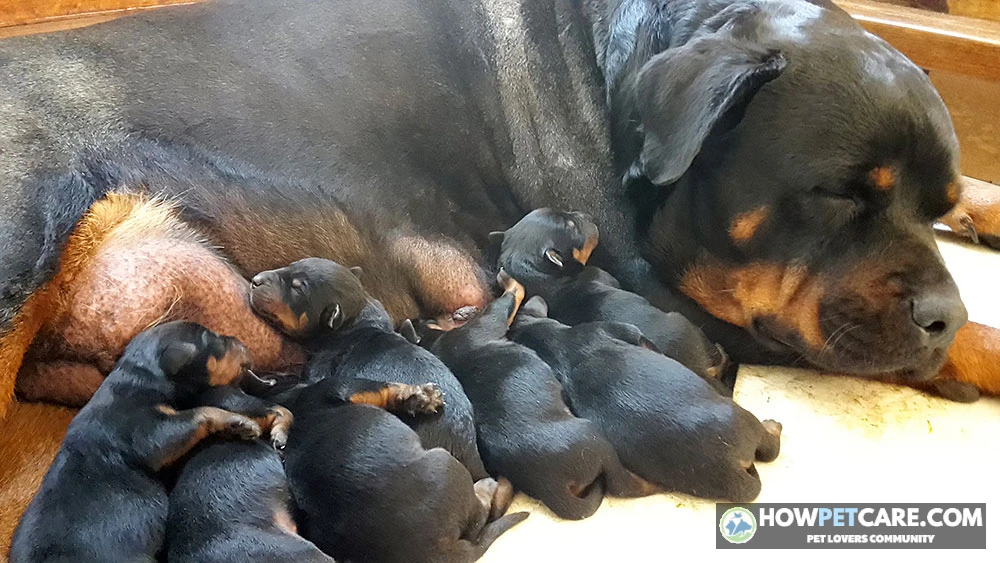
Health-testing paperwork checklist
For both sire and dam, request:
- OFA hip and elbow results, with registered names or database identifiers.
- Cardiac screening documentation, ideally an examination by a veterinary cardiologist.
- JLPP DNA results, or documentation establishing the puppy’s status by parentage; ask the breeder and your veterinarian to explain carrier pairings and results.
- A recent eye examination and documentation of any additional testing performed.
- A written contract covering health terms, your obligations, and what happens if you can no longer keep the dog.
Check the results yourself rather than accepting a statement that the parents are “health tested.” Ask about close relatives’ health and longevity, too. A passing screening result isn’t a lifetime guarantee.
Questions to ask a Rottweiler breeder
You could send a message like this:
“Hello, I’m looking for a companion Rottweiler. Before a deposit, could you share the sire’s and dam’s OFA hip and elbow results, cardiac and JLPP documentation, eye examination results if available, and your contract? How are puppies socialized, when do they go home, and can I meet the dam and see where the litter is raised? What support and return arrangements do you provide?”
Ask why the pairing was chosen, how many litters the breeder raises, how puppies are matched with homes, and what veterinary care each puppy receives. Puppies generally should remain with their mother and littermates until at least eight weeks old; check applicable local requirements and your veterinarian’s advice.
Red flags: when to walk away
Be cautious of a seller who:
- Offers only a routine “vet check” instead of verifiable parental health results.
- Refuses to share paperwork or the contract before taking payment.
- Pressures you to reserve immediately or always has puppies available.
- Won’t let you meet the dam or assess the puppies’ raising environment without a credible explanation.
- Promotes unusually large dogs or “rare” colors as the main reason for a premium price.
- Shows little interest in your household or has no plan to help if you can’t keep the dog.
- Insists on shipping an unseen puppy without a way to independently verify the breeder and conditions.

The sire may live elsewhere, so not being able to meet him isn’t conclusive. Ask for his records and a clear explanation instead.
Puppy aptitude testing: choosing the right pup in the litter
Watch how puppies approach people, recover from a mild unfamiliar sound, move across a new surface, and respond to gentle handling. Look for curiosity and recovery rather than expecting a puppy to pass a single test. Don’t force restraint or deliberately frighten a puppy.
A brief assessment can’t reliably predict adult temperament on its own. The breeder’s observations over time, the parents’ behavior, health, and your household’s needs are more useful together. If you’re a beginner, explain that you need a manageable companion, not the boldest puppy in the litter.
Raising a Rottweiler: Feeding, Exercise, and the First 100 Days of Socialization and Training
Early, reward-based training and socialization matter for this breed. The aim isn’t to make a dog greet everyone. Help it feel comfortable observing ordinary life and responding to its handler.
Rottweiler feeding chart by life stage
There’s no reliable breed-wide number of cups: calorie needs differ by food, body size, age, activity, and whether the dog is neutered. Use the food label’s calorie content and feeding guide as a starting estimate, then ask your veterinarian to adjust portions based on growth and body condition. Measure the daily amount and divide it across meals rather than serving the full label amount at every meal.
| Life stage | Starting approach | Meals and adjustments |
|---|---|---|
| Growing puppy | Choose a complete food labeled for growth of large-size dogs; begin with the manufacturer’s guide for current weight and age | Often three measured meals daily; monitor growth and adjust with your veterinarian |
| Adult | Choose a complete adult diet and start with the package guide for the dog’s appropriate weight | Usually two measured meals; adjust for body condition and activity |
| Senior | Keep the diet complete and appropriate for the individual’s health; a senior label alone does not establish the right calories | Usually two measured meals; reassess weight, mobility, and medical needs with the veterinarian |

Count treats as part of the daily ration. You should be able to feel the ribs without pressing through a thick layer of fat, and the dog should have a visible waist. Your veterinarian can show you how to assess body condition. Don’t add calcium supplements to a complete puppy diet unless your veterinarian directs you to.
How much exercise does a Rottweiler need?
Plan for substantial daily activity, split between walks, play, and training. The PDSA advises at least two hours of daily exercise for the breed, though an individual dog’s age and health affect what’s appropriate. Puppies need short, age-appropriate activities and plenty of rest, not an adult’s exercise schedule.
Avoid forced distance running, repetitive jumping, and strenuous exercise in heat, particularly while a puppy is growing. Let your veterinarian guide activity for a dog with joint or cardiac concerns. A fenced yard helps with management, but it doesn’t replace walks, enrichment, or interaction.
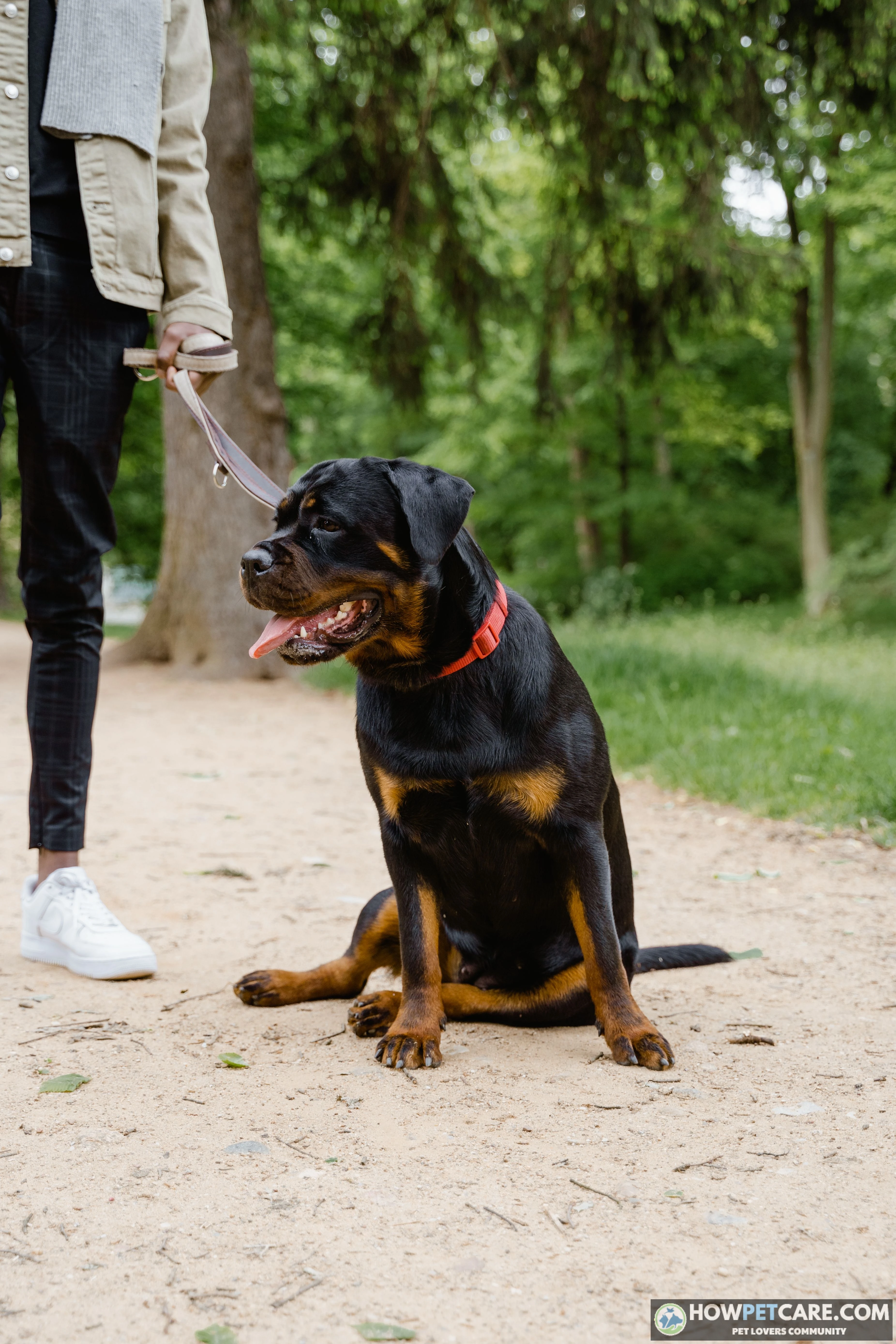
First 100 days: a week-by-week socialization and training plan
This schedule starts when the puppy arrives home. Follow the puppy’s pace: a relaxed puppy taking treats is learning more than one overwhelmed by a crowd. Before vaccinations are complete, ask your veterinarian which environments and puppy classes are appropriate locally. Controlled exposure can start without putting the puppy on high-risk public ground.
- Week 1: Set a predictable sleep, meal, and toilet routine. Introduce the puppy’s name and reward voluntary approaches. Let the puppy explore its crate with the door open.
- Week 2: Practice brief, gentle handling of paws, ears, and collar. Invite calm visitors one at a time. Reward the puppy for settling on a mat.
- Week 3: Begin a veterinarian-approved puppy class or arrange a qualified trainer. Introduce a harness or collar and a few steps on leash indoors.
- Week 4: Pair everyday sounds and surfaces with treats. Watch vehicles and people pass from a comfortable distance.
- Week 5: Practice short car rides and calm exits. Introduce cooperative grooming with a soft brush; stop before the puppy becomes distressed.
- Week 6: Arrange controlled meetings with healthy, suitable dogs known to be vaccinated. Reward disengagement and returning to you.
- Week 7: Teach sit and down with food rewards. Practice at home before adding distractions.
- Week 8: Introduce a brief stay and a cheerful recall over a short distance. Never punish the puppy for coming back.
- Week 9: Practice polite greetings: reward four paws on the floor and let the puppy move away from visitors.
- Week 10: Teach leave it by rewarding a turn away from a low-value item. Manage food and toys so the puppy doesn’t need to guard them.
- Week 11: Visit an appropriate new setting at a quiet time. Reward calm observation rather than requiring interaction.
- Week 12: Practice leash walking around mild distractions and reinforce check-ins. Keep sessions short and successful.
- Week 13: Rehearse separations with a safe chew, gradually increasing the time. Don’t use the crate as punishment.
- Week 14 and remaining days: Review recall, settling, handling, and visitor routines. As adolescence begins, use a secure leash or long line and keep rewarding good choices.
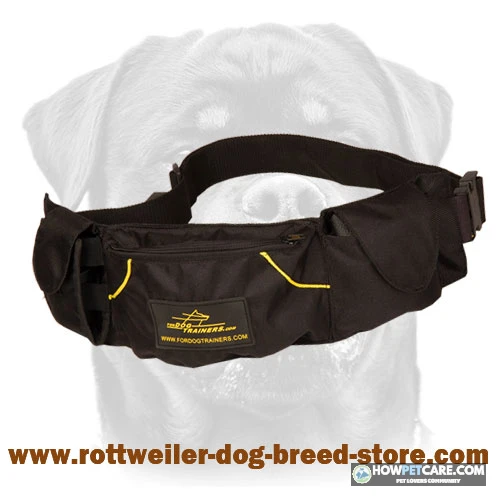
Crate training and leash training essentials
Choose a crate large enough for the dog to stand, turn, and lie comfortably; a divider can make an adult-size crate usable for a puppy. Offer treats or meals inside, then gradually build up the time. Puppies need frequent toilet breaks and shouldn’t be left crated beyond their physical or emotional capacity.
For leash training, reward a loose leash and attention to you before the dog gets strong enough to pull you over. Avoid harsh corrections or intimidation. If pulling, fear, guarding, or reactivity develops, find a qualified reward-based trainer early. A veterinarian can help identify medical or behavioral concerns.
Is a Rottweiler Right for You? A Go/No-Go Checklist and Next Steps
Rottweiler ownership self-assessment checklist
Score each statement 0 for no, 1 for partly or unsure, and 2 for yes. This is a planning tool, not a scientific temperament test.
- Experience: I have handled a powerful dog before, or I have arranged qualified training support before pickup.
- Legal status: I have checked local and state rules and any lease, HOA, or base-housing policy, and the dog is allowed.
- Insurance: My insurer has confirmed liability coverage and its limit in writing.
- Time: I can provide daily exercise, training, supervision, and management throughout the dog’s life.
- Money: I can cover the recurring budget and have a credible plan for a major veterinary emergency.
- Household: I can supervise children and separate pets during introductions or whenever necessary.
- Goal: I want a trained family companion, not a dog expected to guard without guidance.
A score of 12–14 suggests a promising fit if the legal, housing, insurance, and safety answers are secure. 8–11 means you should fix the weak areas first. 0–7 suggests waiting or choosing a less demanding dog.
A high total doesn’t override a critical problem. If your lease or local law prohibits the dog, you can’t secure appropriate liability coverage, you can’t provide daily care, or you have no workable emergency-payment plan, don’t proceed yet.
Pros and cons of owning a Rottweiler
| Potential advantages | Real commitments |
|---|---|
| Can be affectionate and closely bonded with family | Strength makes early leash work and consistent management essential |
| Alert working-dog heritage can suit an owner who values an observant companion | Guarding tendencies require careful visitor management and socialization |
| Short coat is straightforward to brush | Double coat sheds; seasonal shedding can be substantial |
| Can enjoy structured training and activities | Large-dog equipment, food, boarding, and medical care require a serious budget |
| May thrive in an experienced, engaged household | Housing, insurance, and local rules can complicate ownership or a move |
How the Rottweiler compares to similar guardian breeds — if you’re weighing alternatives, the differences in handling demands and household fit matter more than the surface similarities:
| Factor | Rottweiler | Cane Corso | Doberman | German Shepherd |
|---|---|---|---|---|
| Build and presence | Heavy, muscular working build | Even more massive and physically imposing | Leaner, faster, more athletic frame | Medium-large, agile working build |
| Coat and grooming | Short double coat; seasonal shedding | Short coat; modest grooming needs | Very short coat; minimal grooming | Double coat with heavy year-round shedding |
| Guarding style | Reserved with strangers; strong territorial instinct | Strongly territorial and independent | Alert, handler-focused watchdog | Protective but often more socially tolerant and versatile |
| Training demands | Consistent, reward-based work from puppyhood | Generally needs an experienced, confident handler | Thrives on structured work and close contact with its handler | Highly trainable; needs a job and daily engagement |
| Fit for first-time owners | Possible with professional support | Usually a demanding first dog | Possible for committed, active beginners | Often the most forgiving of the four for a dedicated novice |
Verdict by household type
First-time owner: Possible, but demanding. Arrange training support, choose a dog with a temperament that suits your household, and be ready to change your routine. If you want an easy introduction to dog ownership, look elsewhere.
Apartment household: Possible only if the building allows the dog and you can provide outdoor activity, training, and controlled access to shared spaces every day. Limited space makes management harder; a yard helps but doesn’t replace engagement.
Family with young children: Possible only with active adult supervision, physical barriers, and a retreat for the dog. If the adults can’t reliably maintain those boundaries, wait.
Experienced owner with a yard: Often a promising fit if the household also has time, financial resources, training plans, and confirmed coverage. A fence doesn’t replace any of them.
Your next five steps before bringing a puppy home
- Check current local rules, housing permission, and written insurance coverage.
- Get local quotes for routine veterinary care, emergency care, insurance, food, and large-dog equipment; build your budget.
- Contact breed-club referrals or a reputable rescue and verify health and behavior information before paying a deposit.
- Choose a veterinarian and a reward-based trainer; ask about vaccination-aware puppy classes and an early socialization plan.
- Prepare gates, a crate, a feeding routine, and a household supervision plan. Consider fostering or adopting an adult rescue if its known temperament and support arrangements suit your home.
 You might be wonderingPug dog breedPug Dog Breed Guide: Size, Health, Costs & Is It Right for You?Read the answer
FAQ
Do Rottweilers shed a lot?
Yes, moderately year-round and heavily during seasonal coat blows, usually in spring and fall. Brushing once or twice a week with a rubber curry or undercoat tool keeps loose hair manageable.
Are male or female Rottweilers better?
Neither sex is better overall. Males are larger and may be more dominant, while females are smaller and often mature sooner. Training, socialization, and individual temperament matter more than sex.
Do Rottweilers have docked tails?
Many US Rottweilers have docked tails because the AKC standard has traditionally called for a short tail. Docking is performed on newborn puppies by breeders and is banned in some countries, so ask the breeder whether tails are docked. Natural tails are common and accepted.
Do Rottweilers bark a lot?
Rottweilers are typically not nuisance barkers. They tend to bark to alert you, and boredom or lack of exercise can increase barking. Training a quiet cue and giving daily activity helps.
When should I spay or neuter a Rottweiler?
Timing is debated for large breeds, because early neutering has been linked to a higher risk of joint problems and some cancers. Many vets suggest waiting until growth is finished, roughly 12-24 months. Discuss the timing with your vet based on your dog’s sex and health.