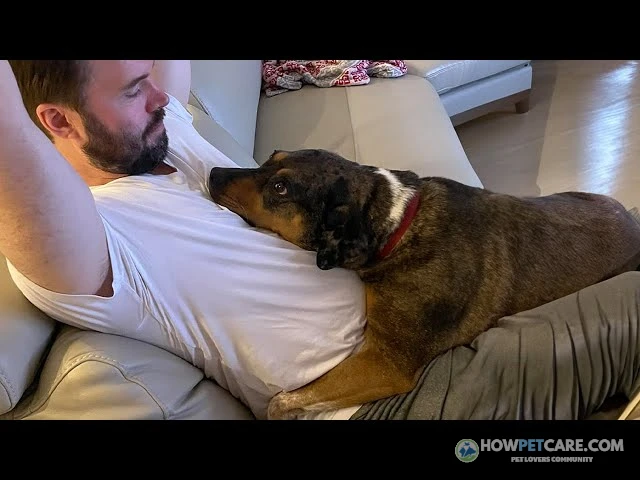

- Identify the context first, such as meals, petting, play, sleep, toileting, uncertainty, or an unexpected episode.
- Scan the whole body: eyes, mouth, ears, tail, posture, and whether the dog can disengage.
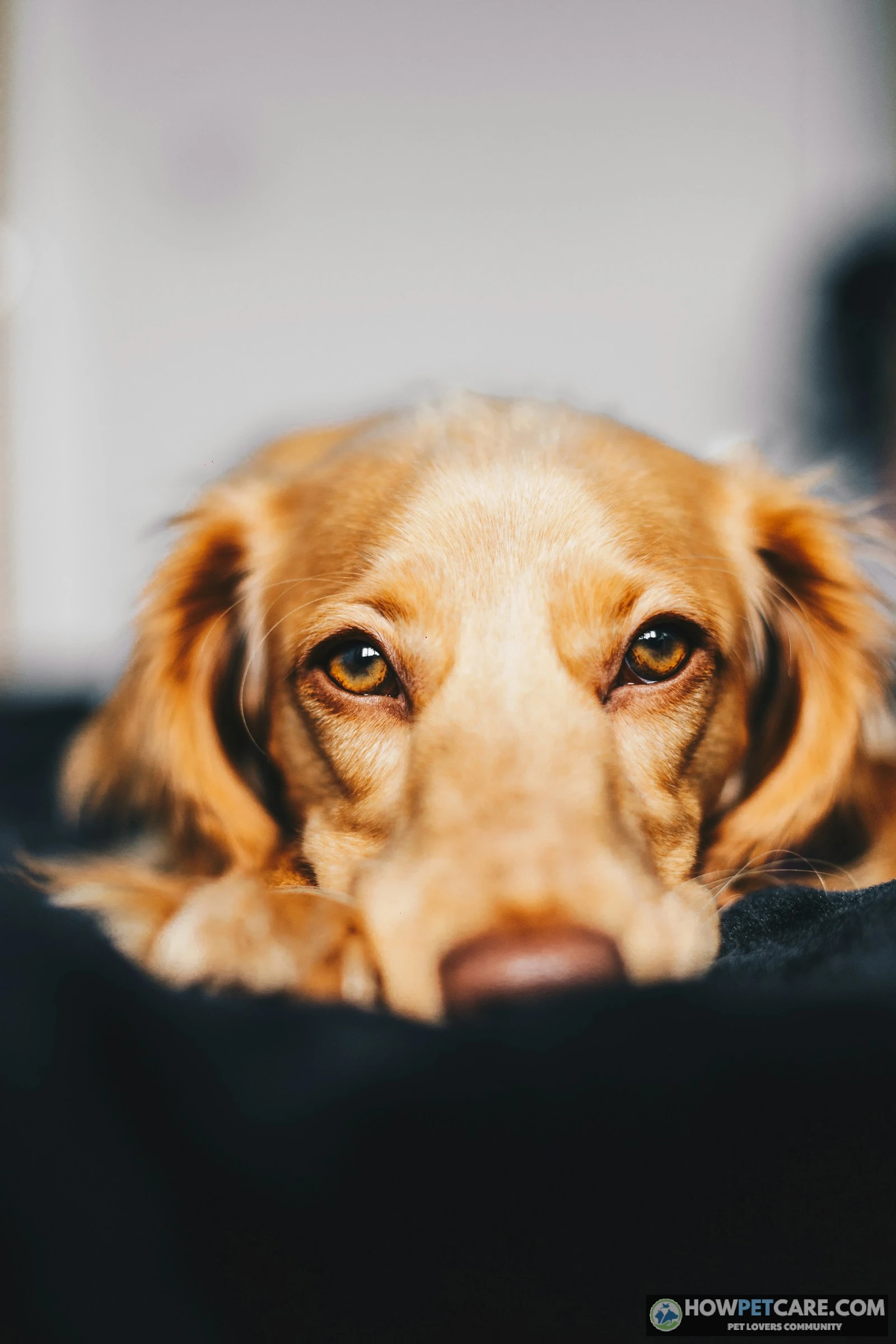
- A relaxed stare has soft eyes, a loose mouth, and a flexible body.
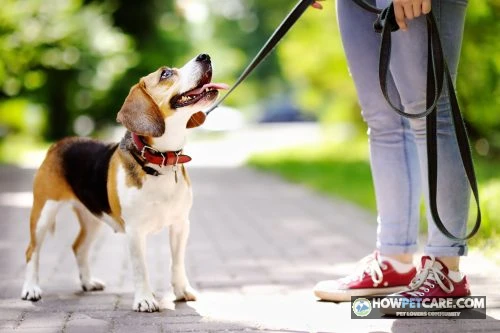
- An expectant stare points toward food, a leash, a door, or a person.
- Tension or warning may show whale eye, stiffness, freezing, guarding, or a hard fixed gaze.
- Redirect expectant staring; create space and avoid confrontation for tense staring.
Dogs often stare at their owners to communicate a request, anticipate something good, check in with a trusted person, or signal uncertainty or discomfort. A stare is only one piece of the picture. To understand it, consider the context and your dog’s whole body—eyes, mouth, ears, tail, and posture—not the eyes alone.
Why Does My Dog Stare at Me? Start With the Context
When your dog stares at you, it may be seeking attention, anticipating food, checking in with a bonded person, waiting for a cue, feeling confused or fearful, experiencing pain, or warning you to give it space. The situation around the stare tells you which explanation is most likely. Consider what happened in the last 30 seconds, what the dog may want, whether the behavior is new, and whether the dog can disengage normally. Eye contact alone cannot explain dog staring behavior; read canine body language as a whole.
The four questions to ask before interpreting a stare
- What is happening right now? Meals, leash handling, play, petting, toileting, sleep, or a routine change can all shape the likely meaning.
- What might the dog want? Food, a walk, attention, help, or distance are common requests.
- Is this new or part of a pattern? A sudden change in a senior dog or any dog deserves closer attention.
- Can the dog disengage? A dog that can look away, relax, and return to normal behavior is communicating differently from one that locks on and cannot break the stare.
Mutual gazing is not automatic proof of love, and no fixed duration or frequency serves as a diagnostic threshold. Treat the stare as one signal in a larger picture.
Relaxed, Expectant, Confused, or Tense? Compare the Whole Body
A relaxed stare comes with soft, blinking eyes, a loose or gently open mouth, neutral or slowly moving ears, a relaxed tail, and a loose body. An expectant stare may include alert eyes, a mouth that closes or lip-licks, forward ears, a level or slightly raised tail, and a body pointed toward food, a leash, a door, or a person. Confusion or uncertainty can show up as wide or darting eyes, lip licking, yawning, shifting ears, lowered posture, a tucked or low tail, and cautious movement. Tension or warning may involve a hard fixed gaze, whale eye, a closed mouth, a stiff body, ears pinned or sharply forward, a tail held high and still or tucked, weight shifted forward or back, growling, freezing, or an unusually still tail.
A wagging tail does not always mean friendliness. Read its speed, height, and looseness along with the rest of the body.
What the eyes, ears, mouth, tail, and posture reveal together
Reading a single body part in isolation can lead to mistakes. Soft eyes, a loose mouth, and a relaxed tail suggest comfort. Alert eyes, forward ears, and a body aimed at a resource suggest expectation. Wide eyes, lip licking, and a lowered posture point to uncertainty or appeasement behavior. A hard fixed gaze, stiff body, and whale eye suggest tension or a warning.
Affectionate staring versus anxious or warning staring
Affectionate staring usually occurs during calm, familiar moments and comes with a loose body, soft eyes, and an ability to disengage. Anxious or warning staring is more likely to involve tension, a fixed gaze, and difficulty looking away. The distinction lies in the full body and the context, not the eyes alone.
| Stare type | Eyes and mouth | Ears, tail, and posture | Likely context | Best response |
|---|---|---|---|---|
| Relaxed connection | Soft, blinking eyes; loose or gently open mouth | Neutral or slowly moving ears; relaxed tail; loose body | Familiar greeting, quiet company, calm check-in | Acknowledge calmly, then return to your routine |
| Expectant request | Alert eyes; mouth may close or lip-lick | Ears forward; tail level or slightly raised; body oriented toward food, leash, door, or person | Meal prep, treats, walks, play, petting | Ask for a trained alternative such as sit or mat, then reward that behavior |
| Confusion or uncertainty | Wide or darting eyes; lip licking; yawning | Ears shifting; lowered posture; tail tucked or low; cautious movement | New cue, unfamiliar object, mixed signals | Slow down, reduce demands, give clear simple instructions, allow space |
| Tension or warning | Hard fixed gaze; whale eye; closed mouth; clenched jaw | Stiff body; ears pinned or sharply forward; tail high and still or tucked; weight shifted forward or back | Guarded resource, fear, pain, overstimulation, trapped feeling | Stop interaction, soften your gaze, turn sideways, create distance, seek professional help if repeated |
 You might be wonderingWhy does my dog lick me so much?Why Does My Dog Lick Me So Much? Full Behavior & Health GuideRead the answer
What Your Dog May Be Saying in Everyday Situations
If your dog stares while you eat, food anticipation and learned begging are likely. Previous rewards can maintain the pattern. During petting, look for relaxed enjoyment versus uncertainty, overstimulation, pain, or a request for the interaction to stop. If your dog stares and wags its tail, distinguish a loose social wag from one that is alert, high, fast, or stiff. Staring and whining can signal attention-seeking, excitement, frustration, anxiety, discomfort, or a need to toilet, so check the immediate context. A dog that watches while you sleep or while it poops may be checking in, feeling vulnerable, following a routine, seeking security, or simply monitoring a trusted person. If a dog stares all the time, note whether it happens around predictable routines or has become generalized, intrusive, or difficult to interrupt.
Why dogs watch people during meals, petting, and toileting
During meals, a dog may have learned that staring brings food scraps or attention. During petting, a stare can mean enjoyment, uncertainty, or a subtle request to stop. Dogs may feel vulnerable while toileting and look to their owner for protection or a trusted presence.
Why a dog may stare at night or while the owner sleeps
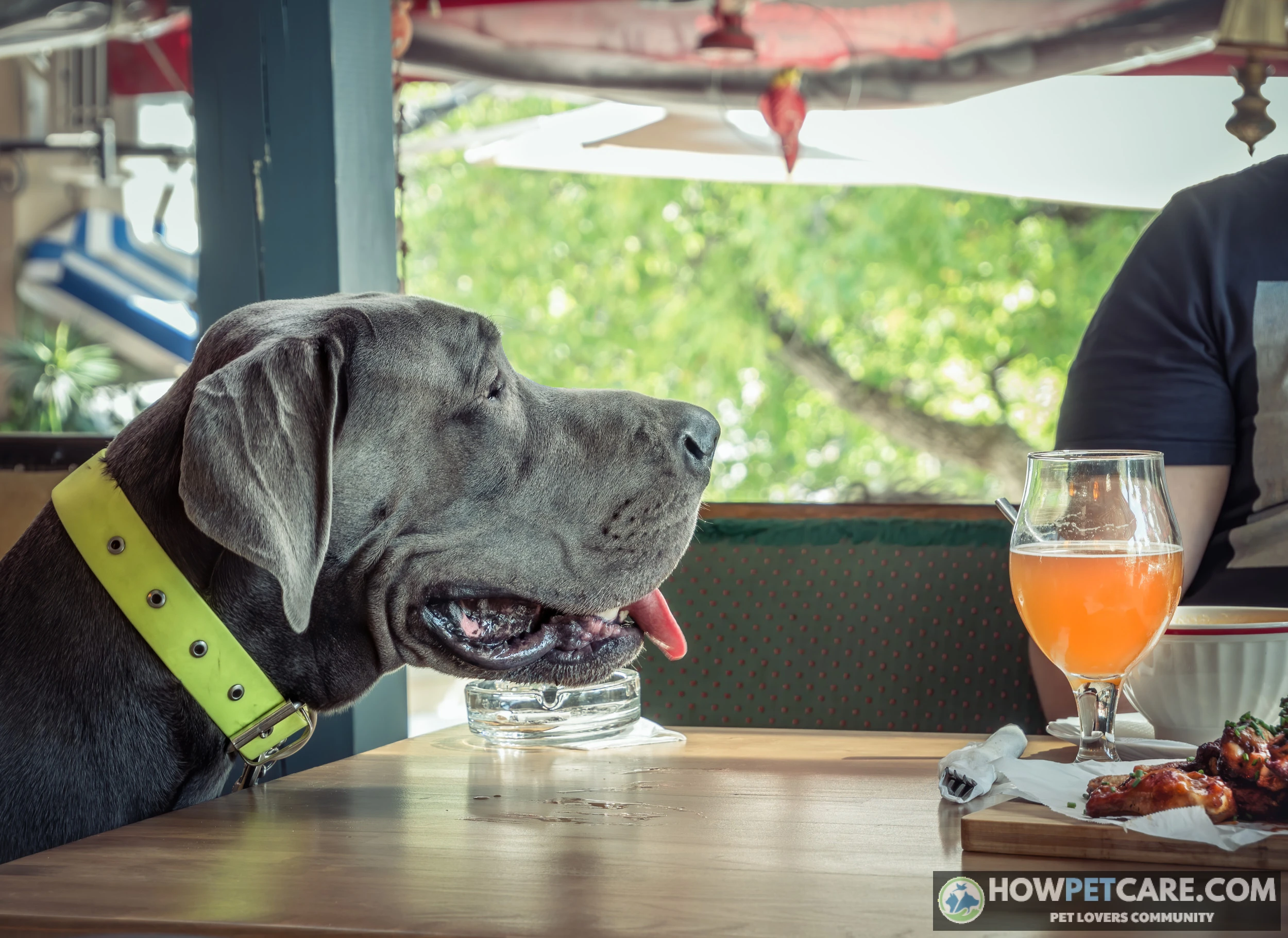
Nighttime or sleep-time staring often reflects checking in, monitoring a trusted person, or routine-based behavior. A dog that stares while you sleep may simply be resting nearby and observing. If the staring is new, blank, or accompanied by disorientation or sleep disruption, it deserves closer attention.
How to Respond Without Reinforcing Begging or Escalating Tension
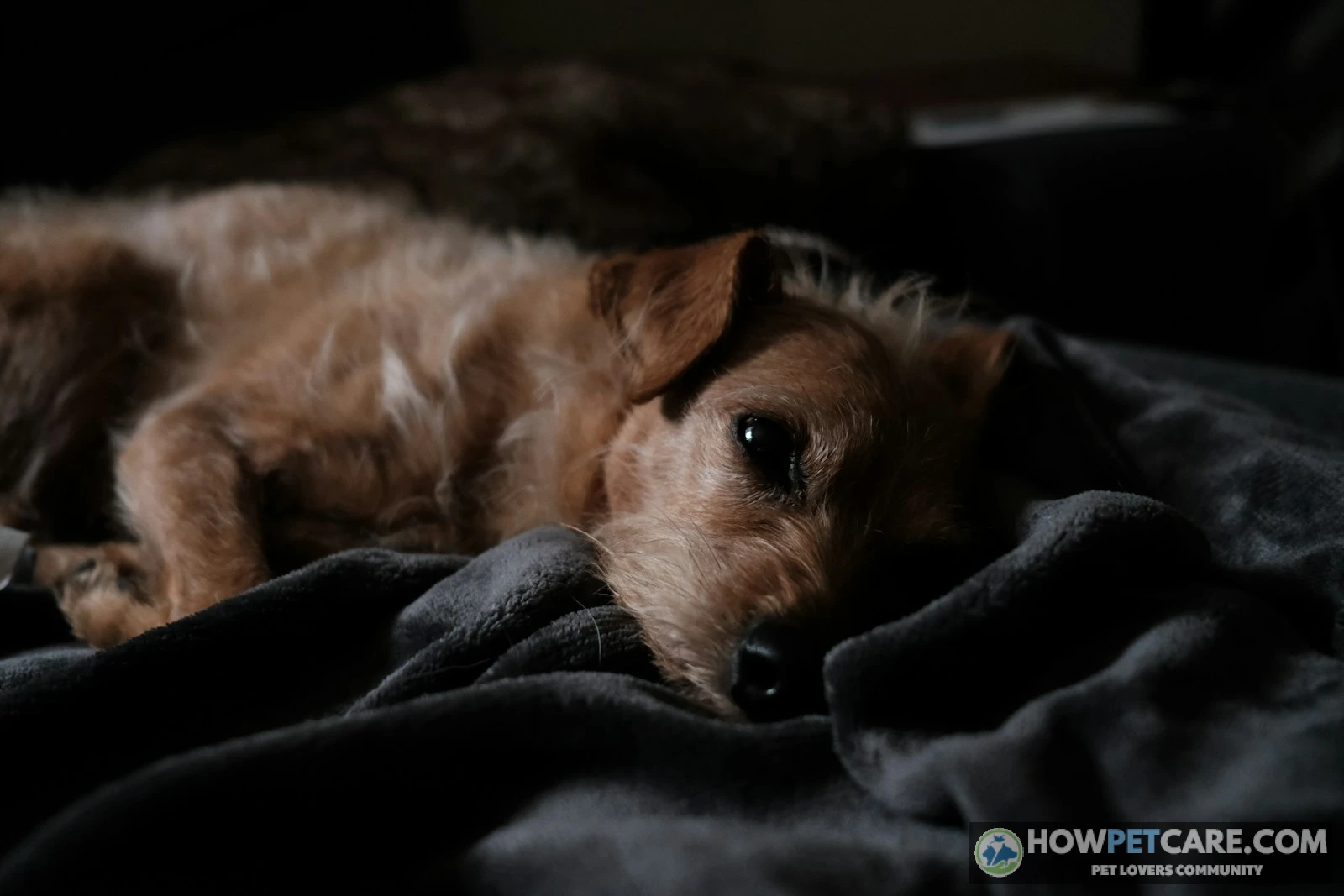
For a relaxed social stare, calmly acknowledge your dog, offer an appropriate cue, or provide attention when it fits the routine. For food- or attention-seeking staring, avoid rewarding the stare with table scraps, excited talking, or repeated commands; reinforce a quiet alternative instead. Use a step-by-step meal routine: teach a mat or place cue away from the table, reward the dog for staying there, begin with short durations, and gradually add food and distractions. If you see whale eye, freezing, a stiff body, resource guarding, growling, or a hard fixed stare, stop reaching or petting, turn slightly away, avoid forced eye contact, and calmly create distance. Do not punish, confront, loom over, stare back, or physically move a tense dog.
Replace dinner-table staring with a mat behavior
-
Set up the mat
Place a mat or bed 6–10 feet from the table, not beside your chair.
-
Teach the cue first
Lure the dog to the mat, mark and reward, then add the verbal cue ‘mat’ or ‘place.’
-
Reward staying, not staring
Give treats on the mat while you sit at the table; do not reward eye contact at the table.
-
Start short
Begin with 10–30 seconds on the mat during a snack, then release with a clear ‘okay.’
-
Add difficulty gradually
Increase to full meals over several days, adding one challenge at a time: longer duration, more food aroma, family movement, or guests.
-
Prevent rehearsal
If the dog leaves the mat and stares, calmly guide or lure back, reward the mat, and shorten the next session.
-
Do not share from the plate
Keep human food out of the routine unless your veterinarian has approved it and it is delivered after the meal, not during staring.
-
Stop if tension appears
If the dog guards food, freezes, or shows whale eye, end the exercise and create distance; do not test the dog with more eye contact.
Safe disengagement when the stare becomes tense
If you see whale eye, freezing, stiffness, guarding, or a hard fixed stare, stop interacting immediately. Soften your gaze, turn slightly sideways, and calmly create distance. Do not stare back, loom over, or physically move the dog. In that moment, safety matters more than training. If the pattern repeats or creates risk, contact a qualified reward-based behavior professional.
Punishing, confronting, or staring back at a tense dog can escalate the situation and increase bite risk. Create distance first and seek professional guidance for repeated tension.
When Staring Without Blinking, Into Space, or at Night Needs More Attention
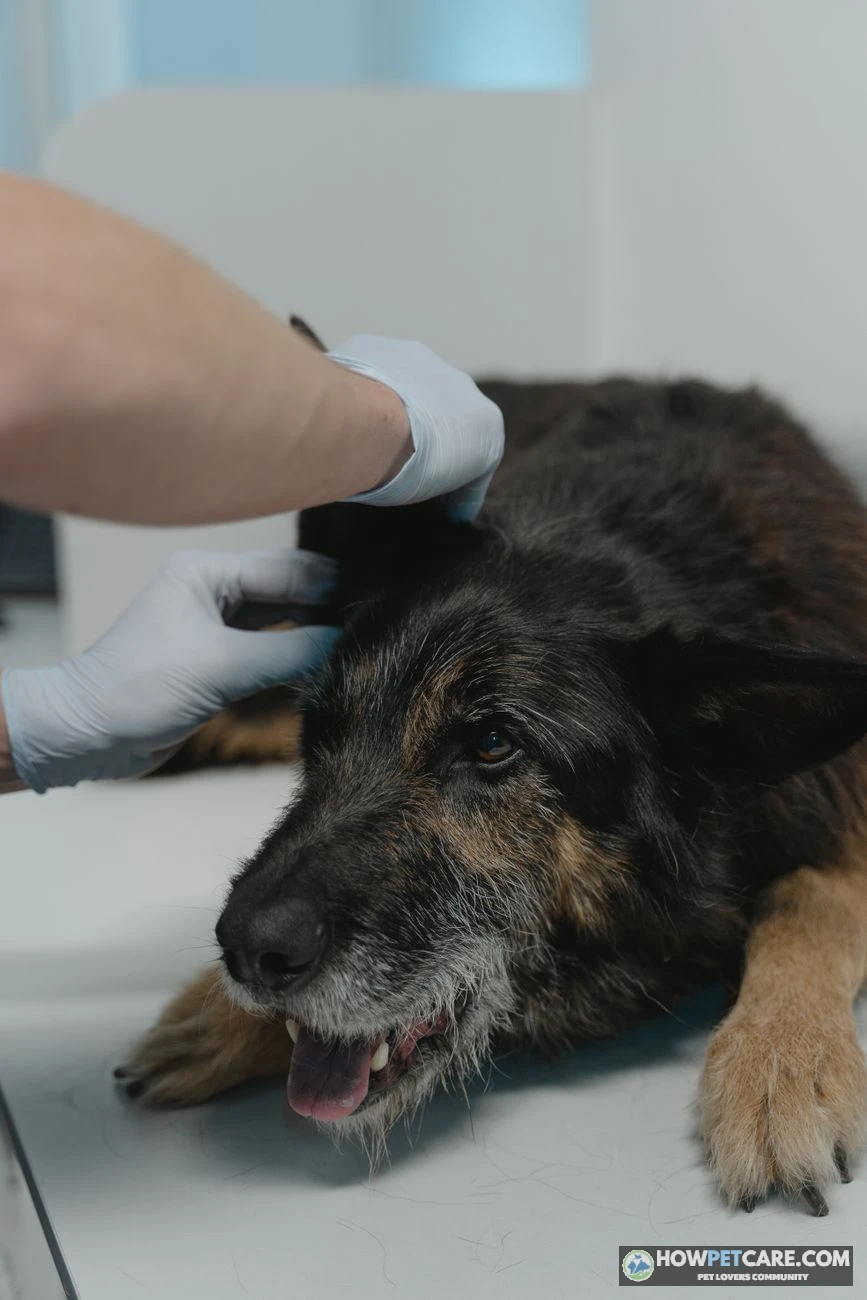
A blank or fixed stare that is new, frequent, difficult to interrupt, or paired with disorientation, pacing, weakness, collapse, unusual movements, altered responsiveness, or seizures warrants veterinary advice. Senior dogs with new nighttime staring, getting stuck, staring into corners, sleep disruption, house-soiling, or changes in recognition should receive a prompt appointment to assess sensory, neurologic, pain-related, or cognitive causes. Seek urgent veterinary assessment for staring accompanied by collapse, breathing trouble, repeated seizure-like episodes, severe pain, sudden inability to respond, or possible toxin exposure. Before calling, record when episodes occur, how long they seem to last without treating duration as a standalone cutoff, what interrupts them, associated movements, sleep and appetite changes, medications, and video if safe. A veterinary behaviorist or qualified reward-based behavior professional can help when staring is linked to anxiety, compulsive behavior, aggression, resource guarding, or household safety concerns.
What to observe and record before contacting a veterinarian
Dog: ____ Date: ____
- Onset: When did this staring pattern first appear? ____
- Frequency: How often does it happen now? ____
- Duration: About how long does each episode seem to last? ____ (describe, do not use as a cutoff)
- Time of day: Morning / afternoon / evening / night / varies
- Triggers: Meals, petting, sleep, toileting, noise, visitors, medication, none noticed: ____
- Responsiveness: Can the dog be interrupted? Yes / No / Sometimes
- Associated movements: Pacing, circling, trembling, collapse, unusual repetitive motion, none: ____
- Mobility: Normal / stiffness / weakness / unsteady / other: ____
- Vision changes: None / bumping into objects / hesitation in dim light / other: ____
- Sleep changes: Normal / restless / nighttime waking / daytime sleeping more: ____
- Appetite and toileting: Normal / changed: ____
- Medications or supplements: ____
- Video note: Capture one short video only if it is safe and does not stress the dog; note file name or time: ____
- Urgent symptoms present: Collapse, breathing trouble, seizure-like episode, severe pain, sudden unresponsiveness, possible toxin exposure: Yes / No
Medical concern versus a routine learned behavior
A routine learned behavior usually occurs around predictable triggers such as meals or walks, and the dog can usually be redirected. A medical concern is more likely when the staring is new, blank, persistent, difficult to interrupt, or paired with other health or behavior changes. Staring alone does not diagnose cognitive dysfunction, seizures, pain, vision loss, anxiety, or aggression.
Does a Stare Prove Your Dog Loves You?
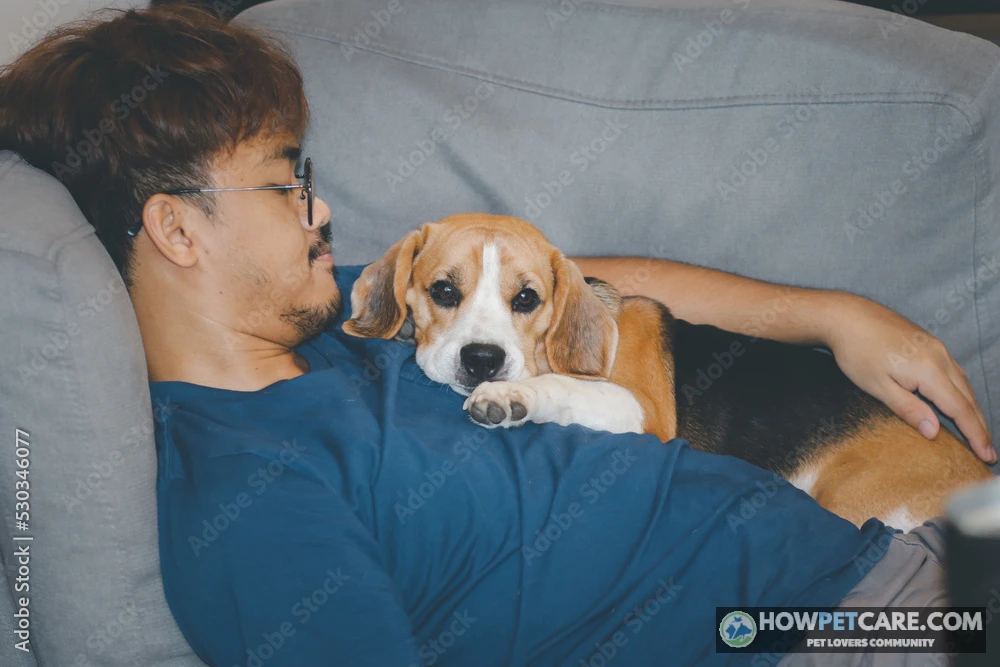
Soft mutual eye contact can occur during positive, familiar interactions and may support bonding, but it is not a standalone measure of affection or attachment. Human-dog oxytocin research supports a relationship between some positive social interactions and oxytocin changes, not a guarantee that every stare reflects love or that owners occupy a parent role. Breed tendencies, individual temperament, training history, routine, and working background may affect how often a dog watches people, but they do not determine the meaning of a particular stare. A dog’s ability to relax, seek contact appropriately, disengage, and recover from stress offers stronger context than eye contact alone.
What bonding research can and cannot tell you
Research on human-dog oxytocin describes associations in studied dog-owner pairs. It does not prove that a specific stare means love, that the dog views the owner as a parent, or that mutual gazing alone measures attachment. Judge the relationship by the broader pattern of trust, relaxation, and flexible behavior.
Soft mutual eye contact can occur during positive, familiar interactions and may support bonding, but it is not a standalone measure of affection or attachment. Research on human-dog oxytocin supports a relationship between some positive social interactions and oxytocin changes; it does not guarantee that every stare reflects love or that an owner occupies a parent role.
A Quick Decision Path for Your Dog’s Next Stare
First, identify the context: meal, petting, play, routine, sleep, toileting, uncertainty, or an unexpected episode. Then scan the whole body for looseness, soft eyes, flexible movement, appeasement signals, or tension such as whale eye, freezing, stiffness, guarding, or growling. If your dog is relaxed, respond with a suitable cue or reinforce a calm alternative. If it is expectant, redirect to the trained behavior and reward that behavior rather than the stare. If the dog is tense, stop the interaction, avoid eye-contact pressure, create space, and contact a qualified professional if the pattern repeats or creates risk. If the stare is new, blank, persistent, neurologically unusual, or accompanied by other health changes, document it and contact a veterinarian, urgently when red-flag symptoms appear.
Context, body language, response, and escalation
- Pause: Stop moving and avoid adding more eye contact, commands, or touch while you observe.
- Identify the trigger: Note what happened in the last 30 seconds—food, leash, toy, petting, noise, another dog, or a routine change.
- Scan the whole body: Check eyes, mouth, ears, tail, posture, and whether the dog can disengage.
- Choose one response:
- Connection: If the dog is loose and relaxed, use a familiar cue or give calm attention.
- Redirection: If the dog is expectant, ask for a trained behavior and reward that behavior instead of the stare.
- Space: If you see whale eye, freezing, stiffness, guarding, or a hard fixed gaze, stop reaching, turn slightly away, soften your gaze, and calmly create distance.
- Professional help: If tension repeats, escalates, or creates safety risk, contact a qualified reward-based behavior professional.
- Escalate health concerns: If the stare is new, blank, persistent, or paired with disorientation, weakness, collapse, unusual movement, or altered responsiveness, document it and contact a veterinarian.
| What you observe | Likely interpretation | Immediate action | When to get help |
|---|---|---|---|
| Relaxed body, soft eyes, can disengage | Social check-in or affection | Acknowledge calmly, return to routine | Not needed |
| Oriented toward food, leash, or door | Expectant request | Ask for trained behavior, reward that | Not needed |
| Wide eyes, lip licking, lowered posture | Confusion or uncertainty | Slow down, simplify, allow space | If persistent or worsening |
| Whale eye, stiffness, freezing, guarding | Tension or warning | Stop interaction, create distance | If repeated or creates risk |
| New blank stare, disorientation, sleep changes | Possible health concern | Document, contact veterinarian | Promptly; urgently if red flags |
FAQ
How do I say "I love you" in dog language?
Use calm, predictable care, reward-based training, play, and relaxed companionship. Many dogs also appreciate gentle interaction on their terms, but do not force eye contact or physical affection.
What are signs that my dog is bonded to me?
A bonded dog may seek you out, check in during walks, relax near you, respond to your cues, and return to you for security. Bonding is shown by a pattern of trust and flexible behavior, not by staring alone.
Why does my dog stare at me without blinking?
A fixed stare can reflect intense attention, food anticipation, uncertainty, guarding, or tension. Look for body stiffness, whale eye, a closed mouth, growling, or difficulty disengaging; a new blank or unresponsive stare should be discussed with a veterinarian.
Do dogs stare at their owners because they think the owners are their parents?
Dogs can form strong attachment relationships with people, but a stare does not prove that a dog views an owner as a parent. It is more accurate to interpret the behavior through attachment, learning history, context, and body language.