

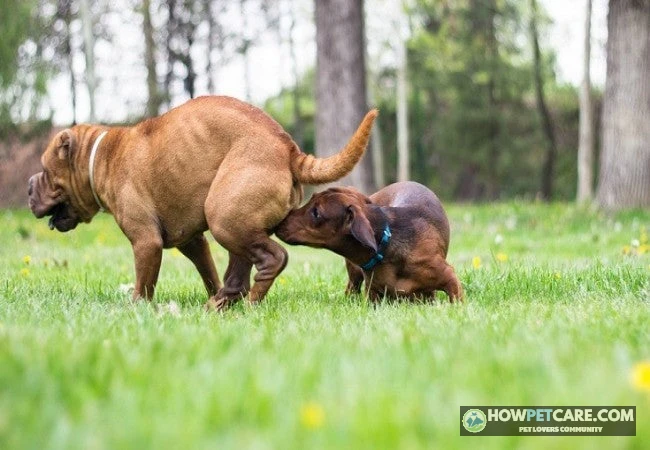
Dogs smell people to gather information: scent tells them who someone is, where they’ve been, what they’ve eaten, and which animals or places they’ve encountered. It’s normal greeting behavior, not rudeness — crotch and hand sniffing simply target spots where body odors and chemical signals are most concentrated.
Dogs sniff people to identify them, check what they’ve eaten or touched, and notice changes in their scent. A greeting sniff is ordinary information-gathering, not rudeness. Dogs may focus on someone’s hands, shoes, or private areas because those places carry particularly interesting smells. You can make room for this natural behavior while teaching your dog to disengage and greet people politely.
If you’re asking, "why do dogs smell people," even when they already know the person, the answer is that a familiar scent offers a chance to check what has changed since the last meeting. A stranger brings unfamiliar scents to investigate. Below, you’ll find an explanation of canine olfaction, crotch-sniffing, the effects of scented products, and what pet dogs can realistically detect. There’s also a practical plan for managing greetings with guests and on walks.
Greeting behavior: why the first sniff matters
Scent helps dogs identify individuals and explore what’s happening around them. A brief sniff can tell a dog that someone is familiar, carries another animal’s scent, or has been somewhere new. Dogs also rely on sight, sound, and body language. Sniffing is just one part of a broader social greeting.
That’s why a dog may inspect a familiar person after work or a trip as well as sniff someone new. Your scent profile changes throughout the day as you eat, sweat, handle objects, visit places, and encounter other animals. To your dog, you’re familiar, but never exactly the same.
What a dog can learn from one sniff of a person
A sniff doesn’t give a dog a complete, human-like biography. It offers chemical clues the dog may compare with familiar scents. Food residue on a hand, another pet’s fur on a jacket, or a new laundry product can all contribute to the impression.
Dogs may also respond to changes associated with someone’s emotional or physical state. But sniffing a person doesn’t prove a dog knows how that person feels or has identified a health condition. Everyday observations can’t support those claims on their own.
How a Dog’s Nose Works: Receptors, Brain Space, and Sniff Mechanics
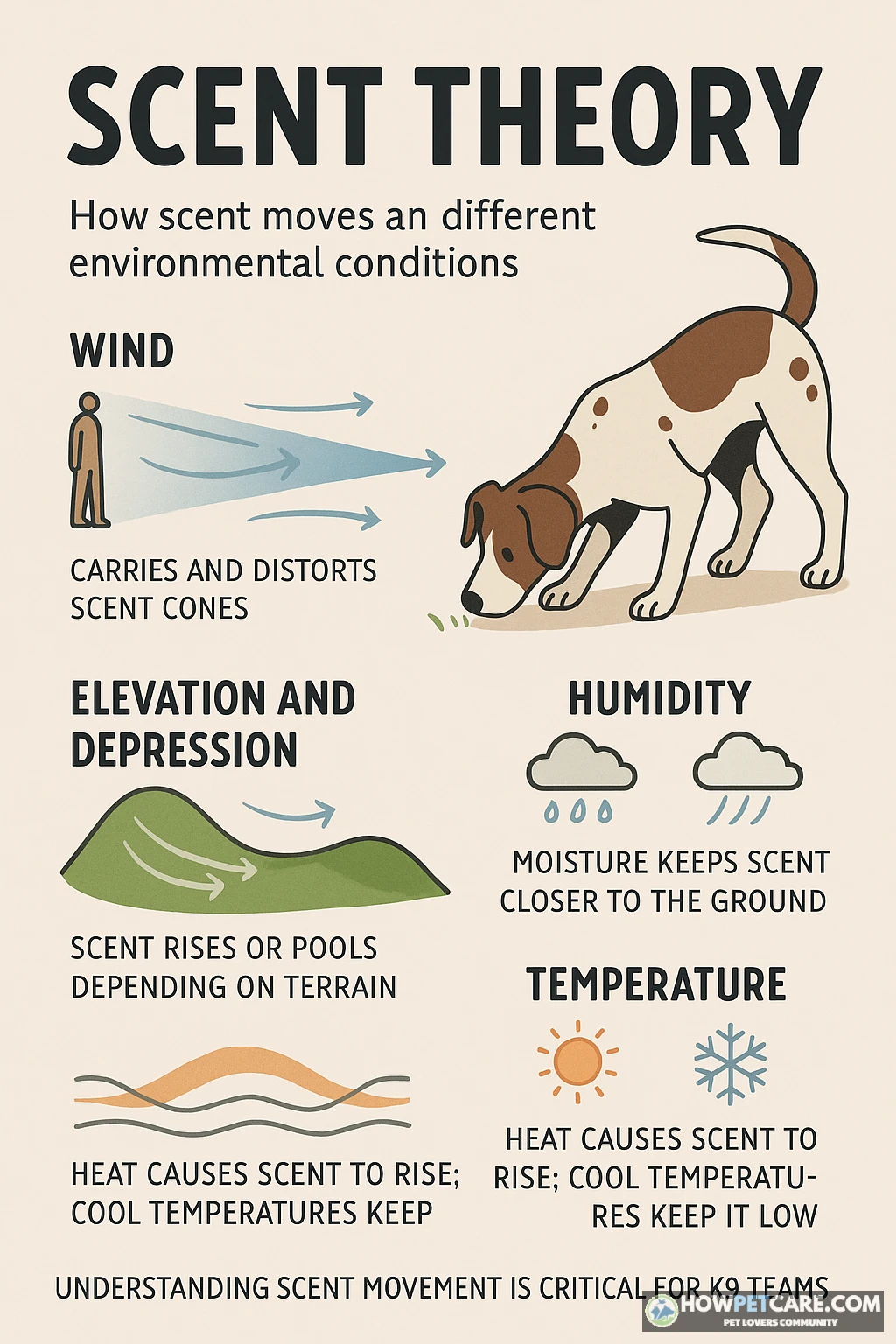
A dog’s nose is built to collect and process odor. Estimates vary by source and breed: dogs are commonly described as having about 100 million to 300 million olfactory receptors, compared with roughly 5 million to 6 million in humans. The brain area devoted to analyzing smell is estimated to be about 40 times larger in dogs than in people, and some sources estimate canine scent sensitivity at 1,000 to 10,000 times that of humans. These are broad comparisons, not a promise that every dog can detect every odor at a fixed distance or concentration.
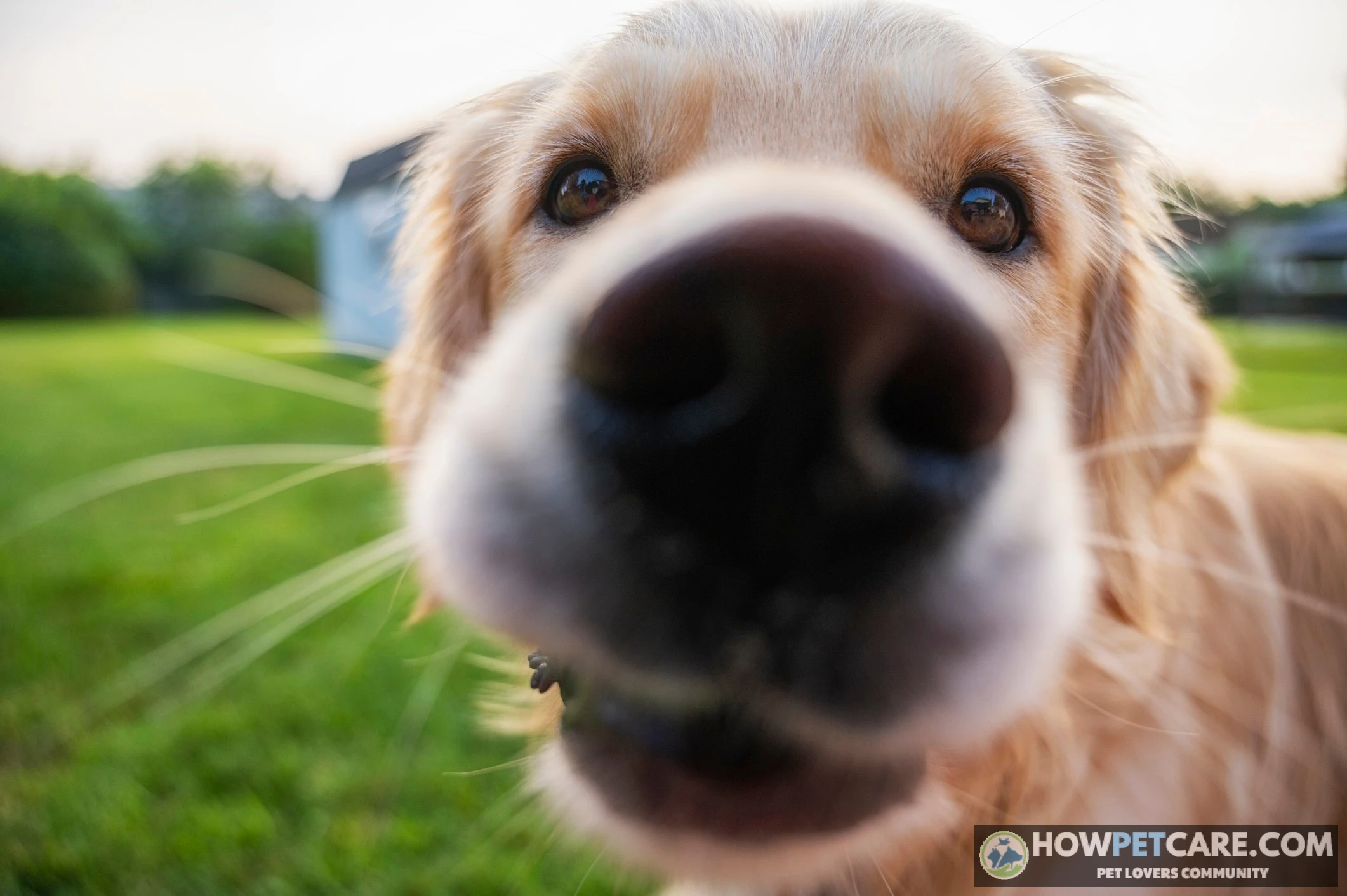
Nasal anatomy and airflow diagram
A sniff, from nose to brain: odor-bearing air enters the nostrils → passes over folded nasal structures called turbinates, which carry scent-detecting tissue → odor molecules interact with receptors in the olfactory region → the brain processes the resulting signals. Dogs also have a vomeronasal organ, sometimes called Jacobson’s organ, above the roof of the mouth. It can detect certain chemical signals, including pheromones.
Dogs take quick investigative sniffs rather than relying on one deep breath. Their nasal anatomy helps route odor-bearing air through scent-detecting areas while they continue breathing. When they exhale, air leaves through openings at the sides of the nostrils, helping stir nearby air and draw fresh odor toward the nose.
Olfactory receptors don’t simply register “a person.” A dog encounters a blend of odor components: skin oils, sweat, soap, food, clothing, and traces of places or animals. The vomeronasal organ is a chemical-sensing structure, not a sixth sense. Its role in everyday social behavior isn’t fully settled, so it’s best not to treat it as a device that reveals specific private facts.
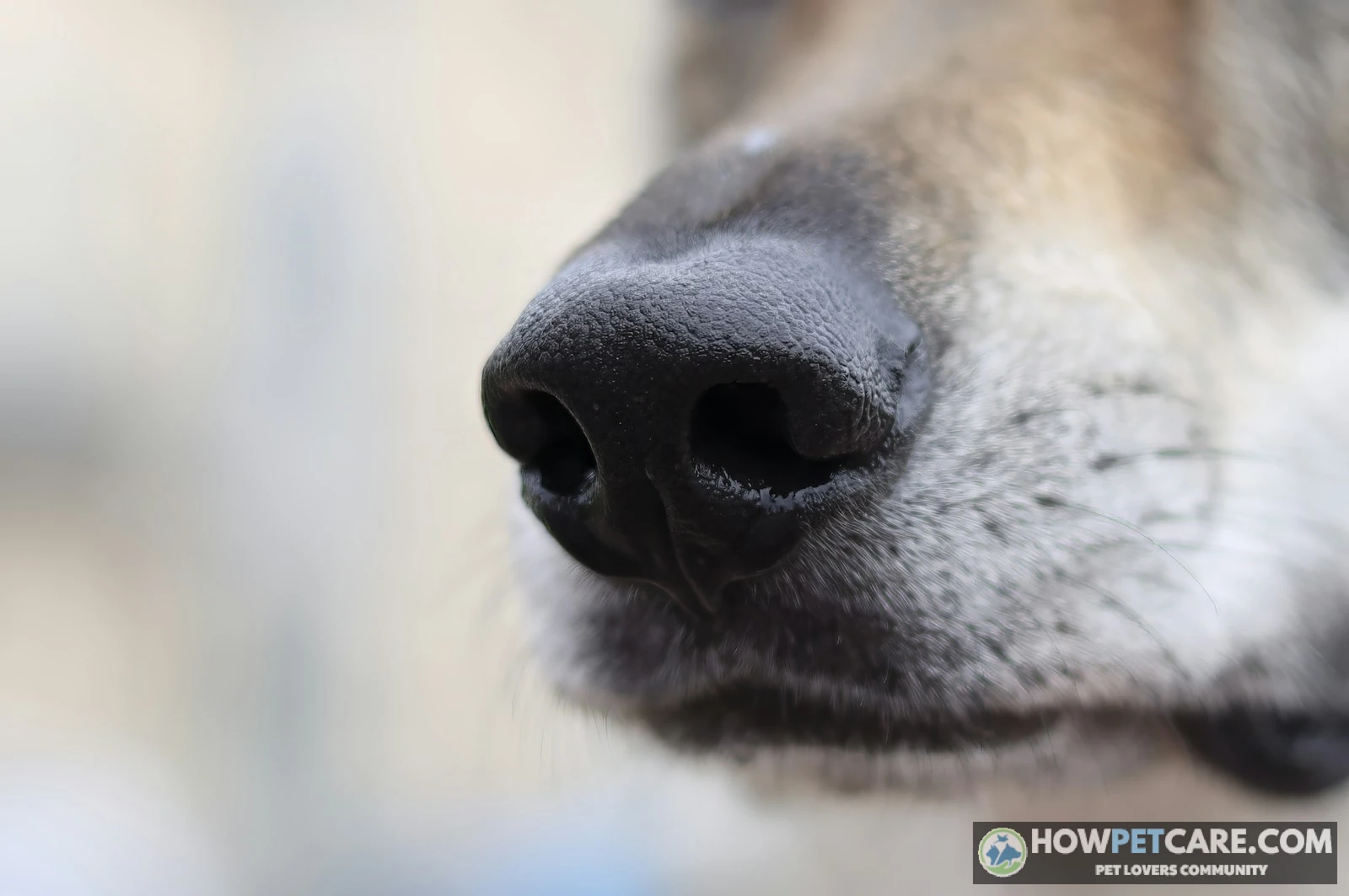
Dog sense of smell versus human smell: what the numbers mean in practice
The figures give a sense of the difference in olfactory equipment. In practice, the takeaway is simpler: a person’s smell has many detectable layers, and dogs can notice changes that people may not. Receptor-count and sensitivity estimates differ across sources, so ranges are more accurate than a single definitive number.
One sniff can prompt further investigation, but it can’t tell us exactly what a dog has inferred. A dog lingering at a sleeve might be responding to a pet’s scent, food, or a new detergent. The same behavior can have different causes in different situations.
Why Dogs Sniff Crotches and Private Areas
Dogs sniff crotches because the groin can carry concentrated body odors and is conveniently close to a dog’s nose. Apocrine glands, found in areas including the groin and armpits, release scent-bearing compounds, and the vomeronasal organ can detect pheromones and other chemical signals in these areas. A dog may investigate those odors as part of identifying a person and checking for chemical changes.
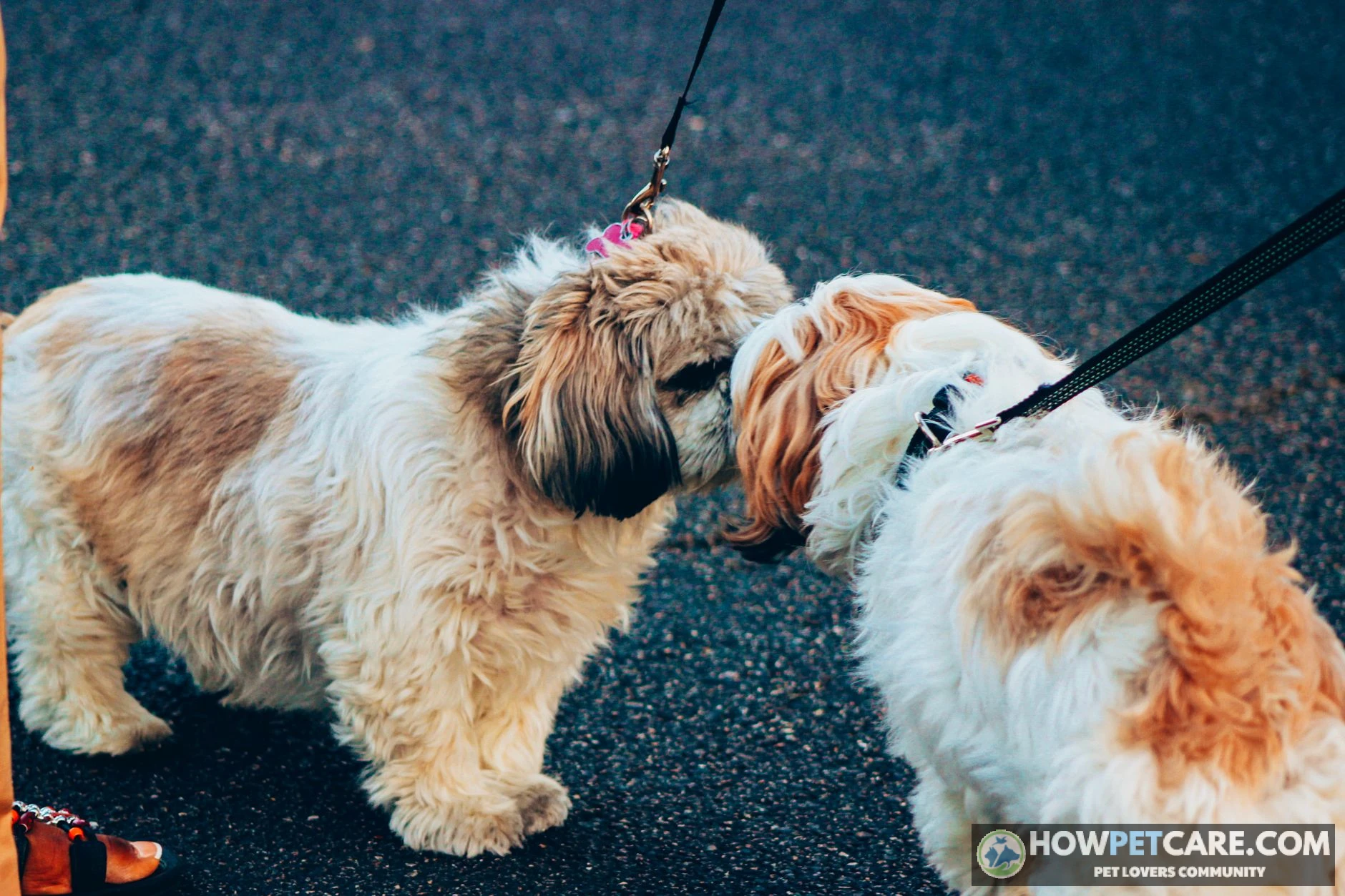
It isn’t sexual: what the dog is actually doing
For a dog, sniffing someone’s private area is generally social information-gathering, not sexual interest or a judgment about the person. Dogs also investigate one another through scent. A greeting that feels invasive to us can be a straightforward way for a dog to collect information.
People may notice more attention during menstruation, pregnancy, after exercise, or when other hormonal or body-chemistry changes occur. Dogs can detect some scent changes associated with human hormones, but a sniff doesn’t mean the dog understands the cause or knows a private fact. The dog is noticing odor, not making a medical assessment.
Guests may attract more attention because they’re unfamiliar. A dog’s nose is also naturally near groin height when approaching a standing person. If your dog repeatedly pushes, mouths, mounts, or can’t be called away, treat it as behavior to manage, not a reason for punishment.
Do sex and neuter status change how intensely dogs sniff people?
An intact dog may show strong interest in social and reproductive odors, but it’s unclear how much neuter status changes sniffing directed at people. Don’t assume sex or neuter status explains every greeting. Individual temperament, scent exposure, learning history, and training also matter.
A dog’s behavior around a person’s hormonal scent isn’t a reliable pregnancy or fertility test. If you have a human health question, seek appropriate medical advice rather than interpreting a dog’s sniffing.
 You might be wonderingWhy do dogs pant?Why Do Dogs Pant? Normal vs Emergency Panting GuideRead the answer
Why Your Dog Sniffs Some People More Than Others: Perfume, Lotion, Detergent, and Breed
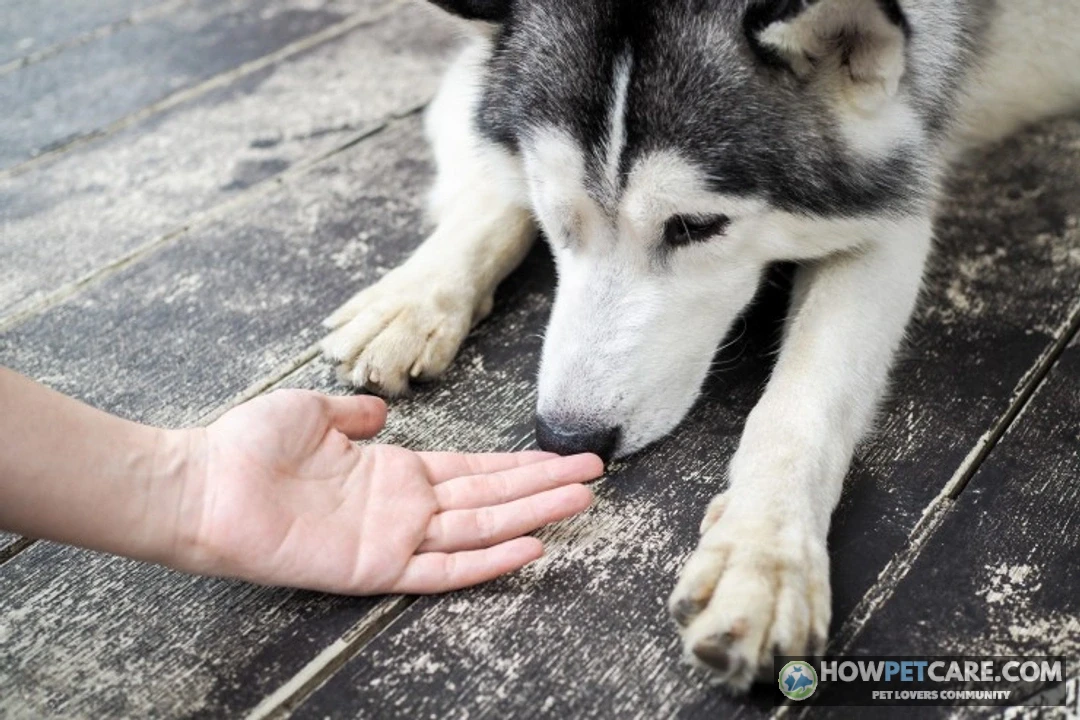
Dogs don’t encounter a person’s natural scent in isolation. Perfume, scented lotion, shampoo, laundry detergent, and fabric softener add odors to skin and clothing. A dog may be curious about a new smell, linger to investigate the mixture, or show less interest if a strong odor is unpleasant. No product reliably prevents sniffing.
Food on a hand, treats in a pocket, and another animal’s fur or saliva on clothing can draw attention, too. Shoes carry scents from surfaces a person has walked over. Smoke or strong chemical odors may prompt some dogs to sniff or avoid, depending on the dog and the smell.
Familiarity matters as well. A dog may give a household member a quick check and take longer with a stranger. People who crouch, offer food, or greet the dog excitedly may get more attention because the dog has learned that approaching them is rewarding. If a guest is uncomfortable, ask them to stand calmly and let you manage the greeting rather than reaching toward the dog.
How scented products change what your dog perceives
Think of scent as layers rather than a single signal. A person’s ordinary skin scent may mix with a new lotion, detergent on a sweater, and the smell of a dog they petted earlier. Your dog may be exploring that new combination. Heavy fragrance can mask some familiar odors while adding others; it doesn’t erase a dog’s ability to recognize someone.
If one visitor attracts unusual attention, consider what’s different: clothing, products, food, pets, or how the person is behaving. Treat these as practical possibilities, not a diagnosis of the visitor or the dog.
Breed-level sniffing drive: scent hounds, brachycephalic breeds, and typical breeds
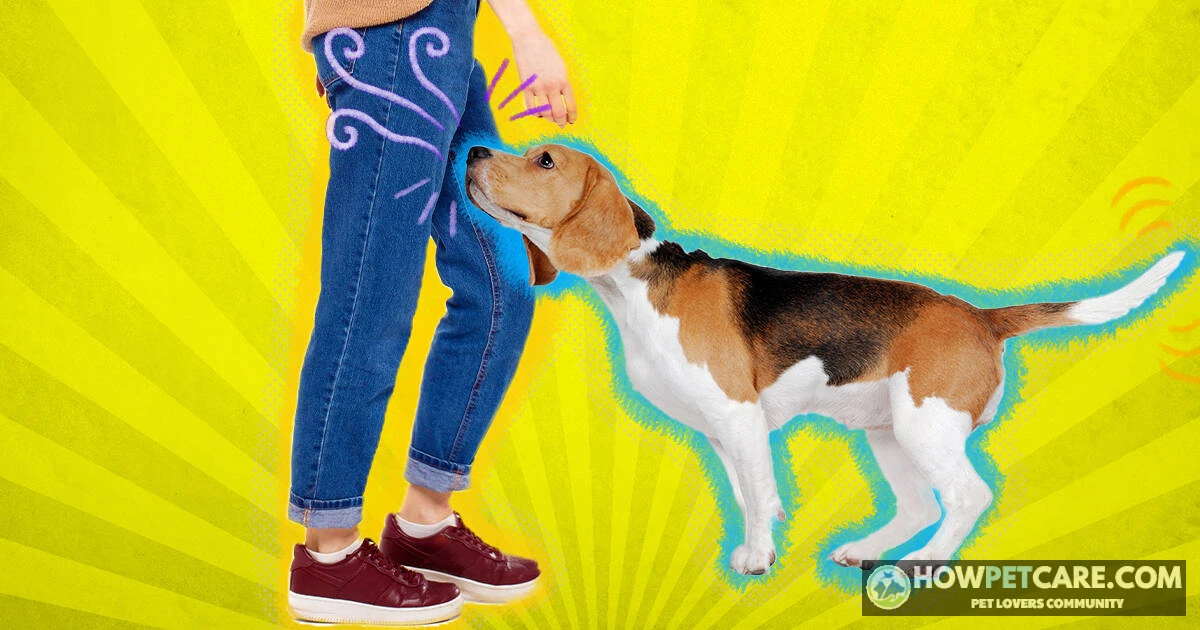
Breed can influence how a dog uses its nose, but individual behavior varies widely. The comparison below describes broad tendencies, not a ranking of every dog’s olfactory ability. Specific receptor counts by breed are uncertain; estimates commonly cited for dogs vary across sources.
| Breed group | Example breeds | Nose and nasal structure | Typical sniffing drive toward people | What owners may notice | Management tip |
|---|---|---|---|---|---|
| Scent hounds | Bloodhound, Beagle, Basset Hound | Long muzzles and a strong history of scent-focused work | Often high | Persistent investigation of shoes, clothing, and people | Provide sniff walks and scent games, then practice disengaging around people |
| Sporting breeds | Labrador Retriever, Golden Retriever, Springer Spaniel | Many were bred for tasks involving locating or retrieving | Often moderate to high | Interest in hands, pockets, food, and visitors | Reward a mat or hand-target behavior; keep food put away |
| Herding and working breeds | German Shepherd, Border Collie, Malinois | Bred for varied working tasks; scent interest differs by individual | Variable, often moderate | May inspect a person and then turn attention back to the handler | Give a clear alternative, such as “go to mat” |
| Companion breeds and mixed breeds | Poodle, Cocker Spaniel, mixed breeds | A wide range of body types and histories | Variable | From a brief greeting sniff to prolonged investigation | Train the dog in the specific situation that is difficult |
| Sighthounds | Greyhound, Whippet, Afghan Hound | Often bred to rely heavily on vision when pursuing prey | Variable; some show less interest in scent greetings | May greet briefly or focus on movement instead | Respect avoidance and keep greetings calm |
| Brachycephalic breeds | Pug, French Bulldog, English Bulldog | Shortened muzzle anatomy can affect airflow and scent-processing space | Variable; do not assume low interest | May investigate food or nearby odors while breathing comfortably | Keep greetings gentle and avoid exertion or pressure that affects breathing |
These are tendencies, not rules. Individual preferences and learning history matter, and dogs within the same breed can differ substantially. If your dog has breathing difficulty, ask your veterinarian about safe activity and greeting arrangements.
Feet, Ears, Breath, Hands, and Hair: What Your Dog Is Checking on Each Body Part
The body part a dog investigates can offer clues about the smells available, but it doesn’t provide a precise translation of the dog’s thoughts. Brief investigation is usually normal. If your dog is intrusive, redirect the behavior in the same calm, consistent way you would redirect a crotch sniff.
| Body part | What the dog is likely picking up | Is it normal? | What to do if it’s a problem |
|---|---|---|---|
| Crotch or groin | Body odors, including compounds from apocrine glands | Yes; common, though often uncomfortable for people | Prevent close access at greetings and cue the dog to a mat or other behavior |
| Feet and shoes | Sweat and odors collected from places the person has walked | Yes; shoes can carry many outdoor smells | Keep shoes out of reach if needed; redirect to a toy or sniffing activity |
| Hands | Food, other animals, and objects the person has touched | Yes; hands are a common source of interesting odors | Ask the person to keep hands still; reward the dog for turning away or settling |
| Breath and mouth | Food, drink, and other odors from the mouth | It can happen, but face contact deserves caution | Keep dogs away from children’s faces and call the dog away calmly |
| Ears and neck | Skin oils, hair products, fragrance, and nearby body odors | Yes | Interrupt pestering around the face and reward a calmer position |
| Armpits | Body odors, including apocrine-gland secretions | Yes | Use the same calm boundary and redirection used for private-area sniffing |
| Hair and clothing | Shampoo, detergent, smoke, other animals, and places visited | Yes | Let the dog sniff briefly if appropriate, then cue an alternative behavior |
Feet and shoes can be especially informative because they combine a person’s scent with traces of places they’ve been. Hands attract dogs because people use them to handle food and objects and to greet animals. Hair and fabric can hold products and outdoor odors. The dog is investigating available scent, not necessarily targeting a body part for a hidden reason.
Can Dogs Smell Fear, Stress, and Illness? What Pet Dogs Can and Can’t Detect
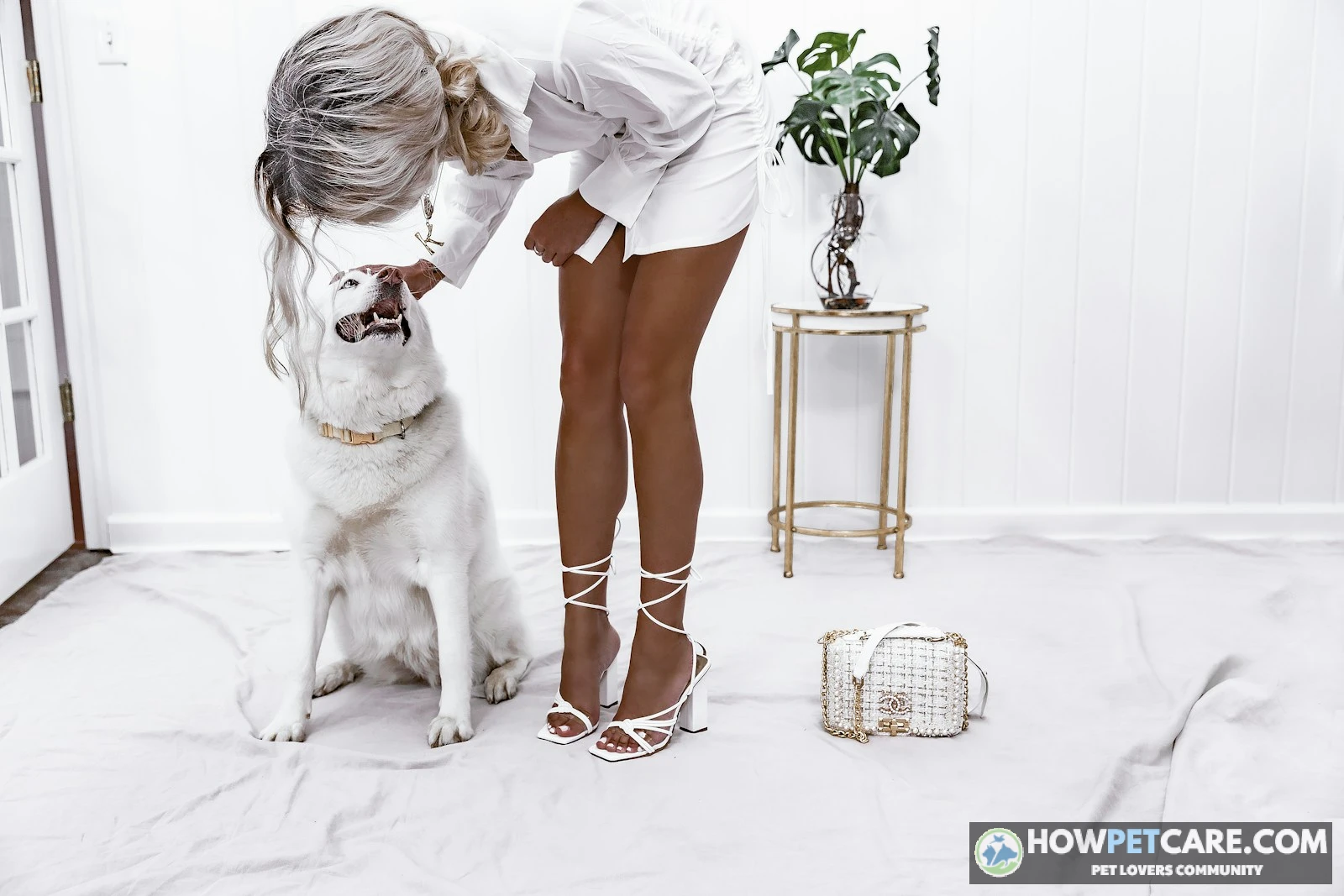
Dogs can notice changes in odor and respond to a person’s posture, movement, voice, and facial expression. Current research doesn’t justify saying a pet dog can literally read fear or diagnose illness from a sniff. Studies support the general point that dogs may gather information about emotions and health-related changes, but they don’t establish dependable diagnostic ability in untrained pets.
Smelling fear and stress: what the evidence supports
Stress can be accompanied by changes in sweat and breath, and a dog may notice those alongside a person’s body language and voice. A dog reacting to a tense person could be responding to several cues at once. “Smelling fear” is a convenient phrase, but it isn’t proof that a dog can identify a specific emotion from odor alone.
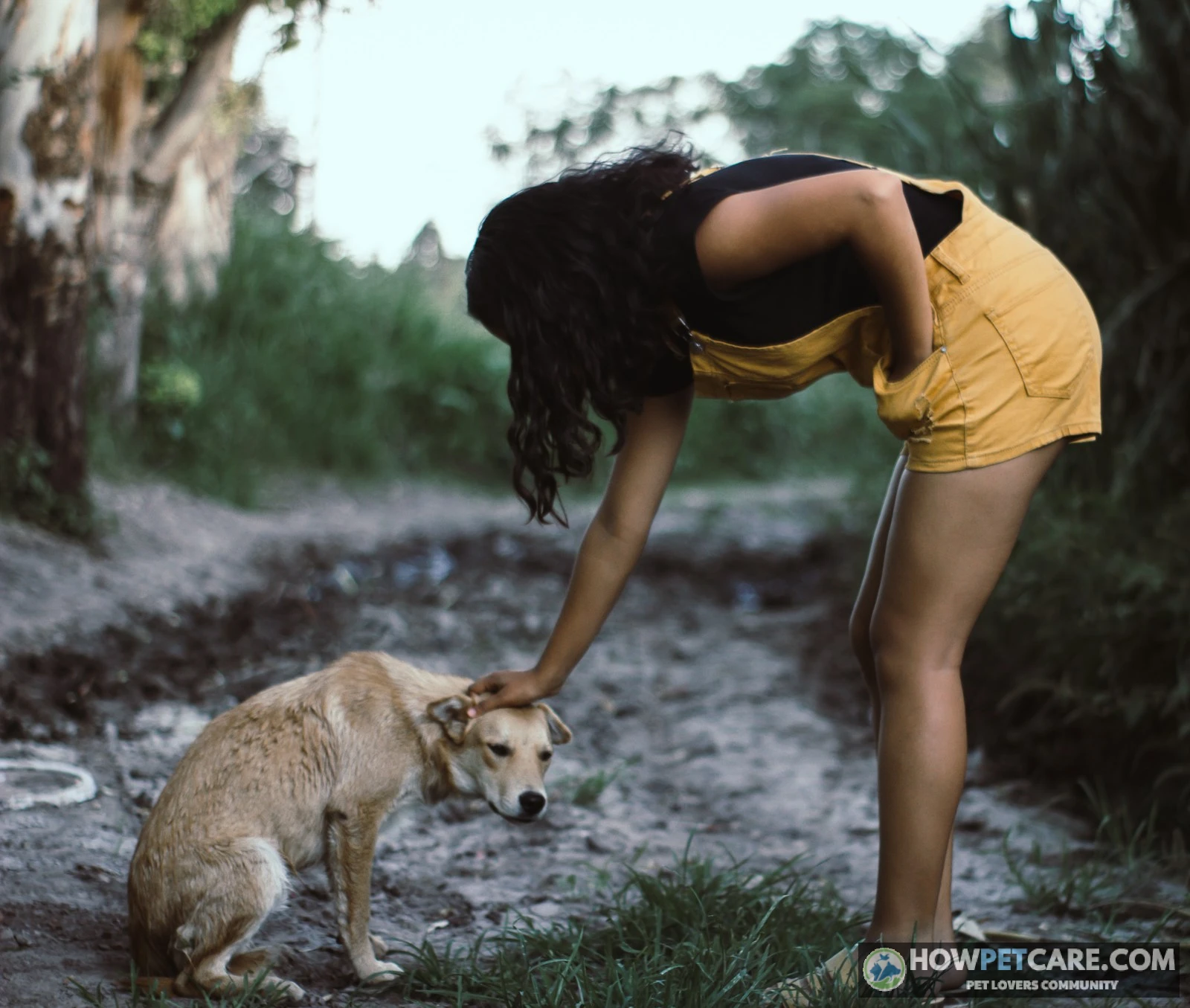
If a dog becomes more alert around someone who is anxious, consider the whole interaction. The person may be standing stiffly, speaking differently, moving unpredictably, or carrying an unfamiliar scent. Give both the person and the dog space rather than making them interact.
Untrained pet dogs versus trained medical detection dogs
Dogs trained for medical scent detection aren’t equivalent to household pets that happen to notice a change. A detection program pairs a target odor with a trained response and evaluates the dog against known samples. An untrained dog has no verified alert behavior, so an unusual sniff can’t be interpreted as a diagnosis.
| Factor | Untrained pet dog | Trained detection dog | What the evidence supports |
|---|---|---|---|
| Training | No specific training to identify a medical odor | Trained to respond to a target odor using a defined behavior | Training and testing distinguish a detection task from ordinary curiosity |
| What the dog encounters | Everyday people, products, food, and environments | Selected samples and target odors in a structured program | Research findings apply to the specific training and study conditions |
| What an alert means | A person or area smells interesting or different to the dog | A trained response that can be checked against the program’s criteria | A pet dog’s sniff does not confirm a condition |
| What an owner should do | Seek medical advice for symptoms or concerns | Follow the relevant service or research program’s procedures | Do not use a pet’s behavior to screen for or rule out illness |
Some studies of trained dogs have examined particular conditions, but accuracy varies by condition, samples, training, and study design. No single dependable accuracy figure applies across diseases. A trained dog’s result belongs to that specific program; it doesn’t transfer automatically to an untrained pet.
Dogs may notice scent changes associated with pregnancy or illness, but noticing a difference and identifying its cause are separate abilities. If you have symptoms or concerns, consult a medical professional. A dog’s sudden interest in one area can be a reason to pay attention to your own health if other signs exist, but it isn’t a medical test. Likewise, a dog’s behavior isn’t a substitute for veterinary advice about the dog.
Is Constant Sniffing Normal? What Suppressing It Costs Your Dog
Brief sniffing during greetings, extra investigation of unfamiliar people, and renewed interest after someone has been away are normal dog behaviors. Sniffing is a central way dogs explore their surroundings. A dog that sniffs persistently, ignores familiar cues, or presses into people may need help learning to disengage. The goal is better manners, not eliminating sniffing altogether.
There’s limited research quantifying the effects of suppressing sniffing entirely. As a welfare matter, repeatedly punishing a dog for ordinary exploration may create frustration or make greetings more stressful, particularly if the dog isn’t taught what to do instead. That’s a reason to redirect the behavior and provide appropriate chances to explore scent, not a claim that every dog will have the same experience.
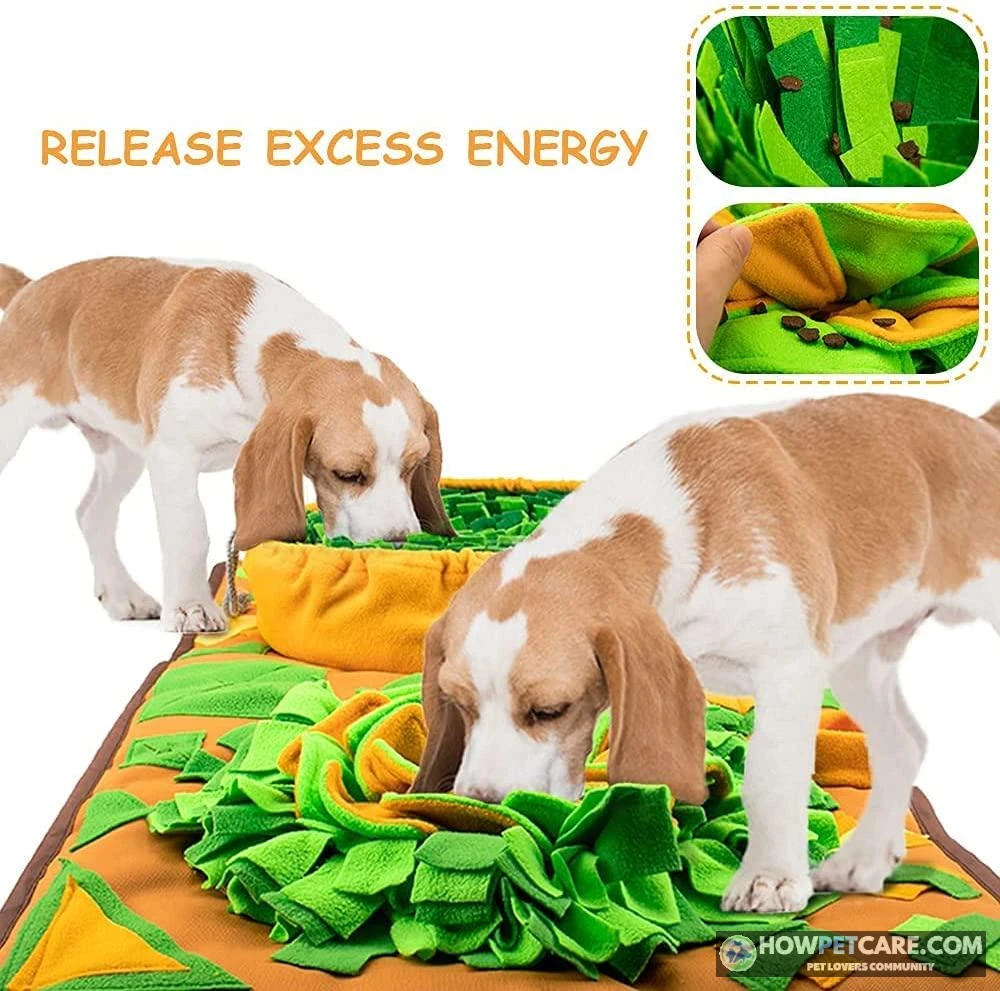
Offer scent outlets such as relaxed sniff walks, food-search games, or a snuffle mat. These activities let your dog investigate appropriate targets while you teach boundaries around people. If your dog starts sniffing you more than usual, consider changes in products, visitors, pets, routine, or stress. A sudden fixation or broader change in behavior deserves attention rather than punishment.
Signs sniffing is a problem and not just curiosity
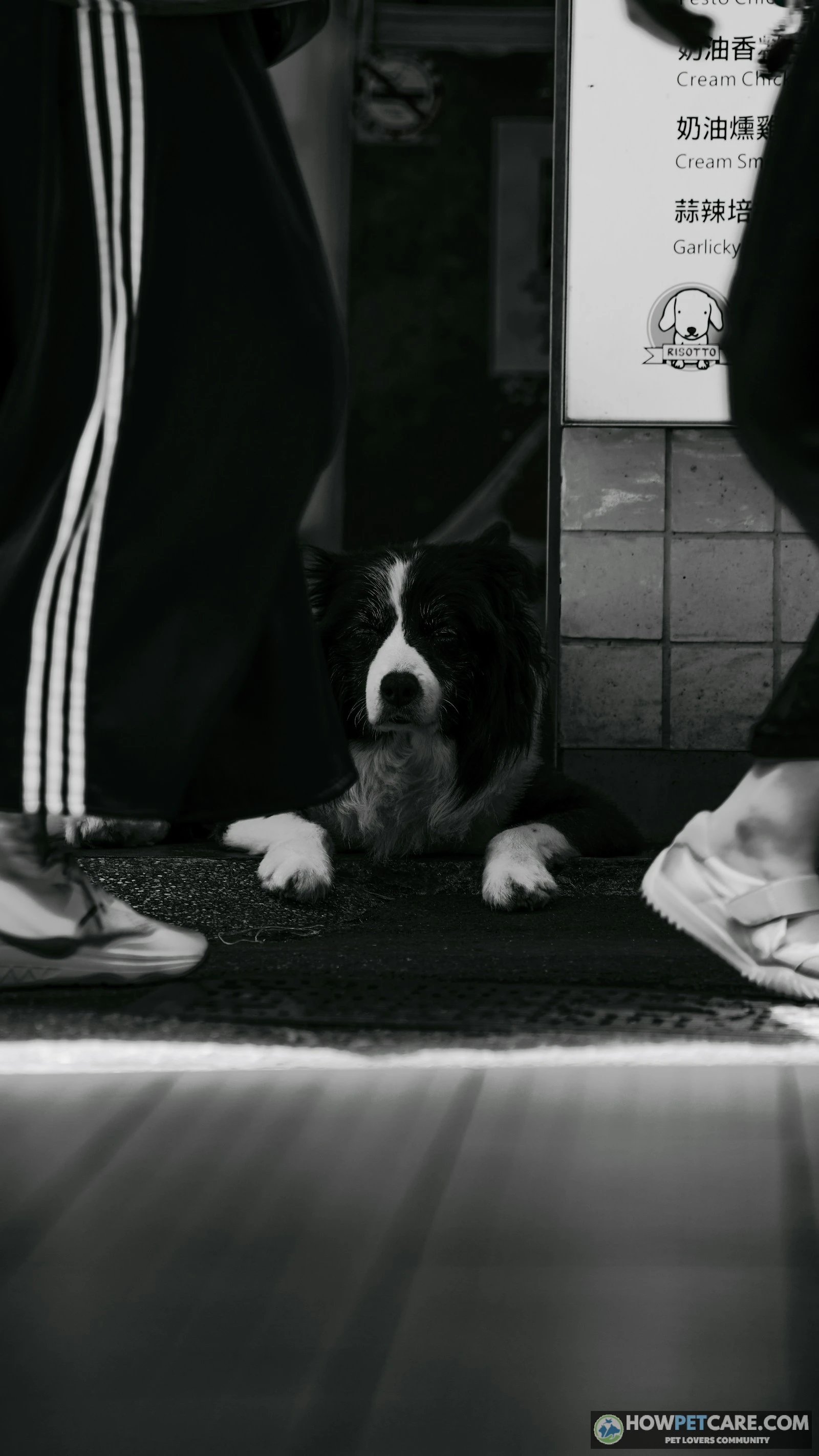
A brief sniff followed by moving on is different from repeated behavior that’s difficult to interrupt. Set clearer boundaries if your dog pushes, paws, mouths, mounts, jumps on, or crowds someone. Take extra care around children, people who are afraid of dogs, and anyone who can’t easily step away.
A sudden shift toward repetitive sniffing, signs of anxiety, or aggression calls for a closer look. Ask a veterinarian about abrupt behavior changes or possible health concerns. If the issue is fear, mounting, grabbing clothing, or growling, consult a qualified, reward-based behavior professional.
Better outlets: giving your dog legitimate sniffing time
Give your dog time to explore scents on walks instead of hurrying every investigation. Hide a few treats in a safe, easy-to-search area, or use a food puzzle at home. Keep human greetings brief and predictable, then reward your dog for leaving the person alone. This gives your dog an important outlet while protecting guests’ personal space.
How to Stop a Dog From Intrusively Sniffing Guests and Strangers: A Step-by-Step Plan
Teach your dog a behavior to use instead of crowding people. Use rewards and management so the dog doesn’t keep practicing the unwanted greeting. Progress depends on the dog and the situation; if your dog is distressed or can’t disengage, get professional help rather than increasing pressure.
Steps 1–7 for guests at home
- Manage the arrival. Before guests enter, use a leash, baby gate, or separate room so your dog can’t rush up to them. Keep this arrangement in place while you prepare your dog to greet calmly.
- Choose one alternative behavior. Pick “go to mat,” a sit, or a nose-target to your hand. With no visitors present, practice a few repetitions at a time and reward promptly with a treat your dog values.
- Add a cue and build duration gradually. Say the cue as your dog performs the behavior. Reward a few seconds of success, then slowly ask for longer periods. If your dog gets up, make the next repetition easier instead of repeating the cue more loudly.
- Practice with a helper at a distance. Have someone stand far enough away that your dog can respond to you. Reward the alternative behavior. Gradually reduce the distance only while your dog can stay relaxed and succeed.
- Offer a brief, structured greeting. If your dog is calm and the person is comfortable, allow a short sniff. Then cue your dog back to the mat or to you and reward. The aim is to allow a little information-gathering without prolonged or intrusive contact.
- Brief your guests. Ask them to stand calmly, avoid leaning over or reaching toward the dog, and wait to pet until the dog is settled. Guests shouldn’t push, shout at, or excite the dog.
- Repeat and keep track. Practice with different people and in different settings. Note whether your dog can disengage more easily over time. If progress stalls, return to easier practice or work with a qualified trainer.
Polite sniffing on leash: what to do when your dog approaches strangers
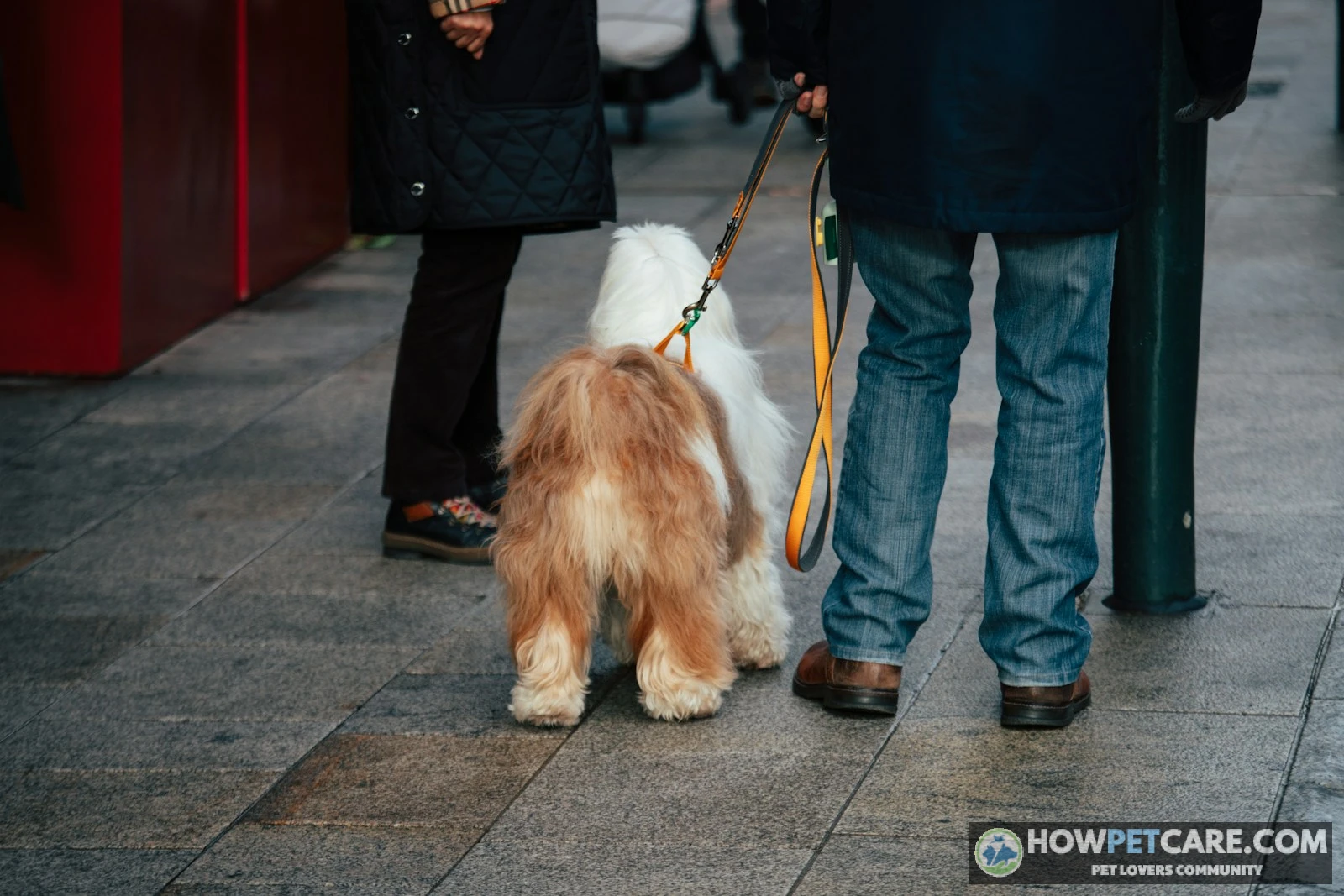
- Ask first. Ask whether the person wants to greet your dog. If they decline, are afraid, or don’t respond, keep moving; no one owes a dog a greeting.
- Set the leash length. If they agree, keep the leash loose enough for your dog to remain comfortable but short enough to prevent crowding.
- Allow a brief sniff, then disengage. Let your dog sniff briefly only if both parties are relaxed, then cue “let’s go” and reward the turn away.
- Practice calm passes. Practice passing people at a distance where your dog can still take treats and respond to you. Reward calm attention and keep walking. Don’t let your dog rush toward someone or put the person in the position of having to fend the dog off.
Common mistakes that make intrusive sniffing worse
Punishment, shouting, and physical corrections can make a greeting more tense and don’t teach your dog what to do instead. Avoid kneeing the dog, yanking the leash, or forcing someone to tolerate contact. If your dog is frightened, grabs clothing, mounts, growls, or can’t disengage, pause greetings and get help from a certified reward-based trainer or veterinary behaviorist.
Your Next Steps: A Quick Checklist for Understanding and Managing Your Dog’s Sniffing
Quick decision guide: normal, trainable, or time to call the vet?
- Likely normal: Your dog briefly sniffs a guest, then moves on; shows interest in shoes or hands; or investigates someone more closely after an absence. Let your dog gather information when the person is comfortable and the greeting is safe.
- A training opportunity: Your dog crowds people, keeps sniffing after they ask for space, or needs repeated prompting to disengage. Use a gate or leash, practice a mat or “let’s go” cue, and reward calm choices.
- Get professional advice: The sniffing becomes suddenly repetitive, comes with anxiety or aggression, or involves mounting, grabbing, or growling. Consult a veterinarian about abrupt changes and a qualified behavior professional about safety or training.
This week, practice your chosen alternative behavior when no one is visiting, tell the next guest how to greet your dog, and set aside time for a relaxed sniff walk. The goal isn’t to remove your dog’s interest in scent. It’s to help your dog explore appropriately, respond when called away, and leave people comfortable.
 You might be wonderingWhy do dogs bark?Why Do Dogs Bark? Decode the Causes and What to DoRead the answer
FAQ
Can dogs smell pregnancy or hormonal changes in people?
Dogs can likely detect scent changes linked to hormones, and many owners report behavior shifts around pregnancy. Controlled evidence that a typical pet dog can reliably detect pregnancy is thin, so a dog’s behavior should never replace a test or a medical check.
Why does my dog keep sniffing me more than usual?
Your scent has probably changed because of a new product, a new pet, stress, illness, or a hormonal shift. If the sniffing is sudden, fixated, or comes with other changes in you or your dog, check in with a doctor or vet.
Why does my dog sniff me after I’ve touched other animals?
Fur, saliva, and skin oils from other animals stay on your hands and clothes, and your dog reads them as news. This is normal curiosity, and some dogs also show jealousy or excitement.
Do dogs recognize people by smell?
Yes. Dogs combine scent with sight and voice to recognize people, and scent is a main cue, especially for familiar people. Brain-imaging research has shown that dogs respond strongly to the scent of familiar humans.
Does a dog sniffing me mean it likes me?
Not necessarily. Sniffing means the dog is gathering information, and it happens with people the dog likes, dislikes, or is unsure about. Body language such as a loose body, soft eyes, and a wagging tail says more about the dog’s feelings.