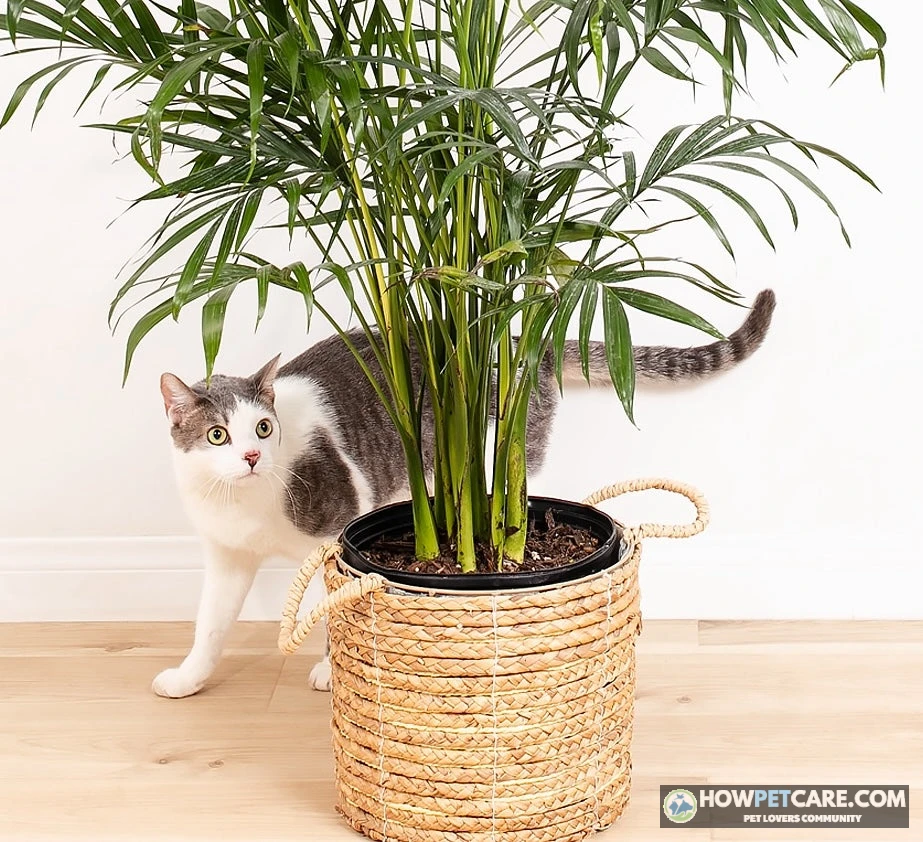

Pet safe plants are species listed as non-toxic to cats and dogs in the ASPCA database. Reliable picks include spider plants, parlor palms, areca palms, Boston ferns, prayer plants, ponytail palms, money trees, and moth orchids — but always verify the scientific name, since “non-toxic” doesn’t mean edible.
Spider plants, Boston ferns, prayer plants, parlor palms, and areca palms all appear on the ASPCA’s non‑toxic list for cats and dogs. Your light conditions and care habits should guide the pick: a parlor palm handles lower light, a spider plant works well in a hanging basket for beginners, and a Boston fern thrives in a humid spot with indirect daylight.
“Non‑toxic” doesn’t mean edible or symptom‑free. Chewing a large amount of any plant can upset a stomach, and the pot, soil, or any treatments add their own hazards. Unless noted otherwise, the safety notes here apply to cats and dogs.
Best Pet-Safe Houseplants for Cats and Dogs: Compare Your Options
The table compares individual species, not broad groups — a plant labeled simply “palm,” “fern,” or “succulent” isn’t automatically safe just because a relative is.
Quick comparison: safety, care, and price
The ASPCA’s Toxic and Non‑Toxic Plants list marks the plants below as non‑toxic for cats and dogs. That status covers the plant alone — not any fertilizer, pesticide, or decorative element in the pot. Prices are rough estimates for small nursery specimens, not guarantees for 2026 or later; size, variety, and retailer can shift the cost considerably. Light and watering notes are starting points — check the medium instead of watering on a fixed schedule.
| Plant | Toxicity status and source check | Cat safety | Dog safety | Light | Water | Difficulty | Typical price |
|---|---|---|---|---|---|---|---|
| Spider plant (Chlorophytum comosum) | ASPCA: non-toxic | Non-toxic | Non-toxic | Bright indirect; tolerates lower light | When the top inch dries | Easy | About $8–$20 |
| Boston fern (Nephrolepis exaltata) | ASPCA: non-toxic | Non-toxic | Non-toxic | Medium to bright indirect | Keep lightly moist, not soggy | Moderate | About $10–$25 |
| Prayer plant (Maranta leuconeura) | ASPCA: non-toxic | Non-toxic | Non-toxic | Low to medium indirect | When the surface begins to dry | Moderate | About $12–$25 |
| Rattlesnake plant (Goeppertia insignis, also listed as Calathea lancifolia) | ASPCA: non-toxic | Non-toxic | Non-toxic | Medium indirect | Keep lightly moist; avoid waterlogging | Moderate | About $15–$35 |
| Parlor palm (Chamaedorea elegans) | ASPCA: non-toxic | Non-toxic | Non-toxic | Low to medium indirect | When the top inch or two dries | Easy | About $10–$30 |
| Areca palm (Dypsis lutescens, also known as Chrysalidocarpus lutescens) | ASPCA: non-toxic | Non-toxic | Non-toxic | Bright indirect | When the top inch or two dries | Easy to moderate | About $15–$45 |
| Ponytail palm (Beaucarnea recurvata) | ASPCA: non-toxic | Non-toxic | Non-toxic | Bright light | Let soil dry between waterings | Easy | About $15–$40 |
| Money tree (Pachira aquatica) | ASPCA: non-toxic | Non-toxic | Non-toxic | Bright indirect | When the top inch or two dries | Easy to moderate | About $15–$40 |
| Polka dot plant (Hypoestes phyllostachya) | ASPCA: non-toxic | Non-toxic | Non-toxic | Bright indirect | Keep lightly moist | Moderate | About $8–$15 |
| Moth orchid (Phalaenopsis species) | ASPCA: non-toxic | Non-toxic | Non-toxic | Bright indirect | Water bark thoroughly, then let it approach dryness | Moderate | About $15–$30 |

A retailer’s pet‑friendly collection helps with browsing, but prices often reflect larger plants or decorative pots. The Sill’s lineup, for instance, lists money trees, parlor palms, ponytail palms, calatheas, and orchids — many of those items cost more than the small‑plant estimates above.
Best picks for beginners and low-light rooms
For a first plant, grab a spider plant if you have a bright spot, or a parlor palm for a dimmer room. Both are forgiving, yet neither thrives on neglect. A ponytail palm suits someone who forgets to water but has a sunny window.
In a low‑light apartment, start with a parlor palm or prayer plant near a window. “Low light” means reduced natural light, not a windowless corner. If the plant stalls or declines, shift it toward better indirect light instead of watering more.

How We Verify Whether a Plant Is Safe for Pets
What ASPCA listings do and do not tell you
The ASPCA runs a Toxic and Non‑Toxic Plants database that flags plants reported as toxic or non‑toxic for specific animals. Here, a plant is called non‑toxic for cats and dogs only when the database lists it that way for both. Verify the entry under the scientific name (including synonyms) before buying — names and listings can change.
“ASPCA‑listed as non‑toxic” is more accurate than “ASPCA‑approved.” A listing is a reference, not a certification of a particular plant, a guarantee it’s safe to eat, or a stand‑in for veterinary advice. It also says nothing about sprays, potting mixes, or other materials sold with the plant.
With a toxic plant, the animal, plant part, amount, and route of exposure all matter. Even a non‑toxic plant can cause digestive upset if chewed, and swallowing a large piece or a pot decoration can create an obstruction risk.
A common name is a starting point, not a safety test. Areca palm is listed as non‑toxic to cats and dogs; sago palm is toxic to both. Confirm the botanical name before either plant enters your home.
A pre-purchase plant-label checklist
- Find the scientific name. Ask for the supplier’s name if the tag says only “tropical foliage” or “palm.” If you can’t identify the plant confidently, choose another.
- Check both pet species separately in the ASPCA database. Save the entry and the plant’s tag so you can find the name later.
- Watch for lookalikes and misleading names. Sago palm is not the same plant as areca palm. Peace lily is not a true lily, but it is also toxic to cats and dogs.
- Ask about treatments. Find out whether the plant has been treated with pesticides, systemic insecticides, or leaf shine, and request the product names and labels. If the seller cannot identify treatments and your pet is likely to chew, wait or shop elsewhere.
- Inspect the whole pot. Look for fertilizer granules, decorative moss, loose stones, damaged foliage, and standing water. A clean‑looking leaf does not prove that a plant is untreated.
- Separate marketing from evidence. A “pet friendly” sticker or “air purifying” label is not a species‑specific toxicity assessment. Plants marketed for air purification are not a substitute for ventilation or appropriate air filtration.

Choose Pet-Safe Indoor Plants by Light, Room, and Care Needs
Low-light and beginner-friendly picks
Match the plant to the light it will actually get, not the brightest spot in the store. Parlor palms handle lower indirect light; prayer plants can manage low to medium indirect light but need steadier moisture. In dim conditions, growth slows and soil stays wet longer.
Spider plants are solid beginner picks for brighter indirect light, and their arching leaves look great in a basket. If you have a sunny room and prefer infrequent watering, go with a ponytail palm and let its soil dry out between drinks.

Areca palms and money trees make striking floor plants, but a big pot isn’t automatically secure. Dogs that dig or bump pots can scatter soil, swallow amendments, or topple the plant. Use a stable container and a barrier (or keep the plant in a pet‑free room) if your dog likes to investigate. Skip loose decorative stones that are small enough to swallow.
Bathrooms, hanging baskets, and water-grown plants
A Boston fern, rattlesnake plant, or moth orchid can thrive in a bathroom with indirect daylight and airflow. Humidity alone won’t compensate for a windowless room, and constantly wet roots can harm the plant. Orchids usually grow in airy bark, not regular potting soil, so check the medium before watering.

For hanging options, try a spider plant or Boston fern. Hang the basket securely and away from furniture a cat could use as a launchpad. Hanging reduces access but doesn’t eliminate it. Pick up fallen foliage quickly, and close the door if your pet keeps reaching for the plant.
Spider plant offshoots can also root in plain water. Keep the container stable and out of reach, change the water regularly, and don’t let pets drink from it — especially if you’ve added fertilizer. Water‑growing is a display method, not a chew‑proof guarantee.

On a sheltered patio, an areca palm or ponytail palm in a container can work if conditions suit the plant. Check local temperatures and sun exposure, and bring tender plants inside before cold weather. Outdoor beds need the same species check as indoor pots, plus attention to mulch and other plants a dog might dig up.
Some non‑toxic houseplants are marketed as air‑purifying, but that’s separate from pet safety. Don’t count on a houseplant for mosquito protection either — use appropriate pest‑control measures and follow the label.
Common Houseplants Toxic to Cats and Dogs—and What They Can Cause
Especially dangerous plants and species-specific risks
Some plants cause painful mouth irritation; others can damage organs. The ASPCA’s database flags the examples below as toxic to the species shown. Since exposure circumstances vary, treat the urgency column as a prompt to seek advice, not a diagnosis.
| Plant | Cat risk | Dog risk | Typical effects | Urgency after exposure |
|---|---|---|---|---|
| True lilies and daylilies (Lilium and Hemerocallis species) | Potentially life-threatening kidney injury | Can cause digestive upset; risk depends on the plant | Cats may vomit or become lethargic; kidney injury may develop even if early signs are subtle | For any suspected cat exposure, including pollen or vase water, contact an emergency vet immediately |
| Sago palm (Cycas revoluta) | Severe poisoning | Severe poisoning | Vomiting and diarrhea may progress to liver injury, bleeding, or neurologic signs; seeds are especially hazardous | Emergency vet immediately; do not wait for symptoms |
| Pothos (Epipremnum aureum) | Toxic | Toxic | Mouth irritation, drooling, pawing at the mouth, and vomiting | Call a vet or poison control promptly; breathing or swallowing difficulty is an emergency |
| Philodendron (Philodendron species) | Toxic | Toxic | Oral irritation and drooling from insoluble calcium oxalate crystals; vomiting can occur | Call a vet or poison control promptly |
| Dieffenbachia (Dieffenbachia species) | Toxic | Toxic | Intense oral irritation, drooling, and swelling; swallowing can be difficult | Seek prompt veterinary advice; breathing difficulty is an emergency |
| Aloe (Aloe vera) | Toxic | Toxic | Vomiting, diarrhea, and lethargy can occur | Call a vet or poison control for advice |

Remove highly hazardous plants instead of counting on a high shelf. Cats climb, leaves and pollen fall, and dogs can reach pots or dig around outdoor plantings. In a cat household, avoid true lilies and daylilies entirely. A flower sold as “lily” needs precise ID — peace lily, for instance, isn’t a true lily but can still cause oral irritation.
Symptoms that can signal plant poisoning
Watch for drooling, pawing at the mouth, vomiting, diarrhea, reduced appetite, unusual lethargy, weakness, tremors, seizures, collapse, or trouble breathing or swallowing. Symptoms vary by plant and animal, and serious exposures may not show obvious signs right away.
These signs aren’t unique to plants — spoiled food, household chemicals, illness, and swallowed objects can produce similar symptoms. A vet or poison‑control specialist will weigh exposure history, exam findings, and any tests; a checklist can’t reliably sort them out at home.
A cat exposed to a true lily or daylily, or a cat or dog exposed to sago palm, needs immediate veterinary advice even if the animal seems normal.
Pet Ate a Plant? First Actions and When to Call a Veterinarian
First 30 minutes: a practical triage sequence
Act fast instead of spending the first half‑hour searching online. If your pet is struggling to breathe, collapsing, or seizing, head to an emergency vet clinic and call ahead if you can.
-
Stop further exposure
Move your pet away from the plant and secure any loose material. Remove fragments from the mouth only if you can do so safely — don’t put your hand into a distressed animal’s mouth.
-
Identify and document
Find the label or receipt. Photograph the whole plant and its leaves, and bag a sample for the vet. Don’t delay an emergency call to finish identification.
-
Gather the facts
Note the time, estimated amount, plant part, your pet’s species and weight, and any symptoms. Also tell the professional about possible fertilizer, pesticide, soil, pot, or decoration exposure.
-
Choose the next action
For a high‑risk plant or serious symptoms, contact an emergency vet immediately. For an unknown or other toxic plant, call a vet or animal poison‑control service right away, even if your pet seems fine.
-
Follow professional instructions
Don’t induce vomiting or give milk, food, medication, or home remedies unless a vet or poison‑control professional instructs you to.
Save these contacts before an incident:
- ASPCA Animal Poison Control Center: (888) 426-4435; available 24 hours a day. A consultation fee may apply.
- Pet Poison Helpline: (855) 764-7661; available 24 hours a day. A consultation fee may apply.
- Your veterinarian and nearest emergency veterinary clinic: save both numbers and the emergency clinic’s address.

When monitoring at home is not appropriate
Use this decision path:
- Emergency vet now: breathing or swallowing difficulty, collapse, seizures, marked weakness, a cat’s suspected true‑lily or daylily exposure, or suspected sago palm exposure. Call ahead if doing so won’t delay care.
- Call a vet or poison control promptly: an unidentified plant, a known toxic plant, a substantial or uncertain amount, possible exposure to plant‑care chemicals, or symptoms such as vomiting, drooling, diarrhea, or unusual lethargy. Don’t wait for symptoms after a potentially dangerous exposure.
- Consider home observation: the exact plant is confirmed non‑toxic for your pet, only a small amount was chewed, no treatment or other material was involved, and your pet is acting normally. If unsure about any condition, call for advice. Watch for changes in appetite, behavior, vomiting, or diarrhea, and call a veterinarian if symptoms appear or you have concerns.
There’s no universal “dangerous number of leaves” for a 10‑pound cat versus a 60‑pound dog. A smaller animal gets a larger dose per body weight, but species, plant part, amount, and the animal’s health all matter. A guessed nibble can’t rule out danger from a high‑risk plant, and a non‑toxic listing doesn’t guarantee a large leaf meal will be harmless.

Protect Pets From Soil, Fertilizer, and Pest-Control Products
A non‑toxic plant can arrive in a pot that contains products needing their own precautions. Check the exact product label and ask your vet or poison‑control service about any exposure — “organic,” “natural,” and “homemade” don’t mean safe to lick or eat.
- Fertilizer: Keep concentrates and granules in closed storage. Follow label directions and keep pets away during application and for the specified interval. Don’t let them drink fertilizer solution or runoff.
- Potting mix and mulch: Prevent digging and ingestion, especially when the mix contains fertilizer or other amendments. Avoid cocoa mulch around dogs. Clean up spills and fallen material promptly.
- Pest control and leaf treatments: Read the entire label, including pet precautions and re‑entry instructions. Keep animals away while applying a product and for the stated period; prevent access to treated leaves where chewing is likely. Ask the manufacturer or your veterinarian if the label doesn’t address your situation.
- Physical protection: Place plants in a pet‑free room or behind a secure barrier. Use stable pots and empty saucers; standing water can contain soil, fertilizer, or treatment residue.

No fertilizer or pest spray can be guaranteed safe for every pet to lick. If an animal contacts or swallows a product, keep the container or photograph the label and call a professional with the product name and exposure details.
Buy Pet-Friendly Plants With Confidence—and Choose Your Next Step
Where to buy and what to verify
Local nurseries and garden centers let you inspect leaves, visible roots, and potting materials before buying. Staff may also trace the supplier’s botanical name and treatment history. Big‑box garden departments offer convenient, lower‑cost options, but a generic tag still needs verification.
Online sellers such as The Sill and specialist retailers make it easy to compare size and delivery from home. Before ordering, verify that the listing names the exact plant, states the nursery‑pot size, and explains shipping damage and return policies. A retailer’s pet‑friendly filter helps narrow the search; still check the ASPCA entry yourself before checkout.
Compare the total delivered price, not just the plant price. A decorative planter, heat pack, or shipping fee can make a small online plant cost more than a nursery equivalent. Inspect the plant on arrival and contact the seller about mislabeling, damage, or undisclosed treatment.

If you’re wondering which succulents are safe for cats, start with the same scrutiny: “succulent” describes a growth habit, not a toxicity category. A ponytail palm is a non‑toxic, drought‑tolerant option in the table; aloe is a succulent to avoid around cats and dogs. Confirm the exact species instead of assuming the whole group is safe.
Safety for rabbits, birds, and other small pets
The cat and dog classifications here don’t guarantee safety for rabbits, birds, hamsters, or other small animals. Their diets, sensitivities, and exposure patterns differ. Before granting access, consult a vet experienced with your species and a reliable species‑specific reference; if you can’t verify the plant, keep it out of reach and don’t offer it as food.
Pick your next plant by matching it to your room: a parlor palm for lower indirect light, a spider plant for a brighter hanging spot, or a ponytail palm for a sunny window and a lighter watering schedule. Confirm the scientific name and current species‑specific listing, check treatments and pot contents, place it where chewing and digging are discouraged, and save your vet and poison‑control contacts before bringing it home.
| Plant Common Name | Scientific Name | Cat Toxicity | Dog Toxicity | Light Requirements | Watering Needs | Care Difficulty | Typical Price |
|---|---|---|---|---|---|---|---|
| Spider plant | Chlorophytum comosum | Non-toxic | Non-toxic | Bright indirect; tolerates lower light | Water when top inch of soil dries | Easy | 8–20 |
| Boston fern | Nephrolepis exaltata | Non-toxic | Non-toxic | Medium to bright indirect | Keep soil lightly moist, not soggy | Moderate | 10–25 |
| Prayer plant | Maranta leuconeura | Non-toxic | Non-toxic | Low to medium indirect | Water when soil surface begins to dry | Moderate | 12–25 |
| Rattlesnake plant | Goeppertia insignis (Calathea lancifolia) | Non-toxic | Non-toxic | Medium indirect | Keep soil lightly moist; avoid waterlogging | Moderate | 15–35 |
| Parlor palm | Chamaedorea elegans | Non-toxic | Non-toxic | Low to medium indirect | Water when top 1–2 inches of soil dry | Easy | 10–30 |
| Areca palm | Dypsis lutescens (Chrysalidocarpus lutescens) | Non-toxic | Non-toxic | Bright indirect | Water when top 1–2 inches of soil dry | Easy to Moderate | 15–45 |
| Ponytail palm | Beaucarnea recurvata | Non-toxic | Non-toxic | Bright direct | Allow soil to dry completely between waterings | Easy | 15–40 |
| Money tree | Pachira aquatica | Non-toxic | Non-toxic | Bright indirect | Water when top 1–2 inches of soil dry | Easy to Moderate | 15–40 |
| Polka dot plant | Hypoestes phyllostachya | Non-toxic | Non-toxic | Bright indirect | Keep soil lightly moist | Moderate | 8–15 |
| Moth orchid | Phalaenopsis species | Non-toxic | Non-toxic | Bright indirect | Water bark thoroughly, then allow to approach dryness | Moderate | 15–30 |
| True lilies and daylilies | Lilium and Hemerocallis species | Severe poisoning (potentially life-threatening kidney injury) | Toxic (causes digestive upset; risk depends on plant) | Not in source | Not in source | Not in source | Not in source |
| Sago palm | Cycas revoluta | Severe poisoning | Severe poisoning | Not in source | Not in source | Not in source | Not in source |
| Pothos | Epipremnum aureum | Toxic | Toxic | Not in source | Not in source | Not in source | Not in source |
| Philodendron | Philodendron species | Toxic | Toxic | Not in source | Not in source | Not in source | Not in source |
| Dieffenbachia | Dieffenbachia species | Toxic | Toxic | Not in source | Not in source | Not in source | Not in source |
| Aloe | Aloe vera | Toxic | Toxic | Not in source | Not in source | Not in source | Not in source |
1What does an ASPCA 'non-toxic' designation specifically signify regarding a houseplant?
Non-toxic status means the plant material lacks inherent toxins for those species, though eating large quantities of any plant matter can disturb a pet's stomach.
2Why is verifying the scientific name essential when choosing a pet-safe plant?
Botanical names prevent fatal mix-ups caused by similar informal names, such as distinguishing the safe Areca palm from the highly toxic Sago palm.
3Which ASPCA non-toxic plant is ideal for a sunny window and an owner who waters infrequently?
This species thrives in bright light and prefers its potting medium to dry out completely between waterings.
4Which plant poses a life-threatening risk of kidney injury specifically to cats, even through minor contact like vase water or pollen?
True lilies and daylilies contain potent toxins that cause acute, potentially fatal renal failure in felines from minimal exposure.
5What is the correct immediate action if a cat is suspected of ingesting any part of a true lily?
Lily toxicity progresses rapidly, and delay allows irreversible kidney damage to develop even if initial signs appear mild.
6Which plant is best suited for a lower-light room near a window?
Parlor palms adapt exceptionally well to low to medium indirect light conditions while remaining non-toxic to pets.
7Why is keeping plants on high shelves an unreliable method for protecting pets from toxic plants?
Elevated surfaces do not eliminate exposure because pets can jump up, and plant debris drops within reach of dogs and cats.
8What secondary hazard does standing water in a plant saucer present to pets?
Water draining through potting soil collects dissolved chemical additives and treatment residues, creating a toxic drinking hazard.
9How should ASPCA cat and dog non-toxic listings be applied to small pets like rabbits or birds?
Toxicity classifications are species-specific; physiological differences mean a plant safe for a dog can harm a bird or rabbit.
10What specific hazard makes cocoa mulch particularly dangerous in homes with dogs?
Cocoa shell mulch contains theobromine and caffeine, making ingestion toxic and hazardous to canine health.
FAQ
Are succulents safe for cats and dogs?
Some succulents are considered non-toxic to cats and dogs, while others can be harmful; “succulent” describes a broad group, not a safety category. Verify the exact plant’s scientific name against a current species-specific toxicity reference before buying.
Are spider plants, palms, and ferns safe for cats?
Spider plants, parlor palms, areca palms, and Boston ferns are commonly listed as non-toxic to cats, but chewing any plant can still cause stomach upset. Confirm the exact species, since common names can be ambiguous.
Are pet-safe plants also air-purifying?
Some plants marketed as air-purifying may also be listed as non-toxic to cats and dogs, but pet safety and air-cleaning claims are separate questions. Do not rely on houseplants alone to improve indoor air quality.
Can I keep a toxic plant if I put it on a high shelf?
Height alone is not a dependable safeguard: cats may climb, leaves can fall, and dogs may reach plants or soil. For highly toxic plants, especially lilies in homes with cats, the safer choice is to remove them.