

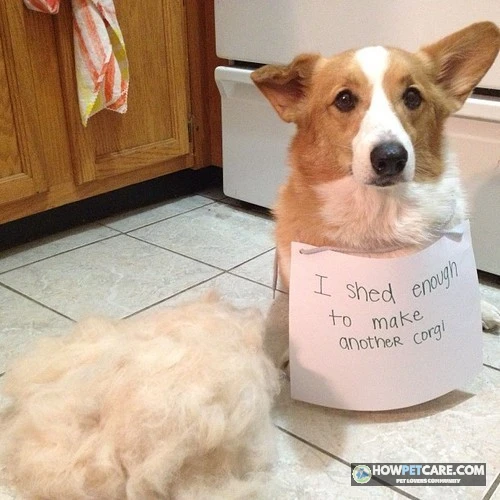
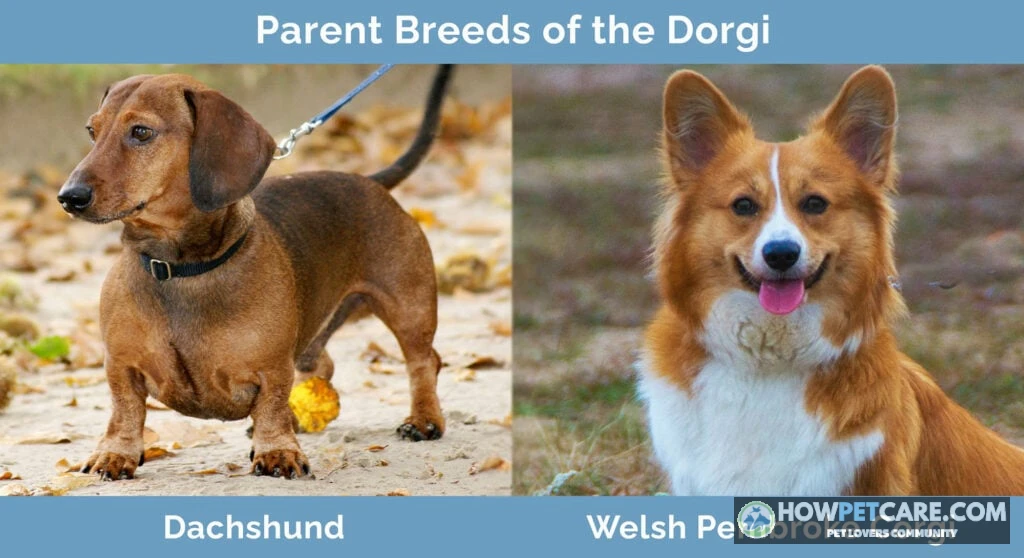
A Dorgi is a cross between a Dachshund and a Welsh Corgi, usually a Pembroke. Often described as weighing 12–30 pounds, this small dog can vary in size, coat and temperament. Dorgis need daily activity, weight management and veterinary care, including attention to potential parent-breed spinal risks.
Dorgi at a glance: size, lifespan and cost
A Dorgi is a Dachshund–Welsh Corgi crossbreed, usually involving a Pembroke Welsh Corgi. You’re looking at a small, potentially vocal dog that needs daily activity, weight management, and a home prepared for a long-backed body—but don’t expect a predictable adult coat, temperament, or weight from every puppy.
A Dorgi can be a rewarding family companion if your household can manage barking, supervise children, and budget for veterinary care. If you need a reliably quiet dog, a low-shedding coat, or a puppy with highly predictable traits, this cross is a less certain choice.
| Quick fact | What to expect |
|---|---|
| Parentage | Dachshund and Welsh Corgi, commonly Pembroke; confirm both parents rather than relying on the label. |
| Adult height | Often quoted at about 9–12 inches at the shoulder; an estimate, not a breed standard. |
| Adult weight | Commonly quoted at 12–30 pounds; individual dogs can fall outside a published range. |
| Lifespan | Roughly 12–15 years is a planning estimate, not a measured Dorgi average or a guarantee. |
| Exercise | A healthy adult may start with approximately 30–60 minutes of daily activity, adjusted to the individual. |
| Coat and shedding | Variable; a Corgi-like double coat can shed substantially. No Dorgi coat is guaranteed to be low-shedding. |
| US acquisition cost | No reliable Dorgi-specific market average is established by the available evidence. Obtain itemized local quotes; the budget worksheet below uses illustrative amounts, not verified asking prices. |
| Recognition | A crossbreed, not an AKC-recognized purebred; there is no AKC Dorgi breed standard. |
Buying or adopting comes with a budget beyond the acquisition fee. Before searching for Dorgi puppies for sale near you, contact local shelters, search mixed-breed listings under both Dachshund and Corgi, and ask parent-breed rescues whether they accept mixes. You can also search Petfinder for Dachshund and Corgi mixes in your area. The worksheet later in this guide shows how to build a US first-year budget without mistaking a seller’s asking price for the total cost.
Dorgi 101 gives a 12–30 lb weight range, while PetGuide and RASSEN give 15–28 lb; the available descriptions do not establish a shared measurement method or representative Dorgi population. PetGuide and Greenfield Puppies describe minimal shedding, whereas Dorgi 101 notes that inherited coat characteristics can mean more shedding and grooming. These are broad descriptions, not controlled comparisons: parent size, ancestry and individual inheritance can differ. A longer coat needs more grooming, but length alone does not tell you exactly how much hair a dog will shed.
Ask to see both parents’ adult weights and measurements, including whether the Dachshund is a miniature or standard. Those details help frame possibilities, but littermates can still differ. A puppy’s long or short body alone cannot reliably predict its adult weight or its individual risk of intervertebral disc disease. Your veterinarian can track growth and body condition rather than promising a final size from appearance.
The American Canine Hybrid Club and Designer Breed Registry are among the hybrid registries reported to recognize the Dorgi name. A registry entry is not the same as an AKC breed standard, a verified health clearance, or proof that a particular mating was responsibly planned.
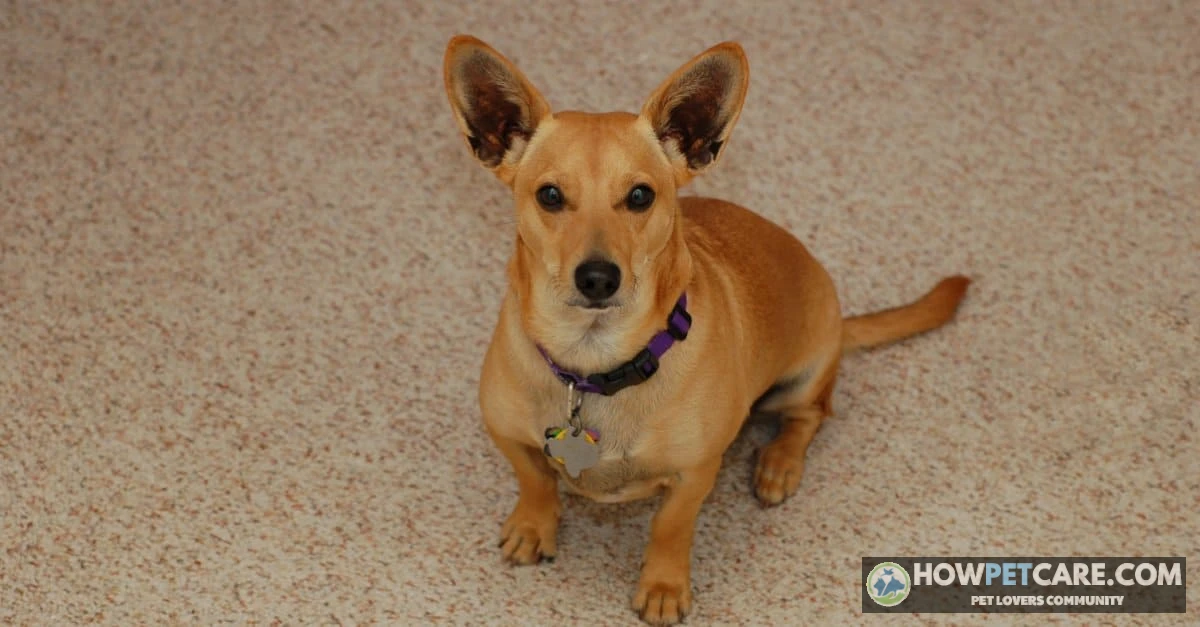
Dorgi temperament: family, apartment and alone-time fit
A Dachshund was developed to hunt, while a Pembroke Welsh Corgi has a herding background. Their cross may be alert and engaged with people, but may also bark at movement, dig, chase small animals, or try to control moving children. Treat these as possibilities to plan for, not guarantees about a particular dog.
Ask a breeder or rescue what the individual dog does when a visitor arrives, when another dog approaches, and when it’s left briefly in a safe room. Specific observations are more useful than a promise that a puppy is universally friendly or easy to train.
Children, other pets and time alone
Dorgis can live with children when adults supervise interactions and children learn not to pull, chase, climb on, or lift the dog. Give the dog a quiet retreat that children don’t enter. If a dog nips at running feet, interrupt the game calmly, create distance, and reward an alternative such as coming to a mat; ask a qualified reward-based trainer for help if the behavior persists.
Introduce resident pets gradually, using barriers and separate resting and feeding areas. A Dachshund–Corgi mix may chase a cat or small animal even if it has lived peacefully with another pet. Never assume a puppy will be safe loose around rabbits, rodents, or birds.
Practice short, comfortable separations after the dog has settled in. Provide a safe space and something appropriate to do, then increase time alone gradually. Arrange a sitter, walker, or other backup if your schedule requires long absences; neither parentage nor crate training guarantees that an individual dog will tolerate them.
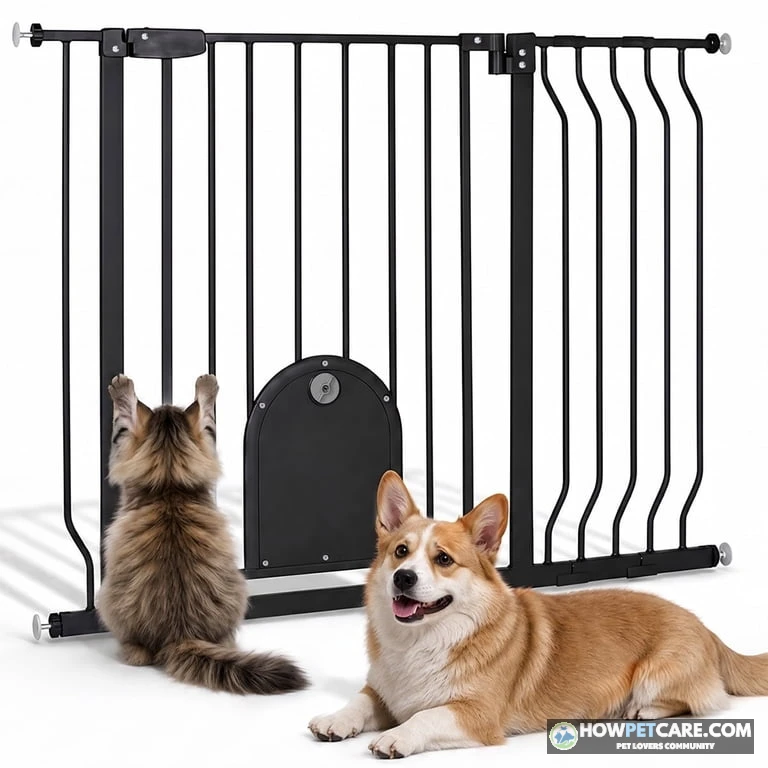
Apartment living and practical bark control
An apartment can work if the dog gets suitable outings and you can manage alert barking. Thin walls, hallway traffic, and a window facing a busy sidewalk make that job harder. Before adopting, ask about the dog’s observed reactions to neighbors, elevators, and outdoor noise.
A practical bark-control plan starts with the trigger, not punishment:
- Block the window view or move the resting place away from the busiest doorway.
- When the dog notices a sound or person and pauses, reward the quiet moment with food or a calm activity.
- Teach a reliable alternative, such as going to a mat, and practice before distractions become difficult.
- Add sniffing, short training sessions, and appropriate enrichment; seek professional help if barking is persistent or accompanied by distress.
Shouting can add noise without teaching the dog what to do instead. For a dog that panics when alone, discuss the problem with a veterinarian and a qualified behavior professional rather than simply extending absences.

 You might be wonderingTeacup dogTeacup Dogs: Breed Reality, Health Risks, and Real CostsRead the answer
Dorgi health risks and parent-breed screening
There is no reliable Dorgi-specific disease rate in the evidence available for this guide. Health concerns should therefore be understood as parent-breed risks and individual veterinary considerations, extrapolated cautiously to the cross, not as statistics proven for every Dachshund Corgi mix.
IVDD and other inherited health concerns
Intervertebral disc disease (IVDD) involves changes to the discs between vertebrae; a damaged disc can cause pain and, in some cases, compress the spinal cord. Dachshund parent-breed research is commonly summarized as an IVDD prevalence of 19–24%, but the research summary supplied here does not identify the original studies, populations, or diagnostic methods. This is a Dachshund parent-breed finding, not a Dorgi rate. Without those details, that range should not be treated as a precise lifetime prediction—and it cannot be transferred to Dorgis.
Short legs associated with dwarfism and a long-backed appearance are reasons to discuss spinal health with a veterinarian, not a way to diagnose a dog or calculate its personal risk. A Corgi parent does not guarantee protection, and a careful home cannot guarantee prevention. These are cautious extrapolations from parent-breed anatomy and evidence, not proven Dorgi-specific outcomes.
Watch for a change in willingness to move, a hunched posture, apparent back or neck pain, wobbliness, weakness, or dragging limbs. Sudden weakness, paralysis, or loss of bladder control warrants emergency veterinary assessment immediately. Contact a veterinarian promptly for suspected spinal pain as well; don’t wait to see whether a dog improves on its own or give human pain medication.
Weight, joints, eyes, and inherited conditions are also worth discussing at an individual veterinary visit. These are parent-breed-informed screening considerations, not established Dorgi disease rates. The relevant tests depend on the actual parent breeds and family histories; a general statement that both parents are healthy is not a substitute for identifiable screening records.

Which health records to request for each parent
Before a deposit, obtain the registered names or other identifying details of both parents and request complete reports. Check the current recommendations for the specific Dachshund variety and for the Pembroke Welsh Corgi, not the Cardigan Welsh Corgi, through the relevant parent-breed club and the Orthopedic Foundation for Animals (OFA). Recommendations and eligibility can change, and not every test below is a universal requirement for every parent.
| Record or question | What to ask for | How to use the answer |
|---|---|---|
| Dachshund parent | The variety and size, current applicable breed-club screening recommendations, and reports for any recommended eye or other examinations and DNA tests. Ask whether spinal imaging has been done and what a veterinarian says it can and cannot show. | A normal examination or image is useful information, not a guarantee that a puppy will never develop IVDD. |
| Pembroke Welsh Corgi parent | Documentation of hip and eye screening and applicable DNA tests, including discussion of degenerative myelopathy (DM) and von Willebrand disease (vWD). Verify which tests the current parent-club guidance recommends. | Review the actual result and the dog’s identity, not just a seller’s claim of a healthy pedigree. |
| Either parent | Ask whether patella and cardiac examinations or additional tests are appropriate for that parent’s breed, family history, and veterinarian’s advice. | These are questions to investigate, not a claim that every exam is mandatory for every Dorgi mating. |
| DNA results | Full reports for both parents where a test is relevant, including whether each is clear, a carrier, or at risk for the tested variant. | A carrier is not automatically clinically affected. Inheritance depends on the specific condition and pairing; ask your veterinarian to interpret results. |
Search the OFA public database by registered name or identifying number where results are available. An absent result is not proof of a failed test: ask the breeder for the report and an explanation. Match microchip or other identifiers where possible. A broad commercial DNA panel does not replace breed-appropriate physical examinations, and no genetic panel guarantees an IVDD-free puppy.

Use this screening sequence before committing:
- Meet the mother and see where puppies are raised, in person where practical or by live video if necessary. Ask why any visit is restricted and how you can independently verify the litter’s circumstances.
- Match both parents’ identities to full health reports; ask your veterinarian to review unfamiliar findings.
- Request dated records of the puppy’s veterinary health check, vaccinations, and parasite treatment, plus a schedule of care still due.
- Ask how the litter has been handled and socialized, and what the breeder has observed about the individual puppy.
- Read the written contract, deposit terms, and return or rehoming policy before paying.
Pressure to pay immediately, stock photos in place of a live introduction, a broker who cannot identify the breeder, or “vet checked” offered instead of named parent tests are reasons to stop and investigate. A marketplace listing can advertise a puppy, but it cannot establish the quality of the breeder or the accuracy of a health claim.
Exercise and a spine-conscious home setup
How much exercise does a Dorgi need?
For a healthy adult Dorgi, approximately 30–60 minutes of daily activity is a reasonable starting range, divided into walks and enjoyable activities. Use the lower end initially for an unconditioned dog and adapt to the individual’s fitness, weather, behavior, and veterinary advice. A walk with time to sniff plus a short reward-based training game may be more useful than one rushed outing.
Puppies need age-appropriate play and rest, not an adult mileage target. Avoid forcing a growing puppy to keep up on long walks. Seniors and dogs with spinal, joint, heart, or other health concerns need an individual plan from their veterinarian.
Exercise supports general fitness and enrichment; it is not proven by the evidence here to prevent IVDD in a Dorgi. Stop and seek veterinary advice if activity causes pain, weakness, or an unusual reluctance to move.
Ramps, flooring, stairs and safe handling
A spine-conscious setup reduces avoidable slips and repeated leaps without pretending that a single ramp or rule eliminates disc disease.
- Living room: Measure the rise from the floor to the sofa before buying a ramp. Choose a stable, gently inclined model with a nonslip walking surface and a secure landing at both ends. For planning, a 15-inch rise over a 60-inch horizontal run is a 1:4 rise-to-run ratio; the ramp itself must be slightly longer than 60 inches. This is an example of layout arithmetic, not a clinically established safe angle. Choose a gentler route or another arrangement if your dog struggles.
- Bedroom: Use a ramp that reaches the bed securely, or block access to furniture if a suitable ramp won’t fit. Teach the dog to use it with rewards rather than forcing it up or down.
- Hallways and kitchen: Add secured, washable traction runners or mats along regular routes on slick floors. Check that rugs don’t bunch or slide.
- Stairs: Use gates where necessary to prevent unsupervised rushing or repeated stair use, especially for a vulnerable dog. There is no universal evidence-based number of steps that guarantees safety for every Dorgi.
- Lifting: Support the chest and hindquarters together, keeping the body level and close to you. Teach children not to pick the dog up.
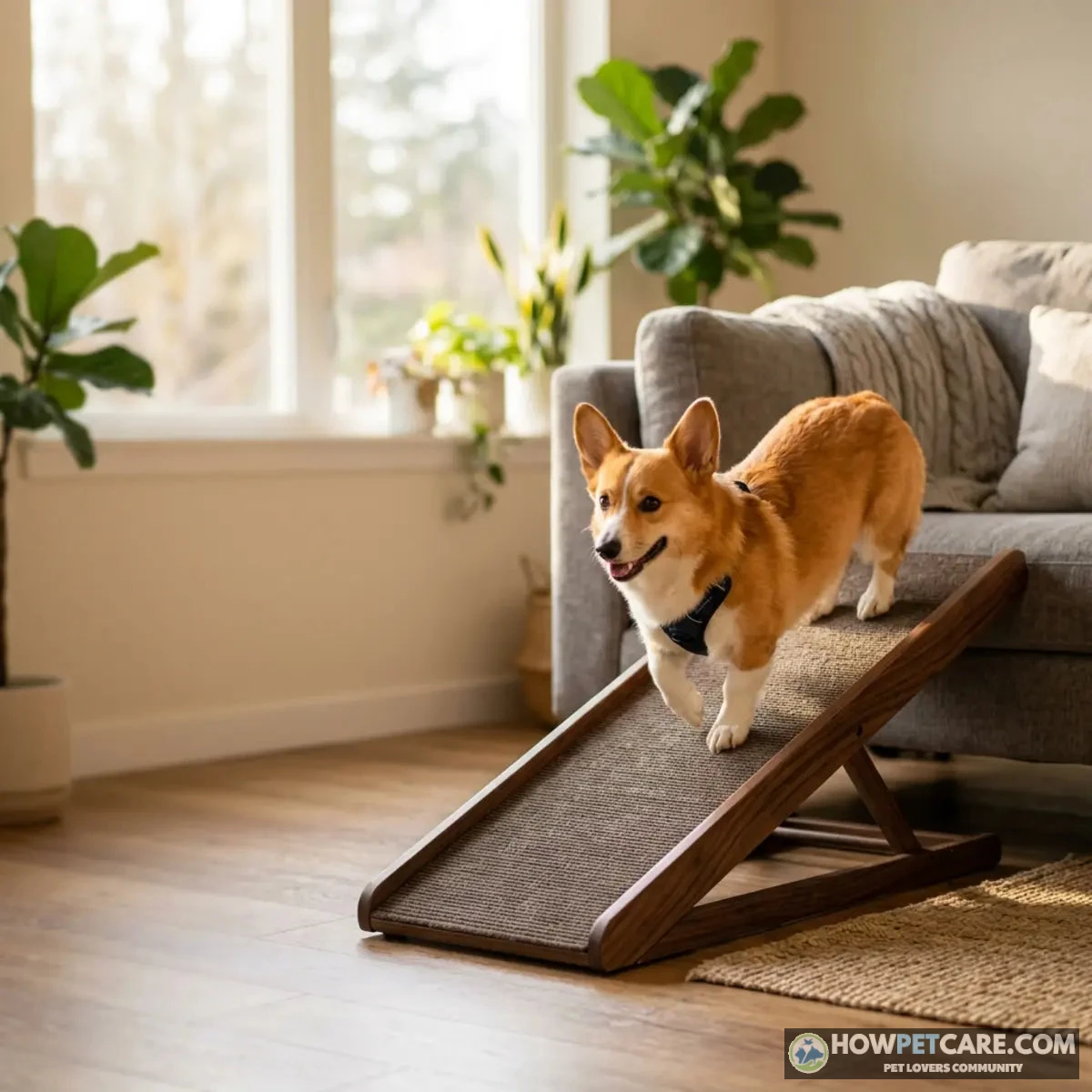
Limit repeated jumping on and off furniture rather than relying on a supposedly safe jump height: no universal numeric limit is established for this mix. If a dog has existing pain or mobility problems, ask the treating veterinarian whether ramps, stairs, or carrying are appropriate for that individual.
Dorgi feeding: calories by weight and life stage
Calculate a starting daily calorie allowance
Food volume alone is a poor guide because foods differ in calorie density. The table below uses resting energy requirement, or RER, as a calculation starting point: RER = 70 × body weight in kilograms raised to the 0.75 power. Convert pounds to kilograms by dividing by approximately 2.2.
The multipliers shown are illustrative planning assumptions, not Dorgi-specific measurements or prescriptions. The puppy columns use 3 × RER for a puppy under four months and 2 × RER for an older growing puppy; an individual puppy’s age, expected adult size, and growth trajectory matter. The adult example uses 1.6 × RER, while the senior example uses 1.2 × RER for a less-active older dog. A healthy active senior may need more, and an individual adult may need less or more. Confirm a growing puppy’s plan with a veterinarian.
| Current weight | Resting energy requirement | Puppy by age group | Adult example | Senior example | Assumptions and adjustment notes |
|---|---|---|---|---|---|
| 10 lb | About 218 kcal/day | Under 4 months: 655; older growing puppy: 436 | 349 | 262 | Estimates use current weight; puppy needs change with growth. |
| 15 lb | About 295 kcal/day | Under 4 months: 884; older growing puppy: 589 | 471 | 354 | Adult and senior examples assume different activity needs, not an automatic age-based reduction. |
| 20 lb | About 366 kcal/day | Under 4 months: 1,099; older growing puppy: 733 | 586 | 440 | A dog’s appropriate weight and medical history may make these starting figures unsuitable. |
Numbers are rounded and include food, treats, and other caloric extras. They are not a weight-loss prescription. A veterinarian can help establish a safe target, especially if the dog is overweight, still growing, pregnant, nursing, or ill.
Worked example: a 12-pound adult
- Convert weight: 12 ÷ 2.2 = approximately 5.45 kg.
- Calculate RER: 70 × 5.45 raised to the 0.75 power = approximately 249 kcal/day.
- Apply the adult example multiplier: 249 × 1.6 = approximately 398 kcal/day.
- If the food supplies 3.6 kcal per gram, 398 ÷ 3.6 is approximately 111 grams per day if that food supplies all calories. Split the allowance between meals.
If treats supply 40 calories, subtract them first: approximately 358 calories remain for the food, or about 99 grams at 3.6 kcal per gram. Check the actual label; another food may have a very different calorie density.
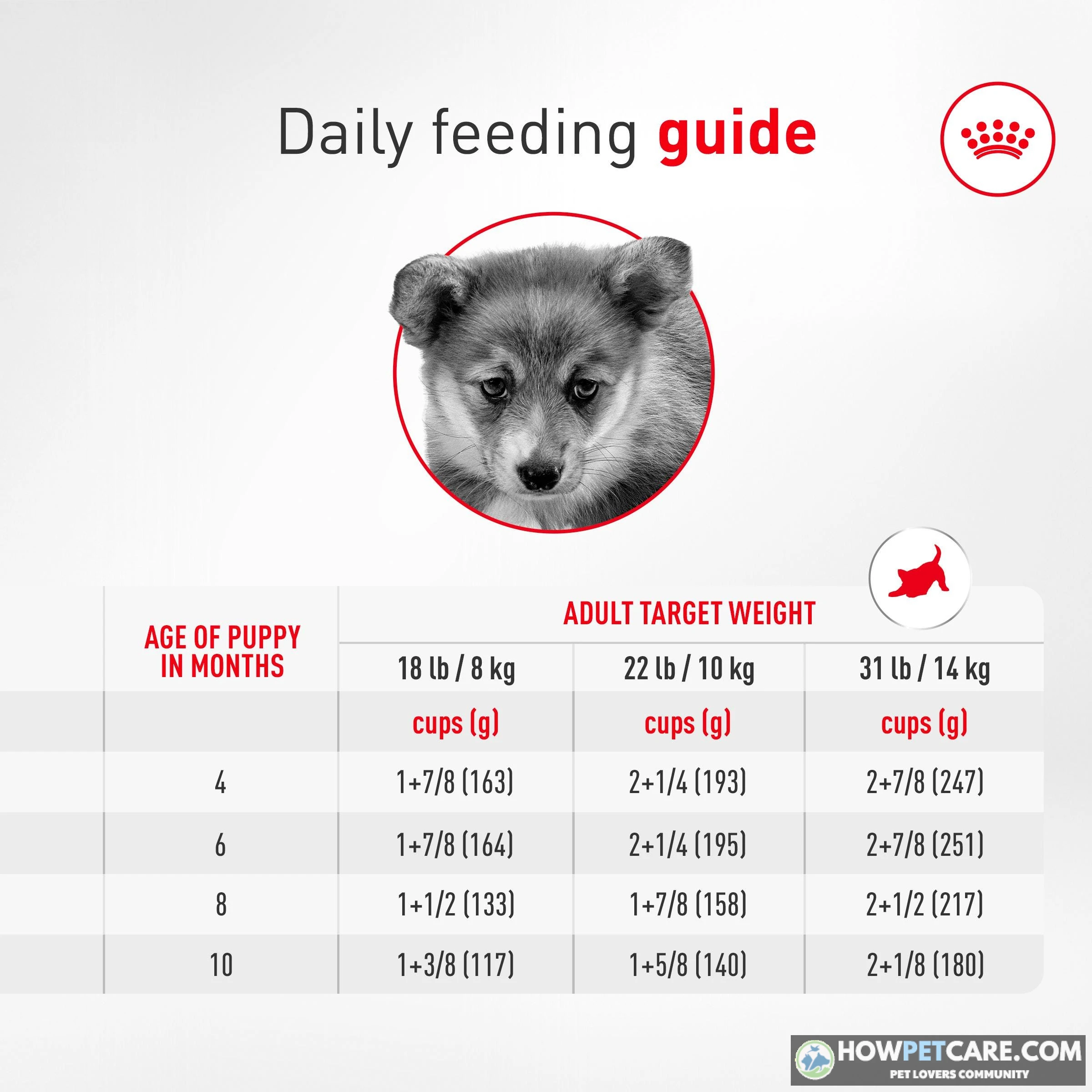
Adjust portions as your dog grows or ages
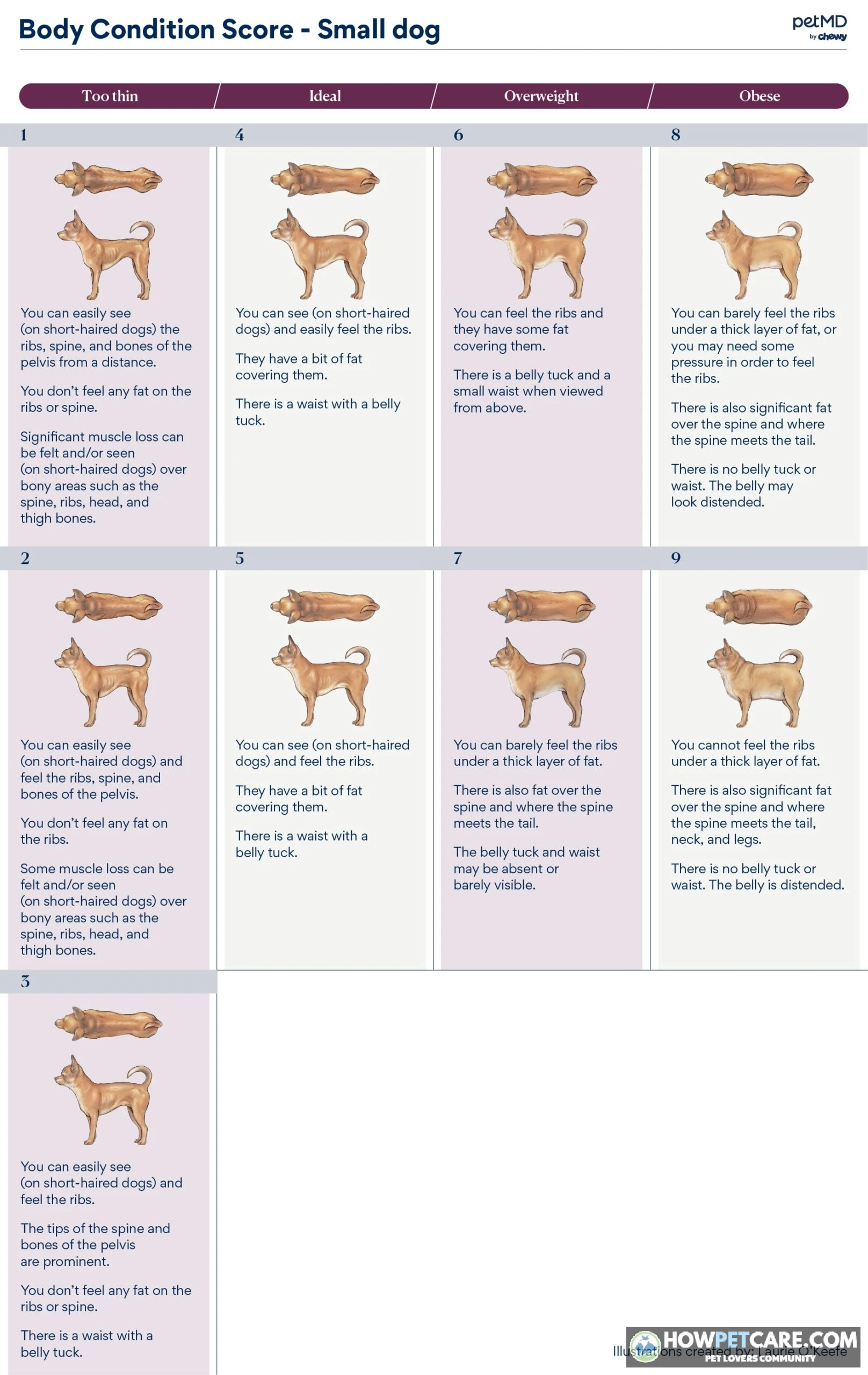
Weigh food where practical and record body weight over time. Ask your veterinarian to demonstrate a body-condition assessment and set a monitoring schedule. If the dog is gaining or losing unexpectedly, review total intake, treats, activity, and health before changing portions.
Don’t restrict a growing puppy simply to make it look smaller. For an older dog, don’t assume age alone means a low calorie requirement; muscle condition, illness, and activity all affect the plan. Maintaining an appropriate body condition is sensible care for a long-backed dog, but it does not eliminate IVDD risk.
Dorgi shedding and grooming by coat type
Smooth, long and wire coat differences
A Dorgi may inherit characteristics from any of the Dachshund’s smooth, long, or wire coat varieties as well as the Corgi’s coat. The result isn’t necessarily a neat copy of either parent, and a puppy’s early coat doesn’t guarantee its adult texture or undercoat. Littermates can look different.
- Smooth influence: Short hair may be quick to brush and wipe clean, but short hair can still shed. Check furniture and clothing rather than assuming a smooth dog is low-shedding.
- Long-haired influence: Longer hair can need more frequent brushing to prevent tangles, particularly around the ears, legs, and underside. Longer strands may be more visible around the house, but coat length alone does not establish the amount shed.
- Wire-haired influence: A wiry coat may need regular combing and professional advice on hand-stripping or other maintenance. The texture and amount of undercoat vary; ask a groomer to assess the individual dog before choosing a routine.
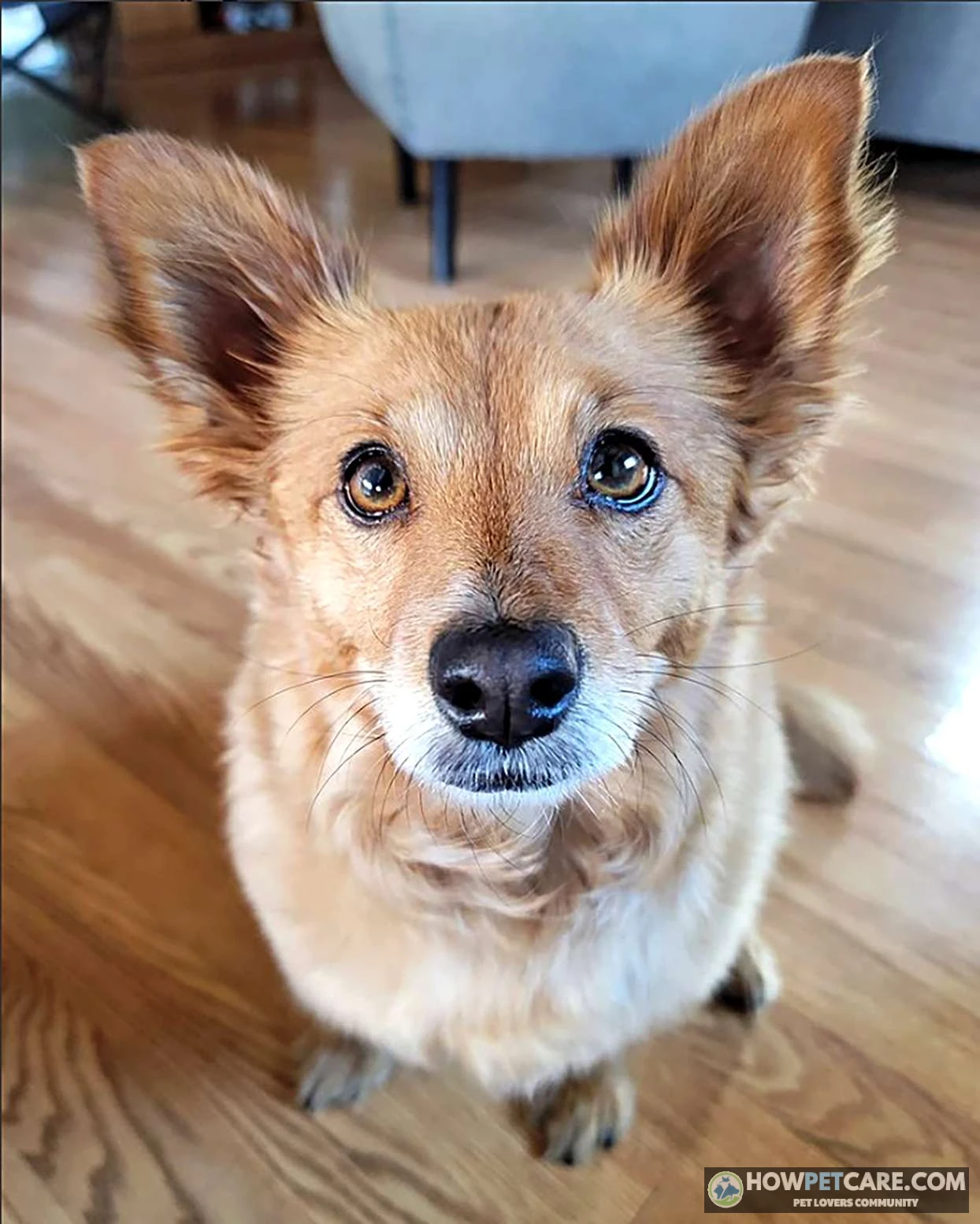
A Corgi-like double coat can bring substantial shedding, including seasonal increases. Plan for regular vacuuming and adjust brushing to what actually comes out of your dog’s coat. None of these outcomes makes a dog reliably hypoallergenic; someone with allergies should spend time with the individual dog and discuss their situation with an appropriate health professional before committing.
Brushing and seasonal shedding
Start with gentle brushing several times a week if the coat needs it, increasing frequency during a heavy shed or when longer hair tangles. A smooth coat may need less work; a dense or longer coat may need more. Use a brush suited to the coat and avoid pulling mats against the skin.
Bathe when needed using a dog-appropriate product, dry the coat thoroughly, and ask a groomer or veterinarian about stubborn mats or skin irritation. Include nail trims, ear checks, and a veterinarian-advised dental routine. Grooming sessions also provide a chance to notice changes in movement or sensitivity, but they don’t replace a veterinary exam.
Dorgi puppy price, breeder checks and rescue options
US purchase price and first-year cost worksheet
As of 2026, the evidence supplied for this guide does not establish a verifiable US range for Dorgi puppy asking prices or completed sales. Prices in advertisements are asking prices, not proof of what buyers paid, and can vary with location, the seller, and what is included. Don’t treat an unverified national average—or the illustrative acquisition figures below—as a current market quote.
Before comparing any two offers, ask whether the amount includes a deposit, initial veterinary examination, vaccinations, parasite treatment, microchip, registration, or starter supplies. Get the terms in writing. A deposit may be part of the purchase price or an additional nonrefundable charge; the contract should make that clear. Registration does not establish health or breeding quality.
The following US-dollar planning scenarios for 2026 are arithmetic examples, not surveyed prices or promises of local availability. Replace every line with quotes from a shelter, breeder, veterinarian, insurer, and local suppliers. The low scenario assumes adoption; the middle and high scenarios use hypothetical purchase amounts. Insurance or savings figures are budget contributions, not a guarantee that future bills are covered.
| Expense | Low estimate | Middle estimate | High estimate | What is included or excluded |
|---|---|---|---|---|
| Acquisition | $200 | $1,000 | $2,500 | Illustrative adoption fee or purchase amount; excludes travel and any extra deposit. |
| Preventive veterinary care | $400 | $800 | $1,500 | Planning allowance for exams, routine preventive care and puppy follow-up; major illness and emergencies excluded. |
| Food and treats | $300 | $500 | $800 | Depends on food, size and calorie needs. |
| Supplies and ramp | $250 | $450 | $800 | Basic equipment, bedding, bowls, traction materials and a ramp; exclude items already included with the dog. |
| Training and grooming | $100 | $400 | $900 | Classes or behavior help and grooming as needed; needs vary by dog. |
| Insurance premiums or emergency savings | $400 | $800 | $1,500 | Choose a real insurance quote or a savings contribution; check exclusions, waiting periods and deductibles. |
| Illustrative first-year total | $1,650 | $3,950 | $8,000 | Acquisition plus the lines above; excludes a major emergency, travel and boarding. |
A dog adopted with some vaccines or a microchip already included may need less spending on those particular items, but may still need follow-up care. Don’t count the same service twice. Equally, don’t assume a policy covers pre-existing spinal conditions: read the wording before relying on it.

How to vet a breeder or find a Dorgi mix in rescue
For a breeder, use the health-record checklist above before you pay. Confirm the breeder is responsible for the litter rather than acting as an undisclosed intermediary. Ask to see the mother and the rearing environment, verify both parents’ records, request the puppy’s medical history, and read the return policy. A responsible seller should welcome careful questions and be able to explain both the strengths and limitations of the pairing.
For rescue, don’t wait for a listing labeled exactly “Dorgi.” Search local shelters and mixed-breed databases using Dachshund mix, Corgi mix and both breed names. Contact Dachshund and Corgi rescues to ask whether they take crosses or can suggest local leads. You can also use Petfinder’s breed search for Dachshund and Corgi mixes. Breed labels in rescue can be educated guesses, so focus on the individual dog’s needs rather than assuming its ancestry is confirmed.
Ask the shelter or foster home:
- What medical records are available, and has the dog shown pain or difficulty moving?
- What has the dog been observed doing around children, dogs, cats, and unfamiliar visitors?
- How does the dog respond when left alone or when it hears hallway and outdoor sounds?
- What care is included in the fee, what remains due, and what is the return or support policy?

There is no reliable Dorgi-specific litter-size figure in the available evidence. If a seller promises a particular litter size or an exact adult weight, treat it as a claim to question, not a guarantee.
Choose your dog and prepare for the next step
A Dorgi may be appealing if you like traits from both parent breeds and accept that the mix cannot reliably deliver a chosen combination. A purebred parent may offer a more defined breed standard, but an individual dog’s behavior and health still vary.
| Trait | Dorgi | Dachshund | Pembroke Welsh Corgi | Evidence and variability |
|---|---|---|---|---|
| Size | Often quoted at 9–12 inches and 12–30 lb. | Miniature and standard varieties differ in size. | A small, sturdy herding breed. | Ask for both parents’ measurements; a Dorgi has no standardized size. |
| Behavior | May bark, dig, chase or herd. | Hunting background; vocal or chase behavior is possible. | Herding background; alert barking or herding behavior is possible. | Training, socialization and the individual dog matter. |
| Coat | Variable; may shed substantially. | Smooth, long and wire varieties have different grooming needs. | Double coat requires regular upkeep. | A cross does not guarantee the easier coat of either parent. |
| Health planning | No established Dorgi-specific IVDD rate in the available evidence. | IVDD is a documented concern in the parent breed. | Ask about current Pembroke-specific screening, including hips and eyes. | Parent-breed concerns inform questions; they do not predict an individual puppy’s outcome. |
| Daily activity | Around 30–60 minutes is a starting range for a healthy adult. | Adjust to individual fitness and health. | Expect activity and mental engagement. | Puppies, seniors and dogs with medical restrictions need tailored plans. |
A Horgi combines Corgi and Husky ancestry; a Corgipoo combines Corgi and Poodle ancestry. Neither name guarantees a particular adult size, quiet temperament, low-shedding coat, or freedom from inherited disease. Compare the actual parents, the individual dog, and the care you can provide rather than choosing a mix on its label.
The royal family’s Corgi–Dachshund crosses helped popularize the Dorgi name; accounts connect them with Queen Elizabeth II and Princess Margaret. That story doesn’t establish that the family created the first such cross, and it shouldn’t substitute for assessing the dog in front of you.
Before you commit, check your plan:
- ☐ Everyone at home accepts possible barking, shedding, chasing, or herding behavior and knows how children will be supervised.
- ☐ I have a plan for daily walks, enrichment, gradual alone-time training, and backup care.
- ☐ I have measured furniture, checked that a stable ramp will fit, added traction where needed, and planned how to manage stairs and lifting.
- ☐ I have obtained local acquisition and veterinary quotes, set a first-year budget, and considered emergency care or insurance exclusions.
- ☐ I have arranged a veterinary visit and will calculate an initial feeding allowance using the actual food label, then monitor body condition.
- ☐ I have verified both parents’ relevant records and read the breeder’s contract, or asked a rescue about the dog’s health, behavior, and uncertain identification.
If an essential answer is missing, wait. Contact a veterinarian, request the records, or speak with a rescue before paying a deposit or bringing a dog home.
 You might be wonderingShichon dogShichon Dog Guide: Size, Cost, Care, and TemperamentRead the answer
FAQ
Is a Dorgi a recognized purebred dog?
No. A Dorgi is a cross between a Dachshund and a Welsh Corgi, rather than a standardized purebred. Its adult traits can vary considerably.
Are Dorgis hypoallergenic?
No dog is reliably hypoallergenic, and a Dorgi can shed and produce allergens regardless of coat type. People with allergies should spend time around the individual dog before committing.
Did Queen Elizabeth II invent the Dorgi?
The royal family’s Corgi–Dachshund crosses helped popularize the Dorgi name, and the story commonly involves Princess Margaret’s Dachshund Pipkin. That history does not establish that the royal family created the first such cross.
How many puppies are in a Dorgi litter?
There is no reliable breed-specific litter-size figure for Dorgis. Litter size varies with the mother’s size, age and health, so a veterinarian is the best source for guidance about an individual pregnancy.