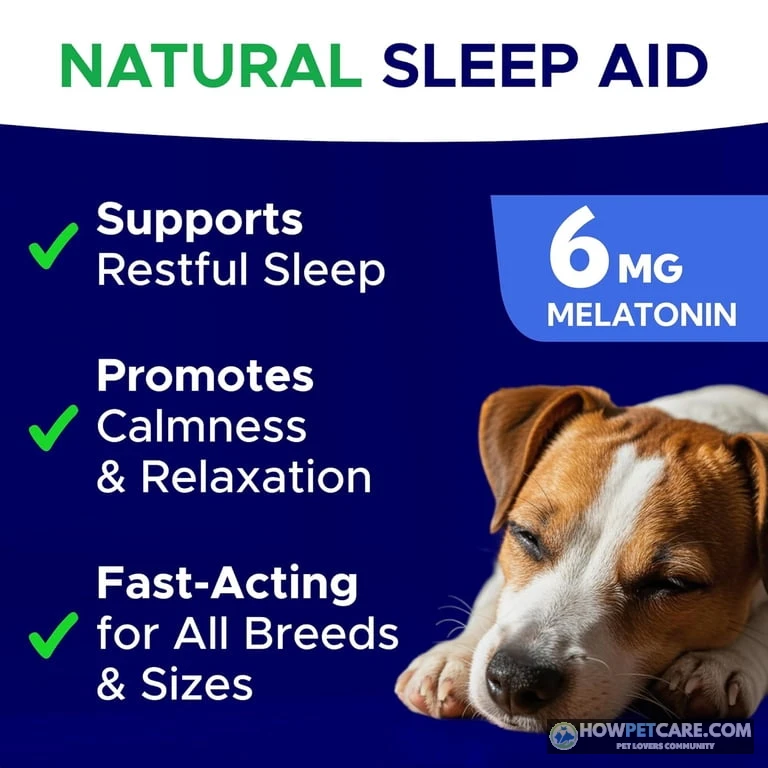

Safe sleep aids for dogs include xylitol-free melatonin, L-theanine calming chews, and Adaptil pheromones; severe cases may warrant prescription trazodone or gabapentin from a vet. Never give human sleep aids — xylitol, acetaminophen, and ibuprofen can be fatal — and rule out pain or illness first.
If your dog is pacing, panting, or whining at 2 a.m., reaching into your personal medicine cabinet is the most dangerous move you can make. Never give a dog human over-the-counter sleep aids, nighttime cold medicines, or sleep gummies. Many human formulations contain xylitol (frequently listed on ingredient decks as birch sugar or birch extract), an artificial sweetener that triggers an acute, life-threatening release of insulin in canines within 10 to 60 minutes, leading to profound hypoglycemia and acute hepatic necrosis. Furthermore, human combination medications routinely pack active ingredients like acetaminophen, ibuprofen, or decongestants that cause acute kidney injury, severe gastrointestinal ulceration, or fatal cardiovascular collapse in pets.
When your dog cannot settle through the night, a safe resolution requires distinguishing between medical pain, psychological anxiety, and age-related cognitive decline. While natural supplements like xylitol-free melatonin, L-theanine, and veterinary prescription medications can help, they must match the root cause of your dog’s restlessness. Administering a sedative to a dog pacing from undiagnosed arthritis pain or an untreated urinary tract infection masks their distress without solving the medical problem. This comprehensive guide details safe, weight-calibrated interventions, diagnoses the physiological triggers behind canine nighttime wakefulness, and establishes strict safety protocols for choosing supplements.
What You Can and Can’t Give a Dog to Sleep Tonight
When you are desperate for sleep and your dog will not settle, convenience often clouds risk assessment. The fundamental rule of veterinary pharmacology is simple: human sleep aids are formulated for human metabolic pathways, and transferring them across species lines frequently produces toxicosis or paradoxical reactions.
Never administer human prescription sedatives such as zolpidem (Ambien), eszopiclone (Lunesta), or benzodiazepines to your dog without explicit veterinary direction. In dogs, zolpidem often causes severe paradoxical excitation, extreme agitation, tremors, disorientation, tachycardia, and hypertension instead of sedation. If your dog ingested any human sleep medication, contact your emergency veterinarian, the ASPCA Animal Poison Control Center (888-426-4435), or the Pet Poison Helpline (855-764-7661) immediately.
Why xylitol and ‘PM’ ingredients make human sleep aids dangerous for dogs
Over-the-counter sleep aids designed for humans carry two catastrophic hazards for canines: toxic sweetening agents and compound active pharmaceuticals.
Xylitol—increasingly rebranded on modern labels as birch sugar, wood sugar, or birch bark extract—is widely utilized in chewable tablets, fast-dissolve melts, liquid droppers, and sleep gummies to provide sweetness without cane sugar. In humans, xylitol has minimal effect on blood glucose or insulin release. In dogs, however, the canine pancreas mistakes xylitol for real glucose, absorbing it rapidly into the bloodstream and triggering a massive, surge-like release of endogenous insulin. Within 10 to 60 minutes of ingestion, the dog’s blood glucose plummets to life-threatening levels (severe hypoglycemia), producing lethargy, ataxia, collapse, and seizures. At higher ingestions, xylitol induces direct, idiopathic canine liver necrosis, which is frequently fatal even with aggressive inpatient supportive care.
The second major hazard involves "PM" nighttime formulations. Over-the-counter products marketed as "Extra Strength PM" or "Nighttime Sleep Aid" almost never contain just a single sedating agent. Instead, manufacturers pair a sedating antihistamine (such as diphenhydramine or doxylamine) with analgesics like acetaminophen, ibuprofen, or naproxen. While a human liver processes these combinations safely, canine physiology does not:
- Acetaminophen: Causes severe methemoglobinemia (in which red blood cells lose their oxygen-carrying capacity, turning the blood chocolate-brown and starving tissues of oxygen) as well as acute liver failure.
- NSAIDs (Ibuprofen, Naproxen): Cause severe gastric ulceration, intestinal perforation, and acute renal failure within hours of ingestion.
- Doxylamine succinate: Carries a narrow therapeutic safety window in canines; accidental overdoses lead to extreme central nervous system depression alternating with violent seizures, severe tachycardia, and hyperthermia.
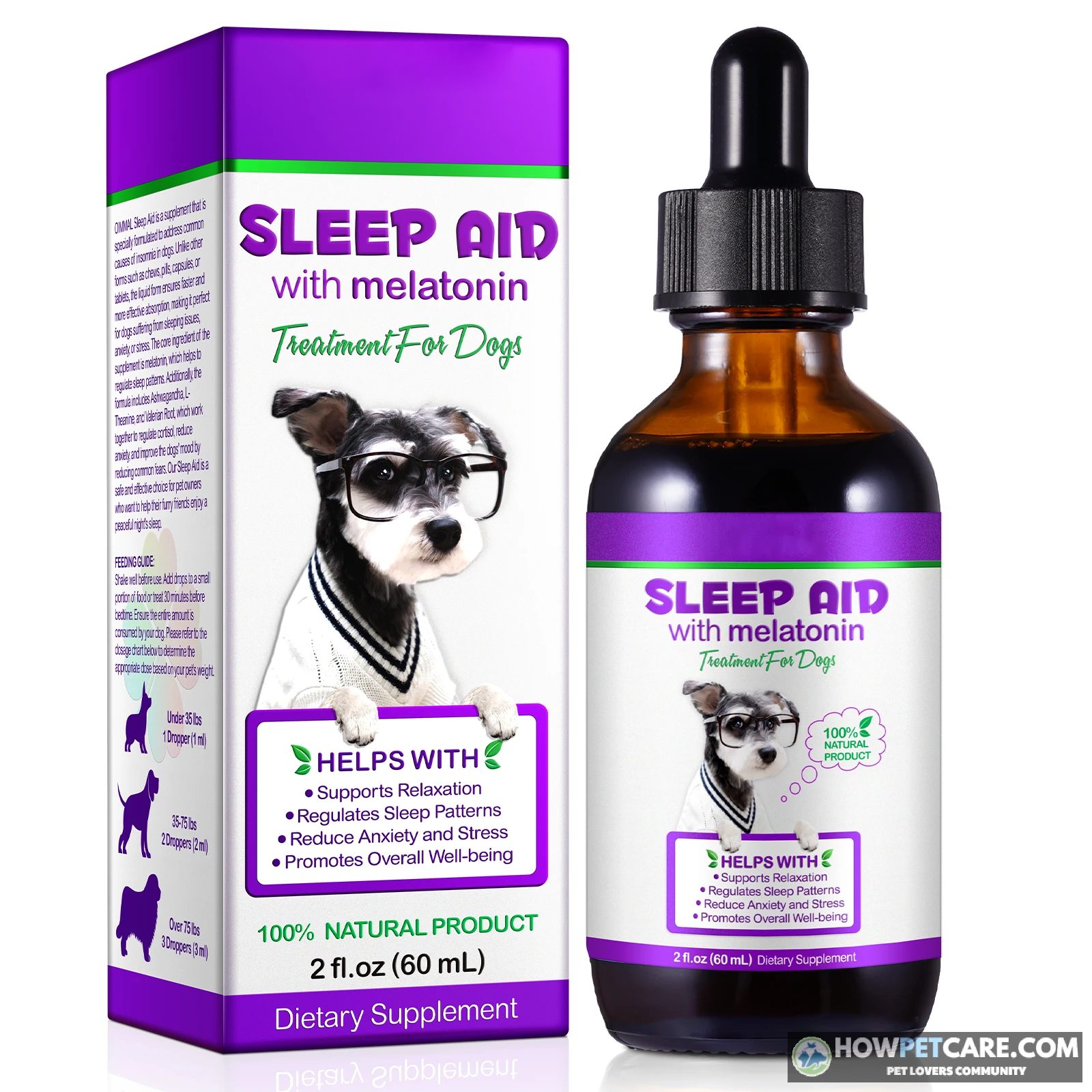
Can I give my dog Benadryl to sleep?
Plain diphenhydramine (the active ingredient in standard, original Benadryl) is a first-generation antihistamine approved and commonly dosed by veterinarians for allergic reactions, insect stings, and mast cell tumor protocols. Because one of its primary side effects is central nervous system depression, pet owners frequently view it as a makeshift home sleep aid.
However, veterinarians rarely recommend diphenhydramine as a primary, long-term sleep aid for several reasons:
- Paradoxical Excitation: A significant percentage of dogs experience paradoxical central nervous system stimulation rather than sedation. Instead of sleeping, these dogs become hyperactive, vocal, panting, and visibly agitated.
- Rapid Tolerance: When administered for sleep over consecutive nights, dogs develop rapid pharmacological tolerance to the sedating side effect of antihistamines, rendering it ineffective after just three to four days.
- Anticholinergic Complications: Diphenhydramine causes dry mouth, pupil dilation, urinary retention, and increased heart rate. It is strictly contraindicated in dogs suffering from glaucoma, prostatic hypertrophy, cardiovascular disease, hypertension, or lower airway disease.
- Toxicity at High Doses: Large accidental ingestions cause severe anticholinergic toxicity characterized by tremors, dangerous elevations in heart rate, hyperthermia, seizures, and respiratory collapse.
If your veterinarian has specifically cleared plain diphenhydramine for your dog, verify that the package contains diphenhydramine hydrochloride only, with zero decongestants (such as pseudoephedrine or phenylephrine), zero pain relievers, and zero xylitol. Never guess the dose; always have your veterinary clinic calculate the precise milligrams based on your dog’s current weight.
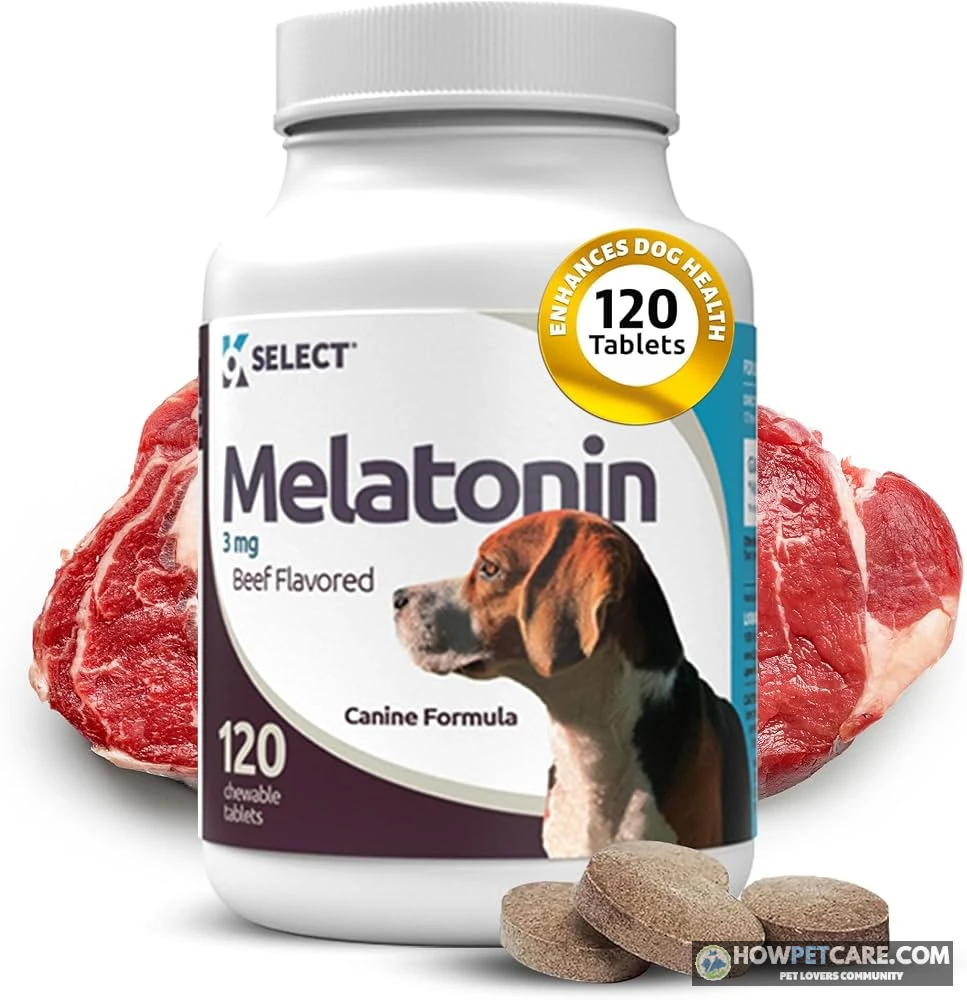
What to do if your dog already swallowed a human sleep aid
If you discover that your dog has ingested a human sleep medication, chewable gummy, or PM pain reliever, treat the situation as an immediate clinical emergency:
- Identify the Substance: Secure the packaging immediately. Note the exact brand name, active ingredients, concentrations in milligrams, and whether the inactive ingredient list contains xylitol, birch sugar, or sorbitol.
- Estimate Ingestion: Calculate the maximum theoretical amount your dog could have swallowed, along with the estimated timeframe of ingestion.
- Call Animal Poison Control or Your Emergency Vet: Contact the ASPCA Animal Poison Control Center (888-426-4435) or Pet Poison Helpline (855-764-7661) while en route to the nearest emergency veterinary hospital. These toxicology centers provide specialized case numbers and direct treatment calculations to the emergency veterinary team.
- Do Not Induce Vomiting Without Explicit Veterinary Instruction: Inducing vomiting at home with hydrogen peroxide can cause severe hemorrhagic gastritis, aspiration pneumonia, or exacerbate clinical signs if the dog is already becoming sedated, ataxic, or prone to seizures.
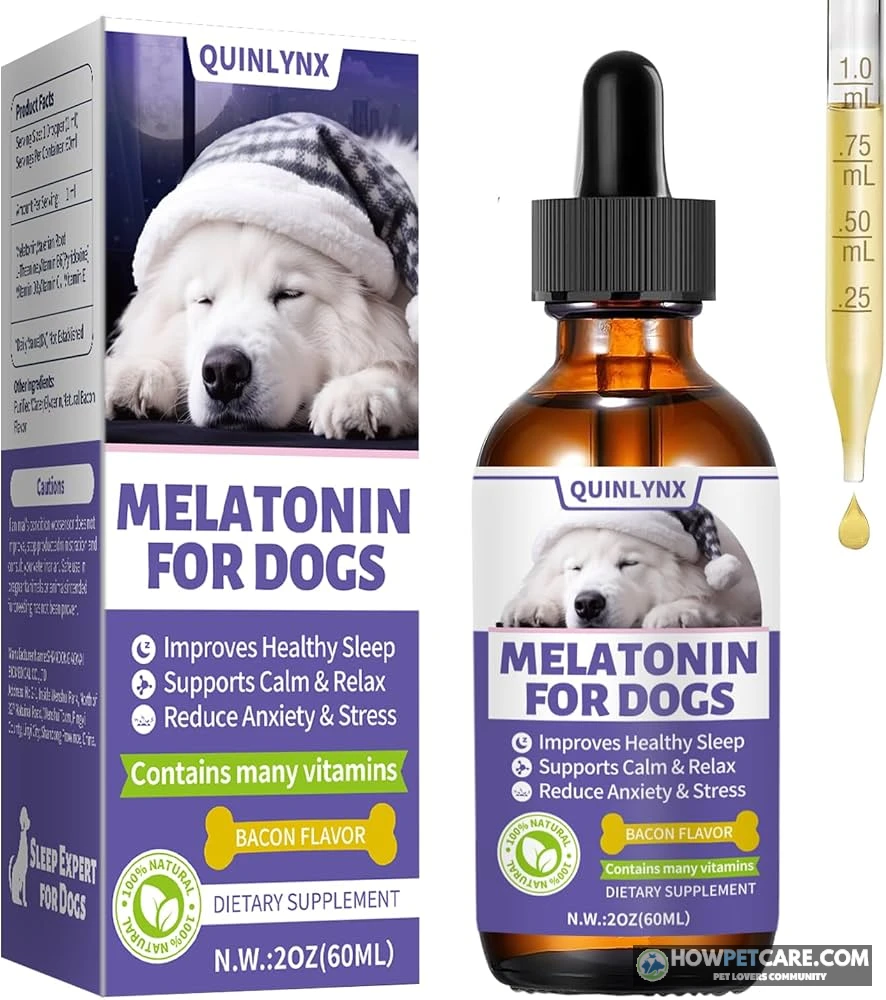
What options are generally safe to discuss with your veterinarian tonight? For mild, uncomplicated restlessness, a single-ingredient, xylitol-free pet melatonin supplement or an L-theanine calming chew represents a safe initial conversation. For severe, acute distress or chronic sleep-wake disruption, prescription veterinary therapies (such as trazodone or gabapentin) are significantly safer and more clinically effective than improvising with human pharmaceuticals.
Immediately close this guide and drive to an emergency veterinary clinic if your dog’s inability to sleep is accompanied by: unproductive retching or abdominal distension (signs of GDV/bloat), continuous panting without heat exposure, pale or bluish gums, sudden collapse, inability to stand, crying out when touched, or labored, open-mouth breathing.
Why Won’t My Dog Sleep Through the Night? A Cause-First Decision Tree
Administering a sleep aid without identifying why your dog is awake is like silencing a smoke detector while the kitchen is on fire. Canine sleep fragmentation is an outward symptom of an internal disturbance. Clinically, nighttime wakefulness falls into four broad categories: untreated musculoskeletal pain, psychological anxiety, canine cognitive dysfunction (dementia), or internal medical and environmental disruptions.
Before purchasing any calming chew or asking your veterinarian for a prescription sedative, run your dog’s symptoms through this four-question diagnostic walkthrough.
Step-by-step: pain, anxiety, or cognitive dysfunction?
The Four-Question Night-Waking Decision Tree
1. Did the sleeplessness start suddenly, or immediately follow a new medication, diet, household move, or schedule disruption?
- Yes: Treat this as an acute medical or situational red-flag branch. If sleeplessness is accompanied by vocalization, panting, rigid posture, tremors, vomiting, or possible exposure to a toxin, bypass all supplements and call an emergency veterinary clinic immediately. If the restlessness coincided with a newly prescribed drug—such as the initiation of systemic corticosteroids (prednisone/prednisolone), which frequently induce night panting, extreme thirst, and restlessness—contact the prescribing veterinarian before giving any sleep aid. Do not layer sedatives on top of drug-induced agitation.
- No: Proceed to Question 2.
2. After lying down, does your dog repeatedly get up, circle, shift positions, lick their joints, pant softly, or exhibit stiffness when rising in the morning?
- Yes: Suspect chronic pain or osteoarthritis first. Dogs are crepuscular by nature and tolerate minor joint inflammation during active daylight hours. At night, however, when joints cool and synovial fluid thickens during recumbency, arthritic pain flares up. An aching dog lies down, experiences deep joint ache or nerve compression 20 minutes later, stands up to relieve the pressure, paces across the floor seeking a cooler or softer spot, and repeats the cycle all night. Sedating an arthritic dog with melatonin or calming herbs is medically inappropriate because it dulls their senses while leaving the underlying inflammatory pain intact. Schedule a physical examination; ask your veterinarian whether a targeted non-steroidal anti-inflammatory drug (NSAID), piprant (e.g., Galliprant), or joint therapy protocol will resolve the restlessness by treating the pain at its source.
- No: Proceed to Question 3.

3. Does your dog pace, whine, hyper-salivate, cling to your bedside, startle at subtle ambient noises, or exhibit distress when separated from you or during thunderstorms?
- Yes: Suspect generalized anxiety, noise phobia, or separation distress. Canines with sensory hyper-reactivity or separation anxiety frequently experience an escalation of panic as the house quiets down, shadows lengthen, and auditory masking from daily family life disappears. These dogs track their owners’ movements, jump at settling floorboards, or pace frantically during overnight pressure drops preceding a storm. Implement environmental modifications (such as sound masking with a white noise machine) and evaluate targeted calming nutraceuticals (like L-theanine) or veterinary-directed behavioral medications.
- No: Proceed to Question 4.
4. Is your dog an older senior (typically aged 7 or older) who displays confusion, stares blankly at walls, gets stuck behind doors, vocalizes aimlessly in the dark, or sleeps soundly all day only to pace relentlessly at night?
- Yes: Suspect Canine Cognitive Dysfunction (CCD), colloquially termed dog dementia or "sundowning." Research demonstrates that neurodegenerative changes in the aging canine brain alter the hypothalamic circadian pacemaker, leading to fragmented REM cycles, loss of day-night rhythmicity, and pronounced nocturnal confusion. Veterinary behaviorists utilize the DISHAA screening framework to diagnose CCD: Disorientation, altered social Interactions, Sleep-wake cycle disturbances, House-soiling, changes in Activity levels, and emerging Anxiety. Bring a video log of these nighttime episodes to your veterinarian to discuss neuroprotective diets, selegiline therapy, and targeted circadian regulators like melatonin.
- No: Proceed to medical and environmental rule-outs.
Medical and environmental causes to rule out first
If your dog passes through the decision tree without an obvious match for arthritis, panic, or cognitive decline, systematically evaluate internal medical conditions that disrupt nighttime homeostasis:
- Polyuria and Polydipsia (Urinary Urgency): A dog that wakes every two hours may simply have a full bladder. Medical conditions causing increased urination include Chronic Kidney Disease (CKD), Diabetes Mellitus, Hyperadrenocorticism (Cushing’s Disease), and bacterial Urinary Tract Infections (UTIs). In older spayed females, urethral sphincter mechanism incompetence (hormone-responsive urinary incontinence) causes urine leakage while resting, waking the dog in wet discomfort.
- Dermatological Pruritus (Allergic Itching): Atopic dermatitis, environmental dust mite allergies, and flea allergy dermatitis worsen significantly at night. A dog frantically licking their paws, scratching their ears, or biting their flanks cannot achieve deep, restorative sleep.
- Gastrointestinal Distress and Acid Reflux: Dogs suffering from inflammatory bowel disease (IBD) or bilious vomiting syndrome often experience nausea, acid reflux, and abdominal cramping during extended fasts overnight. Symptoms include loud gut sounds (borborygmi), repetitive lip-licking, excessive swallowing, and pacing.
- Cardiopulmonary Disease: Congestive heart failure (CHF) and tracheal collapse cause orthopnea—difficulty breathing while lying recumbent. When a dog with an enlarged heart or developing pulmonary edema lies flat, lung expansion is compromised, forcing the dog to stand up, cough, pant, and remain awake to oxygenate.
- Environmental Friction: A room that is excessively hot, an uncomfortable or unsupportive orthopedic bed, drafty hardwood floors, or subtle high-frequency electronic hums can prevent light sleepers from settling.
When sleeplessness needs a vet visit before any supplement
Never attempt to manage sleep disturbances at home with over-the-counter supplements if you observe any of the following clinical indicators:
- Acute, overnight onset of pacing in a dog that previously slept soundly.
- Any dog over the age of seven exhibiting sudden behavioral shifts or house-soiling.
- Visible signs of physical pain: limping, muscle tremors, reluctance to sit or lie down, or vocalizing when handled.
- Noticeable changes in baseline thirst, urinary volume, appetite, or body weight.
- Nocturnal coughing, labored breathing, or extended panting episodes while resting in a cool room.
- Any history of syncope (fainting), episodic disorientation, or seizure activity.
 You might be wonderingEssential oils safe for dogsEssential Oils Safe for Dogs: Risks, Use and EmergenciesRead the answer
Melatonin for Dogs: Is It Safe, and How Much by Weight?
Melatonin is a naturally occurring neurohormone synthesized by the pineal gland that plays an essential evolutionary role in regulating circadian rhythms and seasonal physiological cycles. In veterinary medicine, supplemental oral melatonin is widely utilized to manage sleep-wake cycle disturbances, alopecia X (hair loss disorders), canine cognitive dysfunction, and adjunct situational anxiety.
From a safety profile perspective, melatonin is exceptionally well-tolerated in dogs when sourced correctly. Unlike sedatives that depress respiratory centers, supplemental melatonin gently signals the central nervous system that it is time to transition into physiological rest. However, owners must maintain evidence-based expectations: while pharmacokinetic studies demonstrate that dogs rapidly absorb oral melatonin, clinical evidence regarding its sleep-inducing efficacy in canines remains limited. No large-scale, randomized controlled trials currently prove that oral melatonin cures canine insomnia or reverses cognitive decline; its use rests primarily on decades of clinical veterinary observation and extrapolated mammalian chronobiology. Overdoses are rarely lethal, typically presenting with transient gastrointestinal upset or prolonged morning lethargy.

Melatonin dosing chart: mg per lb and mg per kg
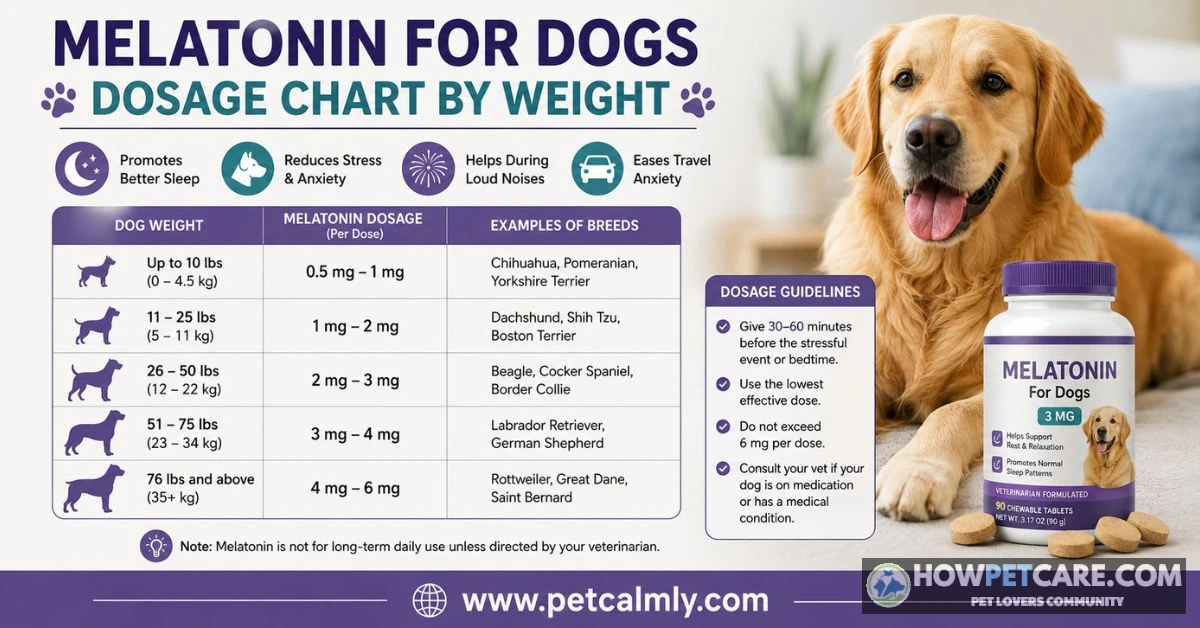
Because veterinary references—including Plumb’s Veterinary Drug Handbook and the Merck Veterinary Manual—report empirical dosing ranges rather than a single universal dose, the table below outlines established weight-banded clinical starting points. Always confirm the specific milligram target for your dog with your attending veterinarian before initiating supplementation.
| Dog weight (lb) | Dog weight (kg) | Typical starting range (mg) | Approximate mg per kg | Volume at 1 mg/mL (mL) | Volume at 3 mg/mL (mL) | Maximum frequency | Notes and cautions |
|---|---|---|---|---|---|---|---|
| Under 10 | Under 4.5 | 0.5–1.0 mg | ~0.11–0.22 mg/kg | 0.5–1.0 mL | 0.17–0.33 mL | Every 8–12 hrs; usually once at bedtime | Toy breeds overdose easily; measure with a calibrated oral syringe, not dropper drops |
| 10–25 | 4.5–11.3 | 1.0–1.5 mg | ~0.09–0.33 mg/kg | 1.0–1.5 mL | 0.33–0.50 mL | Every 8–12 hrs | Initiate at 1.0 mg for the first 3 nights; evaluate settling response |
| 26–50 | 11.8–22.7 | 1.5–3.0 mg | ~0.07–0.25 mg/kg | 1.5–3.0 mL | 0.50–1.0 mL | Every 8–12 hrs | Verify chew labels carefully; some list total bottle strength on the front |
| 51–80 | 23.1–36.3 | 3.0–4.5 mg | ~0.08–0.20 mg/kg | 3.0–4.5 mL | 1.0–1.5 mL | Every 8–12 hrs | If 3 mg produces zero settling after 5 nights, consult your vet before escalating |
| 81–100 | 36.7–45.4 | 4.5–6.0 mg | ~0.10–0.16 mg/kg | 4.5–6.0 mL | 1.5–2.0 mL | Every 8–12 hrs | Do not exceed 6 mg per single dose without direct veterinary authorization |
| Over 100 | Over 45.4 | 6.0 mg max OTC | <0.13 mg/kg | Up to 6.0 mL | Up to 2.0 mL | Once nightly | Giant-breed dosing regimens above 6 mg require formal veterinary monitoring |
Administer melatonin approximately 30 to 60 minutes before your dog’s scheduled bedtime. Melatonin does not function as an immediate chemical knockout drop; it requires time to enter the circulation, cross the blood-brain barrier, and trigger natural sleepiness. Maintain the starting dose for at least three to five consecutive nights before assessing its true clinical utility.
How to dose liquid and dropper melatonin
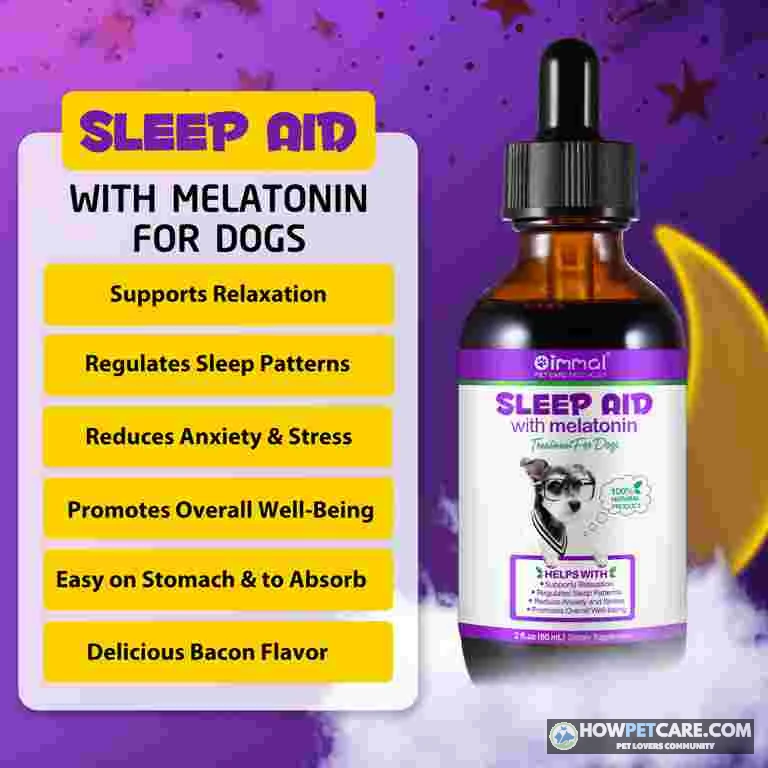
Liquid melatonin formulations offer precise dose calibration, especially for toy and small-breed dogs who fall between standard chew sizes. However, administering liquid supplements requires strict attention to volumetric concentration.
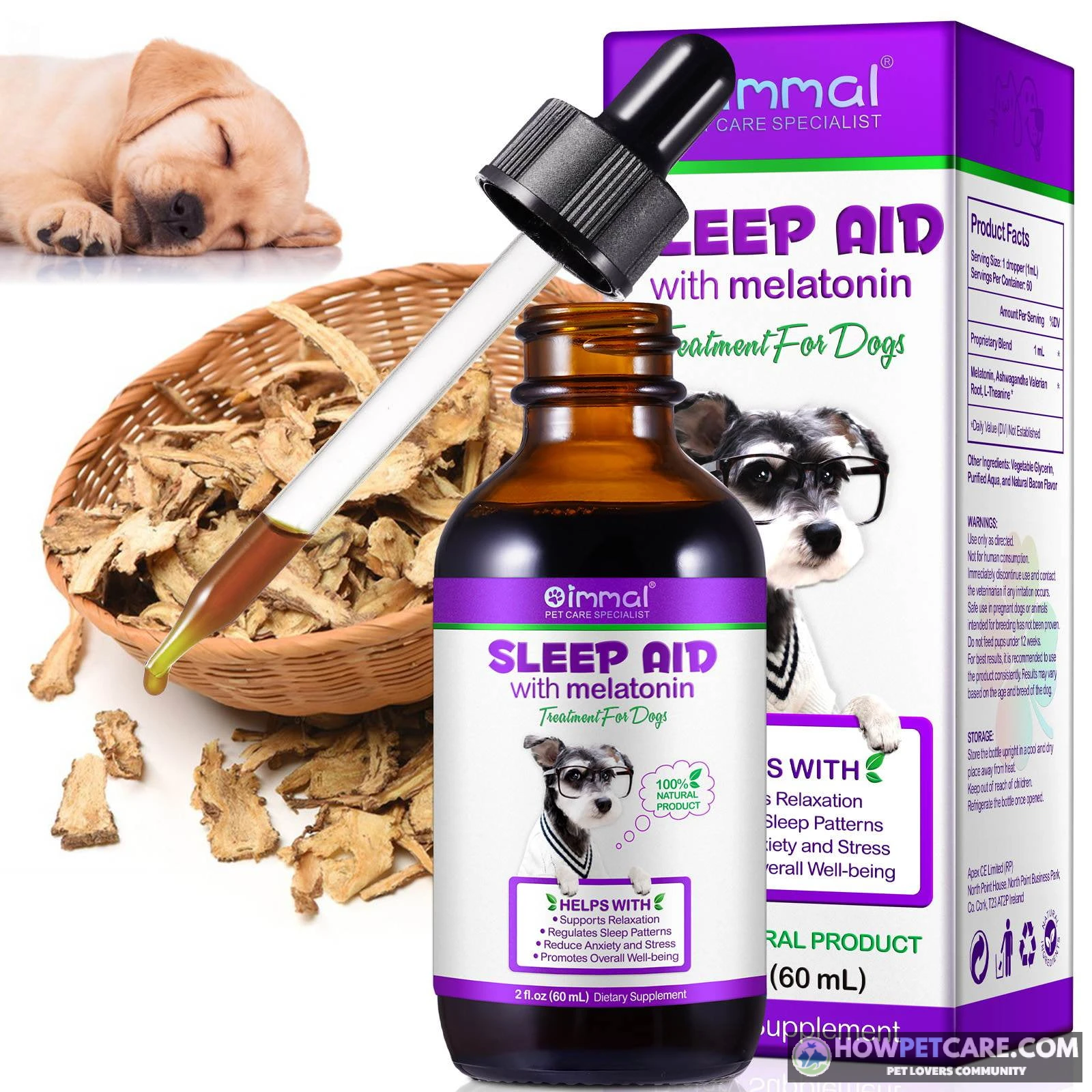
Never count "drops" from a tincture pipette unless the manufacturer provides an exact drop-to-milliliter metric printed directly on the bottle label. Surface tension, liquid viscosity, and pipette orifice sizes vary dramatically between manufacturing lots. One dropper pipette might deliver 20 drops per milliliter, while another delivers 35 drops. Counting drops can accidentally double or halve your intended dose. Always use a plastic, needleless 1 mL or 3 mL graduated oral syringe (readily available at any pharmacy counter).
Use this simple volumetric formula to calculate liquid administration:
Dose in Milliliters (mL) = Target Dose in Milligrams (mg) ÷ Liquid Concentration on Label (mg/mL)
- Worked Example 1 (Small Dog): Your veterinarian recommends a 1 mg starting dose for your 18 lb Terrier mix. You purchase a xylitol-free pet liquid containing 1 mg of melatonin per 1 mL of liquid (1 mg/mL).
1 mg ÷ 1 mg/mL = 1.0 mL
Draw exactly 1.0 mL into your oral syringe. - Worked Example 2 (Medium Dog with Concentrated Liquid): Your veterinarian directs a 2 mg dose for your 35 lb Spaniel. Your bottle indicates a concentrated strength of 3 mg of melatonin per 1 mL (3 mg/mL).
2 mg ÷ 3 mg/mL = 0.67 mL
Draw exactly 0.67 mL (just over 0.6 mL on a 1 mL oral syringe). - Worked Example 3 (Large Dog): Your veterinarian recommends 4.5 mg for your 75 lb Labrador. You have a standard 1 mg/mL formulation.
4.5 mg ÷ 1 mg/mL = 4.5 mL
Administer one full 3 mL syringe plus one 1.5 mL syringe.
Is melatonin safe for dogs to sleep every night?
For senior dogs with confirmed canine cognitive dysfunction or chronic circadian sleep-wake inversions, veterinarians frequently prescribe nightly melatonin indefinitely. Current pharmacokinetic and observational safety data show no significant physiological harm, hepatic toxicity, or physical dependence when pure melatonin is administered at clinical doses over extended periods.
However, chronic nightly administration requires veterinary oversight in specific canine populations:
- Diabetic and Insulin-Resistant Dogs: Melatonin influences systemic carbohydrate metabolism and nocturnal insulin sensitivity. While not strictly contraindicated, blood glucose patterns must be monitored closely.
- Cushing’s Disease (Hyperadrenocorticism): Melatonin exerts mild modulatory effects on adrenal steroidogenesis and 21-hydroxylase enzymes. It is sometimes used as a holistic adjunctive therapy for atypical Cushing’s, meaning any dog with existing adrenal disorders requires close clinical veterinary tracking.
- Breeding and Intact Animals: Because melatonin is intimately tied to photoperiod-dependent seasonal estrus cycles in mammals, it can alter prolactin release and suppress sex steroid production, potentially disrupting normal heat cycles in breeding females or fertility in intact males.
- Puppies Under Six Months: Young puppies possess rapidly evolving endocrine systems and fluctuating sleep requirements. Restlessness in puppies is virtually always behavioral, nutritional, or bladder-driven; never administer exogenous melatonin to a puppy without a pediatric veterinary exam.
Watch for rare side effects including daytime somnolence, gastrointestinal upset (soft stool or transient vomiting), pruritus (skin itching), and rare paradoxical hyperactivity. If an accidental overdose occurs (such as a dog chewing through an entire bottle), call poison control immediately to verify the product’s inactive ingredients. In the absence of xylitol or toxic binders, pure melatonin massive ingestions rarely cause organ failure, typically resolving with outpatient monitoring for profound sedation and supportive fluids.
Natural Sleep Aids for Dogs Beyond Melatonin: What the Evidence Supports
The pet supplement market has expanded rapidly, packing retail shelves with soft chews and tinctures promising tranquil nights. However, marketing claims routinely outpace veterinary clinical evidence. When shopping for non-prescription sleep aids, you must separate ingredients backed by rigorous canine behavioral data from those relying on human folklore.
L-theanine, chamomile, and valerian root: what dogs actually get from them
- L-Theanine: An amino acid analog found naturally in green tea (Camellia sinensis), L-theanine easily crosses the blood-brain barrier. It structurally resembles glutamate, binding to glutamate receptors to inhibit excitatory neurotransmission while stimulating the synthesis of calming gamma-aminobutyric acid (GABA). Controlled veterinary clinical trials demonstrate that pure L-theanine significantly reduces behavioral signs of fear and generalized anxiety in canines. While L-theanine is not a direct hypnotic sedative (it will not chemically induce sleep), it reliably dampens the physiological hyper-arousal that keeps an anxious dog pacing at midnight. It is exceptionally safe, non-habit forming, and does not cause morning ataxia.
- Chamomile (Matricaria recutita): Traditionally used in human herbalism for mild sedation, chamomile contains the bioflavonoid apigenin, which binds to benzodiazepine receptors in the central nervous system. Controlled canine studies evaluating chamomile specifically for canine sleep disorders are virtually non-existent; evidence remains primarily observational. In dogs, chamomile offers mild antispasmodic and calming qualities, making it moderately helpful for dogs whose sleep is interrupted by mild gastrointestinal churning. However, herbal potencies vary widely, and concentrated extracts can occasionally trigger allergic reactions or contact dermatitis.
- Valerian Root (Valeriana officinalis): Valerian root extract contains valerenic acid, which inhibits the enzymatic breakdown of GABA in the canine brain, increasing central GABAergic tone. While it acts as a mild central nervous system depressant, canine research remains sparse. Furthermore, valerian root carries notable practical drawbacks: it possesses an intensely pungent odor that many dogs refuse to consume, and a documented percentage of dogs experience paradoxical excitation and gastrointestinal distress. It can also potentiate the effects of concurrent sedatives or anesthetic agents.
- Dog-Appeasing Pheromone (DAP): Synthetic analogs of the comforting pheromones secreted by the sebaceous glands of the intermammary sulcus of lactating bitches (such as Adaptil). DAP diffusers placed near the dog’s nighttime sleeping quarters emit odorless chemical signals that activate the vomeronasal organ, triggering limbic system calming. Clinical trials confirm DAP’s efficacy in reducing environmental anxiety and distress vocalizations without pharmaceutical risks or drug-interaction liabilities.
CBD oil for dogs and sleep: what the studies do and don’t show
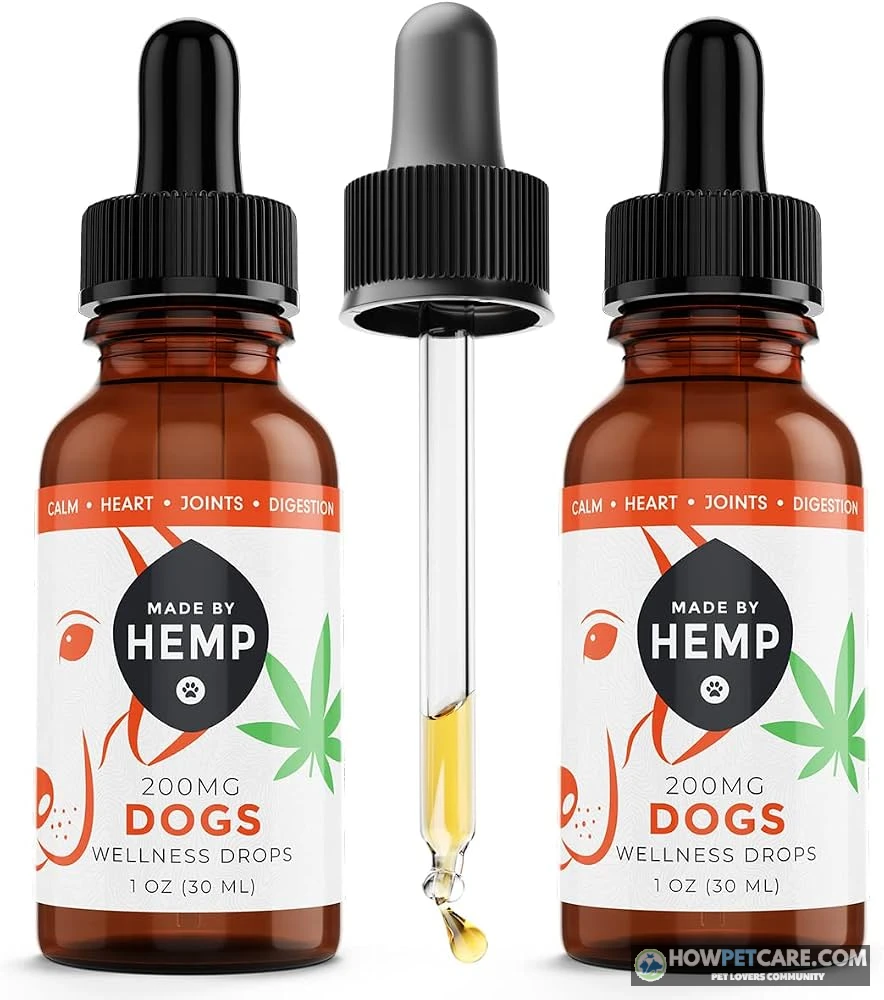
Cannabidiol (CBD) extracted from industrial hemp (Cannabis sativa) is heavily marketed as a universal panacea for canine insomnia. However, pet owners must view commercial CBD claims through an objective scientific lens.
Veterinary clinical trials evaluating CBD in dogs have predominantly focused on two clinical indications: osteoarthritis pain management and refractory idiopathic epilepsy. Rigorous, double-blind, placebo-controlled veterinary studies specifically investigating CBD as a primary monotherapy for canine sleep disorders do not exist. When owners report that CBD helped their dog sleep through the night, the underlying mechanism is almost always secondary pain relief—the cannabinoid reduced joint inflammation and musculoskeletal ache, allowing an arthritic dog to rest comfortably—rather than direct hypnotic sedation.
Furthermore, administering CBD to dogs involves significant pharmacological realities:
- Hepatic Enzyme Induction: Oral CBD administration in dogs consistently triggers elevations in serum alkaline phosphatase (ALP), an indicator of altered hepatic metabolic activity. Long-term impacts on canine liver health require ongoing veterinary monitoring.
- Cytochrome P450 Inhibition: CBD potently inhibits the hepatic CYP450 enzyme family. If your dog takes prescription medications (such as NSAIDs, cardiac drugs, or antiepileptics), concurrent CBD administration can unpredictably alter the metabolic clearance and blood concentrations of those pharmaceuticals.
- Regulatory Discrepancies: The pet CBD market remains largely unmonitored by the FDA. Independent analytical testing repeatedly reveals that commercial pet CBD tinctures frequently contain significantly less (or drastically more) active cannabinoid than stated on the label, along with trace heavy metals, pesticide residues, or unlisted THC (which is neurotoxic to dogs).
Melatonin + CBD combination products: worth buying?
Pet retailers increasingly stock combination chews that blend melatonin, CBD oil, L-theanine, and botanical extracts into a single "super-calming" chew. While commercial blending is lucrative for manufacturers, it introduces significant therapeutic disadvantages for dog owners:
- The Single-Variable Rule of Pharmacology: When managing a health issue, introducing multiple biologically active compounds simultaneously prevents you from identifying what works or what caused an adverse reaction. If your dog develops vomiting, diarrhea, severe ataxia, or paradoxical agitation after consuming a combination chew, you cannot determine whether the culprit was the melatonin, the CBD, a botanical carrier, or a flavoring agent.
- Sub-Therapeutic Underdosing: Manufacturers frequently include "fairy dust" amounts of high-cost ingredients like CBD or pure L-theanine—just enough to print the ingredient on the display label, but well below the weight-adjusted milligram threshold required to achieve clinical therapeutic efficacy.
- Interaction Stacking: Blending multiple agents that modulate GABA, serotonin, and hepatic clearance increases the risk of unpredictable drug interactions if your dog ever requires veterinary intervention for pain or behavioral disorders.
The Decision Rule: Always trial single-ingredient supplements first. If your dog exhibits circadian sleep-wake disruptions, initiate a trial of pure, xylitol-free melatonin. If anxiety is the primary driver, trial pure L-theanine. Avoid multi-herb, multi-cannabinoid combination chews until single-ingredient options have been methodically evaluated under veterinary guidance.
White noise machines and routines that complement supplements
Nutraceuticals and pharmaceuticals represent only half of a successful sleep protocol. Canine nervous systems rely heavily on environmental predictability and associative conditioning. Non-pharmacological interventions provide a stable sensory baseline that allows sleep supplements to function effectively:
- Auditory Masking via Continuous White Noise: Dogs possess an auditory range spanning 45 Hz to 65,000 Hz, hearing frequencies and decibel levels entirely imperceptible to humans. Sudden nocturnal noises—a car door slamming down the street, an outdoor raccoon, an HVAC unit clicking on—trigger immediate sympathetic nervous system arousal. Placing a dedicated mechanical or electronic white noise machine near your dog’s bed creates a consistent acoustic blanket that softens disruptive transient decibel spikes.
- Thermal and Musculoskeletal Comfort: Senior and arthritic dogs lose muscle mass, leaving bony prominences (hips, hocks, elbows) vulnerable to pressure soreness against hard floors. Provide high-density, multi-layer memory foam orthopedic beds that support joint alignment without bottoming out. In winter, maintain ambient bedroom warmth to prevent joint stiffness; in summer, ensure the sleeping area does not trap oppressive heat, which drives nighttime panting and relocation.
- Evening Sensory Wind-Down: Institute a strictly timed evening routine. Offer a light, easily digestible evening meal, followed by a quiet, low-impact sniff walk that encourages mental decompression. Complete a final, dedicated outdoor elimination trip immediately before lights out.

This article is strictly formulated for nighttime sleep restoration in the home environment. It is not designed for situational sedation during high-intensity stress events such as airline travel, professional grooming, or major fireworks holidays, which require specialized desensitization protocols and acute situational veterinary pharmaceuticals.
How to Read a Calming Supplement Label Before You Buy
Navigating the pet supplement aisle requires vigilant consumer skepticism. In the United States, dietary supplements formulated for companion animals do not undergo mandatory FDA pre-market safety or efficacy evaluations. Anyone can manufacture a powdered herb, package it with attractive marketing graphics, and sell it online without presenting clinical proof that it contains the listed ingredients or is safe for canine consumption.
Independent laboratory analyses of over-the-counter dietary supplements repeatedly uncover alarming discrepancies. In a landmark study analyzing commercial melatonin products, researchers found that the actual melatonin content ranged from -83% to +478% of the stated label concentration, with significant batch-to-batch variability. Even more disturbing, several analyzed products contained unlisted, biologically active neurochemicals—including free serotonin—which presents a grave risk of fatal serotonin toxicity if consumed by a pet.
To safeguard your dog’s health, evaluate the product against this rigorous label-safety checklist before completing checkout.
The 8-point label-safety checklist
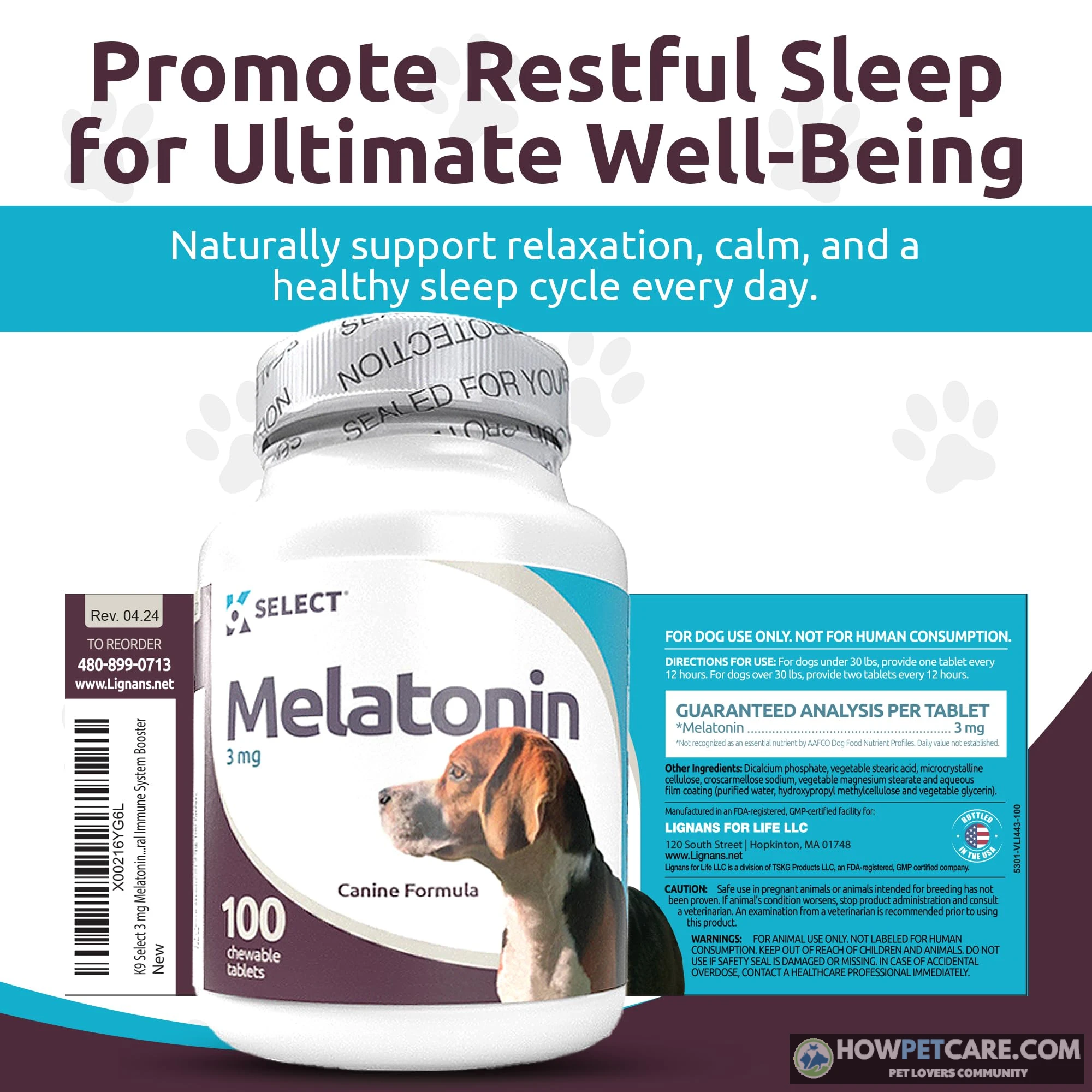
- Check for Xylitol and Birch Sugar: Thoroughly scan the "Other Ingredients," "Inactive Ingredients," and excipient panels. Ensure there is absolutely zero mention of xylitol, birch sugar, birch extract, or unidentified sugar alcohols, which are frequently incorporated into sweet chewable matrices and liquid flavorings.
- Verify Exact Milligram Disclosures: The label must clearly state the exact milligram quantity of each active ingredient per individual chew, tablet, or milliliter. Immediately reject any product that obscures active dosages beneath proprietary terms like "Calming Botanical Matrix" or "Proprietary Tranquility Blend." You cannot safely dose a dog if you do not know the exact milligram strength of every individual component.
- Prioritize Single-Active Formulations: For initial trials, select products containing a single target active (e.g., pure melatonin or pure L-theanine). Avoid complex, shotgun-style formulations blending six to ten unstandardized herbs.
- Confirm the NASC Quality Seal: Look for the yellow seal of the National Animal Supplement Council (NASC). Companies displaying the NASC seal undergo independent third-party facility audits, follow strict Good Manufacturing Practices (cGMPs), maintain comprehensive adverse-event reporting systems, and submit to random independent product testing.
- Audit the Weight-Banded Dosing Grid: Ensure the manufacturer provides a transparent, granular dosing grid calibrated by canine body weight. If a product recommends "1 to 2 chews for all dogs over 20 lbs," the dosing safety is untrustworthy.
- Demand Batch and Lot Traceability: Every legitimate container must feature a clearly stamped, legible manufacturing lot number and an expiration date. Avoid products with missing or smeared lot identifiers.
- Identify Full Manufacturer Contact Details: A reputable pet health company prints a physical domestic address, an active customer support telephone number, and a direct website URL on the bottle. If the packaging lists only an anonymous distributor box or an online marketplace storefront, do not feed it to your dog.
- Filter Out Manipulative Medical Claims: Under federal law, animal dietary supplements cannot claim to diagnose, cure, mitigate, treat, or prevent clinical diseases. If a label promises to "cure your dog’s separation anxiety," "eliminate night panic permanently," or claims to be a "miracle sedative," the manufacturer is violating federal compliance standards and demonstrating disregard for veterinary regulatory science.
Why third-party testing and certificates of analysis matter
A Certificate of Analysis (CoA) is an official analytical document issued by an independent, accredited testing laboratory verifying that a specific production batch matches its label claims and is free from dangerous contaminants.
Premium veterinary nutraceutical manufacturers make batch-specific CoAs publicly accessible via their website or through a scannable QR code printed directly on the product packaging. When reviewing a CoA, confirm that the independent laboratory performed three critical verifications: Potency Testing (confirming the exact milligram strength matches the bottle), Purity Testing (verifying zero heavy metals like lead, arsenic, and cadmium, and zero residual solvents), and Microbiological Screening (confirming the absence of harmful pathogens such as Salmonella, E. coli, yeast, and molds).
If a company’s customer service refuses to provide a batch-matched Certificate of Analysis upon request, leave the product on the shelf.
Prescription Sleep Options for Dogs: Trazodone, Gabapentin, and Alternatives
When non-prescription nutraceuticals fail to restore sleep, or when canine sleep fragmentation stems from severe neurodegenerative cognitive decline, profound clinical anxiety, or chronic orthopaedic pain, veterinary prescription pharmaceuticals become essential.
| Option | Best suited cause | Evidence level | Needs a vet prescription | Common side effects | Key interaction concerns | Typical use pattern |
|---|---|---|---|---|---|---|
| Melatonin | Mild circadian disruption; early CCD; gentle night restlessness | Moderate pharmacokinetic data; limited controlled sleep RCTs | No | Transient morning lethargy; rare gastrointestinal upset | Minimal alone; caution with diabetes or Cushing’s | Nightly 30–60 min before bed |
| L-Theanine | Mild situational night anxiety; noise hyper-reactivity | High for generalized canine anxiety; indirect for sleep | No | Very rare soft stool; mild transient drowsiness | Very safe; minimal known drug interactions | Daily or nightly as maintenance |
| Trazodone | Severe night anxiety; panic; night pacing in non-painful dogs | High for canine behavioral sedation and anxiety | Yes | Daytime sedation, mild ataxia, rare paradoxical excitement | High risk: do not stack with SSRIs, TCAs, or MAOIs (Serotonin Syndrome) | As needed or nightly 60–90 min before bed |
| Gabapentin | Night restlessness driven by chronic arthritis or neuropathic pain | High for analgesia and adjunctive sedation | Yes | Hind-limb weakness (ataxia), profound sedation | Dose must be reduced in kidney disease; additive sedation with opioids | Every 8–12 hrs or nightly before recumbency |
| Selegiline | Advanced Canine Cognitive Dysfunction (dementia / sundowning) | High for canine cognitive decline (FDA-approved) | Yes | Mild restlessness, nausea, vomiting, anorexia | Critical: absolute contraindication with tramadol, trazodone, SSRIs | Daily morning administration; requires weeks to take effect |
Are there sleeping pills made for dogs?
There is no pharmaceutical drug approved by the US Food and Drug Administration (FDA) specifically for the standalone indication of "canine insomnia." In human medicine, dedicated hypnotic sleep aids (such as zolpidem or temazepam) target specific sleep-induction pathways. In veterinary medicine, dogs do not suffer from primary psychogenic insomnia in the manner humans do; their sleeplessness is invariably secondary to an underlying medical, behavioral, or neurological pathology.
Consequently, veterinarians prescribe FDA-approved human or veterinary pharmaceuticals off-label or for approved primary conditions (such as anxiety or pain) that directly resolve the disruption keeping the dog awake. These medications are not indiscriminate knockout pills; they are targeted neurochemical tools calibrated by your veterinarian to restore neurochemical equilibrium.
Alternatives to trazodone for nighttime sleep
While trazodone is frequently the first prescription medication veterinarians trial for nocturnal anxiety, it is not suitable for every dog. Trazodone is a Serotonin Antagonist and Reuptake Inhibitor (SARI) that elevates extracellular serotonin levels while blocking specific serotonin receptors, producing central calming and sedation. However, some dogs experience severe paradoxical agitation on trazodone, while others suffer from morning gastrointestinal distress, extreme grogginess, or show no clinical improvement whatsoever.
If trazodone fails, causes adverse effects, or is clinically contraindicated, your veterinarian has several robust pharmaceutical pathways to explore:
- Gabapentin: Originally developed as an anticonvulsant, gabapentin binds to the alpha-2-delta subunit of voltage-gated calcium channels in the central nervous system, reducing the release of excitatory neurotransmitters. It is the premier veterinary choice when nighttime wakefulness is driven by chronic osteoarthritis or neuropathic pain. Gabapentin provides excellent pain relief combined with a reliable, gentle sedating side effect. The primary side effect is transient hind-limb ataxia (wobbliness), which usually resolves as the body adapts.
- Targeted Osteoarthritis Therapies (NSAIDs or Anti-NGF Monoclonal Antibodies): If physical pain is keeping your dog awake, the most effective "sleep aid" is a veterinary NSAID (such as carprofen, meloxicam, or grapiprant) or a monthly anti-Nerve Growth Factor (NGF) monoclonal antibody injection (such as bedinvetmab). By extinguishing peripheral joint inflammation, these therapies allow the dog to lie recumbent for hours without pain-induced night waking.
- Selegiline Hydrochloride (Anipryl): For dogs suffering from Canine Cognitive Dysfunction, selegiline is the only FDA-approved pharmaceutical for the control of clinical signs associated with canine cognitive decline. It functions as an irreversible Monoamine Oxidase B (MAO-B) inhibitor, protecting dopamine concentrations in the brain from oxidative degradation and enhancing cognitive function. Selegiline is administered in the morning and takes two to six weeks of daily therapy to realign baseline sleep-wake cycles.
- Long-Term Anxiolytics (Fluoxetine or Clomipramine): If nocturnal wakefulness is rooted in generalized separation anxiety or structural panic disorders, daily long-term behavioral medications—such as the SSRI fluoxetine (Prozac) or the tricyclic antidepressant clomipramine—stabilize baseline neurochemistry over time, preventing evening anticipatory anxiety.
- Referral to a Board-Certified Veterinary Behaviorist (DACVB): For intractable, severe nocturnal pacing or behavioral disorders that resist first-line veterinary medications, consulting a specialized veterinary behaviorist provides advanced multimodal psychopharmacology tailored to your dog’s neurochemical profile.
Prescription vs supplement: when each makes sense
Navigating between an over-the-counter supplement and a prescription drug comes down to symptom severity, chronicity, and the presence of underlying disease:
- Supplements Are Appropriate When: Nighttime wakefulness is mild, infrequent, or situational; your dog is a healthy adult with zero red-flag medical symptoms; the restlessness is triggered by mild, identifiable environmental stressors (a new home, temporary noise); or your senior dog is in the very early, subtle stages of cognitive decline.
- Prescription Interventions Are Necessary When: The sleeplessness is chronic (lasting more than two weeks); the dog exhibits overt signs of pain, panic, or self-harm; the household’s human sleep is severely compromised; the dog has moderate-to-severe canine dementia; or over-the-counter supplements have proven ineffective.
To maximize the value of your veterinary consultation, arrive prepared. Bring a written log tracking your dog’s sleep and waking patterns over five to seven consecutive nights. Record short smartphone videos of your dog’s nighttime pacing, vocalizations, or rising difficulties in the dark—dogs frequently mask symptoms during the adrenaline surge of a daytime clinical exam. Finally, bring the exact packaging of every supplement, chew, and food your dog currently consumes.
Drug Interactions: Sleep Aids for Dogs on Chronic Medications
Before adding any natural sleep aid, OTC nutraceutical, or prescription sedative to your dog’s nightly regimen, you must evaluate their entire chronic medication profile. Introducing a calming compound without checking for metabolic or pharmacological conflicts can trigger devastating, life-threatening drug-drug interactions.
| Existing condition or drug | Melatonin | L-theanine / calming chews | CBD | Valerian, chamomile, multi-herb blends | Trazodone or gabapentin |
|---|---|---|---|---|---|
| Selegiline (Anipryl) | Consult vet; monitor serotonergic pathways | Consult vet; avoid products containing tryptophan or 5-HTP | Consult vet; interaction data sparse | Avoid unless explicitly authorized by prescribing vet | Strictly supervised only; extreme caution for Serotonin Syndrome |
| SSRI or Tricyclic (Fluoxetine, Clomipramine) | Consult vet | Consult vet; avoid serotonin-active additives | Consult vet; shared hepatic CYP450 metabolism | Avoid unless explicitly authorized by vet | Vet-calibrated only; monitor closely for Serotonin Syndrome |
| Corticosteroids (Prednisone, Dexamethasone) | Consult vet; alters insulin and glucose dynamics | Generally low direct interaction; confirm inactive herbs | Consult vet; potential liver enzyme compounding | Caution; steroids independently induce panting and night restlessness | Vet set; do not layer sedatives over steroid-induced agitation |
| Anticoagulants or Bleeding Disorders | Consult vet prior to use | Verify label for botanicals affecting coagulation | Consult vet | Avoid; multiple botanicals exert mild antiplatelet effects | Vet set; monitor for unusual bruising or dark stool |
| Chronic Kidney Disease (CKD) | Consult vet for long-term nightly administration | Review label; ensure clean single active | Consult vet | Caution; clearance pathways may be delayed | Gabapentin requires mandatory kidney-adjusted dose reductions |
| Chronic Liver Disease (Hepatic Impairment) | Consult vet for long-term nightly administration | Review label; avoid complex botanical blends | Caution; can elevate ALP and stress hepatic clearance | Caution; complex herbs are cleared through hepatic pathways | Vet set; trazodone requires careful hepatic titration |
| Concurrent Sedatives (Benzos, Opioids, Antihistamines) | Additive CNS depression possible | Additive CNS depression possible | Unpredictable additive sedation | Additive central depression possible | High caution; compounding sedatives causes severe ataxia and respiratory depression |
Selegiline, SSRIs, and serotonin syndrome
Serotonin Syndrome is an acute, potentially fatal toxic state caused by an excessive accumulation of serotonin in the central and peripheral nervous system. In canine patients, it most commonly arises when multiple serotonergic drugs or supplements are administered concurrently.
If your dog takes selegiline for cognitive dysfunction or an antidepressant such as fluoxetine or clomipramine for anxiety, introducing trazodone, tramadol, high-dose L-tryptophan, 5-HTP, or certain multi-herb supplements can overwhelm the brain’s serotonin clearance mechanisms. Clinical signs of canine serotonin syndrome develop rapidly and include:
- Severe behavioral agitation, pacing, and vocalization.
- Muscle tremors, rigid posturing, or shivering without cold exposure.
- Hyperthermia (dangerously elevated core body temperature).
- Tachycardia (racing heart rate) and tachypnea (rapid breathing).
- Dilated pupils (mydriasis), vomiting, diarrhea, and episodic collapse.
If you observe any combination of these signs after administering a new sleep aid or medication, transport your dog to an emergency veterinary clinic immediately.
Steroids, Cushing’s disease, and diabetes
Dogs placed on systemic corticosteroids like prednisone or dexamethasone for allergies, autoimmune conditions, or spinal disc disease frequently experience pronounced, steroid-induced side effects: polyuria (excessive urination), polydipsia (excessive thirst), and polyphagia (intense hunger). At night, this manifests as heavy panting, frantic floor pacing, and demands for midnight water or elimination trips. Giving a sleep aid or sedative to a dog pacing from prednisone side effects does not fix their metabolic distress; you must speak to your veterinarian about adjusting the steroid dosage or schedule.
Furthermore, melatonin directly interacts with the endocrine system. Because it influences nighttime carbohydrate metabolism and peripheral insulin resistance, diabetic dogs receiving insulin therapy require close glucose tracking when initiating melatonin. Similarly, in dogs with Cushing’s disease, melatonin’s modulatory effect on adrenal steroid pathways requires structured veterinary oversight.
Kidney and liver disease
The kidneys and liver serve as the primary metabolic engines that clear pharmaceuticals and nutraceuticals from your dog’s bloodstream. When organ function is compromised, normal doses of sleep aids can accumulate to toxic concentrations.
- Kidney Disease and Gabapentin: Gabapentin is excreted almost entirely unchanged by the canine kidneys. In a healthy dog, the drug is rapidly cleared. In a dog with stage 2, 3, or 4 Chronic Kidney Disease, gabapentin clearance is drastically delayed. If dosed at standard rates, the medication rapidly accumulates, leading to profound sedation, total hind-limb collapse, severe hypothermia, and prolonged disorientation. Veterinarians must drastically lower the dose and widen the dosing interval for dogs with renal compromise.
- Liver Disease and Botanicals/CBD: Oral CBD, trazodone, and complex multi-herb formulations undergo extensive hepatic phase I and phase II metabolism. In dogs with portosystemic shunts, chronic hepatitis, or advanced cirrhosis, liver clearance is significantly impaired. Furthermore, CBD is known to induce hepatic enzyme production, potentially worsening liver stress. For dogs with liver compromise, complex over-the-counter calming blends must be avoided in favor of clean, single-ingredient solutions dosed under direct veterinary blood-panel monitoring.
Best Sleep Aids for Dogs by Situation: Seniors, Puppies, New Adoptees, and Anxious Adults
To help you choose an appropriate solution, the recommendations below are organized strictly by clinical use case. Every product listed was vetted against rigorous independent criteria: zero xylitol or birch sugar, fully transparent active-ingredient milligram disclosures, independent third-party testing (CoA availability) or verified participation in the NASC Quality Seal program, clear weight-based dosing grids, and veterinary channel backing. No manufacturer paid for inclusion in this independent review.
| Dog type | Product example (brand) | Active ingredients and amount per serving | Xylitol-free | Third-party testing or NASC | Format | Why it fits | Limitations |
|---|---|---|---|---|---|---|---|
| Senior with Sundowning (Early CCD) | Pure Melatonin from an NASC Pet Brand (e.g., Kradle or Vet-Approved Pure Melatonin) | Pure Melatonin only; 1 mg to 3 mg per chew/mL | Yes (Must verify) | Yes (NASC Seal / Batch CoA) | Soft chew or oral liquid | Clean, single-ingredient formulation allows exact titration without botanical clutter; supports circadian realignment | Does not reverse underlying neurodegeneration; advanced CCD requires selegiline and clinical veterinary management |
| Senior with Pain Restlessness | Veterinary Clinical Prescription Only (e.g., Gabapentin or Carprofen / Galliprant) | Regulated active pharmaceutical per prescription | Yes | FDA-regulated pharmaceutical cGMP | Tablet or capsule | Treats the root cause—articular inflammation and neuropathic ache—allowing natural sleep | Prescription only; requires formal physical exam, baseline bloodwork, and ongoing organ monitoring |
| Anxious Adult (General / Noise Anxiety) | Nutramax Solliquin | L-Theanine, Magnolia / Phellodendron extracts, Whey protein concentrate | Yes | Yes (Veterinary Channel Leader) | Soft chew | High-level clinical veterinary backing; promotes neurological calming without heavy sedative knockout | Not an immediate chemical knockout; best when dosed consistently to establish behavioral baseline |
| Anxious Adult (Mild Restlessness) | NaturVet Quiet Moments | Melatonin, L-Tryptophan, Thiamine, Chamomile, Ginger | Yes | Yes (NASC Seal) | Soft chew | Widely accessible retail option that gently aids evening wind-down with mild botanical support | Multi-ingredient stack makes identifying single-ingredient reactions difficult; avoid if on serotonergic drugs |
| Anxious Adult (Daily Maintenance) | Zesty Paws Calming Bites | Sensoril Ashwagandha, Suntheanine (L-Theanine), Chamomile, Valerian Root | Yes | Yes (NASC Seal) | Soft chew | Uses branded, clinically standardized Suntheanine; highly palatable soft chew format | Ingredient deck varies across SKUs; some contain melatonin while others do not—verify specific formula |
| Puppy or Newly Adopted Dog | Adaptil Pheromone Diffuser / Collar | Synthetic Dog-Appeasing Pheromone (DAP) | Not applicable | Non-drug safety verified | Electric diffuser or collar | Emits species-specific maternal comforting pheromones; zero drug toxicity for developing nervous systems | Does not resolve crying caused by hunger, bladder fullness, or severe panic; must pair with routine crate training |
| Post-Surgical Recovery | Surgeon-Prescribed Protocol Only (e.g., Gabapentin + Trazodone) | Regulated prescription analgesics and sedatives | Yes | FDA-regulated pharmaceutical cGMP | Prescription oral tablets | Strictly controls surgical site movement, dampens postoperative pain, prevents implant failure | Must strictly follow surgical discharge sheets; never add over-the-counter supplements without surgeon approval |

Best sleep aid for senior dogs with sundowning
For an aging senior dog whose primary issue is Canine Cognitive Dysfunction manifesting as nighttime pacing and daytime somnolence, single-ingredient melatonin is the premier over-the-counter starting point. Senior canine brains do not benefit from multi-herb concoctions, which burden aging livers and kidneys. Pure melatonin directly supplements the deficient circadian signaling caused by pineal gland calcification and hypothalamic aging. Look for an NASC-certified pet chew or a pure liquid formulation with zero added botanicals or artificial sweeteners.
If the senior dog paces while exhibiting physical stiffness or limping, pivot away from supplements entirely. What looks like dementia is often severe, agonizing arthritis. Consult your veterinarian for a structured pain trial utilizing an NSAID or gabapentin. Relieving joint pain consistently resolves "sundowning" restlessness faster than any calming chew on the market.
Best sleep aid for dogs with anxiety
For adult dogs whose sleep is derailed by generalized anxiety, environmental noise phobias, or separation distress, pure L-theanine formulations (such as Nutramax Solliquin) or standardized calming chews (such as Zesty Paws with Suntheanine) are excellent first-line non-sedating options. L-theanine promotes neurochemical relaxation without leaving your dog physically uncoordinated or heavily drugged.
If your dog’s nighttime anxiety involves severe panic—such as frantic escape attempts, destructive clawing at doors, self-harm, or continuous trembling—over-the-counter calming chews are clinically insufficient. These dogs require an evaluation by a veterinarian or a veterinary behaviorist to initiate prescription therapies such as trazodone, clonidine, or daily SSRIs paired with systematic behavioral modification.
Puppies, newly adopted dogs, and recovery after surgery
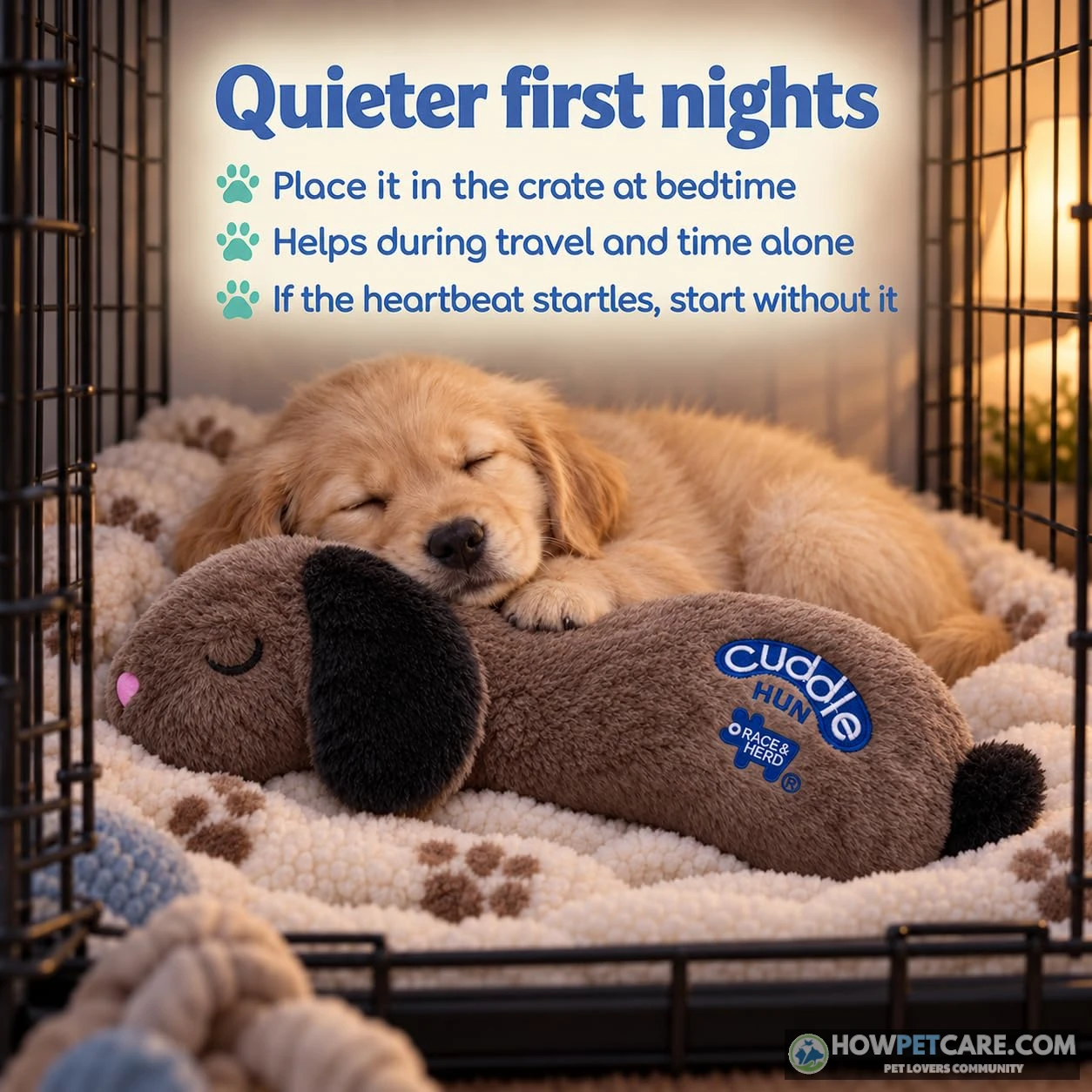
- Puppies (Under 6–8 Months): Puppies should almost never receive sedative supplements or sleep aids. A puppy crying at night is not suffering from clinical insomnia; they are experiencing normal developmental distress, a full bladder, an inconsistent crate-training schedule, or excess daytime energy. Administering melatonin or sedatives to a young puppy interferes with natural behavioral learning and circadian maturation. The solution for puppy sleep is behavioral: establish a predictable evening potty schedule, provide a structured crate routine with a heartbeat plush toy, and wake up for scheduled midnight elimination breaks.
- Newly Adopted Dogs (The 3-3-3 Rule): Rescue dogs entering a new home require time to decompress. During the first three days, their cortisol levels are exceptionally high. Rather than attempting to drug an anxious rescue dog into sleep, prioritize the non-pharmacological "3-3-3 rule": predictable routines, low-stimulation environments, and continuous pheromone support via an Adaptil diffuser placed next to their resting zone. Calming pheromones provide psychological comfort without masking natural behavioral indicators.
- Post-Surgery Rest: Restlessness following orthopedic or soft-tissue surgery is driven by postoperative surgical pain, emergence delirium from anesthesia, or the physical irritation of an Elizabethan collar. Never add an over-the-counter calming chew, CBD oil, or melatonin to a post-surgical dog’s protocol without the explicit sign-off of your veterinary surgeon. The clinic will provide an exact, safe, calibrated combination of prescription analgesia and sedation (such as gabapentin and trazodone) designed specifically to protect surgical sutures and bone plates.
Where should you purchase these products? Reputable pet retailers such as Chewy, Petco, PetSmart, and verified veterinary partner pharmacies maintain climate-controlled warehousing and direct manufacturer supply lines. Exercise extreme caution when ordering pet supplements from open third-party online marketplaces. Counterfeit pet products, improperly stored supplements exposed to extreme warehouse heat, and unauthorized knockoffs containing unlisted ingredients represent an ongoing hazard on unverified digital storefronts.
Your Next Steps: A Night-by-Night Plan and Vet-Call Checklist
Restoring healthy sleep to your household is a systematic medical process, not an overnight guessing game. Follow this structured five-step protocol to identify the cause, safeguard your dog’s biology, and establish an effective sleep regimen.
-
Step 1: Screen for Immediate Medical Red Flags
Before purchasing any product or administering any chew tonight, review the emergency indicators outlined in this guide. Verify that your dog is not exhibiting signs of acute surgical pain, gastric dilatation-volvulus (bloat), respiratory distress, fever, or accidental toxin ingestion. If any red flags are present, bypass supplements and proceed directly to an emergency veterinary clinic.
-
Step 2: Log Symptoms for 5 to 7 Consecutive Nights
Do not rely on memory when consulting your veterinarian. Maintain a dedicated notebook or smartphone log tracking your dog’s nightly patterns. Record the exact time restlessness begins, observable physical behaviors (pacing, vocalizing, joint-licking, door-scratching), their response to being comforted, and their morning rising stiffness. Capture a 30-second smartphone video of their nighttime distress in the dark.
-
Step 3: Audit Medications Against the Interaction Reference
Gather every medication, flea/tick preventative, topical treatment, and joint chew your dog currently consumes. Review them against the Drug Interaction Reference Table in this guide. If your dog takes selegiline, fluoxetine, prednisone, or has documented kidney or liver values out of range, hold all supplements until you speak with your prescribing veterinarian.
-
Step 4: Select a Vetted Option and Execute the Label Checklist
Run your candidate product through the 8-Point Label-Safety Checklist. Confirm it is 100% free of xylitol or birch sugar, features the NASC Quality Seal or a verified batch Certificate of Analysis, explicitly lists the milligram strength of each active ingredient, and provides an unambiguous weight-calibrated dosing chart.
-
Step 5: Administer Low, Single-Variable Doses and Track Response
Always start at the lowest recommended therapeutic dose for your dog’s weight band. Administer the supplement 30 to 60 minutes before scheduled bedtime. Change only one variable at a time—never introduce a new orthopedic bed, a white noise machine, melatonin, and a calming chew on the very same night. Evaluate the response over three to five consecutive nights before adjusting the dose or concluding the product’s efficacy.
Preparing for Your Veterinary Consultation
If home modifications and over-the-counter single-ingredient supplements do not restore your dog’s sleep within one to two weeks, schedule a dedicated veterinary evaluation. Arrive equipped with your written sleep log, your nighttime smartphone video clips, and this targeted question checklist:
- "Based on my dog’s physical exam, do you detect any joint pain, spinal stiffness, or muscle loss that points toward osteoarthritis rather than behavioral anxiety?"
- "Could my dog’s nighttime waking be driven by early-stage renal compromise, diabetes, or a hidden urinary tract infection that warrants baseline bloodwork and a urinalysis?"
- "If my dog is exhibiting signs of Canine Cognitive Dysfunction, are we at a point where prescription selegiline or a targeted neuroprotective diet is more appropriate than over-the-counter melatonin?"
- "If we decide to trial a prescription medication like trazodone or gabapentin, what is our target dosing protocol, what adverse reactions should trigger an immediate stop, and what is our long-term tapering plan?"
Restoring unbroken, restorative sleep is entirely achievable. By ruling out pain, respecting canine pharmacology, avoiding dangerous human formulations, and pairing vet-backed compounds with a predictable evening environment, you give your dog—and yourself—the quiet, comfortable nights you both need.
 You might be wonderingActivated charcoal for dogsActivated Charcoal for Dogs: Safety, Dosing & When to CallRead the answer
FAQ
How long does melatonin take to work in dogs?
Many dogs show an effect within roughly 30 to 60 minutes, though response varies by dog and product. Judge results over several nights at the vet-recommended dose rather than raising the dose after one night.
Can I give my dog melatonin every night?
Vets do sometimes recommend nightly melatonin, particularly for senior dogs with cognitive dysfunction. Ask your vet first, especially if your dog is diabetic, has Cushing’s disease, is pregnant, or takes other medications.
Are there sleeping pills made for dogs?
No drug is FDA-approved specifically for canine insomnia. Vets typically treat the underlying cause, using medications such as trazodone or gabapentin off-label when appropriate.
Does a white noise machine help a dog sleep?
It can help dogs that wake to outdoor noises, since steady background sound masks sudden sounds. It won’t fix pain or cognitive dysfunction, so use it alongside the cause-based steps.
Is it normal for an older dog to sleep all day and stay awake at night?
A reversed sleep-wake cycle is common in older dogs but is not something to dismiss. It can signal cognitive dysfunction, pain, or a medical problem, so a vet check is worth scheduling.