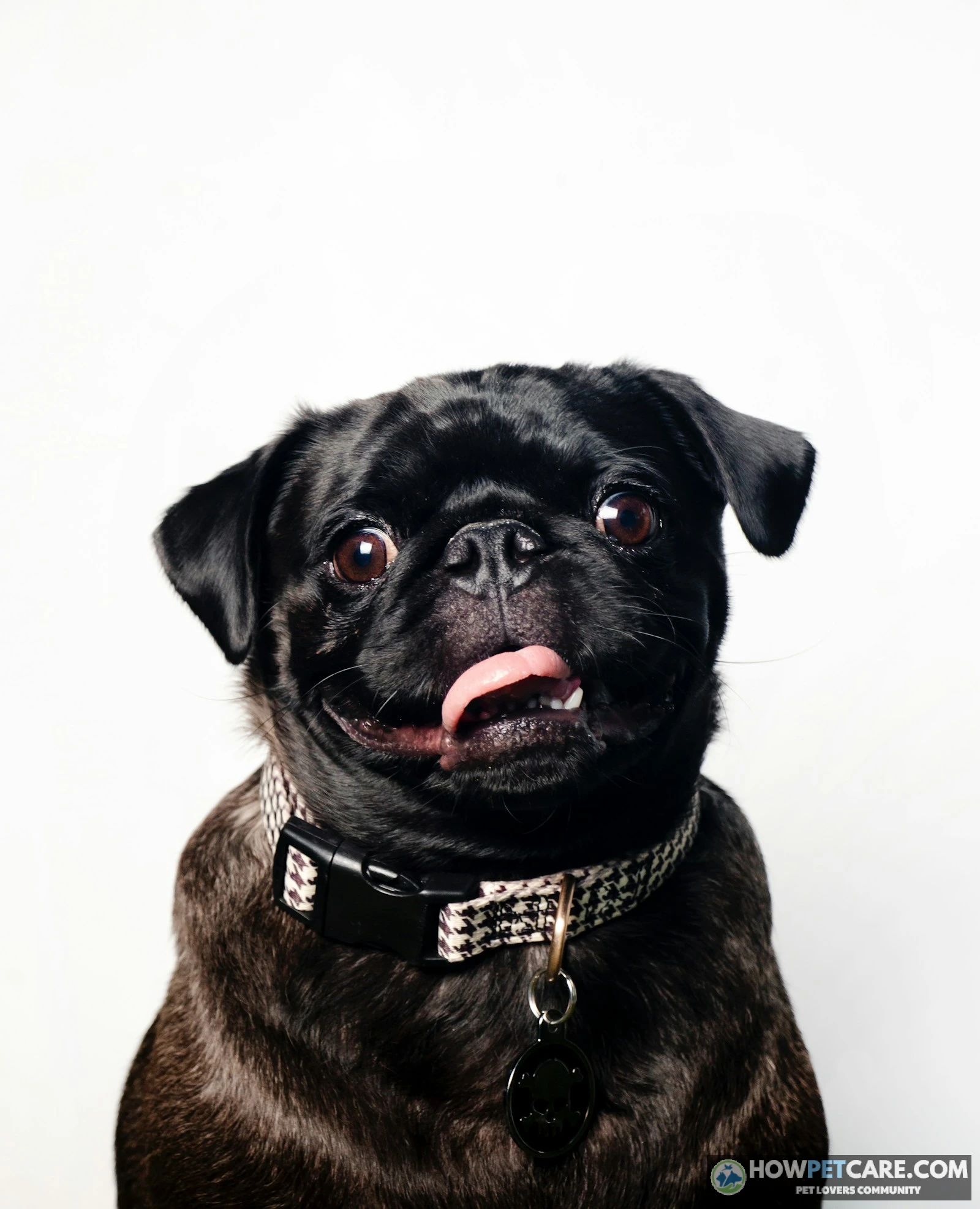

The pug is a small AKC Toy Group companion dog, typically 14–18 pounds and 10–13 inches tall, with a short coat in fawn or black. Affectionate and people-focused, pugs need modest exercise but require careful management of breathing, heat sensitivity, weight, and daily skin-fold care.
Pug Dog Breed at a Glance: Size, Lifespan, Colors, and Key Traits
| Quick fact | Pug profile |
|---|---|
| Breed group | American Kennel Club (AKC) Toy Group; companion dog |
| Weight | Typically 14–18 pounds |
| Height | About 10–13 inches |
| Lifespan | Breed-club sources commonly give 12–15 years; a large UK VetCompass analysis found a shorter median lifespan for pugs, so the higher range is not a promise |
| Coat | Short, smooth double coat; sheds year-round |
| Standard colors | Fawn and black; fawn pugs have a black mask and ears |
| Energy | Low to moderate; short walks and indoor play, limited by heat and breathing |
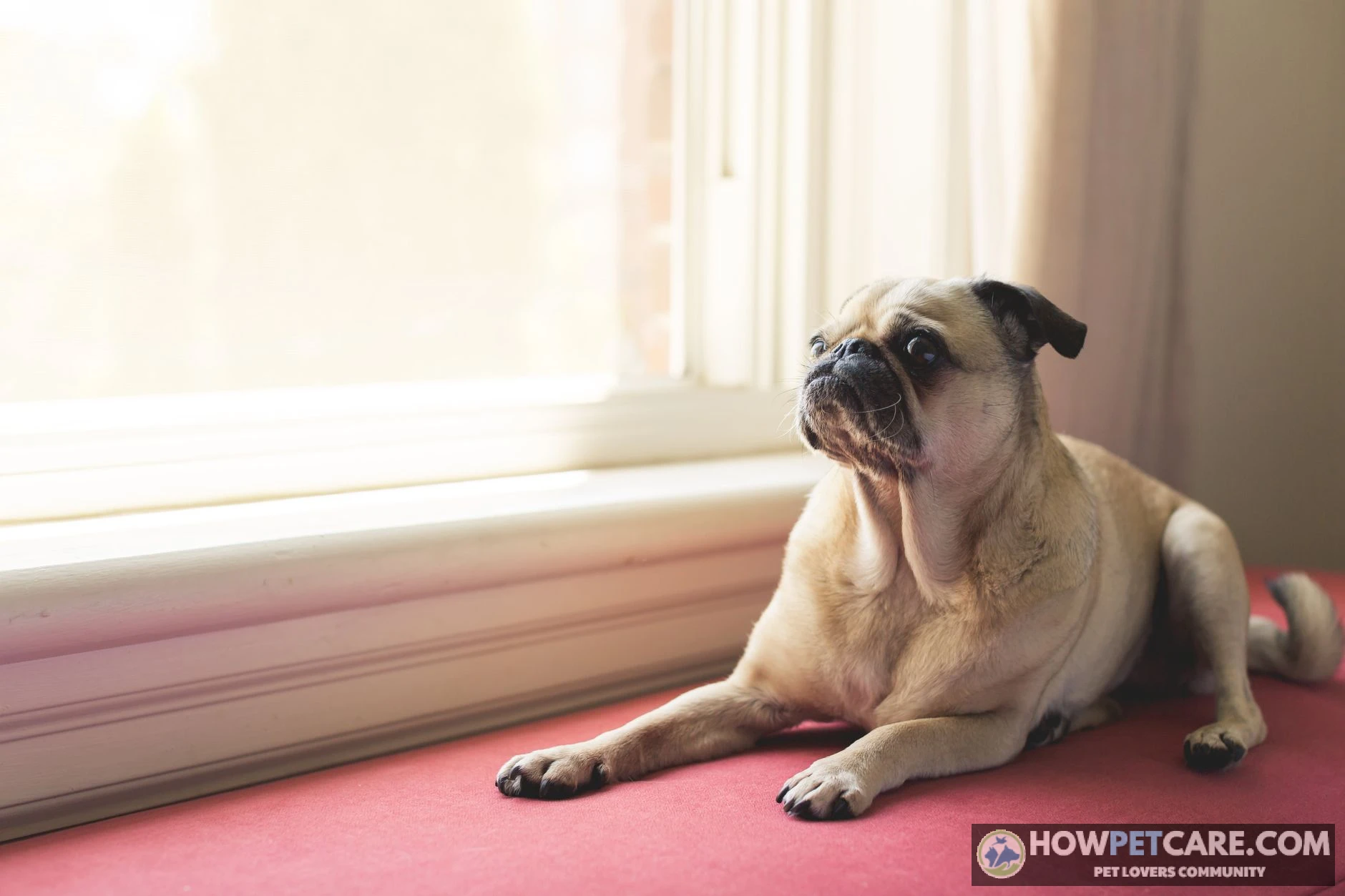
Pugs are small, people-oriented dogs with a distinctive short muzzle, curled tail, and compact build. Their defining trade-off is straightforward: they can suit a calm home looking for a close companion, but their flat-faced anatomy creates substantial breathing, heat, and veterinary-care concerns. Pugs are brachycephalic, meaning their skull and muzzle are shortened.
Pug size and weight: how big pugs get by age
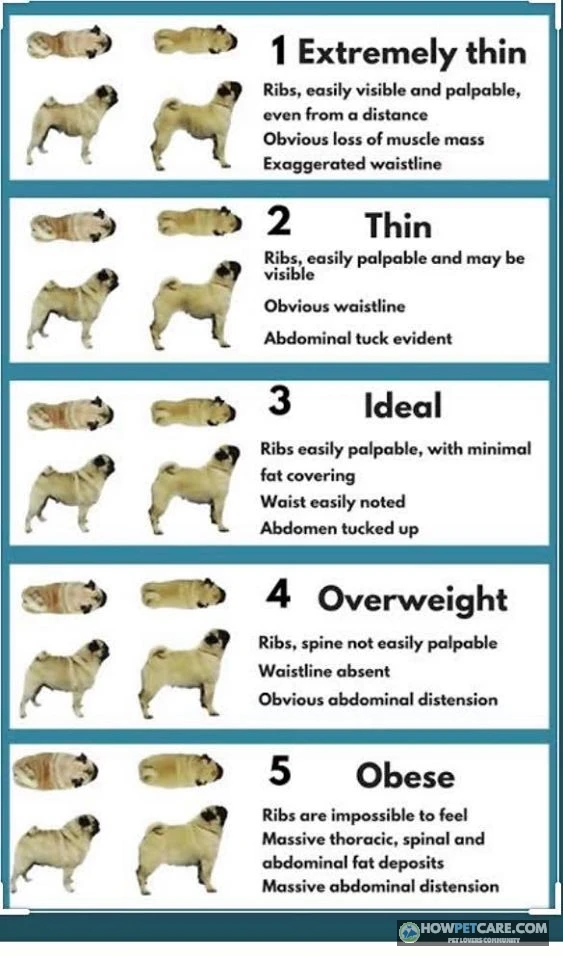
An adult pug generally weighs 14–18 pounds and stands about 10–13 inches tall. Puppies grow quickly during their first year, but the right adult weight depends on frame and body condition, not a target number alone. Your veterinarian can help track growth and assess whether ribs are easy to feel and a waist is visible.
Pug life expectancy: breed-club figures vs. large-sample data
Breed-club sources commonly cite 12–15 years, but large-sample UK VetCompass data indicates a shorter median lifespan for pugs than that familiar breed estimate. These figures describe different populations and should not be collapsed into a guarantee for an individual dog. Plan for long-term care while recognizing that serious airway and other health problems can affect both quality and length of life.
Pug colors and the AKC breed standard
The AKC breed standard recognizes fawn and black. Fawn pugs typically have a dark mask and ears; coat shade varies. Other colors may be advertised, but they are not standard-recognized. Merle pugs raise additional welfare and registration concerns, covered in the breeder section.
Pugs have a long history as companion dogs, with origins in China more than 2,000 years ago. They later became associated with the Dutch House of Orange and then Britain. Their history helps explain their role: they were bred to live alongside people, not to perform demanding working tasks.
Pug Temperament and Personality: Family, Kids, Other Pets, and Alone Time
Pug temperament is often affectionate, playful, and people-focused. Many are comical, food-motivated “velcro dogs” that prefer company and may follow their person from room to room. That closeness can make them engaging companions, but it also means owners need to teach calm independence.
Pugs can be stubborn. Use brief, upbeat training sessions, reward the behavior you want, and keep treats small. Food rewards work well, but excess calories can quickly contribute to obesity, which can worsen breathing and joint strain.
Are pugs good for first-time owners and apartments?
A pug can be a good first dog for someone prepared to manage health risks, weight, and routine care. Their modest size and relatively low exercise needs can suit apartment living, but “small” does not mean “low responsibility.” A pug needs a cool indoor environment, regular veterinary care, daily wrinkle checks, and a budget for potentially significant treatment.
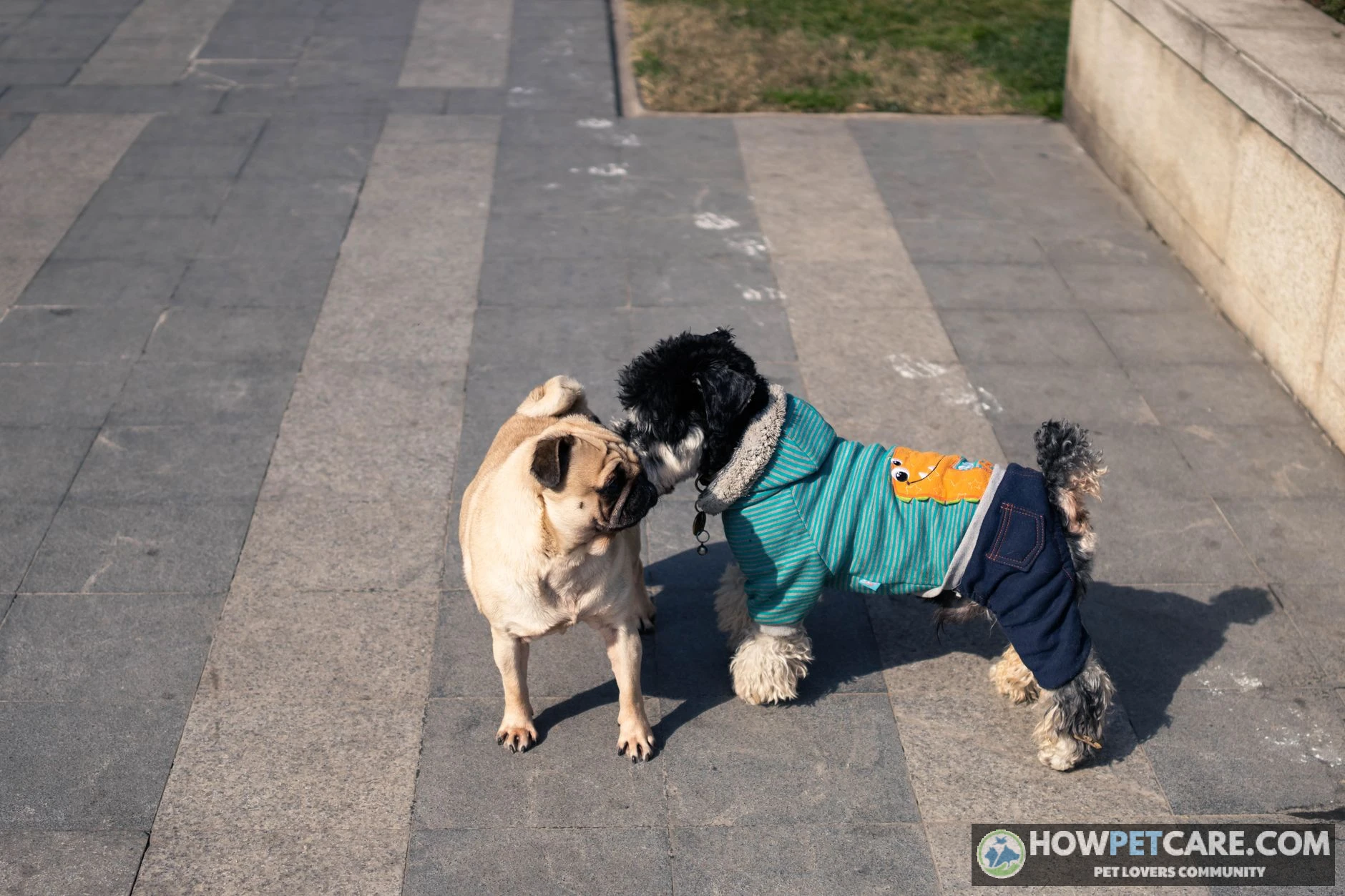
Pugs are often sociable with children and other pets when socialized thoughtfully. They are sturdy for a toy-sized dog, but children should be taught to handle them gently. Their prominent eyes are vulnerable to injury, so supervise interactions with young children and prevent face-grabbing or rough play. Many pugs get along with cats and other dogs, though introductions and individual temperaments matter.
Apartment owners should also consider snoring and snorting. These sounds may disturb light sleepers or neighbors, and persistent noisy breathing can signal an airway problem rather than harmless breed character. Air conditioning is especially important because pugs tolerate heat poorly.
How long can a pug be left alone? A 4-vs-6-hour reality check
Advice varies between four and six hours for an adult dog. A practical recommendation is to aim for no more than about four hours alone as the routine, and treat six hours as an occasional upper limit only for a healthy, settled adult that has been gradually conditioned and has a comfortable, cool space. Puppies need much shorter stretches because they need frequent bathroom breaks, meals, and supervision. A dog with separation distress or health needs may need less time alone.
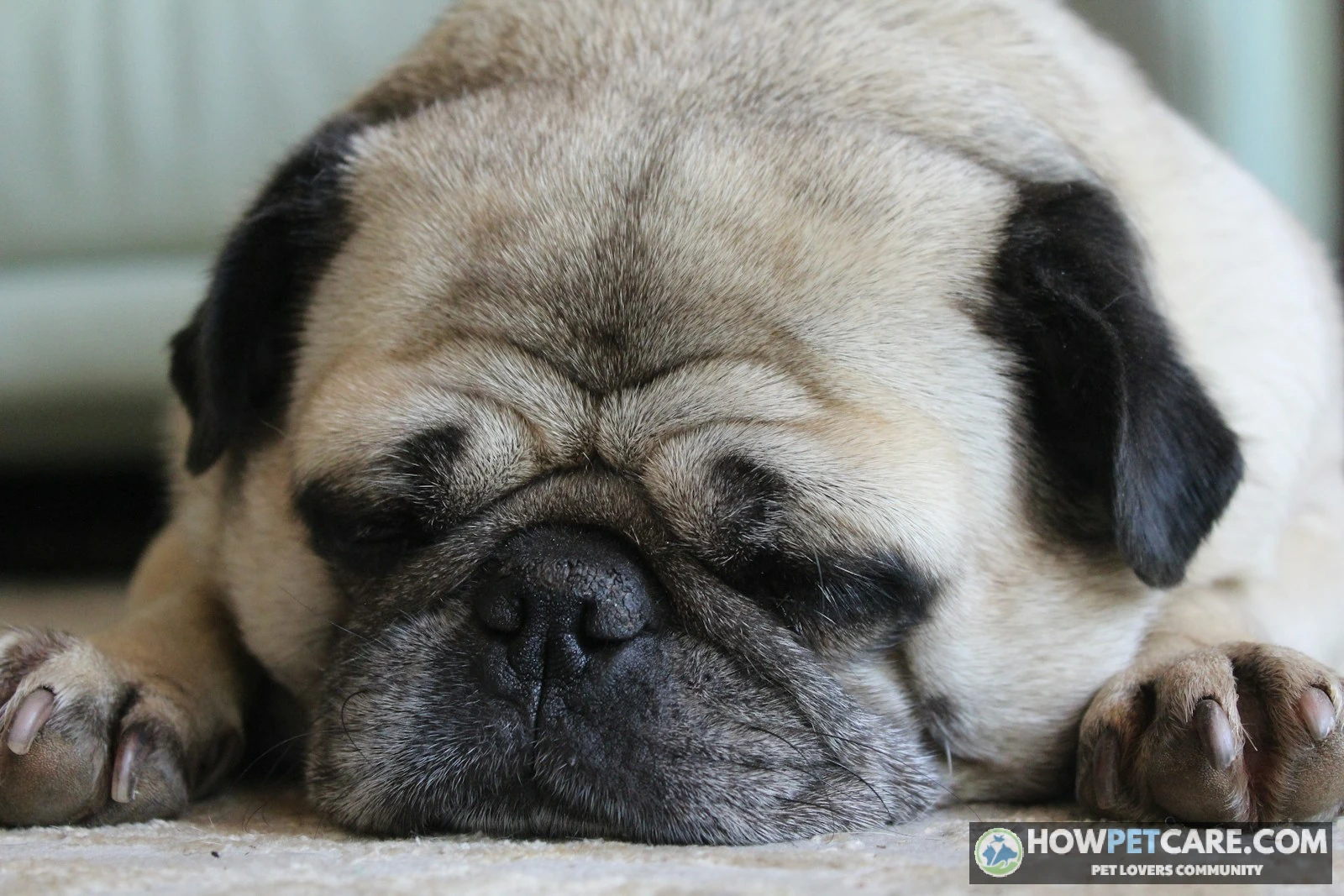
If your workday routinely keeps you away longer, arrange a trusted visitor, dog walker, or family member rather than relying on a long stretch in a crate. Never leave a pug somewhere hot or poorly ventilated.
Managing separation anxiety in pugs
Build alone time gradually: begin with brief departures, return before the dog becomes distressed, and increase duration in small steps. Practice departures without making them dramatic, and provide a safe resting place and appropriate enrichment. A camera can help reveal whether barking, pacing, destruction, or house-soiling begins after you leave. These behaviors can have several causes; consult a veterinarian or qualified behavior professional if distress persists.
 You might be wonderingPoodle breed guidePoodle Breed Guide: Standard vs Miniature vs Toy ComparedRead the answer
Pug Breed Health Problems and Lifespan: What to Plan For
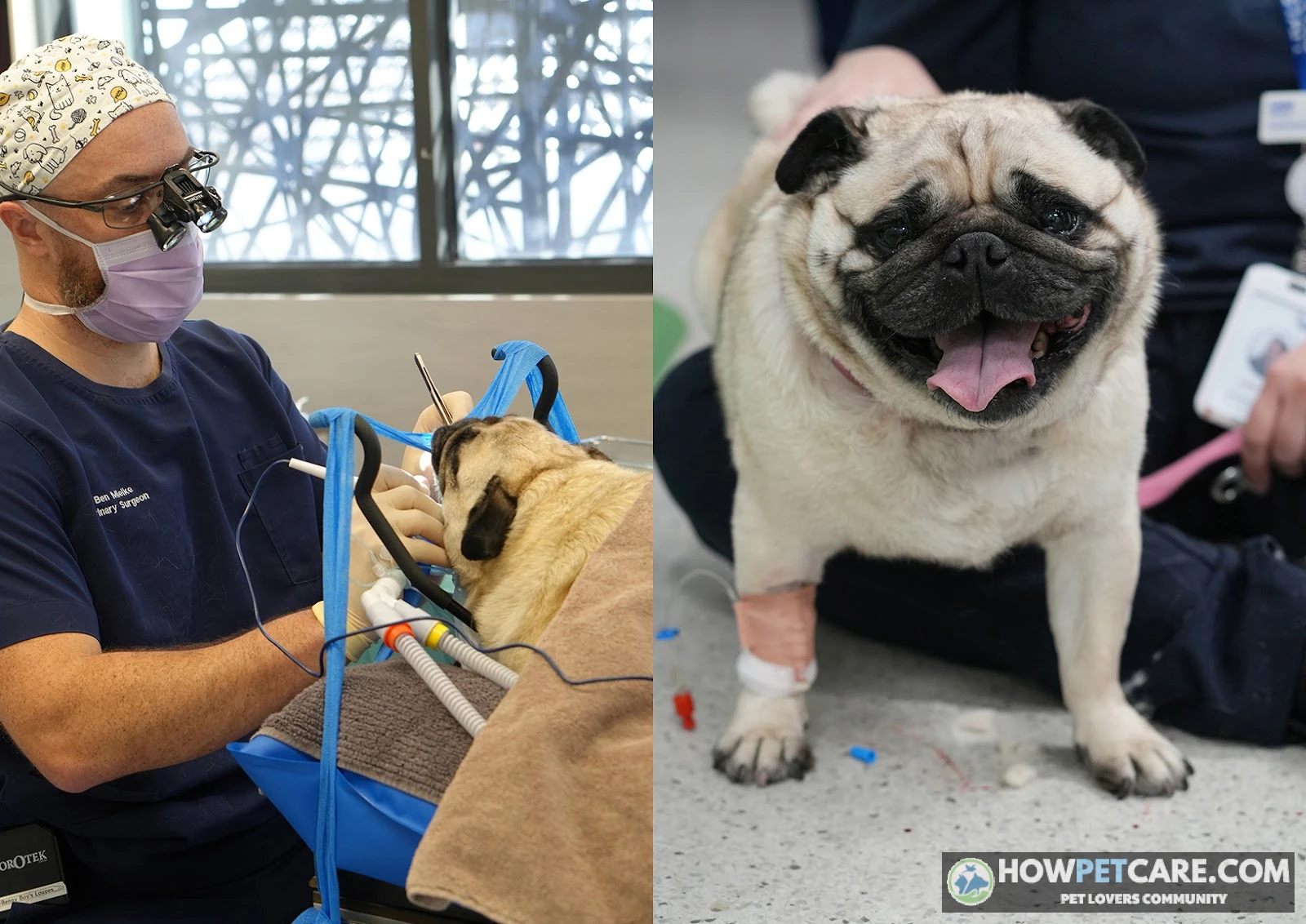
The most important health issue to understand before choosing a pug is brachycephalic obstructive airway syndrome (BOAS). The shortened skull can leave a dog with narrowed nostrils and crowded upper airways. This can make breathing less efficient, limit exercise, and increase the risk of overheating. Some affected dogs need surgery, and even dogs that do not undergo surgery may need lifelong management.
Brachycephalic syndrome and BOAS explained
A flat face does not make noisy breathing harmless. Snoring, snorting, and labored breathing can be signs of obstructed airflow, especially when they occur while the dog is awake, during mild activity, or alongside poor recovery. A veterinarian can assess the airway and discuss options. Do not assume that a dog’s breathing is normal simply because the sound is common in the breed.
Eyes, skin folds, and joints
Pugs’ prominent eyes are vulnerable to corneal ulcers, injury, and dry eye. Squinting, holding an eye closed, unusual discharge, redness, or cloudiness warrants prompt veterinary attention because eye problems can worsen quickly.
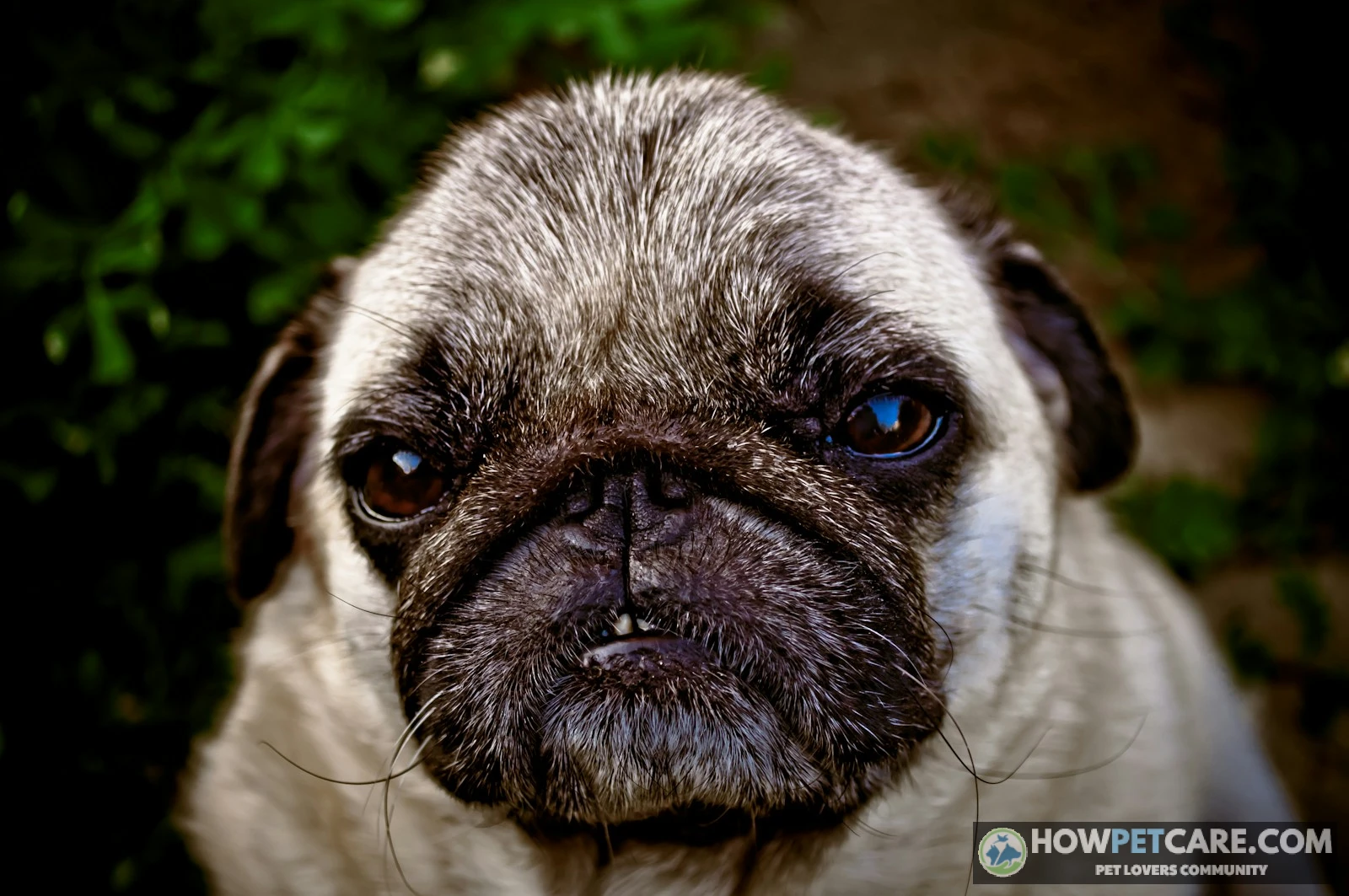
Facial folds can trap moisture and debris, leading to skin irritation or infection if not kept clean and dry. Some pugs also have a tail-pocket fold that needs checking. Hip dysplasia, kneecap problems such as patellar luxation, and spinal abnormalities can also occur. Ask a veterinarian about any limp, reluctance to jump, pain, or change in gait.
Pug dog encephalitis and hip dysplasia
Pug dog encephalitis (PDE) is a serious inflammatory brain disease associated with the breed and can be fatal. It often begins in young adult dogs, with a commonly reported onset around two to three years. A DNA test can indicate genetic risk, but it cannot diagnose PDE or guarantee whether a dog will develop it. Discuss testing and interpretation with a veterinarian or breeder who can provide the actual results.
Hip dysplasia is another concern to discuss when reviewing a puppy’s family health history. A health screen can reduce uncertainty, not eliminate risk. Ask what examinations were completed and request documentation rather than relying on a verbal assurance that parents are “healthy.”
Why obesity is the risk owners can control
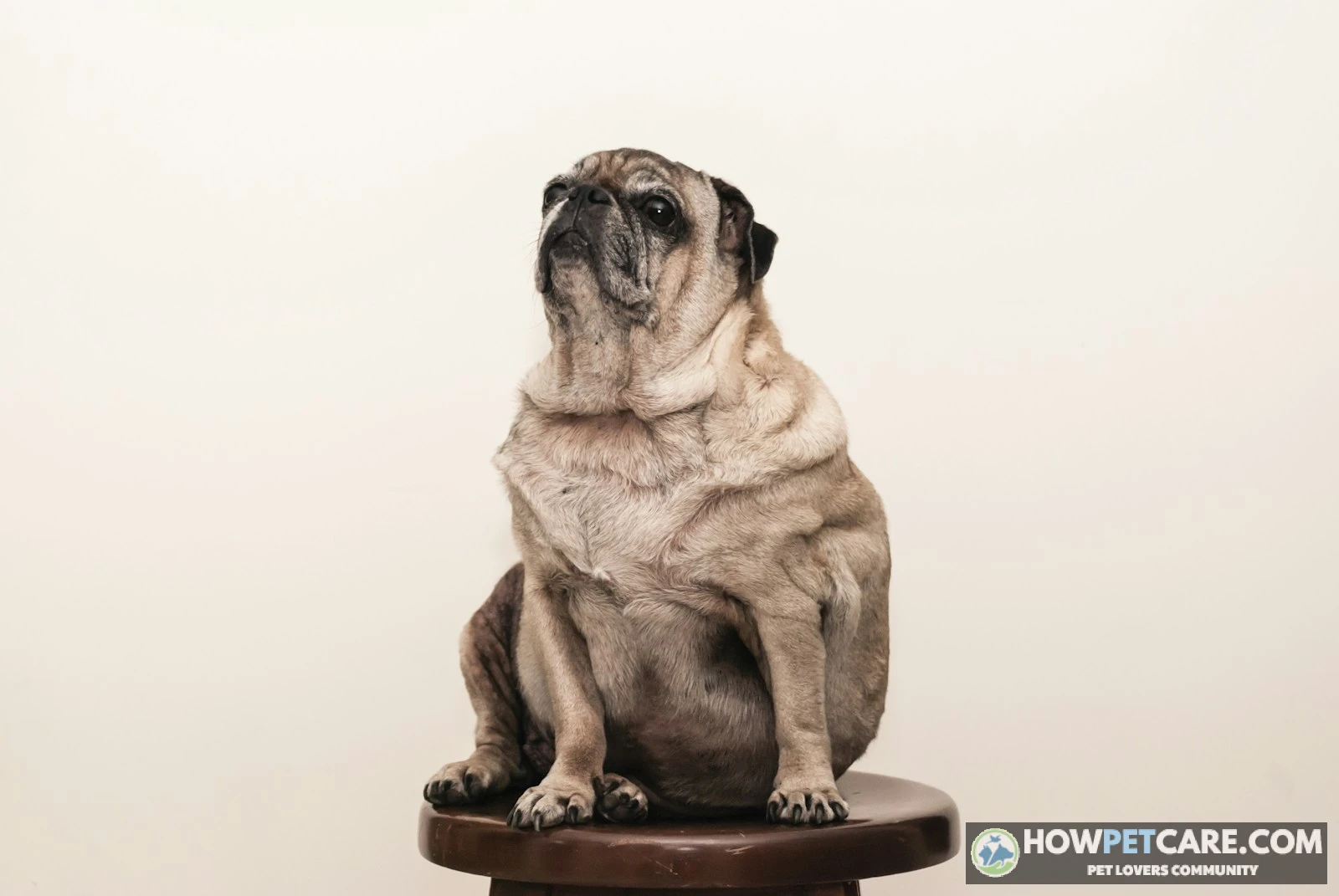
Pugs are often highly food-motivated and may have only moderate activity levels, which puts them at risk of excess weight. Extra weight can worsen breathing, heat intolerance, and joint stress. Measure meals, limit treats, and check body condition regularly with your veterinarian. The cost decision should account for routine preventive care as well as possible airway, eye, and emergency treatment.
Is Your Pug’s Snoring Normal? BOAS Warning Signs and an Emergency Protocol
Some snoring or snorting while asleep or relaxed is common in pugs. It is more reassuring when the dog is resting comfortably, has pink gums, and returns to normal breathing after activity. But breed-associated noise is not proof that the airway is healthy.
Normal pug snoring vs. a BOAS episode: a quick triage guide
- Green — monitor and mention it at a routine visit: Occasional snoring or snorting during sleep, with comfortable breathing while awake, pink gums, and normal activity.
- Amber — arrange a veterinary visit within days: Loud breathing while awake at rest; worsening noise; struggling on easy walks; gagging or regurgitating after activity; or sleeping with the neck stretched out or sitting upright to breathe. Ask specifically about a BOAS assessment.
- Red — emergency veterinary care now: Blue, gray, purple, or pale gums; open-mouth breathing at rest; collapse; severe distress or drooling; or a rectal temperature above about 104°F after heat exposure. Do not delay to see if the dog settles.
A veterinarian should assess new or worsening symptoms. This guide is general information, not a diagnosis.
Heatstroke first aid for pugs: what to do in the first 10 minutes
If heat exposure is followed by distress, begin cooling while someone calls an emergency veterinarian. Heatstroke can cause internal injury even if the dog appears to recover.
- Move the dog immediately to shade or an air-conditioned space.
- Apply cool, not ice-cold, water to the body, especially the belly, armpits, groin, and paws.
- Use a fan to move air over the wet coat and help cooling.
- If the dog is alert, offer small sips of water. Never pour water into the mouth or force drinking.
- If you can safely take a rectal temperature, stop active cooling around 103°F to avoid overcooling.
- Go to an emergency veterinarian even if the dog seems better; call while traveling so the clinic can prepare.
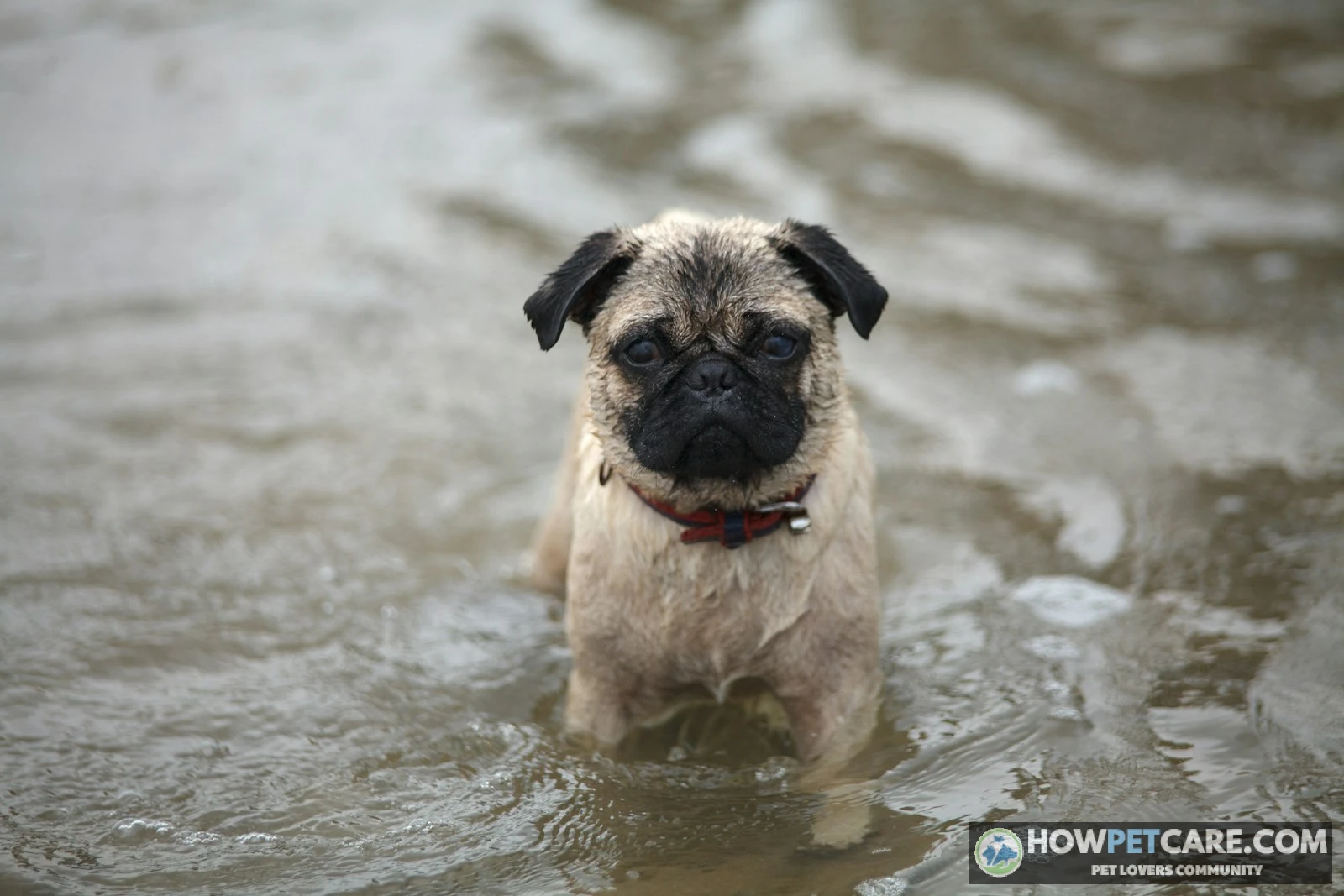
Do not use an ice bath, wrap the dog tightly in wet towels, force water, or leave the dog in a parked car, even briefly. If breathing is severely labored or the dog collapses, transport urgently and follow the emergency clinic’s instructions.
Building a pug emergency kit and plan
Save the nearest 24-hour emergency clinic’s number and address in your phone. Keep a well-fitted harness, water, and a portable bowl available for outings. Know how to reach a veterinarian without relying on a long drive in hot weather. Prevention matters: avoid strenuous activity in warm or humid conditions, walk during cooler hours, and stop at the first sign of labored breathing.
Daily Pug Care: Exercise, Wrinkle Cleaning, Grooming, and Feeding
Pugs generally need about 30–60 minutes of activity a day, split into short, easy walks and indoor play. That is a starting range, not a target to push through when breathing becomes noisy or effortful. Use a harness rather than pressure on the neck, adjust for age and health, and keep activity brief in heat or humidity.
Daily wrinkle-cleaning checklist
- Wipe facial folds and the nose fold with a damp, unscented cloth or veterinarian-approved wipe.
- Dry each fold thoroughly; leaving moisture behind encourages irritation.
- Check for redness, odor, discharge, or tenderness. Contact a veterinarian if the skin looks irritated rather than applying medication on your own.
- Check and gently clean the tail pocket if your dog has a deep fold there.

Weekly pug grooming schedule and shedding control
Pugs have a short double coat and shed year-round, often more heavily during seasonal coat changes. Brush once or twice a week, increasing to daily during heavier shedding. Check the ears weekly for redness, odor, or excess wax; ask your veterinarian how to clean them if needed. Trim nails every two to four weeks, or when they begin clicking on hard floors. Bathe about every four to eight weeks or as needed, then dry folds and the tail pocket carefully. Brush teeth as often as your dog tolerates—ideally daily—to support dental health.
How much to feed a pug by weight and life stage
There is no single portion that suits every pug: calorie needs depend on age, neuter status, activity, body condition, and the food’s calorie density. A useful starting estimate for an adult is resting energy requirement (RER): 70 multiplied by body weight in kilograms raised to the 0.75 power. A typical maintenance starting point is roughly 1.2–1.6 times RER, with a veterinarian helping choose the right factor and adjust it over time.
For a healthy 16-pound adult, or about 7.3 kilograms, RER is roughly 330 calories a day; a starting maintenance range is about 400–530 calories daily. This is an approximation, not a prescription. Check the food label for calories per cup or per 100 grams and calculate portions from that information; the grams of food vary substantially between products.
| Life stage / weight | Approx. daily calories | Meals per day | Notes |
|---|---|---|---|
| Adult, 14 lb | About 350–470 | 2 | Starting estimate; adjust to body condition and veterinarian advice |
| Adult, 16 lb | About 400–530 | 2 | Worked example; use the food label’s calorie density |
| Adult, 18 lb | About 440–590 | 2 | A larger frame does not automatically mean the dog should weigh more |
| Puppy | Individualized; often more per pound than an adult | 3–4 when young, then transition as advised | Use a complete puppy food and maintain controlled growth with veterinary guidance |
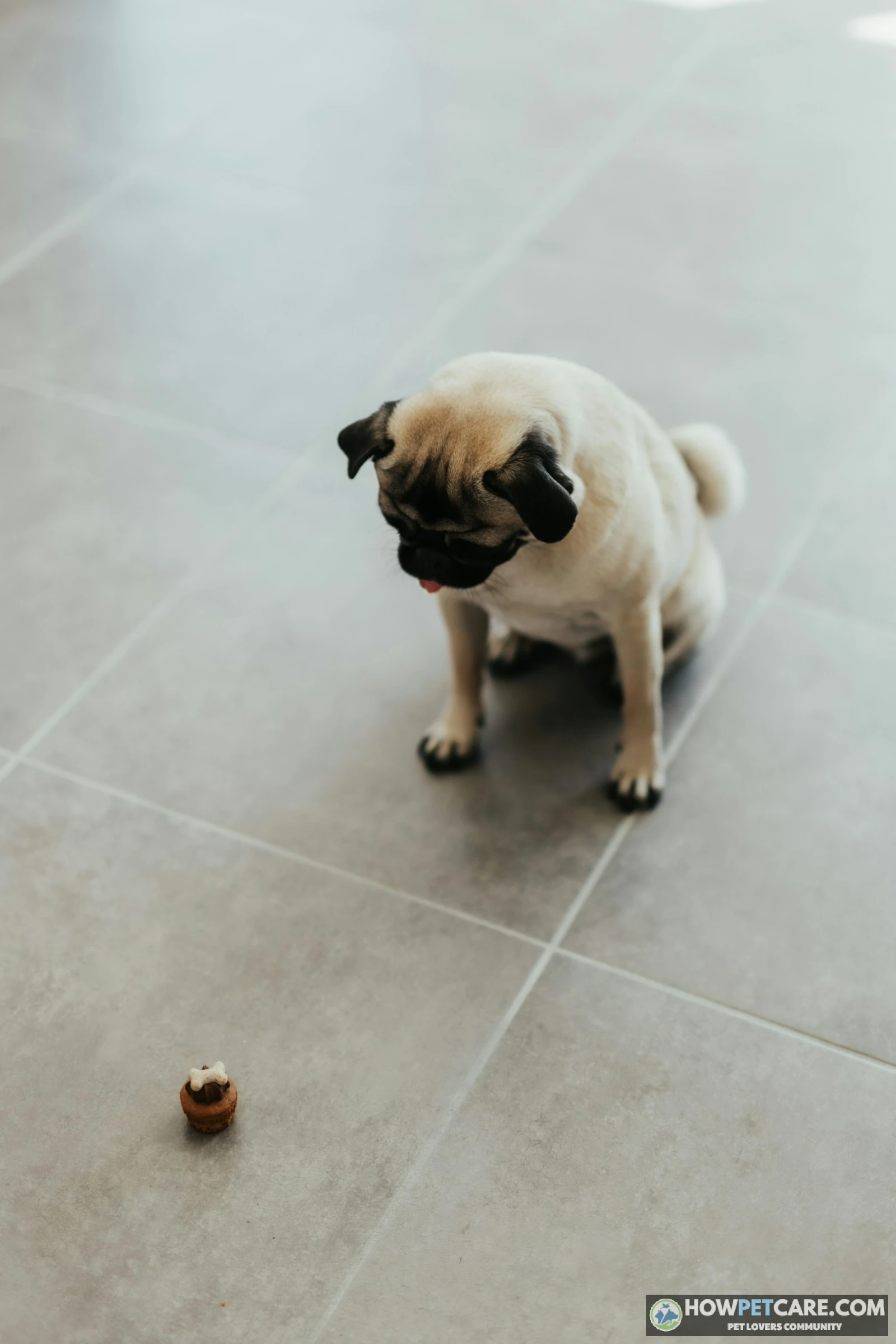
The adult ranges use the RER method with a maintenance multiplier of approximately 1.2–1.6; actual needs can fall outside them. Treats should provide less than about 10% of daily calories. Measure meals rather than free-feeding, since many pugs will keep eating when offered food. Use body condition as the check: ribs should be easy to feel without pressing hard, and a waist should be visible from above. Ask your veterinarian to adjust portions if weight or condition changes.
How Much Does a Pug Cost? Puppy Price, Annual Expenses, and BOAS Surgery
A pug puppy from a breeder may cost about $500–$2,000 in the United States, with price varying by region, breeder, and lineage. Health-tested lines may cost more; a low price is not proof of a scam, but unusually cheap puppies and sellers who avoid health questions deserve caution. Rescue adoption commonly costs a few hundred dollars and may include initial veterinary care or spay/neuter.
Pug puppy price: what the range really means
The purchase price is only one part of ownership. Before paying a deposit, get local estimates for preventive care, insurance, training, and emergency treatment. A responsible breeder should provide health records and welcome questions, not use urgency or unusual payment methods to pressure you.
First-year vs. ongoing annual costs
These are approximate U.S. planning ranges; local veterinary prices and the dog’s needs vary. They are not guaranteed quotes.
| Expense | Typical range | When it applies | Notes |
|---|---|---|---|
| Breeder puppy | $500–$2,000; health-tested lines may be higher | One-time | Price depends on region and breeder; verify health documentation |
| Shelter or rescue adoption | $100–$500 | One-time | Fee may include vaccines, microchip, and spay/neuter |
| Initial exam and puppy vaccine series | $100–$350 | First year | Ask what is included and how many visits are expected |
| Spay or neuter | $200–$600 | Usually first year | Ask the clinic about anesthesia planning for a brachycephalic dog |
| Microchip | $25–$60 | One-time | May be bundled with adoption or surgery |
| Starter supplies | $150–$350 | First year | Include crate, bed, bowls, and a well-fitted harness |
| Puppy training class | $100–$250 | First year | Private help may cost more |
| Food | $300–$600 | Annual | Depends on food, portion, and dietary needs |
| Routine veterinary care and preventives | $300–$800 | Annual | Includes routine exams and parasite prevention; local plans vary |
| Dental cleaning under anesthesia | $300–$800 | Periodic | Frequency and cost depend on oral health and clinic |
| Pet insurance | $360–$960 | Annual estimate | Roughly $30–$80 monthly; premiums, deductibles, and exclusions vary |
| BOAS surgery | $1,500–$5,000+ | If recommended | Cost varies by procedure, clinic, and aftercare |
| Eye ulcer or injury treatment | $200–$1,500 | If needed | Severe injuries may require surgery |
| Emergency heatstroke care | $1,000–$3,500 | If needed | Emergency treatment and monitoring can be costly |
A practical planning estimate is roughly $1,500–$5,000 for the first year, including the dog, and about $1,000–$2,500 per year thereafter, depending on insurance, location, and health. These broad estimates are not a substitute for quotes and may not include every unusual expense. Over a long life, multiply your expected annual budget by the years you can realistically plan for, then add a separate emergency reserve or suitable insurance.
Pug insurance and BOAS surgery costs
Brachycephalic breeds may have higher insurance premiums, and policies commonly distinguish new conditions from pre-existing symptoms. Get quotes before bringing a dog home and read the exclusions carefully, particularly for airway, eye, skin, and hereditary conditions. Ask whether BOAS treatment is covered, whether there is a waiting period, and how the deductible and reimbursement limits work. Insurance does not replace an emergency fund, and a policy bought after symptoms appear may not cover related care.
Some pugs with obstructed airways may be candidates for surgery to widen the nostrils or address soft-palate tissue. Costs vary widely by procedure and clinic and can reach several thousand dollars. A veterinarian should determine whether surgery is appropriate; it does not remove the need to manage heat, exercise, and weight.
Pug vs. French Bulldog vs. Boston Terrier: Which Flat-Faced Breed Fits You?
All three are companion breeds with short muzzles, but the best fit depends on activity, grooming, noise, and your ability to manage health risks. Individual dogs vary, and a less extreme face may reduce airway burden but does not guarantee a healthy airway.
| Trait | Pug | French Bulldog | Boston Terrier |
|---|---|---|---|
| Typical weight | 14–18 lb | Usually 16–28 lb; breed standard allows up to 28 lb | About 12–25 lb |
| Typical height | About 10–13 in | About 11–13 in | About 15–17 in |
| Typical lifespan | Breed-club figures around 12–15 years; large-sample data suggests a lower median | About 10–12 years commonly cited | About 11–13 years commonly cited |
| Energy | Low to moderate | Low to moderate | Moderate; often the most athletic of the three |
| Exercise | About 30–60 min/day, split and heat-limited | Short, heat-limited activity | Often needs more play; still avoid overheating |
| Shedding | Heavy, year-round | Moderate | Low to moderate |
| Training | Food-motivated but can be stubborn | Can be stubborn | Often eager to engage; individual variation |
| Noise | Snoring and snorting can be prominent | Snoring and snorting are common concerns | May snore; barking varies |
| Health considerations | BOAS, eye injury, skin folds, PDE, obesity | BOAS, skin and spinal concerns | Eye issues, BOAS, kneecap and hearing concerns |
| Grooming | Frequent fold care and regular brushing | Fold care and brushing | Usually fewer deep folds; regular basic grooming |
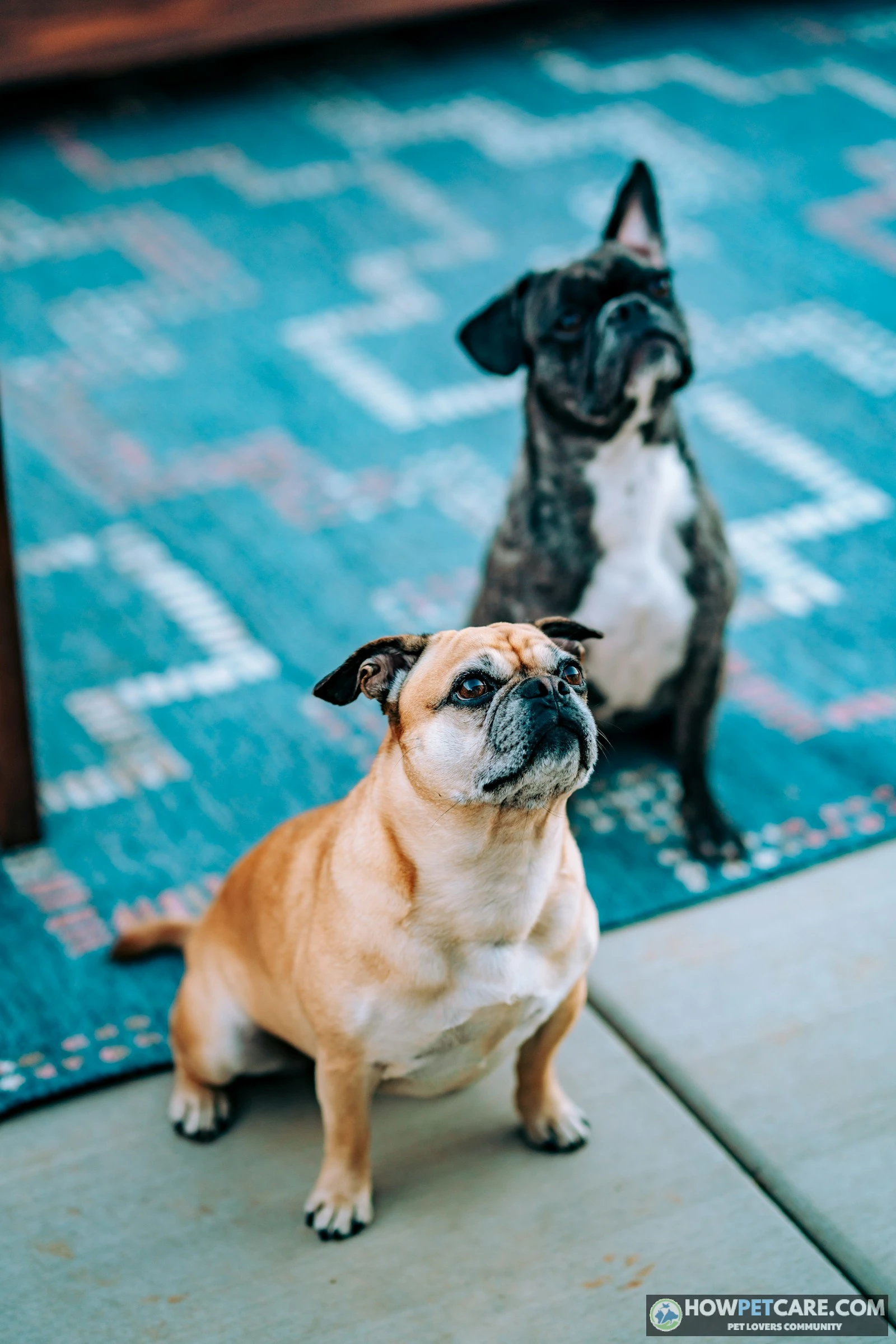
Pug vs. French Bulldog: key differences
French Bulldogs are stockier and often cost more to buy. Both breeds can have serious airway limitations and heat sensitivity, so compare individual dogs’ breathing and health history rather than assuming one is automatically safer. French Bulldog breeding also has a well-documented high rate of C-sections; ask any breeder about birth history. Claims about C-section frequency in pugs are less consistently documented, so request the breeder’s actual records rather than relying on a generalized percentage.
Pug vs. Boston Terrier: energy and build
Boston Terriers are taller and are often a livelier choice for a household that wants more play. They are still a short-muzzled breed and can have breathing and eye concerns. A less extreme muzzle is not a substitute for an airway assessment or good veterinary care.
Which breed suits which lifestyle?
A pug may suit a calm household that wants a close lap companion and accepts heavy shedding and daily fold care. Consider a Boston Terrier if you want more activity and a somewhat less extreme muzzle, while still planning for brachycephalic risks. Consider a French Bulldog only after comparing purchase price, insurance, and airway-related care. For any of the three, meet the individual dog and ask for health documentation.
How to Find a Responsible Pug Breeder or Rescue (Health Tests and Red Flags)
A responsible source prioritizes health, temperament, and lifelong placement over quick payment. Ask for documents and time to review them. “Vet checked” is not a substitute for specific screening results.
Breeder vetting checklist and questions to ask
Before paying a deposit, ask:
- Can I visit and meet the mother and see where the puppies are raised?
- What health screenings have both parents had? May I see the original results?
- Have the parents had a PDE DNA risk test, and what do the results mean for this litter?
- Has each parent had an airway assessment? What breathing outcomes have you seen in previous litters?
- Have eyes been examined by a qualified veterinary eye specialist, and have hips and kneecaps been evaluated?
- How were previous puppies delivered? Were any born by C-section, and what is the mother’s history?
- Do you breed merle pugs? If so, walk away — breeding merle is a disqualifying red flag.
- Will you provide a written contract, veterinary records, and a lifetime return clause if I cannot keep the dog?
- At what age can puppies go home? Do not take a puppy before eight weeks.
- What socialization, vaccination, and veterinary care have the puppies received?
- Can you provide references, and do you ask prospective owners questions too?
- Are you connected with the Pug Dog Club of America or able to explain how you follow its health guidance?

PDE DNA testing estimates inherited risk; it does not prove that a dog will or will not develop disease. The Respiratory Function Grading (RFG) scheme developed at the University of Cambridge grades airway function from 0 (no apparent impairment) to 3 (severe impairment). Availability is greater in the UK and Europe than in the United States; ask a U.S. breeder what equivalent veterinary airway evaluation was performed and request the result. Also ask for eye examination and hip and patella evaluation records.
Merle is not an AKC-standard pug color. The Royal Kennel Club’s registration restriction reflects concerns about the merle gene and hearing and vision problems. Avoid breeders marketing merle as rare or desirable. Ask directly about the parents’ color and lineage.
Puppy mill red flags
Walk away if puppies are always available, the seller refuses a visit or live video, many unrelated breeds are offered, health records or a contract are missing, the price is far below the usual range without a clear explanation, payment is restricted to wire transfer or gift cards, or puppies are offered before eight weeks. A seller who dismisses questions about breathing, PDE, eyes, or birth history is not giving you enough information to make a responsible decision.
Pug rescue and adoption options
Start with the Pug Dog Club of America rescue network and the regional rescues it lists. Local shelters and established breed-specific rescues may also have pugs or pug mixes, including the Pugalier pug mix. Petfinder and Adopt-a-Pet can help locate listings, but verify that the organization is active, transparent about veterinary records, and willing to discuss the dog’s needs. Adult adoption can make size and temperament easier to assess, although health history may be incomplete. Rescue fees and what they cover vary; request medical records and ask what follow-up care is recommended.
Is a Pug Right for You? A Decision Checklist and Next Steps
| Pug breed pros | Pug breed cons |
|---|---|
| Affectionate, people-focused companion | Brachycephalic airway risk and heat sensitivity |
| Small size and modest exercise needs | Snoring, noisy breathing, and possible costly treatment |
| Often sociable with people and other pets | Eye vulnerability and daily fold care |
| Can suit an apartment if the home stays cool | Year-round shedding and weight-management demands |
| Food-motivated and responsive to reward-based training | Insurance, routine care, and emergency costs can add up |
A pug may fit if you can keep the home cool, spend time with the dog, manage its weight, and afford routine and emergency care. It is a poor fit if you are away for long stretches without help, live somewhere hot without reliable cooling, or could not manage an unexpected multi-thousand-dollar veterinary bill. If the health burden feels unacceptable, consider a longer-muzzled breed rather than choosing a flat-faced dog based only on appearance.
Your 7-step plan before bringing a pug home
- Set a realistic first-year and annual budget, including a veterinary emergency reserve.
- Get insurance quotes and read the airway, eye, skin, and pre-existing-condition exclusions.
- Decide whether your household can provide companionship and arrange help for workday absences.
- Contact the Pug Dog Club of America rescue network, local shelters, or breeders who provide verifiable health records.
- Ask your veterinarian to discuss airway health, eye care, weight targets, and preventive care before you commit.
- Prepare a cool resting area, a well-fitted harness, measured meals, and a daily fold-cleaning routine.
- Save the nearest emergency veterinary clinic’s number and plan how you will get there.
Choose a pug only if you are prepared for both the affectionate companion and the substantial care responsibilities that come with the breed. If the health risks, heat limits, or potential costs do not fit your household, choosing another dog is a responsible outcome—not a failure to appreciate the breed.
 You might be wonderingDachshund breed guideDachshund Breed Guide: Sizes, Coats, IVDD Care & CostsRead the answer
FAQ
Do pugs shed a lot?
Yes. Despite the short coat, pugs have a double coat and shed year-round, with heavier shedding in spring and fall. Brushing once or twice a week and daily during heavy shedding keeps hair under control.
Are pugs easy to house-train?
Pugs are smart but can be stubborn, and their small bladders make house training slower than with some breeds. Consistent schedules, crate training, and food rewards usually work, though full reliability can take several months.
Can pugs swim?
Pugs are generally poor swimmers because of their short muzzles, heavy front ends, and breathing limits. Keep them out of pools unsupervised and put them in a canine life jacket if they are near water.
Do pugs bark a lot?
Pugs bark moderately and are not usually considered yappy. They are more likely to snort, snore, and grunt, and some bark for attention or when left alone.
Can pugs fly on airplanes?
Flying is riskier for pugs because of their breathing and heat sensitivity. Many airlines restrict or ban brachycephalic breeds in cargo, so check the airline’s policy, talk to your vet first, and prefer in-cabin travel or avoiding flights.