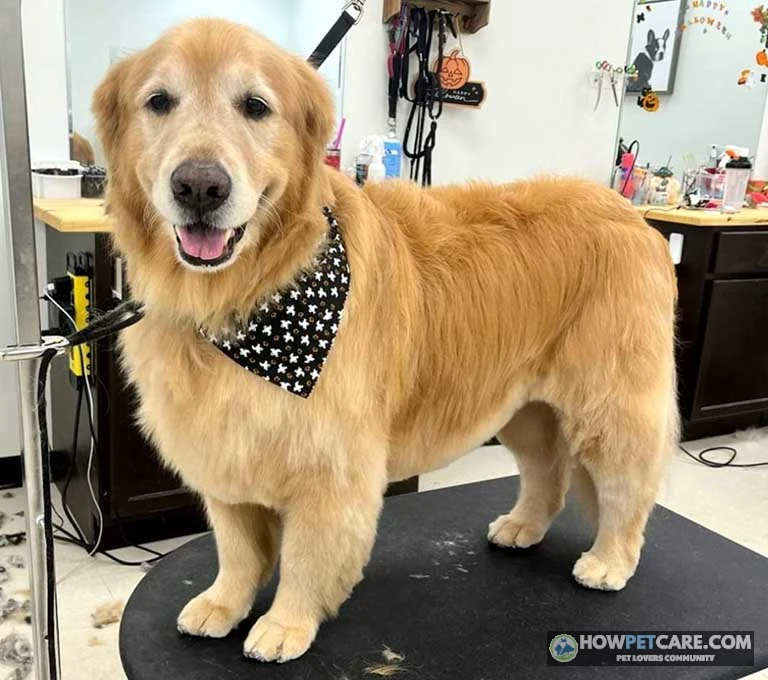

Dog grooming is routine care for a dog’s coat, skin, nails and ears. A full professional groom typically includes bathing, drying, brushing, nail trimming, ear cleaning and a haircut when needed — usually every 4–12 weeks depending on coat type, and roughly $45–$150+ depending on size and service.
Dog grooming: what it includes and how to choose care
Dog grooming is routine care for a dog’s coat, skin, nails, ears and overall hygiene. A full professional groom typically includes bathing, drying, brushing, nail trimming, ear cleaning and, when the breed or coat calls for it, a haircut. Packages vary by provider. Some salons offer a basic groom with the same hygiene steps but limit the haircut to face, feet and sanitary trims. You can handle routine brushing and basic care at home. For more complex coats, matting or dogs who have trouble being handled, a professional groomer or veterinarian may be the safer choice, depending on your skill level.
A task-by-task rule of thumb: brushing, bathing and paw checks are safe DIY for most owners; nail trims and ear cleaning are DIY after a hands-on demo; full haircuts, tight mats and anxious dogs belong with a professional.
Use the coat-type schedule, pricing matrix and provider checklist in this guide to make a plan that fits your dog and your budget.
How often should you groom a dog by coat type?
Coat type matters more than breed alone when setting a grooming schedule. The table below pairs common coat categories and example breeds with brushing, bathing and professional-visit starting points. Treat every interval as a starting point: lifestyle, activity, skin condition and individual coat growth can change your dog’s needs, including how often to bathe your dog.
Match the schedule to the coat, not just the breed
| Coat type and example breeds | At-home brushing cadence | Bathing considerations | Professional visit starting range | Key coat-care notes |
|---|---|---|---|---|
| Short/smooth — Beagle, Boxer, Vizsla, Dalmatian | Weekly with a rubber mitt or soft bristle brush | Every 6–8 weeks, or when dirty | Optional every 8–12 weeks, mainly for nails and deshedding | Low-maintenance coat; focus on nails, ears and shedding season bumps |
| Double coat — Golden Retriever, Husky, Corgi, German Shepherd | 1–2× weekly, daily during spring/fall blow-outs | Every 6–12 weeks; over-bathing strips protective oils | Deshedding visit every 8–12 weeks | Never shave routinely — the coat insulates against heat and cold and may regrow patchy; confirm medical exceptions with a vet |
| Curly/continuously growing — Poodle, Bichon Frise, Doodle mixes | Daily or every other day down to the skin | Every 4–6 weeks | Haircut every 4–8 weeks | Mats form behind ears, in armpits and at the collar line first; a mat you can’t comb through needs a groomer, not scissors |
| Long/silky — Shih Tzu, Maltese, Yorkshire Terrier, Afghan Hound | Daily with a pin brush, then a comb check | Every 3–4 weeks with conditioning rinse | Trim every 4–6 weeks | Ask the groomer for a shorter ‘pet cut’ if daily brushing isn’t realistic |
| Wire/rough — Schnauzer, Wire Fox Terrier, Border Terrier | 2–3× weekly | Every 6–8 weeks | Hand-stripping or clipping every 8–12 weeks | Clipping softens wire texture over time; hand-stripping preserves it but costs more and takes longer |
| Corded — Komondor, Puli, Bergamasco | Don’t brush; separate cords by hand weekly | Rarely, with thorough multi-hour drying | Every 8–12 weeks with a coat-experienced groomer | A damp corded coat can mildew — drying matters more than washing frequency |

Signs your dog needs grooming sooner
Move an appointment up if you notice fur you can’t comb through, nails clicking on hard floors, a "popcorn" or yeasty skin smell, redness after brushing, or flinching when you touch one spot. These can signal matting, overgrown nails, skin irritation or pain that shouldn’t wait until the next scheduled visit.

Routine shaving of a double-coated dog can compromise insulation and lead to patchy regrowth. Discuss medical exceptions with your veterinarian before requesting a shave.
Dog grooming prices: estimate costs by size and service
Prices vary by dog size, coat condition, service level and region. The matrix below reflects typical US starting prices from 2026 cost guides and provider quotes. Use them to set a budget, then confirm costs with 2–3 local itemized quotes. Metro areas often run 15–30% above these figures; rural areas may cost less.
Price ranges by dog size and service level
| Dog size | Bath-and-brush range | Full-groom range | Possible coat-condition surcharges | Source and date |
|---|---|---|---|---|
| Small (under ~20 lb: Yorkie, Chihuahua, Dachshund) | $25–$50 | $45–$75 | Matting +$10–$25; extra coat density +$5–$15 | National cost guides and salon quotes, 2026 — verify locally |
| Medium (~21–50 lb: Cocker Spaniel, Border Collie, Bulldog) | $40–$60 | $60–$90 | Matting +$15–$30; heavy deshed +$20–$40 | National cost guides and salon quotes, 2026 — verify locally |
| Large (~51–90 lb: Lab, Golden Retriever, Standard Poodle) | $50–$75 | $80–$120 | Matting +$20–$40; deshed +$25–$50 | National cost guides and salon quotes, 2026 — verify locally |
| Giant (90+ lb: Great Pyrenees, Newfoundland, Mastiff) | $60–$90 | $100–$150+ | Matting +$30–$60+; some salons quote by the hour for giant coats | National cost guides and salon quotes, 2026 — verify locally |

Ask about these common add-ons and surcharges before booking:
- Standalone nail trim: $10–$20
- Deshedding treatment on top of a bath: $20–$50 by size
- Flea or medicated bath: $15–$30
- Difficult-handling or senior-dog fee: $10–$25 (a legitimate charge for extra hands and time, but one that should be disclosed up front)
- Dematting priced per 15 minutes of extra work
A groomer who gives one flat price without asking about your dog’s weight, coat type and condition is guessing. Ask: "What’s included in the base price, what would move the price up, and when is the final price confirmed — at drop-off or pickup?"
Surcharges and questions to ask before booking
Before booking, confirm which surcharges could apply to your dog, check whether nail trimming, ear cleaning and any breed-specific cut are included in the base price, and ask about the cancellation policy.
What happens at a professional grooming appointment?
A typical appointment follows this sequence:
- Intake and coat assessment — the groomer checks coat condition, matting, skin issues and temperament.
- Agreed services — you confirm the services, such as a bath, brush, nail trim, ear cleaning, haircut or deshedding.
- Bathing and drying — the groomer uses dog-formulated shampoo, rinses thoroughly and dries the dog with hand dryers or supervised kennel dryers.
- Brushing or deshedding — loose undercoat is removed and the coat is detangled.
- Nail care — nails are trimmed or ground, often with styptic powder on hand.
- Ear cleaning — the visible canal is wiped with a vet-approved solution.
- Haircut (if requested) — the groomer uses clippers and scissors for a breed-specific cut or the owner’s preference.
- Pickup feedback — the groomer shares concerns, such as skin irritation, ear odor or behavior observations.

Expect anything from a short bath-and-brush visit to a half-day stay for a large or matted coat; exact length depends on the dog’s size, coat condition and handling needs, as well as the services and salon schedule. Some providers recommend professional grooming every 6–8 weeks to prevent matting and support skin, nail, ear and coat health, while others suggest 8–10 weeks for lasting health and aesthetics.
Agree on haircut styles and breed-specific cuts in advance. Anal gland expression isn’t automatically included or appropriate for every dog; consult a veterinarian if you have concerns.
Puppy first-groom prep timeline (and the anxious-adult version)
Puppies — start in the 8–16 week handling window, after first vaccinations:
- Two weeks before the appointment: Handle paws, ears, tail and muzzle for 2–3 minutes a day, always ending with a treat. Aim for the puppy to let you hold a paw still for 5 seconds.
- One week before: Run an electric toothbrush or vibrating trimmer near (not on) the puppy while feeding treats, so the sound becomes familiar. Practice standing on a raised, non-slip surface for 60 seconds.
- Booking: Ask for a ‘puppy intro’ or ‘happy visit’: a short 30–60 minute appointment covering a bath, light brushing and nail trim only. Don’t request a full haircut on visit one.
- On the day: Exercise the puppy beforehand and bring high-value treats. Ask if you can stay for the first 10 minutes while the pup sniffs the table and dryer.
- After: Ask the groomer what caused stress, such as dryer noise, feet handling or restraint, and practice that at home. Book the next visit 4–8 weeks out while the experience is fresh.

Anxious adult dogs — same bones, different emphasis:
- Ask salons for a quiet-hours or first-appointment-of-the-day slot, and request the same groomer every visit. Familiarity lowers stress for many dogs.
- Practice the stressor at home first: try short car rides for mobile-averse dogs, or brief sessions near a running hairdryer.
- Tell the groomer upfront what your dog does when scared, such as freezing, snapping or thrashing, so they can plan breaks or split the groom into two sessions.
- If fear is severe — shaking, elimination or attempted biting — talk to your vet about a behavior plan or prescribed anti-anxiety support. Never give sedation on your own, and be wary of a groomer who offers it.
- Reassess after two visits. If stress is rising instead of falling, switch models: an in-home groomer removes both the car ride and the salon.
Dog grooming at home vs. a professional: decide task by task
Use the scorecard below to decide which tasks you can safely handle, which need a professional groomer and which call for a veterinarian. First, check your dog’s tolerance for handling. If your dog growls, snaps or freezes when you touch paws, ears or tail, treat every item one level harder and work on handling first.
Which tasks can a beginner safely do?
Safe DIY for most beginners:
- ☐ Gentle brushing 2–3× per week with the right brush for the coat
- ☐ Bathing with a dog-formulated shampoo on a non-slip surface
- ☐ Wiping tear stains and checking ears visually
- ☐ Basic paw checks for burrs, cracked pads and debris
DIY after a demo (ask a groomer or vet tech to show you once):
- ☐ Nail trimming — clip small amounts and stop before the pink quick; grinders give more control but add noise
- ☐ Ear cleaning with a vet-approved solution — wipe only the visible canal; never probe with cotton swabs
- ☐ Trimming paw-pad fur with a rounded-tip trimmer on a calm dog
- ☐ Undercoat deshedding with an undercoat rake — use light passes only; aggressive use thins the topcoat
Professional groomer or vet only:
- ☐ Full haircuts and breed-specific cuts — clipper and scissor work near skin takes training
- ☐ Removing tight or skin-close mats — never cut them with scissors; skin hides inside mats and lacerations are common
- ☐ Anal gland expression — not routine; scooting or licking calls for a vet check first, not a grooming add-on
- ☐ Grooming a dog that bites, panics or shuts down — choose a groomer experienced with fearful dogs, or a vet if sedation is needed
Stop and call a vet (any task): broken skin under a mat, a nail quick that won’t stop bleeding after 10 minutes of styptic pressure, hot spots, or pain when you touch one area.

Choose tools for your dog’s coat and tolerance
Choose tools that suit the coat: a slicker brush for appropriate long or curly coats, a suitable undercoat tool for double coats, and a soft brush or grooming mitt for short coats. Use a comb to check for tangles without scraping the skin. Compare nail clippers and grinders for control, noise and your dog’s tolerance. Grinders offer more control, but some dogs dislike the vibration. Grooming clippers and a stable grooming table aren’t essential beginner purchases; using them requires training and supervision.

For bathing, choose a dog-formulated shampoo suited to your dog’s skin. A hypoallergenic shampoo may help some sensitive dogs, while persistent irritation or suspected skin disease calls for veterinary advice. Protect eyes with vet-approved sterile lubricant and plug ears with cotton balls during baths.
For a beginner grooming at home, the decision sequence is straightforward: assess the coat and your dog’s comfort, gather suitable tools, brush gently, and bathe and dry safely. Stop if your dog becomes distressed or you find a problem.
Salon, mobile dog grooming or in-home service?
You can choose among three service models:
| Service model | Convenience and setting | Cost considerations | Potential fit | Questions to ask |
|---|---|---|---|---|
| Salon | Fixed location, multiple stations, other dogs present | Base price; may have lower overhead | Dogs comfortable with travel and moderate stimulation | How many dogs are handled at once? What drying methods are used? |
| Mobile grooming | Groomer’s vehicle comes to you; self-contained | Often 10–20% above salon base; includes travel | Anxious dogs, owners with limited transport, multi-dog households | Is the van climate-controlled? How are dogs secured during transit? |
| In-home service | Groomer works inside your home | Comparable to mobile; may have minimum fees | Dogs stressed by vehicles, seniors, post-surgical recovery | What equipment do you bring? Do you need access to water/power? |

Check local availability and any equipment requirements, such as water or power access for in-home services. If your dog is anxious or fearful, discuss handling methods, breaks, appointment length and an introductory visit. Avoid forced handling or sedation without veterinary direction, and involve a veterinarian when fear or safety is a significant concern.
How to vet dog grooming services near you
A careful provider check can help you assess safety and quality before booking. Start with the checklist below.
Credentials, reviews and evidence to verify
- Read recent, detailed reviews across sources. Look for consistent feedback about handling, communication and results.
- Ask for relevant before-and-after examples, and confirm they show the groomer’s own work.
- Ask about training, experience with your dog’s coat and temperament, insurance, emergency procedures, vaccination policies, supervision and the groomer’s response to stress or injury.
- Treat credentials from organizations such as the National Dog Groomers Association of America as evidence of training, not a universal license or guarantee. Verify claimed certification with its issuer.
Facility checks and red flags
If possible, inspect the facility or vehicle for cleanliness, secure containment, safe equipment and suitable ventilation. Ask how pets are dried and monitored.
10 questions to ask a groomer — plus the red flags
Ask these before your first booking, by phone or during a drop-in visit. Good groomers answer promptly and specifically; hedging is itself an answer.
- ☐ Can I see the salon or van before I book? (A tour is a good sign)
- ☐ What training or certification do your groomers hold? (NDGAA or similar credentials are evidence of training — verify them with the issuer, but they’re not a legal license)
- ☐ Do you carry liability insurance?
- ☐ Which vaccinations do you require? (Rabies at minimum; no requirement is a red flag)
- ☐ How are dogs dried — hand drying, low-heat dryers, or kennel dryers — and are kennel-dried dogs supervised?
- ☐ How many dogs does each groomer handle at once, and where do dogs wait between steps?
- ☐ What exactly happens if my dog is injured or gets sick during the groom?
- ☐ How do you handle anxious, senior or first-time dogs — can you take breaks or split a groom across two visits?
- ☐ Can I get an itemized quote listing the base price plus any matting, deshedding or handling surcharges before drop-off?
- ☐ Do you ever sedate dogs? (Anything beyond a vet-prescribed plan is a disqualifying answer)

Walk away if you see or hear:
- Refusal to show the work area or let you watch part of a groom
- Vague pricing — ‘we’ll see when it’s done’ with no surcharge list
- No vaccination requirements for incoming dogs
- Sedation offered or used without your vet’s involvement
- Evasive answers about a past injury or incident
- Dogs left unattended on tables or in tubs, or unsafe restraint setups
- Pressure to add services you didn’t ask for at pickup
Build your dog’s grooming plan and booking checklist
Turn the comparison into a care plan you can use:
- Record your dog’s profile: coat type, brushing schedule, next nail check, preferred haircut or deshedding service, handling concerns and target appointment interval.
- Request itemized quotes from local providers. Give them your dog’s size, coat condition and desired services; confirm matting policies, estimated timing, cancellation terms and the final price before booking.
- Choose DIY, a pet stylist or a veterinarian for each task based on risk and comfort. Reassess the schedule after the first grooming cycle.
- Identify coat type using the schedule table
- Get 2–3 itemized quotes for your dog’s size and service level
- Run the DIY vs. pro scorecard for each grooming task
- Ask the 10 vetting questions before booking
- Book a puppy intro or anxiety-friendly slot if needed
A clear schedule, realistic budget and vetted provider give you a practical plan for keeping your dog’s coat healthy and grooming stress low, whether you handle the brush yourself or rely on a professional.

| Coat Type & Example Breeds | At-Home Brushing Cadence | Bathing Considerations | Professional Visit Starting Range | Key Coat-Care Notes |
|---|---|---|---|---|
| Short/smooth — Beagle, Boxer, Vizsla, Dalmatian | Weekly with a rubber mitt or soft bristle brush | Every 6–8 weeks, or when dirty | Optional every 8–12 weeks, mainly for nails and deshedding | Low-maintenance coat; focus on nails, ears and shedding season bumps |
| Double coat — Golden Retriever, Husky, Corgi, German Shepherd | 1–2× weekly, daily during spring/fall blow-outs | Every 6–12 weeks; over-bathing strips protective oils | Deshedding visit every 8–12 weeks | Never shave routinely — the coat insulates against heat and cold and may regrow patchy; confirm medical exceptions with a vet |
| Curly/continuously growing — Poodle, Bichon Frise, Doodle mixes | Daily or every other day down to the skin | Every 4–6 weeks | Haircut every 4–8 weeks | Mats form behind ears, in armpits and at the collar line first; a mat you can't comb through needs a groomer, not scissors |
| Long/silky — Shih Tzu, Maltese, Yorkshire Terrier, Afghan Hound | Daily with a pin brush, then a comb check | Every 3–4 weeks with conditioning rinse | Trim every 4–6 weeks | Ask the groomer for a shorter 'pet cut' if daily brushing isn't realistic |
| Wire/rough — Schnauzer, Wire Fox Terrier, Border Terrier | 2–3× weekly | Every 6–8 weeks | Hand-stripping or clipping every 8–12 weeks | Clipping softens wire texture over time; hand-stripping preserves it but costs more and takes longer |
| Corded — Komondor, Puli, Bergamasco | Don't brush; separate cords by hand weekly | Rarely, with thorough multi-hour drying | Every 8–12 weeks with a coat-experienced groomer | A damp corded coat can mildew — drying matters more than washing frequency |
FAQ
When should a puppy have its first grooming appointment?
Once your veterinarian confirms the puppy is ready under its vaccination and exposure plan, arrange a short introductory visit focused on gentle handling and positive experiences. Ask the groomer about its vaccination requirements and puppy-specific process.
Can grooming replace a veterinary skin or ear exam?
No. A groomer may notice changes, but a veterinarian should assess symptoms such as persistent itching, painful ears, sores or unusual discharge.
Should I tip my dog groomer?
Tipping practices vary by location and provider, and a tip is generally discretionary. Check whether gratuity is already included and budget for it separately if you choose to tip.
Can I sedate my dog before grooming?
Never give sedation on your own. If fear is severe, ask your veterinarian about a behavior plan or prescribed anti-anxiety support, and avoid groomers who offer sedation without veterinary involvement.