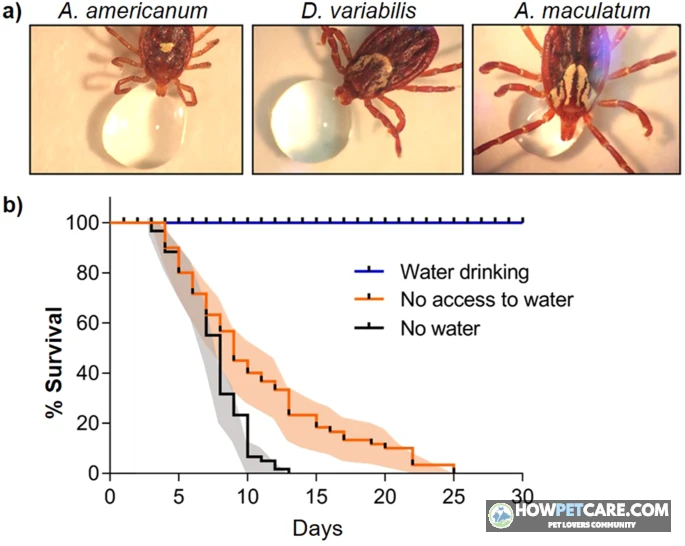

No—ticks can’t live, feed, or reproduce in water; they’re land parasites that need a blood host. But they survive submersion remarkably well: lab studies show some species staying alive underwater for days to weeks, so rinsing, bathing, or flushing isn’t a reliable way to kill one.
Can ticks live in water? No. They are land-dwelling parasites that need a blood host to move through their life cycle, and they cannot feed, mate, or reproduce while submerged. But they can survive underwater. Many ticks remain alive for days to weeks, so rinsing one off, dropping it in a sink, or watching it wash down a drain isn’t a dependable way to kill it. Getting a tick wet doesn’t get rid of it.
If you find a tick in the bathtub, on a pet, or after a hike, don’t rely on water alone to dispose of it. This article covers tick survival, disposal, and what to do with exposed clothes and gear. It isn’t a tick-identification guide and doesn’t cover disease symptoms or treatment.
How Long Can Ticks Survive Underwater? Survival Times by Species, Life Stage and Water Type
The answer to ‘how long can ticks survive underwater’ depends on the species, life stage, and type of water. In lab studies, researchers submerge ticks under controlled conditions, then check whether they can still move, attach, or recover after drying. Those measures matter: a tick that looks limp after a few minutes may revive once it dries. There’s no single ‘drowning clock’ that fits every situation.
Survival time table: species, life stage, and water type
| Species | Life stage | Water type | Reported survival | Study source |
|---|---|---|---|---|
| Lone star tick (Amblyomma americanum) | Adult | Fresh water | Up to 70 days | NLM submersion study |
| Lone star tick (Amblyomma americanum) | Adult | Brackish water | Up to 64 days | NLM submersion study |
| Lone star tick (Amblyomma americanum) | Adult | Salt water | Up to 46 days | NLM submersion study |
| Gulf Coast tick (Amblyomma maculatum) | Adult | Fresh water | Up to 24 days | NLM submersion study |
| Winter tick (Dermacentor albipictus) | Larvae | Fresh water | 63% survival at 5 weeks | NLM submersion study |
| Ornate cow tick (Dermacentor reticulatus) | Adult | Fresh water | Several months | NLM submersion study |
| Deer tick / blacklegged tick (Ixodes scapularis) | Larvae | Hot wash water with detergent | 25% survival | NLM laundering study |
| Deer tick / blacklegged tick (Ixodes scapularis) | Larvae, nymph, adult | Fresh water | Days to weeks (exact maximum varies) | NLM submersion study |
| American dog tick (Dermacentor variabilis) | Larvae, nymph, adult | Fresh / salt water | Days; no species-specific maximum in cited studies | NLM submersion study |
An adult lone star tick can survive more than two months fully submerged in fresh water, and even in salt water it can survive more than six weeks before dying. A Gulf Coast tick is less hardy, reaching roughly three and a half weeks in fresh water. Winter tick larvae and ornate cow ticks show that some stages can survive for weeks to months, helping explain why floods don’t simply wipe out local populations.
Why salt, brackish, and fresh water give different results
Salt water is generally harsher than fresh or brackish water for the species tested. Lone star ticks survived fresh water for up to 70 days, brackish water for up to 64 days, and salt water for up to 46 days. Salinity shortens survival, but ‘shorter’ still means many weeks, not minutes. Higher salinity stresses the tick’s body by drawing water out of its tissues. Its waxy cuticle and dormant state, however, slow that loss enough to keep it alive for a long time.

Temperature and oxygen matter, too. Eggs and larvae of Boophilus microplus tolerate immersion better when water is cold and oxygen-rich, which may help explain why flood survival can be higher in cooler seasons. Whether a tick has fed, its life stage, and the exact recovery test also affect the numbers. The table offers a useful range, not a universal rule.
What ‘drowned’ means in the studies versus everyday use
In everyday speech, ‘drowned’ means dead in the water. In lab reports, researchers often record how long ticks stay submerged before they stop moving, then allow a recovery period to see if they revive. A tick that seems drowned may still recover. That’s why a ‘drowning time’ can’t be treated like a kitchen timer. Depending on the species, submersion in fresh water can take days to weeks to kill a tick. A brief rinse or bath is nowhere near enough.
Survival-by-water guardrail: tested versus not tested
The table below draws on the same NLM-indexed submersion literature used throughout this article.
| Species | Life stage | Fresh water | Brackish/salt water | Household water verdict | Study status |
|---|---|---|---|---|---|
| Blacklegged/deer tick, Ixodes scapularis | Larva, nymph, adult | Lab submersion shows survival measured in days, not minutes; a dunk or rain event is not lethal. | Salt/brackish exposure generally shortens survival versus fresh water in comparative studies, but it is still not instant. | Still alive after rain, rinse, bath, or short submersion. | Tested in lab-submersion literature; exact maxima vary by stage, temperature, feeding state, and endpoint. |
| Lone star tick, Amblyomma americanum | Larva, nymph, adult | Among the hardier tick species in submersion reports; survival can extend into weeks for some stages under lab conditions. | Salt water is harsher than fresh, but ‘shorter’ does not mean ‘dies quickly.’ | Do not assume washer or pool exposure solved it. | Tested in lab-submersion literature; use species/stage-specific values only from the cited studies. |
| American dog tick, Dermacentor variabilis | Larva, nymph, adult | Reported submersion tolerance is also in the days range rather than minutes. | Less tolerance in salt than fresh in comparative reports; still not a rapid kill method. | A flushed or rinsed tick may remain viable. | Tested in lab-submersion literature; endpoint definitions differ across studies. |
| Brown dog tick, Rhipicephalus sanguineus | Any stage | No dependable cited submersion maximum for this article. | No dependable cited submersion maximum for this article. | Treat as unknown and contain it. | Not tested here—do not estimate. |
| Any tick in chlorinated pool, hot tub, hot tap, dish soap, bleach, or vinegar | Any stage | Not applicable—household chemistry differs from study water. | Not applicable. | No survival time should be quoted. | Not tested in the cited evidence set; avoid invented numbers. |
The takeaway: several tested species and stages survive lab submersion for days to weeks. Don’t count on water to kill a tick.
Can Ticks Swim, or Do They Just Float? How They Outlast Submersion
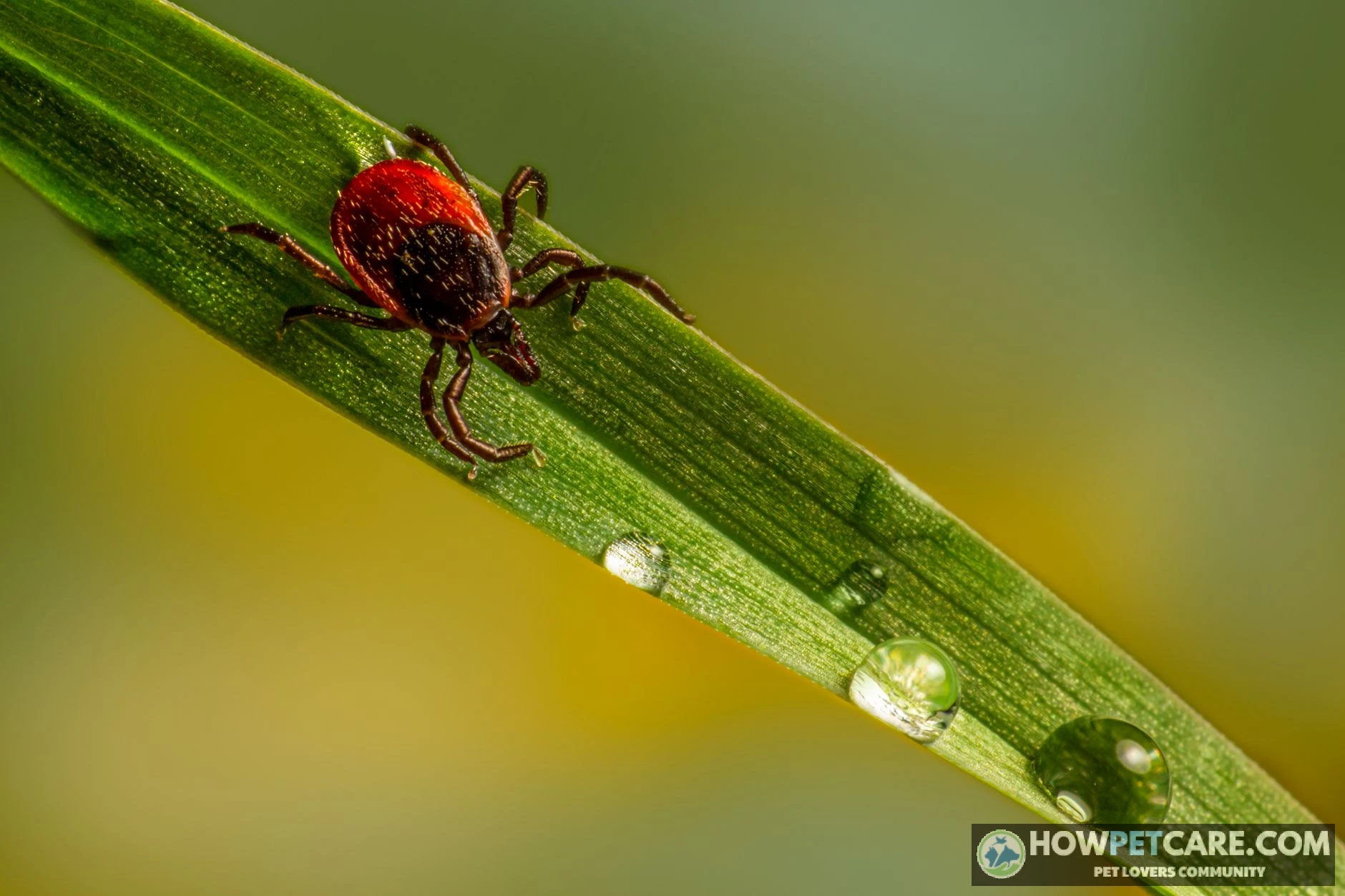
The short answer to ‘can ticks swim’ is no. Ticks have no paddles, fins, or swimming behavior, and they can’t propel themselves through water in any useful way. They may drift, sink, or float depending on surface tension and trapped air. Any leg movement you see is usually struggling, not swimming.
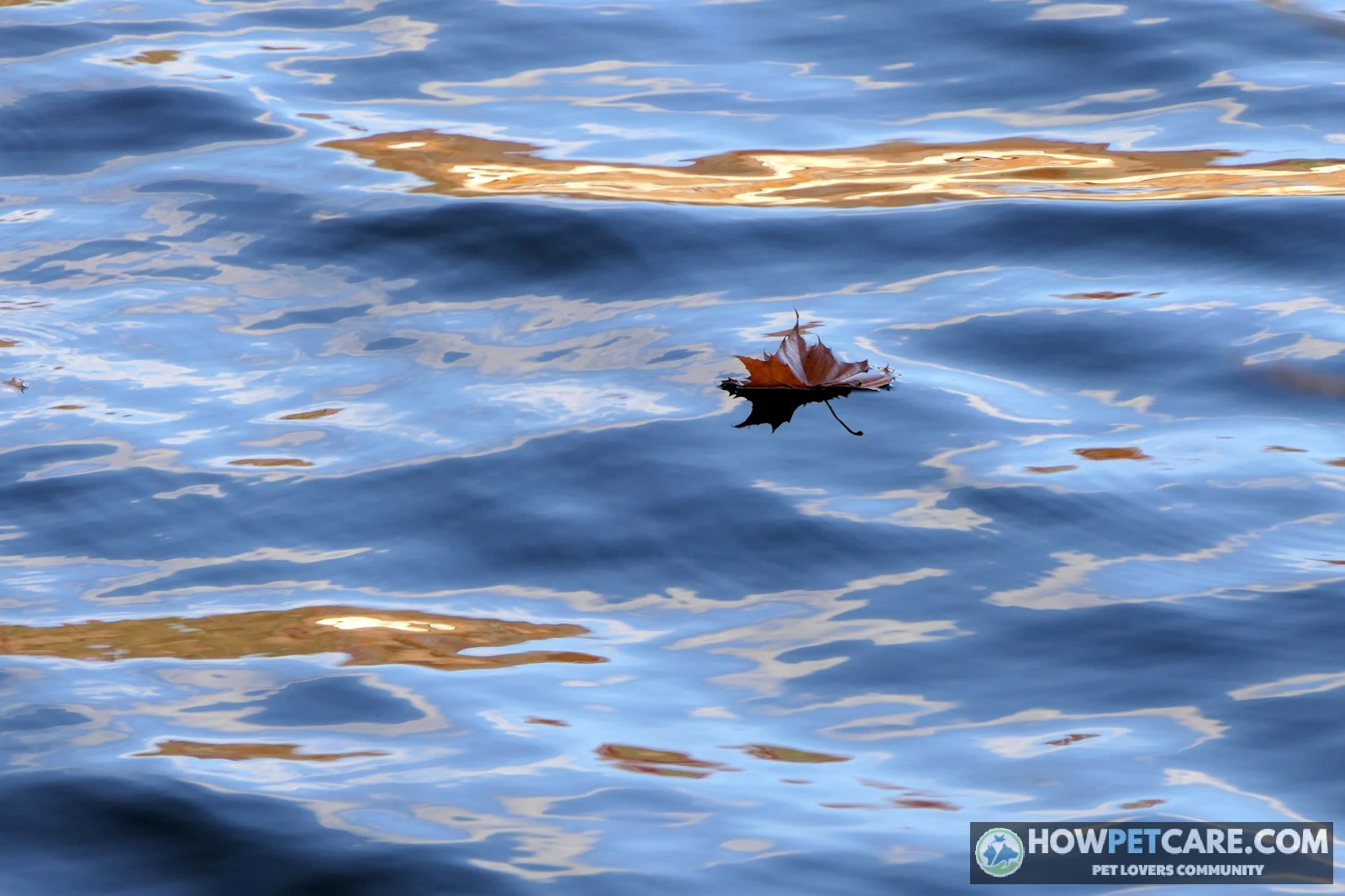
Ticks don’t breathe through their mouths, and they don’t need gills. They take in air through tiny side openings called spiracles. When submerged, a tick can close its air intake and remain in a low-energy state. A thin layer of trapped air on the cuticle—the plastron—may also help it exchange a little oxygen with the surrounding water. Studies have directly shown that ticks can remain alive after prolonged submersion, with results depending on species, life stage, salinity, temperature, and whether they have fed. The plain-language explanation is an inference: closable spiracles, possible plastron air, and low oxygen needs help explain why going under isn’t the same as drowning. A floating tick isn’t necessarily dead; surface tension and trapped air can keep a live tick at the top.
No swimming, only drifting
A tick in water is at the mercy of the current, surface tension, and whatever surface it can grasp. It doesn’t orient toward shore, hunt, swim, or fly to reach a host. In a bathtub, shower, or washing machine, it isn’t trying to escape; it’s waiting out the flood. That can take a long time.
Spiracles and the plastron air layer in plain English
Ticks aren’t aquatic, but they tolerate moisture well. Their normal habitat is humid leaf litter and grass, where humidity keeps them from drying out. The same adaptations that help them retain water—a waxy cuticle, closable spiracles, and a low metabolic rate—also help them survive when their habitat floods. Underwater, a tick switches to a near-dormant state and uses tiny oxygen reserves. It isn’t comfortable, but it isn’t dead. Deer ticks, lone star ticks, American dog ticks—often called woodticks in some regions—and other common species share this general biology, even though their exact survival times differ.
Will Water at Home Kill a Tick? Washing Machine, Dryer, Shower, Bath, Pool, and Toilet
A research tank is one thing; a washing machine, hot shower, swimming pool, or toilet is another. Here’s what the evidence says about common water exposures at home.
| Scenario | Survive or die? | One-line reason | Do this instead |
|---|---|---|---|
| Rain shower or puddle splash | Survive | Brief wetting is not submersion long enough to kill. | Do a full-body tick check; put clothes straight in the dryer. |
| Bath, shower, or soak | Survive | Water exposure does not reliably kill or detach ticks. | Shower to find ticks; remove attached ticks with tweezers. |
| Sink rinse or faucet | Survive likely; no tested ‘under faucet’ kill time | Running tap water is a rinse, not a proven drowning method. | Seal in tape or bag, or drop in rubbing alcohol. |
| Swimming pool | Unknown; not tested in the cited submersion studies | Chlorinated pool survival has no dependable published number. | Treat as if alive; check skin, swimsuit, towels, and gear. |
| Hot tub | Unknown; not tested | Heat plus chlorine is a plausible stressor, but no cited kill time exists. | Do not rely on it; remove and contain the tick. |
| Toilet flush | Often survives; not dependable | Flushing is listed by CDC as an option, but survival data imply a tick may stay alive through the trip. | Prefer alcohol or a sealed/taped container. |
| Washing machine, cold or warm water | Often survives | CDC says cold and medium-temperature wash water may not kill ticks. | Use hot water only if washing is needed; rely on the dryer for kill. |
| Dryer on high heat | Dies when fully hot and dry | Heat is the dependable killer; damp loads need more time. | High heat until dry: CDC-cited guidance is about 10 minutes for already-dry clothes; extend toward roughly an hour for damp or wet loads until fully dry. |
| Dish soap, bleach bath, vinegar, oil | Do not quote a time | No reliable sourced survival figure is available here. | Skip experiments; seal, tape, or use alcohol. |
Washing machine vs. dryer: what actually kills ticks on clothes
Most Lone Star and blacklegged ticks survive a cold or warm machine wash with regular detergent. The dryer, not the washer, is the killing step. USDA-ARS work cited in the literature found that one hour of high-heat drying killed 100% of ticks on dry clothing, while no-heat dryer cycles left about 33% of blacklegged ticks and more than 50% of Lone Star ticks alive. If you’ve worn clothes through a field or brush, put them in the dryer on high heat before washing. For already-dry clothes, the high-heat cycle does the work. Run damp clothes until they’re fully dry, which may take closer to an hour.
Showers, baths, and faucets
A hot shower can help you find and remove unattached ticks, but it isn’t a drowning chamber. Ticks can survive under a faucet or submerged in a bath long enough to make water a poor disposal method. If a tick is on your skin, remove it with tweezers. If it’s in the tub, scoop it out and seal it. A shower after a hike is still worthwhile because it gives you a chance to do a full tick check, not because the water reliably kills ticks.
Hot tap water isn’t a reliable treatment either. While very hot water can injure a tick, the short exposure and cooling effect of running water mean a tick under the faucet is likely to survive. Dish soap, bleach, vinegar, and oil are sometimes recommended online as tick killers, but the cited evidence offers no dependable survival figure for any of them. Treat them as unproven unless a study shows otherwise.
Pools, hot tubs, and chlorinated water
The cited studies provide no published survival time for ticks in chlorinated pool water or hot-tub water, so don’t assume chlorine or heat kills them quickly. A tick on a swimsuit, towel, or pool toy may still be alive when it dries. Treat pool and hot-tub exposure as you would a rain splash: do a tick check and dry or treat the gear on high heat. For anyone asking ‘can ticks survive a hot shower,’ the answer is similar: a shower is brief and not hot enough to be a reliable kill step.
Flushing a tick down the toilet or drain
The CDC lists flushing as a disposal option, but survival data suggest a tick may survive the trip through the plumbing. It won’t establish a colony in your pipes—ticks can’t live in a drain—but it may survive long enough to be carried back out or to resurface. Sealing the tick in a bag, tape, or rubbing alcohol is more dependable than trusting the flush.
High-heat drying is the only household step with a tested, near-complete kill rate in the cited literature. Washing, rinsing, bathing, and flushing aren’t reliable tick killers. Save the water for laundering after the dryer has done its job.
Ticks Outdoors: Rain, Puddles, and Standing Water in the Yard
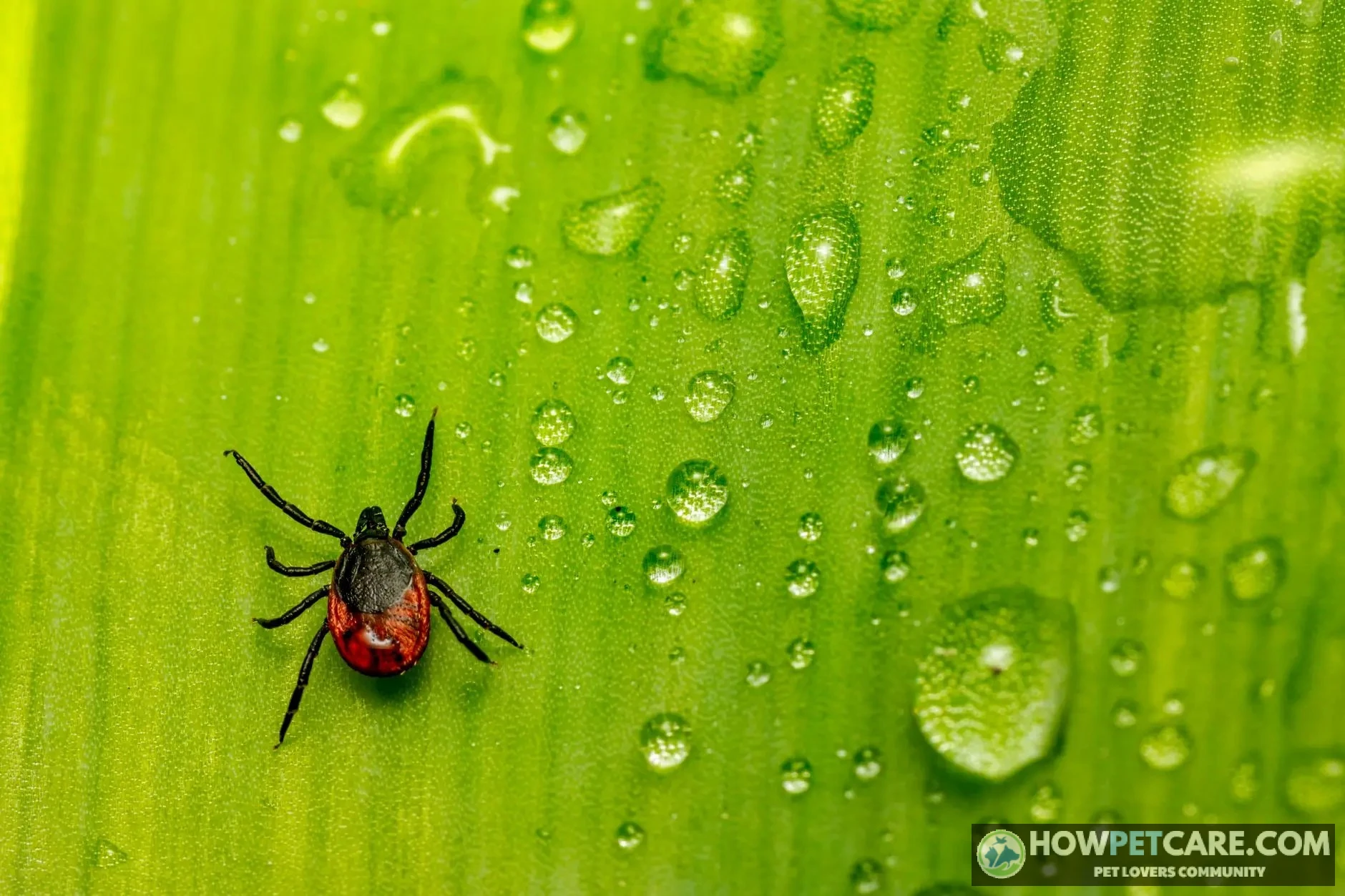
Ticks live in humid leaf litter, grass, and brush, not in ponds, puddles, or pools. They need moisture in the air and soil to keep from drying out, but they aren’t aquatic. Heavy rain doesn’t reliably kill ticks or wash them away; the humidity can even help them. Rain may knock some ticks off low vegetation, but it doesn’t clear an area of ticks. Short floods or inundation under one week cannot eliminate or kill tick populations in a flooded area.

Standing water in the yard isn’t tick habitat in the way a pond is mosquito habitat. Ticks need a host and can’t complete their life cycle in water. Puddles and rain don’t create a new population, and they don’t make tap water a threat. A wet tick in the grass can still be alive, so don’t assume rain has solved the problem.
For homeowners, that means a few days of standing water won’t sterilize the yard after a flood. Ticks already in leaf litter can survive the wet spell and resume host-seeking once the ground drains. Check people and pets after outdoor time rather than assuming the flood cleared the area; if you’re unsure, learn how to tell if your dog has a tick.
Perimeter sprays, deer fencing, and similar yard treatments fall outside this article’s water-focused scope.
Can a Tick That Was Submerged, Washed, or Flushed Still Bite or Spread Lyme Disease?
Yes. A tick that survives water exposure is still alive and can attach and bite. No cited study here tests whether a tick that survived submersion can still transmit Lyme disease or another pathogen. The practical rule is to treat a live tick as a normal bite risk. The deer tick (Ixodes scapularis) is the main Lyme disease vector in the United States, and the lone star tick is associated with several other illnesses. Water exposure doesn’t neutralize that risk.
Myth: A tick that went through rain, a rinse, the washer, or the toilet is dead or too damaged to matter.
Fact: Wet doesn’t mean dead. Submersion studies show that tested ticks can outlast household exposures by a wide margin, and a surviving tick can still seek a host and attach. No cited study here proves that a tick that survived submersion can still transmit Lyme or another pathogen, so this article doesn’t make that claim. Treat a live tick as a normal tick risk: remove it correctly, contain it in alcohol, tape, or a sealed container, check people and pets for ticks, and use high-heat drying for exposed clothing. The deer tick is the main Lyme vector and lone star ticks are linked to other illnesses. Getting wet is not a reason to consider a tick harmless.
Disease transmission depends on the tick being infected, attached, and feeding. Water exposure doesn’t disinfect a tick or destroy the pathogens it may carry. If a tick was attached, follow standard tick bite guidance and contact a clinician with any concerns. Don’t assume a bath, shower, or wash cycle removed the danger.
How to Dispose of a Tick and Treat Exposed Clothes and Gear, Step by Step
Disposing of a found tick: alcohol, sealed container, tape
-
Remove an attached tick with fine-tipped tweezers
Grasp the tick as close to the skin as possible and pull upward with steady, even pressure. Do not twist, jerk, or crush.
-
Kill and contain the tick
Drop it into rubbing alcohol, seal it in a zip-top bag or small container, or wrap it tightly in tape so its legs cannot reach an edge.
-
Optional: freeze for later identification
If a clinician or extension service may need to identify the tick, freeze the sealed container after labeling it with the date and bite location.
-
Wash hands and clean the area
Wash your hands and clean the bite area and tweezers with soap and water or rubbing alcohol.
-
Dry exposed clothes and gear on high heat
Run clothing through a high-heat dryer cycle. Already-dry clothes should become fully hot; damp or wet loads need roughly an hour until completely dry.
Don’t rely on flushing, rinsing, soap, dish liquid, bleach, vinegar, oil, or ‘drowning it in the sink.’ Don’t crush a tick between your fingers. If you must destroy it, keep it sealed first.
Treating clothes, towels, and bedding
Put clothes, towels, and bedding that were outdoors or near a found tick straight into the dryer on high heat before washing. High heat is the dependable kill step; water temperature alone isn’t. For already-dry items, the target is a CDC-cited high-heat cycle of about 10 minutes. If they’re damp, run them until fully dry, which can take closer to an hour. Wash them afterward if needed, using hot water when the fabric allows. In USDA-ARS research, one hour of high-heat drying killed 100% of ticks on dry clothes, compared with no-heat cycles that left about 33% of blacklegged ticks and more than 50% of Lone Star ticks alive.
Treating backpacks, boots, and other gear
Inspect items that can’t go in the dryer and brush them off outside. Heat them in direct sunlight when possible, or treat them with a handheld dryer on high heat.

What to Do Next: A Quick Decision Guide for Ticks and Water
Use this checklist to match your situation:
- Found a live tick on skin or a pet: Remove it with tweezers, then seal it in alcohol, a bag, or tape. Wash your hands and the bite area. Save the sealed tick if a clinician might need it.
- Tick got wet, washed, or flushed: Assume it may still be alive. Check the area, nearby clothing, and any people or pets who were exposed.
- Clothes were outdoors: Put them in the dryer on high heat before washing. Use hot water only if the clothes need laundering after drying.
- You were in a pool, bath, or rain: Water doesn’t remove or kill attached ticks. Do a full-body tick check afterward.
- Remember the three facts: Ticks survive but don’t live in water; heat kills ticks and water mostly doesn’t; a sealed container or alcohol is better than flushing.
Treat a wet tick as a live tick, and use heat to finish the job.
FAQ
Does hot water kill ticks better than cold water?
Yes. The CDC says washing clothes in hot water can kill ticks, while cold and medium-temperature washes may not. High-heat drying is the more dependable method.
Can I kill a tick by drowning it in a cup of water?
Not reliably. Ticks can survive submersion for days to weeks in lab studies, so plain water is a poor way to kill one. Use rubbing alcohol, a sealed container, or tape instead.
Can ticks live in a bathtub or shower drain?
No. Ticks need a host and a humid outdoor environment to complete their life cycle, so a drain isn’t a habitat. A tick that goes down a drain can survive for a while, but it can’t establish itself there.
Does heavy rain kill ticks or wash them away?
Not reliably. Ticks tolerate being wet and often benefit from humid conditions. Rain may knock some off vegetation, but it doesn’t clear an area of ticks.
Should I keep a tick after removing it from my skin?
Some clinicians suggest sealing it in a labeled container or bag, and freezing it, in case identification is needed later. If you don’t plan to keep it, kill it in rubbing alcohol or seal it in tape rather than flushing it.