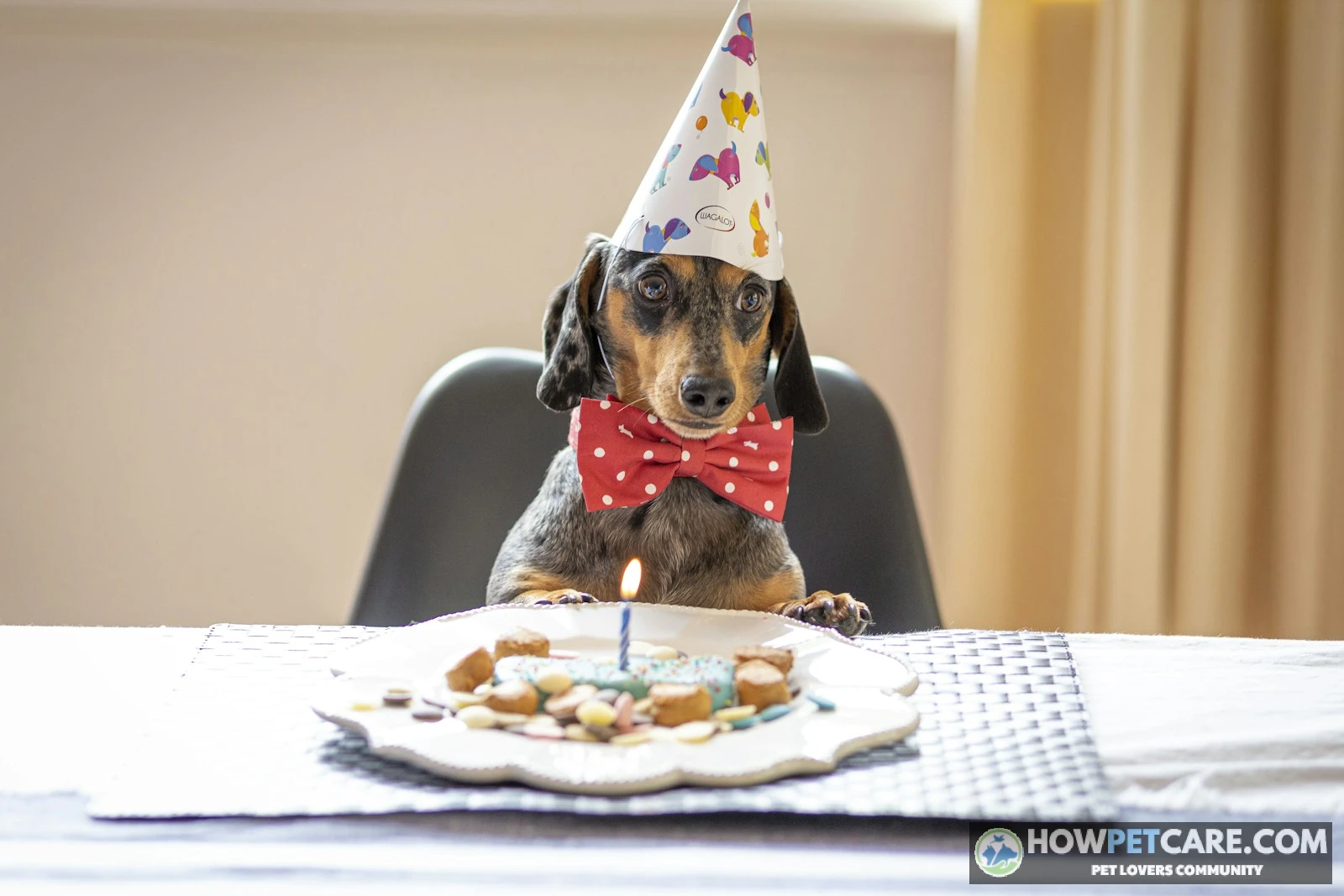

Planning a birthday with dogs? Match the format to your dog’s temperament first:
- Social, confident dogs: host a small party with 2–4 familiar, vaccinated dog friends in a fenced yard for 60–90 minutes.
- Anxious, reactive, senior, or newly adopted dogs: skip the party—plan a sniff walk, a special meal, and quiet time together.
- Either way: bake a xylitol-free pupcake, keep human food out of reach, and watch for stress signals like yawning, lip-licking, or stiff posture.
A successful celebration starts with your dog, not the guest list. Does your dog thrive around a bustling group of other dogs, or would they be happier with an extra-long sniff walk and a homemade treat at home? A party suits social, confident, food-motivated dogs with a history of relaxed interactions around other canines. A low-key celebration suits anxious, reactive, senior, newly adopted, or noise-sensitive dogs. Dogs don’t understand calendar dates, human milestone years, or party themes; they enjoy shared time, lower stress, and familiar comfort.
Party or Low-Key Celebration? Match the Plan to Your Dog’s Temperament
A celebration that fits your dog’s temperament helps prevent distress and keeps everyone safe. A noisy gathering with unfamiliar guests can frighten a shy or reactive dog rather than give them a fun day. An outgoing dog who loves rough-and-tumble play with familiar neighborhood friends, on the other hand, may welcome a planned backyard romp.
Use this quick screening tool to choose a format in under two minutes.
A 5-question temperament check
Answer yes or no to each question:
- ☐ 1. Does your dog happily greet and play with unfamiliar dogs (not just tolerate them)?
- ☐ 2. Is your dog relaxed when visitors come into your home—no hiding, barking spells, or pacing?
- ☐ 3. Is your dog free of food- or toy-guarding behavior around other dogs?
- ☐ 4. Does your dog recover quickly from loud or sudden noises (doorbells, cheering, dropped items)?
- ☐ 5. Is your dog physically able to play for 45–60 minutes without joint stiffness, heart concerns, or senior mobility limits?
Scoring your check:
- 4–5 yes answers: A full party with a small group of familiar dogs is a good fit.
- 2–3 yes answers: Skip the larger party. Plan a one-on-one playdate with a single trusted canine friend, or host a humans-only gathering where dogs stay separate.
- 0–1 yes answers: Choose a low-key celebration, such as a favorite nature trail, a special dog-safe snack, and quiet time together. Dogs newly adopted less than three months ago and dogs with a history of resource guarding or leash reactivity belong in this tier regardless of score.
Green, yellow, and red flags to watch for
Body language can show whether a dog is enjoying an event or simply enduring it. Watch for these signals as you plan and host:
- Green flags (Relaxed and engaged): Loose, curving spine; rhythmic, soft tail wag; open mouth with relaxed tongue; play bows; bouncy, reciprocal movement.
- Yellow flags (Nearing threshold): Yawning when not tired, lip-licking outside of eating, brief freezes, sudden stiffness, excessive panting, repeatedly turning the head away, or constantly seeking refuge behind a handler’s legs.
- Red flags (Immediate separation required): Hard staring, visible whites of the eyes (whale eye), raised hackles along the neck or spine, curled lips exposing teeth, low growling, or a tight, frozen posture over an item or space.
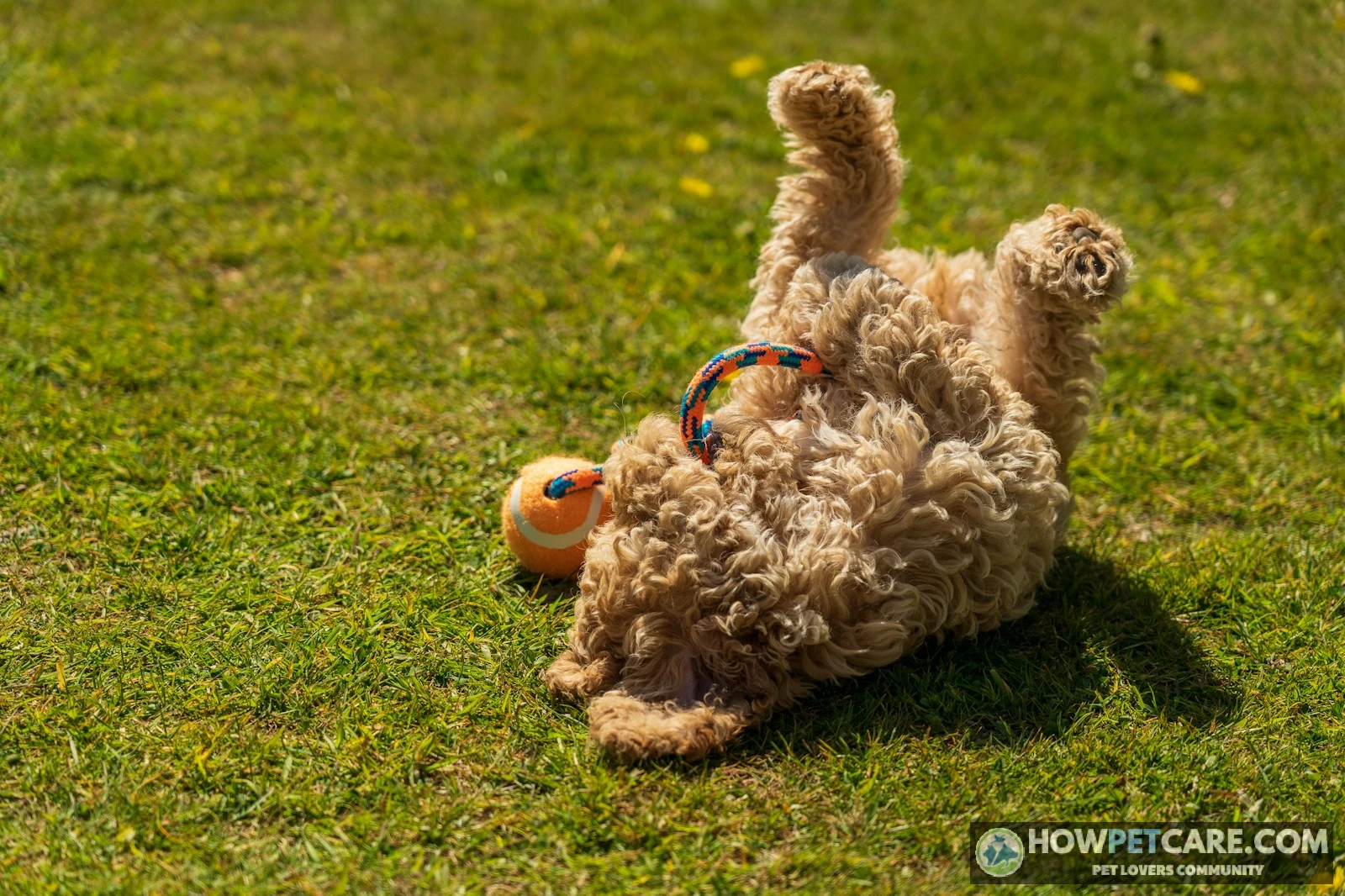
For a dog showing yellow flags, consider a middle option: arrange a quiet walk with one familiar dog buddy, or invite two or three human friends for coffee while your dog enjoys a frozen lick mat in an open, uncrowded room.
Looking for ‘happy birthday with dogs’ images or cards for a person?
If you’re looking for a canine-themed birthday greeting for a human friend or family member, you don’t need party logistics. Create a personalized digital card in minutes by uploading photos of your dog to a free graphic design tool like Canva or Adobe Express. You can also search public image libraries like Unsplash or Pixabay for terms like "dog with party hat" and apply personal-use licensing filters. Once you’ve sent the card, use the rest of this guide to plan something for your own companion.
Dog Birthday Party Safety: Foods and Ingredients to Keep Off the Table
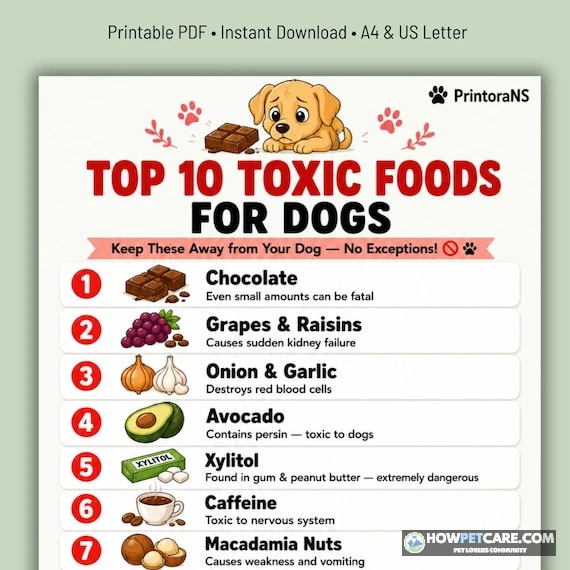
Human party food differs from dog food. Even foods that seem harmless can cause acute organ failure, dangerous drops in blood glucose, or intestinal blockages in dogs. Keep every human snack platter off-limits to pets unless you’ve verified that every ingredient is dog-safe.
Many sugar-free baked goods, gums, specialty peanut butters, and candies contain xylitol (often listed as birch sugar, wood sugar, or birch bark extract). Xylitol triggers a massive, rapid insulin surge in dogs that can cause severe hypoglycemia and acute liver failure within 30 to 60 minutes.
Dangerous foods reference table
This table covers common celebration foods that can poison or physically harm dogs.
| Food or ingredient | Why it’s harmful to dogs | Common party sources | How amount and dog size matter | What to do if eaten |
|---|---|---|---|---|
| Xylitol (birch sugar) | Triggers rapid insulin release; causes dangerous blood-sugar drops and possible liver failure | Sugar-free gum, sugar-free frosting and baked goods, specialty peanut butters, breath mints | Dangerous in minuscule amounts; a single stick of gum can be a life-threatening emergency for a 10 lb dog | Call an emergency vet or poison hotline immediately; don’t wait for symptoms |
| Chocolate and cocoa | Contains theobromine and caffeine; can overstimulate the central nervous system and cardiac muscle | Birthday cakes, brownies, cocoa powder dusting, candy bowls | Dark and unsweetened baking chocolate are far more dangerous than milk chocolate; small dogs reach toxic thresholds quickly | Call your vet with the exact chocolate type, estimated ounces eaten, and your dog’s body weight |
| Grapes and raisins | Can trigger acute, irreversible kidney failure; the exact toxic mechanism remains clinically unconfirmed | Fruit platters, trail mixes, charcuterie boards, carrot cakes | No safe minimum threshold exists; severe toxicity has occurred from only a few raisins | Treat any ingestion of grapes or raisins as an immediate veterinary emergency |
| Onions, garlic, chives | Contain disulfides and thiosulfates that cause oxidative damage to red blood cells, causing hemolytic anemia | Dips, salsa, garlic bread, barbecue glazes, burger patties | Raw, cooked, and powdered forms are equally toxic; damage accumulates over successive exposures | Note estimated volume, contact your vet, and monitor gums for pale coloration over the following 3–5 days |
| Alcohol | Rapidly absorbed; depresses the central nervous system, dropping body temperature, blood pressure, and blood sugar | Spilled beer, cocktail glasses on low tables, boozy punch bowls, rum-soaked desserts | Small dogs can experience dangerous ethanol intoxication from only a few laps of a mixed drink | Move the dog away from spills, check responsiveness, and call an emergency clinic immediately |
| Caffeine | Methylxanthine stimulant that causes heart rate spikes and dangerous cardiac arrhythmias | Coffee cups, iced tea, energy drinks, chocolate-covered espresso beans | Smaller dogs can develop rapid heart rate spikes and tremors from modest amounts of coffee grounds or liquid | Call your vet or poison helpline with the estimated volume ingested |
| Macadamia nuts | Causes non-fatal but distressing neurotoxicity: weakness, vomiting, ataxia, tremors, and high body temperature | Mixed nut platters, white chocolate cookies, dessert trays | Even small amounts can cause pronounced hind-limb weakness in small to medium dogs | Contact your vet if more than a single crumb or fragment was consumed |
| Raw yeast dough | Expands inside the warm, moist stomach, causing bloat; produces ethanol as yeast ferments | Unbaked homemade pizza dough, unbaked dinner rolls set out on counters | Even a small golf-ball sized portion of raw dough can expand to cause gastric distension | Seek emergency veterinary care promptly to prevent gastric dilatation-volvulus (bloat) |
| Cooked bones and corn cobs | Cooked bones become brittle and splinter into sharp shards; corn cobs can’t be digested and form dense foreign-body obstructions | Rib platters, chicken wings, buffalo drumsticks, corn on the cob | Cob cores cause life-threatening intestinal obstructions in dogs of all sizes, requiring surgical removal | Watch for vomiting, painful abdomen, and straining; seek immediate veterinary care if swallowed |
| High-fat scraps | Can trigger acute pancreatitis, an excruciating inflammatory condition of the pancreas | Pork fat trimmings, buttery pastry crusts, creamy cheese dips, gravy | Even moderate amounts can trigger severe flare-ups in small dogs or breeds prone to pancreatitis | Monitor for repeated vomiting, lethargy, or arched-back abdominal pain over 24–48 hours |
Before guests arrive, save the phone numbers for your primary vet, your nearest 24-hour emergency clinic, and a pet poison hotline (such as ASPCA Animal Poison Control at 888-426-4435 or Pet Poison Helpline at 855-764-7661) in your contacts. Hotlines typically charge a consultation fee. Never induce vomiting unless directly instructed to do so by a licensed veterinary professional.
If a dog eats something it shouldn’t: a 5-step response
If your dog or a visiting pet gets into an off-limits food during the party, follow this protocol:
-
Remove access and secure the dog
Calmly move the dog into an empty, secure room away from all food sources. Prevent other pets from accessing whatever fell or spilled.
-
Identify the exact substance and quantity
Retrieve any packaging, ingredient labels, or wrappers. Estimate the weight or volume consumed and note the exact time of ingestion.
-
Call your vet or a pet poison helpline
Do not wait for clinical signs like vomiting, diarrhea, or staggering. Provide the specialist with the dog’s weight, substance name, estimated amount, and time elapsed.
-
Follow professional instructions only
Never administer hydrogen peroxide, salt, or other home emetics unless a veterinarian explicitly tells you to. Certain caustic foods, doughs, or sharp bones cause worse damage if vomited back up.
-
Transport safely if instructed to visit the clinic
If an in-person visit is recommended, bring the product packaging or wrapper along with you so the clinical team can calculate exact dosages.
Setting house rules for guests
Well-meaning guests are the number one source of unauthorized treats. Set clear rules before the party starts:
- Set up a designated dog station: Place water bowls and approved treats on a dedicated table, separate from human food and drinks.
- Put human food up high: Keep snacks on elevated dining tables or kitchen islands, well beyond the reach of the tallest attending dog’s snout.
- Brief guests upon arrival: Say: "Please do not feed the dogs anything from your plate. We have a bowl of safe treats on the side counter you are welcome to use instead."
- Secure trash bins: Empty open trash cans and use latched or heavy-lidded bins so scavenging dogs can’t tip them over to reach chicken bones or grease-soaked paper plates.
- Collect guest dog allergy notes beforehand: Ask each visiting owner whether their pet has intolerances to chicken, beef, dairy, or grains.
Dog-Safe Birthday Cake Recipe: Peanut Butter Pupcakes With Quantities and Portions
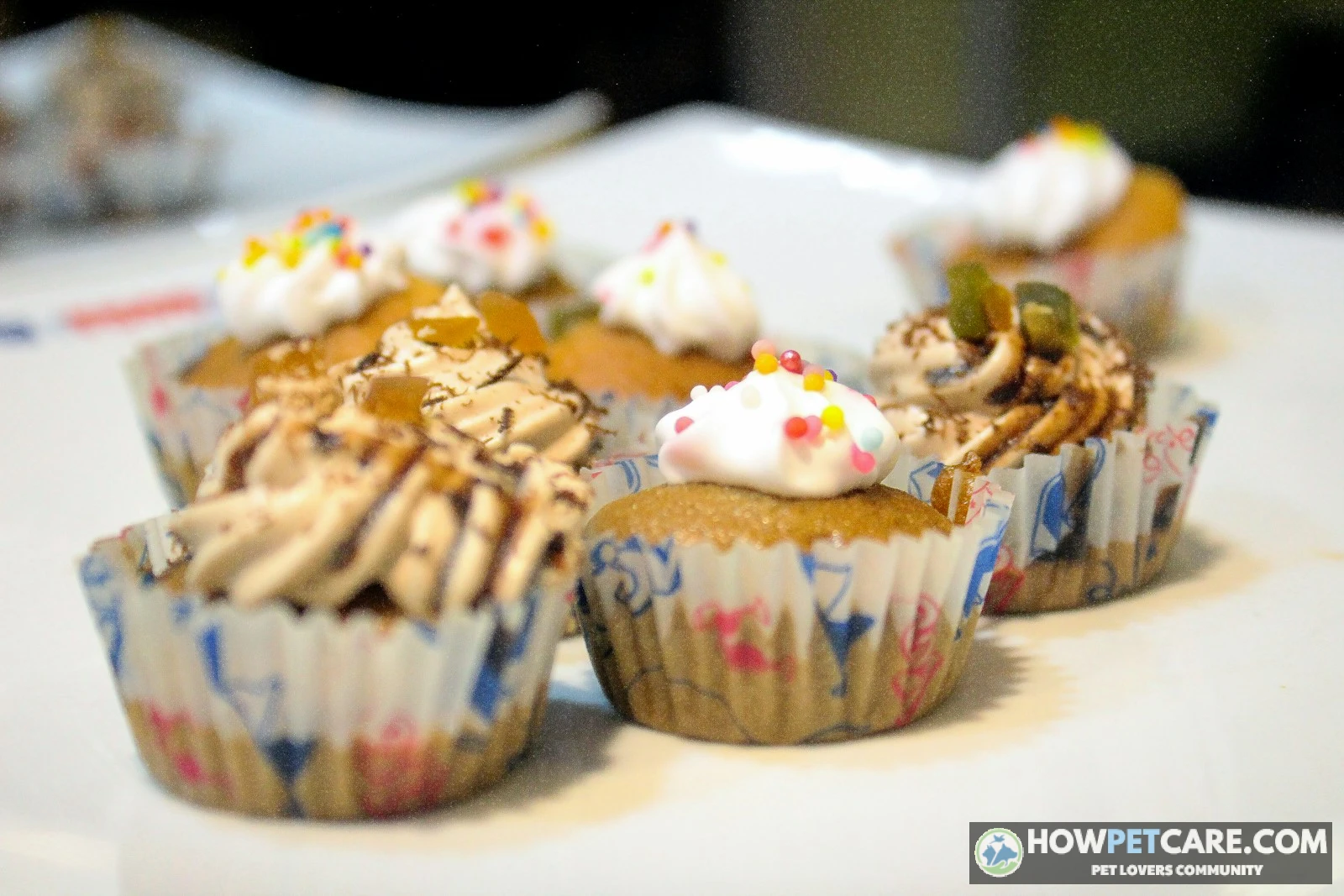
Many party guides suggest "baking a pupcake" without providing ingredient quantities or baking times. This tested, canine-safe recipe uses accessible pantry staples to make dense, moist mini-cakes dogs love. It contains no added refined sugars, artificial sweeteners, or toxic flavorings.
Check the ingredients panel on your peanut butter jar. The only acceptable ingredients should be peanuts and salt. If the label lists xylitol, birch bark extract, or artificial sweeteners, do not use it under any circumstances.
Ingredients and equipment
Yield: 12 standard pupcakes or 24 mini pupcakes
Oven Temperature: 350°F (175°C)
Bake Time: 15–18 minutes for mini pupcakes; 20–24 minutes for standard pupcakes
Dry and wet batter ingredients:
- 1½ cups (190 g) whole-wheat flour or oat flour (use oat flour for dogs with mild wheat sensitivity)
- 1 tsp (4 g) aluminum-free baking powder
- ½ cup (130 g) smooth, unsweetened, xylitol-free peanut butter
- 1 large ripe banana, mashed thoroughly (approx. ½ cup / 115 g)
- 1 large egg, room temperature
- ⅓ cup (80 ml) unsweetened applesauce (or pure pumpkin purée)
- ½ cup (120 ml) warm water or low-sodium, onion- and garlic-free beef or bone broth
Equipment:
- Standard 12-cup muffin tin or 24-cup mini muffin tin
- Paper cupcake liners or silicone baking cups
- Medium mixing bowl and whisk
- Fork or potato masher
- Toothpick (for testing doneness)
- Wire cooling rack
Step-by-step method
- Preheat the oven: Set the oven to 350°F (175°C). Line the muffin tin with silicone baking cups or light paper liners.
- Mix dry ingredients: In a medium bowl, whisk the whole-wheat flour (190 g) and baking powder (4 g) until combined.
- Blend wet ingredients: In a separate bowl, mash the ripe banana with a fork. Whisk in the xylitol-free peanut butter (130 g), egg, unsweetened applesauce (80 ml), and water or broth (120 ml). Stir until smooth.
- Combine: Pour the wet mixture into the dry flour mixture. Fold gently with a wooden spoon or silicone spatula just until the flour is hydrated. Don’t overmix; dog cake batter is naturally thicker than human cake batter.
- Portion: Spoon the batter into the prepared tin, filling each cup roughly three-quarters full.
- Bake: Bake mini pupcakes for 15 to 18 minutes, or standard pupcakes for 20 to 24 minutes. Insert a clean toothpick into the center of a cake; it should emerge clean, with no wet batter.
- Cool completely: Transfer the tin to a wire rack for 10 minutes, then remove the pupcakes and let them cool completely before frosting. Yogurt or purée will melt and slide off a warm cake.
Frosting options and no-bake alternative
Choose one of these dog-safe frostings:
- Greek Yogurt Frosting: Blend 1 cup (245 g) of plain, non-fat, unsweetened Greek yogurt with 2 tablespoons (32 g) of xylitol-free peanut butter until smooth. Spoon directly onto the pupcakes. Note: Skip this option for dogs known to be sensitive to dairy lactose.
- Golden Sweet Potato Frosting: Steam or bake 1 large sweet potato until fork-tender. Peel off the skin and mash the flesh until smooth. Let it cool completely, then pipe or spread it onto the cooled pupcakes.
- Pure Pumpkin Frosting: Use 100% pure canned pumpkin purée (not pumpkin pie filling, which contains sugar, nutmeg, and allspice). Spread it directly onto the pupcakes.
No-Bake Summer Alternative (Dog Ice Cream Cake):
Blend 2 ripe bananas, 1 cup of plain unsweetened Greek yogurt, and 3 tablespoons of xylitol-free peanut butter in a food processor until creamy. Pour into silicone molds or a round silicone cake pan, top with a handful of fresh blueberries, and freeze solid for 3 to 4 hours. Pop out and serve immediately outside.
How much cake per dog: portions by size
Even dog-safe treats should stay within sensible dietary limits. A standard veterinary guideline is that supplemental treats should make up no more than 10% of a dog’s total daily caloric intake. Since parties involve other treats, keep cake portions conservative:
- Toy dogs (under 10 lbs): ¼ of a mini pupcake. (Refrigerate or freeze the remainder).
- Small dogs (10–25 lbs): ½ of a mini pupcake.
- Medium dogs (26–55 lbs): 1 full mini pupcake.
- Large dogs (56–80 lbs): 1 standard pupcake or 2 mini pupcakes.
- Giant breeds (80+ lbs): 1 to 1½ standard pupcakes.
If your dog has a history of pancreatitis, chronic kidney disease, severe allergies, or diabetes, do not introduce new rich ingredients like peanut butter or whole eggs without your veterinarian’s approval. You can create a celebratory "cake" using your dog’s regular canned prescription food pressed into a small round mold, topped with a dollop of pumpkin purée.
Candle safety: Never leave an open flame within a dog’s reach. For a birthday candle photo, insert a single candle, light it, and snap the photo from 4 feet away while holding your dog on a leash. Blow the flame out completely and remove the candle and wick entirely before offering the cake to your dog.
Buying from a dog bakery: what to ask
If you’d rather order from a professional dog bakery than bake at home, ask these four questions to check the cake’s quality:
- Can you provide a full, written ingredient list for the cake base and frosting?
- Do any of your flavorings, glazes, or peanut butters contain xylitol, birch sugar, or artificial sweeteners?
- What flour do you use, and do you offer grain-free or wheat-free options for sensitive dogs?
- Do you prepare dog cakes in a facility that also processes human chocolate or nuts?
Dog Party Guest List: How Many Dogs to Invite and How to Keep Everyone Safe
Large crowds may work for human parties, but overcrowding can make dog gatherings hazardous. Keep the guest list thoughtful, the numbers manageable, and human handlers attentive.
How many dogs is too many?
Keep numbers small, especially if you’ve never hosted dogs in your home. The recommended ratio is:
- Apartment or small indoor space: 1 to 2 guest dogs maximum.
- Suburban home with a fenced backyard: 3 to 4 guest dogs maximum.
- Rented commercial private park or daycare facility: 6 to 8 dogs, provided space allows 200+ square feet per dog and multiple handlers are present.
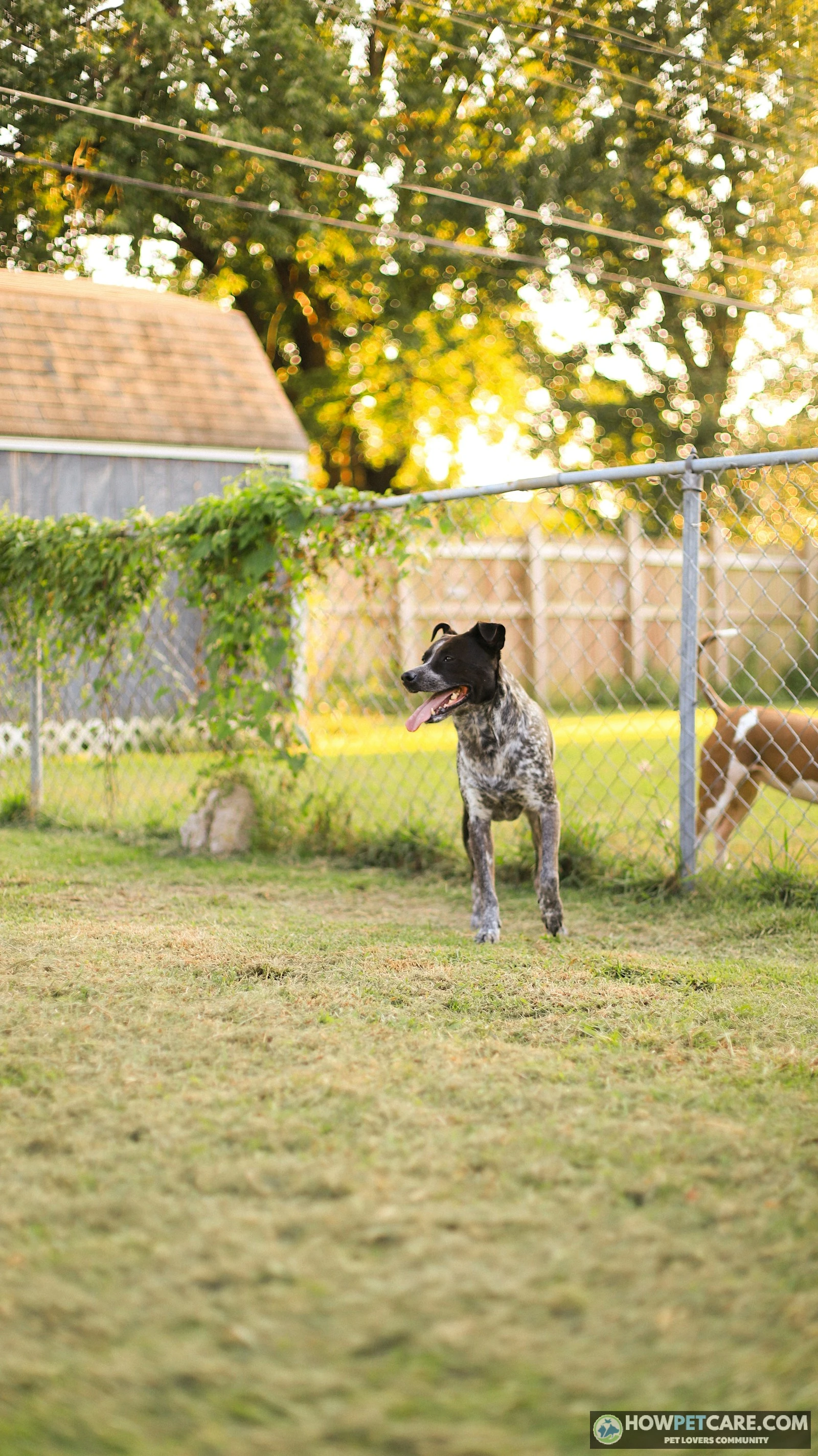
Every visiting dog must have at least one dedicated adult handler. One person managing two high-energy dogs can’t react quickly enough if a scuffle breaks out or someone bumps an open gate.
Who to invite—and who to leave off the list
Invite only dogs your dog already knows, likes, and has played with successfully on neutral ground. A birthday party isn’t the place to test whether your dog can make new friends.
Leave these dogs off the guest list:
- Dogs with known resource-guarding behaviors involving toys, food, or human attention.
- Dogs that display fear-based or leash reactivity toward other canines.
- Intact male dogs or unspayed females in season, which can raise arousal levels within a pack.
- Mismatched size pairings: avoid mixing fragile 6-pound toy breeds with 80-pound rough players, since accidental crush injuries can occur during exuberant chase games.
Vaccination and health expectations
Before confirming attendance, ask every guest to confirm that their dog is current on core vaccinations (Rabies, DHPP), Bordetella (kennel cough), and flea/tick preventatives. Puppies that haven’t completed their full 16-week vaccination series shouldn’t attend group parties with non-household dogs.
Politely ask owners to keep their dog home if the pet has shown any coughing, sneezing, vomiting, diarrhea, or eye discharge within the 48 hours prior to the party.
Safe introductions and warning signs
Don’t have a guest dog walk straight through your front door into a room where other dogs are already gathered; this triggers territorial arousal. Instead, introduce arriving dogs on neutral territory outside:
- Parallel walk: Have the arriving dog and the host dog walk on leash in the same direction on opposite sides of the street for 3 to 5 minutes.
- Yard entry: Let the visiting dog into the fenced yard first to sniff the perimeter, then release the host dog.
- Drop leashes: Once greetings are calm and bouncy, remove or drop leashes. Tight leashes prevent natural canine body language and can cause defensive snapping.
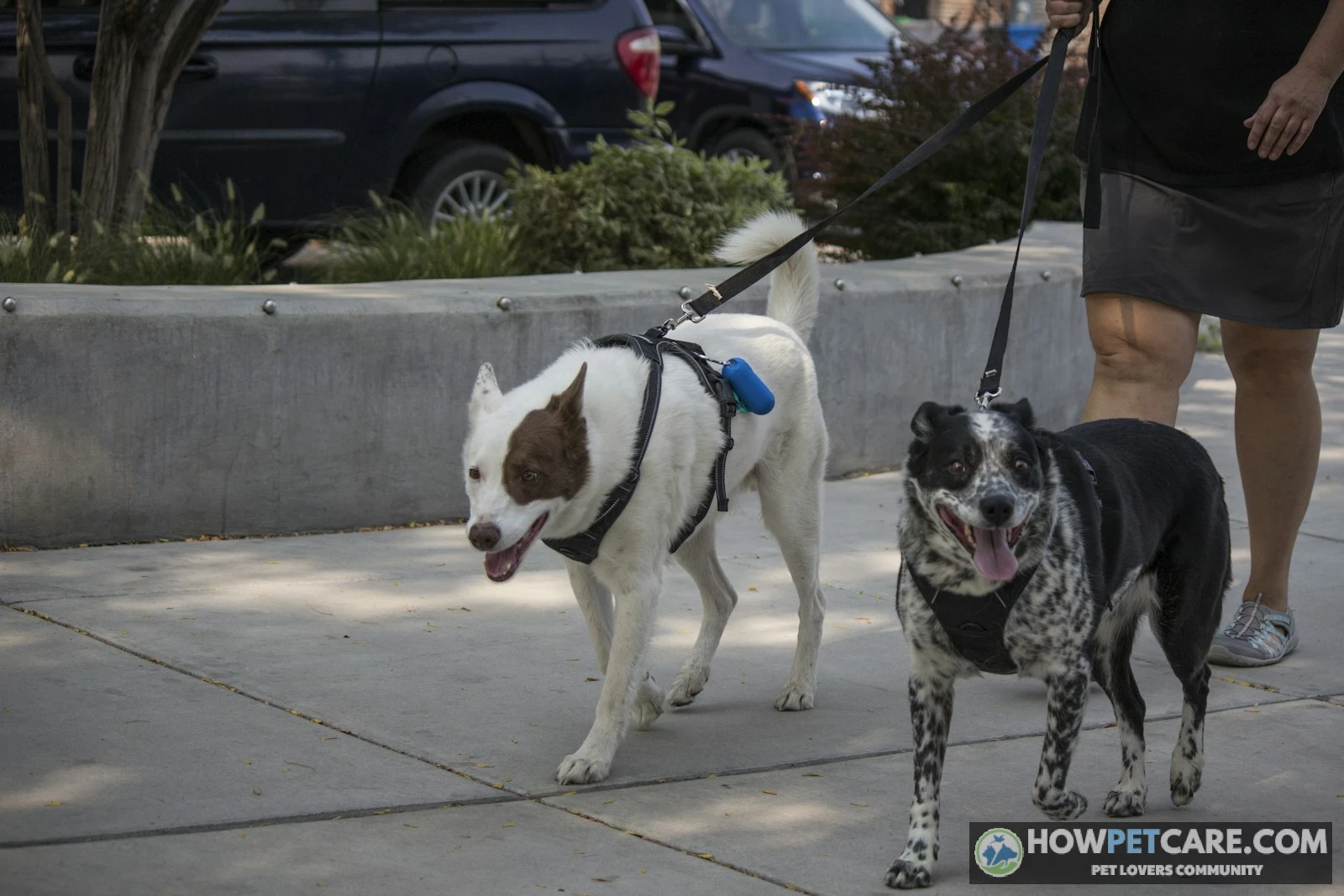
Watch closely for stress signals. If you see stiff body posture, a hard eye, raised hackles, persistent lip-licking, yawning, or one dog repeatedly cornering another without taking turns, intervene calmly. Call the dogs apart, leash them, and give both animals a 10-minute quiet break in separate rooms.
Preventing food aggression at the treat table
Food aggression and resource guarding are the most common causes of dog fights at birthday parties. Set clear feeding rules to prevent incidents:
- Pick up all high-value items beforehand: Gather and put away regular chew toys, tennis balls, marrow bones, and food bowls before guest dogs arrive.
- Separate for cake time: Don’t place a cake platter in the center of a circle of dogs. Serve pupcakes with dogs seated on leashes 8 to 10 feet apart, or place each dog in a separate room, behind a baby gate, or in their traveling crate while eating.
- No casual floor tossing: Ask human guests never to toss high-value treats into a cluster of competing dogs.
Use this invitation template to set out the ground rules without making them awkward:
🐾 You’re invited to [Dog’s Name]’s Birthday Celebration!
When: [Day, Date], [Start Time] – [End Time] (about 1 to 1.5 hours)
Where: [Address / Yard / Venue]A few ground rules to keep every pup safe, relaxed, and happy:
• Dogs arrive leashed; we will do quick parallel walks outside before heading into the yard.
• Please confirm your pup is current on core vaccines and flea/tick prevention.
• If your dog feels under the weather or displays signs of kennel cough, please keep them home—we will drop off cake for them later!
• Please do not feed dogs from the human snack table; we have dedicated dog-safe treat stations.
• One adult human per dog, please, so every pup has a dedicated set of eyes.Two quick questions for your RSVP:
- Does your dog have any food sensitivities or allergies (chicken, grains, dairy)?
- Does your dog have any social triggers we should avoid (toy guarding, loud noises)?
RSVP by [Date]. We can’t wait to play! 🎂
Dog Birthday Party Games and Activities by Age and Personality
Generic party games can overwhelm shy dogs or exhaust older pets. Choose activities that suit your dog’s developmental stage and physical ability.
Activity matrix: match the game to the dog
| Dog profile | Best activities | Skip these | Session length |
|---|---|---|---|
| Puppy under 1 year (vaccines completed) | Sniffy treat scatter on clean grass, low tunnel walk-through, soft-texture exploration box | Wrestling-style group games, long-distance fetch, multi-dog chase packs | 30–45 min total, with mandatory nap breaks |
| High-energy adult | Fetch relays, supervised flirt pole, DIY low agility hurdle course, dog-safe bubble chase | Multi-dog tug-of-war, unattended toy piles | 15–20 min game blocks with hydration rest between |
| Social, food-motivated adult | Scent discovery games, muffin-tin puzzle (kibble hidden under tennis balls), pupcake tasting station, bandana photo booth | Free-for-all treat toss games, communal chew zones | 10–15 min per activity station, rotating dogs individually |
| Senior or mobility-limited | Ground-level snuffle mat work, slow scenic sniff stroll, textured lick mat with pumpkin, soft memory foam lounge zone | High-impact jumps, running games, slick hardwood surfaces | Short bursts; let the dog opt out and sleep anytime |
| Anxious or reactive | Quiet one-on-one chew session, snuffle mat in an empty room, calm solo walk in a secluded park | All multi-dog group games, party hats, crowded rooms | As long as the dog remains relaxed; end early rather than late |
Puppy-friendly activities (under 1 year)
Young puppies tire quickly and can become mouthy and overstimulated when overtired. Keep activities short:
- The Sniff Scatter: Scatter small pinches of dried beef liver or plain kibble across a 10×10 foot patch of lawn. Let the puppies use their noses to hunt. Sniffing lowers heart rates and encourages natural foraging without high physical impact.
- Low Tunnel Walk-Through: Set a soft pop-up agility tunnel flat on the lawn. Gently guide puppies through with a treat to build confidence. Never force a hesitant pup inside.
Adult dogs: energy-burning games
Healthy adult dogs with solid recall can enjoy focused, interactive games:
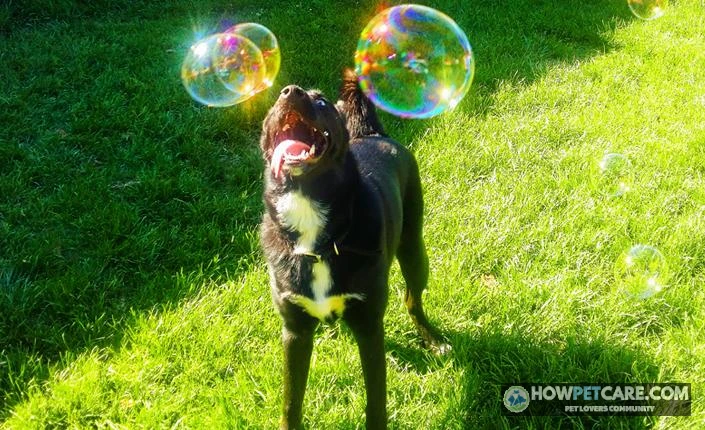
- Dog-Safe Bubble Chases: Use non-toxic, bacon- or peanut-butter-scented bubbles formulated specifically for pets. Blow them into the wind across the yard and let dogs leap and pop them. Standard dish soap bubbles can irritate canine eyes and stomachs, so check that the label says they’re formulated for pets.
- Muffin-Tin Brain Game: Take a standard 12-cup metal muffin tin, drop 2 to 3 healthy treats into the wells, and place a standard tennis ball over each well. Let dogs take turns figuring out how to nudge the balls away with their noses to reach the food rewards.
Senior dogs and limited mobility
Older dogs can enjoy the sensory stimulation of a celebration without the physical strain of running:
- Lick Mat Stations: Spread pure pumpkin purée or plain Greek yogurt across textured silicone lick mats and freeze them for 30 minutes. Licking releases endorphins that promote canine relaxation.
- Scent Exploration Box: Fill a shallow cardboard box with crumpled butcher paper and hide small, aromatic treats inside. Your dog can search while lying down or standing comfortably on a non-slip rug.
Anxious and reactive dogs: calm options
For dogs that can’t handle group environments, a good "party" means calm, focused time with their favorite human:
- Quiet Snuffle Mat Session: Place a dense fleece snuffle mat in your living room and bury dried salmon bites deep within the fabric folds.
- Decompression Trail Walk: Drive your dog to a low-traffic regional park or quiet nature preserve. Attach a 15-foot long line and let them sniff undisturbed for 45 minutes.
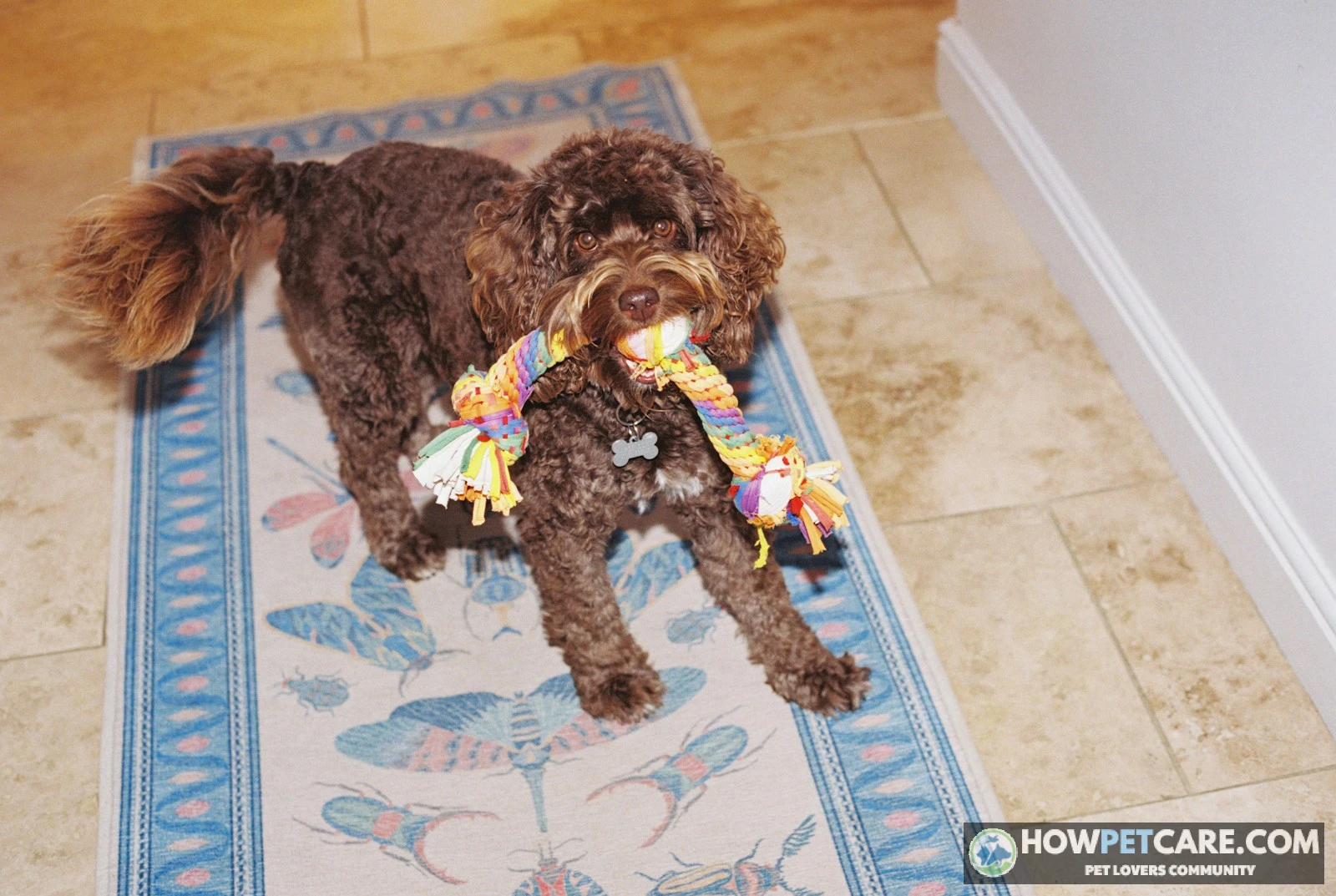
Bandanas are widely tolerated by dogs. Elastic party hats and bulky costumes often cause distress. If your dog freezes, tucks their tail, or scratches at an outfit, remove it immediately. A comfortable, unadorned dog is far happier than a miserable dog in a costume.
How to Celebrate Your Dog’s Birthday Without Throwing a Party
You don’t have to host a multi-dog gathering, and it isn’t right for every dog. For many owners—and the majority of dogs—a solo celebration built around personal favorites is more enjoyable than hosting a pack of visitors.
Favorite-things day: a simple plan
Plan a day around what your dog enjoys:
- Morning Sniffari: Skip the usual hurried neighborhood walk. Drive to a beach, nature trail, or quiet school campus on a weekend morning. Let your dog set the pace and sniff every post, tree, and blade of grass without tugging the leash. Novel scents provide mental enrichment and reduce stress.
- The Pet Store Toy Pick: Take your dog to a pet-friendly supply store during a quiet mid-morning hour. Walk down the toy aisle and let them nose the lower bins. Whichever toy they mouth or pull out is their gift for the day.
- Midday Spa Session: If your dog enjoys physical affection, spend 20 minutes brushing their coat with a slicker brush, followed by a gentle canine massage along their shoulders and spine.
- Evening Special Meal: Top their regular dinner kibble with warm bone broth, two tablespoons of pumpkin purée, and a few small cubes of boiled chicken breast.
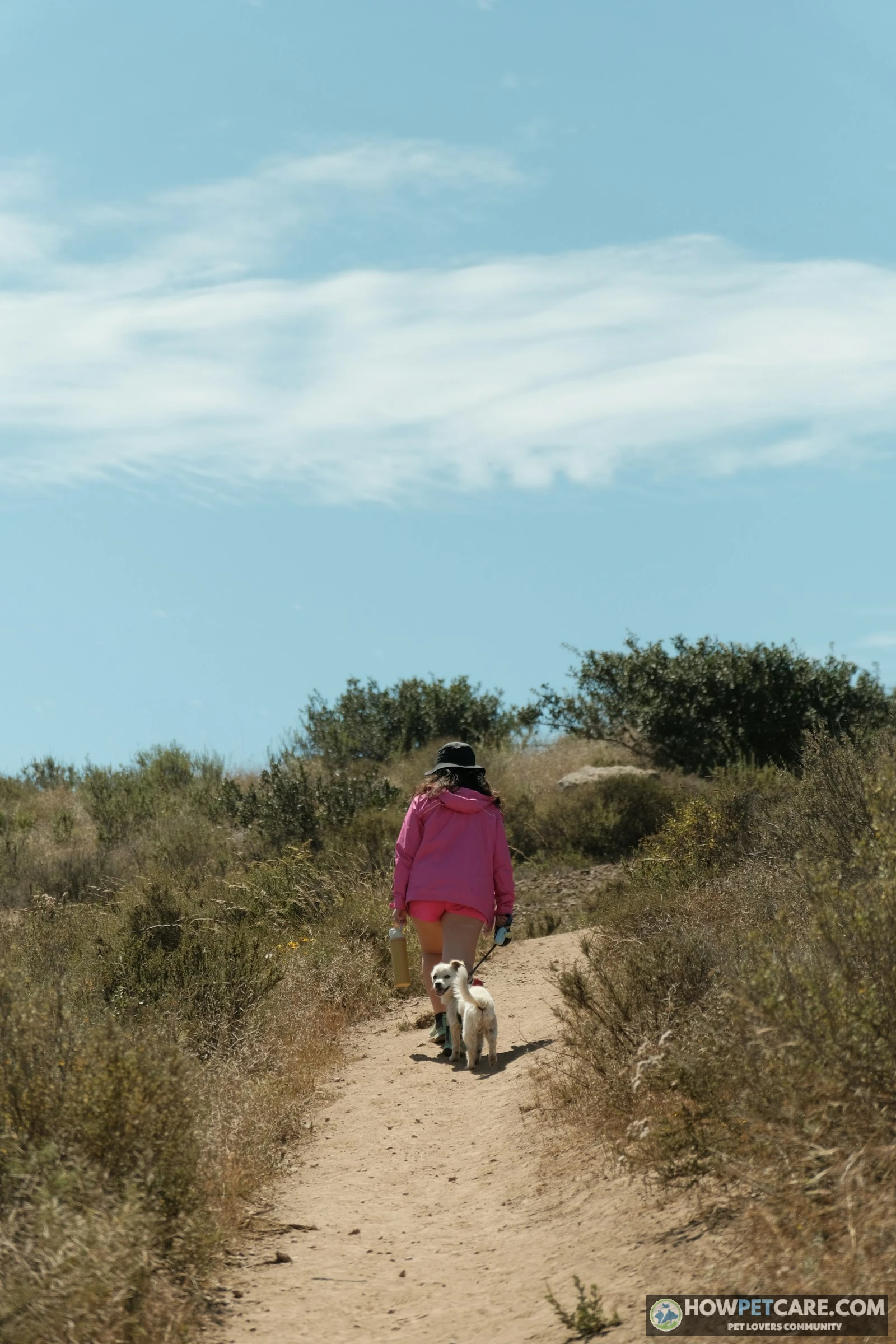
Photo shoot and pet photographer tips
Photos can make lasting keepsakes. If you hire a professional pet photographer, choose someone who specializes in animals and understands canine stress signals. They’ll use long telephoto lenses to work quietly without crowding your dog’s space.
For a home photo session:
- Set your photo station near an open window for bright, indirect natural light; avoid harsh camera flashes.
- Hold a squeaker or crinkle toy directly beside the camera lens to capture alert, forward-facing ears.
- Limit the session to 5 to 7 minutes. Finish while your dog is still happily working for treats.
Donations and giving back in your dog’s name
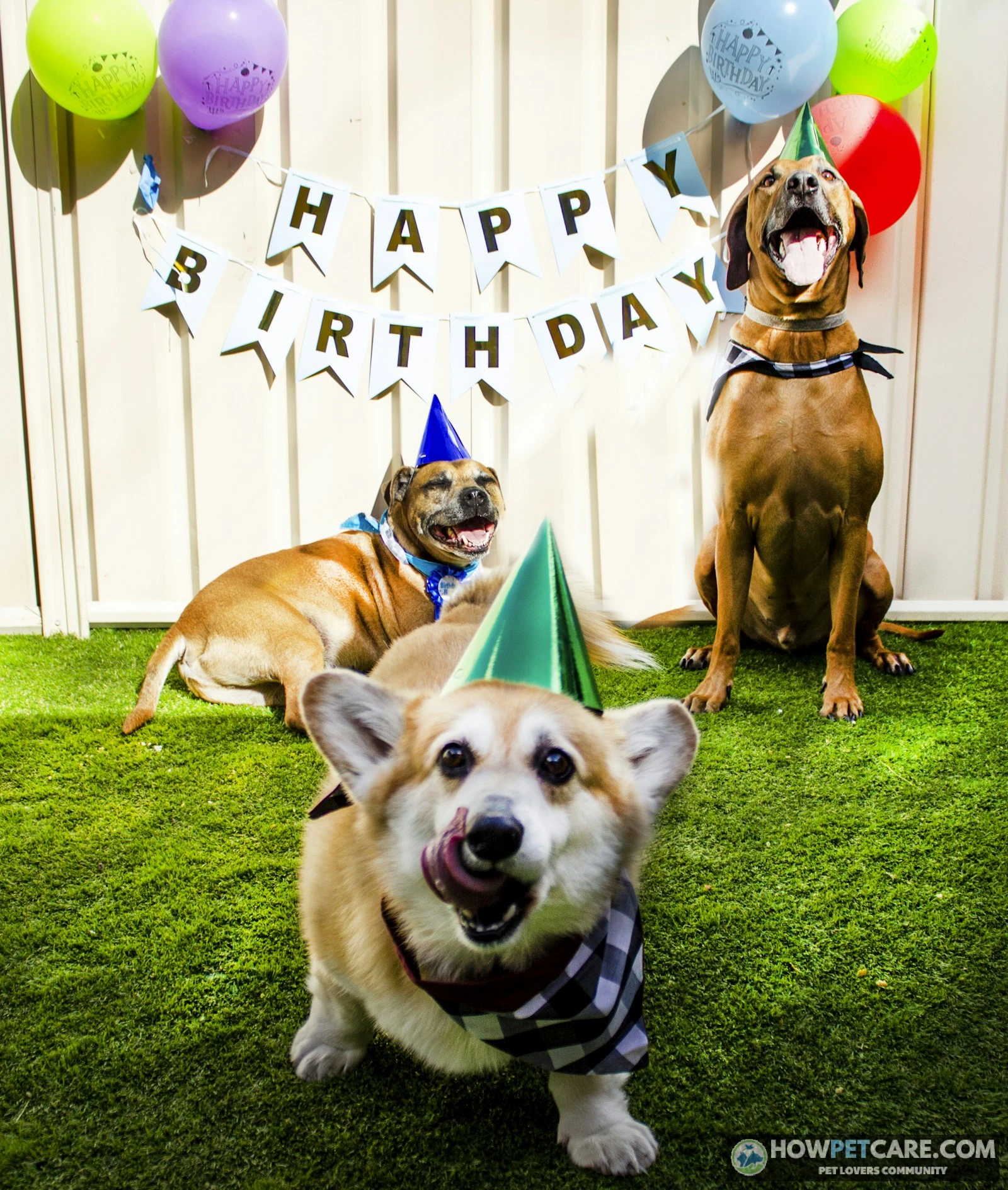
If your dog already has every comfort, celebrate them by supporting dogs still waiting for homes. This is also the spirit behind the Make a Dog’s Day holiday, which encourages adoption and small kindnesses for shelter pets:
- Donate a 30-pound bag of high-quality food to your local animal shelter’s pet pantry.
- Purchase durable rubber chew toys (like classic Kongs) and drop them off at a rescue facility.
- Sponsor the adoption fee for a long-stay shelter dog in your dog’s honor.
Unknown Birth Date? Choosing a Gotcha Day or Estimated Birthday for a Rescue Dog
Millions of rescue dog owners don’t know their pet’s true date of birth. That doesn’t prevent you from celebrating; it gives you the freedom to choose a date with personal meaning.
How to pick an estimated birthday
If you’d like an estimated birth date for medical records or calendar milestones, try one of these three approaches:
- Work backward from shelter paperwork: Shelter intake forms typically list an estimated age upon arrival (for example, "Estimated 2 years old on October 12"). Pick that month and assign an easy-to-remember day, like the first or fifteenth.
- Consult your veterinarian’s dental assessment: Veterinarians estimate a young dog’s age by examining tooth eruption and wear. Adult incisors and canines emerge between 4 and 6 months of age. Light tartar accumulation typically suggests 1 to 2 years of age, while heavier wear and gum recession usually indicate 5 or more years. Your vet can estimate a reasonable birth month based on these markers.
- Choose a seasonal anchor: If intake records simply note that your dog was found as a spring stray, pick the vernal equinox or a meaningful spring holiday as their official birthday.
Gotcha day vs. birthday: which to celebrate
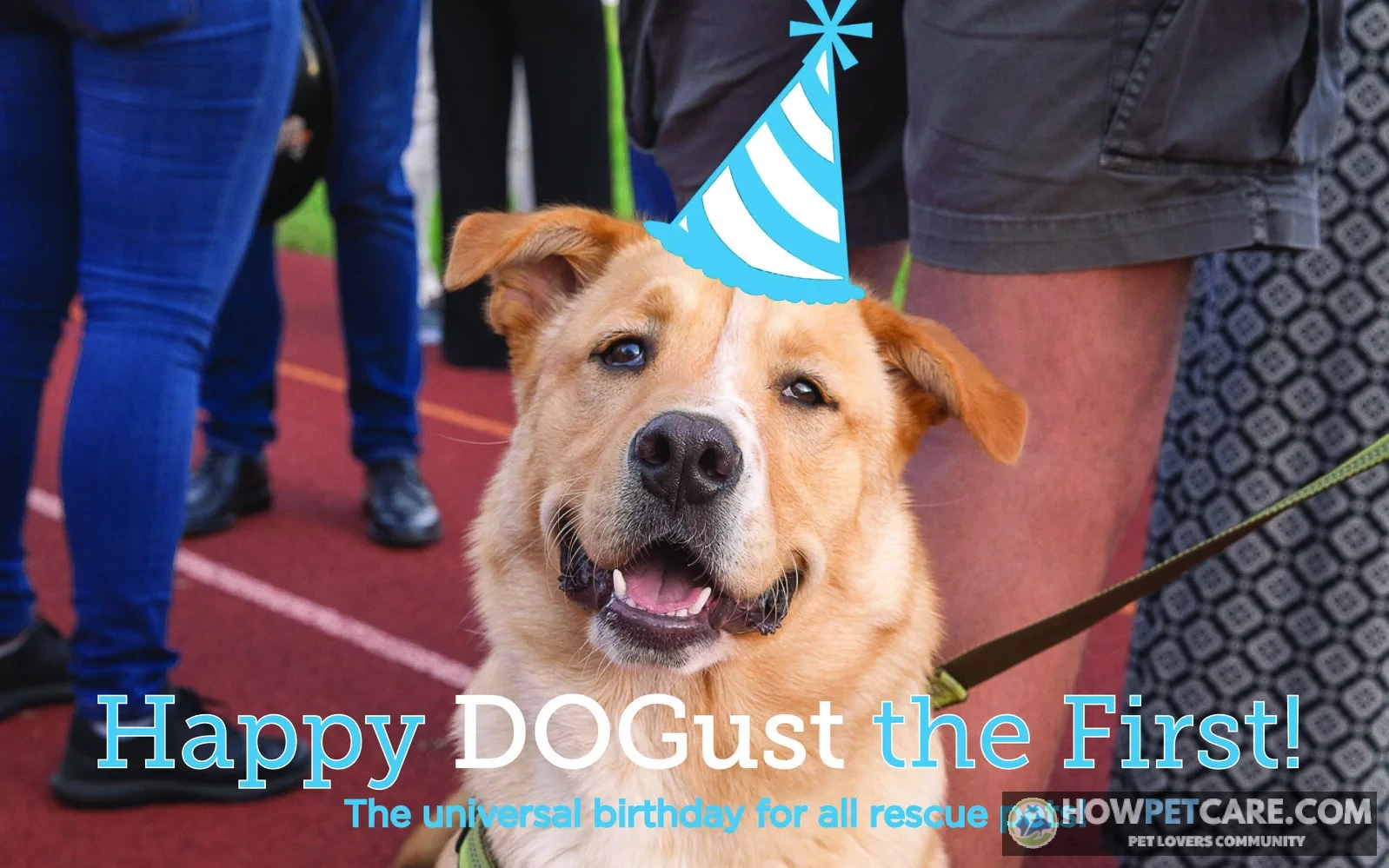
A "Gotcha Day" marks the calendar anniversary of the day you finalized adoption paperwork and brought your dog home. A birthday celebrates the animal’s biological life.
Neither option is better. Many owners choose Gotcha Day because the date is precise and marks the beginning of their time together. Others prefer an estimated birthday so their rescue dog can share the traditional milestone enjoyed by dogs with documented pedigrees. Celebrate whichever feels natural, or mark both with small gestures.
Gentle anniversary ideas for newly adopted dogs
If your rescue dog has been in your home for less than a year, loud celebrations with outside guests can overwhelm them while they’re still decompressing.
- Recreate the first quiet walk: Take a peaceful stroll along the first neighborhood loop your dog completed after arriving home.
- Write down their growth: Keep a running log or journal entry about milestones your dog achieved this year: mastering house-training, learning to play with a toy, or relaxing their ears during car rides.
- Send an update to the rescue: Shelter workers and foster parents appreciate photo updates showing their former charges happy, healthy, and thriving in permanent homes.
Dog Birthday Party Cost and Venues: Budget Tiers, Where to Book, and What to Skip
A pet event can be as affordable as a $15 grocery trip for baking ingredients or as elaborate as renting a private canine agility arena. Set your expectations before shopping to keep costs under control.
Cost tiers: DIY, mid-range, and hosted
Planning estimates only—prices vary by region and supplier. Verify against local vendor quotes before budgeting.
| Tier | What it looks like | Typical items included | Estimated cost range (2026) | What to skip |
|---|---|---|---|---|
| Minimal / DIY | At-home backyard celebration, household dogs only | Homemade pupcakes from pantry staples, bandanas already owned, simple yard games, everyday treats | Under $25 | Purchased party favors, themed paper plates, novelty outfits |
| Mid-range | Small gathering at home or dog park with 2–4 guest dogs | Specialty bakery cake, safe cardboard/paper banners, single-ingredient guest treat favors, simple photo backdrop | $25–$75 | Elaborate costumes, bulk toy purchases, professional photography |
| Hosted commercial | Event held at a dog daycare, canine cafe, or rented field | Rental venue fee, custom multi-tiered bakery cake, curated favor bags, professional pet photography | $75–$250+ | Add-on venue packages like staff photography if you can photograph yourself |
Where to host a dog birthday party
The right space depends on how many dogs are attending and how reliably they recall when off-leash:
- Your own fenced backyard: The safest, lowest-stress, and most cost-effective option. Your dog knows the territory, bathroom logistics are straightforward, and you control the water and trash. Check that fences are secure and escape-proof before guests arrive.
- Private dog park rentals (e.g., via Sniffspot): Renting a private, fully fenced residential acreage or training yard by the hour offers a neutral setting. It prevents territory guarding while keeping strange dogs from wandering into your party.
- Dog daycare or training facilities: Many modern boarding facilities rent their indoor play yards on weekend afternoons. These spaces feature commercial sanitation, double-gated entry airlocks, and rubberized agility flooring that prevents slipping.
- Public dog parks: These are generally poor venues for structured birthday parties. You can’t control which strange, unvetted dogs enter, food treats can cause sudden dog fights, and many municipalities strictly prohibit private parties or food distribution in public dog runs.
Questions to ask any venue before you book
Before putting down a deposit on a commercial rental, ask:
- What are your vaccine verification requirements for attending dogs?
- What is your maximum capacity for dogs and humans in this specific area?
- Are outside human foods and dog treats permitted on the premises?
- What is your cancellation and weather-rescheduling policy for outdoor bookings?
- Do you provide dedicated waste disposal, poop bags, and sanitizing supplies, or must we supply them?
What you can skip
Save money by skipping these common commercial party supplies:
- Bulk plastic party favors: Cheap squeaky toys break within seconds and pose plastic ingestion hazards.
- Confetti and glitter banners: Dogs readily lick fallen food off floors and can ingest metallic confetti in the process. Stick to simple hanging paper signs.
- Balloons: Popping balloons terrify sound-sensitive dogs, and shredded latex fragments can cause intestinal blockages if swallowed.
Your Plan-This-Weekend Dog Birthday Timeline and Supply Checklist
Break the preparation into phases to make the celebration easier to manage.
Two weeks out to day-of: the timeline
| When | Tasks to complete | Notes and tips |
|---|---|---|
| 2 weeks out | Choose format (party vs. quiet day); confirm date, time, and location; set guest list | Limit party invites to 2–4 known dog friends; book private rental space if needed |
| 1 week out | Send invitations with house rules; gather vaccine records; confirm guest allergies | Buy baking ingredients or place an order with a reputable dog bakery |
| 2–3 days out | Inspect and dog-proof your yard or party space; test latches and fences | Clear lawn of all hazards; assemble photo station and gather spare leashes |
| Day before | Bake pupcakes and prepare frostings; freeze lick mats; set out trash cans | Chill water; verify emergency vet phone numbers and save to mobile phone |
| Morning of (2 hrs out) | Give your dog a 30-minute sniff walk; set up water and retreat room | Set up human snacks up high; stow away all household dog toys and chews |
| Party time (60–90 min) | Greet dogs on neutral ground outside; monitor play; serve pupcakes separately | Keep total event time under 90 minutes; wrap up while dogs are still calm and happy |
| Wrap-up | Clean up space, double-check lawn for dropped human scraps, let your dog nap | Send photos to attending guests and thank them for celebrating safely |
Supplies and quantities checklist
Gather your supplies using these item counts:
- Water stations: 1 large, fresh water bowl for every 2 to 3 dogs, placed in separate corners to prevent guarding.
- Pupcakes: 1 mini pupcake per guest dog, plus a few spare plain baked pupcakes without dairy frosting for sensitive stomachs.
- Clean-up gear: 2 full rolls of heavy-duty waste bags, a bottle of enzymatic cleaner, paper towels, and a dedicated, lidded outdoor trash can.
- First-aid essentials: Canine self-adherent wrap, sterile gauze pads, saline eye wash, styptic powder, and tweezers for burrs or ticks.
- Emergency contacts list: A printed index card with your vet’s phone number, nearest emergency vet clinic address, and pet poison control hotline numbers taped to the refrigerator.
Safe decorations, favors, and invitations
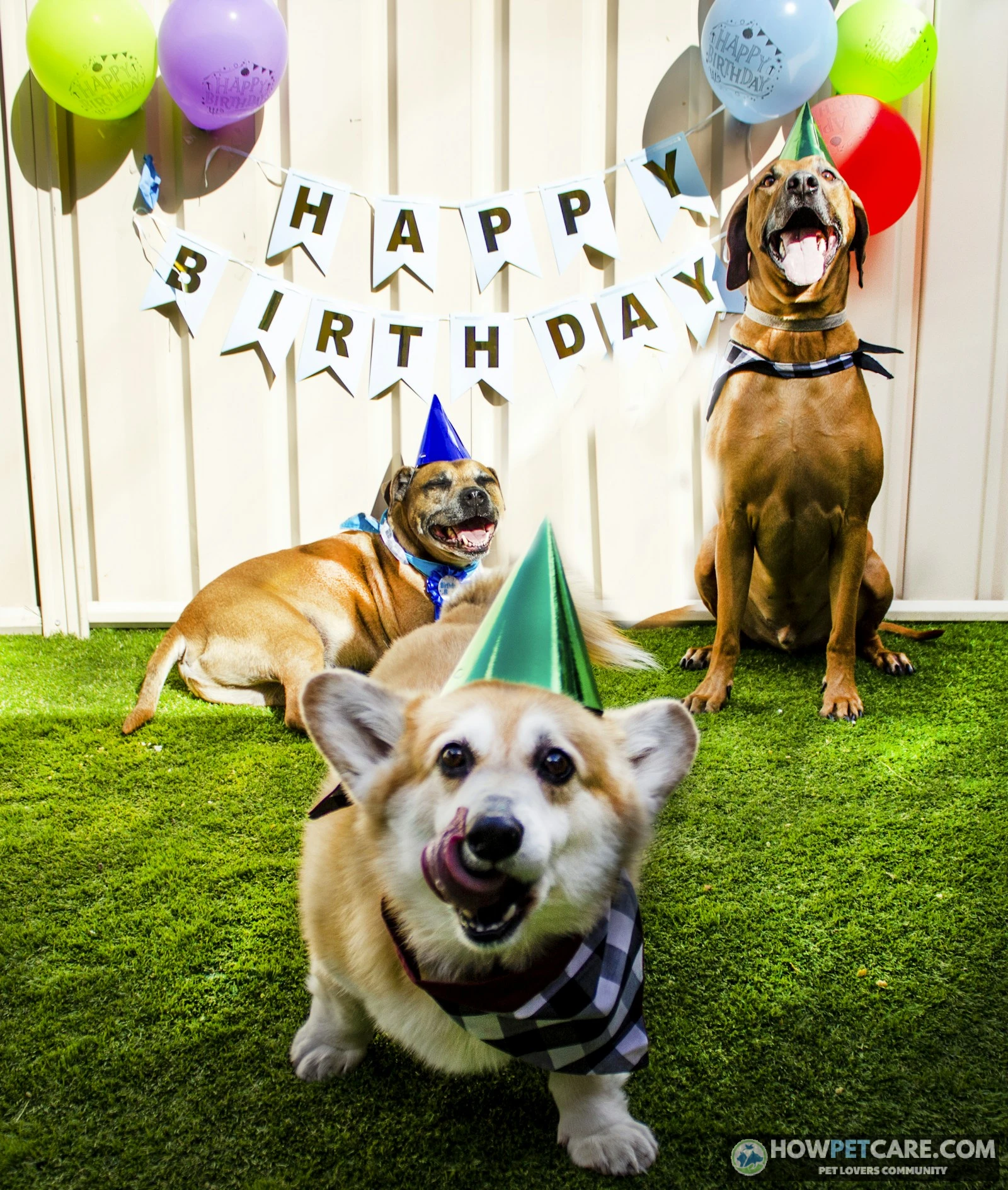
Keep decorations simple and position them well above eye level:
- Paper Bunting and Banners: Hang paper pennants high along fence lines or across mantels where jumping dogs can’t catch the corners.
- Photo Backdrop: Hang a simple canvas sheet or lightweight fabric backdrop flat against a wall, secured with painter’s tape. Place a non-slip rug beneath your dog to give their paws traction during seated photos.
- Safe Guest Favors: Pack individual brown paper bags with single-ingredient dehydrated sweet potato chews or freeze-dried beef liver bites. Clearly write the single ingredient on the outside of each bag so owners know what’s inside.
If something goes wrong: contingency plan
Even a carefully organized pet party can run into surprises. Have a plan for these three situations:
- A guest dog becomes overstimulated or aggressive: Keep extra 6-foot nylon slip leads by the door. Calmly slip the lead over the overstimulated dog, separate the animals without raising your voice, and walk the dog into your designated quiet retreat room (a bedroom or laundry room with water and a soft bed) to rest for 15 minutes.
- Sudden rain or bad weather: If you’re using an outdoor yard and the weather turns sour, don’t cram four high-energy dogs into a small living room. Instead, hold a quick, leashed cake-cutting on a covered porch or garage, distribute the party favor bags to your human guests, and wind down the event.
- A dog ingests an unauthorized scrap: Consult the dangerous food reference table in this guide immediately. Check packaging for xylitol, note the dog’s weight, and call your veterinarian or the poison hotline immediately. Staying composed helps you relay accurate clinical information to medical staff without delay.
1According to the temperament assessment guide, which dog automatically belongs in the lowest-tier (low-key celebration) category regardless of their score?
Dogs in the decompression phase of a new home, as well as those with resource guarding or leash reactivity histories, are designated for low-key celebrations to avoid distress.
2What specific medical risk makes raw yeast dough particularly dangerous if ingested by a dog?
Unbaked dough inflates inside the stomach, leading to gastric distension while releasing alcohol as the yeast ferments.
3When selecting canned pumpkin purée for a dog-safe pupcake frosting, which product type must be avoided?
Prepared pie fillings contain added sugars and toxic spices like nutmeg and allspice that can harm dogs.
4What is the general veterinary guideline regarding the maximum percentage of a dog's total daily caloric intake that supplemental treats should comprise?
Veterinary consensus dictates that all treats combined should not exceed one-tenth of a dog's total daily calorie budget to prevent nutrient imbalance.
5Which behavioral signal is classified as a 'yellow flag,' indicating that a dog is nearing its stress threshold during a party?
Displacement behaviors like unprovoked lip-licking, yawning, and brief freezes indicate escalating stress before overt aggression occurs.
6When introducing visiting guest dogs to the host dog at a home celebration, what is the recommended protocol to prevent territorial arousal?
Walking together at a distance on neutral ground diffuses excitement, and letting the guest explore the yard first minimizes host territory defense.
7Which activity is listed as ideal for a senior dog with mobility limitations during a birthday celebration?
Lick mats provide enriching sensory stimulation and endorphin release without placing stress on aging joints.
8Why are standard party balloons listed as a supply that owners should strictly skip for dog celebrations?
Sudden popping causes acute fear reactions, and swallowed balloon pieces can lead to gastrointestinal blockages.
9If a dog ingests an unauthorized scrap of food during a party, what is the critical rule regarding inducing vomiting?
Professional guidance is mandatory because bringing up sharp, caustic, or expanding materials can cause life-threatening complications.
10What is the recommended maximum number of guest dogs for a birthday party hosted in a suburban home with a fenced backyard?
Three to four guest dogs allow manageable supervision ratios and sufficient space in a standard fenced yard.
| Food or Ingredient | Why It's Harmful | Common Party Sources | Impact of Amount & Dog Size | Action if Eaten |
|---|---|---|---|---|
| Xylitol (birch sugar) | Triggers rapid insulin release; causes dangerous blood-sugar drops and possible liver failure | Sugar-free gum, sugar-free frosting and baked goods, specialty peanut butters, breath mints | Dangerous in minuscule amounts; a single stick of gum can be a life-threatening emergency for a 10 lb dog | Call an emergency vet or poison hotline immediately; don't wait for symptoms |
| Chocolate and cocoa | Contains theobromine and caffeine; can overstimulate the central nervous system and cardiac muscle | Birthday cakes, brownies, cocoa powder dusting, candy bowls | Dark and unsweetened baking chocolate are far more dangerous than milk chocolate; small dogs reach toxic thresholds quickly | Call your vet with the exact chocolate type, estimated ounces eaten, and your dog's body weight |
| Grapes and raisins | Can trigger acute, irreversible kidney failure; the exact toxic mechanism remains clinically unconfirmed | Fruit platters, trail mixes, charcuterie boards, carrot cakes | No safe minimum threshold exists; severe toxicity has occurred from only a few raisins | Treat any ingestion of grapes or raisins as an immediate veterinary emergency |
| Onions, garlic, chives | Contain disulfides and thiosulfates that cause oxidative damage to red blood cells, causing hemolytic anemia | Dips, salsa, garlic bread, barbecue glazes, burger patties | Raw, cooked, and powdered forms are equally toxic; damage accumulates over successive exposures | Note estimated volume, contact your vet, and monitor gums for pale coloration over the following 3–5 days |
| Alcohol | Rapidly absorbed; depresses the central nervous system, dropping body temperature, blood pressure, and blood sugar | Spilled beer, cocktail glasses on low tables, boozy punch bowls, rum-soaked desserts | Small dogs can experience dangerous ethanol intoxication from only a few laps of a mixed drink | Move the dog away from spills, check responsiveness, and call an emergency clinic immediately |
| Caffeine | Methylxanthine stimulant that causes heart rate spikes and dangerous cardiac arrhythmias | Coffee cups, iced tea, energy drinks, chocolate-covered espresso beans | Smaller dogs can develop rapid heart rate spikes and tremors from modest amounts of coffee grounds or liquid | Call your vet or poison helpline with the estimated volume ingested |
| Macadamia nuts | Causes non-fatal but distressing neurotoxicity: weakness, vomiting, ataxia, tremors, and high body temperature | Mixed nut platters, white chocolate cookies, dessert trays | Even small amounts can cause pronounced hind-limb weakness in small to medium dogs | Contact your vet if more than a single crumb or fragment was consumed |
| Raw yeast dough | Expands inside the warm, moist stomach, causing bloat; produces ethanol as yeast ferments | Unbaked homemade pizza dough, unbaked dinner rolls set out on counters | Even a small golf-ball sized portion of raw dough can expand to cause gastric distension | Seek emergency veterinary care promptly to prevent gastric dilatation-volvulus (bloat) |
| Cooked bones and corn cobs | Cooked bones become brittle and splinter into sharp shards; corn cobs can't be digested and form dense foreign-body obstructions | Rib platters, chicken wings, buffalo drumsticks, corn on the cob | Cob cores cause life-threatening intestinal obstructions in dogs of all sizes, requiring surgical removal | Watch for vomiting, painful abdomen, and straining; seek immediate veterinary care if swallowed |
| High-fat scraps | Can trigger acute pancreatitis, an excruciating inflammatory condition of the pancreas | Pork fat trimmings, buttery pastry crusts, creamy cheese dips, gravy | Even moderate amounts can trigger severe flare-ups in small dogs or breeds prone to pancreatitis | Monitor for repeated vomiting, lethargy, or arched-back abdominal pain over 24–48 hours |
FAQ
How long should a dog birthday party last?
Aim for 60–90 minutes for adult dogs, and 30–45 minutes for puppies or seniors. End while the dogs are still having fun, before overstimulation sets in.
Do dogs know it’s their birthday?
No, dogs don’t understand dates or the idea of a birthday. They do enjoy the extra attention, a break in routine, and special treats, so the celebration is really about shared time that suits your dog.
Is it safe to put candles on a dog’s birthday cake?
It’s safest to skip candles, or light one briefly for a photo and blow it out well before your dog gets close. Never leave a lit candle where a dog can reach it, and use a non-flame topper if you can.
What should I give guest dogs as party favors?
Single-ingredient treats or a simple bandana are safe choices. Check with guest owners about allergies or special diets first, and label the ingredients.
Can a puppy go to a birthday party before finishing vaccinations?
Generally not with unfamiliar dogs. Ask your vet when your puppy’s vaccine series is complete, and until then keep the celebration to a quiet day at home with household or known healthy dogs.