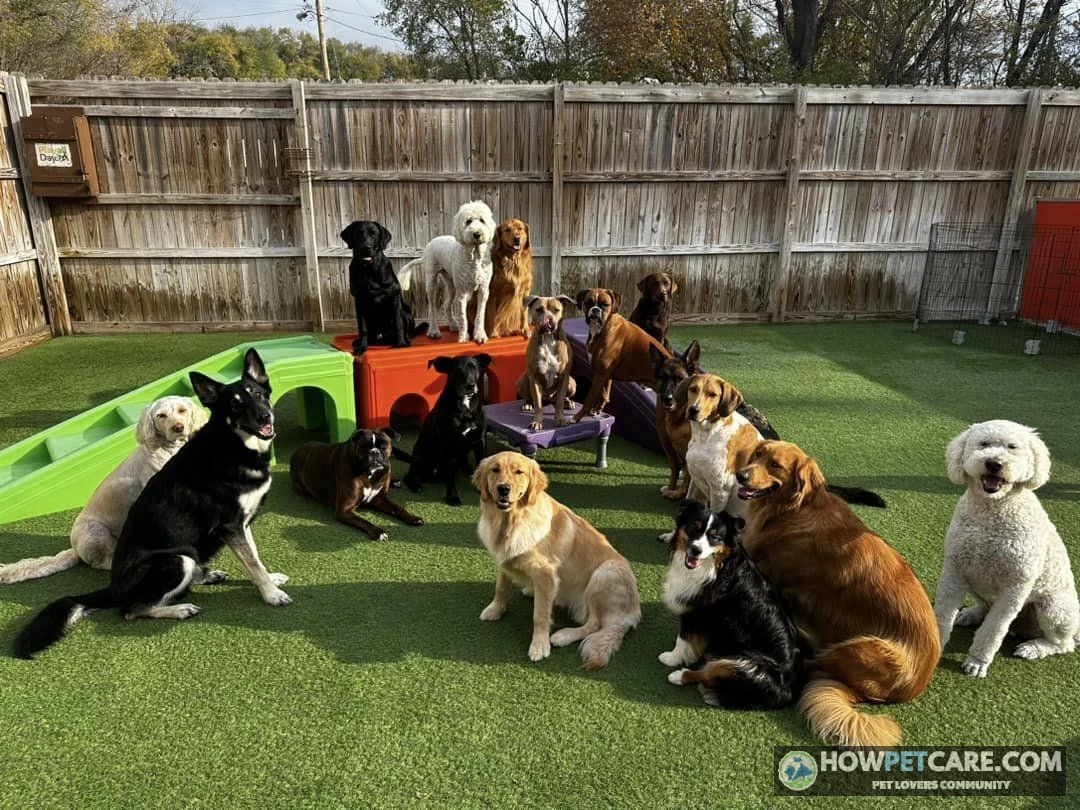

A dog daycare guide helps you decide whether group care suits your dog’s temperament, health, and social needs, and how to choose a safe facility. Look for active supervision, compatible playgroups, quiet rest areas, clear health protocols, and a gradual trial. If your dog is stressed by groups, consider individual care or a walker.
Dog daycare isn’t a necessity for every family pet, or a one-size-fits-all answer to canine energy. A well-run facility can offer sociable dogs structured exercise, mental enrichment, and daytime companionship. But group play can be overwhelming, stressful, or physically risky for dogs that prefer human company, quiet surroundings, or a small circle of familiar friends.
Before booking a place, consider whether your dog’s temperament, health, and social preferences fit the demands of group care. This dog daycare guide will help you assess those needs, inspect a facility’s safety and supervision practices, compare the full costs, and plan a gradual, low-pressure trial.
Is Dog Daycare Right for Your Dog? A Quick Suitability Check
Group daycare may suit dogs that are genuinely dog-social: they enjoy unfamiliar dogs, respond appropriately to canine body language, and can settle when play winds down. It’s not the default choice for every dog. Disliking a bustling group setting isn’t a behavioral failure.
Dogs well-suited to group care typically show:
- Relaxed body language: Loose, wiggly movement, soft facial expressions, and open mouths during social interactions.
- Reciprocal play styles: Taking turns chasing and being chased, self-handicapping with smaller or gentler partners, and pausing naturally during wrestling.
- Quick recovery from arousal: Returning to a calm baseline after exciting play, with support if needed.
- Handling tolerance: Comfort being touched, guided by the collar, or examined by unfamiliar facility staff.
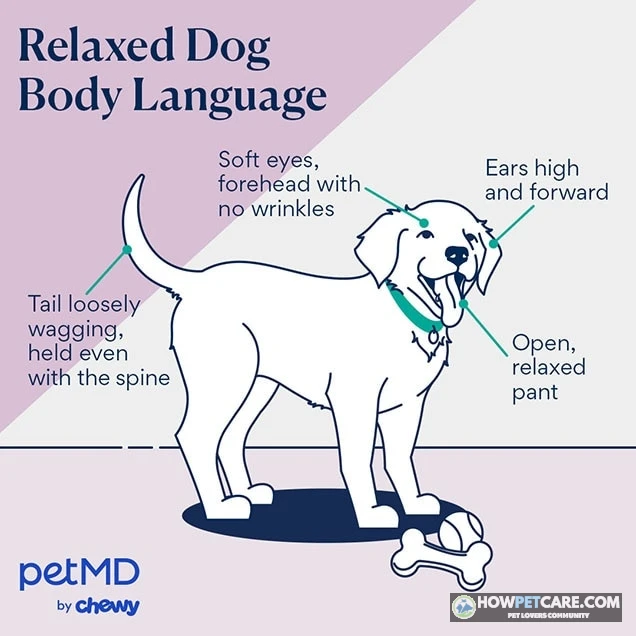
Dogs that struggle in group daycare often show signs of discomfort or friction:
- Persistent avoidance: Hiding behind staff, lingering near exit doors, or actively retreating from other dogs.
- Resource guarding: Protecting toys, food bowls, resting cots, or human handlers with stiff postures, low growls, or snaps.
- Difficulty disengaging: Hyper-fixating on specific dogs, refusing play breaks, or mounting repeatedly despite redirection.
- High reactivity: Escalating to defensive lunging, air-snapping, or barking when unfamiliar dogs approach their personal space.
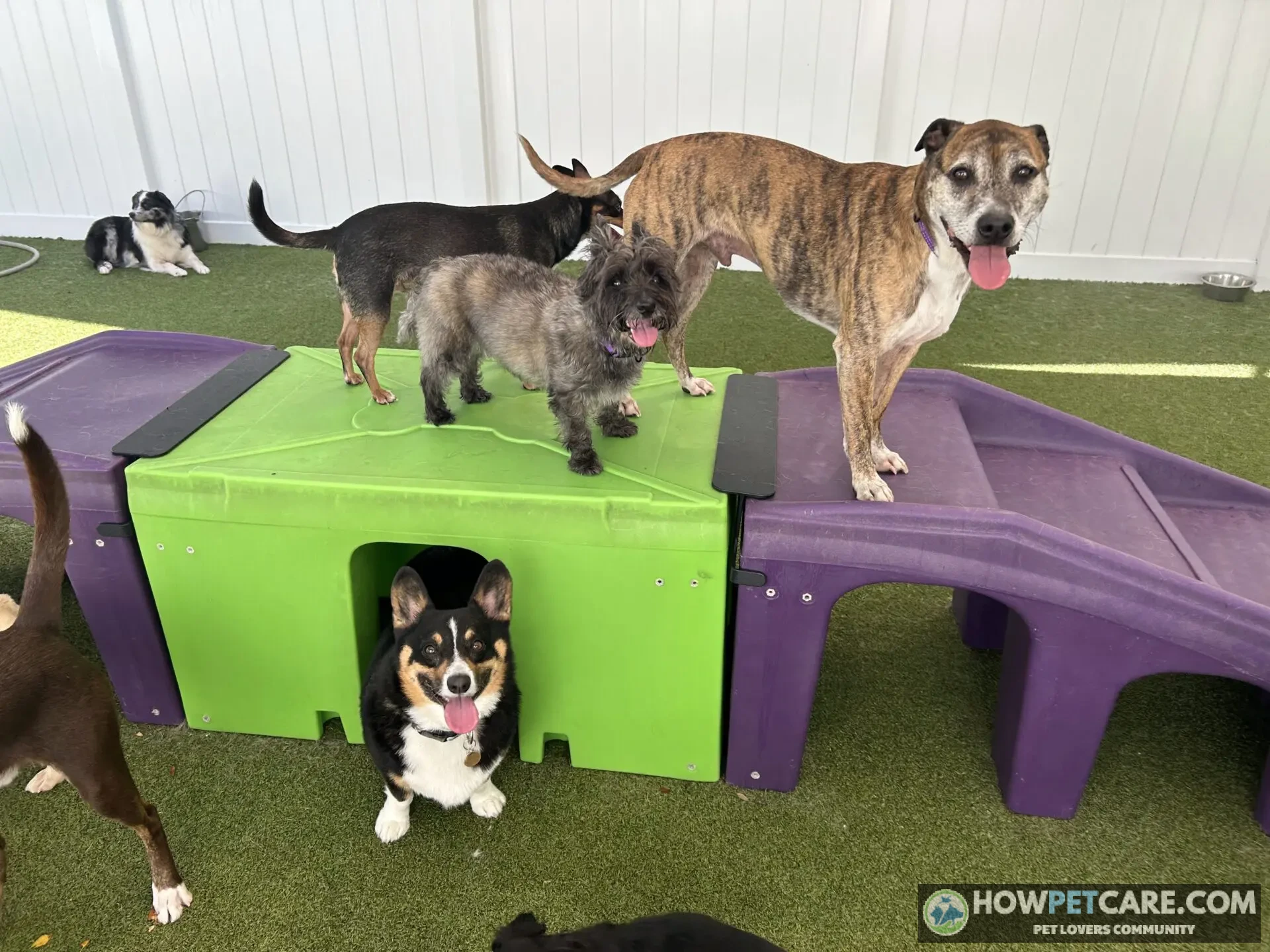
Health and life stage matter, too. Young puppies with incomplete core vaccine series are vulnerable to infectious pathogens, while senior dogs with osteoarthritis or diminished vision may find bustling playgroups painful or intimidating. Unneutered males or intact females in heat can present management challenges or a risk of unwanted breeding in playgroups. Consult your veterinarian about joint health, immunity, and reproductive maturity before considering group care.
A self-assessment for temperament, health, and social needs
Before touring facilities, use this checklist to consider whether group daycare, individualized care, or professional walking best fits your dog.
Go, Try Cautiously, or Choose an Alternative
Check the statements that describe your dog, then use the decision key. If you’re unsure, watch your dog in familiar, low-pressure situations rather than arranging a forced greeting.
- ☐ Health: My vet has helped me consider any age-related needs, illness, mobility problems, medications, or reproductive-status questions relevant to group care.
- ☐ Unfamiliar dogs: My dog generally looks loose and relaxed around unfamiliar dogs and can move away when they want to.
- ☐ Play style: My dog takes turns during play, responds when another dog disengages, and can settle after excitement.
- ☐ Rest: My dog can relax away from activity in a new or busy place, at least with support.
- ☐ Purpose: I know whether I need company, exercise, a toilet break, medication support, or care during work hours.
Go: Consider a gradual trial if the health questions are settled and the comfort, play, and rest statements fit. A trial is still a test, not a commitment.
Try cautiously: If you’re unsure about your dog’s comfort or ability to rest, ask about a gradual assessment and short visit, or start with a quieter option. Stop or slow down if your dog struggles.
Choose an alternative: If your dog persistently avoids other dogs, guards resources, gets into scuffles, or can’t settle, skip group play for now. Consider individual care or a walker matched to your dog’s needs; consult your vet or a qualified behavior professional when appropriate.
What daycare can and cannot do: benefits and risks without the hype
Commercial daycare can be convenient for busy owners. Depending on the facility and the dog, it can provide daytime supervision, an outlet for movement, and social contact that may help relieve boredom. For a closer look at the potential benefits of doggy daycare, consider how they balance against your dog’s individual needs.
Daycare also carries risks that marketing can minimize:
- Infectious disease exposure: Group environments increase transmission risks for respiratory complexes and external parasites, even among vaccinated dogs.
- Behavioral changes: Dogs exposed to continuous high arousal may practice persistent barking or frantic play that can carry over into home walks.
- Physical injury and exhaustion: Scratches, torn paw pads, puncture wounds, and muscle sprains can happen during multi-dog play.
A dog that leaves daycare completely exhausted isn’t necessarily satisfied; persistent exhaustion can be a sign of overstimulation or physical strain rather than healthy exertion.
Does daycare help separation anxiety? What the evidence supports
Many owners look to daycare for help with separation anxiety. But an under-exercised or bored dog has different needs from a dog experiencing separation-related distress.
Daycare can be a practical management tool for a dog comfortable there, keeping them from being left alone at home while owners work. Separation-related distress can involve panic over isolation or the absence of attachment figures. A multi-dog environment doesn’t itself teach an anxious dog to cope with being alone and may add stress. A veterinarian or qualified behavior professional can assess the problem and discuss a suitable plan, which may include gradual desensitization.
Daycare prevents a dog from being left alone, but it does not treat the underlying panic disorder of separation anxiety. Forcing a terrified dog into group play can trigger sensory overload or defensive aggression.
What Happens During a Typical Dog Daycare Day
The way a daycare organizes its day can help you distinguish a high-standard enrichment facility from an unmanaged free-for-all. Schedules vary, but a thoughtful operation balances active play with dedicated recovery periods. The following is an illustrative schedule, not a universal standard.
07:00 – 09:00 | Staggered Check-In & Individual Health Checks

09:00 – 11:30 | Supervised Playgroup Sessions & Sensory Enrichment

11:30 – 14:00 | Mandatory Quiet Rest, Midday Meals & Medication Administration

14:00 – 16:30 | Structured Small-Group Rotations or One-on-One Play

16:30 – 19:00 | Wind-Down, Departure Prep & Owner Handover Reports
A facility may stagger morning arrivals to prevent crowding at reception, where leashed dogs can experience barrier frustration. Before dogs enter their designated play zones, ask whether staff check for visible signs of illness or injury, including changes in the eyes, nose, coat, and gait.
Supervised play and playgroup size
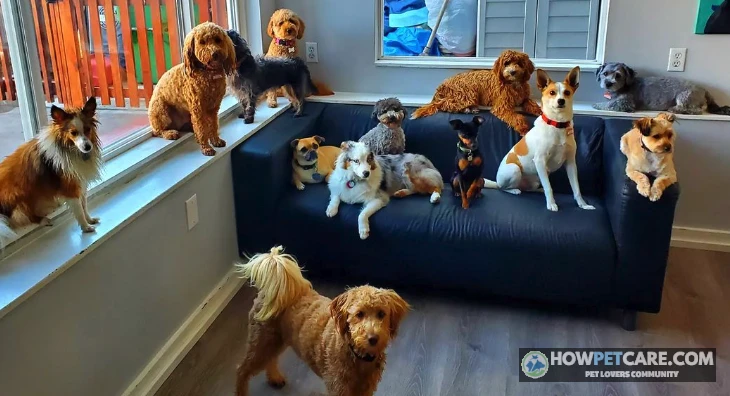
Playgroups shouldn’t be organized by body weight alone. Safe group management takes size, play style, age, and energy output into account. A 10-month-old boisterous Boxer and a 10-year-old arthritic Golden Retriever may weigh the same, but their social needs and tolerance for play are entirely different.
Qualified staff actively manage groups rather than simply watching them. They move through the space, interrupt hyper-focused interactions, praise calm behavior, and help dogs greet politely. Groups should be small enough for handlers to notice problems and intervene promptly and safely.
Rest, meals, and enrichment
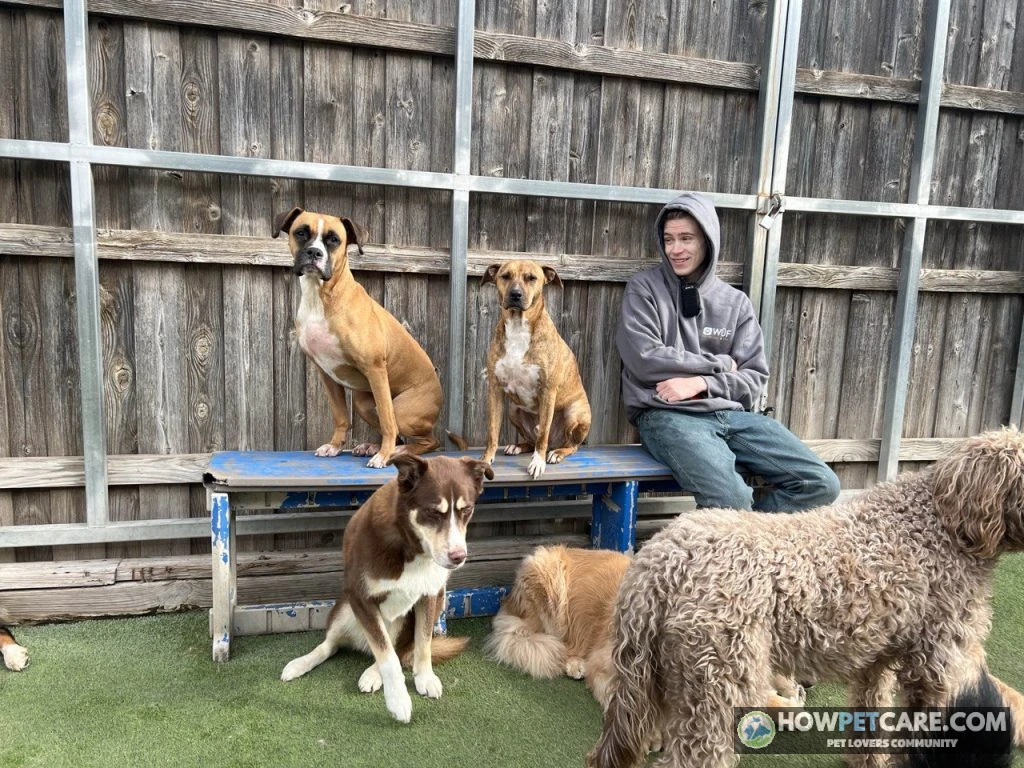
Without adequate rest, continuous play can leave dogs overstimulated, overtired, irritable, and prone to snapping. Ask how the facility schedules rest; an example midday period might last 1.5 to 2.5 hours in private crates, quiet suites, or segregated quiet zones. Ask how staff help dogs settle and what happens if a dog cannot relax.
If your dog needs lunch or prescription medications, confirm whether staff can provide them and how they separate dogs for feeding to reduce resource-guarding risks. Enrichment can go beyond free-running: some facilities offer puzzle toys, scent games, agility obstacles, and one-on-one attention from people. Ask which activities are included and appropriate for your dog.
Daycare versus a dog walker: what each one provides
The choice between group daycare and a professional dog walker depends largely on your dog’s social preferences and your schedule.
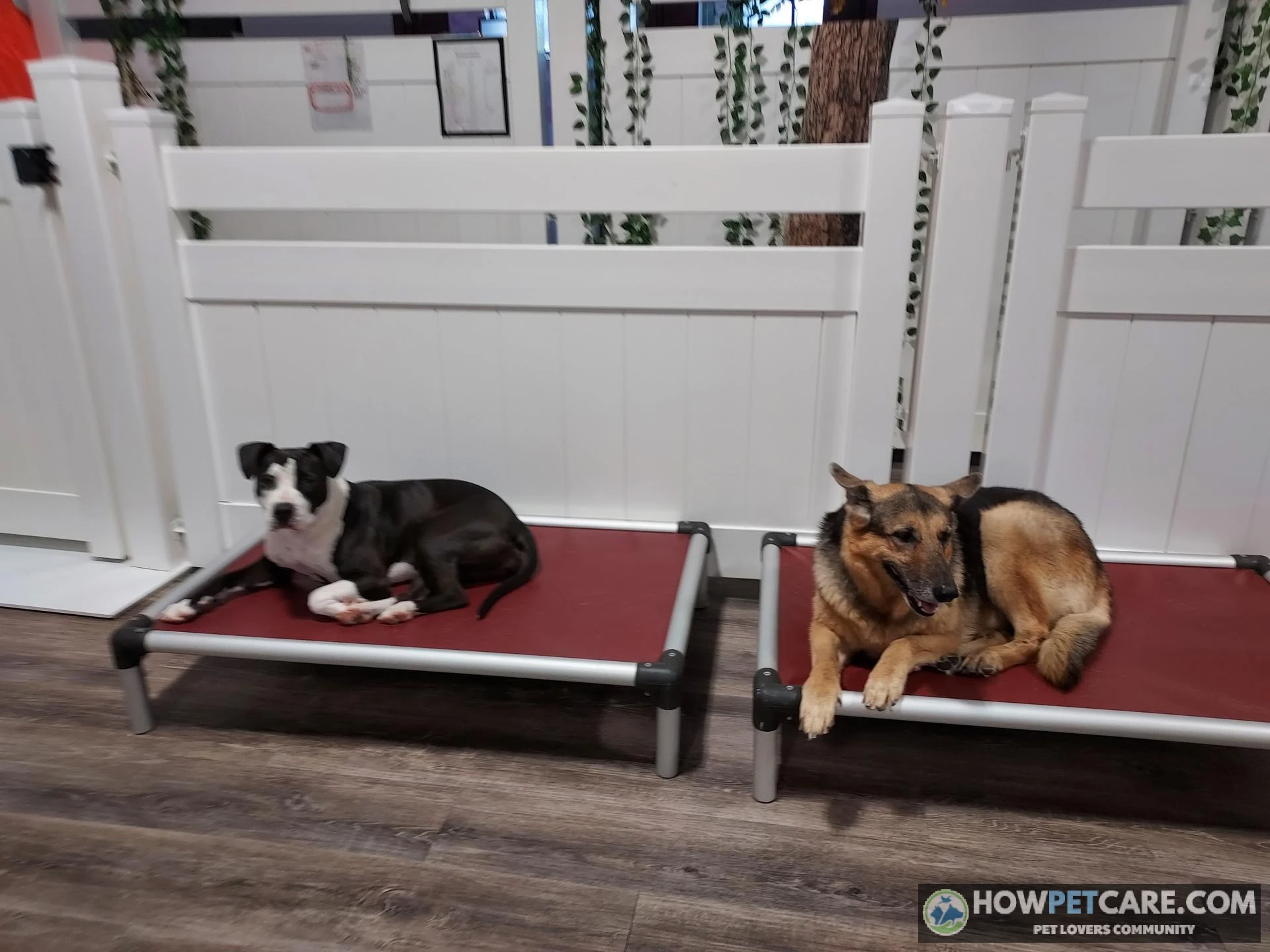
- Dog Daycare: May offer 6 to 10 hours of daytime care, with canine interaction, enrichment, and rest. You’ll need to drop off and pick up your dog unless transport is offered. Compare actual quotes rather than assuming a particular cost per hour.
- Dog Walker: May provide 30 to 60 minutes of exercise, potty breaks, and human companionship in your home neighborhood. A private walk can avoid group play, although encounters with other dogs and disease exposure are still possible.
For adult dogs that are dog-neutral, socially selective, or easily stressed by noise, a midday walker can provide an outing without the sensory demands of group care.
 You might be wonderingSmall dog yearsSmall Dog Years: Age Chart, Formula & Care by Life StageRead the answer
Vaccination Requirements, Health Checks, and Temperament Assessments
Shared care requires preventive health protocols. Group daycare facilities set medical prerequisites intended to protect the dogs in their care.
What most facilities ask for, and what varies
Health protocols depend on local laws, facility insurers, and management policies. Facilities in the United States commonly ask for documentation of these vaccinations before enrollment, though requirements differ:
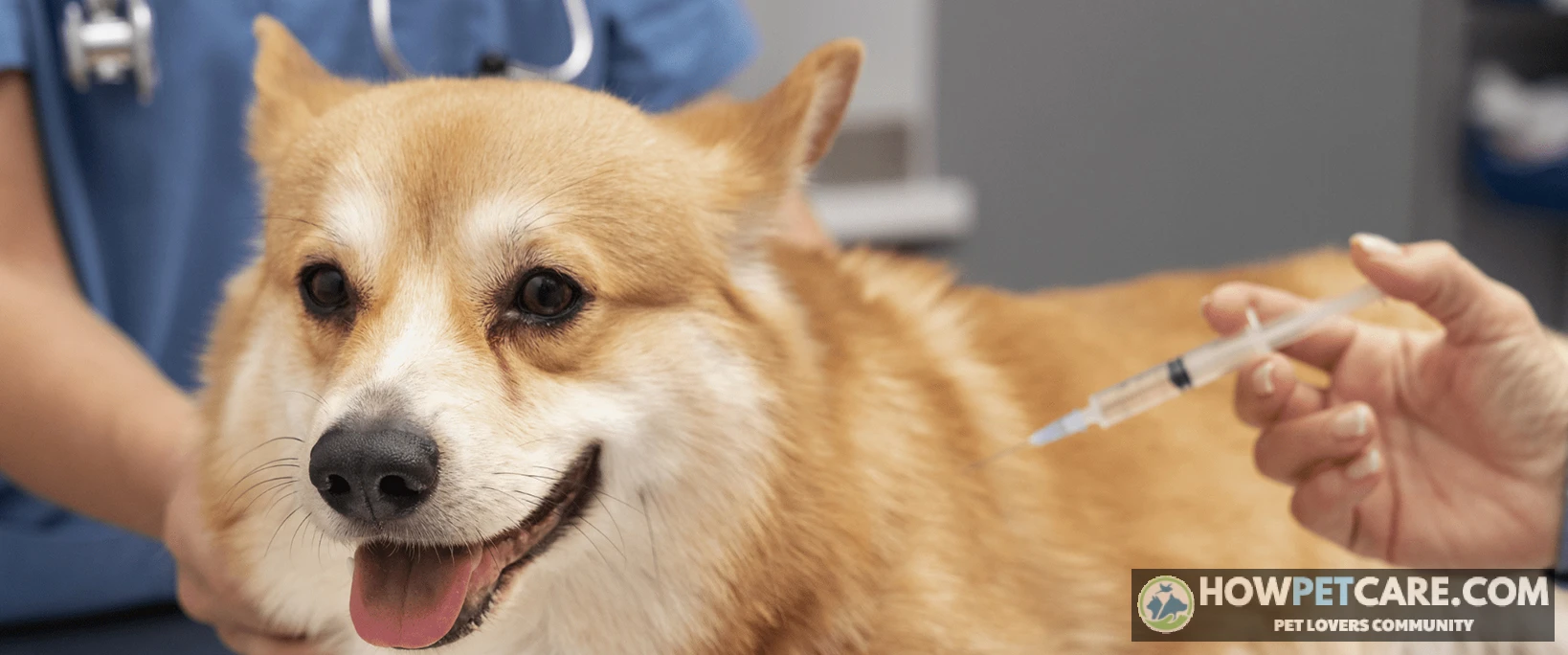
- Rabies Vaccination: Required by law in many jurisdictions; the applicable age and schedule vary. Some rules specify 12 to 16 weeks, so check locally and ask your vet.
- DHPP / DA2PP: Combination vaccines covering distemper, infectious hepatitis, parainfluenza, and parvovirus.
- Bordetella bronchiseptica: Immunization targeting a bacterial agent of canine infectious respiratory disease complex (kennel cough), administered intranasally, orally, or by injection.
Beyond these vaccinations, requirements vary by location and the facility’s risk assessment:
- Canine Influenza Virus (H3N2 / H3N8): Some facilities require it, particularly where risk or outbreaks are a concern.
- Leptospirosis: Ask your vet about vaccination and whether the facility requires it.
- Parasite Prevention: A facility may ask for proof of flea, tick, or heartworm prevention and negative fecal tests, sometimes including Giardia, every 6 to 12 months.
- Spay/Neuter Mandates: Some daycares require dogs to be altered by 6 to 12 months of age or restrict intact dogs. Ask about the policy and discuss timing with your vet.
Canine respiratory illnesses can spread through respiratory particles, shared water bowls, and direct contact. Even vaccinated dogs can become ill. Vaccination may reduce the risk or severity of some infections but cannot eliminate transmission.
How to tell whether an assessment is meaningful
A formal temperament assessment—sometimes called an evaluation, temperament test, or meet-and-greet—helps a facility assess a dog’s fit. The quality of these tests varies considerably.
| Assessment Element | Meaningful Evaluation | Superficial "Rubber Stamp" Test | Red Flag Practice |
|---|---|---|---|
| Intake Interview | Detailed questionnaire on bite history, fear triggers, handling quirks, and resource guarding. | Quick verbal question: "Does your dog like other dogs?" | No behavioral questions asked; owner signs general waiver only. |
| Physical Handling | Staff calmly checks paws, ears, tail, and collar response in a quiet, dog-free room. | Handler pets the dog on the head briefly in reception. | Rough physical handling, pinning, or forcing submission. |
| Canine Introduction | Systematic introduction behind a barrier, followed, if appropriate, by a calm, compatible helper dog with a safe way to disengage. | Walking the dog straight into a pen containing 15 barking dogs. | Tossing the dog into the main playgroup off-leash immediately. |
| Group Progression | Gradual introduction to 2 to 3 compatible dogs while monitoring stress signals and play styles. | Dropping the leash in a yard with 20+ dogs while staff observe from a distance. | Leaving the dog unattended to "work it out" with the pack. |
| Staff Documentation | Written notes on body language, rest ability, recovery time, and assigned group rating. | Verbal comment at pickup: "He did great! He’s super sweet." | Inability to tell you who your dog interacted with or how they rested. |
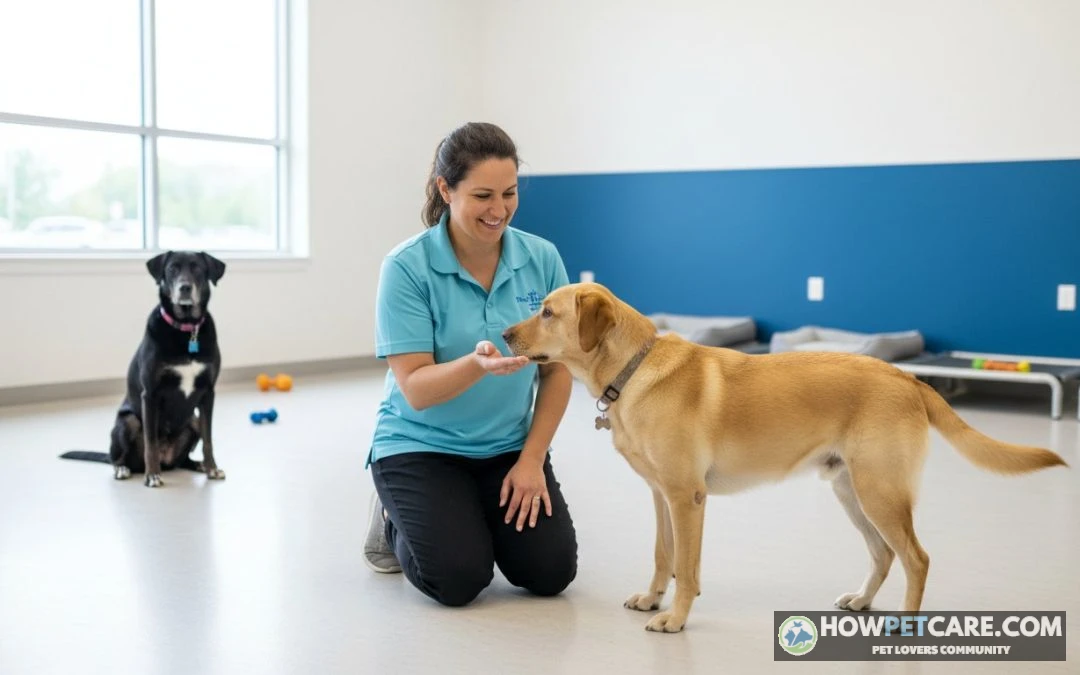
Evaluation shouldn’t stop after the initial assessment. Ask how the facility continues to monitor dogs and reassesses them as they reach social maturity (between 12 and 36 months), return from medical leave, or experience a reported stress incident or behavioral scuffle. Individual development varies.
Before applying, compile your dog’s official vaccination certificates, rabies tag number, microchip information, current medication schedule, primary veterinary clinic contact details, and local emergency vet preferences.
Licensing, Staff Ratios, and Space: Law Versus Industry Recommendation
Claims about licensing, supervision ratios, and physical space can be confusing for first-time owners. In the United States, oversight of dog daycare varies by jurisdiction and can involve state and local agencies.
How to verify licensing and inspections where you live
Some states, such as Colorado under the Pet Animal Care and Facilities Act, enforce detailed inspections, structural parameters, and care minimums. Elsewhere, the applicable licensing and animal-care rules may differ.
To verify a facility’s legal standing:
- Identify the oversight agency: Search your state department of agriculture website or local county animal services department for licensed pet care facilities; also ask your municipality which rules apply.
- Request license and permit numbers: Ask the facility for any applicable operating permit and commercial boarding/daycare license numbers, then confirm their status with the issuing agency.
- Review inspection histories: Ask the agency whether inspection reports, code violations, or bite investigation records are available and how to request them.
- Confirm liability insurance: Ask about coverage for animals in the facility’s care and employee injury. Insurance is a separate consideration from licensing; check locally for any legal requirements.
Reading ratio and group-size claims critically
Industry guidance and facility policies are not laws unless adopted by the relevant jurisdiction. Verify any claimed legal minimum with the responsible agency rather than treating a recommendation as a requirement.
Look beyond headline numbers when evaluating dog-to-staff ratios:
- Supervision Ratios vs. Facility Ratios: A facility advertising a "1:10 ratio" may have 30 dogs and 3 staff members on site. But if one employee is at the front desk and another is laundering towels, the play yard’s actual supervision ratio is 1:30. Make sure the quoted ratio applies to dedicated, hands-on yard supervisors.
- Energy-Adjusted Ratios: A ratio of 1:15 may not provide the same level of oversight for every group. High-arousal adolescent playgroups may need closer supervision than calm groups; figures such as 1:8 to 1:10 are not universal safety guarantees.
- Active Square Footage: Net usable play space matters more than total building size. An estimate such as 80 to 100 square feet of net active play space per dog is not a universal standard; layout, play style, and rotations matter. A small room crammed with 25 dogs leaves little room to disengage or avoid conflict.
Ask facility leaders about staff training credentials. Relevant training may include Pet First Aid & CPR, canine body language, and safe group management. Ask how staff apply their training and keep it current.
Facility Tour Scorecard: What to Ask, Observe, and Walk Away From
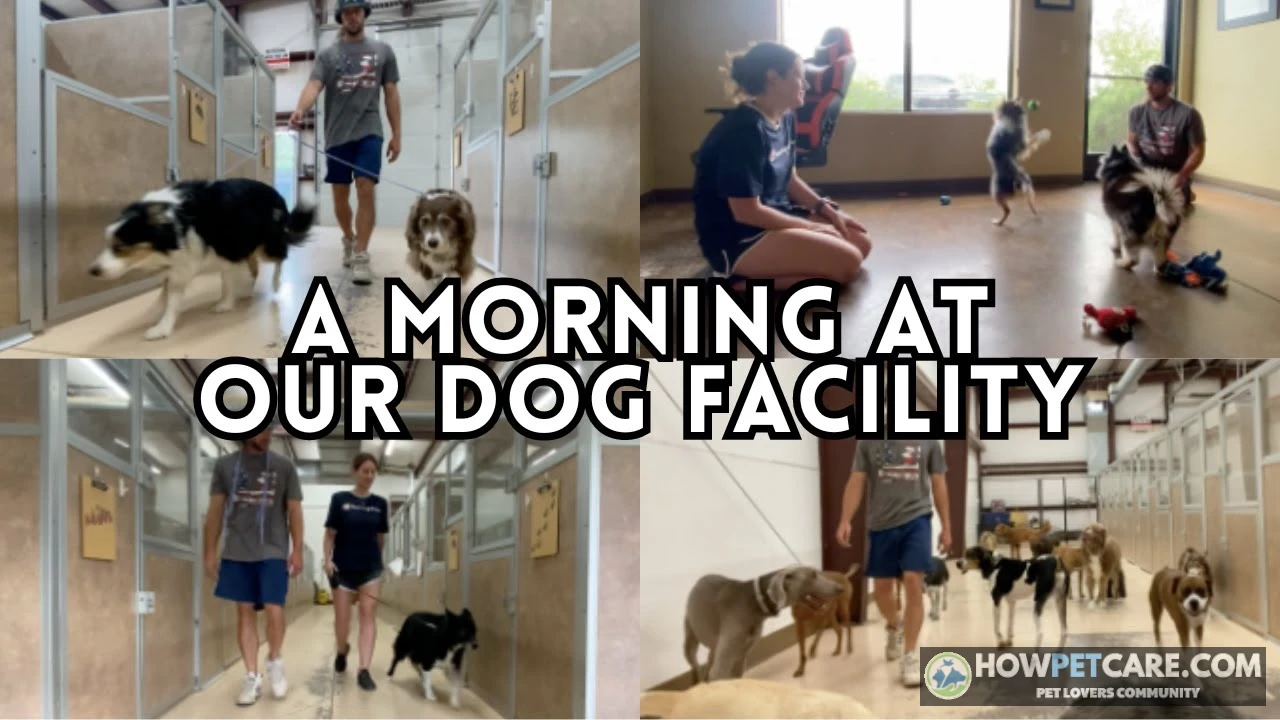
Ask to tour the areas your dog will use. Schedule your visit during active operating hours—ideally between 9:00 AM and 1:00 PM—so you can see playgroups, staff interactions, and procedures in action, while respecting any safety restrictions.
Facility Tour Scorecard
Visit during active play if possible. For each row, score 1–5: 1 = serious concern; 3 = mixed or incomplete evidence; 5 = clear, reassuring evidence. Mark N/O if not observed, and follow up rather than treating it as a pass. Add the numeric scores only when all rows are scored; compare the notes as well as the totals. A serious safety concern can outweigh a high total.
| Area to evaluate | Question to ask | What to observe | Red flag | Score (1-5) |
|---|---|---|---|---|
| Supervision | Who watches each group, including during breaks or staff absences? | Engaged staff notice dogs and calmly interrupt escalating play. | Dogs left without active supervision or repeated distress ignored. | ___ |
| Staff knowledge | How are staff trained to recognize stress and separate dogs safely? | Staff explain specific signals and a calm response. | Reliance on yelling or force; staff cannot explain their approach. | ___ |
| Group matching | How do you match dogs and change a group that is not working? | Staff describe individual play styles; dogs have room to disengage. | Persistent pinning, stiff or cowering dogs, or no plan to separate mismatches. | ___ |
| Rest | Where and how can my dog take a quiet break? | A safe, separate rest area and a clear break plan. | Continuous group play with no practical way to rest. | ___ |
| Entry security | How do you prevent escapes at drop-off and between areas? | Secure barriers, such as double gates, and controlled transitions. | An unsecured route from the play area to outdoors or the street. | ___ |
| Emergency plans | What happens during a fire, escape, heat emergency, or power loss? | Staff can explain a written plan, vet arrangements, and how owners are contacted. | No workable plan or uncertainty about who responds. | ___ |
| Incident communication | When will you tell me about an injury, illness, or escalating stress? Who pays vet costs? | A clear reporting timeline, documentation process, and follow-up plan. | Vague answers, no incident records, or unwillingness to discuss costs. | ___ |
Total: / 35. Notes or follow-up: . Ask to see all areas your dog will use. If access is limited, ask why and how you can verify conditions. An unexplained refusal to show relevant areas is a reason to pause.
Questions to ask the manager
Ask management concrete questions that reveal how the facility operates, rather than inviting rehearsed marketing answers:
- "How many dedicated supervisors are physically on the floor in each yard right now?"
- "What specific tools do your staff use to break up dog scuffles?" Ask how staff are trained to separate dogs safely and distinguish emergency intervention from punitive use of tools.
- "What veterinary hospital do you use in an acute emergency, and how quickly can transport be arranged?"
- "Can you walk me through your protocol if a dog shows acute signs of infectious coughing or vomiting during the day?" Ask how the dog is separated, how ventilation is managed, and when the owner and veterinarian are contacted.
What to observe on the floor
During your tour, pay close attention to the environment and the dogs’ body language:
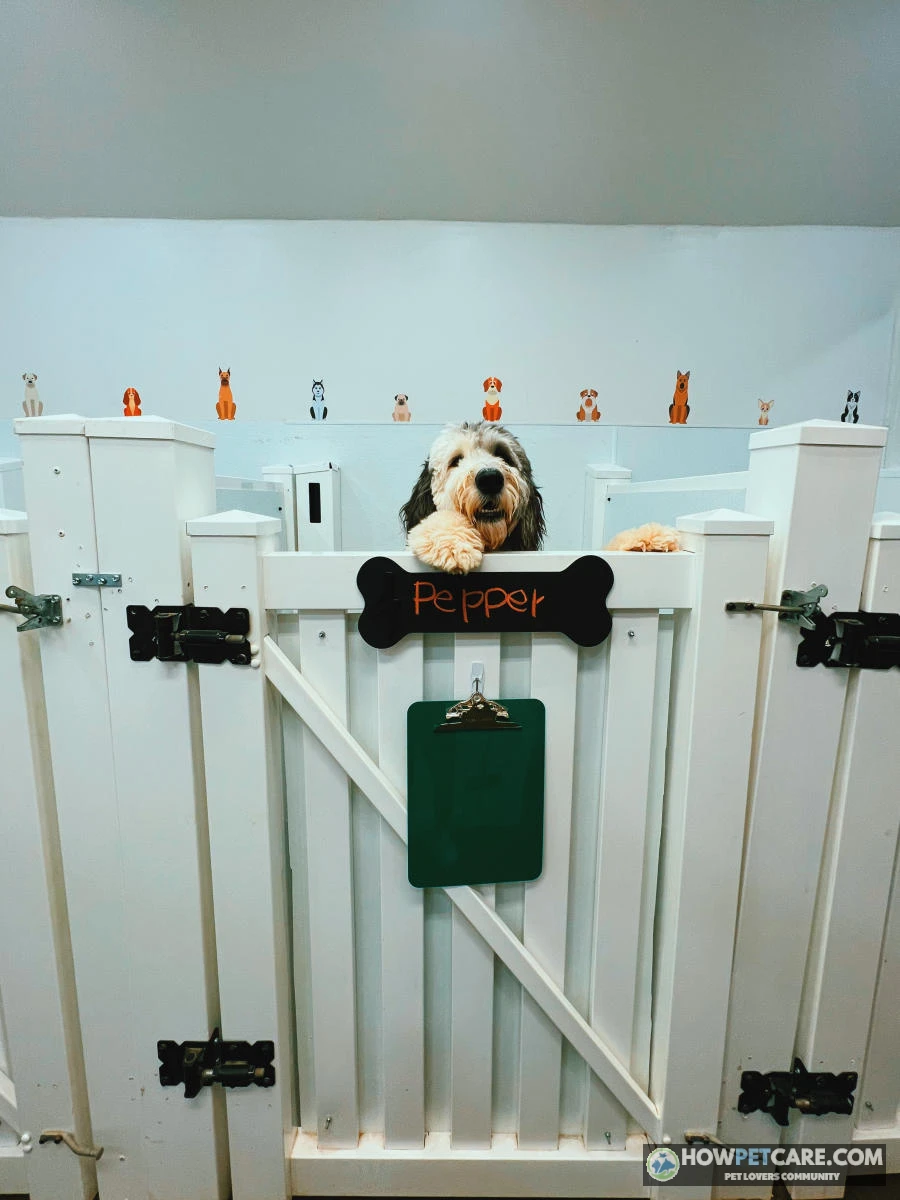
- Physical Security: Look for secure, double-gated airlock systems at entrances, exits, and transfer corridors to prevent loose dogs from slipping out. Ask how fencing is secured against escape; a fence of 6 to 8 feet is not a substitute for checking the layout and applicable local rules.
- Flooring and Cleanliness: Look for non-porous, slip-resistant, cleanable surfaces and functional drainage. Floors should be clean, without accumulated urine puddles or feces.
- Odor and Air Quality: Ask how ventilation is maintained and how frequently air is exchanged. An overpowering smell of ammonia, feces, or heavy industrial fragrance warrants questions about cleaning and ventilation.
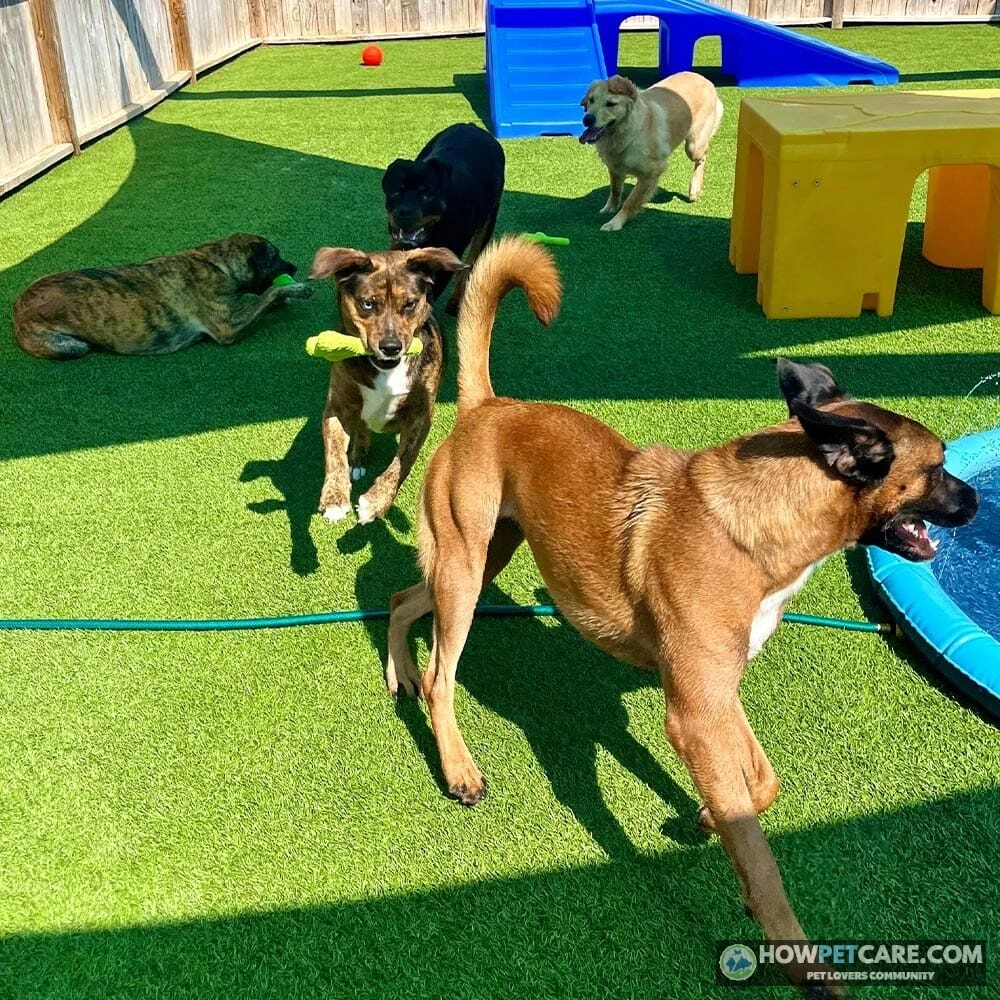
- Canine Group Dynamics: Look for loose, curving body movements, soft tails, and bouncy interactions. Repeated tense standoffs, persistent chasing of unwilling dogs, cornering, or compulsive fence-line pacing suggest poor group management.
Walk away immediately if staff carry shaker cans, spray bottles filled with vinegar, compressed gas horns used punitively, or physical slip-cords used to jerk dogs. Fear-based control tools suppress stress signals and drastically increase bite risks.
Red flags that justify walking away
Trust your instincts and end the tour if you encounter:
- An unexplained refusal to let you view dog play areas or offer another way to verify conditions.
- Excessive noise, including frantic, relentless barking or dogs screaming in distress.
- Dark, windowless holding pens without clean, readily accessible drinking water.
- Staff staring at smartphones or chatting with colleagues while turning their backs on active playgroups.
- No written documentation or logs tracking sanitation routines, medication schedules, or incidents.
How a facility should respond when something goes wrong
Emergencies happen even at exceptional facilities. A dog may slip through a gate, suffer a puncture wound during play, or experience heat distress. A safe facility needs a clear response system.
A professional facility should have written protocols covering:
- Immediate triage and physical separation: Safely separating dogs and assessing the injured or distressed dog away from group activity.
- Rapid veterinary intervention: A plan for contacting a veterinary hospital or 24-hour emergency clinic and arranging transport.
- Transparent communication: A clear agreement on when owners are contacted for emergencies and minor incidents, with a written incident report.
- Financial accountability: Clear terms for liability and medical expense coverage for injuries sustained on the premises.
How Much Does Dog Daycare Cost? Comparing Quotes Fairly
Dog daycare prices vary substantially across the United States, depending on regional commercial real estate costs, local labor rates, facility amenities, and staffing levels. Don’t compare facilities on base daily rates alone. A low daily charge can cost more once required add-ons, mandatory care fees, and trial fees are included.
A cost-comparison worksheet
For a fair comparison, request itemized price lists and calculate the full cost of care at the same monthly frequency for each provider. The fictional example and possible charges below show how totals can change, not a typical rate in every market.
Daycare Quote Comparison Worksheet
Enter current written quotes for the same dog, hours, and expected frequency. Use the actual hours of care provided, not the facility’s opening hours. Record one-time charges separately from recurring costs.
| Cost item | Facility A | Facility B | Facility C | What to confirm |
|---|---|---|---|---|
| Base price and care hours per visit | ___ | ___ | ___ | Full day, half day, or hourly; pickup deadline |
| Planned visits per month | ___ | ___ | ___ | Use the same expected frequency for each quote |
| Meals per visit | ___ | ___ | ___ | Included, supplied by owner, or charged separately |
| Transport per visit | ___ | ___ | ___ | Pickup and return charges, if needed |
| Optional services per visit | ___ | ___ | ___ | Medication, individual play, walks, training, or grooming actually needed |
| Trial, assessment, or enrollment fee | ___ | ___ | ___ | One-time charge; whether credited toward care |
| Package or membership cost | ___ | ___ | ___ | Expiry, unused visits, and whether membership replaces or adds to visit charges |
| Other possible charges | ___ | ___ | ___ | Late pickup, holidays, cancellations, and multiple-dog terms |
| Planned cost per visit | ___ | ___ | ___ | Base price plus needed per-visit extras; use package cost divided by usable visits if applicable |
| Cost per hour of care | ___ | ___ | ___ | Planned cost per visit divided by care hours per visit |
| Estimated recurring monthly cost | ___ | ___ | ___ | Planned cost per visit times planned visits, plus recurring fees not already included |
| Estimated first-month cost | ___ | ___ | ___ | Recurring monthly cost plus applicable one-time fees |
Example, not a market rate: A fictional quote of $30 for 6 hours plus $6 transport is $36 per visit, or $6 per hour. At 8 visits, the recurring estimate is $288; a separate $20 trial fee makes the first-month estimate $308, assuming the trial is not included in those 8 visits. Compare the price with the tour scorecard, not on price alone.

Fees and circumstances that raise the total
When gathering written quotes, check whether these hidden or secondary charges apply. The amounts below are illustrative possibilities, not universal fees:
- Assessment or Registration Fees: One-time charges, for example $20 to $60, may cover intake and behavioral testing.
- Medication and Feeding Surcharges: Some facilities charge, for example, $3 to $10 per meal or medication administration. Confirm whether staff can administer any prescribed medication your dog needs.
- Late Pickup Penalties: A policy might charge $15 to $30 for every 15 minutes past closing. Ask whether a late pickup can trigger an overnight boarding charge.
- Peak and Holiday Premiums: Extra daily surcharges may apply during federal holidays, school breaks, and busy summer weekends.
- Package Expiration Policies: Discounted 10- or 20-day packages may have expiration dates (e.g., 30 to 60 days), after which unused prepaid days are forfeited.
Your Dog’s First Visit: A Gradual Plan and How to Read the Results
Dropping an inexperienced dog off for a full 10-hour day of group play can lead to physical exhaustion or sensory overload. Prepare carefully and introduce daycare gradually.
Preparing your dog before the first day
Start preparing days before the scheduled visit:
- Keep routines steady: Don’t dramatically increase exercise the morning of daycare to tire your dog out. Arriving over-fatigued may make it harder for your dog to cope.
- Plan breakfast: Ask your veterinarian about meal and exercise timing, especially if your dog is at risk of gastric dilatation-volvulus (bloat). A 1.5 to 2 hours interval is not a guarantee against bloat.
- Bring correct equipment: Ask the facility what collar and identification are safe for its setup. Some facilities restrict choke chains, prong collars, martingale collars, or harnesses inside play pens.
- Pack labeled essentials: If your dog needs lunch or medication, pack individual portions as the facility requests, clearly labeled with your dog’s first and last name, exact dosages, and instructions.

Trial day and follow-up
Treat the first official session as an assessment. Schedule a shortened visit—ideally 2 to 4 hours, or a morning half-day—so your dog can experience greetings, play, and quiet rest without being pushed to mental or physical fatigue. Agree that staff will stop or adjust the trial if your dog is uncomfortable.
Keep drop-off low-key. Hand the leash to the facility handler, say a calm goodbye, and follow the facility’s transition plan. Tell staff if your dog has difficulty with departures.
-
Step 1: Intake and Settling
Your dog arrives on a flat collar, completes a brief physical check, and enters a quiet transition run to sniff and acclimatize to building sounds and smells without direct canine contact.
-
Step 2: Controlled Introductions
Handlers introduce one calm, socially adept dog into a neutral pen to gauge your dog’s greeting rituals, body posture, and space awareness.
-
Step 3: Supervised Group Integration
If relaxed, your dog joins a small, energy-matched group. Handlers observe play styles, interrupt mounting or rough play, and confirm your dog responds to redirection.
-
Step 4: Midday Rest and Recovery
Your dog transitions to an individual rest crate or private suite for a mandatory quiet break with fresh water to test whether they can relax away from activity.
-
Step 5: Detailed Pickup Debrief
Staff provide an objective review of your dog’s social interactions, rest ability, and stress indicators to determine whether to advance, adjust, or discontinue care.
Comfort versus stress: what to watch for afterward
At pickup, ask staff specific questions:
- "Did my dog choose to play, or did they spend most of their time watching from the perimeter?"
- "Who were their primary playmates, and what play style did they use?"
- "Was my dog able to settle down and sleep during rest period, or did they bark, pace, and pant?"
- "Did staff observe any signs of stress, such as lip licking, yawning, tucked tail, or avoidance?"
Watch your dog at home over the next 24 to 48 hours. Compare observations with your dog’s normal behavior; individual signs are not a diagnosis and can have other causes.
| Indicator | Signs of Comfort and Good Recovery | Signs of Possible Overstimulation, Distress, or Illness |
|---|---|---|
| Energy & Sleep | Takes a solid nap, wakes up alert for dinner, and resumes normal activity the next day. | Unusually difficult to rouse or exhausted for 36+ hours, or frantic, jumpy, hyper-vigilant, and unable to settle. |
| Appetite & Digestion | Drinks water normally; eats dinner with typical appetite; normal, formed stools. | Refuses food; drinks unusually; develops diarrhea or soft stool. |
| Next-Day Demeanor | Cheerful, interactive, loose body posture; eager to go on regular neighborhood walks. | Stiff, sore, limping; reluctant to be touched around neck, ears, or paws; unusually clingy or hiding. |
| Behavior on Walks | Normal social interest or neutrality toward other dogs on leash. | Increased leash reactivity, barking, lunging, or intense fear toward passing dogs. |
| Return Visit Reaction | Walks toward the daycare entrance with a loose, relaxed posture. | Brakes on leash, refuses to exit car, cowers, trembles, or attempts to bolt from the door. |

If your dog shows ongoing stress or behavioral changes after visits, slow down or consider another form of care. Contact your veterinarian about injury, illness, persistent changes, or severe symptoms; seek prompt veterinary care if your dog is difficult to rouse.
When Group Daycare Isn’t the Right Fit: Quieter Alternatives
Many wonderful dogs aren’t suited to group daycare. Like people, dogs’ social needs change throughout life. Young dogs may tolerate high-density playgroups, while adults may prefer smaller, quieter gatherings or human company.
Recognizing that daycare isn’t serving your dog isn’t a failure. Choosing an alternative is a compassionate decision for your dog’s welfare.
Daycare, dog walker, sitter, or small-group care: comparing options
If group daycare is too chaotic for your dog, compare the other care arrangements available:
Daycare and Alternatives Compared
Ask each provider how the service works for your dog; individual attention and social exposure vary by provider.
| Option | Best suited for | Social exposure | Individual attention | Main trade-offs |
|---|---|---|---|---|
| Group daycare | Dogs comfortable with unfamiliar dogs who can play and rest in a busy setting | Usually several dogs | Shared across the group | Broad supervision and play opportunities, but noise and activity may overwhelm some dogs. Ask: Can my dog leave the group and rest? |
| Small-group care | Dogs who enjoy a few compatible companions but struggle in larger groups | Fewer dogs, though composition varies | Often more opportunity for attention; confirm | May be quieter, but a small group is not automatically a good match. Ask: How are companions selected and what happens if they do not get along? |
| Individual in-home care | Dogs needing quieter company, familiar surroundings, or individualized routines | None unless arranged | Typically one-to-one; confirm visit duration and duties | Can support meals or medication, but a drop-in may leave long periods alone. Ask: How long will you stay, and can you follow my dog’s care instructions? |
| Dog walking | Dogs whose main need is exercise or a toilet break | Individual or group, depending on service | One-to-one on a private walk; shared on a group walk | Provides an outing rather than all-day company. Ask: Is the walk private, how long is it, and how are encounters managed? |
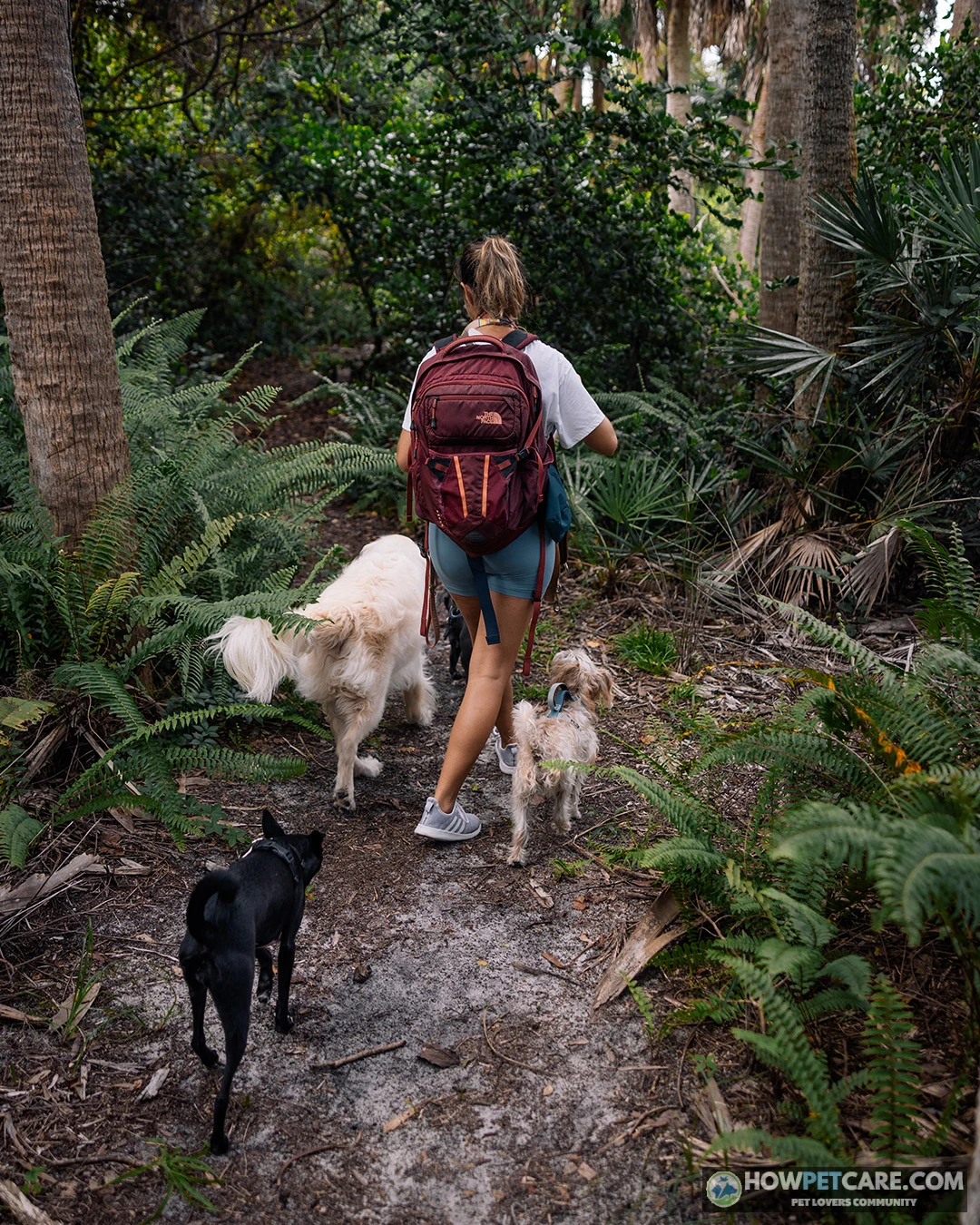
For dogs that need mental engagement while their owners work, individual day boarding is another option. Ask whether the dog has a quiet, private space and receives individual attention, enrichment, and solo walks without joining group play.
Separation anxiety: getting the right kind of help
If you considered daycare because your dog panics, vocalizes, or destroys property when left alone, group care is unlikely to resolve the issue. A veterinarian can help assess possible separation-related distress and discuss options:
- Consult a Veterinarian: Discuss possible medical causes, such as urinary infections or pain, and whether behavioral medication may be appropriate.
- Work with a Specialist: Consider a qualified behavior professional experienced in separation-related issues who can help develop a gradual desensitization plan.
- Bridge with In-Home Sitters: Consider in-home pet sitters or trusted family members to provide company while you work on the plan, if that arrangement suits your dog.
Your Next Steps: A Checklist for Choosing and Starting Daycare
Choosing care means assessing your dog’s temperament honestly, screening facilities carefully, and watching how your dog responds.
Use this action plan to guide your search:
- ☐ Step 1: Complete Your Dog’s Suitability Check
Review your dog’s temperament, sociability, and life stage honestly. Consult your veterinarian about core vaccinations, parasite prevention, and mobility needs. - ☐ Step 2: Verify Local Regulations and Identify Facilities
Research municipal licensing and state inspection registries. Shortlist two to three facilities with clear group management and transparent business operations. - ☐ Step 3: Conduct Unannounced Facility Tours
Arrange tours of your shortlisted facilities during active play hours. Use the Facility Tour Scorecard to assess dedicated supervision ratios, airlock security, sanitation protocols, and emergency procedures. - ☐ Step 4: Compare Quotes Item by Item
Use the Daycare Quote Comparison Worksheet to calculate the full monthly cost of care, including enrollment fees, meal surcharges, and cancellation policies. - ☐ Step 5: Schedule a Short Trial Session
Book a 2- to 4-hour morning trial. Watch your dog closely at pickup and over the following 36 hours for signs of comfort, stress, or exhaustion. - ☐ Step 6: Review and Adapt Continuously
Don’t treat daycare suitability as permanent. Reassess your dog’s comfort every few months as their age, health, and social preferences evolve, and switch to quieter alternatives if their needs change.
 You might be wonderingTripod dogTripod Dog Care: Recovery, Costs and Life on Three LegsRead the answer
FAQ
How often should a dog go to daycare?
There is no single right frequency. It depends on the dog’s age, health, and how they recover after each visit. Begin with occasional short visits and increase only if your dog stays relaxed and eats and sleeps normally.
How old does a puppy need to be to start daycare?
Minimum ages differ by facility and are often tied to the puppy’s vaccination schedule. Ask your vet when your puppy is adequately protected, then check the facility’s policy.
Does my dog need to be spayed or neutered to attend daycare?
Some facilities require it after a certain age, and others accept intact dogs under conditions. Ask each facility for its written policy before you apply.
What should I bring to my dog’s first day of daycare?
Bring vaccine records, any medication with written instructions, and food if the facility asks you to supply it. Check what the facility allows, because many restrict toys, bedding, or collars and tags.
Will daycare tire my dog out?
Many dogs come home tired, but tiredness alone does not show that the day went well. An overstimulated or stressed dog may also be exhausted, so look at appetite, behavior, and willingness to go back.