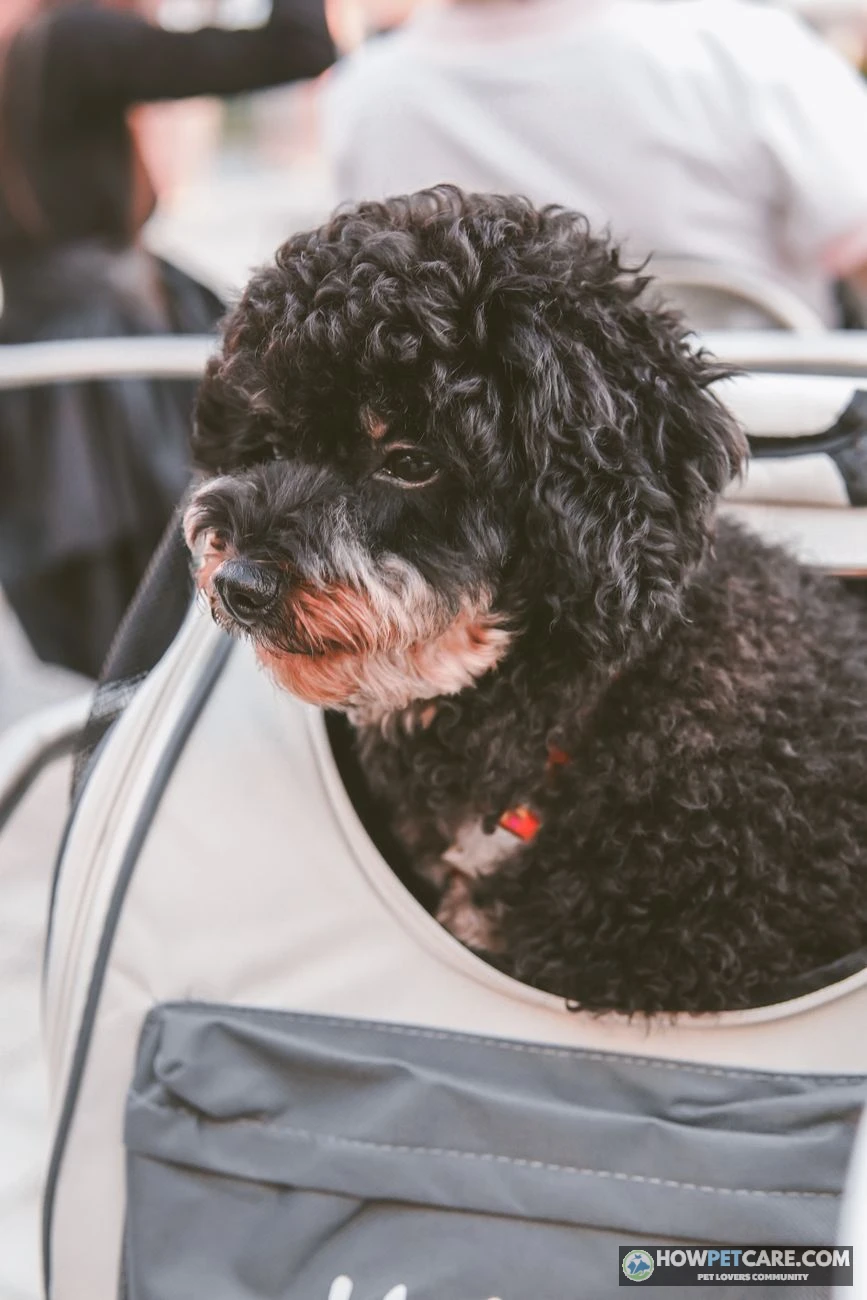

Keep your pet comfortable during travel by using a familiar, secured carrier or vehicle harness, practicing short trips beforehand, and offering water at regular stops. Feed a light meal a few hours before departure, keep the space cool and ventilated, maintain a steady routine — and never leave a pet in a parked car.
To keep your pet comfortable during travel, use a familiar carrier or restraint, practice short trips, provide access to water, and plan for a cool, ventilated space and regular checks. Secure your pet on every car ride, and never leave an animal unattended in a parked vehicle. Before flying, confirm your airline’s rules and destination requirements, and ask your veterinarian about health concerns or travel-related nausea. Preparation, identification, familiar food, and secure restraint all support safer travel.
For a road trip, plan stops, secure your pet in the back of the vehicle, and bring familiar bedding and a travel water bowl. If you’re flying, reserve your pet’s space before finalizing your itinerary, then check the carrier and paperwork requirements. In either case, practice before departure rather than introducing a carrier for the first time on travel day.
Why pets get stressed during travel
Motion, engine noise, confinement, unfamiliar smells, and a disrupted routine can make travel unsettling. A stressed dog may pant, pace, or whine; a cat may vocalize, crouch, freeze, or hide. Drooling, lip licking, and vomiting can also point to motion sickness, either on its own or alongside fear.
One stressful trip doesn’t establish an anxiety disorder. If your pet repeatedly panics, injures itself trying to escape, or can’t settle during practice, talk to your veterinarian about a behavior plan and whether a qualified behavior professional can help.

Which section to read first for your situation
- First trip or an uncomfortable previous trip: Start with the preparation timeline and acclimation protocol.
- Cat owner: Start with the carrier setup in the timeline, then use the dedicated cat section for car, litter, and flight details.
- Dog on a long drive: Compare restraints, then plan water, meals, and rest stops in the dog section.
- Flying or traveling with another species: Check airline and destination rules before booking, and discuss the trip with a veterinarian familiar with your animal.
Before You Go: A Week-by-Week Pet Travel Preparation Timeline
4–6 weeks out
Schedule a veterinary check, especially if your pet has a medical condition, is very young or older, has a flat face, or has struggled on previous trips. Discuss the route, motion sickness, anxiety, routine medications, vaccinations, and whether travel is appropriate. The appointment is also a chance to organize medical records and any necessary medicines.

Check that your pet’s microchip is registered and that the registry has a working mobile number and email address. Add a collar ID tag with a number you can answer during the trip, and save a recent, clear photo on your phone.
Book lodging that accepts your particular pet, not just pets in general. Ask about species, number, size or breed restrictions, whether pets may be left alone, and the pet fee or refundable deposit. Get the terms in writing.
If you’re flying or crossing a state or international border, check requirements with the airline and the destination’s appropriate animal-health authority. A veterinary health certificate isn’t required for every trip, and its permitted issuance window depends on the route and carrier. Arrange the appointment around the actual deadline rather than assuming the early checkup will satisfy it.
2 weeks out
Choose and fit the restraint, then begin or continue daily practice. For a cat, leave a sturdy carrier open in a familiar room with familiar bedding inside. A carrier with a removable top or top opening can make access easier without pushing the cat through a small front door. Reward voluntary exploration, and leave the carrier available between sessions.

For a dog, introduce the travel crate or seatbelt harness at home. Confirm that you can secure the planned restraint in your vehicle and that an airline carrier meets the dimensions for your specific itinerary.
Map rest stops and save contact details for emergency veterinary clinics along your route and near your destination. Plan for delays, including extra food and medication supplied under your veterinarian’s instructions.
The final 48 hours
Reconfirm the reservation, pet fees, and any required documents. Pack vaccination records and certificates where you can reach them, and check your pet’s tag and microchip details. Prepare familiar food, water, cleanup supplies, and bedding. Avoid introducing a new food or calming product immediately before departure.
A reservation does not guarantee that your pet meets destination entry rules. Confirm airline, destination, and any transit requirements separately, including certificate timing and vaccination documentation.
Step-by-Step Desensitization Protocol for Carriers, Crates, and the Car
This reward-based plan offers a starting schedule, not a deadline. Allow roughly 2–4 weeks if you can; a fearful pet may need longer. Move forward only when your pet can eat, explore, or rest comfortably at the current step. Gradual conditioning can help dogs build more positive associations with car travel.

The stages at a glance
-
Days 1–3: Make the carrier familiar
Place the open carrier in a room your pet uses. Add familiar bedding and scatter treats nearby. Feed beside it, then just inside the entrance. Do not close the door.
-
Days 4–7: Reward voluntary entry
Move treats or a meal farther inside. Once your pet enters calmly, close the door for a few seconds, reopen it, and reward. Gradually build toward longer relaxed periods.
-
Days 8–12: Add movement and the parked car
Carry the closed carrier briefly around the house, then set it down and reward your pet. Secure it in the parked car for a short session with the engine off. Later, repeat with the engine on and adequate ventilation.
-
Days 13–28: Practice short drives
Start with a 5–10 minute drive, then return home or visit a pleasant destination. Gradually extend drives as your pet stays comfortable, working toward a duration that resembles the real trip.
Keep sessions short and frequent rather than forcing a long one. For a dog traveling in a harness, use the same sequence: reward the sight of the harness, reward wearing it, attach it in the parked car, and then practice short drives. Follow the manufacturer’s fitting and attachment directions.
What to do when your pet regresses
Panting, persistent vocalizing, freezing, scrambling, or refusing a normally appealing treat can mean the step is too difficult. End the session calmly and return to the last level your pet handled comfortably. Repeat that step over several sessions before trying again.
Don’t pull a frightened pet into a carrier or use the crate as punishment. If even a stationary carrier produces panic, ask your veterinarian for help rather than pushing through.
A compressed plan if you only have one week
Leave the carrier open immediately and reward voluntary visits throughout the day. Add brief door closures and a parked-car session only if your pet is relaxed; try a short drive if those steps go well. If the trip can’t be postponed, ask your veterinarian how to manage the remaining stress safely. A compressed schedule isn’t a reason to skip steps your pet can’t yet tolerate.
Choosing the Right Restraint: Carrier vs. Travel Crate vs. Seatbelt Harness vs. Car Seat
Matching restraint to your pet
Choose a restraint that fits both your pet and the vehicle, then secure it according to the manufacturer’s instructions. Dogs should travel in an appropriate vehicle harness or a secured carrier or crate rather than loose.
| Restraint type | Best for | Safety considerations | Comfort pros and cons | Where to place it in the vehicle |
|---|---|---|---|---|
| Carrier | Cats, small dogs, and appropriately housed small animals | Secure using a method approved for the carrier and vehicle; check independent crash testing where available | Enclosed space can feel familiar; requires practice and ventilation | Secured on the back seat or, if it fits securely and instructions permit, the rear floor |
| Travel crate | Dogs that fit a suitable rigid crate | Use compatible anchors or tie-downs; check independent testing and vehicle fit | Offers a defined resting area but takes up space | Secured in the rear seating or cargo area of an SUV or wagon |
| Seatbelt harness | Dogs comfortable wearing a fitted vehicle harness | Look for independent crash testing; follow the specified seatbelt attachment method | Less enclosed than a crate, but fit and strap placement matter | Back seat, attached as directed |
| Pet car seat or booster | Small dogs within the manufacturer’s limits | A raised seat alone is not crash protection; check testing and use the specified harness, never a collar attachment | May provide a supported resting spot; some pets dislike the elevation | Back seat, secured as directed |

In a carrier or crate, your pet should generally be able to stand, turn around, and lie down comfortably. Airline rules can add specific requirements. Bigger isn’t automatically better: follow the restraint maker’s sizing guidance as well as the airline’s rules where applicable.
Where in the vehicle your pet should ride
Use the back seat or a properly secured crate in the enclosed cargo area. Never allow a pet to roam in a moving vehicle, ride beside a front airbag, or travel loose in an open truck bed. Secure luggage and other hard objects, too; a restraint can’t stop an unsecured bag from moving during sudden braking.

For rabbits, guinea pigs, and birds, use a secure, ventilated, species-appropriate carrier protected from drafts and temperature swings. Ask a veterinarian familiar with the species about food, water, bedding, and how to handle a prolonged journey; dog and cat fasting advice doesn’t automatically apply.
Keeping Your Dog Calm and Comfortable on a Long Car Ride
Plan a break approximately every 2–3 hours for water, a bathroom opportunity, and a short leash walk. Some dogs need more frequent stops, particularly puppies, seniors, and dogs with medical or mobility needs. Put the leash on before opening the vehicle door, and use a quiet designated pet area when available.
Keep the cabin comfortably cool and ventilated. Drive smoothly, provide familiar bedding, and keep your dog’s head and body inside the vehicle. A safe, previously tested chew or familiar item may help some dogs settle, provided you can supervise its use.

Motion sickness: early signs and what to do
Watch for drooling, repeated lip licking, yawning, restlessness, or vomiting. Pull over safely, check that the cabin has fresh air, and give your dog time to recover. If signs persist or vomiting repeats, contact a veterinarian before continuing. Ask your veterinarian about a prevention plan for future trips, including travel sickness medication for dogs where appropriate, rather than relying on an untested remedy.
Calm strategies for anxious dogs
Exercise and a bathroom break before departure can help a dog settle; offer another walk after arrival. Keep departures low-key, use familiar cues, and build driving time through the practice protocol. If your dog can’t relax despite training, consult your veterinarian about behavioral support and whether a medical issue or motion sickness could be contributing.
Feeding and hydration schedule
For a healthy adult dog, a practical starting point is a light meal about 3–4 hours before departure rather than a large meal immediately before driving. Guidance varies: one source suggests 1–2 hours generally and 2–4 hours for dogs prone to motion sickness. Ask your veterinarian for an individual schedule, especially for a puppy, a dog with diabetes, or an animal with other medical needs.
Offer fresh water before departure and at each stop, with small amounts more often when practical. Don’t withhold water to avoid bathroom breaks. Resume the normal feeding routine as soon as the journey allows, unless your veterinarian advises otherwise.
How to Make a Cat Comfortable in a Carrier, in the Car, and on a Plane
Setting up a carrier cats choose to enter
A sturdy carrier with a top opening or removable upper half gives you more ways to access a reluctant cat. Leave it out as everyday furniture, with a familiar blanket and an absorbent pad. Reward voluntary entry rather than making every carrier experience end at the veterinary clinic.
A light cover can reduce visual stimulation for some cats. Keep ventilation openings clear and monitor the temperature; remove or adjust the cover if your cat seems more distressed. A species-appropriate pheromone spray may help some cats, although results vary. If you try one, follow its label, apply it to bedding or the carrier—not the cat—and allow it to dry before use.

Car trips with cats
Secure the carrier on the back seat or rear floor using a method compatible with the carrier and vehicle. Keep the car quiet and drive smoothly. Never let a cat roam in a moving vehicle or open the carrier beside an open door or window.
On a long drive, plan opportunities to offer water and a small litter tray while stopped. First park safely, close all doors and windows, and keep the cat contained within the closed vehicle. Some cats won’t use the tray away from home; don’t force them. On a multi-day trip, set up a litter box and water in a secure room as soon as you arrive.
A hiding or motionless cat may be frightened, not necessarily relaxed. Give the cat a quiet place to emerge on its own. Contact a veterinarian if it appears ill, refuses water, or its behavior concerns you; cats with prolonged lack of food need prompt veterinary advice.
Cats on planes
Confirm that your cat and carrier qualify for the cabin and that the carrier fits under the seat on every flight. Keep your cat in the carrier as required by the airline. At security, ask the screening officers about a private screening room if you’re concerned about escape; screening may require removing the cat while the carrier is examined. A well-fitted harness and leash can provide an additional safeguard, but practice wearing them before travel.

Discuss any proposed medication or sedation with your veterinarian well ahead of the flight. Don’t try a new medication for the first time at the airport.
Brief notes for small animals
Airline acceptance of rabbits, birds, and other small animals varies widely. Confirm the species and carrier rules before booking, and ask a species-experienced veterinarian how to maintain access to appropriate food and water. Provide a secure, quiet setup without blocking ventilation.
Flying With a Pet: Carrier Specs, Health Certificates, Fees, and Cabin vs. Cargo
Reserve a pet space directly with the airline as early as possible. Ask about carrier dimensions, ventilation, whether the animal must be able to stand and turn, combined weight limits if applicable, the number of animals allowed, and any route or aircraft restrictions. An airline-approved carrier for one itinerary isn’t automatically approved for another. Carriers must meet the applicable airline’s requirements.
Cabin vs. cargo: how to decide
| Option | Typical pet and carrier limits | Common paperwork | Main risks and restrictions | Cost considerations |
|---|---|---|---|---|
| Cabin | Usually small pets in an under-seat carrier; species, dimensions, and weight rules vary | Airline documentation and destination-required records | Limited spaces; pet generally stays in carrier; screening and in-cabin time can be stressful | Check the airline’s pet fee and whether it applies per direction or segment |
| Checked pet | Offered only on some airlines and routes; animal travels in the aircraft hold under the airline’s checked-pet rules | Carrier-specific documents and any required health certificate | Availability, weather, breed, and aircraft restrictions vary | Request a route-specific quote and ask about carrier charges |
| Manifest cargo | Used where available for animals shipped under cargo procedures; crate rules apply | Cargo documentation plus destination-required certificates | Separate drop-off and collection procedures; weather and breed restrictions may apply | Obtain a written quote, including handling and any agent fees |

Consider total travel time and your pet’s health, not just convenience. Flat-faced dogs and cats need particular care: breathing concerns and airline restrictions can make air travel unsuitable. Discuss the route and alternatives with your veterinarian. A direct flight can reduce transfer-related complications when one is available.
Ask your veterinarian before using any sedative or travel medication. Sedation can complicate breathing and other normal responses during flight, and airline restrictions may apply. Discuss alternatives and any recommended trial before departure.
Paperwork checklist and timing
Check the destination’s animal-entry rules, including any requirements for transit locations, as well as the airline’s own rules. Ask whether you need a veterinary health certificate, when it must be issued relative to departure or arrival, and whether vaccination or other records are required. International travel can involve additional identification, testing, or official endorsement steps, so start early.
Carry copies of required records and keep your veterinarian’s contact details accessible. On departure day, allow extra airport time, provide a bathroom opportunity beforehand, line the carrier with an absorbent pad, and label it with contact information.

What pet travel really costs: airline fees, hotel deposits, and extras
There’s no reliable universal fee. Ask the airline for a written quote for your exact route and whether a return trip or connection incurs another charge. Cargo may involve separate handling or agent costs. Ask the hotel whether its pet charge is per stay or per night, whether a deposit is refundable, and what damage or cleaning charges might apply.
Add the veterinary appointment, any certificate or testing, a suitable carrier, extra food, and a contingency for delays to your budget. Get current quotes before committing to a flight or lodging.
Calming Aids Explained: What You Can Try Yourself vs. What Needs a Vet
Training and predictable handling form the foundation for keeping pets calm while traveling. Aids can support that work, but none replaces a secure restraint or an appropriate veterinary assessment.
Calming aid categories compared
| Category | How it works | Typical use | Safety notes | Vet needed? |
|---|---|---|---|---|
| Familiar bedding or a light carrier cover | Reduces unfamiliar smells or visual stimulation | Introduce during home practice | Keep ventilation clear; remove if the pet chews it or becomes more distressed | Not normally; ask if your pet has special needs |
| Species-specific pheromone product | Provides a scent signal intended to support calm | Applied according to the label before carrier practice | Results vary; do not spray directly on the animal | Ask your vet if unsure about suitability |
| Pressure wrap or steady background sound | May reduce distress for some animals | Trial at home and on short rides | Fit wraps correctly and supervise; avoid loud sound | Consult your vet for a distressed or medically vulnerable pet |
| Calming treats or supplements | Ingredients are marketed to support relaxation | Consider only after discussing suitability and ingredients | Evidence and product quality vary; treats can add calories or upset digestion | Consult your vet before use |
| Anti-nausea or anti-anxiety medication | Addresses symptoms under a veterinary treatment plan | When a veterinarian recommends it for the individual pet | Use only as directed and discuss a trial before travel | Yes |
| Sedation | Reduces alertness and responsiveness | Only when a veterinarian determines it is appropriate | May introduce risks, particularly during air travel; carrier rules also matter | Yes |

Questions to ask your vet
Describe what happens before and during a ride: when signs start, whether your pet eats treats, and whether vomiting occurs. Ask whether motion sickness, pain, or fear could be involved; what to practice; whether an aid is appropriate; and what to do if symptoms appear en route. Don’t give human medicine or a leftover prescription unless your veterinarian specifically directs you to do so.
On the Road: Emergency Playbook for a Sick, Overheated, or Escaped Pet
Save emergency veterinary numbers before leaving. If your pet has trouble breathing, collapses, has repeated vomiting, or can’t stand normally, stop the trip and seek urgent veterinary care. Call the clinic while someone else drives when possible.
Overheating response
A parked car can become dangerous even when the outside temperature is in the 70s°F. Cracked windows aren’t a dependable safeguard. Never leave a pet unattended in a parked car, even for a short errand; use curbside service or arrange for someone to stay with the animal outside the car.

Heavy panting, drooling, abnormal gum color, vomiting, weakness, or collapse can signal overheating. Move the pet into air conditioning or shade, wet the body with cool—not ice-cold—water, and use airflow. Offer small amounts of cool water if the pet is alert and can drink safely. Contact an emergency veterinarian and travel there immediately; do not wait for complete cooling.
Sickness and vomiting
Pull over somewhere safe. Check breathing and responsiveness, give your pet fresh air, and clean the carrier without creating an escape opportunity. Offer water as tolerated and call a veterinarian for advice. Repeated vomiting, marked lethargy, collapse, or difficulty breathing warrants urgent care rather than another practice break.
If mild nausea appears consistently on rides, discuss an appropriate feeding schedule and vet-directed anti-nausea options before the next journey. Don’t administer a new remedy without veterinary guidance.
If your pet escapes
Close nearby doors or gates if you can do so safely. Avoid chasing a frightened animal into traffic; use a calm voice, familiar cue, or food to encourage it back. Ask bystanders to help contain the area without crowding your pet.
If you can’t recover the animal promptly, contact local animal control, shelters, and veterinary clinics. Report your pet missing to its microchip registry, confirm your contact number, and share a recent photo and the location through local lost-pet networks. For a cat, check quiet hiding places close to the escape point while continuing to notify local services.
Arrival: Helping Your Pet Settle Into a Hotel Room or New Home
First hour checklist
Before opening the carrier, close exterior doors and windows and check for hazards or hiding spaces you can’t safely access. Set out water, familiar bedding, and a place to rest. For a cat, add a litter box in a quiet location, open the carrier, and let the cat emerge at its own pace.

Offer a dog a leashed bathroom break and a short, calm walk. Return to familiar feeding and walking times as closely as practical; if you crossed time zones, allow a few days of adjustment, since dogs can experience jet lag after long journeys.
Settling in at a hotel
Recheck the property’s rules about leaving pets alone. Keep the carrier available as a familiar retreat, use a do-not-disturb sign where appropriate, and make sure staff can’t accidentally open the door onto a loose animal. Don’t leave a distressed pet alone in the room.
Settling in at a new home
When relocating to a new home with pets, start with one secure room and introduce the rest of the home gradually. Keep a cat indoors while it settles, and check that doors, screens, fencing, and gates are secure before allowing access to other areas. Update the microchip registry and ID tag with your new contact details.
Some hiding or reduced appetite can follow a stressful journey, but don’t assume illness is just stress. Contact a veterinarian if your pet refuses water, vomits repeatedly, seems lethargic, or isn’t eating—particularly if it is a cat or has a medical condition.
Your Pet Travel Checklist and Action Plan
Printable packing checklist
Documents and contacts
- ☐ Vaccination records and any required veterinary health certificate
- ☐ Microchip number, registry details, and confirmed current contact information
- ☐ Recent photo of your pet
- ☐ Your veterinarian’s number and emergency clinic contacts along the route
- ☐ Airline and lodging confirmations, including pet terms
Food and water
- ☐ Familiar food for the journey, plus extra for delays
- ☐ Fresh water and a travel water bowl
- ☐ Familiar treats and a written feeding schedule
Health and cleanup
- ☐ Regular medications in labeled containers, with a supply for delays
- ☐ Any vet-recommended travel medication and its instructions
- ☐ Pet first-aid kit, absorbent pads, paper towels, and waste bags
- ☐ Cat litter, scoop, and a portable litter tray if needed
Comfort and restraint
- ☐ Secured carrier or travel crate, or correctly fitted vehicle harness
- ☐ Familiar bedding and a light carrier cover if appropriate
- ☐ Collar with ID tag, leash, and spare leash
- ☐ Towel and weather-appropriate supplies that do not obstruct ventilation
- ☐ Previously tested pheromone product or other vet-approved aid, if using one
Departure-day run-through
- Confirm your pet seems well enough to travel; call your veterinarian if you are uncertain.
- Offer a bathroom opportunity, water, and the meal schedule agreed with your veterinarian.
- Fit the restraint and secure the carrier or crate before moving the vehicle.
- Keep documents, water, cleanup supplies, and emergency contacts accessible.
- Confirm the first rest stop and a plan that never leaves your pet unattended in a parked car.
- For a flight, recheck the pet reservation, carrier fit, paperwork, and airport arrival plan before leaving home.
1When planning travel for a pet with special medical or anxiety needs, when should you schedule an initial veterinary checkup, and how should health certificate timing be handled?
A 4–6 week window allows time to address health concerns and acclimation, while administrative documents like health certificates must adhere to specific deadline windows dictated by the carrier or destination.
2During step-by-step carrier or crate conditioning, what is the correct response if your pet exhibits stress signals like panting, freezing, or refusing high-value treats?
Stepping back to a level where the pet was previously comfortable prevents panic and preserves the positive conditioning process.
3What is recommended as a practical feeding baseline for a healthy adult dog prior to departing on a car trip?
Allowing several hours for stomach digestion before travel helps mitigate motion sickness while keeping the pet satisfied.
4Where should a pet restraint, carrier, or travel crate be secured inside a motor vehicle?
Securing restraints in the back seat or cargo area keeps pets safe from airbag deployment and prevents dangerous movement during sudden stops.
5How should species-specific calming pheromone products be applied when preparing a carrier for travel?
Applying pheromones to bedding or carrier surfaces and letting them dry allows the scent to take effect without exposing the cat to wet liquid or alcohol bases.
6Why do veterinary and safety guidelines generally advise against sedating pets for air travel?
Sedative medications can depress respiratory drive and impair thermal regulation, creating hazards in unfamiliar flight environments.
7What is the appropriate first-aid protocol if a pet shows severe overheating symptoms (such as heavy panting, weakness, or abnormal gum color) during a road trip?
Cool water combined with active airflow facilitates evaporative cooling without causing vascular constriction or temperature shock.
8When offering a cat access to a portable litter tray during a break on a long car drive, which precaution must be taken?
Enclosing the cat within a locked car cabin eliminates escape risk while giving the animal an opportunity to use a tray.
9What is the recommended stop frequency for water, bathroom breaks, and short walks when driving with a dog?
A 2 to 3 hour interval balances hydration, bladder relief, and exercise needs without excessive travel disruption.
10What is the first step you should take upon arriving at a lodging room or new home with a pet?
Securing exit points and identifying hazardous tight spaces prevents pet escape or entrapment in an unfamiliar environment.
| Restraint Type | Best For | Safety Considerations | Comfort Pros and Cons | Vehicle Placement |
|---|---|---|---|---|
| Pet car seat or booster | Small dogs within the manufacturer's limits | A raised seat alone is not crash protection; check testing and use the specified harness, never a collar attachment | May provide a supported resting spot; some pets dislike the elevation | Back seat, secured as directed |
| Carrier | Cats, small dogs, and appropriately housed small animals | Secure using a method approved for the carrier and vehicle; check independent crash testing where available | Enclosed space can feel familiar; requires practice and ventilation | Secured on the back seat or, if it fits securely and instructions permit, the rear floor |
| Travel crate | Dogs that fit a suitable rigid crate | Use compatible anchors or tie-downs; check independent testing and vehicle fit | Offers a defined resting area but takes up space | Secured in the rear seating or cargo area of an SUV or wagon |
| Seatbelt harness | Dogs comfortable wearing a fitted vehicle harness | Look for independent crash testing; follow the specified seatbelt attachment method | Less enclosed than a crate, but fit and strap placement matter | Back seat, attached as directed |
FAQ
How often should I stop when driving with a pet?
Plan a stop every 2-3 hours for water, a potty break, and a short walk on a leash. Puppies, senior dogs, and anxious pets may need more frequent stops, and cats should stay in their carrier during stops.
Should I sedate my pet for travel?
Generally no, unless your vet specifically recommends it. Sedation can affect breathing and temperature regulation, which is especially risky on flights, so ask your vet about safer alternatives such as anti-nausea or anti-anxiety medication tested in advance.
How do I tell if my pet has motion sickness?
Common signs include drooling, lip licking, yawning, restlessness, and vomiting. Pull over for fresh air, keep trips short, and ask your vet about anti-nausea options.
Is it safe to leave my pet in a parked car for a few minutes?
No. Car interiors can heat to dangerous levels within minutes, even on mild days with windows cracked. Never leave a pet unattended in a parked vehicle.
Do pheromone sprays really calm pets during travel?
They help some pets, particularly cats, but results vary. Spray the carrier or bedding 15-30 minutes before use and test it on a short trip first.
What should I do if my pet won’t eat while traveling?
Mild appetite loss from stress is common. Offer small amounts of familiar food and fresh water, but contact a vet if your pet refuses water, vomits repeatedly, or seems lethargic.