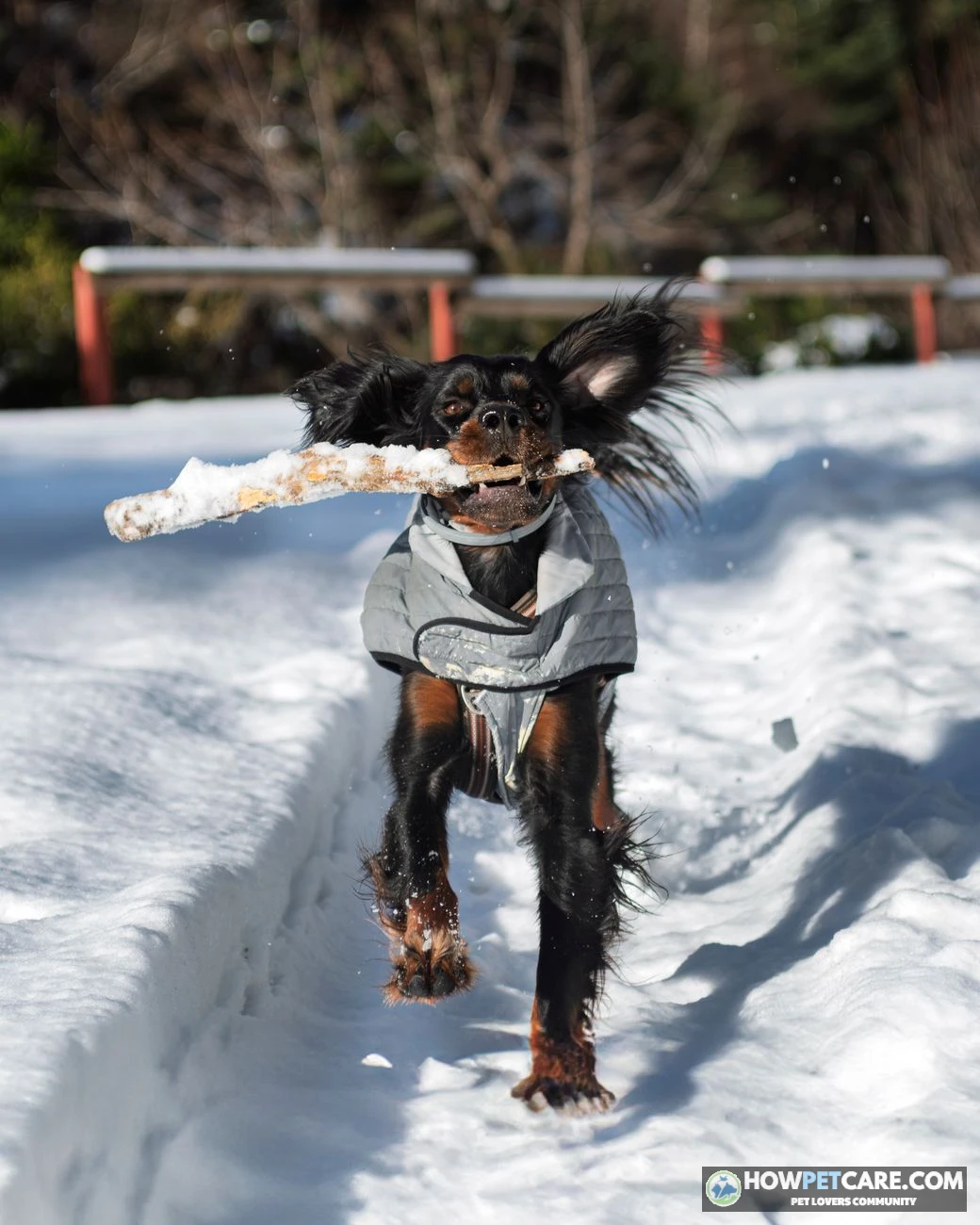

To protect pets in winter:
- Bring pets indoors before they get chilled, and limit outdoor trips in freezing, wet, or windy weather.
- Match exposure to the pet — small, short-haired, very young, senior, and ill animals need protection sooner than healthy, cold-adapted dogs.
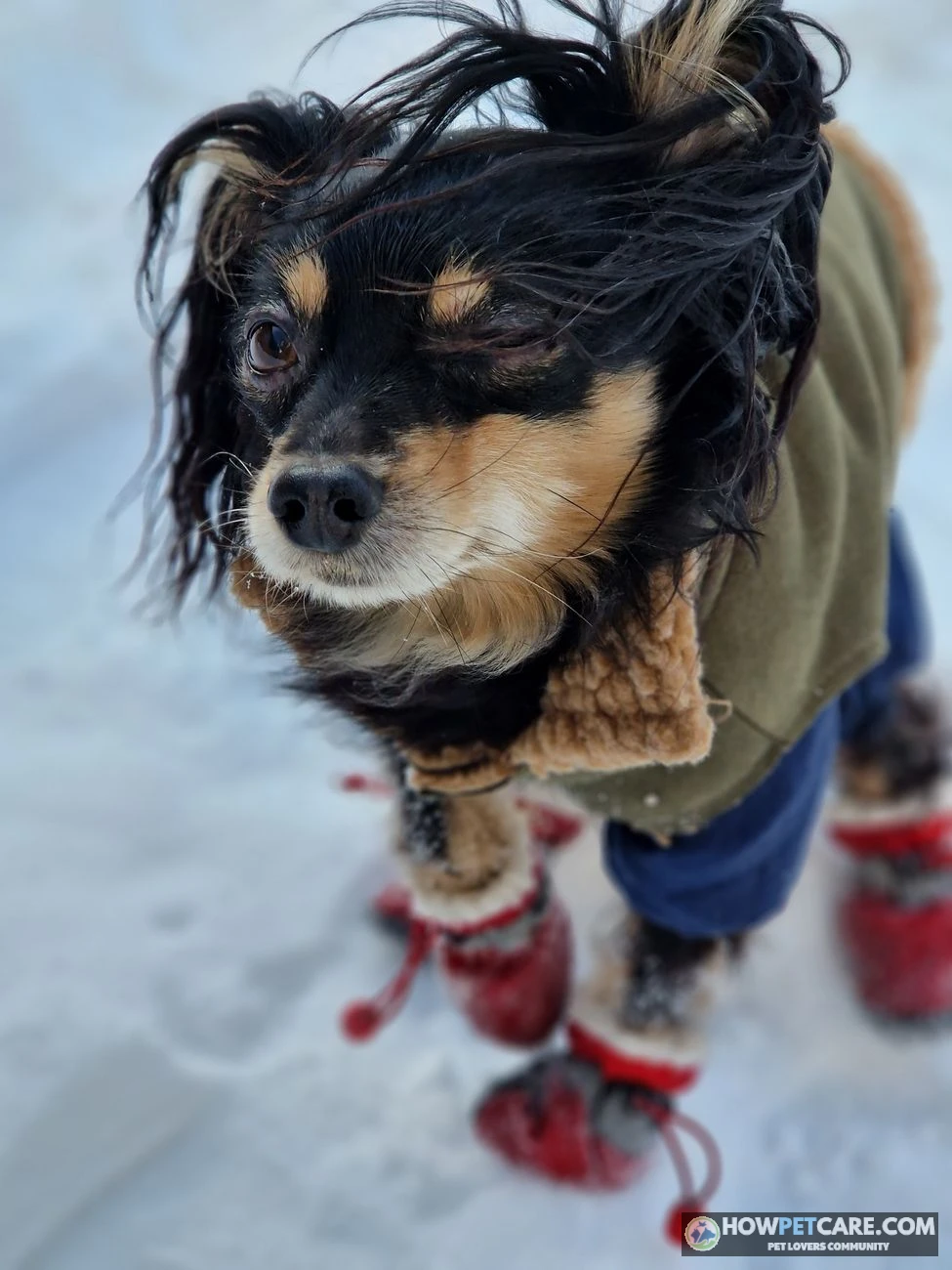
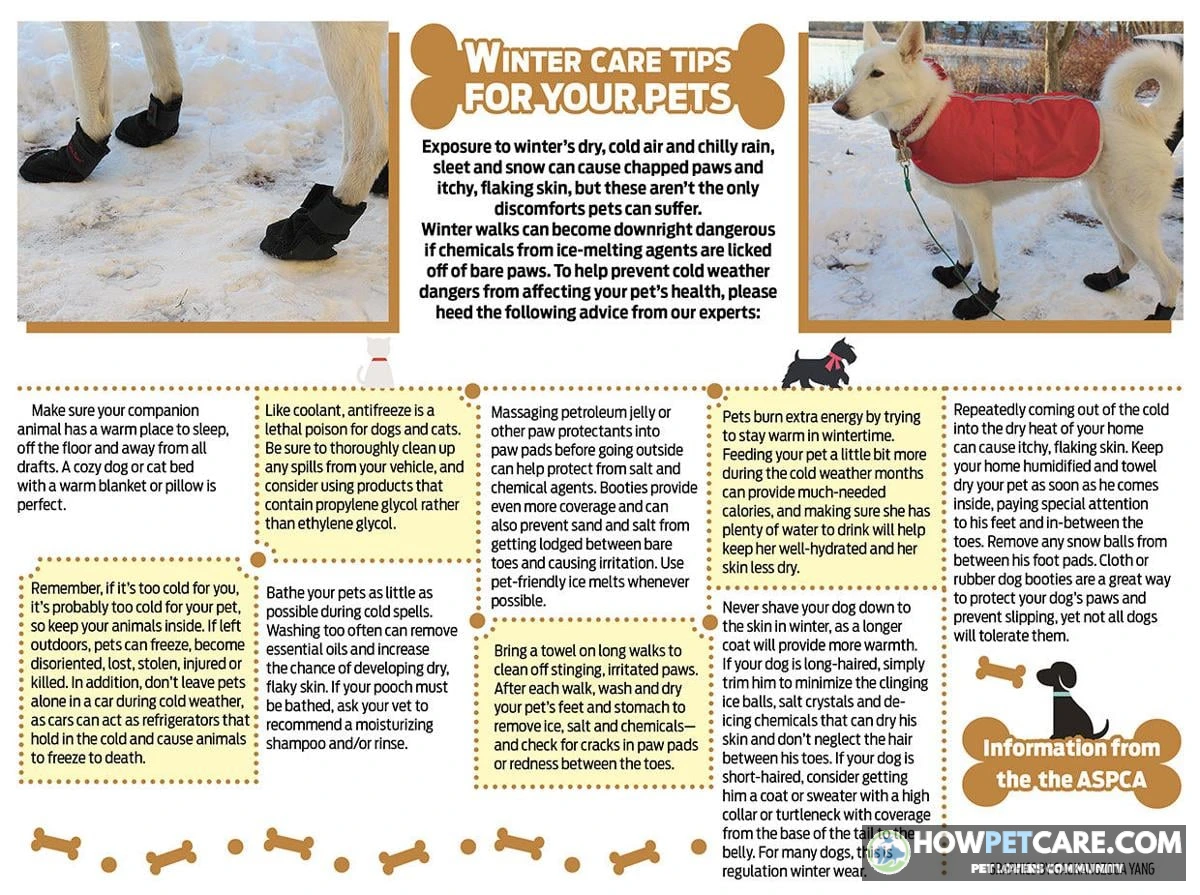
- Protect paws with booties or pet-formulated balm, and wipe feet clean after every walk.
- Store antifreeze and de-icers out of reach; call a vet or poison control immediately for any suspected exposure.
- Watch for shivering, paw-lifting, slowing down, or whining, and head inside at the first sign.
Bring pets indoors before they become chilled, and shorten outdoor trips when it’s freezing, wet, or windy. Small, short-haired, very young, senior, and ill pets generally need protection sooner than healthy, cold-adapted dogs. Check paws after every outing, keep antifreeze and de-icers out of reach, and call a veterinarian immediately if you suspect poisoning, hypothermia, or frostbite.
How Cold Is Too Cold for Your Dog or Cat? Limits by Size, Coat, Age, and Health
No single outdoor temperature or number of minutes is safe for every pet; for dogs, how cold is too cold depends on size, coat, wind, and health. A dog moving briskly on a dry, calm day faces different conditions from one standing on wet ground in a biting wind. A thick coat helps, but it doesn’t make a pet immune to frostbite or hypothermia.
Use the chart below to plan conservatively, not to calculate a guaranteed safe exposure time. No veterinary source establishes exact temperature thresholds for every breed or for cats. The temperatures here are practical points for exercising more caution, not validated boundaries between safe and dangerous conditions.
Cold-tolerance chart: small, large, double-coated, short-haired, puppy, senior, cat
| Pet type or group | Cold-tolerance notes | When to use caution | When to bring inside or limit to potty breaks |
|---|---|---|---|
| Small or short-haired dog | A small body or thin coat offers less insulation; a low belly may brush snow. | Near 32°F, and earlier if the pet is wet or the weather is windy. | Around freezing or below, favor brief, supervised trips if the dog is uncomfortable; bring the dog in immediately at the first warning sign. |
| Medium or large short-haired or thin dog | More body mass doesn’t replace a protective coat. | Near freezing, especially in wind, rain, or wet snow. | Shorten outings as conditions worsen; use potty breaks only if the dog is struggling, wet, or showing signs of cold. |
| Healthy adult with a thick double coat | A cold-adapted coat can help, but paws and exposed skin remain vulnerable. | Around freezing during long periods outdoors, and whenever the coat gets wet or ice collects on paws. | Bring inside in severe or worsening weather, or sooner if the dog slows, lifts paws, shivers, or seeks shelter. |
| Puppy, senior, underweight, arthritic, or ill pet | Age, health, low body condition, or limited mobility can reduce tolerance. | Even above freezing for particularly vulnerable animals. | In freezing weather, start with short potty breaks and ask your vet about an individual plan. |
| Pet cat or community cat | Cats can become wet, trapped, or unable to find effective shelter. | Near freezing and in wet or windy weather. | Keep pet cats inside during dangerous cold. Provide community cats with insulated shelter and unfrozen water when they can’t be brought indoors. |
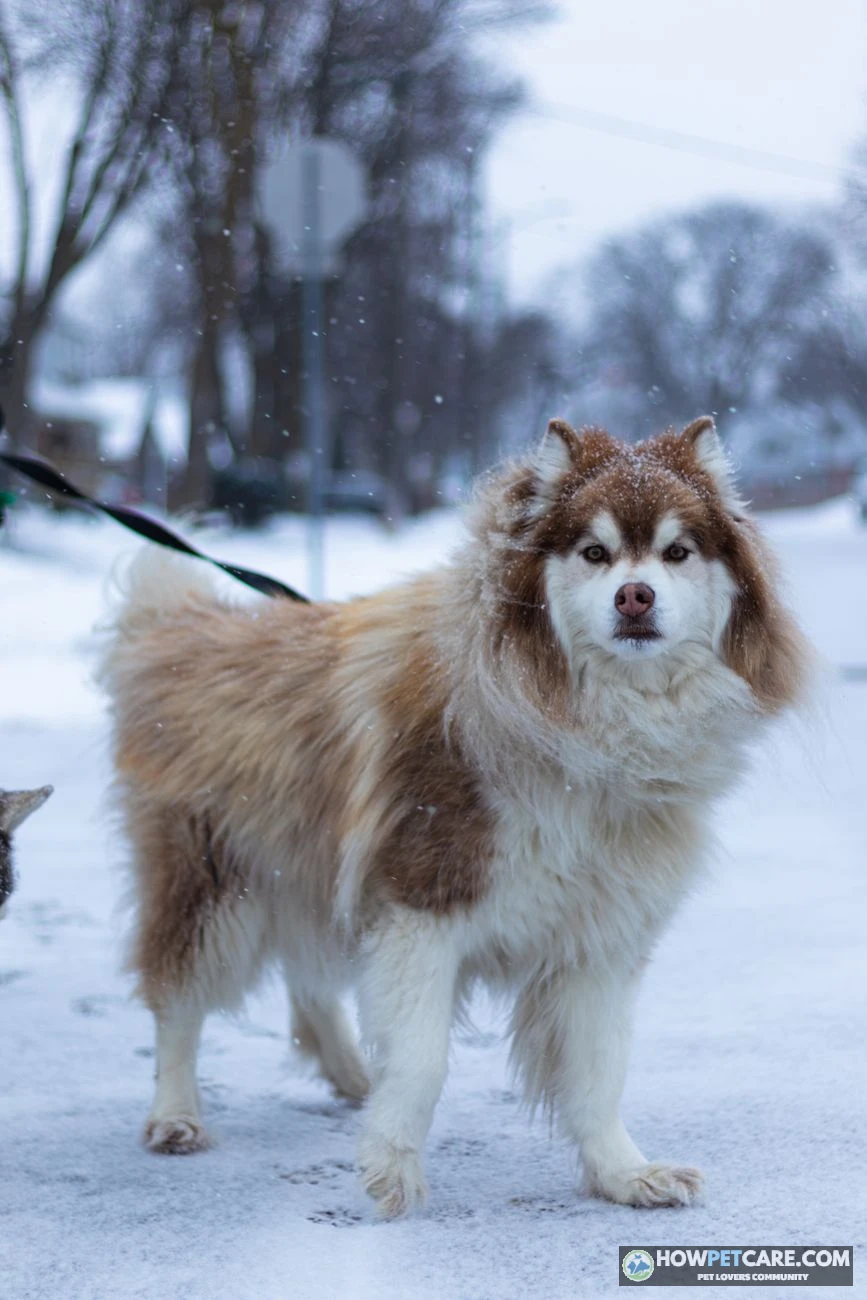
A small, short-haired dog, for example, may need a coat and a quick potty trip around freezing. Under the same dry, calm conditions, a healthy, acclimated double-coated dog may be comfortable on a supervised walk. Neither should be left outside based on the thermometer alone.
How wind chill and wet fur change the limit
Check the air temperature and weather conditions before heading out. Wind strips away warmth, while rain, wet snow, and damp ground can make it harder for a coat to insulate. A sunny, sheltered route may be more comfortable than an exposed sidewalk at the same air temperature.
Breed is only part of the decision. Consider your pet’s size, coat, body condition, age, health, usual activity, and whether the animal is accustomed to cold. A dog recently moved from a warm climate may not tolerate the same outing as an otherwise similar dog used to winter.
Warning signs it’s time to head inside
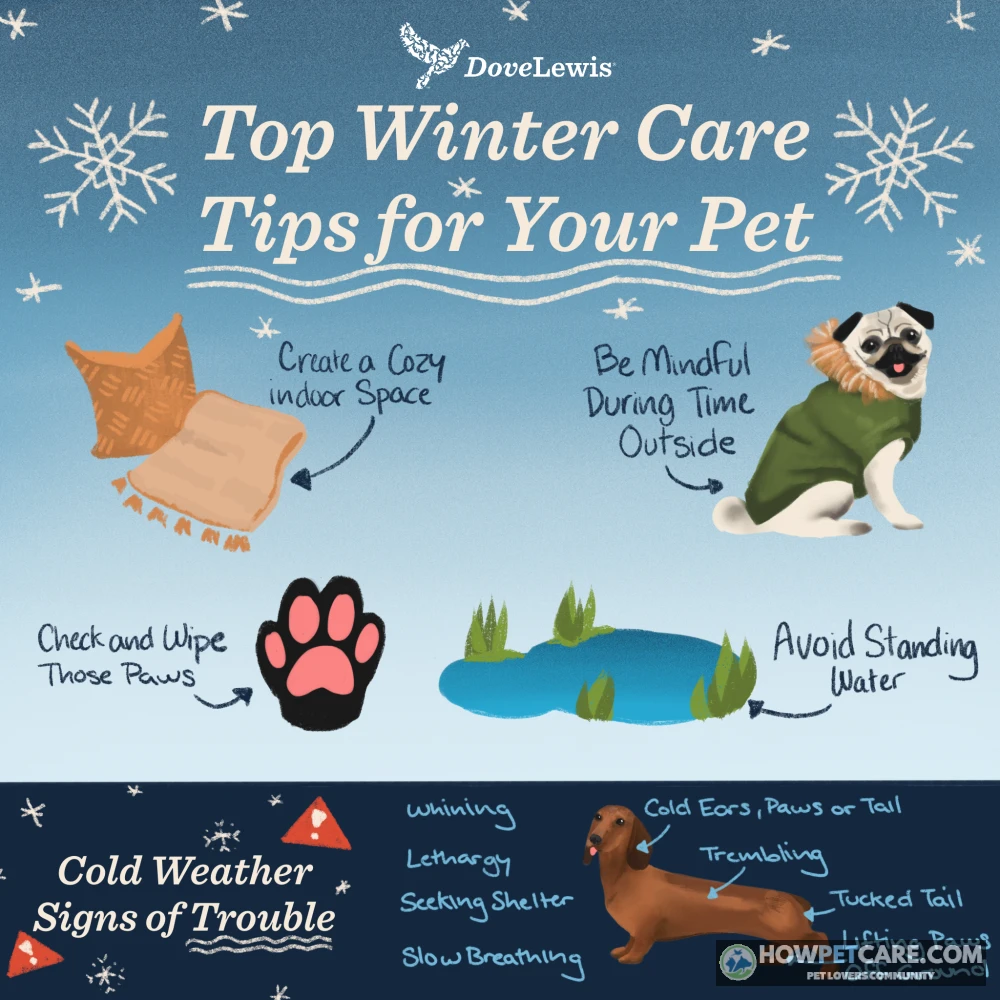
End the walk if your pet shivers, lifts paws repeatedly, slows down, whines, seems anxious, or tries to turn back or find shelter. Weakness or difficulty walking is more serious: move the pet somewhere warm and call a vet. Shivering, whining, slowing down, weakness, and seeking shelter are recognized signs of cold stress or hypothermia.
Don’t wait for these signs before bringing a vulnerable animal inside. Some pets may continue playing despite the cold, and serious cold injury isn’t always immediately obvious.
How to Protect Dog Paws From Snow, Ice, Rock Salt, and De-Icers
Snow can pack between toes, while rough ice and de-icing products can irritate or injure pads. Residue can also reach a dog’s mouth when the dog licks its feet. A simple routine before and after walks helps protect paws.
A four-step before-and-after-walk paw routine
- Prepare the paws. Check for cracks or soreness. If fur between the pads collects snow, have it carefully trimmed; a groomer or veterinary professional can help if your dog moves a lot. Trimming around the feet is different from shaving the insulating coat.
- Add protection. Use well-fitting dog booties or a thin layer of pet-formulated paw balm before the walk. Introduce booties indoors for short periods so your dog can learn to walk in them.
- Choose the route. Avoid heavily salted sidewalks, sharp ice, and roadside slush when possible. Discourage your dog from eating snow, especially near roads and driveways where chemicals may be present.
- Clean and inspect. At the door, rinse or wipe each paw with lukewarm water, dry carefully between the toes, and look for redness, cuts, cracks, or packed ice. Check the belly and legs for residue, too.
Call your vet about limping, bleeding, persistent licking, or redness that doesn’t settle. If a paw is severely injured or your dog can’t bear weight, seek prompt veterinary care.
Paw balm vs. booties: which fits which dog
Booties provide a physical barrier against ice and treated surfaces, but they must stay on without rubbing or restricting circulation. Check the fit and remove them if they cause discomfort. Paw balm may be easier for a dog that won’t tolerate footwear, but it doesn’t replace the need to avoid chemicals and clean paws afterward.
A little plain petroleum jelly can serve as a temporary barrier, but a dog may lick it off; pet-formulated balm is a more practical choice. Avoid human lotions or medicated products unless your vet recommends them.
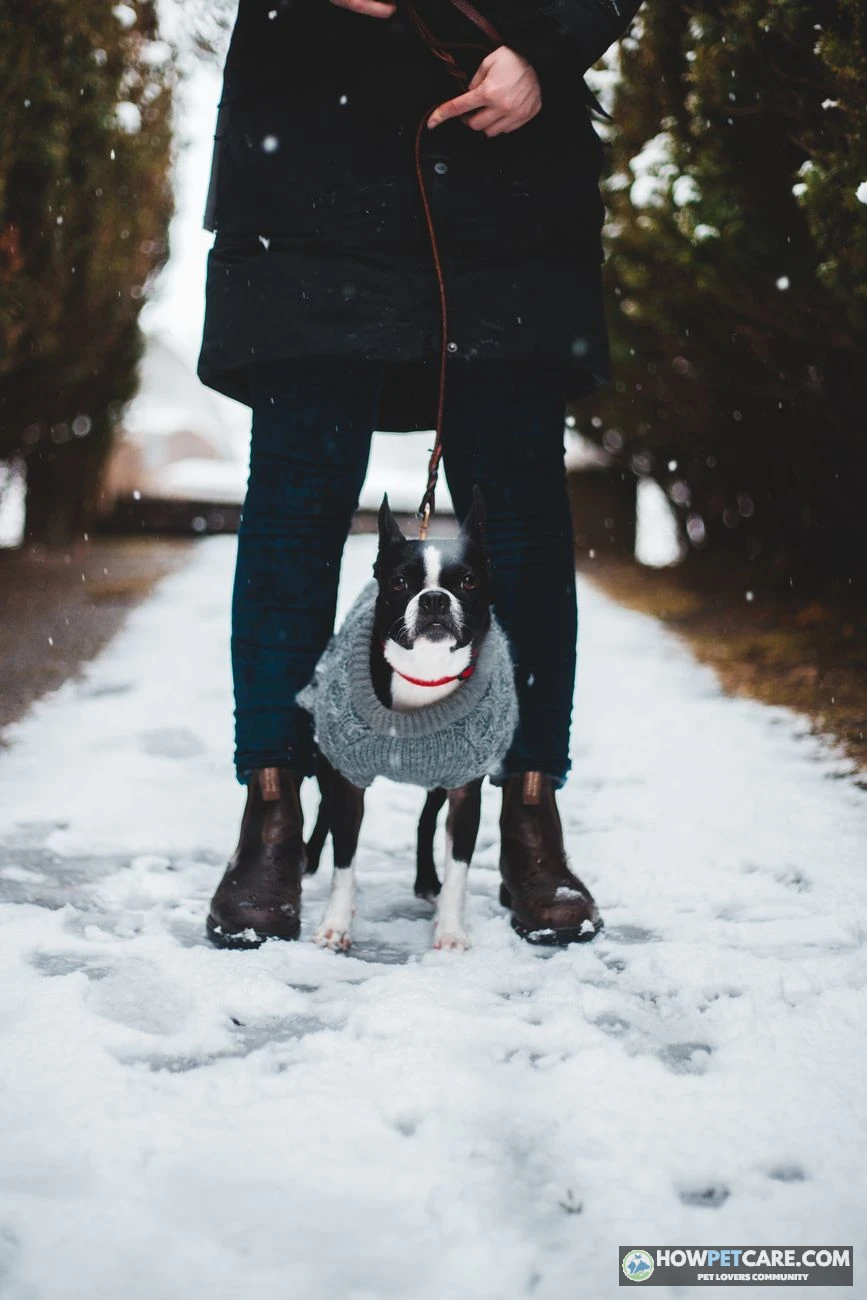
Choosing pet-safe ice melt for your own walkway
Use de-icers according to the label, keep pets away during application, and sweep up excess material. Sand or other suitable traction grit can improve footing without relying entirely on chemical ice melt.
A product marketed for use around pets can still irritate paws or cause illness if swallowed. Store it out of reach and wipe paws after exposure.
Does Your Pet Need a Coat or Sweater? Gear and Grooming for Cold Weather
Quick test: does your dog need a coat?
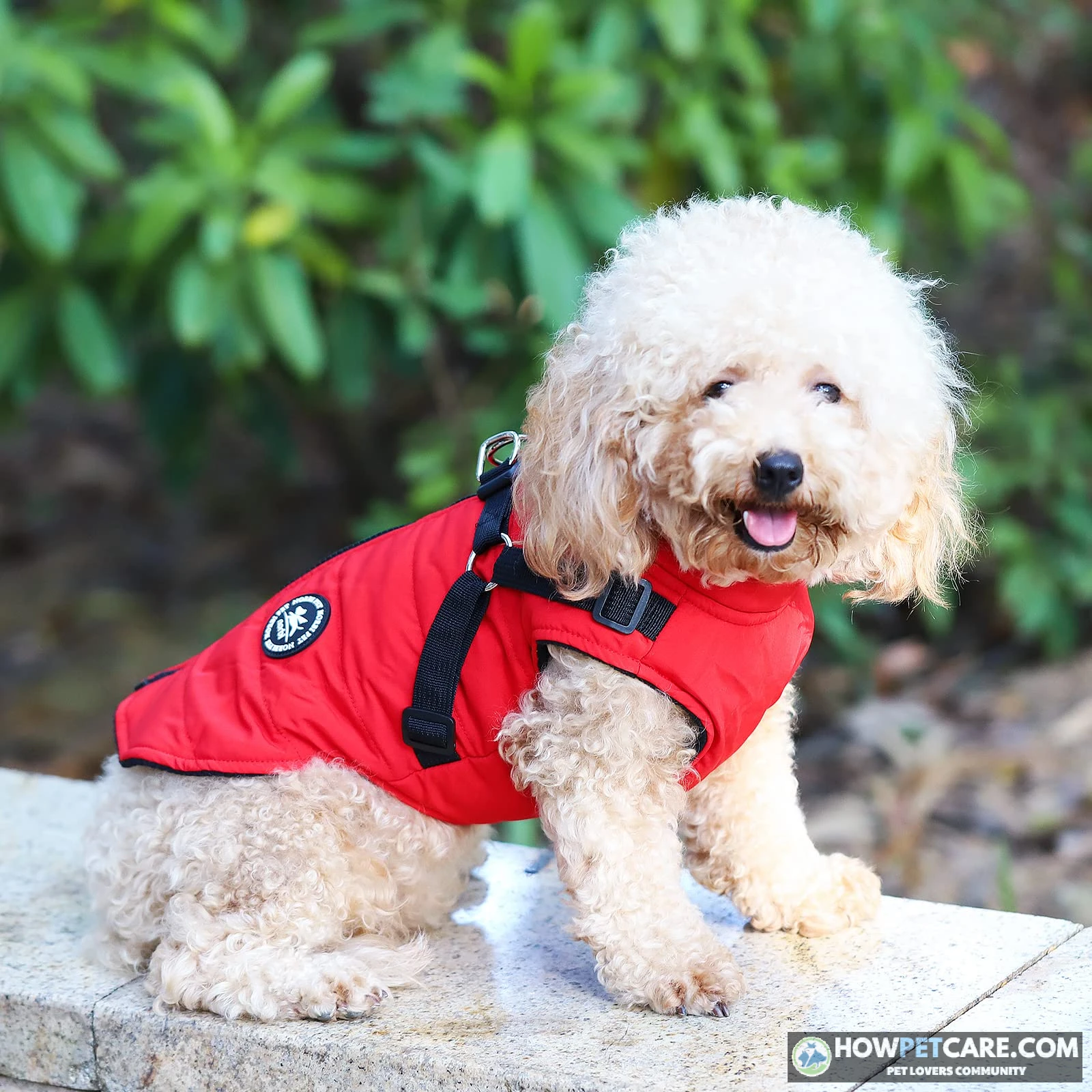
Consider dog sweaters and coats for small, thin, or short-haired dogs and for puppies, seniors, or dogs with health or mobility problems. A healthy, acclimated double-coated dog may not need a coat for an ordinary outing, though that doesn’t make the dog safe from extreme cold.
Choose a garment that covers the back and, where practical, the chest without interfering with movement, breathing, or bathroom breaks. It should stay dry and fit without rubbing. Remove wet clothing promptly; a soaked coat can make the dog less comfortable.
Most cats don’t need clothing. Offer warm indoor resting places instead, and discuss special needs with your vet rather than forcing a cat into a garment it can’t tolerate.
Grooming mistakes that cost warmth
Don’t shave a dog’s coat down to the skin for winter unless a veterinary or grooming need makes it necessary. Keep fur brushed and free of mats, and dry pets thoroughly after baths or wet outings. Trimming fur around the feet can reduce snow buildup without sacrificing the coat elsewhere.
For long-haired cats, regular brushing helps keep the coat manageable. Give all cats a choice of warm beds away from drafts and cold window glass.
Cars in winter: cold cabins and cats in engine bays
Never leave a pet unattended in a parked car in cold weather. A cold vehicle can retain low temperatures and put an animal at risk.
Outdoor cats may shelter near a vehicle’s engine for warmth. Before starting a car parked outdoors, bang on the hood or honk, then pause to give a hiding cat a chance to escape.
How to Set Up Outdoor Winter Shelter for Pets, Strays, and Community Cats
Indoor shelter is the safest choice for companion animals during dangerous cold. An outdoor shelter is a backup, not a reason to leave a vulnerable pet outside indefinitely. Check local animal-care requirements as well as your pet’s individual needs.
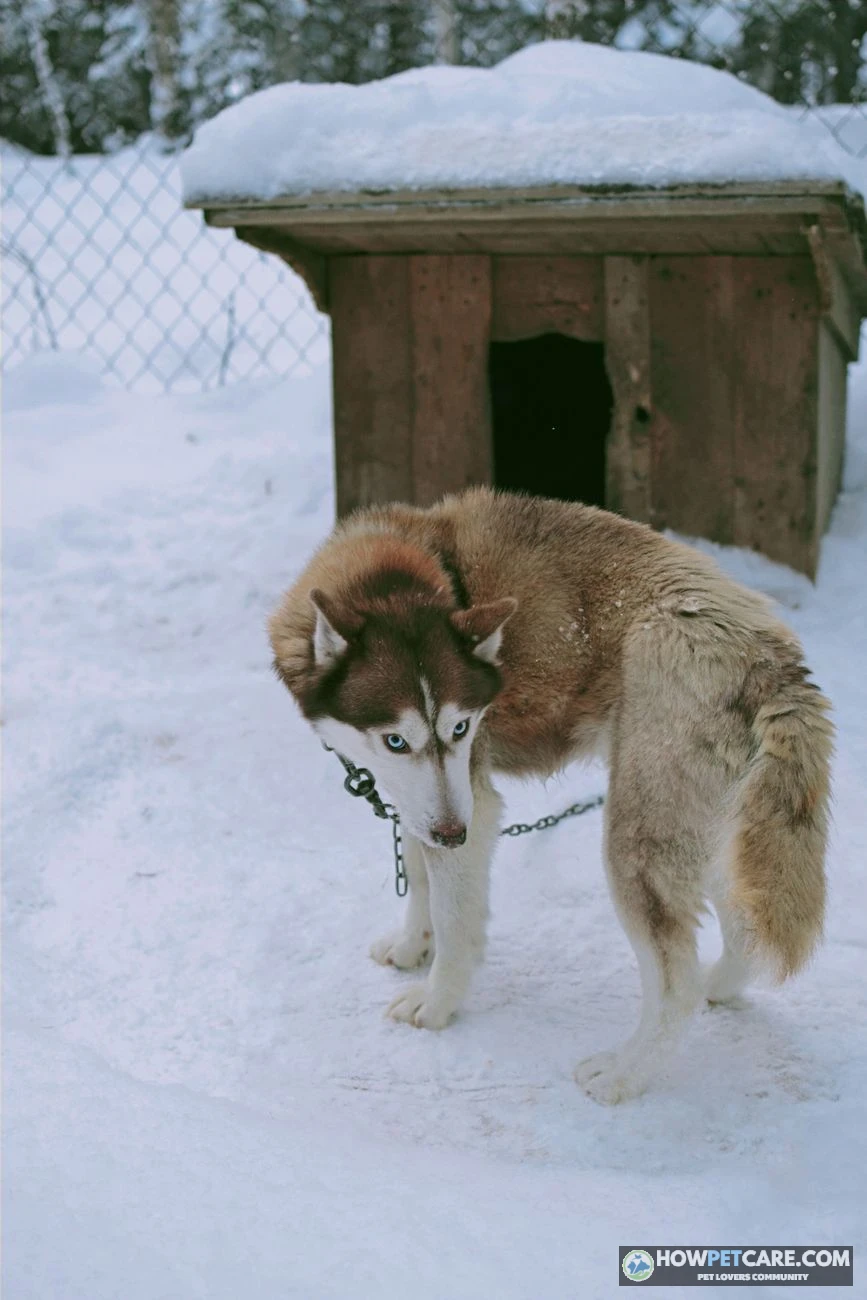
Outdoor dog house checklist
A usable outdoor shelter should be:
- Weatherproof and insulated, with a roof that doesn’t leak and walls that block wind.
- Raised off the ground by a few inches to reduce contact with cold, wet soil.
- Appropriately sized: large enough for the animal to stand, turn around, and lie down, but not so large that body heat dissipates quickly.
- Protected at the entrance, with the opening facing away from prevailing wind and a flap if the animal will use it safely.
- Dry and regularly checked, with clean straw for bedding. Replace it when damp or soiled. Outdoor blankets and towels can become wet and freeze; hay also holds moisture more readily than straw.
- Close to accessible water, refreshed often enough that it doesn’t freeze. A suitable outdoor-rated heated water bowl can help where safe power is available.
A plastic water bowl is an alternative to bare metal in freezing conditions because a pet’s tongue can stick to frozen metal. Check every bowl frequently for cleanliness and ice.
Easy winter shelter for community and feral cats
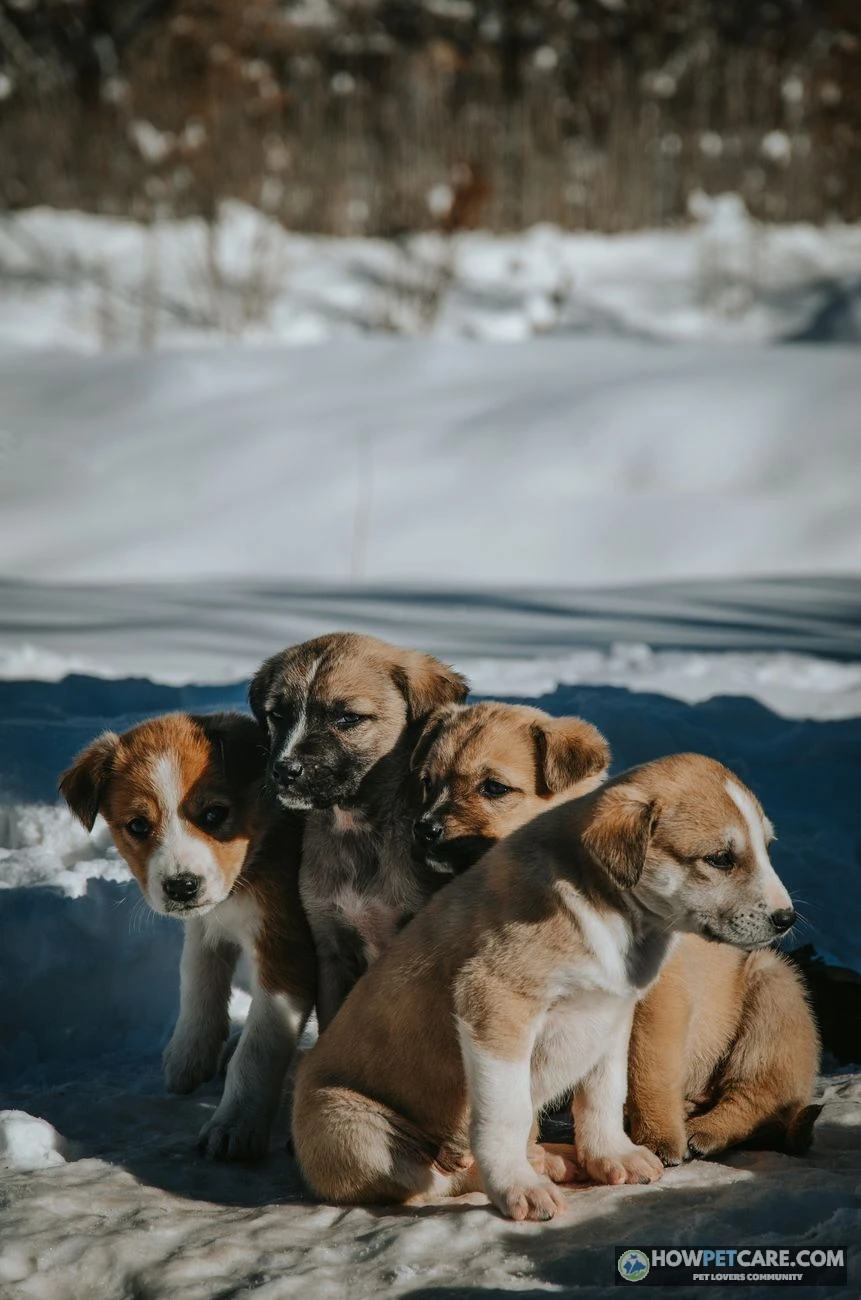
An insulated, weather-resistant bin or foam shelter with a small entrance and dry straw can give community cats a place to escape wind and precipitation. Raise it off wet ground, position it in a sheltered location, and check that the entrance stays clear of snow. Put food and unfrozen water nearby, while keeping the sleeping area dry.
If you find a friendly stray, contact a local shelter or rescue about identification and safe placement. For feral or community cats, local trap-neuter-return groups can advise on feeding, shelter placement, and available support. Avoid handling a frightened or injured cat without guidance.
Heated bed vs. insulated shelter
Insulation works without electricity and should be the foundation of an outdoor shelter. A heated pet bed or pad may add warmth, but only if it’s designed for the setting, used according to its instructions, protected from moisture, and checked regularly. Protect cords from chewing and arrange the space so the animal can move away from the heat.
Don’t improvise with exposed heating elements, heat lamps, open flames, or household space heaters inside a small shelter. Burns, damaged cords, and fire are serious risks. Keep antifreeze and other garage chemicals well away from any animal’s resting place.
Should You Feed Your Pet More in Winter? Hydration and Calories by Lifestyle
Winter feeding advice can seem contradictory, but it comes down to lifestyle. An animal that spends long periods active outdoors may burn more energy staying warm, while an indoor pet that exercises less may need the same amount of food or less. Don’t increase every pet’s portions simply because the season has changed.
Feeding guide: indoor vs. outdoor vs. senior
| Pet lifestyle | Calorie needs in winter | What to watch | Water tips |
|---|---|---|---|
| Mostly indoor dog or cat | Often unchanged; less activity may mean fewer calories are needed. | Weight gain, reduced play, and changes in body condition. | Keep fresh water available indoors and wash bowls regularly. |
| Active outdoor or working dog | May need more food if activity and cold exposure increase energy use. | Weight loss, workload, and condition; ask a vet to guide an increase. | Offer unfrozen water during and after activity. |
| Outdoor or community cat | May need additional food when maintaining warmth outdoors. | Whether food is being eaten, the cat’s condition, and whether food freezes or spoils. | Provide fresh, unfrozen water and check it often. |
| Senior, underweight, or medically managed pet | Needs vary with health, appetite, and mobility; don’t assume more food is always appropriate. | Weight change, poor appetite, and difficulty reaching bowls. | Place water where the pet can reach it easily. |

Weigh your pet periodically and ask your vet to show you how to assess body condition. Discuss substantial diet changes first, especially for an overweight pet or one on a prescription diet. Food is not a substitute for bringing a cold animal indoors.
Hydration matters in winter, even when a pet is less active. Check outdoor water frequently and don’t rely on snow as a drinking source.
Extra Winter Care for Puppies, Seniors, Arthritic Pets, and Small Animals in Garages or Sheds
Puppies and small short-haired dogs
Plan shorter, more frequent outdoor trips for puppies and small or thin-coated dogs. A properly fitted coat can help, but you still need to monitor their behavior. If conditions make a trip unsafe, an appropriate indoor potty area can be useful for a dog already trained to use one.
Keep dogs leashed where snow or ice makes routes difficult to navigate, and make sure collars, ID tags, and microchip contact information are current.
Senior and arthritic pets: ice, slips, and joint pain
Cold weather and slippery surfaces can make movement more difficult for older or arthritic animals. Put washable rugs or nonslip runners along the route to food, water, and the door. Clear a short outdoor potty path, and consider a stable ramp where steps or jumping are difficult.
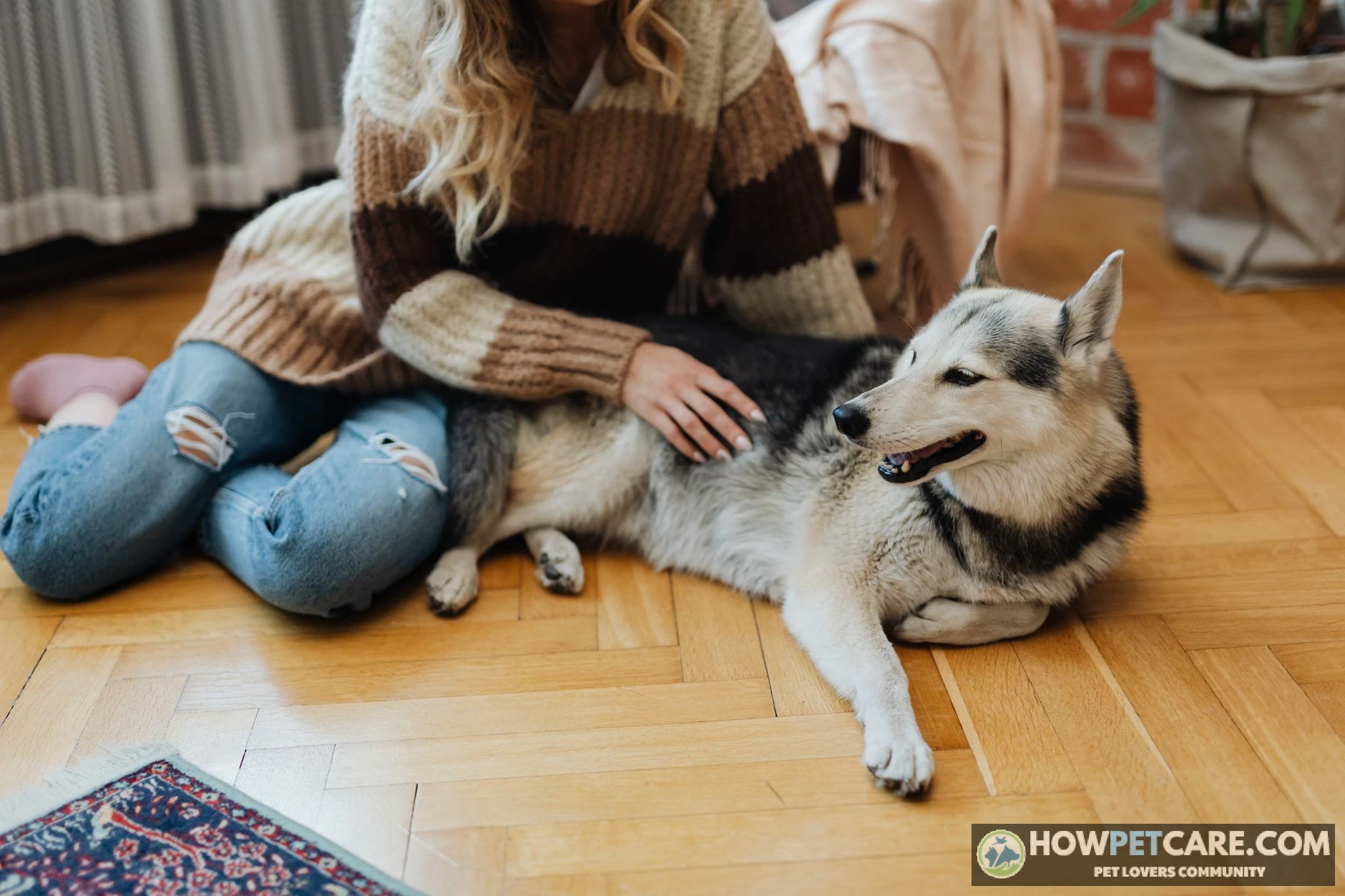
Offer a supportive bed away from drafts. Try shorter, more frequent outings if a long walk is uncomfortable. Ask your vet about new stiffness, limping, or pain; never give human pain medication without veterinary direction.
Dogs and cats with heart, kidney, thyroid, or other chronic conditions may also need individualized limits. Ask the veterinarian managing the condition how to adapt outings and hydration.
Rabbits, birds, and small pets in garages or sheds
Rabbits, guinea pigs, birds, rats, mice, and other small pets have species-specific temperature and housing needs. Unheated garages and sheds can expose them to drafts, rapid temperature changes, vehicle fumes, and chemicals. A stable, draft-free indoor location is generally the safer starting point; ask an exotics veterinarian how to make the move and set an appropriate environment for your species.
Don’t place a cage directly beside a heater or in the path of hot air. Check food, water, and behavior often, especially during a power outage.
Hypothermia and Frostbite in Pets: Signs and What to Do in the First 10 Minutes
Hypothermia is a dangerous drop in body temperature. Frostbite is cold injury to tissue, often affecting exposed areas such as ears, paws, and the tail. Both need veterinary attention; a pet can have both at the same time.
Hypothermia vs. frostbite: signs and first aid at a glance
| Condition | Early signs | Severe signs | First aid to start now | Do NOT do | When to go to the emergency vet |
|---|---|---|---|---|---|
| Hypothermia | Shivering, whining, anxiety, slowing down, or seeking shelter. | Weakness, stumbling, very slow breathing, collapse, or unresponsiveness. | Move indoors, dry the pet, wrap in dry blankets, and call a vet while gently warming. | Do not use hot water, direct heat, or delay transport to finish warming. | Immediately for collapse, unresponsiveness, very slow breathing, or worsening weakness; call a vet promptly for suspected hypothermia. |
| Frostbite | Cold, pale, gray, or bluish skin, often on ears, paws, tail, or other exposed tissue. | Hard or painful tissue, swelling, blisters, or darkened skin; injury may become clearer later. | Protect the pet from further cold and call a vet. Gently warm the area only if it can be kept from refreezing. | Do not rub, massage, use direct heat, break blisters, or allow rewarmed tissue to refreeze. | Seek urgent veterinary assessment for suspected frostbite; go immediately for blistering, severe pain, or signs of systemic illness. |
Step-by-step first aid before you reach the vet
For suspected hypothermia:
- Get out of the cold. Carry or guide the pet indoors, away from wind and wet ground. Check responsiveness and breathing; tell the clinic immediately if either is abnormal.
- Call while you act. Contact your vet or the nearest emergency clinic. Report the signs, estimated exposure, whether the pet is wet, and your location. If the pet has collapsed, is unresponsive, or is breathing very slowly, arrange immediate transport.
- Dry and insulate. Gently towel-dry wet fur and wrap the pet in dry blankets.
- Warm gently. Place warm—not hot—water bottles wrapped in towels against the body. Never place a heat source directly on skin. If you know how to take a rectal temperature and can do so safely, report it to the vet; don’t delay care or struggle with the pet to obtain it.
- Get to a vet. Transport in a warmed vehicle if possible, keeping the pet wrapped and dry. Don’t wait for the pet to look better before following the clinic’s instructions.
For suspected frostbite:
- Move indoors and call a vet. Keep the whole pet warm and describe the affected area and any signs of hypothermia.
- Protect the tissue. Don’t rub or massage it, break blisters, or allow the pet to chew the area.
- Warm only when refreezing can be prevented. If you can keep the area warm afterward and warming won’t delay transport, gently use lukewarm—not hot—water. If the area could freeze again, protect it and leave rewarming to veterinary professionals.
- Get to a vet. Keep the pet dry and prevent renewed cold exposure during the trip. Frostbite damage may not be fully visible at first.
What not to do when warming a cold pet
Avoid heating pads, hair dryers, heat lamps, hot baths, and other direct or intense heat. Don’t give medications or force food or water. A severely chilled pet needs professional assessment even if warming has begun.
Antifreeze and Ice-Melt Poisoning: What to Do Right Now
Antifreeze containing ethylene glycol is highly toxic to dogs and cats, and even a small exposure can be life-threatening. Don’t wait for symptoms or try to determine at home whether the amount was safe.
The “do this now, then call” response flow
- Stop exposure. Move the pet away from the product and prevent further licking. If residue is visible on paws or around the mouth, gently wipe it away with a damp cloth without delaying the call.
- Call immediately. Contact your veterinarian, an emergency veterinary clinic, or ASPCA Animal Poison Control at (888) 426-4435. A consultation fee may apply.
- Give the details you have. Say: “My dog or cat may have licked antifreeze or ice melt at approximately this time. My pet weighs about this much. The product and amount are known or unknown, and these are the signs I see.” Mention any medications or medical conditions.
- Follow professional instructions and travel promptly. For suspected antifreeze ingestion, contact an emergency vet immediately and arrange care without waiting for symptoms. Take the container or a clear label photo with you.
- Do not try home treatment. Don’t induce vomiting, give milk or salt, or administer medication unless a veterinarian or poison-control professional specifically directs you.
Early veterinary treatment matters with antifreeze exposure. A pet can appear normal initially, so an uncertain exposure still warrants an immediate call.
How much is dangerous? Antifreeze and ice melt by body weight
There is no responsible one-size-fits-all amount to calculate from a pet’s weight at home: products differ, the amount swallowed is often uncertain, and the animal’s species and condition matter. Published sources don’t agree on a single lethal-dose figure, so none is given here. Treat even a possible small antifreeze exposure as urgent.
Ice-melt ingredients and concentrations vary too. Ingestion can cause drooling, vomiting, or other illness, and substantial salt ingestion can be serious. Call your vet or poison control with the product name and estimated amount, even when the label says it’s pet-safe.
Preventing exposure at home and on walks
Store antifreeze and de-icers in sealed containers out of reach, clean spills promptly, and check garage floors and driveways for leaks. Propylene glycol-based antifreeze is a less toxic alternative to ethylene glycol products, but it still belongs out of reach and shouldn’t be treated as safe to ingest. After walks, clean paws and lower legs before your pet can lick off residue.
Your Winter Pet Plan: Emergency Kit, Indoor Exercise, and a Printable-Style Checklist
A storm can interrupt power, water, transportation, and normal pet-care routines at the same time. Prepare for at least 72 hours of confinement, and stock at least five days of food and medication where possible.
What goes in a winter pet emergency kit
- ☐ At least five days of pet food and medication, stored securely, plus a manual can opener if needed.
- ☐ Drinking water and bowls, with a backup plan if pipes or outdoor bowls freeze.
- ☐ Medication instructions, veterinary and vaccination records, and emergency clinic and poison-control numbers saved offline.
- ☐ A secure carrier or crate for each cat or small animal; a leash and harness for each dog.
- ☐ Extra dry blankets, towels, a pet first-aid kit, waste bags, litter, and cleaning supplies.
- ☐ Current ID tags and microchip registration, a recent photo, and written care instructions for a neighbor or sitter.
- ☐ A pet-friendly evacuation destination and a plan for transporting every animal.
- ☐ A designated warm room and a safe backup plan for warmth if the power fails.
During an outage, gather pets in the warmest safe room, close doors to unused spaces, use dry blankets, and check animals frequently. Don’t use outdoor heaters, grills, generators, or open flames indoors. Never leave a pet alone with a space heater or an accessible electrical cord.
Keeping a dog or cat busy indoors during a cold snap
Rotate short activities rather than expecting one long play session. Try a puzzle feeder, hide small portions of a pet’s normal food for a scent search, practice simple cues, or play gentle hallway fetch where footing is secure. For cats, try supervised wand play, a scratching area, and a stable climbing or viewing spot.
Match play to the animal. A senior or arthritic pet may benefit from gentle searching games rather than stairs or jumping. Put toys away when supervision ends if strings or small parts could be swallowed.
Winter pet safety checklist
- ☐ Check temperature, wind, precipitation, and your individual pet’s tolerance before going out.
- ☐ Shorten trips for vulnerable pets; bring any pet inside at the first sign of distress.
- ☐ Use a suitable coat or paw protection when needed, then clean and inspect paws after walks.
- ☐ Keep companion animals indoors in dangerous weather; check outdoor shelters, straw, and unfrozen water.
- ☐ Monitor body condition and activity before changing food portions.
- ☐ Check senior, ill, very young, and small pets for comfort and safe footing.
- ☐ Keep antifreeze and de-icers secured, and post the vet and poison-control numbers near your kit.
- ☐ Recheck supplies, identification, and your pet-inclusive evacuation plan before a storm.
Knowing how to protect pets in winter starts with watching conditions and your animal. If it’s very cold, your pet is vulnerable, or you see warning signs, bring the animal inside. If you suspect cold injury or poisoning, call a veterinarian and act immediately.
1When creating or maintaining an outdoor shelter for pets or community cats in winter, why is clean straw recommended over towels, blankets, or hay for bedding?
Straw effectively sheds moisture and creates warm insulating air spaces, while cloth blankets and hay readily absorb water and freeze solid in low temperatures.
2According to cold-weather pet safety guidance, how should pet owners handle de-icing products marketed as 'pet-safe'?
Pet-safe ice melts reduce foot pad irritation compared to rock salt, but they still contain chemical concentrations that cause digestive upset or toxicity if swallowed.
3If a pet owner suspects their animal has ingested ethylene glycol antifreeze, what is the critical first step after stopping further exposure?
Ethylene glycol toxicity progresses rapidly, requiring immediate professional medical intervention even if the pet appears completely normal initially.
4What is the recommended first-aid procedure for rewarming a pet suspected of having frostbite on exposed tissue?
Rewarming frostbitten tissue should only occur with lukewarm water when ambient warmth can be continuously maintained, as refreezing warmed tissue causes severe damage.
5Which pet group typically requires a higher daily caloric intake during the winter season?
Animals actively working or spending extensive time outdoors expend significant metabolic energy to thermoregulate against cold air.
6What preventative routine should drivers adopt in cold weather before starting a vehicle parked outdoors?
Outdoor cats frequently crawl into vehicle engine compartments for residual heat, so creating a loud noise and pausing gives hiding animals a chance to flee safely.
7What is the recommended approach for protecting a dog's foot pads prior to winter walks?
Booties provide a physical barrier against ice and de-icers, while pet-formulated balms help shield pads without introducing toxic ingredients when licked.
8Which behavior is a recognized warning sign that a pet is experiencing cold stress or hypothermia and should be taken inside immediately?
Paw-lifting, shivering, whining, and seeking shelter are clear indicators of discomfort, cold stress, and loss of core body heat.
9What is an important standard to follow when assembling a winter emergency kit for pets?
Preparing at least five days of essential food and medications ensures pets remain cared for during severe weather disruptions and multi-day power outages.
10How do wind chill and wet conditions alter a pet's outdoor cold tolerance?
Air movement accelerates convective heat loss, while rain or wet snow displaces trapped insulating air within an animal's coat, accelerating chilling.
| Pet Type or Group | Cold-Tolerance Notes | When to Use Caution | When to Bring Inside or Limit Trips |
|---|---|---|---|
| Small or short-haired dog | Small body or thin coat offers less insulation; low belly may brush snow. | Near 32°F, and earlier if wet or windy. | Around freezing or below, favor brief, supervised trips if uncomfortable; bring inside immediately at first warning sign. |
| Medium or large short-haired or thin dog | More body mass does not replace a protective coat. | Near freezing, especially in wind, rain, or wet snow. | Shorten outings as conditions worsen; limit to potty breaks only if struggling, wet, or showing signs of cold. |
| Healthy adult with a thick double coat | Cold-adapted coat helps, but paws and exposed skin remain vulnerable. | Around freezing during long periods outdoors, and whenever coat gets wet or ice collects on paws. | Bring inside in severe or worsening weather, or sooner if dog slows, lifts paws, shivers, or seeks shelter. |
| Puppy, senior, underweight, arthritic, or ill pet | Age, health, low body condition, or limited mobility can reduce cold tolerance. | Even above freezing for particularly vulnerable animals. | In freezing weather, limit to short potty breaks and consult a vet for an individual plan. |
| Pet cat or community cat | Cats can become wet, trapped, or unable to find effective shelter. | Near freezing, as well as in wet or windy weather. | Keep pet cats inside during dangerous cold; provide community cats with insulated shelter and unfrozen water when they cannot be brought indoors. |
FAQ
How long can a dog stay outside in cold weather?
It depends on the dog’s size, coat, age, health, and the wind chill, so there is no single safe time limit. Small, thin-coated, young, old, or ill dogs should be limited to short potty breaks in freezing weather, and any dog should come in as soon as it shivers, lifts its paws, slows down, or whines.
Is it safe for my dog to eat snow?
Clean snow is usually fine in small amounts, but snow near roads and driveways can hold salt, antifreeze, and de-icer residue. Large amounts of snow can also chill a dog, so keep fresh water available and steer your dog away from slush.
Can I put petroleum jelly or human lotion on my dog’s paws?
Petroleum jelly can act as a thin barrier, but dogs lick it off and may get an upset stomach. A balm made for pets is a better choice, and you should still wipe paws after every walk.
Is ‘pet-safe’ ice melt safe if my dog eats it?
No. ‘Pet-safe’ usually means the product is less irritating to paws and less harmful than rock salt, not that it is safe to eat. Call your vet or a poison hotline if your pet eats a large amount or shows vomiting, drooling, or lethargy.
Do indoor cats get cold in winter?
Yes, especially seniors, thin cats, and short-haired cats in drafty rooms. Give them a warm bed away from windows and drafts and let them choose where to settle.