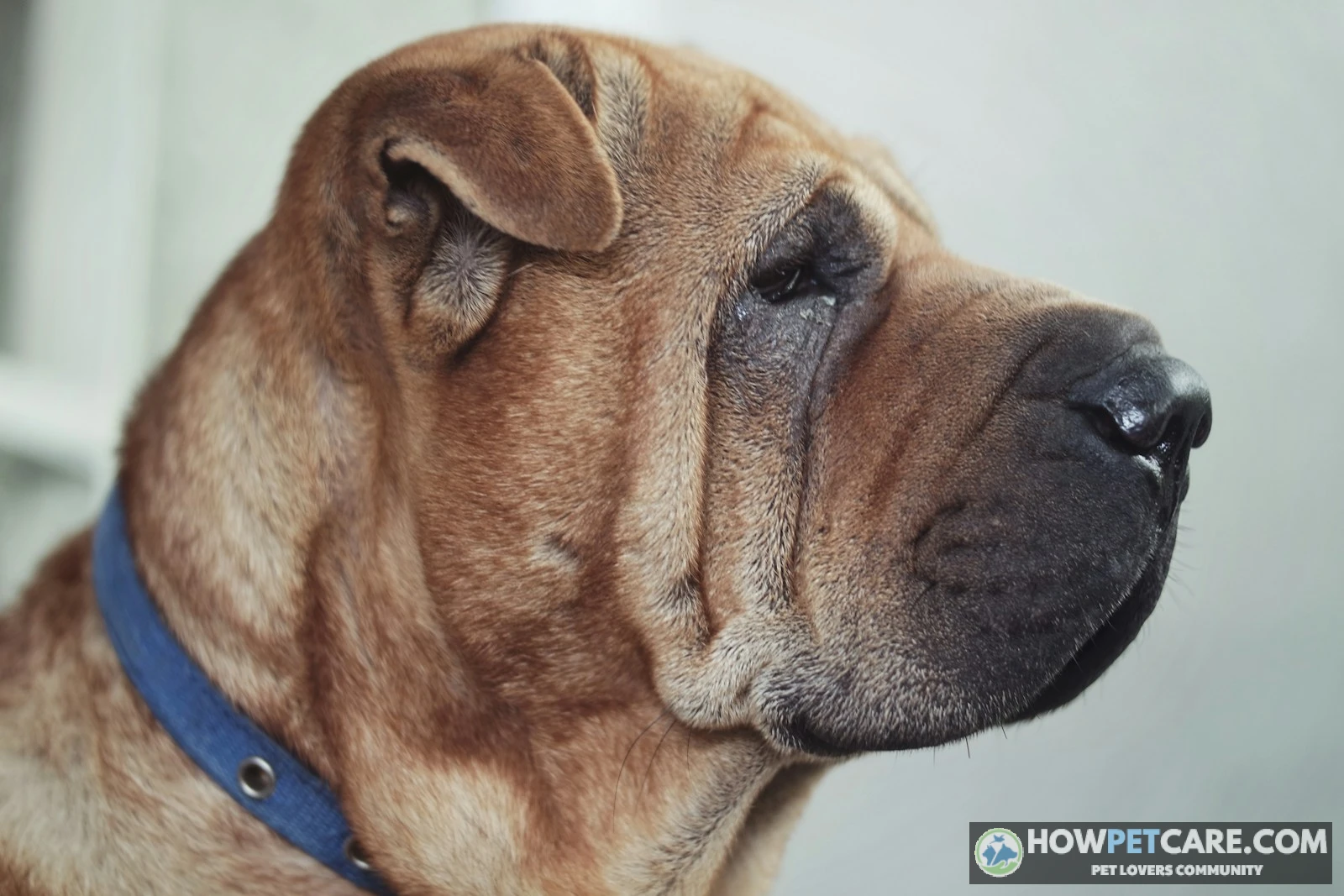

Shar-Pei fever (familial Shar-Pei fever, FSF) is an inherited autoinflammatory syndrome in Shar-Peis that causes sudden recurring fevers, often with painful swollen hocks. Episodes commonly last 12–48 hours, but any first fever, 106°F+ reading, collapse, breathing trouble, or severe illness needs veterinary or emergency care.
Shar-Pei Fever Explained: What It Is, Why It Happens, and What an Episode Looks Like
Familial Shar-Pei fever (FSF) is an inherited inflammatory condition that can cause recurring fever, pain, and swelling, especially around the hocks—the joints on a dog’s hind legs. It’s part of the broader picture of Shar-Pei autoinflammatory disease, or SPAID, and is sometimes called swollen hock syndrome. Episodes often pass within 12–48 hours, but some affected dogs develop amyloidosis, a buildup of abnormal protein that can damage the kidneys.
If your Shar-Pei has a fever for the first time, contact a veterinarian today. Don’t assume it’s FSF. A temperature of 106°F or higher, collapse, breathing difficulty, or inability to stand warrants emergency care. This guide can help you prepare for a conversation with your veterinarian, but it can’t replace an examination.
Why the HAS2 mutation causes fever and swollen hocks
FSF is an autoinflammatory disease: the body’s inflammatory response becomes active even when there may be no infection. It isn’t contagious and can’t spread to other dogs or people.
Changes involving the HAS2 gene are associated with increased production of hyaluronan, also called hyaluronic acid. This substance contributes to the Shar-Pei’s characteristic wrinkled skin. Hyaluronan breakdown products can also activate inflammatory pathways, which helps explain the genetic link between the skin trait and disease risk.

The underlying genetic variation is common in the Shar-Pei breed, but it’s unclear what proportion of dogs develop fever. A UK owner survey reported fever in 52 of 106 dogs; that finding shouldn’t be assumed to represent every Shar-Pei population.
Episode characteristics: temperature, duration, and what the swelling looks like
An episode often starts suddenly. A dog may seem fine earlier in the day, then become quiet, stiff, or reluctant to move. Signs can include:
- Fever, often reported around 103–107°F (39.4–41.7°C).
- Swollen, painful hocks, though not every affected dog has visible swelling.
- Swelling around the muzzle or pain in other joints.
- Lethargy, reduced appetite, and reluctance to walk.
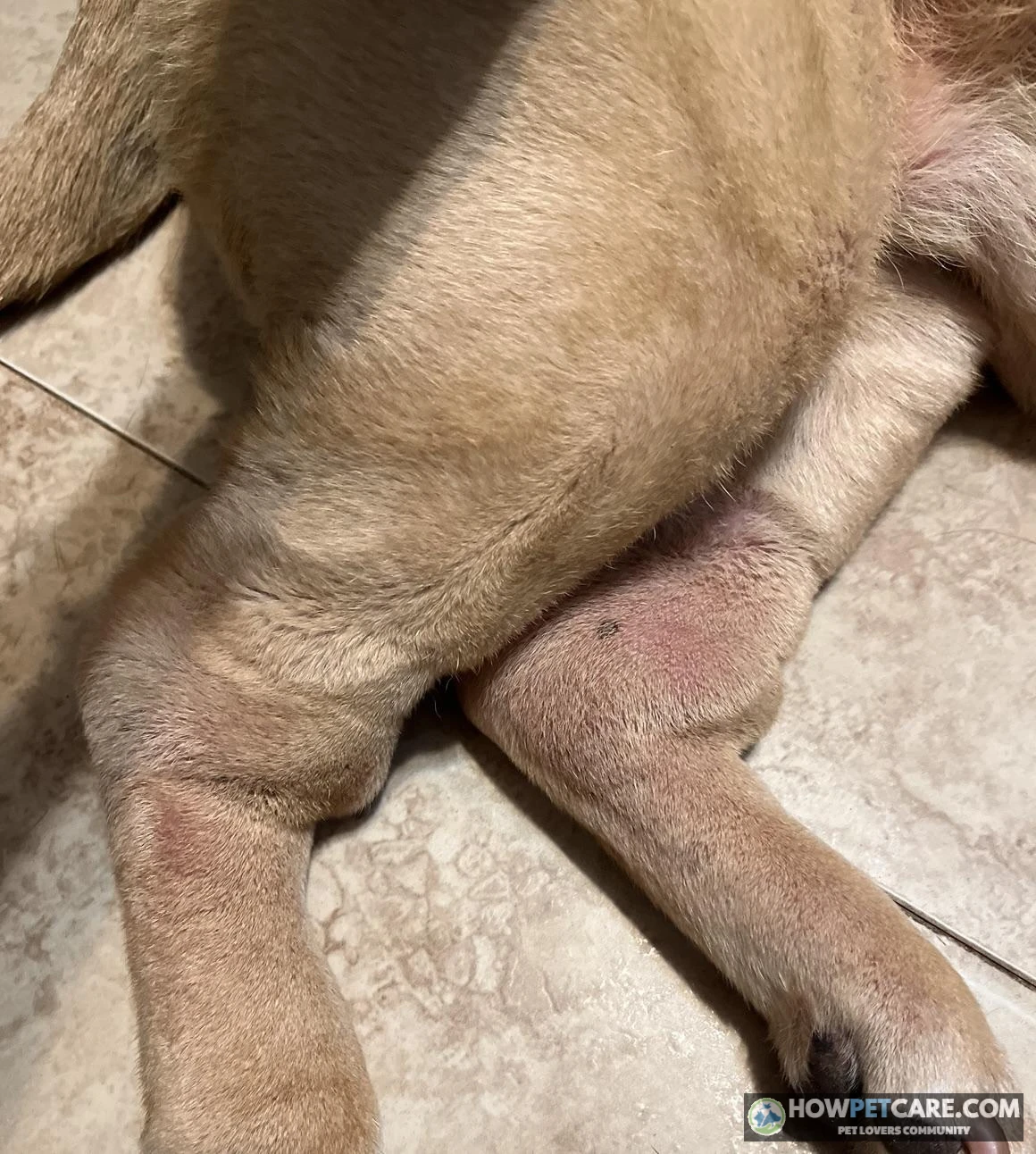
Episodes commonly last 12–48 hours and may return at irregular intervals. A dog may seem normal between episodes.
Why the episode is not the main long-term danger
A fever episode can be painful and, at times, dangerous on its own. The longer-term concern is that inflammation may be accompanied by production of serum amyloid A, a protein that can contribute to amyloid deposits in organs, including the kidneys. Not every dog with FSF develops amyloidosis.
There’s no known cure for FSF. The practical goals are to manage episodes safely, discuss whether preventive medication makes sense, and monitor for organ problems before obvious illness develops.
Tonight’s Playbook: Managing a Shar-Pei Fever Episode at Home and Knowing When to Go to the ER
Home care is appropriate only if your veterinarian has already evaluated your dog, provided an episode plan, and the current signs fit that plan. If you’re unsure, call. Don’t wait for the fever to reach an emergency threshold before seeking advice.
Step-by-step home monitoring checklist
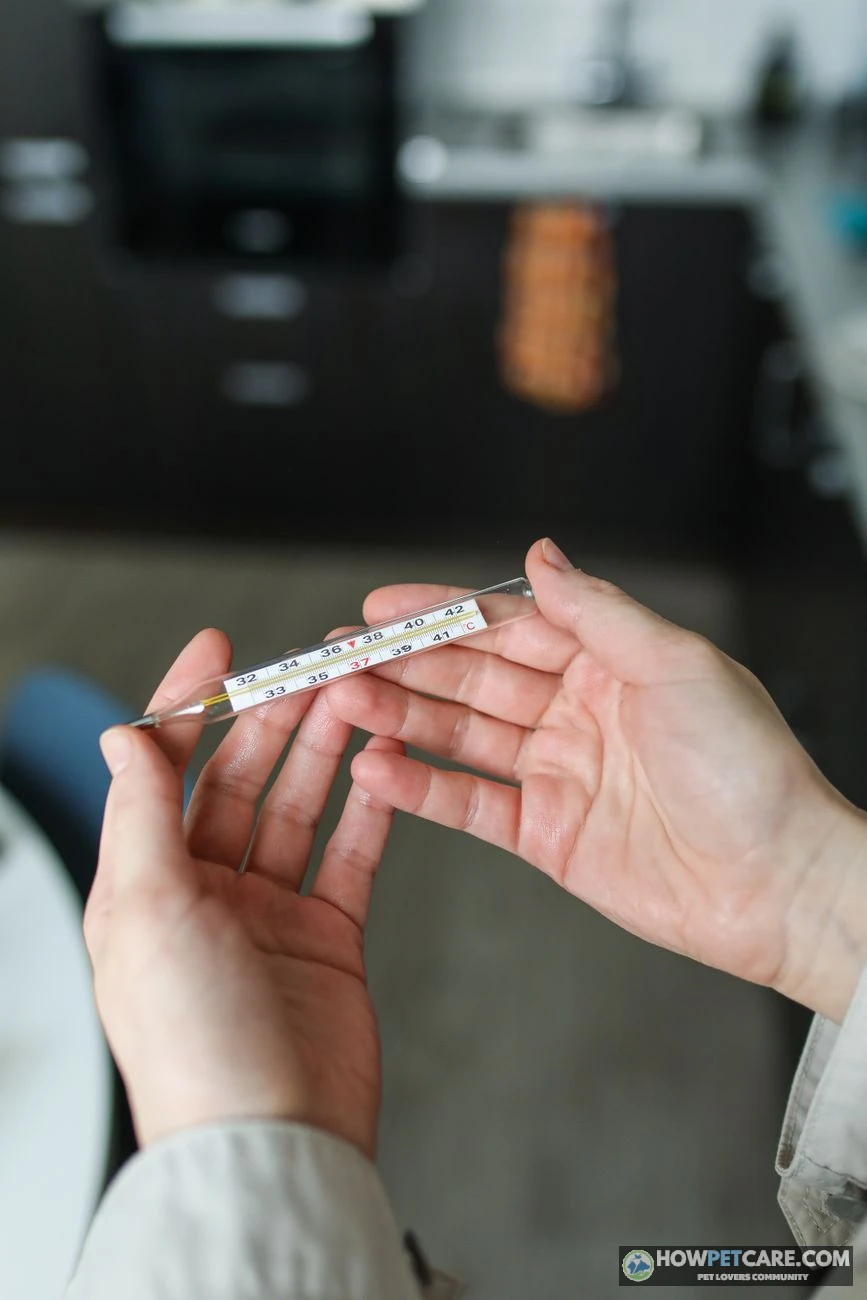
- Take a temperature if you can do so safely. Use a lubricated digital rectal thermometer and note the reading and time. If your dog is painful, struggling, or likely to bite, don’t risk an injury; call the clinic instead.
- Check the whole dog. Note appetite, drinking, urination, mobility, swelling, and any vomiting or diarrhea. Recheck periodically. For a stable dog, your veterinarian might suggest an interval such as every 2–3 hours.
- Make the dog comfortable. Offer fresh water, soft bedding, and a quiet, comfortably cool room. Let your dog rest; don’t force exercise or drinking.
- Check the medication plan. Give only medication your veterinarian has told you to use. Don’t add a human fever medicine or double a missed colchicine dose. If your dog is vomiting or can’t keep medication down, call before giving another dose.
- Run the triage check below. Call sooner if the pattern changes or you’re worried. Home monitoring mustn’t delay emergency care.
- Close the loop. Note when the signs resolve and tell your veterinarian about the episode. Check whether your dog’s next urine screen is due.
Safe comfort measures and what never to give
Don’t give ibuprofen, naproxen, acetaminophen, or aspirin unless your veterinarian has specifically directed a medication and dose. Human pain relievers can poison dogs, and anti-inflammatory drugs may be especially risky if kidney function is impaired.
Avoid ice baths and aggressive cooling. If your dog is very hot, call a veterinarian or emergency hospital immediately and follow their cooling and transport instructions. Don’t delay the trip to continue home treatment. Fever and overheating have different causes, so a clinician’s advice matters.
An infection, injury, or another inflammatory disease can occur in a dog that already has FSF. A new pattern or a dog that looks seriously ill needs veterinary assessment.
Monitor, call the vet, or go to the ER: red-flag thresholds
Go to an emergency veterinarian now for any of the following:
- Temperature at or above 106°F (41.1°C).
- Collapse, unresponsiveness, seizures, or trouble breathing.
- Inability to stand, severe uncontrolled pain, or a rapidly worsening condition.
- Repeated vomiting or diarrhea, especially with weakness or inability to keep water down.
- Straining without producing urine, or a concerning lack of urine along with illness.
Call your veterinarian the same day for a first suspected episode, new joint swelling, a fever around 105°F, refusal to eat or drink, or signs that differ from your dog’s usual pattern. Call as well if a previously discussed episode isn’t improving as expected; don’t simply wait 48 hours without checking in.
Continue home monitoring only under your vet’s plan if your dog has been evaluated before, the signs match a known episode, the temperature remains below the vet’s agreed threshold, and your dog is comfortable enough to drink and is improving. These are conservative triage starting points—not a diagnosis or permission to ignore a worsening dog.
When you call, have the temperature log, start time, medication list, most recent urine results, and details of recent travel, illness, stress, or vaccination ready.
Shar-Pei Fever vs. Infection: How to Tell the Difference and Why You Can’t Rule Infection Out at Home
Side-by-side comparison: SPAID flare vs. infectious fever
| Feature | Pattern that can fit FSF | More suggestive of infection or another problem | What to do |
|---|---|---|---|
| Onset and duration | Sudden fever that resolves within the dog’s established episode pattern; FSF episodes commonly last 12–48 hours. | Persistent or worsening illness, though infection can also start suddenly | Record the timeline; call if this episode is new or different |
| Hocks or other joints | Painful hock swelling can occur | A particularly painful single joint can also reflect injury or infection | Have new swelling examined |
| Muzzle swelling | Can occur during a flare | Can also have another cause, including an allergic reaction or infection | Report new swelling; seek emergency care for breathing difficulty |
| Cough, discharge, wounds, or digestive signs | Do not rule FSF in or out | May point to an infection or another illness | Call the vet; repeated vomiting or severe illness needs urgent care |
| Between episodes | Affected dogs may seem well | Ongoing lethargy or decline warrants further investigation | Arrange an examination if recovery is incomplete |
| Similar past episodes | Repetition may support the history | A first episode or a change from the usual pattern deserves particular attention | Share your log with the vet |
Signs that point toward infection or another disease
Tick-borne illness, bacterial infection, and immune-mediated joint disease can resemble an FSF episode. A Shar-Pei can also have an infection during an inflammatory flare. Look for obvious wounds, discharge, or changes in skin folds, but a normal-looking coat doesn’t prove that infection is absent.

Why antibiotic response alone is not proof either way
A dog that improves after starting antibiotics hasn’t necessarily had an infection: an FSF episode may have resolved on a similar timeline. On the other hand, a dog that doesn’t improve immediately may still need further investigation. Never give leftover antibiotics to test the theory.
How Shar-Pei Fever Is Diagnosed: Vet Workup and the Cornell Genetic Test
What the vet will check and why it’s diagnosis by exclusion
No single symptom proves that a fever is FSF. A veterinarian considers the breed, episode history, examination findings, and other possible causes. Initial testing often includes bloodwork and urinalysis. Depending on the findings and exposures, the vet may recommend tick testing, imaging, cultures, or joint-fluid analysis.
Ask what each test is meant to rule out and which results could change the treatment plan. If your dog is ill during an appointment, samples collected during the episode may help the vet investigate active inflammation or infection.
Reading a Cornell result: what 4x or 8x risk means in practice
The Cornell SPAID test assesses copy-number variation near HAS2. In the supplied research, six copies are associated with roughly four times the risk of SPAID and ten copies with roughly eight times the risk in the studied comparison. These are relative risk associations, not predictions that an individual dog will become ill or develop kidney failure.
An eightfold relative risk, for example, doesn’t mean an 80% chance of disease. Interpret the result against the comparison group and the details on the laboratory report. Dogs inherit genetic material from their parents, but a copy-number result alone shouldn’t be used to predict an individual puppy’s outcome without the laboratory’s inheritance guidance.
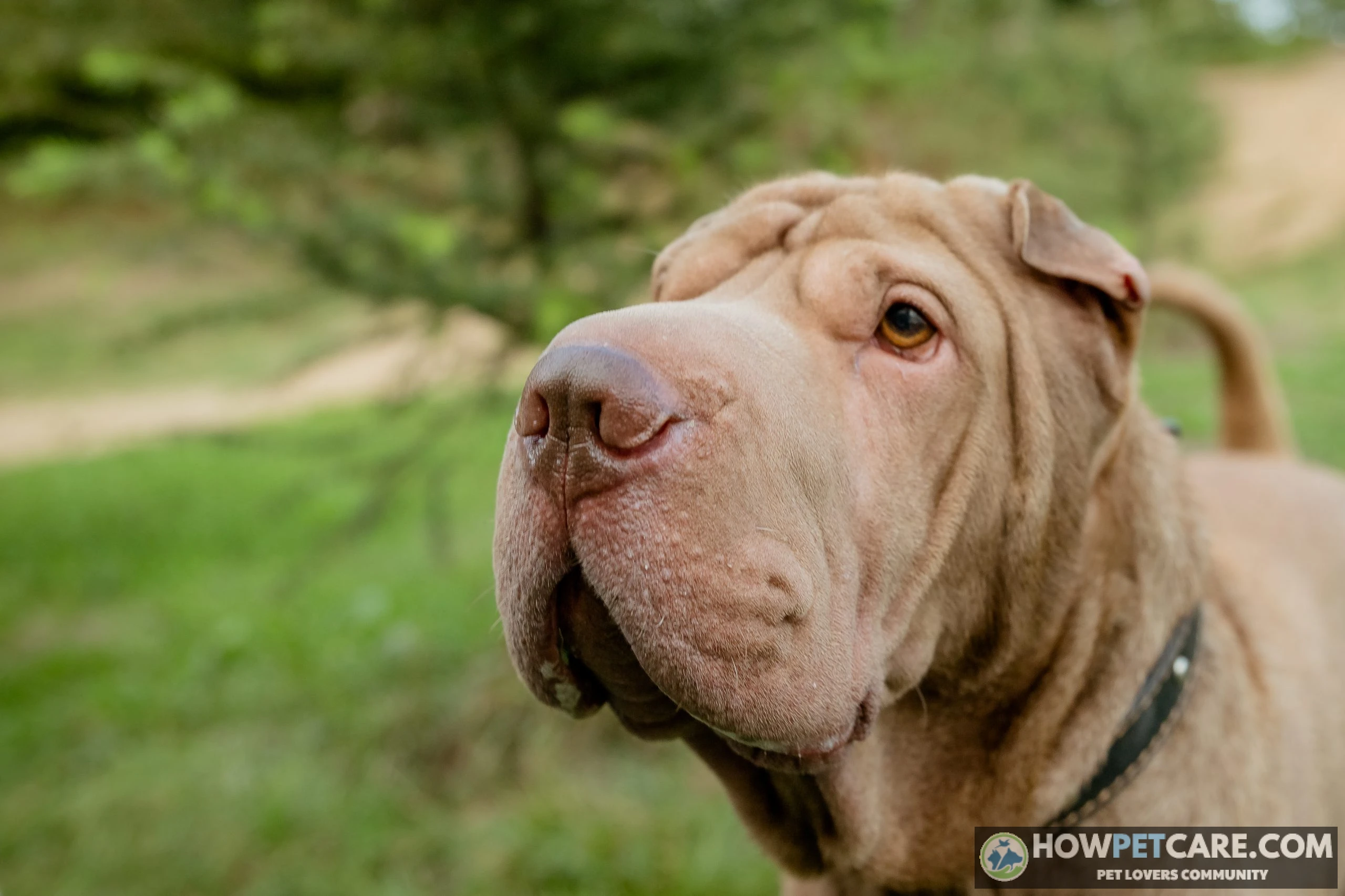
Is genetic testing worth it for your dog?
Testing may offer useful risk context, particularly when you and your veterinarian are deciding how closely to monitor an otherwise healthy dog. It can’t diagnose the cause of today’s fever, rule out infection, or replace urine testing. Ask Cornell about its current test price and sample requirements before ordering; those details can change.
Colchicine and Other Treatment Options for Shar-Pei Fever
What colchicine does and what the evidence does and doesn’t show
Colchicine is a prescription drug used in an effort to reduce inflammation and the risk of amyloid deposition. It’s a long-term strategy, not a substitute for urgent assessment when a dog is sick. The supplied research describes a veterinary colchicine protocol, but doesn’t establish a precise preventive success rate for individual dogs.
Ask your veterinarian why colchicine is or isn’t appropriate for your dog, including whether existing kidney or liver problems affect the plan. Your dog may still need supportive care during an episode while taking preventive medication.
Colchicine dosing by body weight
The table below illustrates the arithmetic for a published reference amount of approximately 0.025 mg per kilogram. The supplied research describes an initial schedule followed by long-term dosing, but an individual prescription may differ. This table is not a prescription or an instruction to start, split, or adjust tablets.
| Body weight | Amount at 0.025 mg/kg | Comparison with a 0.6 mg tablet | Source and notes |
|---|---|---|---|
| 15 kg / 33 lb | 0.375 mg | Between one-half and one whole tablet | Arithmetic from the reference amount; vet determines formulation. |
| 20 kg / 44 lb | 0.5 mg | Less than one whole tablet | Do not round independently. |
| 25 kg / 55 lb | 0.625 mg | Close to one tablet | The prescribed amount may differ. |
| 30 kg / 66 lb | 0.75 mg | One and one-quarter tablets by arithmetic | Not a recommendation to split tablets. |
| 35 kg / 77 lb | 0.875 mg | Between one and one-and-a-half tablets | Ask whether a suitable formulation is available. |
Your veterinarian must specify the dose, frequency, formulation, and monitoring. Tablet strengths and the ability to divide a tablet accurately vary; a compounded product isn’t automatically interchangeable with a tablet.

Drug interactions and safety checks
Colchicine can be dangerous in overdose. Some medicines can increase exposure by inhibiting the CYP3A4 enzyme or P-glycoprotein transport pathway; others may add to muscle toxicity. Give every veterinarian and pharmacist involved a complete list of your dog’s medicines and supplements.
Ask specifically about cyclosporine; macrolide antibiotics such as clarithromycin and erythromycin; azole antifungals such as ketoconazole; heart medicines such as diltiazem and verapamil; and statins. The risk depends on the particular drug and patient, so the prescriber should check an up-to-date interaction reference before combining them.
Vomiting, diarrhea, and loss of appetite can be medication side effects or signs of another problem. Contact your veterinarian promptly before the next dose if these occur. If an overdose is possible, contact an emergency veterinarian or animal poison-control service immediately; don’t wait for symptoms. Keep the medication away from pets and children.
NSAIDs, steroids, and newer biologic therapies
A veterinarian may prescribe pain relief or an anti-inflammatory medication during an episode after considering hydration, kidney function, and other medicines. NSAIDs and corticosteroids aren’t interchangeable, and owners shouldn’t combine or switch them without veterinary direction.
IL-1 inhibitors and other biologics are used in some human autoinflammatory diseases, but their role in canine SPAID hasn’t been established as routine care. An internal medicine specialist can discuss whether an emerging option might be relevant to a complicated case.
Amyloidosis and Kidney Risk: Screening Schedule, Prognosis, and Life Expectancy
What to test for and how often
Amyloid deposits can damage organs, including the kidneys. Possible signs of kidney disease include increased thirst or urination, weight loss, poor appetite, and vomiting. A dog may have abnormal test results before any obvious symptoms appear.
The following is a planning framework, not a validated FSF-specific schedule:
| Test or service | Purpose | Suggested frequency to discuss | Approximate cost range and source |
|---|---|---|---|
| Examination and urinalysis | Establish health and urine baseline; look for abnormalities | At diagnosis or risk assessment, then at least yearly for a stable dog; sooner if signs or results warrant | A verifiable national range is not supplied; request a local written estimate. |
| Urine protein:creatinine ratio (UPC) | Measure protein loss when indicated and establish a comparison | Ask about a baseline and repeat as directed; abnormal results may require confirmation and closer follow-up | No verified range supplied; ask whether collection and lab fees are included. |
| Blood chemistry, including kidney values | Assess kidney function and related changes | Baseline and generally alongside periodic exams; more often if abnormalities appear | No verified range supplied; panel prices vary. |
| Blood pressure | Check for a complication that can affect kidney care | When proteinuria or kidney disease is found, or as the vet advises | No verified range supplied; ask for the clinic’s fee. |
| Cornell genetic test | Provide inherited-risk context | Once, if the result would inform decisions | Check Cornell’s current price; collection or veterinary fees may be extra. |
| Episode workup or emergency visit | Investigate fever and stabilize a sick dog | As needed | No verified range supplied; request an estimate, but don’t delay emergency care to compare prices. |
| Advanced kidney care | Investigate or manage established disease | As needed; may include specialist care or hospitalization | No reliable range supplied; request an itemized estimate and alternatives. |
An annual urinalysis is a reasonable starting point for discussion, not a guarantee that disease will be caught at a particular stage. Your vet may recommend shorter intervals for recurrent episodes, abnormal urine, kidney disease, or other risks.
Reading a UPC ratio result
A UPC ratio helps measure protein in urine. A rising or persistent result can prompt further investigation, but it doesn’t prove amyloidosis on its own: infection, blood in the urine, and other kidney conditions can affect the result. Your veterinarian may repeat testing, check blood pressure, and assess bloodwork or imaging.
Definitive identification of amyloid generally requires examining tissue with a Congo red stain. A kidney biopsy carries risks, so the veterinarian and owner must weigh whether confirmation would change care.
What the evidence says about life expectancy and survival
There’s no reliable individual life-expectancy figure that can be calculated from an FSF diagnosis or genetic test. Fever episodes and amyloidosis are separate concerns: a dog can have fever episodes without developing amyloidosis, and recovering from an episode doesn’t show that the kidneys are unaffected.
Once kidney failure is present, prognosis depends on its severity, complications, and response to care. The supplied evidence doesn’t include robust survival statistics for Shar-Peis with confirmed renal amyloidosis, so a median survival time would be misleading. Ask your veterinarian what your dog’s current kidney stage and trends mean.
Depending on the findings, supportive care may include a veterinary kidney diet, fluid support, and treatment for high blood pressure or protein loss. The plan should fit the dog’s needs, rather than be started solely because of a fever history.
Triggers, Diet, and Supplements: What Owners Can and Can’t Control
Common suspected triggers and how much evidence backs them
Owners sometimes report episodes after boarding, travel, stress, weather changes, vaccination, exercise, or food changes. These associations don’t prove cause and effect, and an episode may have no identifiable trigger. Avoid overheating and keep a predictable routine where practical, but don’t assume you can prevent every flare.
Don’t skip recommended vaccines on your own. If an episode seems to follow vaccination, share the dates with your vet and discuss an appropriate schedule for the future.

Building a trigger diary
Use one entry per episode and share the record at appointments:
Date and time signs began:
Temperature, time measured, and highest reading:
Swelling, mobility, appetite, drinking, and urination:
Vomiting, diarrhea, cough, discharge, or other signs:
Recent travel, stress, vaccination, weather, food, or illness:
Medicines given and veterinary advice:
Time fever resolved and time dog returned to normal:
Next urine-screening date:
Look for recurring patterns without assuming that a single event caused the fever. A record with no obvious trigger is still useful, particularly if it shows a change in duration, severity, or recovery.
Diet and supplement support: what is and isn’t proven
The supplied evidence doesn’t establish a diet or supplement protocol proven to prevent amyloidosis in Shar-Peis. If kidney disease develops, your veterinarian may recommend a renal diet based on the dog’s results rather than a generic low-protein diet. Keep fresh water available unless your veterinarian directs otherwise.
Omega-3 products may be part of a discussion about kidney care, but they don’t replace screening or prescribed treatment. Check turmeric and other supplements with your vet: products vary, may interact with medicines, and aren’t proven FSF preventives.
What Lifelong Shar-Pei Fever Management Costs and How to Plan for It
Cost and monitoring schedule by care stage
Costs may include genetic testing, office visits, urine and blood testing, prescriptions, emergencies, and sometimes specialist or hospital care. The supplied evidence doesn’t support a trustworthy lifetime total: dogs differ in episode frequency and kidney outcomes, and US clinic prices vary by location and service.
The table in the kidney-screening section lists services to price. For colchicine, ask the pharmacy for the price per fill and the quantity dispensed; generic tablets and compounded formulations may differ in price and suitability. Ask whether each quote includes the examination, urine collection, laboratory processing, and follow-up calls.
The available source material does not verify current US dollar ranges for these services. Local written estimates are more useful than invented national figures, particularly for emergency and advanced kidney care.
Ways to keep long-term costs manageable
Ask your clinic for a written plan with three levels:
- Essential: an episode and emergency plan, a veterinary assessment, and the agreed urine-monitoring schedule.
- Additional monitoring: bloodwork and blood pressure checks based on your dog’s risk and results.
- Advanced care: specialist consultation, further diagnostics, or hospitalization if kidney disease or severe illness develops.
Ask whether an appropriate generic medication is available and whether scheduled blood and urine tests can be coordinated in one visit. A good episode diary may help the vet choose appropriate tests, but it can’t safely replace a workup when the signs have changed. Review the estimate as your dog’s needs change.
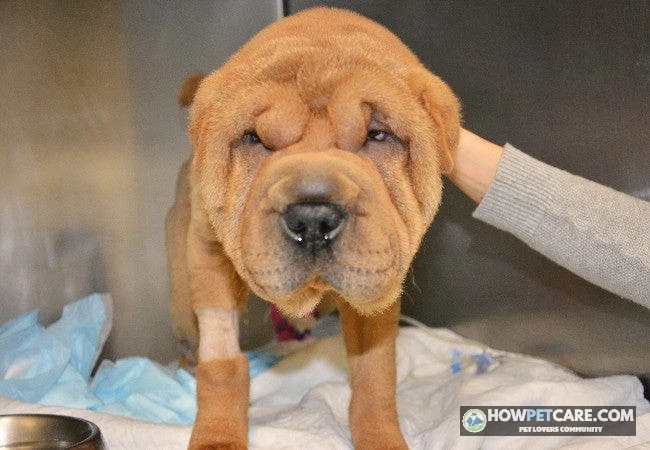
Your Shar-Pei Fever Action Checklist: Next Steps for This Week, This Month, and This Year
Printable checklist: this week, this month, this year
This week
- ☐ Save your regular vet’s and nearest emergency hospital’s numbers.
- ☐ Check that you have a working digital thermometer and know how to use it safely.
- ☐ Write down the emergency signs and your veterinarian’s individual temperature threshold.
- ☐ Start a record of episodes and medicines.
This month
- ☐ Arrange an examination if your dog has unexplained fever or hasn’t had a diagnostic workup.
- ☐ Discuss baseline urinalysis, UPC testing, kidney bloodwork, and whether genetic testing would change the plan.
- ☐ Request an itemized estimate for monitoring and any proposed prescription.
This year and ongoing
- ☐ Follow the agreed screening schedule and update it when results change.
- ☐ Record each episode and review your dog’s medication and supplement list at visits.
- ☐ Revisit the care plan and costs with your vet.
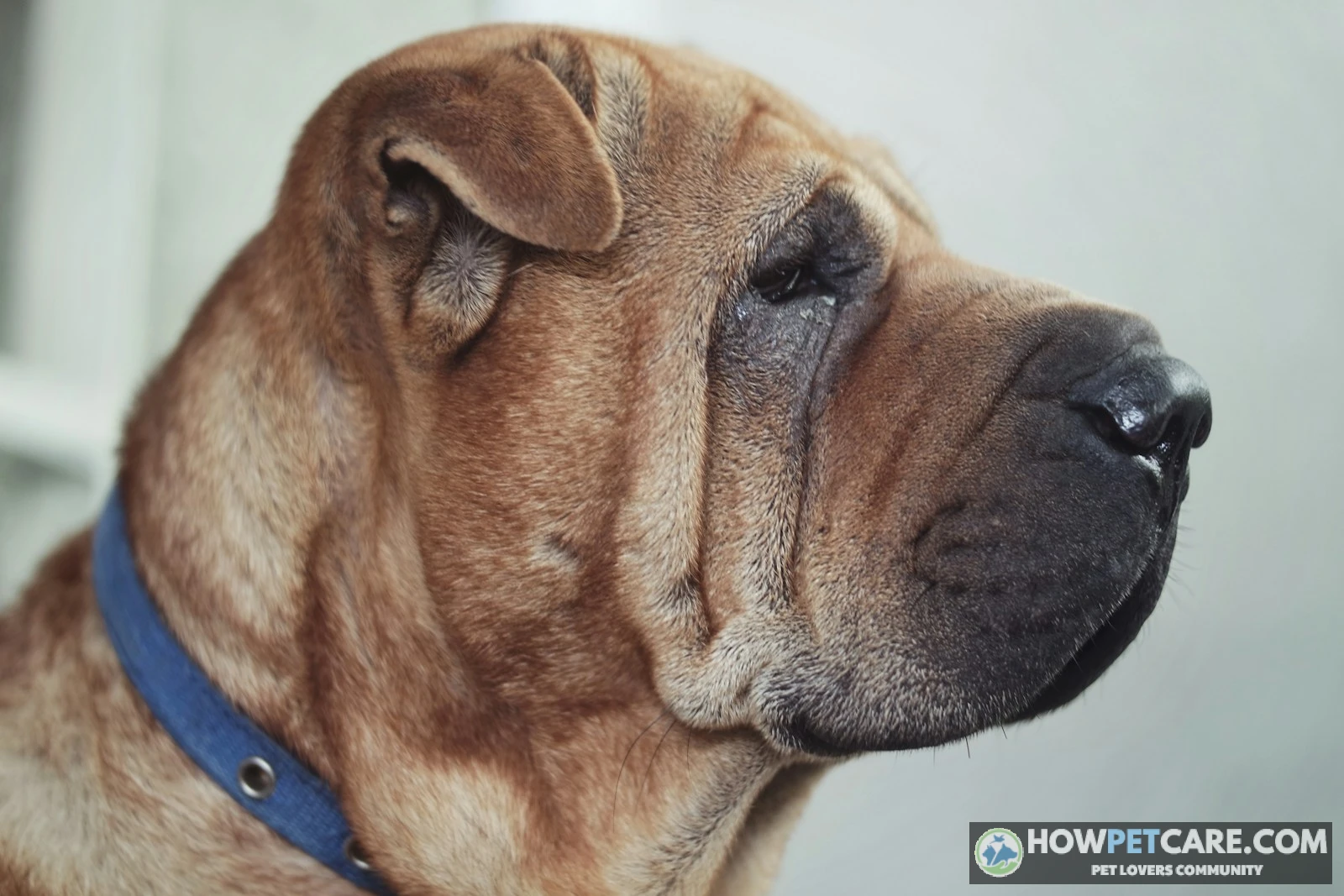
Questions to ask your vet
- What other causes of fever or joint swelling should we investigate in my dog?
- Would the Cornell test change management, and what would my dog’s result actually mean?
- Is colchicine appropriate? What exact dose, schedule, and formulation do you prescribe?
- Do any of my dog’s medicines interact with colchicine, and what side effects mean I should call before the next dose?
- Should we obtain a baseline UPC? How often should we repeat urine and blood tests, and what result would change the plan?
- What temperature or symptoms mean I should call, and what means I should go straight to the ER?
- Would an internal medicine specialist be useful if the diagnosis or treatment becomes complicated?
If your dog is unwell now, use the triage list in the home-care playbook. When in doubt—or if an episode differs from the established pattern—call a veterinarian rather than waiting for the next scheduled check.
Reviewed for veterinary accuracy. Sources include the Cornell University College of Veterinary Medicine’s SPAID research, the UK Shar-Pei owner survey described above, and peer-reviewed literature indexed by the U.S. National Library of Medicine.
1Which biological mechanism explains the genetic connection between a Shar-Pei's characteristic skin wrinkles and their risk of developing Shar-Pei fever?
Hyaluronan contributes to skin wrinkling, and its breakdown fragments trigger autoinflammatory cascades in the body.
2What is the typical duration of a standard Familial Shar-Pei Fever (FSF) flare episode?
Episodes commonly start suddenly and resolve spontaneously within a 12-to-48-hour timeframe.
3Why is recurrent inflammation from Shar-Pei fever considered a primary threat to long-term health?
Recurrent autoinflammation drives serum amyloid A production, which can accumulate as amyloid deposits in the kidneys over time.
4Which clinical sign in a Shar-Pei experiencing a fever requires immediate emergency veterinary care rather than standard home monitoring?
A body temperature of 106°F or higher is an immediate emergency threshold due to the risk of critical hyperthermic complications.
5Why should human fever relievers such as ibuprofen, naproxen, or acetaminophen never be given to a Shar-Pei during a flare?
Human NSAIDs and analgesics can cause organ toxicity in dogs and pose heightened risks to canine renal function.
6Why does clinical improvement after starting antibiotics fail to prove that a fever episode was caused by a bacterial infection?
Because FSF episodes naturally subside within 12–48 hours, recovery may simply reflect the flare's natural ending rather than drug efficacy.
7How should a veterinarian interpret a Cornell SPAID test result indicating ten copies near the HAS2 gene (associated with roughly an 8x risk)?
Genetic copy numbers describe relative risk statistics across population samples, not a definitive diagnosis or individual certainty of disease.
8What is the primary role of colchicine in the long-term management of Shar-Pei fever?
Colchicine is given chronically to suppress autoinflammatory pathways and help prevent long-term protein buildup in organs.
9Which diagnostic method provides definitive confirmation of amyloid protein deposits in organ tissue?
Definitive identification of amyloid deposits requires a tissue biopsy evaluated specifically with a Congo red stain.
10When a Shar-Pei is prescribed colchicine, why must veterinarians carefully review concurrent medications like macrolide antibiotics or azole antifungals?
Inhibiting metabolic pathways or transport mechanisms slows colchicine clearance, elevating the risk of potentially dangerous drug toxicity.
| Test or Service | Purpose | Suggested Frequency | Approximate Cost and Notes |
|---|---|---|---|
| Examination and urinalysis | Establish overall health and urine baseline; look for abnormalities related to kidney health | At diagnosis or risk assessment, then at least yearly for a stable dog; sooner if signs or results warrant | No verified national range supplied; request a local written estimate. |
| Urine protein:creatinine ratio (UPC) | Measure protein loss in urine when indicated and establish a baseline for comparison | Ask about a baseline and repeat as directed; abnormal results may require confirmation and closer follow-up | No verified range supplied; ask whether collection and lab fees are included. |
| Blood chemistry, including kidney values | Assess kidney function and evaluate related metabolic changes | Baseline and generally alongside periodic exams; more often if abnormalities appear | No verified range supplied; panel prices vary by laboratory and clinic. |
| Blood pressure | Check for systemic hypertension, a complication that can affect kidney care | When proteinuria or kidney disease is found, or as the veterinarian advises | No verified range supplied; ask for the clinic's specific fee. |
| Cornell genetic test | Provide inherited-risk context for Shar-Pei Fever and associated kidney complications | Once, if the result would inform breeding or clinical management decisions | Check Cornell's current price; collection or veterinary exam fees may be extra. |
| Episode workup or emergency visit | Investigate acute fever episodes and stabilize a sick dog | As needed during acute fever episodes | No verified range supplied; request an estimate, but do not delay emergency care to compare prices. |
| Advanced kidney care | Investigate or manage established kidney disease (may include ultrasound, specialist consultations, or hospitalization) | As needed based on disease progression; may include specialist care or hospitalization | No reliable range supplied; request an itemized estimate and care alternatives. |
FAQ
How common is Shar-Pei fever?
It is widely recognized in the breed, but no reliable figure exists for exactly what share of Shar-Peis are affected, since estimates vary by population and by how the disease is defined. Genetic testing suggests the underlying HAS2-related variants are common in the breed.
Is Shar-Pei fever contagious?
No. It is an inherited inflammatory condition, not an infection, so it cannot spread to other dogs or people.
Can I give my Shar-Pei ibuprofen or Tylenol for a fever?
No. Ibuprofen, naproxen, and acetaminophen are toxic to dogs, and NSAIDs can also strain kidneys already at risk of amyloidosis. Only give fever or pain medication that your vet prescribes.
Does every Shar-Pei with fever episodes develop amyloidosis?
No. Amyloidosis is a risk, not a certainty, and it develops in some affected dogs but not all. Regular urine screening is how it is caught early.
Can Shar-Pei fever be cured?
No cure exists. Management focuses on supporting the dog through episodes, using preventive medication such as colchicine when the vet recommends it, and monitoring the kidneys over time.