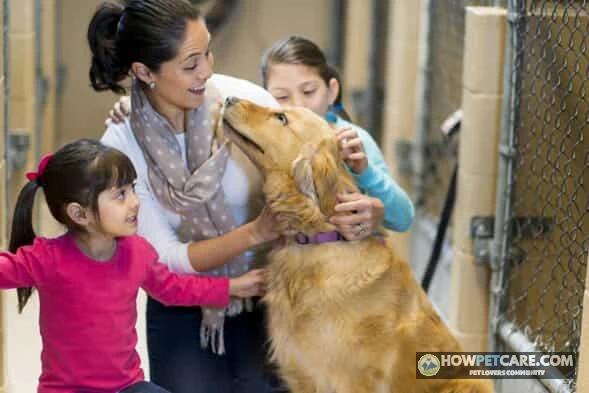

The main benefits of pet adoption include:
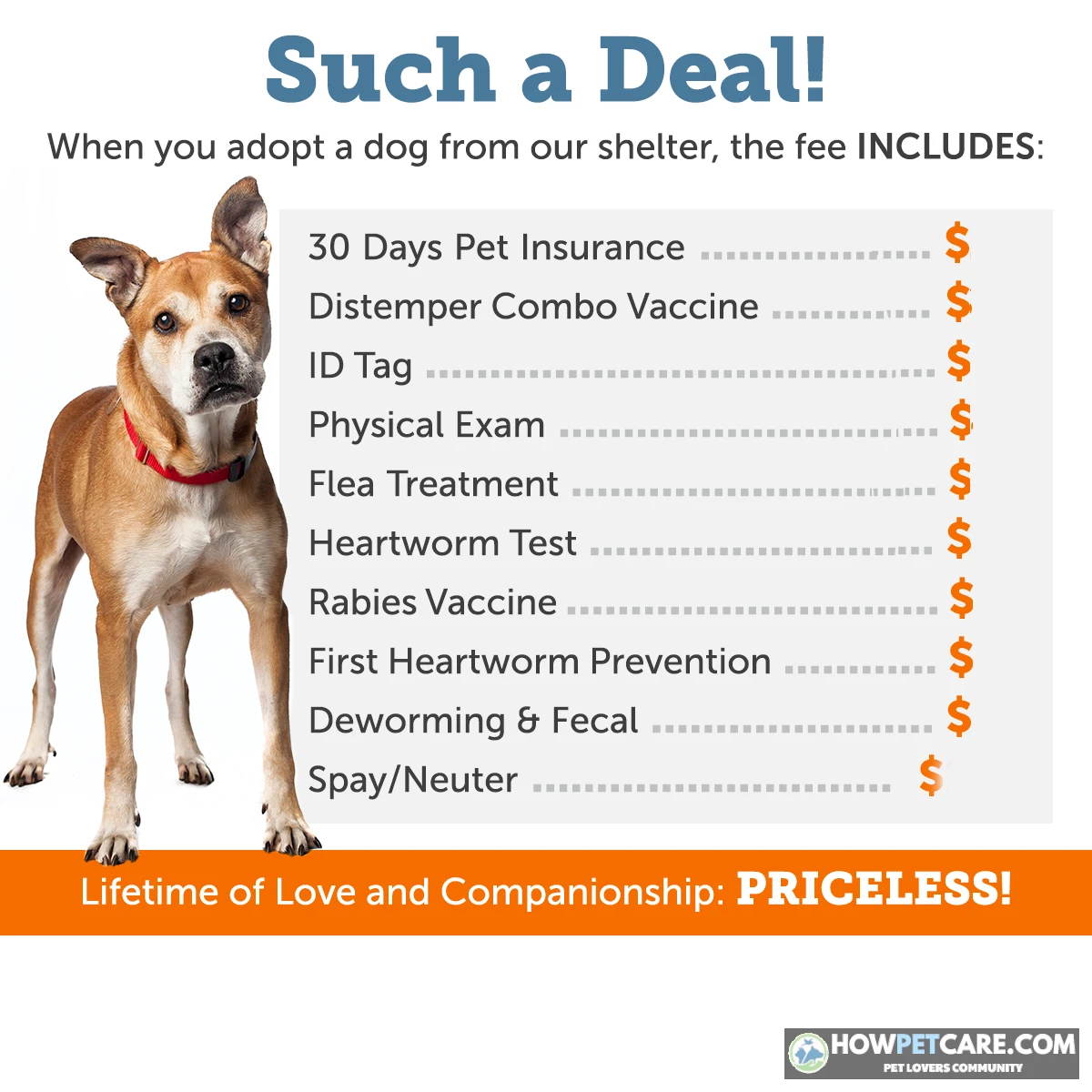
- Lower upfront cost — adoption fees often include vaccinations, spay/neuter, and microchipping.
- A more informed match — staff and foster caregivers can describe an adult animal’s known personality and habits.
- A home for an animal in need — adopting frees up shelter space and resources for another animal.
- Companionship and routine — daily care and dog walks add structure and activity.
- Post-adoption support — many shelters offer behavior advice, foster-to-adopt trials, and return options.
- More choice — cats, dogs, seniors, bonded pairs, and other species are often available.
The Main Benefits of Adopting a Pet from a Shelter or Rescue, at a Glance
The benefits of pet adoption start with a lower upfront cost than many breeder or pet-store purchases. You also get to observe an animal whose personality is already coming through, with guidance from shelter staff or foster caregivers who have lived with it. Adoption places a shelter animal in a home and can free up space and resources for another. The best fit still depends on your budget, household, and your ability to meet that individual animal’s needs.
- Upfront value: Adoption fees may include vaccinations, spaying or neutering, and microchipping. Confirm what is included before comparing prices.
- A more informed match: Shelter staff or foster caregivers may be able to describe an adult pet’s energy, habits, and reactions to people or other animals.
- A home for an animal that needs one: Adoption moves an animal out of a shelter or rescue and into a household, possibly making room for another.
- Companionship and routine: A pet provides company, and a dog’s daily walks can encourage regular activity. Research has linked dog ownership with cardiovascular outcomes, but that does not mean every owner will see a health benefit.
- Help after adoption: Some organizations offer behavior advice, foster-to-adopt arrangements, or a path to return an animal if the match becomes unsafe or unworkable. Policies vary.
- Choice beyond puppies: Shelters and rescues may house cats, dogs, adults, seniors, bonded pairs, and other companion animals.
Adoption is not risk-free: screening can take time, an animal’s history may be incomplete, and medical or behavior needs can surface later. The cost comparisons, adjustment timeline, and checklists below will help you decide whether it fits.
Why Adopt Instead of Shop: What Current Shelter Numbers Show
Where shelter intake and euthanasia stand now
US animal shelters take in millions of companion animals every year. The ASPCA has cited an estimate of about 6.5 million annual intakes, but that figure is not a reliable measure of any single year or community. Intake, adoption, and euthanasia figures shift, and national estimates may cover different shelter populations.
For a current picture, check the latest national data published by Shelter Animals Count alongside reports from your local animal shelter. Ask how many animals enter its care, how many are adopted or transferred, and how long animals usually wait. Ask also how the organization defines those figures: a transfer to another rescue is not the same outcome as an adoption into a home.
Shelter capacity is more than a count of empty kennels. Staff time, foster homes, veterinary appointments, and space for animals with medical or behavioral needs all affect how many animals an organization can care for. When intake outpaces outcomes, those resources get strained. A no-kill designation does not mean an organization can accept every animal immediately; admission policies and available resources still matter.
What adopting changes in practice
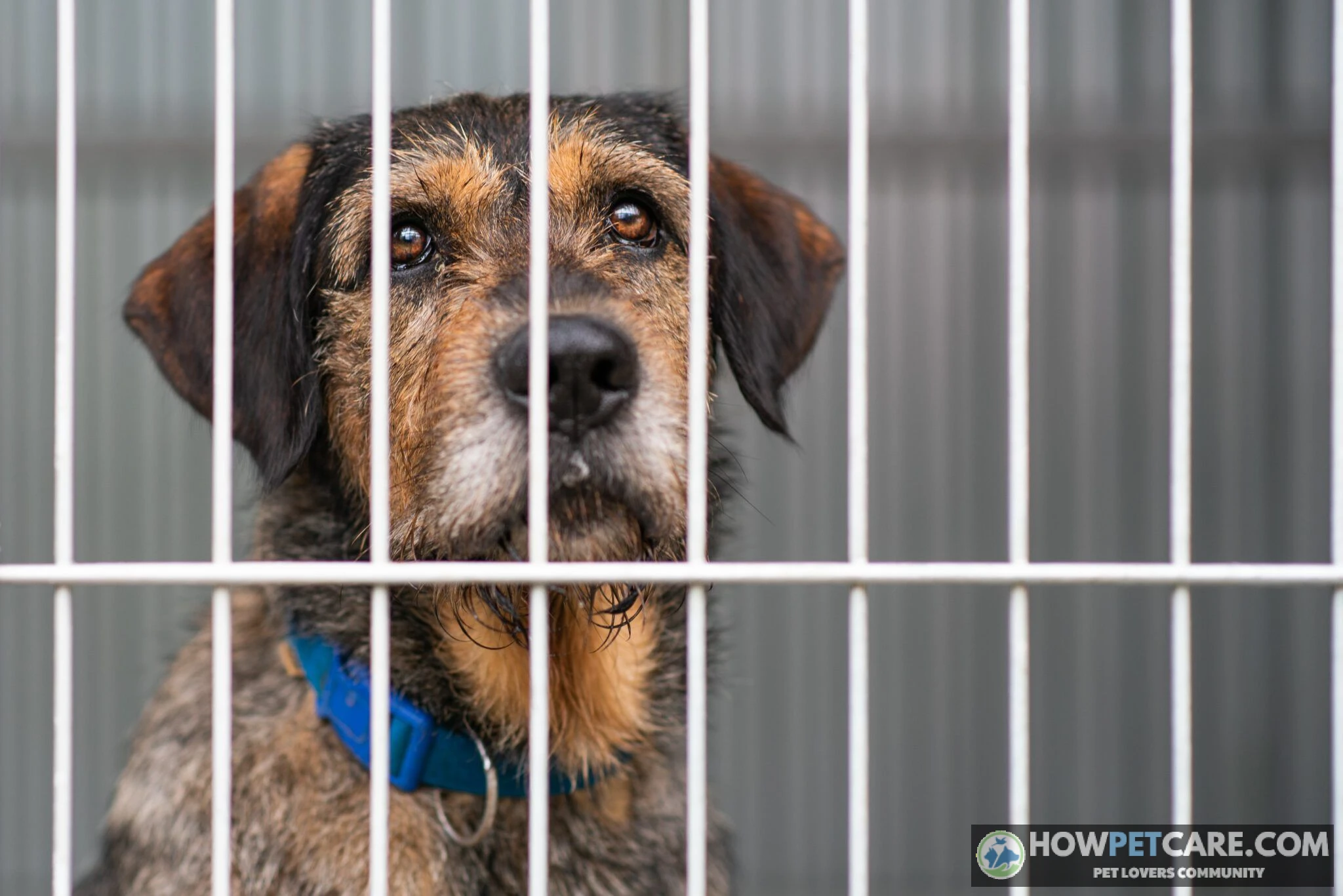
Adopting one animal gives it a home and may let the organization redirect space and care to another. It does not guarantee that a second animal’s life is saved: shelters differ in how they admit animals and use available space.
Adoption also avoids buying a puppy from a commercial seller whose breeding practices you cannot verify. Puppy mills prioritize production while providing inadequate care; they are not the same as responsible breeders. Choosing a shelter animal instead of a commercially bred puppy avoids adding to that specific demand, though it will not end puppy mills by itself.
 You might be wonderingDog before after adoptionDog Before and After Adoption: Photos and RecoveryRead the answer
Adopt vs Buy: Is Adoption Better Than Buying from a Breeder or Pet Store?
Adoption is often a strong choice if you want to give an existing animal a home, keep acquisition costs manageable, and receive matching advice. A responsible breeder may work better when documented ancestry, specific working traits, or early-life history matter most. Neither route guarantees a healthy or behaviorally predictable pet.
Adopt vs breeder vs pet store comparison
| Consideration | Shelter or rescue | Responsible breeder | Pet store |
|---|---|---|---|
| Animal’s history | May be incomplete; a foster caregiver may offer useful observations | Should be able to explain parentage, early care, and relevant health screening | Depends on the supplier; independently verify records and origin |
| Predictability | An adult’s size and observed habits can help; behavior may change after settling in | Pedigree and information about parents can help estimate traits, not guarantee them | Depends on the animal and the quality of information provided |
| Selection and timing | Varies by local intake; a specific match may take time | A planned litter and waitlist may mean a longer wait | Availability varies; immediate availability should not replace careful screening |
| Follow-up | Some offer behavior advice, foster-to-adopt, or returns | A responsible breeder should discuss lifetime support and take-back arrangements | Ask for written health and return terms; protections vary by state |
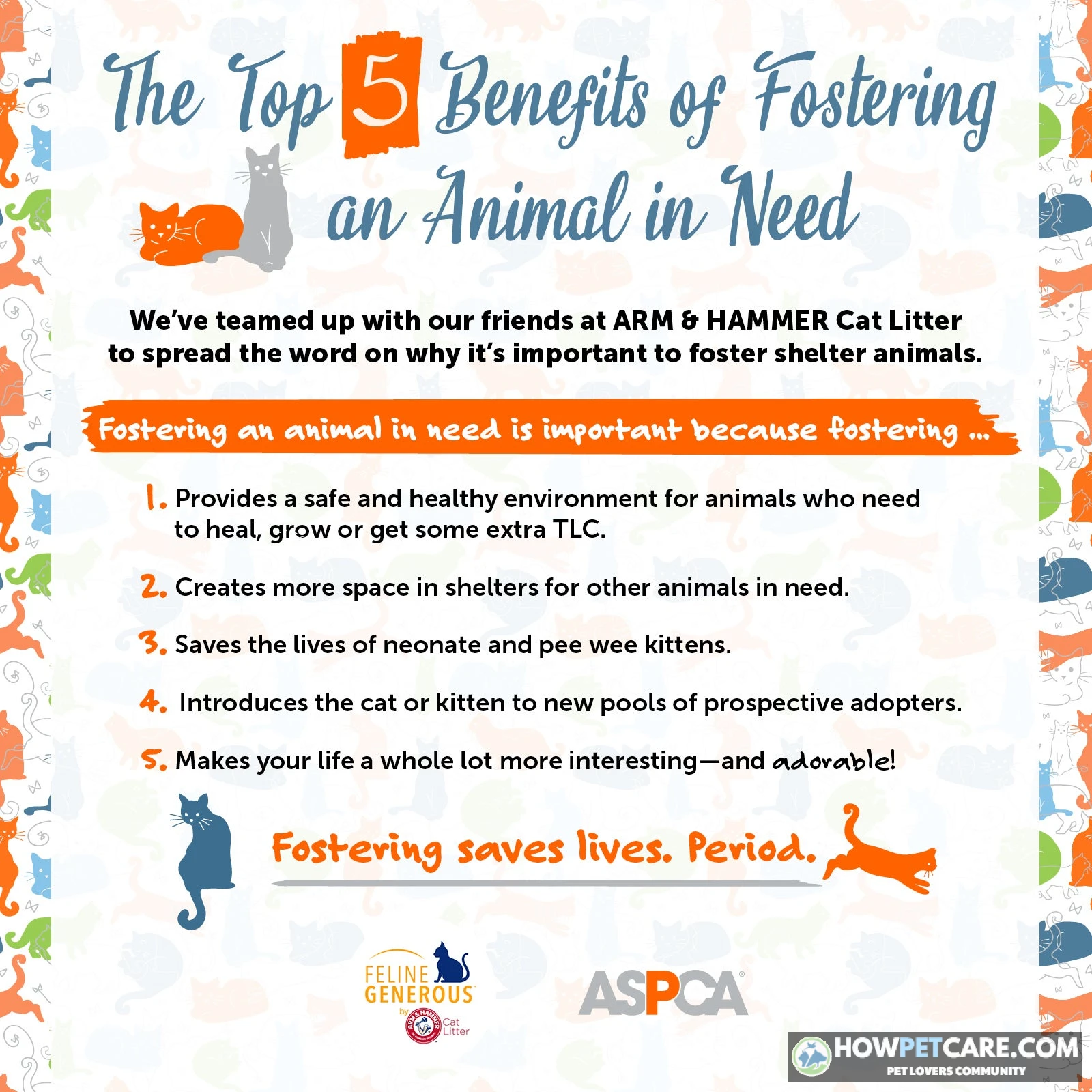
Ask any source for medical records, known behavior concerns, and written return terms. A shelter assessment is useful information, not a promise about how an animal will behave in every home. Likewise, a mixed breed is not automatically healthier than a purebred; individual genetics, care, and environment matter.
When a breed-specific rescue is the better route
A breed-specific rescue can be a useful middle path if you want a particular kind of dog or cat but prefer adoption. Ask whether the organization verifies breed identity or describes animals by appearance. A breed label alone cannot predict an individual pet’s temperament, adult health, or exercise needs.
Whether you adopt or buy, ask what the animal is like in a home: how it handles being alone, what it eats, and what support is available if problems emerge.
Adoption Fee vs Purchase Price: What You Actually Pay in Year One and Beyond
What the adoption fee covers
Adoption is not necessarily free. Some organizations waive or reduce fees for particular animals or events, but you should still budget for food, supplies, and veterinary care.
An adoption fee often contributes to an initial exam, age-appropriate vaccinations, parasite treatment, spaying or neutering, and microchipping. Inclusions vary by shelter and animal. A young animal may still need later vaccine doses or surgery; a microchip may need registration or an ownership transfer. Ask for an itemized record, what remains due, and whether the fee is refundable under the contract.
| Item | Usually included in adoption fee | Often an extra cost | Typical range or estimate |
|---|---|---|---|
| Initial health check and parasite treatment | Often provided before adoption | Follow-up tests or treatment | Ask for the exam findings and a local veterinary quote |
| Spaying or neutering | Often included or arranged by the organization | Surgery or a deposit if not yet completed | Varies by clinic, animal, and location |
| Initial vaccinations | Often provided as appropriate for age | Remaining doses, boosters, or additional vaccines | Depends on vaccine history and local veterinary pricing |
| Microchipping | Often included | Registration, transfer, or optional service charges | Check the chip provider’s terms |
| Supplies and ongoing care | Generally not included | Food, carrier, litter, routine vet visits, and emergencies | Build a household-specific estimate |
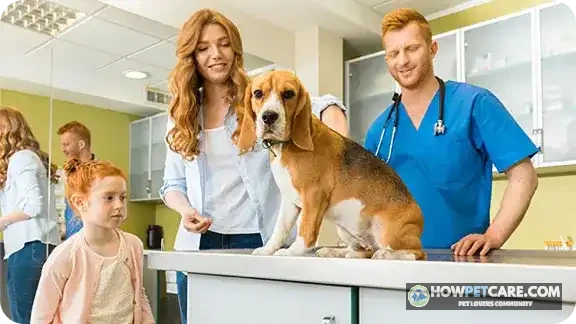
The fee is not a guarantee of perfect health. Some conditions are undetectable at intake or develop later. Arrange an early veterinary visit and bring the records you receive.
First-year and lifetime cost comparison
A useful comparison separates the price of acquiring the pet from the cost of caring for it. Prices vary substantially by region, species, age, breed, and the services already provided. The figures in the last two rows below are worked examples, not market-price estimates or quotes. They show how to compare actual local prices without counting the same service twice.
| Cost category | Shelter/rescue adoption | Reputable breeder | Pet store | Notes and source |
|---|---|---|---|---|
| Acquisition price | Adoption fee; sometimes reduced or waived | Purchase price | Purchase price | Get a written quote for the individual animal; adoption can cost less upfront. |
| Initial services | Vaccines, surgery, chip, and exam may be included | Some services may be completed; others remain your responsibility | Inclusions depend on the store and animal | Compare records and remaining care, not the fee alone. |
| Dog: illustrative acquisition plus first-year care | $150 fee + $1,500 care = $1,650 | $1,500 price + 1,500 care = 3,000 | $1,000 price + $1,500 care = $2,500 | Arithmetic example only; equal care costs isolate the effect of acquisition price. Actual included services and care costs differ. |
| Cat: illustrative acquisition plus first-year care | $100 fee + $1,000 care = $1,100 | $1,000 price + 1,000 care = 2,000 | $500 price + $1,000 care = $1,500 | Arithmetic example only; request local quotes rather than treating these inputs as typical prices. |
The examples do not include every possible expense. Pet rent, boarding, training, grooming, prescription diets, and emergency treatment can change the total substantially. If an adoption fee covers surgery that a purchase price does not, include the buyer’s surgery quote in that comparison rather than assuming equal care costs.
Recurring vet, insurance, and senior-pet costs
After the first year, the source of the pet usually matters less to your budget than its size, health, food, and care needs. Plan for food, preventive medicines, routine exams, vaccinations as recommended by your veterinarian, dental care, supplies, and occasional boarding or pet sitting.
Senior animals may need more frequent monitoring or treatment for chronic conditions, though age alone cannot predict an individual’s bills. Ask your veterinarian for an annual-care estimate and discuss how you would handle an unexpected bill.
If considering insurance, compare premiums, deductibles, reimbursement limits, waiting periods, and exclusions for pre-existing conditions. An emergency fund or a confirmed financing plan is another option. For a lifetime estimate, multiply your expected annual spending by the years you may care for the animal, then add acquisition, setup, and a reserve for costs that do not occur every year. It’s a planning tool, not a ceiling on what care may cost.

Ask what medical care is complete, what is still due, and whether a known condition requires medication, follow-up visits, or a special diet. Request records you can share with your veterinarian.
Adult vs Puppy or Kitten: Benefits of Adopting an Older Pet and the Trade-Offs
Puppy or kitten
Young animals give you the chance to build routines early, but they also need close supervision, age-appropriate socialization, play, and training. Puppies need frequent bathroom breaks; kittens need safe spaces and outlets for climbing and play. Their adult size, energy level, and personality may be less predictable than those of a mature animal.
Adult
An adult animal’s size and observed personality can make matching easier. Some are already house-trained or comfortable with a litter box, although a move can disrupt established habits. An adult whose needs fit your working hours or family routine may be more manageable than a young animal, but ask about the individual rather than assuming it will be calm.
Senior
An older pet may suit someone seeking a quieter routine. Ask about mobility, medications, dental needs, and the cost of recommended follow-up care. A senior may have more medical needs and less time with you than a younger animal, but can still benefit from enrichment, play, and companionship suited to its abilities.
For families with young children, prioritize an animal with a known history around children where possible, supervise interactions, and give the pet a place to retreat. For any age, a trial period can reveal more about household fit than a brief meeting alone.
Adopting a Cat vs Adopting a Dog: Species-Specific Benefits and Differences
Cat adoption: What’s different
An adult cat can suit a smaller home or a household that cannot accommodate daily dog walks. Many cats use a litter box readily, though you will still need to scoop it, provide scratching surfaces, and offer daily play and attention. Cats differ considerably: some seek constant company, while others prefer more independence.
Ask whether the cat has lived indoors, used a particular litter, or shared a home with other animals. A bonded pair may provide familiar companionship for each other, but it also means budgeting for two animals. Cats need veterinary care and enrichment even when they appear self-sufficient.

Dog adoption: What’s different
A dog may be a good fit if you want an activity partner and enjoy a routine of walks, training, and social interaction. The benefits of rescuing a dog depend on the match: a high-energy dog may need much more exercise and engagement than a quieter adult. Plan for bathroom breaks and care during long absences.
| What matters | Cat | Dog |
|---|---|---|
| Daily routine | Litter care, feeding, play, and attention | Bathroom breaks, feeding, exercise, training, and attention |
| Living space | Vertical space, hiding places, and scratching options can help in a smaller home | Energy level and access to suitable exercise matter more than yard size alone |
| Time away | Some healthy adult cats manage a workday with appropriate food, water, and enrichment | Needs vary; arrange a break or caregiver when the dog’s schedule requires one |
| Introductions | A quiet room and gradual introductions can reduce stress | Controlled meetings and gradual introductions can help assess compatibility |
| Adoption questions | Ask about litter habits, hiding, scratching, and compatibility with other cats | Ask about leash behavior, handling, bathroom habits, and comfort around people and animals |

Rabbits, guinea pigs, birds, and other companion animals may also be available through shelters or specialized rescues. Their housing, diet, veterinary care, and handling needs differ from those of cats and dogs; research the species before committing.
Allergies matter for both cats and dogs. Spend time with the individual animal and discuss significant allergies with a medical professional. A meet-and-greet or foster trial may help identify a problem, but neither guarantees that symptoms will not develop later.
Honest Downsides: Screening, Wait Times, Behavioral Unknowns, and Who Gets Approved
How the adoption process works
The adoption process generally involves an application or conversation, a meeting with the animal, and an agreement and fee if both sides decide the match is suitable. Depending on the organization, staff may check references or housing permission, arrange introductions with household members or existing pets, or request a home visit. Same-day adoptions are possible in some settings; other matches take longer.
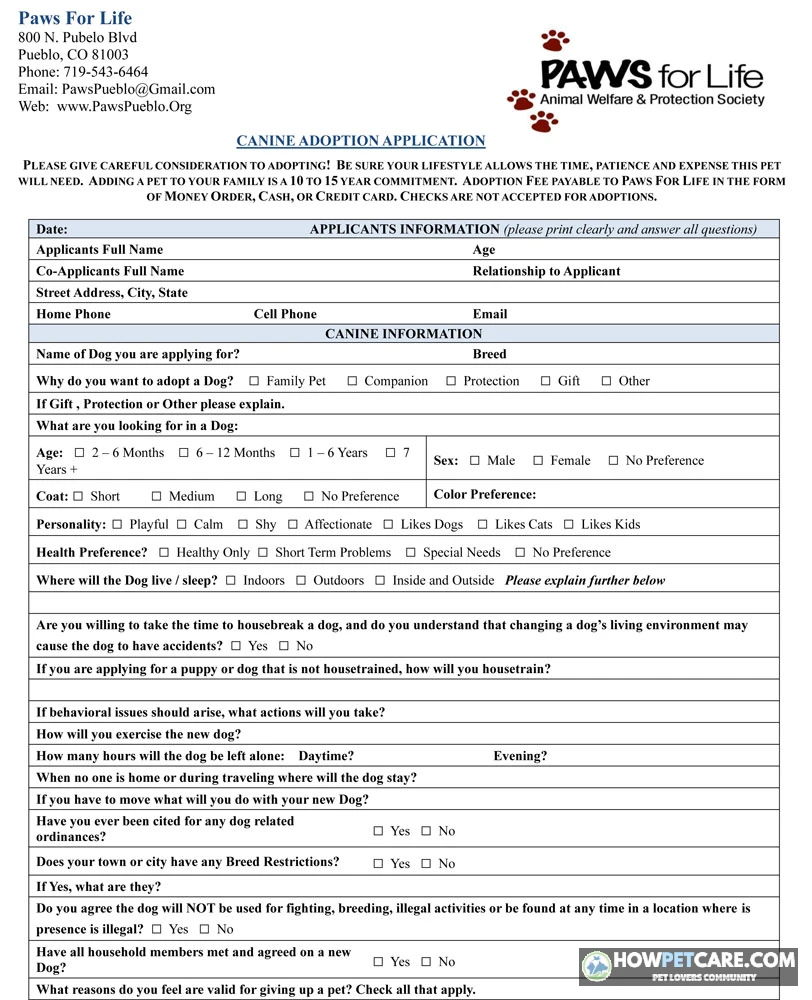
Behavior assessments and foster reports are snapshots, not guarantees. A frightened animal may act differently at home, and a shelter may not know what happened before intake. Ask what is known, what remains uncertain, and whether foster-to-adopt is available.
If the adoption does not work out, contact the organization promptly. Some shelters offer advice, a trial period, an exchange, or a route to return the animal; others have different conditions or capacity limits. Read the contract before adopting, including any deadline, refund terms, and requirement to return the pet to the organization rather than rehome it yourself. A return can be the responsible choice when a safe match cannot be achieved. Consistent national return-rate figures should not be assumed from one shelter’s experience.
If there is a bite, serious aggression, or another immediate safety concern, separate the people and animals involved and seek professional guidance rather than attempting introductions again without help.
Renting, working full-time, or on a budget: Can you be approved?
Often, yes. Requirements differ by organization and animal, and being a renter, working full-time, or having a modest income does not automatically rule you out.
- Renters: Check your lease, pet deposit, pet rent, and any species, size, or breed restrictions. Have landlord contact information or written permission available if requested.
- Full-time workers: Explain your schedule and plan for bathroom breaks, exercise, companionship, and emergencies. An adult animal may fit better than a puppy or kitten.
- Tighter budgets: Ask about included care, low-cost veterinary resources, and expected follow-up needs. Be honest about recurring expenses and your emergency plan.
- First-time owners: A previous veterinary reference may not be available; explain how you plan to choose a veterinarian and learn the animal’s care needs.
A declined application does not necessarily mean you cannot adopt elsewhere or that a different animal will not fit. Ask what requirement was not met and whether another match or a foster arrangement is possible.
How to Tell a Legitimate Rescue from a Puppy Mill Front
An online listing using the word “rescue” is not proof of how an animal was sourced. Use these checks together; no single detail establishes legitimacy.
- Verify claims of nonprofit status. Search the IRS Tax Exempt Organization Search or Candid for an organization claiming to be a 501(c)(3). A municipal shelter or small group may operate differently, so ask about its structure rather than assuming every legitimate organization must have the same listing.
- Check registration where applicable. Look at your state’s charity-registration rules and public records. Requirements and exemptions vary.
- Ask where the animal lives. A rescue should be able to explain whether the pet is in a facility, foster home, or boarding arrangement and how you can meet it safely. Foster-home privacy may mean a meeting happens elsewhere.
- Request records. Ask to see vaccination history, known medical findings, and spay/neuter status or the plan for completing surgery.
- Read the agreement. Look for a transparent fee, disclosure of known issues, and clear instructions if the adoption cannot continue. Ask about support and any limits on returns.
- Ask about sourcing and screening. The organization should explain how it obtained the animal and ask enough questions to make an appropriate match. Practices vary, so a short application alone is not proof of wrongdoing.
- Watch for pressure and inconsistencies. Demands for immediate payment, refusal to answer basic questions, unclear origins, or a constant supply of supposedly rescued designer puppies warrant further investigation. A high fee alone does not prove fraud.
Municipal shelters, established humane societies, and breed-specific rescues can be starting points. Verify the specific organization and animal, including listings found through Petfinder or Adopt a Pet.
If a seller will not provide records or explain where an animal came from, do not rely on a rescue label or an urgent story as proof. Verify the organization independently before paying.
The First 3 Months at Home: The 3-3-3 Rule and What to Do If It Doesn’t Work Out
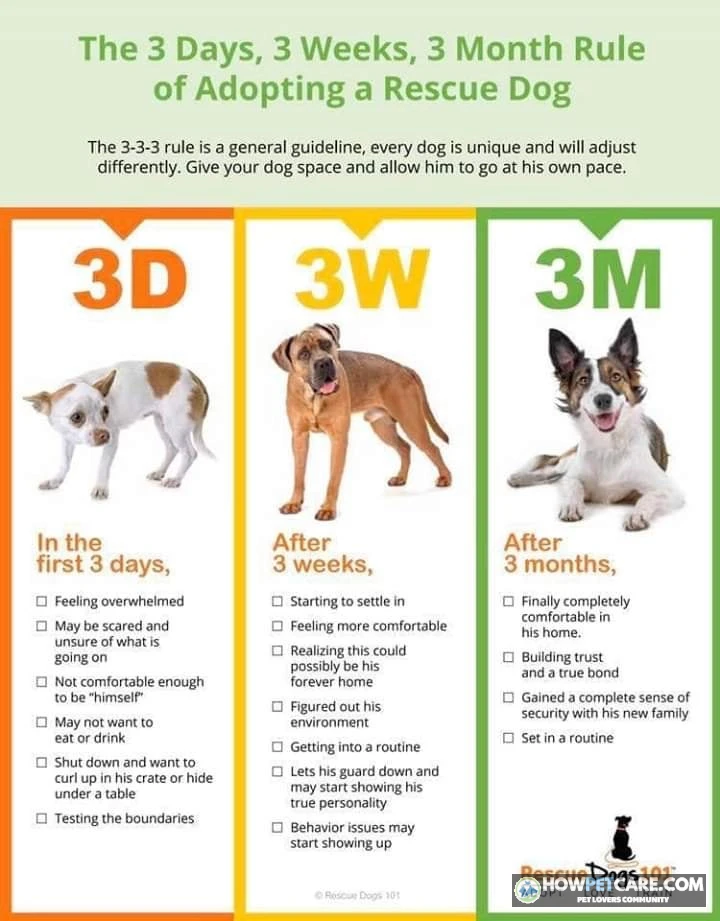
3-3-3 timeline
The 3-3-3 rule is a practical shorthand for adjustment, not a scientifically guaranteed schedule. Some animals settle sooner; others need longer. A pet’s behavior at any stage is information, not a deadline for judging the match.
| Stage | What you may see | What to do | Dog vs cat notes |
|---|---|---|---|
| First 3 days: decompression | Hiding, extra sleep, uncertainty, or accidents | Keep the environment quiet, offer familiar food and water, and establish a simple routine. Contact a veterinarian promptly if the animal will not eat or drink or seems ill. | Give a cat a quiet room with a hiding place, litter box, food, and water in separate accessible locations. Give a dog calm, predictable bathroom breaks. |
| Around 3 weeks: routines emerge | More exploration, play, or behaviors not seen at the shelter | Continue predictable feeding and rest; introduce people and other animals gradually. Use reward-based training and ask for help early. | Cats may benefit from short play sessions and scratching options. Dogs may need patient practice with house and leash routines. |
| Around 3 months: growing familiarity | A more established routine, though fears or behavior issues may remain | Maintain enrichment and veterinary care; adjust the plan to the animal rather than forcing new experiences. | Both species may need more time, especially after a stressful change or with ongoing medical or behavior concerns. |
Arrange the first veterinary visit soon after adoption rather than waiting for a particular stage. Ask the shelter how much of the current food to take home and how to change diets safely. Keep cats indoors while they settle, and use secure doors, carriers, leashes, and identification to reduce escape risk.
If the adoption doesn’t work out
Start with the rescue or shelter’s post-adoption contact. Describe the problem specifically: when it happens, who is involved, and what you have already tried. Ask whether they offer behavior support, a veterinary referral, foster assistance, or a return under your agreement.
A veterinarian can check whether pain or illness contributes to a behavior change. For persistent fear, separation problems, or aggression, ask about a qualified reward-based trainer or a veterinary behavior professional. Do not wait for a timeline to expire if safety or welfare is at risk.
If returning the animal is necessary, provide its records and an honest account of what happened. That information can help the organization find a safer match. Do not assume a refund, an immediate exchange, or an indefinite take-back guarantee; get the policy in writing before adoption.
Your Pre-Adoption Readiness Checklist and Next Steps
Use this list to identify questions to resolve before committing, not as a test you must pass without help.
- ☐ Budget: I know the adoption fee, what it covers, and what initial veterinary care remains. I have estimated recurring costs and have an emergency-care plan.
- ☐ Housing: My lease or housing rules allow this animal, and I understand deposits, pet rent, and any restrictions.
- ☐ Household: Everyone affected agrees on the animal and who will handle feeding, exercise, cleaning, and veterinary bills.
- ☐ Time: I have a realistic plan for alone time, bathroom breaks, exercise, enrichment, and care when I travel or work late.
- ☐ Health and fit: I have considered allergies, children, and existing pets, and asked how introductions should happen.
- ☐ Veterinary care: I have identified a veterinarian and know how to transfer the animal’s records and microchip registration.
- ☐ Safety net: I understand the contract, whom to contact for help, and the return or rehoming policy.
Supplies to buy before adoption day
Prepare a secure carrier or appropriately sized crate, familiar food, bowls, bedding, toys, an identification tag, and an enzymatic cleaner for accidents. Dogs also need a well-fitting collar or harness and leash. Cats need a litter box, litter, and a scratching surface. Ask the organization what the animal already uses before buying specialized equipment.

Is adoption right for you? A quick decision guide
Adoption is a promising fit if you can meet the animal’s ongoing needs, accept some uncertainty, and are willing to give it time to adjust. If compatibility is unclear, ask about foster-to-adopt or fostering before committing. If documented ancestry or a particular working trait is essential, explore a responsible breeder as well as a breed-specific rescue.
Start by checking local shelters and established rescue listings. Choose a few animals whose needs match your household, ask for their records and return policies, and arrange a meeting. Bring your questions—and be prepared to wait for a match that works for both of you.
 You might be wonderingCost of akita dogAkita Dog Cost: Puppy Price, First-Year & Lifetime CostsRead the answer
FAQ
Is it cheaper to adopt a pet than to buy one?
Usually yes upfront, since adoption fees are generally lower than breeder or pet store prices and often include spay/neuter, vaccinations, and microchipping. Ongoing costs like food, vet care, and insurance are similar either way.
Can I adopt a pet if I rent my home?
Often yes. Many shelters ask for landlord permission or proof that pets are allowed, and some will contact your landlord directly. Confirm pet deposits, fees, and breed or weight restrictions before applying.
Are shelter pets healthy?
Most shelters give a vet exam, vaccinations, and parasite treatment before adoption, though some animals have undiagnosed or pre-existing conditions. Ask for medical records and plan an early vet visit.
Can I adopt if I work full-time?
Many full-time workers are approved, especially with a plan for daytime care, exercise, or a lower-maintenance pet such as an adult cat. Be ready to explain your schedule during screening.
Do shelters offer foster-to-adopt options?
Many do. Foster-to-adopt lets you live with a pet for a short period before committing, which helps test compatibility with your home, other pets, and allergies.