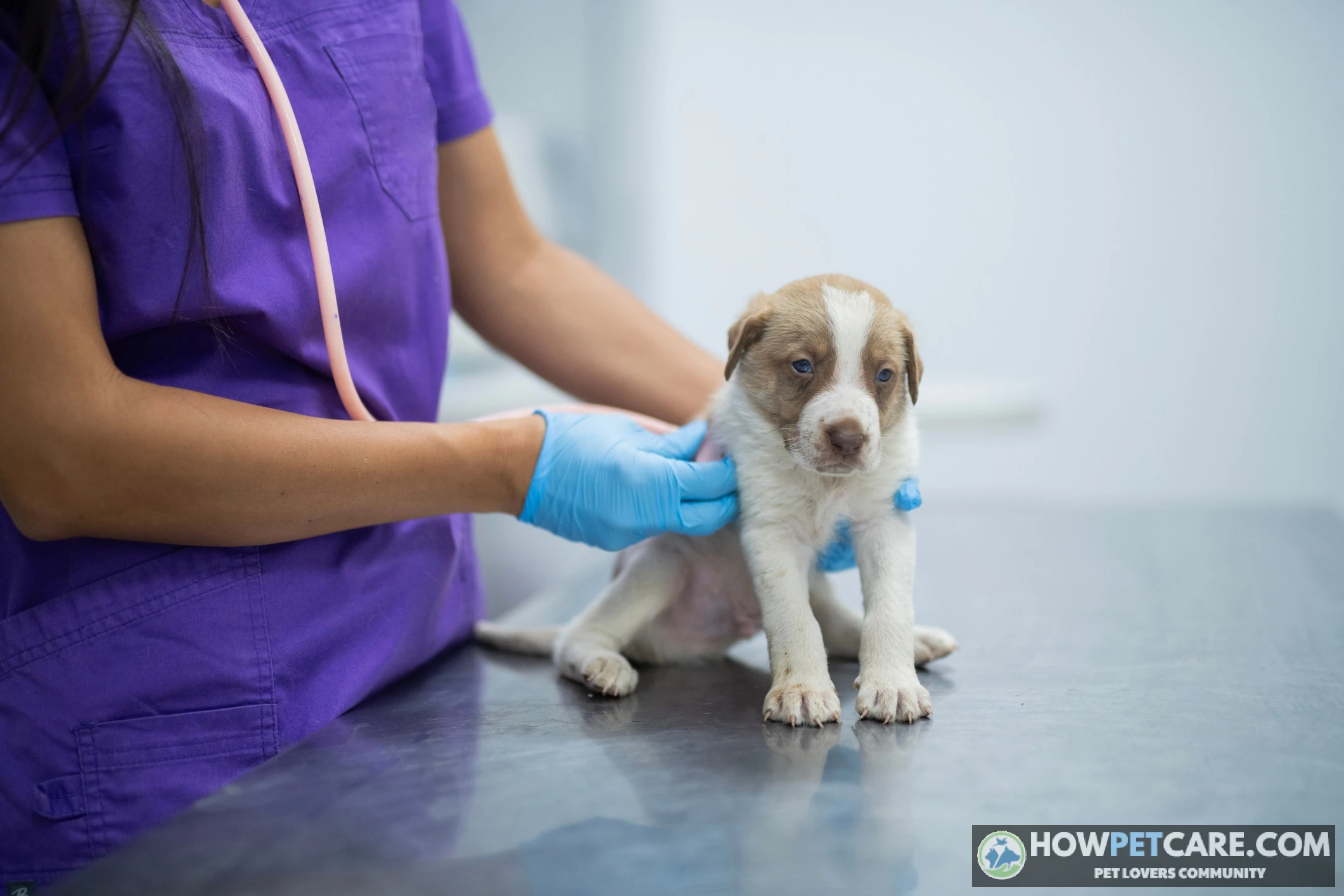

Canine parvovirus (parvo) is a highly contagious virus that attacks a dog’s intestinal lining and immune cells, causing vomiting, lethargy, and often bloody diarrhea. It spreads through infected feces and contaminated surfaces, is most dangerous to unvaccinated puppies, and needs prompt veterinary care to survive.
Medical review: 2026 — checked against the Merck Veterinary Manual, AAHA canine vaccination guidelines, and published outpatient-protocol studies.
Does My Dog Have Parvo? Symptoms, Parvo Poop, and When It’s an Emergency
Canine parvovirus (CPV-2) is a highly contagious virus that destroys the intestinal lining and bone marrow cells. Any puppy or unvaccinated dog with vomiting plus diarrhea, lethargy, or no appetite should see a vet the same day.
Early signs of parvo in dogs, in the order they usually appear
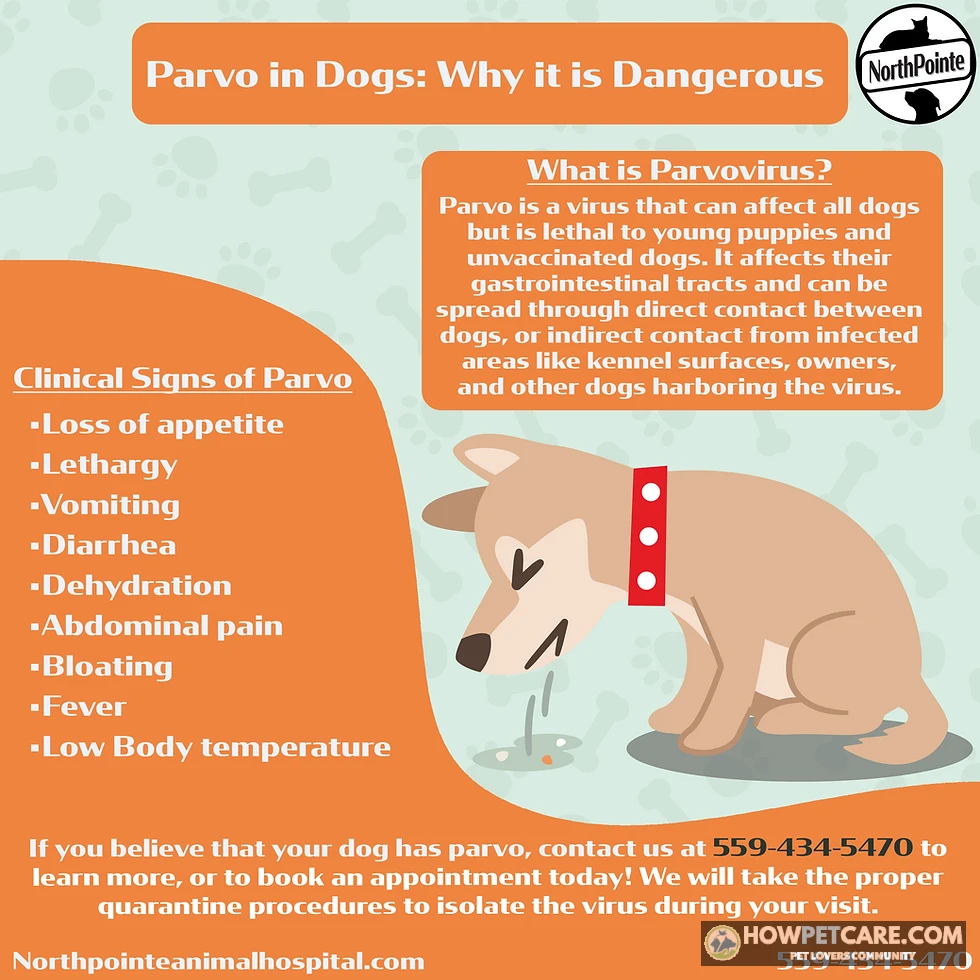
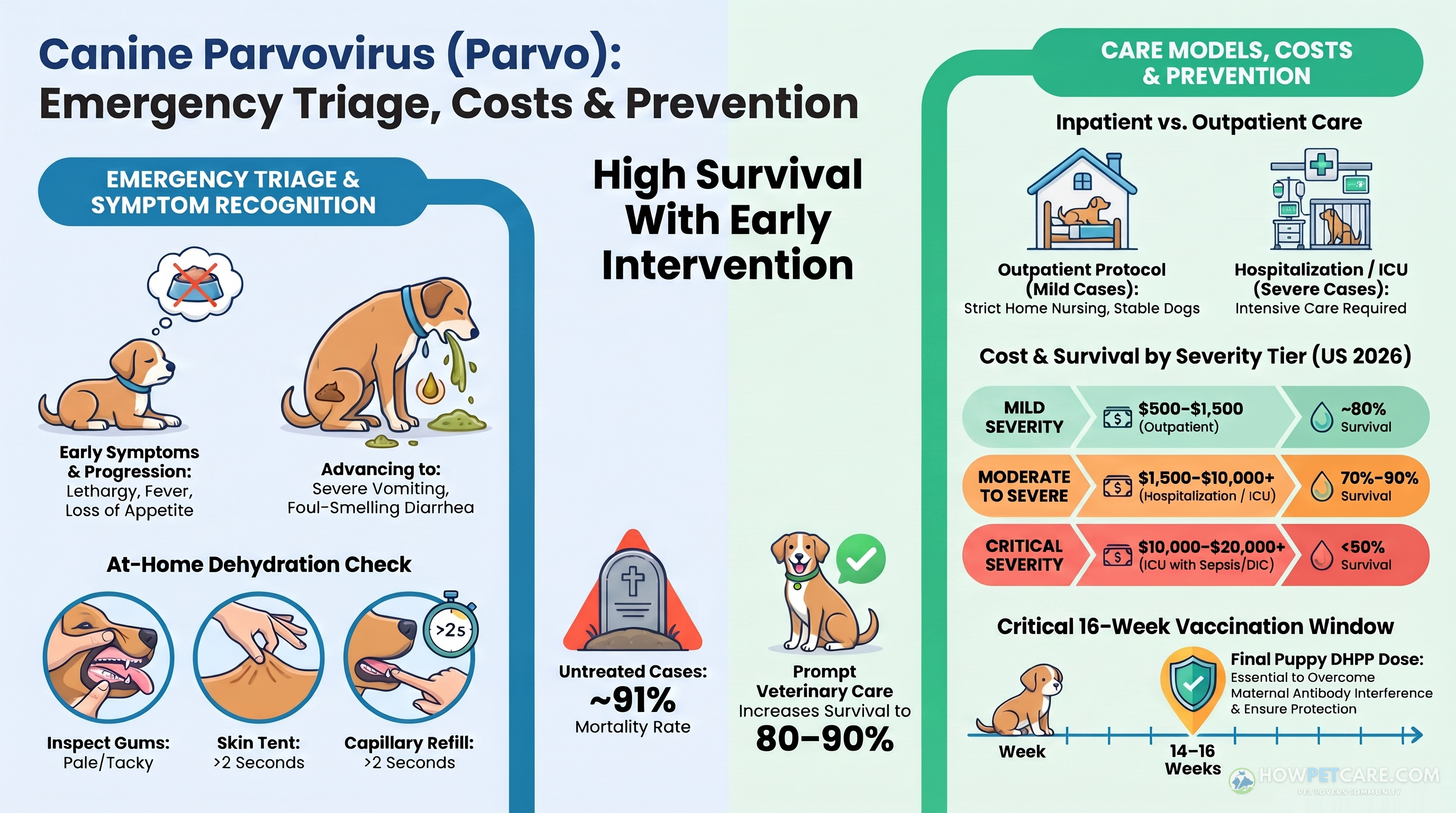
The first signs are often easy to miss: lethargy, loss of appetite, and a fever (or sometimes a low body temperature). Vomiting typically follows, then diarrhea that may turn watery and bloody. Incubation usually runs 3–7 days after exposure.
What parvo poop looks like (and what it doesn’t always look like)
Parvo diarrhea is usually watery, foul-smelling, and often bloody. It may look yellow-gray or contain mucus. Not every case shows visible blood, though, and a stool without blood does not rule out parvo.
Dehydration self-check: gum color, skin tent, and capillary refill
While you arrange veterinary care, you can check for dehydration at home. These checks don’t replace an exam, but they help you judge urgency:
- Gum color and moisture: Healthy gums are pink and slick. Pale, white, gray, or tacky gums signal poor perfusion and dehydration.
- Skin tent test: Gently lift the skin over the shoulder blades. It should snap back almost immediately. If it stays tented for more than about 2 seconds, the dog is dehydrated.
- Capillary refill time: Press a finger against the gum until it blanches white, then release. Color should return in under 2 seconds. A longer refill points to circulatory compromise.
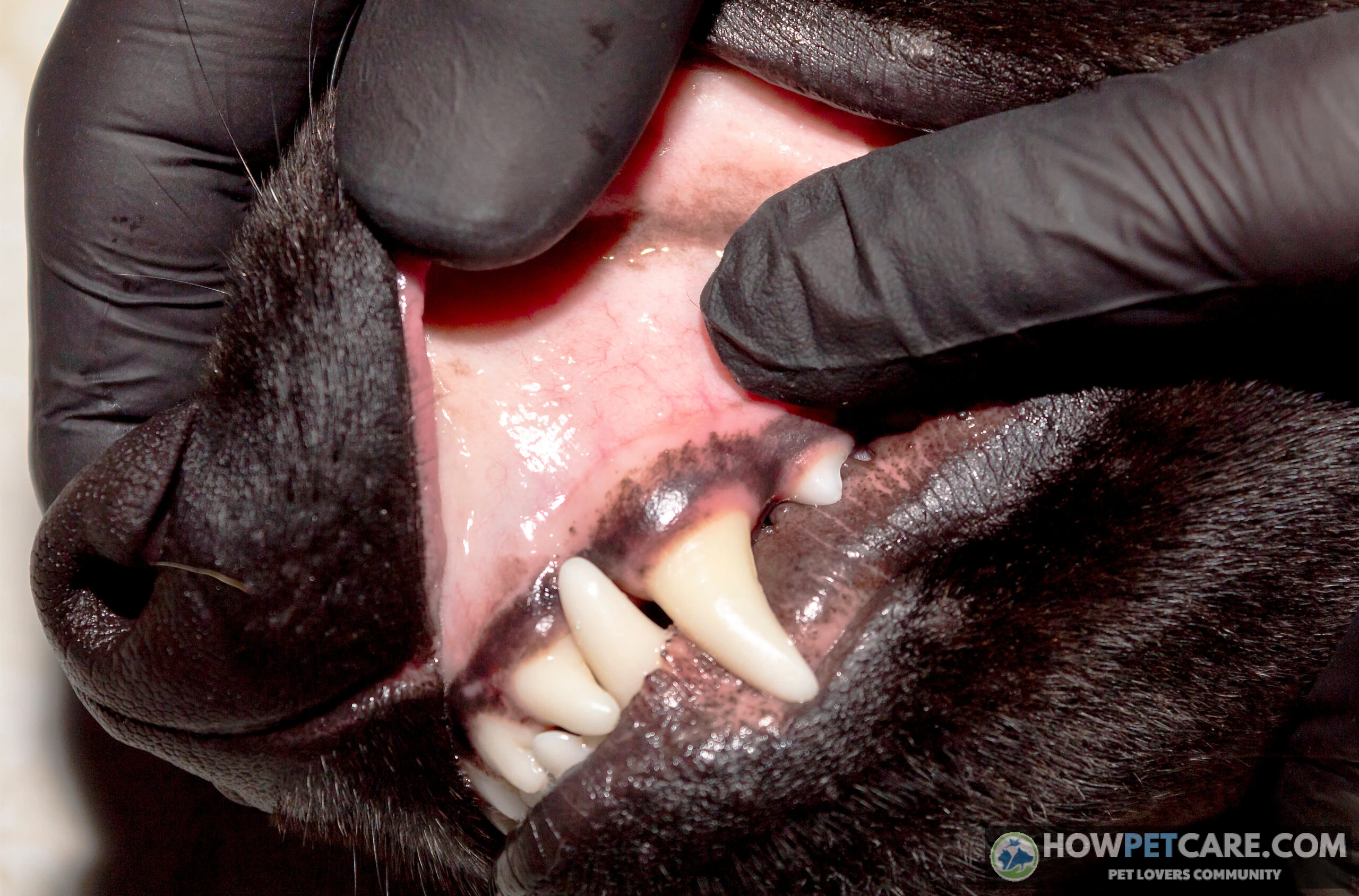
If any check fails, call the vet urgently.
Parvo vs. distemper and other causes of vomiting and diarrhea in puppies
Several conditions can mimic parvo. Distemper—prevented by the same DHPP vaccine—often adds respiratory signs, eye or nose discharge, and neurological signs such as tremors or seizures. Respiratory infections such as kennel cough cause coughing and sneezing rather than the vomiting and diarrhea seen with parvo. Intestinal parasites, dietary indiscretion, and foreign body obstruction can also cause vomiting and diarrhea. Features that raise suspicion for parvo include age under 6 months, incomplete vaccination, hemorrhagic diarrhea, and severe lethargy with fever or hypothermia. Only a veterinary test (fecal antigen or PCR) confirms parvo.
Use this as a fast triage screen, not a substitute for an exam. If any row is unclear, call a vet before deciding.
| Situation | What it looks like | Action |
|---|---|---|
| Emergency now | Puppy under 6 months who is unvaccinated or incompletely vaccinated and has vomiting or diarrhea; repeated vomiting; cannot keep water down; bloody or watery foul-smelling diarrhea; collapse; extreme weakness; pale, white, gray, or tacky gums; skin stays tented more than about 2 seconds; fever or unusually low body temperature | Go to an emergency vet or the nearest open clinic now. Call ahead so staff can isolate the dog at arrival. |
| Same-day veterinary assessment — ask about outpatient care | Dog is alert, standing, interested in water, keeping small amounts of water down, and has pink moist gums, but has vomiting, diarrhea, appetite loss, or marked lethargy | Do not wait overnight. Arrange a same-day exam and ask whether the dog is stable enough for an outpatient protocol. |
| Monitor closely for a limited window | Fully vaccinated adult with one episode of vomiting or soft stool, normal energy, normal appetite, drinking normally, and no blood, abdominal pain, pale gums, or repeated symptoms | Withhold rich treats, offer water normally, and monitor closely. Call the vet if symptoms repeat, diarrhea becomes watery or bloody, lethargy appears, or the dog stops drinking. |
Quick dehydration check: gums should be pink and slick rather than pale and sticky; skin lifted over the shoulder blades should fall back almost immediately; pressing the gum should return color in under about 2 seconds. If any check fails, call the vet urgently.
How Do Dogs Get Parvo, and Can Vaccinated Dogs, Cats, or Humans Catch It?
Parvo disease timeline: exposure to recovery
Parvo spreads through fecal-oral transmission: dogs ingest virus from infected feces, contaminated soil, surfaces, hands, shoes, and bowls. Direct dog contact isn’t required. The virus persists in the environment for months and resists many household cleaners.
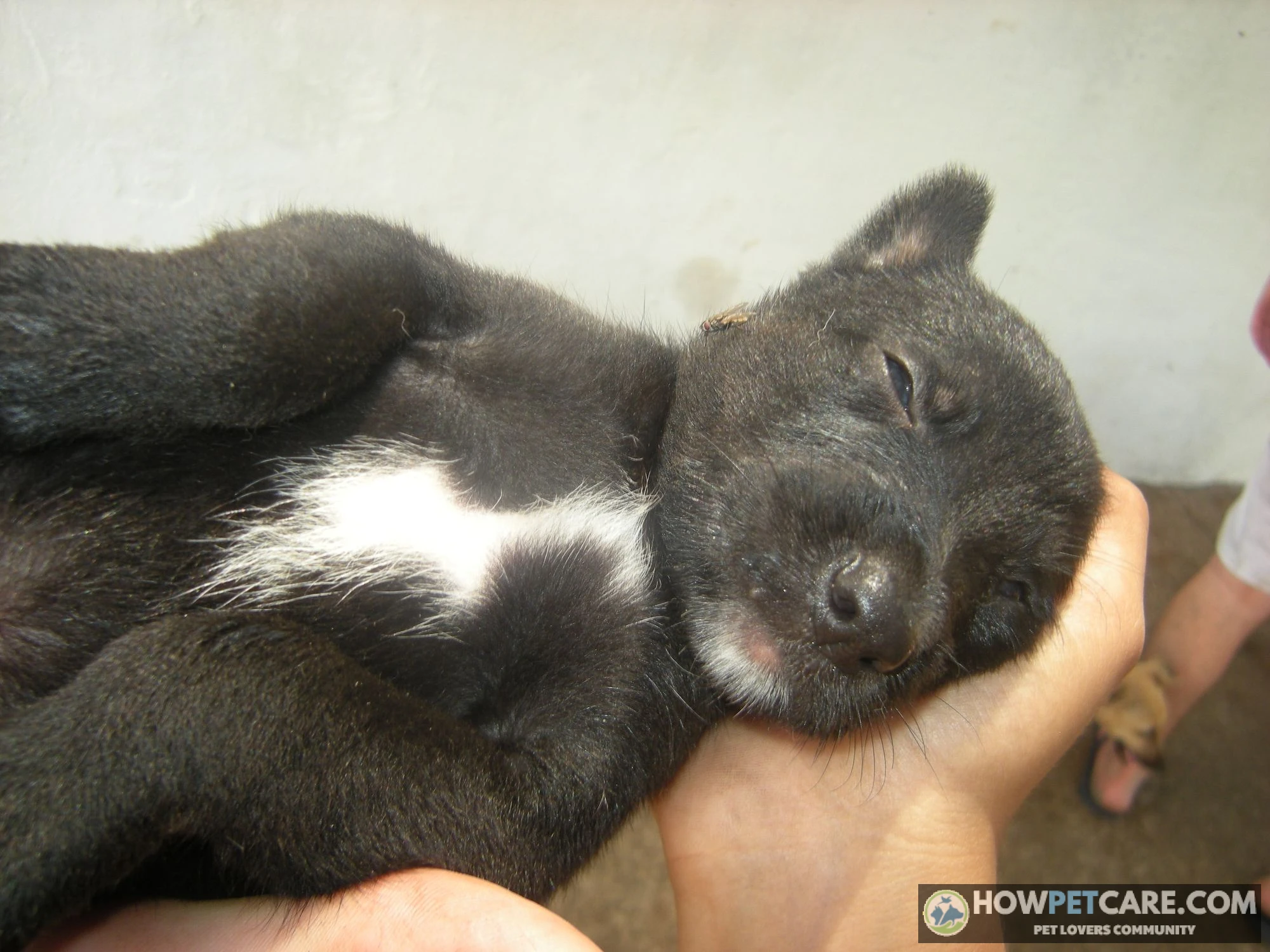
Day 0 — Exposure: The dog swallows parvovirus from feces, contaminated soil, bowls, shoes, hands, or another contaminated surface.
About days 3–7 — Incubation: The virus multiplies before obvious illness. Some sources describe an incubation window extending toward 14 days, so exposed dogs still need monitoring beyond the first week.
Before and during illness — Shedding begins: Virus can pass in feces around the time signs begin and sometimes before the owner realizes the dog is sick.
Acute phase: Vomiting, appetite loss, lethargy, and diarrhea intensify. The first several days of treatment are usually the highest-risk period because dehydration and intestinal bacterial leakage can escalate quickly.
Recovery phase: Appetite, energy, hydration, and stool quality gradually return once the intestine begins healing.
About 10–14 days after recovery — Possible continued shedding: A recovered dog may still contaminate the environment. Keep the dog away from shared surfaces and unvaccinated animals until the vet gives a release date.
Practical rule: A dog that looks better is not automatically non-contagious. Recovery and the end of isolation are separate milestones.
Why vaccinated dogs still sometimes get sick
Vaccinated dogs can still get parvo in several scenarios:
- Maternal antibody interference: Puppies receive antibodies from their mother that can block vaccine uptake, creating a window of vulnerability between roughly 6 and 16 weeks.
- Incomplete series: Missing a booster or stopping before 16 weeks leaves gaps.
- Vaccine handling or response failures: Improper storage, administration, or an individual’s poor immune response.
- Breakthrough infections: Rare but documented; typically milder than in unvaccinated dogs.
Can humans or cats get parvo from dogs?
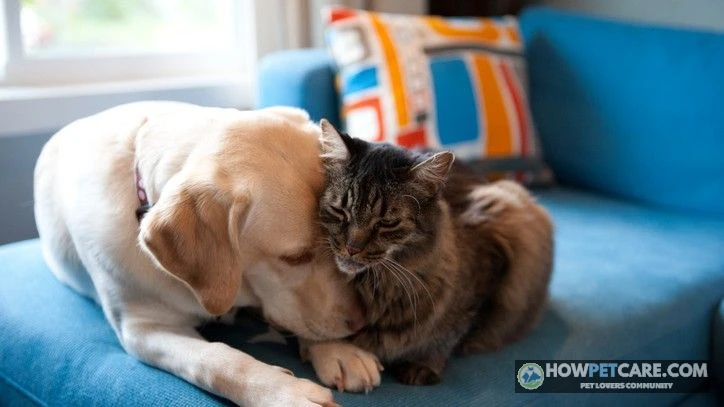
Human parvovirus B19 (fifth disease) is a different virus; people cannot catch CPV-2 from dogs. Similarly, the flu in dogs comes from canine influenza strains rather than human flu viruses. Older sources said dogs and cats do not transmit parvo to each other. Since CPV-2c emerged around 2000, however, canine parvovirus can infect cats, particularly unvaccinated ones. Feline panleukopenia virus (FPV) is a close relative, and cross-species transmission is possible. Vaccinating cats against panleukopenia provides protection.
How Is Parvo Diagnosed and Treated? Is There a Cure?
How vets confirm parvo: tests and bloodwork
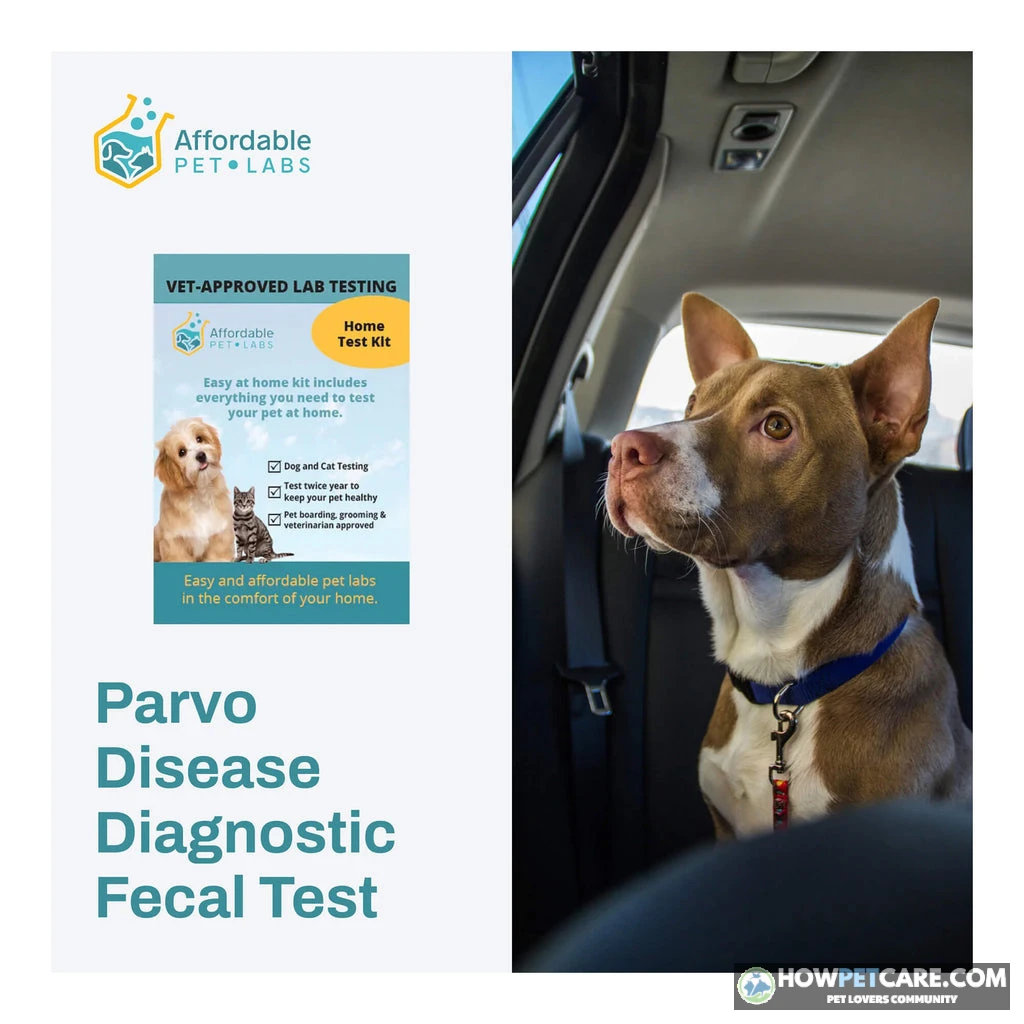
Vets use an in-clinic fecal antigen test (often a SNAP/ELISA type) for rapid results. PCR testing is available when antigen results are unclear. Bloodwork typically reveals a low white blood cell count (leukopenia), which is both a hallmark of parvo and a prognostic marker—lower counts correlate with worse outcomes. A persistently abnormal count may also prompt vets to look for other causes of blood-cell changes, including lymphoma in dogs.
What supportive care includes and why each piece matters
No antiviral drug kills parvovirus directly. Treatment supports the body while the immune system clears the virus. The core components:
- IV fluids: Correct dehydration, maintain blood pressure, and replace ongoing losses from vomiting and diarrhea.
- Anti-nausea medication (e.g., maropitant): Stops vomiting so the dog can hold down oral medications and eventually food.
- Antibiotics (e.g., enrofloxacin, cefovecin): Prevent or treat secondary bacterial infections that cross the damaged intestinal lining into the bloodstream.
- Pain control: Abdominal pain is common, and suppressing it reduces stress.
- Nutritional support: Early enteral nutrition (feeding through the GI tract) is now recommended over the old practice of withholding food and water until vomiting stops.
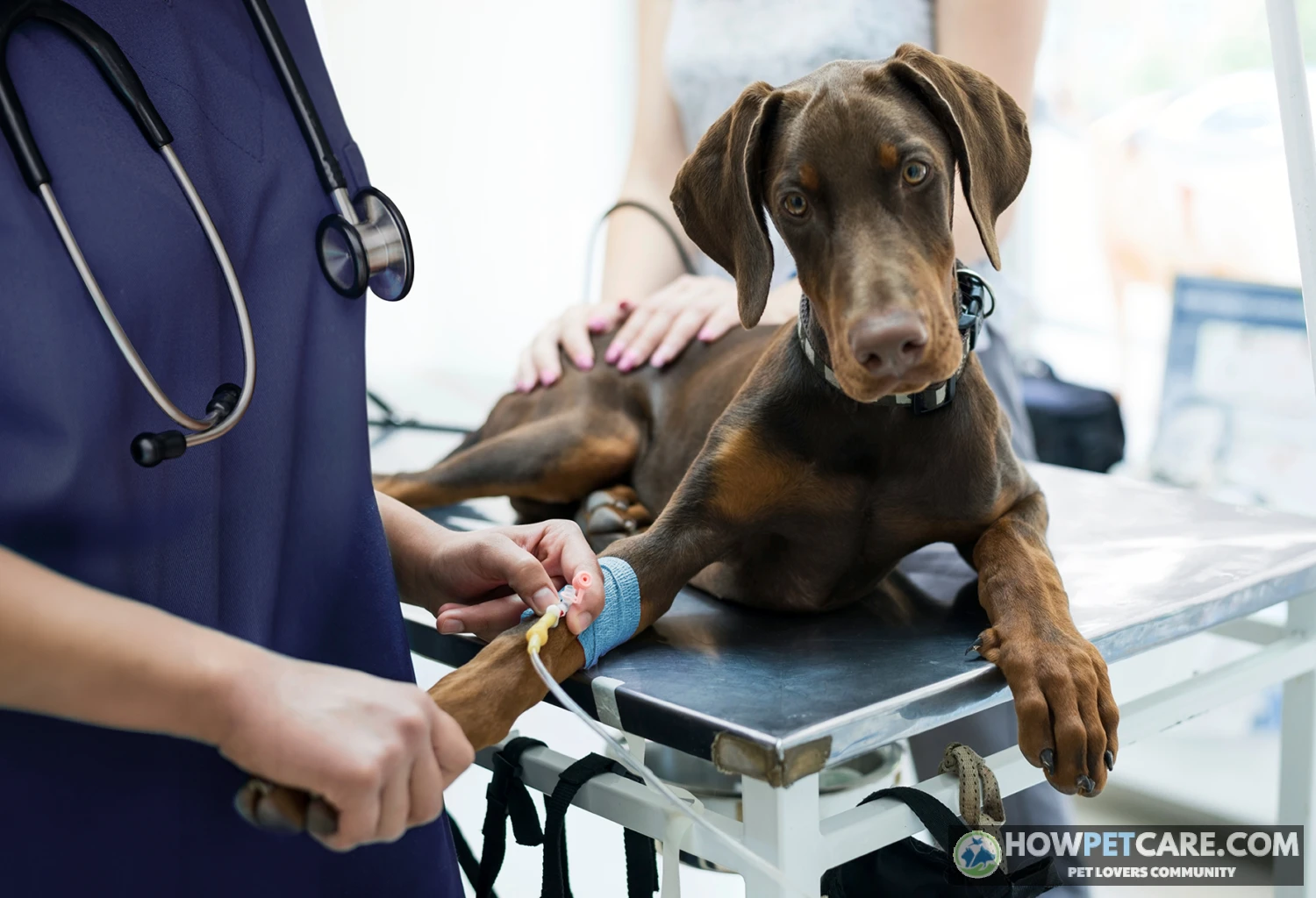
The first 3–5 days of intensive care decide most outcomes. During that window, the damaged intestinal lining lets bacteria into the bloodstream, and the dog loses fluids faster than it can drink.
CPMA monoclonal antibodies and fecal transplants: what owners should know
CPMA — canine parvovirus monoclonal antibody is an IV treatment designed to bind parvovirus directly. It received a USDA conditional license in 2023. It may reduce circulating virus, but it does not replace fluids, anti-nausea medication, monitoring, or other supportive care. Timing and patient selection matter. It should not be treated as a guaranteed rescue for late-stage disease.
Ask the vet:
- Is my dog early enough in the illness for CPMA to be considered?
- Is it available here, and is it appropriate for my dog’s age, weight, and condition?
- What evidence supports its use in a case like this?
- How much does it add to the estimate?
- Will my dog still need hospitalization?
FMT — fecal microbiota transplant transfers screened donor stool into the intestine to try to restore gut bacteria. Early research in parvo is promising, but it is an adjunct some clinics offer rather than universal standard care. It should be veterinarian-led and should never be attempted as a home remedy with another dog’s stool.
How Much Does Parvo Treatment Cost? Inpatient vs. Outpatient Care by Severity
Parvo treatment cost by severity tier
Published data on parvo treatment costs is limited. The ranges below are based on typical US veterinary hospital estimates (2026) and vary widely by region, hospital type, and dog size. Ask for a written estimate with a tiered plan.
| Severity tier | Care setting | Typical cost range | What’s included | Reported survival | Source and year |
|---|---|---|---|---|---|
| Mild | Outpatient protocol | $500–$1,500 | Exam, injectable anti-nausea, subcutaneous fluids, injectable antibiotics, oral meds to go home, rechecks | ~80% (outpatient studies) | Veterinary hospital estimates, 2024 |
| Moderate | Standard hospitalization (2–4 days) | $1,500–$4,000 | IV fluids, injectable medications, monitoring, basic bloodwork, nutritional support | 85–90% | Veterinary hospital estimates, 2024 |
| Severe | ICU / Emergency hospital (5+ days) | $4,000–$10,000+ | Intensive monitoring, plasma/blood transfusions, CPMA, advanced diagnostics, nutritional support | 70–85% (varies with complications) | Veterinary hospital estimates, 2024 |
| Critical | ICU with complications (sepsis, DIC) | $10,000–$20,000+ | All above plus vasopressors, mechanical ventilation, prolonged stay | <50% | Veterinary hospital estimates, 2024 |
Cost drivers: length of stay, emergency vs. general practice, fluid and lab monitoring, plasma or transfusions, CPMA, dog size and weight-based dosing.
Inpatient vs. outpatient cost comparison at a glance
The severity table above shows costs by illness level; this table compares the two care models directly, using the same 2026 US estimates and published study figures.
| Care model | Typical cost (US, 2026) | Reported survival | Best fit |
|---|---|---|---|
| Outpatient protocol | $500–$1,500 | ~80% in published studies | Alert, stable dogs who keep some water down, with an owner able to medicate, monitor, and return for daily rechecks |
| Inpatient hospitalization | $1,500–$4,000 for standard care; $4,000–$10,000+ for ICU | 85–90% in moderate cases; 70–85% in severe cases | Dogs who cannot hold fluids, are severely dehydrated, collapsed, very young, or showing signs of sepsis |
The tradeoff is cost against round-the-clock monitoring: hospitalization catches complications early but multiplies the bill, while outpatient care works only for a narrow band of stable patients.
Outpatient parvo treatment: what it is and who it fits
An outpatient protocol (described in the Merck Veterinary Manual and published studies) involves clinic-administered injectable anti-nausea drugs, subcutaneous fluids, and injectable antibiotics, with the owner giving oral medications and feeding at home. Studies report roughly 80% survival with this approach, but candidates must be alert, able to keep some water down, and not severely dehydrated or hypoglycemic. The owner must be able to medicate and monitor the dog reliably and return for daily rechecks.
When hospitalization is non-negotiable
Hospitalization is required if the dog:
- Cannot keep fluids or medication down
- Is severely dehydrated (prolonged skin tent, tacky gums, prolonged capillary refill)
- Is extremely lethargic, collapsed, or unresponsive
- Is a very young puppy (under 8 weeks) or has a very low white blood cell count
- Shows fever or hypothermia, signs of sepsis, or coagulopathy
- Has an owner who cannot give medications, monitor the dog, or return for daily rechecks
Managing cost
Ask for a written estimate with a tiered plan. Ask whether an outpatient protocol is appropriate. Explore payment plans, veterinary financing (e.g., CareCredit), charity or shelter-medicine programs, and low-cost clinics. This section names only general categories—no product endorsements.
What Is the Parvo Survival Rate, and What Changes a Dog’s Odds?
Survival rates: untreated, outpatient, and hospitalized dogs
- Untreated: Mortality has been reported as high as ~91% (historical data, Wikipedia).
- Outpatient protocol: ~80% survival in published studies (with the caveats above).
- Hospitalized: 80–90% survival with prompt, aggressive supportive care; lower in severe/septic cases.
These figures come from veterinary literature and institutional sources (Merck Veterinary Manual, published outpatient studies). Individual outcomes depend on the modifiers below.
Prognosis modifiers: what helps and what hurts
| Factor | Better prognosis | Worse prognosis | Why it matters | Source |
|---|---|---|---|---|
| Age | Older puppy (>12 weeks) or adult | Very young puppy (<8 weeks) | Immature immune system, less reserve | Veterinary studies |
| Time to treatment | <24 hours from first symptom | >48 hours | Early intervention limits dehydration and bacterial translocation | Clinical data |
| Vaccination status | Fully vaccinated (breakthrough) | Unvaccinated or incomplete | Some immune priming may reduce severity | Observational data |
| White blood cell count | Normal or mildly low | Very low (<1,000/µL) | Indicates bone marrow suppression and sepsis risk | Bloodwork |
| Dehydration severity | Mild (5–6%) | Severe (>10%) | Correlates with shock and organ dysfunction | Physical exam |
| Co-infections | None | Parasites, coronavirus, etc. | Additional GI damage and immune burden | Fecal testing |
| Body condition | Good weight | Emaciated | Nutritional reserves affect recovery | Body condition score |
| Care setting | Inpatient with 24-hr monitoring | Outpatient (if stable) or delayed | Intensive care catches complications early | Hospital protocols |
Breed susceptibility: Some studies report Rottweilers, Doberman Pinschers, and a few other breeds as higher risk, but results are mixed and individual variation is large. No ranked list is evidence-based.
Reading the early course
Signs of improvement: keeping water down, interest in food, stool firming, rising white blood cell count.
Warning signs of worsening: persistent vomiting, bloody diarrhea returning, collapse, pale gums, declining mentation.
Most dogs that get early supportive care survive, but severe cases can still be fatal. Use the concrete criteria above to guide urgency, not fear.
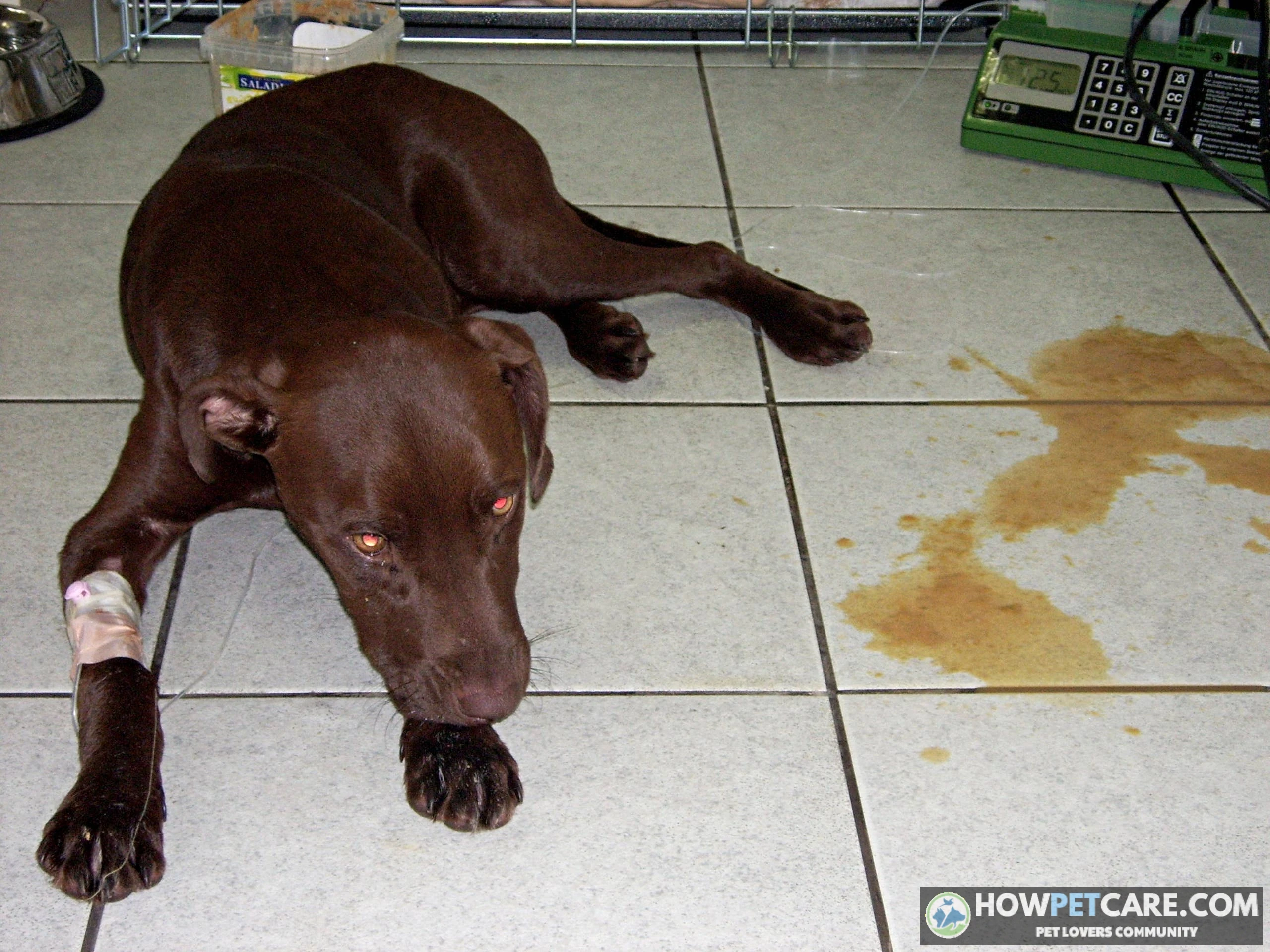
Bringing a Parvo Survivor Home: The First 14 Days of Recovery
Discharge checklist to ask the vet
Before leaving the clinic, confirm:
- Medications and exact dosing schedule
- Feeding instructions (diet, amount, frequency)
- Recheck appointment dates
- How long to isolate from other dogs
- Red flags that warrant an immediate call or return
Days 1-3, days 4-7, and days 8-14: feeding and activity
Your vet’s discharge instructions are the controlling plan. This framework shows what a typical first two weeks may look like.
Days 1–3 — Settle and protect the gut
- ☐ Give every medication on the written schedule; don’t stop early because the dog seems brighter.
- ☐ Offer the prescribed bland or gastrointestinal diet in small meals, commonly 4–6 times daily rather than one or two large meals.
- ☐ Keep fresh water available; call the vet if the dog repeatedly vomits after drinking or refuses water for the period specified at discharge.
- ☐ Enforce strict rest: short leash trips for toileting only, no park, visitors, stairs, rough play, or free running.
- ☐ Keep the survivor separated from other dogs and use dedicated bowls, bedding, and cleaning supplies.
Days 4–7 — Increase food slowly
- ☐ If vomiting has stopped and appetite is steady, gradually increase each meal while keeping meals small and frequent.
- ☐ Track stool once daily: liquid may soften into pudding consistency before becoming formed; new blood, black stool, or worsening diarrhea is a call-the-vet sign.
- ☐ Recheck gum moisture, energy, and interest in food every day.
- ☐ Continue isolation and handwashing; the dog may still be shedding virus.
Days 8–14 — Transition carefully
- ☐ If the vet approves, mix increasing amounts of the regular diet with the recovery diet over several days rather than switching abruptly.
- ☐ Slowly lengthen calm leash walks only if energy and stool remain stable.
- ☐ Keep the dog away from dog parks, boarding, grooming, pet-store floors, and unvaccinated dogs until the isolation period ends.
- ☐ Complete the scheduled recheck and ask when normal social contact can resume.
Return or call immediately if: vomiting returns, eating stops beyond the vet’s stated window, bloody diarrhea returns, energy collapses, the abdomen seems painful, gums become pale or tacky, or fever develops.
Rebuilding the gut after parvo
Hydration remains critical. Your vet may recommend probiotics or prescription gastrointestinal diets. Stool will gradually normalize; expect pudding-like consistency before fully formed. Fecal microbiota transplant (FMT) is a vet-led adjunct, not a home remedy.
Long-term effects and when recovered dogs can socialize again
Most dogs recover fully. Some may have lingering GI sensitivity that requires a sensitive-stomach diet long-term. Recovered dogs generally develop long-lasting immunity, but your vet will advise on booster vaccination. Socialization with other dogs can resume after the isolation period (typically 10–14 days post-recovery) and once the vet confirms the dog is no longer shedding.
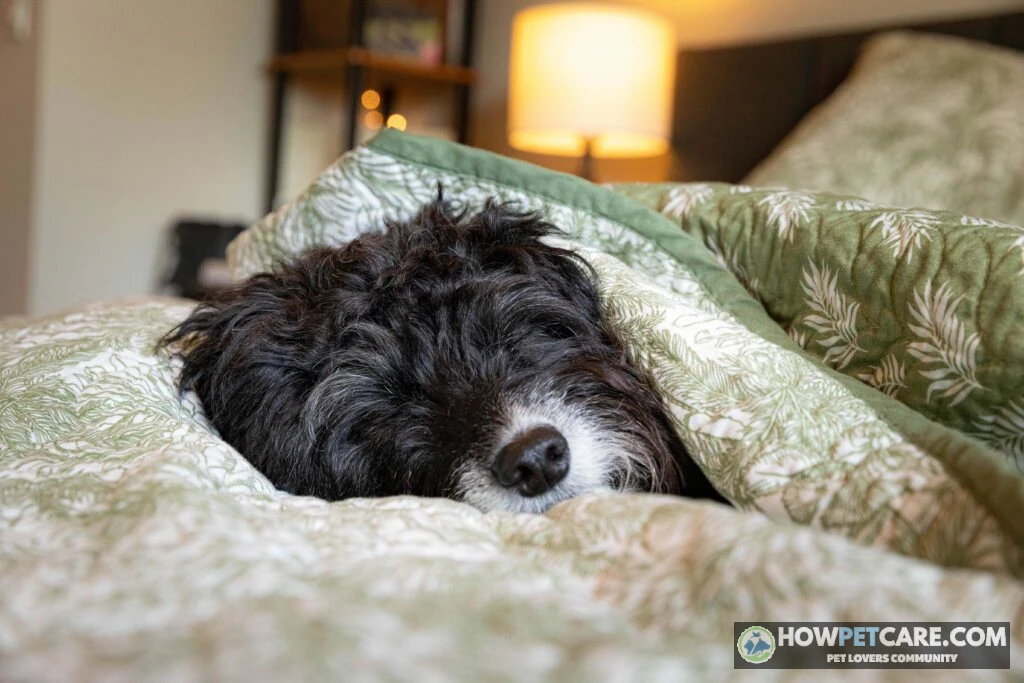
How to Disinfect Your Home and Yard After Parvo, Including Soil and Grass
Indoor disinfection checklist, step by step
-
Isolate and remove
Isolate the infected dog in an easy-to-clean room; remove exposed dogs and puppies.
-
Remove organic matter
Pick up feces and vomit with disposable paper or bags. Double-bag and discard. Disinfectants work poorly through organic material.
-
Clean first
Wash bowls, crates, and hard surfaces with detergent and water; rinse away visible soil.
-
Prepare disinfectant
Mix fresh household bleach at 1 part bleach to 30 parts water (1:30 dilution) unless the label gives a different parvovirus-approved ratio. Never mix bleach with ammonia or acids. Ventilate.
-
Apply and wait
Wet cleaned surfaces completely and keep visibly wet for the label’s contact time (commonly ~10 minutes for 1:30 bleach).
-
Rinse food-contact surfaces
After contact time, rinse food bowls and surfaces that contact food. Allow everything to dry.
-
Use alternatives for sensitive surfaces
For metals, fabrics, or surfaces bleach would damage, use a disinfectant labeled for canine parvovirus (e.g., accelerated hydrogen peroxide or potassium peroxymonosulfate products).
Laundry and soft items
- Hot-wash bedding, washable toys, towels, and contaminated clothing separately.
- Add bleach only when fabric labels permit; otherwise use the hottest safe wash and dry thoroughly.
- Discard inexpensive bedding, cardboard, rope toys, or heavily contaminated items that cannot be reliably cleaned.
- For carpets and upholstery: remove solids, clean the area, and use a parvovirus-labeled disinfectant compatible with the material. Avoid over-wetting carpet padding.
Treating soil, grass, and concrete without destroying your yard
- Remove all feces immediately and dispose of in sealed bags.
- Do not pour bleach over grass or planted areas; it injures vegetation and can contaminate soil.
- Improve drainage where water pools; expose contaminated ground to sunlight and drying where practical.
- Treat hard outdoor surfaces (concrete, patios) after removing soil and feces; rinse runoff away from planted areas and animal spaces.
- Assume contaminated soil cannot be fully sterilized. Keep puppies and unvaccinated dogs off the area for months; ask your vet for a local risk period.
- Some accelerated hydrogen peroxide products are labeled for outdoor use on hard surfaces; check the label for parvovirus claims and vegetation safety.
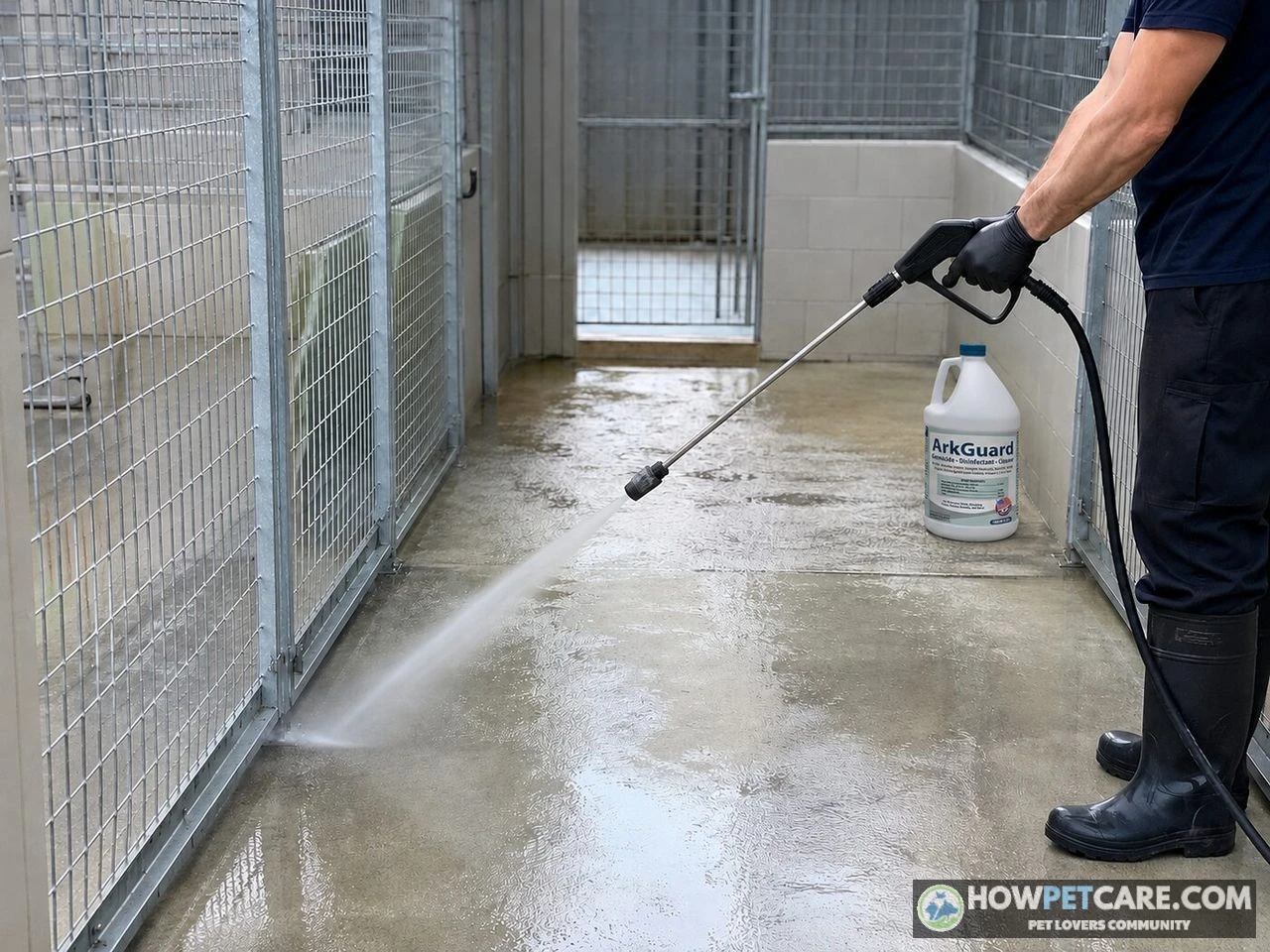
Pets, shoes, and people: stopping the spread
- Wash hands after handling the dog, waste, bowls, or cleaning supplies.
- Use dedicated shoes for the contaminated area or disinfect soles before leaving it.
- Change contaminated clothing before handling other animals.
- Tell visitors with dogs not to enter contaminated areas or handle the patient during isolation.
When is it safe to bring in a new puppy?
Wait until the new puppy is fully vaccinated (completed series at 16+ weeks), or follow your vet’s guidance. The virus can persist in the environment for months.
Parvo Vaccine Schedule: When Puppies Get Shots and When Socializing Is Safe
Puppy parvo shot schedule by age
| Age or situation | Vaccine or action | Why this timing | Safe exposure level until then |
|---|---|---|---|
| 6–8 weeks | DHPP #1 (includes parvo) | First dose while maternal antibodies may still be high | Carry puppy; avoid public floors, dog parks, pet stores |
| 10–12 weeks | DHPP #2 | Boosts immunity as maternal antibodies wane | Controlled meetings with known fully vaccinated healthy dogs; vet-approved puppy class |
| 14–16 weeks | DHPP #3 (critical) | Ensures protection after maternal antibodies are gone | Still avoid high-traffic areas; continue controlled socialization |
| ~1 year | DHPP booster | Completes the initial series | Normal socialization if fully vaccinated |
| Adult (every 3 years) | DHPP booster or titer test | Maintains immunity per AAHA/WSAVA guidelines | Normal |
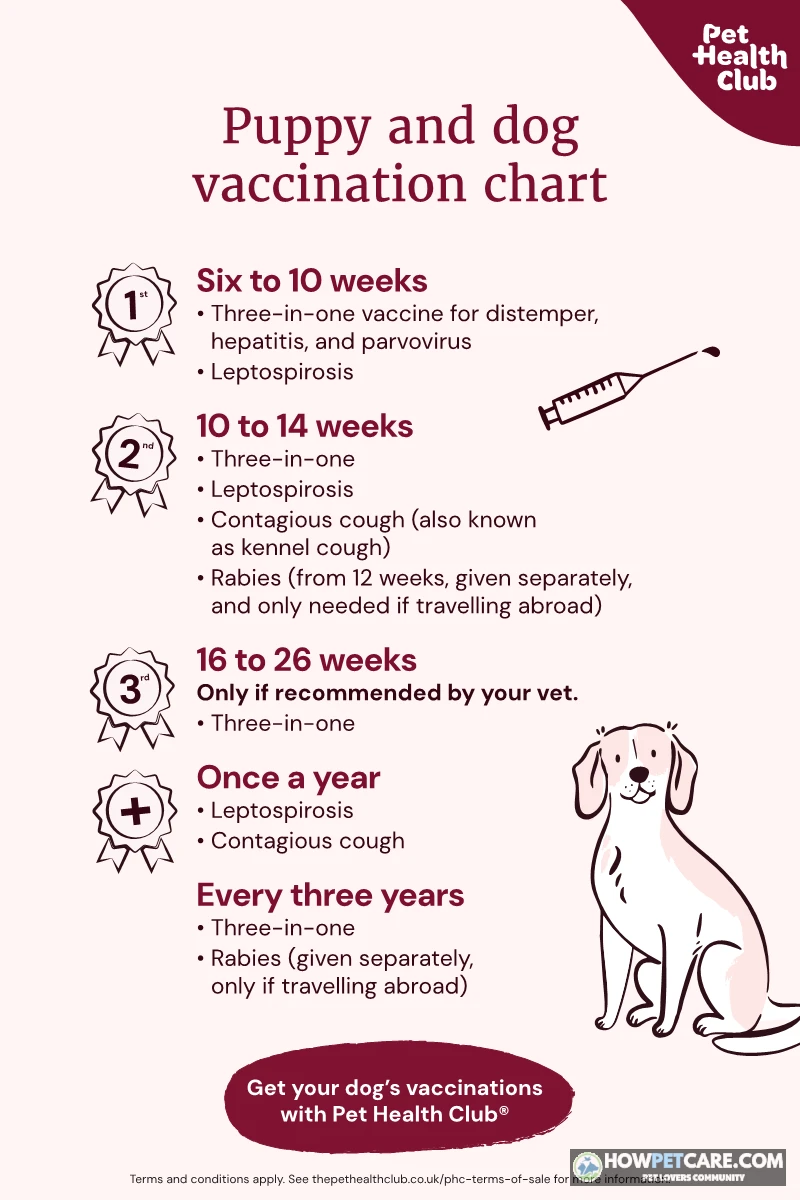
Schedule aligns with AAHA 2022+ guidelines. The 16-week final dose is essential because maternal antibody interference can block earlier vaccines.
Socializing a puppy safely before vaccines are complete
The socialization window closes around 14–16 weeks. Balance parvo risk by:
- Carrying the puppy in public (no paws on ground).
- Arranging playdates with fully vaccinated, healthy adult dogs in clean, private yards.
- Attending puppy classes that require proof of vaccination and sanitize floors.
- Avoiding dog parks, pet-store floors, high-traffic public lawns, and areas with unknown dog traffic.
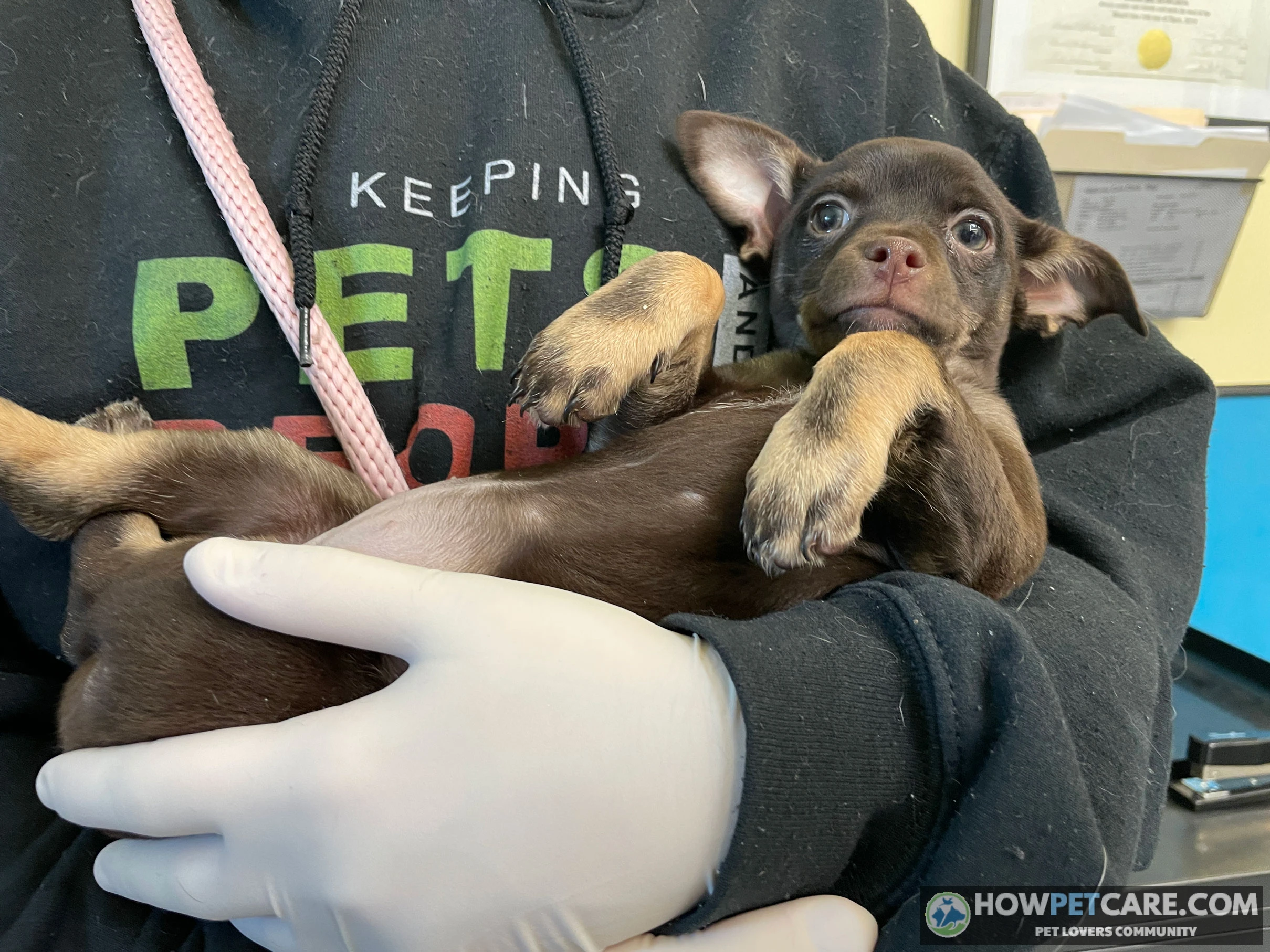
Adopted adult dog with unknown vaccination history
Speak to your vet about:
- Giving a DHPP vaccine now and a booster in 2–4 weeks (treat as unvaccinated).
- Antibody titer testing as an option to check for existing immunity.
- A quarantine/exposure-avoidance period until protection is established (typically 2 weeks after the booster).
Parvo vaccine cost
Typical ranges (US, 2026):
- Private clinic: $25–$50 per DHPP dose; puppy series (3–4 doses) $75–$200.
- Low-cost clinic / shelter: $10–$20 per dose; package deals $40–$80 for series.
- Always confirm what is included (exam fee, deworming, etc.).
Adult booster guidance
After the initial series and the 1-year booster, core vaccines (including parvo) are typically given every 3 years per current AAHA/WSAVA guidelines. Titer testing is an alternative for dogs with health concerns.
Your Parvo Action Plan: What to Do Today Based on Your Situation
If your dog shows symptoms now
Call the emergency or primary vet before you arrive so they can isolate the dog. Bring a stool sample and vaccination records. Keep the dog off shared surfaces.
If your dog is diagnosed
Ask the vet about inpatient vs. outpatient options. Request a written estimate. Ask about CPMA and other adjuncts. Start household isolation and disinfection immediately.
If your dog is home from the hospital
Follow the 14-day plan, watch the warning signs, and keep the dog isolated for the period the vet gives you.
If you have a new puppy or an adopted adult
Book the vaccination series or booster. Avoid high-risk places until protected. Prepare the yard and home with disinfection in mind.
If other dogs or unvaccinated pets were exposed
Call the vet about vaccination and monitoring. Watch for signs for roughly the incubation window (up to 14 days).
General illness triage
For symptom triage beyond parvo, see our pillar article on dog illness.
1A 10-week-old unvaccinated puppy presents with severe lethargy, pale gray gums, repeated vomiting, and a skin tent over the shoulder blades that remains elevated for 3 seconds. Based on clinical triage guidelines, what is the most appropriate immediate action?
Pale gums, persistent skin tenting over 2 seconds, and repeated vomiting in an unvaccinated puppy under 6 months signal severe dehydration and circulatory compromise requiring emergency veterinary intervention and isolation.
2An owner performs a home dehydration assessment on an unwell dog before seeking veterinary care. Which of the following findings indicate circulatory compromise or significant dehydration?
Pale or tacky gums reflect diminished peripheral perfusion and systemic fluid loss.
3A puppy exhibits severe vomiting and bloody diarrhea, but also presents with coughing, eye and nasal discharge, and localized muscular tremors. How do these combined signs help differentiate the illness from canine parvovirus?
Canine distemper often presents with respiratory signs (coughing, discharge) and neurological symptoms (tremors, seizures), whereas parvovirus limits its primary impact to gut mucosal lining and immune/bone marrow cells.
4A veterinarian is determining whether a dog diagnosed with parvovirus is a candidate for an outpatient protocol (500–1,500) rather than inpatient hospitalization (1,500–4,000+). Which patient profile meets the criteria for outpatient management?
Outpatient protocols are restricted to hemodynamically stable, alert dogs capable of keeping some oral fluid down, backed by an owner capable of home nursing and strict daily rechecks.
5Which of the following actions align with proper household and outdoor disinfection protocols after a dog recovers from parvovirus?
Disinfectants cannot penetrate organic matter effectively, and bleach requires prior cleaning and sufficient contact time to deactivate parvovirus.
6A dog has recovered from parvovirus and is eating well with normal energy and stabilizing stool consistency. How long should the owner maintain strict isolation of this dog from other unvaccinated dogs?
Clinical improvement precedes the cessation of viral shedding; recovered dogs frequently shed infectious viral particles in feces for roughly 2 weeks post-recovery.
7Based on clinical prognosis modifiers, which of the following patient parameters are associated with a poorer prognosis (lower survival odds) in a dog infected with parvovirus?
Severe bone marrow suppression leading to profound leukopenia (< 1,000/muL) severely impairs immune response and correlates with high sepsis risk.
8Which statement accurately describes cross-species transmission risks associated with canine parvovirus variants (such as CPV-2c)?
Since the emergence of CPV-2c, canine parvovirus can infect cats; vaccination against feline panleukopenia virus (a close relative) cross-protects cats.
FAQ
Is parvo the same as distemper in dogs?
No. Parvo and distemper are caused by different viruses, although both are prevented by the DHPP vaccine. Parvo mainly causes severe vomiting and bloody diarrhea, while distemper typically adds respiratory signs, eye and nose discharge, and often neurological signs such as tremors or seizures. A vet test is needed to tell them apart.
Can a dog get parvo more than once?
Reinfection is considered uncommon, because dogs that recover from parvo generally develop long-lasting immunity. Your vet can advise whether your dog still needs vaccination boosters.
How long is a dog with parvo contagious after recovering?
Dogs can keep shedding virus in their stool for about two weeks after they recover, so veterinarians commonly advise keeping them away from other dogs for at least that long. Ask your vet for a specific date, since the advice depends on the dog and the household.
Can adult dogs get parvo?
Yes. Puppies are the most vulnerable, but adult dogs that are unvaccinated, under-vaccinated, or immunocompromised can also get parvo. Adults generally have milder disease, but it can still be serious.
How long does parvo last in dogs?
Signs typically appear within about a week of exposure, and the acute illness usually lasts several days, with most dogs that survive improving within about 3 to 7 days of starting treatment. Full recovery of appetite and stool quality can take longer, and the dog may continue to shed virus for roughly two weeks after.