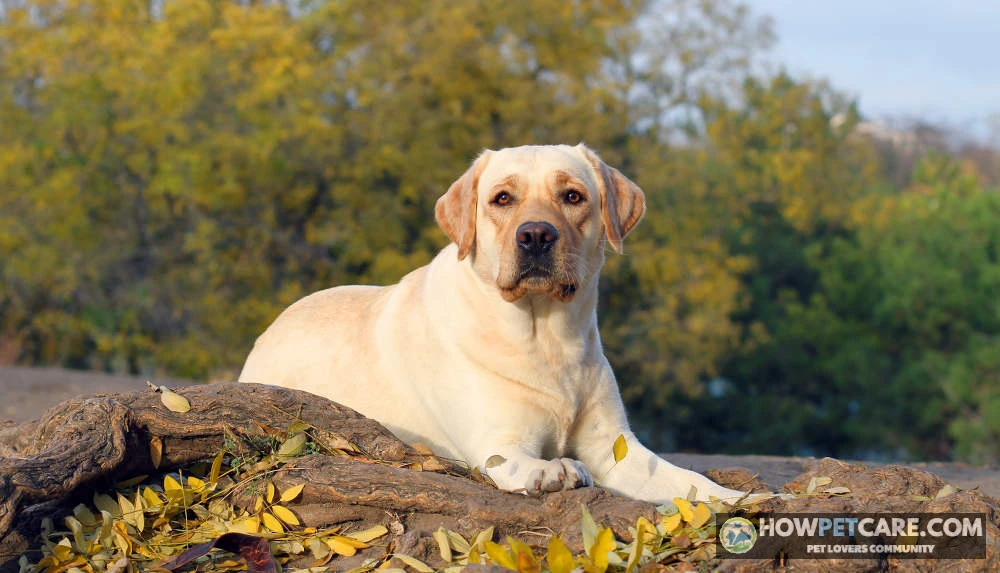

Run three hands-on checks to tell whether your dog is overweight:
- Ribs: You should feel each rib easily under a thin fat layer. Needing firm pressure means overweight; not finding them at all means obese.
- Waist from above: A visible hourglass narrowing behind the ribcage is ideal. A straight or barrel-shaped torso signals excess fat.
- Tuck from the side: The belly should slope upward behind the ribs. A flat or sagging underside means the abdominal tuck is absent.
- Thresholds: 10–19% over ideal weight is clinically overweight (BCS 6–7); 20% or more is obese (BCS 8–9).
Run your flat hands along your dog’s ribcage with light pressure. If all you feel is a cushion of padding, your dog is carrying excess body fat. In a healthy dog, you should easily feel the individual ribs beneath a thin layer of fat. From above, you should see an hourglass curve behind the ribs; from the side, you should notice the abdomen tuck upward.
Extra pounds aren’t just an aesthetic concern or a sign of affectionate pampering. Canine obesity is a chronic, low-grade inflammatory disease that strains every major organ system, deteriorates joint cartilage, and measurably shortens lifespans. Survey findings from the Association for Pet Obesity Prevention (APOP) estimate that 59% of dogs across North America are classified as overweight or obese. Yet most owners remain unaware of the problem until secondary health complications emerge.
This guide goes beyond "feed less and walk more." You’ll find a hands-on body condition assessment, clinical criteria for ruling out metabolic disorders, calorie calculations based on resting energy needs, and a week-by-week weight management strategy.
Is My Dog Overweight? A 5-Minute Body Condition Score Check at Home
A bathroom scale tells you total mass, but it can’t distinguish between dense muscle, fluid retention, skeletal frame size, and excess adipose tissue. Dog breeds range from two-pound Chihuahuas to two-hundred-pound Mastiffs, so veterinarians use the Body Condition Score (BCS) system alongside weight to assess whether a dog is at an ideal body weight.
Thick double coats, curly fur, and loose skin can disguise significant fat accumulation. Use firm, flat hands against the skin for your assessment rather than relying on sight alone.
The rib, waist, and tuck test (step by step)
You can assess your dog in less than five minutes using three checkpoints: the ribs, the waistline, and the abdominal tuck.
-
Check 1: The Rib Palpation Test
Have your dog stand upright on all four legs. Place both palms flat against the sides of the chest and slide them gently from front to back over the ribcage. You should feel the ridges of the ribs without pressing inward. If the ribcage feels like the back of your flat hand, your dog is in a lean, ideal zone. If you need to press firmly to feel the ribs, and the area feels more like the meat of your palm, there’s excessive fat coverage. If you can’t feel individual ribs at all, your pet is obese.
-
Check 2: The Overhead Waistline Check
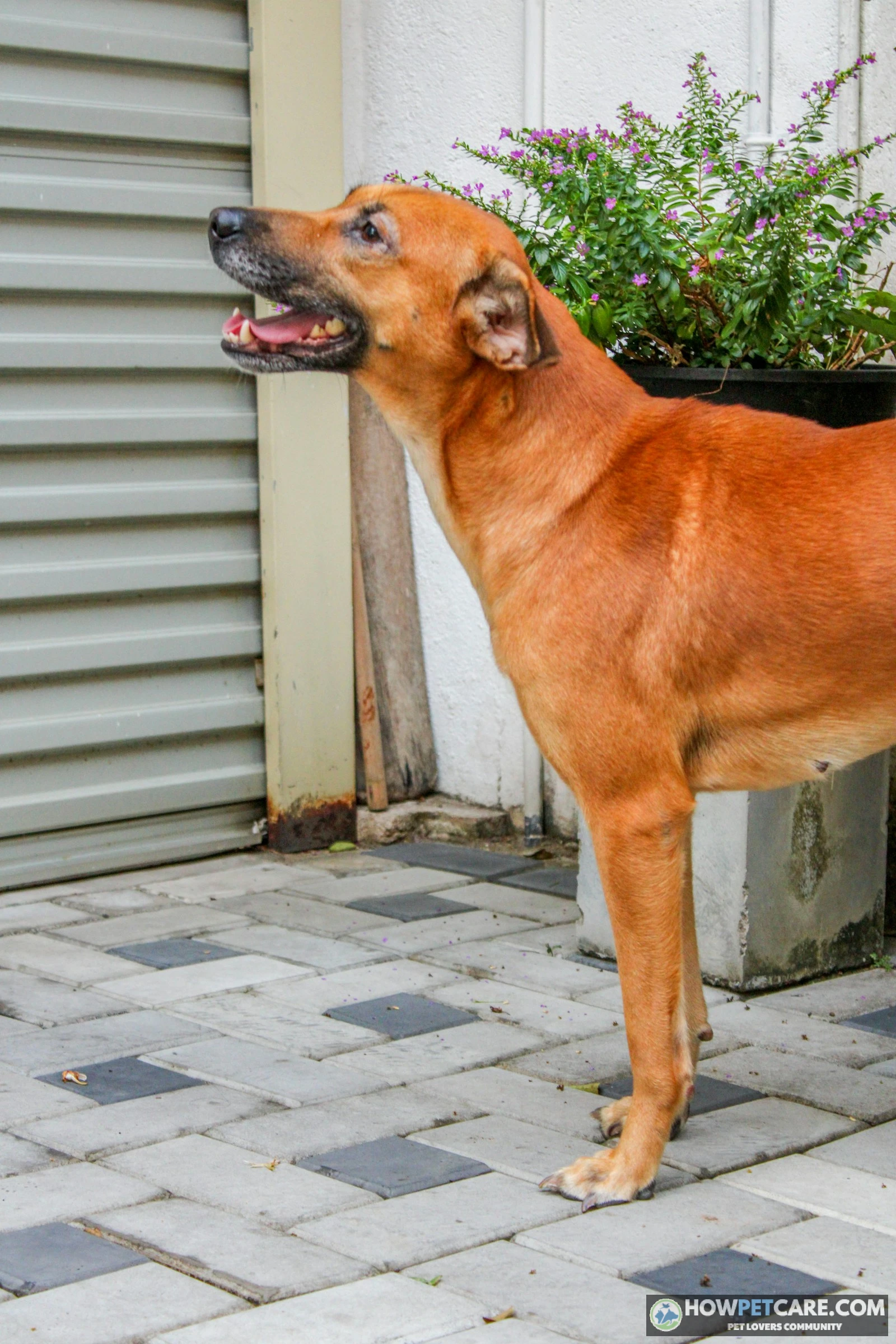
Stand directly over your dog and look down at their back. You should see an inward narrowing behind the flare of the ribcage and before the hips: a classic hourglass profile. If the torso forms a straight rectangle from shoulder to hip, or bulges outward into an oval or barrel shape, your dog has accumulated visceral and subcutaneous abdominal fat.
-
Check 3: The Profile Abdominal Tuck
Crouch at eye level beside your standing dog and look at their lower silhouette. The underside of the chest should follow the sternum, then slope upward toward the groin behind the last rib. If the underside stays flat and parallel to the floor, or sags into a rounded belly, the abdominal tuck is absent.
Body condition score chart: what each score looks and feels like
Veterinarians primarily use two standardized scoring scales: a 9-point system developed by the Nestlé Purina PetCare Center and a 5-point scale. The 9-point scale offers greater diagnostic precision. If you want a printable dog obesity chart for these categories, keep it beside you during the hands-on checks. Each point away from the ideal median represents an approximate 10% to 15% shift in body weight.
| BCS (9-Point) | BCS (5-Point) | Category | Ribs (Feel) | Waist (From Above) | Abdominal Tuck (From Side) | Estimated Deviation | Action Plan |
|---|---|---|---|---|---|---|---|
| 1 | 1 | Emaciated | Protruding prominently; no fat layer; sunken skin | Severe inward cinch; skeletal spine | Extreme, steep hollow | >20% Underweight | Immediate veterinary intervention |
| 2 | 1.5 | Very Thin | Readily visible; no palpable fat; visible pelvic bones | Marked narrowing | Pronounced tuck | 15–20% Underweight | Veterinary evaluation; increase intake |
| 3 | 2 | Thin | Easily felt with no pressure; visible tops of vertebrae | Noticeable hourglass waist | Obvious upward tuck | 5–10% Underweight | Increase calorie density modestly |
| 4–5 | 3 | Ideal | Easily felt with light touch; thin fat cover; not seen | Clear hourglass shape behind ribs | Graceful upward sweep behind ribs | Target Ideal Weight | Maintain current feeding and activity |
| 6 | 3.5 | Overweight | Palpable with moderate pressure; slight fat layer | Discernible waist, but visibly widened | Modest tuck present | 10–15% Overweight | Audit treats; reduce food intake by 10% |
| 7 | 4 | Heavy | Difficult to feel; requires firm inward finger pressure | Barely visible waist; straight-sided torso | Minimal or flattened tuck | 15–20% Overweight | Structured calorie target; structured exercise |
| 8 | 4.5 | Obese | Very difficult to feel under thick fat; spine fat pads | Absent waist; back widened and flat | Absent tuck; belly level with chest | 20–30% Obese | Therapeutic diet consultation; vet exam |
| 9 | 5 | Severely Obese | Impossible to feel ribs; massive fat pads on neck/tail base | Bulging, barrel-shaped sides | Distended, hanging pendulous abdomen | >30% Obese | Comprehensive veterinary weight program |
Use the self-assessment below to establish a numerical baseline.
The 3-Check BCS Self-Score: Land on a Number, Not an Impression
Use your hands as well as your eyes; a coat can hide your dog’s shape. Score each check 1 to 3, then add them up. The total approximates your dog’s 9-point body condition score.
- Check 1 — Ribs (run flat fingers along the ribcage):
- Score 1: Ribs are visible or you can count them with almost no pressure.
- Score 2: Ribs feel like the back of your hand—easy to find under a thin fat layer.
- Score 3: Ribs feel like your knuckles—you must press firmly, or you cannot find them.
- Check 2 — Waist (stand over your dog and look down):
- Score 1: Dramatic hourglass—waist much narrower than ribs and hips.
- Score 2: A clear waist indentation behind the ribcage.
- Score 3: No waist—the line runs straight or bulges outward behind the ribs.
- Check 3 — Tuck (look from the side at belly level):
- Score 1: Belly tucks up sharply behind the ribs.
- Score 2: A gentle upward slope toward the hind legs.
- Score 3: Belly runs level with the chest or hangs below it.
Interpreting Your Total:
- 3–4: Likely underweight. Consult your veterinarian before changing intake.
- 5 (or close to it): Ideal zone. Maintain your dog’s current daily habits.
- 6–7: Overweight, roughly 10% to 20% above ideal weight.
- 8–9: Obese, roughly 20% or more above ideal weight.
Note on conformation: For long-coated or deep-chested breeds (such as Siberian Huskies, German Shepherds, or Sighthounds), the rib check is the only dependable anchor. Trust what you feel over the visible silhouette.
Overweight vs. obese: the 10% and 20% thresholds
Veterinarians distinguish between an overweight dog and an obese dog using these clinical thresholds.
- Overweight: A dog is clinically overweight when body weight exceeds ideal, lean weight by 10% to 19% (correlating to a BCS of 6 or 7 on the 9-point scale).
- Obese: A dog is clinically obese when body weight exceeds ideal weight by 20% or more (correlating to a BCS of 8 or 9).
A 10% excess might sound minor, but it puts significant physiological stress on a dog. For a Labrador Retriever whose ideal body weight is 65 pounds, being 15% overweight means carrying roughly 10 extra pounds of inflammatory adipose tissue. For a 10-pound Pomeranian, just two extra pounds equals a 20% surplus, crossing the threshold into clinical obesity.
How to estimate your dog’s ideal weight without a breed table
Breed weight charts can be misleading. Breed standards reflect historical conformation targets or show ring averages; they don’t account for differences in skeletal frame, runts, mixed-breed ancestry, height, or leg length.
Instead of relying on a broad chart, estimate your dog’s ideal weight from their current scale weight and Body Condition Score.
Each point on a 9-point BCS scale represents approximately a 10% shift in relative body fat away from ideal (where BCS 5 is 100% ideal):
Ideal Weight (approximate) = Current Weight / (1 + ((Current BCS - 5) * 0.10))
For example, if a mixed-breed dog weighs 70 pounds and has a BCS of 7 (two points over ideal):
- Points above ideal:
7 - 5 = 2 - Excess percentage:
2 * 0.10 = 0.20(20% excess fat) - Calculation:
70 / (1 + 0.20) = 70 / 1.20 = 58.3 pounds
The result (approximately 58 to 60 pounds) is a starting target weight. Verify it with your veterinarian during an in-person physical exam, and use it as a working figure for portion calculations.
What Canine Obesity Does to Your Dog: Health Risks and Lifespan
Adipose tissue was once considered an inert storage depot for surplus calories. Veterinary endocrinology shows otherwise: fat tissue is an active endocrine organ that continuously releases pro-inflammatory cytokines, adipokines, and hormones into circulation. Chronic excess fat maintains a state of low-grade systemic inflammation throughout a dog’s body.
Joint pain, arthritis, and mobility
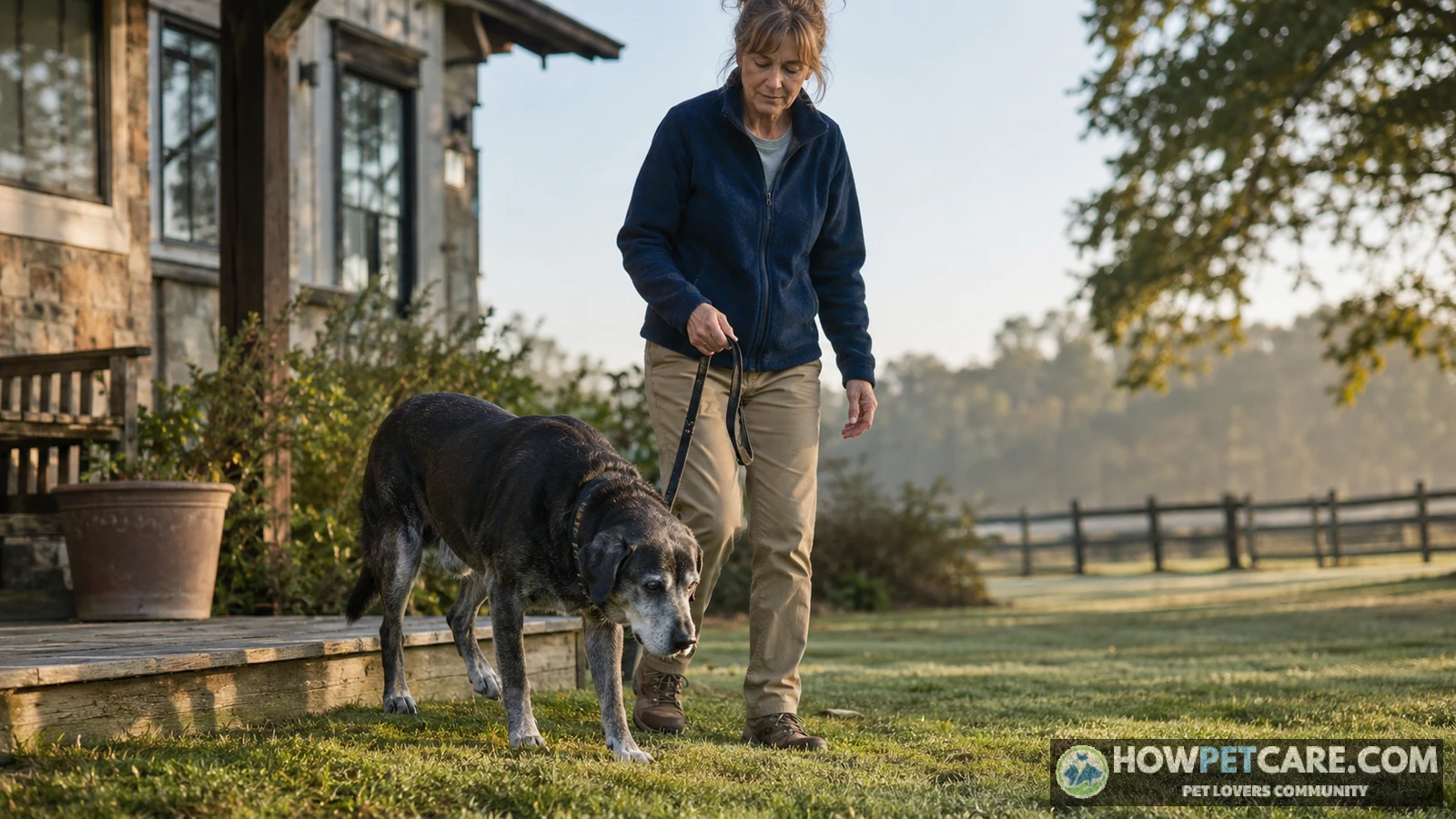
Excess weight puts both mechanical and biological strain on the musculoskeletal system. The physical load wears away protective articular cartilage in the hips, stifles (knees), elbows, and intervertebral joints. At the same time, circulating inflammatory markers accelerate the breakdown of the cartilage matrix.
The result can be a painful cycle. Joint inflammation makes walking and exercise uncomfortable, so the dog moves less, uses less energy, and gains more weight. Excess weight is also a primary risk factor for cranial cruciate ligament (CCL) rupture, a painful orthopedic injury that frequently requires complex surgical stabilization. Clinical studies show that targeted weight loss significantly reduces orthopedic lameness, often allowing dogs to reduce or discontinue daily non-steroidal anti-inflammatory drugs (NSAIDs).
Diabetes, breathing, and heart strain
Excess body fat has metabolic and cardiorespiratory effects throughout a dog’s body:
- Insulin Dysregulation and Diabetes: Ongoing signaling from fat deposits induces peripheral insulin resistance. While dogs primarily develop insulin-deficient diabetes similar to Type 1 in humans, chronic obesity complicates glycemic stability and stresses pancreatic beta-cell production.
- Respiratory Distress and Heat Intolerance: Fat deposits accumulate within the thoracic cavity, along the chest wall, and around the upper airways. This compression restricts lung expansion and makes breathing require more muscular effort. In hot weather, dogs cool themselves almost exclusively through panting. An overweight dog cannot exchange air efficiently, greatly increasing susceptibility to heat exhaustion and fatal heatstroke.
- Anesthetic Vulnerability: Overweight dogs face elevated risks during surgical procedures. Adipose tissue affects anesthetic drug distribution, compromises spontaneous ventilation under sedation, and extends recovery times.
- Secondary Pathologies: Canine obesity is clinically linked to systemic hypertension, hepatic lipid accumulation, chronic pancreatitis, and urinary tract disorders.
Does an overweight dog really live shorter?
The effect of excess weight on canine mortality has been documented. In a landmark 14-year lifetime study of Labrador Retrievers published in peer-reviewed veterinary literature, paired littermates ate identical diets. One group was maintained at an ideal, lean body condition (BCS 4–5), while the control group was fed 25% more food.
The lean-fed dogs had a median lifespan nearly two years longer (1.8 years) than their overweight littermates. They also experienced a significant delay in the onset of chronic disease, requiring medical intervention for osteoarthritis and chronic conditions years later than the overweight group.
Losing just 10% to 15% of surplus body weight can bring tangible improvements: dogs may regain their willingness to use household stairs, become more playful, and sleep without airway obstruction.
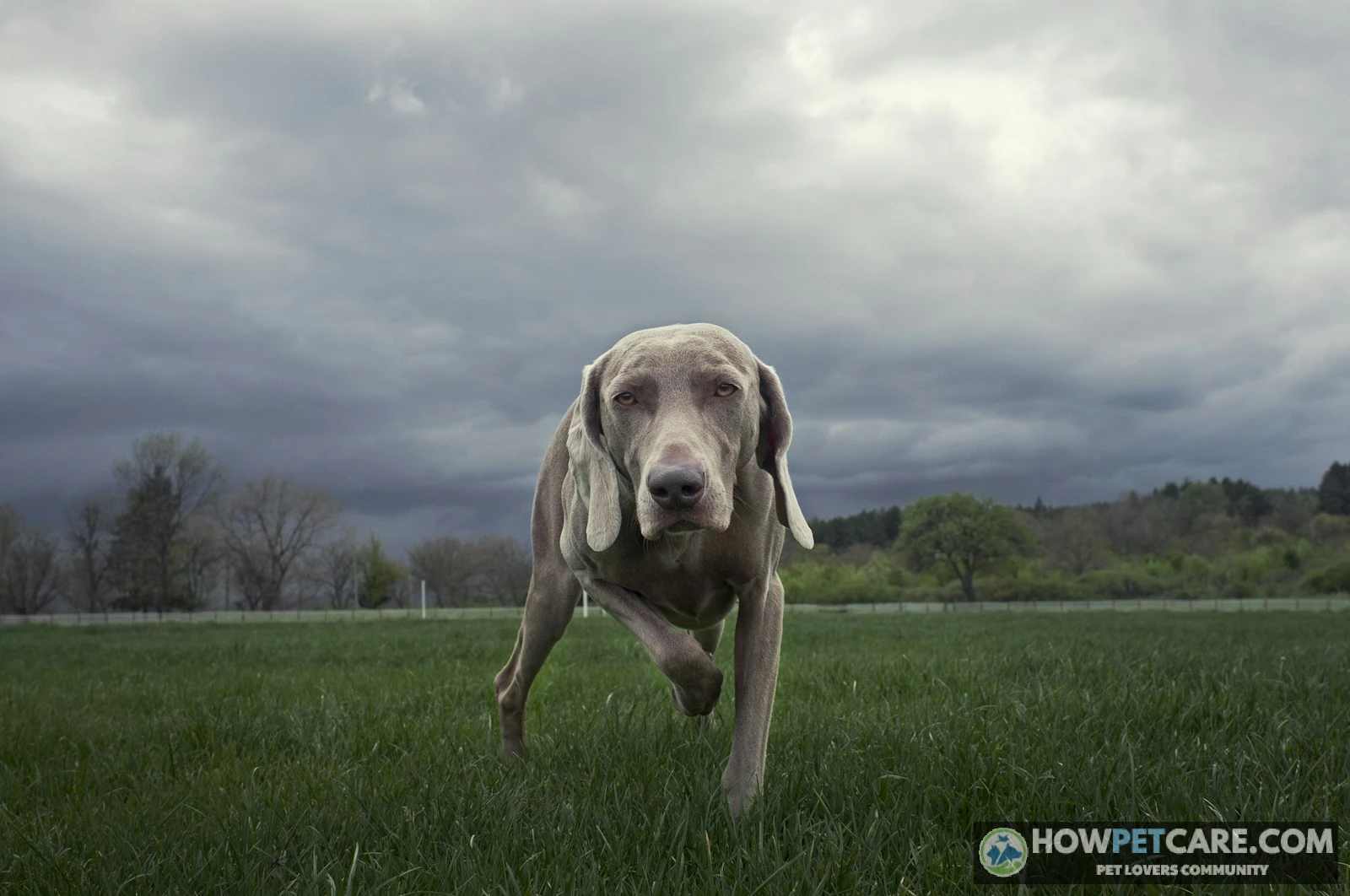
Watch for signs that excess weight is affecting your dog’s comfort: fast or labored panting while lying quietly in an air-conditioned room, reluctance to stand after resting, stiffness when getting out of bed, and hesitation before jumping into a vehicle. These symptoms indicate that structural damage is already underway.
Overfeeding or a Medical Problem? How to Tell Before You Start a Diet
Before reducing your dog’s daily rations, determine whether the weight gain is primary (the result of a caloric surplus) or secondary (driven by underlying neuroendocrine disease). Strict calorie restriction without medical therapy won’t resolve an endocrine deficiency and can compromise a dog’s health.
Signs it’s probably just calories in vs. calories out
Most canine weight problems stem from a caloric imbalance: the dog consumes more energy than they expend. Weight gain in this pattern usually occurs gradually over months or years. Common contributors include:
- Unrestricted access to kibble ("free-feeding").
- Unmeasured portions served in household coffee mugs or oversized scoops.
- Frequent sharing of table scraps, fatty trimmings, or cheese.
- High-calorie commercial treats given repeatedly throughout the day by multiple family members.
- Less exercise because of an owner’s schedule changes, adverse weather, or normal aging.
If your dog has a healthy, vigorous appetite, shows high energy when motivated, and has no abnormal changes in skin, coat, or water drinking, the weight gain is almost certainly lifestyle-driven.
Hypothyroidism and Cushing’s: the specific signs that justify testing
Two endocrine disorders frequently appear as unexplained weight gain or changes in body shape: canine hypothyroidism and Cushing’s disease (hyperadrenocorticism). Dieting alone can’t correct these conditions.
                    EVALUATING UNEXPLAINED WEIGHT GAIN
                                    │
        ┌───────────────────────────┴───────────────────────────┐
        ▼                                                       ▼
[ENDOCRINE RED FLAGS]                                   [LIFESTYLE PATTERN]
• Weight gain DESPITE normal/reduced food               • Gradual weight gain over months/years
• Lethargy, cold intolerance, seeking heat              • Large food portions, free-feeding
• Symmetrical hair loss, "rat tail", chronic skin issues • Daily high-calorie treats / table scraps
• Symmetrical pot-belly with muscle wasting along spine • Reduced exercise or recent neutering
• Marked increase in water drinking & urination (PU/PD) • Alert, active demeanor; normal coat
        │                                                       │
        ▼                                                       ▼
[STOP: Book Vet Bloodwork]                              [PROCEED: Start Calorie Plan]
(Request Total T4, Free T4, or ACTH/LDDST)              (Calculate RER, measure food on scale)
Canine Hypothyroidism
Hypothyroidism occurs when the thyroid gland doesn’t produce enough thyroid hormones (T3 and T4), reducing the dog’s resting basal metabolic rate. Common signs include:
- Unexplained weight gain without an increase in food quantity, or weight gain while on a low-calorie diet.
- Profound lethargy, mental dullness, and exercise intolerance.
- Cold avoidance; the dog shivers easily and lies directly against heating vents or radiators.
- Skin and coat changes: a dry, brittle coat, symmetrical non-pruritic (non-itchy) alopecia along the trunk, loss of hair on the tail ("rat tail"), and recurrent superficial pyoderma or ear infections.
Cushing’s Disease (Hyperadrenocorticism)
Cushing’s disease involves an overproduction of cortisol by the adrenal glands. Dogs with Cushing’s frequently appear overweight, but the mechanism is different: cortisol mobilizes peripheral muscle while redistributing fat to the abdomen. Key indicators include:
- A classic "pot-bellied" or pendulous silhouette, paired with noticeable muscle wasting along the spine and thighs.
- Polyuria and polydipsia (dramatically increased thirst and frequent urination, often resulting in house-training accidents).
- Polyphagia (an insatiable, ravenous appetite; the dog steals food or guards bowls).
- Excessive panting at room temperature while at rest.
- Fragile, paper-thin skin that bruises easily, along with hair thinning and comedones (blackheads) across the abdomen.
Vet First, Diet Second: The Red-Flag Checklist
Tick every box that applies to your dog. One tick = book a vet visit before starting any diet—these signs can point to a medical cause that portion control won’t fix.
- Hypothyroidism pattern (middle-aged dogs especially):
- ☐ Weight gain with no increase in food or treats.
- ☐ Unusual tiredness, sleeping more, or seeking warm spots (cold intolerance).
- ☐ Dull, dry, or thinning coat—often symmetrical hair loss.
- ☐ Recurring skin or ear infections.
- Cushing’s pattern:
- ☐ Pot-bellied appearance while legs and spine look thinner (muscle loss).
- ☐ Drinking and urinating noticeably more.
- ☐ Panting at rest when it isn’t hot.
- ☐ Ravenous, never-satisfied appetite plus skin thinning or hair loss.
- Other stop signs:
- ☐ Rapid gain over weeks rather than a slow creep over months.
- ☐ Currently on steroids (prednisone, etc.) or other long-term medication.
- ☐ Swollen abdomen, or panting/fast breathing while resting.
Result Interpretation:
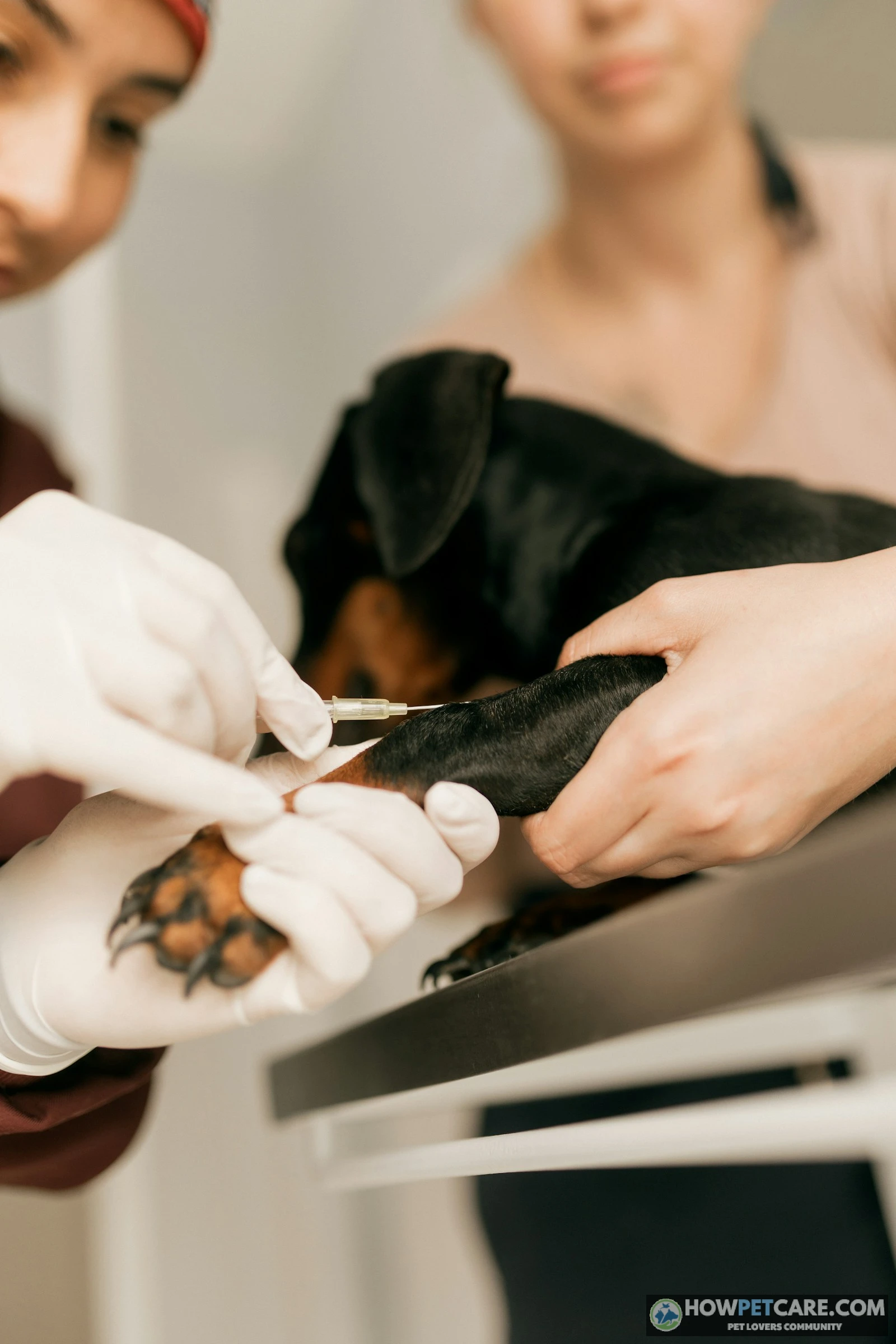
- Any box ticked: Ask your veterinarian about comprehensive diagnostic bloodwork (a full thyroid panel including Total T4, Free T4 by equilibrium dialysis, and TSH, or screening for adrenal function via an ACTH stimulation or low-dose dexamethasone suppression test) before cutting calories. Prescription medication is required to stabilize these endocrine deficiencies; dietary adjustment is an adjunct, not a cure.
- Zero boxes ticked + slow gain + clear overfeeding pattern: You can calculate a calorie-reduction plan and inform your vet during your next scheduled wellness visit.
What to bring to the vet visit
Bring specific information to help your veterinarian make an accurate diagnosis:
- A 7- to 14-day food diary: Record everything your dog eats. Include the exact brand and formula of dry or canned food, the quantity fed, and all treats, dental chews, table scraps, and training rewards.
- Packaging photos: Photograph the Guaranteed Analysis and Calorie Content panel (kcal/kg and kcal/cup) on your current food bags.
- Medication inventory: Bring the names and dosages of all current prescription medications, flea/tick preventatives, joint supplements, and fatty acid oils (which add hidden calories).
- Symptom history: Note any changes in water intake, urination frequency, sleep patterns, or heat-seeking behaviors.
Calorie Math for an Overweight Dog: RER, MER, and Your Daily Target in Cups
Feeding instructions on commercial dog food bags are population-wide averages designed for intact, active adult dogs. Following them for a sedentary, neutered, or overweight pet will almost always result in overfeeding. Safe weight loss requires a customized calculation.
Energy targets rely on two foundational metrics: Resting Energy Requirement (RER) and Maintenance Energy Requirement (MER).
Step 1: Set an ideal weight
Never calculate a weight-loss diet using your dog’s current weight. That provides enough energy to maintain their excess body fat. Establish a realistic target ideal weight using your veterinary assessment or the formula discussed earlier (Current Weight / [1 + (Excess BCS Points * 0.10)]).
Convert the target weight from pounds to kilograms by dividing by 2.2:
Weight in kg = Weight in lb / 2.2
Step 2: Calculate RER and the weight-loss MER
Resting Energy Requirement (RER) is the baseline energy needed to sustain vital organ function (heart, lungs, brain, digestion) while at complete rest in a temperature-neutral environment.
The standard biological formula for canine RER is:
RER (kcal/day) = 70 * (Ideal Weight in kg)^0.75
Linear Estimation Shortcut: If you don’t have a scientific calculator that can calculate exponents, you can approximate RER for dogs weighing between 2 kg and 45 kg (4.4 to 99 lbs) using this linear equation:
RER (linear estimate) = (30 * Ideal Weight in kg) + 70
(Note: The linear formula diverges from the exponential result at the low and high extremes of body weight, but provides a functional starting point for medium-sized dogs.)
For steady weight loss, veterinary clinical guidelines generally recommend setting the daily Maintenance Energy Requirement (MER) at *1.0 RER calculated at the ideal target weight* (though some veterinarians may prescribe a range between 0.8 and 1.2 RER depending on metabolic history).
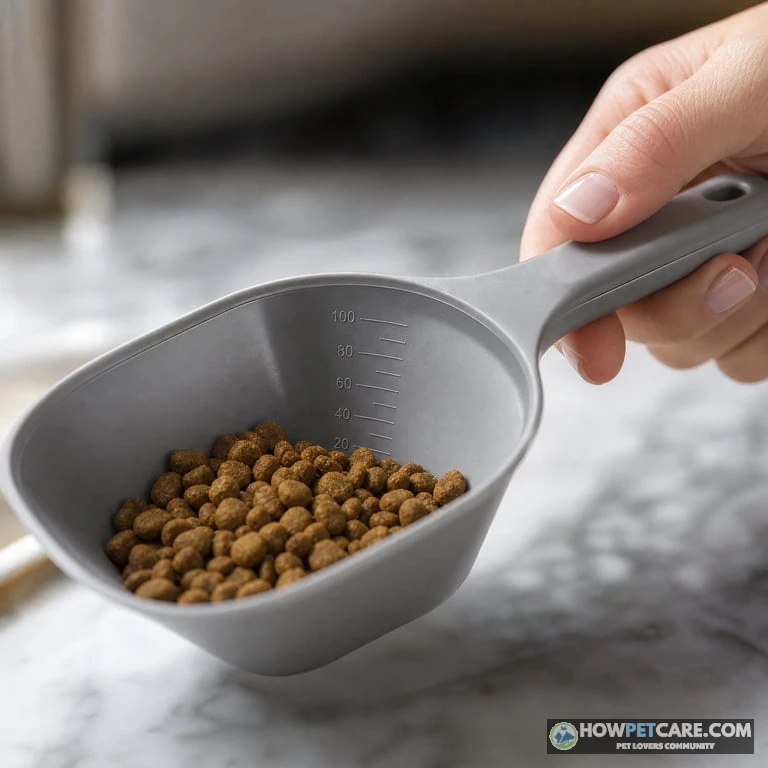
Step 3: Worked example: from kcal to cups and grams
Here’s the complete calculation for a sample canine patient.
Worked Example: A 30 kg Dog with a 25 kg Ideal Weight
- Patient Profile: Current weight = 30 kg (66 lbs), BCS = 7/9. Target ideal weight = 25 kg (55 lbs).
Calculation Steps:
- Calculate RER at Ideal Weight:
RER = 70 * (25)^0.7525^0.75 = 11.18RER = 70 * 11.18 = 782.6 kcal/day- (Using the linear shortcut: [30 25] + 70 = 750 + 70 = 820 kcal/day. The exponential result of ~780 kcal is our precise baseline.)*
- Determine Daily Weight-Loss Intake Target (MER):
- Weight-Loss Target =
1.0 * RER = 780 kcal/day.
- Weight-Loss Target =
- Allocate the 10% Treat Allowance:
- To keep the diet sustainable, reserve 10% of total daily calories for rewards:
780 * 0.10 = 78 kcal/day. - Calories remaining for main meals:
780 - 78 = 702 kcal/day.
- To keep the diet sustainable, reserve 10% of total daily calories for rewards:
- Convert Meal Calories into Food Portions:
- Check your dog food packaging. Assume the label lists an energy density of 350 kcal per cup (with a stated mass of 100 grams per cup).
- Daily volume in cups:
702 kcal / 350 kcal per cup = 2.0 cups per day. - Divide into two meals: 1.0 cup at breakfast, 1.0 cup at dinner.
- Convert to Grams for Precision:
- Volume scoops can introduce up to a 20% measurement error due to settling. Weighing food ensures accuracy:
702 kcal / (3.5 kcal/gram) = 200.5 grams total per day(split into two 100-gram meals).
The table below provides formula-derived baseline figures for common ideal weights.
| Ideal Weight (kg) | Ideal Weight (lb) | RER (kcal/day) | Weight-Loss Target (1.0 x RER) | Daily Treat Budget (10%) | Meal Budget (90%) | Daily Cups (at 350 kcal/cup) |
|---|---|---|---|---|---|---|
| 5 kg | 11.0 lb | 234 kcal | 234 kcal | 23 kcal | 211 kcal | ~0.60 cups (60 g) |
| 10 kg | 22.0 lb | 394 kcal | 394 kcal | 39 kcal | 355 kcal | ~1.00 cups (101 g) |
| 15 kg | 33.0 lb | 534 kcal | 534 kcal | 53 kcal | 481 kcal | ~1.37 cups (137 g) |
| 20 kg | 44.0 lb | 662 kcal | 662 kcal | 66 kcal | 596 kcal | ~1.70 cups (170 g) |
| 25 kg | 55.0 lb | 783 kcal | 783 kcal | 78 kcal | 705 kcal | ~2.01 cups (201 g) |
| 30 kg | 66.0 lb | 897 kcal | 897 kcal | 90 kcal | 807 kcal | ~2.30 cups (230 g) |
| 35 kg | 77.0 lb | 1,007 kcal | 1,007 kcal | 101 kcal | 906 kcal | ~2.59 cups (259 g) |
| 40 kg | 88.0 lb | 1,114 kcal | 1,114 kcal | 111 kcal | 1,003 kcal | ~2.86 cups (286 g) |
Adjusting for spay/neuter, seniors, and overweight puppies
Metabolic rates differ across life stages and physiological conditions:
- Spayed or Neutered Dogs: Gonadectomy eliminates sex steroid production, reducing baseline resting metabolic rate by approximately 20% to 30% while often increasing appetite. If your dog was recently altered, immediately reduce daily caloric intake by 20% to prevent rapid postoperative weight gain.
- Senior Dogs: Aging dogs frequently experience sarcopenia (age-related skeletal muscle loss) alongside reduced physical activity. Their maintenance energy requirements drop by roughly 10% to 20%. However, seniors require higher protein quality and density per calorie to preserve lean muscle tissue. Calorie restriction must protect their essential amino acid intake.
- Overweight Puppies: Never place a growing puppy on an aggressive calorie-restriction diet. Severe calorie or micronutrient restriction can permanently alter skeletal development and growth plates. If a puppy has a BCS of 6 or higher, consult your veterinarian. The proper strategy is to slow the rate of weekly weight gain, allowing the puppy’s linear height and skeletal frame to "grow into" their weight, rather than causing absolute weight loss.
How Fast Should an Overweight Dog Lose Weight? A Safe Rate and Week-by-Week Timeline
Weight loss should be steady and deliberate. Rapid, crash-style weight reduction causes the body to catabolize skeletal muscle tissue rather than burning fat stores. It also triggers hormonal hunger signals that can lead to behavioral rebound.
Estimating your dog’s time to goal weight
A safe, clinically sound rate of weight loss is 1% to 2% of total body weight per week (an average of 1.5% per week is an ideal clinical target). A conservative rate of 0.5% to 1% is acceptable for older dogs or those with concurrent medical concerns.
Use this calculation to estimate how long it will take to reach goal weight:
Total Weight to Lose = Current Weight - Target Ideal Weight
Average Loss per Week = Current Weight * 0.015
Estimated Weeks to Goal = Total Weight to Lose / Average Loss per Week
For our 30 kg dog with a 25 kg ideal target:
- Surplus mass:
30 kg - 25 kg = 5 kg. - Target weekly loss at 1%:
30 kg * 0.01 = 0.30 kg/week. - Estimated duration:
5 kg / 0.30 kg = ~16.6 weeks(roughly 4 months).
Example 16-20 week timeline (illustrative)
As a dog becomes leaner and their total body mass decreases, the absolute amount they lose each week will naturally taper. The following model illustrates how that progression works.
Weeks to Goal: A Realistic Timeline at a Safe Loss Rate
(Modeled using an initial 30 kg patient working toward a 25 kg target. Safe weekly reduction modeled between 1% and 1.5% per week.)
| Week Stage | Projected Weight | Cumulative Loss | Benchmark Action Item |
|---|---|---|---|
| Baseline | 30.0 kg (66.1 lb) | 0.0 kg | Initial weigh-in, establish scale baseline, set portion at 780 kcal/day. |
| Week 2 | 29.3 kg (64.6 lb) | -0.7 kg (~2.3%) | First weigh-in. Early fluid shifts may produce a slightly higher initial drop. |
| Week 4 | 28.6 kg (63.0 lb) | -1.4 kg (4.6%) | Confirm rate averages 1% to 1.5% weekly. Re-evaluate energy levels and bowel quality. |
| Week 8 | 27.2 kg (59.9 lb) | -2.8 kg (9.3%) | Palpable rib check: ribs should feel noticeably more distinct. Mid-point diet review. |
| Week 12 | 26.1 kg (57.5 lb) | -3.9 kg (13.0%) | Overhead waistline now clearly defined. Abdominal tuck visually apparent from profile. |
| Week 16 | 25.2 kg (55.5 lb) | -4.8 kg (16.0%) | Approaching final target. Loss naturally slows to ~0.5%–0.8% weekly. |
| Week 18 | 25.0 kg (55.1 lb) | -5.0 kg (16.6%) | Goal weight attained. BCS re-scored at 5/9. Begin maintenance transition plan. |
Weigh your dog once every two weeks on the same scale, at the same time of day, ideally in the morning before their first meal. Home bathroom scales can introduce errors with medium and large dogs. Weigh yourself holding your dog and subtract your own weight, or visit your local veterinary clinic lobby to use its walk-on platform scale.
What to do when weight loss stalls
Almost every dog hits a plateau during a weight-loss program. As body mass drops, resting metabolic requirements decrease too. The calorie target that initiated weight loss at 30 kg may eventually become the maintenance intake at 27 kg.
If your dog’s weight doesn’t change over three to four consecutive weeks (averaging less than 0.5% loss per week):
- Conduct a Strict Calorie Audit: Confirm that every family member measures meals with a digital kitchen scale rather than a plastic cup. Check whether anyone is slipping the dog treats, chew sticks, or table scraps.
- Account for Training Treats and Supplements: Joint chews, fish oil capsules, and pill wraps contain calories. A single fish oil pump can add 30 to 45 kcal—equivalent to 5% or more of a medium dog’s total daily allowance.
- Recalculate RER: Recompute the dog’s RER based on their new, lower plateau weight.
- Implement a 10% Caloric Reduction: If measurements are accurate and you find no extra calories, reduce total daily kibble intake by 10%.
- Escalate to Your Veterinarian: If your dog doesn’t lose weight on an appropriate calorie-restricted diet, your veterinarian can screen for emerging hypothyroidism or adjust the feeding plan.
Prescription Weight-Loss Diet or Smaller Portions? A Decision Guide
Dog owners often ask whether they can feed smaller portions of their pet’s current adult maintenance food or need a veterinary therapeutic weight-loss diet.
When cutting portions is enough
Reducing portions of standard adult maintenance food works well under specific, moderate conditions:
- The dog is only mildly overweight (BCS 6/9, requiring less than a 10% total weight reduction).
- The weight gain is tied to obvious overfeeding (such as generous free-feeding or daily table scraps) that can be easily removed.
- The required calorie reduction does not exceed 10% to 15% of the current food bag’s feeding guidelines.
In these circumstances, slightly smaller portions and the removal of extras are often enough to achieve a safe 1% weekly weight loss.
When a weight-loss diet is worth it
When a dog needs to lose 15% to 20% or more of their body weight (BCS 7, 8, or 9), simply cutting down standard adult kibble creates significant nutritional risks.
Commercial adult maintenance foods are formulated to meet AAFCO (Association of American Feed Control Officials) nutritional minimums when fed at normal maintenance volumes. If you cut a standard maintenance diet by 30% or 40% to force weight loss, you also reduce the dog’s daily intake of essential amino acids, fatty acids, vitamins, and minerals by 30% to 40%. Over several months, this can lead to nutrient deficiencies, poor coat quality, and muscle loss.
Veterinary therapeutic weight-loss diets are formulated to address this problem:
- High Nutrient-to-Calorie Density: Essential proteins, minerals, and vitamins are concentrated so a calorie-restricted portion still delivers complete, balanced nutrition.
- Enhanced Satiety and Fiber Blend: High levels of specific soluble and insoluble fibers expand in the digestive tract, helping your dog feel full and reducing begging between meals.
- Preservation of Lean Muscle: Elevated protein levels support lean muscle mass while the body burns fat.
How Far Over Ideal? The Portion-Cut vs. Diet-Food Decision
| How Far Over Ideal | First Strategic Move | Biological Rationale | When to Escalate to Vet Formulation |
|---|---|---|---|
| Under 10% (BCS ~6) | Trim current food by 10%–15%; audit treats | Modest cuts to standard food maintain safe protein and micronutrient levels | Zero weight loss after 4–6 weeks of weighed, recorded feeding |
| 10%–20% (BCS 6–7) | Reduce portions OR switch to OTC "Weight Care" | Intake reduction reaches 20%+; over-the-counter high-fiber food helps satiety | Dog begs constantly, vocalizes hunger, or weight loss plateaus |
| 20%–40% (BCS 8) | Therapeutic prescription weight diet (vet authorized) | Heavy cuts to standard food risk protein and mineral deficiencies; specialized diets keep meals balanced | Always begin here rather than halving a standard food ration |
| Over 40% (BCS 9) | Strict vet-supervised metabolic program | High risk of muscle wasting, joint strain, and hepatic stress; requires close clinical oversight | Immediate veterinary baseline exam required prior to food changes |
The Cost Reality Check: Therapeutic veterinary diets cost more per bag than regular retail foods. However, their lower calorie densities and precise feeding targets mean the actual daily cost increase is often modest. Compare the food’s cost per day (the bag price divided by the number of days it lasts), rather than the sticker price per bag. That daily difference is typically far lower than the long-term veterinary costs of managing osteoarthritis, diabetes, or cruciate ligament surgery.
Feeding Tactics That Make a Diet Livable: Treat Math, Fillers, Slow Feeders, and Multi-Dog Homes
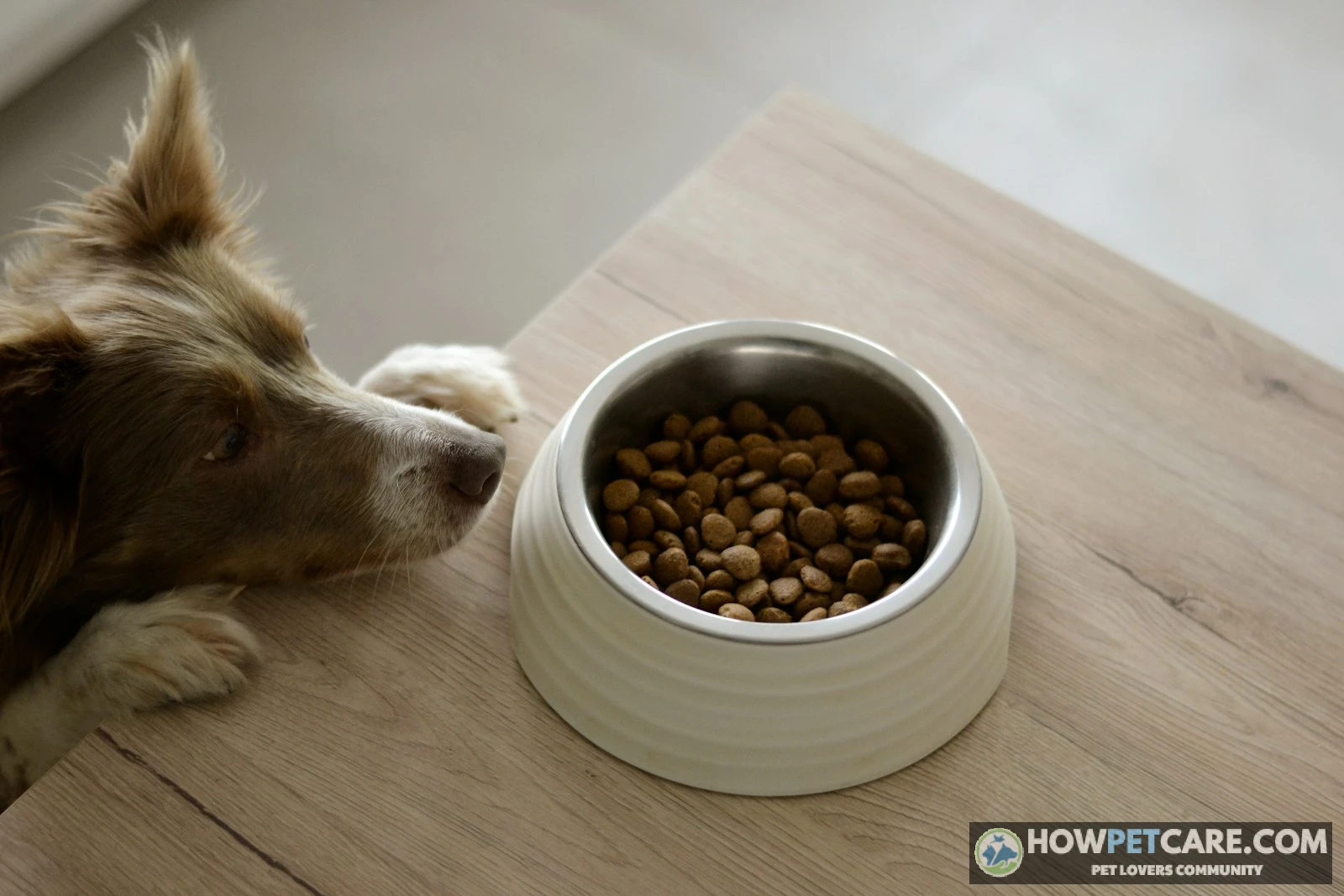
Knowing the math is one thing; sticking to it day to day is another. When a dieting dog sits by their bowl and cries, it’s easy to give in. Practical strategies can help keep your dog comfortable and satisfied during their weight-loss plan.
Treat math and low-calorie swaps
Treats should not exceed 10% of your dog’s total daily calorie budget. The remaining 90% must come from their complete, balanced food. For our 25 kg ideal weight dog, the treat allowance is 78 kcal per day. If a single dental chew contains 85 kcal, one chew exceeds the entire daily treat budget.
Replace high-calorie commercial dog biscuits with fresh, dog-safe vegetables that provide volume, crunch, and moisture with minimal calories:
- Green beans (fresh or canned without salt): ~31 kcal per cup.
- Cucumber slices: ~16 kcal per cup.
- Raw baby carrots: ~4 kcal per single baby carrot (use sparingly; carrots contain natural sugars).
- Celery sticks: ~14 kcal per cup (provides satisfying crunch).
- Apples (without seeds or core): ~52 kcal per 100 grams (treat as a high-value training reward in small cubes).
- Daily Kibble Reserve: Weigh out your dog’s daily kibble in the morning. Take 15% of that measured portion and keep it in a separate treat container on the counter for training rewards throughout the day.
Never offer foods that are toxic to dogs: grapes, raisins, onions, garlic, chives, macadamia nuts, chocolate, or any sugar-free products containing xylitol (birch bark extract). Also avoid high-fat table trimmings, sausage, and bacon grease, which can trigger acute, life-threatening pancreatitis.
Slow feeders, puzzle bowls, and fillers
When a dog eats an entire meal in thirty seconds, their stomach doesn’t have time to signal fullness to the brain, leaving them searching for more food.
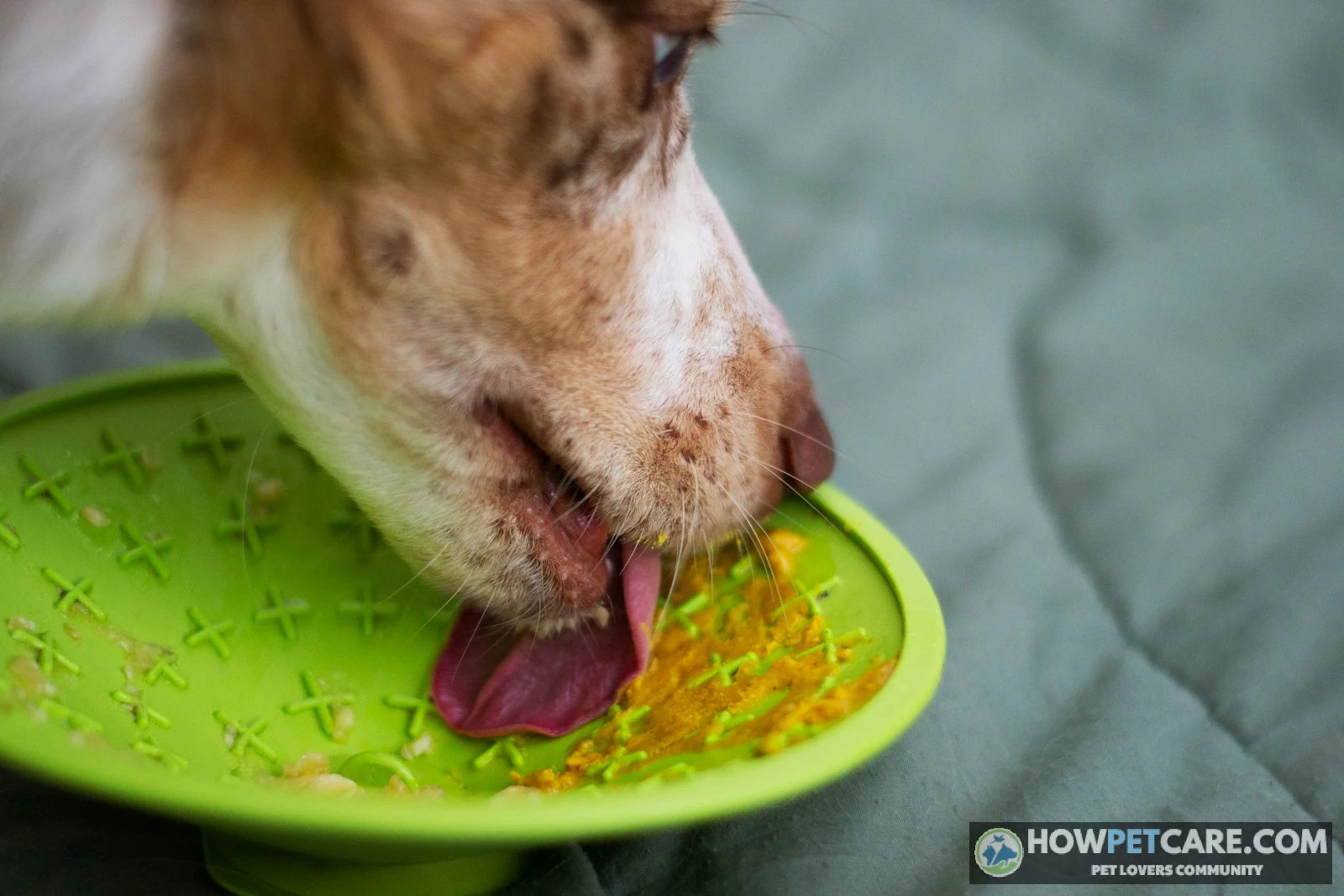
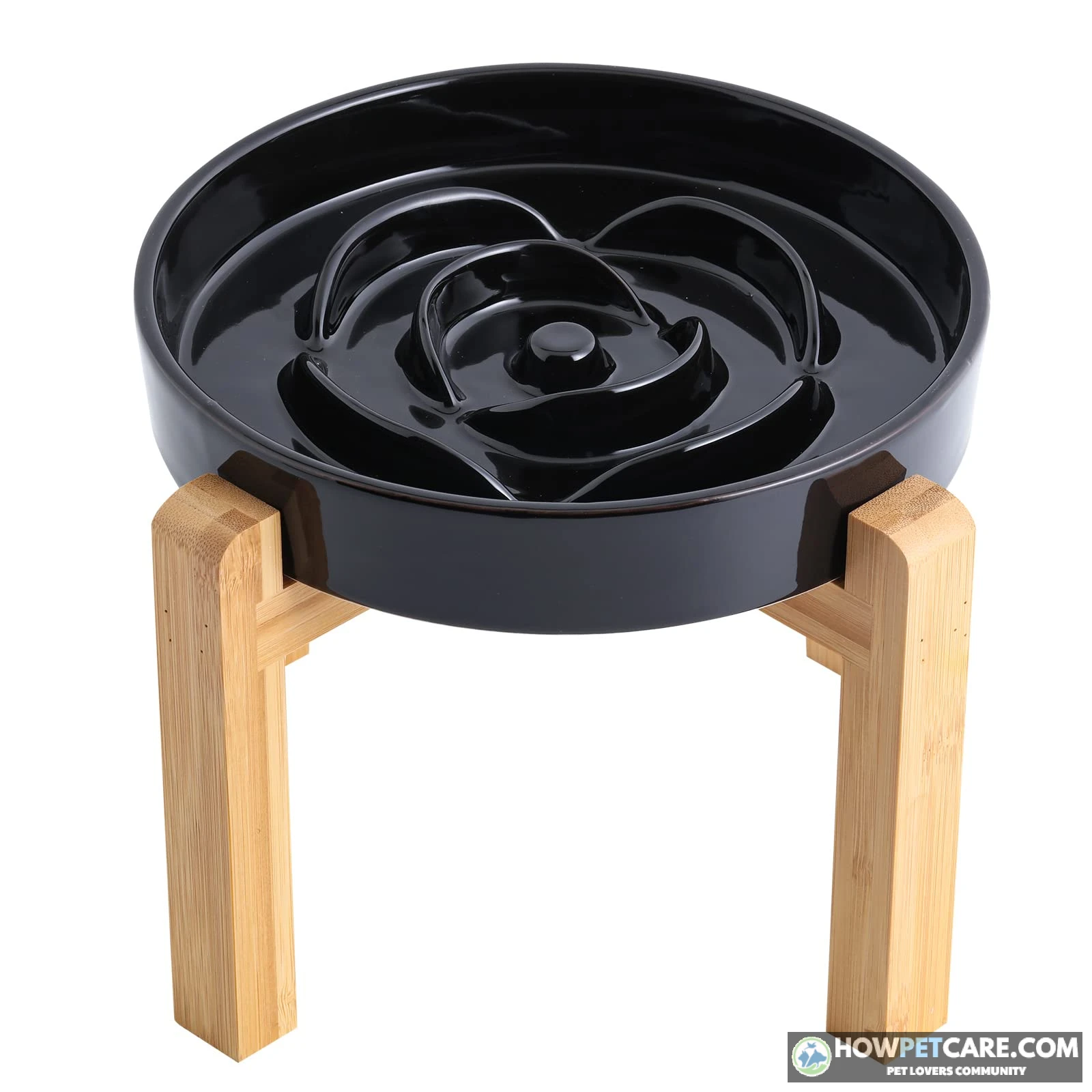
- Slow-Feeder Bowls: Mazes, ridges, and spiral bowls make dogs work around obstacles, extending mealtimes from seconds to 10–15 minutes.
- Puzzle Toys and KONGs: Wet a portion of your dog’s daily kibble ration with warm water, pack it into a rubber puzzle toy, and freeze it overnight. Working out the frozen meal provides mental stimulation and prolongs eating time.
- Low-Calorie Fillers: If your dog seems genuinely hungry between meals on a vet-approved plan, mix in two or three tablespoons of unsalted canned green beans or 100% pure canned pumpkin (not sugary pumpkin pie mix). Pumpkin adds soluble fiber (~40 kcal per half cup) that supports healthy digestion and promotes fullness.
Putting one dog on a diet in a multi-dog household
Feeding multiple dogs when only one needs to lose weight can be a challenge. If you leave bowls out, the overweight dog will usually eat the other pets’ food. These strategies can help manage mealtimes:
- Eliminate Free-Feeding Immediately: Transition the entire household to scheduled, twice-daily meals. Remove uneaten food after 15 minutes.
- Separate Feeding Rooms: Feed dogs in separate rooms with the doors closed, or use dog crates during mealtimes. The non-dieting dog can then finish their higher-calorie portion at their own pace without competition.
- Microchip-Activated Feeders: For households where dogs prefer to graze, consider microchip-activated feeding bowls. These motorized bowls open only when the programmed dog approaches wearing their matching collar tag or microchip, keeping the dieting dog out.
- Feed at Different Heights: If one dog is a small breed and the other is large, place the non-dieting dog’s food on a sturdy, elevated surface that the overweight dog cannot reach.
Exercise Plan for an Overweight Dog: Start Low, Protect the Joints
Nutrition controls roughly 80% of canine weight loss, while physical exercise provides the remaining 20%. Exercise helps burn energy, preserve lean muscle, improve joint mobility, and provide mental stimulation. Starting too intensely, however, can cause joint damage or heat-related illness in an out-of-shape dog.
                      PROGRESSIVE CANINE WALKING PROGRAM
                                      │
     ┌────────────────────────────────┼────────────────────────────────┐
     ▼                                ▼                                ▼
[WEEKS 1–2: Foundation]      [WEEKS 3–4: Building]       [WEEKS 5+: Conditioning]
• 5–10 minutes per walk      • 12–15 minutes per walk    • 20–30 minutes per walk
• 2 to 3 times daily         • 2 times daily             • 1 to 2 times daily
• Slow, flat, sniff-paced    • Moderate, steady pace     • Varied terrain / mild grade
• Soft ground (grass/dirt)   • Add gentle low inclines   • Aim for 45–60 min total/day
A beginner walking progression
If your dog has been sedentary, don’t begin with a 45-minute continuous hike. Start conservatively so tendons, ligaments, and foot pads can adapt:
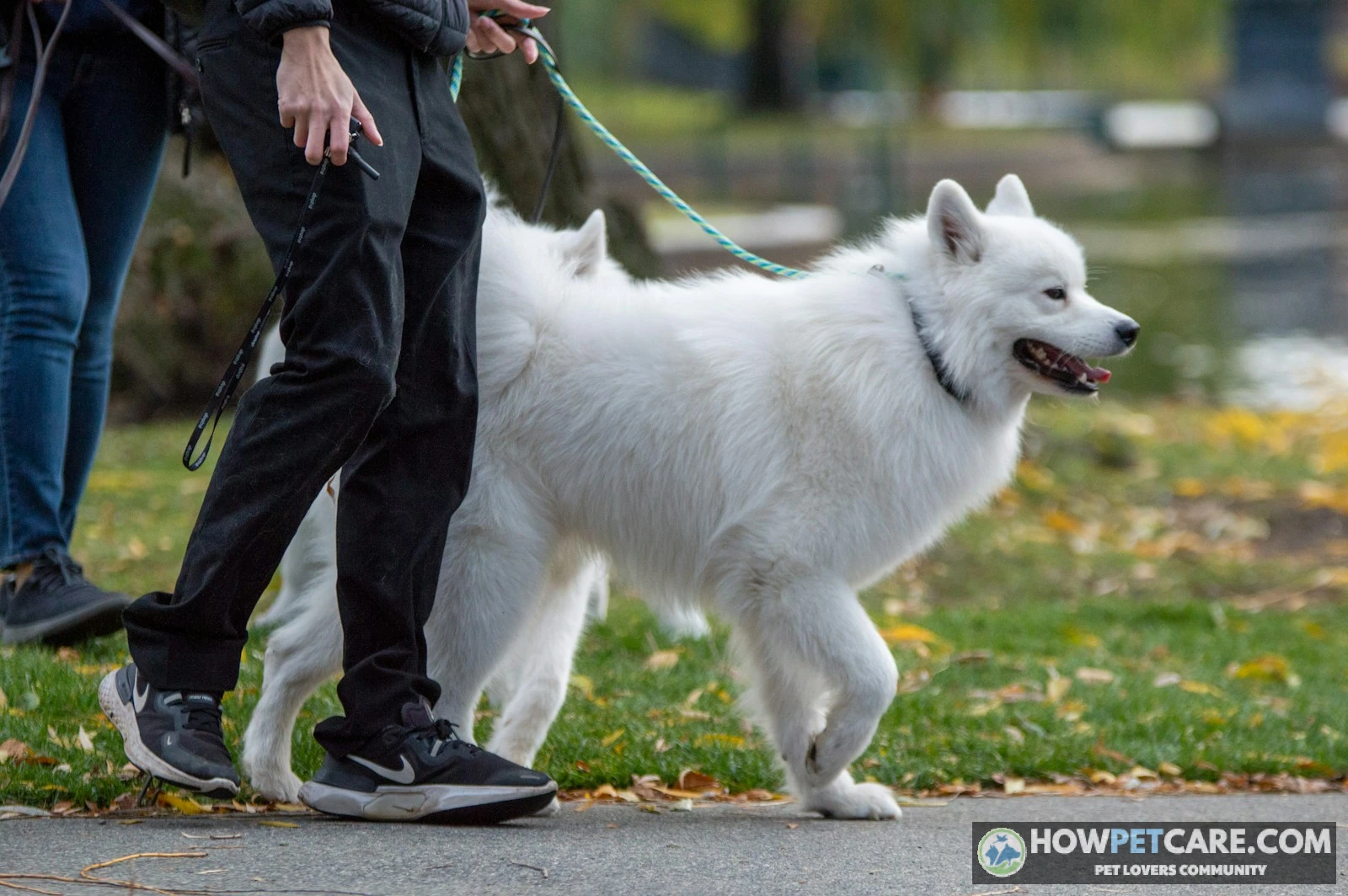
- Weeks 1–2: Three short 5- to 10-minute walks per day at a gentle pace on flat terrain. Let your dog stop and sniff; sniffing lowers heart rate and provides mental enrichment without physical strain.
- Weeks 3–4: Two 15-minute walks per day at a steady, purposeful pace. Choose softer surfaces like dirt trails, grass, or packed earth rather than hard asphalt to cushion joint impact.
- Weeks 5–6: Two 20-minute walks daily, gradually introducing gentle, rolling inclines to engage the gluteal and hamstring muscles.
- Maintenance Phase: Work toward 30 to 45 minutes of total daily structured physical activity, tailored to your dog’s breed, conformation, and joint health.
Low-impact exercise for arthritic or severely obese dogs
For dogs with an initial BCS of 8 or 9, or those diagnosed with osteoarthritis, standard walking can place excessive mechanical stress on inflamed joints. These pets benefit from non-weight-bearing physical therapy:
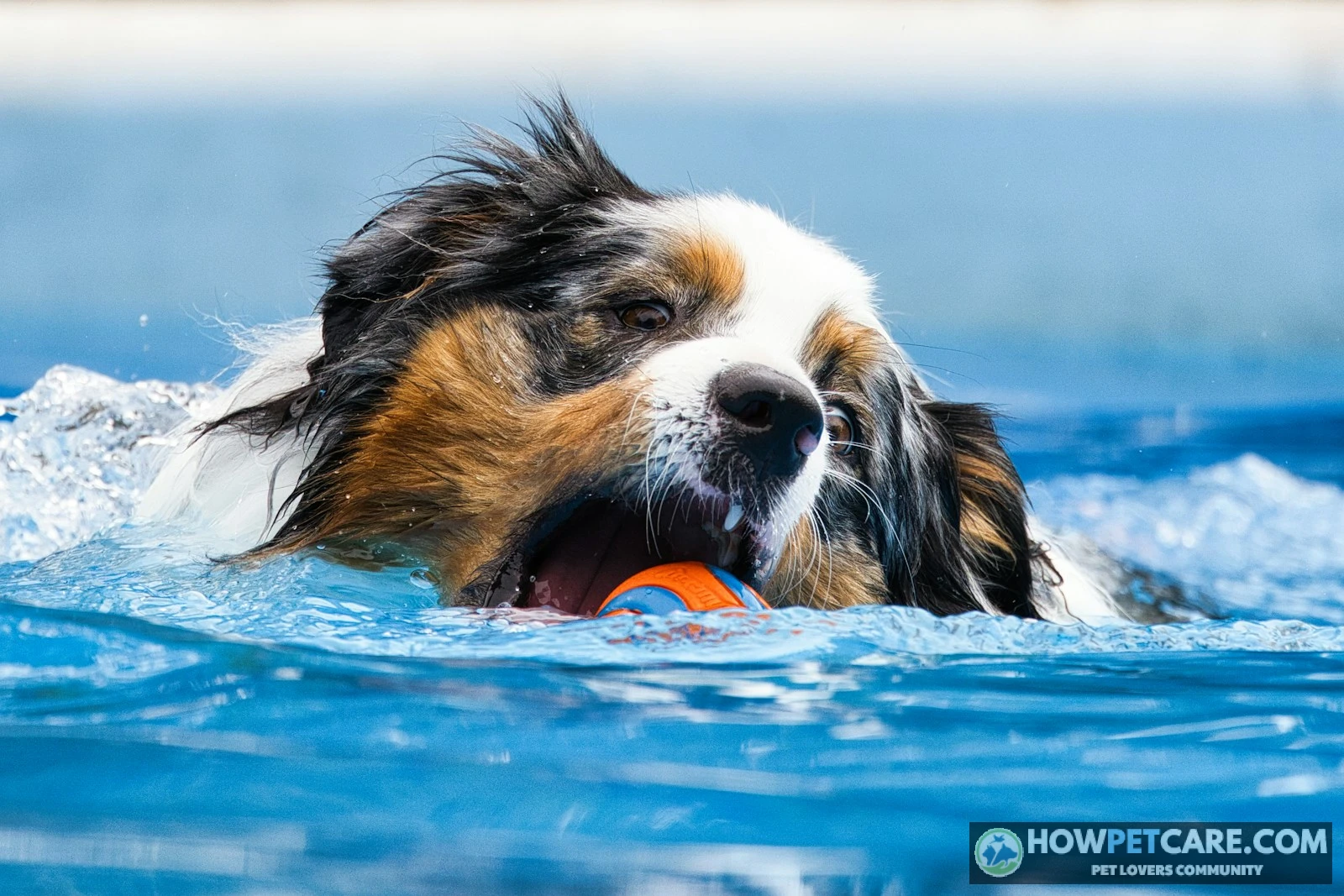
- Canine Hydrotherapy: Professional canine rehabilitation centers use specialized indoor warm-water pools and underwater treadmills. Water buoyancy supports up to 60%–70% of the dog’s body weight, relieving joint pressure while water resistance rebuilds atrophied leg muscles. Sessions typically begin with 2- to 5-minute intervals under the direct guidance of a certified canine rehabilitation practitioner (CCRP).
- Indoor Sensory and Scent Work: Scent games burn mental energy and encourage low-impact movement. Hide small pieces of dehydrated chicken or green beans around your living room under cardboard boxes, so your dog can explore and search on cushioned carpets.
- Passive Range of Motion (PROM) and Balance Work: Ask your veterinarian or canine physical therapist to demonstrate basic PROM stretches and balance exercises using inflatable balance pads to build core stability.
Safety stop signs
Stop exercise immediately and seek veterinary evaluation if your dog shows any of these warning signs during or after activity:
- Heavy, labored panting with a wide, flattened tongue that does not subside after five minutes of rest in the shade.
- Gums that appear brick-red, pale, or take on a bluish, purplish hue (a sign of oxygen deprivation or heat exhaustion).
- Limping, stiffness, gait asymmetry, or an arched back while walking.
- Sudden weakness, stumbling, hind-end wobbling, or refusal to take another step.
- Vomiting, excessive drooling, or collapse during or following exercise.
Keeping the Weight Off and Your Next Steps
Reaching your dog’s target weight is a major achievement. Keeping it off takes continued attention. In veterinary clinical studies, a significant percentage of dogs regain lost weight within one to two years of finishing a diet. Preventing this "rebound effect" requires a permanent shift in everyday feeding habits.
Preventing rebound after goal weight
When your dog reaches a target Body Condition Score of 4 to 5, you can’t simply return to old feeding habits or switch back to unmeasured adult maintenance kibble. Metabolic adaptations during weight loss mean a previously overweight dog often requires 10% to 15% fewer calories to maintain their new, lean weight than a dog that was never overweight.
- Reverse-Diet Gradually: Don’t double your dog’s portions overnight. Increase daily caloric intake slowly—by approximately 10% for the first two weeks—and monitor the scale.
- Continue Bi-Weekly Weigh-Ins: Weigh your dog every two weeks for the first three months of maintenance, then monthly for the rest of their life. Catching a one-pound gain early lets you make minor adjustments before it becomes a major setback.
- Consider Long-Term Weight-Management Food: Many dogs do best by staying permanently on a therapeutic or over-the-counter weight-control diet. These formulas provide the volume and fiber needed to keep a dog full while preventing accidental calorie overages.
- Keep Healthy Habits Intact: Continue weighing meals on a digital kitchen scale, maintain the 10% treat budget, and make daily walks a permanent family routine.
1When performing a rib palpation test on a dog in the ideal weight zone (BCS 4–5), how should the ribs feel?
An ideal body condition features a thin fat layer allowing individual ribs to be felt easily with flat hands and minimal pressure.
2According to clinical veterinary thresholds, at what point is an overweight dog classified as clinically obese?
A weight surplus of 20% or greater marks the clinical boundary for obesity, corresponding to a BCS of 8 or 9 on a 9-point scale.
3A mixed-breed dog currently weighs 70 pounds and is assessed at a Body Condition Score (BCS) of 7. What is its estimated ideal target weight?
Each point above BCS 5 represents roughly a 10% surplus, so dividing the 70 lb current weight by 1.20 yields approximately 58.3 lbs.
4Which combination of symptoms strongly suggests an underlying neuroendocrine condition such as Cushing's disease rather than simple lifestyle overfeeding?
Cortisol overproduction redistributes abdominal fat while breaking down spinal muscle tissue and driving increased thirst (PU/PD) and panting.
5What is the standard biological exponential formula used to calculate a dog's Resting Energy Requirement (RER)?
Canine basal metabolic math uses a baseline multiplier of 70 multiplied by target body mass in kilograms raised to the 0.75 power.
6What is considered a safe, clinically sound rate of weekly weight loss for an overweight dog?
Losing 1% to 2% per week targets adipose tissue reduction while keeping lean skeletal muscle intact.
7Why is severely reducing portions of a standard adult maintenance kibble (by 30% to 40%) risky during major weight loss?
Standard maintenance kibble is formulated to meet nutritional minimums at full volume, so large portion cuts cause micronutrient and protein deficiencies.
8What is the maximum percentage of a dog's daily calorie budget that should come from treats or training rewards?
Limiting treats to 10% of daily intake keeps total calories in check while ensuring 90% of energy comes from balanced food.
9What is the recommended starting walking routine for a sedentary overweight dog during Weeks 1–2 of an exercise program?
Starting with short, frequent walks on flat surfaces allows joint connective tissues and paw pads to adapt safely without overexertion.
10Why does a previously overweight dog often require 10% to 15% fewer calories to maintain goal weight than a dog that was never overweight?
Calorie restriction causes metabolic adjustments that lower resting baseline energy needs, requiring careful maintenance calorie control.
Your 7-step action plan for this week
Use this checklist to put your plan into action:
- ☐ Step 1: Perform the Physical BCS Check. Use the three-step hands-on test (ribs, waist, tuck) to score your dog between 1 and 9. Write that number down today.
- ☐ Step 2: Check for Medical Red Flags. Review the checklist in this guide for symptoms of hypothyroidism or Cushing’s disease. If you see signs of an endocrine disorder, pause and book a veterinary blood test first.
- ☐ Step 3: Establish a Target Weight. Calculate your dog’s target weight using the BCS formula or check their historical medical records from when they were a lean, young adult.
- ☐ Step 4: Calculate Daily Calories. Use the RER formula
70 * (Ideal Weight in kg)^0.75to find your dog’s daily calorie target for weight loss. - ☐ Step 5: Get a Digital Kitchen Scale. Stop using plastic scoops. Look at the kcal/kg statement on your food bag, calculate the daily grams needed, and weigh out meals for accuracy.
- ☐ Step 6: Set Up Household Rules. Designate one family member as the primary meal provider. Post a treat whiteboard in the kitchen, reserve 10% of daily calories for treats, and swap out biscuits for fresh green beans or cucumbers.
- ☐ Step 7: Schedule Bi-Weekly Weigh-Ins. Put a recurring calendar reminder on your phone for every other Saturday morning to weigh your dog and log their progress.
Helping your dog reach a healthy weight takes time and consistency. Accurate portions, controlled treats, and steady daily exercise can reduce joint stress, restore everyday energy, and give your dog the best chance at a longer, happier life.
| BCS (9-Point) | BCS (5-Point) | Category | Ribs (Feel) | Waist (From Above) | Abdominal Tuck (From Side) | Estimated Deviation | Action Plan |
|---|---|---|---|---|---|---|---|
| 1 | 1 | Emaciated | Protruding prominently; no fat layer; sunken skin | Severe inward cinch; skeletal spine | Extreme, steep hollow | >20% Underweight | Immediate veterinary intervention |
| 2 | 1.5 | Very Thin | Readily visible; no palpable fat; visible pelvic bones | Marked narrowing | Pronounced tuck | 15–20% Underweight | Veterinary evaluation; increase intake |
| 3 | 2 | Thin | Easily felt with no pressure; visible tops of vertebrae | Noticeable hourglass waist | Obvious upward tuck | 5–10% Underweight | Increase calorie density modestly |
| 4–5 | 3 | Ideal | Easily felt with light touch; thin fat cover; not seen | Clear hourglass shape behind ribs | Graceful upward sweep behind ribs | Target Ideal Weight | Maintain current feeding and activity |
| 6 | 3.5 | Overweight | Palpable with moderate pressure; slight fat layer | Discernible waist, but visibly widened | Modest tuck present | 10–15% Overweight | Audit treats; reduce food intake by 10% |
| 7 | 4 | Heavy | Difficult to feel; requires firm inward finger pressure | Barely visible waist; straight-sided torso | Minimal or flattened tuck | 15–20% Overweight | Structured calorie target; structured exercise |
| 8 | 4.5 | Obese | Very difficult to feel under thick fat; spine fat pads | Absent waist; back widened and flat | Absent tuck; belly level with chest | 20–30% Obese | Therapeutic diet consultation; vet exam |
| 9 | 5 | Severely Obese | Impossible to feel ribs; massive fat pads on neck/tail base | Bulging, barrel-shaped sides | Distended, hanging pendulous abdomen | >30% Obese | Comprehensive veterinary weight program |
FAQ
Why is my overweight dog panting or breathing fast?
Extra body fat makes breathing and cooling harder, so overweight dogs often pant more, especially in heat or with exertion. If your dog pants heavily at rest, has a swollen belly, or is drinking and urinating much more, see a vet to rule out heart, lung, or Cushing’s disease.
Can I use a breed weight chart to find my dog’s ideal weight?
A breed chart gives a rough range, but individual frame size and mixed ancestry make it unreliable. Use your dog’s body condition score and your vet’s recommendation to set a goal weight.
Is it safe to put an overweight puppy on a diet?
Puppies need enough nutrition to grow, so don’t use aggressive calorie cuts. Ask your vet to review the puppy’s food and portions and aim to slow weight gain while the puppy grows into its frame.
Are green beans and pumpkin good for a dog on a diet?
Plain green beans and canned pumpkin (not pie filling) are low in calories and can add volume to meals or serve as treats. They aren’t nutritionally complete, so use them in modest amounts rather than replacing large portions of balanced food.
Do activity trackers or weight-loss medications help dogs lose weight?
Activity trackers can help you monitor exercise and stay consistent, though diet still drives most of the weight loss. Some veterinary medications exist for specific cases, but they require a vet’s assessment and are not a substitute for a measured diet.