
Dog paw care means a weekly check of pads, toes, nails and dewclaws; rinsing off mud, salt or chemicals and drying well; trimming nails when they click; and using booties or balm for heat, cold or salt. Call a vet for deep cuts, burns, discharge, swelling, limping or nonstop licking.
Inspect your dog’s paws once a week and after muddy, salty, or rough walks: look over each pad, between the toes, and around every nail; rinse off dirt or de-icer; then dry thoroughly. Mild dryness or a small surface scrape can often be monitored at home, but persistent licking, odor, swelling, limping, deep cuts, burns, or discharge call for veterinary advice.
A short, repeatable dog paw care routine makes changes easier to spot. Paw pads help cushion the feet, and their tissue includes fat and elastic fibers that help protect joints and insulate against surfaces. Dogs also sweat through glands in their pads.
Your 5-Minute Weekly Paw Check and Post-Walk Cleaning Routine
Use this simple sequence weekly and after walks where paws pick up mud, salt, or debris:
- Inspect: Check pad color and texture, the spaces between toes, and the top and underside of each foot. Look for cuts, burrs, glass, foxtails, redness, swelling, discharge, or an unusual odor.
- Clean: Wipe paws or rinse them with lukewarm water. After heavy mud, salt, or chemical exposure, use a shallow footbath and rinse each paw thoroughly.
- Dry: Pat the feet dry, including between the toes. Moisture and debris trapped there can irritate the skin.
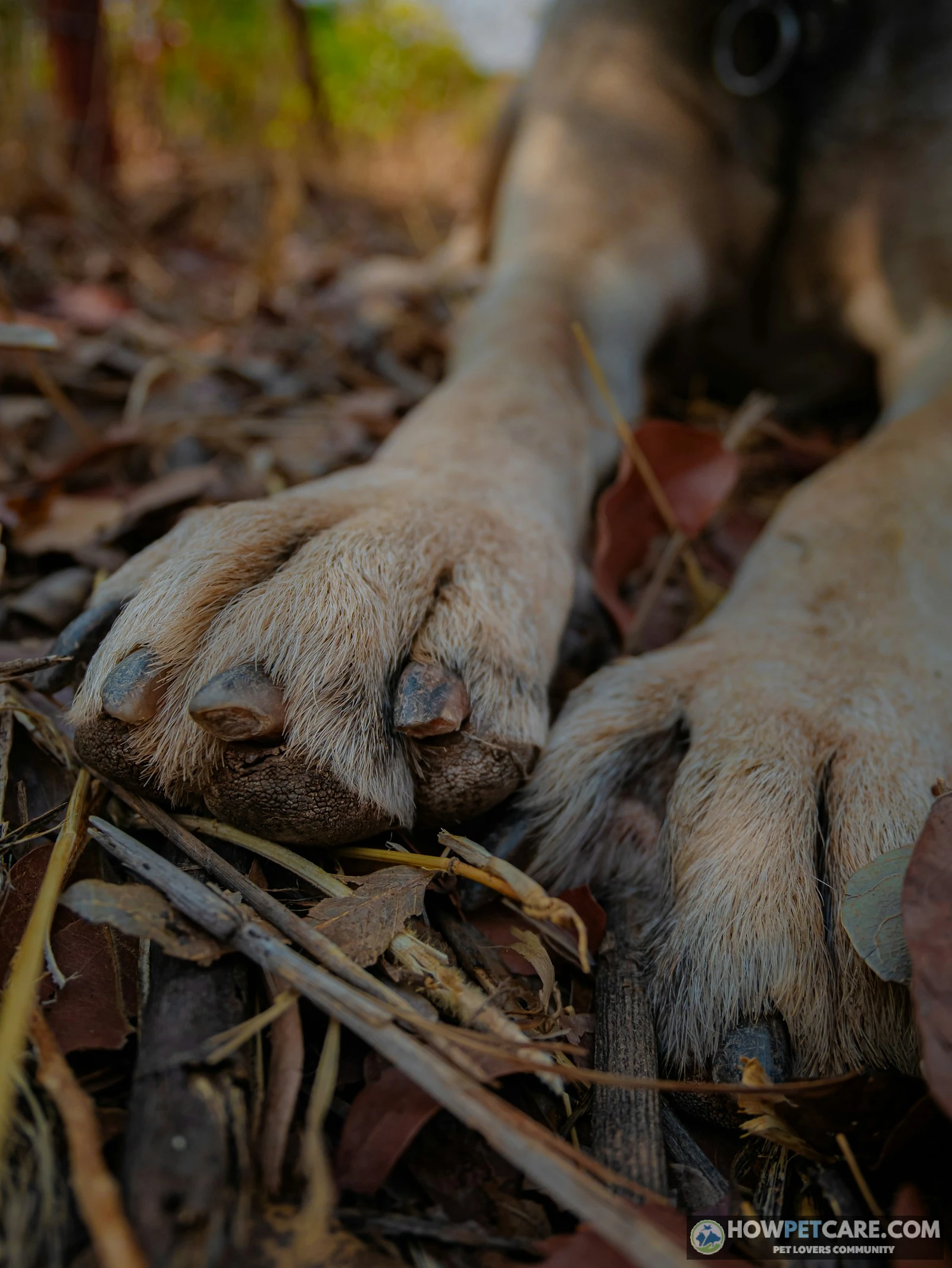
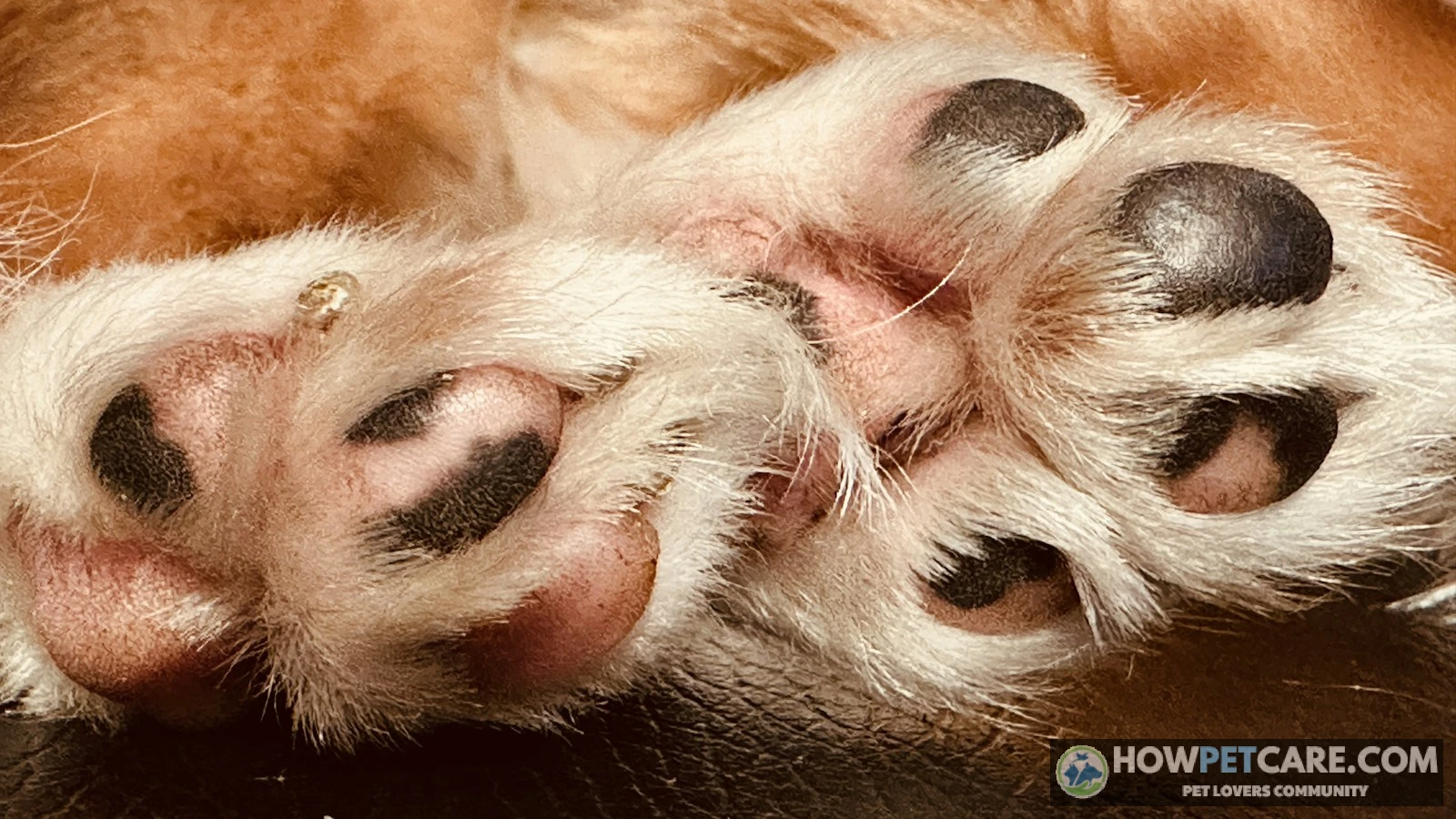
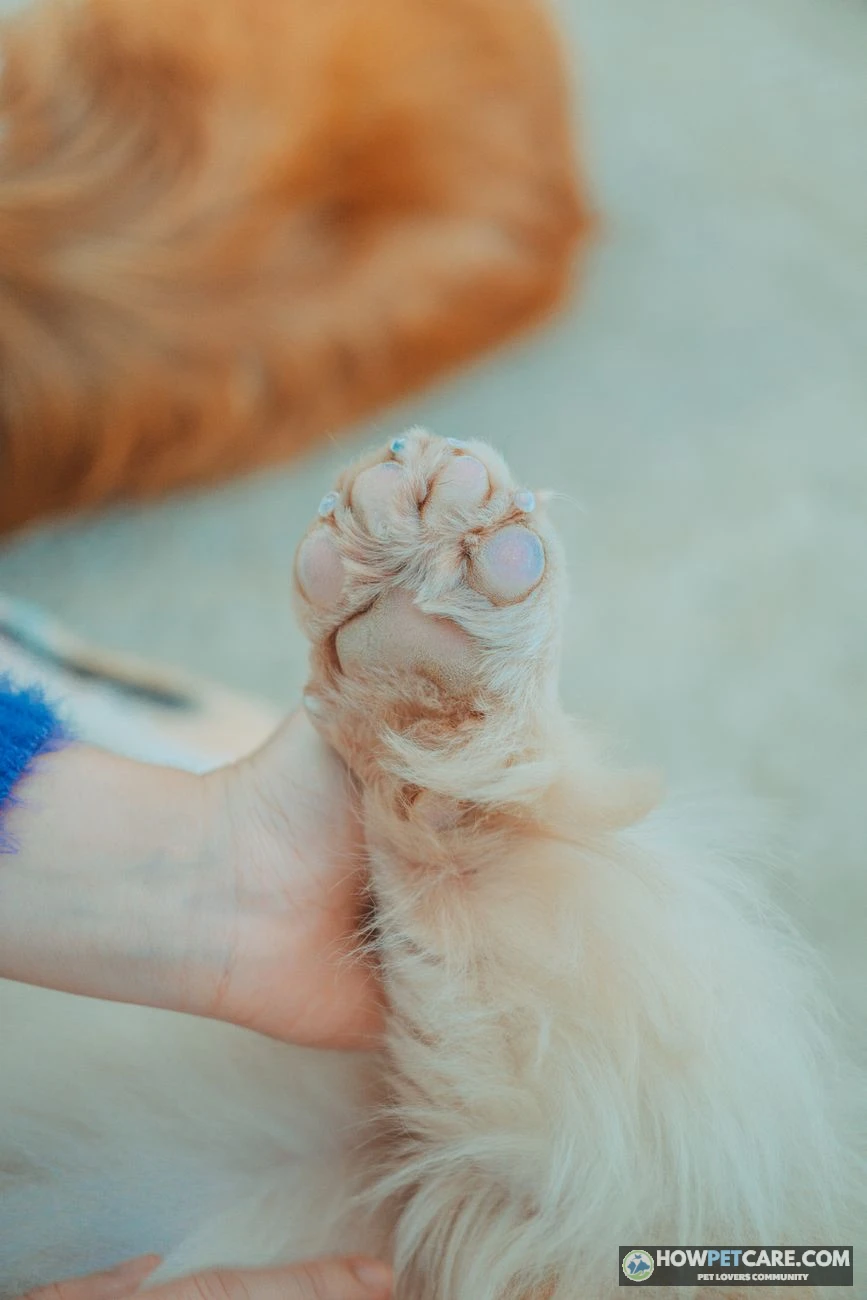
- Check nails: Look at every nail, including the dewclaws higher on the legs. Note nails that curl, crack, or touch the ground when your dog stands.
- Notice comfort: Watch for flinching, pulling a paw away, or limping. Don’t force an inspection if your dog seems painful.
What healthy paw pads look and feel like
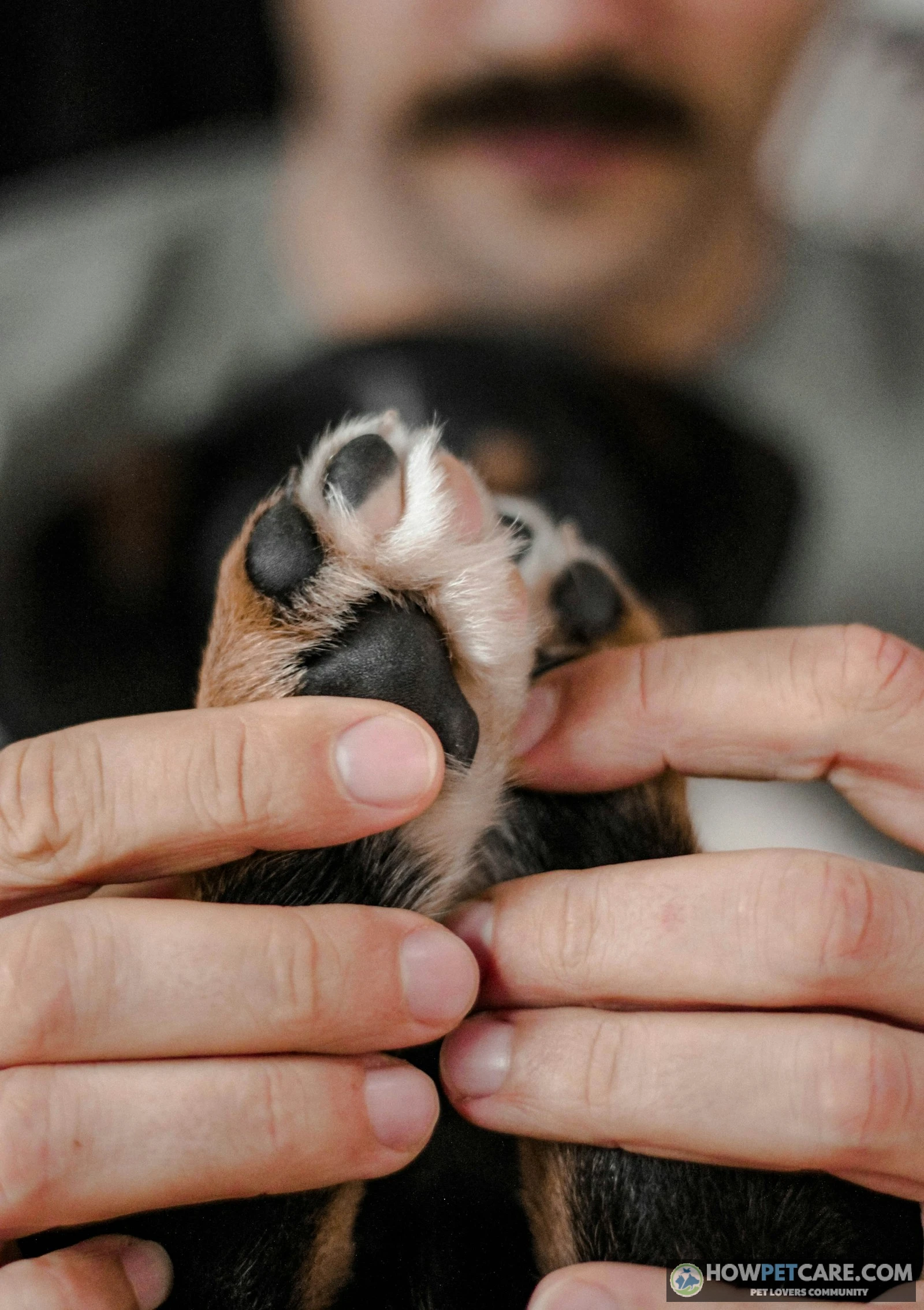
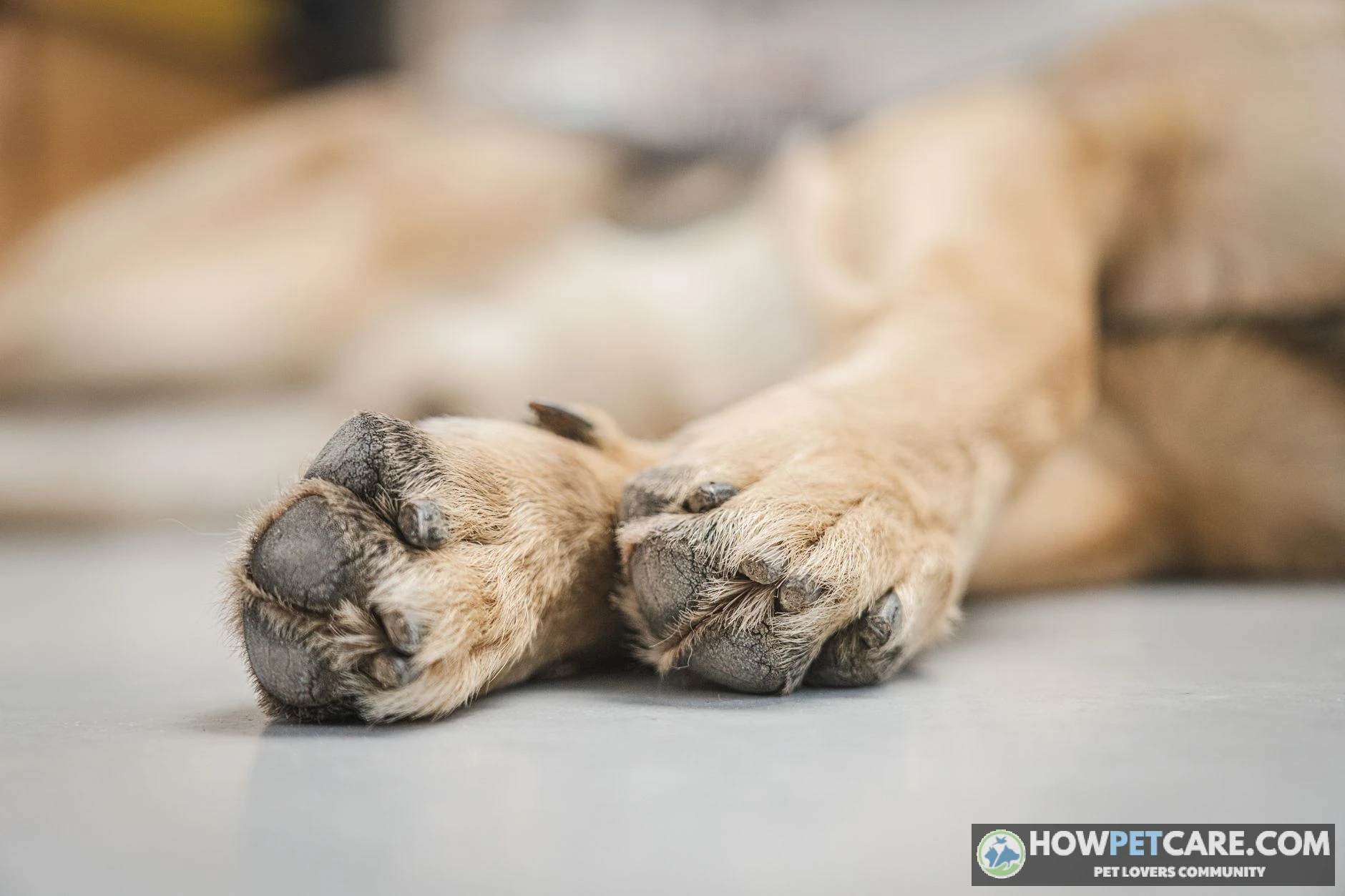
Healthy pads are usually firm, slightly textured, and free of open cracks, bleeding, or swelling. Color varies with the dog. A rough surface by itself can be normal; compare each paw with the others and with what is usual for your dog. New discoloration, a raw area, or a sudden change in texture deserves attention.
How to clean dog paws after a walk, step by step
For an ordinary walk, plain water is usually enough. Wipe each paw with a damp cloth or rinse it under lukewarm water, then dry it carefully. If your dog has walked through mud, road salt, ice melt, or another contaminant, rinse more thoroughly. Check the label on pet wipes or paw washes: dogs lick their feet, so avoid products with strong fragrance, alcohol, or essential oils such as tea tree.
If you suspect your dog walked through a chemical rather than ordinary dirt or salt, prevent licking and call your veterinarian for advice about the specific substance. Don’t assume a product is safe because it is marketed for a yard or sidewalk.
Trimming the fur between paw pads
Long interdigital fur can collect mud, ice, and moisture. If it extends beyond the pads, trim only the ends so the hair sits level with the pads. Use blunt-tip scissors or a small clipper, keep the blades parallel to the foot, and work in good light. Stop if your dog moves or the skin is hard to see. A groomer can do this more safely for a wiggly dog or fur that is tightly matted.
If your dog won’t let you touch their paws
Build tolerance in brief, positive sessions. Touch a shoulder, move down the leg, briefly touch a paw, and reward calm behavior. Later, hold the paw for a moment, then gradually practice handling individual toes. Stop before your dog becomes distressed; forcing restraint can make future care harder. Short sessions of 30–60 seconds once or twice daily may help over several weeks.
How to Treat Dry, Cracked Dog Paw Pads at Home (and What Not to Use)
Paw pads are naturally textured, and mild roughness alone does not mean they need treatment. For mild dryness without bleeding, pain, or limping, clean and dry the paws, then apply a thin layer of dog-safe paw balm or moisturizer. Supervise your dog for a short while or offer a calm distraction so the balm is not immediately licked off. Reassess over the next week. If cracks worsen or do not improve, contact your vet.
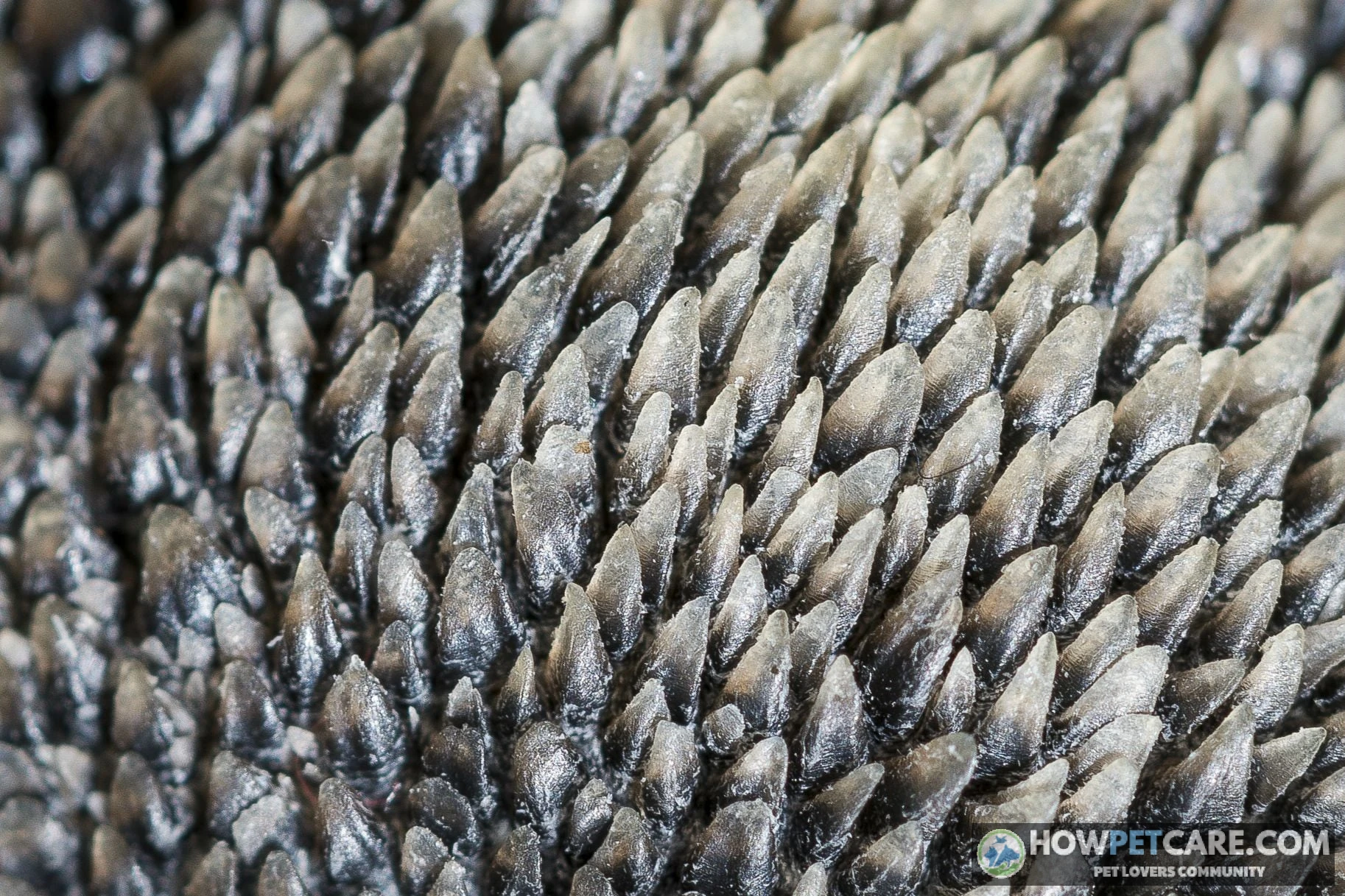
Thick, crusty, or hairlike growth on the pads may be paw pad hyperkeratosis. Don’t scrape, cut, or peel it at home; ask a veterinarian to assess it and recommend care.
Can I use human lotion or Vaseline on dog paws?
Human lotion: generally no. Fragrance, additives, and active ingredients may irritate the skin or be unsafe if swallowed. Some human moisturizers can also soften pads excessively, leaving them more vulnerable to wear. Choose a product labeled for dogs and check its full ingredient list.
Vaseline (plain petrolatum): not a first choice. A small amount is generally considered low risk if licked, but it is greasy, can upset the stomach, and may collect dirt. It can serve as a short-term stopgap if nothing else is available, but a dog-formulated balm is a better routine option. Avoid medicated petroleum products unless your veterinarian recommends them.
What to look for (and avoid) in a paw balm
Look for a short ingredient list with simple waxes and emollients, such as beeswax, shea butter, cocoa butter, or plain plant oils. Paw wax can add a light barrier, but it wears off and is not a substitute for booties on very hot or abrasive surfaces.
Avoid products containing xylitol, tea tree oil, heavy fragrance, or high concentrations of zinc compounds that your dog could lick. “Natural” does not automatically mean safe to swallow. Plain coconut oil is commonly used, but licking a large amount may upset the stomach. Keep any balm out of reach, apply only a thin layer, and ask your vet before using a medicated cream.
A basic DIY balm can be made by gently melting 2 tablespoons of a plain carrier oil, 2 tablespoons of coconut oil, 1 tablespoon of shea butter, and 4 teaspoons of beeswax, then cooling the mixture in a clean container. Use plain ingredients without essential oils, flavorings, or sweeteners; test a small amount first and supervise to limit licking. This is a moisturizer, not a treatment for an infection, wound, or painful crack. If you cannot verify an ingredient’s safety, skip the recipe and use a dog-labeled product.
A basic paw first-aid kit
Keep clean water or saline, blunt-tip scissors, tweezers, nail clippers or a grinder, styptic powder, non-stick pads, self-adhesive wrap, dog-safe balm, and a cone or soft recovery collar together. A Lickimat may help occupy a dog briefly during handling, but don’t use it to delay care or distract from pain. For any wound, prevent licking and seek veterinary guidance if it is deep, dirty, or not closing.
Nail Trimming: How Often, Which Tool, and What to Do if You Hit the Quick
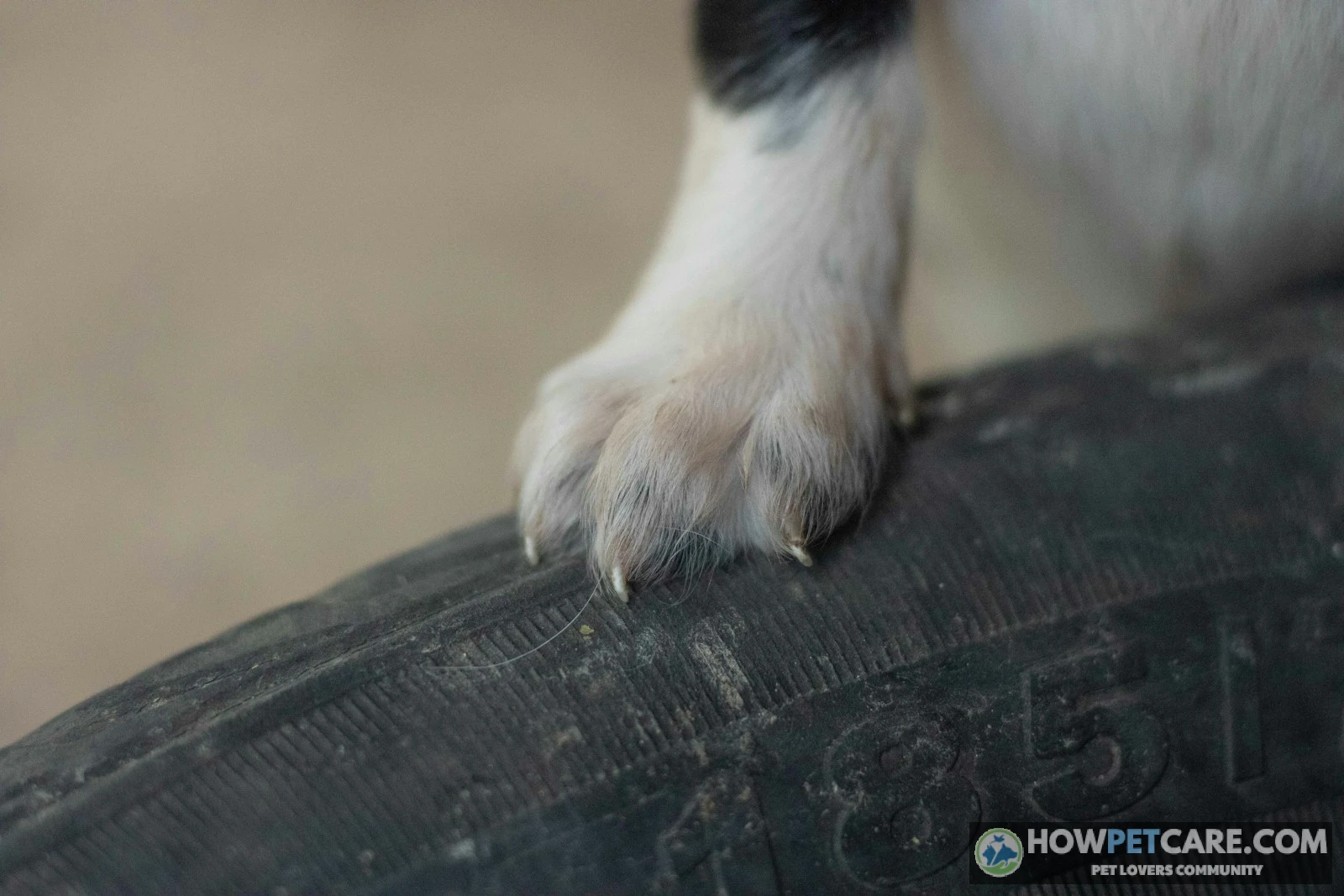
Trim nails when they click on hard floors or touch the ground while your dog stands. Many dogs need trimming about once a month, while less active dogs may need it more often; walking on concrete or asphalt can wear nails down naturally. Use the dog’s nails and activity as your guide rather than relying on a fixed calendar. Overgrown nails can alter how the toes meet the ground and affect weight distribution.
Clippers vs. grinder: which nail tool fits your dog?
| Tool | Best for (dog size/nail type) | Skill level needed | Pros | Drawbacks and risks | Good fit when |
|---|---|---|---|---|---|
| Scissor-style clippers | Medium or large dogs; thick nails | Beginner to moderate | Quiet, controlled, and strong | Dull blades can crush or split nails; quick is harder to judge on dark nails | You want a simple tool and your dog tolerates handling |
| Guillotine clippers | Small or medium dogs; thinner nails | Moderate | Quick cut; nail sits inside a guide | Blade needs maintenance; can split thick nails and obscure the cut line | Your dog has slender nails and sits still |
| Grinder | Most sizes; useful for dark nails | Moderate | Removes small amounts gradually and smooths edges | Noise and vibration may scare dogs; friction can heat the nail; creates dust | You want gradual trimming or cannot see the quick |
Choose a tool you can control comfortably. Scissor-style clippers are a straightforward starting point for many owners. A grinder can be useful for dark nails, but introduce its sound and vibration gradually and use short passes.
How to trim nails safely, including dark nails
Hold the paw gently and trim only a little at a time. On light nails, the quick—the blood supply and nerve inside the nail—is often visible as a pink area. Leave a margin rather than cutting close to it. On dark nails, remove thin slices and inspect the cut surface; stop when you see a darker center or a pale oval beginning to appear. Include the dewclaws, which may not touch the ground and can grow into a curve if neglected.
If your dog is fearful, snaps, or has very long nails with a long quick, have a groomer or veterinary team handle the trim. Don’t wrestle a dog through nail care; fear and sudden movement increase the risk of injury.
If the quick bleeds: first-aid steps
- Stay calm and keep your dog as still as you can.
- Press styptic powder onto the nail tip. If you do not have it, cornstarch or flour may help control bleeding.
- Hold gentle, steady pressure and avoid repeatedly wiping the area to check it.
- Once bleeding stops, keep the dog quiet and prevent licking.
- Contact a vet if bleeding continues after about 10–15 minutes of pressure, or if the nail is torn, hanging, or badly split.
How Hot Is Too Hot? Pavement Temperatures, the 7-Second Test, and Burn First Aid
Air temperature is not pavement temperature. In direct sun, dark asphalt can become much hotter than the surrounding air. Veterinary education materials commonly cite approximate examples of 77°F air with asphalt near 125°F, and 86°F air with asphalt near 135°F. Treat these as illustrations, not precise predictions: sun, shade, wind, surface color, and time of day all matter.
Skin injury can begin with sustained contact around 120–125°F, and a surface near 140°F can cause burns in under a minute. These are approximate thresholds; actual risk varies with the surface and the dog. When the ground feels questionable, choose a cooler route rather than testing your dog’s tolerance.
The 7-second hand test
Press the back of your hand flat against the pavement for seven seconds. If you need to pull away or it feels genuinely uncomfortable, consider it too hot for your dog’s paws. This is a practical minimum check, not a guarantee of safety. Asphalt and sand in direct sun can be especially hot; metal and artificial turf can also heat up. Shaded concrete is often cooler, but check the actual route.
A walk is safer in the early morning or evening, on grass or shade, with water available. Booties can help on unavoidable hot surfaces if they fit well and your dog tolerates them. Paw balm is not enough protection against a genuinely hot surface.
What to do for a paw pad burn
Burns may cause limping, reluctance to walk, repeated licking, redness or darkening, blisters, or peeling. If you suspect a pad burn:
- Move your dog to a cool surface and flush the paw with cool—not ice-cold—water.
- Stop licking and loosely cover the foot with a clean, non-stick dressing if you can do so without pressure.
- Call a vet for any blistering, peeling, missing pad surface, or lameness.
Don’t apply ice, butter, or human medication.
Winter Paw Protection: Road Salt, Ice Melt, and Choosing Between Booties and Balm
Road salt and de-icers can irritate or injure pads, and dogs may ingest them while licking their feet. Calcium chloride and sodium chloride in ice-melt products can cause paw irritation and may be harmful if swallowed. Check the label on any de-icer your dog could reach. If your dog eats a notable amount or develops vomiting or lethargy, contact a veterinarian or animal poison-control service promptly.
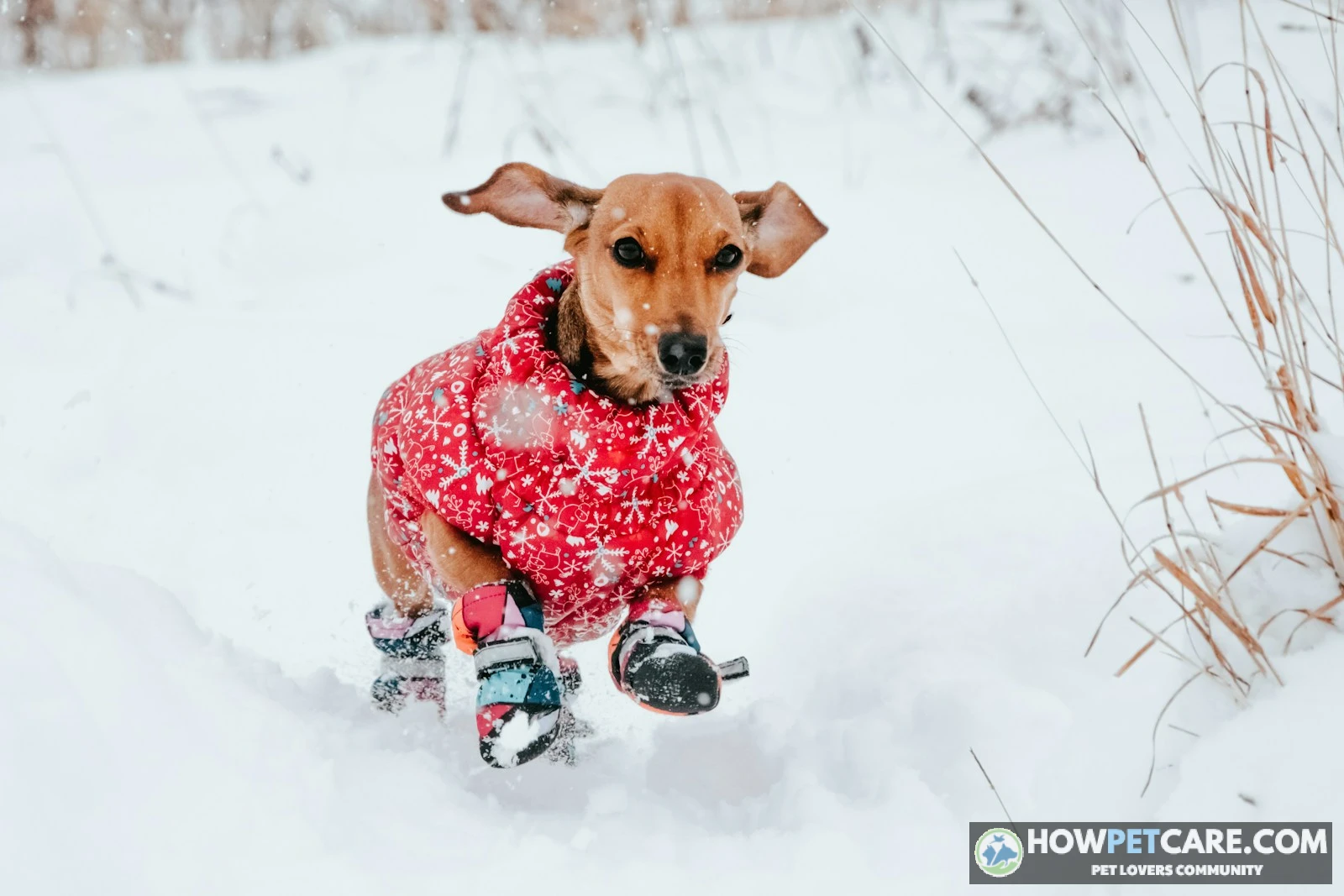
After a winter walk, rinse or wipe the paws, dry between the toes, and check for cracks, redness, and ice balls. Trim excess fur between the pads if it traps snow. Pick protection based on the surface and length of the walk:
Booties vs. paw balm: which should you choose?
| Method | Protects against | Limitations | Upkeep and tolerance | Safety notes | Best for |
|---|---|---|---|---|---|
| Dog booties | Salt, ice balls, cold surfaces, hot pavement, and some sharp debris | Need correct sizing and training; may slip or rub | Clean and dry after use; some dogs resist them | Check for rubbing, cold toes, or swelling; cuffs should be snug, not tight | Long walks on salted sidewalks, snow, or unavoidable hot ground |
| Paw balm or wax | Mild salt exposure, drying, and some ice-ball buildup | Wears off; does not block serious heat, sharp ice, or all chemicals | Reapply as directed; dogs may lick it off | Use simple dog-safe ingredients; avoid xylitol, tea tree, and heavy fragrance | Shorter walks, mild conditions, or dogs that refuse booties |
| Rinse and dry | Removes salt, chemicals, and debris after a walk | Does not protect paws during the walk | Lowest upkeep; water and a towel | Use lukewarm water and dry between toes | Mild weather, short walks, and routine cleanup |
For a long walk on salted pavement, booties provide a more complete barrier than balm. For short walks in mild conditions, rinsing and drying may be enough. Many owners combine methods: use booties or balm during the walk, then rinse and dry afterward.
How to measure and fit dog booties so they stay on
Measure the paw while your dog is standing so the foot bears weight. Follow the maker’s size chart, which may use paw width, length, or both. Try the bootie indoors first: there should be room for the nails, but the foot should not slide around. Fasten the cuff securely without constricting the leg. Walk around briefly and check for slipping or rubbing, then inspect the toes after use. Remove wet booties promptly.
To build tolerance, let your dog sniff a bootie, reward calm investigation, and put one on for a short indoor session. Add more booties and time gradually, using treats and praise. Don’t force a long walk before your dog can move comfortably in them.
Dealing with salt, ice melt, and ice balls
Wipe or rinse paws as soon as you return, then dry carefully between the toes. Check for packed ice and remove it gently; don’t pull at hair or skin. If your dog’s paws are pale, gray, unusually cold, painful, or swollen after cold exposure, frostbite is possible. Warm the dog gradually in a warm environment and call a vet. Do not rub the paws or use hot water.
Why Your Dog Keeps Licking Their Paws: Allergies vs. Yeast vs. Anxiety
Brief grooming after a walk can be normal. Licking that keeps returning, wakes your dog, or leaves the skin red or the fur stained is different. Persistent licking can signal pain, allergies, skin inflammation, parasites, or anxiety, and can lead to secondary bacterial or yeast problems. The appearance of a paw alone cannot reliably identify the cause.
Cause decoder: how the signs differ
| Likely cause | Typical signs | Pattern or timing | Other clues | Home steps while waiting | When to see a vet |
|---|---|---|---|---|---|
| Allergies | Itchy, red paws; often several feet; may also itch ears, face, or belly | Seasonal flares or persistent symptoms | Recurring ear irritation or belly rash | Rinse off pollen after walks; note when symptoms flare | If it lasts more than a few days or repeatedly returns |
| Yeast or bacterial infection | Redness, greasy debris, brown-red staining, or musty odor; sometimes swelling | Persistent licking, often focused on one or two paws | Can develop alongside allergies; odor alone does not prove infection | Keep the paw clean and dry; prevent licking | Promptly for odor with redness, discharge, or swelling; diagnosis and treatment need a vet |
| Pain, injury, or foreign object | Licking one paw, flinching, or limping | Often sudden, after outdoor activity | Check for a cut, burr, splinter, cracked nail, or swelling | Look for visible surface debris and rinse; don’t dig into the paw | Soon for limping, embedded objects, or a torn nail; urgent if the dog will not bear weight |
| Anxiety or boredom | Skin may initially look normal; repeated licking can make it raw | May track time alone, routine changes, or inactivity | Other stress signs may include pacing or whining | Note triggers and offer appropriate activity; prevent skin damage | Rule out medical causes first; discuss behavior with your vet if paws are healthy |
A “corn chip” smell can occur from normal skin microorganisms, but a strong or worsening odor with redness, staining, discharge, or frequent licking warrants a vet check. Don’t assume anxiety just because licking occurs when your dog is alone, and don’t try to treat suspected infection with leftover medication. A veterinarian may examine skin samples or check for parasites and other causes before recommending treatment.
What you can safely do at home while you wait for a vet visit
Rinse away obvious dirt or pollen and dry the feet thoroughly. Note which paws are affected, when licking happens, and any changes in food, walks, or cleaning products. Use a cone or recovery collar if needed to prevent self-trauma, but arrange a vet visit if the licking persists for several days—or sooner if there is odor, redness, swelling, discharge, or limping.
Treat at Home or Call the Vet? A Paw Symptom Triage Checklist
Choose the highest tier that fits. If you are unsure, call your veterinary clinic and describe what you see; a photo can help them advise you on timing.
Home care, vet soon, or vet now: the checklist
Home care and monitor:
- Mildly dry or rough pads without bleeding or pain.
- A small, shallow scrape with minimal bleeding that stops.
- A small split nail that is not bleeding and is not loose.
- Mild redness after a walk that fades within a few hours.
- Occasional licking that stops when redirected.
Book a vet visit soon:
- Licking that continues for several days or keeps returning.
- Persistent or worsening odor, especially with redness or staining.
- Mild swelling between the toes.
- A cut that will not close or keeps reopening.
- Cracks that do not improve after about a week of home care.
- Thick, crusty, or hairlike pad growth that may be hyperkeratosis.
- Intermittent limping or stiffness.
Call a vet urgently or seek same-day care:
- A deep or gaping cut, or bleeding that continues after 10–15 minutes of pressure.
- Blisters, peeling, or missing pad surface after a suspected burn.
- Pale, gray, very cold paws, pain, or swelling after cold exposure.
- Pus or other discharge.
- Severe swelling, a suspected broken toe, or refusal to bear weight.
- A torn, hanging, or avulsed nail.
- Painful draining nodules between the toes.
First aid for minor cuts and how to bandage a paw
Small, superficial wounds may be suitable for first aid at home; deeper, gaping, or dirty cuts need veterinary care. If the injury appears minor:
- Rinse the area with clean water or saline to remove surface dirt. Don’t probe the wound or pull out an embedded object.
- Apply gentle, steady pressure with clean gauze if it is bleeding.
- Cover with a non-stick pad. If you know how to wrap a paw, use self-adhesive wrap lightly; never pull it tight.
- Keep the bandage clean and dry, and change it if it becomes wet or soiled. Check the toes frequently.
- Remove the wrap and contact a vet if the toes become cold, swollen, discolored, or painful, or if the bandage slips or the wound worsens.
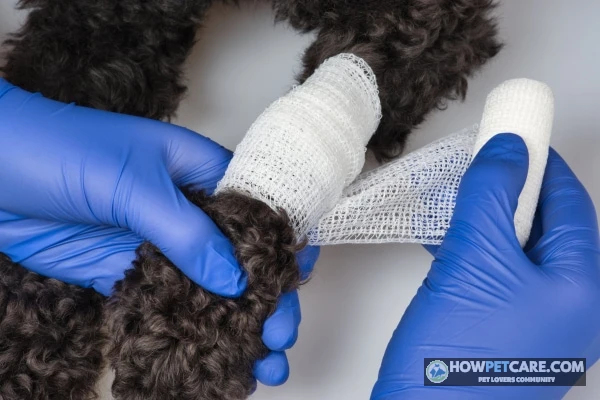
A paw bandage can become too tight as swelling changes, so when in doubt, use a clean loose cover for transport and let a veterinary team bandage the foot.
Serious paw conditions to recognize early
Painful, draining bumps between the toes may be interdigital furuncles. Hair loss, redness, and recurring inflammation on the feet can occur with demodectic pododermatitis. A dewclaw that curls into the skin may be ingrown. These conditions need veterinary assessment; don’t try to lance, cut, or medicate them at home. Persistent lameness and thickened or crusty pads also deserve a vet checkup.
Professional nail-trim and exam prices vary by region, provider, and what care is needed. Call local groomers and veterinary clinics for current quotes; an exam may be separate from testing or treatment. When you go, bring notes on when the problem started, what changed, products used, and photos of how it has progressed.
Your Dog Paw Care Plan: A Weekly, Seasonal, and Vet-Visit Checklist
Make the routine fit your dog’s usual surfaces, climate, and comfort with handling:
- Weekly: Inspect pads, toes, nails, and dewclaws; clean and dry as needed; note any change in texture, color, odor, or comfort.
- After messy or treated surfaces: Rinse off mud, salt, or chemicals and dry between the toes.
- As needed: Trim nails when they click or touch the ground while standing. Trim excess interdigital fur only when it traps debris or moisture.
- In summer: Check the pavement with the 7-second test, walk during cooler hours, and use grass and shade where possible.
- In winter: Choose booties or balm for the conditions, then rinse and dry paws after exposure to salt or ice melt.
- For a vet visit: Record the start date, triggers, products used, and which paws are affected; take clear photos if changes come and go.
Keep a brief note of what is normal for your dog: pad color and texture, nail length, and how they react to handling. That baseline helps you notice a meaningful change sooner. If licking persists, a paw smells unusual, or your dog limps, contact your vet rather than extending home treatment.
1What is the recommended protocol when performing the 7-second test to evaluate ground temperature before walking a dog?
The back of the hand has thinner, more sensitive skin, making it a reliable practical check for uncomfortable surface heat.
2Why are standard human moisturizing lotions generally considered unsuitable for application on dog paw pads?
Human formulas can break down the natural firmness required for pad insulation and often include fragrances or active compounds toxic to dogs.
3If a dog's nail quick is accidentally cut during trimming and styptic powder is unavailable, which household item can serve as a substitute to manage bleeding?
Cornstarch acts as a safe, absorbent binding agent that helps clot superficial bleeding when applied with steady pressure.
4Which of the following paw conditions represents an urgent red flag requiring immediate or same-day veterinary attention?
Discolored, unusually cold tissue after extreme cold exposure indicates potential frostbite, requiring urgent veterinary evaluation.
5What is a primary limitation of relying on paw balm or wax compared to protective booties during long winter walks on heavily salted streets?
Topical balms degrade with surface friction, making them inadequate for prolonged protection against harsh chemical de-icers and ice.
6An owner observes a mild corn-chip scent coming from their dog's clean paws. The skin appears normal with no redness, swelling, or excessive licking. What does this observation indicate?
A faint corn-chip smell is typical and stems from standard, non-harmful skin bacteria and yeast populations.
7What is the proper procedure for trimming excess fur located between a dog's paw pads?
Keeping blades parallel and cutting level with the pads prevents skin cuts while removing hair that catches ice or mud.
8What is the correct first-aid step to take immediately after moving a dog to safety if you suspect a thermal paw pad burn?
Cool water gently dissipates residual heat in tissue without causing vasospasm or shock associated with ice.
9Which nail care tool is particularly advantageous for dogs with dark nails because it allows the operator to remove small amounts gradually?
Grinders reduce length slowly via abrasion, letting the operator monitor the cut surface for the dark center that marks the quick.
10How should an owner address a dog that becomes anxious and pulls its feet away during paw handling attempts?
Gradual desensitization with rewards builds comfort over time while preventing panic and negative associations.
| Likely cause | Typical signs | Pattern or timing | Other clues | Home steps while waiting | When to see a vet |
|---|---|---|---|---|---|
| Allergies | Itchy, red paws; often several feet; may also itch ears, face, or belly | Seasonal flares or persistent symptoms | Recurring ear irritation or belly rash | Rinse off pollen after walks; note when symptoms flare | If it lasts more than a few days or repeatedly returns |
| Yeast or bacterial infection | Redness, greasy debris, brown-red staining, or musty odor; sometimes swelling | Persistent licking, often focused on one or two paws | Can develop alongside allergies; odor alone does not prove infection | Keep the paw clean and dry; prevent licking | Promptly for odor with redness, discharge, or swelling; diagnosis and treatment need a vet |
| Pain, injury, or foreign object | Licking one paw, flinching, or limping | Often sudden, after outdoor activity | Check for a cut, burr, splinter, cracked nail, or swelling | Look for visible surface debris and rinse; don't dig into the paw | Soon for limping, embedded objects, or a torn nail; urgent if the dog will not bear weight |
| Anxiety or boredom | Skin may initially look normal; repeated licking can make it raw | May track time alone, routine changes, or inactivity | Other stress signs may include pacing or whining | Note triggers and offer appropriate activity; prevent skin damage | Rule out medical causes first; discuss behavior with your vet if paws are healthy |
FAQ
How often should I moisturize my dog’s paws?
Only when the pads look dry, rough, or cracked. A thin layer of dog-safe balm once or twice a day until they improve is a common approach. Healthy pads don’t need routine moisturizing, and a vet should check cracks that don’t improve in about a week.
Is coconut oil safe for dog paws?
Plain coconut oil is generally considered low risk in small amounts, but it is greasy and dogs tend to lick it off, which can upset the stomach. A balm made from simple waxes and butters is usually easier to keep on the paw.
Do I need to wash my dog’s paws after every walk?
Not always. A wipe or rinse and a thorough dry is enough after most walks, and a full wash is useful after mud, salt, ice melt, or chemicals. Dry between the toes to avoid trapped moisture.
How much does a professional nail trim or vet paw exam cost?
Prices vary a lot by region and by clinic or groomer, so call two or three local providers for current quotes. Nail trims cost far less than a vet exam, and an exam fee is usually separate from any testing or treatment.
Why do my dog’s paws smell like corn chips?
A mild corn-chip smell is common and comes from normal skin bacteria and yeast. A strong, musty, or worsening odor, especially with redness, staining, licking, or discharge, can mean an infection and deserves a vet check.