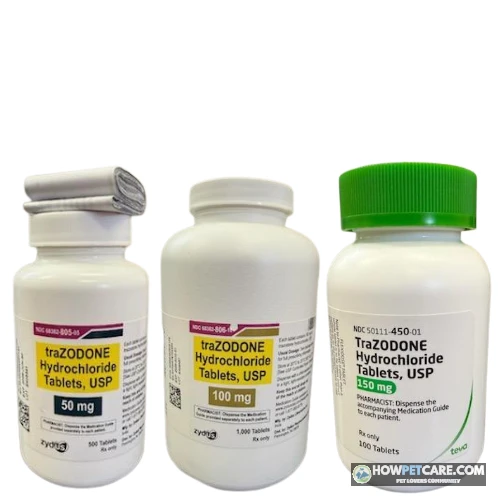

A veterinarian must set your dog’s exact dose. For reference, a published post-surgical protocol spanned roughly 3.5–7 mg/kg per dose, which works out to approximately:
| Dog weight | 3.5–7 mg/kg per dose |
|---|---|
| 10 lb (4.5 kg) | 16–32 mg |
| 25 lb (11.4 kg) | 40–80 mg |
| 50 lb (22.7 kg) | 80–159 mg |
| 75 lb (34.1 kg) | 119–239 mg |
| 100 lb (45.5 kg) | 159–318 mg |
Trazodone for dogs is a prescription medication veterinarians use to manage situational anxiety and support calm during recovery. A published post-surgical protocol used approximately 3.5 mg/kg per dose alongside tramadol and roughly 7 mg/kg after tramadol was stopped, but your veterinarian — not a weight chart — must determine your dog’s dose, timing, and tablet instructions.
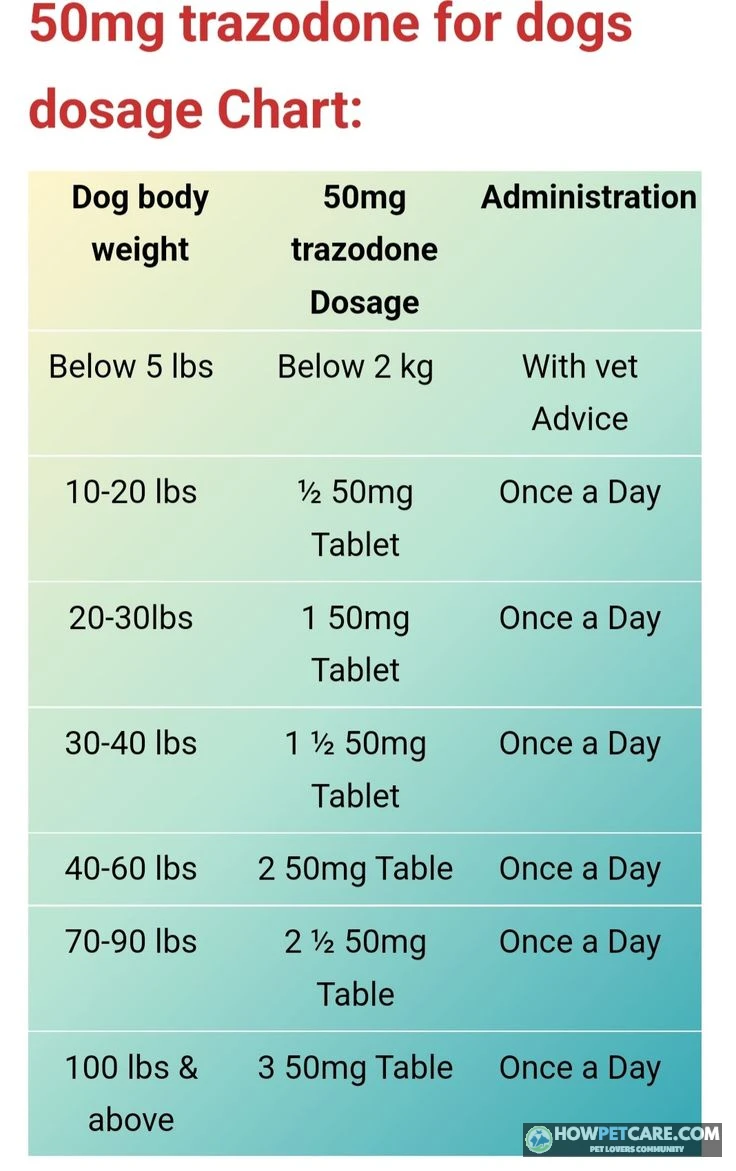
The chart below translates those endpoints and a 5 mg/kg example into milligrams and tablet equivalents. It’s a math aid for checking an existing prescription, not a recommendation to pick a dose within that range.
Trazodone Dosage for Dogs by Weight: Tablet Chart in Pounds and Kilograms
Trazodone dosage chart for dogs by weight
Your veterinarian’s prescribed dose overrides this chart. The 3.5–7 mg/kg endpoints come from a specific post-surgical protocol, not a universal range for every dog or event. The 5 mg/kg column is an arithmetic example, not a designated typical or starting dose.
Doses below are rounded to the nearest milligram. Tablet equivalents are approximate mathematical fractions of a 50 mg tablet; they are not instructions to split a tablet into those precise pieces. Only use a split or compounded strength your vet or pharmacist approves.
| Dog weight | Weight in kg | 3.5 mg/kg: mg and 50 mg-tablet equivalent | 5 mg/kg: mg and 50 mg-tablet equivalent | 7 mg/kg: mg and 50 mg-tablet equivalent |
|---|---|---|---|---|
| 10 lb | 4.5 kg | 16 mg; 0.32 tablet | 23 mg; 0.45 tablet | 32 mg; 0.63 tablet |
| 20 lb | 9.1 kg | 32 mg; 0.64 tablet | 45 mg; 0.91 tablet | 64 mg; 1.27 tablets |
| 30 lb | 13.6 kg | 48 mg; 0.95 tablet | 68 mg; 1.36 tablets | 95 mg; 1.91 tablets |
| 40 lb | 18.2 kg | 64 mg; 1.27 tablets | 91 mg; 1.82 tablets | 127 mg; 2.55 tablets |
| 50 lb | 22.7 kg | 80 mg; 1.59 tablets | 114 mg; 2.27 tablets | 159 mg; 3.18 tablets |
| 60 lb | 27.3 kg | 95 mg; 1.91 tablets | 136 mg; 2.73 tablets | 191 mg; 3.82 tablets |
| 70 lb | 31.8 kg | 111 mg; 2.23 tablets | 159 mg; 3.18 tablets | 223 mg; 4.45 tablets |
| 80 lb | 36.4 kg | 127 mg; 2.55 tablets | 182 mg; 3.64 tablets | 255 mg; 5.09 tablets |
| 100 lb | 45.5 kg | 159 mg; 3.18 tablets | 227 mg; 4.55 tablets | 318 mg; 6.36 tablets |
| 120 lb | 54.5 kg | 191 mg; 3.82 tablets | 273 mg; 5.45 tablets | 382 mg; 7.64 tablets |
For a different tablet strength, divide the prescribed milligrams by the strength on the bottle. For instance, 50 mg equals one 50 mg tablet, one-half of a 100 mg tablet, or one-third of a 150 mg tablet. A 75 mg dose equals one and a half 50 mg tablets, three-quarters of a 100 mg tablet, or one-half of a 150 mg tablet — but use those fractions only when the specific product can be divided as directed by your pharmacist.
A mathematical fraction is not necessarily a safe or practical tablet split. Ask the prescribing clinic to write the dose in milligrams and in the exact number of tablets or pieces for the product you have.
How to convert your vet’s mg/kg into tablets, step by step
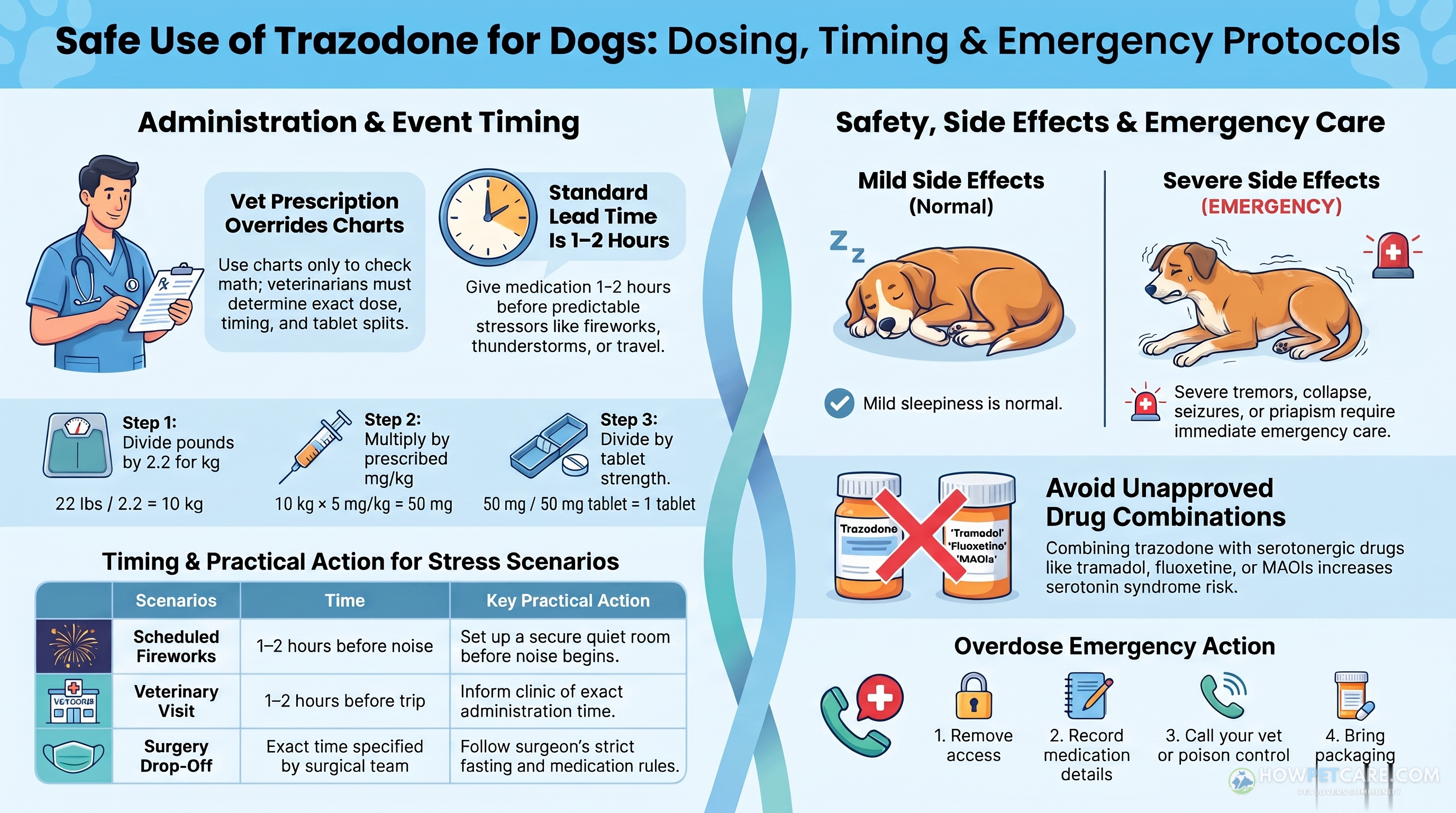
- Convert weight: Divide pounds by 2.2 to estimate kilograms.
- Calculate milligrams: Multiply kilograms by the vet’s prescribed mg/kg per dose.
- Calculate tablets: Divide the prescribed milligrams by the strength of your tablet.
For example, a 22 lb dog weighs about 10 kg. If its vet prescribes 5 mg/kg, the calculation is 10 × 5 = 50 mg per dose, or one 50 mg tablet.
A 44 lb dog weighs about 20 kg. At an example prescription of 5 mg/kg, 20 × 5 = 100 mg per dose: one 100 mg tablet, two 50 mg tablets, or the equivalent in another vet-approved formulation.
These examples don’t establish the right dose for either dog. Also check whether instructions are per dose and how often to give it; a total daily amount isn’t necessarily a single dose.
Watch out for mg per pound: 1 mg/kg is approximately 0.45 mg/lb, not 1 mg/lb. A number copied from a label or website in one unit can’t simply be applied in the other.
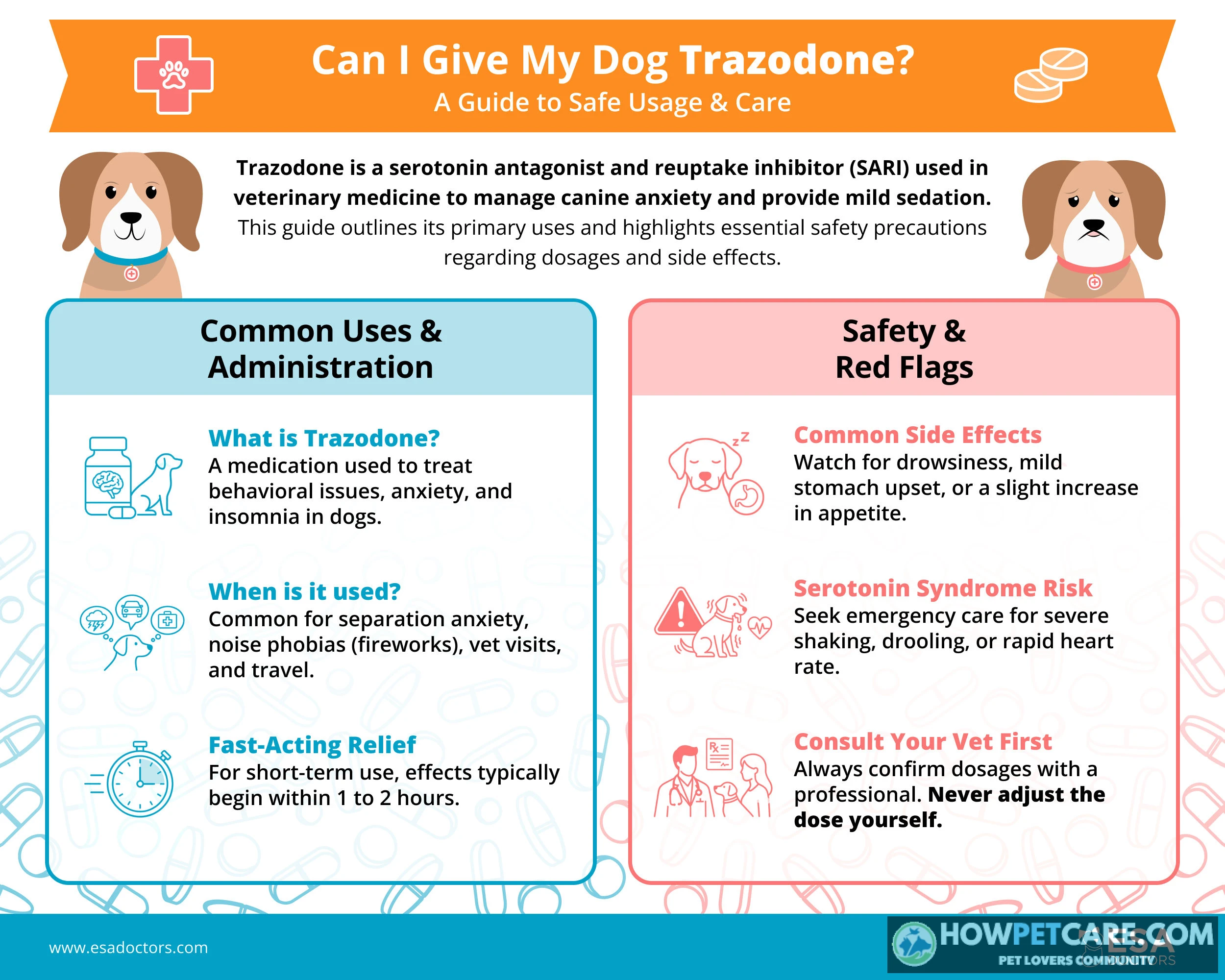
When the chart does not apply: tiny dogs, liver or kidney disease, other medications
For a dog under about 5 kg, an accurately measurable dose may be hard to get from a larger tablet. Ask about an appropriate smaller strength or a pharmacy-compounded liquid rather than eyeballing crumbs. The vet may also change the plan for liver or kidney disease, other medications, daily treatment, or a one-time event.
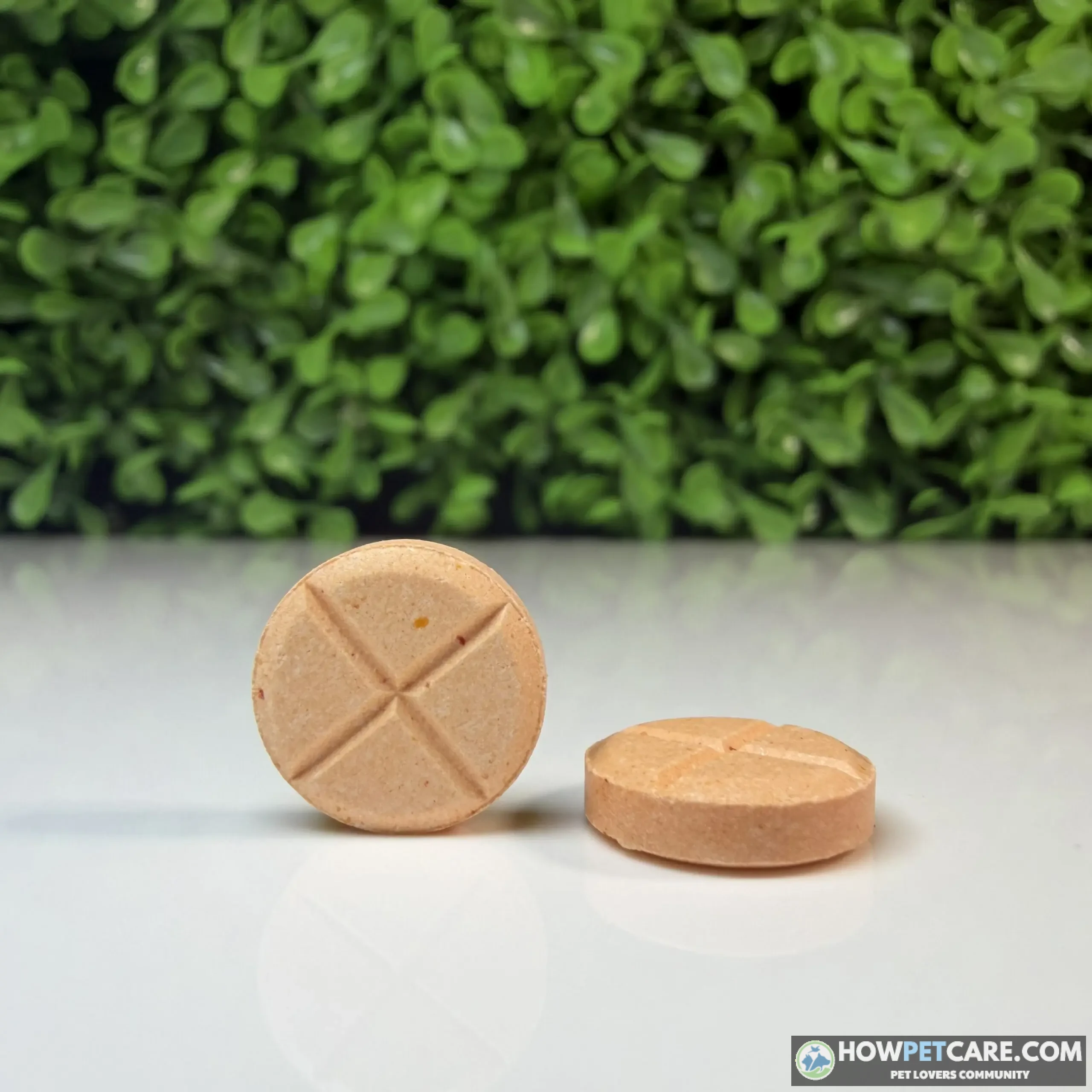
Use a tablet splitter only if the veterinarian or pharmacist confirms that your particular tablet can be divided at the intended score. Don’t assume a score line makes a tablet suitable for quartering or thirds. Never crush or divide an extended-release product unless the dispensing professional specifically confirms what’s allowed.
What Trazodone Does to Dogs: How It Works, How Fast, and How Long It Lasts
What is trazodone and why vets use it off-label
Trazodone hydrochloride is a human antidepressant in a group called serotonin antagonists and reuptake inhibitors, or SARIs. It affects serotonin signaling and is prescribed off-label in veterinary medicine for situational and chronic anxiety. Off-label, also called extra-label, means the veterinarian is prescribing a drug for a use that differs from its approved label; trazodone doesn’t have an FDA-approved canine label.
In practice, a veterinarian may prescribe it for a fearful vet visit, noise phobia, separation anxiety, or post-surgical confinement. It can cause sedation as well as help with anxiety, but a sleepy dog isn’t necessarily a dog whose fear has resolved. For persistent dog anxiety, medication is often one part of a broader behavior and environmental-management plan.

How long does trazodone last in dogs?
Trazodone commonly begins working within roughly one to two hours, although dogs vary. In a post-surgery study, owners reported an onset of approximately 31–45 minutes; a commonly cited effect window is approximately four to 12 hours. A dog’s response may be shorter, longer, or more sedating than expected.
One reported oral elimination half-life was 166 ± 47 minutes. Half-life describes how drug concentrations decline; it is not a promise that calming or sleepiness will end at that time. Ask your vet what duration to expect for your dog and when prolonged sleepiness or wobbliness warrants a call.
Can I give my dog my own trazodone tablets?
Don’t give your own prescription to your dog unless a veterinarian specifically directs you to use that exact product and dose. Strengths and formulations differ, and the vet needs to account for the dog’s health and other medications.
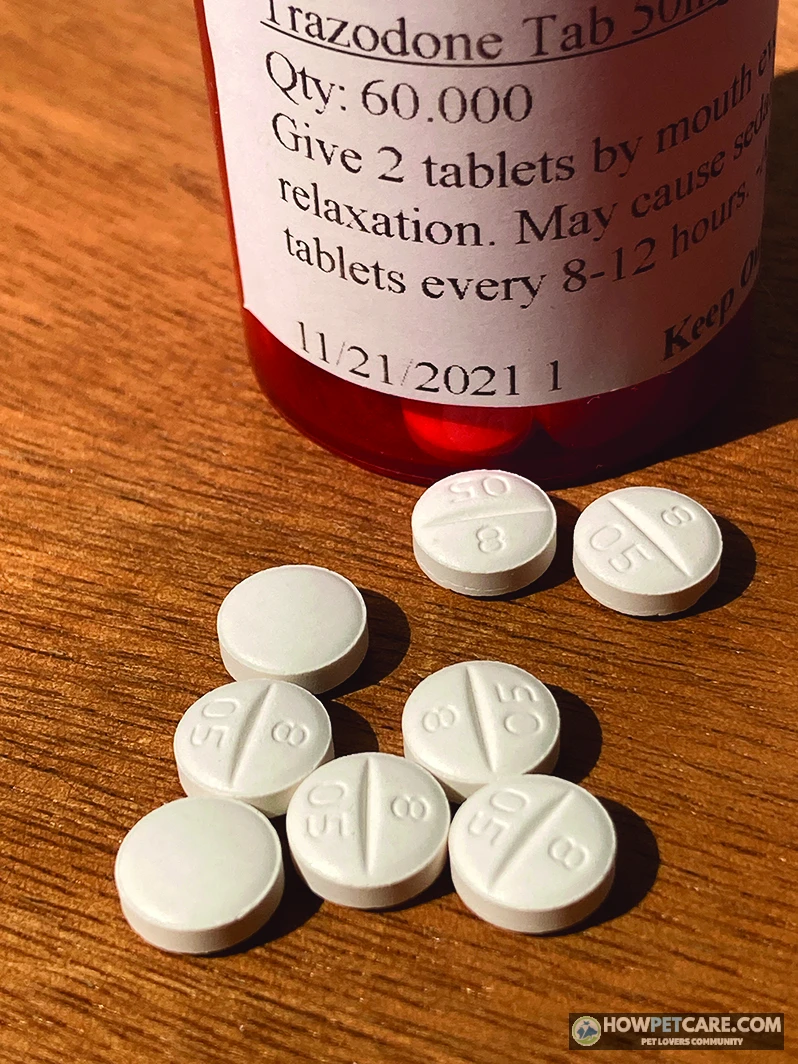
Trazodone requires a veterinary prescription in the United States. It’s not federally scheduled as a controlled substance, and a vet may prescribe generic tablets through a veterinary or human pharmacy. Former human brand names include Desyrel and Oleptro; Oleptro is an extended-release formulation and shouldn’t be treated as interchangeable with an immediate-release tablet.
When to Give Trazodone: Timing Protocols for Fireworks, Thunderstorms, Vet Visits and Surgery Recovery
Why advice varies between 1 hour, 90 minutes and 3 hours
A medication can begin to have an effect before it reaches its strongest effect. Guidance may also refer to different dogs, doses, meals, formulations, or goals — such as taking the edge off fear versus providing more sedation. A reported peak effect around three hours doesn’t mean every dog peaks then, nor does it make three hours the correct lead time for every appointment.
Use the following as planning discussion points, not replacements for the time on your prescription. Ask the clinic to specify when to give the dose relative to the first stressful part of the event — which might be getting into the car, not arriving at the clinic.
| Scenario | Timing to discuss with your vet | Food and practical considerations | Repeat dose |
|---|---|---|---|
| Scheduled fireworks | Ask whether to give it about 1–2 hours before noise is expected; some dogs may need a different lead time. | Set up the quiet room before the noise starts. Ask whether food is appropriate for your dog. | Only if specifically prescribed. |
| Thunderstorms | Give it at the vet-directed time when a credible forecast or alert suggests a storm is approaching. | If thunder has already started, the medication may not act immediately. Use the dog’s safe space and other prescribed strategies. | Only on the vet’s schedule. |
| Vet visit | Ask the clinic whether to give it about 1–2 hours before the trip or appointment. | Tell the clinic when it was given and whether the dog has eaten. | Do not add a dose without clinic instructions. |
| Surgery drop-off | Give it only at the time the surgical team specifies; the plan may include the night before or the morning of surgery. | Follow the surgeon’s fasting and medication instructions, even if your usual routine differs. | Only as the surgical team directs. |
| Car travel | Ask whether to give it about 1–2 hours before departure. | A calm-day trial can help you identify excessive sleepiness or excitement before a long trip. | Ask for a written plan for longer trips. |

Trazodone for dogs during fireworks and thunderstorms
If your vet agrees, try the prescribed dose on a calm day before relying on it for fireworks or a storm. Record when you give it, when you notice changes, how long they last, and whether the dog becomes unusually sleepy, wobbly, or agitated. Share the results before the real event; don’t adjust the dose yourself.
Prepare a secure interior room, close curtains, and use white noise if it helps mask sounds. For unpredictable storms, ask your vet in advance what to do if the forecast changes or the dog is already frightened. Never give a second dose simply because the first hasn’t worked as quickly as you expected.

Before a vet visit or surgery drop-off
A clinical trial found that a single dose given before travel reduced measures of stress and respiratory rate in the veterinary clinic; its study dose was 9–12 mg/kg, which is not an instruction to use that dose at home. Research results support discussing trazodone with your vet, but an individual dog’s response and prescription can differ.
Before anesthesia or surgery, the surgeon needs to know every medication and the time it was given. If the instructions conflict with your usual feeding or medication routine, call the surgical team before making a change.
Trazodone after surgery: the confinement protocol
In a published orthopedic-recovery protocol, trazodone began at approximately 3.5 mg/kg every 12 hours when given alongside tramadol; the reported dose was approximately 7 mg/kg every 12 hours after tramadol was discontinued. This was a supervised study protocol — not a schedule for owners to copy or a reason to increase a dose when pain medicine stops.
Owners reported that trazodone helped dogs tolerate confinement and remain calm during an 8–12-week recovery period. Follow your surgeon’s restrictions on activity, leash walks, and wound care: medication doesn’t replace those instructions.

What to do if you miss a dose
For a regularly scheduled dose, contact your vet if you’re unsure. General missed-dose guidance is to give it when remembered unless the next scheduled dose is close; in that case, skip the missed dose and return to the prescribed schedule. Never double up. For a missed pre-event dose, call the clinic rather than guessing whether to give it late or repeat it.
Is Trazodone Safe for Dogs? Side Effects, Warning Signs and Who Should Not Take It
Trazodone can be useful when a veterinarian selects the patient and dose, but side effects and interactions are possible. Commonly reported effects include sedation, sleepiness, nausea, and diarrhea. In the post-surgical study, 80% of dogs reportedly had no negative side effects; that result describes that study population, not a guarantee for every dog or prescription.
Common and rare side effects of trazodone in dogs
| What you notice | What to do |
|---|---|
| Mild sleepiness or mild wobbliness, with your dog alert and able to move safely | Provide a quiet place away from stairs, note the timing, and tell your vet if it persists, recurs, or concerns you. |
| Vomiting, diarrhea, unexpected agitation, new aggression, or sedation that is more than mild | Call your vet promptly for advice before the next dose. Severe or repeated signs need more urgent assessment. |
| Severe tremors, collapse, seizure, trouble breathing, inability to wake normally, or a hot, agitated dog | Seek emergency veterinary care immediately. These signs can indicate serious toxicity. |
| A persistent or painful erection | Seek urgent veterinary care; this uncommon condition is called priapism. |
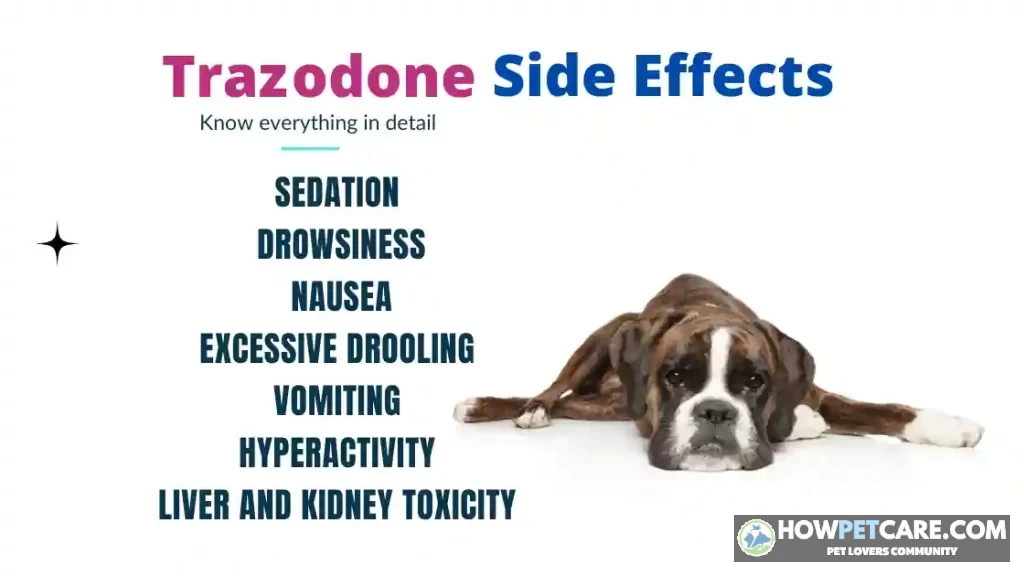
Panting, tremors, a fast heart rate, and dilated pupils can occur with serious reactions, particularly when several signs appear together. Don’t wait for every possible symptom before seeking help.
Trazodone and aggression: what owners of fearful or reactive dogs should know
Some dogs become more agitated or less inhibited instead of calmer. A dog with a bite history or fear-related aggression needs an individualized safety plan: tell the vet about previous incidents and ask whether the first dose should be observed under supervision. Don’t test the medication by exposing the dog to a person or situation that has triggered a bite.
If aggression or unusual excitement appears after a dose, keep people and other animals safe, avoid handling the dog unnecessarily, and call the prescribing vet before giving more. A veterinary behaviorist can help assess persistent fear and develop a behavior plan.

Contraindications: liver, kidney, heart, glaucoma, pregnancy and nursing
Tell the vet about liver or kidney disease, which can affect how medication is handled; heart disease, which can complicate adverse effects; and a history of seizures. Also report glaucoma or eye-pressure problems, since the vet may need to consider medication-related eye risks. These conditions don’t automatically mean every dog must avoid trazodone, but they can change the risk assessment and monitoring plan.
Safety information for pregnant, nursing, and breeding dogs is limited. If your dog is pregnant, may become pregnant, is nursing, or is part of a breeding program, discuss the potential risks and benefits with the veterinarian before starting or continuing treatment.
Trazodone Interactions: Gabapentin, Tramadol, Fluoxetine and Serotonin Syndrome
Give your vet a complete list of prescriptions, over-the-counter products, supplements, and flea or tick treatments. Do this before starting trazodone and whenever another product is added.
Can trazodone be given with gabapentin?
Veterinarians sometimes prescribe trazodone and gabapentin together to help with sedation and stress. The combination can make a dog more sleepy or unsteady, so the vet must set both doses and their timing. Don’t add leftover gabapentin — or increase either medication — without a plan.
Drugs and supplements to avoid combining with trazodone
| Medication or product | Main concern | What to do |
|---|---|---|
| Gabapentin | Additive sedation and wobbliness. | May be used together when specifically prescribed; confirm both doses. |
| Fluoxetine and other SSRIs; clomipramine | Increased serotonin-related risk. | Sometimes used together under veterinary supervision; ask which signs require an urgent call. |
| Tramadol | Serotonin syndrome and additive sedation are concerns. | Do not combine independently; ask whether the vet intends both and how the dog will be monitored. |
| Selegiline, an MAOI; amitraz-containing flea or tick products | Potentially serious serotonin-related interaction. | Tell the vet before use; the combination may need to be avoided and a medication transition planned. |
| Alprazolam, acepromazine, and other sedatives or opioids | Additive sedation and possible other effects, such as low blood pressure. | Use together only when the prescribing vet directs it. |
| Dextromethorphan and St. John’s wort | Potential serotonin-related interaction. | Do not add human cold medicines or supplements without veterinary approval. |
| CBD products | Possible additive sedation and uncertain product strength or interactions. | Bring the product label to your vet before using it. |
Combining trazodone with serotonergic drugs such as tramadol, fluoxetine, or selegiline can increase the risk of serotonin syndrome. A combination used deliberately in one patient isn’t necessarily safe for another.
Signs of serotonin syndrome in dogs
Serotonin syndrome is a potentially life-threatening reaction associated with excessive serotonin activity. Warning signs can include agitation, tremors, a high body temperature, rapid heart rate, vomiting or diarrhea, dilated pupils, and seizures. If you suspect it — especially when signs occur together after medication — seek emergency veterinary care immediately and bring the medication containers.
A dog with severe tremors, collapse, seizures, marked agitation, or difficulty breathing needs emergency assessment, whether or not you know which medication caused the problem.
Trazodone Overdose and Accidental Ingestion: What to Do Step by Step
If your dog swallowed your human trazodone
- Remove access. Move the medication out of reach and keep your dog in a safe place.
- Collect the details. Find the bottle and note the drug name, strength, whether it’s immediate-release or extended-release, the maximum number of tablets missing, the approximate time, and your dog’s weight.
- Call immediately. Contact your veterinarian or the nearest emergency veterinary hospital. You can also call ASPCA Animal Poison Control at 888-426-4435 or Pet Poison Helpline at 855-764-7661; consultation fees may apply.
- Follow the professional’s directions. Don’t induce vomiting or give food, medication, or a home remedy unless instructed. Bring the packaging and any remaining tablets to the hospital.
Call even if your dog looks normal. An extended-release product can lead to delayed or prolonged effects, and the clinic needs that information when deciding how long to monitor.

If you gave a double dose by mistake
Call the prescribing vet, an emergency vet, or a poison-control service promptly with the same details. A double dose isn’t automatically safe just because the medication was prescribed for your dog. Don’t give the next scheduled dose until a veterinary professional tells you what to do.
Possible overdose signs include profound sleepiness, vomiting, wobbliness, tremors, a rapid or irregular heartbeat, seizures, and collapse. If severe signs are already present, leave for the emergency clinic and call ahead if someone can do so safely.
How emergency vets treat overdose and serotonin syndrome
Treatment depends on the amount, timing, formulation, and signs. The veterinary team may recommend decontamination when appropriate, monitoring, IV fluids, and medication to control tremors or seizures. A vet may use cyproheptadine, a serotonin antagonist, to treat serotonin-syndrome signs; it’s not a routine home antidote and shouldn’t be given without veterinary instruction.
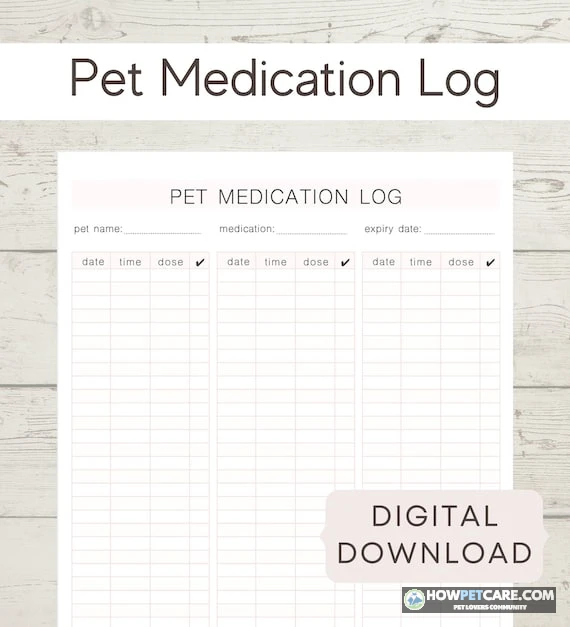
Keep this emergency reminder with your medication log: Remove access → call the vet or poison control → follow instructions → bring the bottle.
Giving Trazodone Every Day: Tolerance, Bloodwork and How to Taper Off
Can I give my dog trazodone every day?
Some dogs receive trazodone daily under veterinary supervision, including as part of a plan for ongoing anxiety or recovery. Daily administration differs from giving a single dose before fireworks; the vet should specify both the amount and the interval.
Evidence is limited on how often dogs develop tolerance or physical dependence with long-term use. If the same dose seems less helpful, don’t assume tolerance or increase it: pain, changes in the environment, progression of anxiety, or another medical issue may also need attention.
Bloodwork and monitoring on long-term trazodone
Ask whether baseline and periodic liver and kidney bloodwork is appropriate for your dog, and how often it should be repeated. The answer depends on age, health, other drugs, and the treatment plan; there’s no one-size-fits-all testing schedule in this guide.
At home, log the dose and time alongside appetite, sleep, wobbliness, anxiety episodes, and any behavior change. Contact the vet if sedation persists, anxiety worsens, or another medication is added.
How to stop trazodone: tapering and relapse
Don’t stop a months-long daily regimen or design a taper without consulting the prescriber. Anxiety may return when treatment changes, and the vet can distinguish a recurrence from another problem and decide whether a gradual reduction is appropriate.
For your appointment, write down the current milligrams per dose, doses per day, start date, and other medications. Ask: Should we reduce one dose at a time or the total daily amount, how long should each step last, and what signs mean we should pause and call? A safe schedule depends on the individual dog and available tablet or liquid strengths; there’s no validated universal taper in the evidence provided here.
Trazodone vs Gabapentin, Alprazolam, Fluoxetine and CBD, Plus Cost and Where to Fill It
Trazodone vs gabapentin for dog anxiety
Neither medication is automatically better. Trazodone may be chosen for a stressful event or as part of a broader anxiety plan; gabapentin may be useful when a vet also wants to address pain or anticipates handling-related stress. A veterinarian may prescribe both, with attention to additive sedation.
The following is a discussion guide, not a substitute for product-specific instructions. Onset, duration, and sedation vary substantially by dog, dose, and formulation.
| Option | Onset | Duration | Sedation potential | Common discussion point | Main caution |
|---|---|---|---|---|---|
| Trazodone | Often within 1–2 hours; individual onset varies. | Often several hours; a 4–12-hour effect window has been reported. | Variable; may be noticeable. | Event-related fear, recovery, or an adjunct in a longer plan; may be scheduled or as needed. | Serotonergic interactions and additive sedation. |
| Gabapentin | Generally hours rather than weeks. | Several hours, depending on the dog and dose. | Variable; sleepiness and wobbliness are possible. | Event-related stress or pain; may be scheduled or as needed. | More sedation when combined with other depressants. |
| Alprazolam | Generally used for a relatively rapid effect. | Hours; varies by dog. | Variable; some dogs become disinhibited or excited. | Selected acute panic or noise-phobia plans, usually as needed. | Sedation, paradoxical behavior, and dependence concerns with repeated use. |
| Fluoxetine | A longer-term medication; behavioral benefit can take weeks. | Not suited to a single-event effect; generally given daily. | Variable; not primarily chosen for immediate sedation. | Ongoing anxiety alongside behavior work. | Serotonergic interactions; ask about transitions between drugs. |
| CBD | Uncertain; products and evidence vary. | Uncertain. | Variable; sleepiness can occur. | Discuss only as a possible adjunct, not a proven substitute for a treatment plan. | Product quality, interactions, and possible THC exposure. |
Which option fits which situation
For predictable event-related fear, ask about trazodone, gabapentin, or a vet-directed combination. For acute panic or severe noise phobia, a veterinarian may consider another option such as alprazolam, accounting for the dog’s behavior and medical history. For persistent separation anxiety, a daily medication such as fluoxetine or clomipramine may be considered alongside behavior modification; trazodone may be an adjunct rather than a cure.
CBD products differ in composition and quality, and evidence for treating canine anxiety remains limited. Tell your vet about any product you’re considering rather than combining it with prescribed sedatives on your own.
What trazodone costs and where to fill it
Generic trazodone is commonly dispensed through veterinary and human pharmacies. Prices vary by pharmacy, strength, quantity, insurance or discount program, and whether a compounded product is needed. A larger dog may need more milligrams, but weight alone doesn’t determine the monthly cost.
To compare quotes, ask the pharmacy for the price of the actual prescribed quantity. For a fixed daily schedule, multiply tablets per day by the number of days supplied, then compare the total price and any dispensing fee. Ask separately about the cost and shelf life of a compounded flavored liquid or smaller dose if your dog can’t take an accurately divided tablet. Don’t assume compounded products are interchangeable without confirming the concentration and dose with the pharmacist.
Your Trazodone Checklist: What to Confirm With Your Vet Before the First Dose
- Confirm the prescription: What is my dog’s dose in mg/kg, milligrams, and exact tablets or measured liquid? How often may I give it?
- Plan the event: What time should I give it before the trip, fireworks, or surgery? Should I give it with food, and do fasting instructions apply?
- Ask about a trial: Can we try the prescribed dose on a calm day, and what degree of sleepiness or wobbliness should prompt a call?
- Review risks: Bring your dog’s current weight, health conditions, bite or aggression history, and every medication, supplement, and flea or tick product.
- Clarify repeat and missed doses: Can the dose ever be repeated for a long event? What should I do if it’s missed or accidentally doubled?
- Set a monitoring plan: Ask whether bloodwork is appropriate and how to reassess or taper if treatment becomes daily.
- Prepare your home: Store medication out of reach, label any vet-approved split pieces, and log each dose, time, and observed effect.
- Save emergency contacts: Record your vet’s number, the nearest emergency hospital, ASPCA Animal Poison Control at 888-426-4435, and Pet Poison Helpline at 855-764-7661.
- Ask about a referral: If anxiety persists, medication causes concerning behavior, or your dog has a bite history, ask whether a veterinary behaviorist should join the care plan.
1A dog owner needs to calculate a prescribed dose of 5 mg/kg for a dog weighing 44 lb. The owner mistakenly applies the dosage rate as 5 mg/lb instead of converting the weight to kilograms first. What is the difference in total milligrams between the incorrect calculation and the correct calculation?
Converting 44 lb yields 20 kg, which requires 100 mg at 5 mg/kg. Calculating 5 mg/lb on 44 lb yields 220 mg, creating a 120 mg overdosage error.
2A dog is given an oral dose of trazodone, which has a reported oral elimination half-life of approximately 166 minutes. What does this half-life value indicate regarding the medication's clinical effect in the body?
Elimination half-life measures drug clearance from plasma, whereas behavioral calming and sedation windows frequently extend beyond this clearance rate.
3Which of the following medications or products present a heightened risk for serotonin syndrome or severe adverse drug interactions when combined with trazodone without strict veterinary supervision?
Combining tramadol with trazodone elevates serotonin activity and significantly increases the risk of serotonin syndrome and additive sedation.
4A dog owner is preparing for a scheduled thunderstorm or fireworks event. According to standard planning guidelines, what is the most appropriate strategy for administering prescribed trazodone?
Giving the medication 1–2 hours prior allows it to take effect before acute fear escalates, and a prior trial run identifies potential side effects safely.
5An owner notices several physical changes in a dog after administering a prescribed dose of trazodone. Which set of symptoms represents an immediate medical emergency requiring urgent veterinary care rather than home monitoring?
These systemic warning signs indicate life-threatening toxicity, severe central nervous system dysfunction, or serotonin syndrome.
6Which rule must be strictly followed when preparing or dividing oral trazodone tablets for canine administration?
Crushing or splitting extended-release products breaks the specialized delivery matrix, leading to rapid drug dumping and toxicity.
7If a dog has been receiving trazodone daily for several months for chronic anxiety, which steps should an owner take when managing or modifying the regimen?
Abruptly stopping long-term psychotropic medication can cause anxiety recurrence or withdrawal effects, making a planned taper essential.
8How does trazodone's operational profile compare to fluoxetine when managing canine behavioral conditions?
Trazodone provides rapid situational relief and sedation, while fluoxetine is a daily maintenance SSRI requiring weeks to alter baseline neurochemistry.
FAQ
Is trazodone a controlled substance for dogs?
No. Trazodone is not a federally controlled substance in the US, but it is a prescription-only drug, so you need a veterinary prescription to fill it.
Can I crush trazodone and hide it in my dog’s food?
Immediate-release tablets can be split, and many owners hide the pieces in a small amount of food. Never crush extended-release tablets, and ask your vet before giving the dose with a full meal, since food can slow absorption.
Can I give a second dose if the first one didn’t calm my dog?
Do not repeat the dose on your own. Some vets allow a repeat dose after a set interval for long events, so ask for that instruction ahead of time.
Will trazodone alone fix separation anxiety?
Usually not. Vets typically use it as an add-on to behavior modification and, for ongoing cases, a daily medication such as fluoxetine.
Does trazodone make dogs sleepy all day?
It can cause drowsiness for several hours, and the depth varies by dog and dose. A dog that stays heavily sedated or wobbly well beyond the expected window should be reported to the vet.