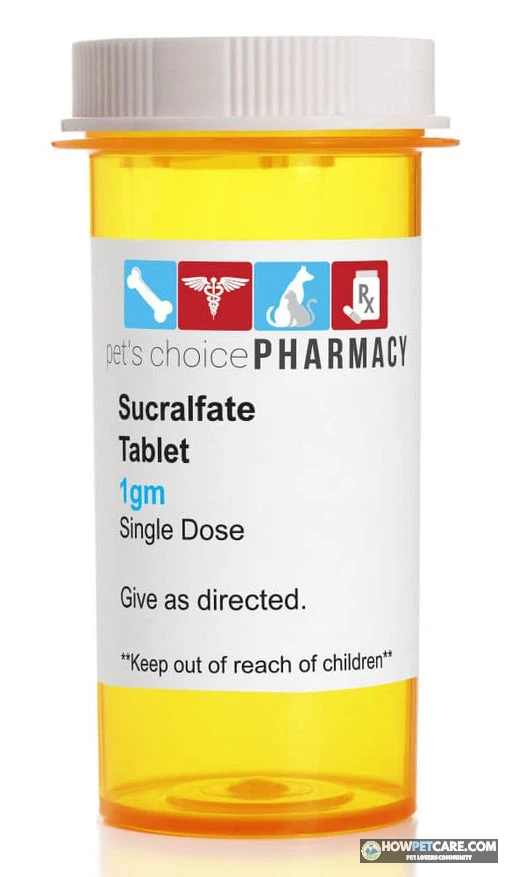

Sucralfate is a prescription ulcer medication that forms a protective "bandage" over damaged tissue in a dog’s stomach and esophagus. Dogs typically receive 0.5–1 gram every 8–12 hours on an empty stomach — at least 1 hour before or 2 hours after food — and spaced 2 hours away from other oral medications.
When a veterinarian prescribes sucralfate for your dog, the pill bottle label often leaves out the most critical instructions. You might see an instruction such as "give every 8 to 12 hours," but no mention of whether to give it with dinner, how to handle your dog’s other medications, or why giving an intact tablet might prevent the drug from working at all.
Sucralfate (commonly known by the human brand name Carafate) is a gastrointestinal protectant. Rather than shutting down stomach acid, it acts as a physical "liquid bandage" that binds directly to ulcers, erosions, and inflamed mucosal tissue throughout the esophagus and stomach. Because this medication relies on direct physical contact with damaged tissue, successful treatment comes down to three operational rules: giving the right weight-based dose, administering it on a strictly empty stomach, and spacing it carefully away from other oral drugs.
All use of sucralfate in dogs is off-label, meaning it is an FDA-approved human medication that veterinarians prescribe under discretionary clinical authority. This guide provides the practical schedules, weight charts, and slurry preparation steps you need to administer this medication safely. Always treat these guidelines as structured talking points for your prescribing veterinarian, whose specific clinical instructions always take precedence.
What Sucralfate Does for Dogs and the Three Rules That Matter Most
Sucralfate is a specialized chemical complex composed of sucrose octasulfate combined with aluminum hydroxide. Unlike systemic medications that absorb into the bloodstream to alter organ function, sucralfate works almost entirely through local, surface-level contact inside the digestive tract.
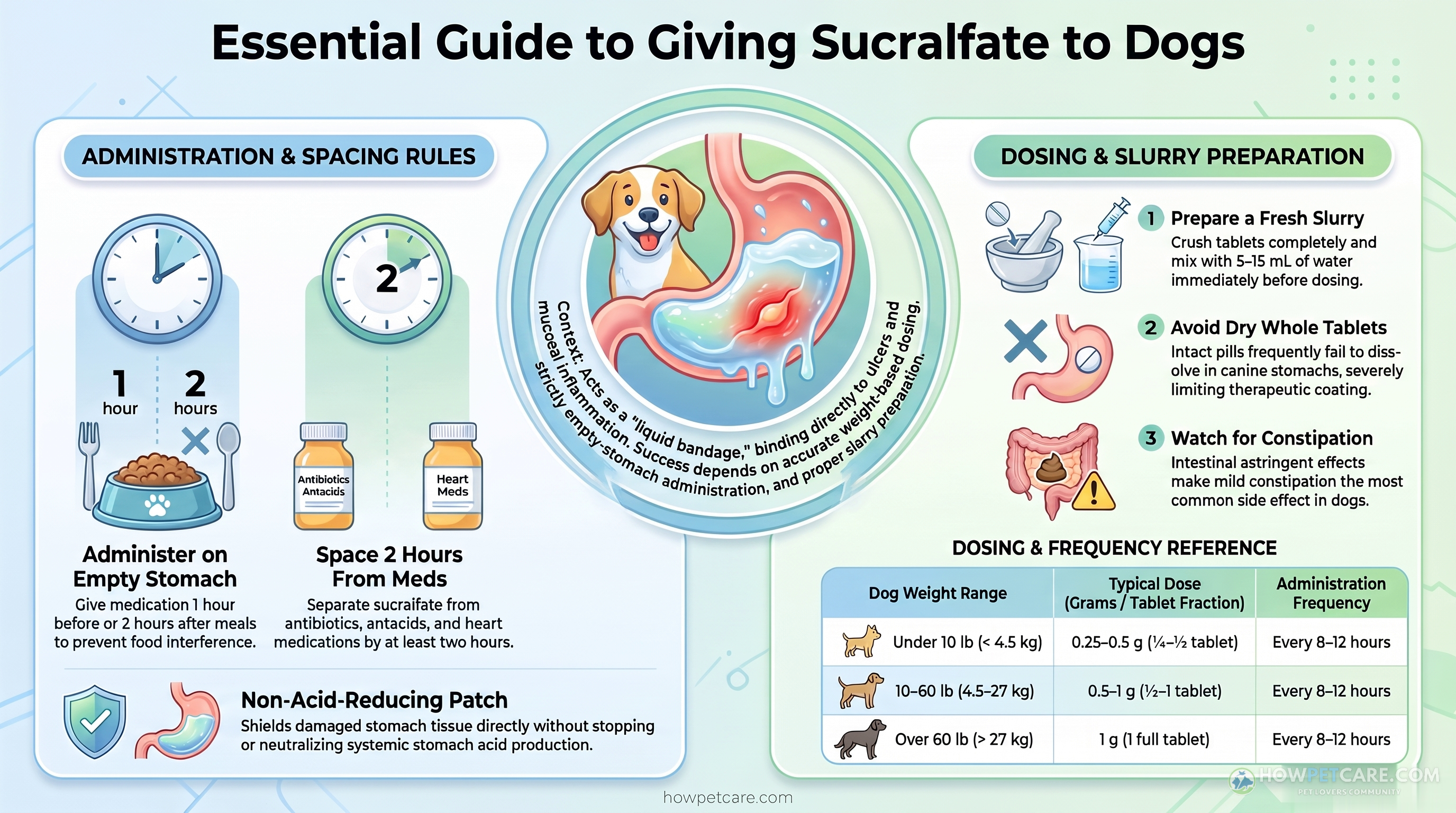
To understand why administration rules are so strict, you must understand the three non-negotiable principles of how to give sucralfate to a dog:
- Give the dose your vet calculated for your dog’s size. While human patients frequently take a standardized 1-gram dose regardless of body mass, canine doses scale based on weight or broad clinical size bands.
- Administer on a strictly empty stomach. Food coats the stomach lining and binds to sucralfate molecules, neutralizing the drug before it can stick to raw tissue.
- Separate sucralfate from other oral medications by at least two hours. The aluminum hydroxide component binds tightly to many other drugs, preventing your dog’s system from absorbing them.
How sucralfate works in the stomach and esophagus
In the acidic or neutral environment of the stomach and upper digestive tract, sucralfate undergoes a chemical transformation. The sucrose octasulfate molecules dissociate and cross-link into a sticky, viscous paste. This paste carries a strong negative electrostatic charge, which causes it to form a durable complex with positively charged proteins—such as albumin and fibrinogen—exposed at the base of ulcers, erosions, and inflamed tissue.
Once bound, this mucosal barrier shields the ulcerated tissue from stomach acid, pepsin (a digestive enzyme), and bile salts for several hours. This physical shield buys the delicate tissue time to regenerate. Beyond passive protection, the local reaction stimulates endogenous mucosal prostaglandins and epidermal growth factors, which actively accelerate tissue repair.
What it is prescribed for, and what it does not treat
Veterinarians routinely prescribe sucralfate for dogs facing specific forms of upper GI injury:
- Gastrointestinal ulcers: Gastric and duodenal ulcers caused by underlying disease or physiologic stress.
- Post-NSAID or steroid injury: Mucosal damage following adverse reactions to non-steroidal anti-inflammatory drugs (such as carprofen or meloxicam) or corticosteroids.
- Reflux esophagitis: Chemical burns in the esophagus caused by persistent vomiting or acid reflux under general anesthesia.
- Gastritis and GI bleeding: Generalized stomach inflammation where micro-ulcers cause blood loss, seen as dark flecks in vomit or melena (black, tarry stool).
It is just as important to understand what sucralfate does not do. Sucralfate is not a systemic acid reducer; it does not turn down stomach acid production. It does not treat the underlying cause of vomiting in dogs, nor does it resolve systemic organ diseases. For example, in dogs with pancreatitis, vets sometimes prescribe sucralfate as a supportive protectant if secondary stomach ulceration or persistent nausea occurs, but sucralfate does not treat or cure inflammation in the pancreas itself.
Sucralfate does not neutralize or stop the production of stomach acid. It is strictly a physical patch for damaged tissue. If your dog needs acid suppression, your veterinarian must prescribe a dedicated acid reducer alongside it.
Sucralfate Dosage for Dogs by Weight: Typical Ranges to Confirm With Your Vet
In canine medicine, oral sucralfate dosing typically falls between 0.5 grams and 1 gram per dog, administered every 8 to 12 hours. Some veterinary references and protocols indicate dosing 2 to 4 times daily depending on whether the clinic is managing a localized stomach ulcer or widespread reflux esophagitis.
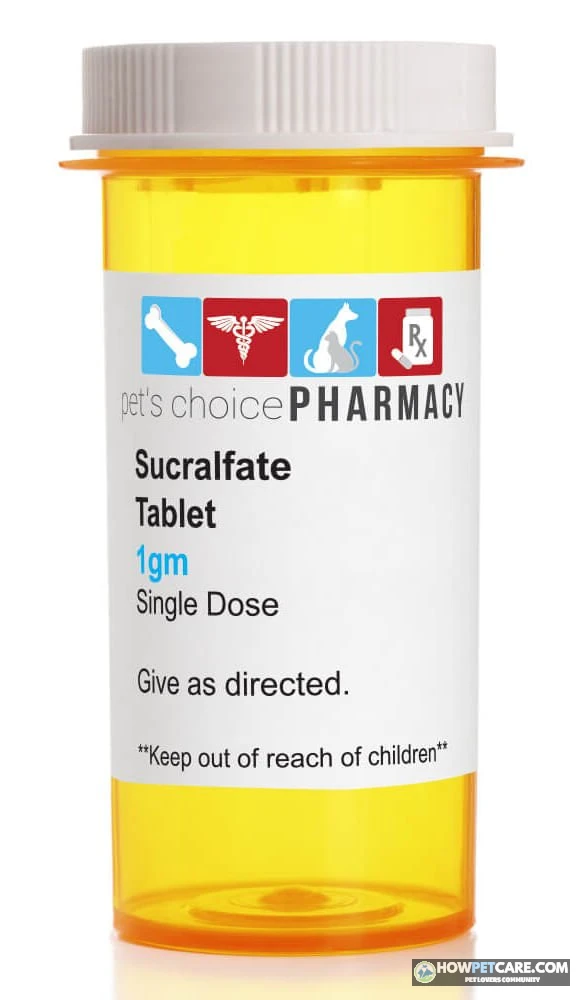
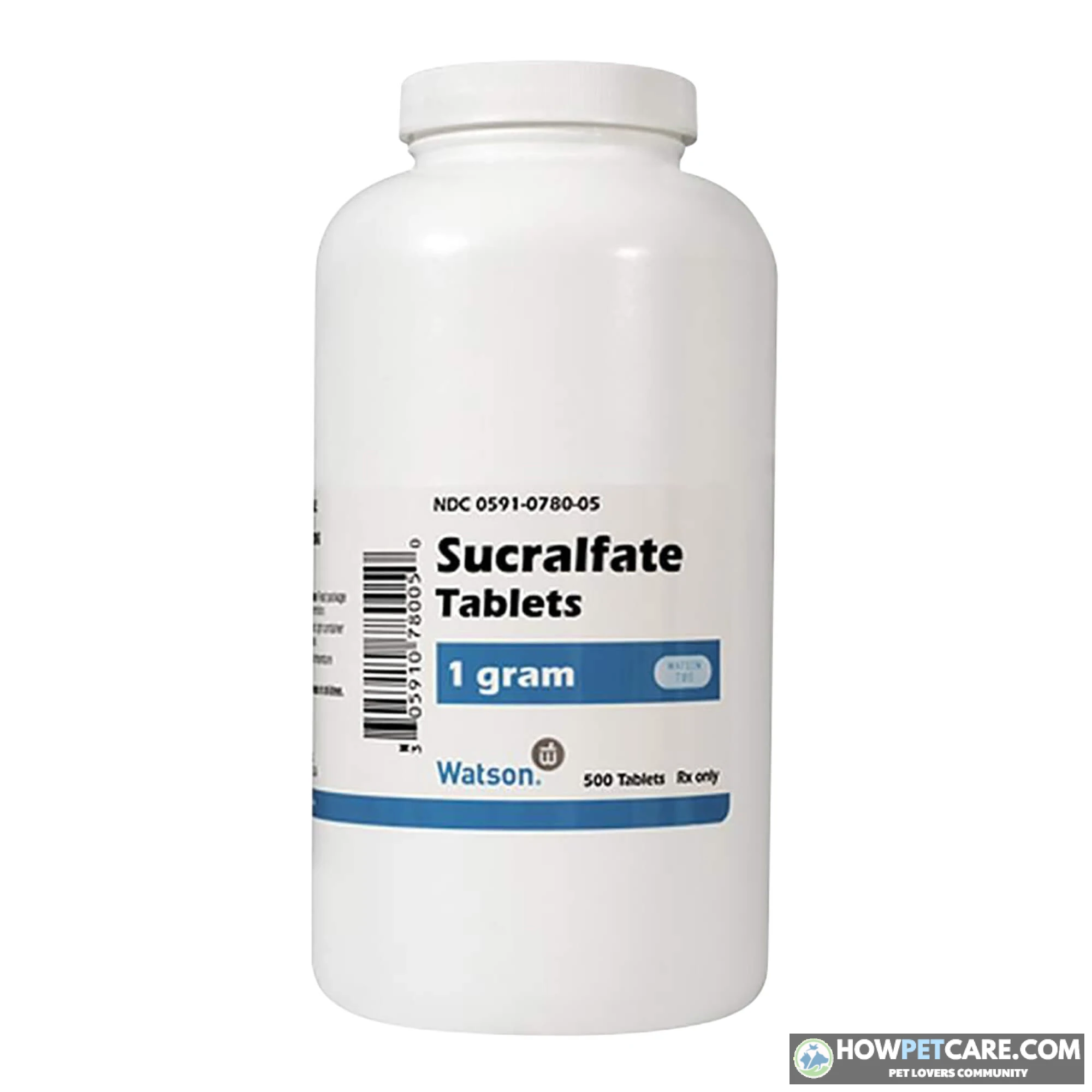
Because commercial sucralfate tablets come primarily in a 1-gram (1,000 mg) human tablet size, small and medium dogs receive fractional portions. The dosing chart below illustrates standard clinical reference ranges. Use these numbers to understand your dog’s prescription label, never as a self-dosing tool.
Dose by weight chart (small, medium, large dogs)
| Dog weight (lb / kg) | Typical dose per administration (g / mg and fraction of a 1 g tablet) | Typical frequency | Notes to discuss with your vet |
|---|---|---|---|
| Under 10 lb (under 4.5 kg) | 0.25–0.5 g (250–500 mg; ¼–½ tablet) | Every 8–12 hours | Small dogs are often prescribed a slurry or suspension for accuracy — ask if splitting a ¼ tablet is precise enough |
| 10–30 lb (4.5–14 kg) | 0.5 g (500 mg; ½ tablet) | Every 8–12 hours | Ask whether your vet prefers a scored tablet split or a measured liquid dose |
| 30–60 lb (14–27 kg) | 0.5–1 g (500 mg–1 g; ½–1 tablet) | Every 8–12 hours | Confirm whether the dose is weight-based or a flat dose for your dog’s condition |
| Over 60 lb (over 27 kg) | 1 g (1,000 mg; 1 tablet) | Every 8–12 hours (occasionally every 6–8 hours) | Ask if frequency changes with the severity of the ulcer or esophagitis |
Converting between tablets and liquid suspension doses
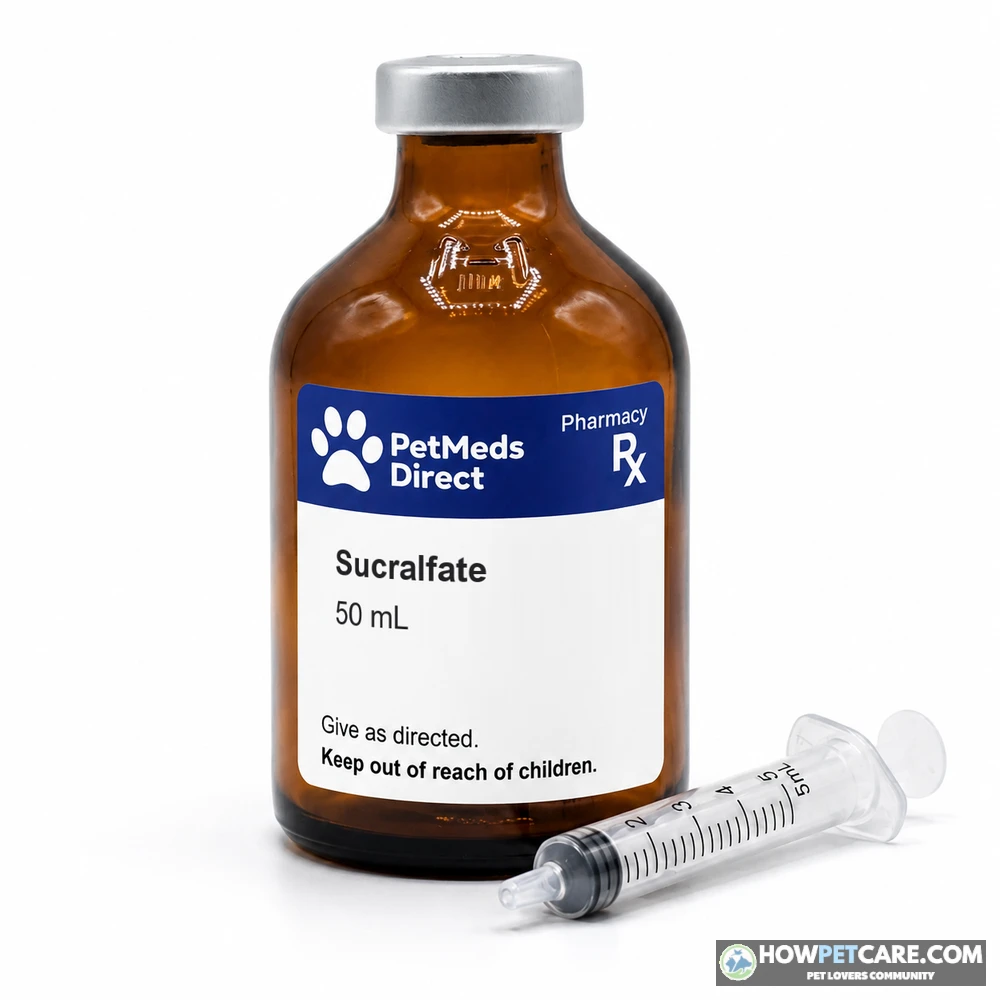
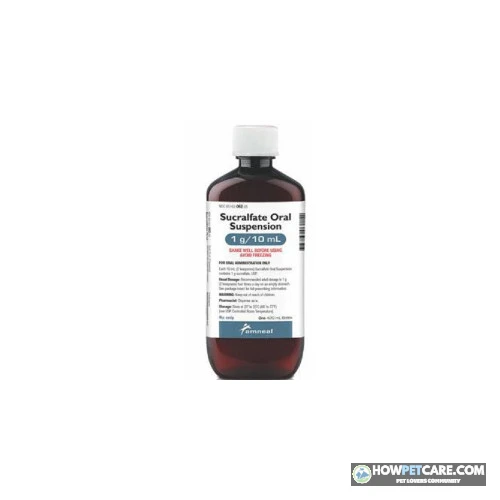
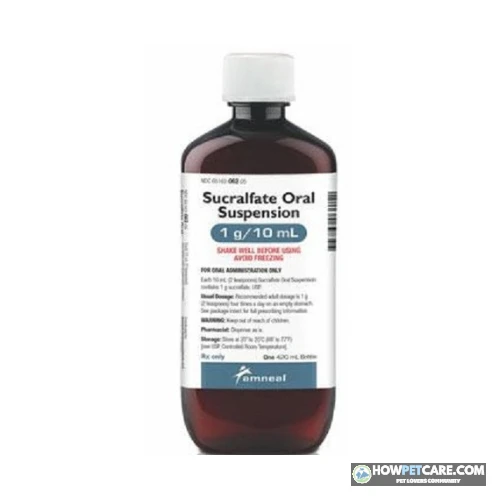
Commercial human liquid sucralfate suspension is standardized at 1 gram per 10 mL (100 mg/mL). If your veterinarian prescribes the liquid form rather than tablets, the volume in milliliters corresponds directly to the gram weight:
- 0.25 g dose (250 mg): 2.5 mL of 1 g/10 mL suspension
- 0.5 g dose (500 mg): 5.0 mL of 1 g/10 mL suspension
- 1.0 g dose (1,000 mg): 10.0 mL of 1 g/10 mL suspension
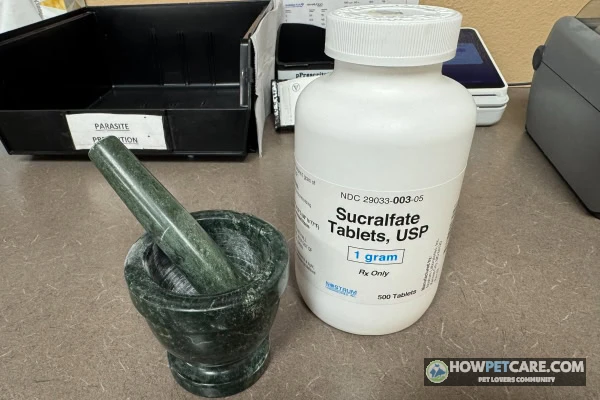
If you are splitting sucralfate 1 gram tablets by weight, use a dedicated pill splitter. Manufactured 1-gram tablets are large, oblong, and chalky. While they often feature a functional score line down the middle for splitting into 0.5-gram halves, cutting them into 0.25-gram quarters with a kitchen knife often crushes the tablet into an uneven powder. If your toy-breed dog requires a quarter tablet, crushing the whole pill and mixing it into a measurable liquid volume provides a much more accurate dose than guessing with broken chalk crumbs.
Why your vet’s dose may differ from the chart
Do not be alarmed if your veterinarian’s label differs slightly from the reference table above. Clinical dosing strategies vary across veterinary practices:
- Target tissue: Esophagitis generally requires lower, more frequent liquid doses (every 6 to 8 hours) to maintain continuous coating on the throat, whereas a gastric ulcer in the stomach cavity is often managed with larger doses spaced 8 to 12 hours apart.
- Flat dosing vs. strict mg/kg: Many clinicians use standardized "size-bracket" dosing (e.g., 0.5 g for any dog under 30 pounds, 1.0 g for any dog over 30 pounds) because sucralfate is not absorbed systemically and carries a wide safety margin.
- Concurrent conditions: Dogs with impaired gut motility or kidney concerns may receive adjusted doses to prevent severe constipation.
Never increase your dog’s dose because symptoms seem severe, and never share sucralfate between pets. Always confirm with your vet whether the prescribed quantity is measured in grams, fractions of a tablet, or milliliters of liquid suspension.
Giving Sucralfate on an Empty Stomach: Timing and a Sample Daily Schedule With Other Meds
Administering sucralfate correctly is primarily an exercise in calendar and clock management. The drug begins providing local mucosal protection within 1 to 2 hours of administration. However, if that dose collides with a meal or another medication in the digestive tract, its therapeutic value drops significantly.
How long before meals, and what if the dog vomits on an empty stomach
Sucralfate must be given at least 1 hour before a meal, or at least 2 hours after a meal. In simple terms, the stomach must be empty of food proteins. If you give sucralfate with kibble, canned food, or a pill pocket, the sucrose octasulfate binds directly to dietary proteins in the food bowl rather than the damaged stomach wall.
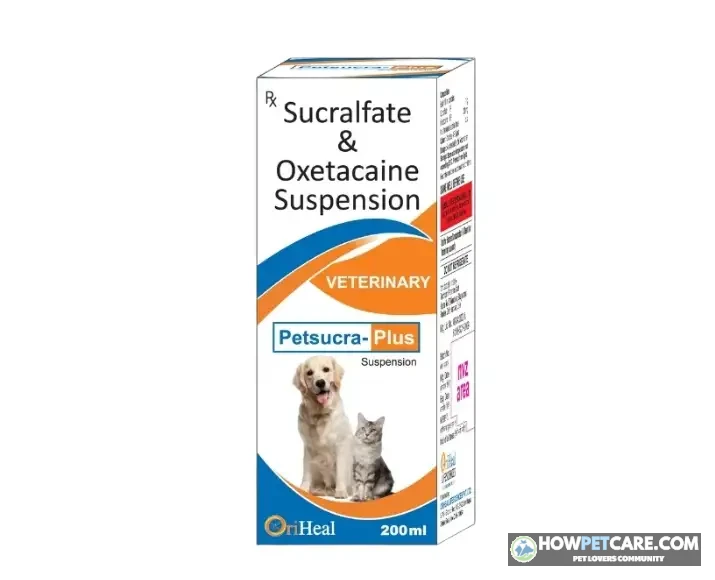
What should you do if your dog vomits when given medication on an empty stomach? Dogs experiencing severe nausea or acid accumulation often retch if given liquids or pills without food. If this happens:
- Do not immediately force another dose.
- Contact your veterinarian to ask about an anti-nausea injection or oral medication (such as maropitant or ondansetron).
- In select circumstances, your vet may permit a tiny "vehicle"—such as half a teaspoon of low-sodium broth or a single pea-sized drop of baby food—to ease administration without completely coating the stomach lining. Never make this adjustment without explicit clinical approval.
Which medications sucralfate can block
Because sucralfate contains aluminum hydroxide, it physically binds to numerous oral compounds in the stomach lumen. This interaction significantly reduces the absorption and systemic bioavailability of several vital canine medications:
- Fluoroquinolone antibiotics: Ciprofloxacin absorption is heavily suppressed. Interestingly, controlled canine pharmacokinetic data shows that co-administering sucralfate with enrofloxacin does not significantly alter enrofloxacin’s bioavailability in dogs. Despite this specific pharmacokinetic exception, most veterinary internal medicine specialists still recommend separating all fluoroquinolones by 2 hours as a safety precaution.
- Tetracycline antibiotics: Doxycycline and minocycline bind strongly to multivalent aluminum cations, forming non-absorbable chelates that pass straight out in the stool.
- Cardiovascular and endocrine drugs: Digoxin, heart drugs like pimobendan, theophylline, and certain thyroid hormone replacements experience reduced bioavailability if given alongside sucralfate.
- Antacids: Over-the-counter antacids containing aluminum, calcium, or magnesium should be separated from sucralfate by at least 30 minutes to prevent chemical interference.
The standard clinical rule: Administer all other oral medications at least 2 hours before, or 2 hours after, the sucralfate dose.
Sample schedule: sucralfate, meals, antibiotic, and omeprazole
Managing a sick dog on multiple common dog medications can quickly feel overwhelming. Below is a worked 14-hour daily timeline showing how an owner can successfully coordinate sucralfate, an antibiotic (such as doxycycline), an acid reducer (omeprazole), and two daily meals.
| Time | What to give | Food status | Why it is timed this way |
|---|---|---|---|
| 7:00 AM | Sucralfate dose | Empty stomach | Coats the stomach lining before food arrives; needs ~1 hour before breakfast |
| 8:15 AM | Omeprazole | Empty stomach | PPIs work best ~30–45 minutes before the day’s first meal |
| 9:00 AM | Breakfast | Fed | ~2 hours after sucralfate, so food doesn’t block the protective coating |
| 10:00 AM | Doxycycline | With a small bite of food if it causes nausea | 3+ hours after sucralfate — well past the ~2-hour spacing rule for antibiotics sucralfate can bind |
| 7:00 PM | Sucralfate dose | Empty stomach | Same pre-meal logic as the morning dose |
| 9:00 PM | Dinner | Fed | Keeps a consistent 12-hour rhythm the household can actually follow |
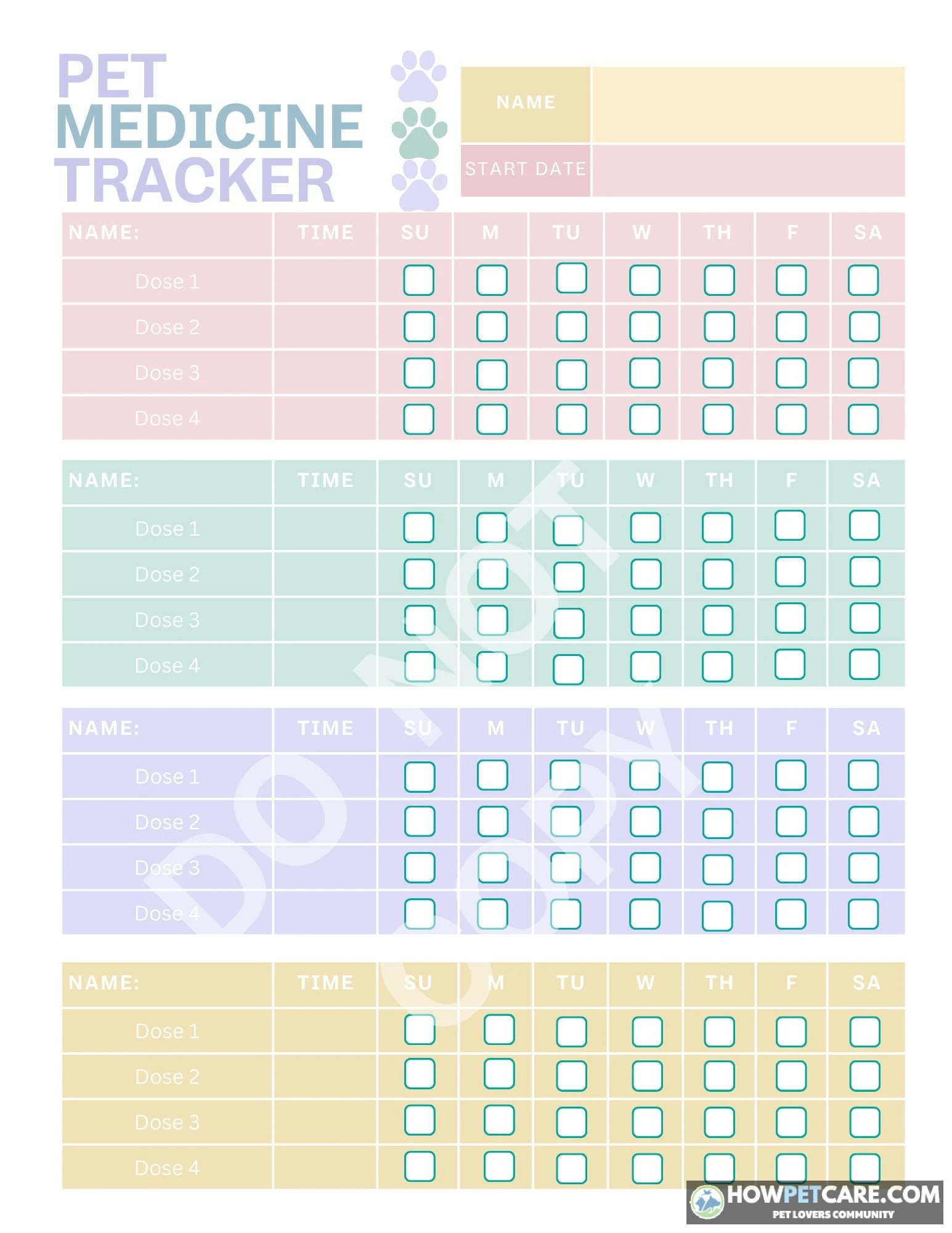
If your household manages a different combination of drugs, use this blank planning framework to map your intervals with your veterinarian or veterinary pharmacist:
| Time | Medication & Dose | Stomach Status (Empty vs. Fed) | Spacing from Sucralfate (Hours) |
|---|---|---|---|
| : | _____ | __ | ___ |
| : | _____ | __ | ___ |
| : | _____ | __ | ___ |
| : | _____ | __ | ___ |
Suspension vs. Crushed Tablets: How to Make a Sucralfate Slurry Step by Step
One of the most consequential findings in recent veterinary gastroenterology is buried deep within the American College of Veterinary Internal Medicine (ACVIM) 2018 consensus statement: intact, dry sucralfate tablets frequently fail to disintegrate completely in the canine gastrointestinal tract.
When an owner pills a dog with an intact sucralfate tablet, the pill often stays partially intact, rolls through the stomach, and is passed in the feces without ever establishing a uniform therapeutic layer over the ulcerated tissue. Consequently, liquid suspension or a freshly prepared tablet "slurry" is significantly more effective than administering whole pills.
Which form to ask your vet for
You have three practical product choices, each with distinct trade-offs:
- Generic human tablets (1 gram): Highly affordable and readily available at retail pharmacies. They require physical crushing and mixing with water before every dose.
- Commercial human suspension (Carafate / generic): A pre-mixed, smooth liquid (1 g/10 mL). It eliminates the need for pill crushers but carries a shorter shelf life once opened and is substantially more expensive.
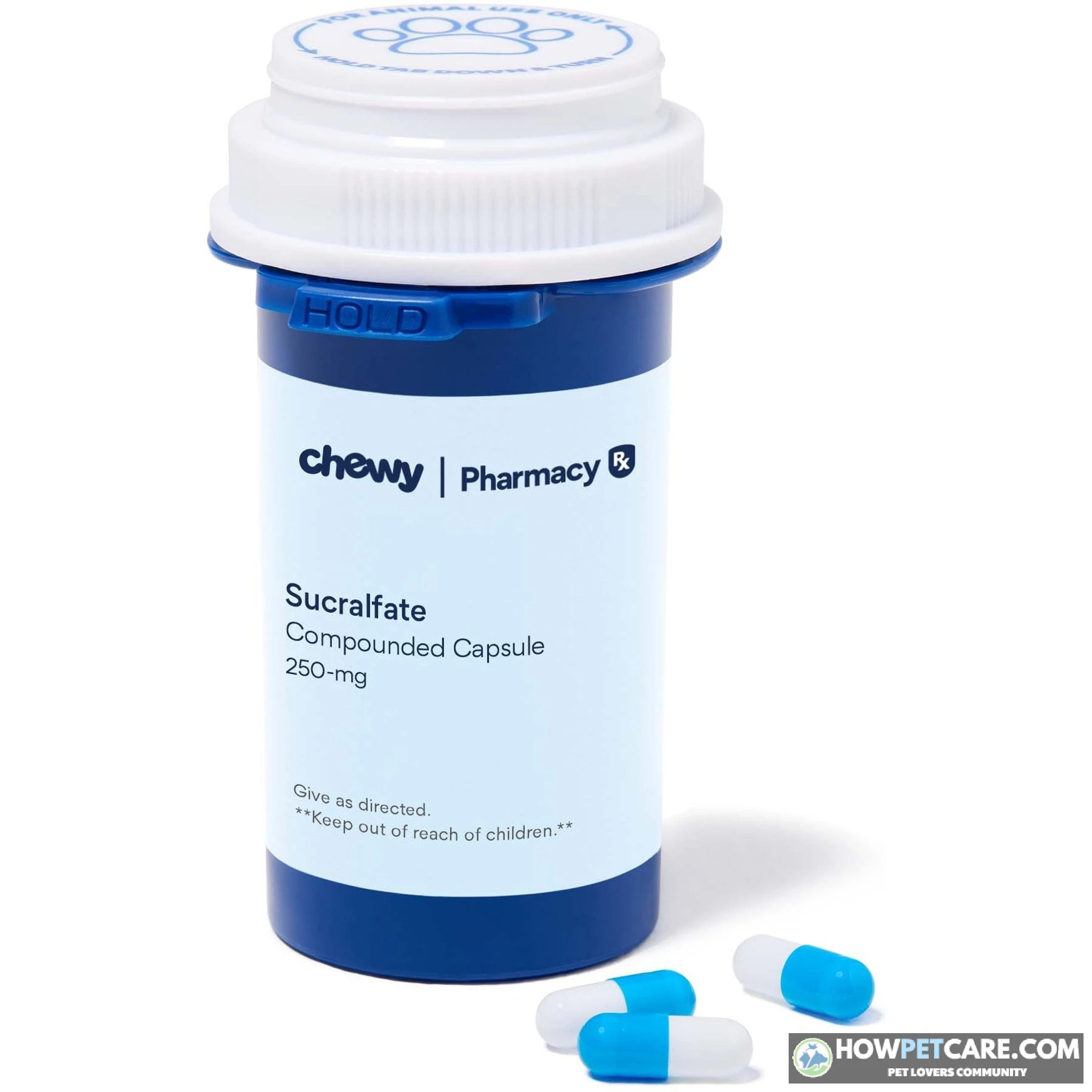
- Veterinary compounded liquids: Prepared by specialized compounding pharmacies with pet-friendly flavorings (such as chicken or beef) and custom concentrations. Compounding adds convenience for long-term administration but increases cost.
Slurry recipe and syringe technique
If you were dispensed standard 1-gram tablets, do not attempt to force your dog to swallow them dry. Instead, prepare a fresh slurry immediately prior to each administration.
-
Confirm the prescribed dose
Check your medication label to verify whether your dog requires a full 1 g tablet, a 0.5 g half-tablet, or a 0.25 g quarter-tablet.
-
Crush the tablet thoroughly
Pulverize the tablet piece into a fine, flour-like powder using a commercial pill crusher or a mortar and pestle. Eliminating hard chunks ensures the mixture can pass through an oral syringe.
-
Add room-temperature water
Add approximately 5 to 15 mL of plain tap water per 1 gram of tablet. Stir or swirl the mixture in a small medicine cup until it forms an opaque, pourable liquid paste.
-
Draw into an oral dosing syringe
Immediately draw the suspended liquid into a clean, needleless oral dosing syringe (a 10 mL or 20 mL syringe works well for most dogs).
-
Administer into the cheek pouch
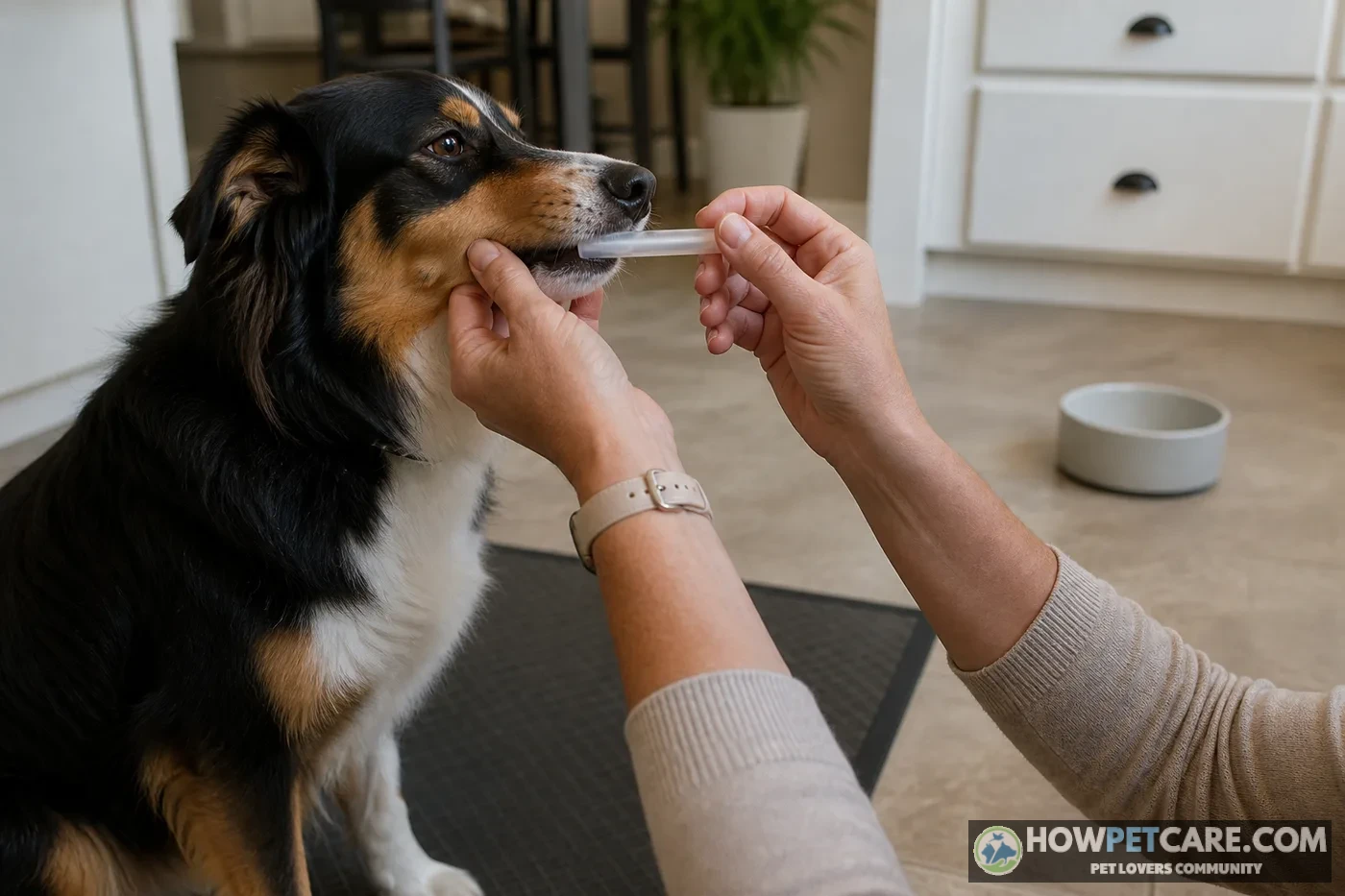
Gently insert the syringe tip into the pocket between your dog’s back teeth and cheek. Keep the dog’s head level—never tilt the nose upward toward the ceiling, which invites choking—and depress the plunger slowly, allowing your dog to swallow in small increments.
-
Offer a clean water chaser
If approved by your vet, draw 2 to 3 mL of plain water into the syringe and administer it to rinse any remaining chalky residue from your dog’s mouth and esophagus.
Common slurry mistakes
Avoid these three common errors when preparing a sucralfate slurry at home:
- Mixing the slurry into food: It is tempting to pour the chalky liquid over a scoop of wet food. Doing so binds the active molecules to meat proteins and completely defeats the empty-stomach rule.
- Batching a full day’s supply: Chemical stability data for homemade tap-water slurries is limited. The suspended particles settle, clump, and may degrade over several hours. Prepare each dose fresh right before you give it.
- Pilling whole tablets to save time: Even if your dog readily swallows whole pills hidden in a tiny treat, the ACVIM consensus confirms that intact tablets simply do not disperse effectively over canine gastric tissue. Take the extra two minutes to dissolve the dose.
Sucralfate Side Effects in Dogs, Missed or Vomited Doses, and What to Do After an Overdose
Because sucralfate works locally and undergoes almost no systemic absorption into the bloodstream, it has one of the safest pharmacological profiles in veterinary medicine. Nonetheless, owners must watch for predictable digestive changes and specific red-flag symptoms.
Side effects you may see and what to do
The aluminum hydroxide component acts as an intestinal astringent, slowing down motility and drawing fluid out of the lower bowel. In human clinical trials, constipation occurs in roughly 1% to 3% of patients, and it represents the single most common side effect observed in dogs.
If your dog experiences mild constipation (passing firmer, drier stools or skipping a single bowel movement while remaining otherwise bright and active), continue the medication and alert your veterinarian at your next check-in. Never administer human over-the-counter laxatives, mineral oil, or high-fiber supplements without explicit veterinary direction, as these can physically interfere with sucralfate’s mucosal barrier.
Occasional mild nausea or lip-licking can occur right after dosing due to the chalky texture of the slurry. This usually resolves within minutes.
Red flags that warrant a same-day vet call
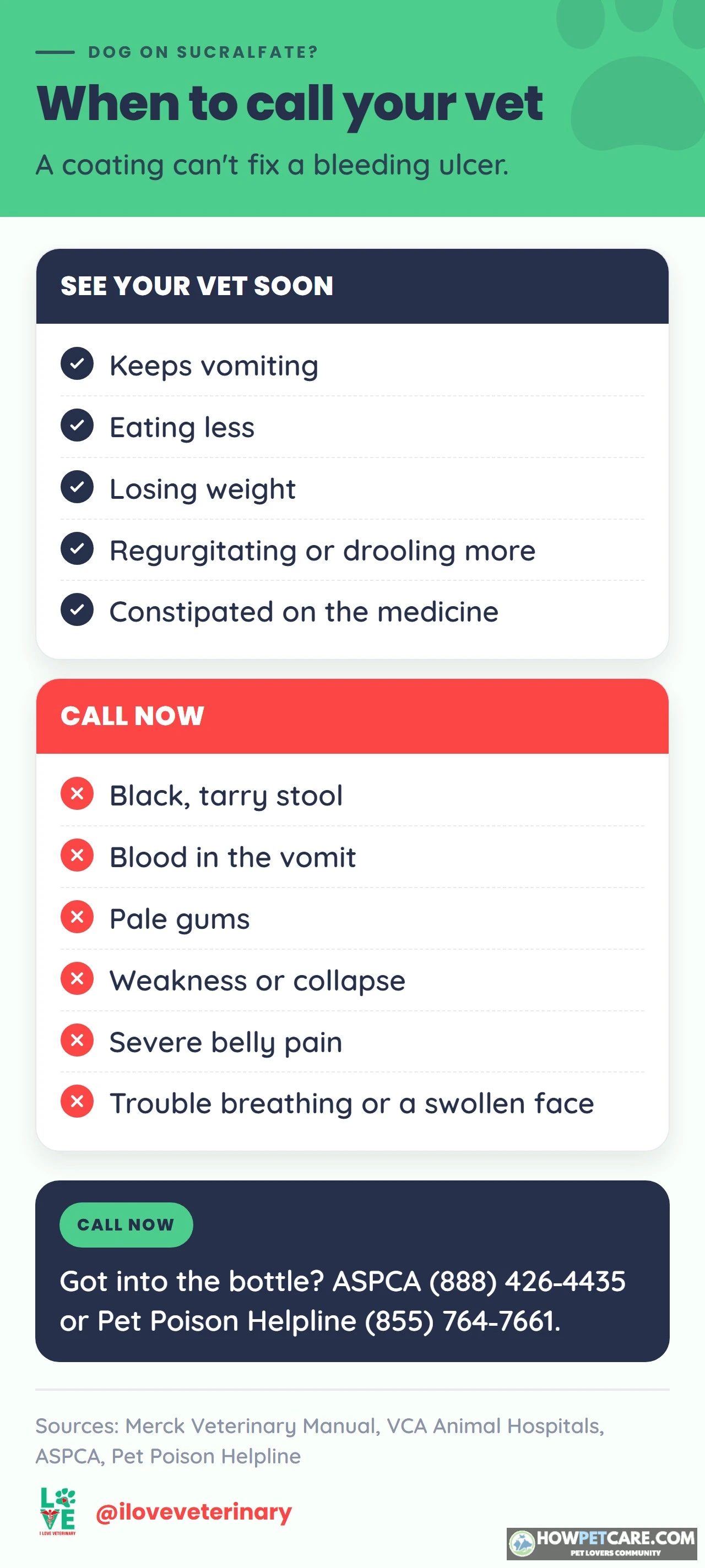
Some symptoms indicate that your dog’s underlying gastrointestinal condition is worsening or failing to respond to treatment. Contact your vet immediately if you observe:
- Repeated vomiting or vomiting that intensifies after beginning sucralfate.
- Dark, bloody vomit (resembling wet coffee grounds) or foul-smelling, black, tarry stools (melena), which point to active, unresolved internal GI bleeding.
- Complete refusal to eat for more than 24 hours.
- Distended, painful abdomen or extreme lethargy.
- Repeated, painful straining in the yard without producing any stool over a 24- to 48-hour window (indicative of severe constipation or mechanical fecal impaction).
- Sudden facial swelling, hives, or breathing distress, which indicate an acute allergic reaction.
Missed dose and vomited dose
- If you miss a dose: Give the missed dose as soon as you remember, provided your dog’s stomach is empty and the next scheduled dose is several hours away. If your next scheduled administration is within 2 to 3 hours, skip the missed dose entirely and resume your regular calendar rhythm. Never give a double dose to make up for a missed one.
- If your dog vomits the dose: Do not immediately administer a second dose. You cannot easily verify how much of the slurry adhered to the esophagus or stomach wall prior to the retch. Call your veterinarian’s office for instructions; they may recommend pausing until the next scheduled window or prescribing an antiemetic injection.
If your dog ate extra tablets or the whole bottle
Curious dogs occasionally chew through medication bottles left on counters. Fortunately, because sucralfate is not absorbed into the bloodstream, systemic toxicity or organ failure is exceptionally rare. However, ingesting a large volume of dense, chalky tablets poses a severe risk of mechanical bowel obstruction or severe fecal impaction.
If an accidental overdose occurs, follow this protocol:
- Identify the exact product strength (usually 1 gram tablets) and estimate how many pills are missing.
- Note your dog’s current weight and the approximate time the ingestion occurred.
- Call your veterinarian, local veterinary emergency hospital, or a dedicated pet poison hotline immediately:
- ASPCA Animal Poison Control Center: (888) 426-4435
- Pet Poison Helpline: (855) 764-7661 (consultation fees may apply)
- Do not induce vomiting at home using hydrogen peroxide or any other method unless directly instructed by a licensed veterinary professional. Inducing vomiting with a stomach full of thick, binding chalk paste carries a high risk of esophageal trauma and aspiration pneumonia.
Sucralfate vs. Omeprazole vs. Famotidine: What the ACVIM Evidence Says About Combining Them
When managing severe gastric inflammation or ulcers, owners often discover their dogs are prescribed multiple "stomach medications"—or they wonder why their vet chose one over another. Understanding the functional differences between these drugs prevents dangerous dosing assumptions.
Side-by-side comparison of the three drugs
| Drug | How it works | Typical uses | Usual dosing frequency | Key cautions |
|---|---|---|---|---|
| Sucralfate | Binds to ulcerated/inflamed tissue and forms a physical protective barrier; does not reduce acid | GI ulcers, gastritis, esophagitis, GI bleeding, protection after NSAID injury | 2–4 times daily, on an empty stomach | Constipation; binds other oral meds (needs ~2-hour spacing); aluminum content warrants caution in kidney disease |
| Omeprazole (Prilosec) | Proton pump inhibitor — shuts down acid production at the stomach’s acid pumps | Gastric ulcers, acid reflux; ACVIM 2018 views PPIs as generally more effective than sucralfate for gastric ulcer healing | Once daily, ~30–60 min before a meal | Takes a few days to reach full effect; long-term use needs vet oversight; can alter absorption of some drugs |
| Famotidine (Pepcid) | H2 blocker — reduces acid by blocking histamine signals to acid-producing cells | Milder acid control, gastritis; often chosen as a cheaper, easier option | 1–2 times daily | Less potent than PPIs for active ulcers; tolerance can develop with continued use; use caution in kidney disease dosing |
In short: Sucralfate patches the physical wound, while omeprazole and famotidine turn down the acid that created it.
Is it really unsafe to combine sucralfate with a PPI?
A widespread internet myth claims that sucralfate requires a strongly acidic environment to activate, and therefore must never be combined with a proton pump inhibitor (PPI) like omeprazole or an H2 blocker like famotidine. This claim is outdated and chemically inaccurate.
While sucralfate cross-links most rapidly at a pH below 4, research confirms it continues to adhere to ulcerated tissue and exert mucosal protection even in near-neutral pH environments. The real takeaway from the ACVIM 2018 consensus statement is more nuanced:
- PPIs are vastly superior: Proton pump inhibitors (such as omeprazole or pantoprazole) are significantly more effective than sucralfate alone for healing gastric and duodenal ulcers in dogs.
- No proven additive benefit for simple ulcers: Clinical trials have found no measurable therapeutic benefit to adding sucralfate on top of an effective PPI protocol for uncomplicated gastric ulcers.
- Combination therapy remains valuable for esophagitis: Despite the lack of additive benefit in the stomach cavity, veterinarians frequently prescribe both drugs for severe acid reflux or chemical burns in the esophagus. In human reflux esophagitis studies, less than 50% of radiolabeled sucralfate remains in the esophagus after 3 hours, demonstrating that regular topical re-coating helps protect tissue while systemic omeprazole stops the upward surge of acidic gastric juices.
If your veterinarian prescribes both omeprazole and sucralfate, give the sucralfate on an empty stomach, wait at least one hour, give the omeprazole, and wait another 30 to 45 minutes before feeding your dog breakfast.
How Long Dogs Take Sucralfate and Whether You Can Stop It Suddenly
The duration of a sucralfate course depends strictly on the underlying tissue diagnosis:
- Mild, acute gastritis or post-vomiting irritation: 3 to 7 days.
- Adverse NSAID mucosal erosions: 7 to 14 days.
- Deep gastric ulcers or severe reflux esophagitis: 2 to 6 weeks, often verified by follow-up ultrasound or endoscopic imaging.
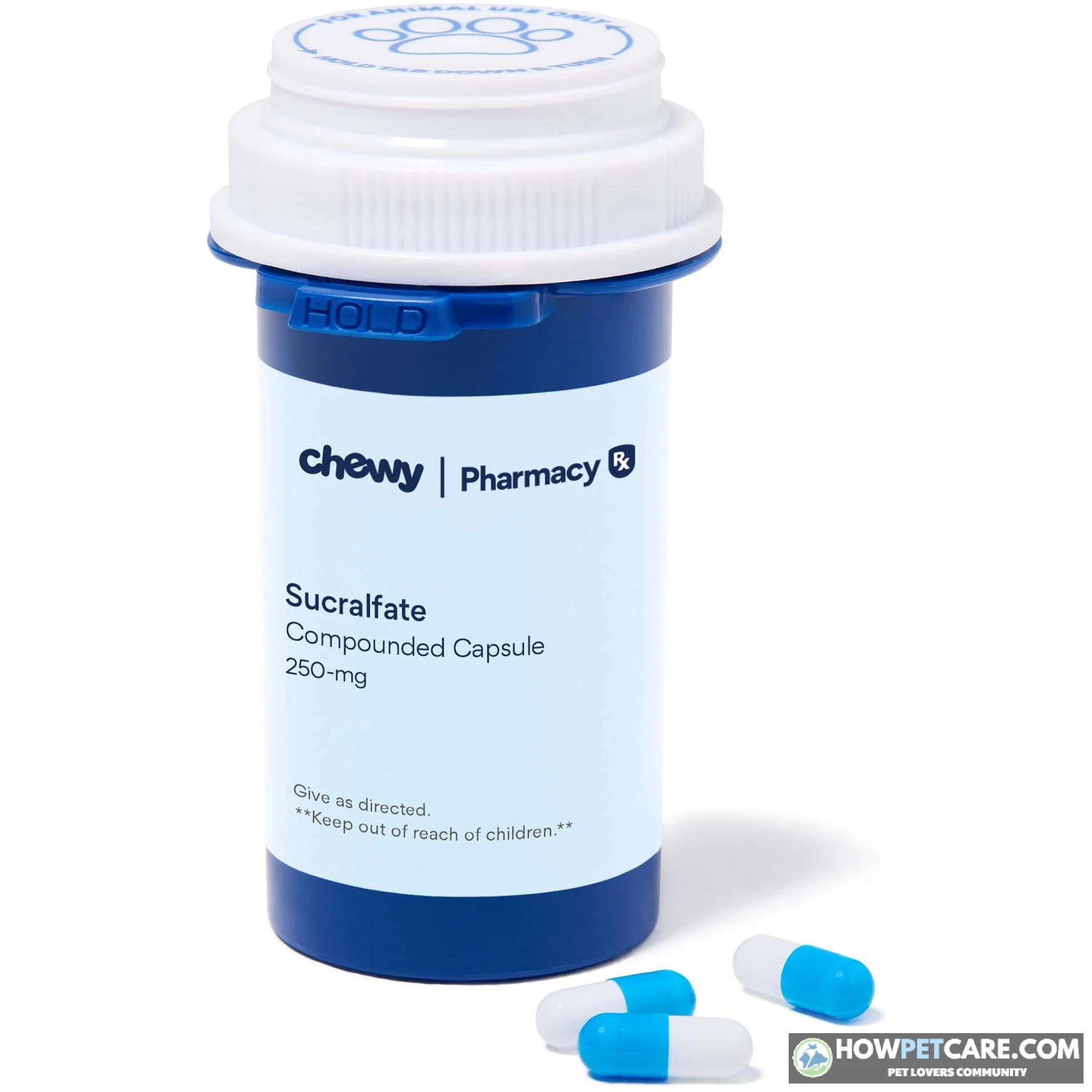
Because sucralfate acts locally without absorbing systemically, it does not induce physiological dependence, systemic tolerance, or chemical withdrawal. You can discontinue sucralfate abruptly without a weaning or tapering protocol once healing is complete.
However, you must not stop treatment early simply because your dog’s outward symptoms have improved. Gastric pain and nausea often vanish within the first 48 to 72 hours of treatment because the physical barrier covers exposed nerve endings in the ulcer base. If you stop the medication prematurely, the underlying crater remains unhealed, leaving it vulnerable to acid re-injury and severe bleeding relapse.
Always finish the full duration prescribed by your veterinarian. If your dog still shows poor appetite, ongoing lethargy, or dark stools as the medication supply winds down, schedule a clinical recheck rather than seeking extra refills.
Sucralfate Cost, Prescription Rules, and Cautions for Puppies, Pregnant Dogs, and Kidney Disease
Sucralfate is an FDA-approved human prescription pharmaceutical. Because it lacks a specific, dedicated canine-branded FDA approval, veterinarians prescribe it off-label under the Animal Medicinal Drug Use Clarification Act (AMDUCA). You cannot buy legitimate sucralfate over the counter in the United States; a valid veterinary prescription is legally required.
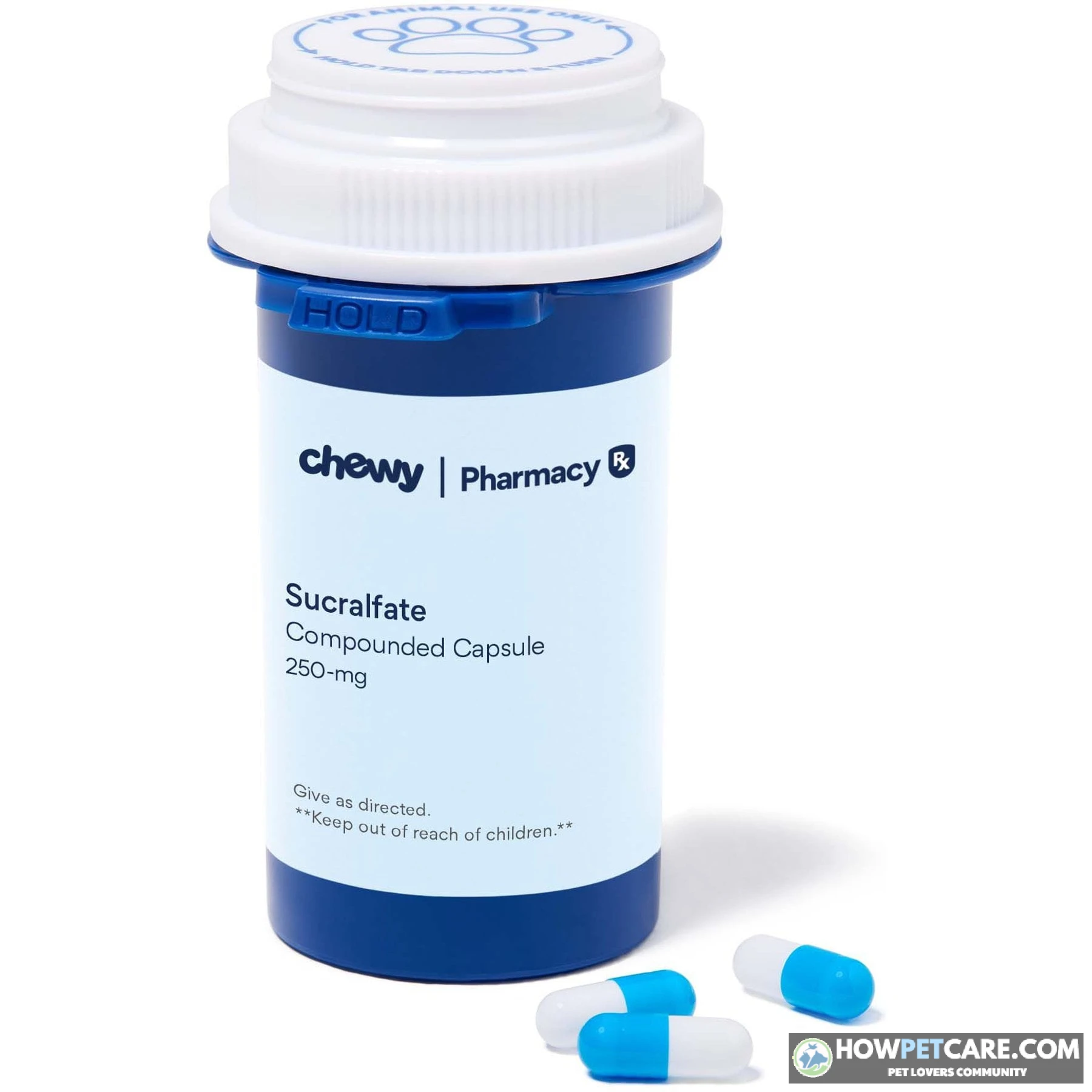
Generic, brand, and compounded: what each typically costs
You can fill a sucralfate prescription directly at your veterinary hospital or have your vet write or transmit a prescription to a human retail pharmacy or veterinary compounding pharmacy. Current 2026 pricing guidelines reflect notable differences between formulations:
- Generic 1-gram tablets (human retail pharmacy): The most economical approach. A typical 30-tablet supply usually ranges from $15 to $35 at major retail pharmacies (often further reduced via discount savings cards).
- Human Carafate brand suspension: Significantly more expensive. Commercial branded or generic human suspensions (1 g/10 mL) commonly run between $60 and $120 per bottle.
- Compounded flavored suspensions: Customized veterinary suspensions (such as chicken- or bacon-flavored liquids) typically cost between $40 and $70 per bottle, depending on the required concentration and volume.
Pregnant, nursing, puppy, and kidney-disease dogs
In specific patient populations, sucralfate requires heightened veterinary scrutiny:
- Chronic Kidney Disease (CKD): A small fraction of the aluminum in aluminum hydroxide dissolves and enters systemic circulation. Healthy dogs clear this trace aluminum via normal renal filtration. However, in dogs with moderate to severe renal failure, long-term administration carries a known risk of aluminum retention and systemic toxic accumulation. Veterinarians carefully monitor or limit sucralfate use in renal patients.
- Pregnant and nursing dogs: Controlled safety trials in pregnant or lactating female dogs are exceptionally limited—a specific research gap highlighted by clinical consensus panels. While maternal absorption is minimal, veterinarians weigh potential benefits against unknown developmental risks.
- Puppies: Pediatric dogs face higher risks of dehydration and gastrointestinal obstruction from medication-induced constipation. Dosing must be precisely tailored to body weight, preferably using a diluted slurry or measured liquid suspension.
1How does sucralfate exert its primary therapeutic effect on damaged mucosal tissue in a dog's upper gastrointestinal tract?
Sucrose octasulfate dissociates and forms a sticky complex with proteins like albumin and fibrinogen exposed on inflamed or ulcerated tissue, creating a physical shield.
2A veterinarian is evaluating a canine patient with upper gastrointestinal distress. For which of the following conditions is sucralfate an appropriate supportive prescription?
NSAIDs can damage the protective gastric lining, leaving exposed inflamed tissue that benefits from sucralfate's physical protective barrier.
3Why must oral administration of sucralfate be separated from other oral medications, such as doxycycline or digoxin, by at least two hours?
Multivalent cations in aluminum hydroxide chelate and bind to many co-administered oral drugs, preventing them from being absorbed into systemic circulation.
4A dog is prescribed a daily regimen including sucralfate, omeprazole, and doxycycline. Breakfast is served at 9:00 AM, and doxycycline is given with a small meal bite at 10:00 AM. What is the optimal time to give the morning dose of sucralfate?
Giving sucralfate at 7:00 AM ensures an empty stomach, allows over 1 hour before omeprazole/breakfast, and maintains a 3-hour buffer before doxycycline.
5Why should sucralfate be used with heightened caution and veterinary monitoring in dogs diagnosed with moderate to severe Chronic Kidney Disease (CKD)?
Although systemic absorption is minimal, healthy kidneys clear absorbed aluminum; impaired renal function leads to systemic retention of aluminum over time.
6Which of the following clinical signs in a canine patient receiving sucralfate represent red flags requiring an immediate, same-day veterinary consultation?
Coffee-ground vomit and melena indicate severe, active upper GI bleeding that requires immediate medical intervention.
7Which statement accurately reflects current clinical consensus regarding the combination of proton pump inhibitors (PPIs, such as omeprazole) and sucralfate?
Research confirms sucralfate continues to coat lesions even when stomach acid is suppressed, providing topical protection while PPIs prevent acid surges.
Your Sucralfate Checklist: What to Confirm With Your Vet and Pharmacist Before the First Dose
Before you crush the first tablet or draw the first milliliter of suspension, review this operational checklist with your veterinary care team:
- ☐ Exact dose and form: Did your vet prescribe tablets (to be made into a slurry) or a pre-mixed liquid suspension? Confirm whether the number on your bottle represents grams, fractions of a pill, or milliliters.
- ☐ Daily frequency: Confirm whether your dog requires administration every 8 hours (three times daily) or every 12 hours (twice daily).
- ☐ Full medication reconciliation: Give your vet or pharmacist an exhaustive list of every pill, chewable supplement, and flea or tick preventatives your dog takes. Explicitly identify which ones must be separated from sucralfate by at least 2 hours.
- ☐ Daily schedule posted: Write down a concrete timeline mapping out sucralfate, other drugs, and morning/evening meals. Post it on your refrigerator where every member of the household can verify it.
- ☐ Slurry supplies prepared: If using 1-gram tablets, ensure you have a pill crusher, a medicine mixing cup, clean room-temperature water, and needleless oral syringes (10–20 mL) on hand.
- ☐ Emergency contact numbers logged: Keep your primary vet’s phone number, the nearest 24-hour veterinary emergency clinic, and a pet poison control hotline saved in your phone.
- ☐ Daily symptom log: Keep a quick daily note of your dog’s appetite, vomiting episodes, and stool frequency. If you notice signs of severe constipation or black, tarry stool, contact your vet immediately.
By following these structured timing and slurry preparation guidelines, you can ensure that this protective medication delivers the exact mucosal relief your dog needs to heal comfortably.
FAQ
Does sucralfate for dogs require a prescription?
Yes. Sucralfate is a prescription drug, and its use in dogs is off-label, so a vet decides whether, how much, and for how long to give it. Your vet can write the prescription for a regular human pharmacy or a veterinary pharmacy.
How long does sucralfate take to work in dogs?
Sucralfate starts coating irritated tissue within about an hour, but visible improvement in vomiting or appetite usually takes days. If your dog is not improving as your vet expected, call for a recheck instead of changing the dose.
Can I give my dog the human Carafate suspension?
Vets do sometimes prescribe human sucralfate suspension for dogs, but the dose is set for your dog’s weight and condition. Do not use leftover or household product without your vet’s instructions.
What should I do if my dog gets constipated on sucralfate?
Constipation is the most common side effect, caused by the aluminum in the drug. Call your vet if your dog strains or has not passed stool in a day or two, and do not give laxatives or fiber supplements before asking.
Is sucralfate used for dogs with pancreatitis?
Vets sometimes add sucralfate when pancreatitis comes with vomiting or stomach irritation, but it does not treat the pancreas itself. Pancreatitis needs veterinary care, so ask your vet what role sucralfate plays for your dog.