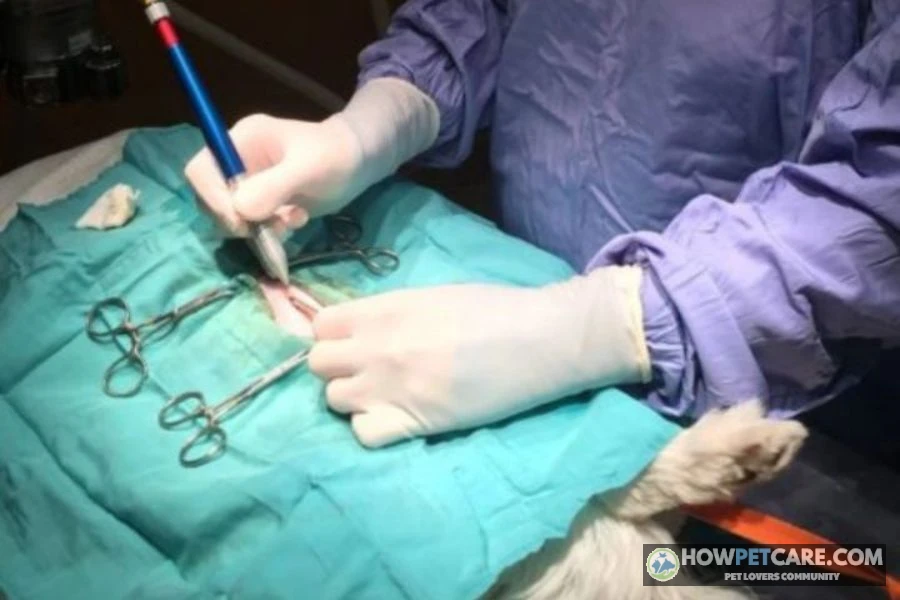

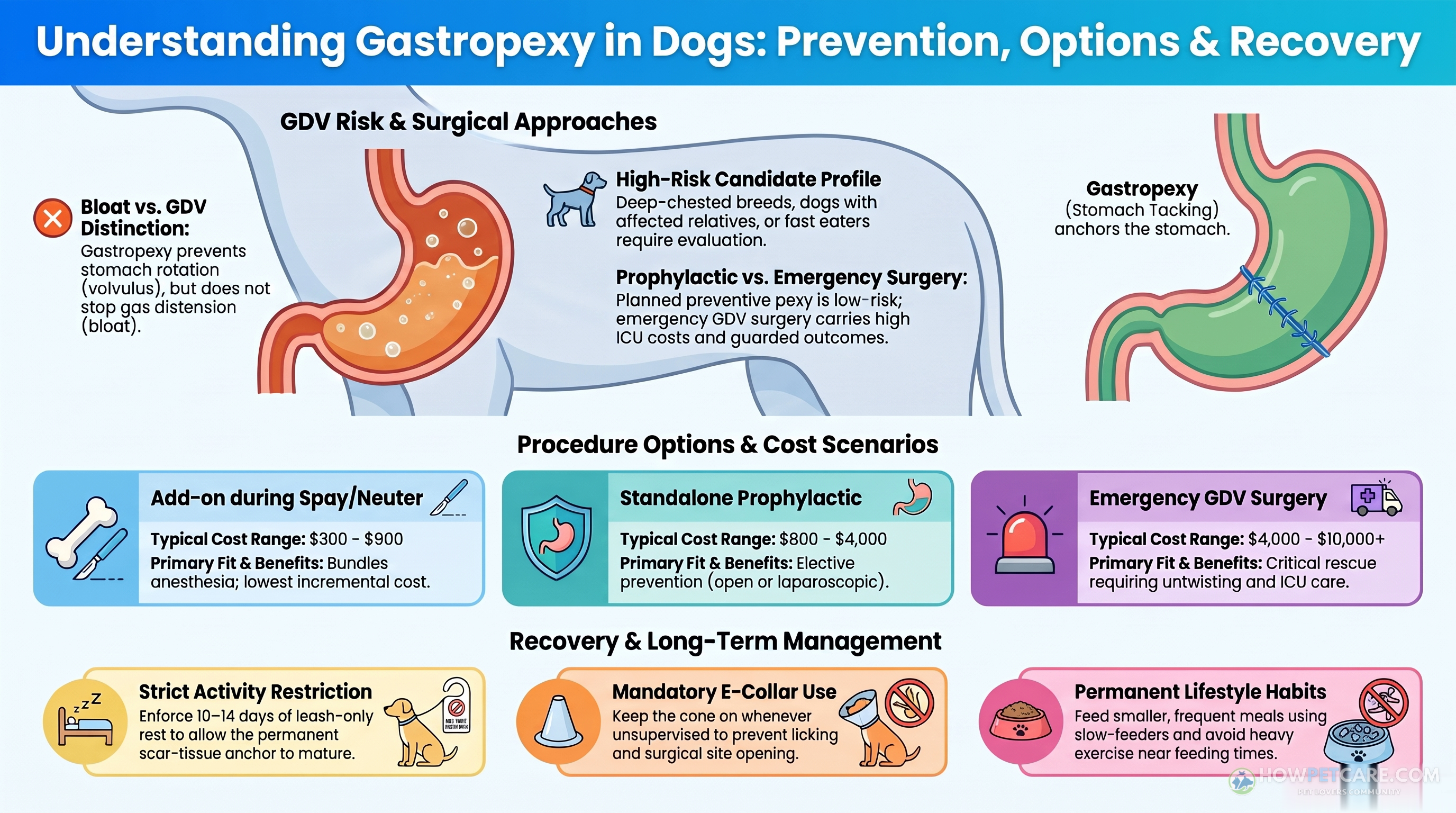
A gastropexy is a surgical procedure that permanently attaches a dog’s stomach to the right abdominal wall so it cannot twist. Also called stomach tacking, it stops bloat from progressing to life-threatening GDV (gastric dilatation-volvulus), though it does not prevent the bloating itself.
A gastropexy is surgery that attaches the stomach to the abdominal wall so it can’t twist. That one sentence covers most of what an owner needs to know — read it twice, because the confusion usually comes from mixing up what the procedure fixes (torsion) with what it doesn’t (gas).
The everyday name is stomach tacking. A veterinary surgeon creates a permanent scar-tissue bond between the stomach and the right side of the abdomen, turning a free-floating organ into one that stays put. Owners of deep-chested breeds usually encounter the term in two scenarios: a breeder recommending prophylactic gastropexy for a puppy, or an emergency vet explaining that a bloated dog needs surgery tonight.
This guide covers both paths. It explains what the procedure does inside the body, which dogs are genuinely at risk, how open and laparoscopic gastropexy compare, what the surgery costs in 2026 dollars, how it fits around a spay or neuter, and what the first two weeks of recovery look like. It ends with what most pages skip: a scored checklist to help decide if your dog is a candidate, plus the questions to bring to your vet.
What Is Gastropexy in Dogs? A One-Sentence Answer
A gastropexy is a surgical procedure that permanently attaches the stomach to the right abdominal wall to prevent volvulus — the twisting that turns ordinary bloat into life-threatening GDV.
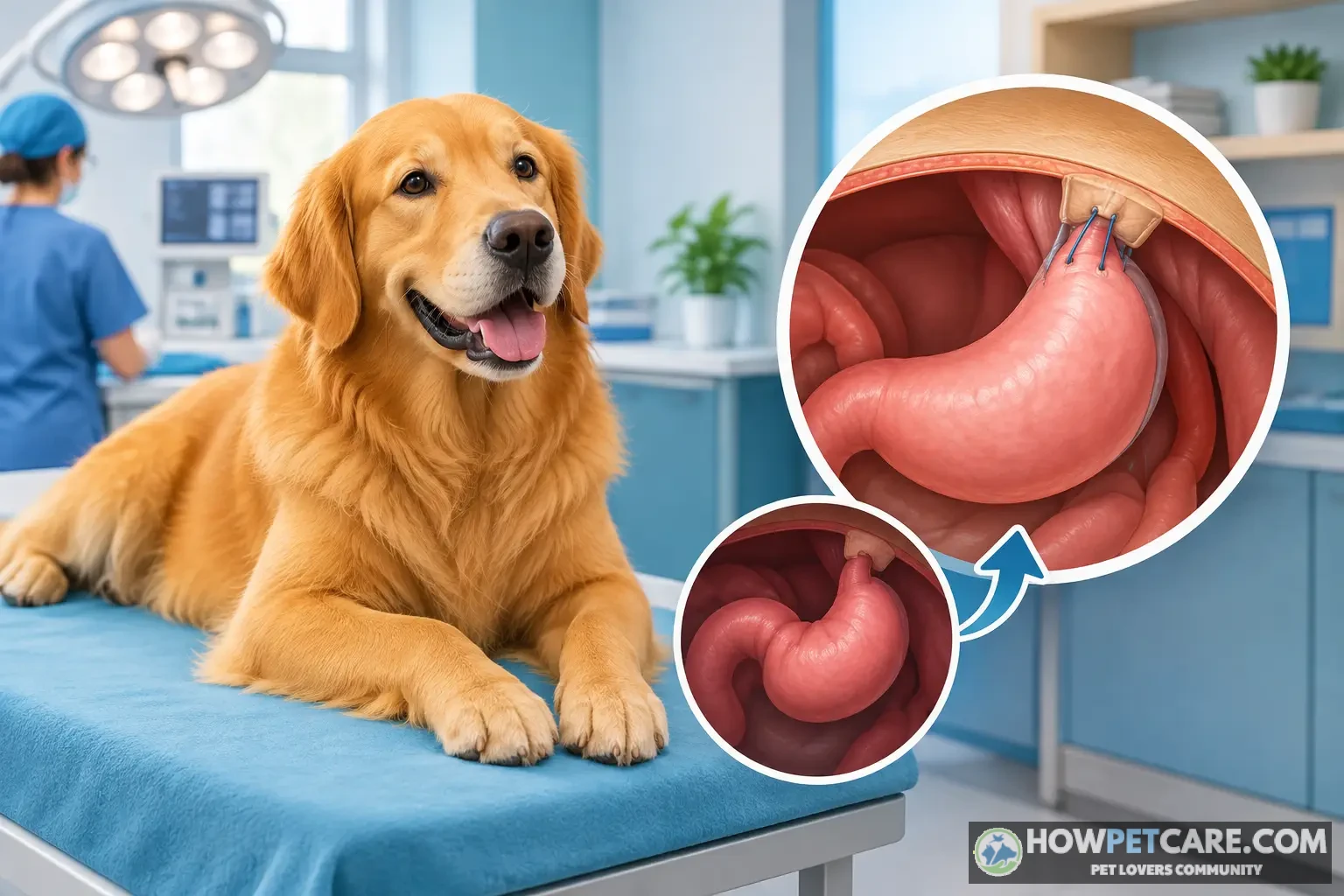
That’s the one-sentence answer to ‘what is gastropexy.’ Nothing is glued, pinned, or replaced. The surgeon positions the stomach in its normal anatomic spot and anchors the lower part — near the exit to the small intestine — to the muscle and peritoneum on the right abdominal wall, usually near the last rib. Over the next 10 to 14 days the body lays down scar tissue along that anchor. The result is a permanent band of fibrous tissue that holds the stomach in place while still letting it fill, contract, and empty normally.
That’s why the nickname ‘stomach tacking’ exists. The stomach isn’t clamped down tight; it keeps a normal range of movement. It simply can’t swing into the rotated position that cuts off its own blood supply and compresses the major vessels returning blood to the heart.
In people, gastropexy is also a stomach-fixation operation performed for different indications — nothing in this guide applies to human surgery.
What the surgery does inside the abdomen
The anchor goes on the right side for a reason: GDV almost always rotates along a specific axis, and a right-side attachment physically blocks that rotation. Surgeons target the pyloric antrum — the muscular lower section of the stomach — and attach it either into a small defect in the abdominal wall muscle, around the last rib, or through a tunnel in the body wall, depending on the technique.
In the most common version, the stomach isn’t cut into. The serosal surface — the smooth outer layer — heals against the abdominal wall, and that adhesion does the mechanical work. Expect the tacking portion to add 20 to 40 minutes to a scheduled surgery, though the total depends on the approach and whether a spay or neuter happens at the same time.
What gastropexy does not do
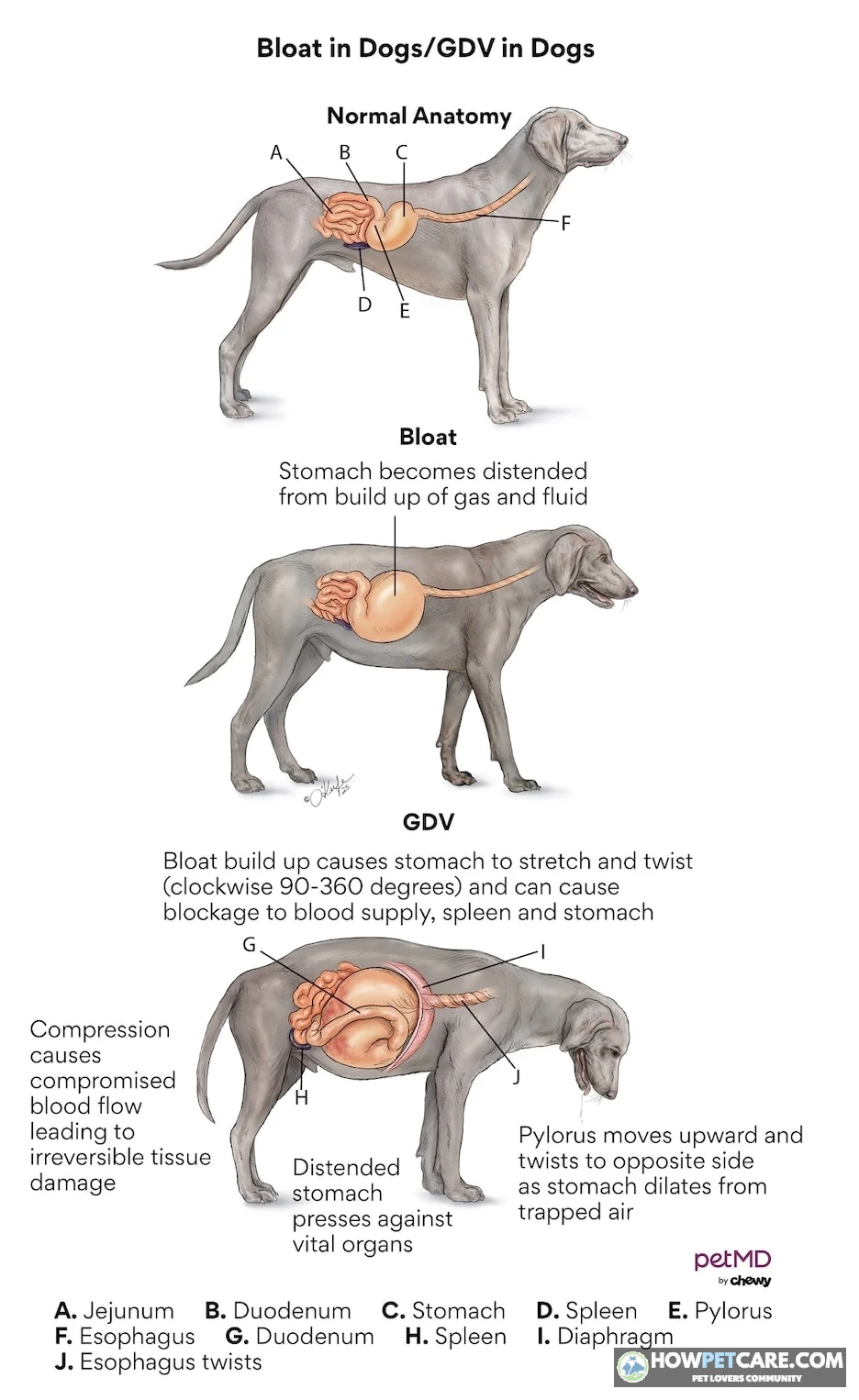
A gastropexy prevents the twist, not the bloat. It doesn’t stop gas, food, or fluid from distending the stomach, and it doesn’t treat whatever caused the distension. It doesn’t cure a motility disorder, repair a chronic stomach condition, or stop a dog from eating something it shouldn’t. It also doesn’t make future abdominal problems impossible.
The honest framing: the surgery removes one specific, often fatal mechanism from the risk equation, leaving the rest for the owner and care team to manage. That’s why the symptom checklist later matters even for a tacked dog.
Does Gastropexy Prevent Bloat? Bloat vs. GDV, Warning Signs, and What to Do
The short answer: no. A gastropexy prevents the stomach from rotating during a bloating episode, but it doesn’t prevent the bloating itself. A tacked dog can still end up with a belly full of gas, and that still deserves attention — though it’s usually less dangerous and easier to manage than a twist.
The distinction matters because the words get used interchangeably.
Bloat vs. GDV: what is actually different
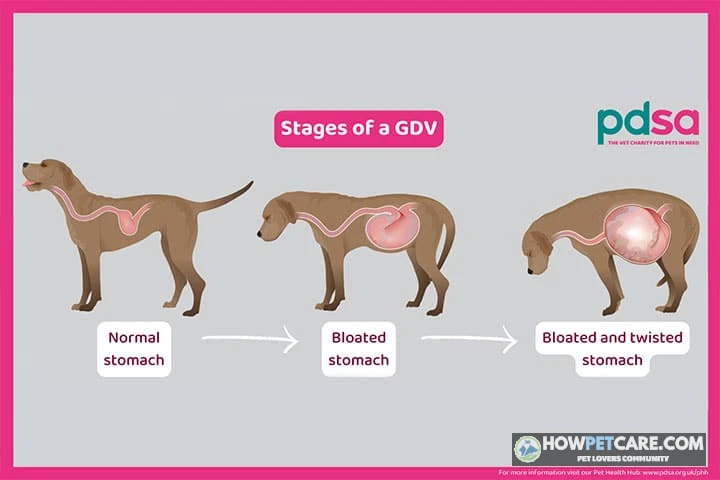
Bloat means the stomach is distended — usually with gas, sometimes with food or fluid. A simple bloat episode can be uncomfortable and alarming without being immediately life-threatening, and many dogs pass gas and settle with veterinary support.
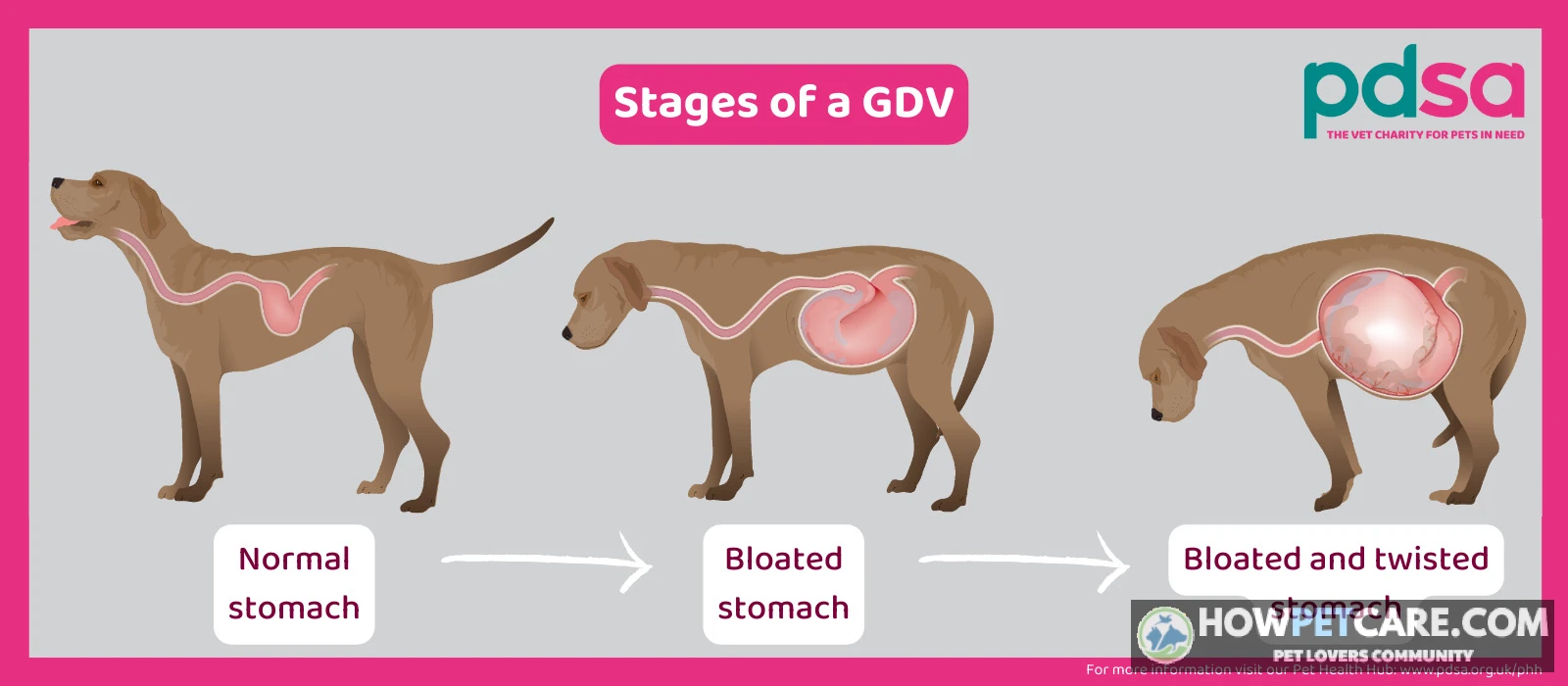
GDV — gastric dilatation-volvulus — is bloat plus rotation. The distended stomach flips on its axis. The entrance and exit effectively close, so gas can’t escape and pressure keeps building. That pressure compresses the large veins returning blood to the heart, dropping blood pressure and sending the dog into shock. It also compresses the vessels feeding the stomach wall, so tissue starts to die. A damaged stomach wall can rupture, and the whole sequence can go from first sign to critical illness within hours.
That’s why emergency vets repeat the phrase ‘time is tissue.’ Waiting until morning isn’t a neutral choice.
Bloat symptom checklist
- Retching or gagging with little or nothing coming up
- A belly that looks swollen, tight or drum-hard
- Heavy drooling, lip-licking or repeated swallowing
- Pacing, restlessness, stretching or an inability to settle
- Pale or tacky gums, rapid shallow breathing
- Weakness, wobbliness, collapse or a sudden downhill change
Collapse alone is reason enough to drive to an emergency hospital.
-
Call ahead while you are driving
Phone the nearest emergency hospital and say possible GDV. Give the time symptoms started and the time of the last meal.
-
Leave immediately
Do not wait overnight to see whether it passes. A twist can cut off blood flow and lead to shock within hours.
-
Do not try home remedies
No food, no water, no gas remedies, no human medication, and no pressing on the belly to relieve gas.
-
Keep the dog calm and cool
Minimize handling. For a collapsed large dog, use a blanket as a stretcher rather than attempting to walk or carry the animal.
-
Bring the useful information
Breed and weight, symptom start time, last meal, current medications, whether the dog has been spayed or neutered, and whether it has already had a gastropexy.
A dog that’s already had a pexy still needs urgent care. The tack makes torsion far less likely, not impossible, and a distended stomach can still be a serious problem. Treat the signs, not the surgical history.
Which Dogs Are Candidates for Prophylactic Gastropexy?
Prophylactic gastropexy is aimed mainly at large, deep-chested breeds, dogs that have already bloated, and dogs with a close relative who’s had GDV. Everyone else sits on a gradient rather than a simple yes-or-no list.
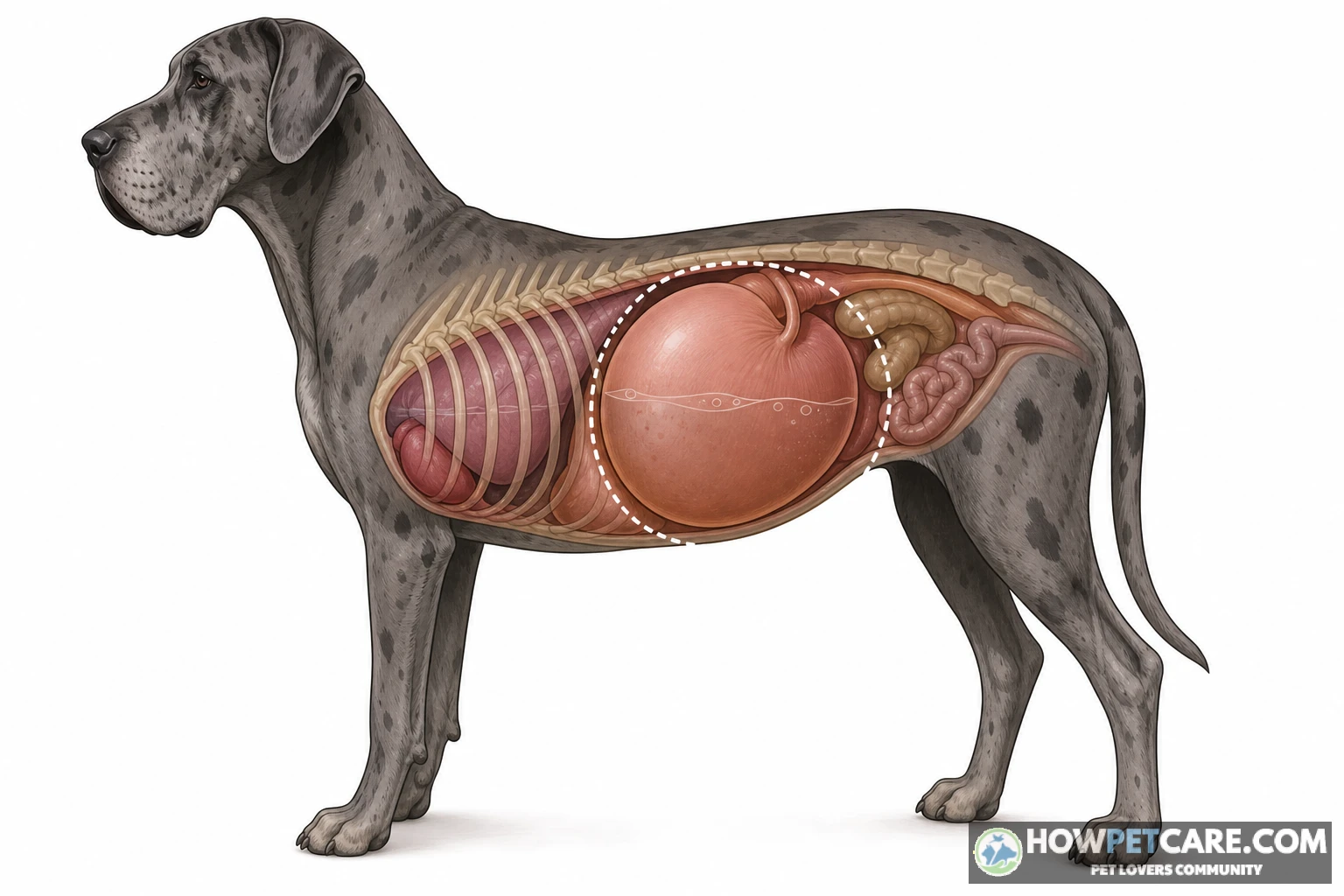
A deep chest means the rib cage is noticeably deeper than it is wide. A narrow, tall chest gives the stomach room to swing — the mechanical precondition for a twist. Small, wide, or barrel-chested dogs rarely have that geometry.
High-risk breeds and what the numbers actually say
Breed lists dominate most articles, and the same names appear: Great Dane, Standard Poodle, Weimaraner, Saint Bernard, Irish Setter, Gordon Setter, Bernese Mountain Dog, and Akita, with German Shepherds and Doberman Pinschers on some lists. Risks differ substantially across the group. Published estimates put lifetime GDV risk for Great Danes at roughly 40% — the highest of any breed — while most other deep-chested breeds sit well below that.
Read those figures as population statistics, not predictions for your individual dog. Most large, deep-chested dogs never bloat. A breed list tells you where to look; it doesn’t tell you what will happen.
Individual risk factors that raise or lower a dog’s odds
- Family history: A first-degree relative with GDV is one of the strongest signals an owner can give a vet.
- Age: Risk rises with age, and senior dogs are often reconsidered even when a puppy decision was "wait and see."
- Chest depth-to-width ratio: A very deep, very narrow chest ranks higher than a deeper-than-average but broader one.
- Build: Thin, lanky dogs tend to rank above the same breed carrying more condition.
- Eating pattern: Fast eating plus one large meal per day is a classic combination.
- Temperament: Fearful, anxious, or easily stressed dogs are often flagged, particularly around boarding, travel, or household disruption.
- Prior episode: Any dog that has bloated once moves to the front of the conversation, because recurrence without a tack is common.
As a rough screen before the scored checklist later in this guide: the more factors that apply, the stronger the case. None means symptom awareness and sensible feeding habits; a few means raise the question at the next wellness visit; several together — or any prior bloating episode — means a dedicated prophylactic-gastropexy consult is worth booking.
Where mixed breeds and borderline dogs fit
When the breed is a guess, judge the body. Stand behind the dog and compare chest depth to width, rib cage to abdomen, and note size and build. A mixed breed with a narrow, deep chest and an anxious, gulping eating style is a reasonable candidate for a conversation even without a purebred label.
Small and barrel-chested dogs are rarely candidates. Exceptions exist — a small dog that’s already had GDV, has a chronic stomach condition, or has a specific anatomical problem — and those belong in a dedicated consult, not a general rule.
Prophylactic vs. Emergency Gastropexy: When Each Happens and Why Outcomes Differ
The two versions use the same mechanical idea but happen under completely different conditions. Prophylactic gastropexy is planned prevention on a stable, healthy dog. Emergency gastropexy is part of rescuing a dog already in trouble.
| Factor | Prophylactic gastropexy | Emergency gastropexy |
|---|---|---|
| Timing | Scheduled, dog fasted, often combined with spay or neuter | Immediate, after stabilization |
| Dog’s condition | Healthy, stable vitals | Shock, distended abdomen, possible arrhythmias |
| What happens | Stomach anchored in its normal position | Stomach decompressed and untwisted, checked for dead tissue, damaged sections removed if needed, then anchored |
| Hospital stay | Usually outpatient or one night | Often several days in intensive care |
| Typical cost | Lowest of the three scenarios, especially bundled | Highest, driven by ICU time and complications |
| Prognosis | Very good in a healthy dog | Guarded, worse with delay and stomach-wall damage |
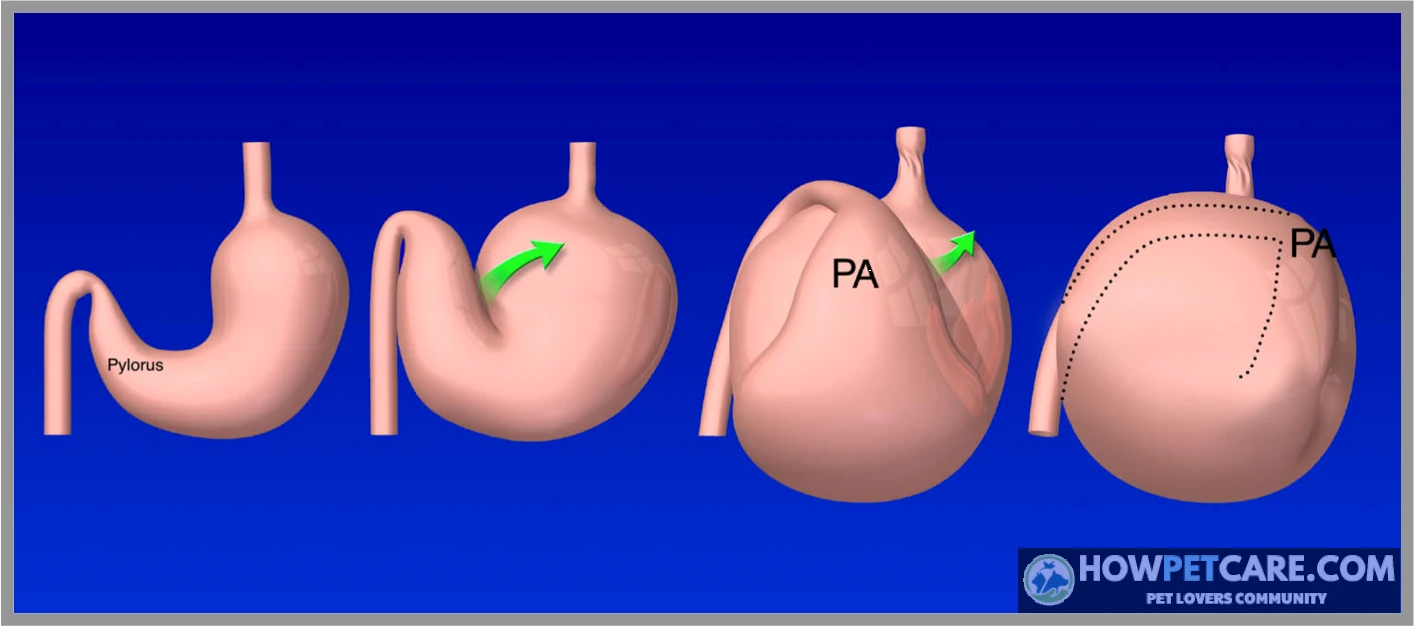
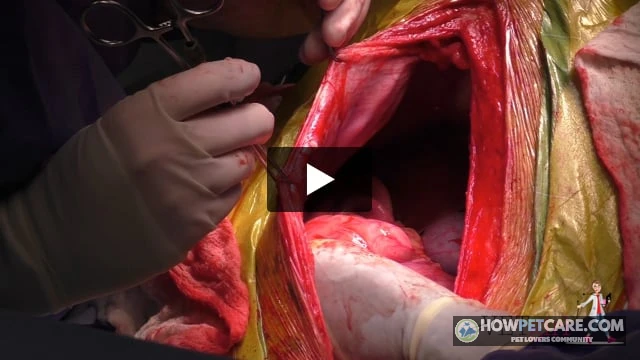
Before emergency surgery, the dog is stabilized with IV fluids, pain control, and stomach decompression via tube or needle. The surgeon then untwists the organ and inspects the wall. Tissue that has lost its blood supply may need resection, which lengthens surgery and worsens the prognosis.
Why add a pexy during that emergency? Without one, recurrence is extremely high: published estimates cite roughly 80% of GDV dogs bloating again if the stomach is untwisted but not tacked, and that figure drops to a small single-digit percentage with a gastropexy. Mortality for treated GDV is meaningful too, commonly 10% to 30%, climbing with stomach-wall damage or delayed treatment. Those numbers aren’t pressure tactics; they’re why a planned $300 to $900 add-on during a spay gets discussed so often.
Open vs. Laparoscopic Gastropexy: How Each Is Done and How the Suture Techniques Compare
Both approaches achieve the same adhesion. The difference is how the surgeon gets there, and that drives pain, recovery speed, availability, and price.
Open vs. laparoscopic: pain, incision, anesthesia time, recovery and price
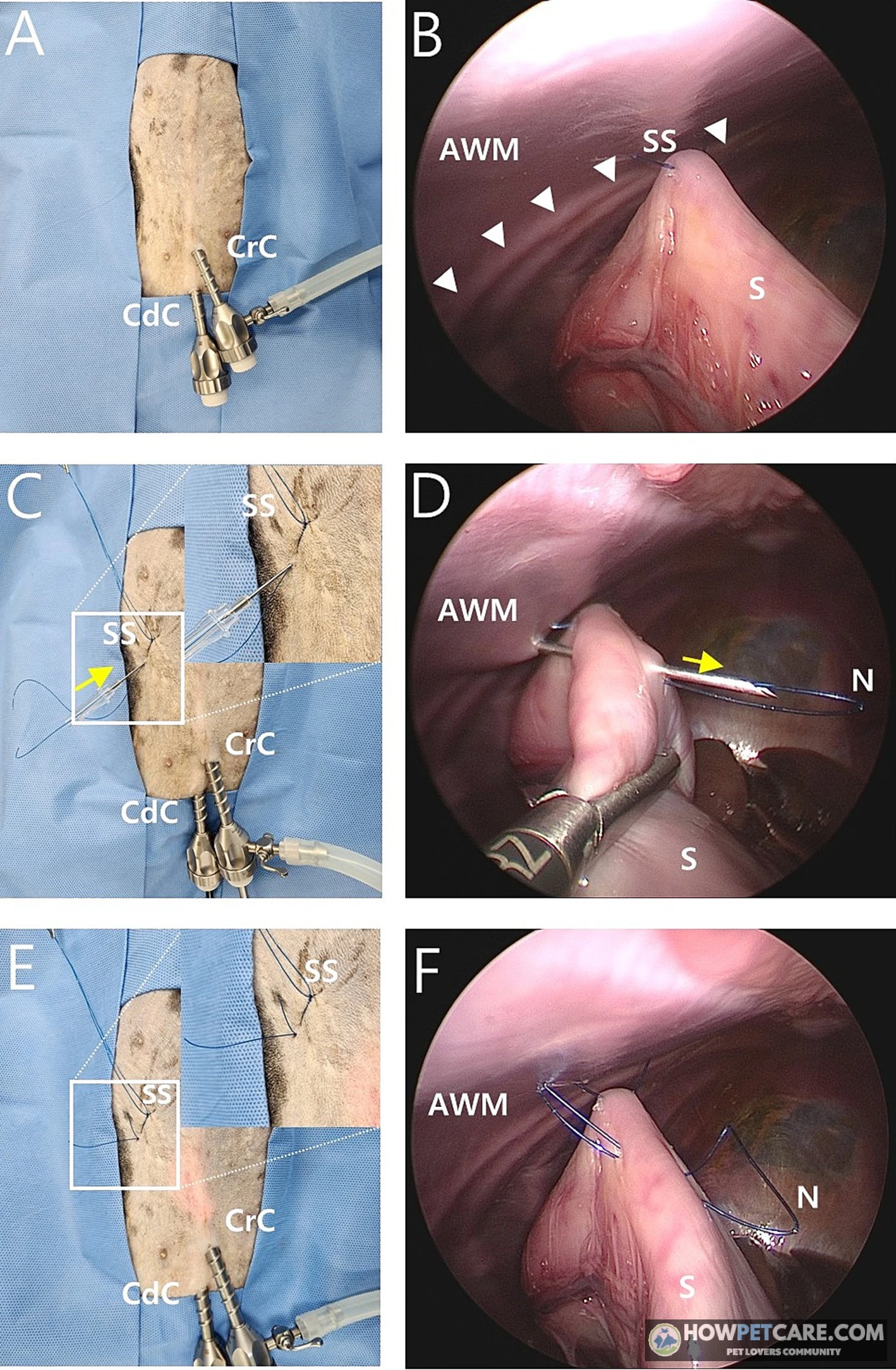
Open gastropexy uses a midline or right-flank abdominal incision. The stomach is partly exteriorized, positioned, and sutured to the body wall under direct vision. It’s the traditional technique, widely available at general practices, and heavily studied.
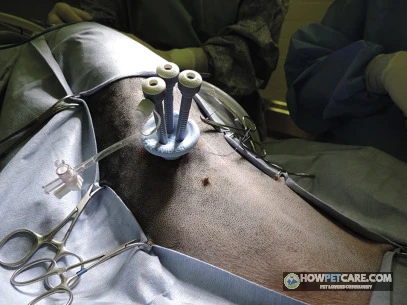
Laparoscopic gastropexy uses two or three small ports and a camera. In laparoscopic-assisted versions, a small fold of stomach is brought out through one port, sutured to the wall, and returned. Incisions are smaller, post-op soreness is often lower, and dogs tend to move more comfortably sooner. It requires a camera tower, specialized instruments, and a trained surgeon, which is why it’s more often offered at specialty and referral hospitals.
| Factor | Open gastropexy | Laparoscopic gastropexy |
|---|---|---|
| Incision | One larger abdominal incision, often several inches | Usually two to three small port incisions, plus a slightly larger instrument site in laparoscopic-assisted methods |
| Anesthesia time | Often roughly 45 to 90 minutes standalone, longer if combined with spay or neuter | Often roughly 60 to 120 minutes, since setup and port placement can offset the smaller incisions |
| Typical pain level | More soreness from the larger body-wall incision | Often less pain and earlier willingness to move, but still abdominal surgery |
| Recovery speed | Commonly 10 to 14 days restricted, then a recheck | May look comfortable by days 3 to 7, but the adhesion still needs the same restriction window |
| Splenic injury risk | Low, with the spleen and stomach handled under direct view | Low but named: port placement or exteriorizing the stomach can bruise or puncture the spleen, and conversion to open surgery is occasionally needed |
| Access | Available at many general practices | More often at specialty or referral hospitals with trained teams |
| Typical price | Usually lower, especially as an add-on to a spay or neuter | Usually higher because of equipment, training and hospital type |
| Best fit | Widely available, budget-friendlier, practical when the abdomen is already open | Worth asking about for elective cases when experience, equipment and budget allow |
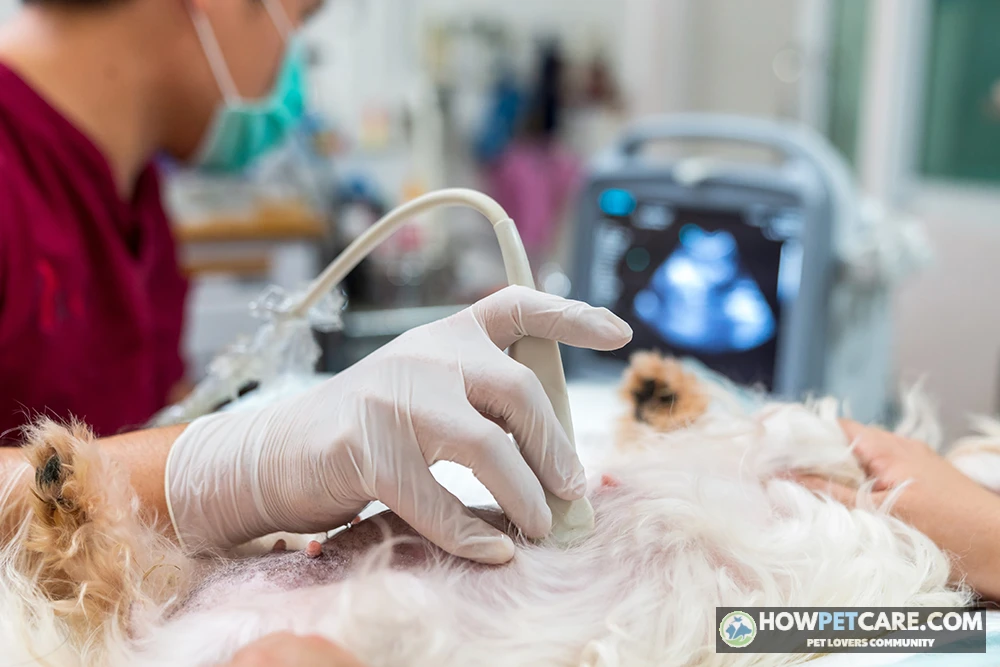
The important caveat: feeling better faster isn’t healing faster. The stomach-to-wall adhesion matures on its own timeline regardless of incision size, so the 10-to-14-day activity restriction applies to laparoscopic dogs too.
Incisional, belt-loop and circumcostal techniques compared
Surgeons also differ in the anchoring method. Incisional gastropexy is the most common technique, generally the fastest to perform, and associated with the fewest complications. Belt-loop and circumcostal gastropexy are the other two named in the veterinary literature.
| Technique | How it works | Durability | Complication risk | Typical use |
|---|---|---|---|---|
| Incisional | A short fold of stomach wall is sutured into a small incision made in the abdominal wall muscle, and the adhesion forms through that defect | Strong, well documented, and the reference standard in many practices | Lowest of the three, with the fewest reported complications | Most prophylactic and emergency pexies |
| Belt-loop | A seromuscular fold of stomach is tunneled through a channel created in the body wall and sutured back onto itself | Durable, mechanically robust | Technically more demanding, with a small risk of problems at the tunnel site | Used where a surgeon prefers a reinforced anchor |
| Circumcostal | The stomach is anchored around the last rib, using the rib as the fixed point | Durable, anchors to bone rather than muscle | Rib-related discomfort and a slightly more invasive dissection | Less common in routine preventive cases |
Surgeon experience matters as much as the technique label. A well-executed incisional pexy from an experienced surgeon beats an elegant-sounding technique done twice a year.
General practice or specialty hospital?
Most general practices offer open prophylactic gastropexy, often at the same time as a spay or neuter. Laparoscopic pexy usually means a specialty or referral center. When comparing quotes, confirm which approach is included — a low estimate for ‘gastropexy’ that turns out to be open surgery isn’t the same product as a laparoscopic quote.
How Much Does Gastropexy Cost for Dogs? Prophylactic, Laparoscopic and Emergency Price Ranges
Cost is the question page-one articles avoid, so here are working ranges. They’re approximate US estimates for 2026, compiled to help you budget and spot a quote that needs itemizing. They’re not a substitute for a local written estimate.
| Procedure type | Typical price range | What is usually included | Main price drivers | Notes |
|---|---|---|---|---|
| Standalone open prophylactic gastropexy | $800-$2,500 | Pre-op exam, anesthesia, stomach tacking, pain medication, e-collar, basic recheck | Dog size and anesthesia minutes, region, general practice versus referral | Scheduled on a healthy, fasted dog; usually the least complex version |
| Add-on during spay or neuter | $300-$900 incremental | Added surgical time, sutures and monitoring under the same anesthetic | Base spay or neuter fee, open versus laparoscopic approach, clinic policy | Often the lowest incremental cost because anesthesia and hospitalization are shared |
| Laparoscopic prophylactic gastropexy | $1,500-$4,000 | Camera and ports, instrumentation, closure, monitoring, medications | Specialty equipment, training, referral-center fees | Ask whether the quote is fully laparoscopic or laparoscopic-assisted |
| Emergency GDV surgery with gastropexy | $4,000-$10,000 or more | ER triage, X-rays, IV fluids, decompression, untwisting and pexy, intensive care | Shock severity, stomach-wall damage or resection, arrhythmias, days hospitalized | Costs climb fastest with ICU time and complications |
Regional pricing in the US varies enormously, and a rural general practice and a metropolitan referral center may differ by a factor of three for the same procedure. Ask for an itemized written estimate that states the approach and what happens if complications arise.
What makes the price go up or down
Body weight drives anesthesia drug doses and monitoring time. Pre-op bloodwork, an ECG for older dogs, overnight observation, emergency vs. daytime scheduling, and whether a board-certified surgeon performs the operation all move the number. So does what’s bundled: pain medication, the cone or recovery suit, the recheck visit, and any complication coverage.
The bundling effect is real. Because anesthesia, monitoring, and recovery are already paid for, adding a gastropexy to a spay or neuter usually costs a fraction of a standalone procedure.
Planned versus emergency spending
A planned prophylactic surgery and an emergency GDV bill aren’t remotely comparable, and that asymmetry is the practical argument most owners find persuasive. A $4,000 to $10,000 emergency admission can arrive at the worst moment, with a dog that may not survive. That doesn’t mean cost alone should drive the decision — anesthesia carries its own small risk in any healthy dog, and a pexy doesn’t eliminate all GDV risk. It means the financial comparison belongs in the conversation, not left out of it.
Insurance, payment plans and questions to ask
Many pet insurance policies classify prophylactic gastropexy as elective and exclude it, although some cover it when performed alongside a covered procedure or under a wellness add-on. Emergency GDV surgery is more often covered. Check the policy wording and any waiting period before booking, and ask whether pre-authorization is needed.
When requesting a quote, ask what’s included, whether the estimate is for open or laparoscopic surgery, whether pre-op bloodwork and an e-collar are part of it, and what a complication recheck would cost. Those four answers separate a real estimate from a rough guess.
Gastropexy With Spay or Neuter: Best Age and Timing by Breed Size
Yes, a gastropexy can be performed under the same anesthetic as a spay or neuter, and that’s one of the most common reasons it’s done. One surgery, one recovery, one anesthesia bill.
Combining the procedures: what changes under one anesthetic
An open spay pairs naturally with an open gastropexy, since the abdomen is already open. A laparoscopic spay pairs with a laparoscopic pexy at hospitals equipped for both. Total surgical and anesthesia time is longer than either procedure alone, so pre-op bloodwork and anesthesia planning still matter even for a young, healthy dog.
Age and development stage guidance
The tension is between GDV risk, which rises with age, and growth, which makes many surgeons cautious about elective abdominal surgery in a still-developing giant breed. Many vets prefer to time elective spay or neuter in large breeds around 12 to 18 months, and in giant breeds around 18 to 24 months, with gastropexy added then. Others operate earlier or later, and advice genuinely differs among clinicians and breed-specific guidance.
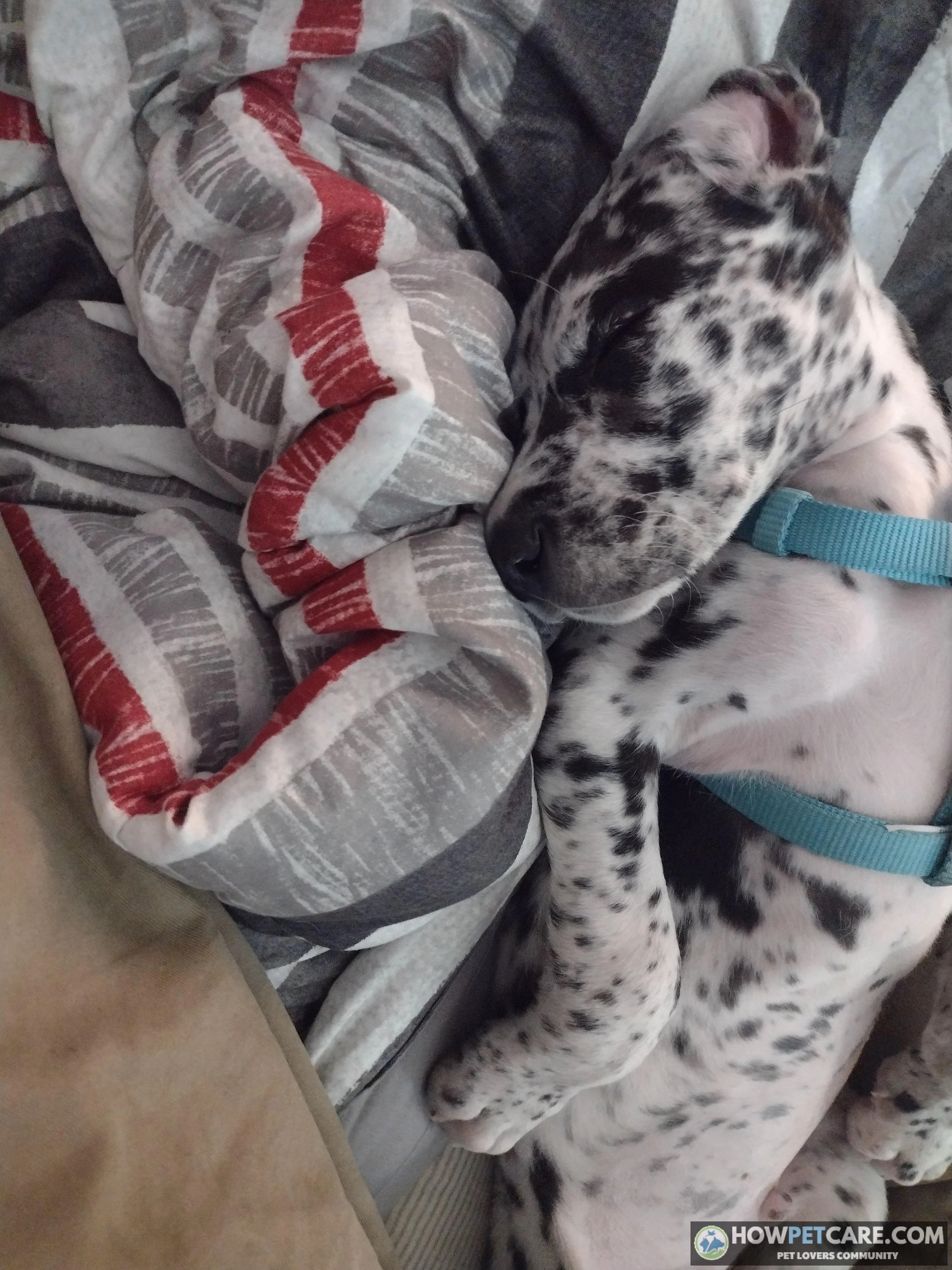
What matters for your decision: ask your vet where they stand on skeletal maturity and how that affects timing, then ask when GDV risk starts to matter for your breed. For a Great Dane, many owners and vets don’t want to wait two full years with an unprotected deep chest — exactly the kind of trade-off a dedicated consult resolves.
If your dog is already spayed, neutered or an adult
A gastropexy can be done as a standalone procedure at any age, including healthy adults and seniors. Older dogs need a pre-anesthetic workup, and the vet will weigh remaining life expectancy and anesthesia risk against the benefit. Since age itself is a GDV risk factor, some vets still recommend the surgery for a healthy older dog.
Confirm three things: whether the practice offers gastropexy at the same appointment, whether it uses open or laparoscopic technique, and what the incremental cost is. If the answer is no, ask for a referral before the spay is scheduled rather than after.
Recovery After Gastropexy: A Day-by-Day Timeline and What Can Still Go Wrong
Recovery is a schedule problem more than a comfort problem. The incisions usually look better long before the internal adhesion has matured, and that mismatch is where owners get into trouble. The scar-tissue bond needs roughly 10 to 14 days of calm.
Days 1-14: a recovery calendar
| Day | Activity | Incision and collar | Feeding | Call the vet if |
|---|---|---|---|---|
| 0 | Ride home, bathroom on a leash only, quiet room | E-collar or recovery suit on whenever unsupervised; check the incision once | Small meal only if the vet says so; water in small amounts | Repeated vomiting, cannot stand, pale gums, tight painful belly |
| 1-3 | Strict rest; 3-5 minute leash trips outside; no stairs, couches, beds or play | Check morning and night for redness, gaps or discharge; keep it dry | Several small meals, often three to four portions; appetite may lag 24 to 48 hours | Retching, refusing food after day one, worsening lethargy, swelling or oozing |
| 4-7 | Short leash walks of 5-10 minutes; still no running, jumping, rough play or off-leash yard time | Keep the collar on; licking can open a healing line | Move toward normal portions only if comfortable and approved | Fever, hot or painful incision, vomiting, diarrhea with lethargy, sudden belly swelling |
| 8-14 | Continue restricted activity while the adhesion matures; calm sniffing walks only | Recheck and suture or staple removal often around day 10 to 14 | Back to the normal schedule once cleared | Incision opening, discharge, persistent pain, bloating signs or behavior change |
| After day 14 | Increase activity gradually only after clearance, roughly 10-15% more every few days | Stop the collar only when cleared and licking has stopped | Keep bloat-aware habits for life | Keep the GDV signs on the fridge permanently |
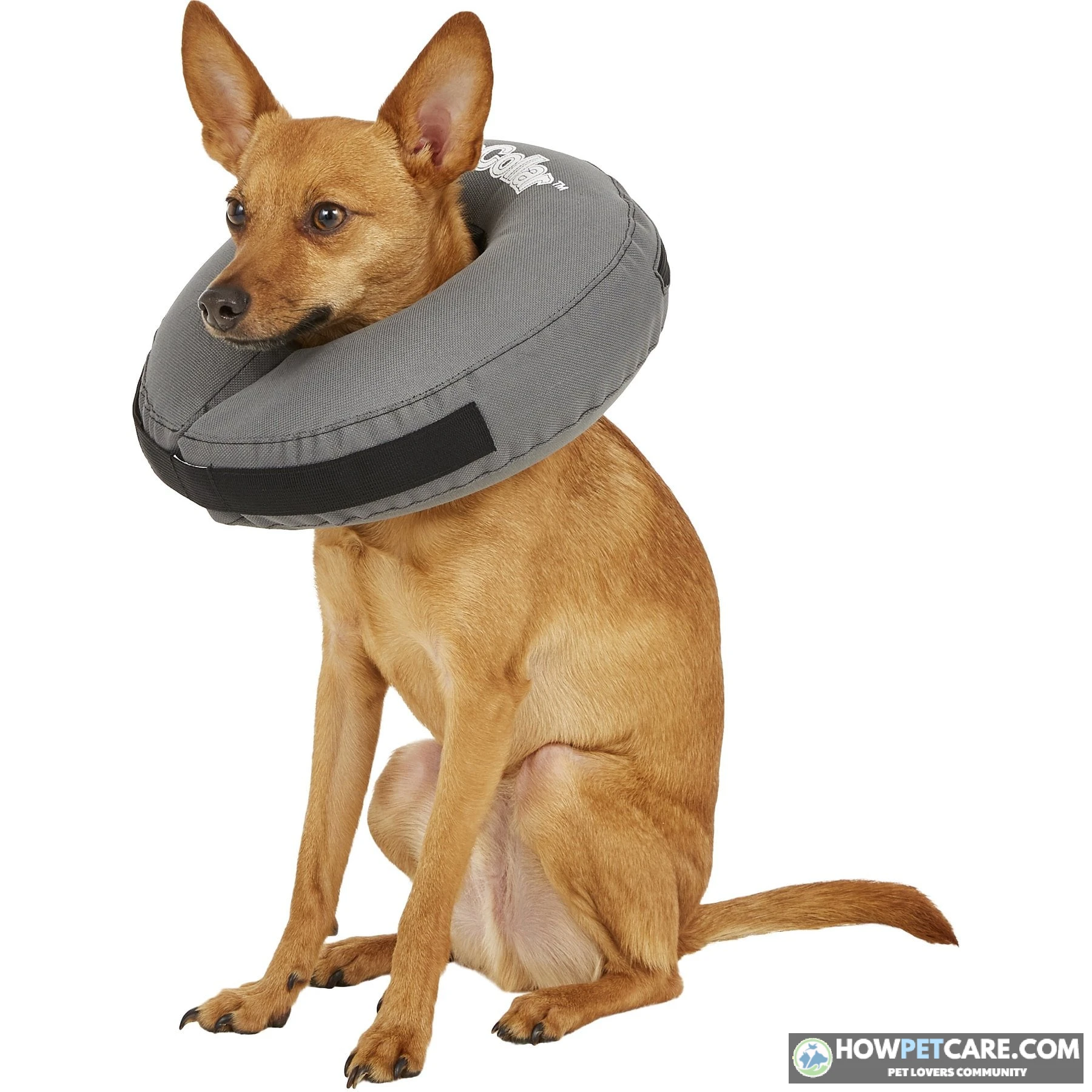
Call the vet for vomiting that repeats, lethargy that worsens rather than improves, discharge or separation at the incision, a tight or painful abdomen, refusal to eat beyond 48 hours, or any bloating signs. These are not "wait until Monday" findings.
Complications, failure rates and long-term outcomes
Pexy failure is uncommon but not zero. When it happens, it usually means the adhesion never formed properly or was torn loose — sometimes because a dog returned to jumping or rough play too early. Published case series generally report low failure rates, and the protection is considered durable once the scar tissue has matured. The practical lesson: the restriction window is part of the surgery, not optional aftercare.
A more common source of confusion: what a tacked dog can still do. A gastropexied dog can still bloat. Gas and food can still distend the stomach; the surgery blocks the rotation that turns distension into a vascular emergency. A bloating episode in a tacked dog is typically easier to manage and less likely to be fatal, but it still warrants prompt veterinary assessment.
Living with a pexied dog: feeding, exercise and vigilance
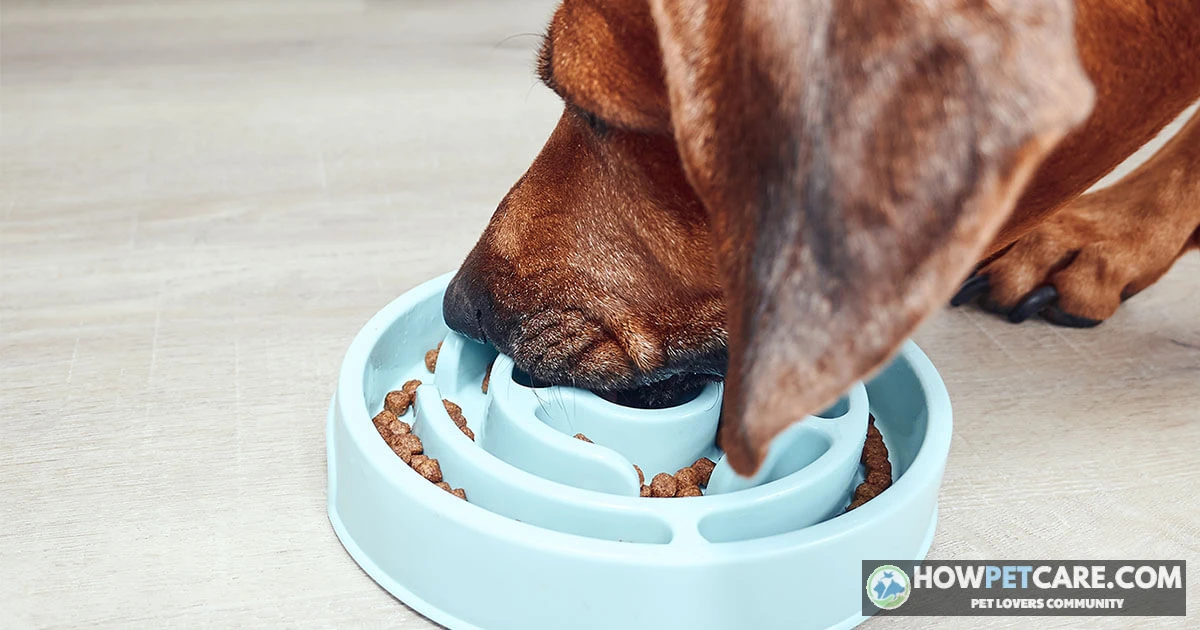
Long-term management is simple but not nothing. Keep meals smaller and more frequent, slow down a fast eater with a puzzle bowl or spread-out meal, and avoid hard exercise in the 30 to 60 minutes around a large meal. Some vets discuss acid-reducing medications like famotidine or omeprazole for dogs with a history of stomach upset, but that’s a case-by-case decision, not routine post-pexy care.
And keep the symptom list. A tack lowers the odds dramatically; it doesn’t issue a lifetime guarantee.
Is Gastropexy Worth It for Your Dog? A Step-by-Step Risk Check and Vet Visit Checklist
This is where a breed list becomes a decision. The framework below converts risk factors into a rough score so you can walk into a consult with a position, not a blank stare. It supports the conversation; it doesn’t replace the exam.
A simple GDV risk score for your dog
Score each line once, then add the points:
- Breed and size: +3 for a giant or strongly deep-chested high-risk breed (Great Dane, Standard Poodle, Weimaraner, Saint Bernard, Irish Setter, Gordon Setter, Bernese Mountain Dog, Akita); +2 for another large, deep-chested dog; +1 for a mixed breed with a narrow, deep chest; +0 for small or barrel-chested dogs.
- Chest shape: +2 if the chest is much deeper than it is wide; +1 if moderately deep; +0 if shallow or wide.
- History: +2 for a first-degree relative with GDV; +1 for GDV in the line or littermates. A dog that has already had GDV is an automatic high-priority conversation regardless of the total.
- Age: +2 for dogs over about seven years; +1 for ages four to seven; +0 under four, while still asking about timing around spay or neuter.
- Eating pattern: +2 for very fast eating plus one large meal daily; +1 for only one of those.
- Temperament: +1 for anxious, fearful, or easily stressed dogs, or during boarding and major household disruption.
- Build: +1 for a thin or underweight frame.
| Total | Reading | Suggested next step |
|---|---|---|
| 0-3 | Lower risk | Learn the symptom checklist, adjust feeding habits, revisit at the next wellness visit |
| 4-6 | Moderate | Bring it up at the next appointment, ideally before any planned spay or neuter |
| 7 or more | Higher | Book a dedicated consult about prophylactic gastropexy and ask about timing |
Weighing anesthesia risk and cost against that score
The other side of the scale is real. Anesthesia carries a small risk in any dog, larger in seniors, dogs with heart or lung disease, and brachycephalic breeds with airway concerns. A pre-anesthetic exam and bloodwork quantify that risk for your individual dog, and a good surgeon will say plainly when the balance doesn’t favor surgery. Cost matters too, and the range between a bundled add-on and a standalone laparoscopic procedure is wide enough to change some owners’ decisions.
Three worked examples show how the framework handles the middle ground:
- Great Dane puppy, eight months, no family history. Breed and size +3, chest shape +2, age +0, fast eating +1. Total 6, and the score would rise as the dog ages. This is a textbook case for discussing a pexy alongside a planned spay, usually timed with the vet’s preferred growth window rather than rushed.
- Mixed breed, moderate chest, anxious eater, no family history. Chest shape +1, mixed deep chest +1, temperament +1, fast eating +1. Total 4: moderate, worth raising at the next visit. This dog is not a guaranteed no, and not a clear yes. A vet exam that feels the chest and watches the dog eat may settle it.
- Small barrel-chested dog. Score near 0. Unless there is a prior GDV episode or a diagnosed stomach problem, most vets would not recommend a prophylactic pexy, and the conversation becomes about symptom awareness instead.
Some owners and veterinarians choose prophylactic gastropexy for most high-risk breed dogs, weighing a short, controlled anesthesia against a low-probability, high-consequence event. Others decide case by case and accept the residual risk. Both positions rest on the same facts, which is why the score is a discussion tool.
Questions to bring to your vet appointment
- Based on this dog’s chest shape, breed, age, family history and temperament, what risk category do you place it in?
- Do you recommend prophylactic gastropexy, and if not, why not for this dog specifically?
- If yes, should it be done with the spay or neuter, or separately, and at what age?
- Does this practice perform open or laparoscopic gastropexy, and which technique do you use?
- How many of these have you performed, and what complications have you seen?
- What is the itemized estimate, and what does it include?
- What does aftercare look like, including restrictions, collar, rechecks and feeding changes?
- Since a pexy does not prevent bloat, what should I do if my dog shows the signs later?
1What is the primary mechanical function of a gastropexy in dogs?
The surgeon anchors the pyloric antrum to the right abdominal wall so scar tissue forms over 10 to 14 days, preventing the stomach from swinging into a rotated position.
2A dog owner notices their dog's abdomen is distended with gas, but a veterinarian confirms the stomach has not rotated. Which statement accurately describes this clinical scenario?
Gastropexy prevents volvulus (twisting) but does not stop gas, food, or fluid from distending the stomach.
3Which of the following clinical signs are classic warning indicators of potential Gastric Dilatation-Volvulus (GDV) requiring emergency veterinary care? (Select all that apply)
Unproductive retching occurs because the twisted entrance and exit of the stomach prevent trapped gas or fluid from escaping.
4If a dog undergoes emergency surgery for GDV and the stomach is untwisted but not anchored with a gastropexy, what is the published estimated rate of recurrence?
Without a surgical tack to anchor the stomach, roughly 80% of dogs that survive an initial GDV episode will bloat and twist again.
5How do open gastropexy and laparoscopic gastropexy compare regarding post-operative internal healing and activity restriction?
Even if laparoscopic patients experience less incision soreness, the internal adhesion between the stomach and body wall requires 10 to 14 days to form durable scar tissue.
6Based on individual risk factors, which of the following traits or habits increase a dog's risk profile for developing GDV? (Select all that apply)
Genetic predisposition and shared physical build make family history one of the strongest risk signals.
7Which gastropexy technique is considered the reference standard in many practices, involving suturing a fold of stomach wall into a small incision created in the abdominal wall muscle?
Incisional gastropexy is the most widely performed technique, generally fastest to execute, and associated with the lowest complication rate.
8During the first 14 days of post-gastropexy recovery, what is the primary purpose of keeping an e-collar or recovery suit on the dog whenever it is unsupervised?
Self-trauma from licking can open skin closures and lead to superficial or deep surgical complications.
That last question is the one to remember. Whether you choose surgery or manage risk without it, the outcome depends far more on how quickly you recognize a distended, retching dog and get it to a hospital than on any single decision made in a consult room.
FAQ
What is gastropexy in humans?
In people, a gastropexy is a surgery that fixes the stomach to the abdominal wall, most often to treat a stomach that has twisted or a large hiatal hernia. The dog procedure uses the same basic principle but is mainly done to prevent GDV.
Is gastropexy painful for dogs?
Dogs have pain after surgery, but it is usually controlled with prescribed pain medication. Laparoscopic procedures tend to be less painful than open surgery because the incisions are smaller.
Will pet insurance cover a prophylactic gastropexy?
Many policies treat prophylactic gastropexy as elective and exclude it, though some cover it when done with a covered procedure or under a wellness add-on. Emergency GDV surgery is more often covered, so read your policy and ask the insurer before booking.
Can an older dog still have a prophylactic gastropexy?
Yes, healthy adult and senior dogs can have it, but the vet will weigh anesthesia risk, bloodwork and remaining life expectancy against the benefit. Older age is itself a GDV risk factor, which is why some vets still recommend it.
Do small dogs ever need a gastropexy?
Rarely, because GDV is much less common in small, barrel-chested breeds. A vet may recommend one for a small dog that has had GDV, has a chronic stomach disorder, or has a specific anatomical problem.