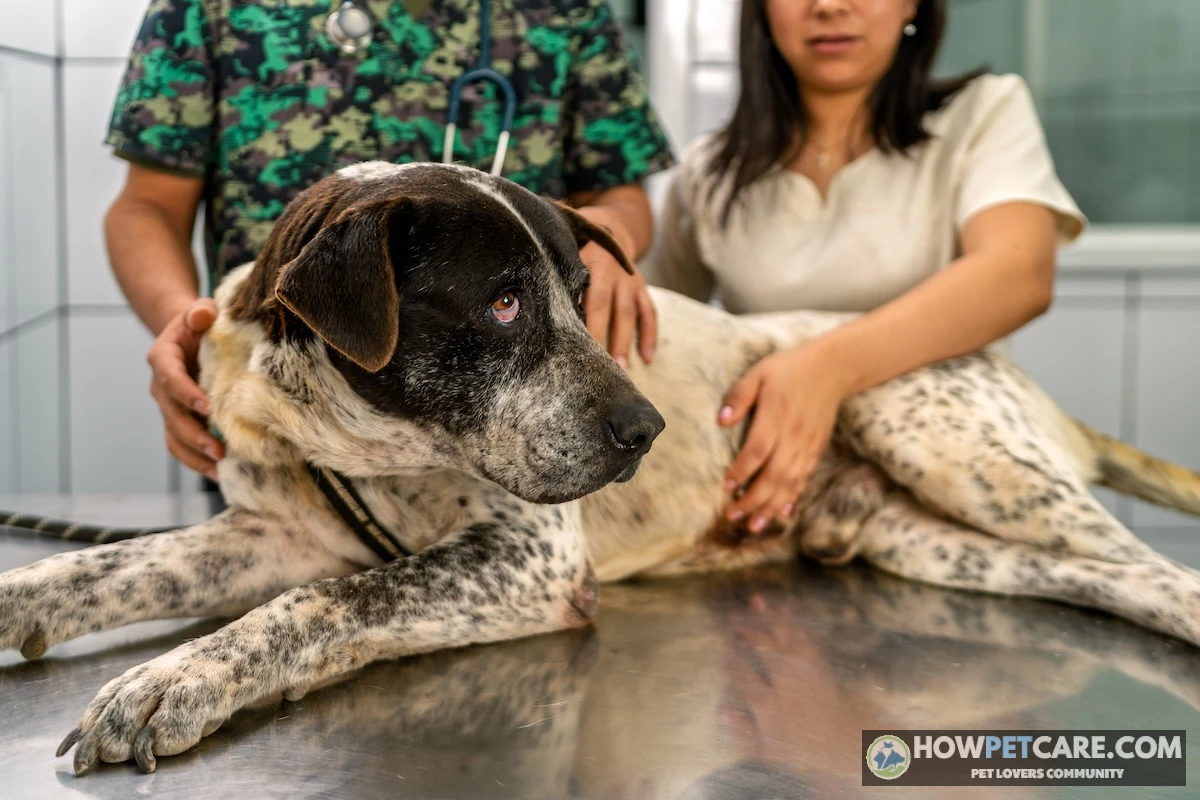

Lymphoma in dogs is a cancer of lymphocytes, a type of white blood cell. It is the most common canine cancer treated with chemotherapy — generally not curable, but multi-drug chemo can bring remissions lasting many months. Multicentric lymphoma, affecting multiple lymph nodes, accounts for about 80% of cases.
Lymphoma in Dogs: What It Is, Whether It’s Curable, and What to Do First
Lymphoma in dogs is a cancer of lymphocytes, a type of white blood cell. It’s treatable but generally not considered curable. Chemotherapy can put many dogs into remission, sometimes for months or longer, but remission isn’t the same as the cancer being gone for good. Multicentric lymphoma, the form that affects multiple lymph nodes, is the most common and accounts for about 80% of cases.
What happens next depends on how stable your dog is and whether you’re considering chemotherapy. If the diagnosis is fresh, ask your veterinarian about an oncology referral before starting prednisone. The drug has a real role in comfort-focused care, but starting it before chemotherapy may reduce how well later treatment works. Never stop or refuse a prescribed medication without talking through the timing with your vet.
Published estimates for owners vary widely. Untreated dogs may live only weeks. Prednisone alone often buys a short stretch of benefit. Multi-drug chemotherapy can bring remissions lasting many months. One source puts untreated survival at 3–4 weeks and prednisone remissions at no more than roughly 8–12 weeks; another describes remissions of 12–18 months in many dogs on multi-agent chemotherapy. None of these are guarantees. The lymphoma’s type, stage, and your dog’s health all shape the outlook.
This guide covers how to check lymph nodes, which tests confirm the diagnosis, what B-cell and T-cell results mean for prognosis, what treatment costs, and how to weigh comfort-focused care.
Signs of Lymphoma in Dogs and Where to Check for Swollen Lymph Nodes
The most recognizable symptom of lymphoma in dogs is one or more enlarged lymph nodes. They’re often firm, rubbery, and painless, and some dogs seem completely well when the swelling is first noticed. Depending on which organs are involved, the disease can also cause weight loss, lethargy, reduced appetite, vomiting, diarrhea, increased thirst or urination, or breathing difficulty. Breathing problems are different from kennel cough symptoms, which usually center on a harsh, contagious cough rather than painless nodes.
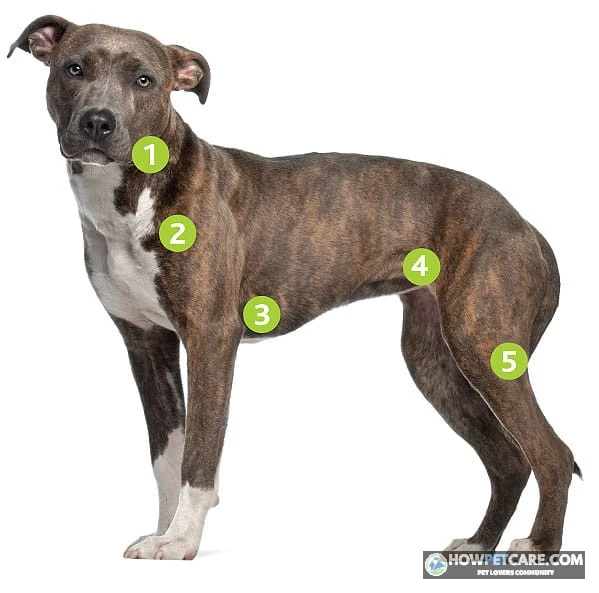
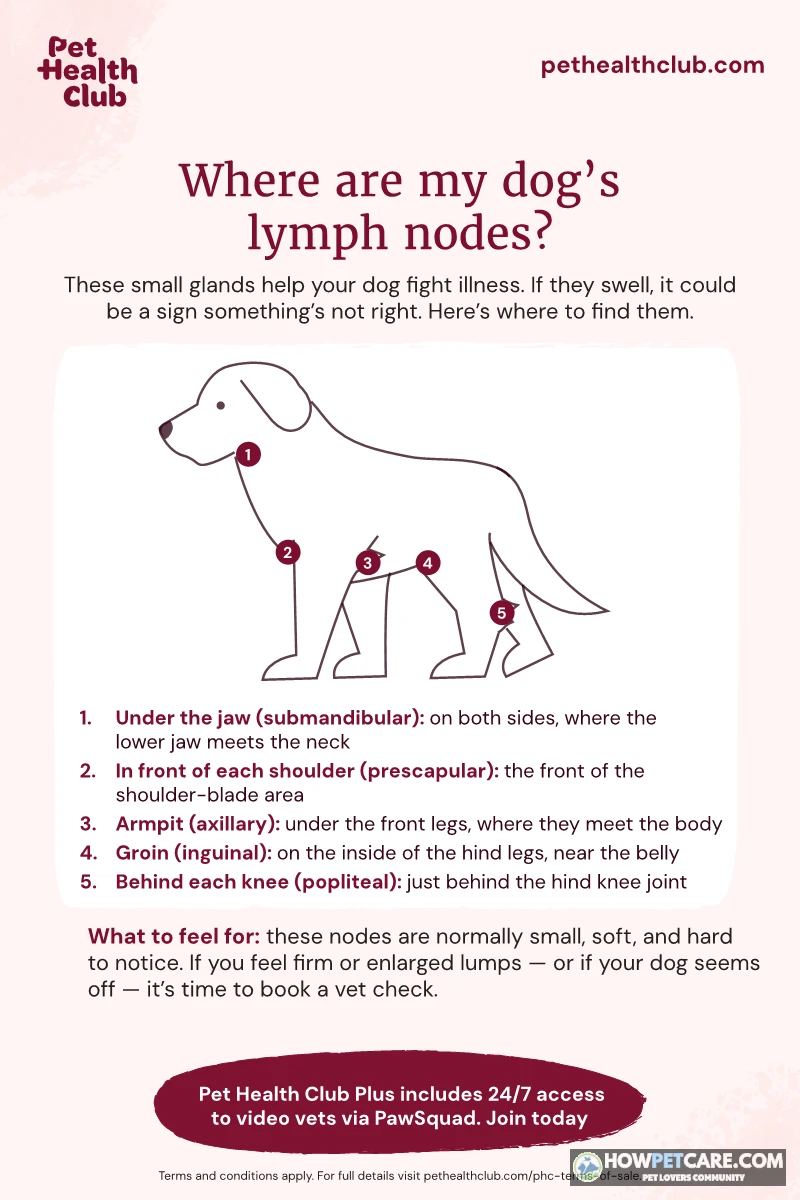
How to palpate each lymph node, step by step
Use flat fingertips and check gently, comparing the same spot on the left and right. Found a lump? Note where it is and how it differs from the opposite side. Don’t squeeze it or press it repeatedly. Your veterinarian can examine it and decide whether sampling is needed.
- Under the jaw (submandibular): Feel the soft tissue along the underside of the jaw, toward the angle where the jaw meets the neck. Salivary glands and other normal structures can be mistaken for nodes here, so a vet should confirm what you feel.
- In front of the shoulders (prescapular): Feel the hollow just in front of each shoulder blade, where the neck joins the shoulder.
- Armpits (axillary): Gently lift a front leg and feel where it meets the chest wall. These nodes can be difficult to locate in a healthy dog.
- Groin (inguinal): Feel the fold where each hind leg meets the belly. Mammary tissue is nearby, so do not assume every lump in this area is a lymph node.
- Behind the knees (popliteal): Feel the soft area at the back of each hind leg, just above the hock.
Healthy nodes are often too small to feel, and size varies by dog and by node location, so no single home measurement confirms disease. A new, firm lump or a clear difference between sides is reason to call your vet. Only testing can identify the cause.
Early signs owners miss
While you pet or groom your dog, check for changes, but don’t rely on home palpation to rule lymphoma out. Some forms mainly affect the digestive tract, chest, skin, or other organs without producing obvious, easily felt external nodes. Gastrointestinal involvement may show up as appetite loss, vomiting, diarrhea, or weight loss; a mass in the chest can contribute to breathing problems. Those signs can overlap with parvo symptoms in dogs and other emergencies, so testing matters.
Enlarged nodes usually aren’t painful just because they’re enlarged. Even so, a dog may feel unwell from the cancer or from organ involvement. Labored breathing, collapse, or severe weakness calls for urgent veterinary attention — contact a clinic the same day rather than waiting for a routine appointment.
Other causes of swollen lymph nodes
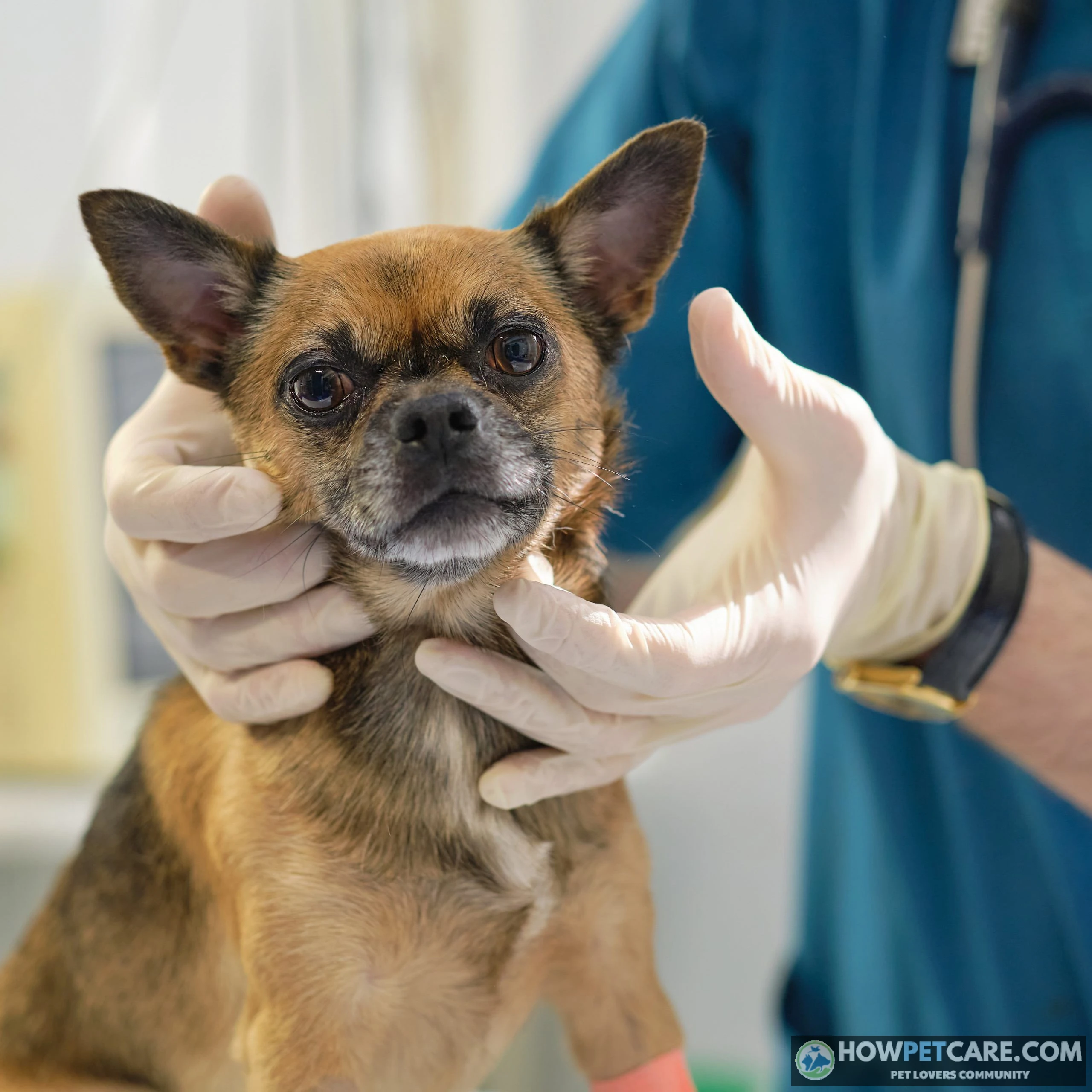
A swollen node doesn’t prove lymphoma. Infection, inflammation, immune-mediated disease, and other cancers can enlarge nodes too. Your veterinarian may recommend a fine needle aspirate to examine the cells and decide what testing should follow. Don’t diagnose by touch alone. For broader context on infections, germs, and everyday triage, see whether dogs can get sick before assuming cancer.
Types and Stages of Canine Lymphoma: What Your Dog’s Diagnosis Means
Lymphoma isn’t a single uniform disease. Where it starts, which cells are involved, and how aggressive it is all help shape treatment and prognosis. Multicentric lymphoma, which affects multiple lymph nodes, is the most common form; other forms target the gastrointestinal tract, chest, skin, or less common sites.
Anatomic types and how common each is
The table below is a practical overview, not a substitute for the pathology report. Survival figures are broad, treatment-associated estimates, and not every type has a well-established median that applies across dogs.
| Type | Prevalence | Typical symptoms | Immunophenotype tendency | Median survival with treatment | Treatment response |
|---|---|---|---|---|---|
| Multicentric (nodal) | Most common — about 80% of cases | Multiple enlarged nodes; sometimes weight loss or lethargy | May be B-cell or T-cell | About 12 months for B-cell and about 6–9 months for T-cell with CHOP-based treatment; individual outcomes vary | Often responds to multi-agent chemotherapy; type matters |
| Alimentary (gastrointestinal) | Less common than multicentric | Vomiting, diarrhea, appetite loss, weight loss | Varies by subtype | No single reliable figure applies across subtypes | Depends on extent, grade, and phenotype |
| Mediastinal (chest) | Uncommon | Breathing difficulty; sometimes fluid around the lungs | T-cell is common in some presentations, but not universal | Varies; ask for estimates tied to the biopsy or phenotype | Depends on disease features and overall condition |
| Cutaneous (skin) | Uncommon | Skin lesions, plaques, or nodules | Varies | Varies considerably by subtype | Treatment depends on whether disease is localized or widespread |
| Extranodal (other organs) | Less common | Signs depend on the affected organ, such as eye, kidney, or nervous system | Varies | Varies by site and subtype | Requires an individualized plan |
Multicentric lymphoma is reported as the most common form, representing about 80% of cases. Lymphoma also spans many distinct types, from aggressive disease to slower-growing forms. Your vet may use additional testing to tell these subtypes apart; the word “lymphoma” alone can’t predict an individual dog’s course.
The five stages and substages a/b
Staging describes how far the disease has spread. The WHO-style system runs from Stage I, involving one lymph node, through generalized nodal disease and organ involvement, up to Stage V, which includes blood or bone marrow involvement.
- Stage I: One lymph node or lymphoid tissue in one area is involved.
- Stage II: Multiple nodes in one region are involved.
- Stage III: Lymph nodes in multiple regions are involved; this is a common pattern in multicentric disease.
- Stage IV: The liver and/or spleen is involved.
- Stage V: There is blood, bone marrow, or other broader involvement, depending on the staging criteria used.
A dog may also be classified as substage a when feeling well or substage b when showing signs of illness. Staging helps guide decisions, but it can’t by itself give a precise survival prediction. Ask which tests support the assigned stage and whether their results would change the treatment plan.
Which breeds are at higher risk and what is known about causes
The cause in an individual dog is often unknown. Breed predisposition and environmental exposures have been studied as risk factors, but a risk association can’t show what caused one dog’s cancer. Breeds commonly discussed as having elevated risk include Golden Retrievers, Boxers, Bulldogs, Bullmastiffs, Rottweilers, and Basset Hounds. Risk isn’t a diagnosis: dogs of any breed can develop lymphoma.

How Lymphoma in Dogs Is Diagnosed: Needle Aspirate vs Biopsy vs Advanced Tests
Your veterinarian usually starts with an exam and a sample from an enlarged node or affected tissue. The goals: confirm lymphoma, identify the type where possible, and check how the disease may affect the rest of the body before treatment.
FNA vs biopsy side by side
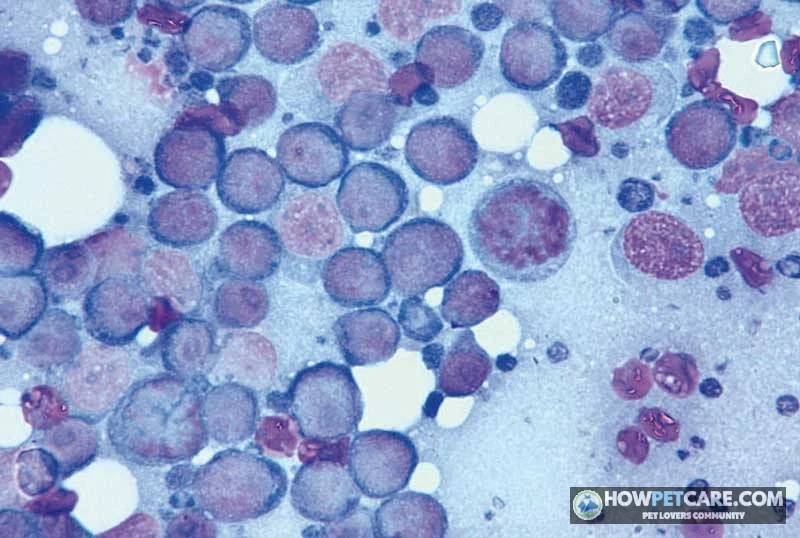
A fine needle aspirate (FNA) uses a small needle to collect cells, usually from an accessible enlarged lymph node. It’s typically quick and minimally invasive, and cytology can often identify lymphoma. But it may not yield enough information to pin down the exact subtype or grade.
A biopsy collects a piece of tissue for a more detailed exam. Your vet may recommend one if cytology is unclear, a slower-growing subtype is suspected, or the affected site is hard to diagnose from cells alone. Depending on the location and method, a biopsy can require sedation or anesthesia, and it’s more involved than an aspirate.
| Test | What it can tell you | Main tradeoff |
|---|---|---|
| FNA with cytology | Whether sampled cells are consistent with lymphoma | May not establish subtype or grade |
| Tissue biopsy | Tissue architecture and more detailed classification | More invasive and may require anesthesia |
| Flow cytometry or immunocytochemistry | Whether lymphoma cells have B-cell or T-cell features | Requires an appropriate sample and laboratory testing |
| PARR | Whether sampled lymphocytes show a clonal population | Helps resolve some uncertain cases but is not a replacement for every other test |
Flow cytometry, PARR, and immunophenotyping explained
Immunophenotyping identifies characteristics of lymphoma cells, including whether they are B-cell or T-cell. Flow cytometry examines markers on cells in a sample; immunocytochemistry uses markers on prepared cells or tissue. PARR looks for a clonal pattern in lymphocyte DNA, which can support a lymphoma diagnosis in selected cases. These tests sharpen the diagnosis and prognosis, but the best choice depends on the sample and the question your vet is trying to answer.
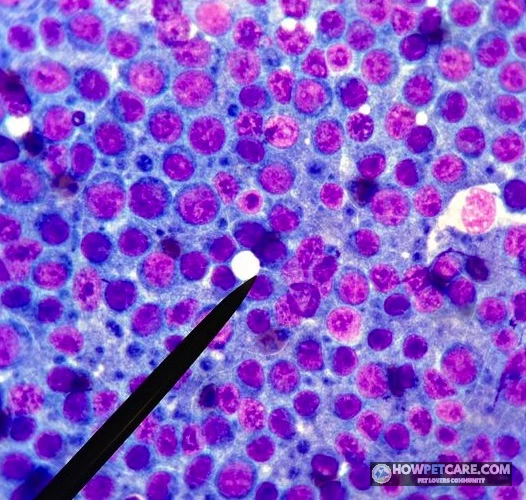
Ask whether the sample can be collected before treatment and whether the result is likely to change the protocol. If the diagnosis is uncertain or the cancer may be an indolent subtype, ask whether a biopsy or extra testing makes sense.
Which staging tests are essential
Bloodwork can assess blood-cell counts, organ function, and abnormalities that may affect treatment. Your veterinarian may also recommend urinalysis, chest X-rays, abdominal ultrasound, or a bone marrow sample. Not every dog needs every test — the choice depends on symptoms, exam findings, the suspected subtype, and whether a result would change the plan.
Before treatment starts, ask for the cytology or biopsy report, the proposed stage and substage, any phenotype result, and a written estimate. The questions later in this guide can help you organize the oncology visit.
B-Cell vs T-Cell Lymphoma: Survival and Remission by Type and Protocol
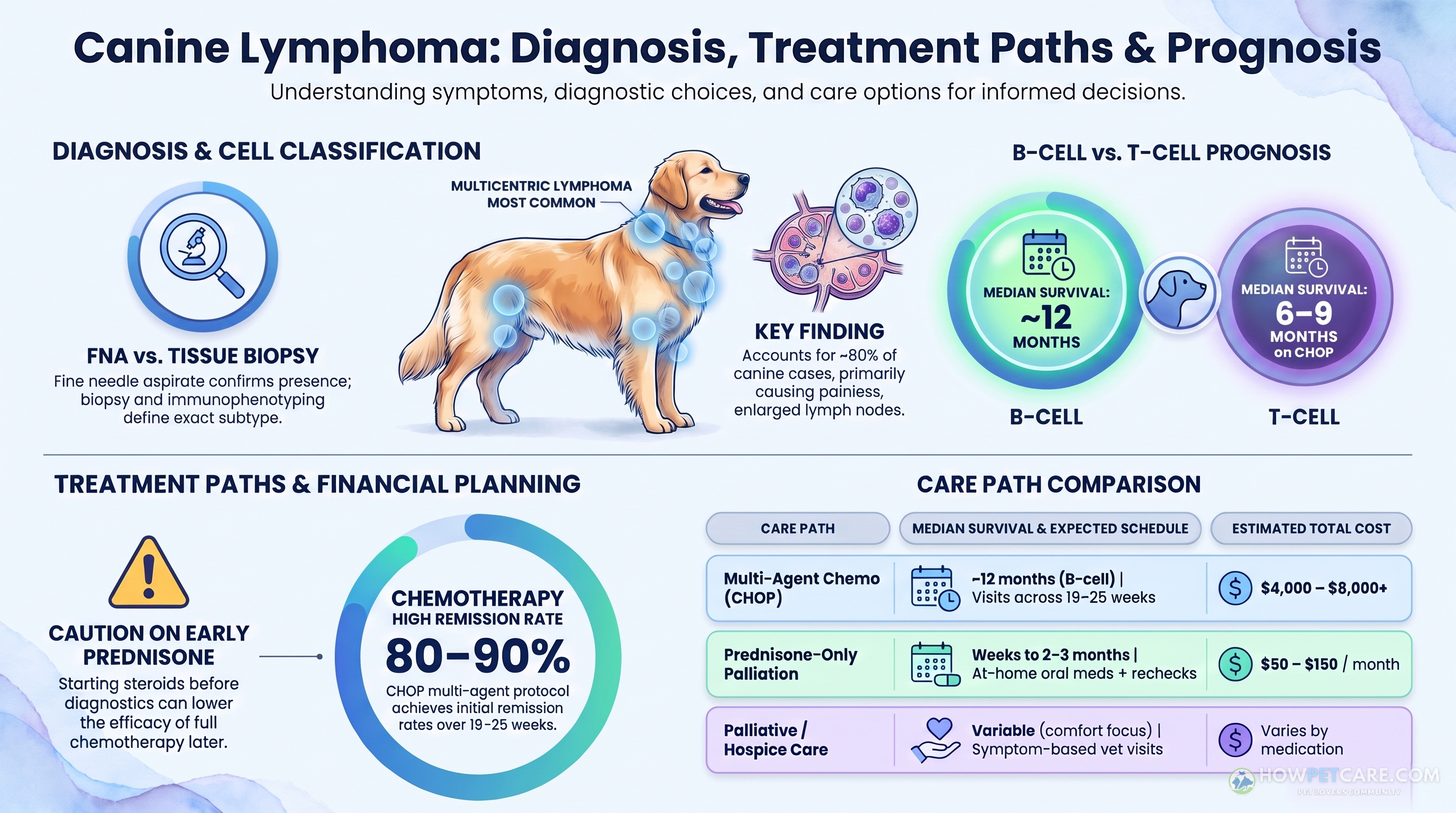
B-cell and T-cell describe the kind of lymphocyte involved, and the distinction matters because treatment response and typical survival differ. With a CHOP-based protocol, B-cell lymphoma is often associated with a median survival around 12 months, while T-cell lymphoma sits near 6–9 months. These are medians: half of dogs live less, half live longer. They describe groups, not predictions for your dog.
What the CHOP protocol actually looks like week to week
CHOP is a multi-agent chemotherapy approach combining cyclophosphamide, doxorubicin, vincristine, and prednisone. The drugs are given on a rotating schedule over multiple weeks, with clinic visits for treatment and monitoring. The precise schedule varies by clinic and protocol, and treatment may be adjusted if side effects or other health issues arise.
A CHOP plan commonly spans roughly 19–25 weeks. In B-cell cases, CHOP-based protocols have reported remission rates around 80–90% and median survival estimates around 10–14 months, often summarized as approximately 12 months. A minority of dogs live two years or longer. Such figures describe study and clinical populations, not what any one dog is guaranteed to experience.
Remission means the detectable signs of lymphoma have greatly reduced or are no longer detectable on the tests being used. It is not a cure. Relapse is common, and the next step may be a rescue protocol or a shift to comfort-focused care. Most dogs get chemotherapy at doses intended to preserve quality of life, so monitoring and prompt attention to side effects still matter. Multi-agent chemotherapy is described as achieving remissions of 12–18 months in many cases.
Newer options: Tanovea-CA1 and beyond
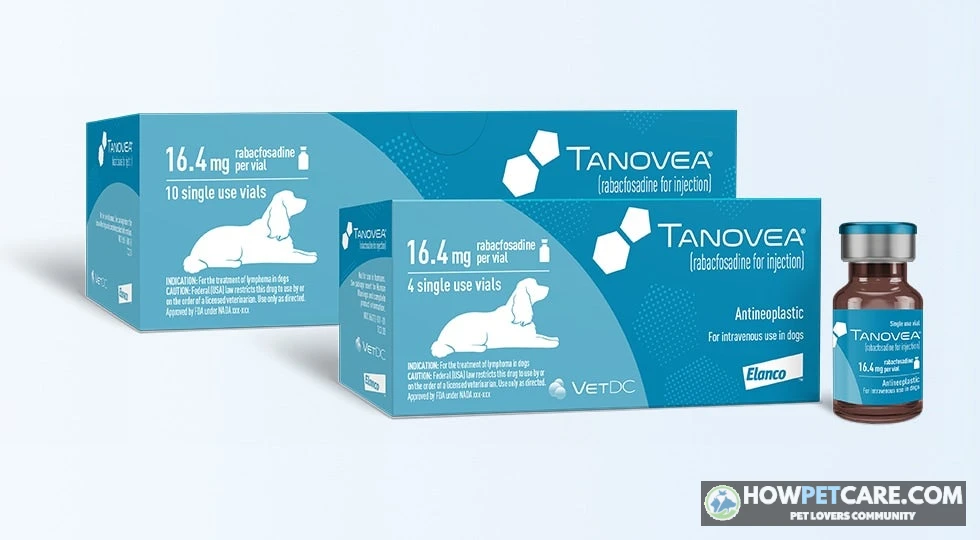
Tanovea-CA1 (rabacfosadine) is a named chemotherapy option that may come up at diagnosis or relapse. It isn’t interchangeable with CHOP; availability, suitability, schedule, and side-effect monitoring depend on the dog’s case and the clinic. Ask the oncologist what evidence and expected benefit apply to your dog’s phenotype and treatment history.
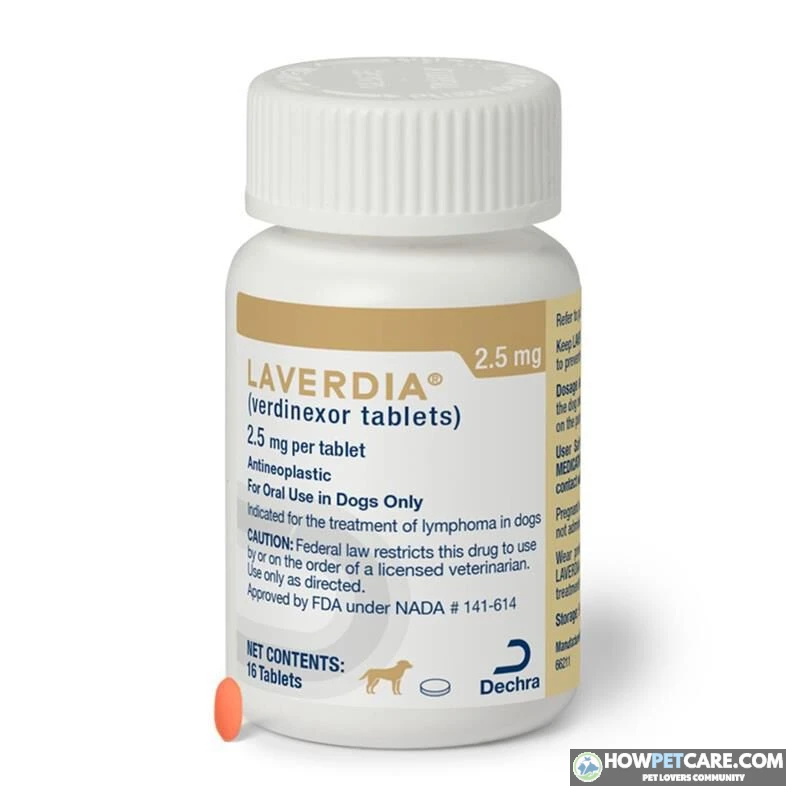
Other approaches may include COP, single-agent doxorubicin, lomustine (CCNU), or other rescue protocols. Their role varies by lymphoma type, prior treatment, and your goals. Ask what the plan aims to achieve, how many visits it involves, and what comes next if the cancer returns.
Relapse and rescue protocols
When lymphoma relapses, the first protocol may stop working as well. Your oncologist can lay out whether another drug combination, a single agent, or comfort-focused care makes sense. A second remission may be possible, though it’s often shorter than the first. Track appetite, energy, breathing, and lymph-node changes so you can report a clear timeline at recheck visits.
What Lymphoma Diagnosis and Chemotherapy Cost: Real Price Ranges
The cost of diagnosing and treating dog lymphoma depends on location, clinic type, testing, protocol, and complications. The figures below are broad US estimates for planning, not a quote. Ask the clinic for a written estimate that separates initial diagnostics, treatment, monitoring, and possible emergency care.
| Service or protocol | What it includes | Estimated cost range | Notes |
|---|---|---|---|
| Oncology consultation | Exam, record review, treatment discussion | $200–$350 | Ask whether it is credited toward treatment |
| Fine needle aspirate and cytology | Needle sample and laboratory review | $150–$400 | Often an initial diagnostic step |
| Lymph node biopsy | Tissue collection, anesthesia or sedation, pathology | $500–$1,500 | May be needed when cytology is unclear |
| Flow cytometry or PARR | Additional phenotype or clonality testing | $200–$600 | Ask whether the result would affect the plan |
| Staging bloodwork | CBC, chemistry, and urinalysis | $200–$400 | Helps assess health and treatment readiness |
| Chest X-rays and abdominal ultrasound | Imaging of chest and abdomen | $400–$1,000 | Recommendations vary by case |
| Bone marrow aspirate | Assessment for marrow involvement | $300–$600 | Ask whether it would change treatment |
| Prednisone-only palliation | Medication and rechecks | $50–$150 per month | A lower-cost comfort-focused option |
| COP or modified lower-cost protocol | Combination treatment and monitoring | $1,500–$3,000 total | Exact drugs and schedule vary |
| Single-agent doxorubicin | A course of IV treatments and monitoring | $2,000–$4,000 total | Often discussed as a middle-ground approach |
| Full CHOP protocol | Multi-agent treatment over several months | $4,000–$8,000 or more total | Total depends on clinic and monitoring |
| Tanovea-CA1 (rabacfosadine) | Infusions and monitoring | $800–$1,000 per dose | Ask how many doses are planned |
Those estimates can differ substantially by region, clinic, and protocol. Bloodwork before treatments, anti-nausea medication, rechecks, hospitalization for serious side effects, and later rescue treatment can all add to the total. A hospitalization run may cost hundreds to a few thousand dollars, depending on the care needed.

Ways to lower the bill
Ask for a tiered estimate: the recommended plan, a lower-cost plan, and a comfort-focused plan. Veterinary teaching hospitals may price differently from private specialty clinics. Payment plans, CareCredit, or nonprofit veterinary assistance may be options, but eligibility varies. Pet insurance generally won’t cover a condition diagnosed before enrollment, so check the policy rather than assuming it will help.
Cost is a real part of the decision, not a measure of how much you care about your dog. Ask the oncologist which tests and treatments are most likely to change comfort or outcome, and where a less expensive option is reasonable.
Prednisone, Full Chemo, or Palliative Care: How to Choose Your Dog’s Treatment Path
No single treatment path is right for every family. The decision hinges on the lymphoma’s type, your dog’s health and comfort, the time and travel treatment requires, and what you can afford. Discuss goals openly with your veterinarian or oncologist.
The prednisone-first trap
If prednisone is offered as a “start now, decide later” step, ask whether an oncology consultation and diagnostic sampling should come first. Steroids can reduce lymphoma signs, but prior exposure may make later chemotherapy less effective and can complicate how samples read. The risk depends on the case and the timing — that’s a reason to discuss sequencing promptly, not to refuse steroids when a veterinarian believes they’re needed.
Prednisone has a legitimate role in palliative care when full chemotherapy isn’t planned or no longer fits. Some dogs feel better temporarily, though the benefit is generally shorter than remission from multi-agent chemotherapy. If your dog is struggling to breathe, can’t eat, or is otherwise in crisis, seek veterinary care rather than delaying necessary treatment while waiting for a referral.
Comparing the three paths
| Option | Median survival | Visits and schedule | Estimated cost | Quality of life and tradeoffs |
|---|---|---|---|---|
| Full multi-agent chemotherapy, such as CHOP | About 12 months for B-cell; about 6–9 months for T-cell in typical estimates | Multiple visits across roughly 19–25 weeks, plus monitoring | About $4,000–$8,000 or more | Offers a strong chance of remission for many dogs; requires frequent visits and expense |
| Prednisone-only | Often weeks to a few months; estimates vary | Medication at home and veterinary rechecks | About $50–$150 per month | May temporarily improve comfort; shorter benefit and can affect later chemotherapy response |
| Palliative or hospice care | Variable; focus is comfort rather than a survival target | Visits based on symptoms; home care may be arranged | Varies by medicines, visits, and services | Avoids an intensive cancer protocol; requires close monitoring of comfort and decline |
Untreated survival estimates vary across sources. One reports death within 3–4 weeks, while broader owner-facing guidance often describes a period of weeks to a few months. Ask the oncologist to explain which estimate best fits your dog’s disease rather than treating a general figure as a deadline.
Chemotherapy aims to maintain a good quality of life, not to reproduce the intensity of human cancer treatment. Some dogs get vomiting, diarrhea, or low energy; ask which symptoms warrant a same-day call and who to contact after hours. Hair loss isn’t common in most dogs, though coat effects depend on breed and treatment.
Feeding a dog with lymphoma
There is no established “best diet” that cures canine lymphoma. Prioritize a complete, balanced food your dog will eat, enough calories to maintain body condition, and access to fresh water. Ask the oncologist before changing diets or adding supplements, especially during treatment. Raw diets are generally best avoided during chemotherapy, since foodborne microbes can pose added risk when immune defenses are affected. Don’t use diet as a substitute for veterinary treatment.

Quality of Life, Hospice, and When to Euthanize a Dog With Lymphoma
Hospice and palliative care aim to relieve symptoms and support comfort. They may include medications for appetite, nausea, pain, or inflammation, plus help with hydration and toileting and a plan for urgent changes. A hospice veterinarian can also discuss in-home euthanasia where available.
Quality-of-life scoring checklist
A simple scorecard makes changes easier to spot. Score each category from 0 to 10, where 10 means your dog’s usual comfortable state. Use the same standard each time and discuss trends with your veterinarian; no score alone determines the right decision.
| Category | What to assess | Score (0–10) |
|---|---|---|
| Hurt | Is pain or nausea controlled? Is breathing comfortable? | ___ |
| Hunger | Is your dog eating enough without persistent coaxing? | ___ |
| Hydration | Is your dog drinking and keeping water down? | ___ |
| Hygiene | Can your dog toilet and stay reasonably clean and dry? | ___ |
| Happiness | Does your dog still seek attention or enjoy familiar activities? | ___ |
| Mobility | Can your dog stand, reach food and water, and rest comfortably? | ___ |
| More good than bad | Are good days still outnumbering bad days? | ___ |
| Total | ___ / 70 |
A low score, a sharp drop from your dog’s usual baseline, or one severe problem that can’t be controlled should prompt a timely conversation with your vet. Score weekly when things are stable, more often during decline. Mark each day as good or bad on a calendar; a written record can reveal a trend that memory blurs.
What hospice and palliative care look like
A comfort plan should spell out which medicines to give, how to handle appetite or nausea changes, what to monitor, and when to call. Ask for an after-hours contact plan. If treatment side effects or the cancer itself make it hard to rest, breathe, eat, walk, or interact, tell the veterinary team rather than waiting for the next scheduled visit.
How to know when it’s time
Warning signs include refusing food, repeated vomiting or diarrhea that doesn’t respond to treatment, labored breathing at rest, inability to stand or get comfortable, persistent distress, or loss of interest in activities your dog usually enjoys. Loss of mobility can resemble hip dysplasia in dogs, but here it matters as a comfort signal rather than a primary diagnosis. Breathing difficulty, collapse, or severe uncontrolled symptoms warrant urgent veterinary help. A decline that continues despite reasonable comfort measures is a signal to discuss whether hospice can help or euthanasia is the kindest option.
There’s no perfect score or universal day to choose euthanasia. Consider whether your dog can still experience comfort and pleasure, and whether bad days are becoming more frequent than good ones. A planned conversation with your veterinarian can help avoid making the decision during a crisis.
Your Next Steps: A Checklist for the First Week After a Lymphoma Diagnosis
Use the first few days to clarify the diagnosis and build a plan that fits your dog and household. If your dog is stable and chemotherapy is an option you may consider, ask about an oncology referral before prednisone starts. If your dog is in distress, get veterinary care immediately and discuss the safest timing with the treating veterinarian.
- Gather the records: Request the cytology or biopsy report, bloodwork, imaging results, medication list, and any discharge notes.
- Ask about the diagnosis: Confirm the suspected lymphoma type, whether it is B-cell or T-cell, and whether additional testing such as flow cytometry or PARR could change the plan.
- Clarify staging: Ask what tests were done, what stage and substage were assigned, and whether more testing would affect treatment or comfort.
- Request a written estimate: Separate diagnostic costs, treatment, monitoring, likely medications, and possible emergency expenses. Ask for a lower-cost alternative if needed.
- Compare treatment goals: Ask about CHOP, other protocols, prednisone-only care, and hospice; discuss expected visits, likely benefits, side effects, and what happens if lymphoma relapses.
- Set a review point: Agree on when to reassess treatment and how to track appetite, energy, breathing, node changes, and good versus bad days.
Bring these questions to your veterinarian or oncologist:
- Is my dog’s diagnosis confirmed, and would a biopsy add useful information?
- What phenotype and subtype does the testing show?
- What protocol do you recommend and why for this case?
- What remission rate and median survival estimate apply to this type and treatment?
- How many visits are expected, what side effects should I watch for, and who do I call after hours?
- What is the total estimated cost, including monitoring, and what is the reasonable lower-cost option?
- If lymphoma relapses or quality of life declines, what choices will we have?
A clear written plan lets you make the next decision one step at a time, based on your dog’s response and your family’s priorities.
FAQ
Is lymphoma in dogs painful?
Swollen lymph nodes usually aren’t painful, and many dogs feel normal early on. Pain and discomfort develop when organs, the GI tract, or the chest are involved, or when the dog becomes systemically ill, and they can be managed with supportive care.
Can lymphoma in dogs be cured?
Lymphoma is considered incurable in dogs, but it is one of the most treatable cancers. Chemotherapy puts most dogs into remission, which can last from months to a couple of years.
What causes lymphoma in dogs?
The cause is usually unknown. Genetics play a role, as certain breeds such as Golden Retrievers, Boxers, and Bulldogs are at higher risk, and environmental exposures such as herbicides and tobacco smoke have been studied with mixed evidence.
Is chemotherapy hard on dogs?
Most dogs tolerate chemo well, with fewer side effects than people and rarely hair loss in most breeds. Roughly a quarter to a third have mild vomiting, diarrhea, or lethargy, and a small percentage need hospitalization.
Can a dog get lymphoma more than once or relapse after remission?
Relapse is expected in most dogs, since remission is not a cure. Rescue protocols such as lomustine or Tanovea-CA1 can often achieve a second remission, usually shorter than the first.