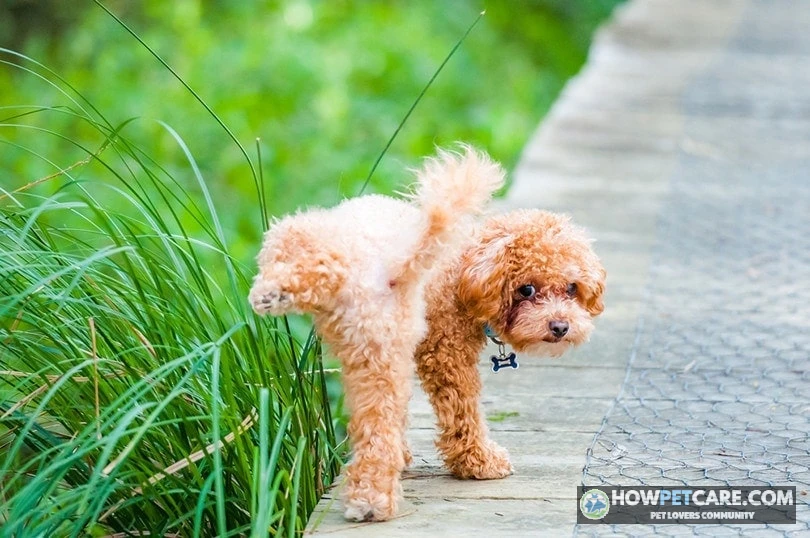

Common dog UTI symptoms include:
- Peeing small amounts very often (pollakiuria)
- Straining or taking a long time to urinate
- Sudden urgency or new accidents in the house
- Cloudy, dark, or strong-smelling urine
- Blood in the urine (pink, red, or brown tinge)
- Excessive licking of the genital area
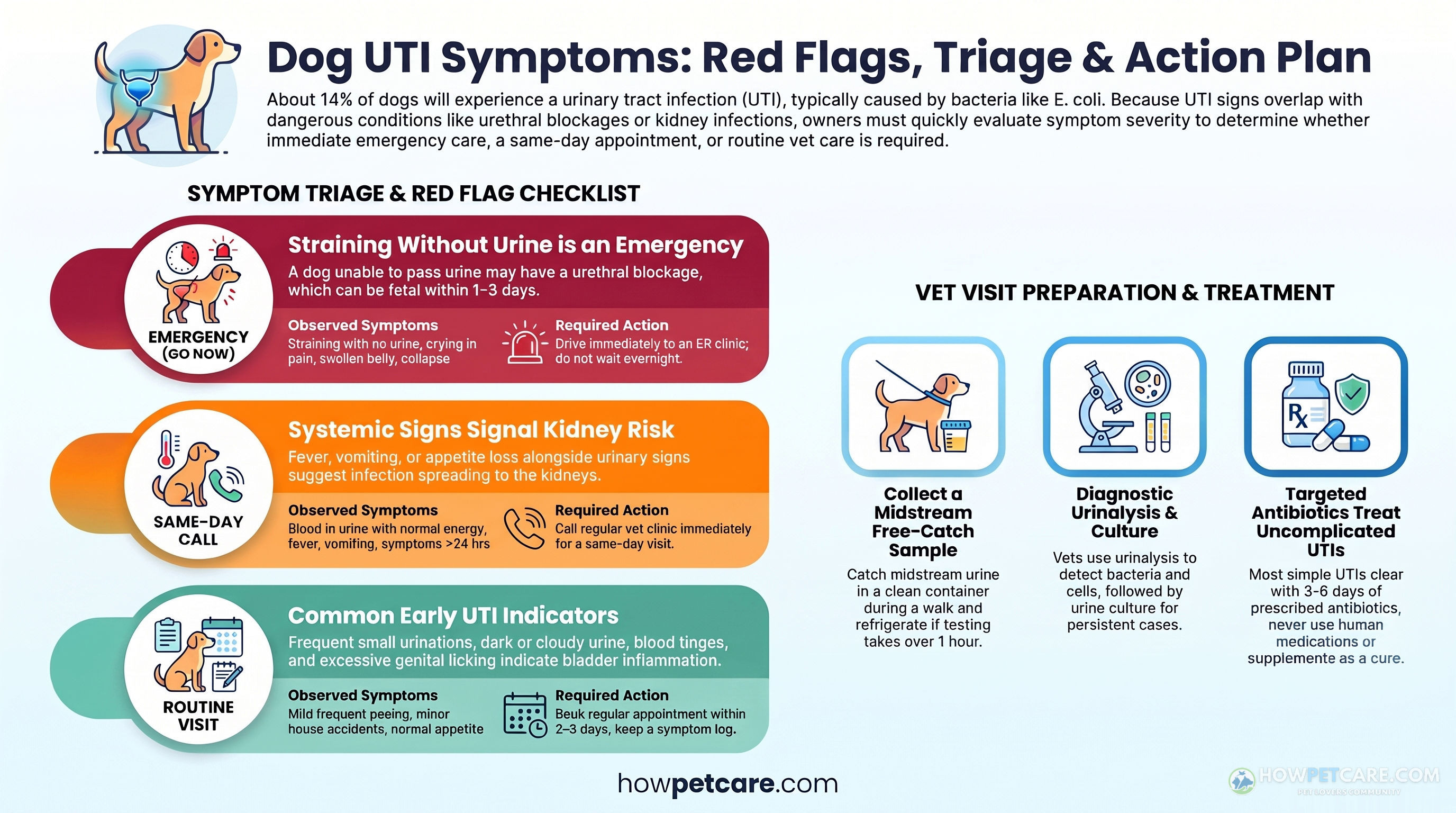
Common dog UTI symptoms include frequent urination, straining to urinate, accidents in the house, blood in the urine, cloudy or strong-smelling urine, and excessive licking of the genital area. About 14% of dogs will experience a UTI at some point. These infections are usually caused by bacteria such as E. coli traveling up the urethra into the bladder. Use the checklist to match what you’re seeing, then check the triage guide to decide how urgently to act.
Dog UTI Symptoms: The Quick Checklist
Most common signs of a urinary tract infection in dogs
- Peeing small amounts very often (pollakiuria)
- Straining or taking a long time to pass urine (dysuria)
- Urgency — a sudden need to go, sometimes with whining
- Cloudy urine or urine that looks darker than usual
- Blood in the urine (a pink, red, or brown tinge)
- Foul or unusually strong urine odor
- Excessive licking of the vulva or prepuce
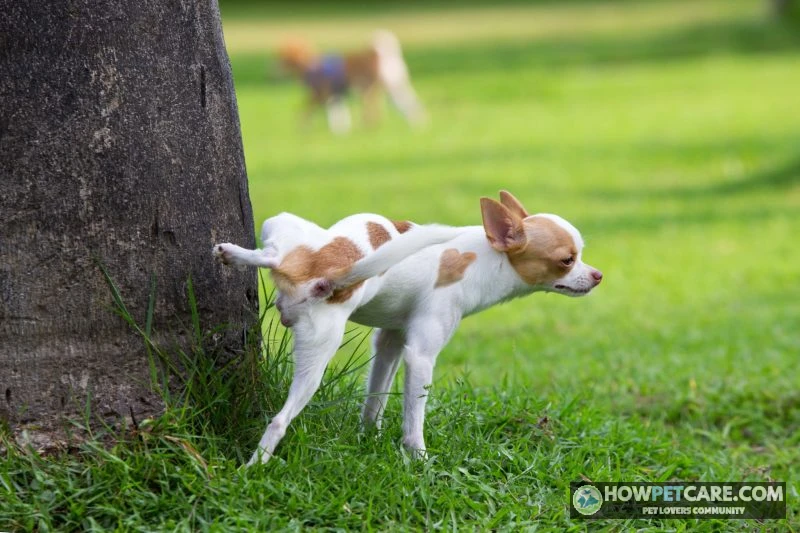
Subtle signs owners miss
- New accidents in a previously house-trained dog
- Restlessness or pacing
- Mild fever (ears feel warm, dog seems "off")
- Slight lethargy or less interest in play
What cloudy or bloody urine can look like
Cloudy urine may look milky or contain visible sediment. Blood can appear as a light pink tinge, bright red urine, or even dark brown clots. If you see blood, note its color and amount so you can tell the vet.
Rule of thumb: If your dog is straining and no urine comes out, skip ahead to the emergency triage section now — a urethral blockage is possible, especially in males.
Emergency or Can It Wait? A Symptom Triage Guide
Use this table as soon as you notice a urinary sign. Find the row that matches the worst thing your dog is doing right now; that row sets your deadline.
| Urgency level | Signs you may see | What to do now | Why it matters |
|---|---|---|---|
| Emergency — go now | Straining repeatedly with little or no urine coming out; crying in pain when trying to pee; swollen, hard, or painful belly; repeated vomiting; collapse or extreme lethargy; heavy bleeding or visible clots | Call an emergency vet or ER clinic while you drive. Don’t wait overnight "to see if it passes." | A blocked urethra (most dangerous in males) can cause toxin buildup, bladder rupture, and death within 1–3 days. This is the most time-critical UTI lookalike. |
| Same day — call your vet today | Blood in the urine but your dog otherwise acts normal; fever; refusing food or water; vomiting once; symptoms in a senior, diabetic, or very young dog; any symptom lasting more than 24 hours | Call your regular clinic and describe what you’ve seen, when it started, and roughly how often your dog is peeing. Ask for a same-day appointment. | Fever, appetite loss, or vomiting can signal that the infection is climbing toward the kidneys (pyelonephritis), which is harder to treat than a simple bladder infection. |
| Routine — book within a few days | Peeing small amounts more often; a new accident or two in a house-trained dog; licking the genital area more than usual — with normal energy, appetite, and drinking | Book a regular appointment and keep notes (see the symptom log below). If you can, bring a fresh free-catch urine sample. | Mild, early cystitis is uncomfortable but rarely dangerous over 2–3 days. It won’t reliably clear on its own, though, so don’t cancel the visit. |
Rule of thumb: "straining with no urine" outranks every other sign. If you see it, stop reading and go.
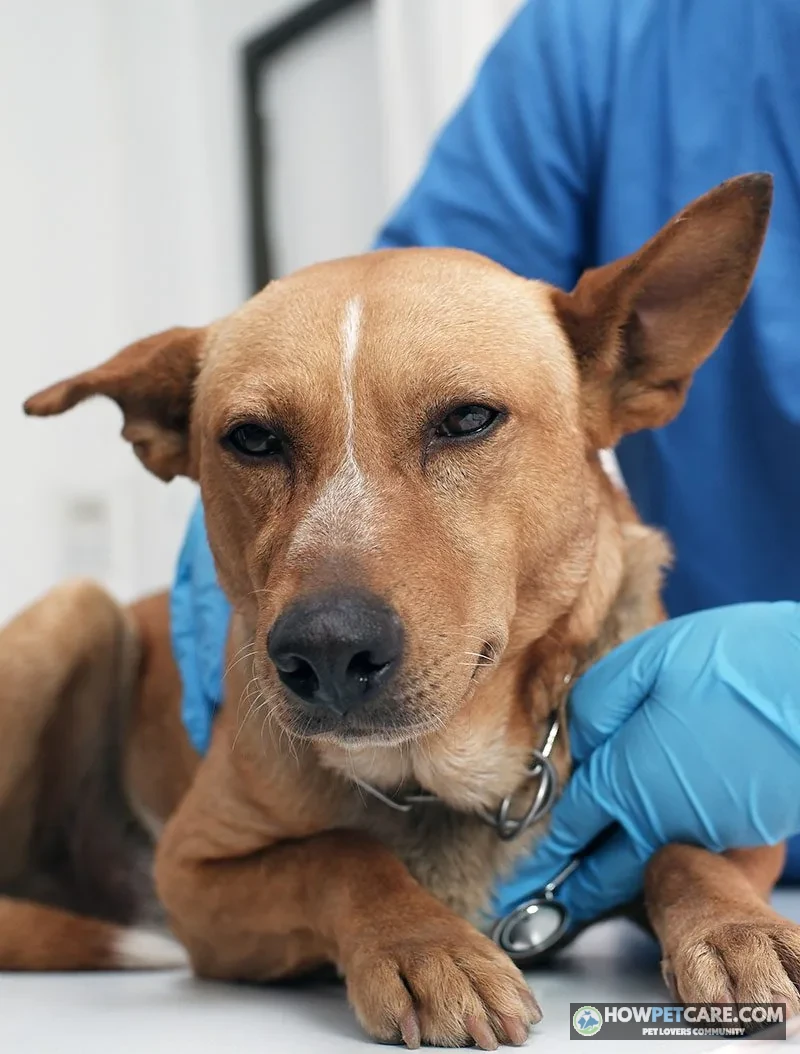
Red flags: go to an emergency vet now
- Straining with no urine produced (possible blockage)
- Crying out in pain when trying to urinate
- Swollen, hard, or painful abdomen
- Repeated vomiting
- Collapse or extreme lethargy
- Large amounts of blood or clots in urine
Call your vet today
- Blood in urine but dog otherwise acting normal
- Fever (rectal temp >103°F)
- Loss of appetite or not drinking
- Symptoms in a senior, diabetic, or very young dog
- Any urinary symptom lasting more than 24 hours
Book a regular appointment
- Mild frequent urination or occasional accidents
- Normal energy, appetite, and drinking
- No straining without production
A simple bladder infection usually doesn’t cause vomiting or panting, but these signs can occur with pain, fever, or a kidney infection (pyelonephritis). If they occur alongside urinary signs, call your vet the same day.
Is It a UTI or Something Else? UTI vs. Bladder Stones, Incontinence, Diabetes and Kidney Disease
Several common conditions share signs with a bladder infection. This table can’t diagnose your dog at home — only a vet can do that — but it can help you describe what you’re seeing and understand what your vet is ruling out.
| Condition | Typical urinary signs | Key clues that point to it | Urgency | How a vet confirms it |
|---|---|---|---|---|
| Bacterial UTI (cystitis) | Frequent small pees, urgency, straining, cloudy or bloody urine, accidents, licking | Dog still produces urine each time; otherwise fairly normal energy and appetite | Routine to same-day | Urinalysis showing bacteria and white blood cells; culture if recurrent |
| Bladder stones | Same straining, blood, and frequency as a UTI — often identical | UTIs that keep coming back; male dog at risk of full blockage | Same-day; emergency if no urine passes | X-ray or ultrasound; stones often cause the infection |
| Urinary incontinence | Leaking or dribbling, wet spots where the dog sleeps | Leaks happen while resting or asleep; no straining or pain, often no awareness it’s happening | Routine | History and exam; urine is usually normal on testing |
| Diabetes | Peeing large volumes, drinking much more than usual | Increased thirst, weight loss despite normal or increased appetite | Same-day | Bloodwork plus glucose found in the urine |
| Kidney disease | Large volumes of dilute urine, increased thirst | Nausea, poor appetite, weight loss; common in seniors | Same-day | Bloodwork and a urine concentration test |
| Prostatitis (intact males) | Straining, bloody drips even when not peeing, painful walk | Fever, reluctance to move or mate, discharge unrelated to urination | Same-day | Exam, ultrasound, and culture of prostatic fluid |
| Bladder tumor | Chronic straining and blood that don’t respond to antibiotics | Older dog; symptoms persist or worsen despite correct treatment | Same-day to routine | Ultrasound, sometimes biopsy or a urine screening test |
The pattern to remember: small, frequent, urgent voids point toward the bladder (infection or stones); large volumes plus excessive thirst point away from a simple UTI.
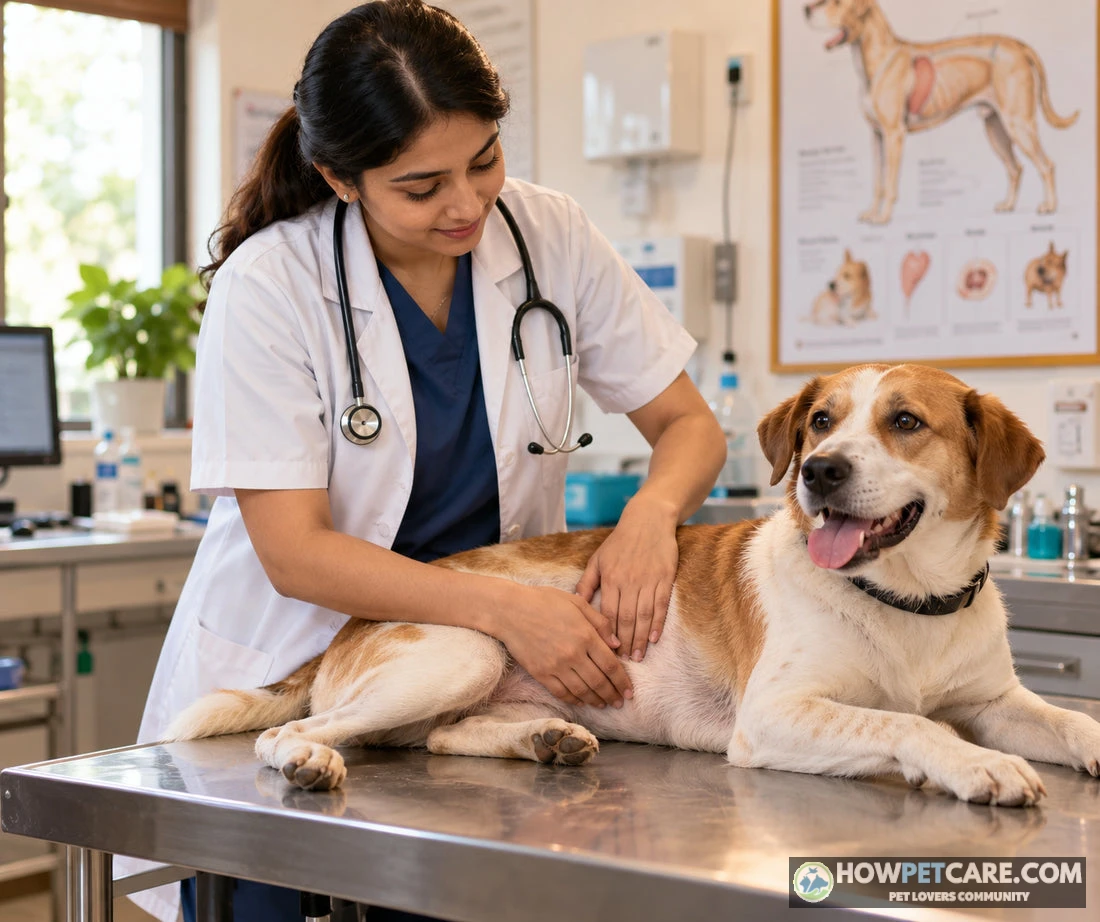
Why ‘peeing a lot’ doesn’t always mean a UTI
Polyuria (large volume) with polydipsia (excessive drinking) suggests diabetes, kidney disease, or Cushing’s rather than a bladder infection. If your dog is flooding the yard but not straining, the problem is likely systemic.
When antibiotics fail to help
If a proper antibiotic course doesn’t resolve the signs, the vet will suspect resistant bacteria, bladder stones, a tumor, or an anatomical issue. Culture-and-sensitivity and imaging therefore become essential for recurrent cases.
Male vs. Female Dog UTI Symptoms and Risk
Female dog UTI symptoms
Female dogs have a shorter, wider urethra, so ascending infections are more common. They typically show signs of straightforward cystitis: frequent small urinations, accidents, and licking. In spayed females, a recessed (hooded) vulva can trap moisture and bacteria, raising the risk further.
Male dog UTI symptoms
Male dogs get UTIs less often. When one occurs, it often signals an underlying problem, such as prostatitis, bladder stones, or an anatomical defect. Their longer, narrower urethra makes blockage from stones or inflammation far more dangerous. Intact males may have bloody drips outside of urination, discomfort walking, and fever.
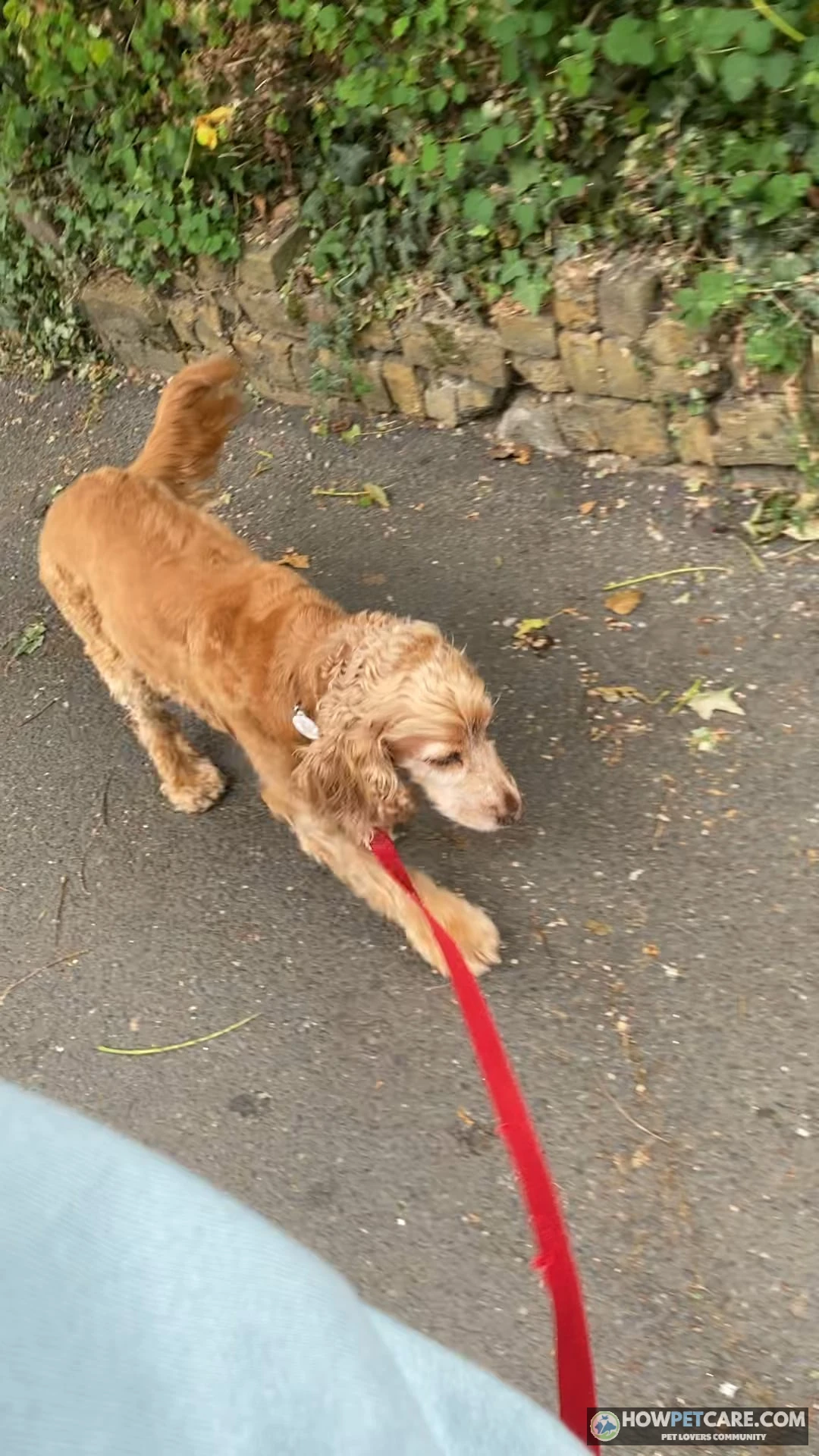
UTI symptoms in older dogs
Senior dogs may show subtler signs: slight lethargy, reduced appetite, or just "not themselves." These signs overlap with kidney disease, diabetes, and cognitive decline, so vets routinely add bloodwork and urine concentration tests for older patients.
A male dog straining with no urine output is a true emergency. The narrow urethra can plug with a small stone or mucus plug, leading to bladder rupture and toxin buildup in hours. Don’t wait.
What Causes UTIs in Dogs and Which Dogs Are Most at Risk
Bacteria — most often E. coli from the skin or rectal area — travel up the urethra into the bladder. Risk factors include:
- Female sex (shorter urethra)
- Older age
- Diabetes mellitus
- Cushing’s disease
- Chronic kidney disease
- Bladder stones
- Urinary incontinence
- Immune suppression (e.g., long-term steroids)
- Anatomical abnormalities like a recessed vulva
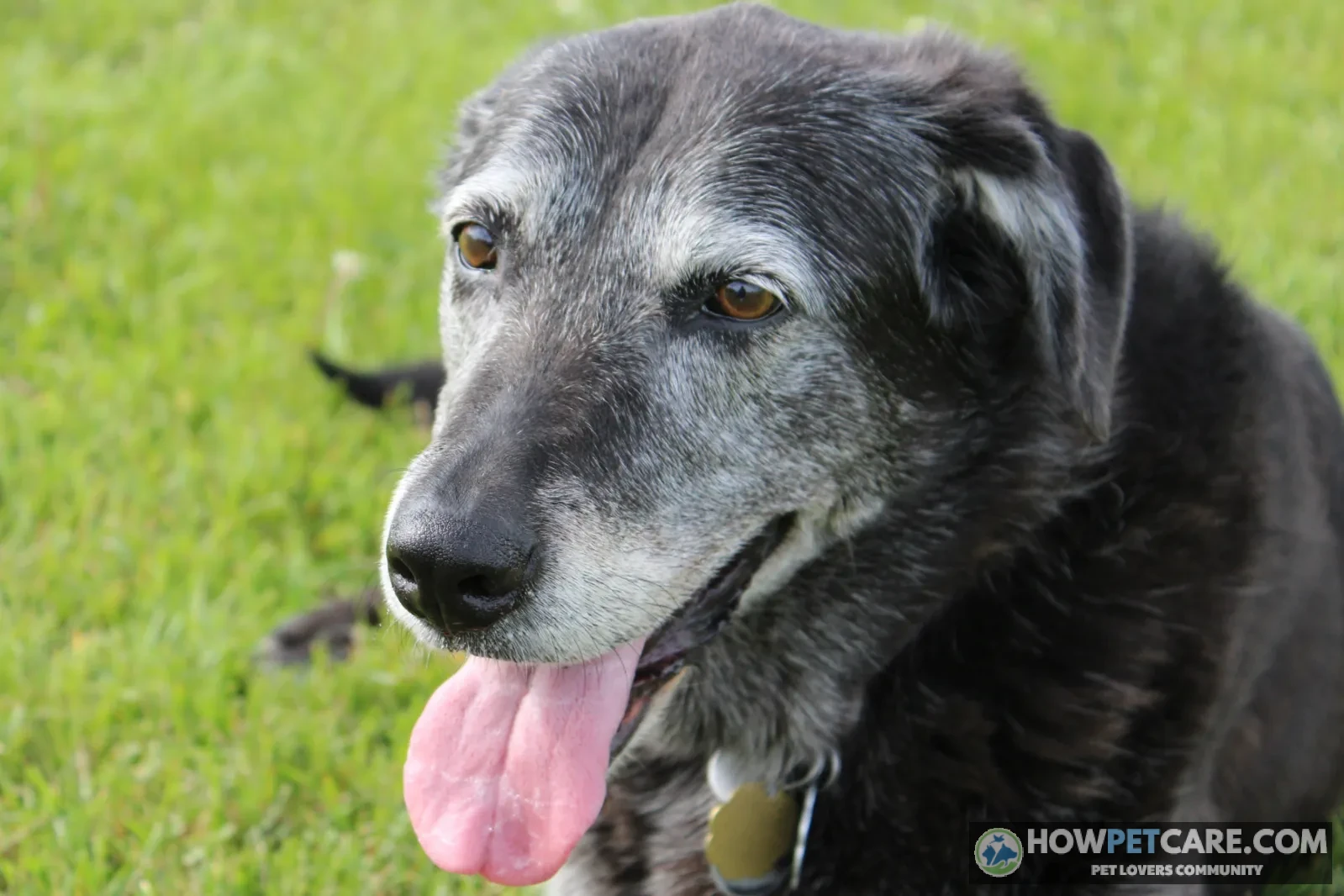
Recurrent infections (more than three per year) are classified as complicated and require a work-up for an underlying cause. A relapse means the same bacteria have returned; a reinfection involves a new organism. Both need investigation.
Prevention measures with evidence include treating underlying disease, providing regular bathroom breaks (don’t make dogs hold it 10+ hours), and managing bladder stones if present.
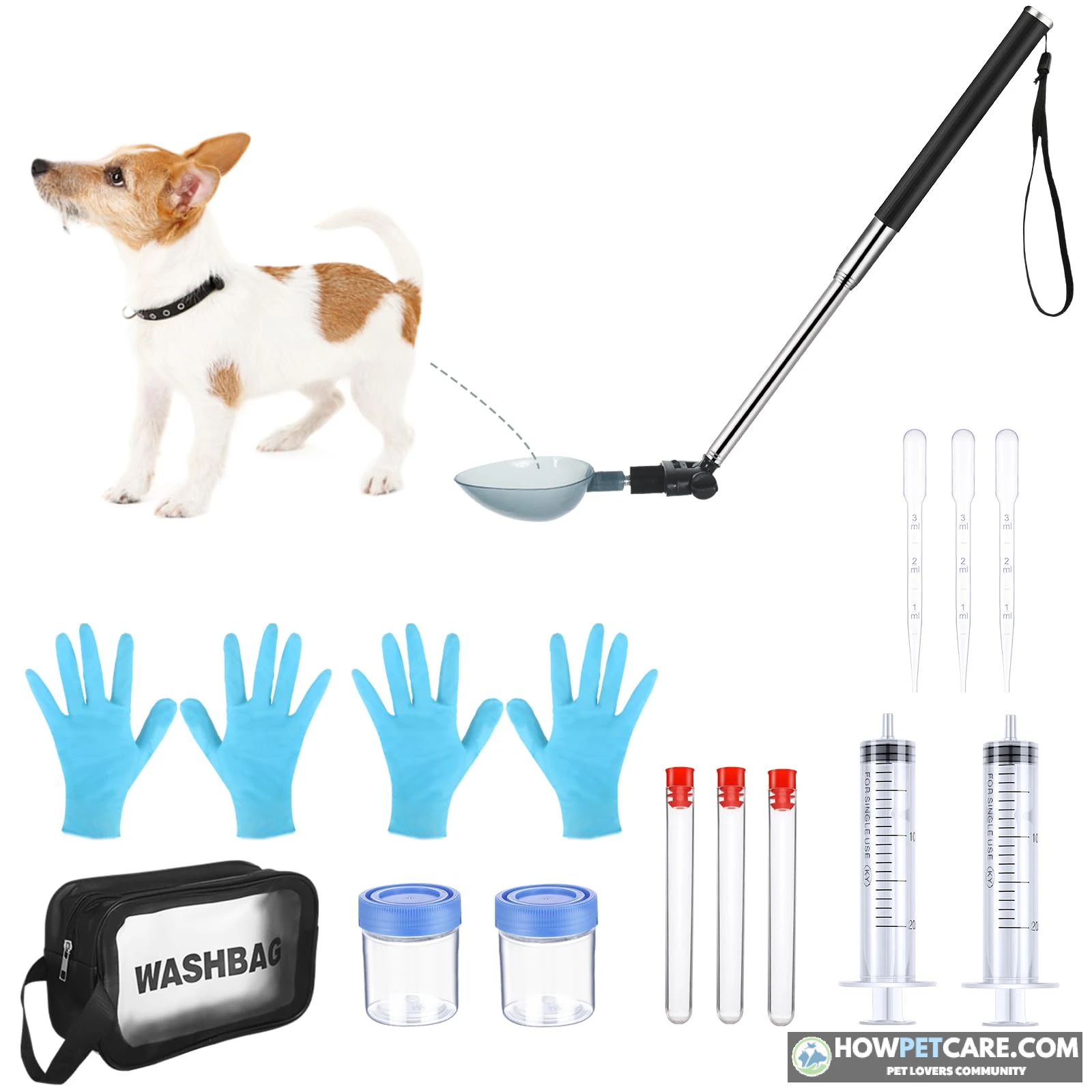
What to Do Before the Vet Visit: Home Care and a Free-Catch Urine Sample Protocol
Bringing a fresh sample can save time and sometimes the cost of an in-clinic collection. Check with your clinic first, though; some prefer to collect the sample themselves by cystocentesis.
-
Step 1: Grab a clean container
A shallow, clean soup ladle, pie plate, or takeout container works. Wash it with dish soap, rinse it well, and dry it. Your vet may give you a sterile cup — use that if they do.
-
Step 2: Walk your dog on a leash
A leash keeps your dog close and slows them down so you can position the container. Most dogs pee within the first few minutes of a walk.
-
Step 3: Collect midstream, not the first squirt
Let your dog start peeing for a second or two, then slide the container into the stream. Midstream urine washes past the contaminants picked up from skin and fur.
-
Step 4: Get about a tablespoon
You don’t need a full container — 5–10 ml is enough for a urinalysis. Don’t chase your dog for more; stress makes it harder next time.
-
Step 5: Transfer and refrigerate
Pour the urine into a clean, sealed container. If you can’t reach the vet within about an hour, refrigerate it (don’t freeze it). Ideally, the sample is tested within 2–4 hours; ask your clinic how fresh they need it.
-
Step 6: Label it
Write down your dog’s name, the date, and the time collected. Tell the vet it was a free-catch sample so they can interpret the bacteria results accordingly.
Pro tip: For male dogs that lift a leg, a ladle on a short handle is much easier to use than a flat dish. For females that squat low, a flat plate or foil tray slid underneath works better.
Cranberry and D-Mannose: what the evidence says
Myth 1: "Cranberry supplements or juice will cure my dog’s UTI."
Fact: Cranberry products contain compounds that may make it harder for bacteria to stick to the bladder wall, but that’s a prevention mechanism, not a cure. Evidence in dogs is thin and mostly drawn from human studies, which themselves are mixed. No quality study shows cranberry treats an active infection. If your dog has symptoms now, cranberry is at best harmless support — never a reason to delay a vet visit.
Myth 2: "D-Mannose is a proven UTI treatment."
Fact: D-Mannose shows promise mainly for preventing E. coli from attaching to the urinary tract. Most supportive research is in humans and lab settings, not dogs with active infections. It may have a role in dogs prone to repeat infections (ask your vet), but it doesn’t kill bacteria and won’t clear an established UTI.
Myth 3: "A mild UTI will just go away on its own."
Fact: Occasionally a mild infection resolves without treatment, but you can’t tell which ones will. Untreated infections can spread up to the kidneys, seed bladder stones, or become chronic and resistant to treatment. Antibiotic courses for an uncomplicated UTI are short and inexpensive; the work-up for a kidney infection is neither.
Bottom line: Supplements belong in the "maybe for prevention, discuss with your vet" column. Antibiotics from a culture-guided vet belong in the "actual treatment" column.
What not to do at home
- Don’t give human pain relievers (NSAIDs, acetaminophen) — they can be toxic.
- Don’t use leftover antibiotics from another pet or person — the drug or dose may be wrong, and it can mask stones or cancer.
- Don’t restrict water — hydration helps flush the bladder.

How Vets Diagnose a Dog UTI: What Happens at the Appointment
History and physical exam
The vet will ask when symptoms started, how often they occur, and whether your dog’s drinking or appetite has changed. They’ll palpate the bladder (it may feel small and thickened or large and distended), take a temperature, and check for abdominal pain.
Urinalysis vs. culture and sensitivity
Urinalysis (dipstick + microscopy) checks for white blood cells, red blood cells, bacteria, urine concentration, glucose, and crystals. It’s fast and inexpensive.
Urine culture and sensitivity grows the bacteria and tests which antibiotics kill it. It’s the gold standard for recurrent or complicated cases and helps guide antibiotic choice.
Cystocentesis explained
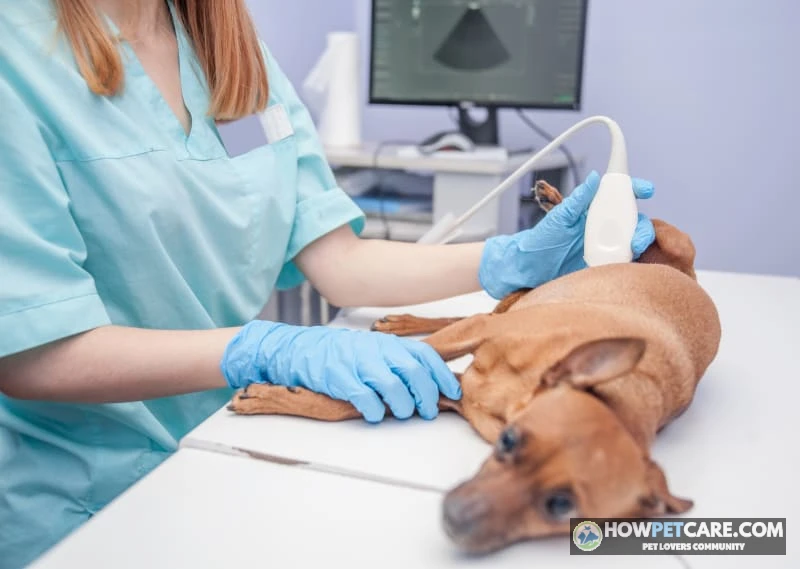
Cystocentesis is a quick needle draw of urine directly from the bladder through the abdominal wall. It provides the cleanest sample (no contamination from the urethra or skin) and is generally low-risk. Some clinics do it routinely; others use it only when a free-catch sample is inadequate.
Imaging and bloodwork
Vets use X-ray or ultrasound when they suspect stones, masses, or recurrent infections. Bloodwork screens for diabetes, kidney disease, and Cushing’s — especially in seniors or dogs that act sick.
Dog UTI Treatment, Timeline and Cost
Antibiotics and how long treatment lasts
For uncomplicated cystitis, current ISCAID guidelines support shorter courses — typically 3–5 days — rather than the older 7–14 day habit. Your vet decides based on your dog’s case. Common first-line options include amoxicillin or amoxicillin-clavulanate; other drugs are chosen based on culture results. Don’t treat dosages here as prescriptions — your vet will calculate the correct mg/kg.
Complicated, recurrent, or kidney-involved infections need culture-guided antibiotics and sometimes longer courses. Dogs typically improve within a couple of days, but finish the prescribed course and ask about a recheck urinalysis.
Your vet may prescribe pain relief (e.g., an NSAID approved for dogs) for discomfort. Underlying issues like stones or diabetes must also be addressed to prevent recurrence.
What a UTI work-up typically costs
Prices vary widely by region, clinic type, and your dog’s situation. Treat these ballpark US figures as budgeting help, not quotes. Always ask your clinic for an itemized estimate before agreeing to tests.
| Service | What it includes | Approximate range | What affects the price |
|---|---|---|---|
| Office exam | Physical exam, bladder palpation, temperature | $50–$100 | Emergency and specialty clinics charge more; some clinics bundle this with testing |
| Urinalysis | Dipstick plus microscope exam of the urine for bacteria, cells, crystals, glucose | $40–$110 | In-house lab vs. send-out; whether a cystocentesis collection fee applies |
| Cystocentesis (if needed) | Needle collection of urine directly from the bladder for a clean sample | $0–$75 | Sometimes included in the urinalysis fee; sedation, if needed, adds cost |
| Culture and sensitivity | Lab grows the bacteria and tests which antibiotics kill it | $100–$250 | Often skipped for first-time simple UTIs; most valuable for recurrent or complicated cases |
| Antibiotics | Typically a short course for uncomplicated cases | $20–$80 | Drug choice, dog’s size, and whether you fill at the clinic vs. a human pharmacy |
| Bloodwork | Screens for diabetes, kidney disease, Cushing’s | $100–$200 | Usually recommended for seniors, recurrent UTIs, or sick-acting dogs |
| X-ray or ultrasound | Looks for bladder stones, masses, anatomical problems | $150–$450 | Ultrasound costs more than X-ray; imaging is usually only needed for recurrent or non-responsive cases |
| Emergency blockage treatment | Catheterization, hospitalization, IV fluids, monitoring | $800–$3,000+ | Length of hospitalization; surgery, if needed, raises this substantially |
Realistic totals: a straightforward first-time UTI (exam + urinalysis + antibiotics) commonly lands in the $150–$350 range. A recurrent UTI needing culture, bloodwork, and imaging often runs $400–$800. To keep costs down, bring your own free-catch sample, ask which tests are essential today and which can wait, and ask whether the prescribed antibiotic is available as a low-cost generic at a retail pharmacy.
When a UTI keeps coming back
If infections recur despite appropriate antibiotics, the vet will look for resistant bacteria (via culture), bladder stones (imaging), anatomical defects, hormonal diseases (diabetes, Cushing’s), or neoplasia (bladder tumor). A full work-up is warranted after the second or third episode.
Your Next Steps: A Decision Checklist for Worried Dog Owners
- Check for red flags — straining with no urine, pain, vomiting, collapse. If present, go to emergency care immediately.
- Match signs to the checklist and lookalike table — note frequency, color, straining, and any systemic signs (thirst, appetite, energy).
- Book the right tier of appointment — emergency, same-day, or routine — and collect a free-catch sample if you can.
- Prepare a short symptom log and questions for the vet: Is a culture needed? What antibiotic and how many days? When should we recheck? What’s the estimated cost?
- Plan follow-up — if symptoms return or persist after antibiotics, expect imaging and possibly a referral for recurrent or complicated cases.

Write down the date/time of each urination attempt, approximate volume, color, straining (yes/no), any blood, and your dog’s general demeanor. Bring the log to the appointment — it saves the vet time and helps you remember details.
Condition Typical Urinary Signs Key Clues Urgency Level Diagnostic Method Bacterial UTI (cystitis) Frequent small pees, urgency, straining, cloudy or bloody urine, accidents, licking Dog still produces urine each time; otherwise fairly normal energy and appetite Routine to same-day Urinalysis showing bacteria and white blood cells; culture if recurrent Bladder stones Same straining, blood, and frequency as a UTI — often identical UTIs that keep coming back; male dog at risk of full blockage Same-day; emergency if no urine passes X-ray or ultrasound; stones often cause the infection Urinary incontinence Leaking or dribbling, wet spots where the dog sleeps Leaks happen while resting or asleep; no straining or pain, often no awareness it's happening Routine History and exam; urine is usually normal on testing Diabetes Peeing large volumes, drinking much more than usual Increased thirst, weight loss despite normal or increased appetite Same-day Bloodwork plus glucose found in the urine Kidney disease Large volumes of dilute urine, increased thirst Nausea, poor appetite, weight loss; common in seniors Same-day Bloodwork and a urine concentration test Prostatitis (intact males) Straining, bloody drips even when not peeing, painful walk Fever, reluctance to move or mate, discharge unrelated to urination Same-day Exam, ultrasound, and culture of prostatic fluid Bladder tumor Chronic straining and blood that don't respond to antibiotics Older dog; symptoms persist or worsen despite correct treatment Same-day to routine Ultrasound, sometimes biopsy or a urine screening test
1A male dog is observed straining repeatedly on a walk, whining in distress, but fails to produce any urine. How urgently should this situation be handled, and why?
Straining without urine production indicates a potential urethral blockage, which prevents waste elimination and poses an immediate threat to life.
2A dog owner notices their senior pet is drinking excessive amounts of water and voiding large volumes of dilute urine throughout the day, without straining or showing signs of discomfort. How does this pattern differ from typical bacterial cystitis?
Bacterial cystitis typically causes frequent, urgent voids of small amounts, whereas systemic metabolic conditions increase total fluid turnover (polyuria and polydipsia).
3Which of the following clinical factors or underlying health conditions increase a dog's risk of developing a urinary tract infection?
Shorter anatomical pathways allow bacteria from the skin and perianal region to ascend into the bladder more easily.
4An owner needs to collect a free-catch urine sample from their female dog before a veterinary appointment. Which step is essential for obtaining a valid, low-contamination sample?
Collecting midstream urine allows the initial stream to flush away external bacteria and debris from the genital area and fur.
5A veterinarian suspects a complex or recurrent urinary tract infection and recommends performing a cystocentesis instead of testing a free-catch sample. What is the main advantage of cystocentesis in this scenario?
Cystocentesis bypasses the lower urinary tract and external skin, ensuring that any bacteria grown in culture originated inside the bladder.
6Which statement accurately contrasts the clinical presentation and risks of UTIs between male and female dogs?
The anatomical length and width of the female urethra facilitate bacterial ascending, while the longer, narrower male urethra is much more susceptible to physical blockage.
7A dog previously showing mild signs of urinary discomfort develops new symptoms. Which of the following clinical signs indicate that the infection may have ascended to the kidneys (pyelonephritis), requiring a same-day veterinary evaluation?
Systemic fever reflects systemic inflammatory or parenchymal tissue involvement, such as a kidney infection.
8If a dog experiences recurrent urinary tract infections (more than three episodes in a year), what is the necessary next diagnostic step for the veterinarian?
Recurrent UTIs are classified as complicated and indicate an unaddressed primary risk factor (e.g., stones, Cushing's disease, or structural anomalies) that simple antibiotics will not permanently solve.
FAQ
What does it mean if my dog is straining but no urine comes out?
It can signal a urethral blockage, which is an emergency, especially in male dogs. Go to an emergency vet immediately rather than waiting to see if it passes.
Can a UTI cause vomiting, panting, or loss of appetite in dogs?
A simple bladder infection usually does not, but these signs can appear with pain, fever, or a kidney infection. Together with urinary signs they warrant a same-day vet call.
Do cranberry supplements or D-Mannose work for dog UTIs?
Evidence in dogs is limited and mixed. They are not a treatment for an active infection, and some dogs may benefit as part of prevention under vet guidance.
Can I give my dog human antibiotics or leftover pills for a UTI?
No. The wrong drug or dose can fail to clear the infection, promote resistance, or be toxic, and it can mask the signs of stones or other problems.
How quickly should my dog improve after starting antibiotics?
Many dogs with uncomplicated cystitis improve within a couple of days. If there is no improvement, or signs return after treatment, ask your vet about a urine culture and imaging.
Can a dog UTI go away on its own?
Occasionally mild cases may resolve, but it is not reliable and untreated infections can spread to the bladder wall or kidneys. A vet visit is the safe approach.